Brazil 2026 forecast: Real progress in store as Lula gets set to run again
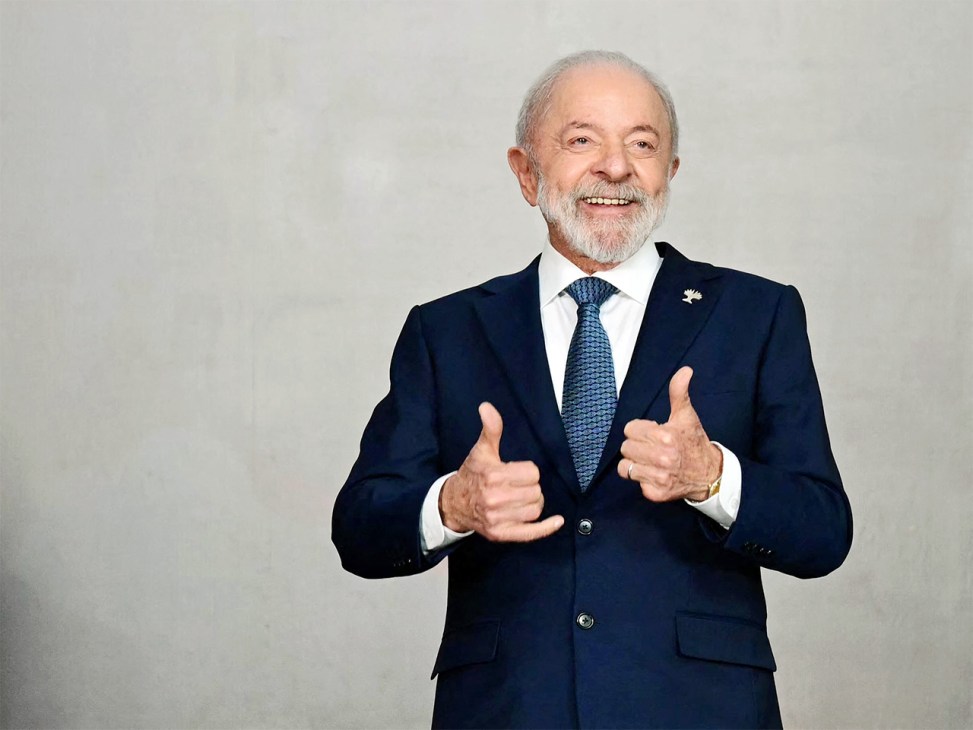
As 2025 draws to a close, Luiz Inácio Lula da Silva is riding high. Indeed, the Brazilian president is probably looking ahead to next year – an election year – with relish. In 2025, after years of political dysfunction and growing isolation on the international stage under Lula’s predecessor, Jair Bolsonaro, Brazil began to show some of its old self-confidence. This was all the more striking given how many other nations wilted in the face of the destabilisation directed by Donald Trump’s second administration.
Brazil made its mark in three ways. First, when Donald Trump imposed swingeing tariffs on the country for nakedly political purposes, Brasília refused to be bullied. The US president eventually dropped most of the levies on the South American country’s agricultural sector, recognising that they were only hurting US consumers. Second, Brazil successfully prosecuted and incarcerated Jair Bolsonaro, its former president, for plotting a coup to stay in power. This sent a powerful signal to the world that the nation would not entertain autocratic populists or anyone who undermines its democratic institutions. And third, the country took centre stage by hosting a series of global events, including the Brics summit and Cop30. These grand multilaterals afforded Lula the chance to play global statesman – and he did not waste the opportunity.
So, Brazil appears to be rekindling its mojo. But what does that mean for the year to come? Latin America’s most populous nation enters 2026 with substantial geopolitical leverage. Most obvious is the country’s vast, largely untapped supply of strategic minerals, namely lithium, copper and rare earth minerals. As the global order fragments, companies and governments are desperately working to diversify their supplies of these minerals, which are crucial for next-generation technologies and weaponry. Brazil, with its robust institutions and well-exercised democratic government, is an obvious partner of choice.
American, European and Middle Eastern diplomats are already hurriedly attempting to woo Brazilian mining companies and officials into deals. Brasília must take advantage of this moment to structure investments and reforms that will translate into long-term growth. The same logic applies to the nation’s oil and gas as well as agribusiness sectors, both of which are poised for strong growth. Spurred by increasing global uncertainty, nations are seeking to lock in future supplies. Brazil must seize this opportunity in the coming months and years.
Investment in Brazil has long been influenced by election results and stakeholders will be closely watching the presidential, gubernatorial and legislative polls slated for October. Lula, an 80-year-old former trade unionist now in his third non-consecutive term, is widely expected to run for a fourth. The wind is currently in his sails; his approval ratings have been buoyed by a statement 2025. But Lula is also benefiting from an opposition in disarray. Bolsonaro, now sentenced to 27 years in prison for a coup plot, remains the leader of the Brazilian right wing. He has baulked at nominating a clear successor, fearing that such a move would consign him to history. But now his son, senator Flavio Bolsonaro, has announced a presidential run. Time will tell whether Bolsonaro the younger can mount a credible campaign.
What Brazil needs in 2026 is the same thing that it has always needed: reforms to the lavish perks and benefits given out to public officials, notably those in congress. Of particular urgency are amendments to a parliamentary budget scheme that hands out billions of dollars to members of parliament to spend in their home constituencies with little to no oversight. Unfortunately, those who can change the system are the ones who benefit from it. The only feasible option for real change is for these parliamentarians to be voted out – something for citizens to think about as they head to the polls in October.
Bryan Harris is a journalist based in São Paulo. For more opinion, analysis and insight, subscribe to Monocle today. You can read more of his pieces here.