Ukraine’s most valuable export? Drone-fighting know-how
Ukraine has moved with velocity from being a battlefield casualty of drone technology to being a major tutor in the global campaign against it.
Three years into the most drone-dominated conflict in human history, Ukraine has accumulated something that no defence contractor can manufacture and no sovereign wealth fund can simply acquire: the world’s most operationally current, battle-validated curriculum in modern aerial warfare. Kyiv is beginning to understand that this knowledge is a diplomatic and commercial lever unlike anything else in its arsenal.
The learning process has been brutal. A generation of young Ukrainians mastered FPV-drone operation not through formal training programmes but through Youtube tutorials, first contact with Russian countermeasures and shared tactical channels. The findings were then stress-tested against a live, adaptive adversary and refined on a weekly cycle. Ukraine intercepted somewhere between 2,000 and 4,000 drones per month through much of 2024, testing every approach – from kinetic and electronic warfare to laser, net-based and AI-assisted targeting – against real conditions that no exercise could simulate. The institutional knowledge embedded in that experience is not a byproduct of the conflict but one of its most significant outputs.
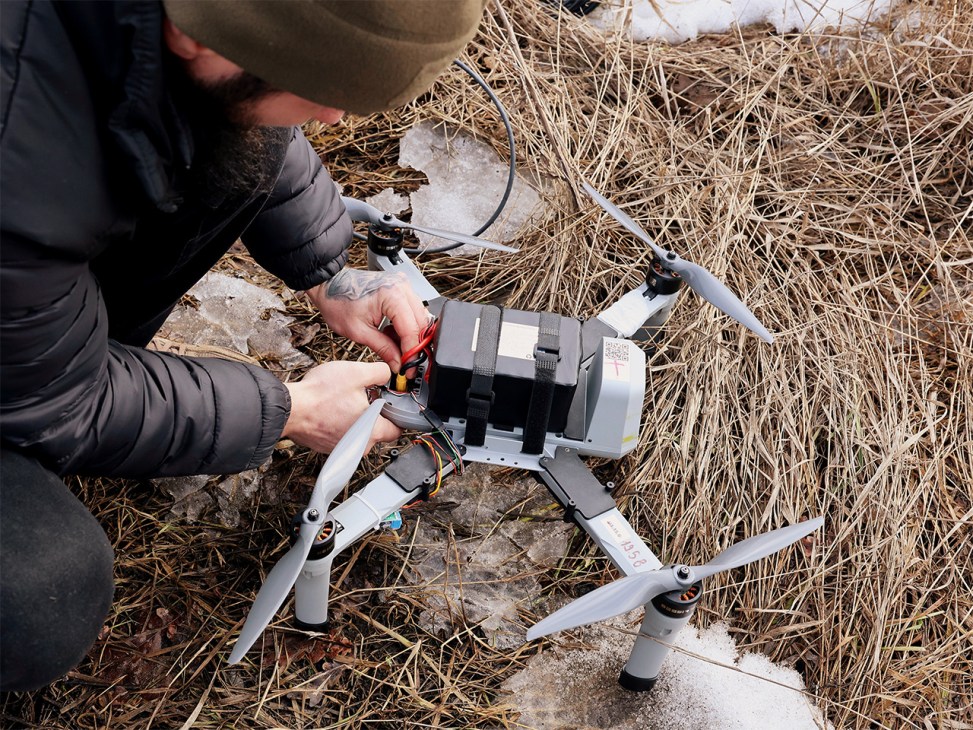
The Gulf states understand the stakes better than most. Refineries such as Saudi Arabia’s Ras Tanura are now legitimate targets for weapons that cost less than a mid-range car, proving that the asymmetry between offence and defence in drone warfare has reached a strategic absurdity. Abu Dhabi and Riyadh have responded by spending billions on American and Israeli systems, which are sophisticated but designed for a different threat environment: nation-state missiles with radar signatures and predictable flight paths, not swarms of cheap, GPS-spoofing drones that evolve faster than procurement cycles can respond.
This creates an asymmetry in Ukraine’s favour. Gulf sovereign wealth funds collectively manage upwards of $6trn (€5.2trn). Ukraine’s 2024 defence budget was a rounding error by comparison, much of it foreign-funded, but Kyiv holds something that money cannot buy: lived experience. Foreign aid operates on one set of logic – need, sympathy and political will – whereas knowledge transfer operates on another – value, scarcity and mutual interest.
Ukraine has made it clear that this conflict is not a charity case – it is a learning opportunity. The country has built Brave1, a state-run defence accelerator that has compressed battlefield feedback into procurement cycles measured in weeks rather than years. This knowhow has real commercial and strategic value.
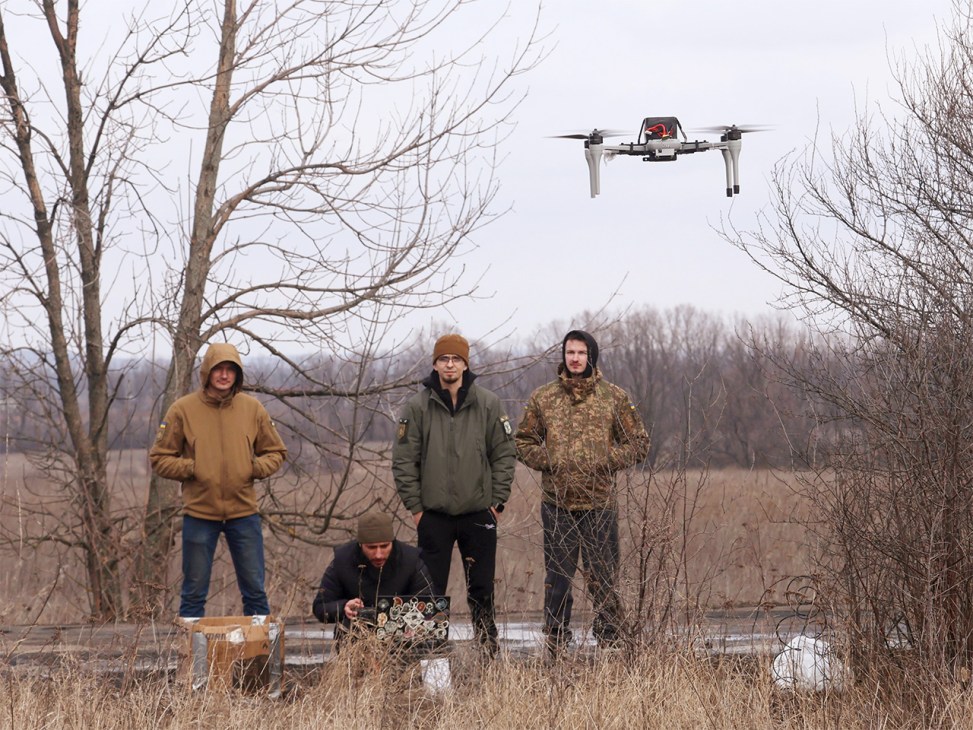
Ukraine could lean into this unique know-how, co-developing interception systems with Abu Dhabi’s Edge Group or Riyadh’s Saudi Arabian Military Industries. It could even help to inform Southeast Asian militaries watching in the South China Sea – not as a supplicant seeking solidarity but as a partner with a product that no one else can offer.
Volodymyr Zelensky has held drone-coalition talks and technology-sharing agreements with European partners but the pitch still undersells the asset. The product is not the hardware; hardware can be copied, iterated upon and eventually surpassed. The true asset is the institutional knowledge of failure – every interception that didn’t work, every countermeasure that was defeated, every tactical assumption that was abandoned when the next wave came in from the east.
War is a brutal way to develop expertise. Ukraine didn’t choose the curriculum but it has completed coursework that no other nation, defence contractor nor simulation has come close to replicating. The world is only beginning to understand what that knowledge is worth on the open market.