A look inside Riyadh’s Diplomatic Quarter: A community of political transients
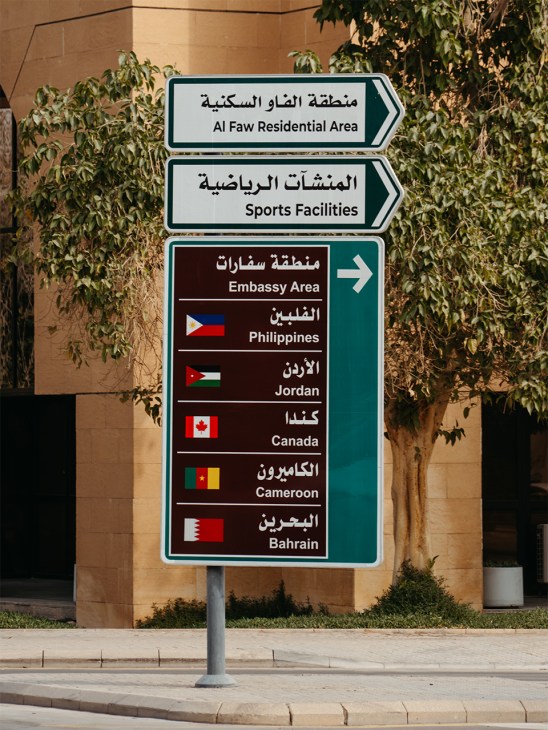
Embassy staff are used to postings around the world but in Riyadh, they live alongside government ministers in the Diplomatic Quarter district. We pass the security checkpoints to meet its residents.
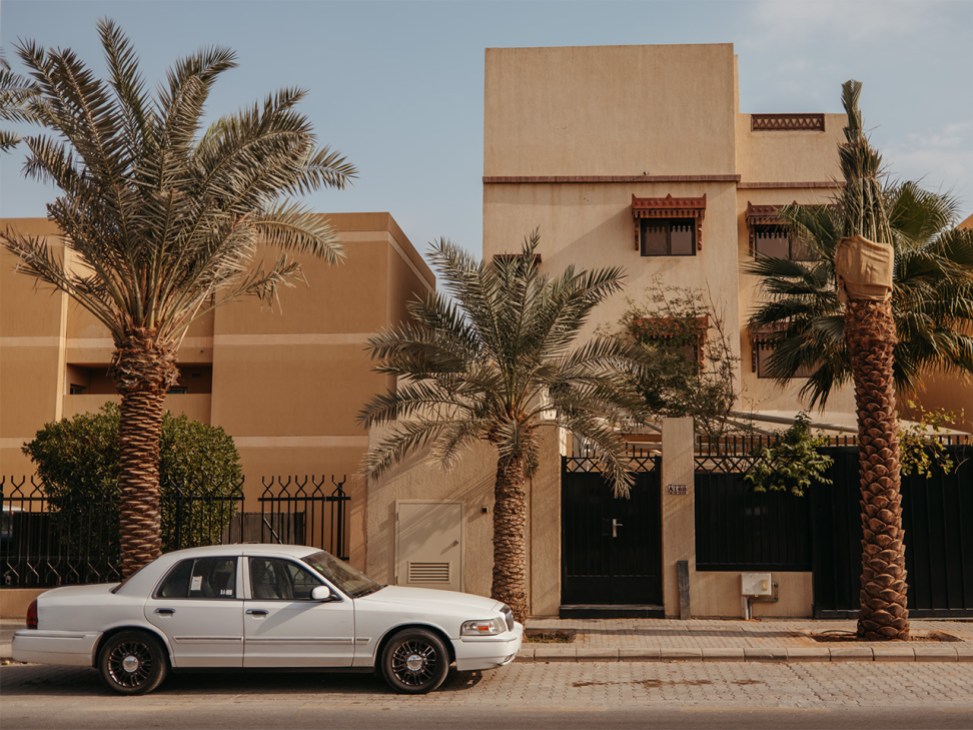
Traffic slows almost imperceptibly as the checkpoints come into view. Riyadh, a city that normally lurches forward on eight lanes of asphalt, pauses here. Armed guards check papers, barriers lift and the engine noise drops a register. Inside the Diplomatic Quarter – the DQ, as residents call it – the Saudi capital briefly exhales. Palm trees line the roads like honour guards. Satellite dishes peek above embassy roofs. Somewhere beyond the low-rise buildings, construction cranes continue to nibble at the skyline, a reminder that even this enclave is not immune to the kingdom’s permanent state of becoming. But compared to the rest of the city – abrasive, congested, relentless – the DQ feels almost improbable: clean pavements, a walkable trail, a wadi thick with greenery, cafés that you can reach on foot.
It is tempting to call the DQ an oasis. Many residents do. But oases can also be illusions – places that promise respite without offering a full picture of the terrain beyond. That tension runs through daily life here. The DQ was conceived in the 1980s as a secure, purpose-built neighbourhood for foreign missions after embassies relocated from Jeddah to Riyadh. You cannot buy property here – both locals and expats rent on one- or five-year leases, a detail that subtly shapes the psychology of the place. No one truly puts down roots. Everyone is, in some sense, passing through. For diplomats, transience is in the job description and, as several tell Monocle, embedded in the DQ’s design. It was built, says one ambassador, “to make diplomacy easier”.
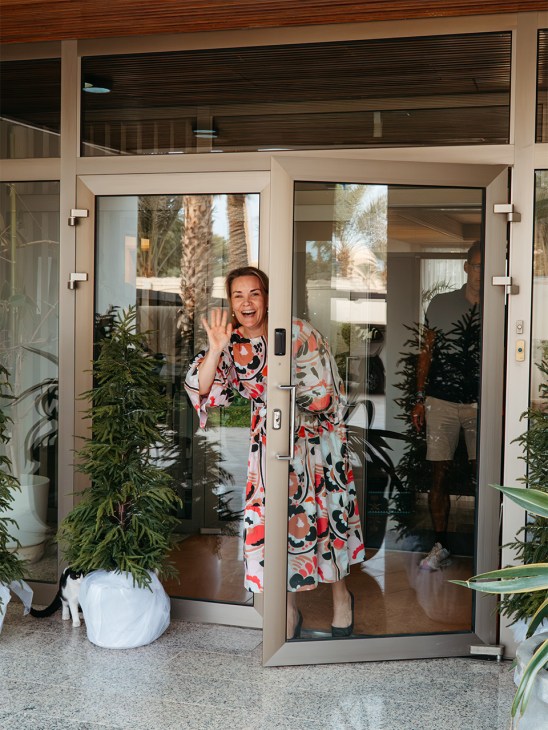
In a region shaped by flux, the DQ offers something rare: proximity. Ministries are minutes away. Colleagues are neighbours. Relationships form not only in meeting rooms but on evening walks, over coffee or on tennis courts. In Saudi Arabia, where trust precedes transaction, this matters. And nowhere is it more apparent than at the Finnish ambassador’s residence. Anu-Eerika Viljanen greets us in a pink-tinged Marimekko dress as two black-and-white cats weave between her ankles. The house, designed by architect Jukka Sirén, is an essay in Nordic restraint: birchwood ceilings, Finnish granite and a water feature that doubles as a subtle assertion of identity.
There is, of course, a sauna, which Viljanen’s husband uses every morning – a relic from when the residence was built in 1986. Strong coffee is served at 10.00, accompanied by sweets that feel defiantly out of place in the desert heat. Edgar, the Filipino butler, has been here for three decades; he has served seven ambassadors. He chuckles when we ask him what he has seen. “A lot of things.”
Viljanen arrived in Riyadh without a formal briefing on Saudi dos and don’ts. “You’re expected to learn,” she says. “Nobody can really know what Saudi Arabia is like today unless they come.” What makes a good ambassador, she suggests, is curiosity sharpened by experience. On paper, the contrast between Finland and Saudi Arabia could hardly be starker. The former consistently ranks among the world’s most gender-equal societies, with women long embedded at every level of political and economic power. It is also a country with a famously liberal drinking culture. Saudi Arabia, by contrast, is undergoing a highly visible and carefully managed social transformation.
Viljanen is acutely aware of how locals read her presence. She is one of fewer than 10 female ambassadors who are based in the DQ, a cohort that includes all four Nordic representatives. “This is actually the first time that I have ever thought about my gender,” she says. “In Finland, it’s not an issue. Here, it becomes something that people notice.” She doesn’t see that as a disadvantage. “Being a woman means that I can access both worlds,” she adds.
Finland’s relationship with Saudi Arabia is anchored by trade but increasingly entangled in geopolitics – peace mediation, Ukraine, Gaza. Much of the work, explains Viljanen, consists of building relationships rather than going through formal processes. “Here, everything is based on personal connections,” she says. “Without trust, nothing moves.” The diplomatic rhythm is markedly different here. “In Europe, you can get results without knowing people. In Saudi Arabia, friendship and trust come first.”
Differences in outlook are most apparent when it comes to how conflicts are perceived. The war in Ukraine, says Viljanen, is an existential issue for European countries in a way that is not always fully understood in the Gulf. At the same time, she says, European capitals have struggled to grasp the depth of feeling in this region over Gaza. “Countries are very concentrated on their own crises,” she says. “That makes it difficult to have the same conversations.” Her role, she explains, is to convey those realities in both directions – to Riyadh and back to Helsinki – even when the messages are uncomfortable. Those relationships are cultivated not only in the meeting rooms of ministries but on the pavement. “It’s like a village,” adds Viljanen, gesturing towards the trail outside. “You meet people all the time. That makes diplomacy easier.”
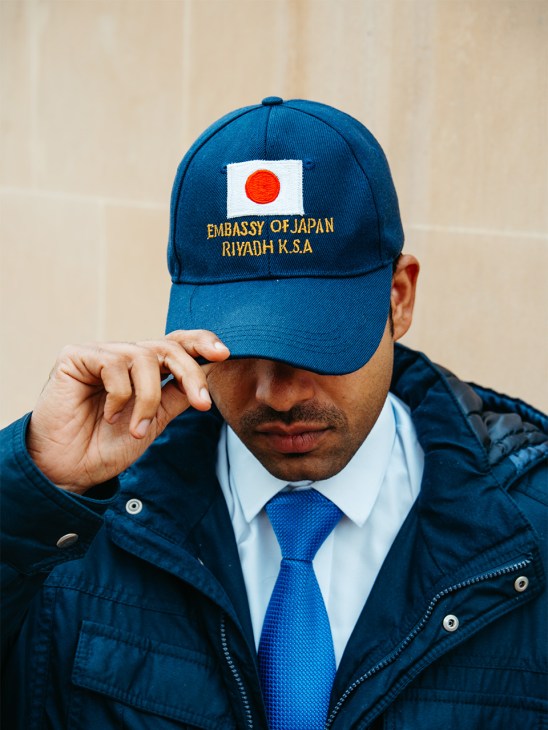
The Japanese ambassador to Saudi Arabia, Yasunari Morino, is one of those figures regularly encountered mid-stride. He plays tennis most evenings, runs at night and golfs with fellow envoys. His residence, designed more than 40 years ago by Kenzo Tange, feels remarkably contemporary. Double doors open onto a soaring lobby; purple carpets are laid beneath circular motifs representing the rising sun. Squares repeat throughout the interior, a quiet geometry of order and balance. A chef arrived from Japan with Morino in 2024; the residence includes a traditional tearoom and a tempura counter.
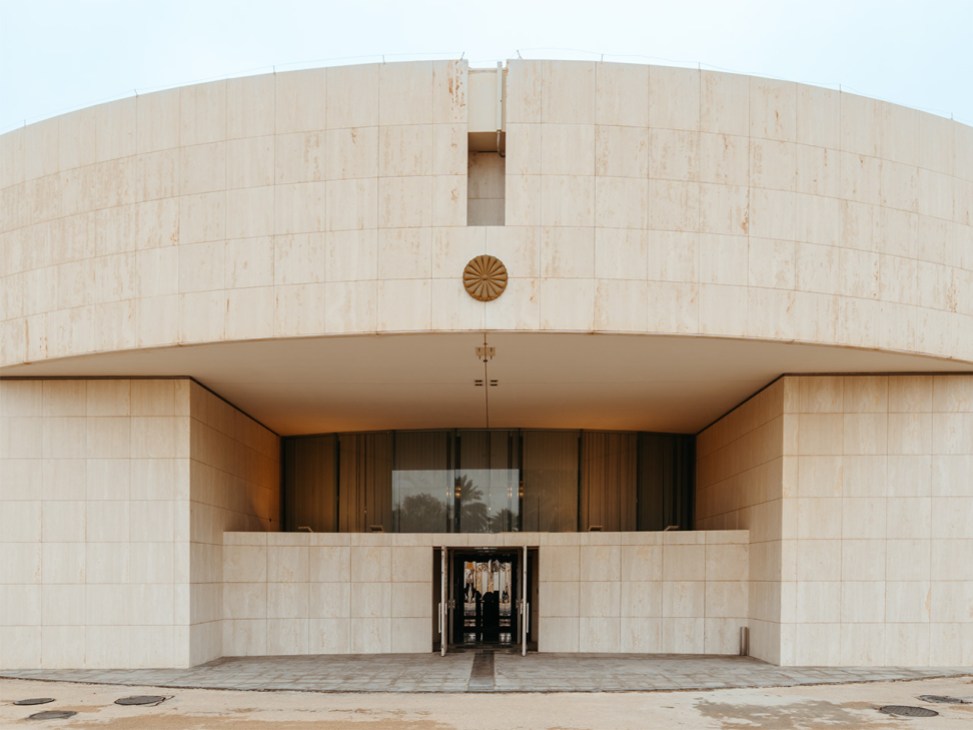
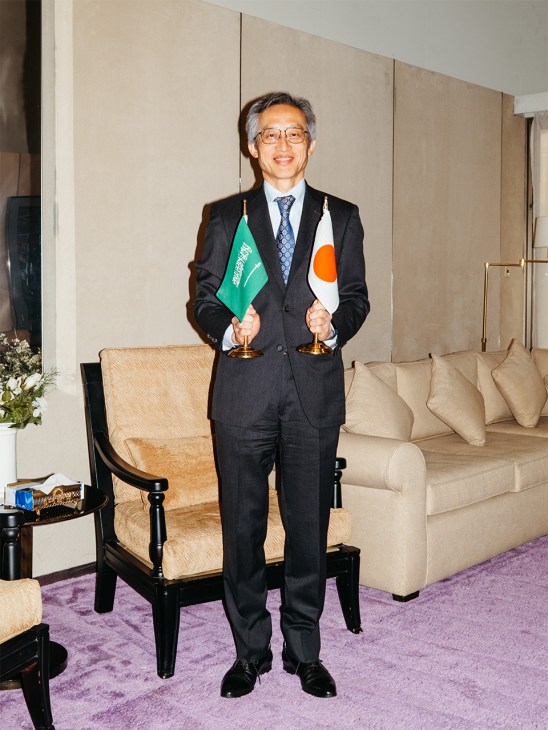
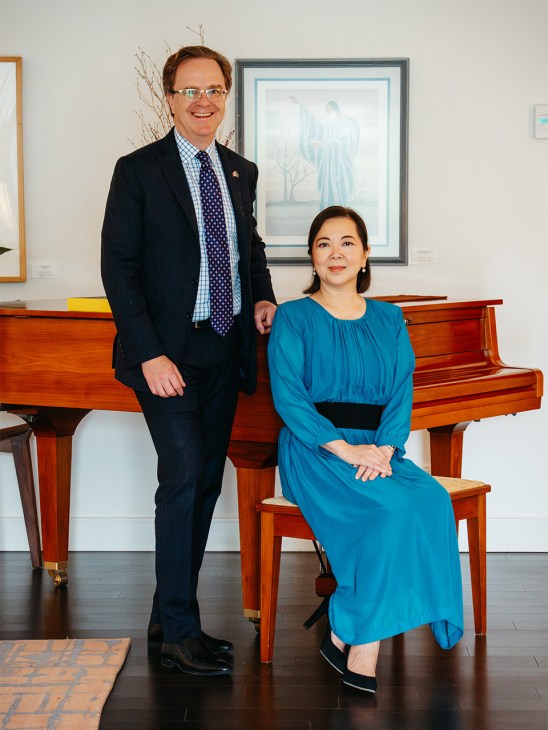
It’s a home but also a stage for cultural diplomacy – a place where business events and community festivals reinforce ties between Tokyo and Riyadh. “It doesn’t decay in terms of beauty,” says Morino of the building. The same could be said of the 70-year bilateral relationship, which now extends well beyond oil into tourism, culture and technology. “Many Saudis already love Japanese culture,” he says. “That makes engagement much easier.”
At the Canadian ambassador’s residence, the mood is different but no less revealing. It is raining – a rarity that lifts spirits across the capital. White clouds hang low as Ottawa’s man in Riyadh, Jean-Philippe Linteau, reflects on his posting. He is Canada’s first ambassador since diplomatic ties were abruptly downgraded between the countries in 2018 after a public dispute over human-rights criticism.
For five years there was no Canadian envoy here. “Between 2018 and 2023, Saudi Arabia changed faster than almost any country,” says Linteau. “When we came back, we had to catch up quickly.” Relations have normalised but perceptions lag behind reality. “People come and say, ‘It’s not what I expected,’” he says.


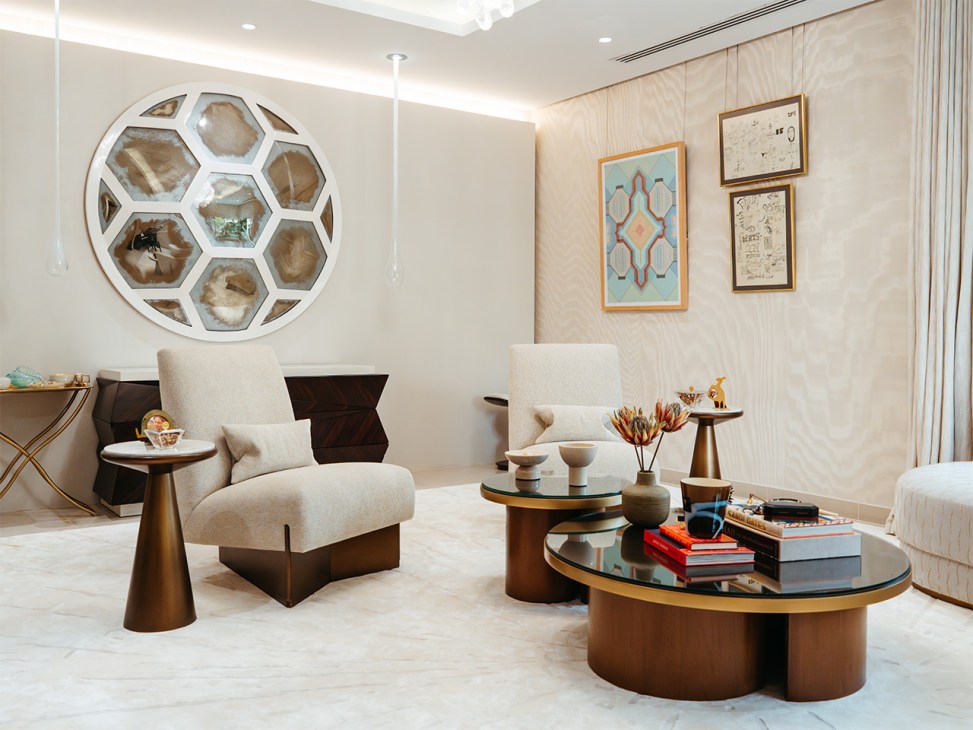
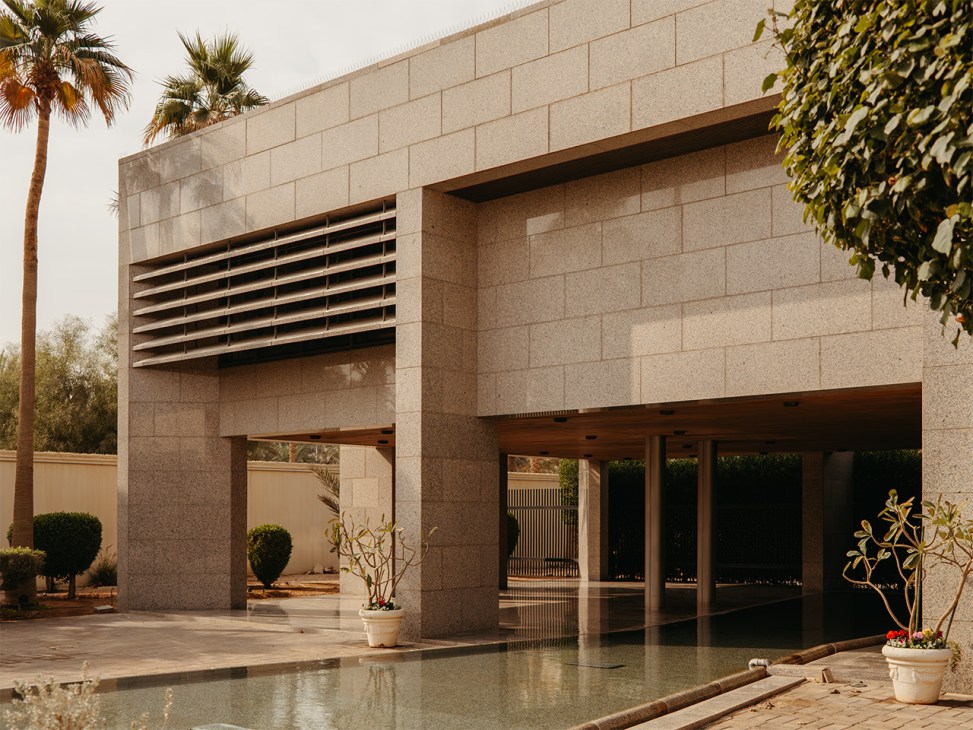
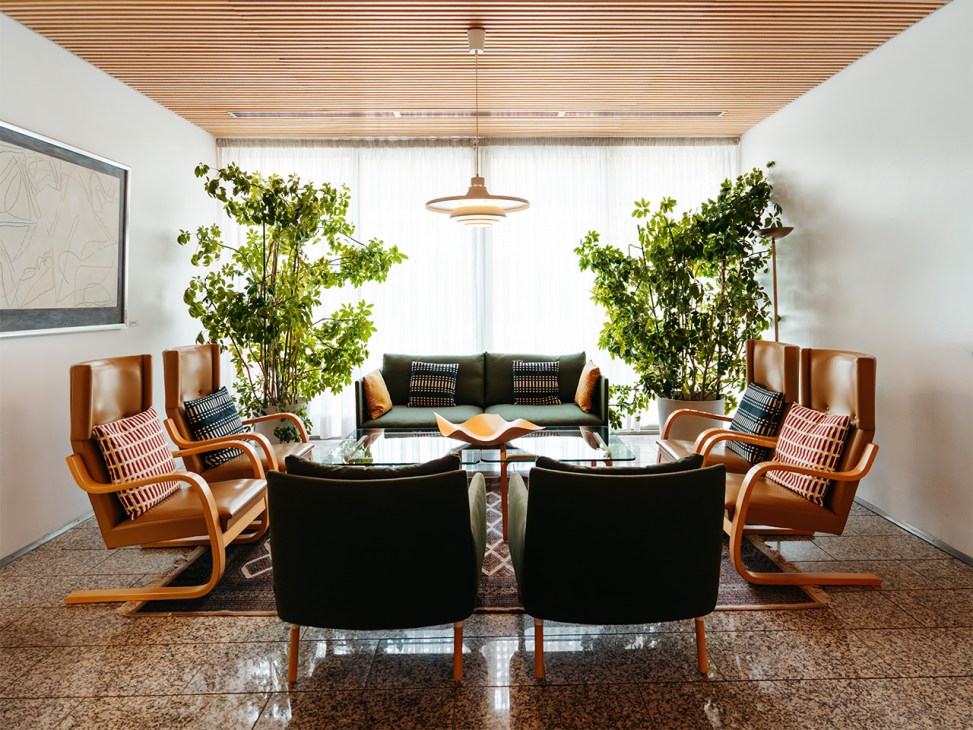
Linteau’s role increasingly resembles that of a translator as much as a diplomat, explaining the speed and scale of Saudi Arabia’s transformation to a sceptical audience at home, while conveying foreign concerns to his Saudi counterparts, who are navigating a more assertive global role. The residence includes a basement “in true Canadian style”, where alcohol is stored for official events and receptions. A white fluffy cat called Leo patrols the living room. From the windows, the DQ’s greenery looks almost temperate. Linteau calls the quarter “a village within a megalopolis”. His commute, he says, is unbeatable.
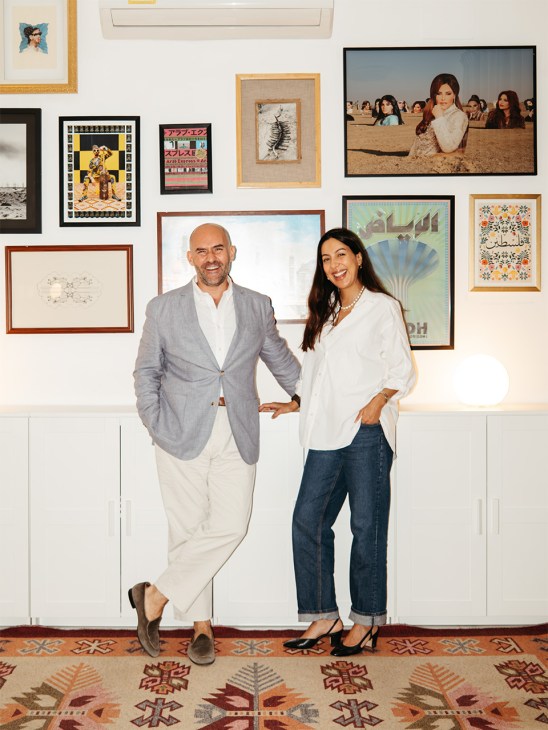
Not everyone here carries a diplomatic passport. Arts and culture executive Miguel Blanco-Carrasco lives in a ground-floor flat opposite the British embassy. He moved to the DQ in 2019. “It elevated my experience of the city,” he says. Blanco-Carrasco has worked on some of Saudi Arabia’s most ambitious cultural projects, including Noor Riyadh, and his home reflects that immersion. Walls are crowded with artwork collected through years of collaboration; even the shared entrance is decorated with vintage Egyptian film posters.
His wife, Maria, moved from Casablanca in late 2025. She runs a jewellery business and admits that she arrived feeling nervous. “I didn’t know what to expect,” she says. “I thought that it would be closed off.” Instead, she found a warmth that she hadn’t anticipated. “Here, people invite you into their homes. They share their networks. It’s priceless.” For Miguel, the DQ’s appeal is physical as much as social. The wadi is just 150 metres away. Within minutes, you move from neat landscaping to palm grove to near-wilderness. “It feels like a university campus,” he says. “You can walk everywhere. That’s a luxury in Riyadh.”
The DQ’s cultural life is increasingly outward-facing. At AlMashtal, a community space for art, design and ideas, creatives mingle with diplomats and policymakers. Princess Noura Al Saud, the space’s founder, drops in. Conversations drift from exhibitions to urban infrastructure. Food is another soft connector. The Lighthouse, which arrived from Dubai, has quickly established itself as a social anchor. Part restaurant, part café and part ideas hub, it draws a steady mix of diplomats and Saudi professionals. Breakfast meetings drift into long lunches. More than one of the ambassadors that Monocle speaks to mentions it unprompted.
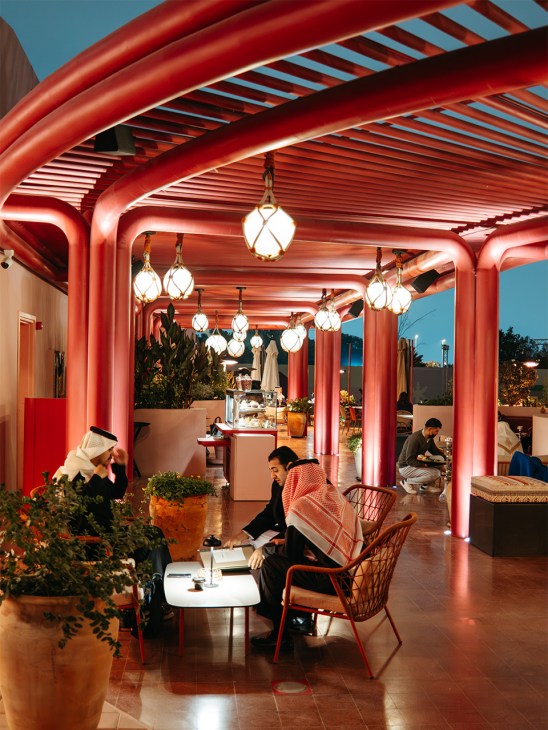
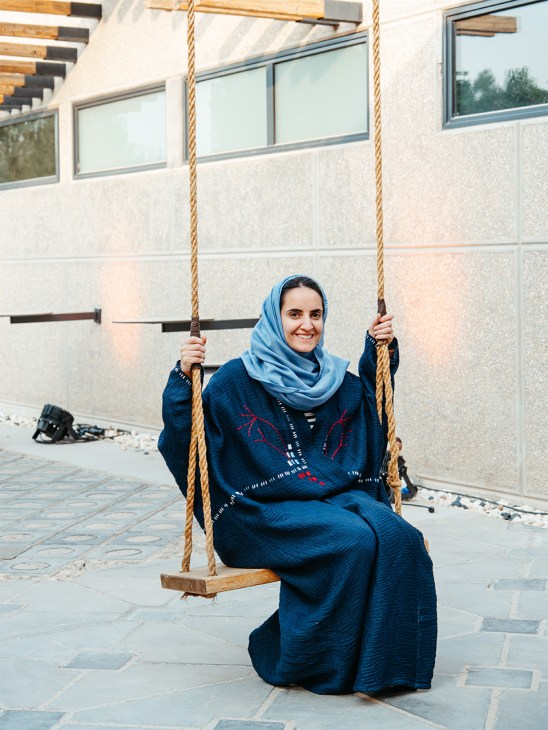
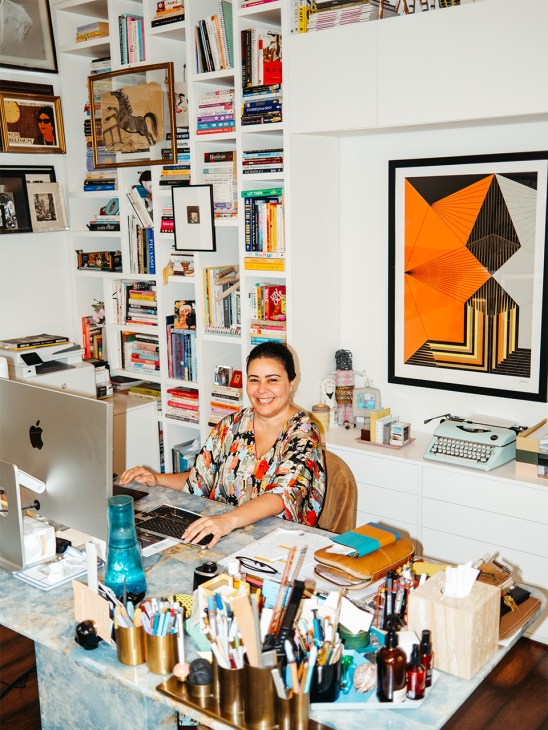
A short walk away is Parkers in the DQ’s Little Riyadh zone. When we visit, it’s packed. Saudis crowd around tables bearing club sandwiches, coffee and cake. From the terrace, we see a curving walking trail, joggers winding through the greenery and a fort in the distance. Nearby, the home of artist and gallerist Neama Al Sudairi feels expansive and personal. She has lived in the DQ for two years and speaks candidly about its contradictions. “Everyone wants to be here,” she says. “It’s safe, walkable, family-friendly.” She walks her dogs, meets friends at cafés and spends long hours at Core, the quarter’s members-only health club. But she is clear-eyed about the limits. You cannot own here, while changes to homes require permission and are often reversed. “It’s temporary,” she says. The DQ is not Riyadh as most residents experience it. Instead, it’s a carefully managed exception.
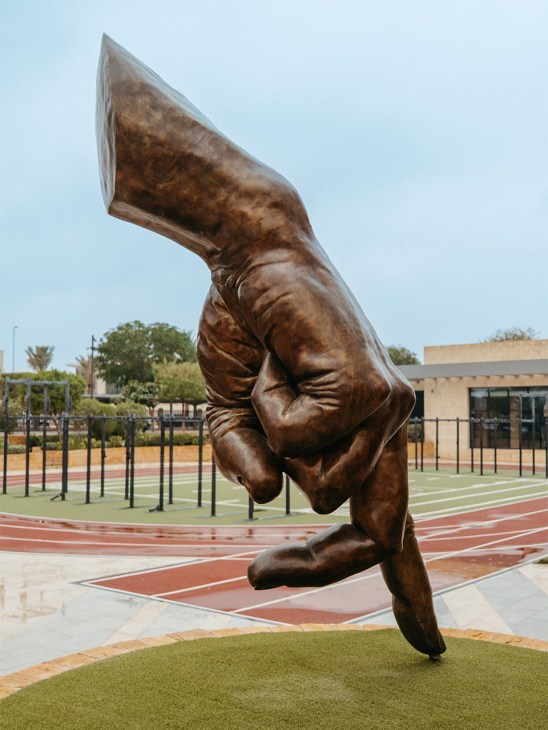
That management extends to leisure. Attaché, a former equestrian club turned nightlife complex, hums after dark. There’s a shisha lounge, an international restaurant, a DJ-led dance floor in the old stables and a pool club. Diplomats, royalty and long-term residents gather under soft lighting. It is lively, polished and discreet. For fitness, Core offers an annual membership that can cost SAR60,000 (€13,600) and includes access to tennis courts, studios and an outdoor running track. Inside, expats and Saudis move side by side – lifting, stretching, negotiating a new normal of shared space.
The government’s Royal Commission for Riyadh City now speaks the language of 15-minute neighbourhoods and elements of the DQ are being replicated elsewhere. Yet the quarter remains sui generis: a diplomatic experiment that accidentally became one of the city’s most liveable districts. But the DQ’s calm depends on exclusion as much as inclusion. Checkpoints are not metaphors. This is a negotiated space. Its greenery, cafés and trails highlight what much of Riyadh still lacks. Perhaps that is its key diplomatic function. The DQ is a buffer – between nations, between perceptions and lived experiences, between a Saudi Arabia rushing forward and a world that is still catching up. Life here is defined by movement: ambassadors rotating posts, designers arriving with new projects, families planning their next chapter. Nobody stays forever. As dusk falls, the call to prayer drifts across the wadi. Lights flicker behind embassy walls. Beyond the checkpoints, the traffic surges.