How South by Southwest became Austin’s soft-power showpiece
Austin is now globally renowned but it wasn’t always that way. Here’s how the city’s famous South by Southwest festival helped the city to rebrand and revitalise.
There is a moment every March when Austin stops being a mid-sized Texan city and becomes, briefly, a kind of secular Davos with better music. South by Southwest (SXSW to everyone who has ever worn the lanyard) has been running since 1987, several years before the term “soft power” entered the civic vocabulary. But that is precisely what the festival has become: the most effective urban-branding exercise in American life and one that most cities would spend decades and considerable public funds trying to replicate.
The mechanism is elegant in its simplicity. Rather than sending delegations abroad, Austin simply opens the door. For 10 days the city hosts a rotating cast of technologists, filmmakers, indie musicians, investors, journalists, policy thinkers and the kind of ambitious young professionals who will be running things in 15 years’ time. They eat tacos with handmade flour tortillas at Veracruz All Natural. They walk Sixth Street and grab freshly shucked shellfish at Clark’s Oyster Bar. They overhear conversations over a cold Topo Chico mineral water on the patio at the Hotel San José – conversations that recalibrate their understanding of what American creative culture looks like. Then they carry Austin home with them.

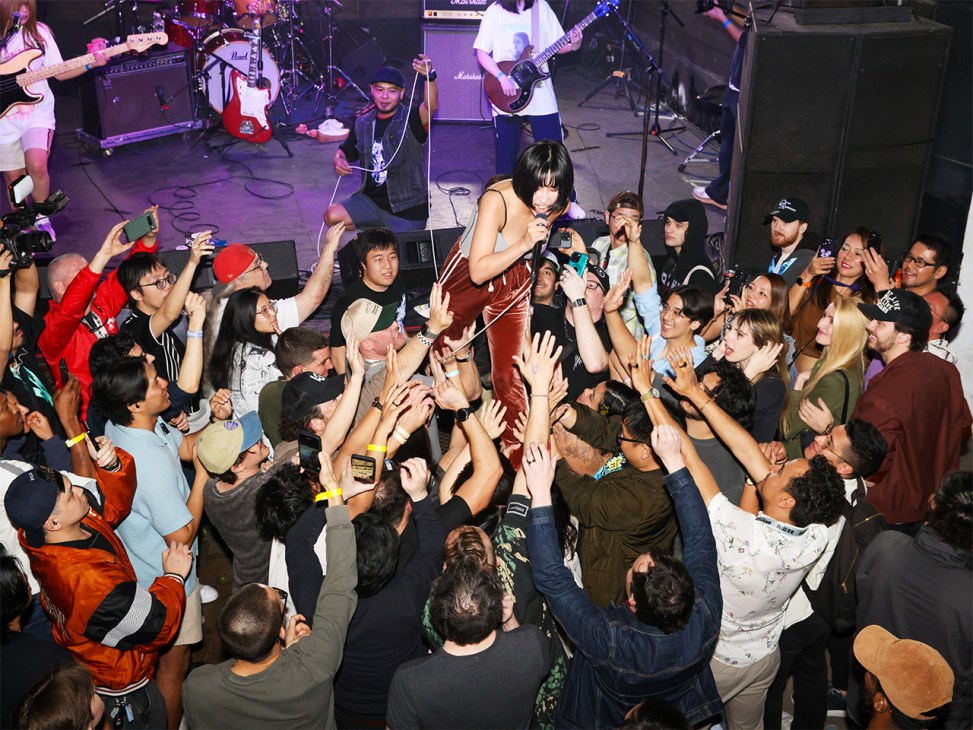
This is how soft power actually works. Not through text-heavy press releases or sunny, slogan driven tourism campaigns but through lived experience at a moment of professional excitement. A founder from Seoul who closes a deal at SXSW does not remember the vast convention centre, she remembers the atmosphere of the city. A policy director from Brussels who catches a set at Stubb’s Bar-B-Q does not file that under “conference”. He files it under “Austin”. The city becomes inseparable from the possibility of the encounter.
What is underappreciated is how intentional this has become. The City of Austin, alongside a network of local stakeholders, has grown increasingly sophisticated about leveraging the festival’s gravity. International delegations now arrive with structured agendas. Trade missions from Sweden, South Korea and the Netherlands use SXSW as a backchannel for economic diplomacy that would otherwise require formal frameworks and months of scheduling. The warm and unstructured joy of the festival provides the social lubricant that official meetings rarely can. Add a few cans of the local Shiner Bock beer and you’re off to the races.
There is also something specific about Texas in this equation. Austin’s brand benefits from a productive tension: the state’s reputation for stubborn independence and vast scale makes international visitors curious; while the city’s “blue dot in a red state” progressive creative culture makes them comfortable. That combination – big and bold but unexpectedly cosmopolitan – does not exist in the same form in San Francisco or New York, where the global is simply expected. In Austin it still feels like discovery for the person that arrives from Antwerp.
The festival has not been without its complications. The scaling of SXSW over the past decade has introduced the familiar tensions of success: corporate saturation, accessibility concerns, cost of lodging, traffic. Plus the creeping sense that the programming has perhaps become safer as the stakes have grown higher. Critics are not wrong to notice but these are the growing pains of relevance, not necessarily a sign of decline.

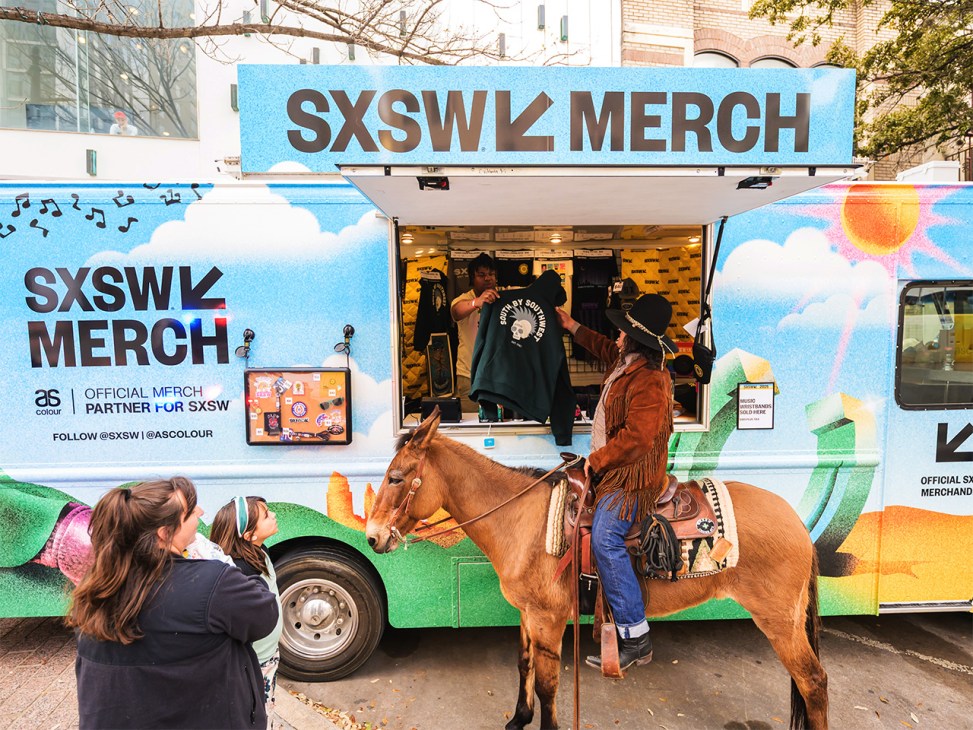
What no one can dispute is the cumulative effect. Austin has been in the conscious mind of the global creative and technology class for nearly four decades now – a run that most cities, and most nations, would envy. SXSW did not make Austin; Austin had its own wild, internal creative momentum. But the festival focused that momentum into something coherent and repeatable, year after year, a standing invitation that the world has consistently accepted.
In an era when urban competition for talent, investment and influence has never been more intense, the question for other cities is not how to host their own festival. It is whether they have the patience to build something that takes 37 years to fully become what it always was capable of being. Austin did and that – as much as the barbecue, straw hats and Landman-style cowboy shirts – is worth understanding.
SXSW runs from 12 to 18 March. Colin Nagy is a Los Angeles-based journalist and Monocle contributor.
Further reading?
– How big-sky thinking is spurring a ranch revival out West
– The bold redesign that put Austin’s Blanton Museum on the global map
– The great American road trip is back – but this time it’s on rails