‘A ceasefire is not the end – it is only the beginning.’ Noura bint Mohammed Al Kaabi on the UAE’s response to the Middle East conflict
Amid a fragile ceasefire six weeks into the Iran war, the UAE is prioritising diplomacy and de-escalation. But where do Gulf states go from here?
As Monocle Radio begins a week of live broadcasting from the UAE, the country’s minister of state at the Ministry of Foreign Affairs, Noura bint Mohammed Al Kaabi, joins us from the Zayed National Museum. The Middle East is just six weeks into a regional conflict that continues to test the Emirates’ security, infrastructure and diplomatic posture. For now, a fragile ceasefire holds, though the outlook remains uncertain following the failure of weekend talks in Islamabad to produce a permanent deal.
The pace of developments has been swift, with mounting pressure on key trade routes and renewed focus on the stability of the Strait of Hormuz. Questions have emerged over how Gulf states will position themselves as alliances shift and the limits of ceasefire diplomacy become clearer.
Against this backdrop, Al Kaabi sets out the UAE’s position: resilience at home, continuity in the face of disruption and a more assertive call for accountability as the next phase of negotiations begins to take shape.
This conversation has been edited for clarity and length.
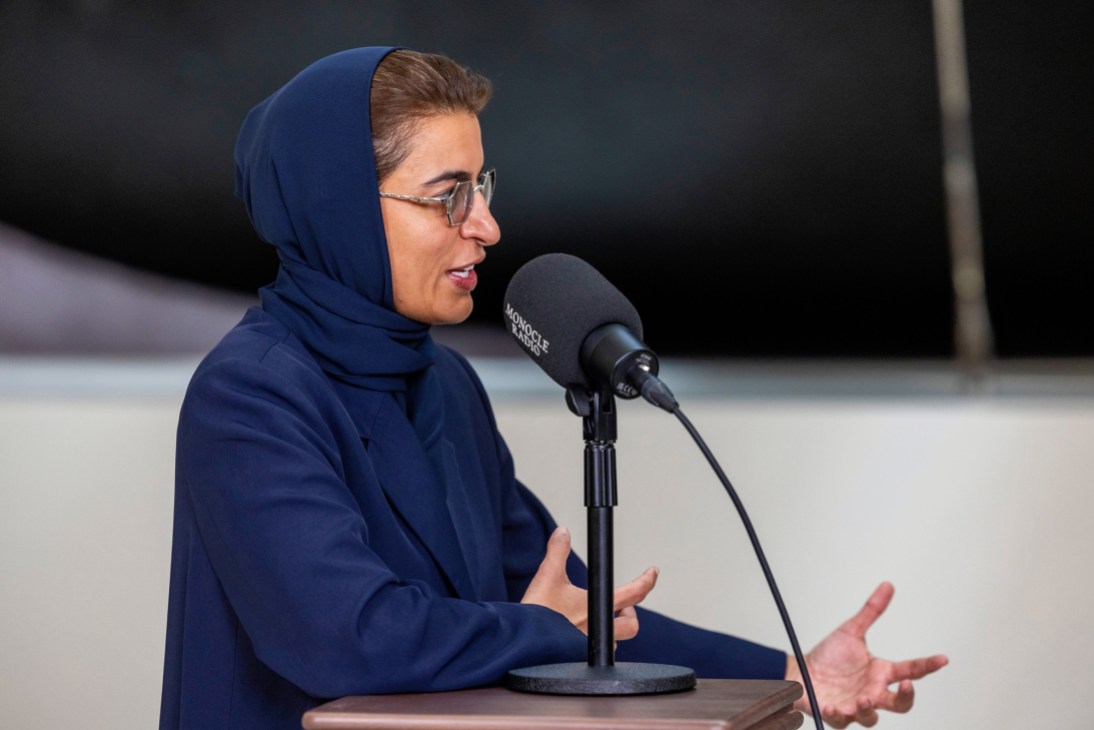
You’ve described the past weeks as ‘unsettling’. How would you characterise where the UAE stands now?
We are living in very difficult times. For more than 40 days, the UAE has been under attack, with more than 3,000 missiles targeted at the country. Yet today, it stands in a position of resilience and strength.
Being here at the Zayed National Museum is symbolic. This institution represents an idea – and that idea is what is being attacked. This is not simply about geography. The UAE has not been part of this war, yet it has been targeted. The words that define this moment are resilience and continuity.
After the failed talks in Islamabad, were you surprised that no agreement was reached?
For us, a ceasefire is not the end – it is only the beginning. The UAE has been clear: we need accountability. We need these hostilities to stop.
The Strait of Hormuz must remain an open, international waterway. It cannot be held hostage by any country. The global economy depends on it, from trade and energy to food security and the environment. Our position is focused and consistent: accountability, stability and ensuring that the systems underpinning global commerce remain protected.
With talk of potential blockades and shifting alliances, what is the UAE’s immediate priority?
Our priority is to defend our sovereignty – our land and our people. But we are also looking ahead. If this continues, we must ask: can we rely on existing routes? Should we develop alternatives?
This moment is a test. And how a country responds to such a test defines it. In the UAE, life continues. Schools operate, businesses function and society adapts. There is continuity, even under pressure.
At the same time, we are reassessing our relationships and our long-term strategy in a rapidly changing geopolitical environment.
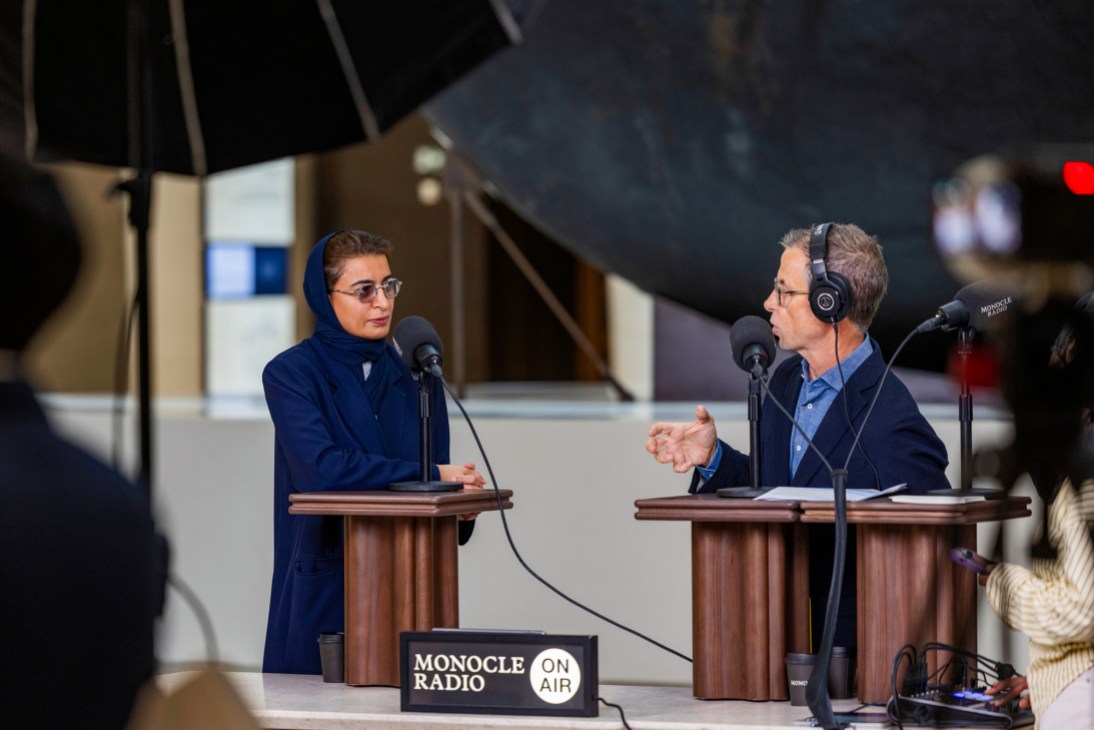
Do you expect the UAE and the wider Gulf to align more closely with the US or diversify partnerships further?
The UAE has always been a country that builds relationships. We are open, outward-looking and home to people from across the world. Our partnerships with the US span sectors such as AI, education and culture. At the same time, we are deepening ties with countries such as China across trade, technology and research.
Going forward, relationships will continue but with greater clarity. Safety comes first. We must be honest about threats and about the ideologies that have destabilised the region for decades. The key question is whether we allow the next generation to inherit the same cycles of conflict or whether we break them.
The UAE’s response has been widely noted for its communication and co-ordination. What has been key?
We have invested in communication capabilities for years. During the coronavirus pandemic, we prioritised transparency – and that approach continues today.
What matters is consistency and clarity. Communication happens at multiple levels, from leadership to experts to the wider community. Leadership has been visible, present and engaged, whether visiting hospitals or speaking directly to people.
We also consider the human side: how people feel, how they experience alerts, how they process uncertainty. Because when this ends – and we hope it ends soon – we will need to support our communities in adjusting to a new reality.
What might that ‘new reality’ look like for the UAE?
The UAE has always been about people. Its strength lies in the diversity of those who call it home.
What we have seen during this crisis is solidarity. Despite everything, people have chosen to stay. That belief in the system is fundamental.
There is often a perception that life here is transactional or temporary. But what we have witnessed proves otherwise. There is a deeper connection; a shared sense of belonging As our leadership has said: everyone in the UAE is an Emirati. In a polarised world, that is something we must protect.
Listen to more from our coverage in the UAE on the Globalist.