Oceania
Kiwi PM John Key gets foot-in-mouth disease and Fiji puts up a fight against Rupert Murdoch
Humour is key
New Zealand
Politics
Thanks to his common touch, New Zealand prime minister John Key has had record high approval ratings since his election in November 2008. Despite the country’s sluggish recovery from recession and some controversial policies, his National Party’s ratings have only just dipped below 50 per cent.
He might be one of the world’s richest politicians, valued at NZ$50m (€27m) after a career as a currency trader in London and New York, but his full-on Antipodean vowels have endeared him to voters – as has what has been referred to as a “Dad sense of humour”.
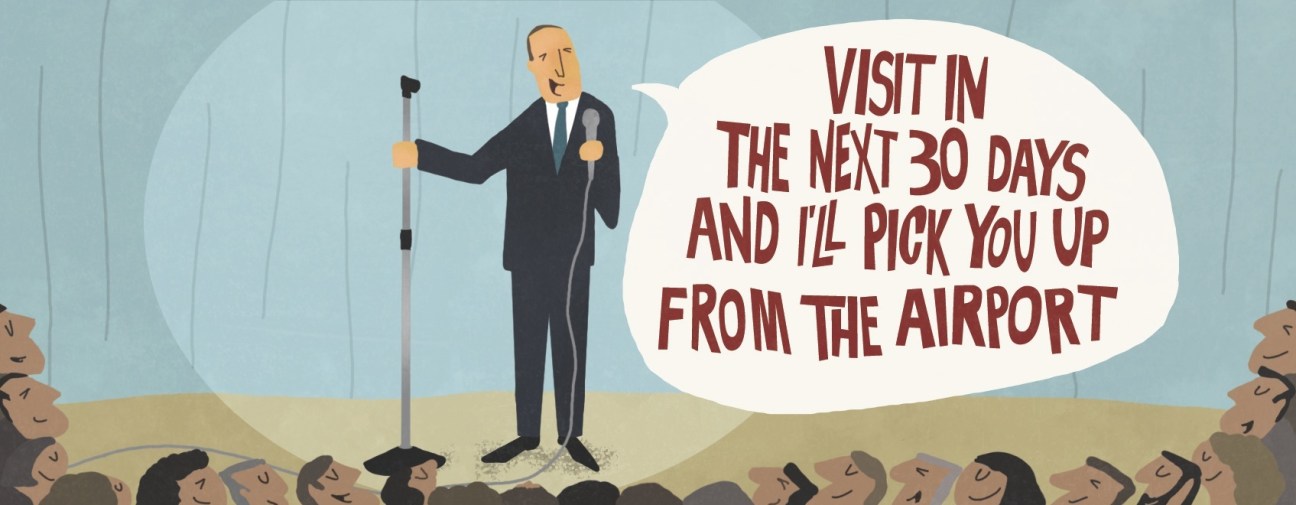
Viz: last year, he took time out from the United Nations to read a list of the top 10 reasons to visit New Zealand on The Late Show with David Letterman. (Number four: “Visit in the next 30 days and I’ll pick you up from the airport.”)
It might endear him to voters but the very flippancy – and the odd mistimed joke – sometimes has the opposite effect, as he’s discovered this year, making headlines around the world for blurting out odd, or offensive, quips.
Key moments:
On poverty:
“It’s a bit like a waterbed. If you push down on one side, it’s going to rise on the other.”
On cannibalism:
“The good news is that I was having dinner with Ngati Porou as opposed to their neighbouring iwi, which is Tuhoe, in which case I would have been dinner.”
On whether he would be happy for his children to attend early childhood education:
“I think if I sent my 15-year-old or 17-year-old to early childhood at the moment they’d have a meltdown.”
And if his wife had another child?:
“I’d be extremely worried because I’ve had a vasectomy.”
Fighting censors
Fiji
Media
Fiji’s military government has issued an ultimatum to Rupert Murdoch’s News Ltd, giving the global media giant just months to sell its Fijian newspaper. News Ltd is the sole owner of the Fiji Times, the country’s largest daily, which has fallen foul of a new law decreeing that media groups operating in Fiji must be 90 per cent locally owned. The newspaper has regularly drawn the ire of government censors for reporting perceived as negative and for seldom referring to Prime Minister Commodore Bainimarama, who seized power in a 2006 coup, by his official title. Press freedom watchdogs have criticised the law.
Green win
New Zealand
Mining
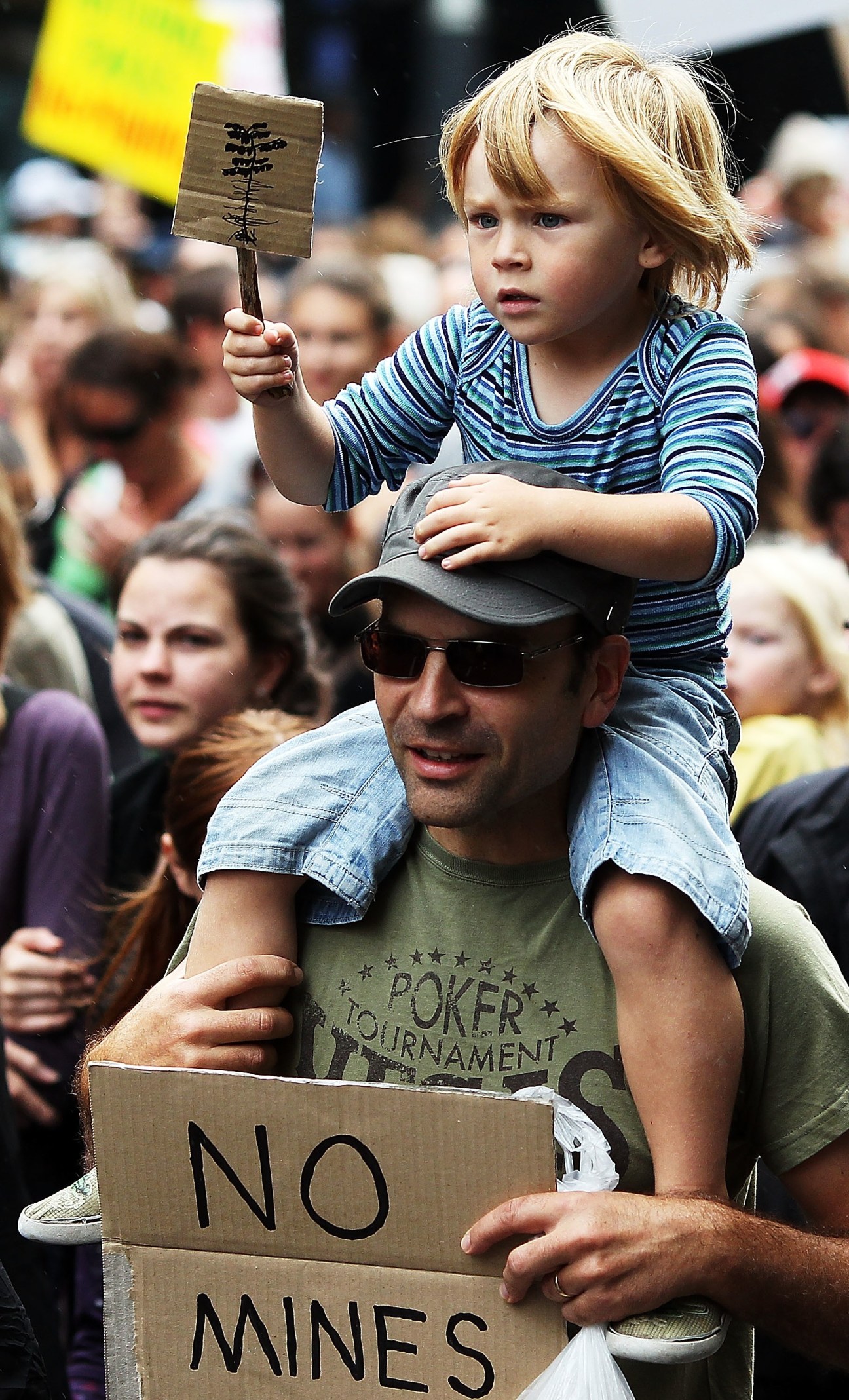
Environmentalists have forced the New Zealand government to back down on plans to open up tracts of protected land for mining. Forty thousand people marched in Auckland in protest over proposals to allow mineral exploration on 7,000ha of ecologically valuable land, triggering the first significant policy U-turn by the popular first-term government.
Mirror, mirror
Australia
Architecture
Opera House be damned: there’s a new iconic project in town. A disused site opposite Sydney’s University of Technology has been approved for the development of two apartment blocks designed by French architects Ateliers Jean Nouvel. So far so humdrum, you might say, but the towers have been bestowed with a six-star green rating: not only will they recycle their own water and make their own power rather than drawing from the grid but they will also feature vertical gardens and massive hanging mirrors to increase sunlight in the surrounding area. Construction is set to be completed by 2013.
Q&A
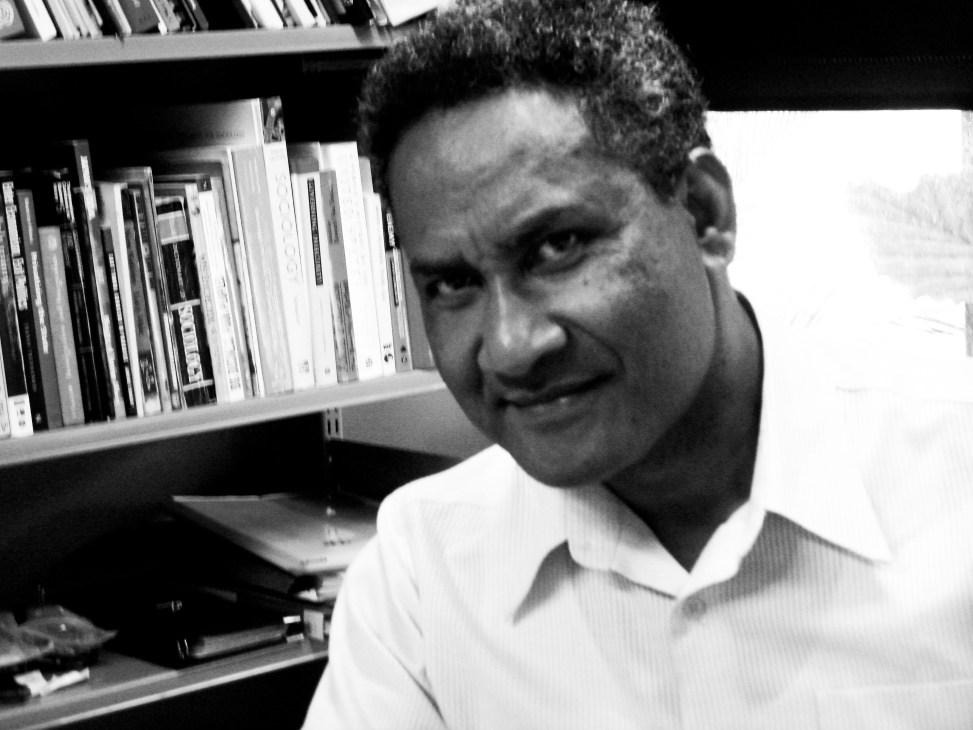
Dr Steven Ratuva
University of Auckland
Dr Ratuva is a senior lecturer in the University of Auckland’s Centre for Pacific Studies. We asked him who the region’s best leaders are.
Who are the Pacific’s most popular leaders?
Sir Michael Somare, Papua New Guinea’s first post-independence leader and its prime minister again today. Since the death of Fiji’s founding prime minister Ratu Sir Kamisese Mara, he’s the only real statesman left in the region.
Who leads by personality, rather than policy?
Fiji’s prime minister, Commodore Bainimarama, who seized power in a military coup in 2006. State policies revolve around him. His temperament on any given day has been known to lead to major policy changes.
Who is pushing forward with progressive policies?
The prime minister of Tonga, Dr Feleti Sevele, has pushed for greater democratisation. Samoa’s Malielegaoi is an economic reformist. But reform in the Pacific has been hindered by a lack of resources and expertise, and, in some cases, corruption.
Save your bacon
Vanuatu
The 14 branches of Vanuatu’s Tari Bunia Bank, located on the remote Pentecost Island, deal in a very special currency. The vaults are filled with thousands of pig tusks. These are converted into a currency called livatu. School fees and doctor’s bills can be paid in pigs’ skulls.
Images: Getty Images