The biggest contest of the 2026 World Cup is off the pitch
Spread across Canada, Mexico and the US, this year’s tri-nation tournament is the stage for a clash between multilateralism and unilateralism.
If the 2026 World Cup is half as dramatic as the build-up to it, there’s every chance that we’ll watch first-time qualifier Curaçao lift the trophy at the final in July. Wilder things could happen this year, though it’s unlikely that they will be on the football pitch. World Cups have a habit of reflecting their geopolitical moment and this tri-nation tournament, spread across Canada, Mexico and the US, comes at a time when the very notion of international co-operation is being tested.
The competition has barely begun but tension is already hovering over the global arena, as two ideologies tussle over the world order: multilateralism and unilateralism. The former is the vision of the middle powers, including Canada and Mexico – one of integration, with nations coming together to freely trade and express themselves. The latter is the art of the deal evinced by the transactionalism of the US president, Donald Trump: tariffs, hard power and a tough guy who just wants a big ballroom.
This contest has been brewing ever since Trump returned to office and decided to tear down the system of alliances that his predecessors took such pains to construct. As Canada’s prime minister, Mark Carney, pointed out in his Davos address in January, middle powers can either submit to US hegemony or hedge their bets through multilateral relations with other nations. The ideological clash of these visions will be played out for the world to see – the ultimate stress test for a fragile and shifting world order.
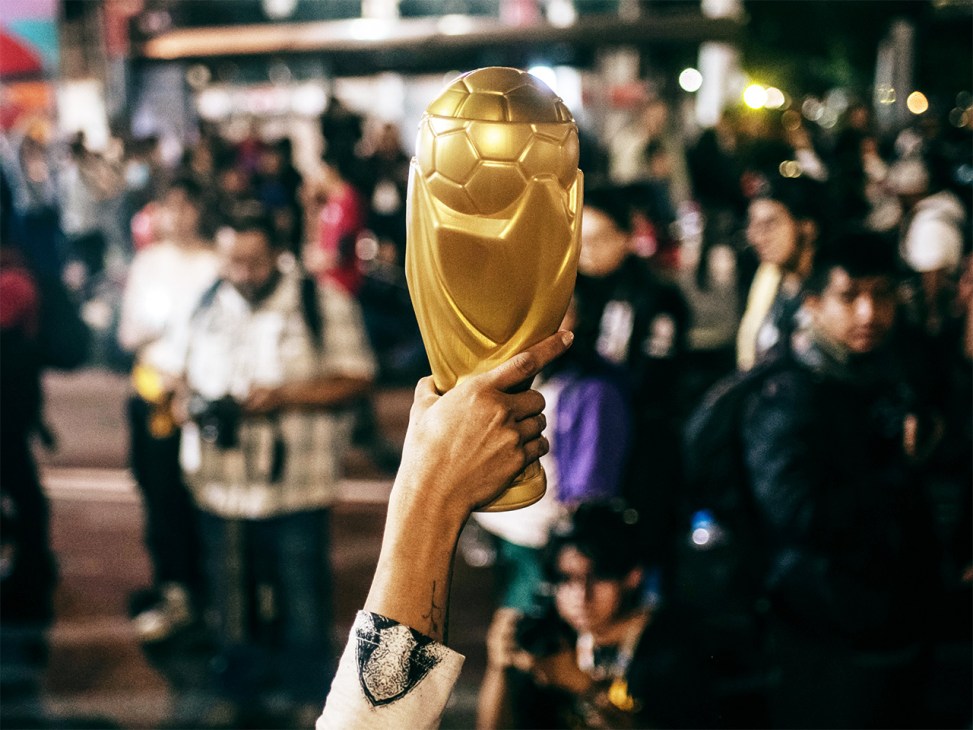
The timing of all of this could hardly be more charged. This is the first World Cup at which two participating nations are at war. US Central Command has spent the past few days shelling southern Iran, which is quite inhospitable behaviour from a host on the eve of a global sporting event (and from a Fifa Peace Prize winner, no less). Trump’s envoy also attempted to persuade Fifa to eject Iran from the tournament and replace them with Italy. The federation, however, opted not to pursue the idea of World Cup qualification by executive order.
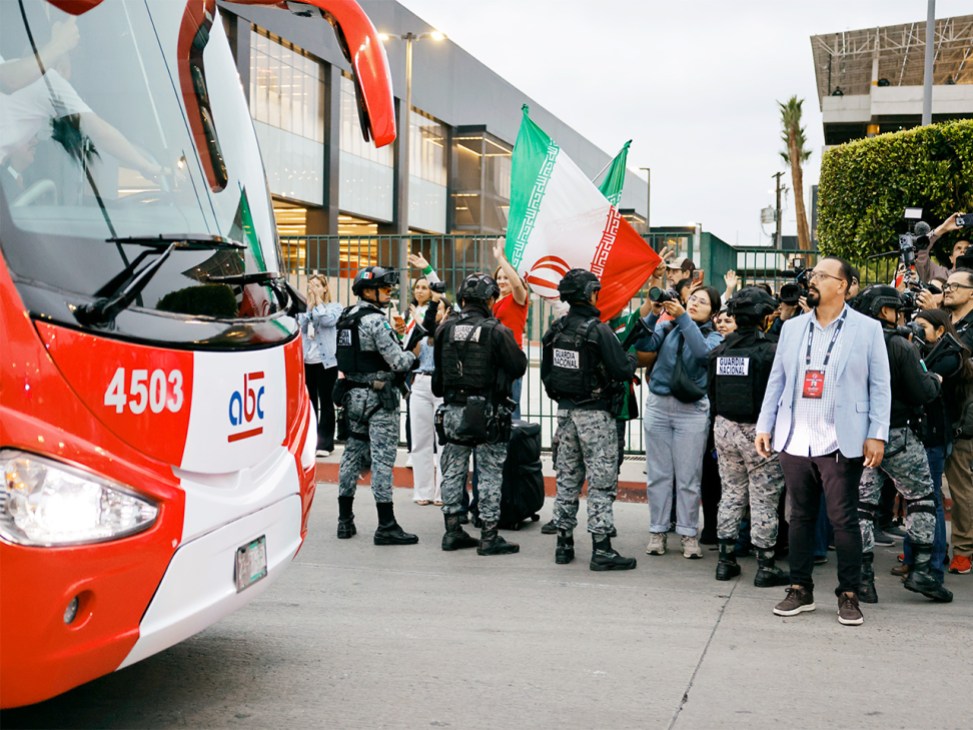
Nevertheless, Fifa blocked Iran’s request to move its games to Mexico, where they had already moved their training camp amid uncertainty over whether they would be allowed to enter the US for their first match on 15 June. In a late decision, the US has said that the team can enter – but only on the day of their match and only if they leave immediately afterwards. It will be the first time a team has played a World Cup match during a layover.
If the US and Iran finish second in their groups, the warring parties will go head to head in Dallas on 3 July. The pair previously met at the 1998 World Cup in France, with Iran winning 2-1. The Iranian players brought white flowers onto the pitch and the match ended with a group photo; looking back, US defender Jeff Agoos said, “We did more in 90 minutes than the politicians did in 20 years.” Given the way that the US has treated the Iranian team so far, we shouldn’t expect any bouquets this year.
The logistics for fans haven’t been easy either, especially for those whose teams are slated to play on US soil but who are from countries that are subject to US travel bans. Meanwhile, those who are able to make the trip face ticket prices so high that even Trump has said that he wouldn’t pay them. A ticket for the final could set you back $32,970. Prices for the final in Qatar four years ago rose to $1,600. The same gouging isn’t happening in Mexico or Canada, where fans have enjoyed cheaper tickets, thanks to regulatory systems that prevent exorbitant increases by secondary ticket sellers.
These barriers risk undercutting the very openness that the World Cup purports to celebrate. The free movement of people and goods depends on fair prices and good faith, neither of which is cultivated by fleecing fans. It comes as little surprise, then, that the US team’s first match has failed to sell out. Some 180,000 tickets are still available for group-stage matches on the official resale platform. Many were hoping that this would be the World Cup when the sport of football would finally break America but it might just be America that breaks the World Cup instead.
The tournament has now kicked off but the 2026 edition’s most compelling contest is off the pitch and already well under way. Over the next six weeks, global audiences will have a front-row seat to a competition between world views – and amid the politicking and financial absurdities, apparently some football matches are also scheduled. Who knows what we will see in the reflection of this World Cup when the trophy is lifted on 19 July: the awful power of the US president or the utter ineffectiveness of his ideology?