Parks, housing and keeping young people around: Five mayors on the future of their cities
Monocle spoke with mayors from Finland, Portugal, Italy and London at Mipim about the challenges facing their constituents and the projects they’re working on to improve urban living conditions.
Running a city in today’s world requires grit and gumption. For some mayors, city management includes helping ageing populations to live better in their twilight years, while others work to politically engage young people. Developing parks, healthcare plans and accessible transportation are the goals for many mayors, and securing affordable housing is top of mind for most. Whether the city is in Portugal, Finland, Italy or London, the core realities of the job are the same: to help people live better lives in the place they call home.
Monocle spoke to several mayors and deputy mayors at Mipim, an annual real-estate conference in Cannes, France, about the challenges, projects and opportunities that they face in their cities. These conversations have been edited for clarity and length.
What are the main challenges that your city faces?
Silvia Salis, mayor of Genoa
Our city has one of the highest average ages in Europe. So the challenge is to convince young people to stay and invest in Genoa. For this reason, we need [to find] a good balance in the relationship between the public and the private [sectors] for investment and development of new projects. [We have a] university that could grow a lot in the future, so we must invest in student housing and find cultural and events programmes for young people. We want them to be happy in our city.

Tom Copley, deputy mayor of London for housing and residential development
We [have been] affected by rising construction costs and the cost of materials, by Brexit, the war in Ukraine – all of those things. But there are three things in particular that have impacted London disproportionately, largely because of the nature of our built environment. The introduction of the building-safety regulator [was botched], which led to enormous delays before spades could even go in the ground and developments could get started on site. Thankfully, that is now being reformed.
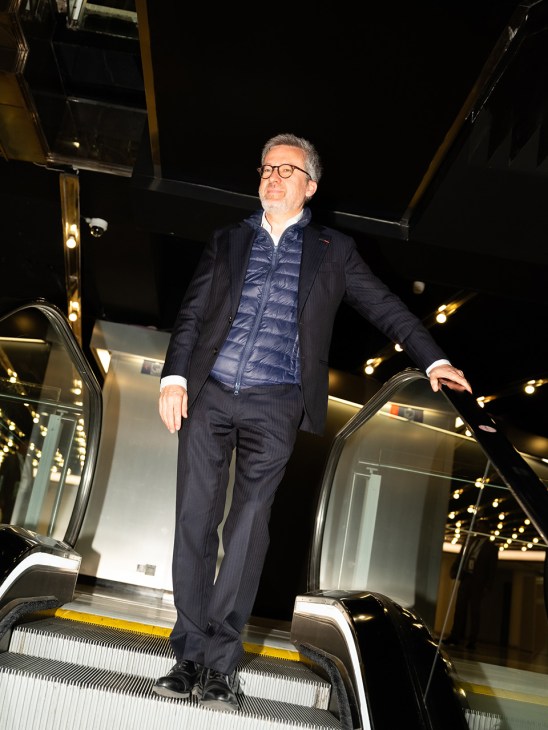
Carlos Moedas, mayor of Lisbon
Attracting young talent is fantastic but you have to invest in social welfare to counterbalance the idea that if people come to your city, the real-estate prices increase. Since my first term, I have maintained that for every euro that the city invests in culture, innovation or technology, we need to invest tenfold in social welfare. For example, in Lisbon, residents over 65 have a city health plan where they can call a doctor to their home for free. And we now own more than 22,000 apartments, which means that nearly 12 per cent of our population lives in housing owned by the municipality. That’s not just social housing but also affordable housing, so that professionals can afford their rent and are able to live in the city.
Tell us about some projects that you’re working on.
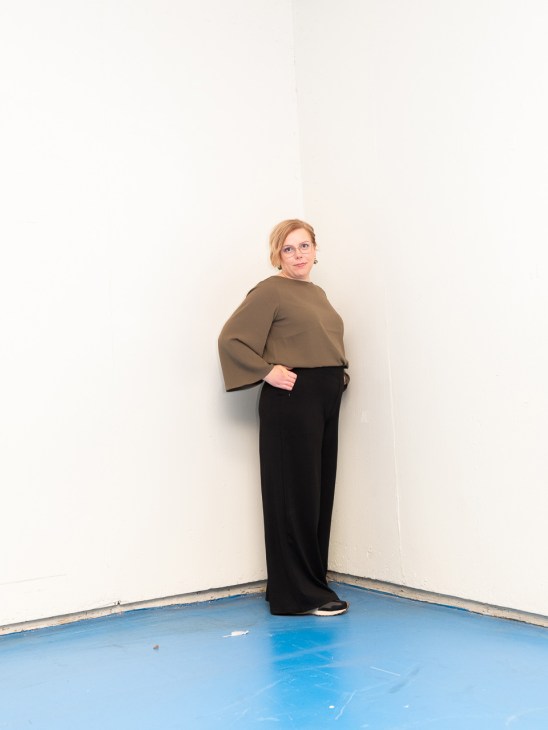
Piia Elo, mayor of Turku, Finland
Turku has an ambitious target to become carbon neutral by 2029. We still have issues with traffic but if we can solve those, we’re heading toward our goal. We are trying to make a new tramway – that’s a decision that we’re going to make this spring – to attract more people [to use] public transport. We’re building new lanes and roads for that, so even more people can use either the tram, ride a bike or walk.
Silvia Salis, mayor of Genoa
We have four main projects. The first is the redevelopment of our biggest stadium. We want to have a place where you can watch a football match, attend a concert or another big event. [The second project is] the Giacomo Carlini Stadium, a multifunctional venue that can help [residents of] the city live their days through sport. We have a project about tourism too: the Granarolo-Begato Sports Park, with mountain biking, trekking, climbing and a lot of other activities. The last one is a healthcare and social programme called Free Sport for people over 65 years old. We have to think about projects that can help older people to face the future in good shape.
Tom Copley, deputy mayor of London for housing and residential development
London needs housing, so our plan at the moment is [to build] 52,000 [homes annually], which is the statutory target. But the target announced by the UK government is 88,000 homes per year and we fully expect that to be the target in the next London plan. The question is: how do we plan for 88,000 homes over 10 years?
Raffaele Laudani, deputy mayor of Bologna for urban planning
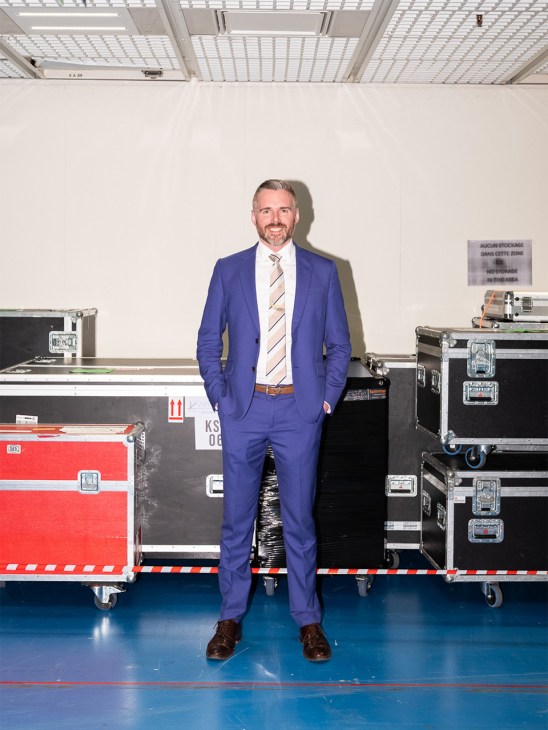
In recent years, Bologna has become a key strategic European [partner] on big data and artificial intelligence. We host the second strongest supercomputer in the world for AI – the so-called Leonardo – and around it, a new ecosystem of knowledge and technology is emerging. There is an ecosystem of research centres and universities that is already operating in a quadrant of the city. We are redefining our policies around this flagship project, which we’re calling the City of Knowledge, to attract new start-ups and firms.
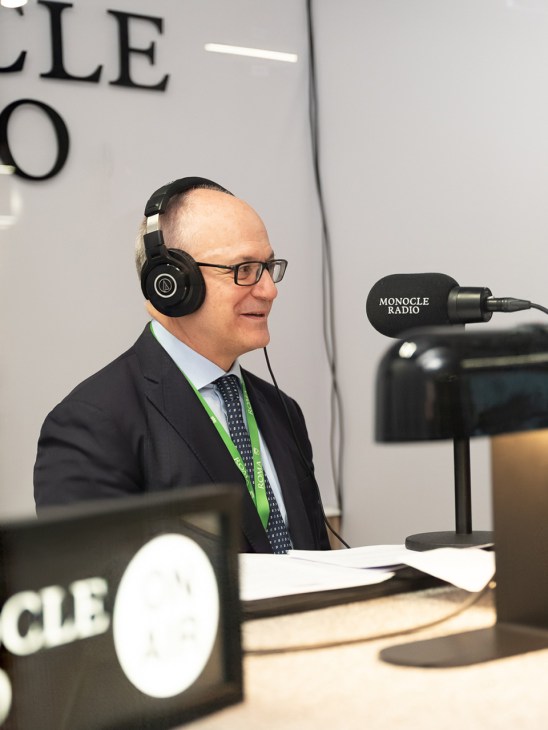
Roberto Gualtieri, mayor of Rome
We are pushing public transportation. We are investing billions in improving the accessibility of the city with metro, tram, train and new buses. We have a climate-adaptation programme, which is extremely ambitious, and we are planting a million trees in Rome. Rome is [the greenest] city in Europe: about a third of Rome is parks, a third is agriculture and a third is built. Few people know that and the green part is a strong asset. We are investing a lot to improve [our citizens’] quality of life.
Carlos Moedas, mayor of Lisbon
When I compare [Lisbon] to other cities, there’s something that you can’t describe – almost like the soul of the city. As its mayor, it’s crucial [that I] maintain that identity. We have created different programmes: there’s one to protect historic shops and another for owners of small libraries. One of the most successful initiatives is a scheme in which we loan spaces for free to locals who might want to start a business in their neighbourhood. Some have become cafés, others tailors or small independent shops. These shopfronts would otherwise be empty. By helping people to create their own businesses, we are adding to the identity of the city.
How are you engaging young people?
Silvia Salis, mayor of Genoa
I’m attracting public and private capital to Genoa for student housing. That’s the first step. Then we are building a cultural programme with many events for young people. They have to feel that the administration sees them. A big problem in Italy is that young people don’t follow politics. They don’t believe in politics because politics don’t speak to them. A good administration must speak to them, even if they don’t vote. We have to think about them – about their tastes, about their future and even about [how they spend] their spare time.
Piia Elo, mayor of Turku
We’re looking toward the future and how we can attract different businesses. [We want to build a] humane city, where it’s good to do business and it’s very safe. We also want to provide a good living [situation] for the students, so that they [want to] stay here. That’s where our politics are at the moment.
How are you planning to improve the quality of life of your residents?
Silvia Salis, mayor of Genoa
The Granarolo-Begato Sports Park is a big project – a wonderful idea to connect the city to sport, open air and a green way of life.
Piia Elo, mayor of Turku
We are investing in wellbeing and sustainability. That’s something that we really work on: the cultural atmosphere of tolerance. We’re the fastest-growing city in Finland and I would say that we also invest a lot in services such as schools and safety – everything that makes a city a good place to live in. So it’s not only about investment but also how the city can support the people that live there.
How are you thinking of designing your cities around the needs of people?
Silvia Salis, mayor of Genoa
We must construct services [that you can get to] in 15 minutes. Genoa is a polycentric city: it has many historical centres. It’s important for us that services stay close to the people.
Tom Copley, deputy mayor of London for housing and residential development
One of the big [challenges] that cities, such as London, have in terms of people wanting to live there [is that it] is affordability. We can do a lot more to address those challenges: we need to be thinking about how we get more buildings to rent. For example, we need to look at creating good options for older people to downsize, which frees up larger family-sized homes for people that need them. We also need to focus on social and affordable housing. If we’re going to deliver at the scale we need, we need the diversity of tenure and options in our housing market.
Raffaele Laudani, deputy mayor of Bologna for urban planning
Bologna is famous for its plan for the historical centre, which produced the conservation of the historical patrimony but also its social dimensions. If, today in Bologna, we still have 50,000 residents from different social classes living in the same historical centre, it was because of that plan and the idea of making the area liveable for all.
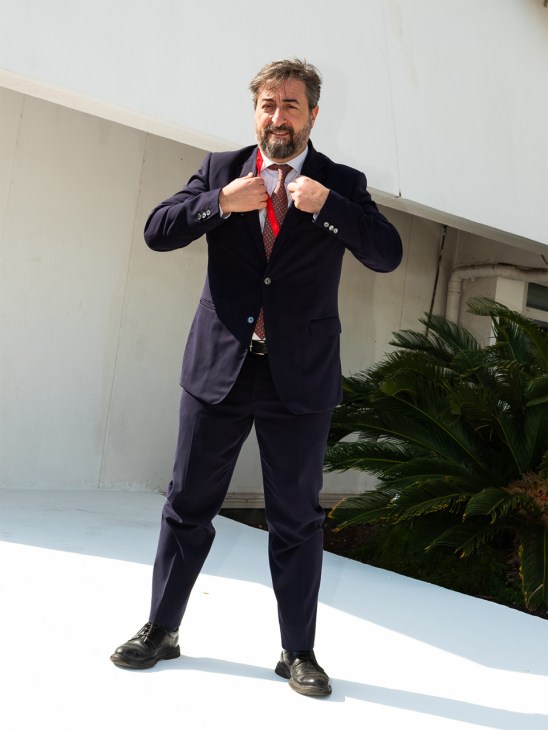
Economic development, social justice and environmental justice have to work together. We do it with the different actors of our territory, combining economic development, private profit and social justice. It’s complicated to keep the balance between social welfare and economic development but it’s something that we work on.
Carlos Moedas, mayor of Lisbon
The first thing – and this is a bit of my own dream for Lisbon – is to properly connect the city to the waterfront. We have a train that runs from Estoril into Lisbon and essentially cuts between the city centre and the river. I want to move this below ground so that people can walk from one side to the other. But that’s a 10-year project that can’t be done in a day. Then I want to turn to transportation. We are building the first new tramline since the 1960s to connect the centre of Baixa with a new park [to enliven] the east of the city.
Read the full conversation with Carlos Moedas.