Mipim Asia offers lessons in building better following Hong Kong’s fire tragedy
Every March about 20,000 people head to the French Riviera for the world’s leading property and real-estate trade show, Mipim. But this week, a smaller contingent of 400 or so attendees made its way to Hong Kong for the fair’s offshoot, Mipim Asia. This year’s edition began on the final day of national mourning following the city’s deadliest fire in nearly 80 years – a devastating blaze in a Tai Po housing complex, which claimed the lives of 159 people. “We are shocked,” says the managing director and deputy chairman of Hong Kong’s Urban Renewal Authority, Donald Choi Wun-hing. “This tragedy is something we cannot see a repeat of, so on top of supporting all those affected, the city is already looking into the future to see how this type of tragedy can be prevented.”
For Mipim Asia’s organising team, it was clear that facing the tragedy head-on was an opportunity for the sector to come together and think about how our cities are being built. “We’re shining a light on the responsibility of all the stakeholders of the real-estate and urban-development sector because, in the end, we are the ones building these urban developments,” says the director of Mipim, Nicolas Boffi. For Boffi, this week is also about taking lessons back home and setting the tone for some of the conversations to be had in Cannes next March. “Looking east is very important,” says Boffi. “When you consider the way that modular construction has developed in Asia, it’s really interesting for most European countries looking for solutions to housing crises.”
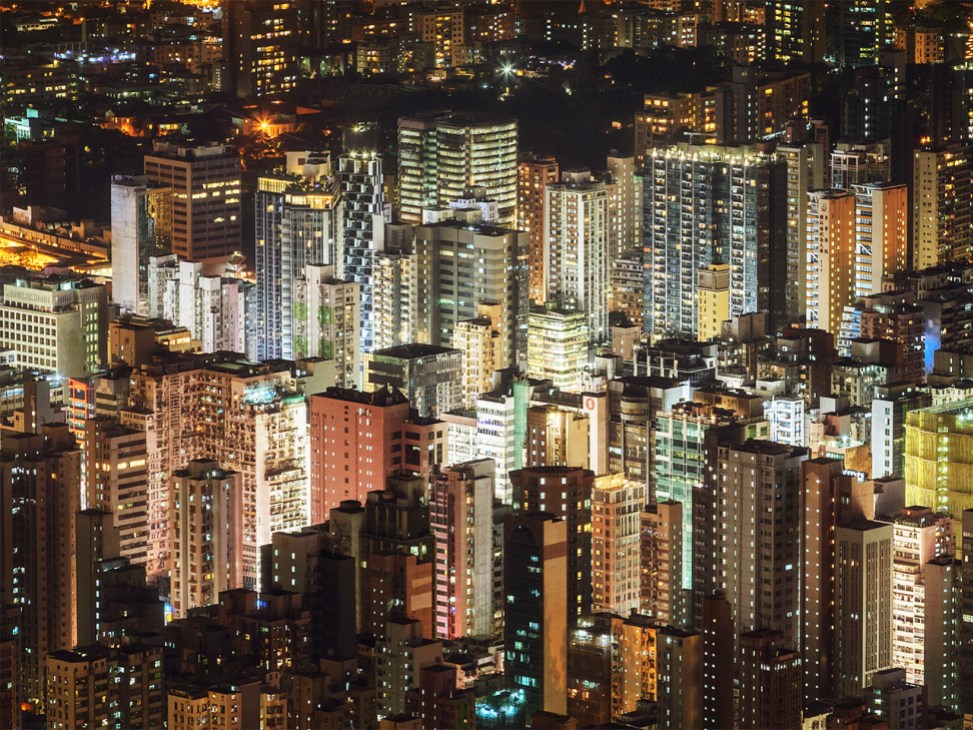
With an estimated 45 per cent of the global population now living in cities and nine Asian metropolises in the top 10 of the world’s megacities (places with 10 million or more inhabitants), the lessons from this region are not to be taken for granted. Nations are building at pace to face the demands of rapid urbanisation but as Choi explains, it’s not just about out with the old and in with the new. “In around two decades, one in every two buildings will be aged 50 or above, so we need a lot of refurbishment, maintenance and preventative repair to ensure that the city can continue to be functional,” he says.
This is where platforms such as Mipim Asia play a pivotal role in getting the right partners around the same table. “It cannot be done by the government alone. We need to attract private-sector involvement, especially public capital, to actively participate in city renewal and provide a better living environment,” says Choi.
There’s a reason why cities continue to grow – they’re magnetic and each have a specific rhythm. It’s only through frank conversations, shared lessons and sustainable growth that we can ensure they remain the best places to call home. In the wake of the deadly fire, Mipim Asia has delivered on that.
Carlota Rebelo is Monocle’s senior foreign correspondent. For more from Mipim Asia, listen to the latest episode of ‘The Urbanist’.
Read next: Mipim, the property industry’s annual meet-up, is finally breaking new ground