Amid heightened geopolitical tensions, the World Governments Summit is a masterclass in soft power
The World Governments Summit (WGS) is taking place this week at the Madinat Jumeirah in Dubai. The annual gathering has become one of the most packed fixtures on the diplomatic calendar, with attendees including presidents, prime ministers and policymakers from across the globe.
This year’s summit opens amid heightened regional tensions: the arrival of Donald Trump’s “beautiful armada” in Middle Eastern waters highlights the president’s renewed threats to strike Iran. Meanwhile, trilateral talks involving US, Ukrainian and Russian officials are unfolding in Abu Dhabi.
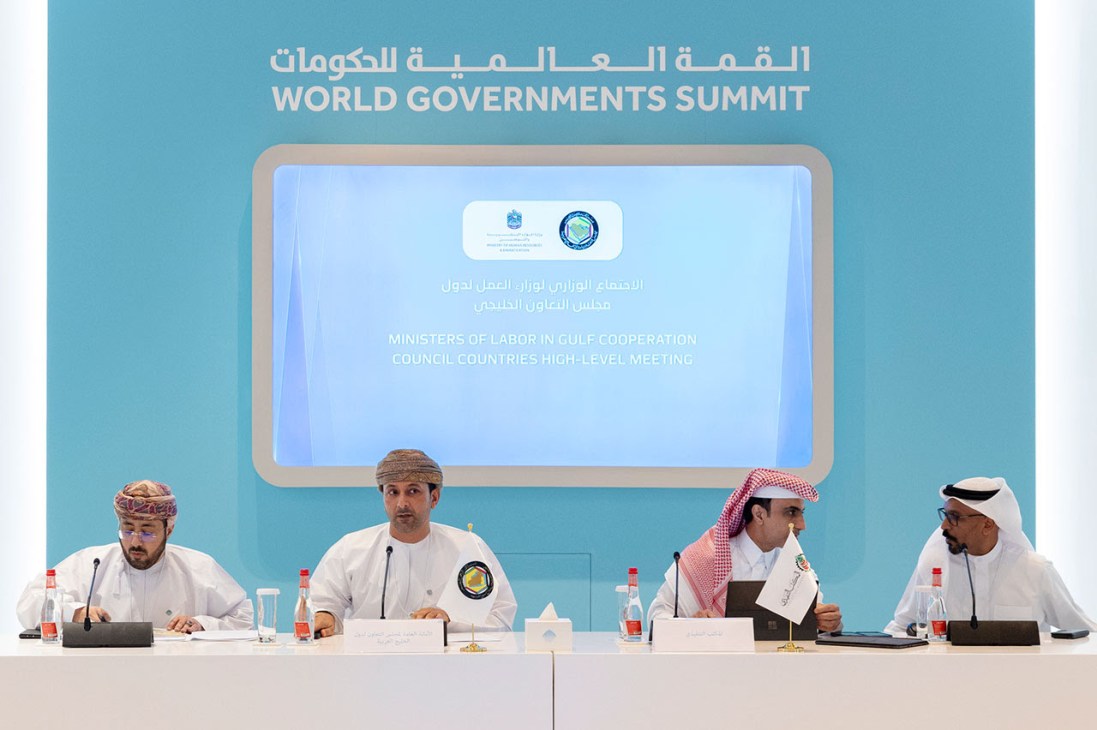
Over the coming days, leaders expected in Dubai include Guy Parmelin, president of Switzerland; Edi Rama, Albania’s outspoken prime minister; Pedro Sánchez, Spain’s premier; and Nawaf Salam, the prime minister of Lebanon. Large delegations from Africa are also in attendance, reinforcing a pattern seen at recent UAE-hosted events: a concerted effort by Abu Dhabi and Dubai to deepen political, economic and diplomatic ties with the continent.
One of the summit’s defining features is its format. Unlike the panel-heavy structure of many international gatherings, WGS leans heavily into majlis-style meetings, where leaders sit together in intimate, circular arrangements to help foster conversation. It’s a reminder that diplomacy in this part of the world is as much about trust and proximity as it is about policy papers.
WGS also brings together business leaders, entrepreneurs, aviation chiefs, technologists and media figures, blurring the lines between public policy and private power. This is part of the event’s appeal – and its challenge. With so many disciplines under one roof, the conversations are rich but the outcomes can feel diffuse. How much of what is discussed here will genuinely travel beyond Dubai?
Still, WGS is a masterclass in soft power. The UAE positions itself not as the loudest voice in the room but as the host – a convener that creates space for others to talk, negotiate and test ideas. “It is a lab for governments,” says Mohammad al-Gergawi, the minister of cabinet affairs in the UAE and the WGS chairman.
That sense of choreography extends well beyond the main stage. Much of the event’s business happens between sessions in smaller meeting rooms, in the courtyard of Madinat Jumeirah’s conference centre and over coffee. The Monocle Café has become part of that informal ecosystem – a place where ministers pause between commitments, advisers trade notes and delegates briefly step out of diplomatic mode.
Monocle Radio will be broadcasting from the summit throughout the week, with Monocle’s head of radio, Tom Edwards; editor in chief, Andrew Tuck; and chairman and editorial director, Tyler Brûlé, joining me on the ground. If there’s one thing that WGS does well it’s creating space for good conversation. Slowing down, gathering people around the same table and letting dialogue unfold is needed now more than ever.