Dr Stretch: Japan’s secret weapon fighting stiff joints and office slouch
How a simple wellness idea turned into a health movement – and now an international franchise.
There was once a time when Masahiro Kurokawa had to explain to everyone what a stretching studio did. To many in Japan, it seemed rather odd that people would pay for something that was potentially painful and could be done for free at home while sitting in front of the television.
Kurokawa opened his first outpost of Dr Stretch in 2010 – a 40 sq m space with five beds in the Shinyurigaoka area of Kawasaki. Outside the world of professional sport, says Kurokawa, one-on-one stretching sessions with a trainer simply “didn’t exist in Japan”.
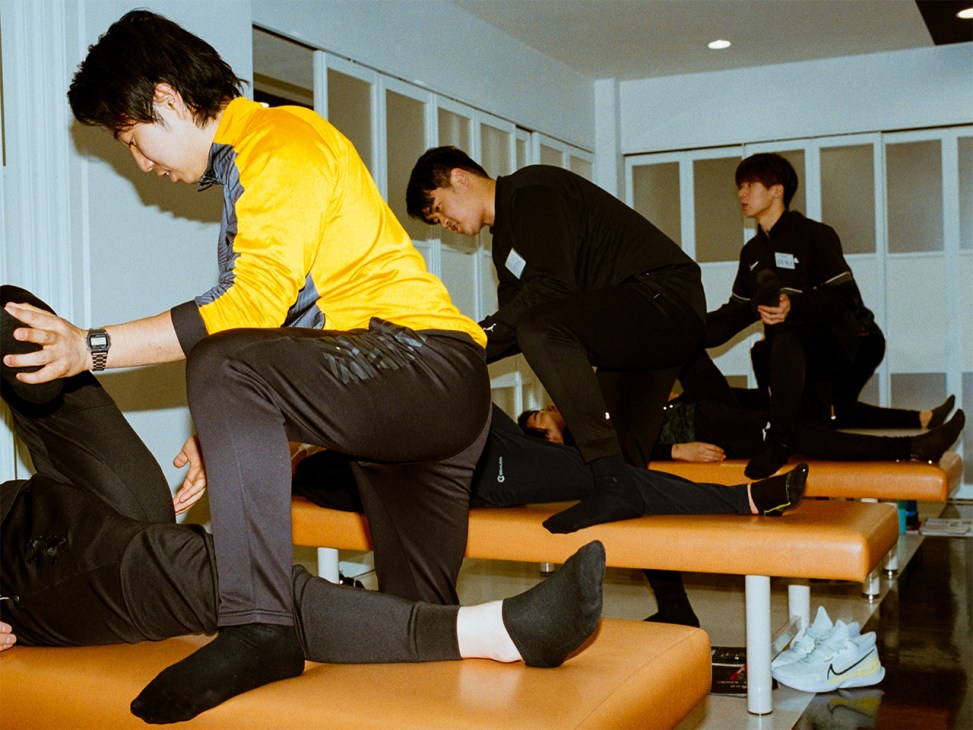
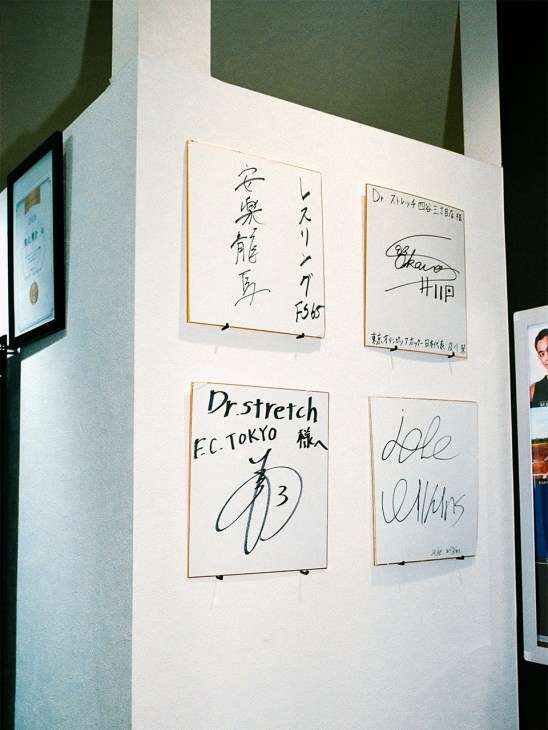
Today, Kurokawa’s Tokyo-based wellness company Nobitel runs a network of 240 Dr Stretch branches in Japan and 46 overseas – including in China, Singapore and the UAE. The company estimates that a million customers have had their limbs and joints tuned up by the brand’s trainers; there are currently about 70,000 active members. This spring, Dr Stretch will enter the European market with a space in Amsterdam. The brand then hopes to expand further west. “What I really want is to be in the US market,” he says.
The idea for Dr Stretch came to Kurokawa in the late 2000s when his 11 year old son, a talented footballer, was sidelined as a result of knee pain. The entrepreneur took his son to see several orthopaedic doctors and chiropractors; all simply prescribed prolonged rest. Then, by chance, Kurokawa met a professional sports trainer who told the boy to try a series of stretches. “My son’s pain went away and I immediately saw the potential for a broader audience,” says Kurokawa.
About the technique:
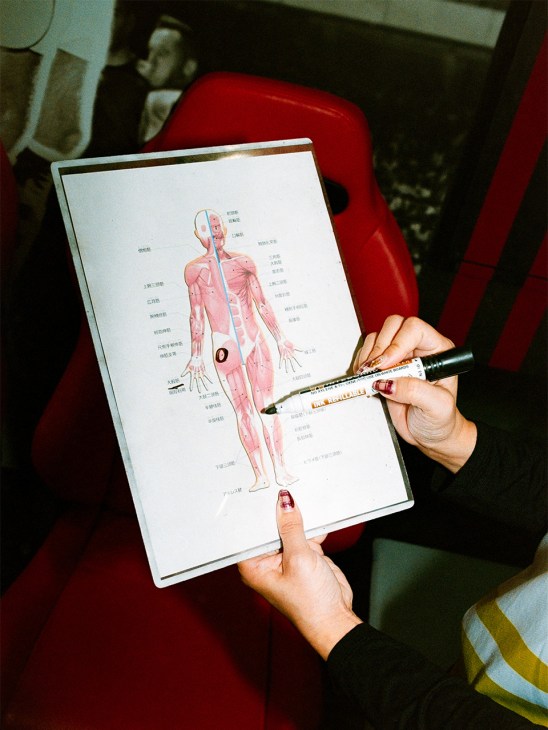
Dr Stretch’s dash to market prominence might appear hasty – it opened 100 shops in the first five years – but the training of its staff takes time. Genki Yamaguchi, a former trainer for the Boston Red Sox, codeveloped the stretching regimen, which was inspired by the US baseball team’s body-maintenance programme for athletes. Of the 2,500 trainers recruited, only 30 had achieved the “Grand” rank (the highest of the five) at the time of publication; this rank allows them to work on professional athletes. New trainers spend two months learning and are taught at least 70 stretching techniques. Quality control matters too: if staff are poorly reviewed, retraining is offered.
The experience became the basis for his business strategy: to demonstrate that Dr Stretch’s “core balance stretching” method could improve top athletes’ performance and offer a pared-down version to the general public. This approach allows the business to stand out in Japan’s ¥700bn (€3.8bn) fitness industry, while offering customers a new way to address physical ailments beyond popular options such as massage or acupuncture. It is the biggest name in a fast-growing sector of Japan’s fitness industry. The country has long had a wide array of treatment options for consumers’ everyday ailments: massage, osteopathic, acupuncture, chiropractic and orthopaedic rehab clinics. “Dr Stretch has increasingly established itself as an alternative to those types of services,” says Takenori Furuya, the editor in chief and publisher of Fitness Business, a Tokyo based bimonthly magazine.
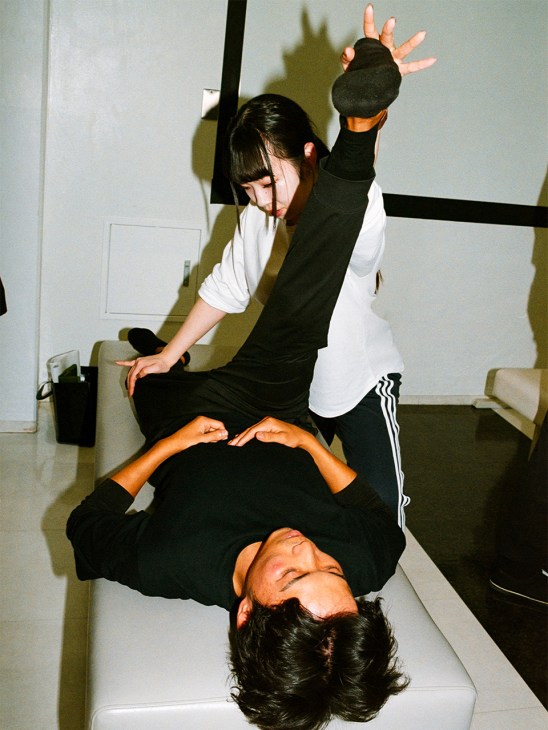
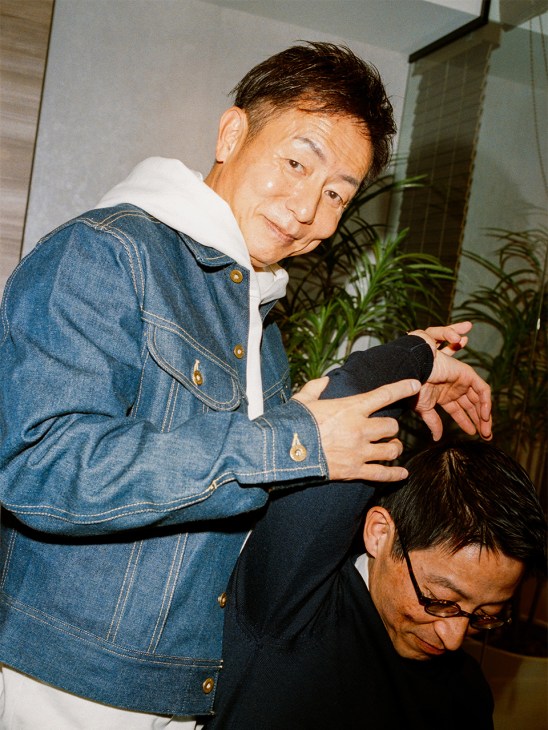
Dr Stretch’s spaces are typically small and sparingly furnished, with between six to 15 beds. Trainers cater to clients from all walks of life, from J-pop musicians and primary school children to middle-aged office workers. “It can take three or four months before you see any noticeable improvements,” says Kurokawa. “With any health related business, it’s always the same: people have to feel the effect or they just won’t stick with it.”
doctorstretch.com
How a session feels:
“The first time that I truly experienced what the Japanese call itakimochi ii – ‘painful but satisfying’ – was towards the end of a session at Dr Stretch,” says our writer Kenji Hall. “My trainer was a tall, strapping, exuberant man. He jiggled my leg and rotated my hip. He pushed his knee into my hamstrings and rolled my calf muscles over his thigh. It was strangely intimate. Afterwards, there was a lightness in my legs that I hadn’t felt in years.”
This article is from Monocle’s March issue, The Monocle 100, which features our editors’ favourite 100 figures, destinations, objects and ideas.
Read the rest of the issue here.