New ideas in the old town: Santo Domingo, a vibrant city quietly gaining new ground
The capital of the Dominican Republic is experiencing an influx of wealth and creatives. The lure? One of Latin America’s safest cities and a dynamic economy.
Community meetings can easily devolve into neighbourhood cranks ranting about potholes. But when the setting is the interior courtyard of a lovingly restored 16th-century building with a well-dressed crowd sipping sangria, the tone can never be anything but congenial. That, at least, is what Monocle discovers upon arrival at a regular gathering of the Colonial Town Owners and Residents Association in Santo Domingo, Dominican Republic (DR).
Holding court during an evening celebrating the year’s wins is Raquel Casares, who founded the association in 2021. A Madrileña by upbringing, Casares is the in-country representative for an international charity. She has led the way for a wave of foreigners to relocate to Santo Domingo, especially its 500-year-old historic quarter. Newcomers are drawn by a Caribbean climate and quality of life, warm Latin American culture, dynamic economy, thriving creative sector and sense of security that is rare for the region.
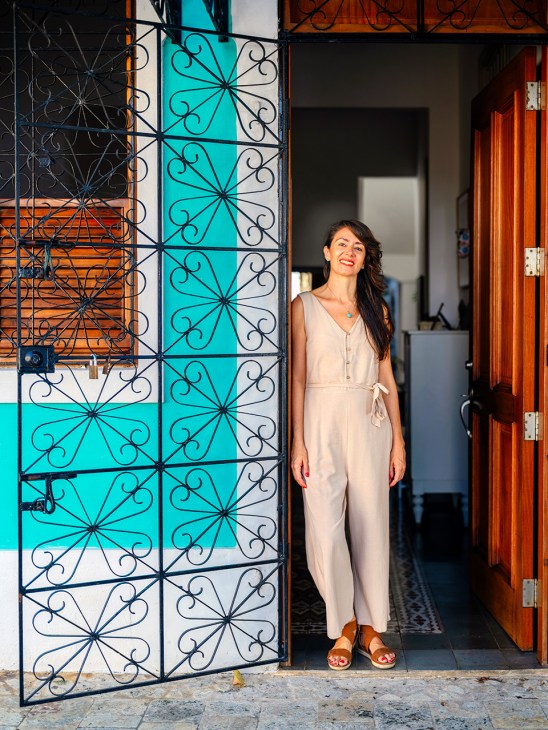
When Casares first arrived two decades ago, Santo Domingo’s old town was a bohemian enclave – full of artists, poets and cheap spots for a late-night cerveza or a spin on the dance floor. Though the Ciudad Colonial is the oldest European settlement in the Americas, dating from 1496, and has been a Unesco World Heritage Site since 1990, the walled city and its stunning coral limestone buildings had been somewhat overlooked. Tourists flocked to the all-inclusive resorts in Punta Cana, while upwardly mobile Dominicans were more enamoured with Miami-style high-rises as the city, today a metropolitan area of four million people, sprawled away from the historic centre where the Ozama river flows into the Caribbean Sea.
The district stopped flying under the radar 12 years ago when the country’s Ministry of Tourism conducted an international design competition for an old-town master plan and the Inter-American Development Bank began financing an urban infrastructure scheme to upgrade streets with proper drainage and hand-laid paving stones. These improvements have raised property values but also prompted concerns about overtourism.
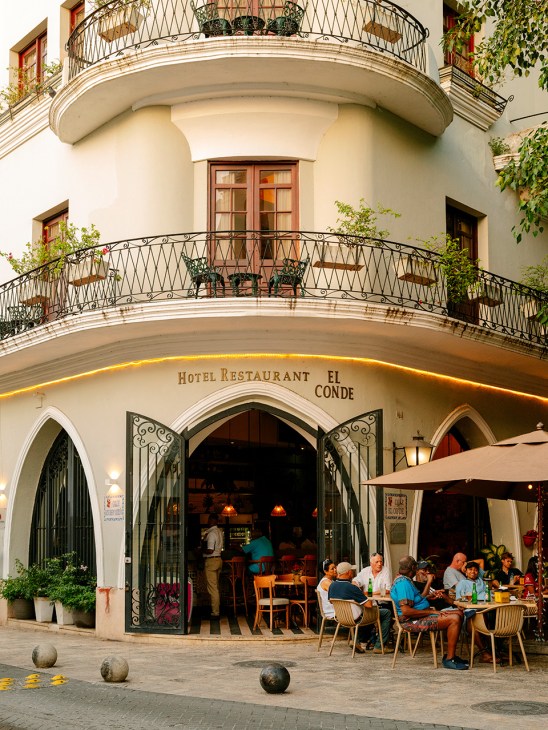
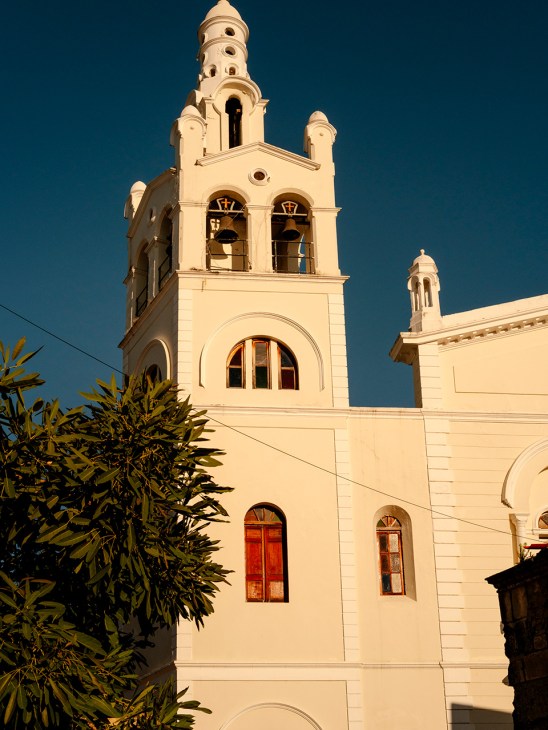
For now, Santo Domingo has avoided the fate of old towns elsewhere in the region, such as Cartagena in Colombia, that are little more than historical theme parks. The quarter is still home to 7,500 residents. Casares is raising a family and proudly handles her daily needs on foot – there are still useful local businesses such as grocers, tailors, bookstores and pharmacies – but sends her sons to school outside the neighbourhood. A lack of child-friendliness – no playgrounds in the parks, for example – was part of her motivation to start the association, something that she says was not looked at askance despite her foreign passport. Instead, she galvanised a community that was eager to speak with a unified voice and convey similar concerns to City Hall under the slogan “people live here”.
Despite the challenges, Casares is more enthusiastic than ever about her adopted home. “It’s the best moment for the old town in 20 years,” says Casares. For anyone looking for a 16th-century fixer-upper, there are still a few left, plus a handful of modernist apartment buildings on Conde, the main drag, but savvy property firms are making moves. The latest marquee opening came in 2024 when IHG Hotels & Resorts unveiled the Kimpton Las Mercedes, bringing in Mallorquin hospitality specialist Marta Amengual as general manager. The boutique hotel is the work of Moneo Brock, a Madrid-based firm that has been active in Santo Domingo for more than a decade. It won the Ministry of Tourism’s master-plan competition, though the company’s co-founder Belén Moneo ruefully notes that the winning designs were never implemented.


Moneo Brock’s handiwork is prominent, however, at Casa Velázquez, an upscale residential building that is a showcase for restoring the colonial town’s building stock. Co-owner Claudio Suarez stumbled into the project when he was looking for a retail space in 2009 to open a shoe shop. What he found was an abandoned 1926 façade with three 16th-century buildings next to it. Against local perceived wisdom, his Dutch business partner insisted that they buy the heritage properties. “For Dominicans it was too risky but he showed me that history retains its value,” says Suarez. The renovations took 12 years largely because of permitting delays. Planning officials had never seen something as ambitious as reconfiguring a group of heritage buildings into a set of spacious, family-sized apartments with ground-floor shops and restaurants.
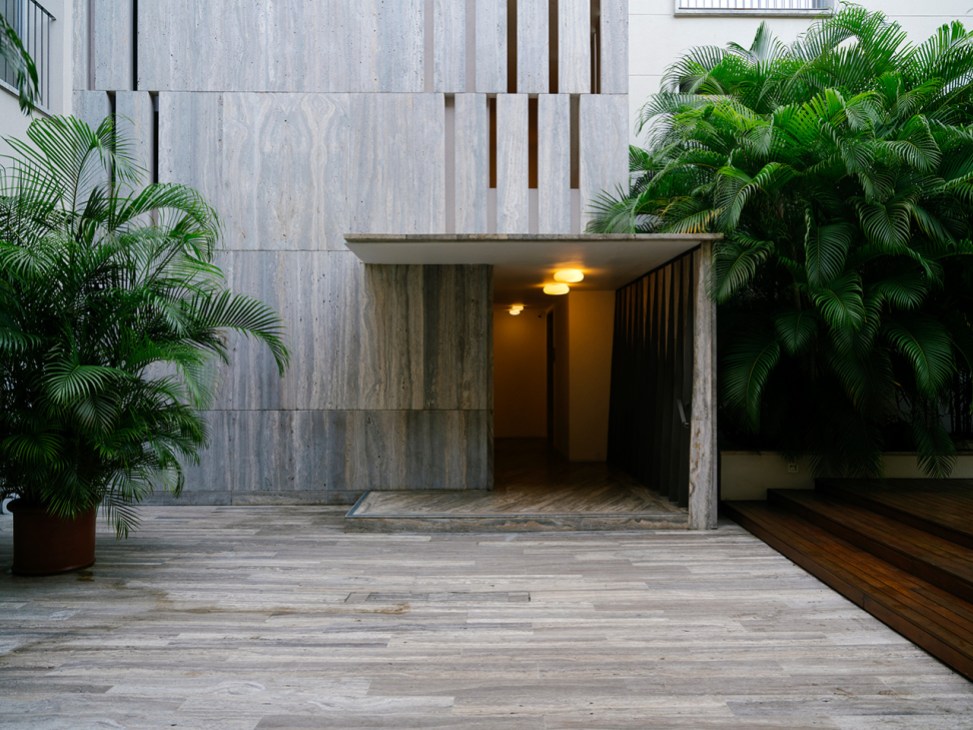
The headaches with Casa Velázquez nearly cost Suarez his marriage, he says. Today, neighbours hail from Belgium, Colombia, Germany, Mexico, the Netherlands, Peru and the US, and his persistence has opened the door to smart renovations. “The government has made a lot of improvements. To come here and do something now you will not go through what we went through,” he tells Monocle before heading off to meet his wife for dinner at the Italian restaurant on the ground floor.
Another Casa Velázquez tenant is Casarré, the city’s hippest dining room. Swiss-Dominican chef and restaurateur Olivier Bur relocated from Zürich in 2023 after years of culinary research on native plants and seafood across the Dominican Republic and neighbouring Haiti (the nations share the island of Hispaniola, which is the second largest island in the Caribbean). He has distilled his findings into a multicourse dinner for which every ingredient, plate, cup and utensil is locally made. “I’m not a fan of tasting menus personally but we have so many ingredients that nobody knows, not even locals, so we would need one hour to explain everything to you,” he says during afternoon prep. Bur settled in the Ciudad Colonial in part because of a strong creative community that still values craftsmanship.
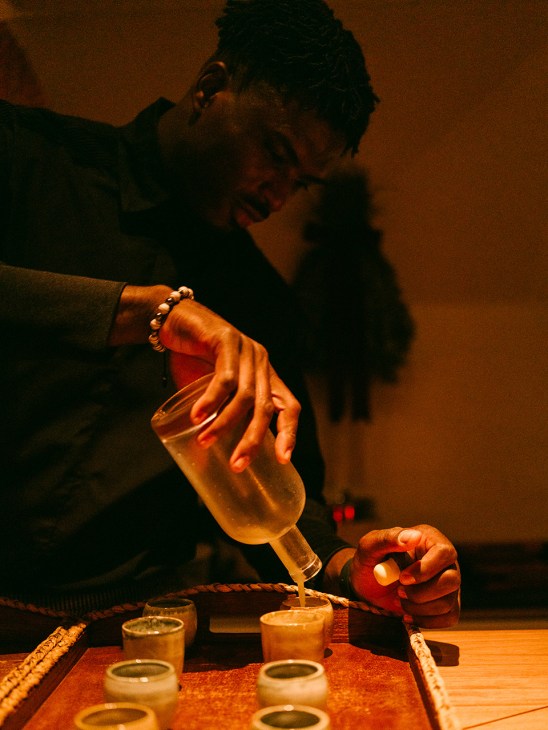
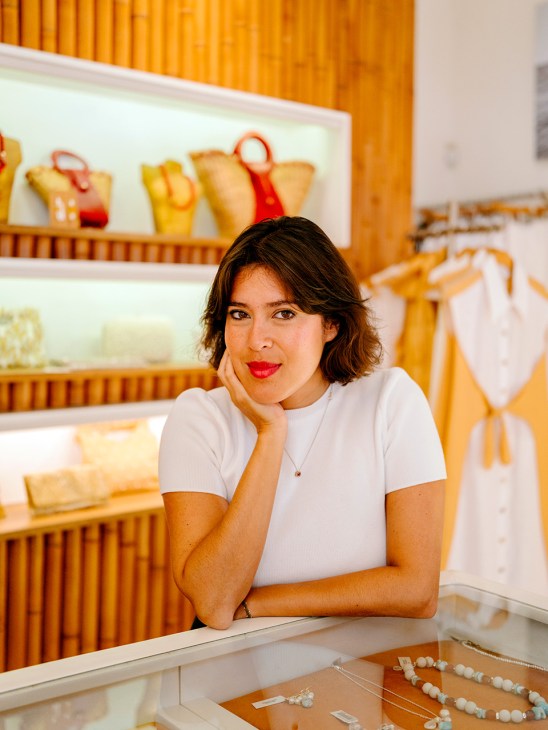
In between showrooms for noted Dominican fashion designer Jenny Polanco and edgy new contemporary art shows at the gothic-style Los Remedios chapel, the sights and sounds of busy hands making things lurk behind nearly every door, from amber and larimar jewellery from Joarla and hand-rolled cigars at Caoba to an entire ceramics workshop housed in the courtyard of Casa Alfarera. Many products bear the label of Manos Dominicanas, a national initiative to promote Dominican crafts, including the well-curated gift shop at Centro Cultural Taíno Casa del Cordón, the latest addition to the old town’s rich stock of museums and cultural centres, and concessions at Las Américas airport.


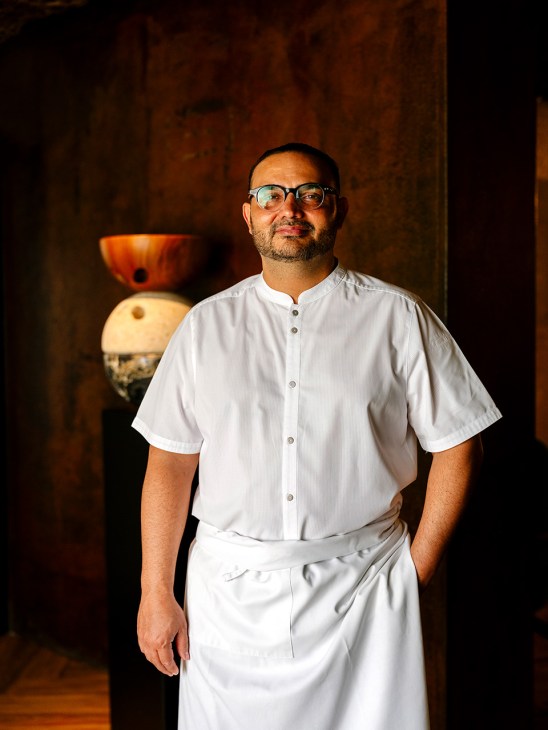
A sack of heirloom limes dropped off that morning sits by the door at Casarré. Too many for that night’s dinner, says Bur, so the extras are destined for the upscale Piantini neighbourhood across town where haute gastronomy with Dominican ingredients first took off. Ahead of the citrus delivery, Monocle makes a call at Ajualä. With its thatched roof, secluded garden and clean lines, the restaurant’s tropical modernism could slot easily into São Paulo’s Jardins neighbourhood.
Originally from Venezuela, Ajualä’s owner and chef, Saverio Stassi, has cooked in seven different countries. When he arrived in Santo Domingo in 2003, he estimates that there were 50 restaurants, 10 of which were of decent quality. Today there are more than 80 on Piantini’s main avenue alone. “It’s a city of opportunity that respects foreigners,” says Stassi. “You can live well here without the million dollars you would need in Malagá or San Sebastián – I’m 10 minutes from the beach and half an hour from the mountains.”
Pending traffic. The city’s transportation network leaves much to be desired, with a limited metro (the only subway in the Caribbean) running a total length of 48.5km and no rapid bus transit of which to speak. Taxis are plentiful but gridlock can be gruelling. Despite its seaside setting, the lack of a clean beach within city limits is also a drawback, though the mayor, Carolina Mejía, is touting improvements with the Malecón Deportivo, a corniche for the sporty set opening later this year as a legacy of the city’s host role during the 2026 Central American and Caribbean Games.
Juan Manuel Gaitán, a Colombian ad executive who has completed stints in Buenos Aires and Melbourne, was recruited by Ogilvy to serve as the agency’s chief creative officer in the DR. The Santo Domingo traffic was a grind and road trips to the interior were hampered by poor nighttime illumination, so he turned the crumbling infrastructure into creative inspiration for client Chevrolet. The campaign Night Signals installed billboards that function as car ads during the day but double as road-safety signs after dark. The clever concept won two awards at last year’s Cannes Lions, which was vindication for Gaitán and his Colombian actress wife that they had made the right choice when moving to Santo Domingo and starting a family here. “I’ve always wanted to live on an island,” he says. “The nature and the sea inspire my creativity.”
For residents across the city, from denizens of the high-rise precincts to old-town dwellers, security is not a major concern. Stassi relates how the morning before he meets Monocle at his restaurant, he accidentally left the keys in his motorcycle while playing tennis. It was still there when he got back – not something to recommend but encouraging, nonetheless. Ciudad Colonial residents feel similarly as they take an evening stroll or head for a night of salsa, bachata and merengue. The Dominican Republic’s tourism police, Politur, are widely respected and effective. In 2024, the homicide rate dropped for a third consecutive year and the DR now ranks as the second-safest country in Latin America – all achieved while holding free and fair elections and without installing a “cool dictator” like El Salvador’s Nayib Bukele.
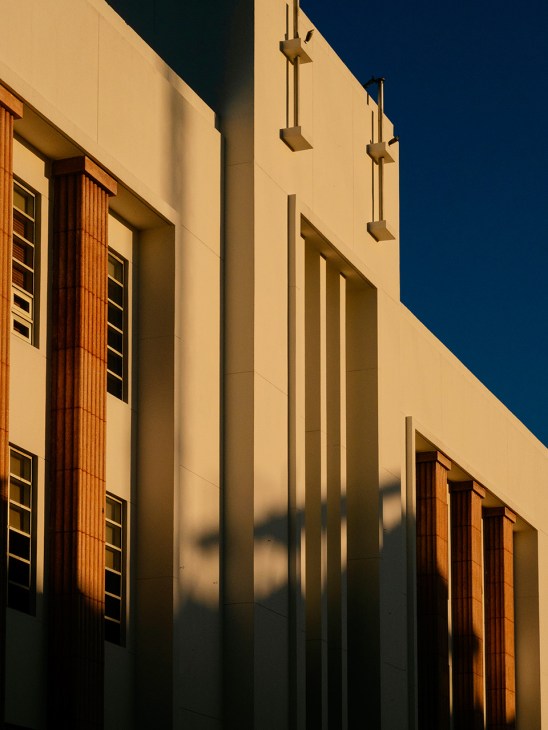
This momentum is drawing Dominican talent back to the island, such as interiors and travel photographer Victor Stonem, who returned from Barcelona in 2021 and recently published a photo book of interiors from across the old town. It’s also keeping ambitious locals from leaving, such as Omar Garcia, better known by his nom d’artiste, Angurria. Together with his partner, Venus Patricia Díaz, they run a cultural production agency that works with Unesco to promote the creative economy in the DR and organise art and entertainment festival Caye, which takes over a plaza outside the old town walls. The last edition attracted 13,000 attendees; its first edition generated RD$3.8m (€50,300) in economic activity.
Garcia, a former shortstop who works on mural commissions for Major League Baseball – the sport being one of the country’s leading soft-power exports – understands the appeal of moving abroad but with solid air connections from Las Américas airport to Miami, New York and Madrid, he finds that Santo Domingo suits him just fine. “The sport and entertainment industries are looking to the Dominican Republic as both a market and source of cultural raw material,” he says. “The sky is the limit here.”
Open for business
A business-friendly climate under the Dominican Republic’s president, Luis Abinader, who was re-elected in 2024, is a national draw paying dividends in Santo Domingo. The DR jumped the most out of all Latin American countries on the Latinvex Global Business Complexity Index, from among the eight worst to the five best, chiefly thanks to a 2023 national law introducing mandatory electronic invoicing for all enterprises. Foreign direct investment is also at record highs, totalling $2.89bn (€2.46bn) through the first half of 2025, a 15.3 per cent year-on-year increase.