Reshoring in action: Three mobility manufacturers betting on homegrown production
Across the globe, reshoring production is on the rise as global supply chains shift and political uncertainties remain high.
Faced with economic uncertainty and geopolitical tensions, mobility manufacturers are choosing to move activities closer to home. While nearshoring production to neighbouring countries has become a popular option, some are taking it a step further. Reshoring – bringing manufacturing home – often means that quality and supply-chain resilience are improved, though in wealthier nations, at least, this usually comes with attendant price increases. Here are three mobility makers that are homeward bound.
1.
Toronto railway cars
Canada
Toronto’s subway cars are rusty, noisy and in need of replacement. Amid ongoing tariff tensions with the US and the consequent “Buy Canadian” movement, the Toronto Transit Commission closed bidding to US manufacturers last year, instead signing a deal with French company Alstom to build a fleet of 70 trains in its Ontario factory. The deal has support from the provincial and federal governments, which have committed the funds needed to ensure the viability of the project.
2.
Britten-Norman aircraft
UK
After five decades of outsourcing production to a factory in Romania, UK aircraft-maker Britten-Norman has moved its operation back to the Isle of Wight. Its short-haul, twin-engine Islander plane, made since the 1960s, can hold up to nine people. The move will make manufacturing more efficient while building resilience to increasingly erratic supply chains throughout Europe, boosting local employment and the “Made in the UK” label.

3.
Mazda battery modules
Japan
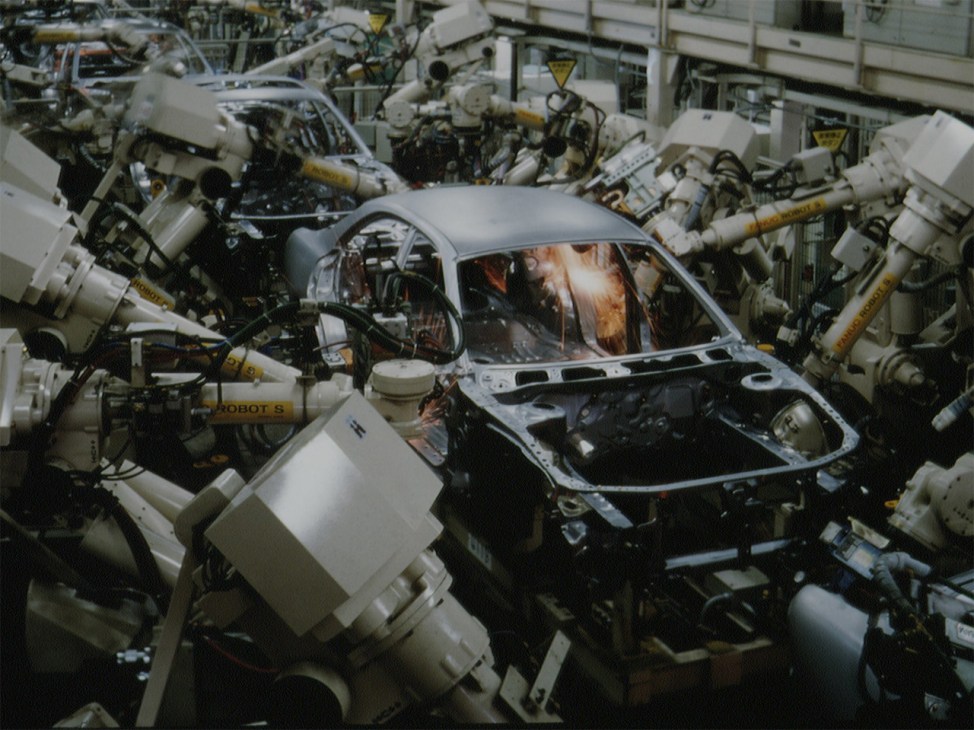
Mazda is building a new production facility for battery modules in Iwakuni, Japan. This plan to invest in its homeland was announced in 2025 and construction officially began in November, with the aim of firing up operations in 2027. Mazda has not opened a new factory in Japan since 1992 and today its global production network reaches from China to Thailand and Mexico. But with Donald Trump’s tariffs bearing down and Chinese competition stiffening, Japan’s automakers are striving to seize back their fate.
Comment
The ability to make everything from cars to jumpers domestically is important. Rapid 20th-century de-industralisation left many Western states out of practice but there are signs that nations are picking up tools again. One study from 2024 found that more than half of the UK’s manufacturers are now reshoring. It’s good for retailers, consumers and a nation’s brand.