How Japan’s snowiest cities are tackled with custom snowplough innovation
Nichijo is the leading plough manufacturer in the world's snowiest country. But is a business based on cold weather a good bet in a climate crisis?
As unlikely as it sounds, Japan is the world’s snowiest country. Of the global cities with more than a million residents, Sapporo, in the northern prefecture of Hokkaido, has the second-highest annual snowfall in the world. On average, almost five metres of snow falls every year compared with a mere two metres in Toronto, for example. It makes sense, then, that Japan would produce its own snowploughs.
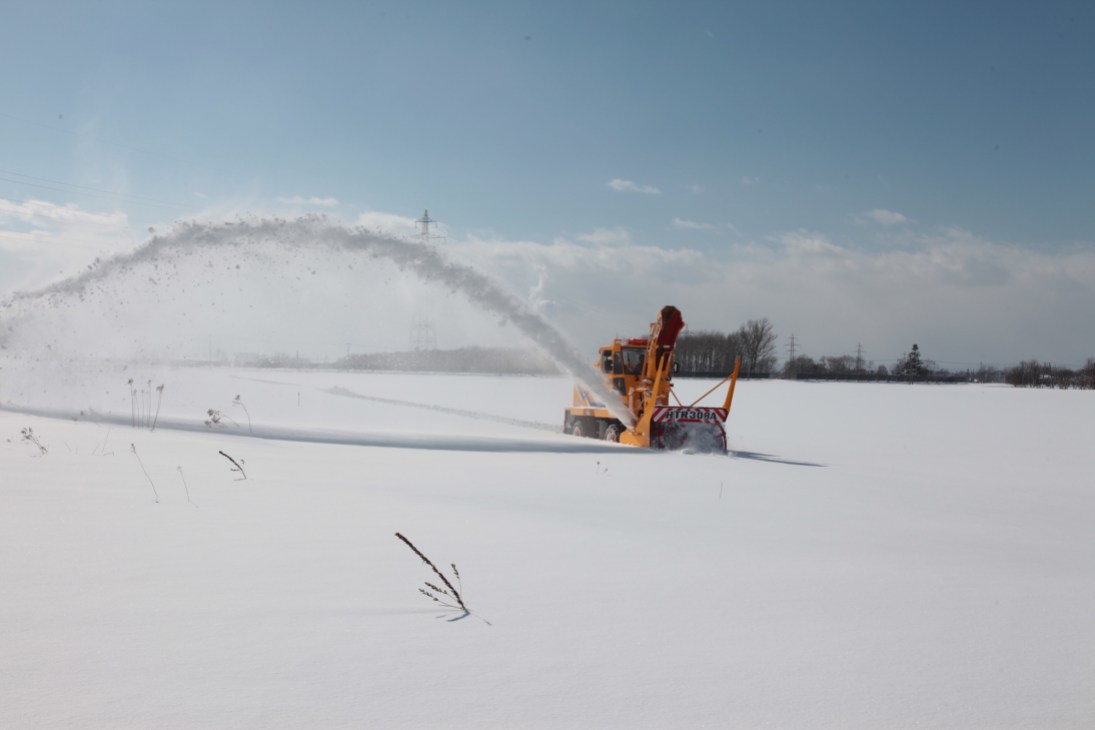
That said, there are only three manufacturers left in the country. They are survivors of new emissions regulations that budged several competitors out of the market – and Sapporo-based Nichijo controls 62 per cent of the domestic market. The company makes yellow or orange rotary ploughs with red blades at the front to tear through the thickest blankets of snowfall. Tetsuya Nakamura, from Nichijo’s planning division, says that the company’s strength lies in its control of everything from design to sale. “Most of our staff have an engineering background so we can tailor our snowploughs to the specific needs of each customer,” he adds. Such is the cost of a custom-order snowplough that the buyers tend to be municipal governments and airports
“Each country has its own particular needs when it comes to snowploughs,” says Nakamura. In Japan that means operating on narrow city roads, turning with ease and, crucially, blowing snow out of the way – the citizens of Japan’s cities like their snow to be piled up in an acceptably aesthetic way. “In other countries, it’s enough to push the snow to the edge of the road,” he adds. “Here, people want to be able to direct the snow with precision.”
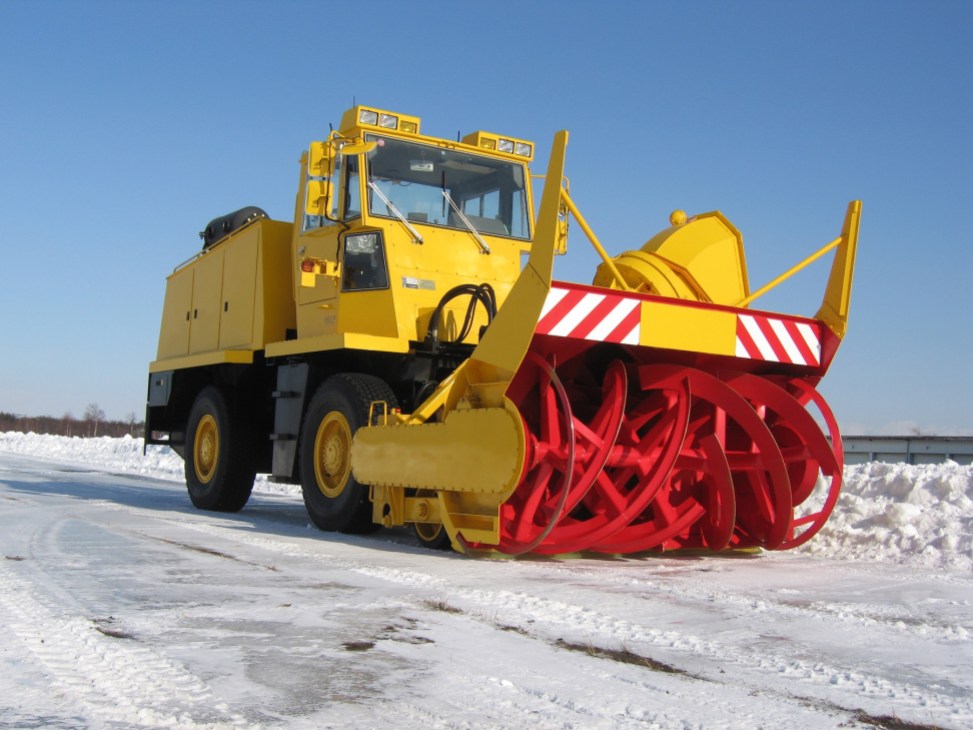
Those requirements have kept non-Japanese rivals such as ABBI Schmidt and Oshkosh out of the market and nudged Nichijo to develop an inventory that runs from super compact machines to those large enough to clear an airport runway. The company has had plenty of time to perfect its machines. It produced Japan’s first rotary snow plough locomotive in 1958 and was then asked by the government to make a vehicular version the Hydraulic Torque Converter Rotary, or HTR. At the bigger end of the HTR range is a nine-metre bruiser that can clear an expressway of 4,200 tonnes of snow per hour, blowing it through a chute at a designated distance up to 45 metres away.
Nichijo has come a long way from its roots. Its ploughs now have touchscreen monitors, a single joystick instead of multiple levers, and an automated system that adjusts speed according to the depth of the snow the plough must drive through. The company’s latest development is an eco-friendly plug-in hybrid machine.
So, is a business based on snow really a good bet in our warming world? “It’s not so much that we’re seeing less snow now,” says Nakamura. “Instead, we’re seeing more ‘guerrilla snow’ or days when snow is dumped unexpectedly.” The company is hedging its bets, though. It also manufactures heavy goods carriers for factories. “We can adapt,” he says. “Our role is to keep the roads safe with products that meet the needs of the day.”
nichijo.co.jp
Japan’s snowiest cities
8 metres
Average annual snowfall in Aomori
5 metres
Average annual snowfall in Sapporo
3.6 metres
Average annual snowfall in Toyama
Read next: How innovative snow-clearing technology is developing across continents