Taiwan is the world’s tech powerhouse – but it can’t keep the lights on at home
On a weekday morning in Taiwan’s Hsinchu Science Park, delivery trucks queue outside semiconductor foundries. Just a few blocks away, meanwhile, is a hardware shop with many of its lights switched off; its owner sits idly by the counter, staring at his phone. It’s a snapshot of a place that’s experiencing a world-changing boom that doesn’t feel like one at street level. Amid all the geopolitical noise, Taiwan closed 2025 as an indispensable part of the global technology supply chain. As the manufacturer of most of the world’s advanced chips and servers, the island nation’s economic might is on course for further growth as AI continues to evolve. In October exports grew at their fastest pace in almost 16 years, largely driven by US demand for AI-related hardware (a category excluded from Donald Trump’s tariffs). This astonishing run has brought to the fore questions about who benefits from Taiwan’s economic model and its effects on the island’s security.
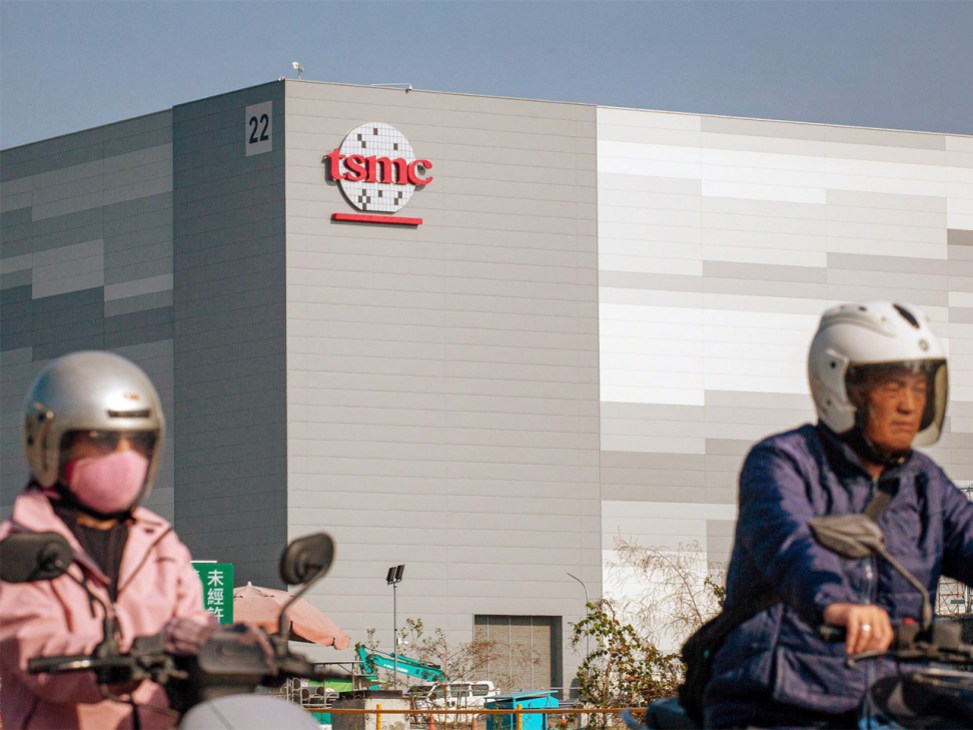
Success in technology hasn’t lifted all sectors equally. From tool makers to auto-parts factories, traditional manufacturers have been contending with rising costs, labour shortages and the downstream effects of a supply chain that prioritises semiconductors above all else. The stock market surge has rewarded giants such as Taiwan Semiconductor Manufacturing Company (TSMC), the world’s largest chipmaker and the quiet engine behind everything from iPhones to the data centres that the internet relies on. TSMC’s market share exceeds 70 per cent and the company continues to post record profits – a level of dominance that only widens the gap with the island’s other manufacturers.
Currency policy magnifies the divide. The Taiwan dollar is estimated to be undervalued by 55 per cent against the US dollar – the steepest misalignment in the world. This keeps exporters globally competitive but raises the cost of living for everyone else. The strategy of currency devaluation powered the island’s industrialisation in the early 1990s; today it concentrates the spoils. Wages remain flat: the average monthly salary hovers at about NT$47,750 (€1,142). And the sector driving Taiwan’s global clout is small relative to its influence. TSMC employs some 83,000 people in total, almost 90 per cent of whom are in Taiwan; yet this represents a small fraction of a labour force measured in the millions. Outside a narrow class of engineers, the average worker here is effectively underwriting the country’s export success through lower pay and eroded purchasing power.
Housing turns that pressure into something more visible. Low interest rates have pushed demand well beyond what wage growth can support. Taipei is now one of the world’s most expensive cities to buy a home in, with a house-price-to-income ratio at 15.71 in 2023 – considerably higher than even London or New York. In the capital an average household still needs to devote two-thirds of its income to a mortgage, a burden that keeps younger Taiwanese trapped in a cycle of renting.
All of this is unfolding as the island faces volatile geopolitical pressures. The industry fuelling Taiwan’s economic rise is now at the centre of global security concerns. Beijing has intensified its military pressure, no doubt emboldened by the havoc that Donald Trump is wreaking on geopolitical norms. At the end of December, China held huge military drills around Taiwan, involving fighter planes, naval destroyers, drones and even a simulated blockade; Chinese military aircraft and naval vessels have become a regular presence around the island.
Taiwan’s strategic value cuts both ways. It heightens Beijing’s incentive to pressure the island while strengthening Washington’s belief that it is too crucial to lose. Washington has tightened export controls on advanced chips bound for China while pouring billions into domestic production, including a subsidy of more than $6bn (€5.2bn) for TSMC’s new fabs in Arizona. Europe and Japan have followed suit, courting Taiwanese firms as they race to build their own chip-making capacity.
Translating Taiwan’s technological stature into broader domestic prosperity remains an unresolved challenge. The geopolitical backdrop adds another layer of uncertainty to an economy already struggling to spread its gains.The island is being asked to anchor the world’s AI ambitions while absorbing the political and security risks that come with it. This year will be a test of whether the benefits of this extraordinary boom can finally filter down to the households carrying its weight.
Clarissa Wei is a US journalist based in Taiwan. For more opinion, analysis and insight, subscribe to Monocle today.
Read next: What the West gets wrong about Chinese innovation