Muzeu Braga, Portugal’s newest art museum bridging art and critical thought
The museum’s inaugural exhibition brings together works by Alex Katz, Nan Goldin and Annie Leibovitz, alongside leading Portuguese artists such as Ângela Ferreira, Pedro Calapez and Ana Vidigal.
At Portuguese construction and engineering group DST’s sprawling hub in the northern city of Braga, a landscape of factories and warehouses is punctuated by site-specific artworks by the likes of Pedro Cabrita Reis and Miguel Palma. Workers in hi-vis vests and trucks move through the grounds, which also host open-air poetry readings, theatre performances and philosophy classes. It is an unusual convergence of worlds: the hardy, industrial reality of construction, and the utopian terrain of art and ideas. Yet DST’s CEO, José Teixeira, has placed culture at the centre of the business his father founded in the 1940s – first as a quarry, and today comprising more than 60 companies, from telecommunications to renewables, and about 4,000 employees worldwide.
“Architecture, art, philosophy and the search for beauty play an instrumental role in the products that companies create,” says Teixeira, who has amassed one of the country’s most significant private art collections and moves seamlessly between speaking about prefabricated homes and Susan Sontag quotes. Now, Teixeira is extending his ambition beyond the company grounds with the opening of Muzeu, a contemporary art museum in Braga’s historic centre.
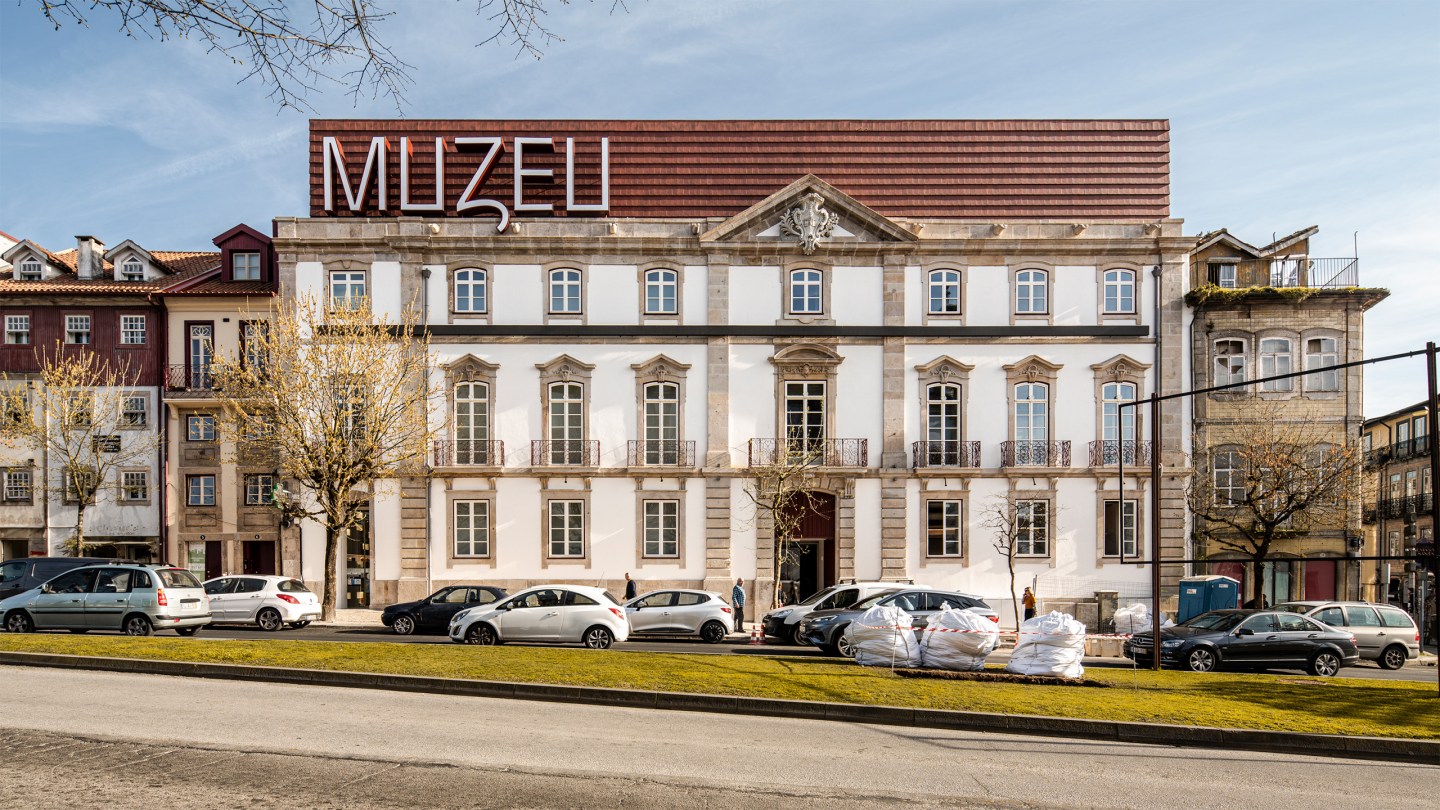
If DST’s campus brings art into the everyday lives of factory workers, the museum brings something of the factory floor to its visitors. Housed in a former courthouse adjacent to the town hall, the building’s five floors have been reworked with an industrial language of exposed steel beams and concrete, conceived by local architect José Carvalho Araújo. Other elements – such as sculptural bronze doors by Portuguese artist José Pedro Croft and ochre brick roofs – reference Renaissance Florence. Teixeira seems to embrace the role of the art patron. “I would like DST to be seen as a renaissance figure of the 21st century,” he says. “A patron in the sense that artists, poets, novelists, musicians shouldn’t have to wait for the state to step in.”


The inaugural exhibition, Sejamos realistas, exijamos o impossível (Let us be realistic, let us demand the impossible), brings together works by major international names, such as Alex Katz, Nan Goldin and Annie Leibovitz, alongside leading Portuguese artists, including Ângela Ferreira, Pedro Calapez and Ana Vidigal. Other pieces by both emerging and established artists in Teixeira’s 1,500-strong collection also feature, while there are also a series of planned conferences, performances and workshops. A permanent space on the top floor is dedicated to works by Anselm Kiefer. “It’s the only one of its kind – if you want to see it, you have to come to Braga,” says Teixeira.
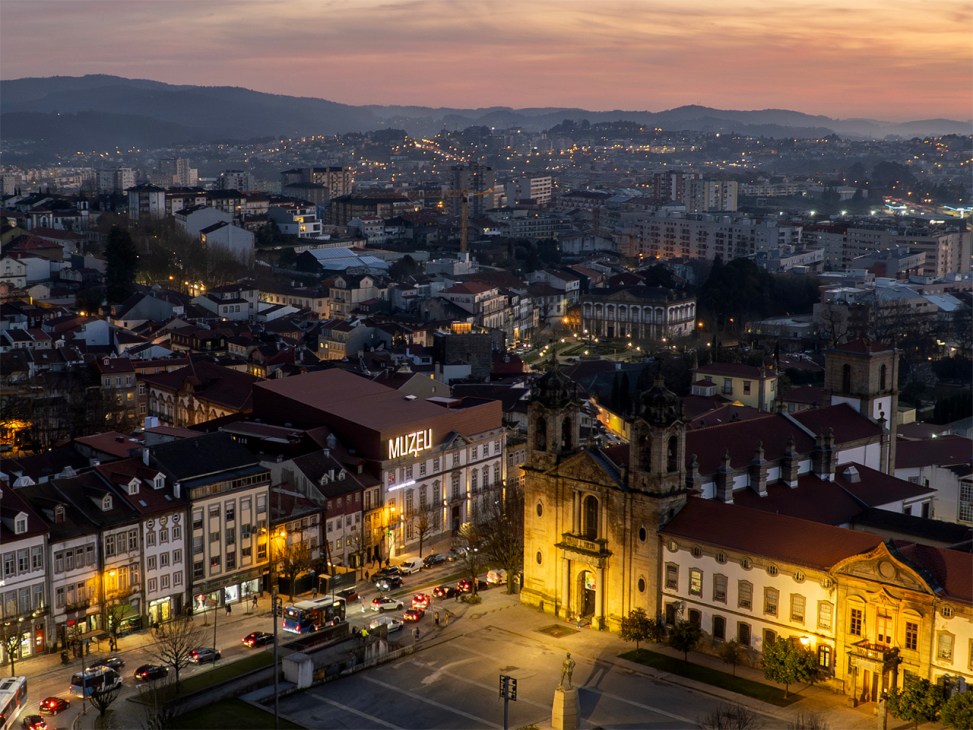
As Portugal’s third-largest city, Braga has long drawn visitors to its historic centre and baroque churches. The city also has one of the country’s highest birth rates, along with a young and dynamic workforce in engineering and technology. Yet its cultural programming has remained understated, until now. With Muzeu, Teixeira hopes that will shift. “We aspire to the Bilbao effect,” he says.
muzeu.com