Can art defend democracy? Raoul Peck discusses his urgent new film, ‘Orwell: 2+2=5’
Raoul Peck explores the radical power of art, arguing that films, stories and images can cut through manipulation, re-engage citizens and play a decisive role in the defence of under-threat democracy.
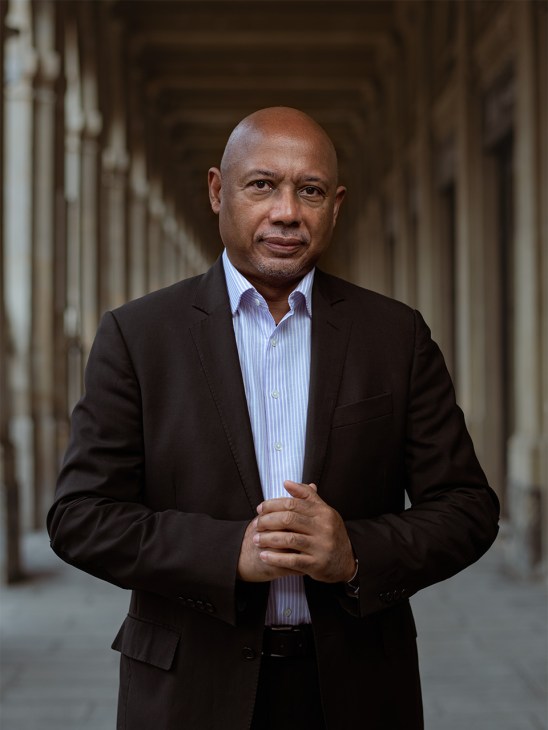
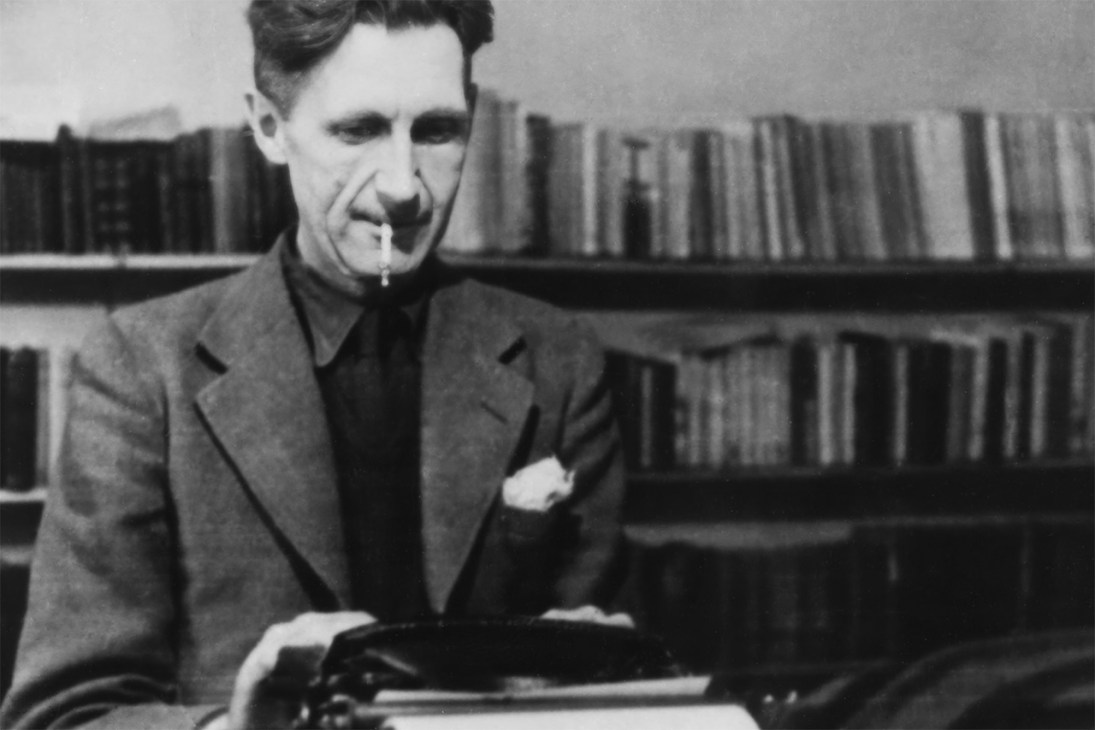
Filmmaker Raoul Peck, also Haiti’s former culture minister, returns this weekend with his latest documentary: Orwell: 2+2=5. A decade in the making, the film centres on George Orwell’s final years, when the British writer was racing to finish 1984.
Orwell’s words – brought to life by Damian Lewis – offer audiences a fresh take on how relevant and prophetic his work remains. As in the director’s previous, Bafta-winning documentary I Am Not Your Negro, Peck uses modern-day material and news footage to highlight how Orwell’s anxieties over coercion and manipulation have never been more pertinent. Assessing the rise of authoritarianism across the globe, attention is turned to the US and the patterns and connections between president Donald Trump’s public pronouncements and the dystopia of 1984.
Peck’s film is both a critique and call to action; a reminder that resistance rests not with elites but with an engaged and organised public. Here, Peck discusses his research process, how his time in office as Haiti’s minister for culture and communication shaped the film and the relationship between art and democracy.
This conversation has been edited for length and clarity. Listen to the full discussion on Monocle Radio.
Why is George Orwell the right lens for you to tell this story?
Orwell delivered us the toolbox to understand what’s going on in the world. He was warning us of things that he went through himself; he experienced the degradation that we are witnessing with his own body. He was able to describe to us how any authoritarian regime or power can gain control of us. It was true in the 1940s. It was true in the 1950s. It’s true today.
How did you get into the essence of Orwell as a man?
Through his work. To understand a writer’s motivation, you need to go back to see where he lived and what he did. That’s exactly what I did. Orwell didn’t hide what he had to do as an imperial policeman or during his time in the Spanish Civil War. He put his life at risk and went to fight for justice and a new type of democracy. He was a [democratic] socialist but he was never a dogmatic socialist. It was always about being able to criticise your own party, your own position or whatever you felt was not right.
How were you able to bring your own personal experiences into the film – your time as culture minister in Haiti, for instance?
I was privileged enough to go into politics for two years; I was requested not just to be a critic but to be an actor in a very tough situation in my own country. It was all about asking: how do you really restore democracy? How do you make sure that the previous authoritarian regime doesn’t come back? I had no problem leaving cinema behind because I came to it to be active, to change whatever I felt was not right in our world.
You portray the news media as having a very powerful effect in supporting authoritarian structures. Do you believe that film has the power to change that?
Film is an incredible platform to access people and confront them with things that they don’t confront on a daily basis. The press has been totally degraded. Newspapers, magazines, radio and television have been bought by billionaires and that has an impact.
A theme throughout is that if there is hope for the future, it lies with the morality of the masses – do you share this view?
Change will not happen within the party. I see with my own participation in fights – whether in Haiti, Congo, France or Germany – it’s always the civil society that at one point decides to say ‘Stop!’ We lived through it in Minneapolis recently. It was the population who decided that it was going too far. The whole history of humankind has been a history of fighting against a system that is not responding to the will of its citizens – and that’s what democracy is as well. That’s the best tool we’ve found to fight back.
‘Orwell: 2+2=5’ is in cinemas now. Hear the conversation with Raoul Peck on Monocle Radio here.