How a Parisian community saved the historic La Clef cinema from fading to black
The reopening of La Clef, one of Paris’s most historic independent theatres, is a masterclass in how on-the-ground efforts can help save traditional media.
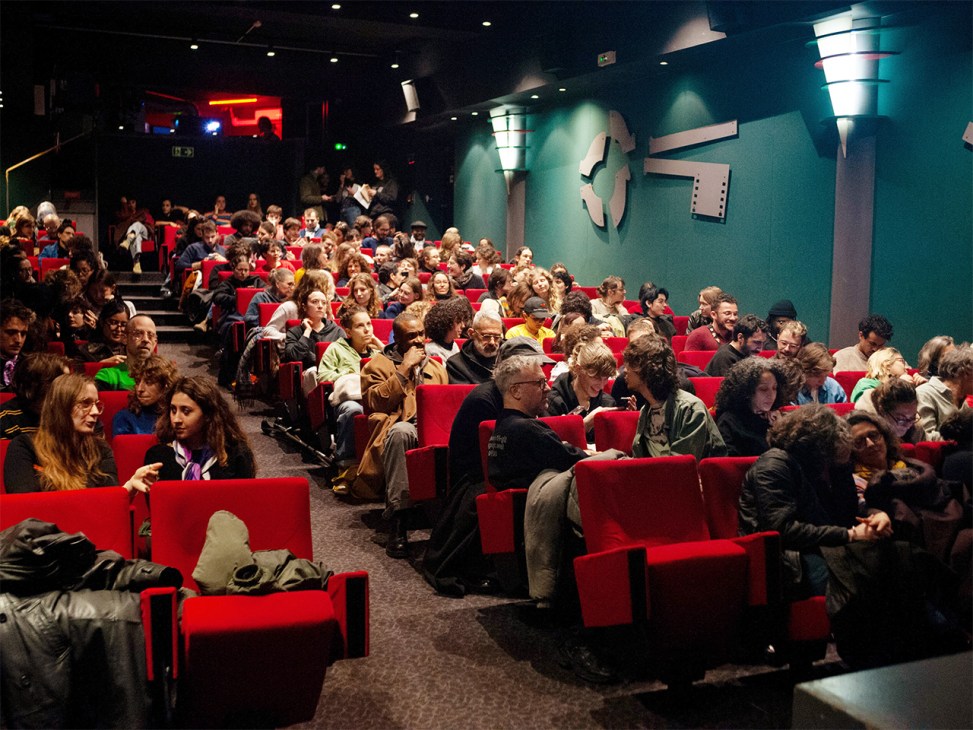
A few days ago, La Clef cinema – an arthouse theatre in Paris’s Left Bank – drew a huge crowd for its triumphant reopening. After a six-year battle, students, activists and film lovers celebrated the survival of the city’s only community-run cinema, proving that these venues can thrive when we treat them as cultural spaces rather than expendable businesses.
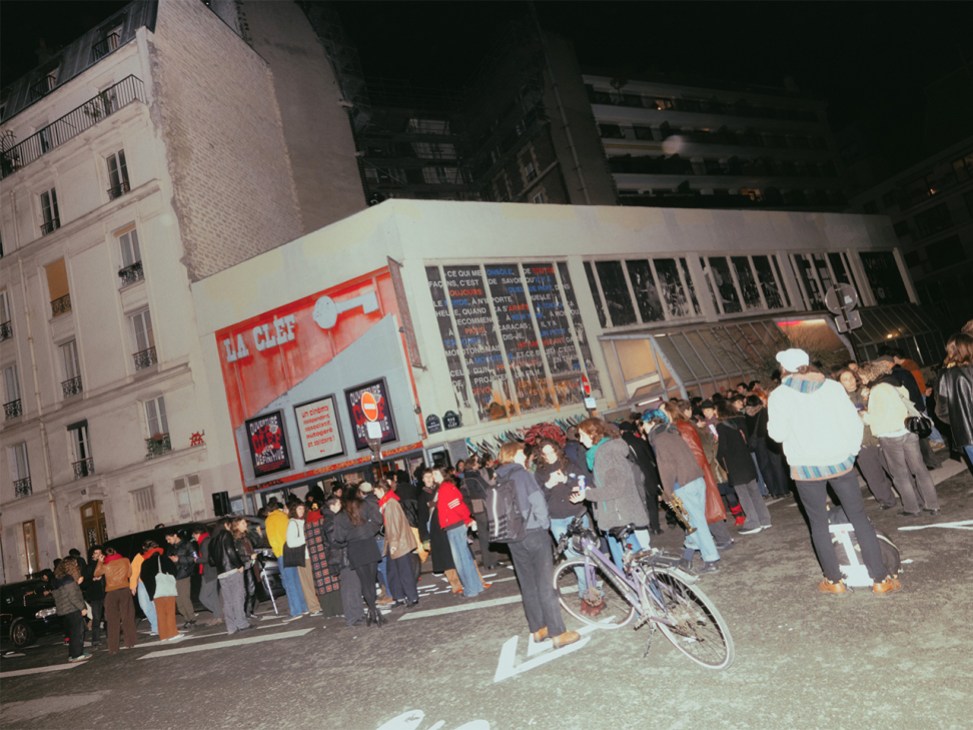
Since its previous owners decided to close the institution in 2018, La Clef (meaning “the key”) has been a symbol of resistance in the face of a general decline in theatregoing. Founded in the 1970s, the cinema made a name for itself by supporting rare arthouse features from France and abroad, particularly from sub-Saharan Africa and Asia. From the beginning, it offered much more than a space to watch films: it was a place to gather and debate. So, when it became clear that the theatre could disappear, a group of activists and students occupied the property illegally, trained as projectionists and kept its programme of underrepresented voices going for 882 consecutive days. Thanks to a campaign funded by donations, loans from credit unions and support from Martin Scorsese and Quentin Tarantino, as well as French filmmakers including Céline Sciamma, Leos Carax and Olivier Assayas, the collective known as La Clef Revival was finally able to acquire the venue in 2024 for €2.7m.
Part of what has helped La Clef survive is its history and deep ties to its neighbourhood. The Left Bank is home to a student population, and has perhaps the highest concentration of arthouse cinemas in the world – many of which still screen classics and art films. Yet even in France, a country with famously high theatregoing rates, more institutions closed than opened in 2023, which were then replaced with supermarkets, luxury boutiques and coffee shops. Elsewhere, the situation is even more fragile. Theatres worldwide have yet to recover from the combined impact of the coronavirus pandemic, the rise of streaming and the increasing cost of living. In the UK, a recent survey found that only 41 per cent of independent cinemas were confident in their survival through the next three years.


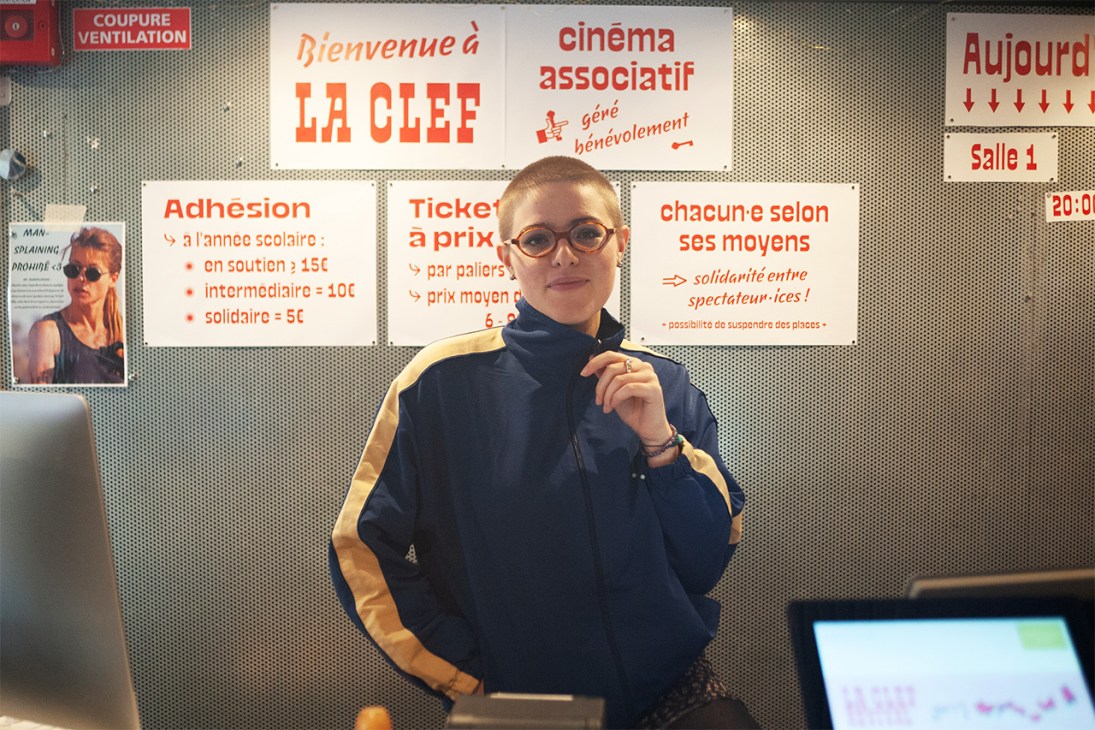
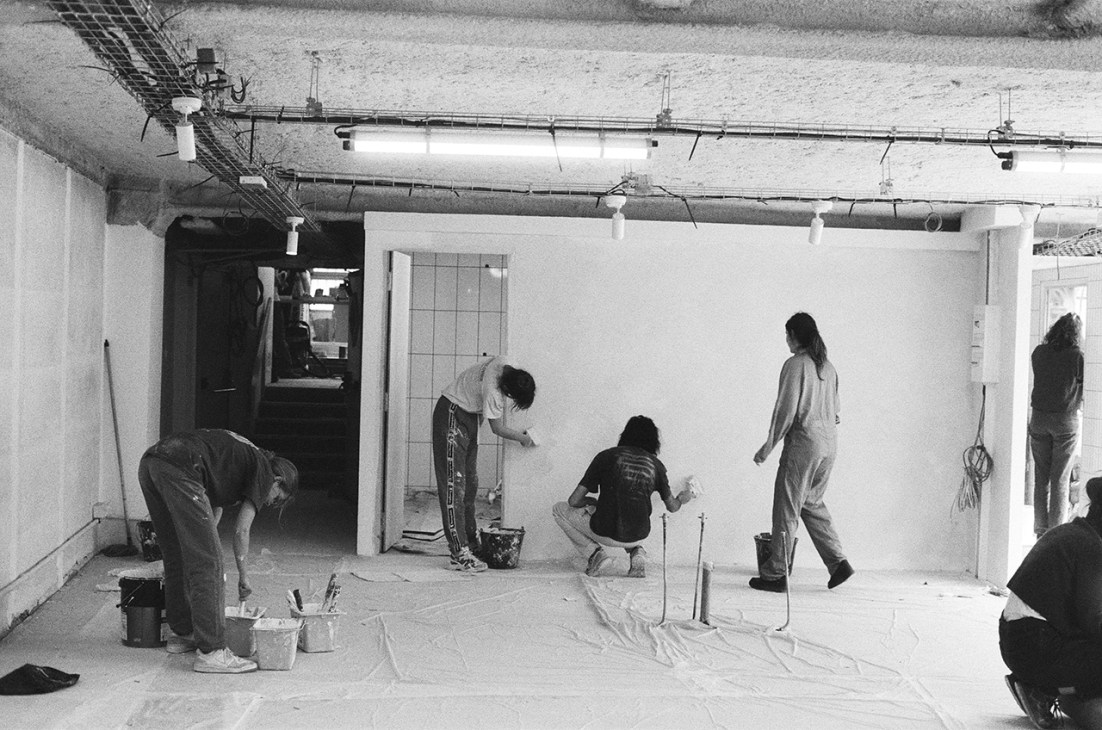

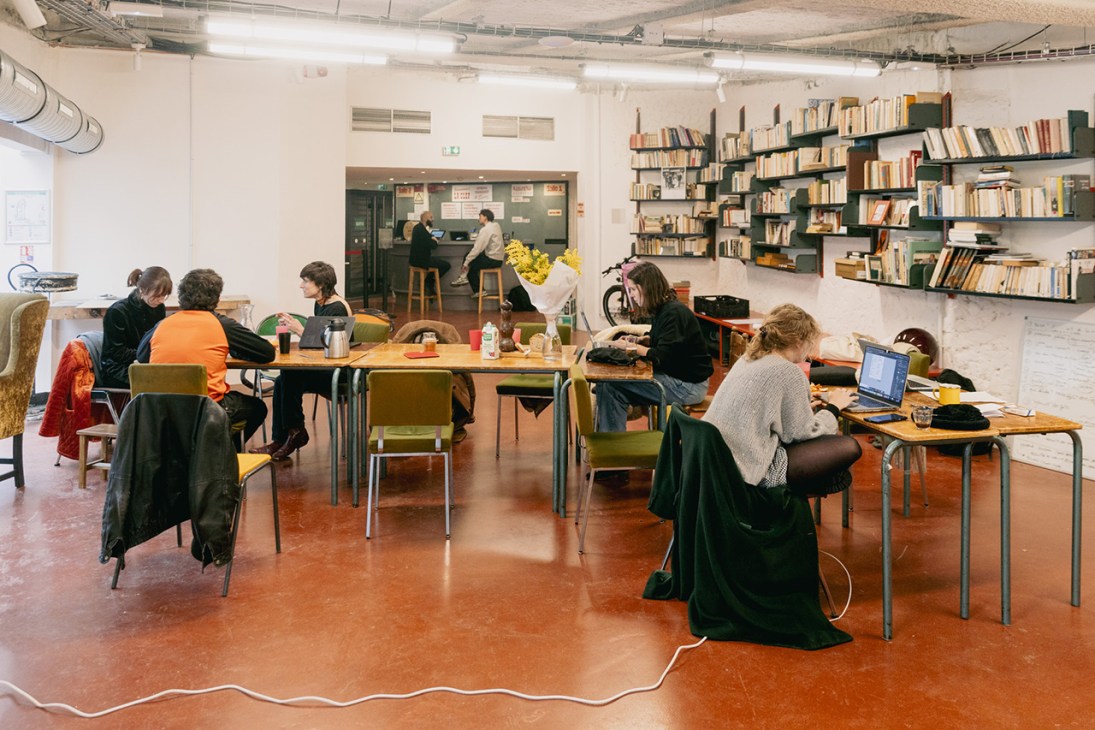
The French cultural exception – the idea that customs should be protected from the unrestrained pressures of the market – has increasingly come under threat. But La Clef’s reopening shows that on a local scale, efforts to protect spaces for artistic experimentation can succeed and retain an audience. It’s easy to blame young people for abandoning these institutions in favour of individualised screen time but, in fact, several studies have shown that they are the demographic driving attendance. Beyond a few older neighbours with childhood memories of La Clef, the crowd on opening night was made up of a new generation drawn by the promise of art, discussion and connection in a physical space: a reminder that valuing theatres cultivates future audiences, rather than just preserving the past.
Cities around the world should look to Paris for inspiration on how a sustained commitment to cinema culture can protect and revitalise community screens. When neighbourhoods come together with the support of local authorities and industry figures, these spaces can thrive, innovate and enrich city life.
laclefrevival.org
Julia Webster Ayuso is a Spanish-British journalist based in Paris and a Monocle contributor.