The Lighthouse, a US company reimagining the studio system for the modern world
A campus and studio complex designed to serve as a “playground for the creator economy” has opened in Brooklyn. Monocle takes a tour.
In 2011, Youtube stopped referring to content makers as “Youtube stars” and began calling them “creators” – a label that was broad enough to apply to people of vastly different levels of fame. Fifteen years later, “creator” has become the default term for anyone producing work to be shared on digital platforms. The global value of the commercial ecosystem surrounding this activity grew to more than $250bn (€215bn) in 2024 and continues to rise.
Legacy media industries have historically clustered in physical hubs. In the US, Hollywood has long functioned as a metonym for American cinema, while television networks and newspaper offices are concentrated in Manhattan. By contrast, one of the defining characteristics of today’s creator economy is the geographic dispersal of the creators themselves. They work across the world, from garages, shared offices and private dwellings of every description. The Lighthouse, which describes itself as the first “campus and studio playground for the creator economy”, is premised on the idea that even in a sector where work can happen anywhere, there are still advantages to being anchored in a particular place.
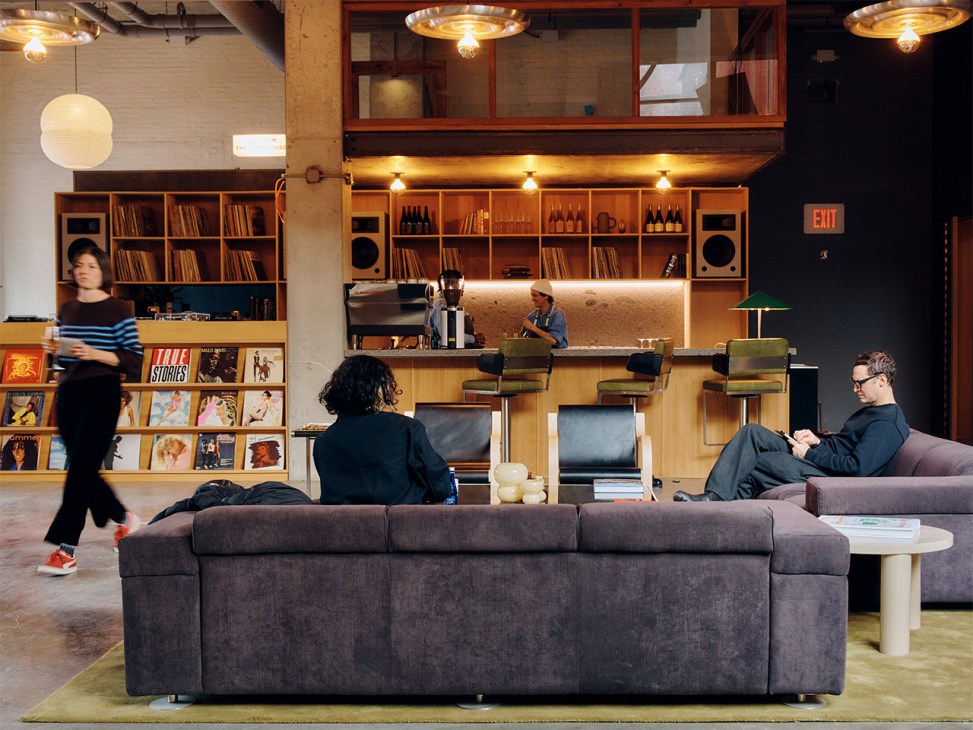
The first Lighthouse campus opened in Venice Beach, California, at the start of last year. The brand has since expanded to New York, where it occupies a former pencil factory in north Brooklyn’s Greenpoint neighbourhood. “We primarily serve the content-creator community but also the wider creative industries,” says Jon Goss, the company’s CEO. “We are a production studio, a workspace, a professional development programme and a curated community.”
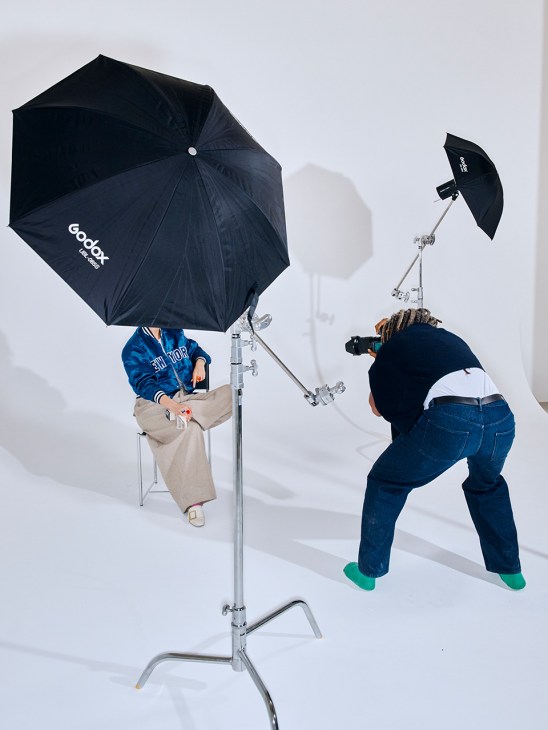
Lighthouse members have access to an array of facilities, from photography sets to podcast studios equipped with cameras. “Everything we’re doing is to facilitate frictionless creativity,” says Goss. “The space is set up to enable creators to have an idea, run into a studio, make content and then edit and publish it. We try to compress the time that it takes to do all of this.”
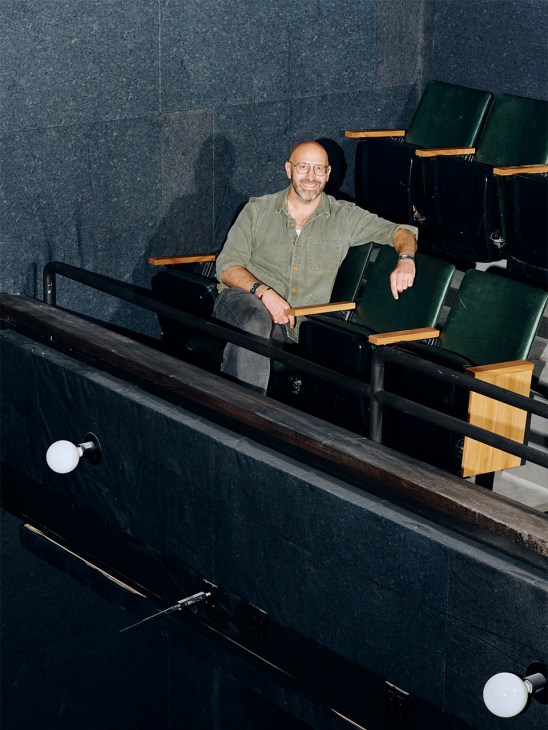
“We’re not just a co-working space,” Goss says. “We’re helping creators to flourish like they never have before.”
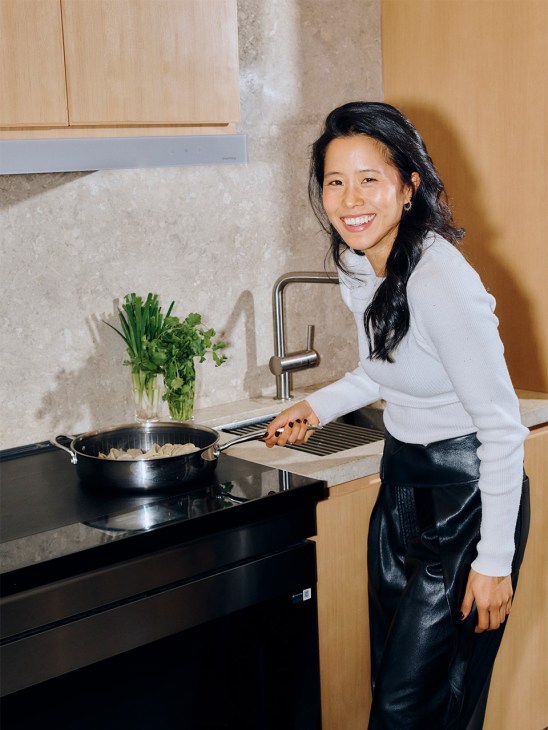
Rcords cooking demonstrations for social media in The Lighthouse’s test kitchen.
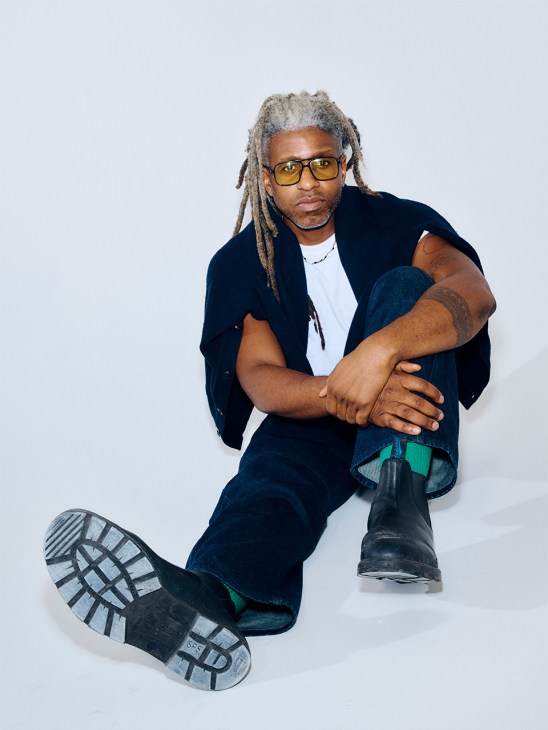
Uses the studios for commercial and editorial photo shoots, as well as for his own content.
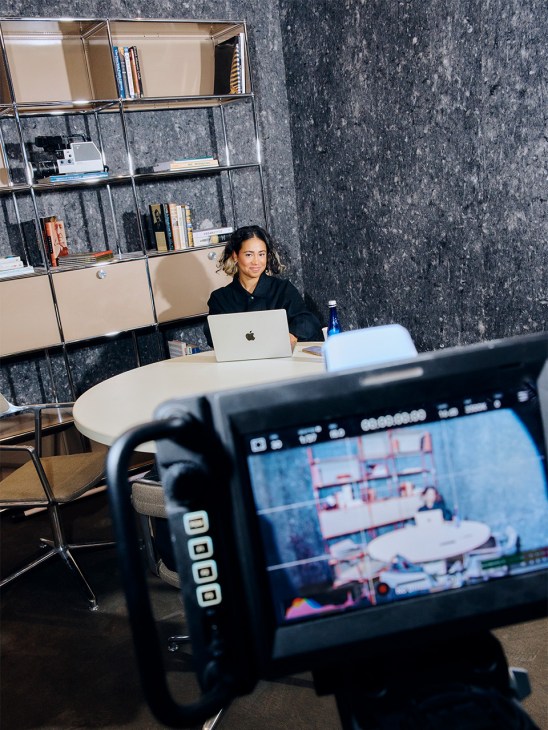
Uses The Lighthouse’s spaces and studios to plan and record podcasts on culture and lifestyle.
The campus’s polished aesthetic reflects a creator economy that is growing out of its adolescence and into a period of greater maturity. Many of the creators are professionals who offer a traditional service or product while also making content creation central to their business. Among them is Marian Cheng, co-founder of Mimi Cheng’s. “We have had a restaurant in the East Village since 2014 and launched our frozen retail dumpling line nationwide in October 2025,” says Cheng, who uses the test kitchen on the top floor of The Lighthouse to record herself cooking. She also values the building’s backstory. “There’s a sense of history behind it,” she says.
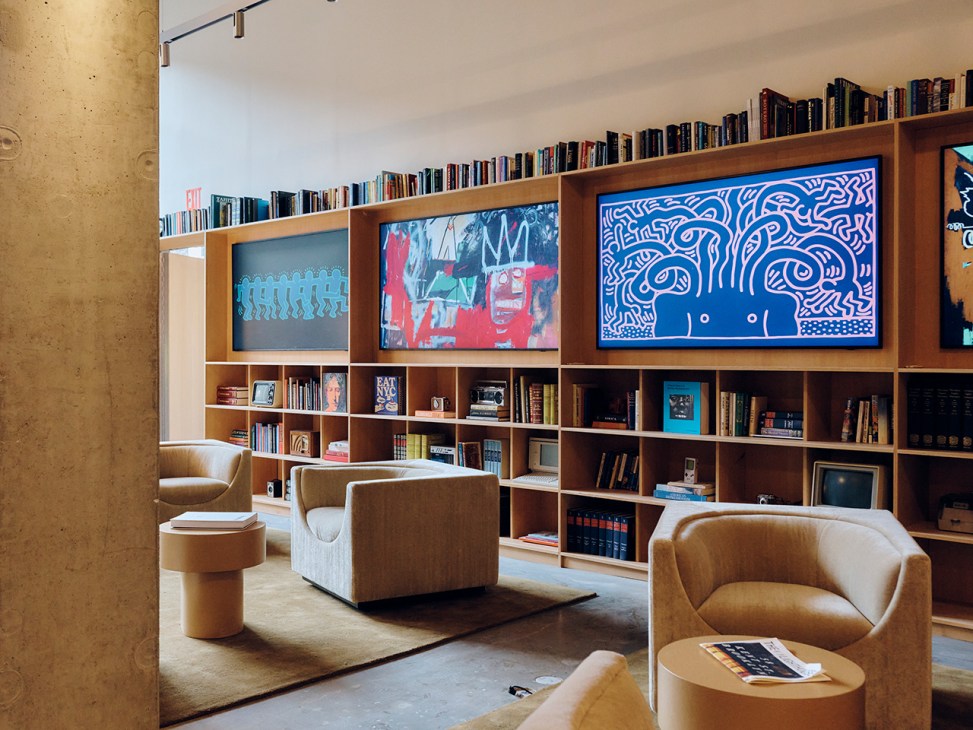
The transformation of the Brooklyn site, as well as its Venice Beach counterpart, was undertaken in collaboration with Warkentin Associates, an interior-design firm known for blending industrial heritage with the functionality necessary for contemporary creative spaces. “I fell head over heels in love with this building,” says Goss. “I fought hard to get it. I knew that there would be no other place like it.”
Greenpoint’s location reinforces this appeal. Easily accessible from Manhattan, it has a post-industrial character. Kelsea Olivia, the founder of events and floral-design house East Olivia, likes its energy. “I live in the city and crave what I can get in Brooklyn,” she says. “You walk out these doors, turn right and you’re on a street full of great restaurants, shops and small businesses that are creating physical spaces or objects in the world.”
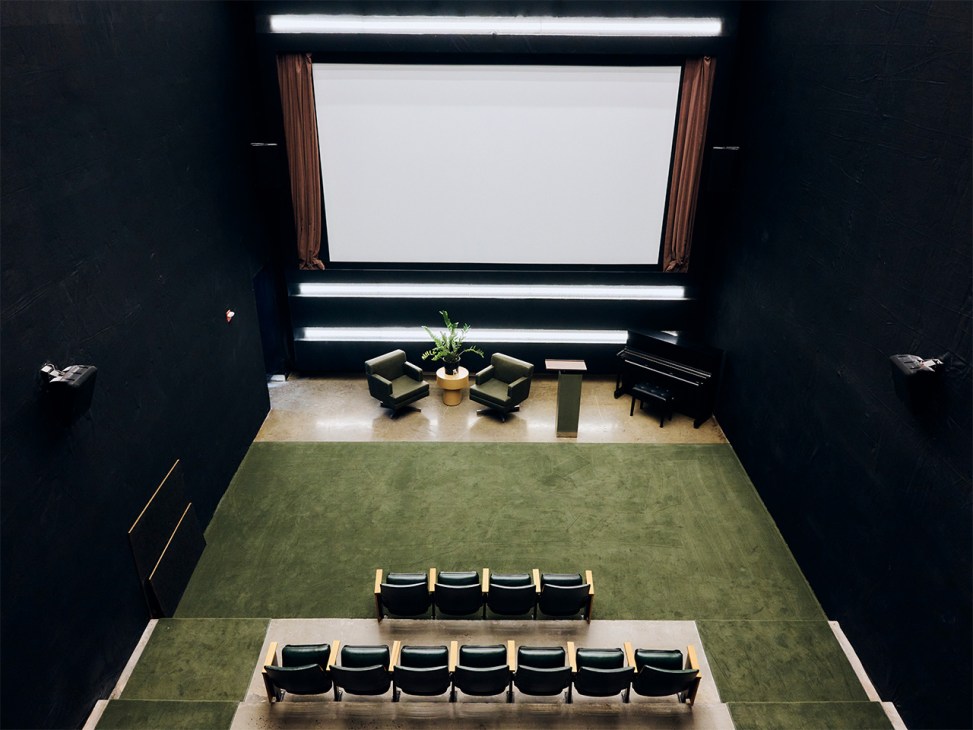
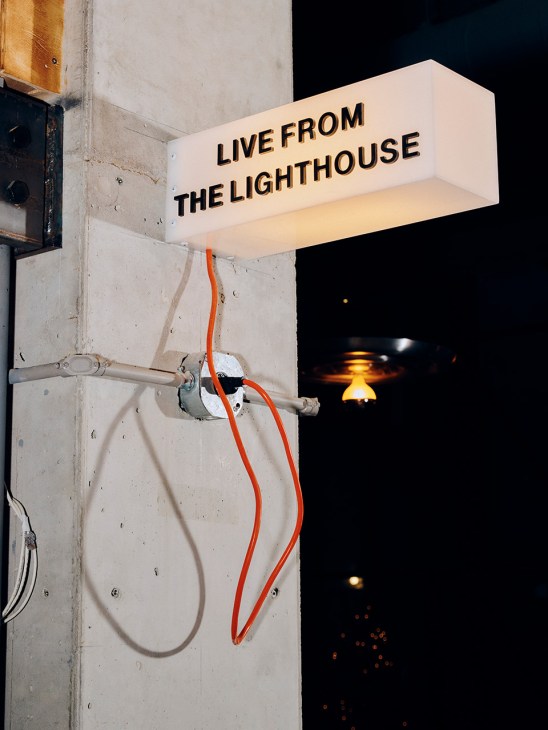
At the core of The Lighthouse is a belief in the power of collaboration. “We thought a lot about the Bauhaus,” says Goss. “It sparked a movement across the creative industries, not just in design and architecture. Andy Warhol’s Factory was another inspiration – a collision of different kinds of people, from artists to those in business. Even recording studios and Silicon Valley garages showed us that bringing people together can spark something new.”
The aim, he says, is to create a space where creators can make, learn and belong – and to catalyse a new movement. Brad Ogbonna, a photographer and Lighthouse member, attests to the importance of proximity. “It’s great to be around other creatives,” he says. “It keeps me inspired. There’s a real value in meeting writers and editors who work in other fields, such as podcasting. A lot of the time, the closer you are to other disciplines, the more opportunities arise.”
The Venice Beach campus has already demonstrated how this model can work in practice. “There have been multiple collisions and collaborations that happened organically between members,” says Goss. “Last week a new member told me that he is now doing branding and creative direction for another creator he met here. A masterclass that we ran with Iheartmedia turned into a workshop where creators submitted ideas to producers and now three podcasts are being developed as a result.”
For Goss, The Lighthouse exists to enable such moments. “We’re not just a co-working space,” he says. “We’re helping creators to flourish like they never have before.”