Not just ‘A F**king Magazine’: The unexpected renaissance of corporate publications
From dating apps to financial platforms, corporations are back to making magazines – and some of them are surprisingly good.
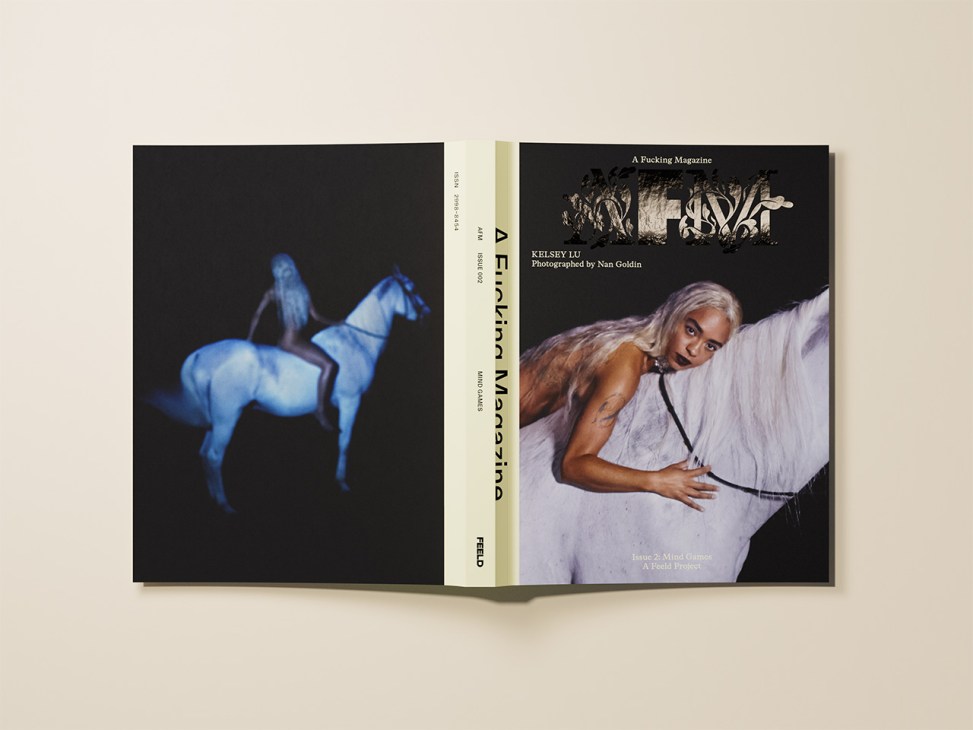
On a recent afternoon, I found myself reading an essay in a curiously titled online publication called A Fucking Magazine (AFM). The essay’s title, “Mother, Maybe”, was so intriguing and the author’s voice so engaging that I barely noticed the QR code at the bottom of the web page, inviting me to download an app called Feeld. The magazine, it turned out, was run by a dating app.
Why, some might ask, would such an organisation publish a magazine? Companies exist to make money and periodicals are notoriously hard to profit from. Yet Feeld isn’t the only non-media company succumbing to the charm of the journalistic endeavour. In October 2025, Mozilla Foundation, which promotes an open and accessible internet and is the parent organisation of Mozilla Corporation, unveiled Nothing Personal. The online publication bills itself as a “counterculture magazine and platform for independent thinkers”. A month later, payment processing company Stripe launched the first print issue of Works in Progress – an online publication founded by four journalists in 2020, which the financial platform acquired two years after.


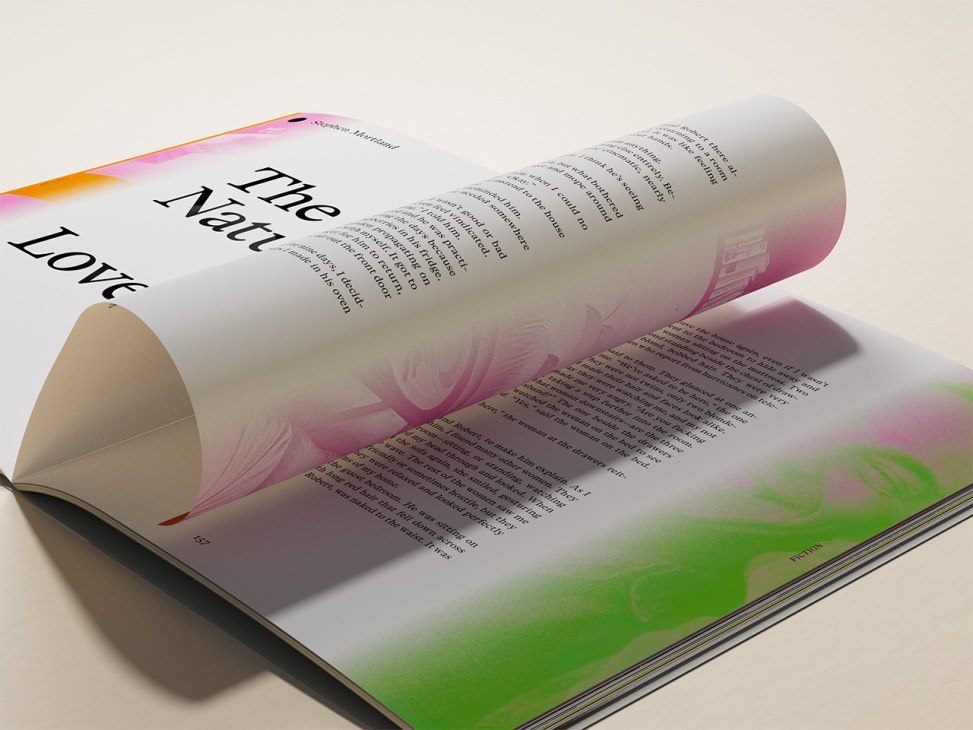
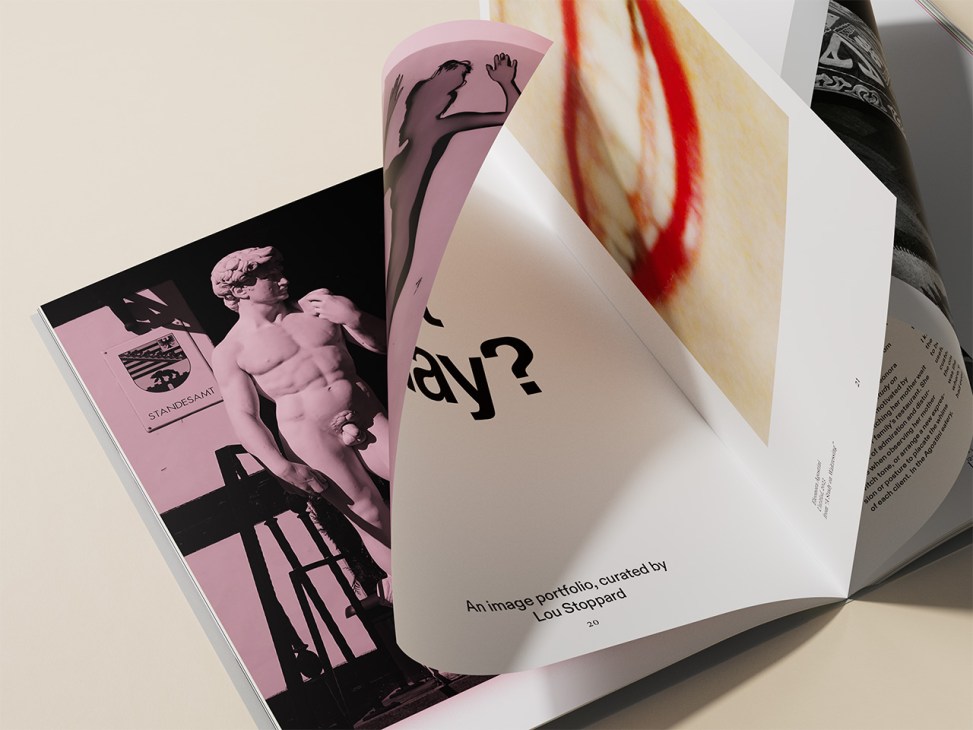
Kitchen-systems company Henrybuilt has been running a stellar design magazine called Untapped for some time, while co-working company The Malin has its own online journal (also named The Malin). It seems the more you look, the more you will find thoughtful publications that are funded by companies with potentially conflicting interests such as products to sell and services to promote.
Perhaps the oldest example is US manufacturing company John Deere, which launched its own excellently titled magazine, The Furrow, in 1895. The agricultural journal featured John Deere ads and advertorials but it was primarily created to educate and support farmers rather than simply to promote the company’s equipment. It was (and still is) delivered free of charge to customers, which likely contributed to its rapid growth, reaching more than four million readers by 1912. Almost a century later, in 1993, the UK supermarket chain Sainsbury’s unveiled its first food title, Sainsbury’s Magazine. Featuring British chef Delia Smith on its inaugural cover, the publication featured accessible recipes for home cooks, plus health, fashion and general household advice. It’s still being published today, both in print and online.
Since the turn of the millennium, there have been scores of company-backed publications by the likes of Airbnb, Uber, Asos, Bentley, Soho House, Away, Dollar Shave Club and many more. Some of them were digital; others were printed on glossy paper. Most of them no longer exist. To the cynic, these journals can be seen as fleeting, if clever, marketing experiments that begin with a bang and end in budget cuts. But the new crop – including Feeld, Stripe and Mozilla Foundation – feels different. For one, they offer a tantalising home for journalists as some legacy media companies struggle under the weight of declining revenues and mass layoffs. For its Nothing Personal magazine, Mozilla Foundation hired Bourree Lam, an editor with more than 15 years’ experience across publications including The Atlantic, Refinery29 and The Wall Street Journal. The magazine also partners with The Onion for a regular humour column. Meanwhile, for A Fucking Magazine’s second issue, the editors commissioned stories and visuals from heavyweights such as photographer Nan Goldin and journalist Mona Chalabi. The publication’s editorial heft is reflected in its price, £18 (€20.75) an issue, and the quality independent bookshops and magazine retailers that it is sold in around the world.
Still, the question remains: why are companies investing in the printed word? For Dayo Lamolo, who spearheaded the launch of Nothing Personal, the goal was to start a conversation around digital privacy and ethics – topics that are key to Mozilla Foundation’s work. “We’re interested in belief change,” Lamolo tells Monocle. “The intention is directed towards thinking critically.” As for the team behind Feeld, the magazine was conceived as part of what its editors call “a larger cultural reimagining of dating”. The publication features Feeld’s logo on the spine of its print edition and the web version has that QR code, but the team says the primary goal is to help build a community.
These periodicals aren’t meant to sell products. Instead, they help build cultural cachet by signalling depth, taste and a willingness to engage in larger conversations. Notably, none of them carry advertising, meaning their revenue models rely entirely on backing from their parent companies as well as reader subscriptions. (Readers need to pay for most of these new titles, including A Fucking Magazine and Works in Progress.) While that raises questions about ethical journalism, the editorial teams do have independence. When Stripe bought Works in Progress in 2022, the founding editors announced that they would avoid subjects that Stripe might have a direct interest in. The company has since remained so removed from editorial decisions that I had been reading the magazine for more than a year unaware of the connection.
The real test, of course, will be longevity. If these publications survive, they might offer a blueprint for how companies can meaningfully contribute to culture – not by exploiting it but by embracing it. That’s a future worth rooting for, even if it arrives with a logo on the spine.
Elissaveta M Brandon is a New York-based writer and Monocle contributor.