Singapore Art Week 2026 proves that where capital flows, culture follows
This year’s Art SG fair made a compelling case that you don’t have to wait for an art scene to ‘happen’ – it can be cultivated through time, intention and resources.
Art SG, Southeast Asia’s global contemporary-art fair, has transitioned from a speculative venture into a structural anchor. The fair, which wrapped on Sunday 25 January and coincides with Singapore Art Week, no longer needs to outshout Hong Kong or Paris. It simply needs to continue doing what it does best: organising space, time and money well enough for an art scene to grow.
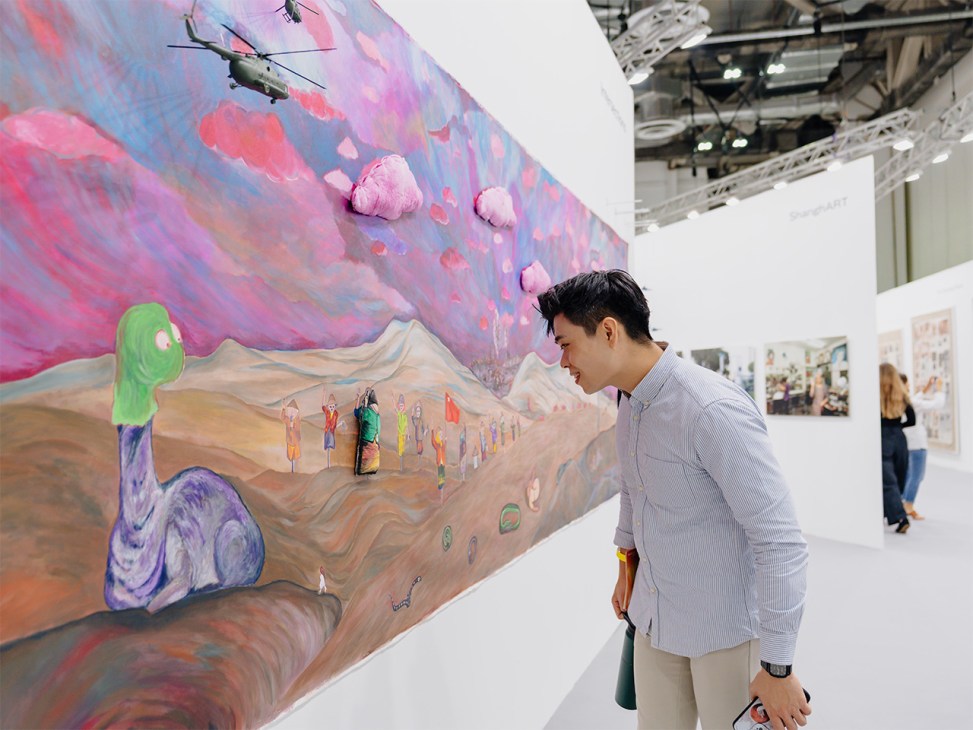
Singapore is frequently called the “Switzerland of Asia” and the label is increasingly apt. The city-state has successfully absorbed a massive migration of capital, now hosting roughly 2,000 single-family offices – a nearly 4 per cent increase since 2020. For this time-poor, globally mobile elite, the art market is not a bohemian pursuit but a sophisticated asset class. It requires the same stability, logistical excellence and transparent governance that Singapore provides in spades.
While older European fairs rely on legacy and bravura, Art SG succeeds through a distinctively Singaporean infrastructural confidence. The strategic consolidation of the 2026 edition – folding contemporary-art platform SEA Focus into the fair floor at Marina Bay Sands – was a masterstroke of efficiency. It offers a streamlined, high-density environment that is precisely calibrated for a demographic that values summit-like experiences over the sprawling, exhausting festival models.
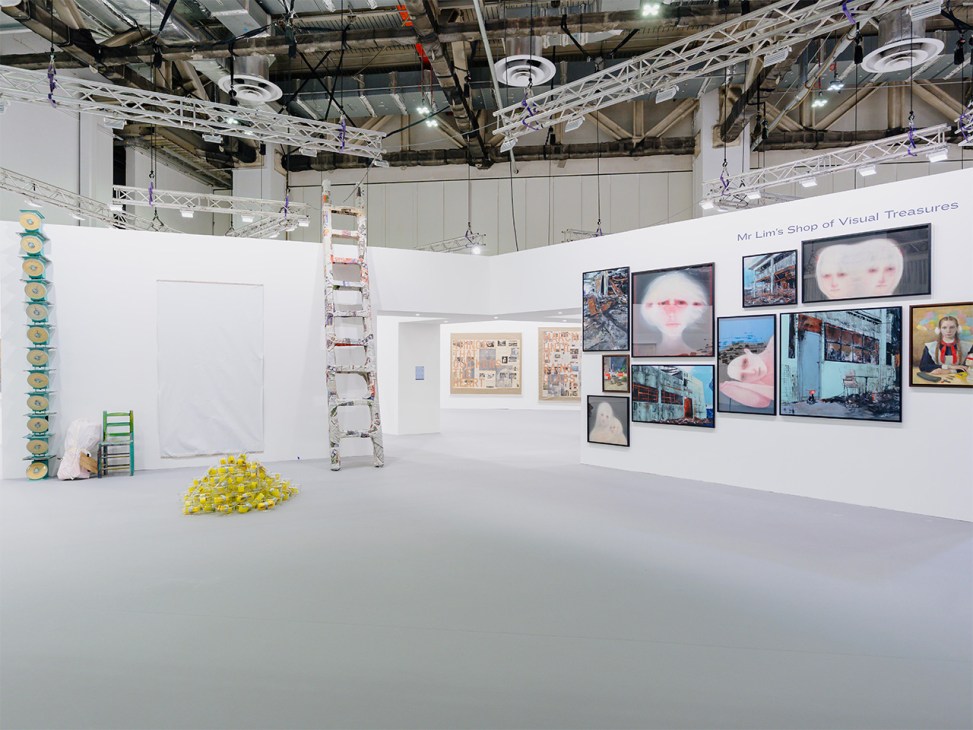
Crucially, 2026 marks the moment that this wealth has moved beyond mere transaction. We are witnessing a rare synergy: a contribution from both established regional dynasties and committed global expats to build a civic legacy. This is evidenced by the inauguration of the Tanoto Art Foundation at New Bahru, alongside the expansion of the Pierre Lorinet-backed Sam Art SG Fund to S$250,000 (€166,000). These are not the consequences of “hot money” looking for a quick exit; they are the anchors of a city moving beyond offshore insulation.
Critics might argue that Singapore lacks the gritty soul of established art capitals but they’re missing the point. In an increasingly volatile global landscape, the ability to provide a secure harbour for both assets and ideas is the most radical cultural act of all. By remaining the world’s most efficient hinge between Southeast Asian growth and global capital, Singapore proves that where capital flows, culture does more than follow – it settles.