In Wenzhou, a culinary bookshop is serving up new connections
As a younger generation begins to re-embrace time in the kitchen, Dish Books is serving up community through food, culture and history.
Wenzhou – a coastal city in Zhejiang province just three hours from Shanghai by high-speed rail – is known within China as an entrepreneurial hotspot. The birthplace of the country’s now vast private economy, local people carry a reputation for hard-nosed business acumen. Over the past few years, however, there has been a wave of retail and museum openings that have begun shifting this centre of commerce into a cultural hub with the help of something even more powerful than money: food.
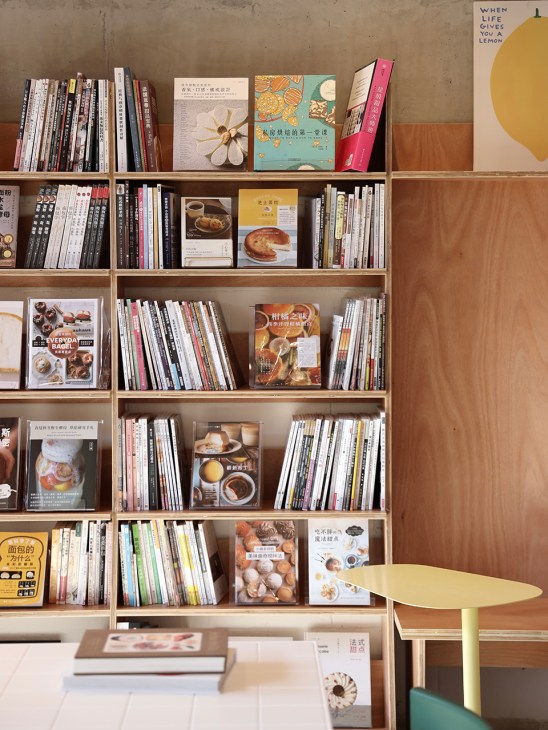
Dish Books (Pan Cai Sheng) is one such debut. The two-storey shop –named after a pickled turnip local to Wenzhou – which opened in March this year, is dedicated to culinary literature, stocking regional cookbooks, food anthropology texts, multilingual periodicals and artisanal zines. The combination of food and literature reflects the passions of the business’s two founders: Pan Xiaoyue, former chief editor of China’s largest recipe app, and Wenzhou native Du Ke, founder Nan Shi Zhao, a premium food and artisanal condiment brand. Its location, next to a boisterous wet market, adds another special ingredient.
Dish Books is a rare new building in Wenzhou’s historic city centre. The architecture by Shanghai-based Atelier Tao+c, who designed some of China’s most beloved bookshops and cafés, blends into its surroundings; a twisted roof pitched as a nod to neighbours by allowing more sunlight into their homes.


On the ground floor, culinary literature is the star of the show, while upstairs, a light-filled forum brings together food enthusiasts and casual cooks for exhibitions, talks and communal dinners. The summer show examines Chinese dessert soups with academic rigour, tracing their Cantonese roots and nationwide evolution.
Fittingly, the showcase also highlights a local dish: xing ren fu. A thrifty adaptation of Beijing’s imperial almond tofu, Wenzhou’s version substitutes milled apricot kernels with condensed milk, finishing it with a dash of mint essence for the summer heat.
The exhibition space doubles as an open kitchen for a series of collaborative cookouts, where strangers shop at the market nextdoor, cook and dine together. Spots usually book out within seconds. “Even though most people don’t really have the time to cook in their routine, they turn to cooking as a way to build relationships and community,” says Pan. Du echoes the shift: “When entertaining guests, it used to be more impressive to take them out to restaurants. Today, cooking a feast in your own kitchen carries far more weight,” he says. “The number of people who cook regularly might be declining, but cooking as a social act is becoming more meaningful.”

Across urban China, affordable and varied dining options have made home cooking less of a necessity. Why bother when freshly steamed rice topped with braised goose and liver can arrive at your door in under 30 minutes? For younger cooks, deciding when and for whom to cook has become a deliberate gesture. Preparing a meal is not merely about feeding someone but about expressing care and creating community.
The titles lining the shelves at Dish Books deepen that intention, tracing everything from the migration of tomatoes and pineapples through China to the cultural history of fermentation in Guizhou. An archival library houses recipe books from the 1970s and 1980s, out-of-print volumes and Wenzhou history. The shop invites readers to think beyond how something tastes and about how they are produced and what traditions they carry. Terroir, heritage and sustainability have begun to matter as much as flavour. But for the two founders, food is the entry point. Bringing people back into bookshops and giving the culinary-minded a place to gather is the real ambition.