‘Architecture can heal.’ Rebuilding power in Oslo
Following terrorist attacks, Norway vowed “more democracy, more openness, more humanity.” This new civic precinct in Oslo turns those words into wood, glass and public space.
Today, when it comes to the design of parliaments and bureaucratic headquarters, democratic governments across the globe face the dual challenge of balancing transparency with security and public access with safety. For design firm Nordic Office of Architecture (NOA), those considerations were certainly front of mind with its work on the recently completed New Government Quarter in Oslo, made in collaboration with Haptic Architects. The commission to rethink the precinct followed the 2011 terrorist attacks that rocked the country and damaged several buildings at this site, the home of Norway’s ministries and the prime minister’s office.
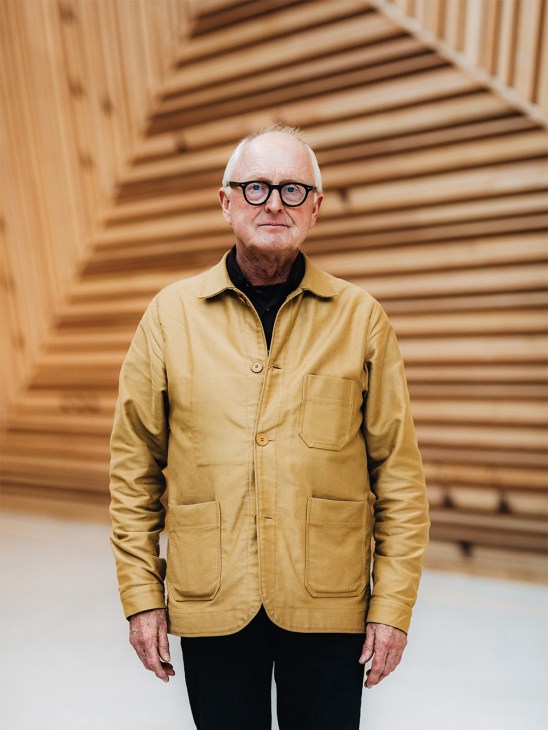
“In prime minister Jens Stoltenberg’s speech just a couple of days after the attack, he said: ‘We will never give up our values. Our response is more democracy, more openness and more humanity. But never naivety,’” says NOA’s founding partner and head of design, Gudmund Stokke. “As the years have gone by, those words have become more important.”
It’s an outlook that’s also reflected in NOA’s design for the quarter, which is anchored by five new structures and two refurbished buildings. A highlight is the new A-block, where a glass pyramid-like structure creates a 51-metre-high atrium that will serve as the stage for the government to greet foreign dignitaries. Towering over it is an art piece, made of Nordic birch, by Outi Pieski, celebrating indigenous Sámi history. Another space of architectural significance is Høyblokken, a brutalist high-rise built in 1958. It took the brunt of the bomb blast in 2011 but has been repaired, along with the Picasso murals adorning its walls.
Surrounding these structures are a host of passageways previously closed to the public for security reasons, while a square and new park provide spaces for gatherings and community. Norwegian craft and materiality are also championed on site. “We worked with Norwegian boat builders to shape the double-curved surfaces made out of wood,” says Knut Hovland, NOA’s design director.


The result is a master plan that connects the physical seat of power with the people it serves. “Architecture can heal,” says Stokke. “When the campus is completed, alongside all the urban spaces, it will be a nice, human, open and friendly place. That’s how you meet evil.” It’s also how you design a generous yet safe government quarter.
nordicarch.com
This article is from Monocle’s March issue, The Monocle 100, which features our editors’ favourite 100 figures, destinations, objects and ideas.
Read the rest of the issue here.