How Maison Kitsuné’s Gildas Loaëc keeps his second home flourishing through the year
When French entrepreneur Gildas Loaëc commissioned a residence in Bali, he intended it to serve as a second home that he would occupy for two weeks every two months. But once it was completed, the former DJ and co-founder of Maison Kitsuné – a record label that has spawned a clothes brand and cafés – quickly realised that it was too good to keep to himself.
Now, when he finds himself on the road or back at his principal base in Tokyo, the teak property, named Rumah Rubah, is available for anyone to rent. “I want it to feel alive,” he tells Monocle. “For that to happen, life needs to take place there. It would be sad for me if it was only opened up every two months.”
Loaëc first visited the Indonesian island while touring East Asia more than 20 years ago. “Since then I’ve made a point of returning five to six times a year, finding gigs and creating any excuse to be there,” he says.
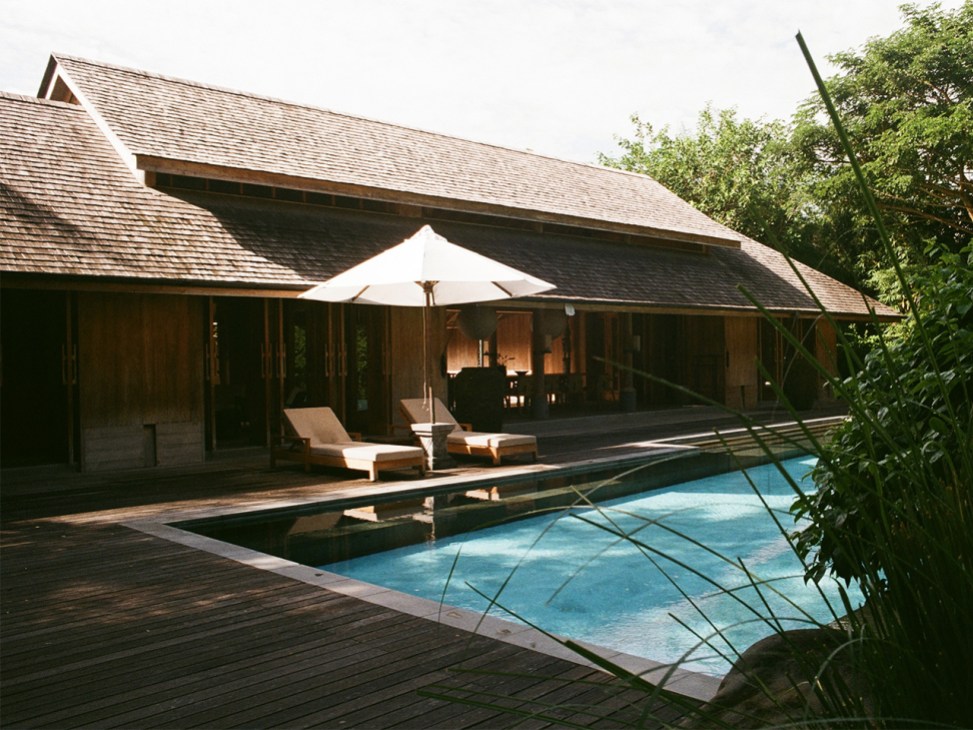
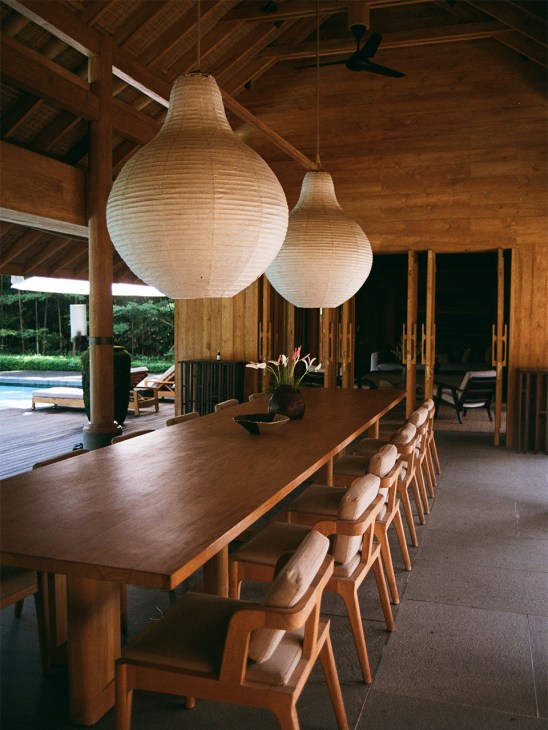
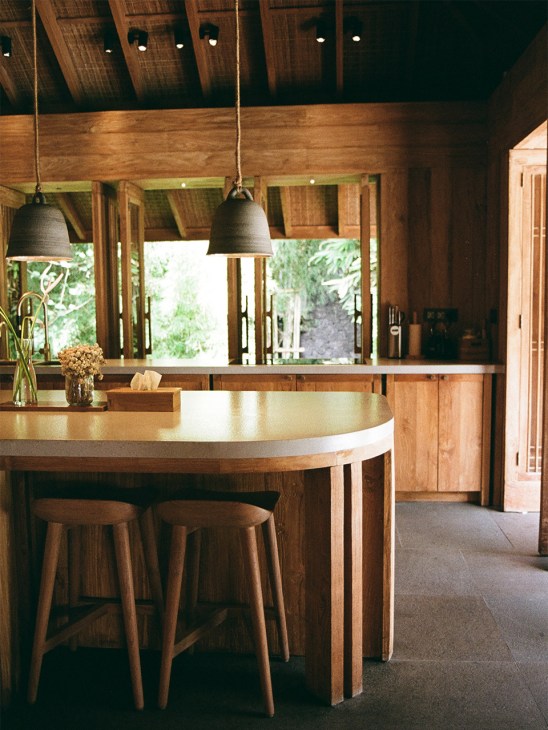
The entrepreneur eventually met architect Maximilian Jencquel of Bali-based Studio Jencquel, with whom he found a parcel of land in Pererenan, southwestern Bali, that was slightly set back from the ocean and came with 4,000 sq m of tropical greenery. His brief for the three-bedroom villa centred on the use of teak and the creation of an open-air design with a patio inspired by Japanese architecture. Inside the residence today, a collection of 17th-century antiques mingles with contemporary pieces by Balinese artists and furniture handmade in Indonesia. “The singularity of the design and the serenity of the garden need to be shared,” says Loaëc.
Another advantage of blurring the lines between what is considered private and public is the maintenance that naturally occurs when a building is occupied. “Bali’s tropical weather means humidity, so there needs to be airflow,” says Loaëc. “The climate is wonderful but hard on buildings. There’s rain, heat and wind too, so wood rots quickly.”

It’s a win-win situation: visitors to Bali can enjoy Loaëc’s thoughtfully designed home and avoid staying in an impersonal hotel, while he can rest assured that it’s being looked after. “It’s sad that second homes are often closed off,” he says, adding that it can make an area feel less alive for those who live there permanently.
Potential guests at Rumah Rubah might need to organise their trips around the entrepreneur’s busy schedule because he often returns to the island, partly for Desa Kitsuné, a Maison Kitsuné property that includes a restaurant, a shop, a café and an events space. “We’re working on another hotel off the back of this place too,” he says.
Comment
Turn your second residence into a home that’s open year-round – it can benefit the building as well as the local community.