Minimalism but make it meticulous: Eight Japanese fashion labels to know and love
Auralee, Kaptian Sunshine, Setchu and Sans Limite are among the brands on Monocle’s shopping list.
Known for masterful craftsmanship, high-quality materials and attention to detail, Japan has earned its reputation for having one of the world’s most influential fashion scenes. But while many street-level trends and luxury brands are well documented, the country’s more under-the-radar brands are well worth knowing. Whether you’re looking for minimalist tailoring or streetwear-inspired silhouettes, here are eight Japanese brands that we recommend.
Auralee
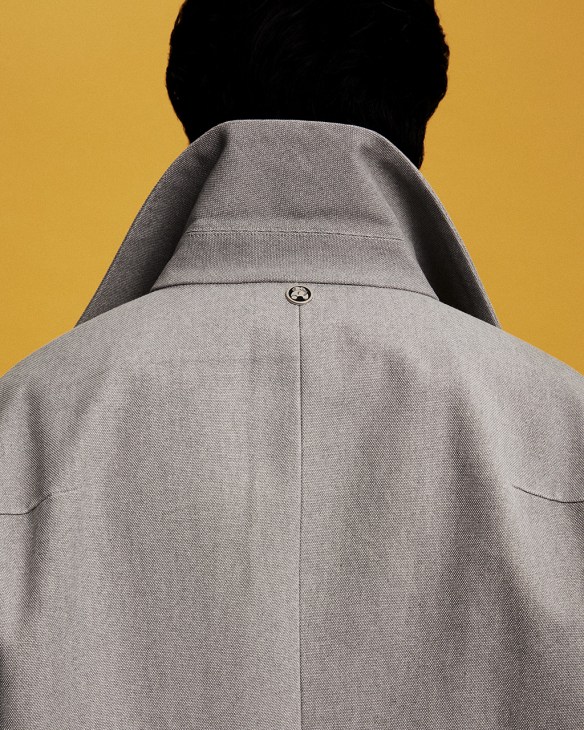
A decade after launching his Tokyo-based brand, Auralee, Kobe-born designer Ryota Iwai is hitting his stride. Auralee has earned a reputation for its masterful use of colour, meticulous tailoring and made-in-Japan quality. This is elegant, modern luxury – all made to Iwai’s exacting specifications – that is a delight to touch and wear. It’s an alluring mix of Tokyo edge with wearable sophistication, crafted by factories that have been working with Iwai from the beginning. With stockists around the world and a flagship in the Japanese capital, the label is now attracting global attention after having secured a regular slot on the Paris Fashion Week calendar.
Setchu
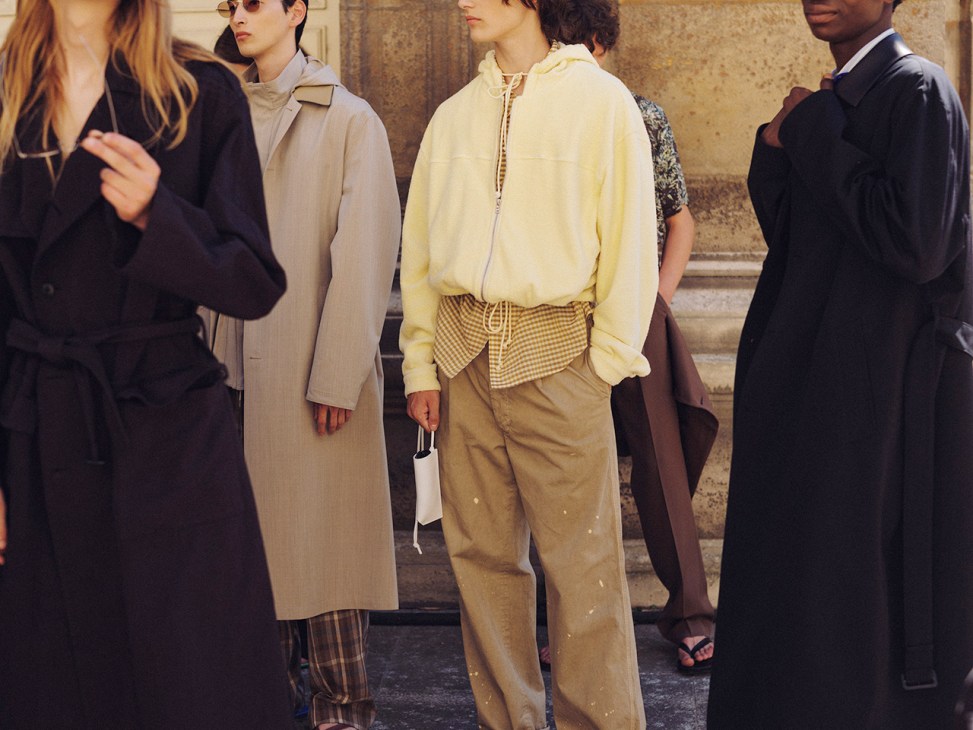
Japanese designer Satoshi Kuwata expressed surprise at how many people were in attendance at his label’s recent show at Milan Fashion Week, held in his new offices in the Lombard capital. The LVMH Prize-winner is establishing a loyal following for his brand, Setchu, by virtue of his ability to tell stories through unexpected details.
A case in point is his latest collection, inspired by a fishing trip to Greenland. “I planned to visit a long time ago,” he says while styling models wearing quilted pieces informed by Arctic conditions. And, in what is perhaps the most unexpected accessory of the season so far, Kuwata designed a fishing rod to accompany his clients on their next angling mission.


A Presse
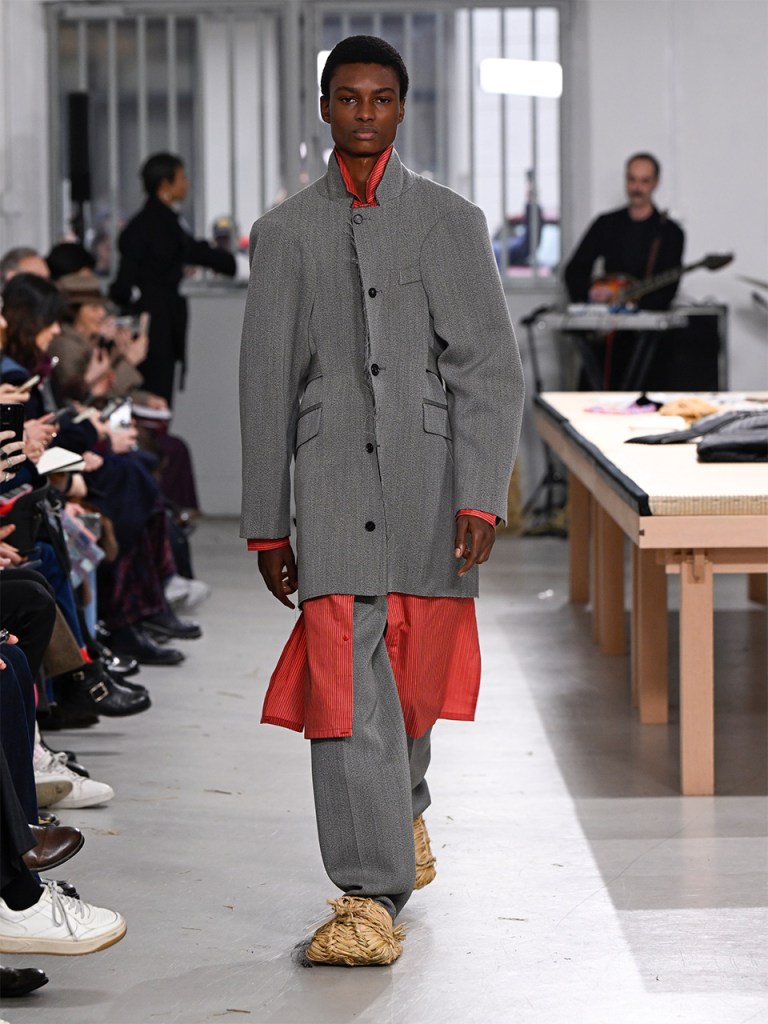
Vintage furniture from the 1950s and 1960s captures the spirit of Kazuma Shigematsu’s fashion collections for A Presse, the label that he founded in Tokyo in 2021. “I spent years consulting for larger companies and I was tired,” he says, referring to the ever-increasing pace of the fashion industry.
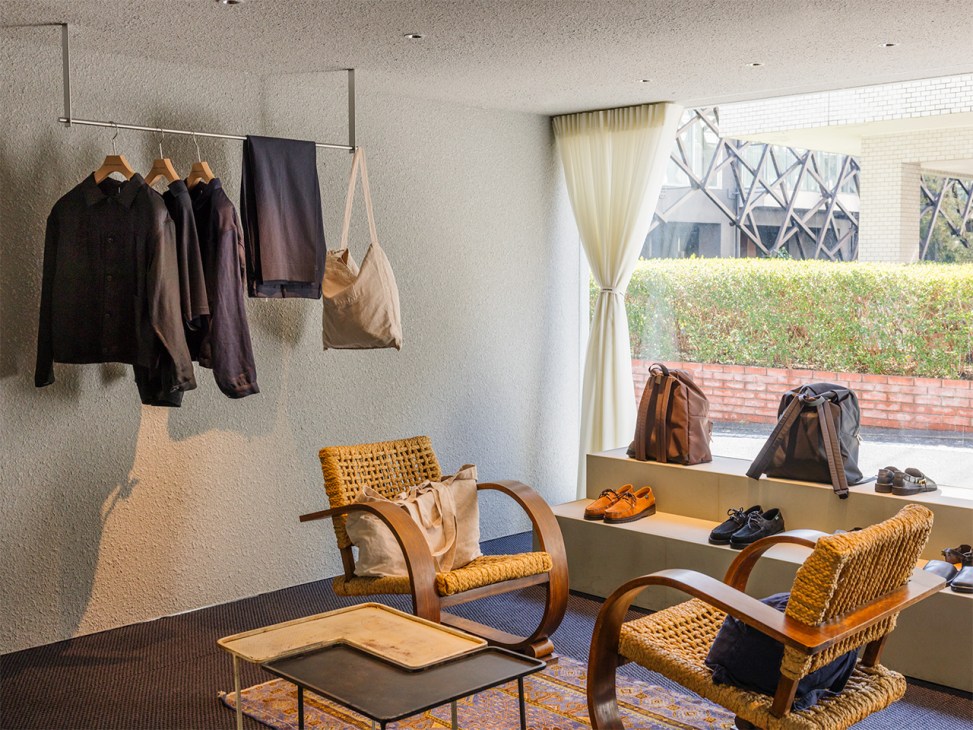
A Presse’s model is the antithesis of mass manufacturing, with limited-edition items designed to improve with age. Shigematsu believes that fashion shoppers should think of themselves as collectors. When it comes to quality, there’s little distinction between a handcrafted wooden chair and one of his leather jackets or workwear-inspired trousers. Silhouettes are executed to perfection, the stitching is done by hand and even the garments’ hangers are hand-carved. “The market has become too much about marketing and logos,” says the designer. “My concept is about understatement and not dressing for others. These clothes are for you.”
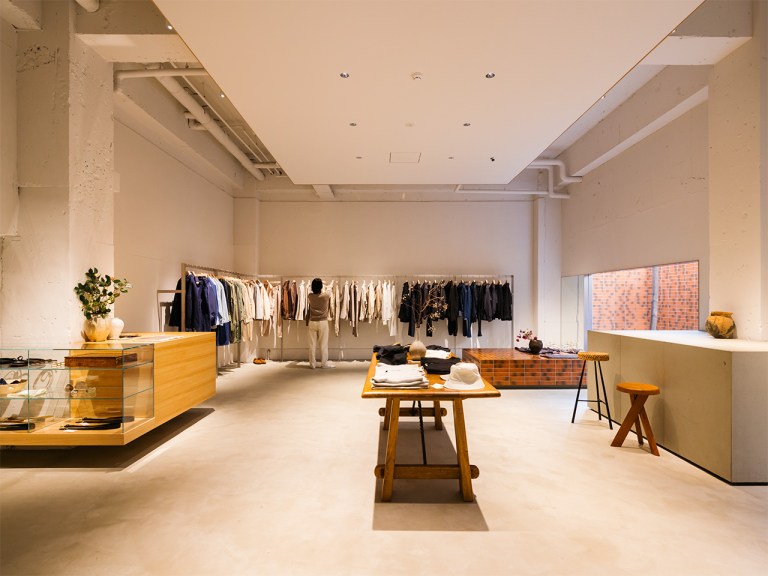
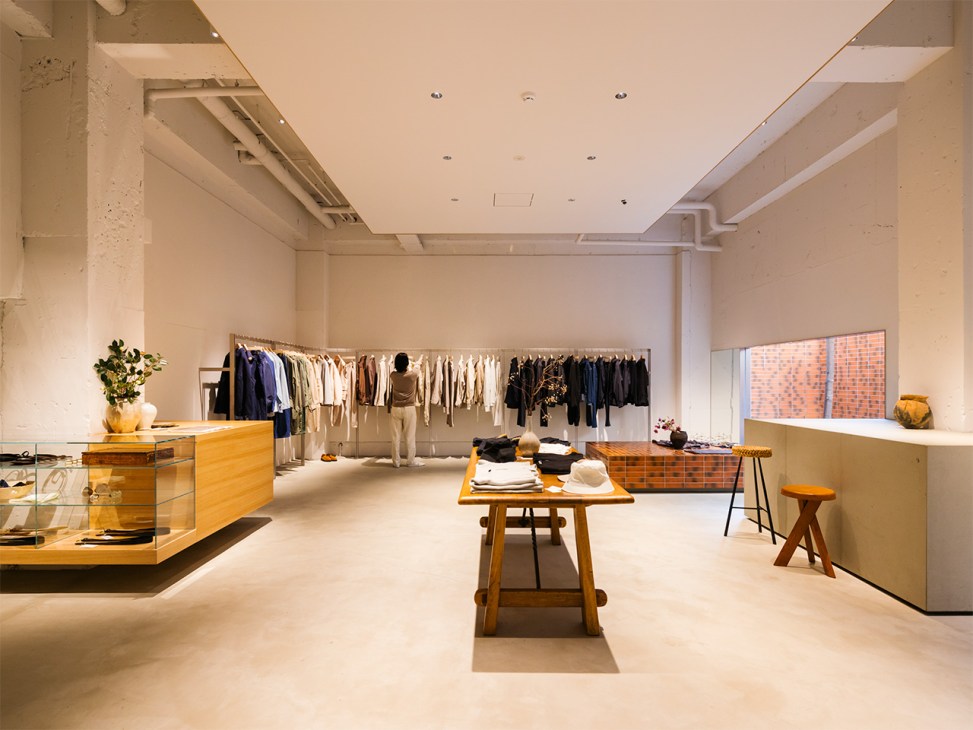
While Japan is known for its commitment to craft, this level of artistry is still unusual. The label has attracted an international clientele of connoisseurs (the US is one of the brand’s strongest markets) and larger retailers are knocking on its door. But distribution remains limited. A Presse has a few global partners, including e-commerce site Mr Porter, but the best way to access its wares is to visit its Shibuya flagship, where concrete interiors meet thoughtfully selected furniture and meticulously crafted wardrobe classics.
Kaptain Sunshine
To those in the know, Kaptain Sunshine is simply one of the best brands to come out of Japan, having mastered the kind of smart-casual wardrobe that Tokyoites are celebrated for. Kobe-born Shinsuke Kojima started the brand in 2013 to indulge his relentless eye for detail and his passion for vintage uniforms.
Every piece is connected to a different region in Japan. Denim comes from Okayama and Hiroshima, leather purses and belts are made in Tokyo and Kamakura, and hand-finished silk squares are made with fabric from Yamanashi. The detail in the denim is something else: a 13.5oz selvedge, dyed with pure indigo and woven on an old-fashioned loom to give the uneven texture that Kojima likes. “We give the factories highly detailed sewing instructions to ensure a one-of-a-kind line-up that we take pride in,” he says.
Kojima is not in the business of radical shifts between seasons. “We are not seeking dramatic changes; our goal remains to pursue uncompromising creativity,” he says of the new season’s line-up. “For spring/summer, natural fibres such as cotton, linen, silk and wool take centre stage. These are blended with select synthetics to create materials and silhouettes that feel comfortable in Japan’s humid summer climate.” The Kaptain Sunshine look is put-together but effortless and it can go in the washing machine too.

Ssstein
Self-taught designer Kiichiro Asakawa learnt his craft through years of deconstructing vintage garments and running Carol, his multibrand boutique in Tokyo’s Shibuya neighbourhood. More recently, he has been enjoying the success of Ssstein, which he founded in 2016. Japanese customers are well versed in its collections of classics elevated by expert cutting techniques. Now the rest of the world seems to be catching up: the label was on many international buyers’ lists at the latest edition of Paris Fashion Week Men’s.
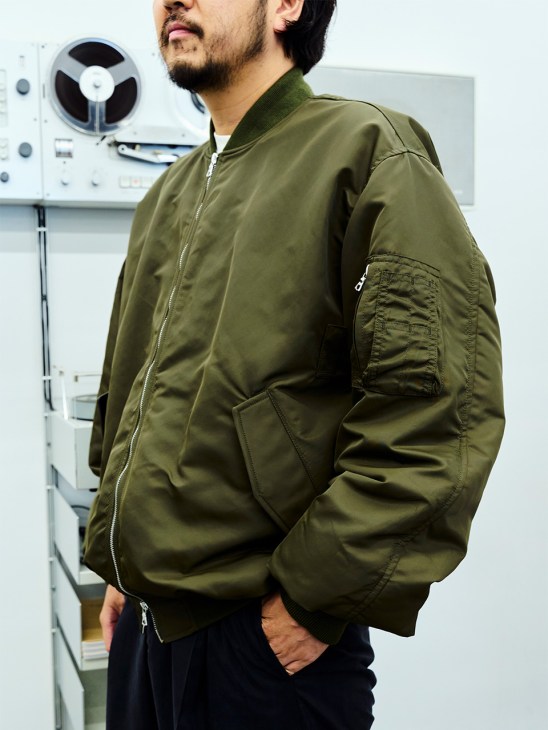
Highlights from his new collection include oversized flight jackets made from military khaki Olmetex and track jackets featuring a cotton-nylon knitted fabric sourced in Japan, as with all of the label’s materials. “The level of craftsmanship is high here,” he says. Asakawa works with understated colour palettes and silhouettes that look good on both men and women. “I’m always thinking about cuts and fabrics that will feel comfortable,” he says. “We want to create a relaxed elegance that isn’t flashy. It’s about beauty and quality for the everyday.”
Soshi Otsuki
The 1980s get a bad rap when it comes to style: too much hair product, too much shoulder padding – just too much. But there’s another side to the decade’s fashion. Step forward up-and-coming Tokyo designer Soshi Otsuki. “I love the look of the bubble era so the question was how to create the mood and mentality of that time,” says Otsuki. “It was when Japan started importing suits from Italy.”
The silhouettes and the styling fit the 1980s brief, while being thoughtfully updated. The tweaks are subtle: the shirt with an inner-chest pocket in which to tuck a tie (as salarymen used to do) or the bust darts that are deliberately not quite seamless to create more of a drape. There are oblique references to traditional garments too.
Otsuki makes his clothes in specialist factories in Japan, is self-financed and wants to continue producing his collections independently. His designs are available for purchase online as well as through about 20 stockists in Japan and overseas.


Sans Limite
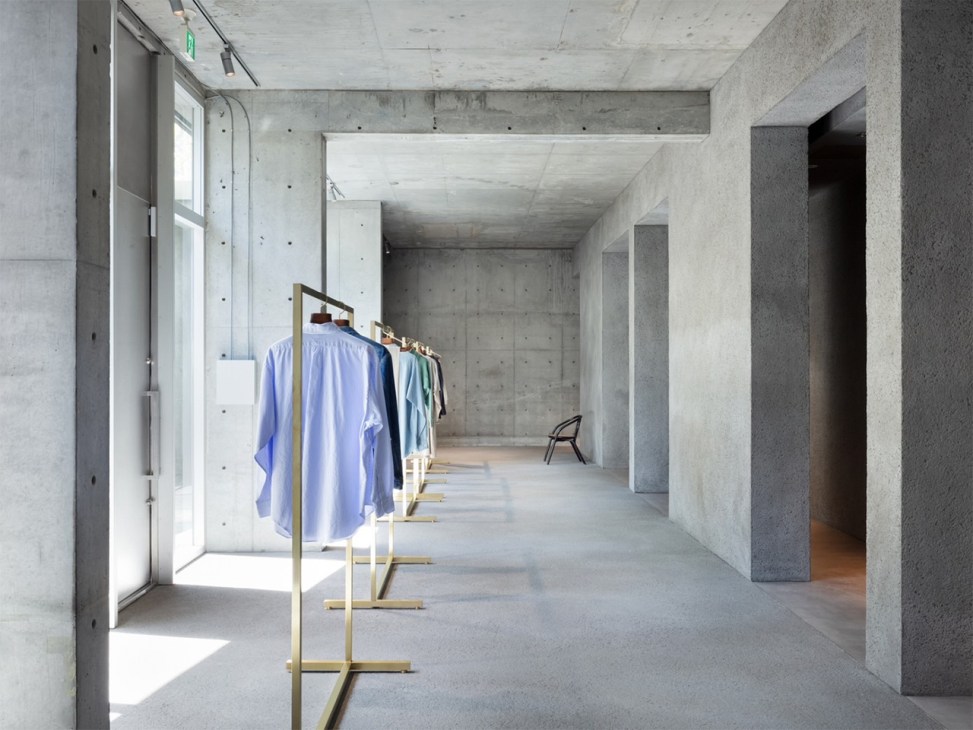
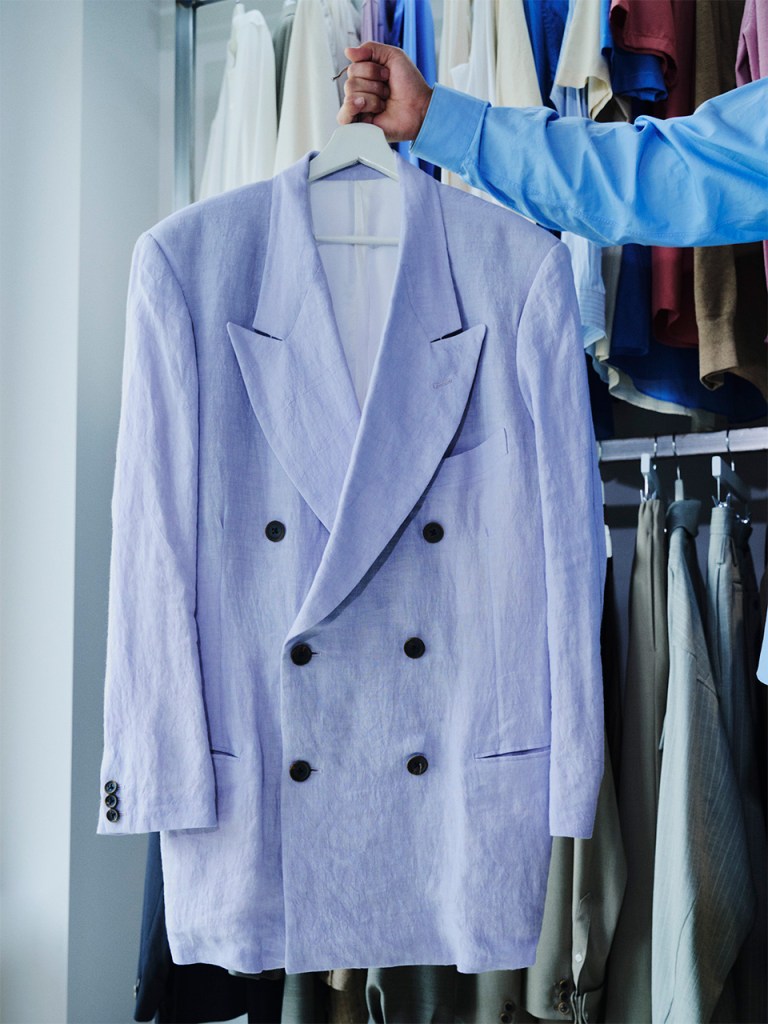
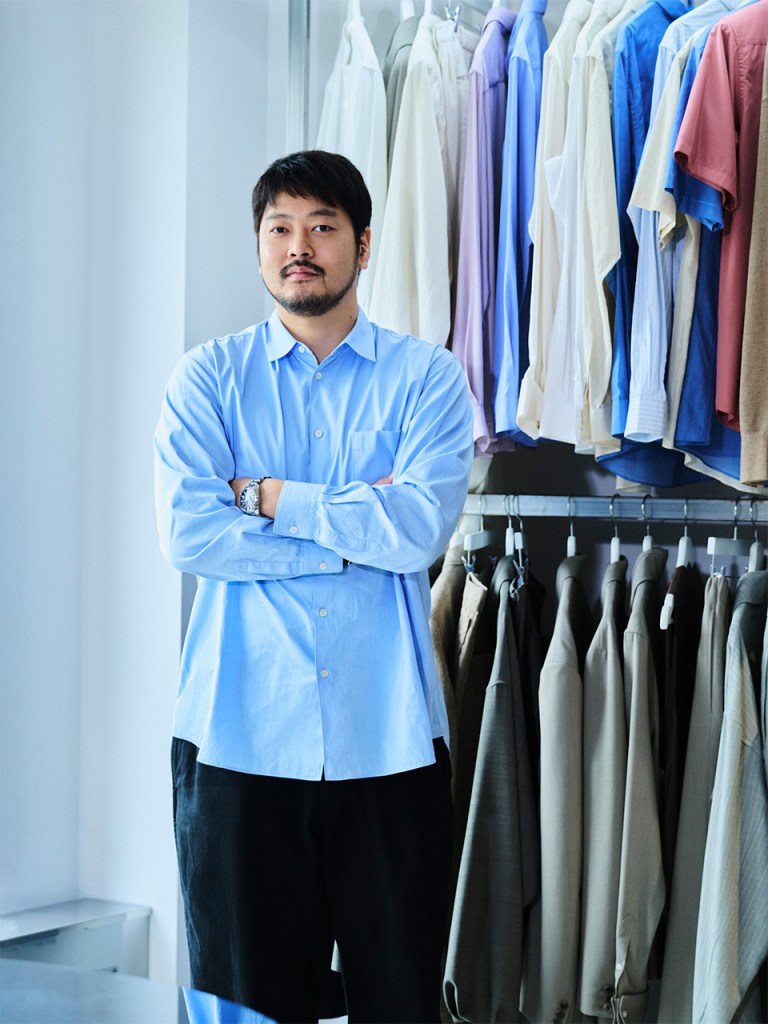
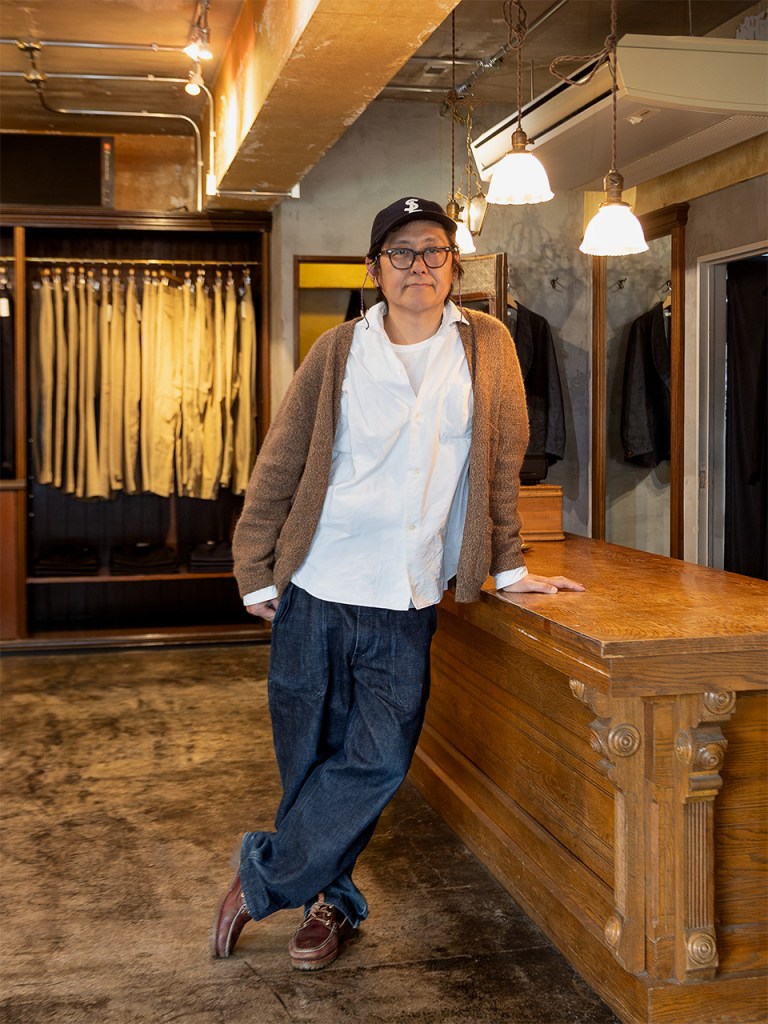
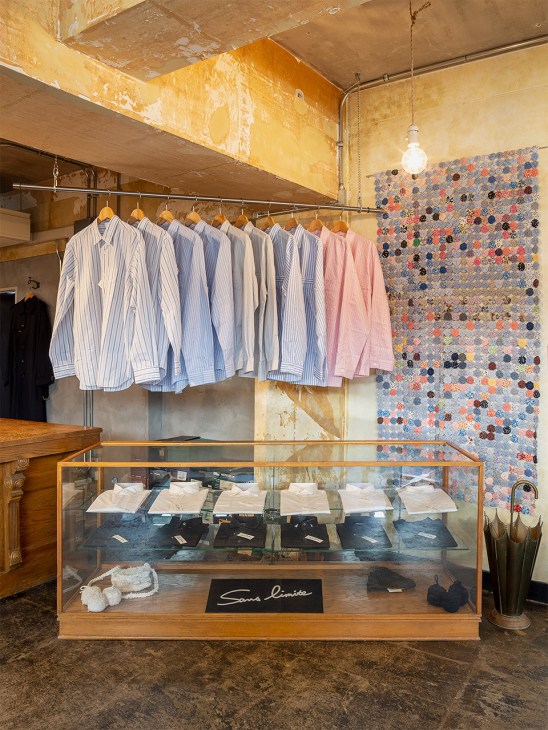
Yusuke Monden started his menswear label Sans Limite in 2012 after cutting his teeth in shirt design and production at Comme des Garçons. His concept is simple: wardrobe classics made well. He began with a tight edit of six shirts, and has since expanded to ready-to-wear and accessories collections. “We don’t try to sell items for a specific season or drastically change fabrics for each collection either,” says Monden.
Monden is committed to “made-in-Japan” quality. “We do the patterning and planning internally, and then work with domestic factories,” he says. “When it comes to one-off items, such as patchwork shirts, hand-knit sweaters or even rugs, we work on them in the studio and then send them off to the factories for completion.”
Sans Limite’s Tokyo flagship is on a busy shopping street by the railway tracks that was home to a black market for US goods after the Second World War. It’s a world away from the neighbourhoods usually favoured by fashion brands.

ESC
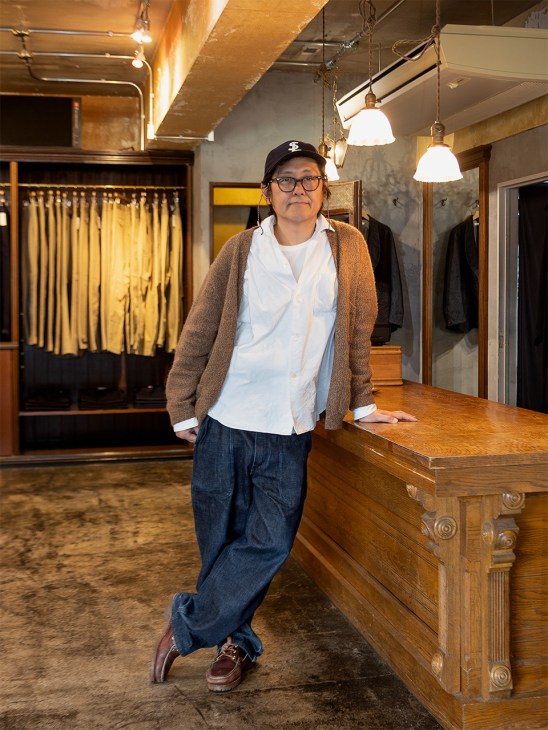
Before he set up his lifestyle company Elephant Street & Co (ESC), Shinji Komine had been working in brand marketing for some of the world’s biggest corporations, including Apple, Nike and Dyson. “I knew that when I set up my own company, it would have to have a strong ethical dimension,” he says. Four years on, ESC has released its first capsule collection: an easy-to-wear line of T-shirts, hooded waterproof jackets, painter trousers and totes.
Komine works collaboratively with a small group that includes a fashion-loving doctor, a designer with experience at top brands, and small, Japanese producers. They make garments using natural materials and artisanal techniques. The brand’s core fabric is a traditional Takashima canvas made in Shiga prefecture using unbleached organic cotton, while the dyes come from natural herbs and minerals. Boxy cotton T-shirts are manufactured on shuttle looms in Shizuoka, while the Anthracite nylon collection uses a technical fabric (with a plant-derived coating), developed by Japanese fabric maker Seiren. ESC’s ethical credentials are impeccable but Komine’s streetwear-inspired silhouettes keeps fashion central to the project.