Sydney’s fashion scene is seeing a resurgence – and it’s starting in Paddington
Synonymous with fashion finds, a dash of quirk and a charming ambience, Sydney neighbourhood Paddington promises some of the best shopping in Australia’s largest city.
Whisk any detractors of bricks-and-mortar retail around Sydney’s Paddington neighbourhood on a Saturday morning and it will quickly become clear that physical shopping is alive and well. Candy-coloured terraces are brimming with well-heeled Antipodeans and out-of-towners; shopkeepers call across the street like old friends; a couple juggle bags with the leash of a terrier-cross as piano chords float out of antiques shops. “It casts a particular kind of spell as a retail destination,” says Kellie Hush, the CEO of Australian Fashion Week. “Paddington works because it isn’t trying to be a mall, it’s a neighbourhood,” she says. “It thrives on daily rituals – coffee, bakeries, flowers, barbecue chicken, pharmacy visits.” And, of course, shopping.
Since the 1960s, Paddington has been considered Sydney’s fashion hub, a pell-mell of creatives and art makers, designers and fashion folk. Developers encouraged independent Australian brands to move in with a vision of incubating talent. A Paddington postcode was a precious gem; a shopfront at The Intersection, a particularly bustling corner, a sign of success. “It’s been the home of many great Australian designers, a stepping stone to domestic and international expansion,” says Hush.
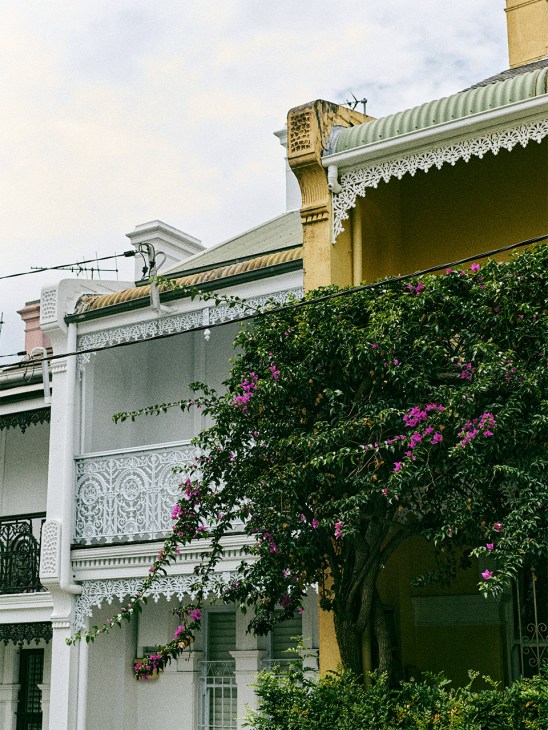

Its location is difficult to fault from any side: Paddington is connected to the city’s CBD by the arterial Oxford Street (named after the London thoroughfare) and is a 10-minute drive from Sydney’s sparkling beaches. Bordering it are the leafy, well-to-do streets of Woollahra and the younger, gastronomically inclined laneways of Surry Hills. High-priced homes nearby lock in a wealthy customer base. In the late 1980s and early 1990s, Australian brands from Dinosaur Designs to Zimmerman began selling at the Paddington Markets, a Saturday open-air market that has been operating since the 1970s, and moved into nearby terraces when commercial viability allowed. Many held on to flagships in the area while propelling their brands to greater heights nationally and abroad.
In the 2010s, headwinds arrived. Like many other retail hubs around the world, Paddington had to adapt to a brave new retail landscape, buffeted by the emphatic embrace of online shopping, rising rents and, most recently, tough pandemic-era lockdowns. The area “underwent an identity crisis with the development and rise of mega malls”, says retail consultant Hannah Jensen. Shops sat empty and foot traffic petered out.


But more recently, the area has again reinvented itself, with its reputation as a fashion hub bolstered by a slew of new arrivals. Its growth coincides with an increasing appetite for luxury across Sydney: the nearby CBD is abuzz with new luxury shops: Loro Piana, Chloé, Balenciaga and Max Mara have all opened shops in recent months. Chatswood Chase, a mall on Sydney’s North Shore, reopened in October 2025 with more than 60 global and local retail partners. This ability to marry local and global shopping within a few miles makes the city an investment-worthy destination for brands across every tier of the luxury market. Add the growing affluent consumer base and increased demand for luxury goods across the country (the luxury market in Australia, valued at €7.3bn in 2025, is projected to reach $14.7bn by 2043) and you have a city positioning itself as a compelling luxury frontier in the southern hemisphere.
Paddington regained its stride with “the ‘right-fit’ customer who is looking for an anti-algorithm experience”, says Jensen. This includes a mix of savvy retailers, hospitable service and spaces to linger, starting with newly opened 25hours Hotel The Olympia.
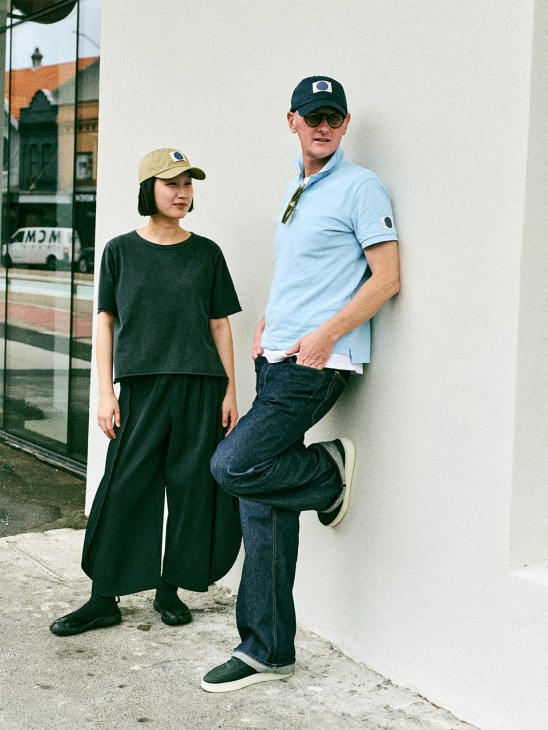
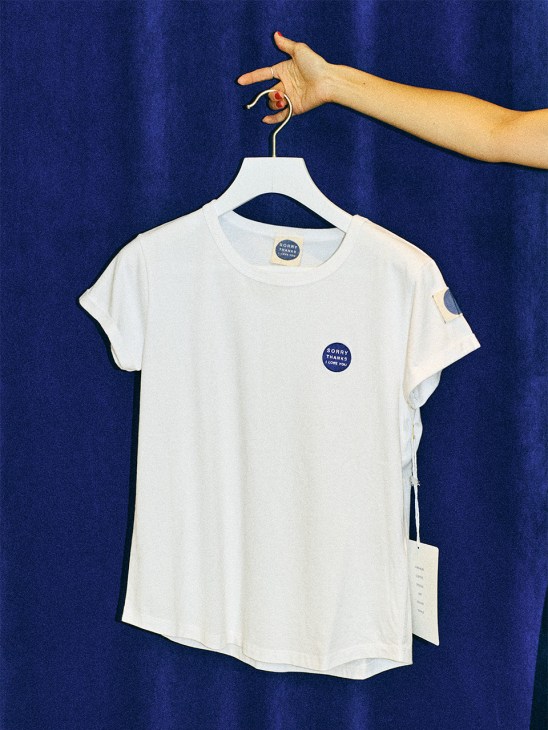
When property developer Dean Levin first asked Caroline Ball and Ant White to open a retail outpost at The Olympia (converted from a disused art deco cinema), they weren’t sold. Ball and White are the co-founders of Sorry Thanks I Love You, a concept store that holds stock of crisp Comme des Garçons T-shirts and eclectic finds from Dover Street Market. They wanted to go big, dreaming of Tokyo department stores and modular, gallery-like spaces that they could fill with music, local chefs and art installations – a cosy hotel boutique wasn’t originally in their plans. “But we saw how we could do all that here,” White tells Monocle. “[Levin] created a space for the Paddington community to come, to gather, to create an ecosystem that works in sync. And that’s exactly what we wanted too.”
The Olympia opened in November 2025 as an art-forward hotel with 109 rooms and four hospitality venues – a wine bar, café, restaurant and rooftop bar with views across the city skyline. It took over a corner of Paddington in a grand wedge of a building. The concentric ripples that the development would encourage were also part of the draw. “This area – here down to Darlinghurst – is feeling so activated, so alive again,” says White.
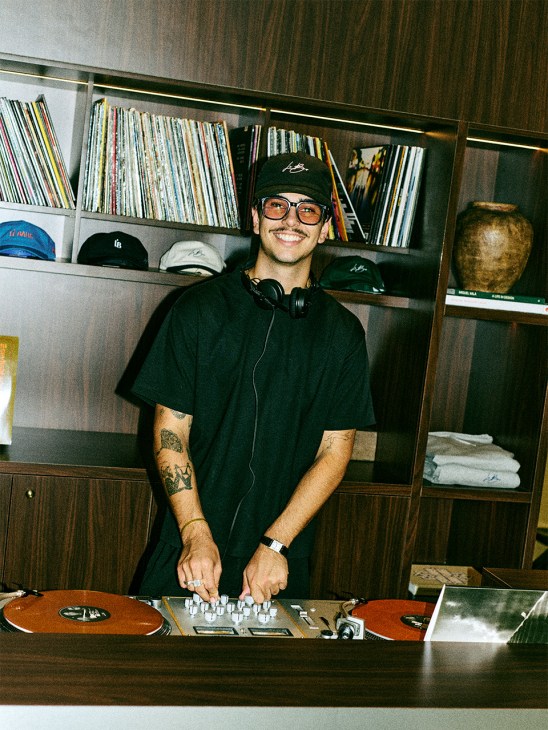
The Olympia isn’t the area’s only new arrival. The top of Glenmore Road has been almost entirely overhauled in the past two years with the arrivals of local womenswear labels Deiji Studios, St Agni and Nagnata. Party-ready Asta Resort opened in December 2025; Lewi Brown’s brand Earls landed on Oxford Street in July 2025; soon after jeweller Temple of the Sun opened the doors to its flagship shop inspired by Istanbul’s Basilica Cistern, fitted with a barrel-vaulted ceiling and Venetian plastered walls. Lè Baus, which reopened this February, is a collision of record shop, menswear label and coffee counter.
Paddington’s appeal is also linked to its architecture. William Street is a strip of terraced houses that stick to each other like crayon boxes. Wrought-iron balconies are twisted into curlicues, while shopfronts are small, their insides winding and often narrow. “It acts as a protective barrier,” says Jensen, for local labels going up against bigger brands that want more space and window mileage. “In the end, its independence survives because the identity is the attraction,” agrees Hush. Multinational brands can’t expect these character-filled shopfronts to be moulded to their standardised, high-volume models. Hush compares the district with New York’s “more intimate” Nolita or Tokyo’s Daikanyama area, “which blend walkability, design consciousness and understated fashion credibility”.
Hayden Johansen is head of retail at Scanlan Theodore, a long-standing Australian fashion label in the neighbourhood. He has lived in Sydney for 19 years. “Each turn you take is a different feeling,” he says of the area, in which Scanlan Theodore has one of the most recognisable shopfronts, with green walls doubly verdant with ivy. “And now, the feeling is sort of back to what it was like when I first moved here. It’s a lifestyle again.”


The neighbourliness of local shopkeepers is at the heart of this lifestyle. At jeweller Lucy Folk, Monocle is shown to a small terracotta-walled courtyard, dazzlingly lit by the midday sun. The effect is of sitting inside a warm yolk. “We love making tea for everyone,” says brand manager Ruby McCarthy, who offers customers cups of matcha on the house. “It’s a negroni in the summertime.”
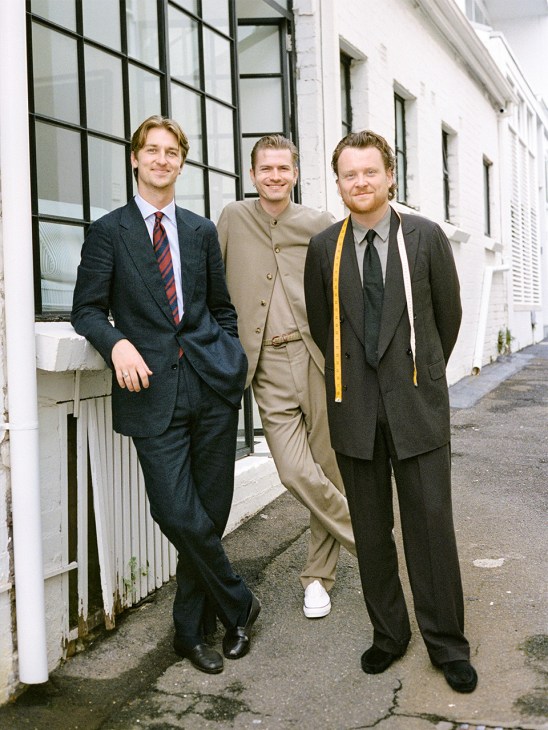
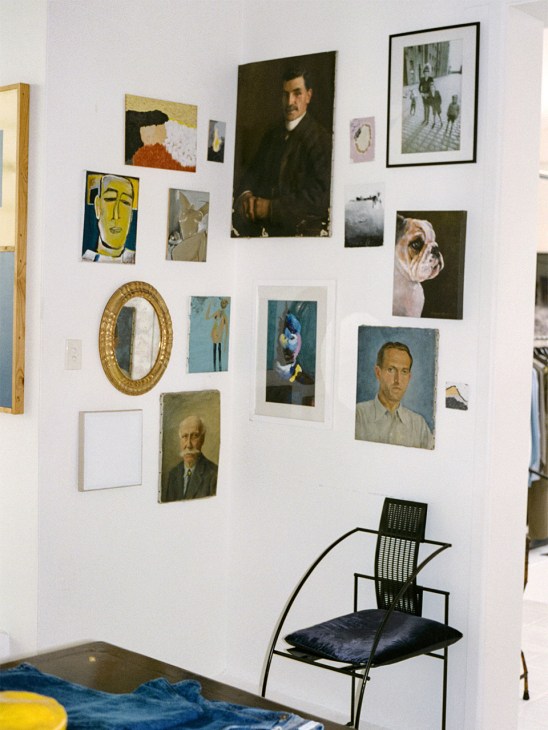
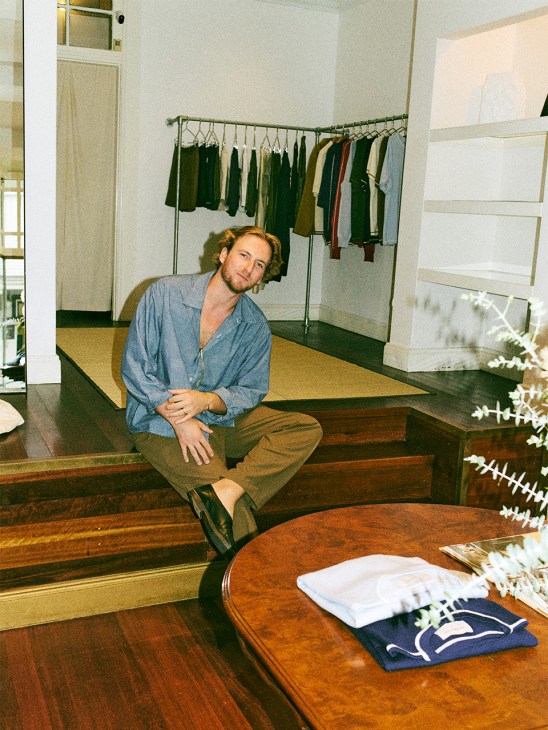
Further down the street, suit-maker P Johnson’s space is white and gallery-like, full of antiques, curved lines and good humour. A sunken lounge is the centrepiece. Unusually for informal Sydney, all of the label’s fitters walk around in three-piece suits. They take customers through consultations, fittings and get to know their families. “We text,” says Oscar Ford, the showroom’s assistant manager. He, like other recruits, undertook an eight-month training period, during which he was formally educated on weaves, fabrics, origins and fit. “The Paddington customer takes their time, they linger,” says Ford. “So we need to know what we’re talking about. We’re sitting down with people, we’re educating them. We want to open up a world that’s a little bit unusual.”
It’s the same story at menswear brand Charlton, launched in 2018 by film director Henry Cousins. Its shopfront is petite and low-lit, stocked with shirts in Japanese cotton and merino wool. Cousins moved into a terrace on William Street in 2022 after the pandemic- era exodus of some long-term tenants made rents more affordable. “It’s probably the only reason that some of the smaller brands could move in,” he says. “Everyone really wants to work together, to help each other.”
Cousins recently created a fragrance with Craig Andrade, his shop neighbour and owner of perfumery The Raconteur. They launched it at a street party: “We got to bring Craig’s customers and my clientele together,” says Cousins. “Everyone’s lives were running alongside each other but they had never met. And we got to make that happen.”
For stalwarts and newcomers alike, Paddington’s trajectory only seems to be on the up. Plans are underway to transform the Verona building on Oxford Street into a retail, residential and hospitality space, with a grand old cinema as its centrepiece. Further towards the city, Oxford and Foley, a commercial strip of renovated heritage buildings, is welcoming tenants, including Golf Wang, the fashion label by US musician Tyler, the Creator.
As Jensen says, it’s all part of creating an ecosystem. “Yes, the pavement is uneven and the weather can be unpredictable,” she says, “but you can walk into a shop and be personally greeted and given a bespoke experience – and all at your own pace.”
Paddington address book
Alimentari
Fine coffee and Italian sweets.
2 Hopetoun Street
Sorry Thanks I Love You
Fashion, design, coffee and homeware aplenty.
The Olympia, 1 Oxford Street
Lucy Folk
Eclectic jewels, apparel and accessories.
31 William Street
Charlton
Street-smart menswear.
20 William Street
Incu
Top-tier women’s clothing from a much-loved multibrand.
258 Oxford Street
Barbetta
A post-shop pit stop for Italian dining.
2 Elizabeth Street
Sarah Gardner Jewellery
Pick up a treasure.
88 William Street
P Johnson
Femme Laid-back tailoring.
33 William Street
Di Nuovo
For vintage vultures.
92 William Street
Saint Peter
Freshly netted seafood from chef Josh Niland.
The Grand National, 161 Underwood Street