
Arada: The new blueprint
Aljada’s combination of thoughtful planning and cultural partnerships is reshaping the city of Sharjah and raising the bar for people-first communities.

Setting the pace
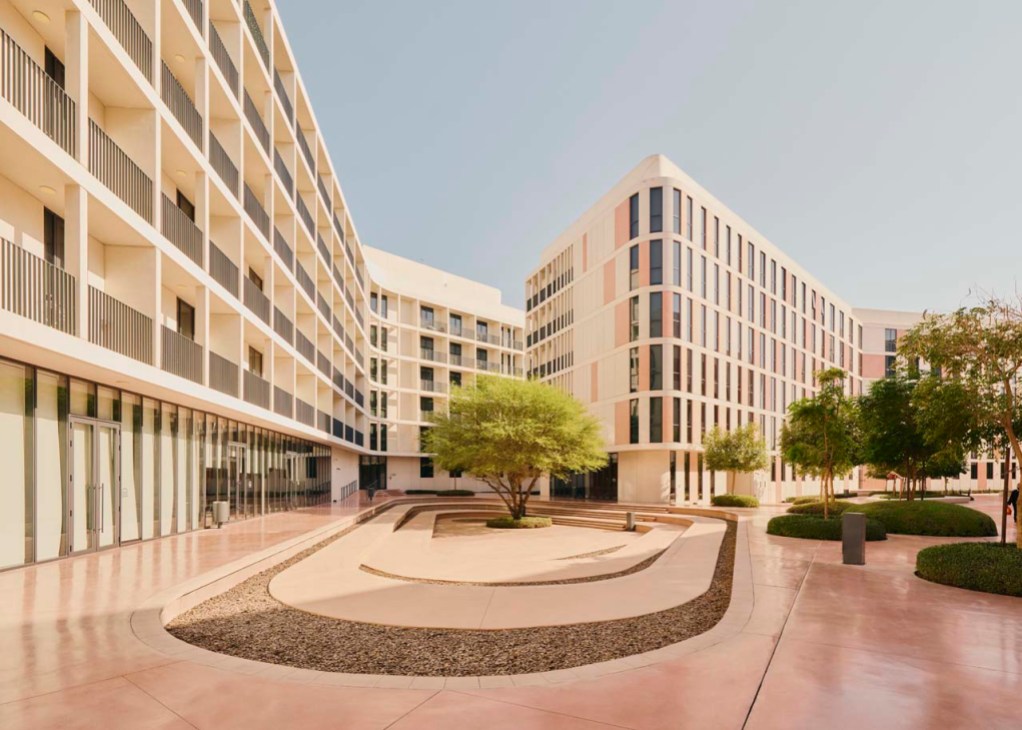
In the late morning, Aljada moves at an easy, neighbourly pace. Sunlight filters through neem and ghaf trees, shaded walkways connect pocket gardens, and the generous street plan keeps movement fluid. Design softens density, establishing a human scale.
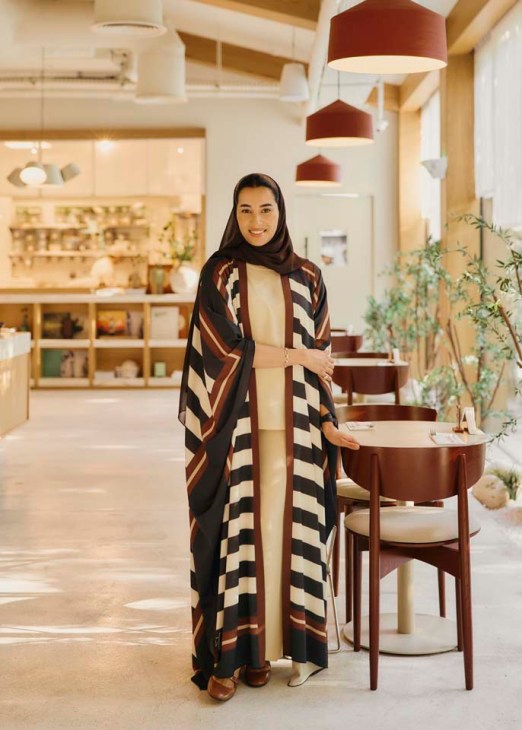
Inside Parka Bakehouse, that warmth carries through. Blond timber and linen blinds frame a space that could sit comfortably in Kyoto or Copenhagen. Founder Mouza Alabbar, seated with a latte in hand and her eight-week-old beside her, says the space mirrors the neighbourhood. “There’s a lightness and a quietness here,” she adds. “The design feels natural, it gives you space to breathe.”
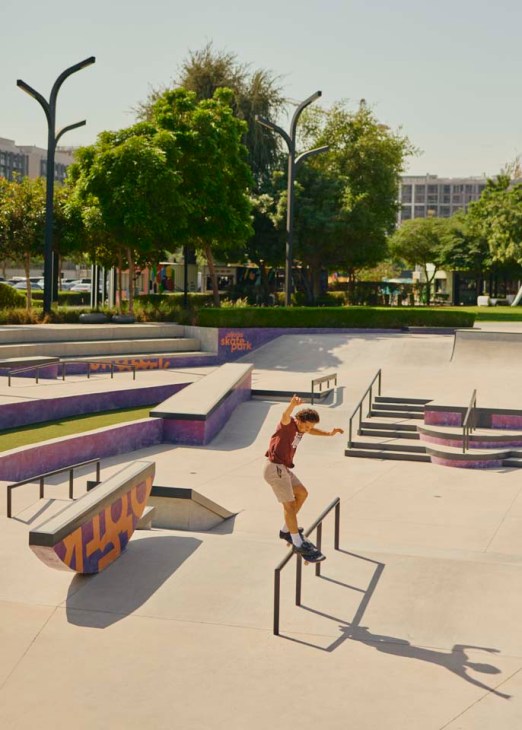
By evening, this serene boulevard hums. Families stroll past the elegant mosque, students claim corner tables at restaurants and Aljada takes on a pleasant buzz. At the neighbourhood’s heart is a vast, professional skatepark. “It’s really well designed,” says Anwita Stalin Meledath, one of the young skaters who call it the UAE’s best. “Having this here helps me learn and get better.”
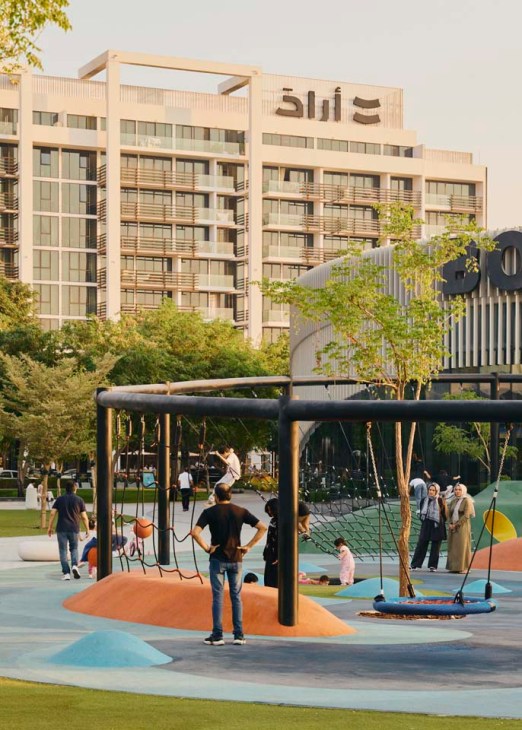
As night falls, artisanal food trucks light up the fringes of the park, drawing hungry crowds. This layered, lived-in rhythm – creative, communal, constantly in motion – is what roots Aljada in reality, away from a world of conceptual masterplans. More than 20,000 residents already live here and Aljada welcomed eight million visitors last year. This buzzing district is reshaping the way that modern Sharjah is perceived: confident, contemporary and outward-looking.
The scale of Aljada is striking: a $9.5bn (€8.2m), 2.2 sq km master development that will eventually include 25,000 homes. Yet despite the magnitude, the atmosphere feels intimate.
The speed of trust
Arada’s rise follows a distinct rhythm: move quickly, listen closely and design for people first. “We’re not building something showy,” says chief brand officer Melissa Bayik. “We’re building environments designed to give people a better experience – and a better life.”
This philosophy shaped Aljada. The site was a desert just seven years ago, when Arada built Madar, a 1.7 sq km entertainment district that drew families, students and visitors. “If you get people here early, the rest grows organically around them,” says Bayik.
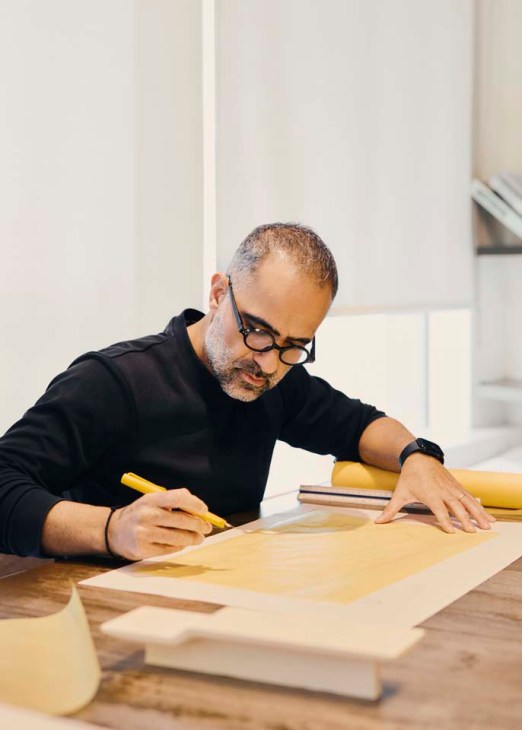
Arada’s ability to accelerate placemaking stems, says Bayik, from a “studio mindset”: rapid iteration, direct communication between design and delivery, and openness to global collaborators. The striking Zaha Hadid Architects-designed Aljada Discovery Centre set an early benchmark.
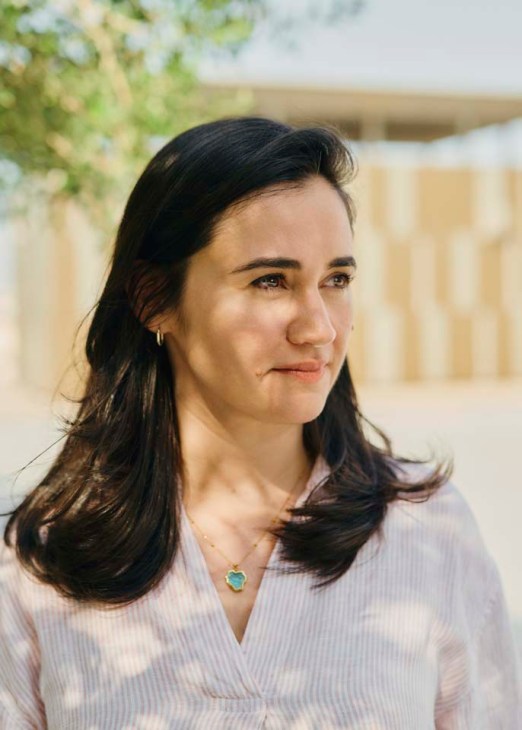
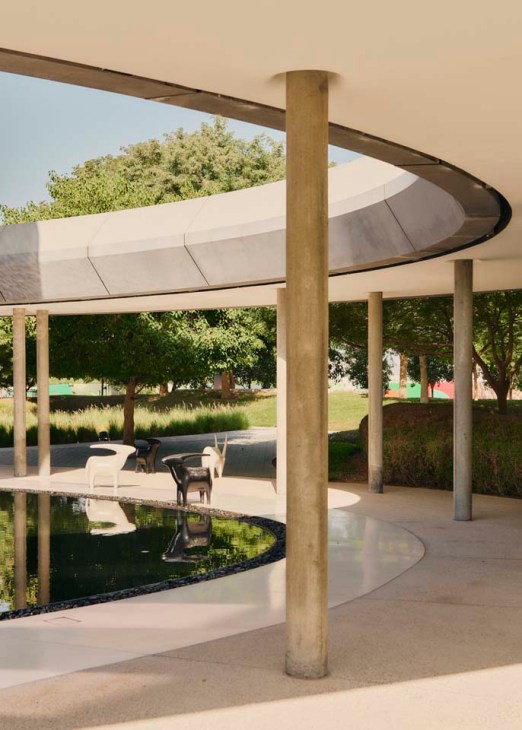
This nimbleness underpins Aljada’s broader transformation of Sharjah’s urban identity. “We’re building at the speed of culture,” says Bayik. “That means inviting people into the process, not just the end-product.” The result is a model for urban development, one that other cities across the region and beyond are already watching closely.
Three more global Arada communities
1.
Masaar
This woodland-inspired district in Sharjah is built around trails, wellness and dense landscaping.
2.
Akala
A new urban wellness-driven concept in Dubai, rooted in ritual, rhythm and restorative living.
3.
Thameside West
Arada brings its human-centric design focus to this forthcoming London waterfront community.
Building 10 meaningful communities in less than a decade requires more than engineering expertise. It hinges on trust, agility and a willingness to build culture before concrete.
Ideas for living
A better life is shaped by thoughtful details: the shaded bench, the walkable street, the cultural pocket that sparks curiosity. Arada’s principles for “better living” are neatly expressed via five benchmark concepts at Aljada.
1.
Pathways to social harmony
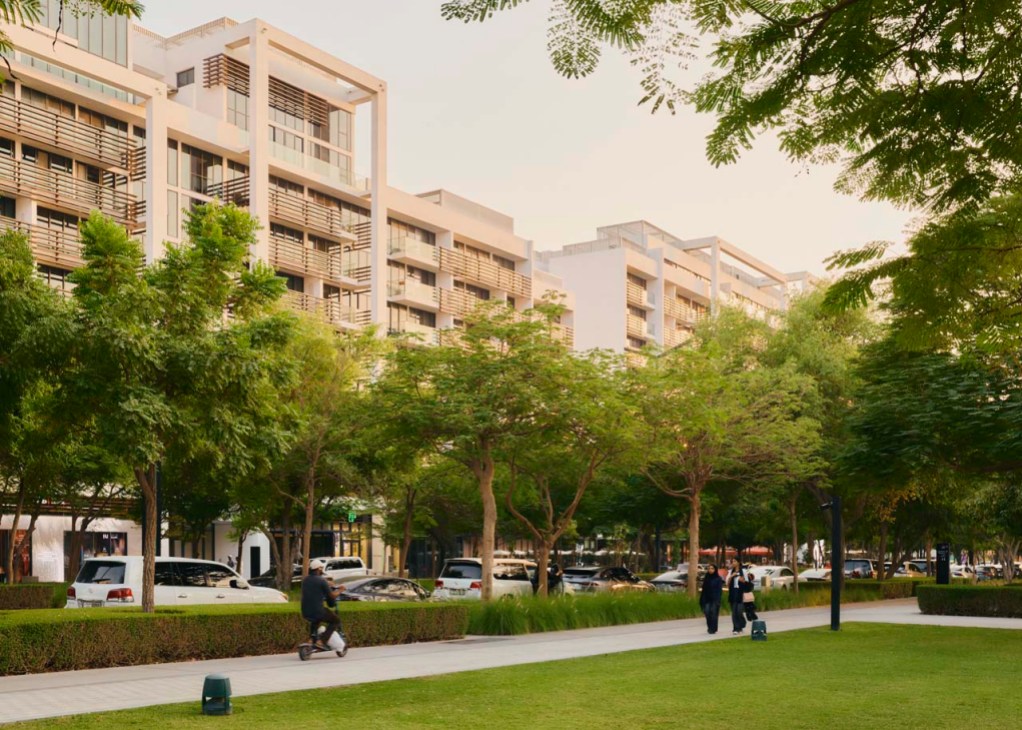
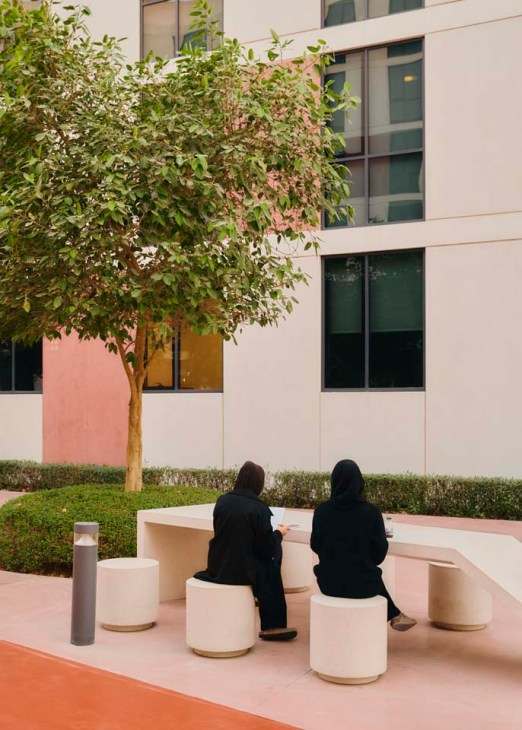
With 70,000 trees planned for Aljada, green corridors of mature neem and ghaf trees create cool, welcoming pathways. These landscaped bands double as social spaces, with gentle planting, considered shading and quiet places to sit, meet or watch neighbourhood life unfold.
2.
Partnerships to cultivate talent
Arada integrates creativity from the ground up. Student-designed structures, including an American University of Sharjah pavilion, have become permanent fixtures at Aljada. “It gives students real sites and constraints,” says professor Jason Carlow. “And it gives the development authenticity.”
3.
Sustainability in routines
Greywater recycling, smart irrigation, shaded circulation routes and water-recycling stations across the Nest campus embed sustainability into daily life. These are not mere gestures but long-term systems that make environmentally-conscious behaviour intuitive and lasting.
4.
Spaces to promote wellbeing
The central skatepark, considered one of the best in the UAE, anchors the district’s social life. Everyone from pro skaters and rollerbladers to beginners and families all gather here at golden hour, making movement part of the daily ritual – and busting out a few tricks to boot.
5.
Car-light convenience
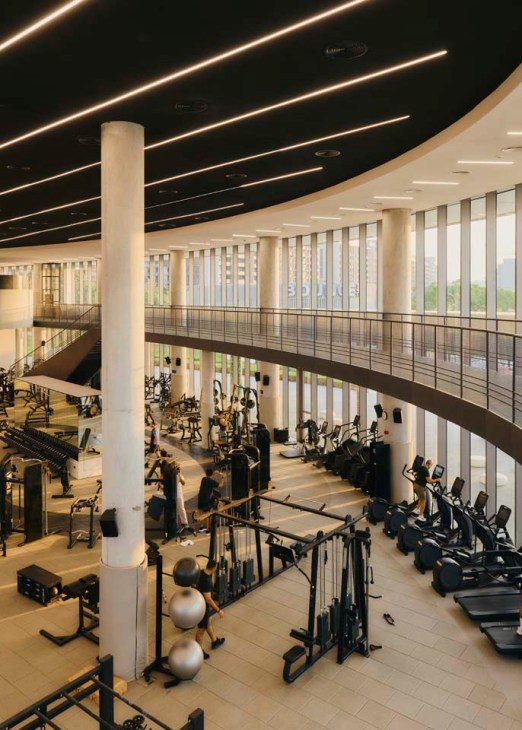
With cafés, parks, supermarkets, universities and neighbourhood services all within walking distance, Aljada enables a lifestyle that is urban and intuitive but most of all human. Residents can move through their day with ease, choosing shaded footpaths over noisy engines.
Putting people first
Aljada is still evolving with the same clarity that shaped its earliest phases. Il Teatro, designed by Tadao Ando, will anchor a new cultural district defined by performance, light and sculptural form. The 40 office blocks of the Arada Central Business District will form Sharjah’s new commercial heart and Madar Mall is set to expand the retail core. For chief architectural officer Elie Mrad, Arada’s principle for growth is straightforward: “Architecture is the starting point. But it’s the people who bring cities to life.”