
Design stories: Ten people and places shaping Portugal’s creative identity

Portuguese design has everything: style, creativity, heritage and innovation.

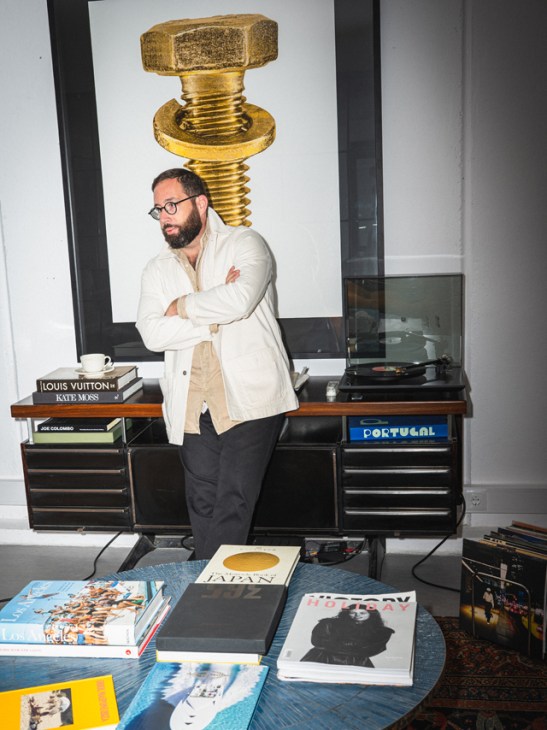
Perhaps most importantly of all, it also has people. Here, Monocle reports on 10 ateliers and institutions across Portugal that are built on the skill and creativity of visionary individuals – from the Sintra museum born of a private passion to the Porto designer reinventing the everyday. Together they form a vivid portrait of the world’s most progressive design hub.
Albuquerque Foundation
A new dynasty
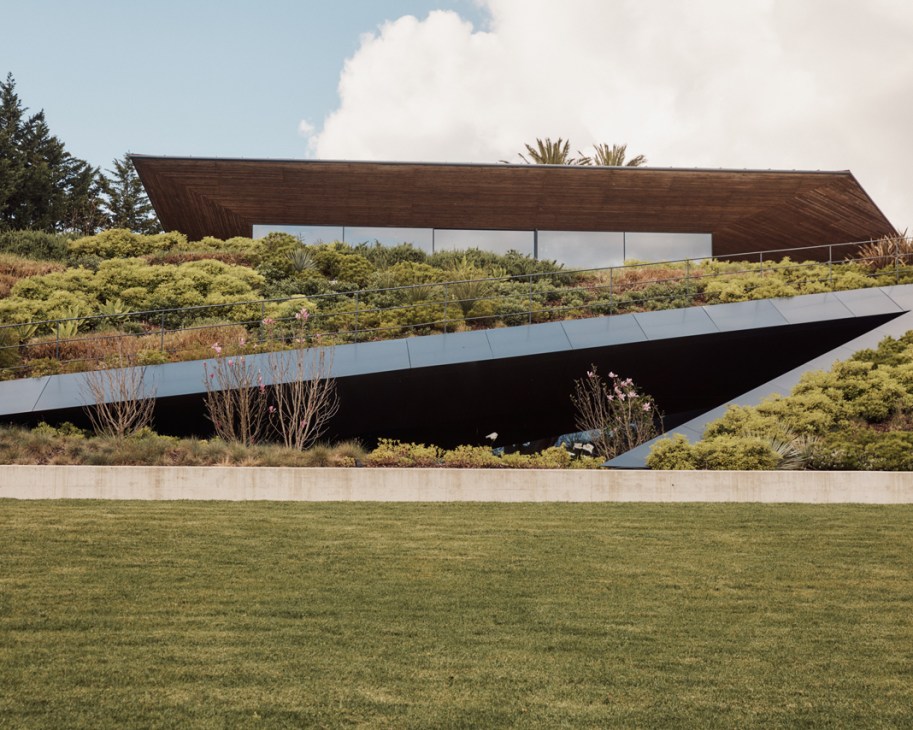
Renato de Albuquerque has spent a lifetime collecting rare Chinese ceramics – more than 2,500 pieces, with a focus on exquisite objects from the Ming and Qing dynasties. The Brazilian engineer’s private passion has led to the creation of a remarkable institution in Sintra.
The Albuquerque Foundation was co-founded with the engineer’s granddaughter, Mariana Teixeira de Carvalho, as a place to explore the rich history of these objects – as well as encourage dialogue with a new generation of ceramic artists and artisans. And suitably for the former home of a celebrated engineer, the building is a destination in itself. The late 18th-century villa has been sensitively expanded by Lisbon’s Bernardes Arquitetura.
Monade
Fine print
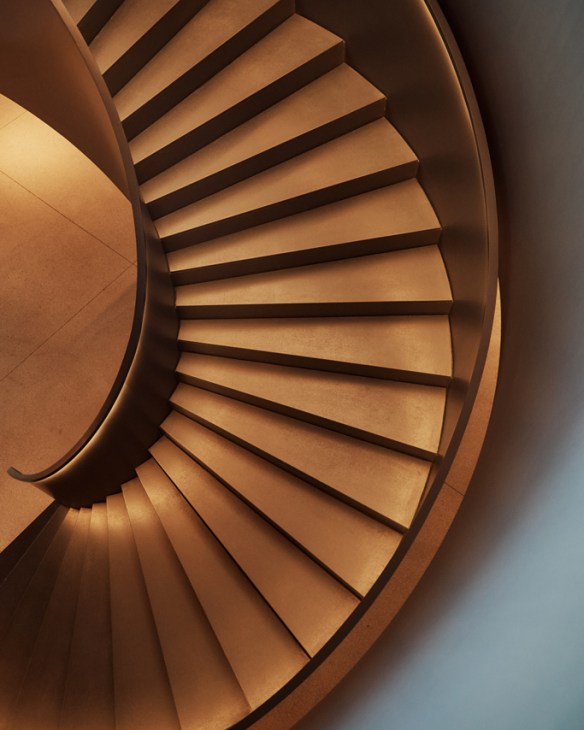
Launched in 2016, Monade was born from a desire to look at architecture more intentionally. “Social media was really taking off at the time and architecture was being consumed in a very quick, superficial way through images alone,” says co-founder João Carmo Simões.
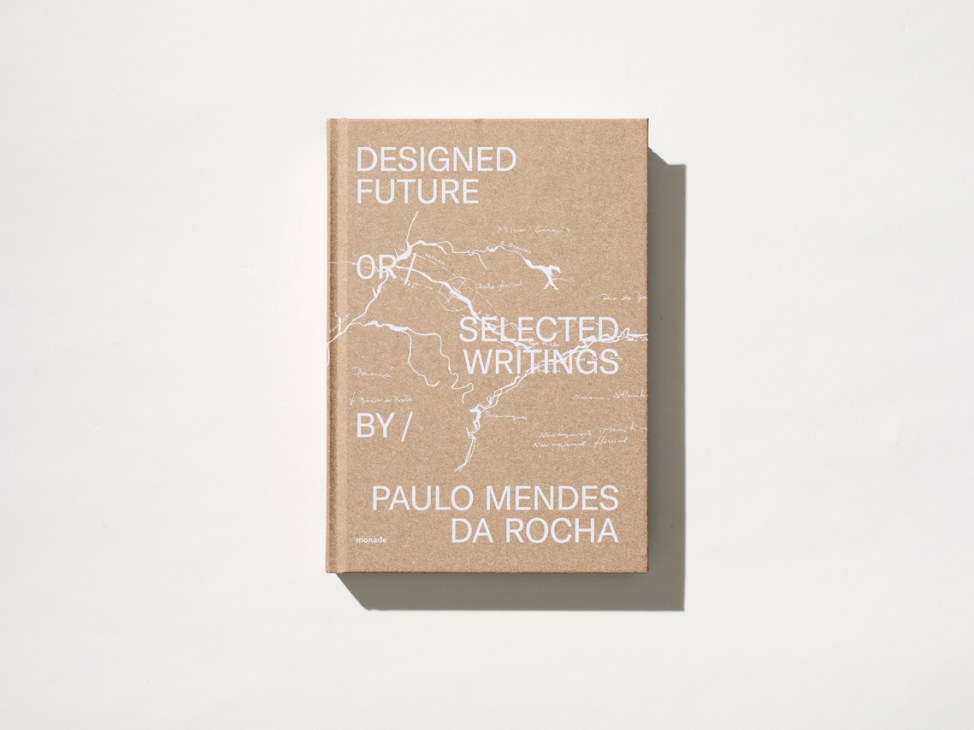
For the past decade, the Lisbon publishing house’s antidote has been beautifully conceived books that are neither didactical nor merely decorative. “We don’t want the books to be siloed, because architecture isn’t,” says Simões, who co-founded Monade with his partner Daniela Sá. “It belongs to everyone and needs to speak to everyone.” Whether paperback or linen-bound, long essays or loose thoughts, each Monade book forms a world of its own. Designed Future translates the writings of Brazil’s Pritzker-winner Paulo Mendes da Rocha, while FEP focuses on a single 1960s building that house Porto’s Faculty of Economics. The latter, photographed by Simões and sequenced like a silent, cinematic tribute, won the DAM Architectural Book Award in Frankfurt in 2024. “We want the freedom to study and explore themes that interest us, and that would also help us better understand our own practice,” says Sá.
Casa Capitão
Space to connect
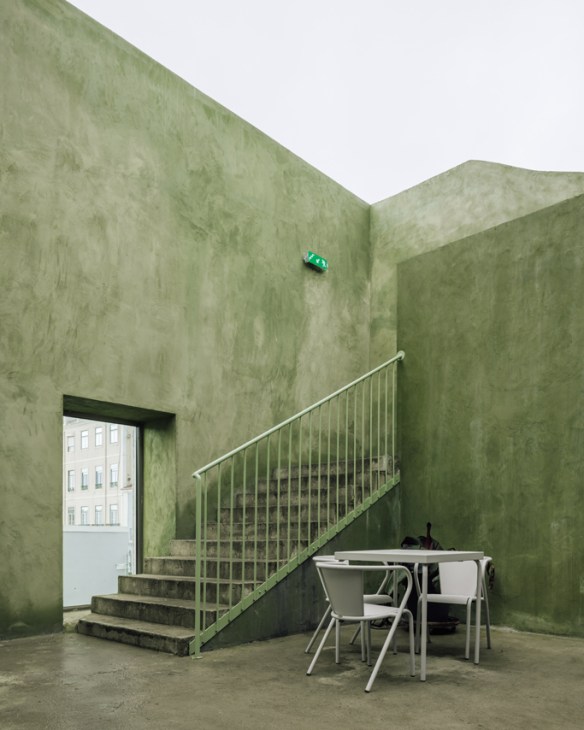
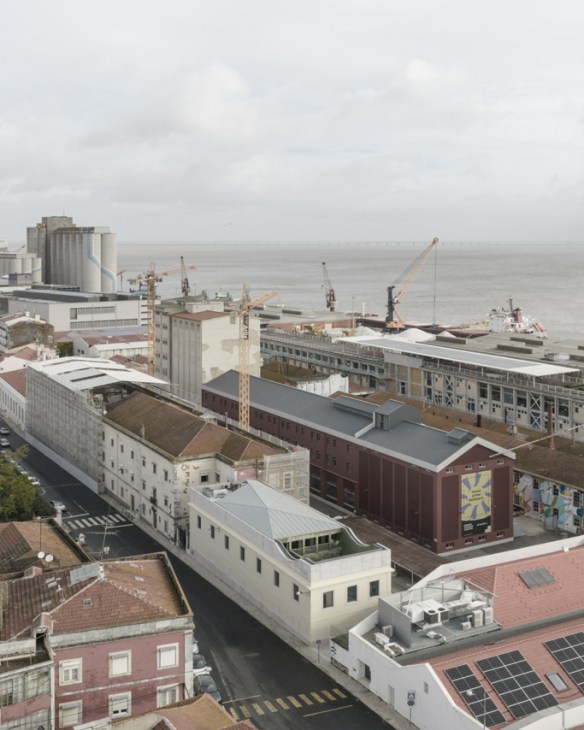
In a former military maintenance facility in Lisbon’s easterly neighbourhood of Beato, Casa Capitão proves that culture can rise from the rubble. “Outside the gentrified city centre, it’s easier to foster encounters between local communities,” says founder Gonçalo Riscado.
Founded in 2020, Casa Capitão is a lesson in how to adapt historical buildings and add cultural cachet. After a series of pop-up events, it commandeered its new permanent space in 2025, signaling a long-term desire to engage with the city’s residents through a multidisciplinary programme, from art and design to fashion and gastronomy. “The space can only give to the community as much as it receives from it,” says Riscado. “It’s a circular cultural economy.”
Riopele
Fabric of life
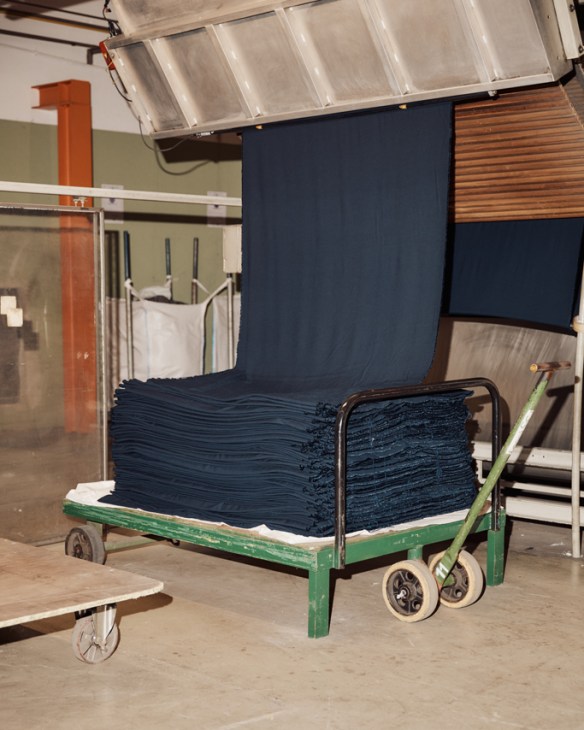
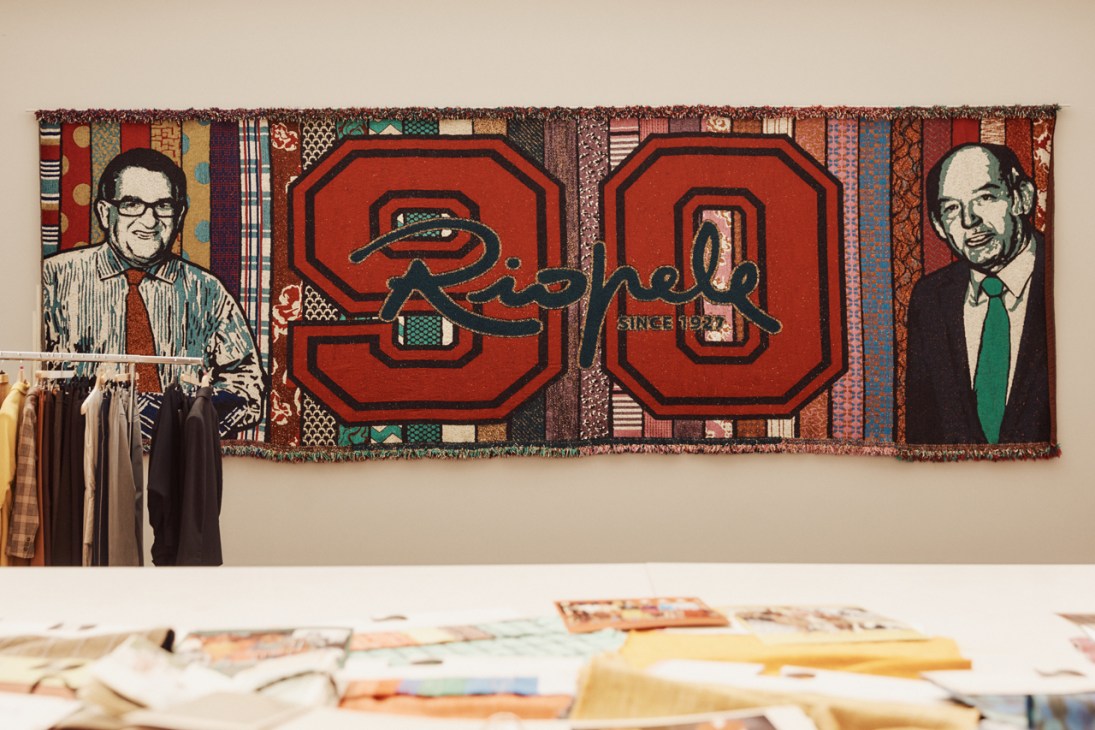
Portuguese textile manufacturer Riopele celebrates its centenary in 2027 with record turnovers and US offices, yet it still draws on a tight-knit core of skilled employees in the Northern village of Pousada de Saramagos.
Fourth-generation family member Francisca Oliveira manages business development across Riopele’s global roster of clients. A full vertical production line gives the company control of its supply chain, she says – hence the proud motto: from fibre to garment.
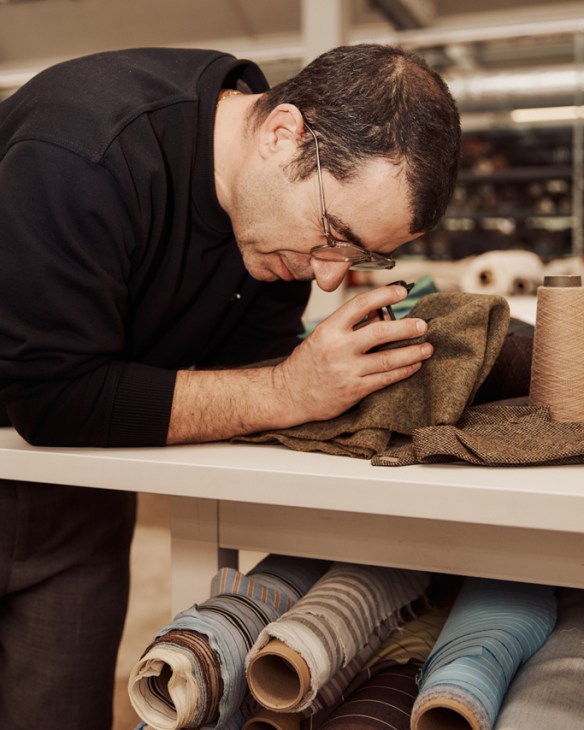
A long-term push on sustainable innovation and renewable energy infrastructure has made Riopele’s operations among the most advanced in Europe, enabling alignment with EU’s regulatory frameworks well ahead of mandatory deadlines and en route to achieving carbon neutrality.
Today Riopele is an international powerhouse trusted by the likes of Hugo Boss, Filippa K and Inditex. With a record turnover of €99m last year, offices in New York and agents across the globe, Riopele is facing its second century with a clear vision of the enduring challenges of an evolving industry – and the innovative smarts to maintain its pioneering path.
Atelier Espaço P2
Brutal logic
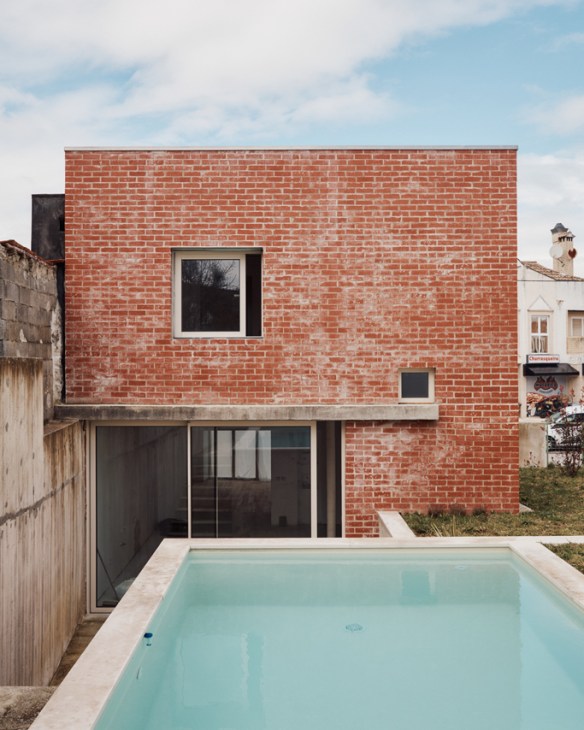
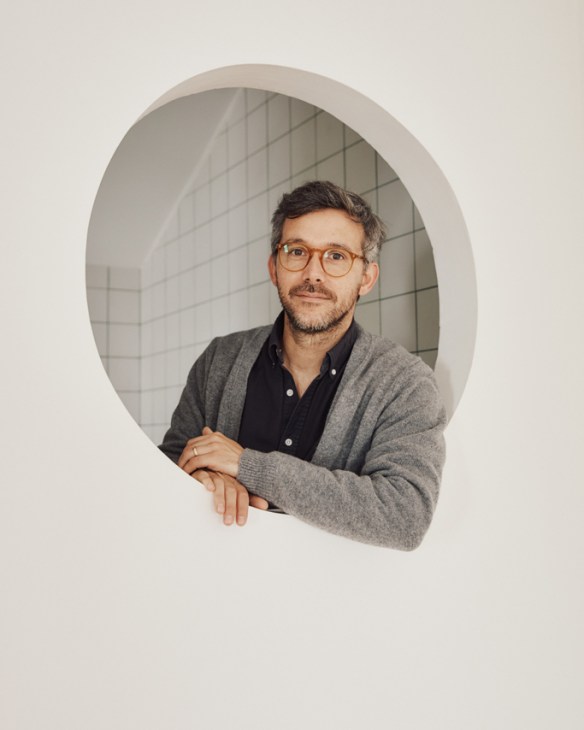
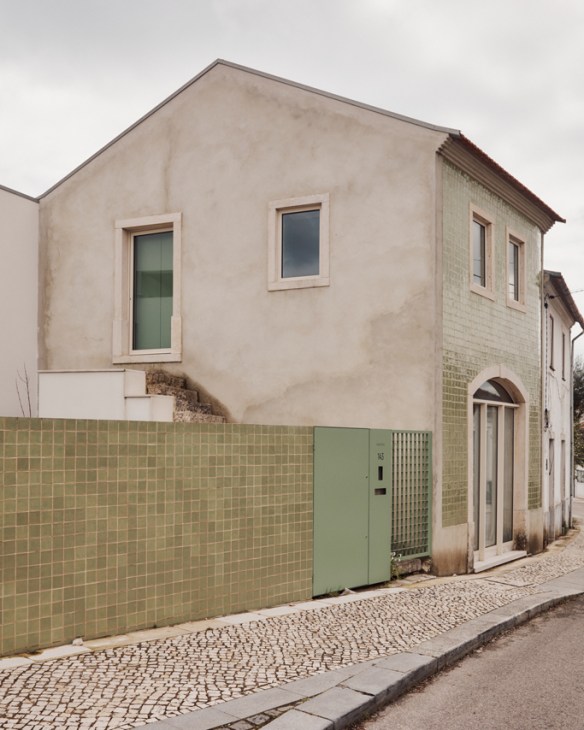
What started as an experimentational architecture laboratory inside a pavilion in Ansião, a village in central Portugal, led to a well-rounded small practice firmly rooted in the formal reinterpretation of traditional typologies and ways of dwelling.
Atelier Espaço P2 founder Jorge Pimenta kickstarts projects with a grounded contextual analysis of each site. It’s an exercise based on unearthing connections that will inform not only the name of each architectural object, he says, but also the very “dialogue between tradition and innovation”.
Practicing between Ansião and Coimbra, Atelier Espaço P2’s explorations span from public spaces, like a viewpoint in Ateanha-Alvorge, to residential projects, such as Casa no Cerrado, which received an honourable mention at the Forma National Architecture Awards.
Materiality plays a determinant role in translating the practice ethos, as well as a “New Brutalism” logic that emphasises rawness, structural honesty and functional simplicity over decorative aesthetic. “We don’t want to be hostages of the materials,” adds Jorge.
Project 213A
On the tiles
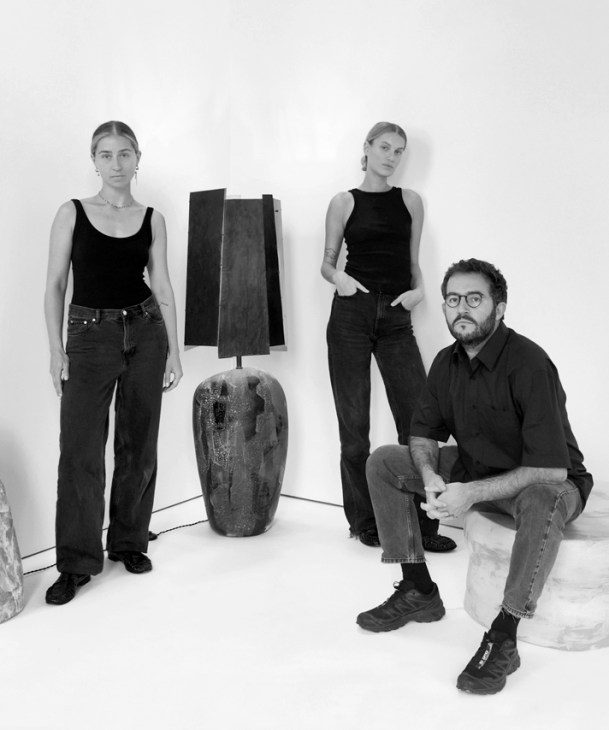
This Travanca atelier is turning the humble ceramic tile from stock bathroom material to covetable design object. Jurgita Dileviciute, Theresa Marx and Clement Deboeuf’s whimsical ceramics utilise more than 300 glazes, from high gloss sheens to a low lustre-like finishes.
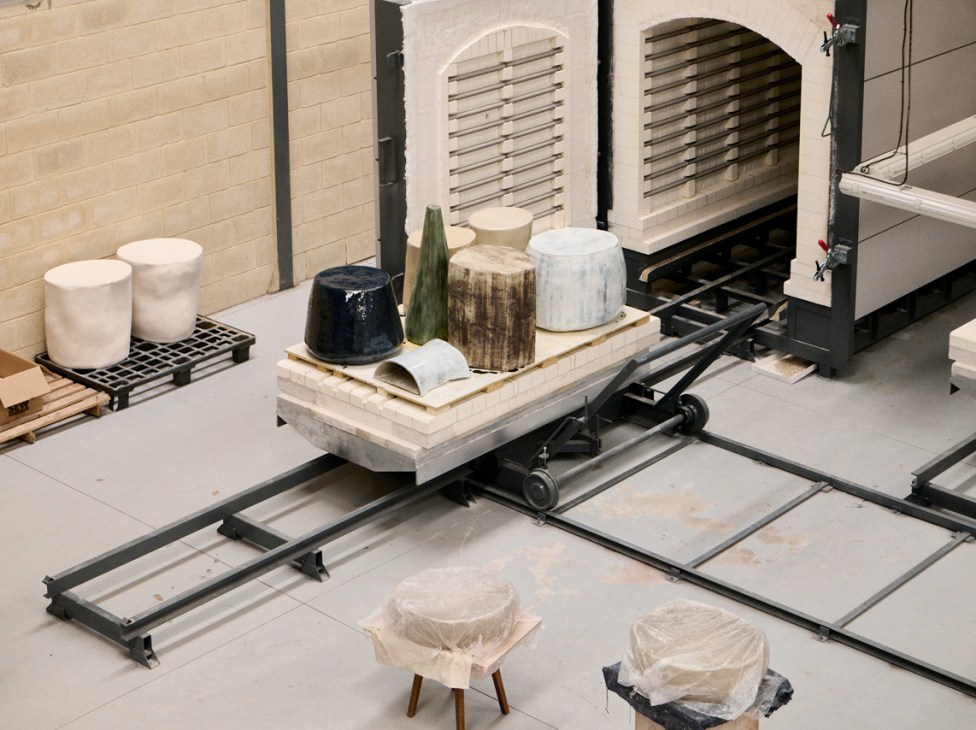
For Project 213A’s Jurgita Dileviciute, the possibilities of ceramics are endless. “Collectors, interior designers, architects and galleries are increasingly drawn to pieces that combine durability with artistic expression and tiles offer both,” she says. It’s an ethos reinforced by the studio’s policy of naming each project after Portuguese places. The Minho mirror and the Sintra bench are homages to provenance and place – and love letters to Lusitan design.
Letreiro Galeria
Signs of the times
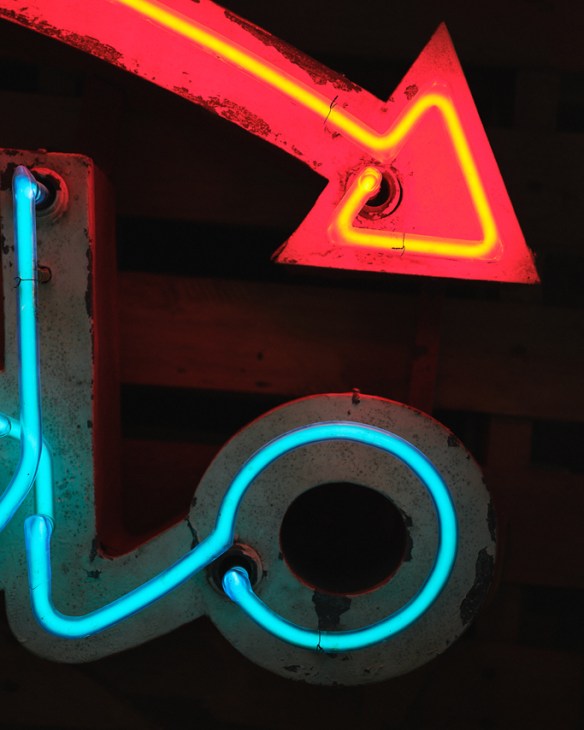
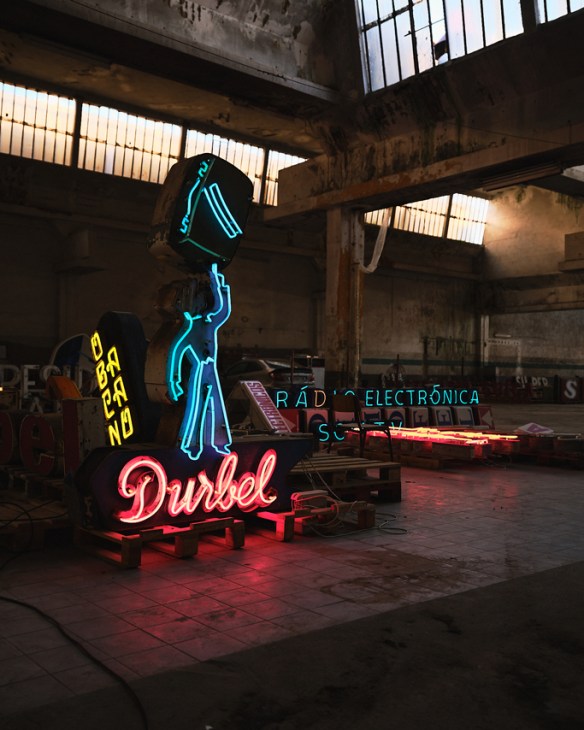
Since 2014, Letreiro Galeria has been safeguarding an important part of Portugal’s graphic heritage and collective memory. The non-profit project by designers Paulo Barata and Rita Múrias is dedicated to rescuing vintage shop signs, from stylish neon to art deco glass.
What began as a side project has grown into an expansive collection of more than 450 signs, spanning from the 1930s to the 1990s. Well-researched exhibitions reveal the country’s changing cultural habits and trace how fonts, styles, materials and techniques evolved over time. The couple’s diligent work has, so far, been entirely self-funded. “Our dream would be to open a museum and make the entire collection accessible to the public,” says Barata.
MOR Design
A creative network
For home furniture to both rely upon and admire, Mor fits the brief. With a showroom in Lisbon, a network of artisan workshops across Portugal, and a series of collections developed with leading designers, its philosophy is refreshingly straightforward.
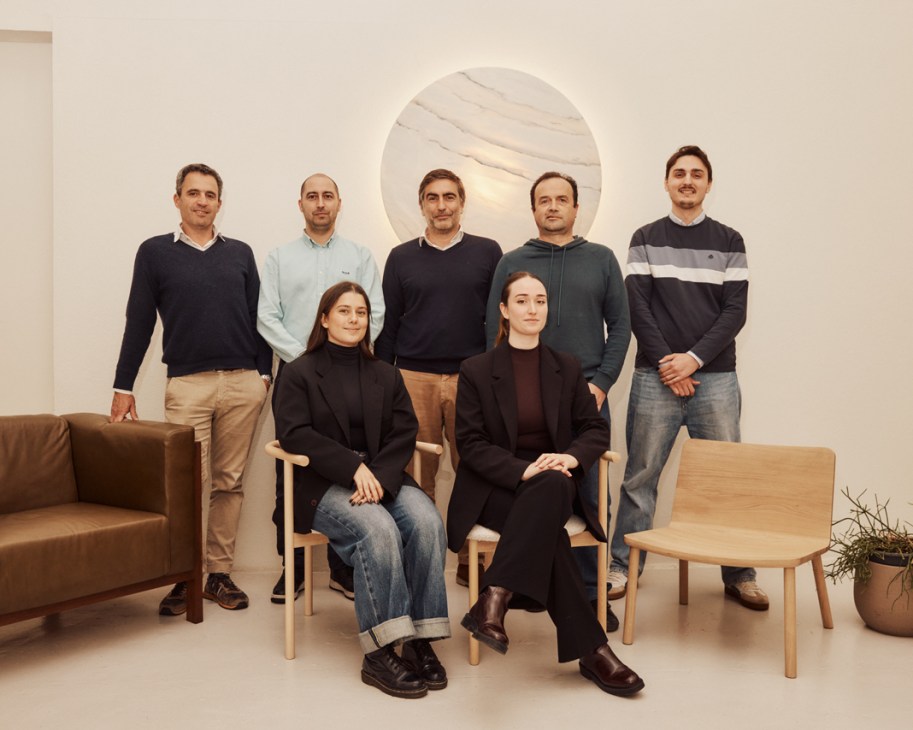
“Mor’s approach is simple,” says managing director João Pereira. “Fewer materials and gestures, less noise but more intention.” Innovation remains integral to Mor’s work. Take the Dome lamp, for example. Mor co-founder Pedro Sottomayor visited the quarry to select each piece of Estremoz marble for its luminosity and colour. “These are not just production methods,” says Pereira. “They are part of the identity and integrity of each piece.”
Coolnvintage
Driven by design
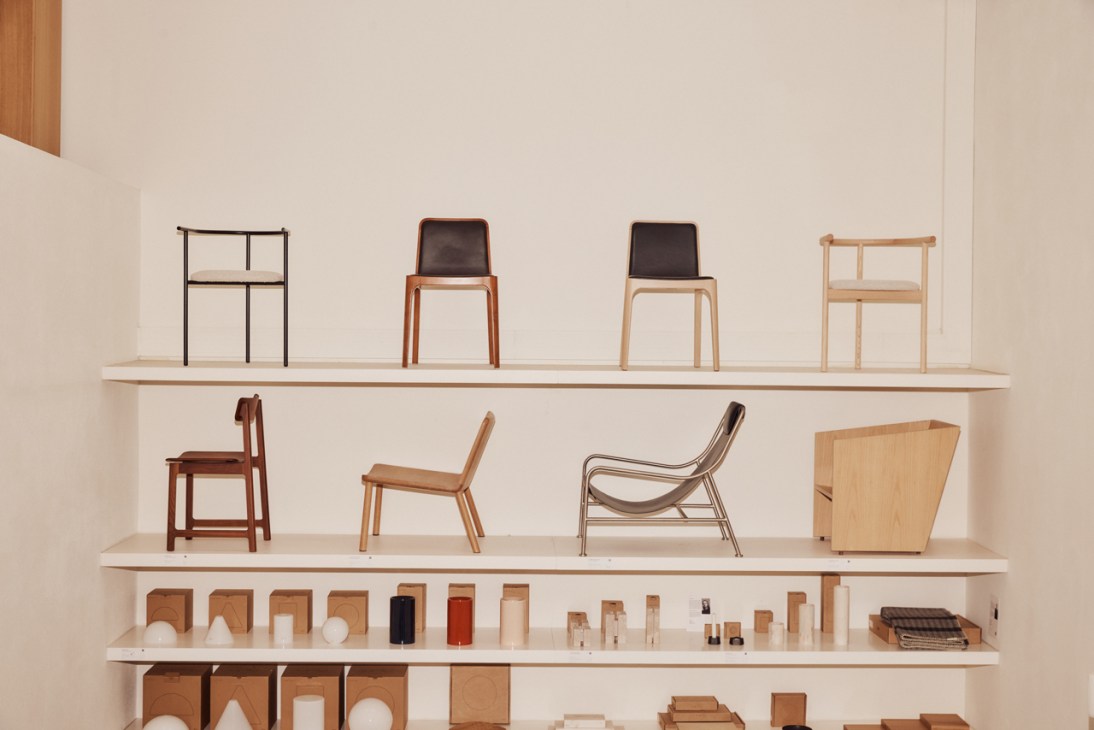
“Portugal has a deep culture of craftsmanship, patience and respect for material,” says Ricardo Pessoa, founder and creative director of Lisbon-based automotive restorers Coolnvintage. “We apply that same mindset to the classic Land Rover.”
For Pessoa, restoration isn’t “a spectacle but the disciplined making of something honest, useful and lasting”. Coolnvintage has found success by balancing masterful craftsmanship and design world ambitions with the practical demands of consumers. “Our work sits somewhere between automotive design, architecture, fashion and furniture making,” says Pessoa. “It is industrial but intimate – that is the point where design becomes meaningful.”
Hugo Passos
Subtle changes
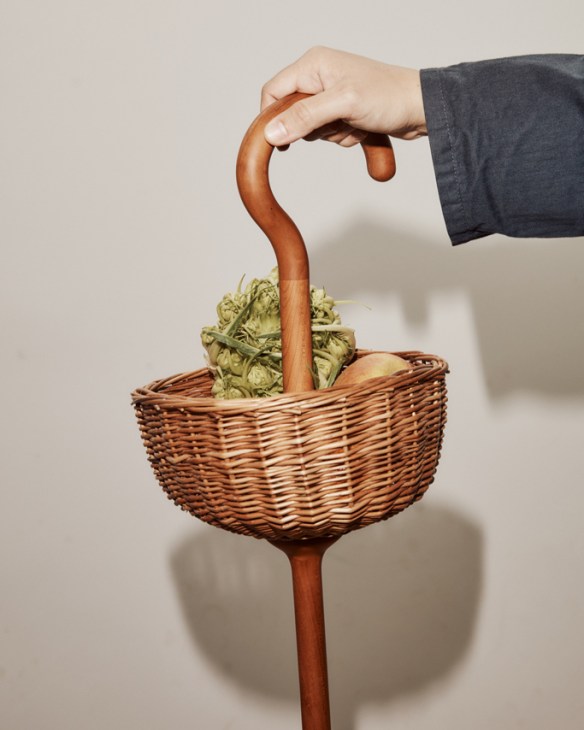
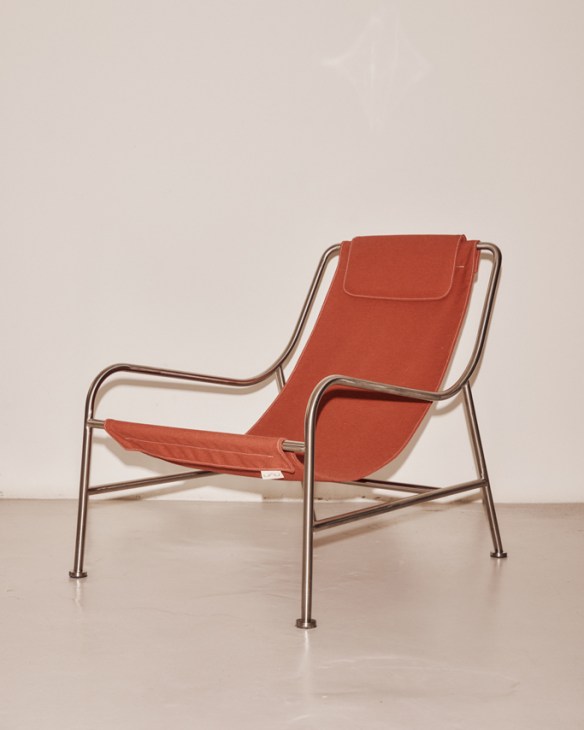
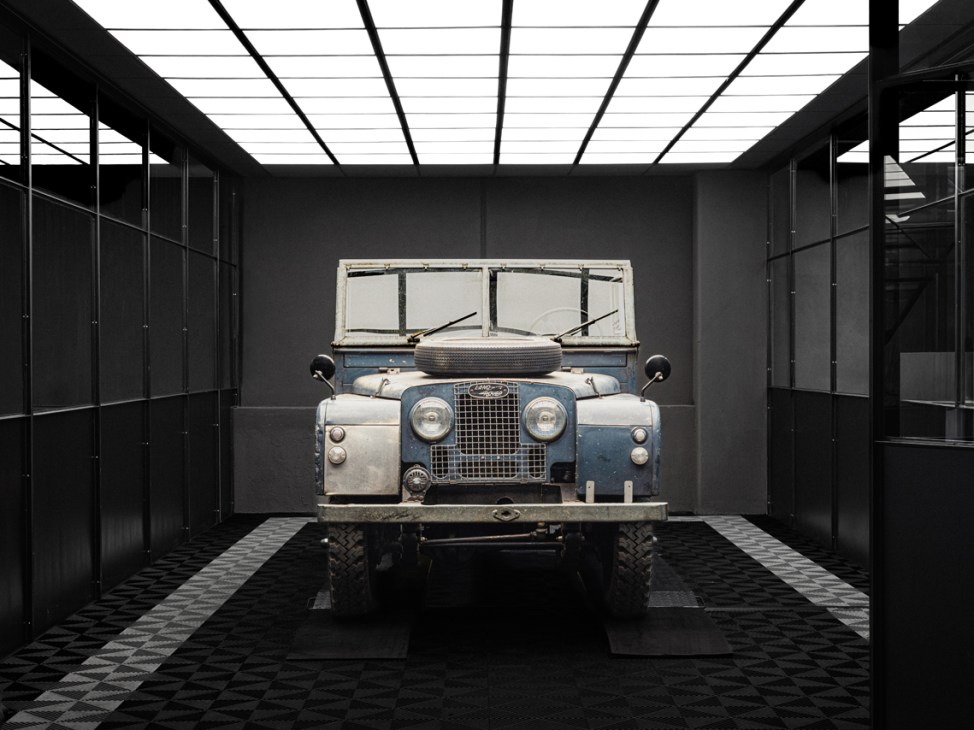
Porto-based Hugo Passos designs everyday objects – from chairs to walking sticks – aimed at bringing joy. His work has been exhibited around the globe, including the famed Triennale di Milano, and earned commissions from heritage brands, like Denmark’s Fredericia.
Despite this global footprint, Passos’ work is imbued with a distinctly Portuguese energy. Rather than pursuing extravagant gestures, he views design as an evolutionary process. “Most of the time it is about subtle, honest and considerate adjustments,” he says. “If done right, these can deliver meaningful improvements to things we repeatedly use and spend time with. Beauty is always one of the goals, along with useability, good proportions, materials and charm.”