Design Stories

Three practices, one conversation – two designers and a studio share insights into their distinctive approaches to creative output.

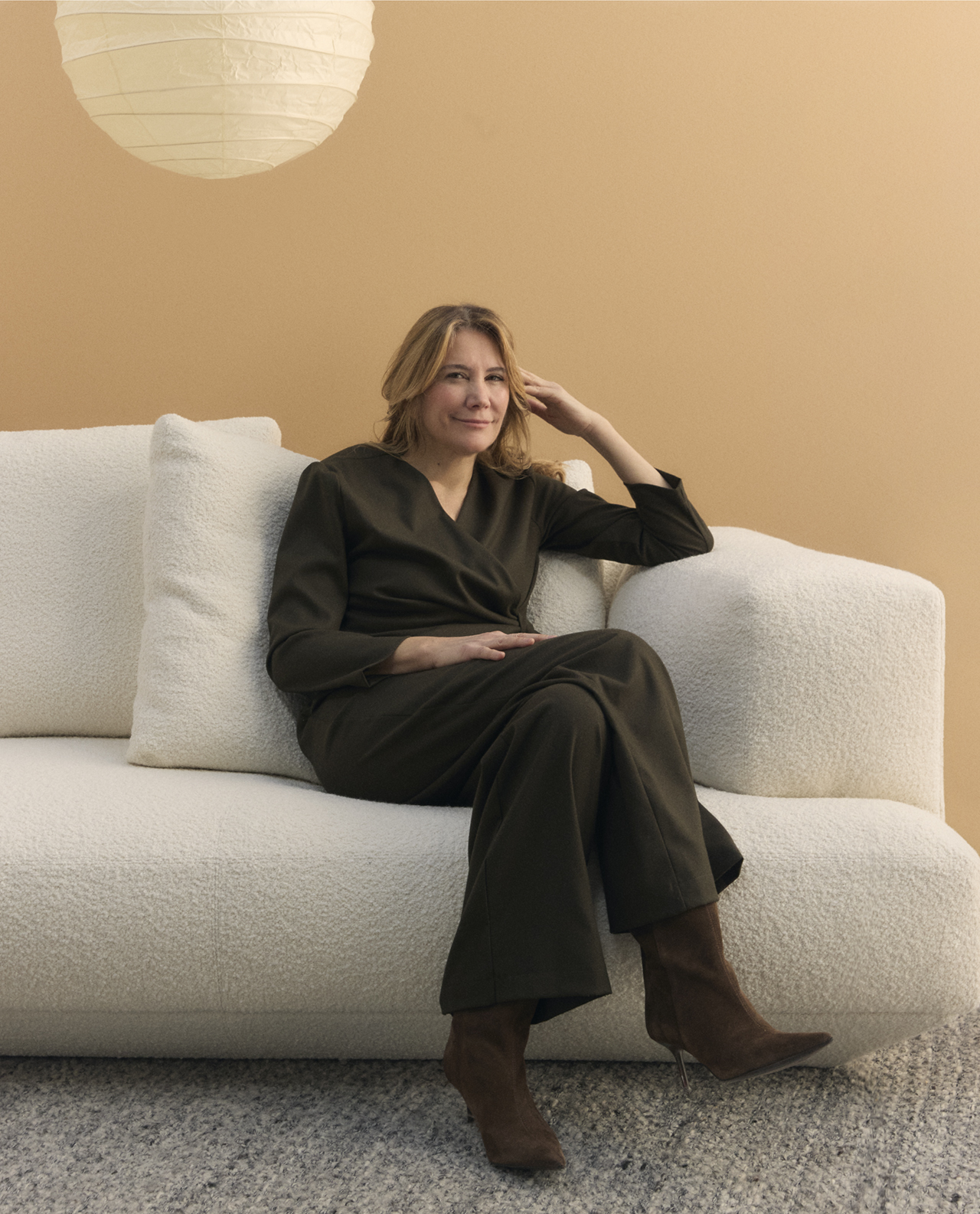
Raffaella Mangiarotti
For Milan-based Raffaella Mangiarotti, design begins with observing how people live. Her work reflects a curiosity about everyday rituals and the objects that go along with them, shaping pieces that slot into daily life.
You work across design, art direction and interiors. How do you divide your time?
I cannot say I have a division of time exactly. It is more that I choose projects that I love. That brings richness, as there is a cross-fertilisation between fields.
What connects your work?
There is a sense of care and gentleness. I have a relationship with objects whereby I don’t feel that they are really objects. I consider them not as people but something very similar to family. I want to create objects and spaces that have a special relationship with people.
Is there a format that you haven’t designed yet but would like to?
I would love to work on a hotel. Not because I want to do some super stylish, loud thing, but because I would love to work on the experience of welcoming people into a space.
What does Milan give you as a designer?
I have an office in Brera, where you go out and your eyes are eating everything that is beautiful. I look at fashion, I look at design, I look at everything and it’s stimulating. But for me, the big thing is the community.
Parasite 2.0
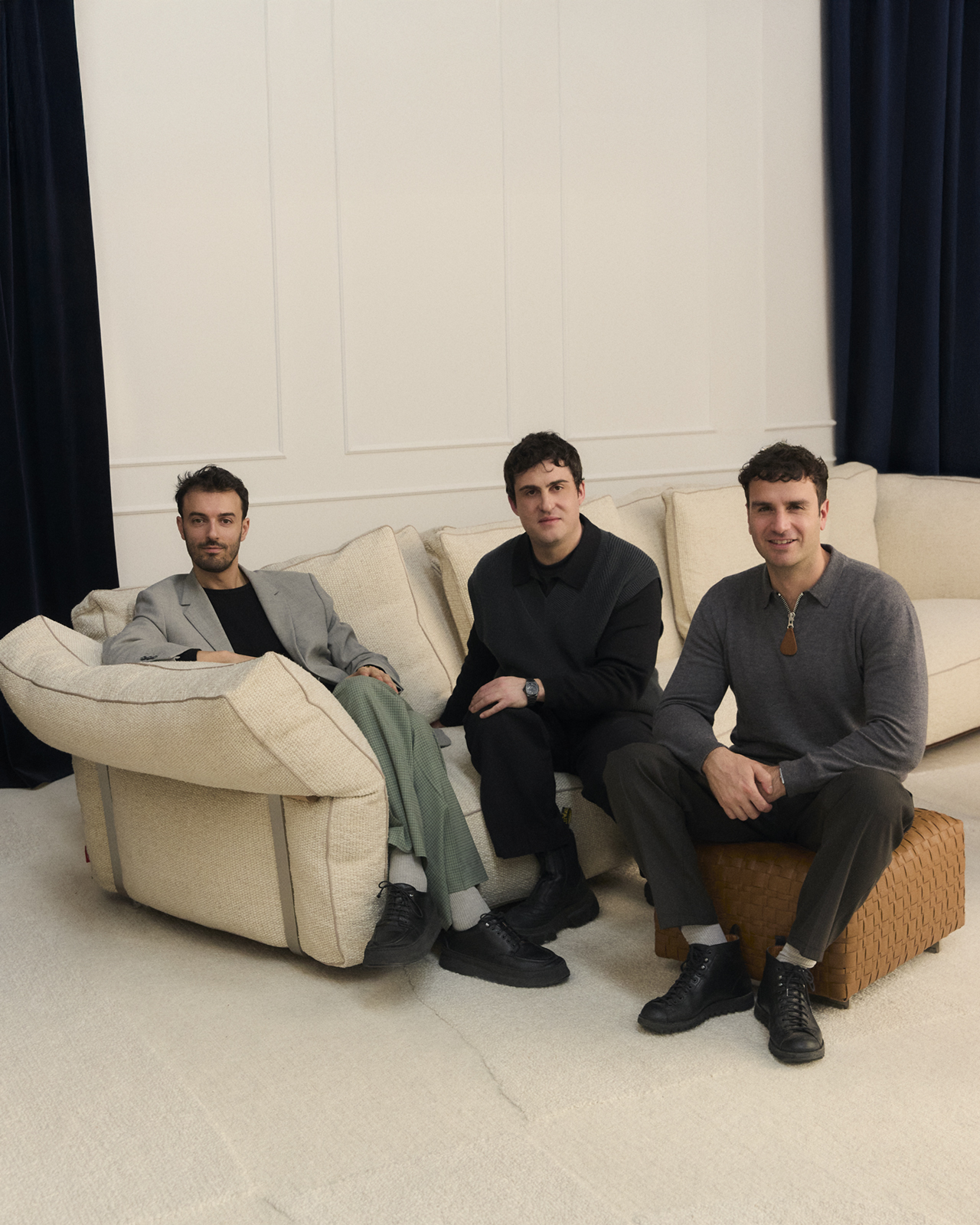
Founded by Stefano Colombo, Eugenio Cosentino and Luca Marullo Viola, Parasite 2.0 moves between architecture, design and scenography, exploring how contemporary spaces evolve.
What is your studio’s overall approach?
Luca Marullo Viola: As our work covers different areas, it’s important to have a backbone that keeps everything together. For Parasite 2.0, it’s the capacity to work with narration – a concept behind every project that gives meaning to what we do.
What role do materials play in your work?
Eugenio Cosentino: We tend to refuse the idea of removing everything. Instead we try to understand what value is already there. For example, if a floor is beautiful, it would be stupid to remove it. Design can be about working around elements rather than starting from zero.
Are there spaces that you are more interested in?
LMV: We first started interior design through residential projects. It’s interesting because you need to develop a connection with people to design a space that is intimate. Then we moved towards hospitality, where it’s a different kind of intimacy. The next interesting step would be working in a public space.
How does it feel to complete a project?
Stefano Colombo: When people start interacting with a space, they transform it. It’s interesting to see how people engage with a project over time and how the space changes through that.
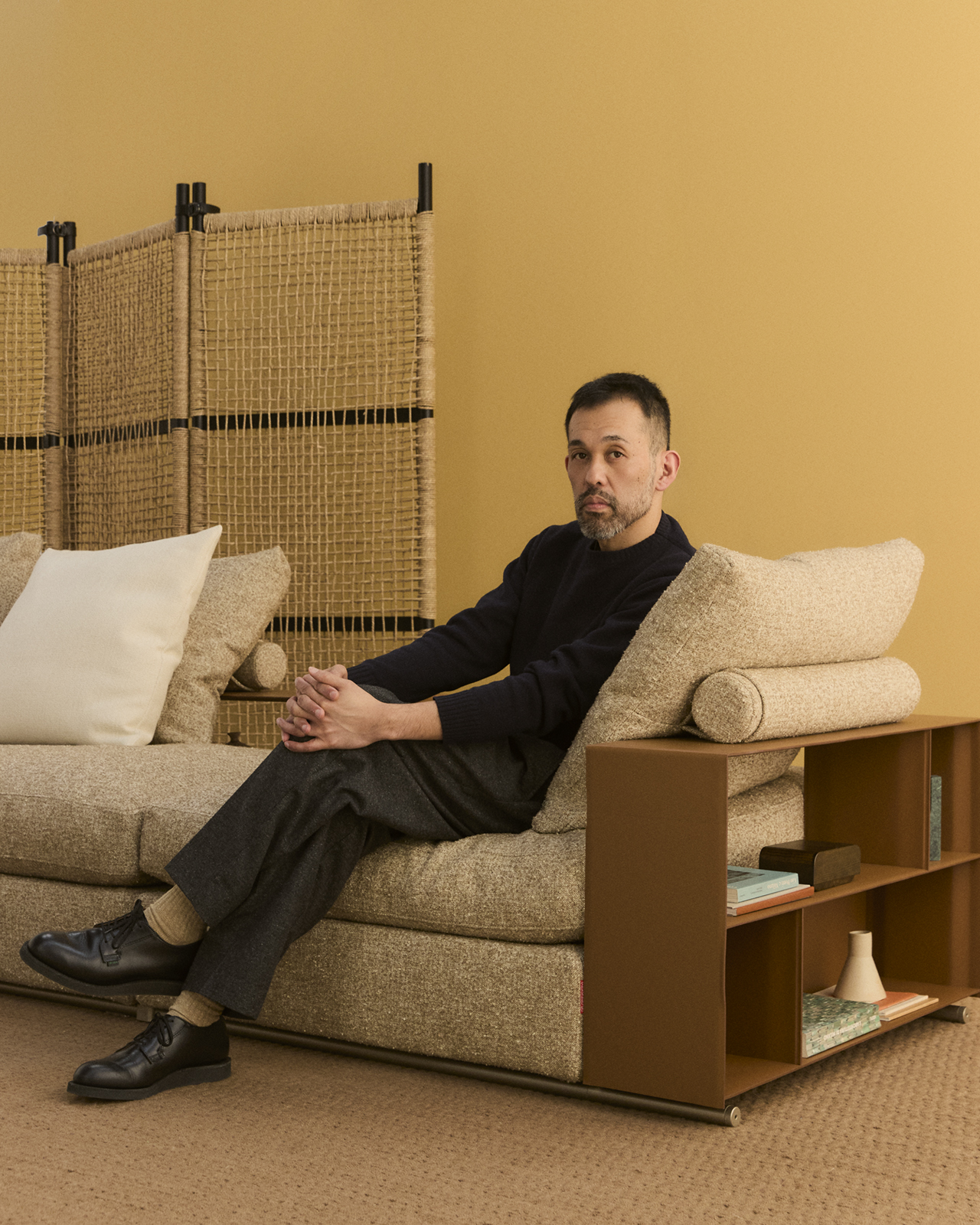
Keiji Takeuchi
From door handles to lighting, Keiji Takeuchi’s work considers the objects that people encounter every day. His experiences in Japan, New Zealand and now Italy inform a search for design that enriches daily life.
How has living in different places shaped you?
All three countries prioritise quality of life. It’s hard for some people to understand that about Japan, but if you look at the lifestyle and how they care about things, they really seek quality of life. New Zealand is the same: lifestyle is really important.
How does that play into your design philosophy?
The objective of design is to produce things for many people. But for me that’s not the end of a designer’s job. The real job is to find a way to make people happy. These human relationships are something that I really appreciate and try to focus on in my work. Once you see everything through that filter, it doesn’t matter if it’s a small product or a big one – or even a space – you try to seek the happiness within it.
Why do everyday objects capture your attention?
I always think about daily products because we can think about fancy cars or boats, but how many people can ever really own them? How many people deal with cups every day, for example? Or shoes and shoehorns? When I was designing a door handle, I thought it might be one of the most touched products in the world. When I redesign an object like this, it’s a way for me to touch the whole world.
flexform.it