Destination: Abu Dhabi

From presidential palaces to future-focused museums, discover 10 key elements of the emirate's destination appeal.

1. Refined outlook
Abu Dhabi is… elegant
Like the immaculate hem of a white kandura, elegance is stitched into the fabric of Abu Dhabi life. It appears not only in precision tailoring but also the measured cadence of conversation and the disciplined geometry of public spaces.
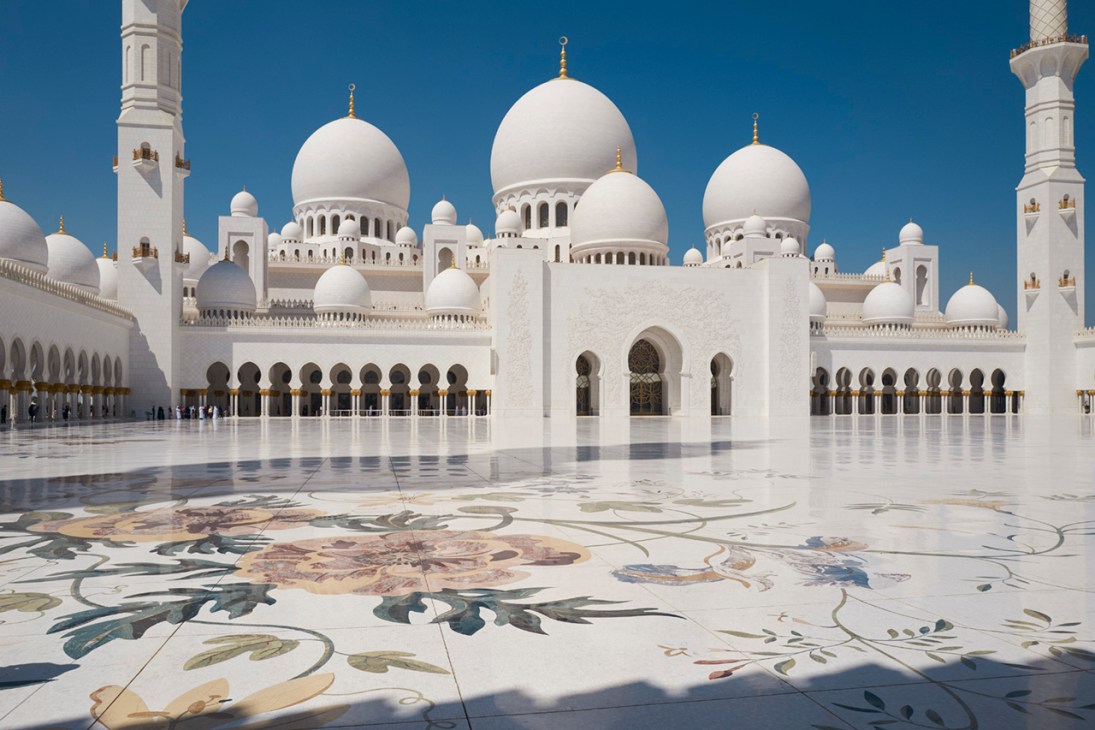
The city’s cultural architecture follows this same philosophy. Monumental scale is balanced by precision, order and light. No building expresses this more clearly than Sheikh Zayed Grand Mosque. Completed in 2007, it is an elegant masterclass in proportion, material and atmosphere. Its vast courtyards and domes are softened by white marble, which changes tone as the sun shifts through the sky across the day.
Such refinement was intentional. The Founder of the UAE envisioned the mosque as a spiritual and cultural landmark, one that embodies elegance, tolerance and an openness to dialogue across the Islamic world. Arabian, Persian, Mughal and Moorish influences are blended harmoniously in the architecture, its very craftsmanship a form of diplomacy
2. Cultural treasures
Abu Dhabi is… confident
Emiratis have long lived in close harmony with the sea. The Abu Dhabi coastline is home to more than 200 islands, while pearl diving and fishing were cornerstones of the local economy for centuries. Sailing a traditional dhow requires resilience, precision and the nerve to hold a steady course in the face of unexpected currents and crosswinds.
These ancient skills proved equally essential in the unification of the nation in 1971. The Founding Father of the UAE, the late Sheikh Zayed bin Sultan Al Nahyan, set the tone for a confident, pragmatic and unified leadership. “We are all in the same boat,” he once said of the UAE people. “They are both the captain and the crew.”
Under that confident stewardship, the UAE has strengthened an already robust national identity while safeguarding the heritage and traditions that remain central to its character. Today that maritime legacy continues to shape the nation’s outlook, as it charts an ambitious course for the future.
3. A welcome challenge
Abu Dhabi is… warm
One of the first things that visitors notice when they disembark the aircraft at Zayed International Airport is warmth. It’s not just the year-round sunshine that encourages a gentle loosening of that shoulder tension, but the welcoming Emirati greetings received at every step during your time in the UAE.
Abu Dhabi’s impeccable service culture sets a benchmark globally, while partners in business or creativity are welcomed into homes like family. The room reserved for this is a majlis, though the term refers to more than simply a physical space. A majlis can be a community hub, a legislative body or an educational space – any open forum where people are received warmly. Recognised by UNESCO as part of the Intangible Cultural Heritage of Humanity, the majlis tradition underpins Emirati hospitality: warm, sociable and conducive to open dialogue.
Visit the terrace restaurants overlooking Qasr Al Hosn to see how this lived tradition is second nature, an authentic and memorable expression of the art of hosting.

4. Built for everyone
Abu Dhabi is… purposeful
Abu Dhabi’s cultural vision is expansive yet highly coordinated, shaped in a deliberate and purposeful way that connects institutions and initiatives rather than treating them in isolation, allowing policy and programming reinforce one another with clarity. The emirate’s cultural development has evolved in parallel with its urban growth. Public infrastructure is woven into daily life, with neighbourhoods and institutions developed as dynamic, interconnected ecosystems.
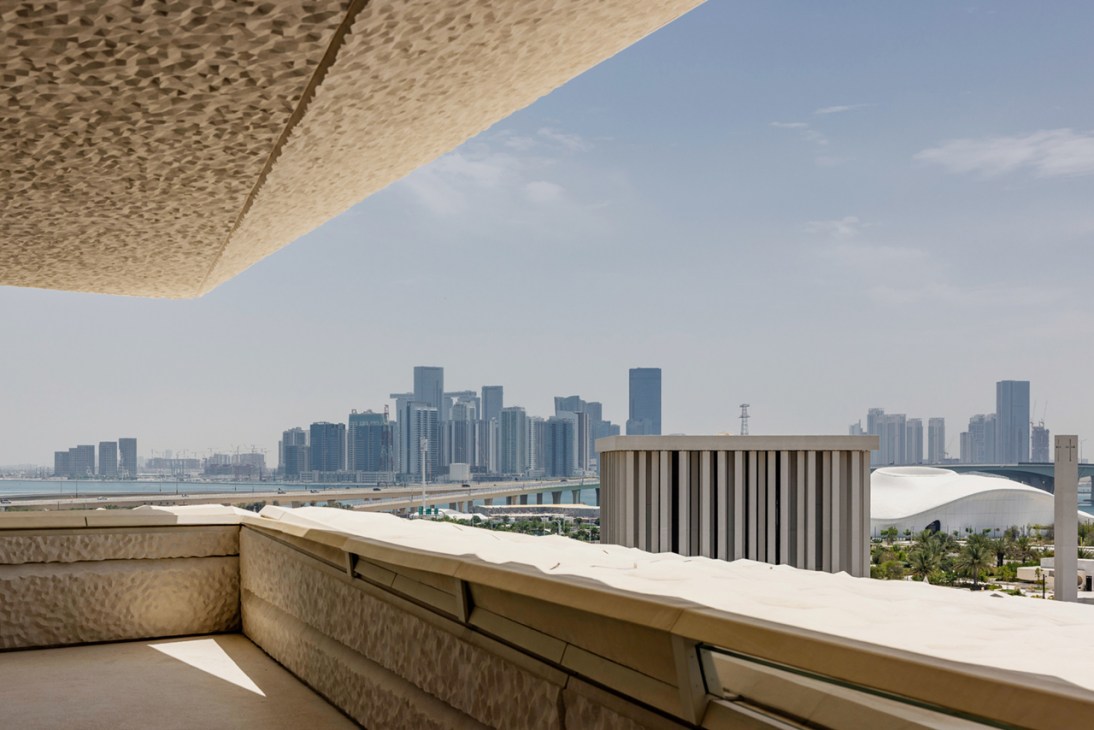
This joined-up thinking extends from major cultural events to education programmes, bringing heritage, tourism, economic strategy and social development into a cohesive vision. Saadiyat Cultural District exemplifies this peoplefirst approach to culture, using architecture and public space to articulate social values. Louvre Abu Dhabi’s vast, all-encompassing dome acts as a metaphor for its universal curatorial outlook. Nearby, the Abrahamic Family House’s three equal-sized houses of worship stands as a physical manifestation of a tolerant, pluralist outlook.
5. Natural growth
Abu Dhabi is… growing
As the UAE’s cultural landscape continues to expand, it never loses track of its origins. In Abu Dhabi, world-class venues and landmark exhibitions are matched by spaces dedicated to emerging talent, where the next generations of practitioners can hone their skills.
421 perfectly encapsulates this human-centric philosophy. Originally a warehouse venue, it has been given the funding, space and support to grow into an independent arts campus, with state-of-the-art galleries, reference libraries, co-working spaces and more, all created to support and enhance the local community.
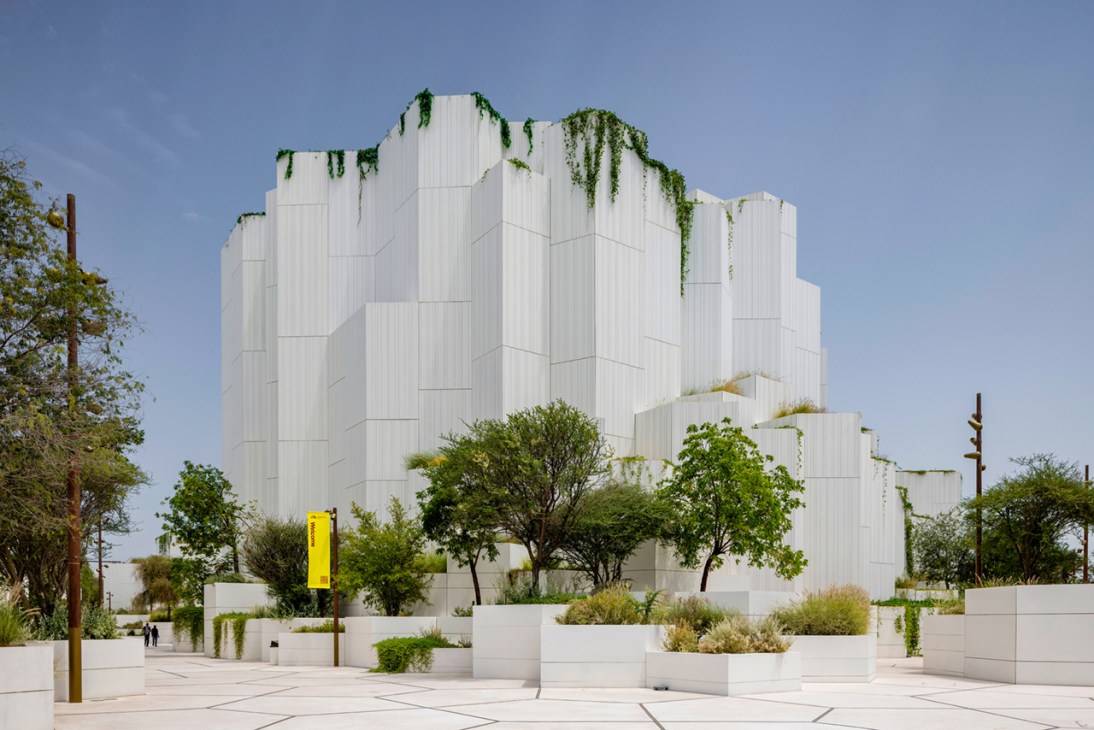
Over time, the surrounding Mina Zayed, one of the oldest port districts in Abu Dhabi, has become layered with studios, cafés and creative startups. These cultural ventures have reanimated a historic working neighbourhood, which has successfully preserved the lived-in textures that resonate with visitors and residents alike. It is a model of organic growth that remains in tune with the people that it serves most.
6. Telling stories
Abu Dhabi is… cosmopolitan
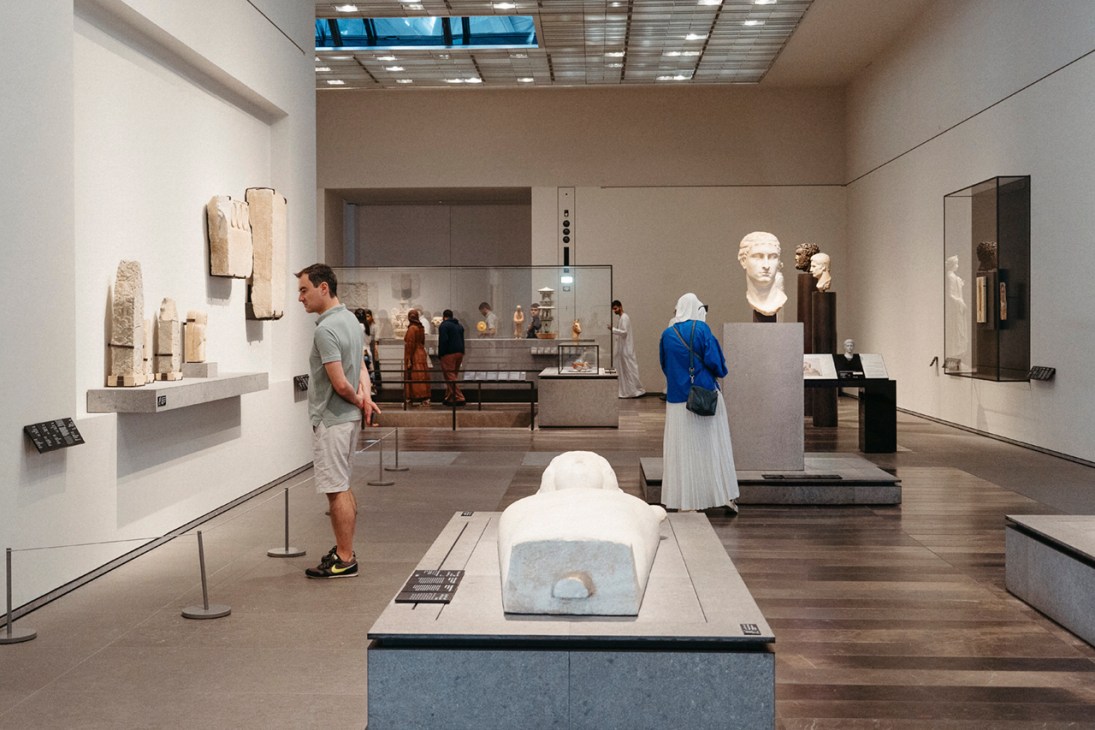
Spend a day immersed in the galleries of Louvre Abu Dhabi and you will experience first-hand the cosmopolitan nature of its dynamic host city and its confluence of cultural influences. The museum’s collection is built around a strong national identity, with proud Arabic history retold through treasures such as the delicate 9th-century folio of the Blue Qur’an that shimmers with gold script. Yet the Asian, African and European worlds all sit together in harmony here too, represented by exquisite examples of Chinese porcelain, Egyptian carpets and Impressionist paintings.
The beauty of Abu Dhabi is that these influences aren’t simply preserved in a gallery. Across the city, such elements are brought together in interesting juxtapositions: Indian chefs in Venetian-inspired resorts, African design language inside Gulf-front developments, French museology adapted to Arabian narratives. It is a carefully curated global crossroads that feels utterly unique.
7. Ahead of the game
Abu Dhabi is… vibrant
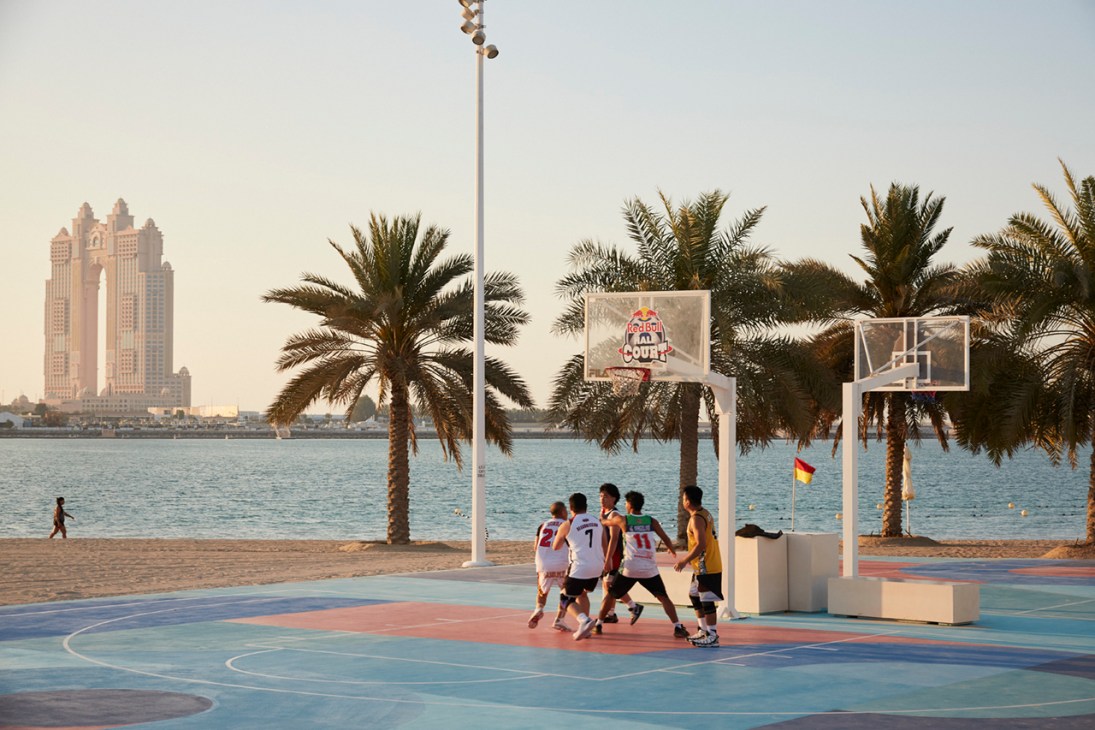
The good life is tangible across Abu Dhabi. Families cycle along the Corniche at sunset. Friends gather in the waterfront cafés at Marsa Al Bateen Marina. Yas Island combines cultural and sporting events with walkable retail and leisure districts. Mangrove National Park offers kayaking through protected ecosystems just a short drive from downtown. Each reflects a broader civic model in which culture and recreation are essential parts of daily life.
None of this occurred by chance. Abu Dhabi has spent decades supporting its people through smart infrastructure, public policy and social cohesion. The calm atmosphere carries a cultural dimension. More than 200 nationalities live in the emirate; public institutions increasingly celebrate tolerance and coexistence as core civic values. And the sense of security is bolstered by urbanism, as wide streets, low-rise buildings and extensive civic maintenance contribute to an urban environment regularly ranked among the world’s safest by residents and international indices alike.
8. All things considered
Abu Dhabi is… thoughtful
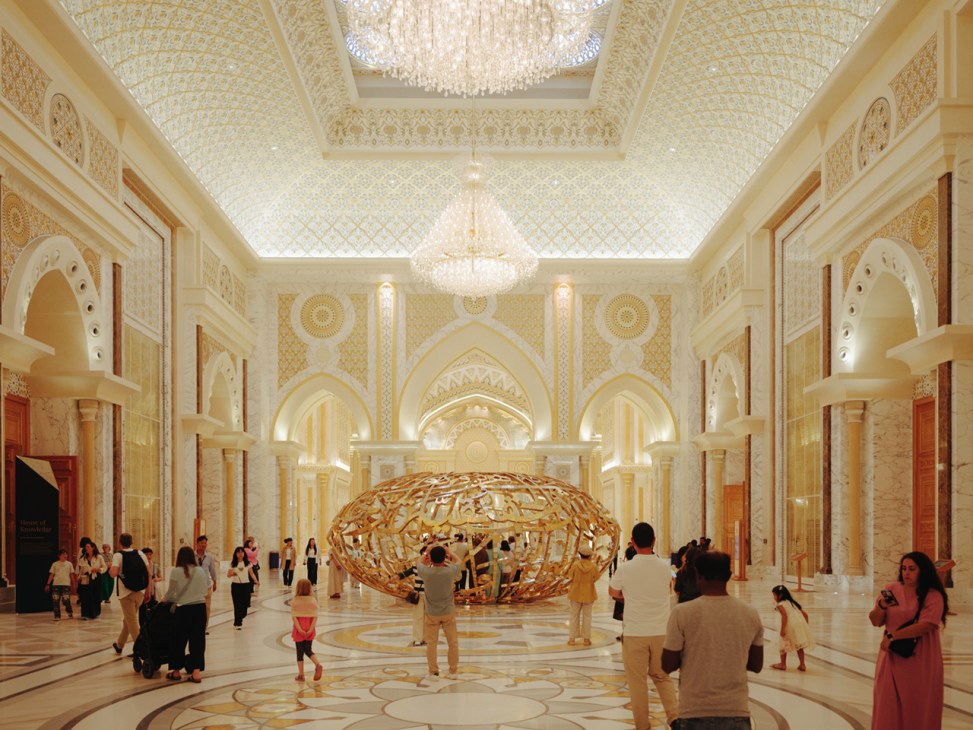
A short stay in Abu Dhabi is never enough. The thoughtful details that have gone into creating one of the world’s most compelling cultural destinations only reveal themselves over time. Days could be lost admiring every last ornate detail of the Qasr Al Watan presidential palace or discovering the UNESCO-inscribed Cultural Sites of Al Ain Region. Green bus fleets and EV taxis encourage citywide exploration, while destinations across the emirate reward full immersion, like the wildlife sanctuary of Sir Bani Yas Island or the ancestral oasis in Liwa.
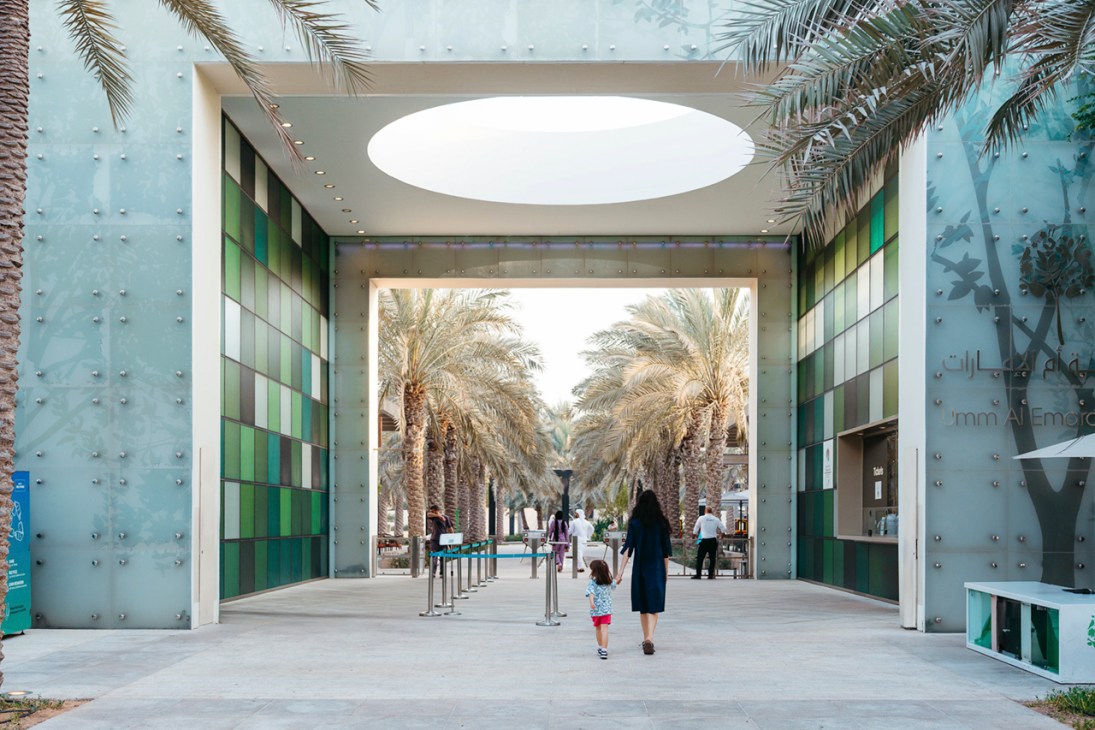
You don’t have to travel far either. The historic Umm Al Emarat Park inspires through both its natural beauty and its design features. A 1.2km running track encourages healthy pursuits, while carved reliefs underfoot pay tribute to the country’s rich biodiversity. The guiding hand of the Founding Father of the UAE is felt through inscriptions in the Wisdom Garden. There’s a reassurance to this design philosophy, a sense that everything has been considered – and visitors are in good hands.
9. Shaped by tradition
Abu Dhabi is… consistent
Abu Dhabi’s thrilling sense of modernity derives much of its assurance from continuity. Across the emirate, heritage remains alive through ritual and practice. Consider Nabati poetry. Composed in vernacular Arabic, it emerged from desert communities: the poems travelled because the people did. Today those traditions endure via institutions such as the Cultural Foundation and the televised Million’s Poet competition with its AED5m (€1.16m) first prize.
That interplay between utility and artistry shaped the craft of dhow building. Abu Dhabi’s pearling economy and trade routes required vessels capable of traversing shallow coastal waters and open seas. At Emirates Heritage Village and the annual Maritime Heritage Festival, visitors can still observe the skilled craftsmanship passed between generations. Even gahwa, the artful daily ritual of Arabic coffee, reflects a social code. At Qasr Al Hosn’s Bait Al Gahwa, the ceremonial roasting and serving of coffee continues, an expression of cultural confidence rooted in continuity.
10. Bright future
Abu Dhabi is… forward thinking
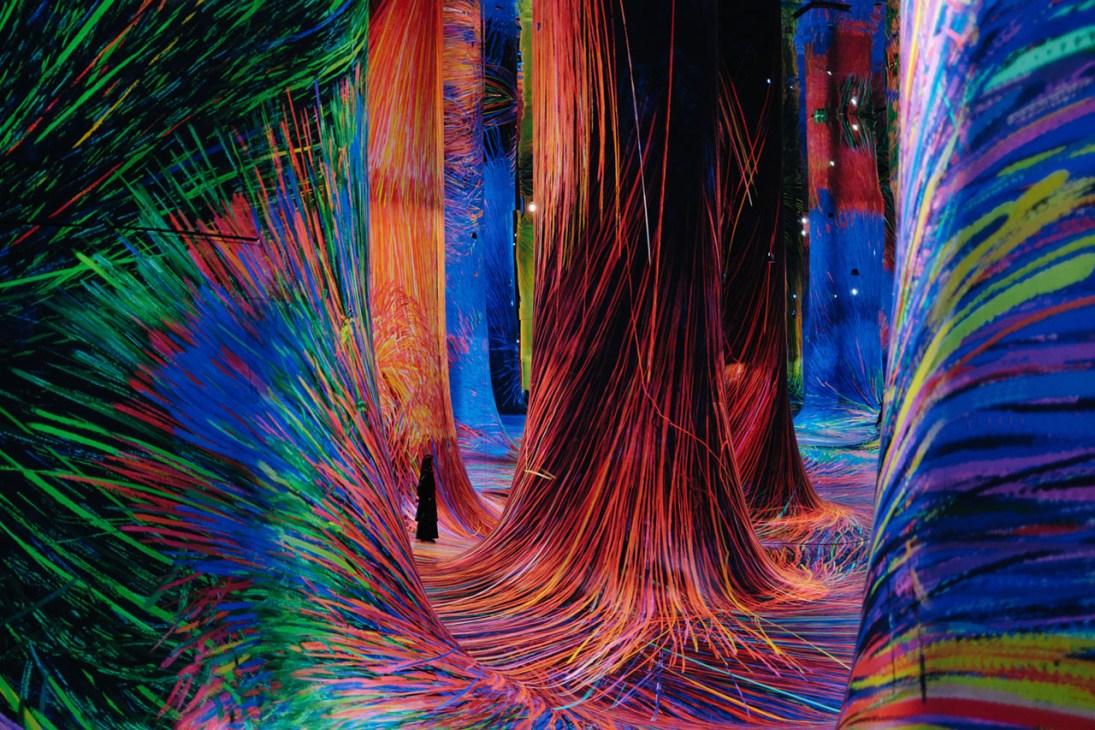
While no one can truly envisage what the future holds, teamLab Phenomena Abu Dhabi offers a compelling and playful vision of a world enhanced by technology and creativity. Across a 17,000 sq m space, immersive exhibits offer sensory stimulation, as digital forests appear to rise from the floor and playful optical illusions are created from simple elements like light and water. True to the spirit of Abu Dhabi, the people are a key part of the experience – the environments shifting subtly as visitors interact with and move through the spaces.
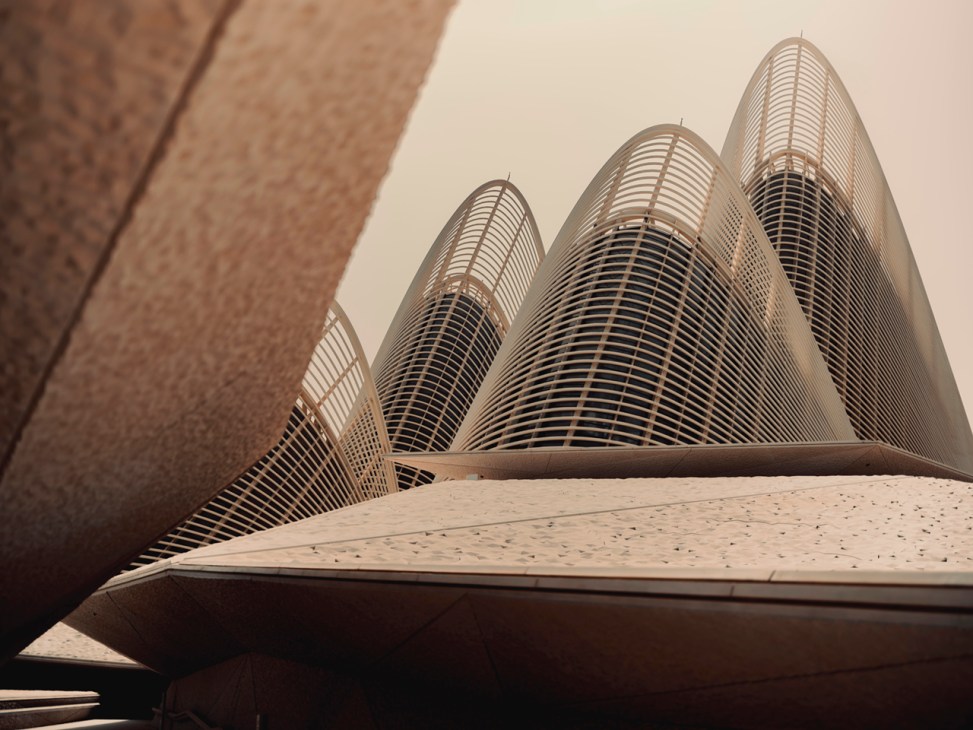
This people-first approach extends across an emirate where innovation and future planning are at the heart of the cultural offering. Climate-adaptive architecture is being adopted at scale across Abu Dhabi, while Masdar City offers a masterclass in sustainable urban design, anchored by the Mohamed bin Zayed University of Artificial Intelligence, a global leader in pioneering AI talent and research.
Discover more dct.gov.ae