Escape to the peak
The legendary Alpine sports town of Kitzbühel is more than just a ski destination. Hiking, heritage and warm hospitality ensure a vibrant atmosphere all year round.

Storied history
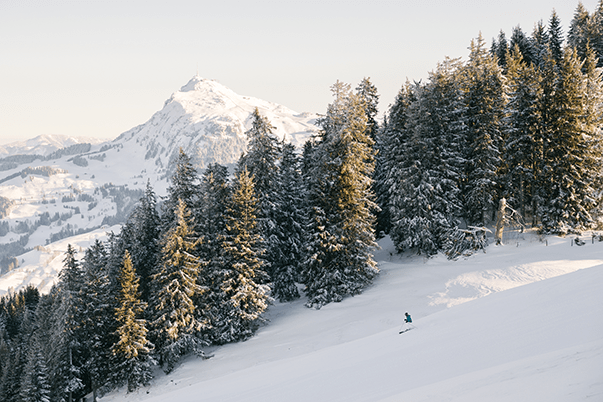
The majestic Alpine peaks around Kitzbühel have been a magnet for sport-minded visitors for more than a century. On 15 March 1893, Franz Reisch – a future mayor of Kitzbühel – completed Austria’s first documented high-Alpine ski descent, his successful navigation of the Kitzbüheler Horn inspiring a legion of downhill enthusiasts to follow in his wake, culminating in the foundation of the Kitzbüheler Ski Club nine years later.
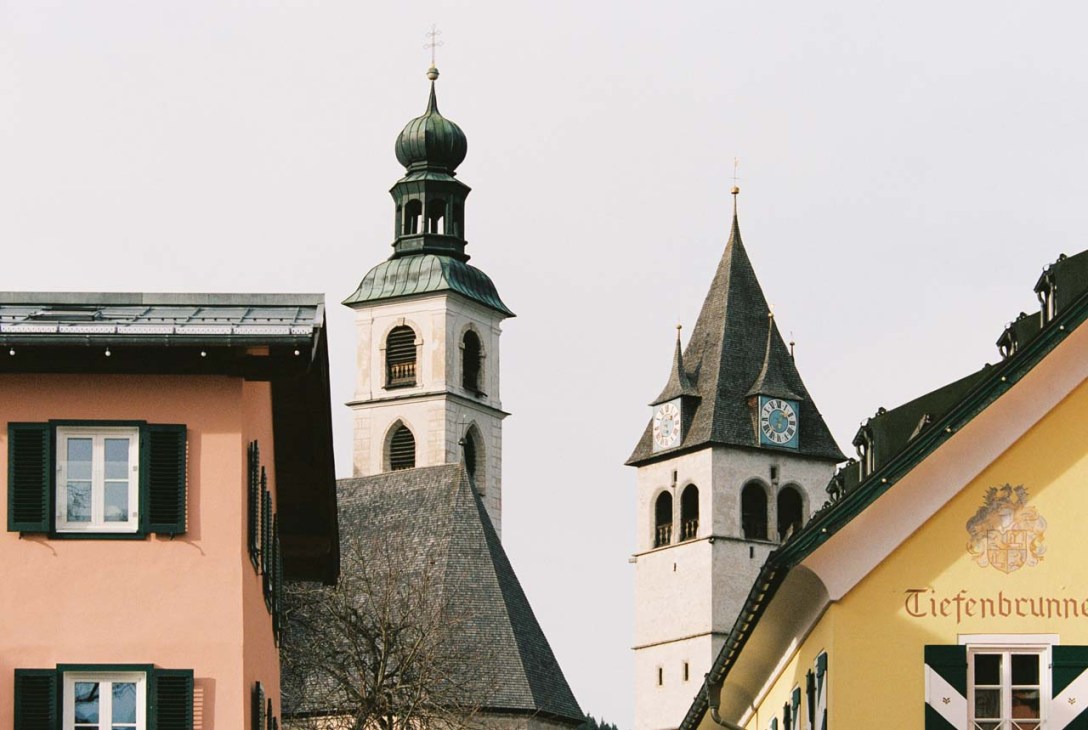
By the Roaring Twenties, Kitzbühel’s grand hotels became a playground for European high society, including British royalty in the form of Edward VIII. James Bond author Ian Fleming studied here, gathering inspiration for his daring spy’s downhill escapades (Fleming’s room, at the boarding house that is now the Hotel Tennerhof, is available to book).
The Alpine town truly made its mark with the legendary Hahnenkamm race in 1931. One of the world’s most prestigious annual ski competitions, it cemented Kitzbühel’s global reputation as the most legendary Alpine sports town.
Summer sports
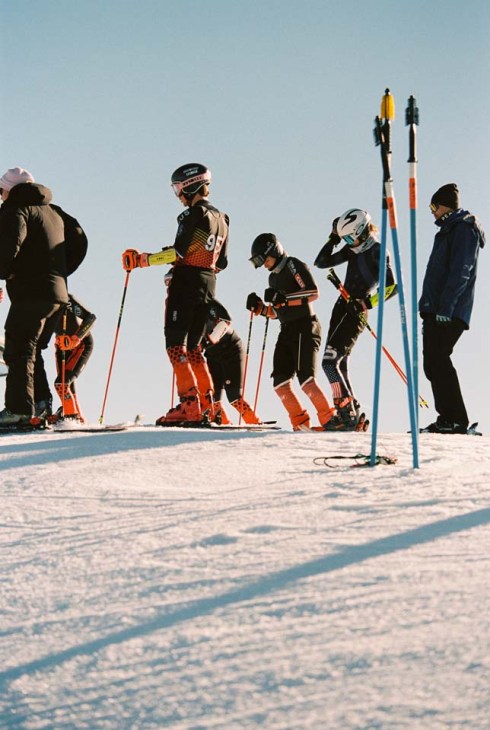
One of the season’s earliest pistes to open is Resterkogel, frequented by professional Alpine racers. Thanks to the Ikon Pass, visiting skiers can access this run and many others, connecting the town to a wider global network. A further 70km of marked trails cater to cross-country enthusiasts, while Sportpark Kitzbühel offers skating and ice hockey.
A year-round destination, Kitzbühel is just as lively in the warmer months. More than 1,000km of idyllic hiking routes take in lakes and waterfalls, snaking past Aurach and Jochberg, two spots given the European Hiking Villages seal of approval. A special tour of the Südberge – the southern mountains that tower over Kitzbühel – includes stopovers devoted to the sampling of regional delicacies.
When the mercury rises, Kitzbühel’s Tennis Stadium hosts tournaments and concerts, while golf is set for a major moment in 2026 with the staging of the Austrian Alpine Open. Part of the DP World Tour, this professional men’s golf competition takes place from 28-31 May at Kitzbühel-Schwarzsee-Reith, one of four top-class courses in and around the town. This is followed by the Golf Festival Kitzbühel in June, when sections of the Streif piste are temporarily transformed into a fairway.

Alpine culture
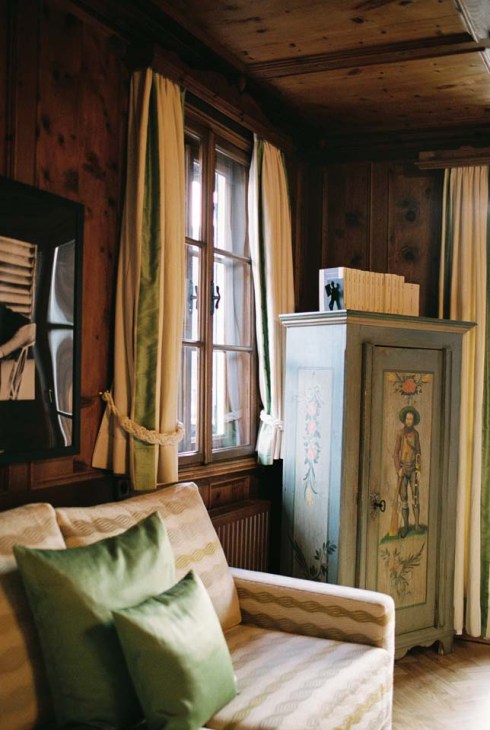
With a rich history dating back more than 750 years, Kitzbühel has a wealth of tradition on which to draw. The unhurried pace of Alpine life translates into hospitality offerings that prize quality, such as Hotel Seebichl on Lake Schwarzsee. Designed by Alfons Walde, a contemporary of Gustav Klimt and Egon Schiele, the hotel is now furnished with chairs by Thonet and brass pieces by Carl Auböck. Walde also designed Kitzbühel’s emblem: a stylised depiction of the chamois, the mountain goat that also lends the town its Germanic nickname: Gamsstadt or “Chamois Town”.
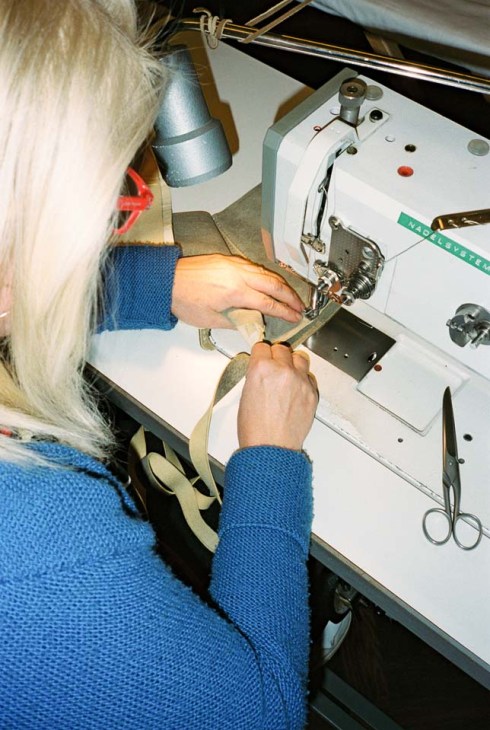
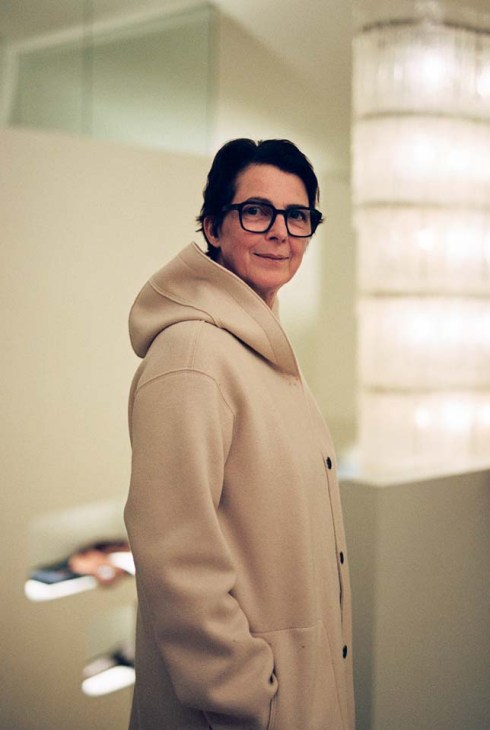
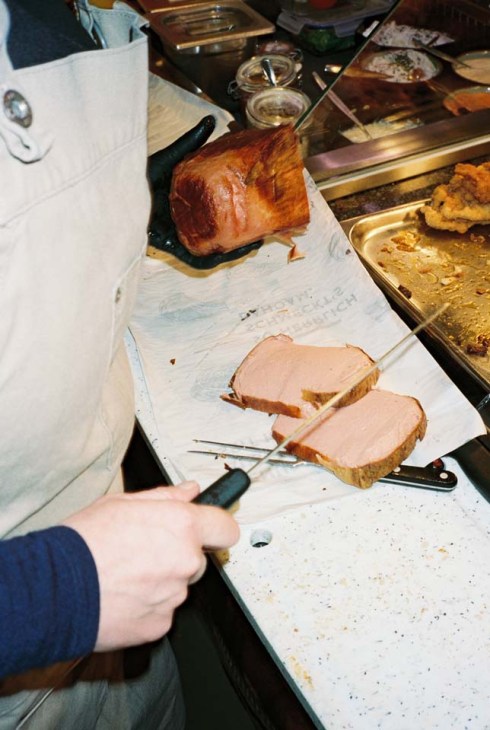
When it comes to dining, the convivial Huberbräu-Stüberl tavern is rightly cherished for its Tyrolean specialties and prime cuts of meat. Kitzbühel’s artisanal heritage is embodied by the Frauenschuh family, who preside over two distinct ventures. One, called simply Frauenschuh, is run by direct descendants of founders Hans and Anna. It occupies a splendid two-storey shop by the town square and specialises in premium fashion and ski couture. The other – Hans Frauenschuh – is overseen by Matthäus Stern, a family nephew, who carries on the original tannery traditions, with a leather workshop pieces in small, painstaking batches.