le19M: Dialogue

At le19M in Paris, a new exhibition brings together French and Japanese makers to explore the possibilities of contemporary savoir-faire.

Language of craft
From Tokyo to Paris
After debuting in Japan, ‘Beyond Our Horizons’ arrives at la Galerie du 19m to showcase the collaborative works of French and Japanese artisans and creatives.
The world of high fashion often celebrates the idea of savoir-faire but Chanel’s approach to preserving the skills and knowledge of its artisans reveals the house’s special reverence for craftsmanship. At le19m, its creative hub in Paris, a new exhibition highlights the beauty of Japanese and French craft traditions, as well as what they have in common.
Beyond Our Horizons showcases the work of 40 French and Japanese makers and designers, created in collaboration with the artisans and maison d’art housed in le19m. The pieces gracefully skip across disciplines and cultural modes. French artist Pauline Guerrier explores broken-heart syndrome – a term coined by Japanese cardiologists – through a stone-bead sculpture made with Desrues, while Daisuke Igarashi’s acrylic paintings on silk, created with textiles house Paloma, blur the boundary between couture and manga. Elsewhere, Tokyo-based Konomad brings together milliners, goldsmiths and embroiderers to realise conceptual wigs. The dialogue continues with Atelier Montex’s collaboration with Zengoro Eiraku 18th on bowls that revive the doburo brazier technique.
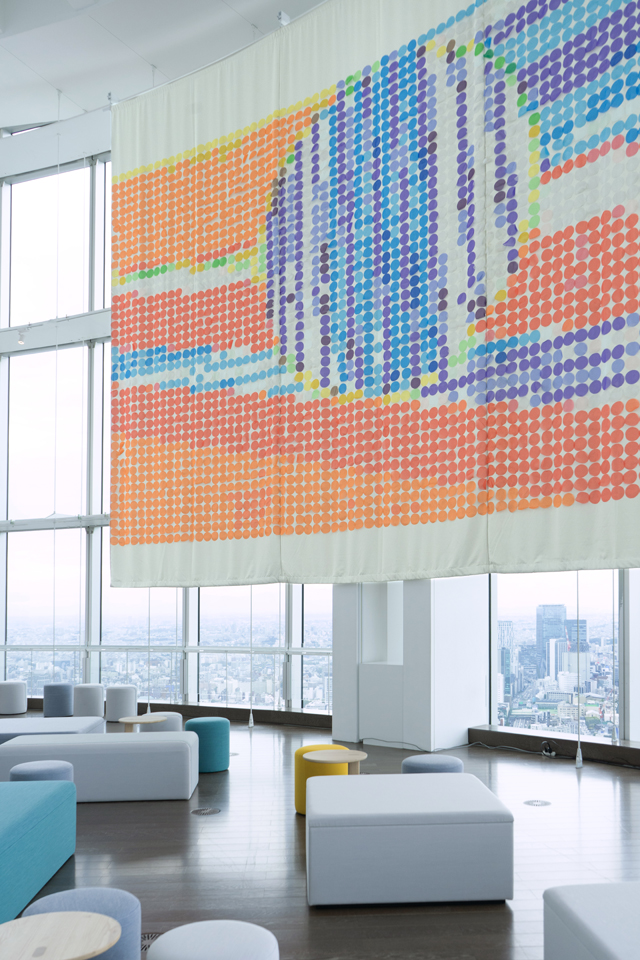
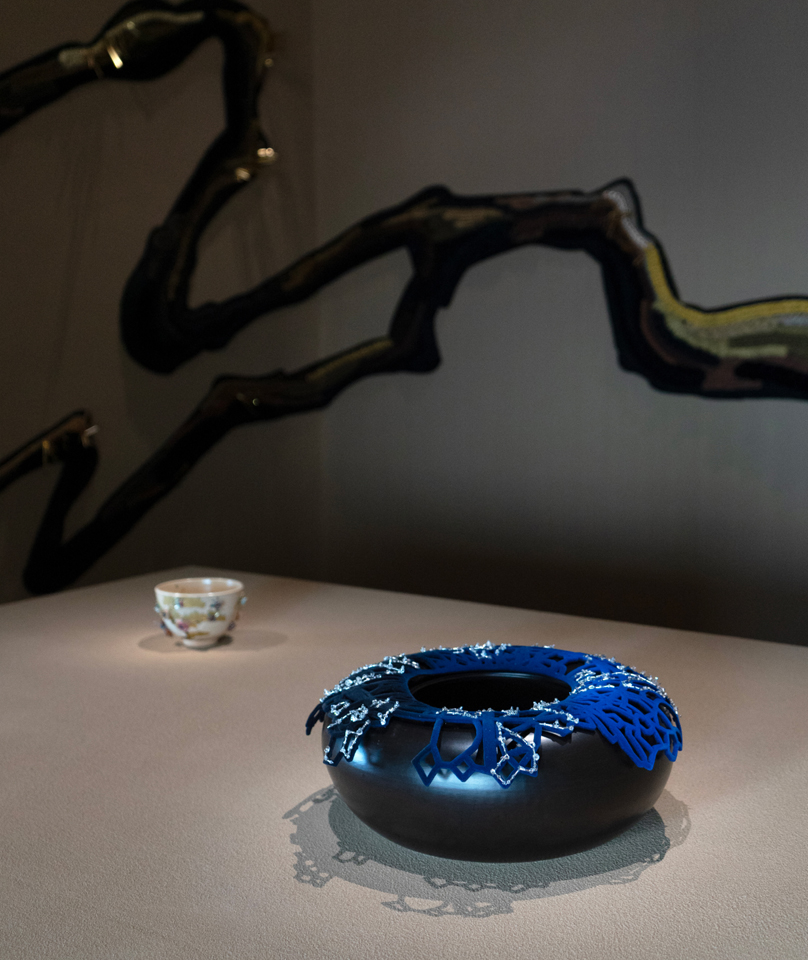
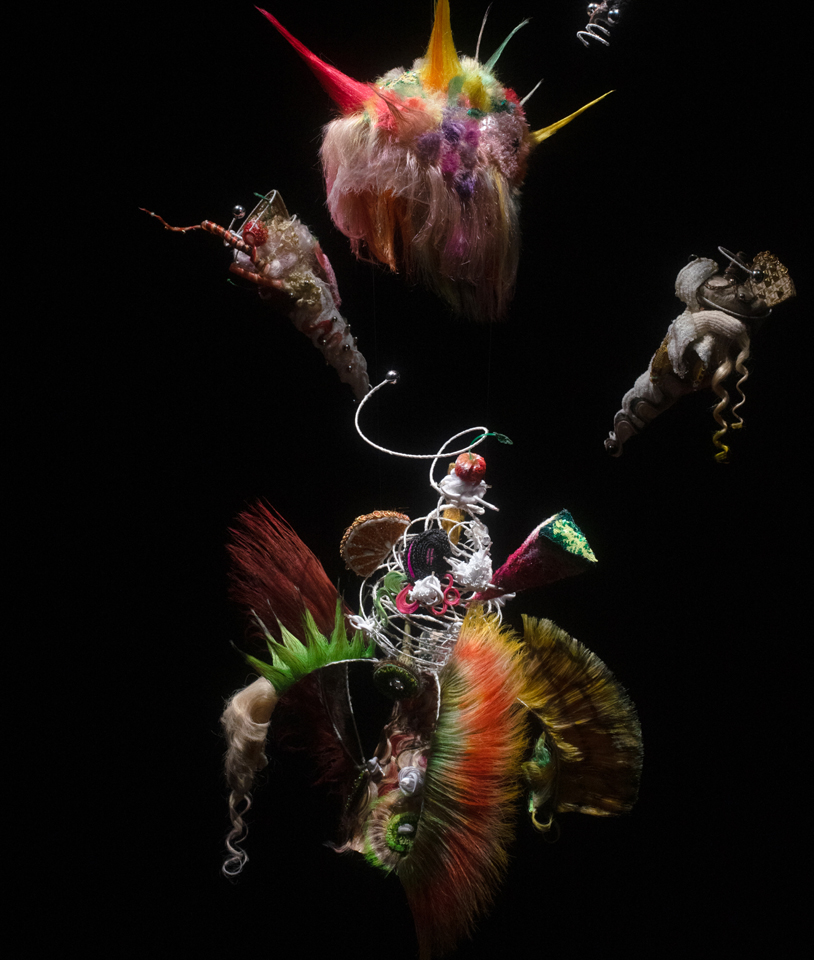
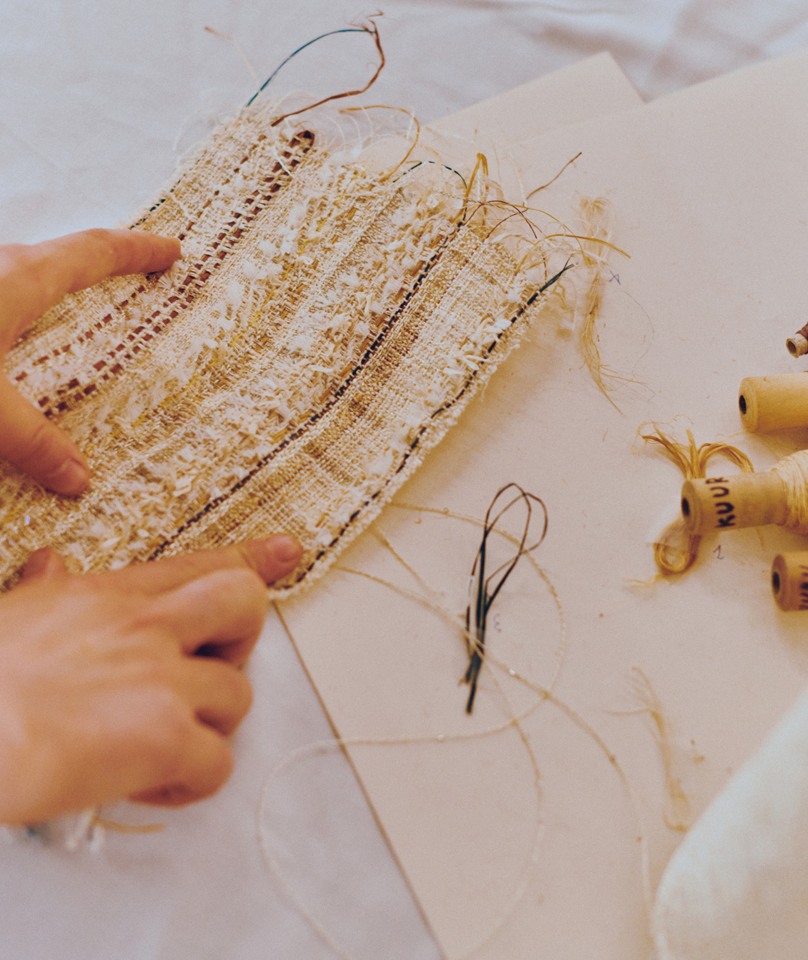
Through their pieces, every artist responds in their own way to the exhibition’s elemental theme. These include not just earth, water, fire and wind but also the void – the emptiness that gives the others meaning.
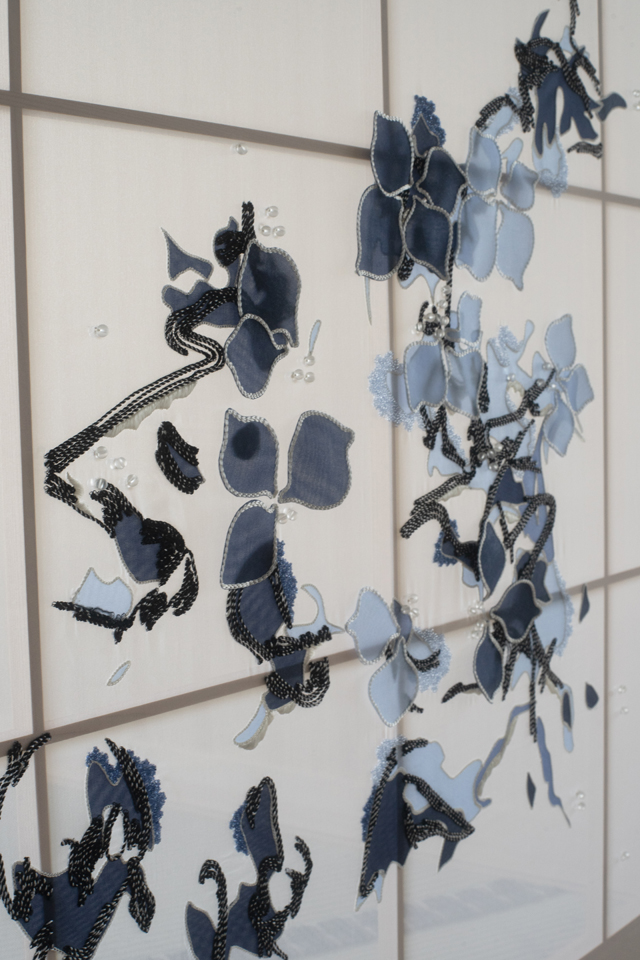
The best collaborations yield more than the sum of their parts and that was the aim of this exhibition’s curators: director and writer Momoko Andô; Yoichi Nishio, the editor in chief of design and architecture magazine Casa Brutus; Shinichiro Ogata, the founder and creative director of multidisciplinary design studio Simplicity; curator Kayo Tokuda; and Aska Yamashita, the artistic director of embroiderer Montex.
Beyond Our Horizons debuted in autumn 2025, on the 52nd floor of Mori Tower in Tokyo’s vibrant Roppongi district. High above the city streets, it welcomed some 75,000 visitors. For the exhibition’s Parisian incarnation, the work of an additional 10 French makers will be included. Along with the original cohort, their work expands the dialogue and renews the focus on fine Japanese craftsmanship that began back in Tokyo high above the city’s skyline.
Cultural convergence
As co-curator of ‘Beyond Our Horizons’, Atelier Montex’s artistic director, Aska Yamashita, brings a personal and professional lens to the exhibition.
As the artistic director of Atelier Montex, the embroidery maison d’art housed in le19m, Aska Yamashita is always interrogating the new possibilities of textile craft. “Embroidery is a field of exploration where traditional techniques interact naturally with new tools,” says Yamashita. “For me, reinventing techniques does not have to mean radically transforming them. It could be a matter of offering them new situations and new encounters.”
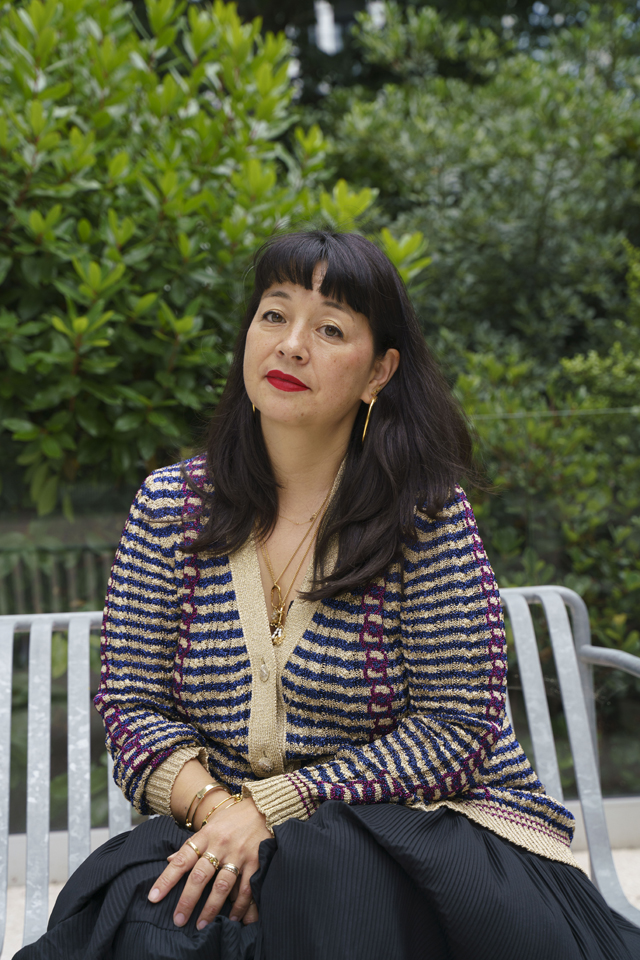
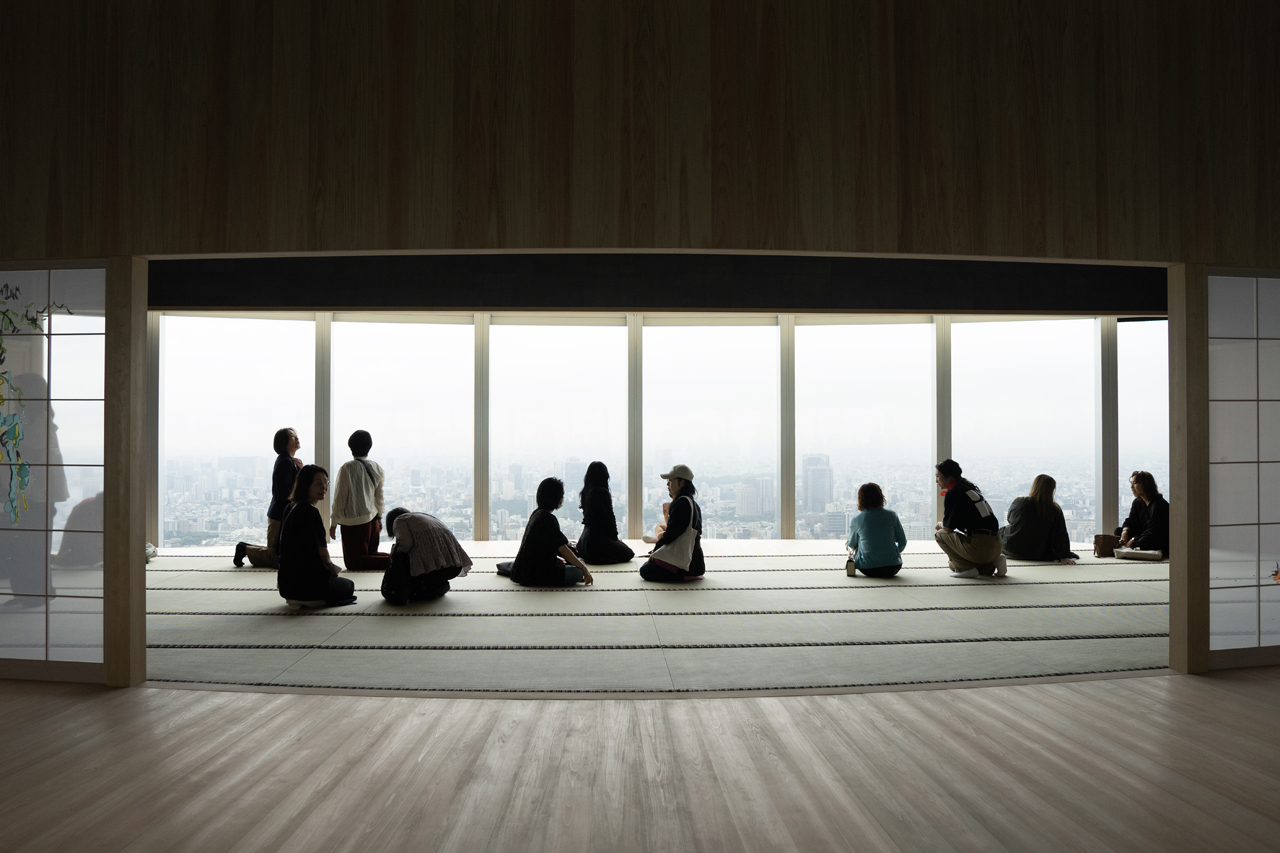
She applied this philosophy to her co-curation of Beyond Our Horizons. Yamashita engaged in a wide-ranging reflective dialogue with the other members of the committee, each of whom approached craft differently but with equal rigour. “Some of us had a more contemplative relationship with time, while others had a more experimental view of tradition,” she says.
Differences between the cultures made the exchange of ideas riveting. “The Japanese and French perspectives do not approach time, tradition or modernity in the same way,” says Yamashita. “That is precisely what made the encounter so stimulating.”
The themes of Beyond Our Horizons also have a personal resonance for her. Yamashita’s mother is French and her father is Japanese. Working to bring the best of both cultures’ craft traditions to the fore became “an introspective experience” that allowed her to become “aware of the influences that have shaped me, whether consciously or unconsciously”.
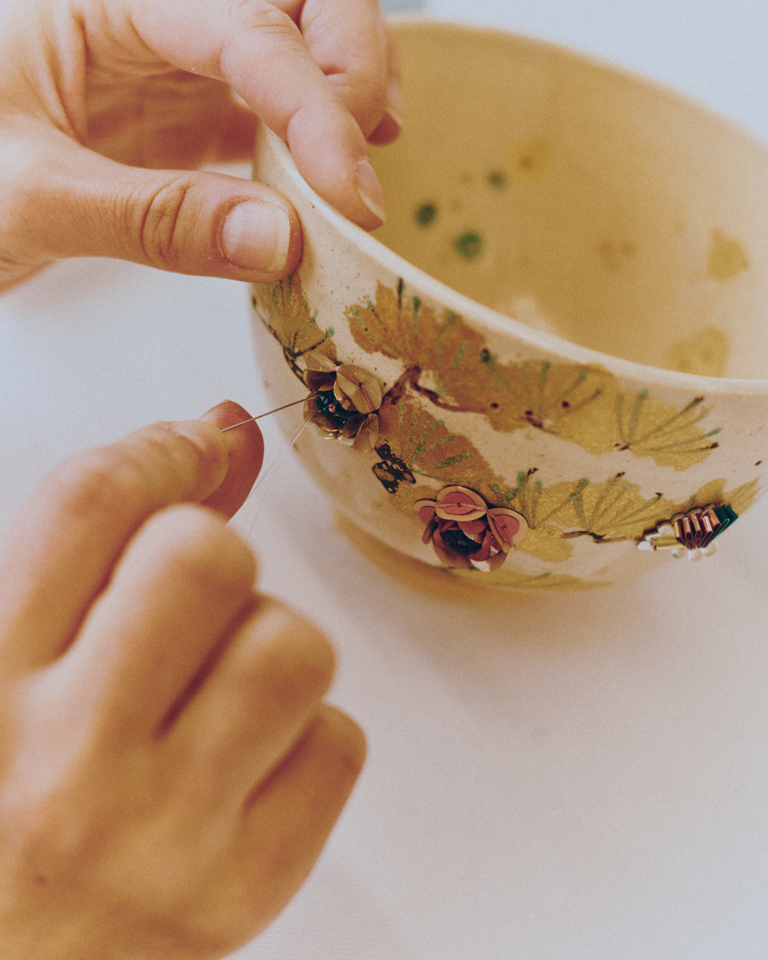
Among the values that bring the two cultures together are a reverence for craft and a sincere commitment to its realisation in its most precise form, from gesture to final finish. There is a shared sense of discipline too. Yamashita hopes that those who come to peruse the exhibition will take an understanding of these meaningful connections away with them. “I would like visitors to experience the richness of an exchange between two cultures that, though very different, share the same high standards when it comes to craftsmanship,” she says.
For her, the shared work of creation bridges the differences that each collaborator brings to the process. “In Beyond Our Horizons, this dialogue is embodied in the collaborations that we have undertaken, each of which demonstrates mutual openness. Everyone brings their own world, their habits and sometimes their doubts – but always with the same desire to build something together.”
Past present and future
Both a place of creation and transmission, le19m showcases the expertise of artisans and creators inside a uniquely designed structure.
The design of le19m, by architect Rudy Ricciotti, is an expression of its mission. This creative hub, gallery and atelier is wrapped in an outer shell that echoes the vertical weft of fabric. Interlacing white concrete “threads” signal the complex’s goal to preserve and elevate textile craft.
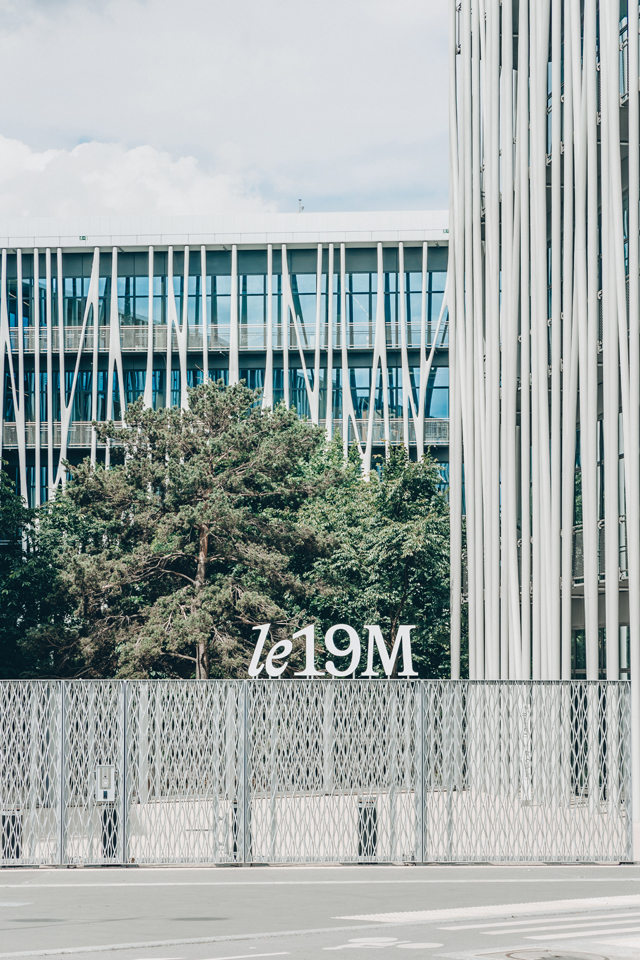
Since 2021, le19m has gathered some 700 artisans across 11 maisons d’art (including Atelier Montex), whose expertise spans metiers like plumage, pleating, embroidery and millinery. Located in Paris’s 19th arrondissement, it bridges the fashion capital with neighbouring Aubervilliers. Its name nods to Gabrielle Chanel’s birth date and to its values: mode, mains, maison, manufactures and métiers d’art.