
Three promising mobility solutions that won the RIMOWA Design Prize

A bright idea is one thing. Translating it into a unity of form and function is a different one altogether.

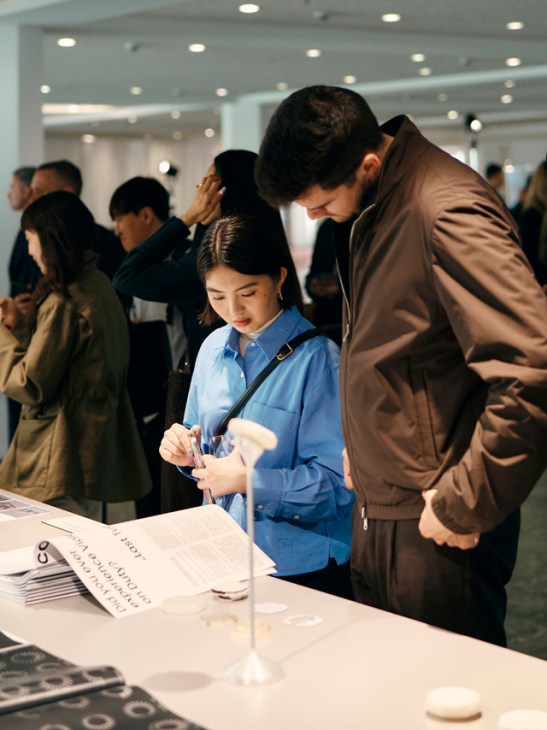
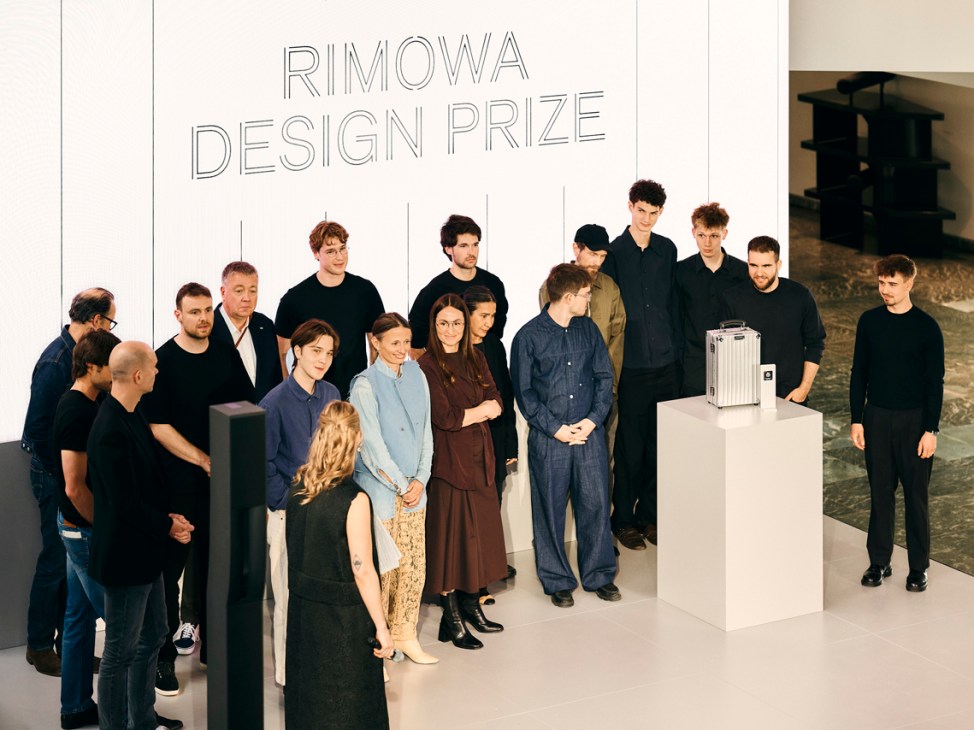
Since 2023, the RIMOWA Design Prize has invited design students from German partner universities (a network that will expand internationally in 2027) to step forward with socially impactful projects. Finalists hone their designs under the mentorship of seasoned industry hands, before competing for the €20,000 top prize. The focus is ideas that enhance mobility – naturally, given RIMOWA has spent a century making beautiful objects designed to move.
Ro, Janne Kreimer
2024
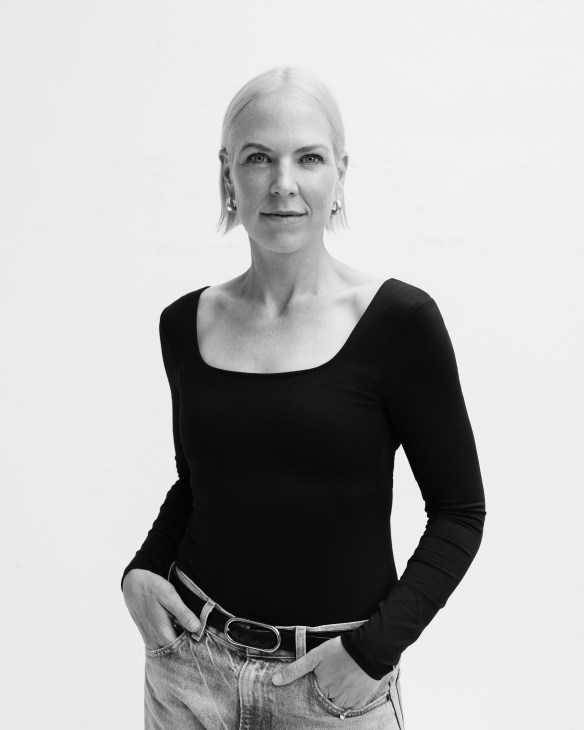
The 2024 RIMOWA Design Prize went to Janne Kreimer for Ro, her therapeutic vest designed for anxious wearers. These young designers offer a more nuanced take on mobility, beyond speed and scale and into the realm of the personal and vulnerable.
When Kreimer first imagined Ro, she was thinking about herself. The Anhalt University integrated design student was 22 when she created a vest fitted with inflatable “soft robots” at key acupressure points. Activated by the body’s stress signals, they rise and fall to calm the nervous system. “Everyone experiences anxiety in their lives,” she says. “The use case of the vest is as individual and personal as the anxieties are.”
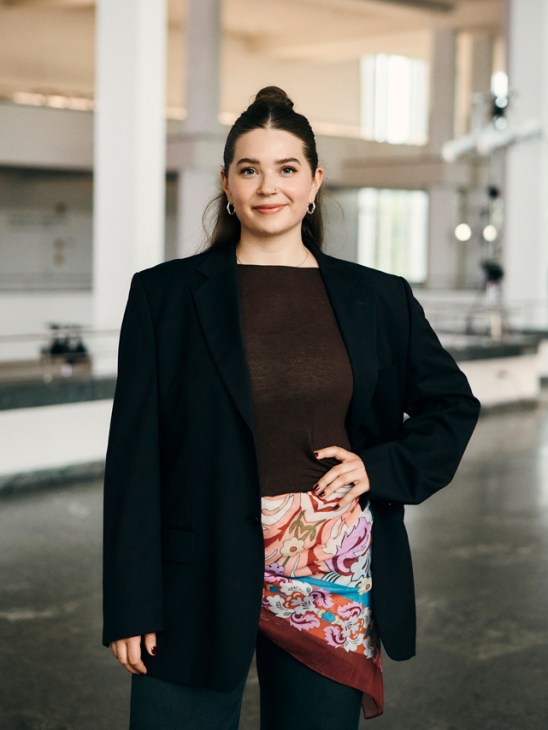
Each Ro vest is fitted to the individual. Body size and shape present no barrier as pressure points are mapped to individual anatomies. Design, Kreimer feels, should bring people closer to the world. Ro is focused on the small, the individual.
Her winning entry, mentored by renowned fashion and design retailer Andreas Murkudis, reflects the changing priorities of a new generation of designers: intensely human solutions embracing once-taboo subjects.
Hottie, Elisabeth Lorenz and Marc Hackländer
2025
The 2025 RIMOWA Design Prize winning project, Hottie, is a 3D-knitted belt that uses heat and electrical nerve stimulation to soothe the symptoms of menstrual pain. After research, Schwäbisch Gmünd University of Design students Elisabeth Lorenz and Marc Hackländer built a prototype for this “universal problem”.
The pair’s mentor, Nic Galway, then senior VP of creative direction product design at Adidas, pushed them to harness their creativity. “He said, ‘It’s good. But why don’t you make it crazy?’” says Hackländer. “‘Think of two extremes and see if they can work. You can always go back to your original idea.’”
It prompted a shift to making something that “people would actually want to wear”, says Lorenz. It must be useful and targeted, but also beautiful and aspirational.
Through Galway’s mentorship, the duo took every opportunity to work in Adidas’s laboratories and test out the brand’s 3D-knitting technology. It was this that led to Hottie’s winning form: a stretchable, breathable, close-fitting strap with technical components woven in. The ultimate seal of approval? “You’re not afraid of having it peeking through your pants,” says Lorenz.
Nura, Samuel Nagel and Paul Feiler
2026
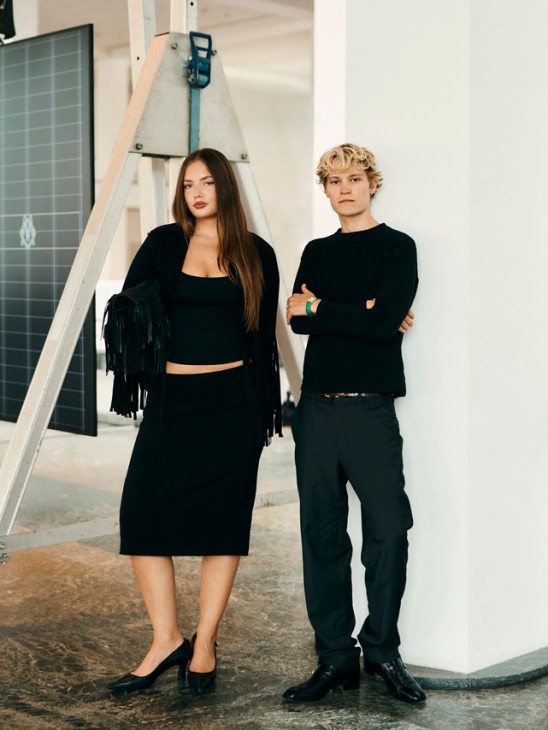
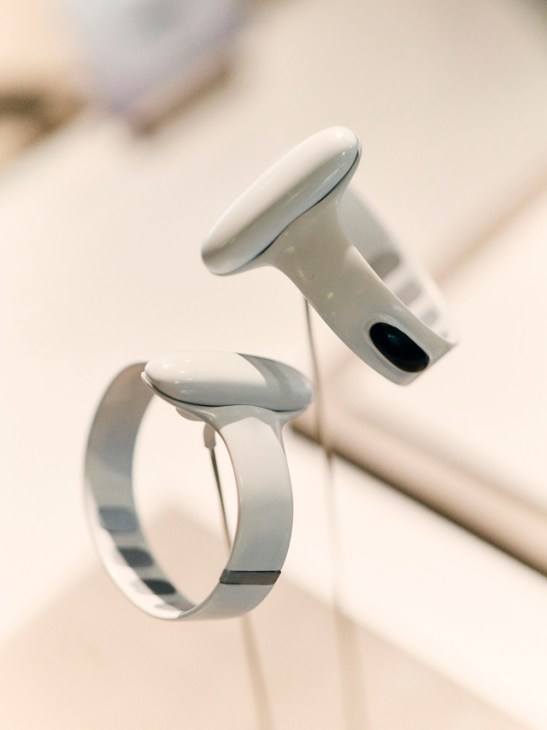
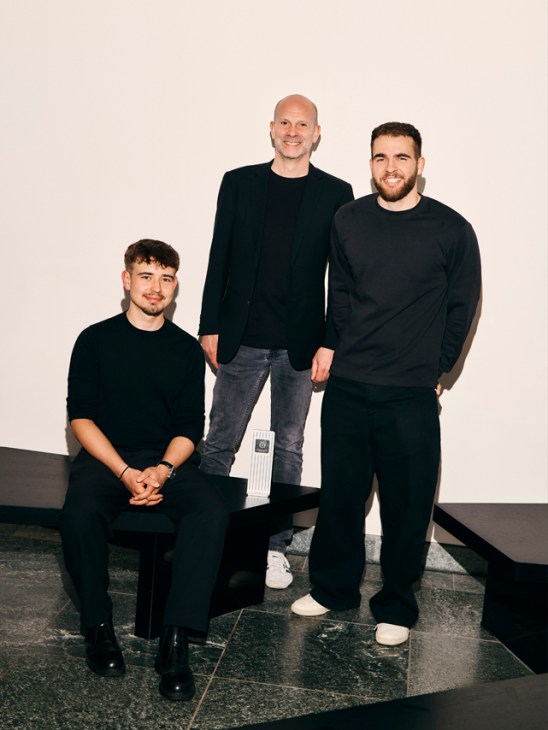
In 2026, Schwäbisch Gmünd University of Design’s Samuel Nagel and Paul Feiler won over the jury with an elegant design. Nura is a silicon bracelet that translates sign language into speech by measuring muscle activity. Today, all winning projects are looking out to the world. Nagel and Feiler are using the prize fund to continue development, with the aim of allowing users to train the device on their own gestures and other sign languages. Likewise, Ro is on its fourth and most sophisticated prototype, while Hottie has travelled the globe, appearing in the ‘Designing Motherhood’ exhibition at New York’s Museum of Arts and Design.
Even more encouragingly, RIMOWA Design Prize has given belief to its winners. “It was validating for us that someone said, ‘You’re not just students, you’re designers’,” says Lorenz. “I found a lot more confidence in my ideas and my abilities,” adds Kreimer.
And, as with all great designers, perspective is a tonic. “Doing interviews with the international press and presenting to a jury of industry leaders is way scarier than a Bachelor’s presentation,” says Hackländer. “So, I know at least that I will be totally fine.”
Calling all bright ideas
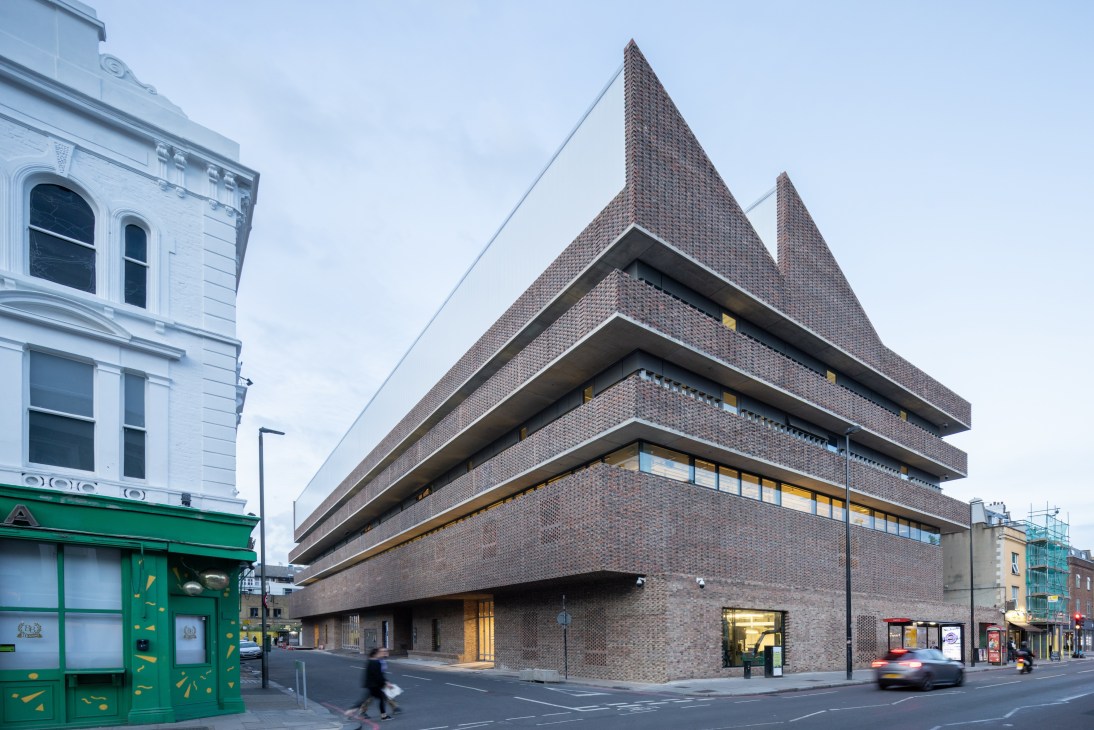
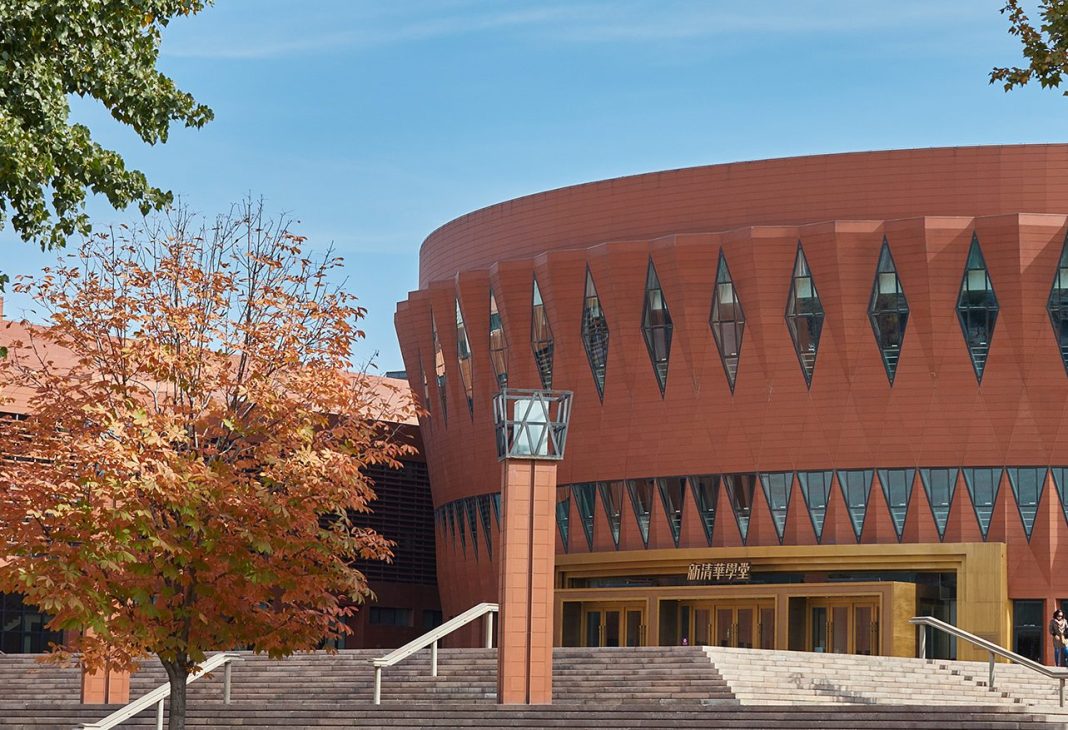
The fifth edition of the RIMOWA Design Prize returns in 2027 with a fresh industry jury acting as mentors for the new cohort of applicants. This year’s call will extend beyond Germany via a growing network of international institutions, including Design Academy Eindhoven, École Cantonale d’art de Lausanne (ECAL), Hongik University Seoul, Hong Kong Polytechnic University (PolyU), Imperial College London, Musashino Art University Tokyo, Politecnico di Milano, Rochester Institute of Technology, Royal College of Art London, Tsinghua University Beijing and Umeå Institute of Design. Each was nominated by the parent universities of past RIMOWA Design Prize winners.