Sharjah Collection: Modern hospitality redefined
his exclusive collection of seven luxury retreats provides a sustainable and human-centric way to explore the landscape and heritage of the UAE.

As the UAE’s cultural capital, Sharjah has long distinguished itself through conservation projects and a commitment to the arts. Now, Sharjah Collection’s seven retreats offer a new way to explore the emirate. In contrast to the region’s high-rise hotels, these are sustainable sanctuaries rooted in place. Whether reviving historic buildings or providing rare access to Bronze Age tombs and mangrove-fringed shores, they provide an authentic experience that will linger in the memory.

A new world
Sharjah Collection offers something new in Middle Eastern hospitality – it is a portfolio that privileges experience over excess. Guests are invited to explore, dine thoughtfully and reconnect – with the Sharjah landscape, the UAE’s heritage and, perhaps most importantly, with themselves.
Desert
Sharjah Collection’s seven retreats have distinct characters, each enhanced by their surroundings
1.
Al Badayer Retreat
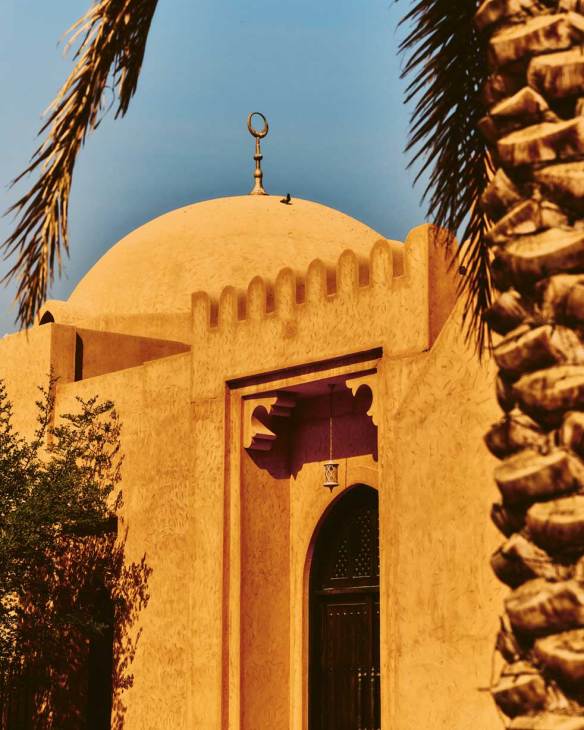
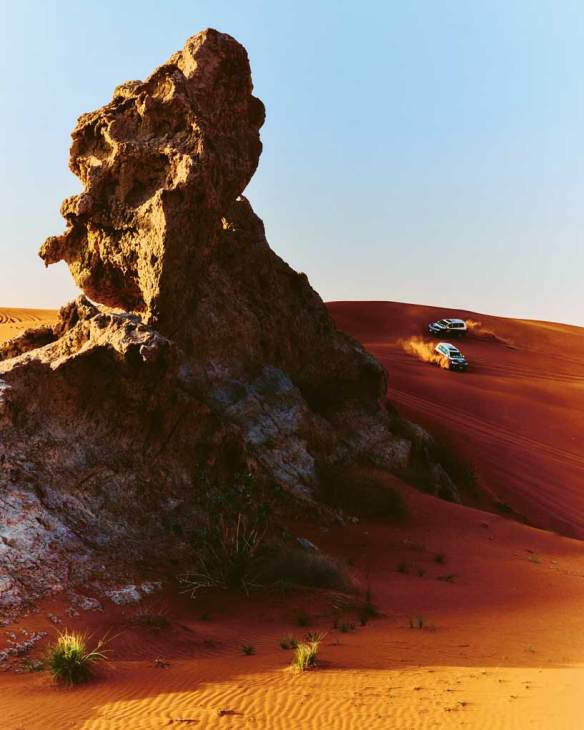
Amid the rolling red dunes, Al Badayer Retreat takes cues from traditional hospitality. There’s a sense of theatre to arriving here: an arched gateway opens onto courtyards, a majlis and a mosque – a rare presence in a desert retreat. Well-proportioned rooms and private-pool tents are dressed in Bedouin-style textiles and low-slung cushions, a counterpoint to much of the Gulf’s glossy urbanity.
2.
Moon Retreat
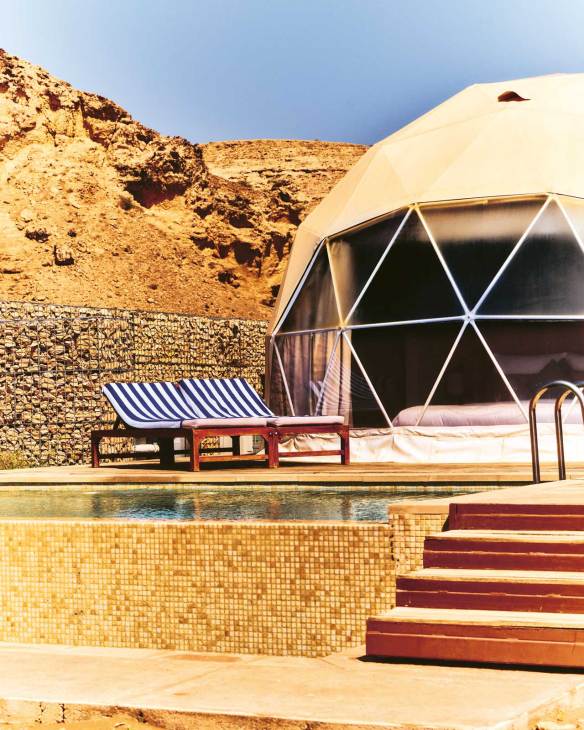
Set within Mleiha National Park, you can hear a pin drop here. Ten domes and six tents appeal to city-dwelling creatives in need of quiet and travellers curious about Sharjah’s archaeological hinterland. Activities are plentiful – archery, trekking and stargazing sessions unfiltered by city light – but many guests opt to simply relax and enjoy the view.

3.
Al Faya Retreat
With just five rooms, Al Faya Retreat is the collection’s most exclusive address. Built on the site of Sharjah’s first petrol station and adjacent clinic, it breathes new life into midcentury structures – an exercise in adaptive reuse that embodies the brand’s sustainability ethos. Inside, a Himalayan salt room and herbal sauna encourage slow restoration, while the dining is an event – steaks cooked to precision, menus curated with intent.

Coast
Elegance and wellness define these retreats, where rugged mountains meet azure Gulf waters.
4.
Kingfisher Retreat
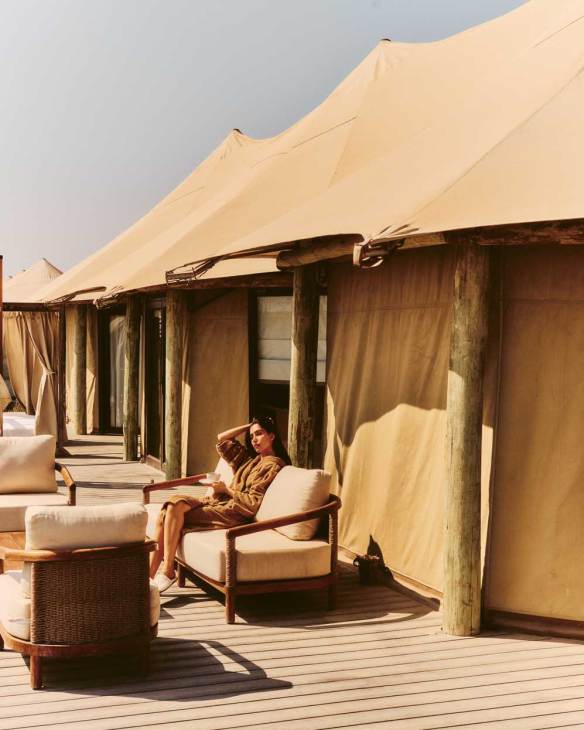
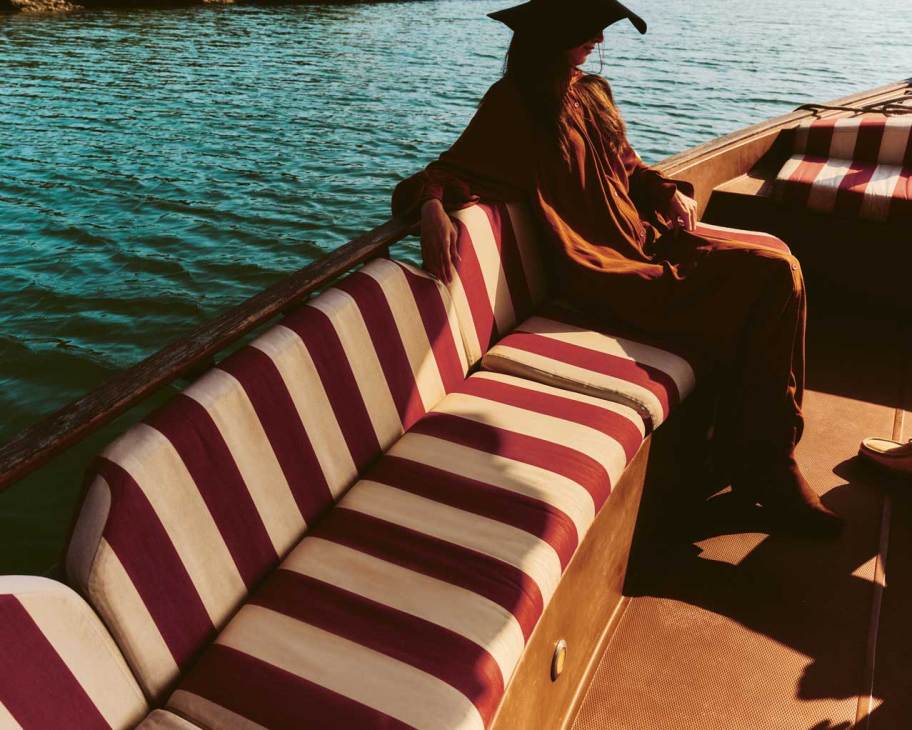
Off the coast of Kalba, Kingfisher Retreat occupies a protected island edged by mangroves. The arrival, by traditional dhow, signals a gentle dislocation from the mainland. Thirty-nine spacious tents, each with a private pool, are designed to the highest standards. Lighting across the island is intentionally soft and noise is kept to a minimum, preserving both privacy and the surrounding ecosystem. Guests can kayak through the mangroves at sunrise, visit nearby conservation centres or simply retreat to their private deck. Kingfisher Retreat is for those who want seclusion without sacrificing comfort.

5.
Al Rayaheen Retreat
In Khorfakkan, Al Rayaheen Retreat comprises 19 restored heritage houses arranged around shaded courtyards planted with palm and henna – early examples of passive architecture. Sharjah Collection’s heritage property in the town retains the proportions and materials of these original homes. Each residence has private access, making it ideal for extended family stay, while low seating, terracotta planters and timber beams set out a series of private corners and shared courtyards. Beyond the gates lie a bustling souq and easy access to the coast, creating dialogue between retreat and town.

Mountains
Low-impact design and a meaningful engagement with nature set these highland retreats apart
6.
Najd Al Meqsar
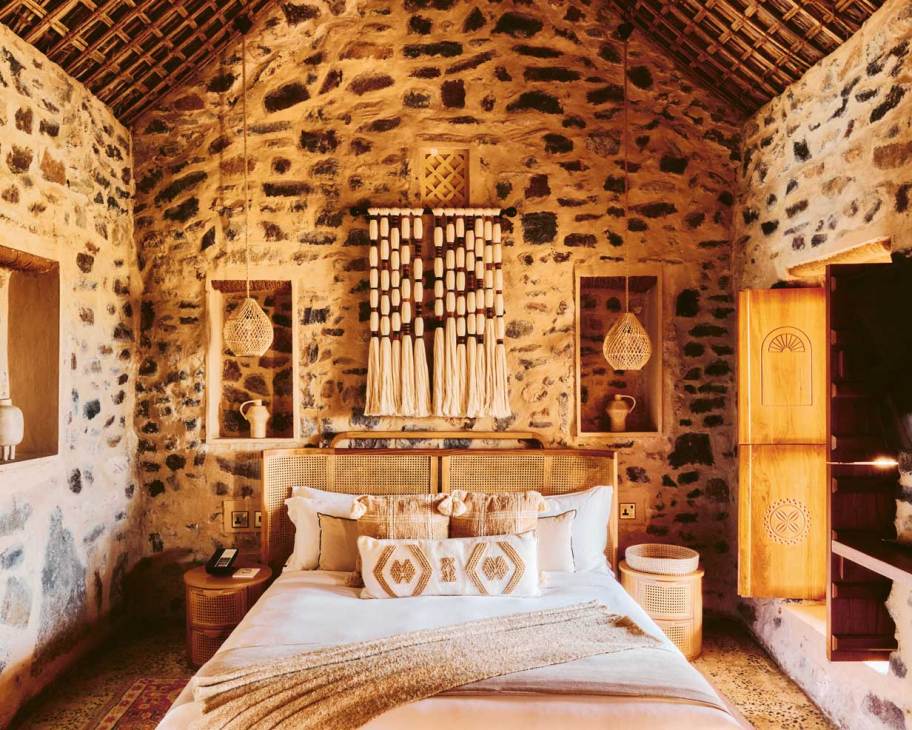
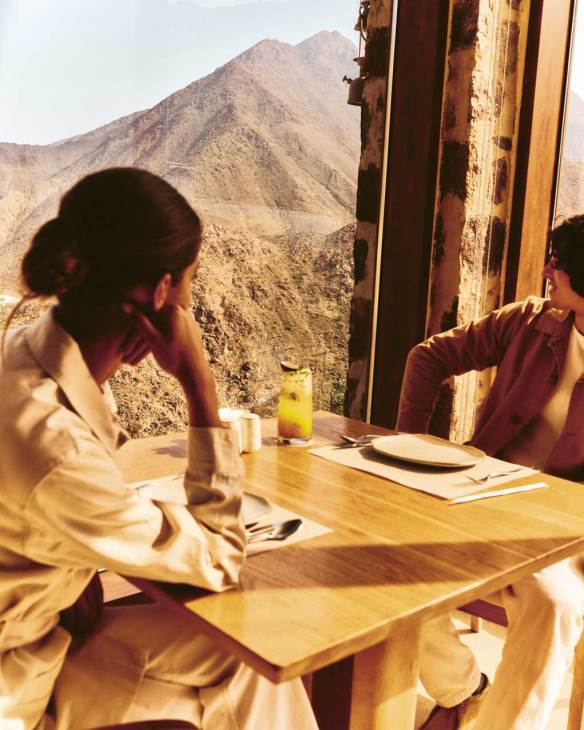
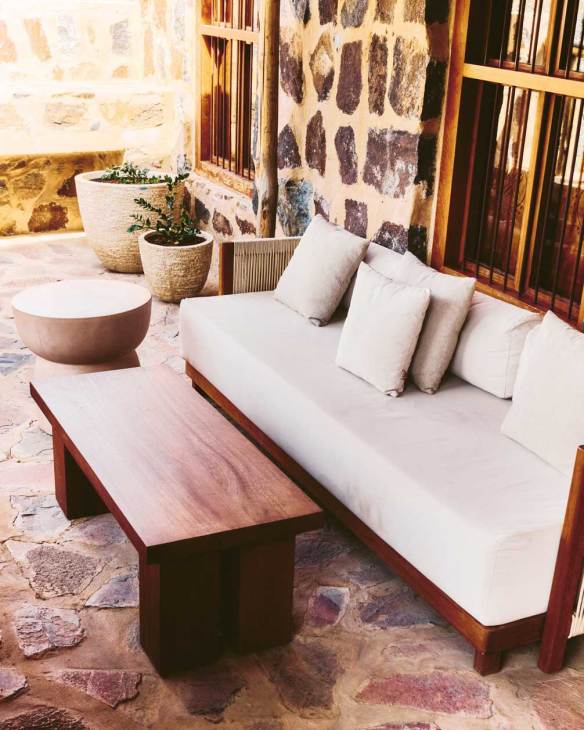
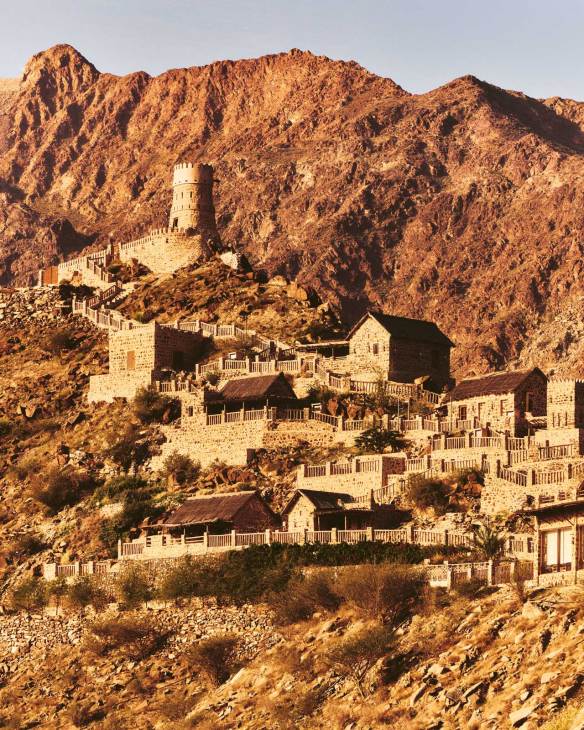
High above Khorfakkan, Najd Al Meqsar is part of a revived centuries-old mountain village. Seven traditional houses – built from stone, wood and palm-frond thatch – are integrated into the hillside. The restored watchtower that presides over them offers sweeping views to the Gulf of Oman and a reminder of the historic site’s former role. House interiors are minimal, cleverly allowing the landscape to take precedence. Days here are shaped by trekking in Wadi Shees, kayaking at Al Rafisah Dam or exploring Khorfakkan’s coast. Evenings are for watching the sky shift from amber to indigo.
7.
Nomad
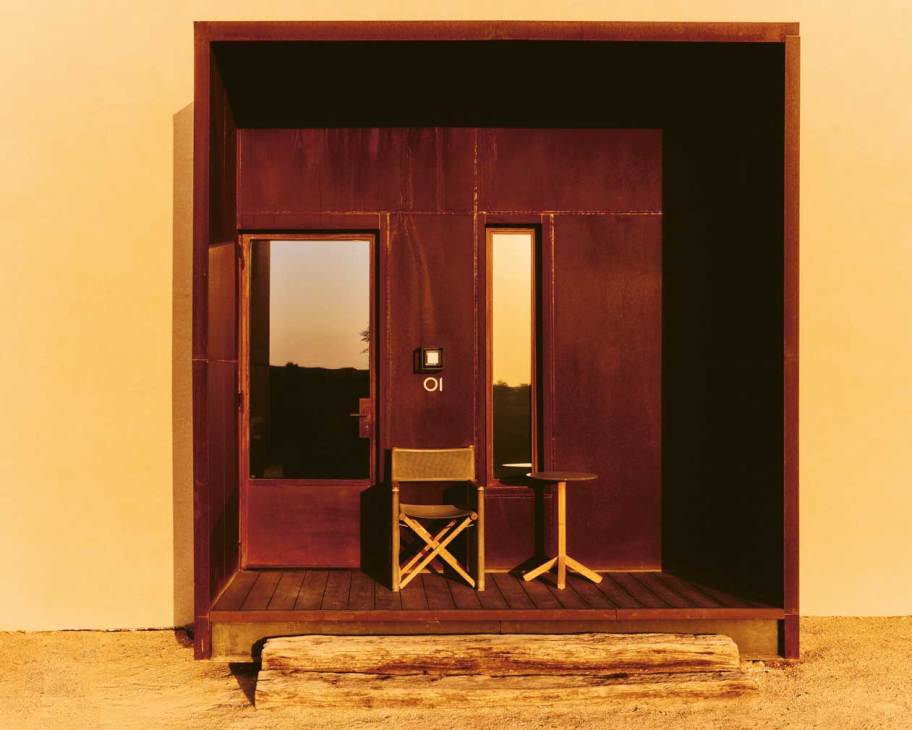
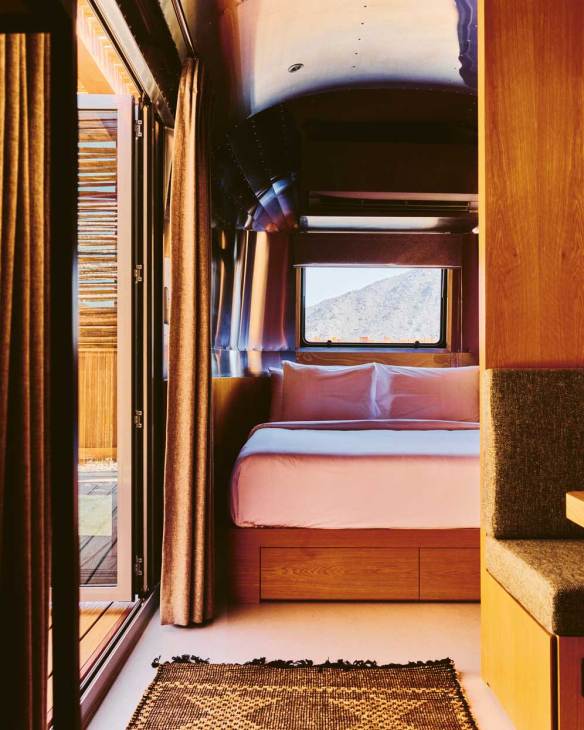
Set against Kalba’s rugged peaks, Nomad is the collection’s most stripped-back retreat. a reminder that luxury needn’t be ostentatious. Getting off grid is part of the appeal. Twenty eco-friendly trailers, powered entirely by solar energy, sit discreetly in the landscape. Phone signal is minimal. In its place are enriching opportunities for real-world connections with fellow guests, through guided sunrise hikes or evening gatherings around a communal bonfire and food truck. While Nomad has cultivated a convivial atmosphere, the surrounding wilderness ensures solitude is never far away.


Q&A: Ahmed Al Qaseer
CEO of Sharjah Investment and Development Authority (Shurooq)
What was the original idea behind the Sharjah Collection?
Sharjah has always been culturally driven and humancentric. When we looked at tourism, we didn’t want 500-room towers; we wanted experiences rooted in education, sustainability and quality of life. Many of the projects happened organically. We would come across a site with history or environmental value and ask how we could give people access without compromising it.

What do you mean by ‘experiences’?
Each retreat is connected to what surrounds it: archaeology in Mleiha National Park, conservation in Kalba, heritage in Khorfakkan. The retreat is the gateway. We curate the culinary offering, avoid generic menus and work with chefs to create something specific to each place. It’s about memory, not occupancy rates. Sustainability is central to the brand.
How is that realised on the ground?
We work closely with environmental authorities. At Kingfisher Retreat, for example, tents are positioned according to biodiversity studies. Some properties use solar power; others revive abandoned buildings. Sustainability is not a slogan, it is embedded in design and operations.
Who is the typical guest?
Culturally curious, well-travelled and selective. The right guest is someone who values peacefulness, experience and connection – with nature, with culture, and with the story of our land.
Find out more at sharjahcollection.