The road to creative evolution
Artistic flavours, from Doha to dunes

7am, Al Corniche
In the garden of Bayt Sharq, birdsong mixes with the clink of cups and gentle hum of conversation. Waiters serve platters of local delicacies – a colourful cornucopia of fresh cheeses, olives and dips almost too beautiful to touch.
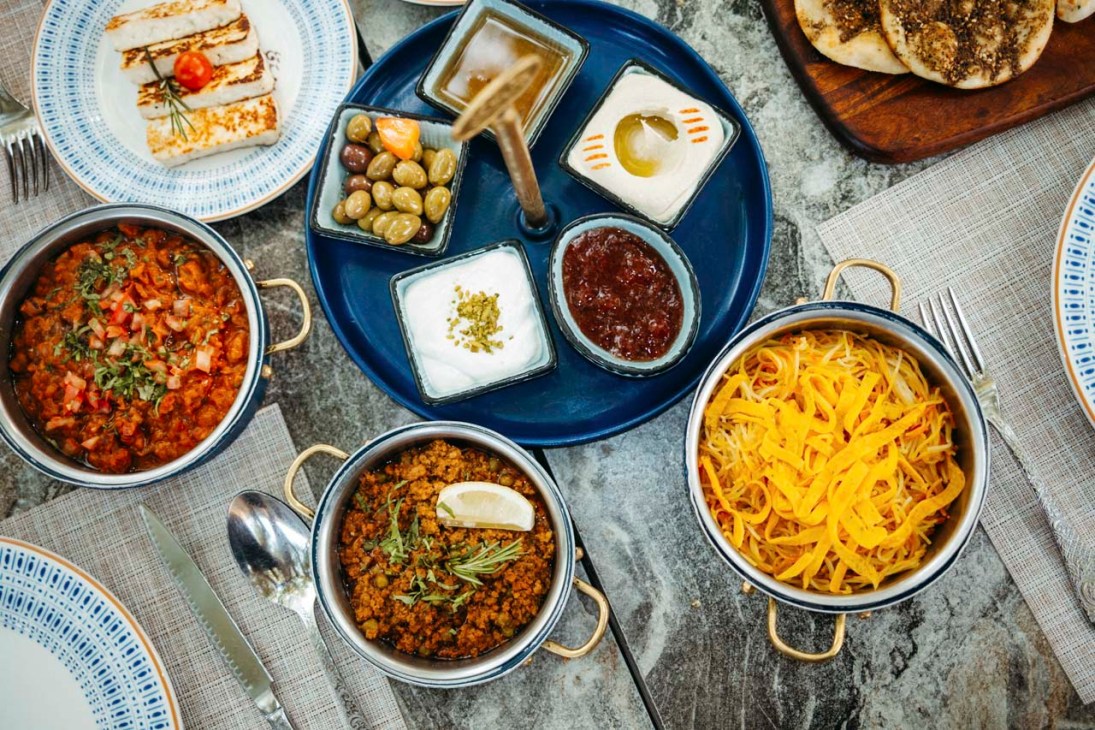
But dig in we do, scooping up creamy laban (a runny yoghurt) and muhammara (a pepper-and-walnut paste) with hunks of warm flatbread. Breakfast at Bayt Sharq is the perfect place to begin Monocle’s odyssey around the lesser-known parts of the Gulf emirate of Qatar, a peninsula that is blossoming into a cultural powerhouse. The Doha restaurant, and its building, is a link to the past in a country that is striding forward into its future. “This place was built in 1925 as a family house,” says Bayt Sharq’s operations manager Joubrail Farchoukh as he shows us around. The restaurant’s owners, the Al Khelaifi family, are best known as the patrons of Paris Saint-Germain football club. The old family car, a vintage coffee-brown Pontiac, is parked outside, while heirlooms are displayed in a tiny museum in a side room – plenty to tickle our curiosity as we wait for our order to arrive.
Well sated, we drive to our first destination: the National Museum of Qatar. It’s a brief trip along the Corniche, which curls around the bay of old Doha. Scores of dhows, the long wooden fishing boats that you’ll find across the Indian Ocean, bob in the azure water against the backdrop of Doha’s skyscrapers.
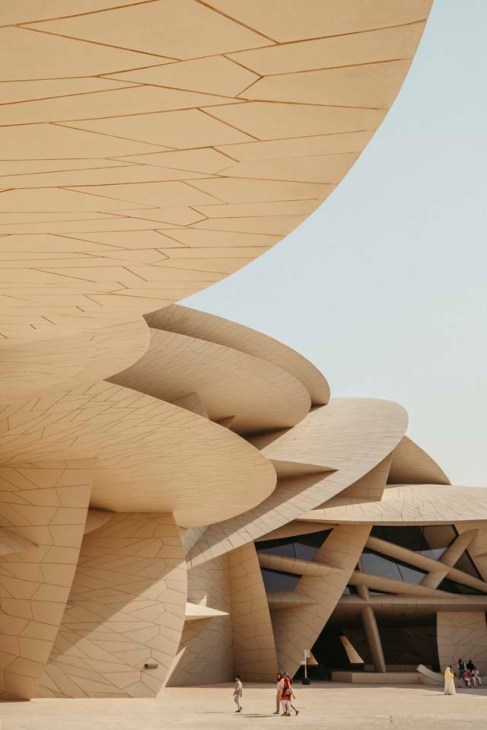

This very Qatari blend of history and modernity is also on show at the museum, which reopened in 2019 following an eye-catching restoration. Architect Jean Nouvel wrapped a sand-coloured concrete structure, shaped like a desert rose, around the original century-old building, which was formerly the Emir’s palace. The exhibitions tell Qatar’s story from prehistory to present. Artefacts include an ancient handwritten Qur’an and relics from the pearl-diving industry, once the mainstay of the country’s economy. “I used to love the old museum, but seeing it evolve is amazing,” says Jassim al Kuwari, a tour guide who visited the building regularly as a child. “Culturally, Qatar is changing dramatically.”
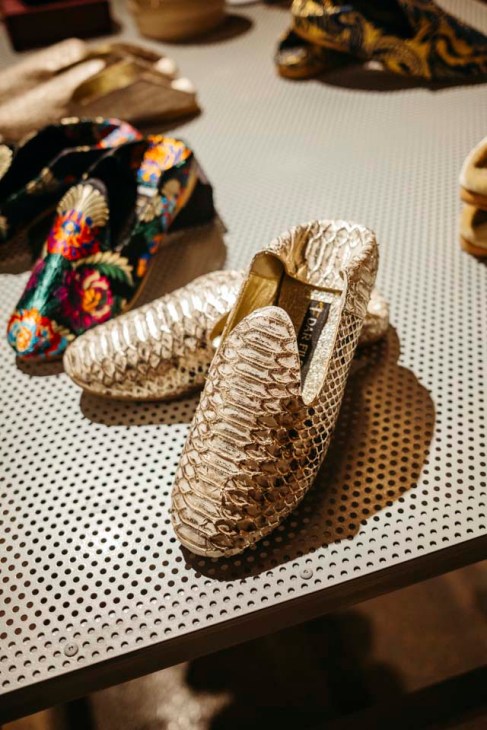

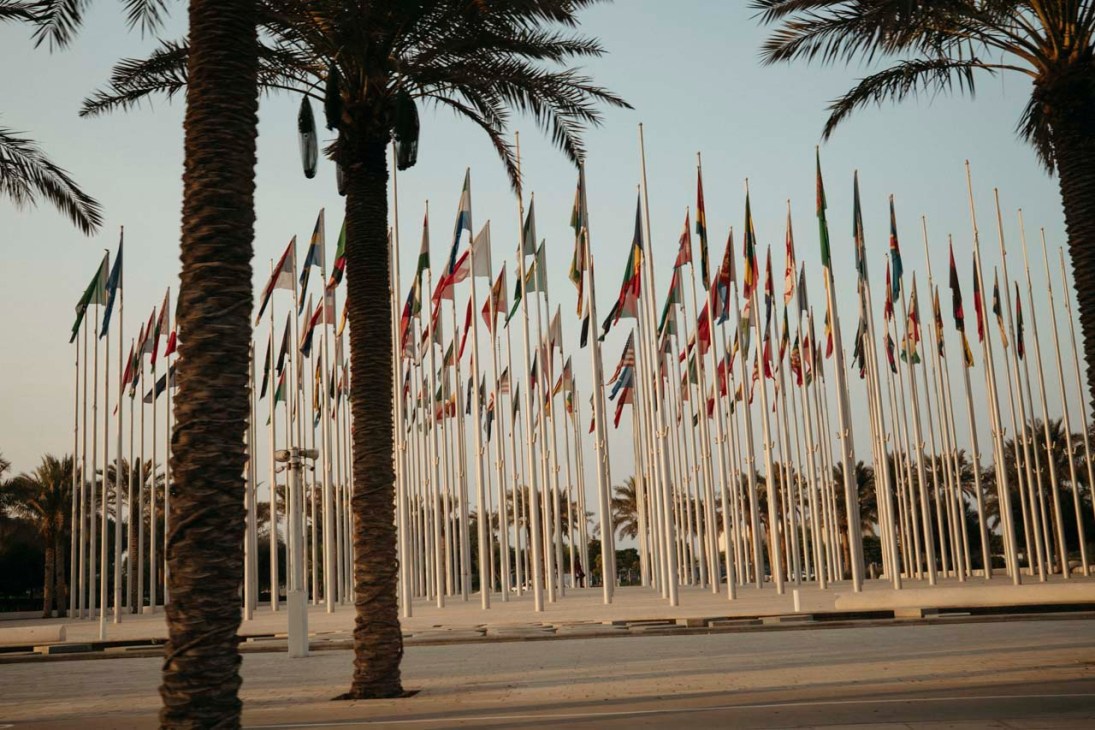
Continuing along the Corniche and into the heart of Doha, we enter the Msheireb District, an unexpected slice of New York-style urbanism sandwiched between the historic Souq Waqif and the Gulf coast. Designed to be walkable, this quarter of plazas and pedestrian alleyways showcases the best local and international designers, intersected by a tramway. At its heart is Barahat Al-Nouq, an open square shaded by a trellised canopy. In the evening, this is the meeting point for cool young Qataris and expat workers. As we pass through, a group of young men spot our photographer’s camera and pose in their statement patterned shirts. We meet Tariq Al Jaidah, an art collector and founder of the Studio 7 concept store in the district’s iconic M8 building, which acts as an exhibition space and incubator for independent designers. “Unlike most of the region we didn’t buy a brand, we created our own,” says Jaidah, as he shows us around the pieces on display. “Our inspiration comes from our culture.”
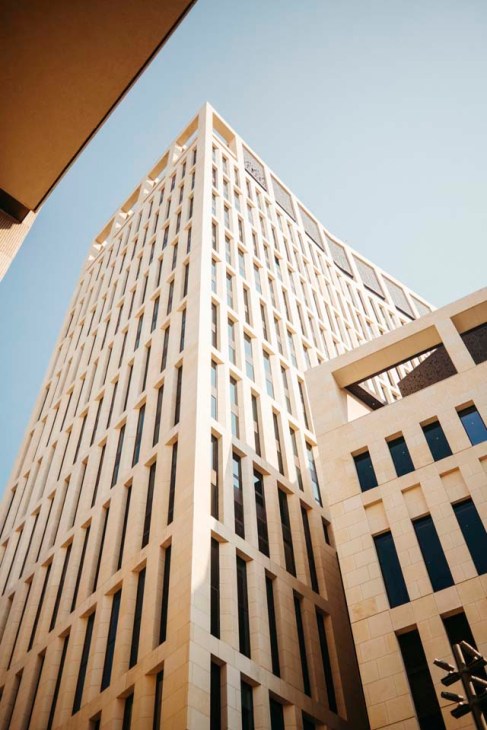
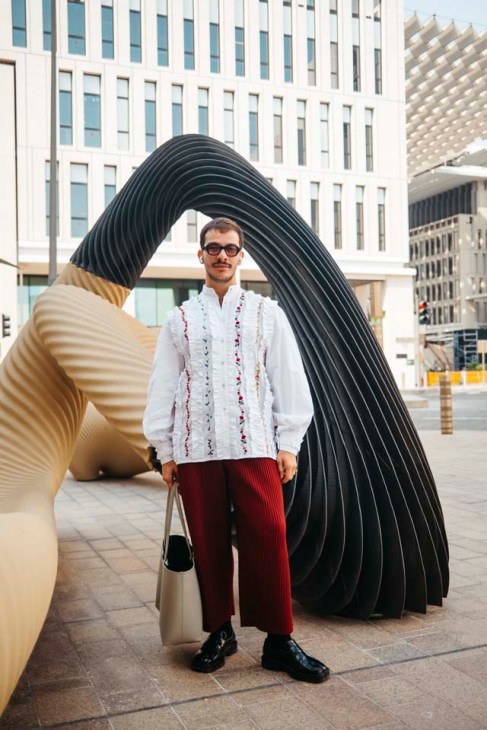
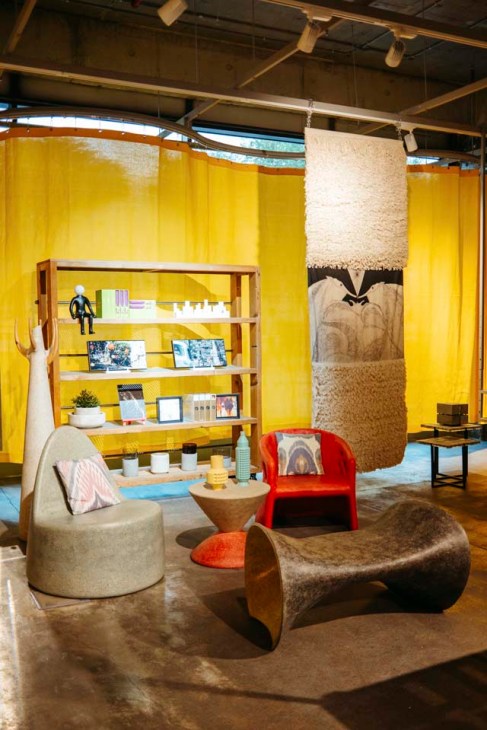
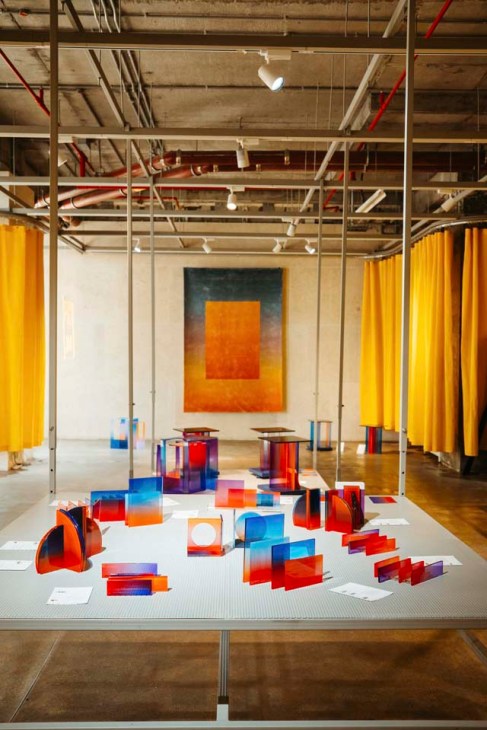
Studio7’s offerings include fashion by Yasmin Mansour, whose eponymous label is one of Qatar’s first luxury womenswear brands. Local artists are also incorporating the motifs of new Qatar into their work; huge throws on sale in Studio7 depict stylised versions of the Sheraton hotel, which was built in 1982 and remained until recently the landmark on Doha’s skyline. Today it is dwarfed by the soaring structures around it; just four decades after it was constructed, it is already a part of a vintage Qatar.
Culture beyond Doha
1.
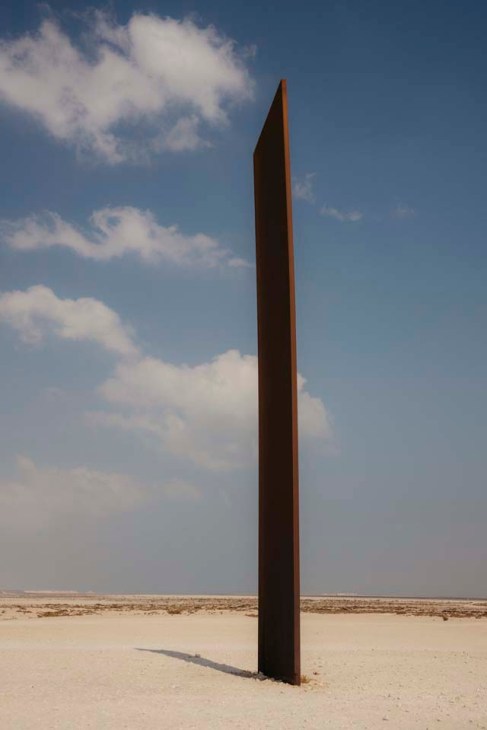
East-West/West-East
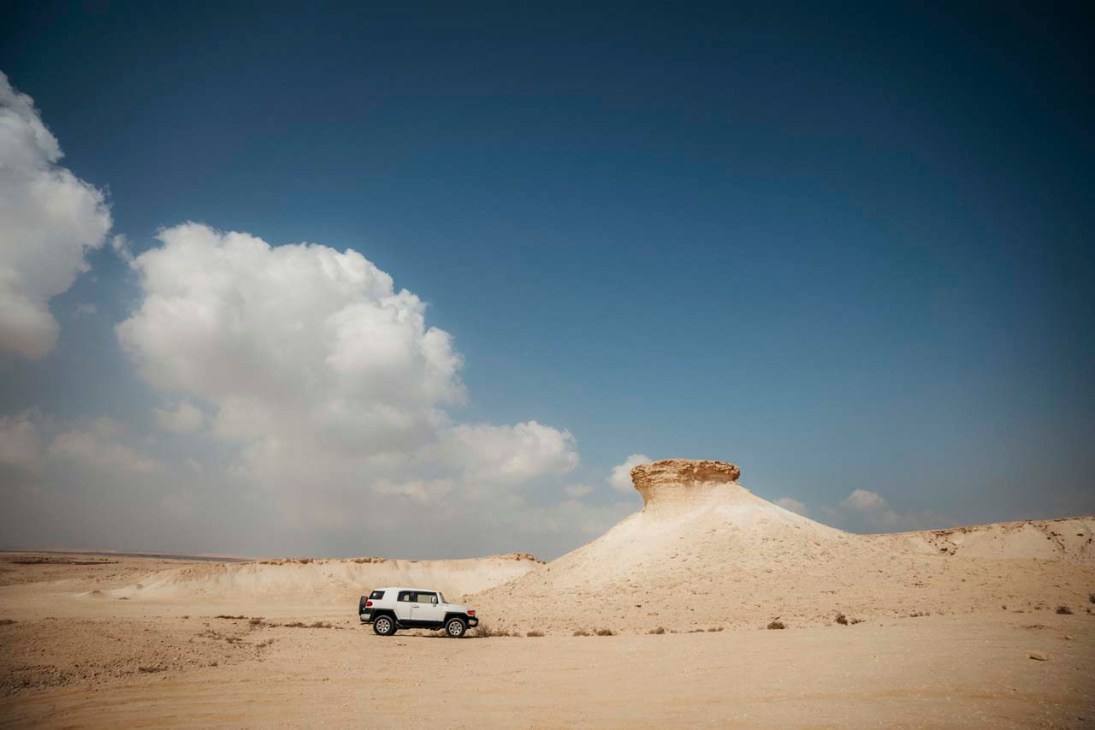
Richard Serra’s four metal monoliths span a kilometre in the Zekreet desert – the home of great public art.
2.
Katara Cultural Village
The home of the Qatar Philharmonic Orchestra has recreations of grand European architecture.
3.
Khor al Adaid
Fringed by protected dunes, this inland sea has the world’s largest population of dugongs – a sea mammal.