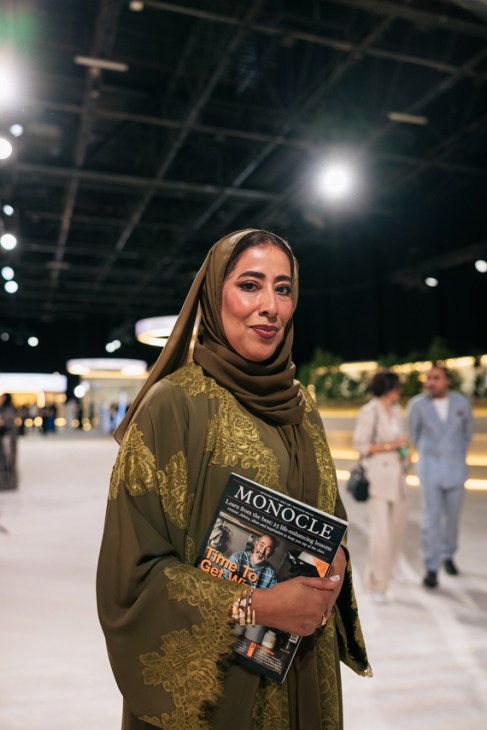

Unfolding stories: Monocle at the Arab Media Summit 2026
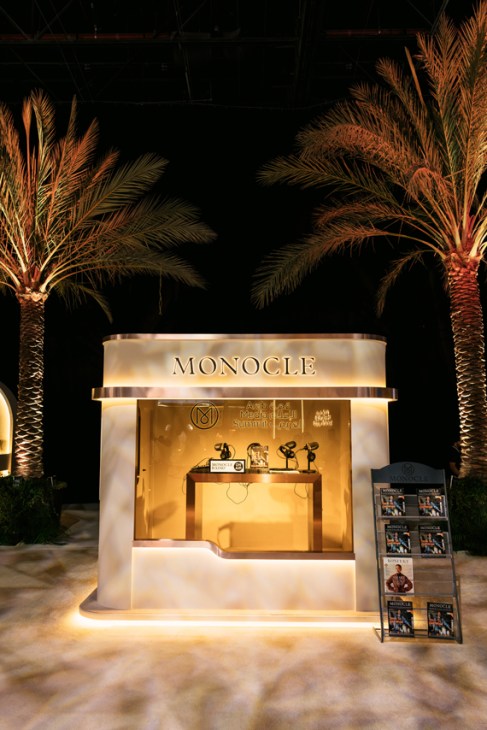
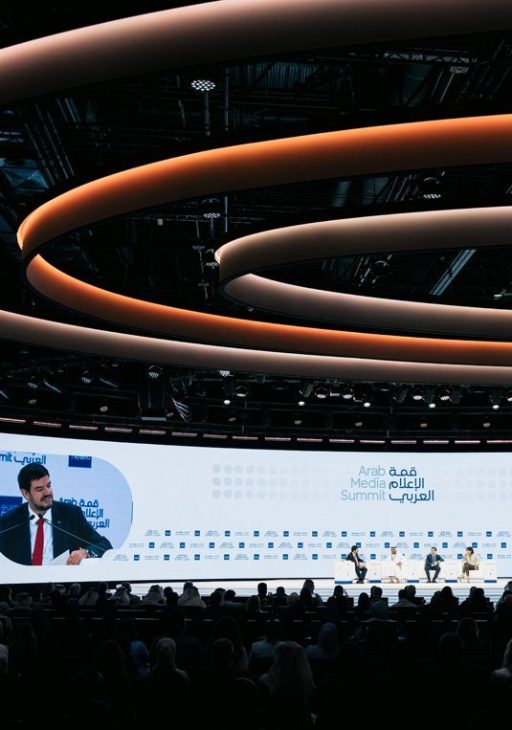
As conflict reshapes the region and AI transforms how stories are told, this year’s Arab Media Summit’s resonated far beyond the newsroom. Broadcasting live from Dubai World Trade Centre, Monocle Radio captured key conversations centred on three recurring themes: reporting conflict, communicating responsibly and building audience trust.
1. Reporting through conflict
View from the newsrooms
For newsrooms in the UAE, this year’s conflict brought a disorientating change. “You were in the eye of the storm,” says Mina Al Oraibi, editor in chief of Abu Dhabi-published newspaper The National. Her newsroom became a source for international journalists seeking to understand events on the ground. Local knowledge mattered, as did knowing when publishing a story might cause harm. Al Oraibi points to restrictions on images of missile interceptors and how real-time footage could reveal their locations.
At Dubai daily newspaper Gulf News, editor in chief Mark Thompson described how readers wanted to check claims seen on social media. His newsroom’s guiding principle was, “we may not be first, but we want to be right”. They shifted from constant updates to concise daily summaries and explainers, recognising the limits of what their readership could absorb.
Agence France-Presse (AFP) global news director Philip Chetwynd believes credibility starts with having reporters on the ground who can provide evidence of what they witness – but that requires access. Chetwynd recognises that conflict brings restrictions but argues that openness serves national interests over time. Countries in the region, he says, must remain “somewhere where people can work freely”.
Together, these accounts made the Arab Media Summit’s debate about responsibility a practical one. Media organisations must check footage, explain its significance and protect their reporters. Authorities, in turn, need to allow reporters room to work. For a region still living with conflict, reliable journalism depends on cooperation, a sentiment echoed across the summit.

2. Ministers and the message
Diplomacy in person
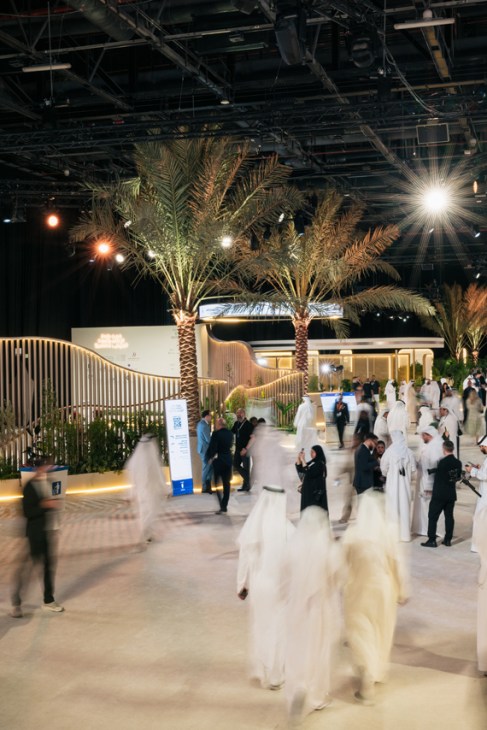
Syrian president Ahmed Al-Sharaa gave the opening address and also met journalists in a closed session – a coup for the summit. Private meeting spaces behind real palm trees gave ministers and business leaders the space to hold smaller conversations. Diplomacy here benefited from proximity.
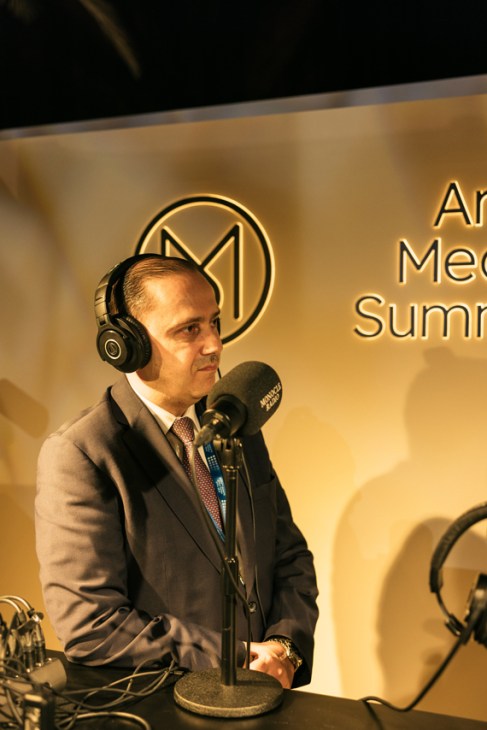
The Euronews Forum, the first held outside Europe, widened the exchange. UAE minister of economy and tourism HE Abdulla bin Touq Al Marri joined representatives from Azerbaijan and Georgia to discuss national narratives and the importance of consistent communication. Jordan’s minister of government communication, Mohammad Hussein Al Momani, also set out a practical test for officials speaking to the public. “There’s this historic balance between speed and accuracy,” he tells Monocle. “Getting information out quickly must not come at the expense of getting it right.”
A drive to improve
A ministerial roundtable brought further perspectives from Bahrain, Egypt and Syria. Al Momani argued that media organisations need space to make their own editorial decisions: a useful contribution to a discussion about how governments earn public trust.
There was a focus on updating rules for Lebanon’s minister of information, Paul Morcos. He described reforms designed to bring websites and digital publishers under legislation that had fallen behind the industry, including requirements for identifiable owners and editors, as well as a right of reply. “Nothing is perfect,” he says of the reforms, acknowledging the need to keep improving them.
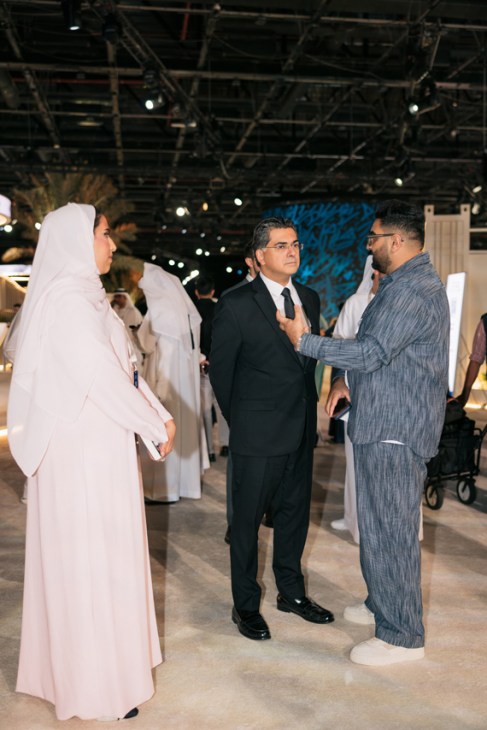
For Morcos, Arab Media Summit offered a chance to compare experiences with other countries and take home useful ideas. These exchanges gave the summit a purpose beyond the keynotes because officials could explain their priorities, journalists could question them, and both could hear how their counterparts approach similar challenges.
3. Earning your audience
A wider remit
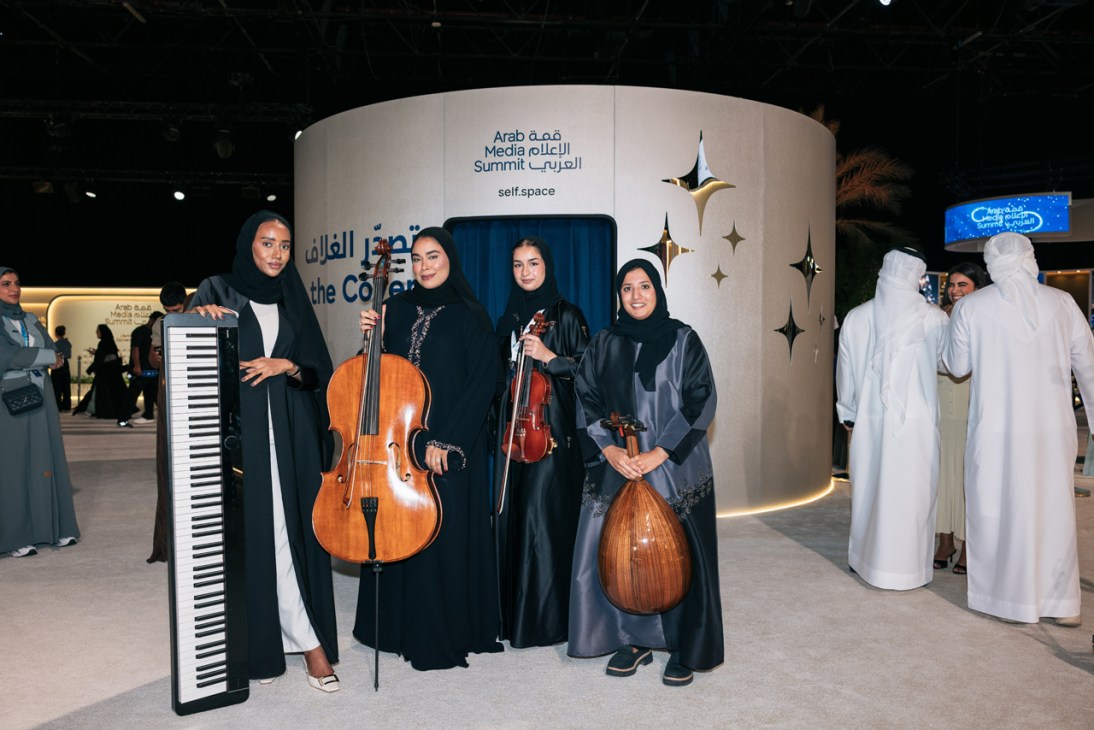
Arab Media Summit’s definition of “media” stretched from newspapers to cinema screens. Topics explored included the global reach of Arab films, television made for TikTok, and the responsibility of influencers dispensing health advice. In a session on building a global airline, Emirates Group chief marketing officer Boutros Boutros argued that effective use of technology depends on creative people who understand how to connect with an audience. The common thread was how to make their attention count.
The closing day saw Dubai Media Council announce that the Dubai International Film Festival (DIFF) would return for a 15th edition in 2027 – the first after a decade’s absence. Alongside screenings, DIFF’s new remit includes connecting filmmakers with producers and investors, supporting emerging talent, and helping regional stories reach global audiences.
Trust in judgement
One recurring theme was the importance of human judgement in journalism. “If you’re a media outlet, then you have a much bigger responsibility to ensure that the content is right and you’re not misleading people,” says Rashid Al Marri, CEO of the media regulation sector at Dubai Media Council, pointing to the challenges posed by AI-generated footage.
Richard Fitzgerald, founder and CEO of Augustus Media, applies that responsibility to publishing on social platforms. His Lovin network makes sense of life in more than 20 cities, via news, traffic updates and material shared by residents. “We try and curate the noise,” he says, emphasising the value of hiring trained journalists. If new platforms create opportunities, Arab Media Summit’s discussions made clear that editorial judgement, creative talent and an understanding of your audience give those opportunities substance.