Welcome to Jing’an, the heart of Shanghai

Under the eaves and gables of Jing’an Temple, the most charming district in Shanghai unfolds. The tolling thousand-year-old temple bells, the creative hustle and bustle, a refined lifestyle and vibrant trends all converge in the heart of the city.

Jing’an sits at a critical juncture between disintegration and reconstruction. While pulsating with the strongest economic heartbeat, it also possesses an obsessive inclusiveness. This is a place where you can sip cold brew on the terrace of Jing An Kerry Centre (JAKC) and keep pace with global trends or smell steamed buns freshly baking to generational recipes in the old lanes. Likewise, local daily life and international fashion find equal footholds in Jing’an.
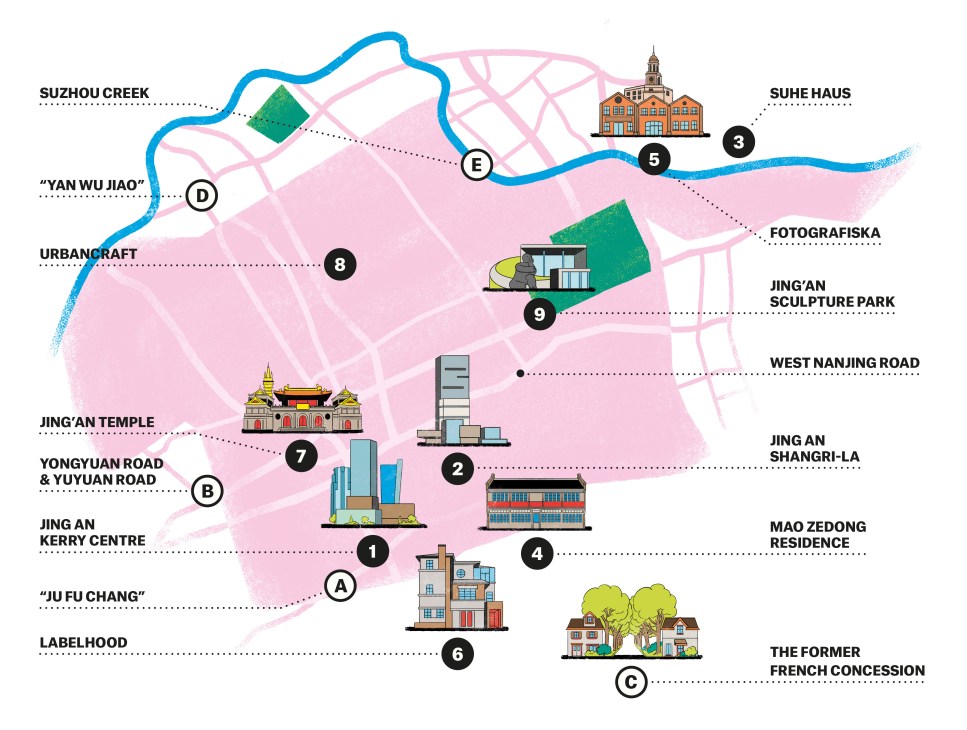
Central highlights
1.
JING AN KERRY CENTRE
1515 Nanjing Road
Shanghai’s West Nanjing Road is an elegant shopping street to rival Fifth Avenue or the Champs-Élysées, where all of life plays out against a backdrop of cutting-edge department stores and traditional early 20th-century architecture.
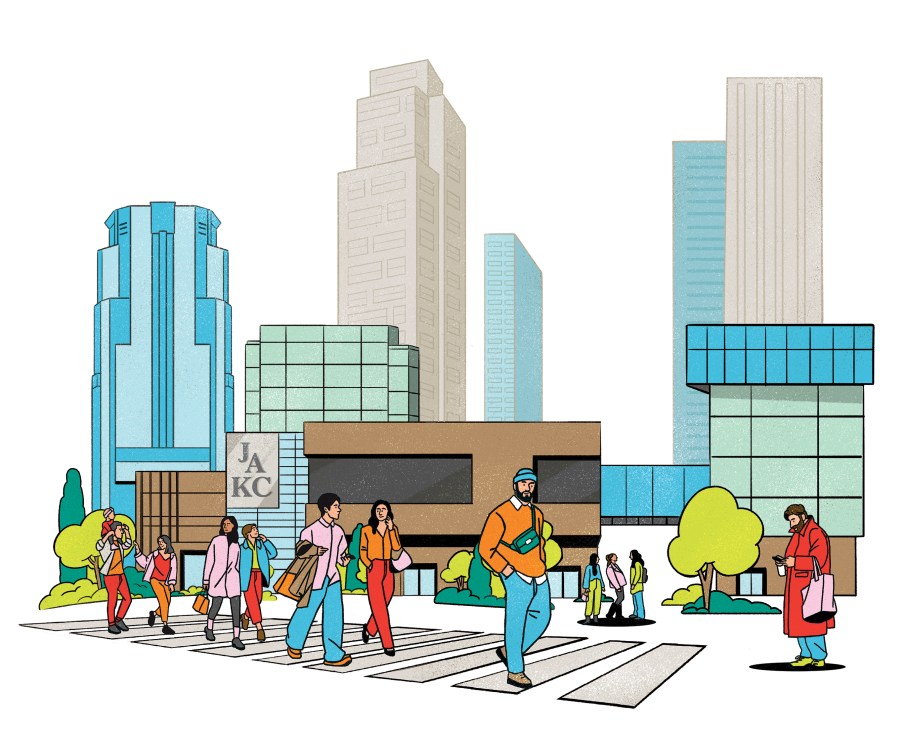
Taking pride of place here is Jing An Kerry Centre (JAKC). Shanghainese call it the “centre of the universe”, a light-hearted description that precisely captures its charm. JAKC is not an exclusive luxury palace but an organic urban community, ideal for observing contemporary life in Shanghai. It also has premium dining and outdoor sports spots – including summer pop-up events – that make this a popular contemporary destination with discerning locals. Casa Loewe Shanghai, opened in 2025, is one of the anchors. The exterior of the brand’s largest boutique in Asia is paved with handcrafted ceramic tiles and contains artworks by the likes of Isamu Noguchi and Han Dong. In addition to luxury stalwarts, young brands – like Brompton cycles, golf lifestyle brand Malbon and Japanese select shop United Arrows – provide a further pull to the “centre of the universe”.
Above the podium building, three A-grade office buildings contain Shanghai’s most concentrated pool of vibrant creative communities. Kinetic, a shared space designed for meetings and relaxation, is incorporated into the fabric of the centre, while the ShineWith sports community promotes wellness and healthy living.
2.
JING AN SHANGRI-LA, SHANGHAI
1218 Yan’an Road
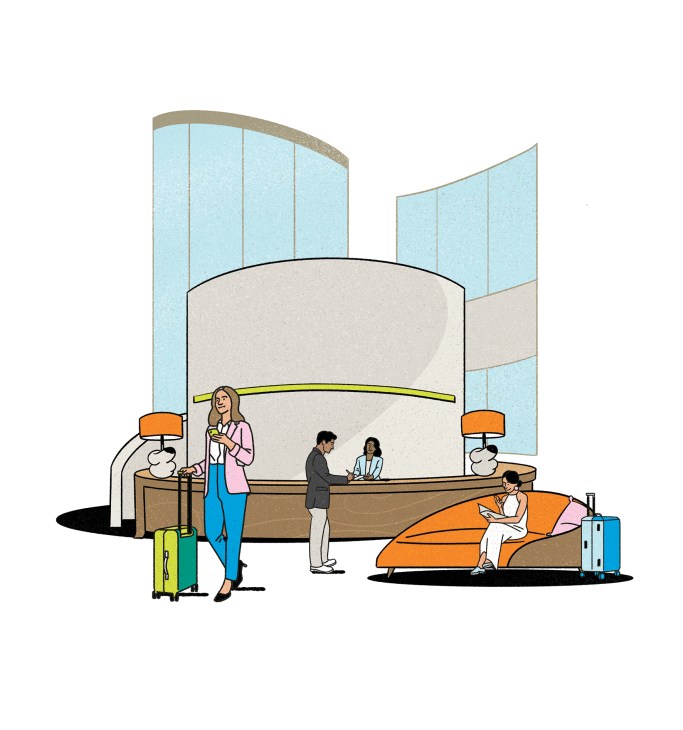
Above the “centre of the universe”, Jing An Shangri-La, Shanghai occupies the top 29 floors of this 60-storey building, offering a perfect vantage point for observing Shanghai below. The eaves of Jing’an Temple, the neon lights of Nanjing Road and the ever-changing street scenes all converge through the floor-to-ceiling windows to form an impressive perspective on the City of Dreams. The charm of the hotel lies in its meticulously refined details. The spacious and elegant suites are transformed into private contemporary residences. The restrained design is subtle, yet worthy of careful appreciation.
Dining is another big draw. The Summer Palace serves Shanghainese and Cantonese cuisine in colourful “dining chambers” designed by architect Andre Fu. The 1515 West Chophouse & Bar, the Japanese-influenced Tsuru and the Calypso Restaurant & Lounge further cater to wide-ranging tastes and palates. The latter, designed by architect Shigeru Ban, features a glass box surrounded by bamboo groves, making it the most contemporary expression of Asian aesthetics in the city
3.
SUHE HAUS
30 Wen’an Road
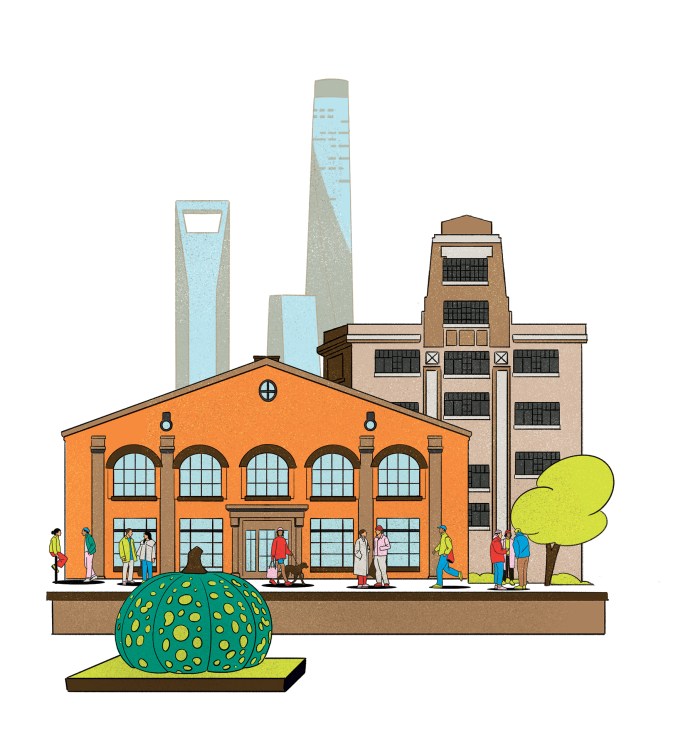
A former warehouse of the China Industrial Bank is now an 8,000 sq m art and creativity centre. This historical building in the art deco style gathers galleries, creative institutions and interdisciplinary practices in an open, collaborative manner. Here, the historical structure becomes a container for contemporary creativity, as each dialogue redefines the boundaries of art.
4.
MAO ZEDONG RESIDENCE
63 Anyi Road
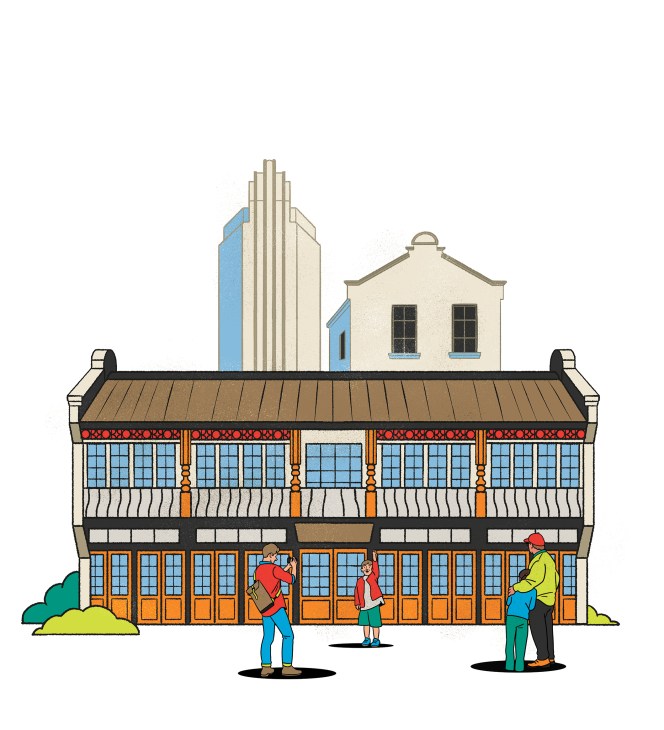
Mao Zedong stayed at this address, part of a humble two-storey Shikumen (or “stone gate”) house, as a young man in the summer of 1920. During this period of intense study, China’s future chairman paid many visits to Chen Duxiu to discuss Marxist principles, sowing the seeds for the formation of the Communist Party of China (CPC). Today Mao’s restored abode serves as a modest museum, with personal objects and historical documents reflecting his time there.
5.
FOTOGRAFISKA
127 Guangfu Road
This photographic art institution originated in Stockholm 15 years ago; its first Asian branch opened on Suzhou Creek in 2023. Set in a century-old warehouse, the 4,600 sq m, four-storey space retains the texture of brick walls and industrial remnants yet accommodates the work of the world’s top photographers. By opening until late at night, Fotografiska succeeds in making art an extension of daily life. The first-floor restaurant, Mona, mixes European flavours with Eastern spices – definitely worth a visit.
6.
LABELHOOD
184 Fumin Road
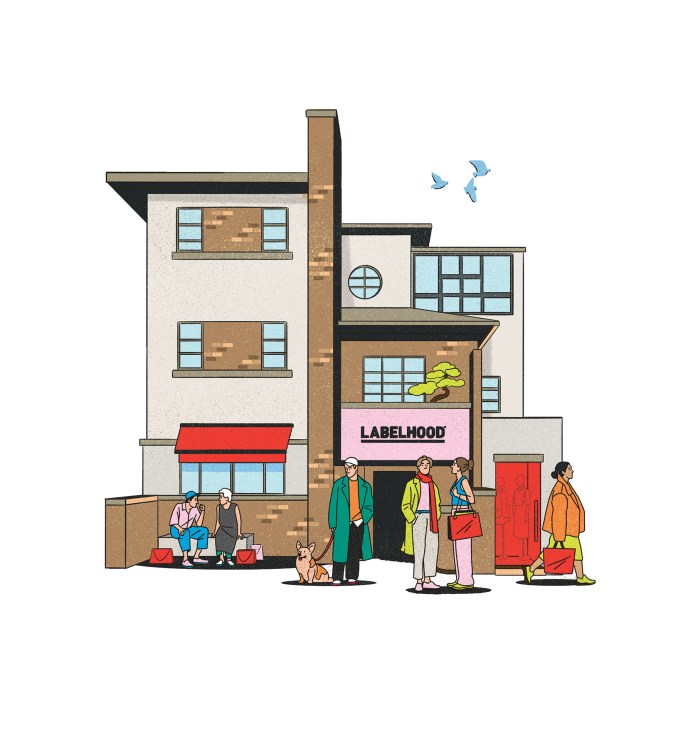
A witness to China’s independent design journey over the past 10 years, nearly 400 designers can be seen here. From the It girl fashion of Shushu/Tong to the Eastern narratives of Samuel Guì Yang, the brands at Labelhood make this not only a retail outlet but also a community ecosystem with its own cultural identity. It is enabling Chinese design to take root in the domestic market and gradually expand to the world.
7.
JING’AN TEMPLE
1686 Nanjing Road
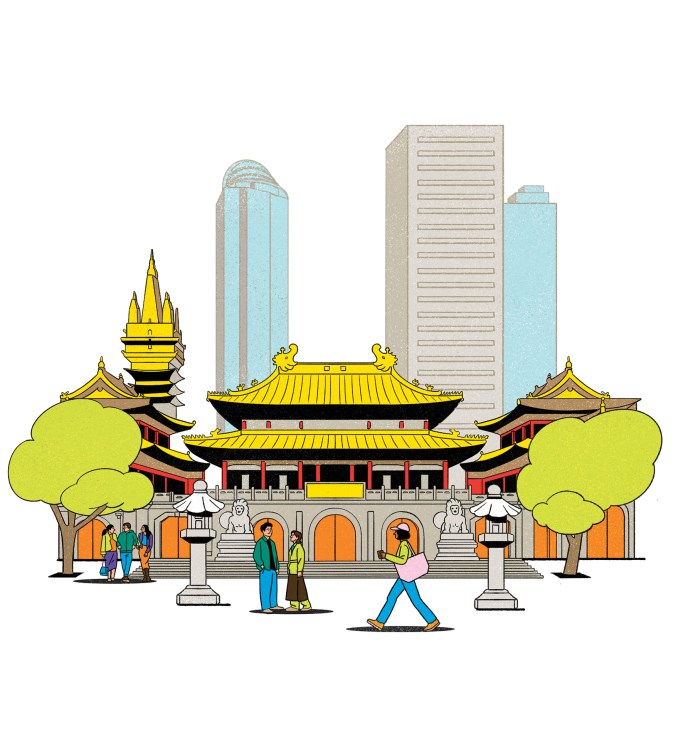
The oldest Buddhist temple in Shanghai dates to the Three Kingdoms period, some 1,800 years ago. The complex features a layout of a temple at the front and a pagoda at the back. The dougong brackets in the Great Buddha Hall are in line with the architectural style of the Ming dynasty. It houses an original manuscript of Wen Zhengming’s epic poem Pipa Xing and just outside the temple gate is the bustling West Nanjing Road.
8.
URBANCRAFT
55 Yuyao Roa
Furniture designer Li Ximi’s workspace and showroom is also a manifestation of his “contemporary, direct and pure” aesthetic philosophy. From the Triangle series to the Monochrome collection, Ximi uses interesting metals and a distinctive geometric language to respond to the lifestyle of urbanites. Through this simple and interesting furniture, design becomes usable art.
9.
JING’AN SCULPTURE PARK
500 Beijing Road
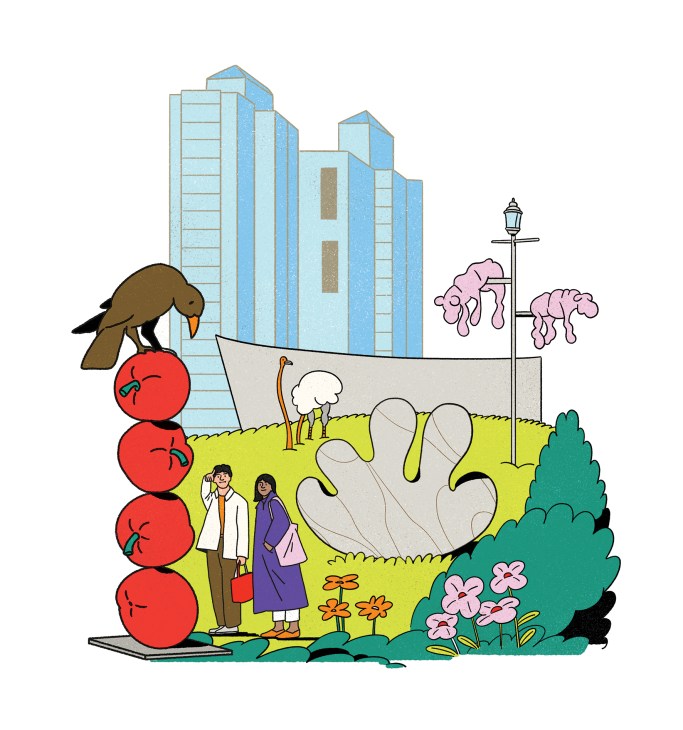
This welcome green space provides a curious setting for sculptures and plants to engage in a dialogue. Contemporary works by world-renowned artists are scattered throughout, blending the classical charm of the Plum Garden with the abstract language of modern sculptures. This is a rare place for breathing in the heart of Shanghai, and it is also a gentle attempt to bring art into daily life.
Wider neighbourhoods
Base your visit in Jing’an and the very best of Shanghai is within easy reach: the depth of culture, the heat of business, the warmth of daily life. Jing’an is not only the city’s beating heart, but also a district that serves as a convenient springboard for further exploration of many vibrant surrounding enclaves.
A.
“JU FU CHANG”
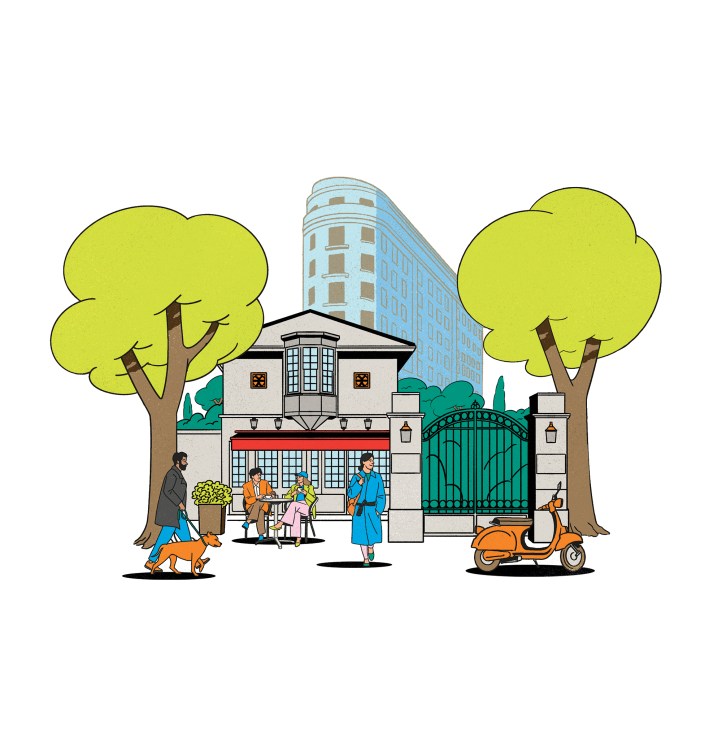
The area formed by Julu Road, Fumin Road and Changle Road, a patch of plane tree groves, is Shanghai’s version of Marais – it’s the traditional residential area of the city, with many beautiful buildings like the “Garden of Psyche” by László Hudec, which is now the Writers’ Association. Boutiques and galleries are hidden in these old mansions, while young people sit by the roadside and clothes dry in the alleys.
B.
YONGYUAN ROAD AND YUYUAN ROAD
Yongyuan Road is a new culinary hotspot: the casual Aster and the Provence-style Crow Jane are neighbours. The parallel Yuyuan Road is filled with the scents wafting from cafés. Here, the old and the new create a captivating tension: the concept store Randomevent is at the entrance of a local lane, while USM’s modular furniture shares a street with the Shanghai-style Clotheslines.
C.
THE FORMER FRENCH CONCESSION
The sycamore tree is an everpresent fixture of the Former French Concession, Shanghai’s most walkable neighbourhood. Turn into any side street from Huaihai Middle Road and encounter European-style red-brick houses, hidden cafés and street corners smoothed by the passage of time. There are no fixed attractions here – walking is the purpose, with every step taken at the junction of history and daily life.
D.
“YAN WU JIAO”
The area formed by Yanping Road, Wuding Road and Jiaozhou Road is a unique blend of globalised atmosphere and vibrant local alleys, where industrial remnants and design boutiques are seamlessly integrated. The 414 Towel Factory is a minimalist gathering spot for creatives, while Freitag built its community store here following principles of circularity.
E.
SUZHOU CREEK
The centre of art in the city is slowly shifting from the West Bund to the banks of Suzhou Creek. Galleries big (the global chain Fotografiska – see 5) and small (including the spaces within Suhe Haus – see 3) have settled in century-old warehouses, bringing life to the area until late at night. The creek is encouraging a new creative flow – from M50 to UCCA Edge, this waterfront art community is redefining the cultural landscape of Shanghai.