World Governments Summit 2026: Shaping our global future
In February, WGS 2026 saw thought leaders and heads of state gather in the UAE for three days of constructive dialogue. Here are our eight takeaways.

1.
A new era is here
From HE Mohammad Al Gergawi’s opening keynote, the theme of WGS 2026 – “Shaping Future Governments” – felt less like a slogan than a working brief. The chairman framed the conversation around “a new kind of humanity”, one shaped by the way we live, think and connect. “After every revolution, there is a redefinition of a government,” Al Gergawi told delegates as he challenged institutions to ask a simple question: “Are governments designed for the man of tomorrow or the man of yesterday?” He credited four forces – AI, brain sciences, advanced medicine and digital environments – with affecting how people work and experience life. What distinguished his address was a sweeping, almost philosophical agenda. Government, Al Gergawi said, must evolve beyond bureaucracy to serve human potential.

2.
Dialogue has a new home
From Europe to Africa to Southeast Asia, leaders repeatedly pointed to the UAE’s role as a trusted convener. The summit’s credibility lies in neutrality and repetition: showing up year after year, building relationships and keeping channels open. In a polarised world, Dubai has become a place where disagreement does not preclude conversation.
3.
New places to speak
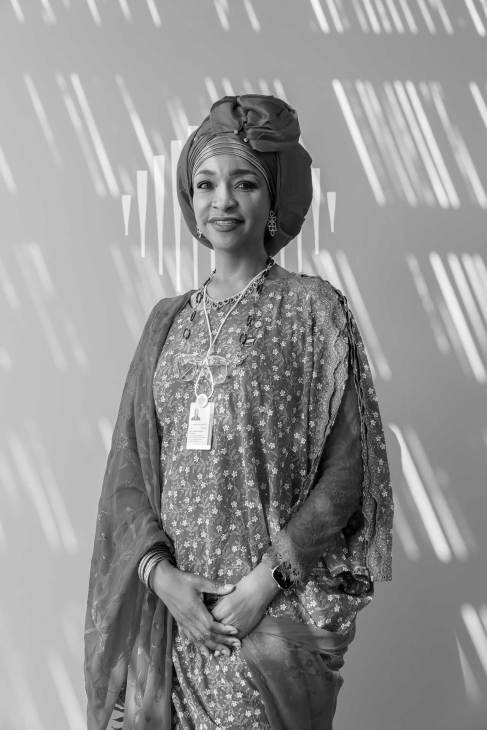
If WGS 2026 had a defining characteristic, it was movement. Diplomacy rarely took place behind lecterns or closed doors; it happened in transit, between sessions. Latvia’s prime minister was spotted deep in conversation with her Estonian counterpart over coffee, making use of the informality that the summit encourages.
4.
Mass participation is key
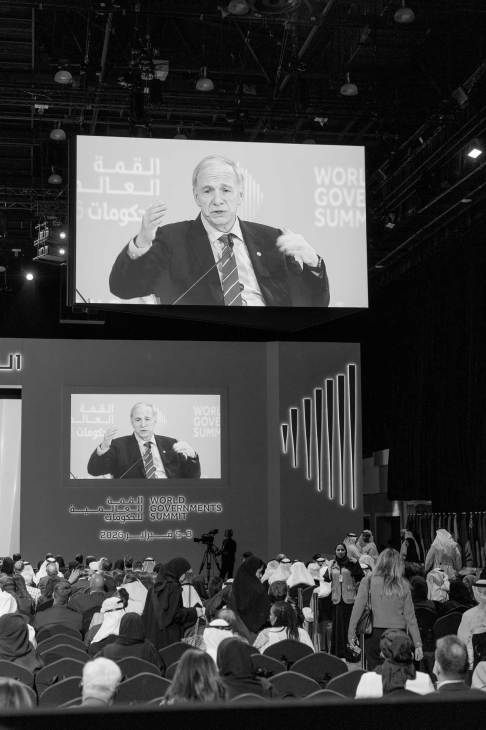
The largest WGS to date brought together delegations from more than 150 governments and organisations. The scale mattered: it reinforced the summit’s claim to be genuinely international, with voices from the Global South as prominent as those from established power centres.

5.
A confidence emerged
Sessions on economic reform and south-south cooperation featuring Latin American, African and Caribbean leaders underlined a shift in emphasis: confidence rather than defensiveness. Venezuela’s message – open for business and seeking diversification – was emblematic.
6.
Smart visuals matter
The launch of WGS Blue, developed with the Pantone Color Institute, was more than branding. “Colour is language,” says the institute’s vice-president, Laurie Pressman. “It communicates trust, clarity and optimism before a word is ever spoken.” In a summit built on dialogue, it was a reminder that how governments communicate matters as much as what they say.
7.
Artificial optimism
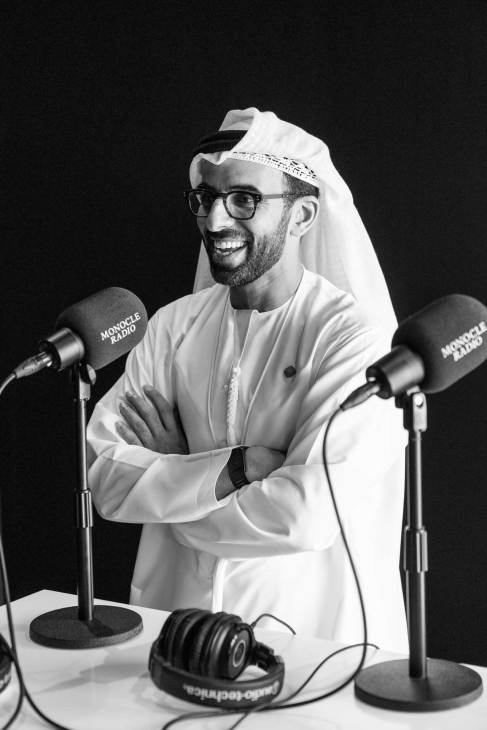
More than a buzzword, AI was a policy priority with real implications at WGS 2026. Discussions shifted from speculative fear to operational design, with governments, business leaders and technologists debating what effective AI governance means for public services, economic productivity and sovereign capability. HE Omar Al Olama, the UAE’s Minister of State for AI, framed this pivot in practical terms. For him, AI has already transitioned from future promise to present system: it’s in public services and national strategies alike. While Al Olama noted elsewhere that AI is “an opportunity for humanity to be better”, he stressed the need for readiness over rhetoric.
8.
Mobility is going underground
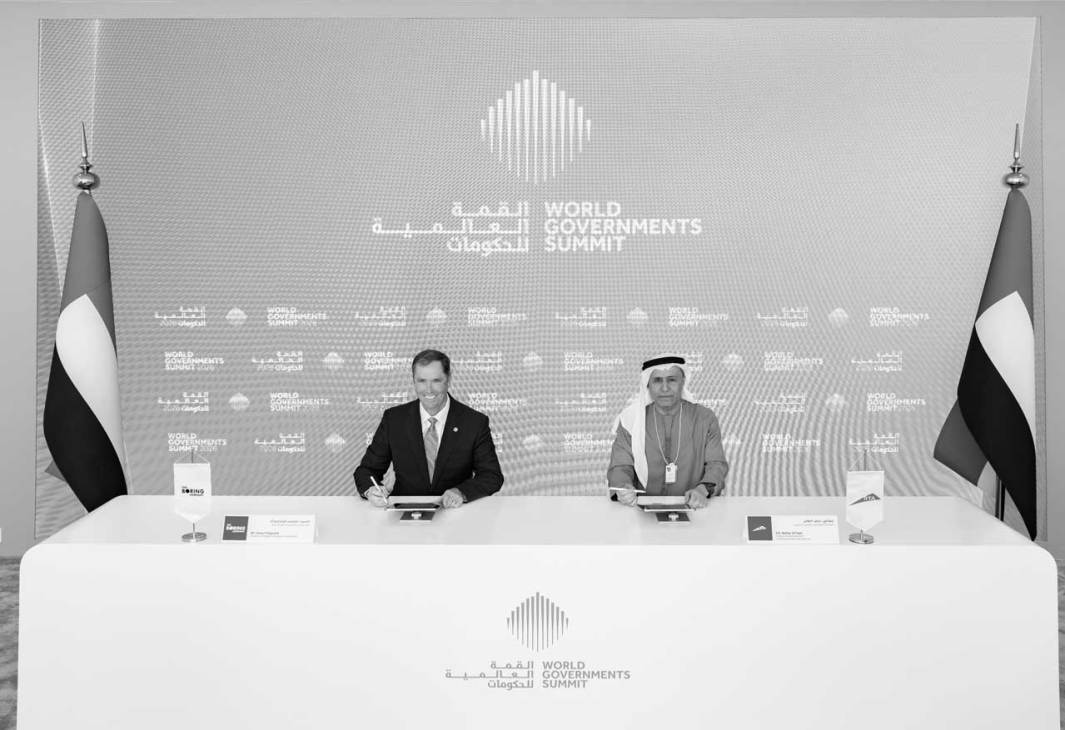
Infrastructure announcements cut through the noise. An agreement with Elon Musk’s The Boring Company to advance the Dubai Loop underground project signalled a continued appetite for bold urban experimentation. High-speed, underground transport was presented as a practical response to density and sustainability.
Find out more at worldgovernmentssummit.org.