Alpino
Ski in style: 20 pieces to keep you chic and warm on the slopes
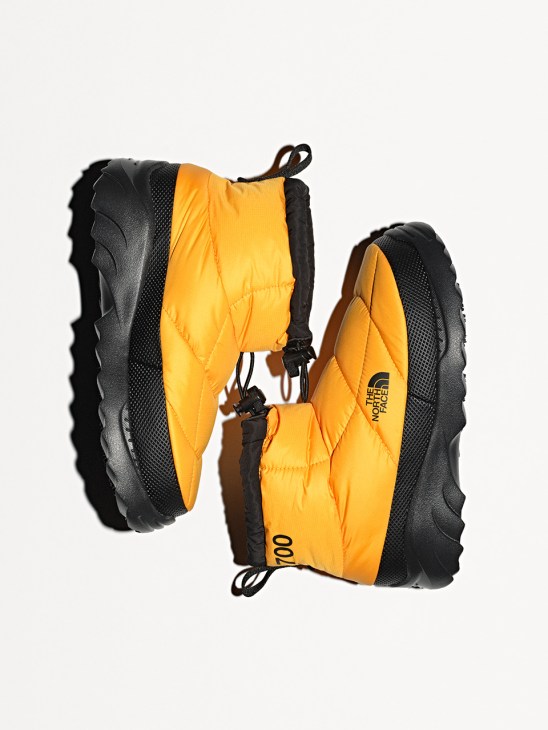
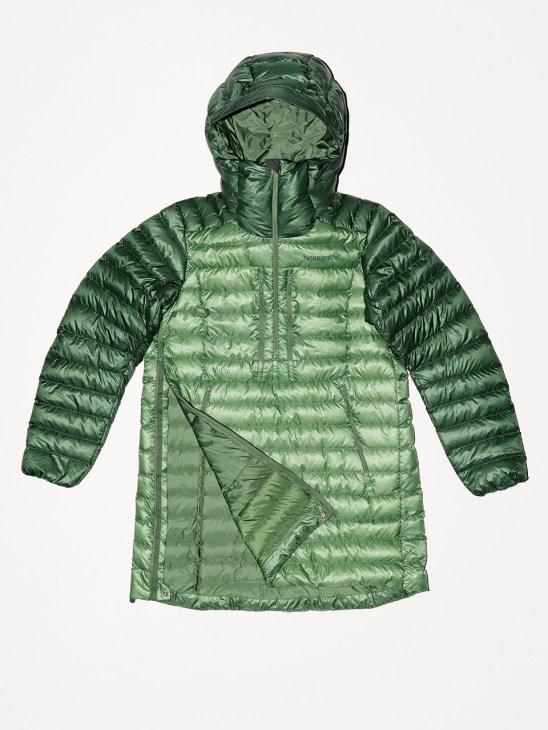
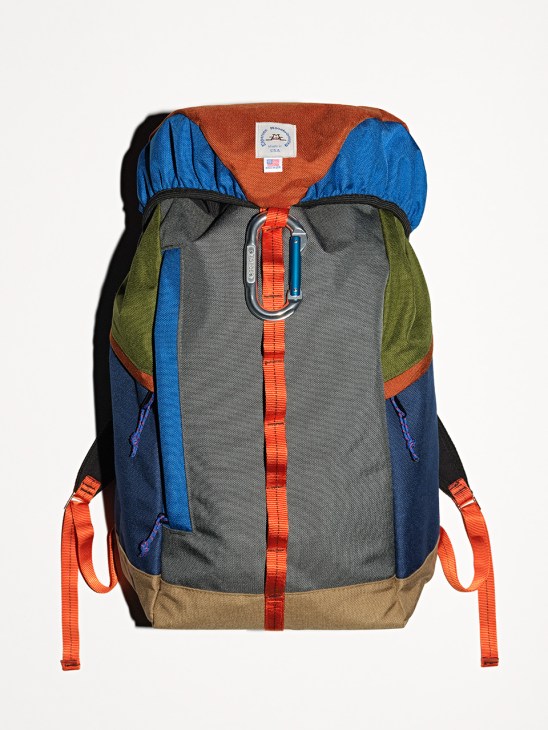
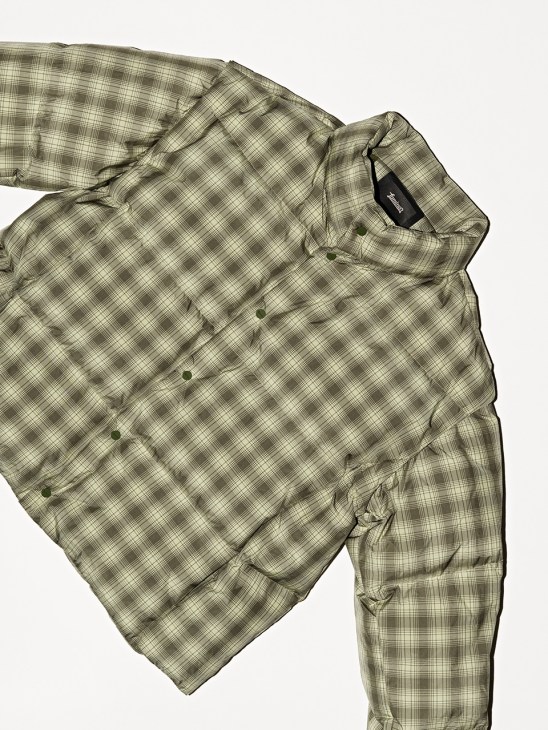
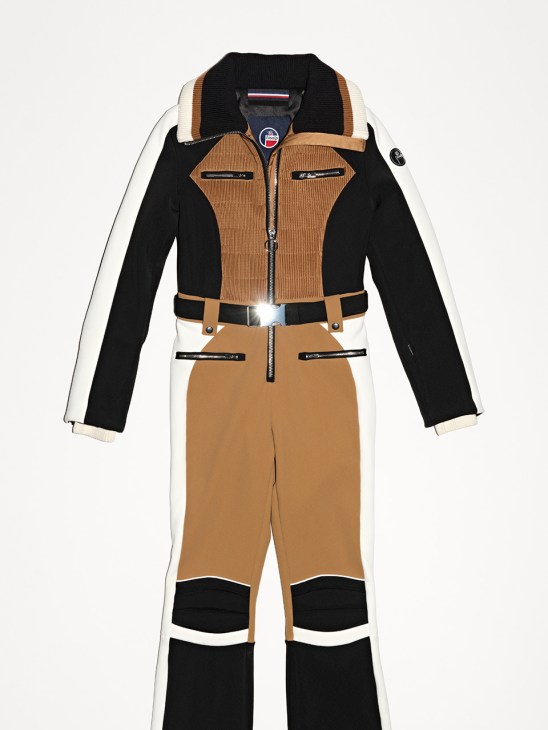
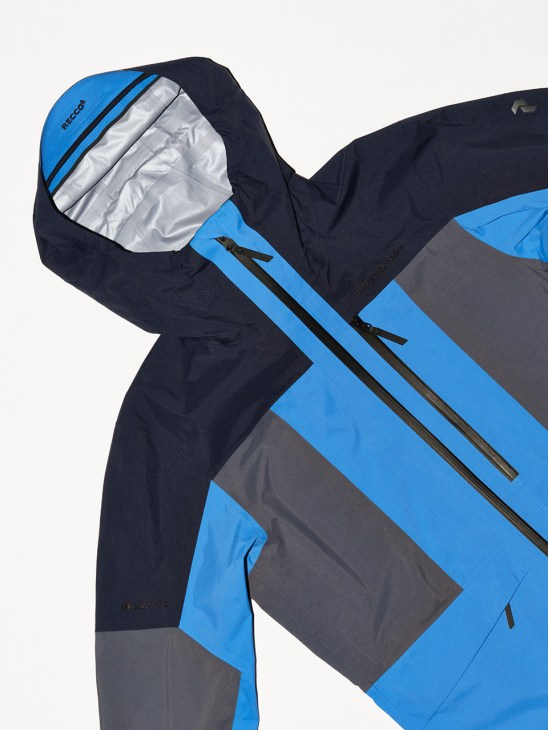
Check mate: This waterproof number by Laminar, Italian luxury brand Herno’s technical-wear line, will keep you cosy in style.
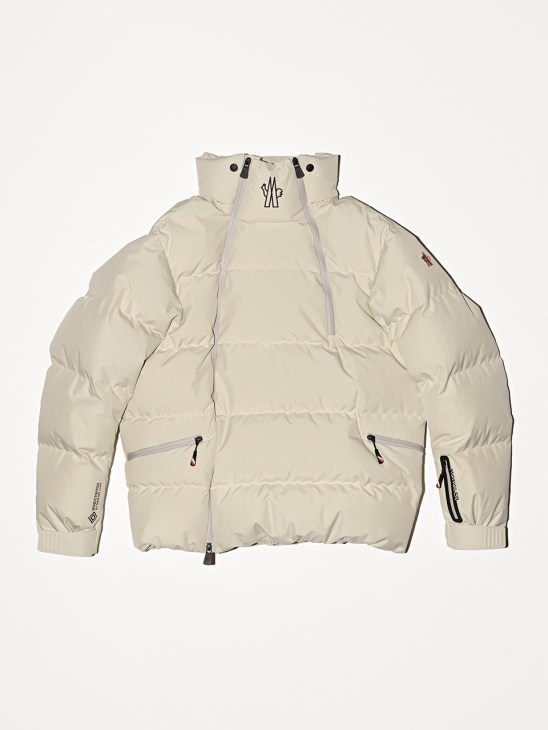
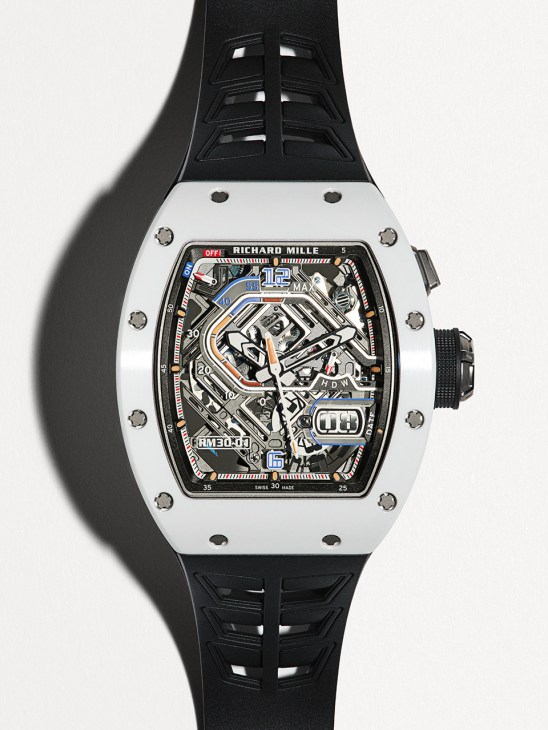
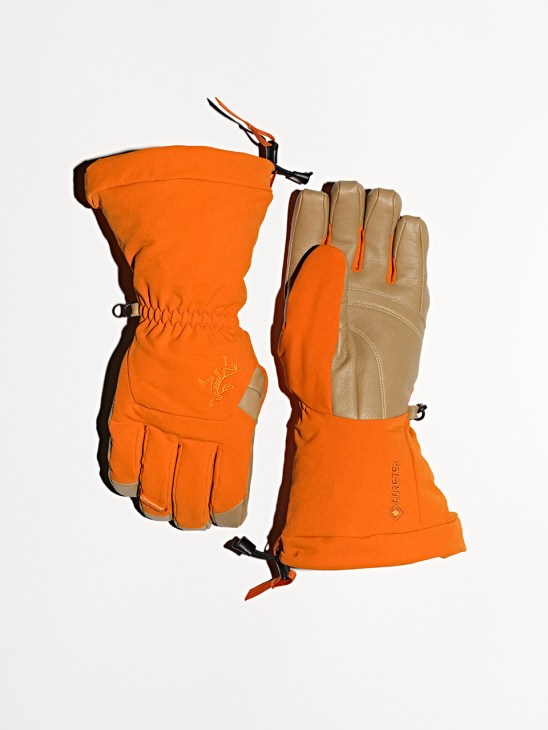
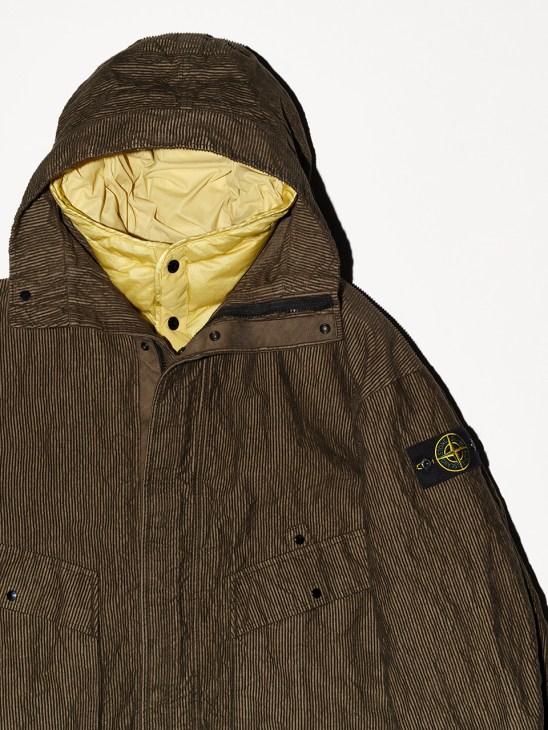
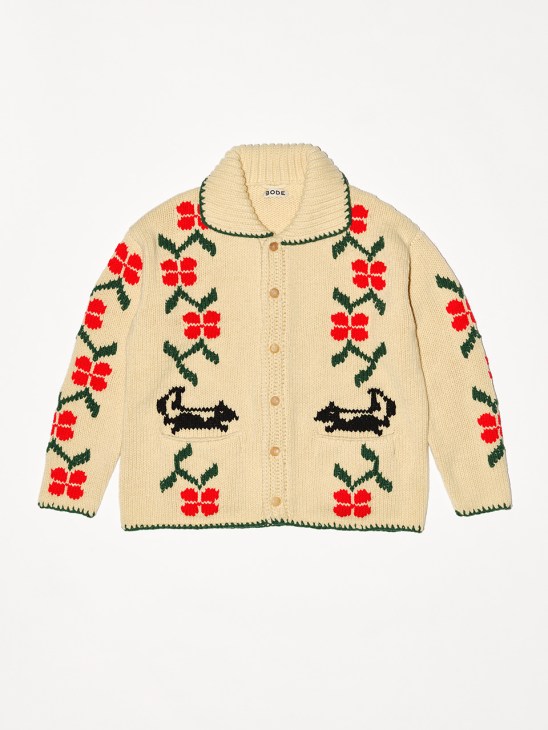
Bundle up: In winter, two layers are better than one – and we have our eyes on this jacket with an integrated shell.
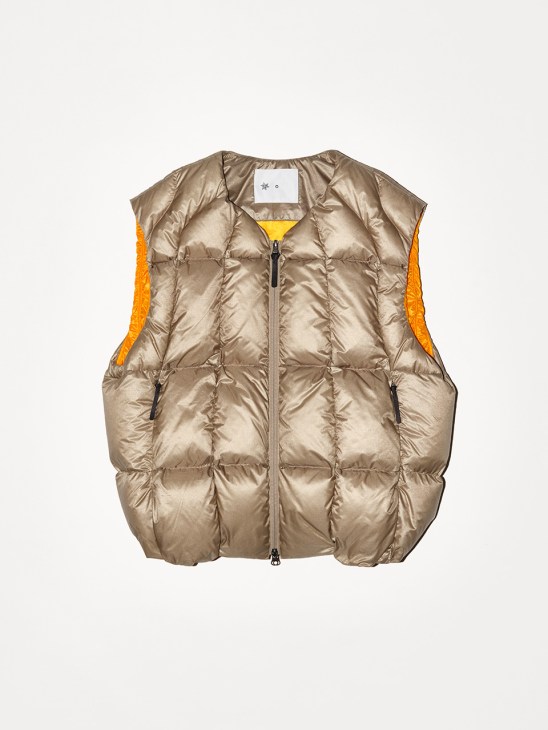
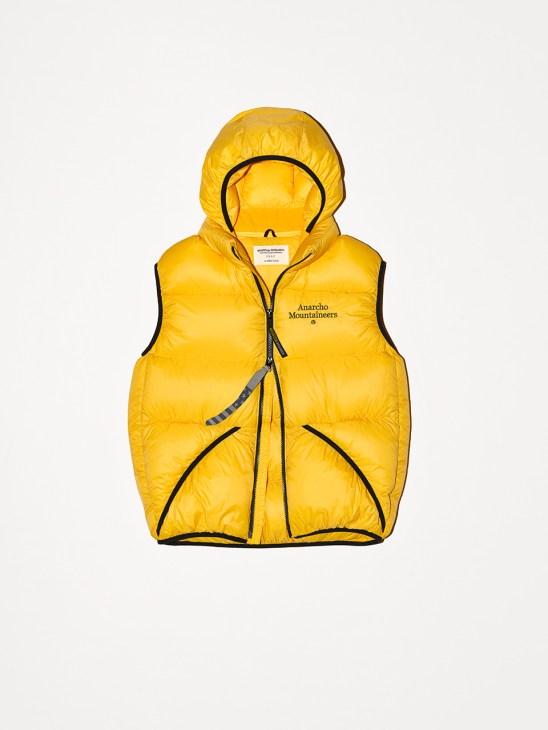
Double down: With its origami inspired construction, this down vest will work hard to keep you warm to your core.
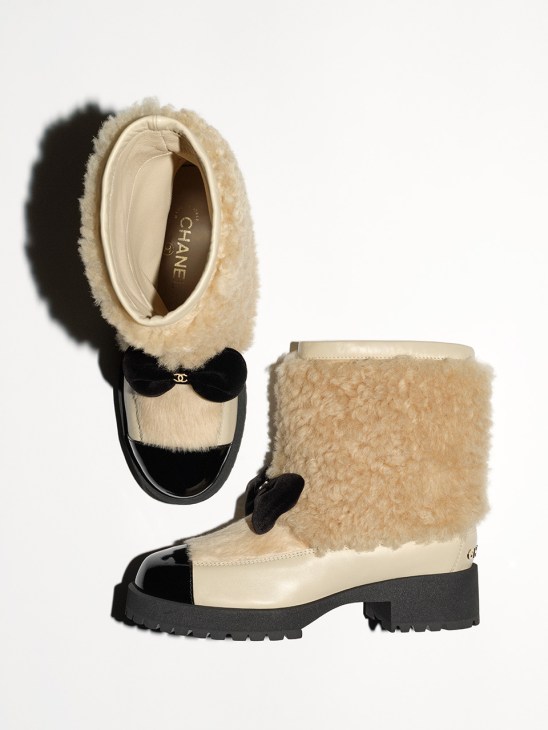
Snow bunny: Inspired by Gabrielle Chanel’s love of mountains, these shearling lambskin boots deserve to be shown off at après-ski.
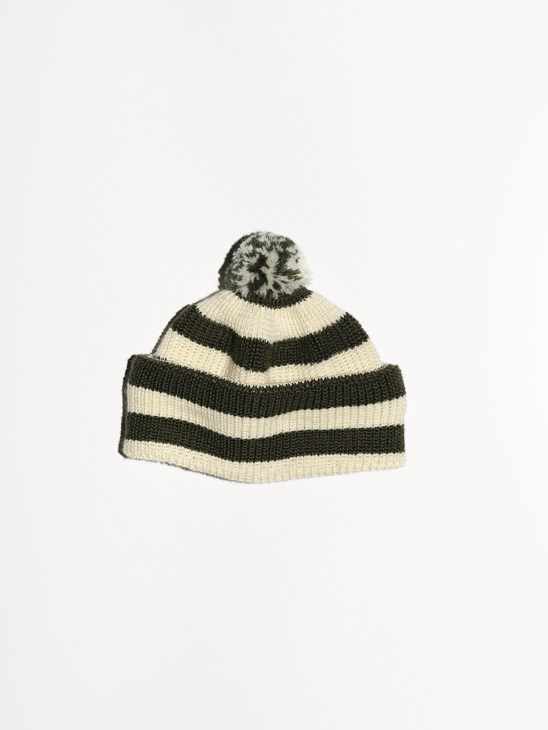
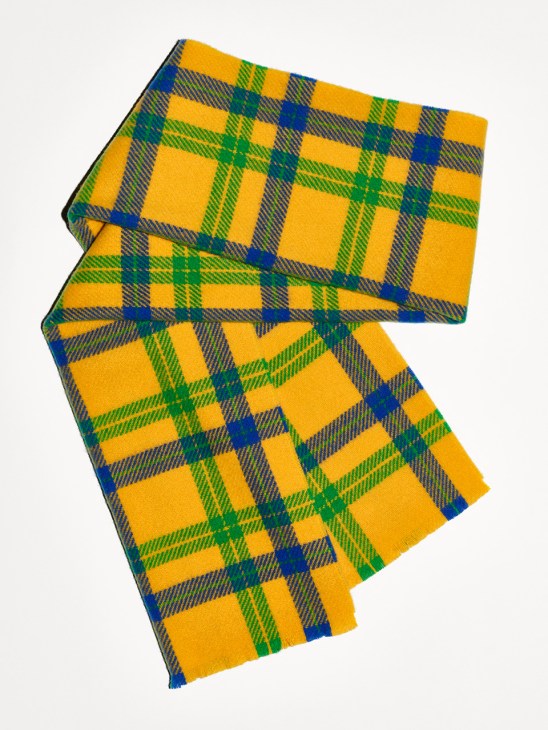
Earn your stripes: Keep your head (and ears) covered with this cream-and-green knitted topper.
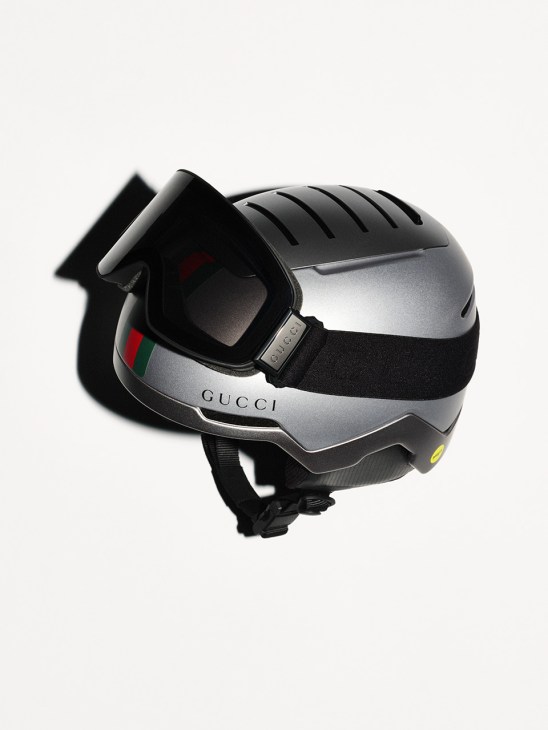
Put a lid on it: This stylish helmet marries lightweight durability with seamless goggle integration.
Ten iconic European design pieces to cosy up your living space this winter
1.
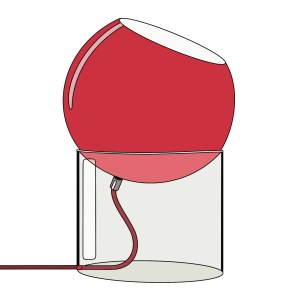
Topan VP13 lamp
by &Tradition, Denmark
The distinctive Topan VP13 lamp by designer Verner Panton was conceived in 1959 as a pendant. This tabletop version by &Tradition retains the original’s sculptural appeal.
2.
Trio of stools
by Vitra, Switzerland
This Charles and Ray Eames trio once furnished the lobbies of the Rockefeller Center in New York. With nipped-in silhouettes, in chestnut or walnut, the 1960 design is ageless.

3.
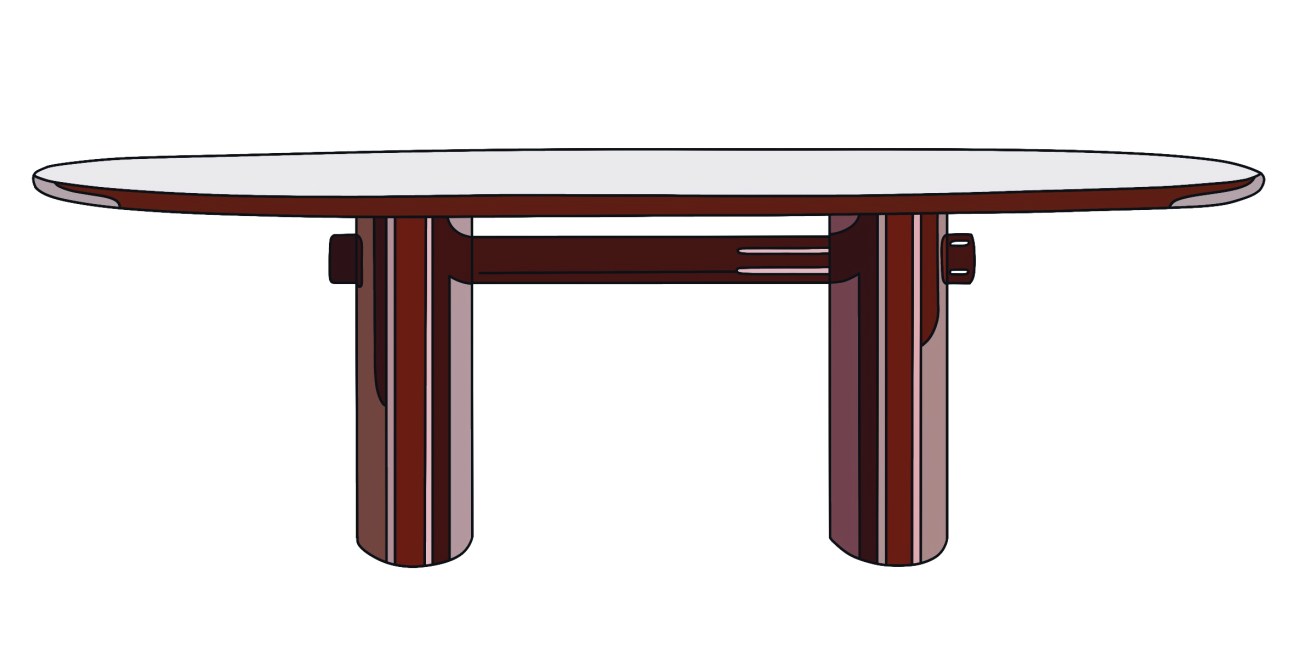
Torii Love dining table
by Tacchini, Italy
For this lacquered table, Milan-based Studiopepe was inspired by the stately and sculptural language of Japanese torii gates. It will bring a welcome sense of ceremony to your mealtimes.
4.
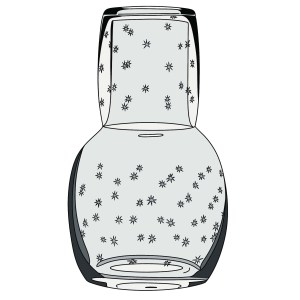
Crystal carafe set
by The Vintage List, UK
Made in the UK, this carafe set is dotted with hand-engraved stars. We suggest keeping one as a twinkling bedside companion or in the office to keep you rehydrated throughout the day.
5.
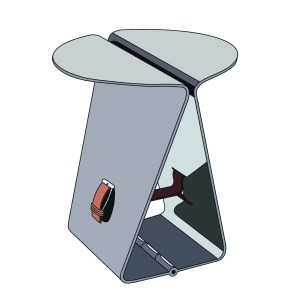
Soho side table
by Fendi Casa, Italy
The design branch of the Italian luxury fashion house tapped Milan-based Toan Nguyen to create its Soho series. This leather side table, with buckled side straps, speaks to Fendi’s heritage and house codes.
6.
Vanguard lounge chair
by Studio Brocky, UK
The glam-rock flair of this low-slung armchair is no accident – it borrows its shape from electric guitars. Its seat is upholstered in a rich crimson velvet and rests on a polished chrome base.

7.
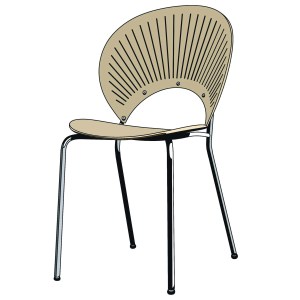
Trinidad dining chair
by Fredericia, Denmark
For the elaborate, cut-out back of this chair from 1993, Danish designer Nanna Ditzel looked to the fretwork of the “gingerbread-style” architecture found in Trinidad and Tobago.
8.
Medallion chair
by Dagmar, UK
Designed in 1952 by Danish duo Nils and Eva Koppel for Slagelse Møbelvaerk, this sculptural armchair now has a new lease of life, thanks to UK manufacturer Dagmar.

9.
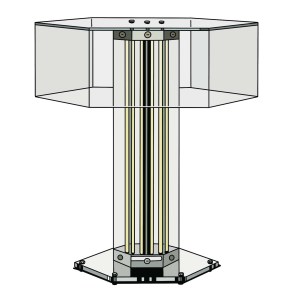
Superwire T table lamp
by Flos, Italy
For this light, Milanese design studio Formafantasma worked closely with the R&D team at Flos to develop a new type of thin, flexible LED strip that emits a warm glow. The best part? The strips are easy to remove and repair, ensuring longevity for this glass-and-aluminium piece.
10.
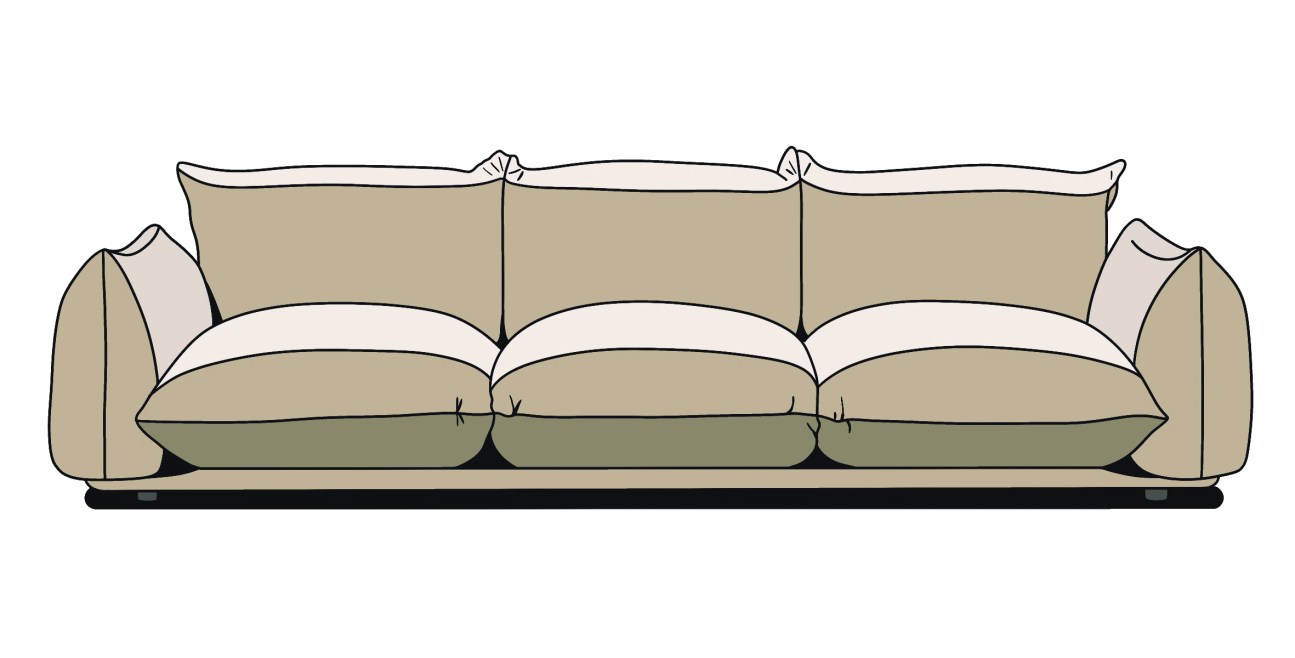
Marenco sofa
by Arflex, Italy
This 1970 design by Mario Marenco is everything that a sofa should be: plush, stylish and roomy. More than half a century old, it remains a design classic.
Illustrations: Ana Popescu
How Devaux & Devaux revived Mont Salève, the iconic 1930s cable-car station above Geneva
Sitting at a height of 1,100 metres, the Mont Salève cable-car station might technically be located in the Haute-Savoie region of France but the area is commonly referred to as “the balcony of Geneva”, thanks to the views of the Swiss city and the surrounding lake that it offers.
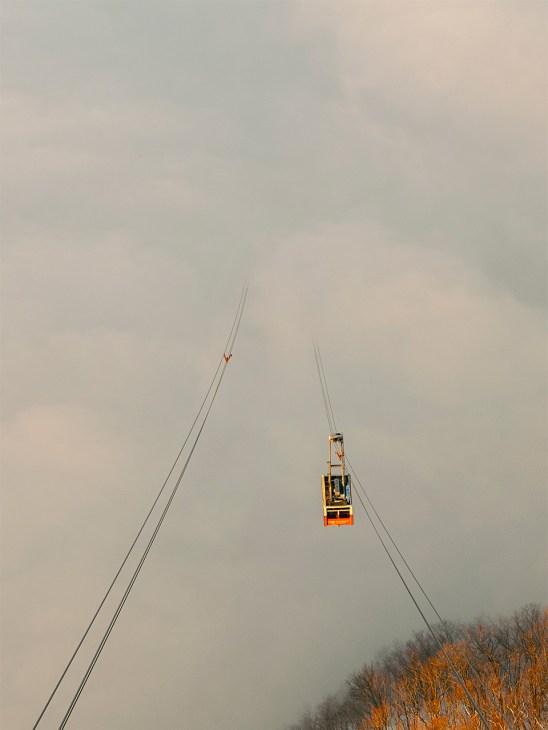
Dreamed up by Swiss architect Maurice Braillard and built in 1932, the station was resurrected last year after extensive work by Paris-based architecture firm Devaux & Devaux Architectes (DDA). “It’s a very poetic project because, all the way up there, you’re suspended between the sky and the ground below,” says DDA’s founder, David Devaux. “It’s a type of architecture that doesn’t really touch the ground. When you’re in the building, you feel as though you’re flying through the clouds.”
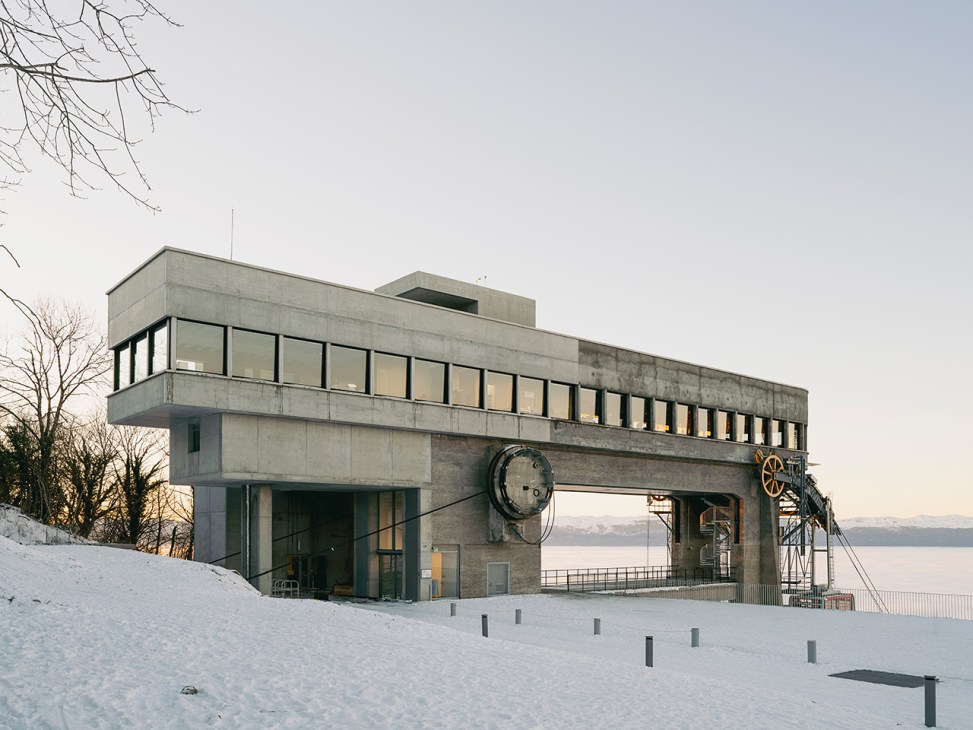
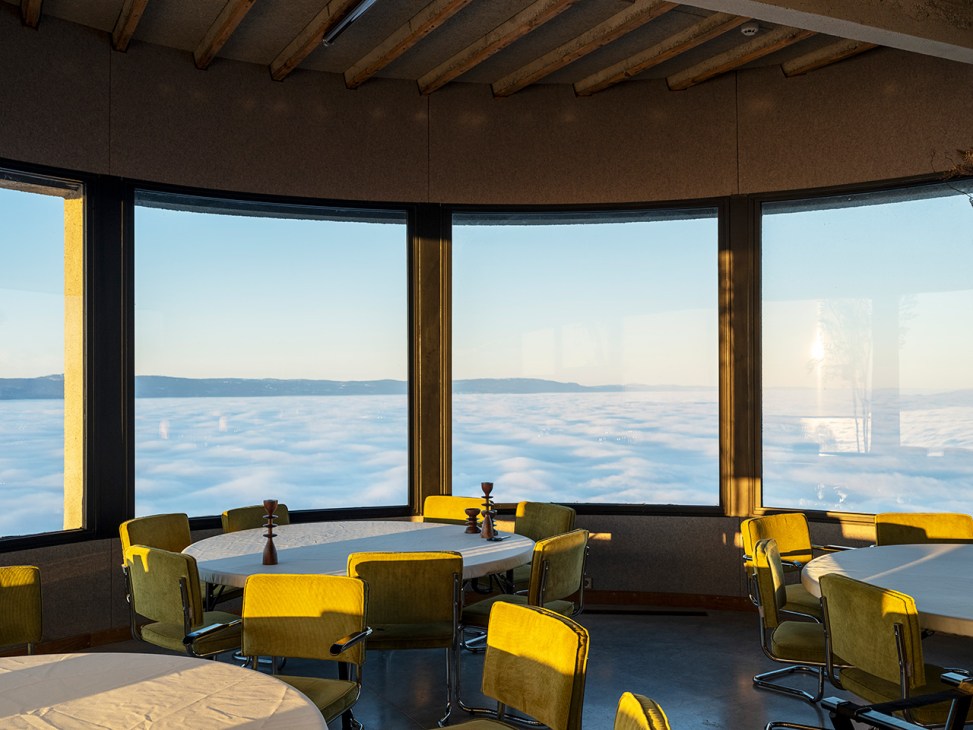
With his partner, Claudia Devaux, David won a competition in 2018 to restore the structure to its former glory – as well as going one step further. Today, a climbing wall on the western side of the building, an exhibition space, coffee shops on the ground floor and on the top level terrace, as well as a restaurant with panoramic views offer a wide range of visitor experiences.
However, hikers, paragliders and climbers on their way to the great outdoors can simply bypass these facilities if they want to. “It was important for us to provide direct access to the mountains without people having to pass through an exhibition or a gift shop,” says David, before adding that the strength of the project lies in the station’s inherent role as a piece of infrastructure that requiring the use of a car.
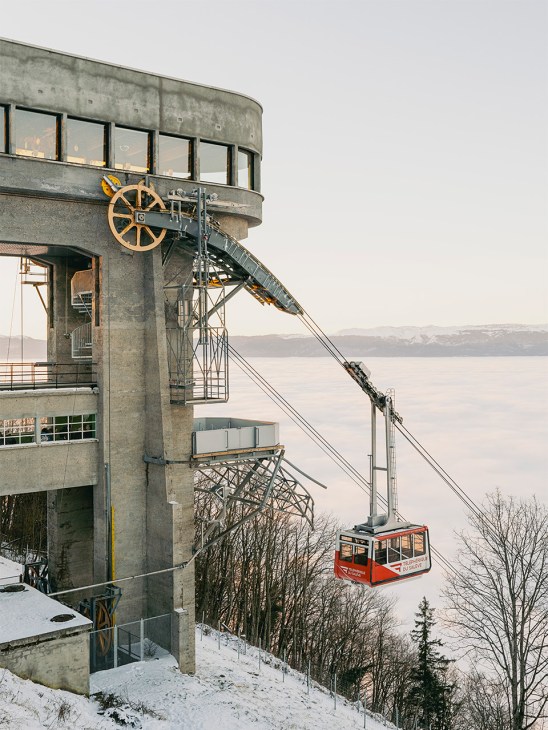
A key goal of the restoration was to reveal the original concrete façades from the 1930s that had been covered up in the 1980s as part of a preservation effort. “It was an atypical project in many ways because it was a historical, unfinished monument and perched halfway up a mountain,” adds David. “There were very specific stakes at play but the intention was never to pick up the commission where [Braillard] had left it. We took over a space that he had built but wasn’t habitable. Then we made the space come to life, as he had imagined.”
DDA chose to keep additions to the structure that were in keeping with the existing concrete, steel and glass – materials often used throughout the mountainous region for their durability and ability to withstand the elements. And as the station projects forward over a cliff, the use of hardy concrete offers the reassurance of human engineering within a natural context, albeit in a way that seeks to celebrate, rather than dominate, the landscape. “What’s interesting is not really the building itself but the rapport with nature that it facilitates,” says David. “It frames the horizon, the sky, the emptiness underneath. It’s very powerful as an experience.”
dda-architectes.com
How Carlana Mezzalira Pentimalli’s research-driven architecture is transforming public buildings in the Alps
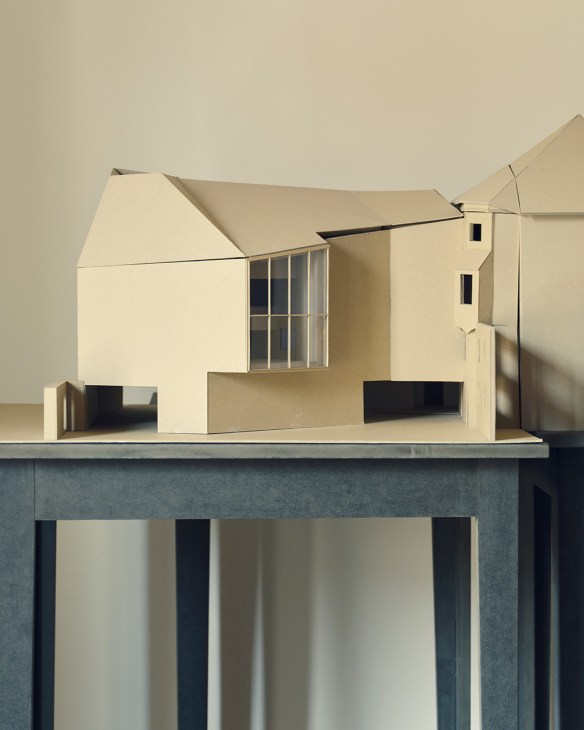
In the offices of Treviso-based architecture practice Carlana Mezzalira Pentimalli (CMP), the team is hard at work on concepts for projects spanning commercial properties to public space. “We tend to go cross-eyed squinting at all of our models, whether for an architectural competition or a direct commission,” says the firm’s co-founder Michel Carlana, gesturing towards a cluster of maquettes. “And we get equally cross-eyed when we’re working on editorial projects,” he adds, opening up a copy of CMP’s latest title, Luoghi Comuni – an experimental photography book that the practice made with contemporary artist Armin Linke.
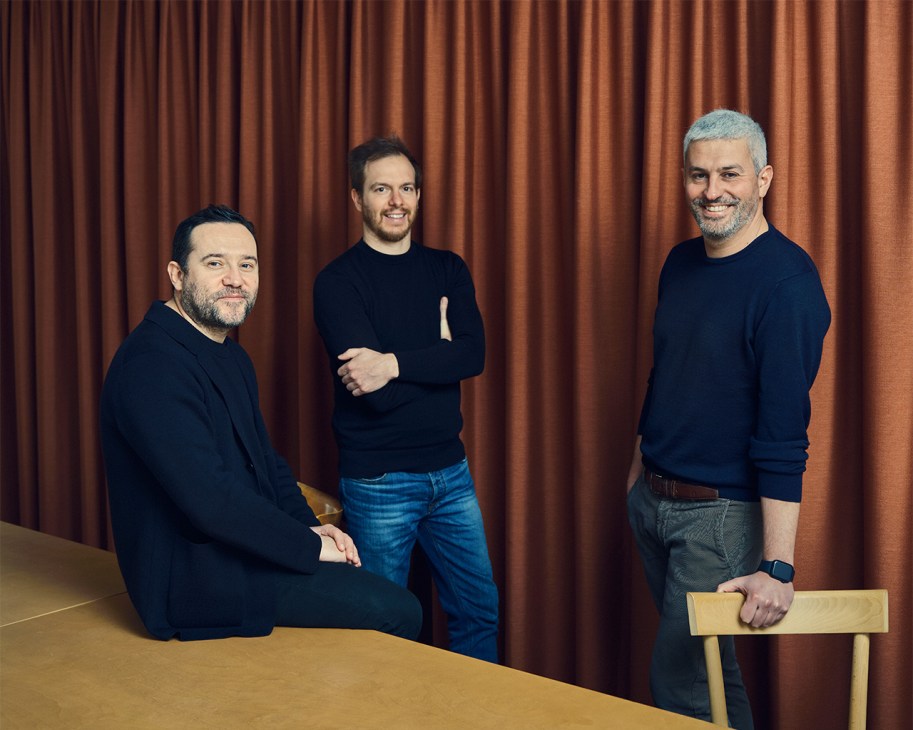
It’s no surprise that Carlana is quick to mention competitions. Through them, the firm has won significant commissions in the Alpine regions of Switzerland and Italy. Indeed, it was an entry for the French-run, pancontinental Europan competition that first brought Carlana, Luca Mezzalira and Curzio Pentimalli together as an architectural partnership in 2010. The same year, the young trio won a contest to design a new library for the city of Brixen-Bressanone in South Tyrol. Conceived as an “urban living room” near the city’s Duomo, it prioritises fostering human connection over the storage of books, with plenty of spaces to gather. “The Brixen Public Library showed us how a project is a whole economy beyond the building,” says Carlana.
The firm’s regional expertise has also helped CMP to carve out a niche in a pocket of the Alps. “Competitions in Switzerland and Alto Adige are distinct from those run anywhere else,” says Carlana. “They ensure high quality and clear contractual commitments.” In other parts of Italy, he explains, bureaucracy and politics often compromise the process. Many studios deem competitions to be too speculative and therefore financially risky to enter. Carlana, however, believes that the investment of time and effort is worthwhile, especially since they provide important opportunities for research and spur experimentation.
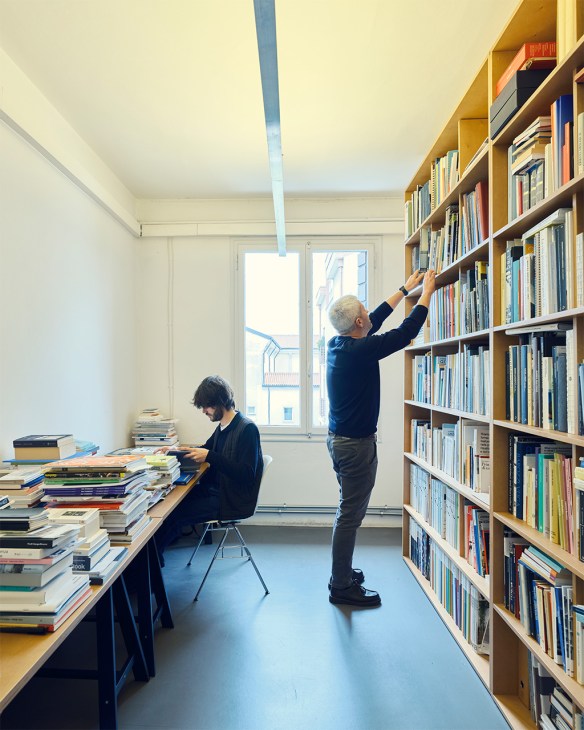
The pursuit of knowledge is something of a core tenet of the practice. All three partners hold teaching posts at regional universities (including the Università Iuav di Venezia) and a dedication to in-depth architectural research is apparent in CMP’s numerous editorial projects. “Publishing is a vital part of our practice,” says Carlana, tapping on Luoghi Comuni’s electric-blue cover. “It allows us to explore architectural ideas outside the constraints of commissioned projects.” The practice has also published books on Swiss engineer Jürg Conzett and Italian architect Quirino de Giorgio.
Luoghi Comuni is neither a monograph nor a work of simple documentation. Rather, it is a reflection on the firm’s design philosophy through the lens of two major public projects: the Brixen Public Library and the Wunderkammer Brixen Music School. “We believe that architecture should have a balance between monumentality and domesticity,” says Carlana. “Buildings should be recognisable and significant while also feeling familiar and welcoming. Architecture needs to be generous.”
carlanamezzalirapentimalli.com
The CMP approach to smarter design
From its base in the Veneto, Carlana Mezzalira Pentimalli has become renowned for creating distinct environments in the Dolomites and across northern Italy. Here are three tips for better building, inspired by the studio.
Research, research, research: Designers should combine different creative approaches, such as melding meticulous model-making with publishing. This will help them to explore ideas beyond architecture, which they can then incorporate into their work.
Winner’s mindset: Healthy competition can bring out the best in us. CMP’s track record shows that design contests can be a valuable investment in research.
Context over signature: Instead of imposing a fixed style on every project, ensure that your designs are compatible with the local character and contribute to a sense of place. Balance monumentality with domesticity.
How do you design a warm and welcoming home? Villa Housu in Finnish Lapland has found the answer
Architects working in Finnish Lapland have long grappled with how to create spaces that can uplift the soul in a cold, dark climate. One eloquent answer can be found near Ylläs, 115km north of the Arctic Circle. Designed by Helsinki-based studio Fyra with architecture practice Ark Helsinki, Villa Housu serves as the second home of Fyra’s CEO, Hanna Neuvo, and her family.
The villa is a study in Finnish pragmatism. Wrapping around the building are boards of finely sawn spruce. “The aim was to make it look as though it had always been there,” says architect Otso Virtanen of Ark Helsinki. The timber, treated with iron sulphate, will eventually fade from blond to silver-grey. “In Lapland, the weather writes its own patina,” he says. “That’s how the house will find its place among the pines.”

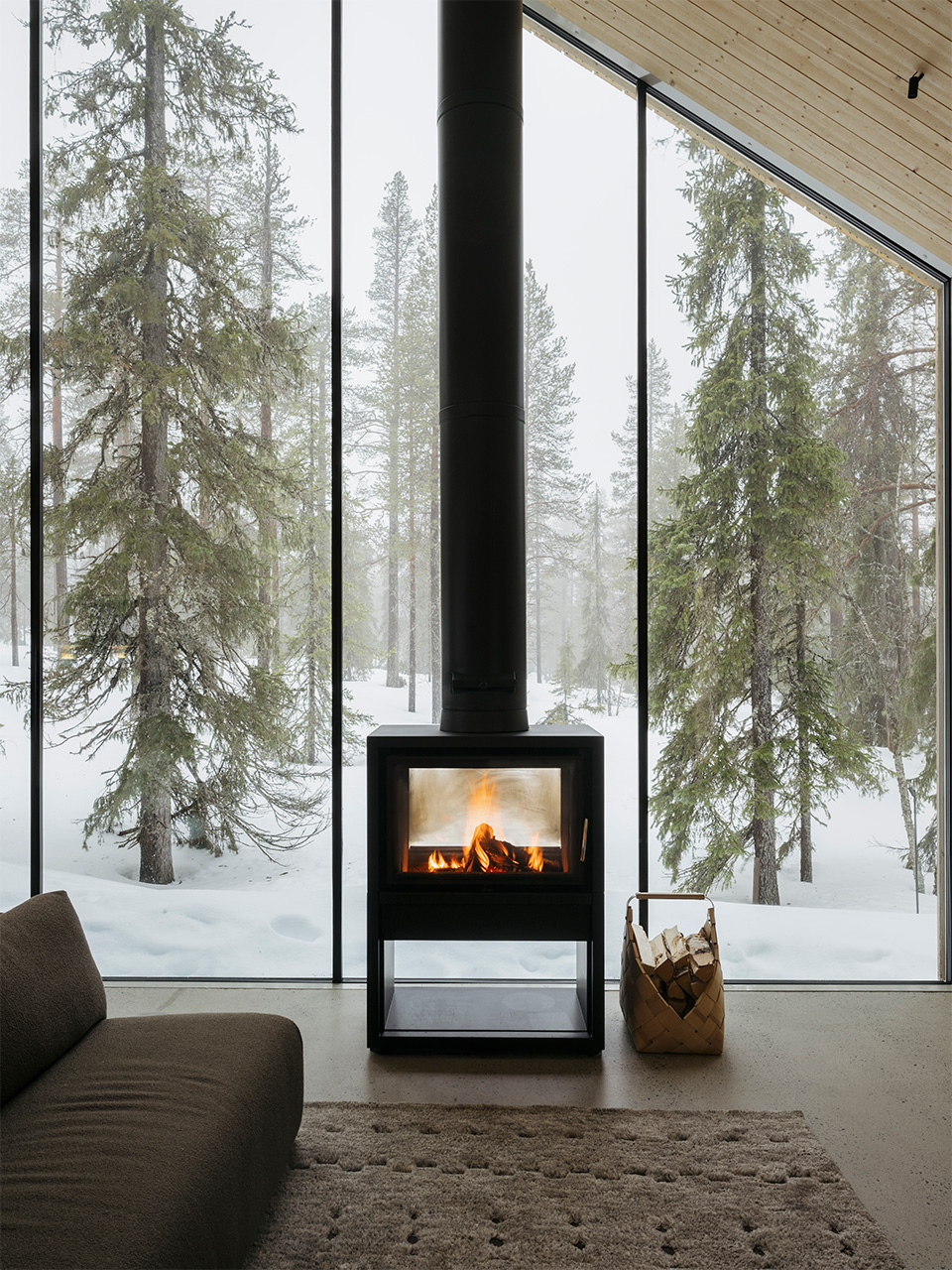
Villa Housu is built for year-round use. The north demands flexibility: weeks of sun alternate with months of half-light, while temperatures swing from 30C to minus 35C. “A home should offer safety without cutting you of from nature,” says Eva-Marie Eriksson, a partner at Fyra, when we meet her at the firm’s new studio in central Helsinki. The villa achieves that balance through texture and tone, rather than colour. “In winter, glossy surfaces become mirrors,” says Elisa Ryhänen-Derrett, an interior architect at Fyra. Her solution here was to use matte finishes that create warmth. Nothing gleams and everything invites touch.
The residence’s floor plan is simple: a long sweep of space that faces the treeline. The entrance, kept tidy thanks to a separate storage area used for skis and outerwear, opens into a living area framed by broad panes of glass.
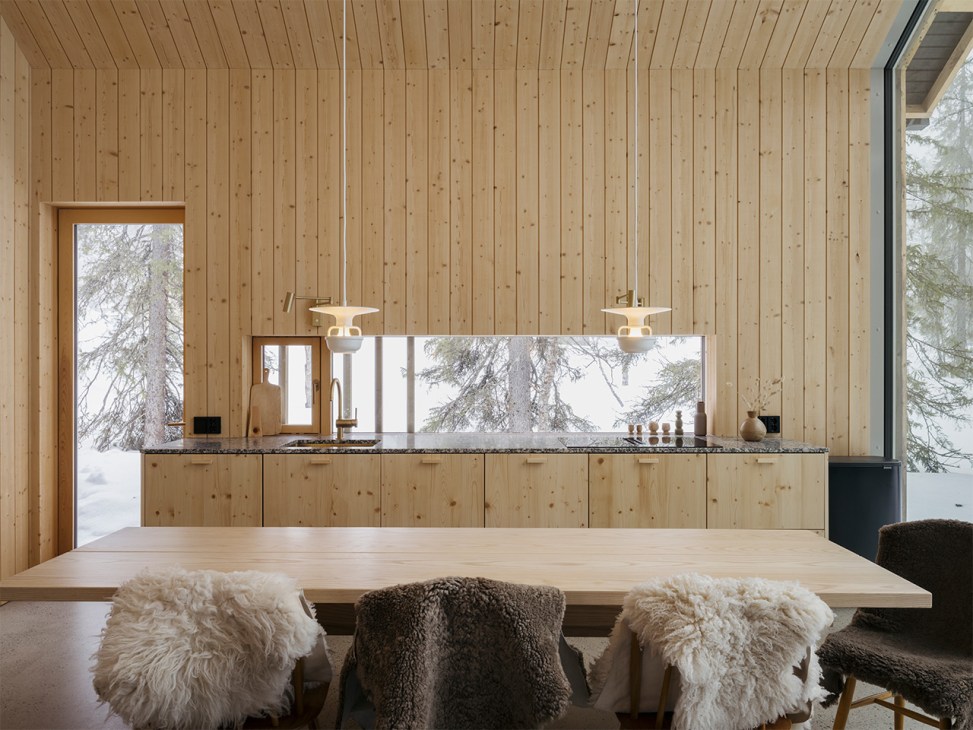
The interior feels cocooned and comfortably warm. The structure is wrapped in cellulose insulation; the floors, connected to a geothermal system, emit a low, even heat. “The best technology is the kind that you can forget about,” says Virtanen. Lighting is also discreet. Helsinki’s SAAS Instruments supplied the LEDs integrated in the fitted furniture so that illumination seems to emanate from the materials themselves.
For all its elegance, Villa Housu is a home built for living in. Fitted cabinets accommodate snowboards and guests’ accoutrements with quiet practicality. This sensibility extends to the furnishings. The kitchen features tasteful light-grey Viitasaaren granite countertops from stone refinery Loimaan Kivi, while Artek pendants hang overhead. Sitting in a corner nearby is a vintage chair by midcentury designer Ilmari Tapiovaara.

Lapland’s architectural identity has long been caught between extremes: the faux-Alpine chalet on one side and imported urban minimalism on the other. Villa Housu offers a third path that taps into the region’s vernacular. “People sometimes build here as though they were in the Alps,” says interior architect Ryhänen-Derrett. “We wanted to create something that fits the scale of this place.” For her, minimalism is less about empty spaces than about proportion and calm. “Here, comfort comes from the balance of things, not from decoration.”

In summer, the house changes character. The midnight sun filters through the same spruce walls that glowed amber in candlelight in winter. “The seasons bring their own palette,” says Erikson. “You don’t need to add colour when the world does it for you.”
Designing for the chief executive could have been tricky. By all accounts, however, the process went smoothly. “It was more like a dialogue than a commission,” says Neuvo. “They know us and how we live. There was no need to explain.” For Virtanen, making decisions about Villa Housu was natural and unhurried. “We’d sketch over coffee,” he says. “There were no long presentations, just conversations.”
The result was a house that immediately felt lived-in. The materials will weather and age – but the house will only grow richer for it. The approach of accepting nature, rather than resisting it, is what makes this country’s design so adept in the Arctic. Where others might see limitation, Finns see opportunity.
fyra.fi
How to design for cold climates
Founded in 2010, Helsinki-based Fyra has built a reputation for creating inviting environments, from hospitality, residential and retail spaces to work environments and cultural institutions. Here are three tips for cold-climate architecture.
Out of sight: When designing the views, consider both what you want to see and what you don’t. Keep light pollution outside the frame and bring as much nature as possible into it.
Inner light: In addition to the need to insulate against the cold, lighting and materials should create a warm atmosphere.
For all seasons: Cold places aren’t cold all year. So forget the Christmas look – design for every kind of weather.
Have you heard of ski ballet? You will – the forgotten sport is due for a comeback
With its graceful spins, bright costumes and music played against mountain backdrops, ski ballet was once considered the most expressive alpine sport. Born in the 1960s, it rose to fame with demonstrations at the 1988 and 1992 Winter Olympics, only to disappear with a flick of powdery snow. What made it so wonderful to watch and why did it vanish? And could a comeback be on the horizon?
Three freestyle alpine sports – mogul skiing, aerials and ski ballet – emerged in the 1960s. In the first, athletes race down bumpy slopes lined with snow mounds. The second focuses on acrobatics: skiers speed towards a steep ramp, launching themselves into the air and performing flips. In ski ballet, competitors perform jumps and turns to music.
“I saw a clip about the 1986 World Ski Ballet Championship and immediately knew that it was my sport,” says Swedish athlete Annika Johansson. She remembers standing transfixed in front of the TV in her parents’ living room, watching the ballet skiers on the screen. Johansson tried all three freestyle disciplines before choosing ski ballet as her specialism. For the first time, skiing wasn’t about merely racing downhill; moving with the music was what mattered.
Ski ballet can broadly be described as gymnastics on snow. Athletes perform to music for between 90 seconds and two minutes, presenting a series of “elements”. These include flips (with or without added spins), cartwheels, spins, steps and leverage moves. The sport uses shorter skis and longer poles than downhill skiing. The challenge is to make the performance look effortless – no small feat when you have 6kg of equipment on your feet and a pole in each hand. Its sense of freedom made it a unique spectator sport with seemingly endless possibilities.
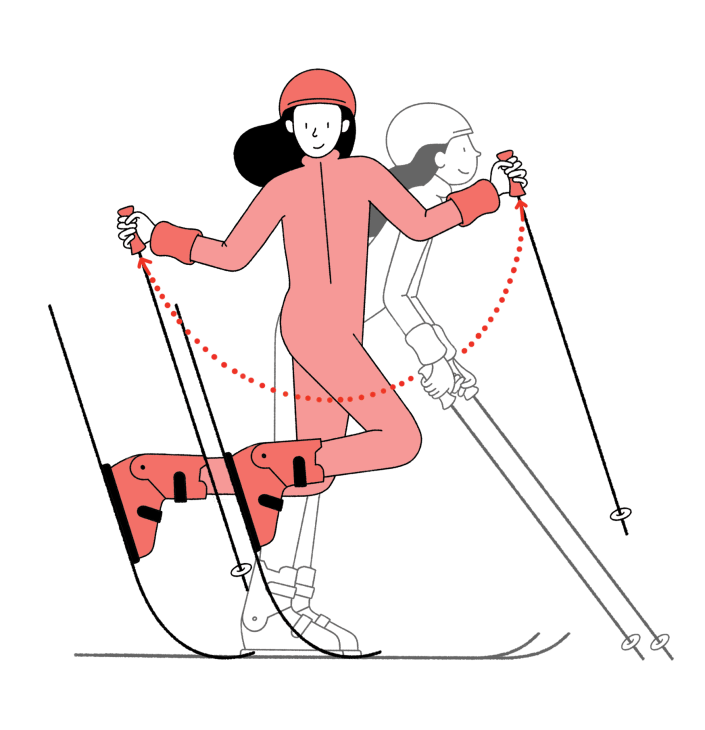
A relatively simple but impressive move that involves using your skis to leverage yourself up on the tips, balancing on your poles.
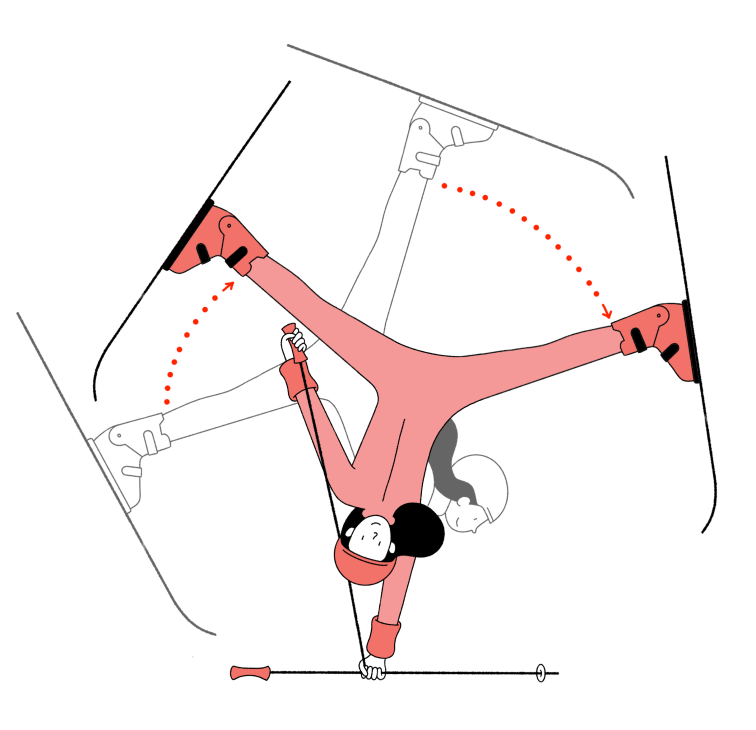
Once you have gained some serious confidence, try tackling this fairly tricky move. Cartwheels are no mean feat on skis.
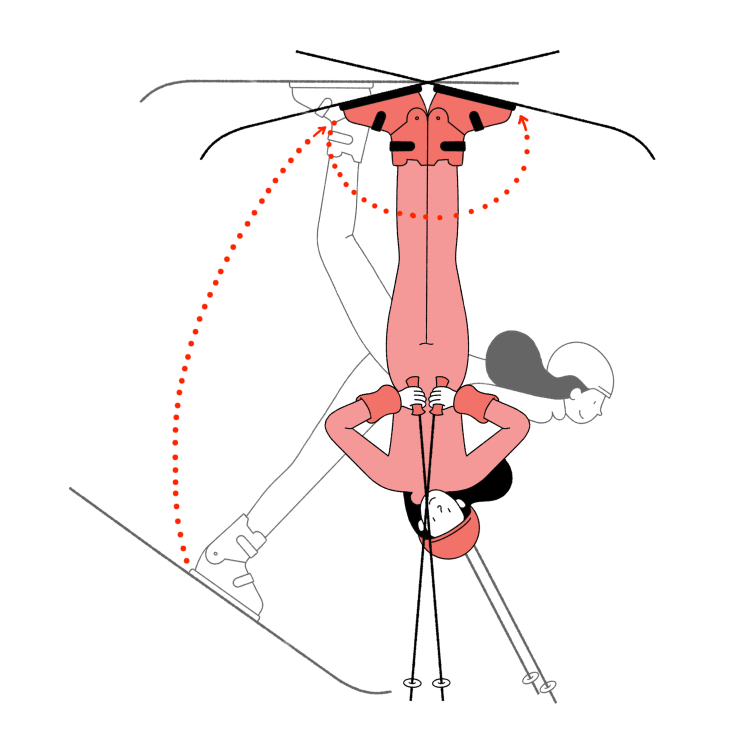
This difficult move involves flipping over your poles and adding a full twist in mid-air. Perhaps leave this one to the professionals.
In the early 1990s, about 200 athletes from across the three freestyle disciplines would travel from one competition to another. Funds would often be limited but they found ways around this. “We were the S-Team,” says Johansson, who joined her national squad in 1991. “Sweden, Switzerland and Spain shared a coach.” There was a strong sense of community and the freestyle family lived, trained and competed side by side. Johansson went on to become one of ski ballet’s most decorated competitors. She was a member of Sweden’s team for almost a decade, collecting six national gold medals and three World Championship bronzes.
Hermann Reitberger, one of the sport’s biggest names, loved the adrenaline that it gave him. He discovered the freestyle scene in his teenage years, when mogul skiing, aerials and ballet were taking shape as new disciplines. Drawn to its artistry, he focused on ballet and went on to help define its expressive style. A multiple World Cup winner and 1989 world champion, he dominated the circuit in the late 1980s and early 1990s. “When I skied to music, I stopped thinking,” he says. “Everything became one – the rhythm, the snow, my body. That was the feeling I always chased.”
But as the sports developed, more rules were introduced to make judging easier and scoring fairer, especially as there was a push for Olympics inclusion. In 1992 mogul skiing gained Olympic status, followed by aerials in 1994. Ski ballet, however, struggled to find its place and faded from the spotlight. “It felt as though the carpet had been pulled out from under us,” says Johansson. Ski ballet was renamed “acroski” in the mid-1990s and stricter scoring rules were implemented to modernise its image. Such efforts, however, couldn’t save it. Without Olympic status, funding disappeared and so came the abrupt end of a sport cherished by a small but loyal group of people.
But ski ballet hasn’t vanished completely. Recently, its combination of freedom and playfulness caught the attention of Thomas Archer Bata and his Verbier-based brand MGG. The company makes sturdy, elegant mountain garments inspired by Alpine design. “Ski ballet is authentic,” says Bata. “It brings back skiing’s purer nature and that’s what drew us to it.” MGG brought together the discipline’s original stars for a series of showcases and gatherings, and made two short films about ski ballet.
Reitberger now mentors Aline Bot, a 26-year-old from Bern. They met after the latter reached out to the sexagenarian skier, hoping to learn from him. Bot’s style of freeskiing is faster and less choreographed than ski ballet; she uses ordinary skis and poles, and performs on natural terrain rather than the flatter stages used in the past. “It’s not about perfect moves,” she says. “It’s about feeling the rhythm of the slope and the music.”
Bot sees herself as practising a more spontaneous form of ski ballet. Alongside Reitberger, she hopes to turn it into a widely recognised discipline. Whether it’s called ski ballet, acroski or something else entirely, a central idea endures – that skiing can be an art as much as a sport. “It’s still there,” says Johansson. “Maybe not as a competition but as a spirit. You can’t erase that.”
Illustration: Clo’e Floirat
Five thought-provoking books that will challenge the way you think
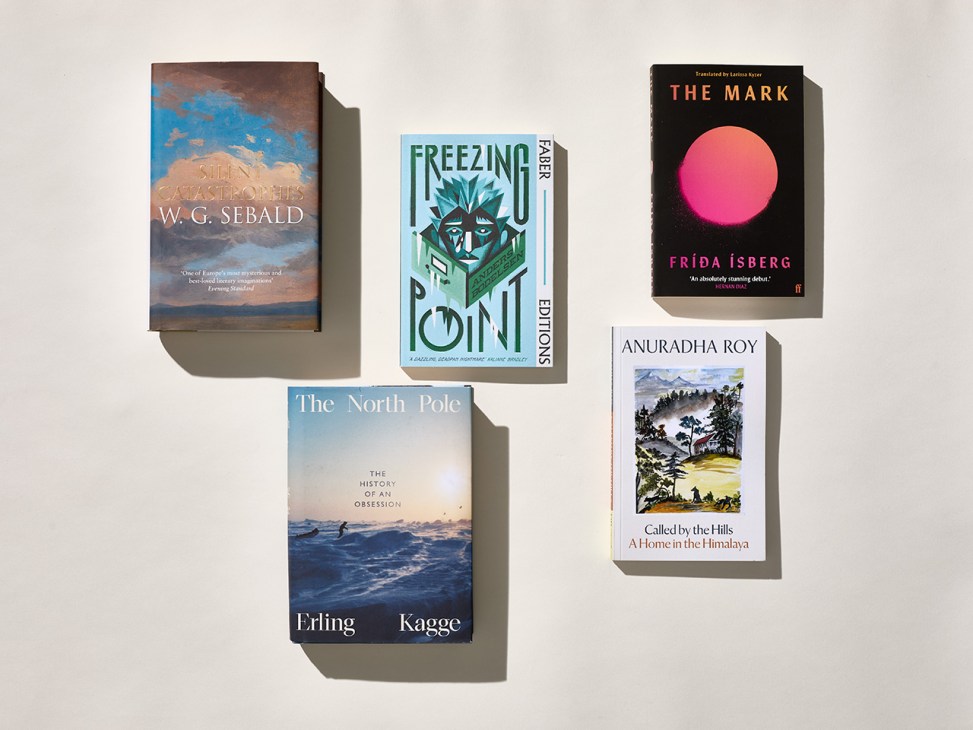
From a dystopian novel about cryogenics and an exhilarating history of the North Pole’s explorers to an ode to a Himalayan mountain town, these five books will make fine additions to your sofa-side stack.
1.
Freezing Point
Anders Bodelsen, translated by Joan Tate
When Bruno is confronted with his own mortality, he chooses to be “frozen down” in cryosleep – a decision that he must reckon with when he wakes up decades later. The newly released Joan Tate translation of Anders Bodelsen’s Danish classic (Frysepunktet in its native language) poses timely philosophical dilemmas about scientific progress, ageing and technology, and remains as relevant as ever.
2.
Called by the Hills: A Home in the Himalaya
Anuradha Roy
Anuradha Roy pens an ode to Ranikhet in the Indian Himalayas, which she has called home for years. Her intimate portrait of the town combines poetic descriptions of landscapes with reflections on climate change, alongside her delicate watercolour illustrations.
3.
Silent Catastrophes
WG Sebald
The German academic tackles his favourite Austrian writers in this posthumous essay collection, which touches on the works of Kafka, Handke and Bernhard, and examines Austria’s history as both a European empire and a quiet Alpine republic.
4.
The North Pole: The History of an Obsession
Erling Kagge
Norwegian explorer Erling Kagge set out across the North Pole in 1990 – a journey that inspired him to write a history of one the world’s most misunderstood regions. Taking in the perspectives of everyone from Herodotus to early-20th-century explorers, this is a tale of adventure, blended with Kagge’s memories of his own expedition.
5.
The Mark
Frída Ísberg, translated by Larissa Kyzer
Icelandic author Frída Ísberg’s debut novel explores the competing demands of safety and freedom. A referendum is about to make a test that supposedly identifies a person’s propensity for antisocial behaviour compulsory for all Icelandic citizens – and four characters must pick a side.
How Gorizia and Nova Gorica turned a divided Italy-Slovenia border into a cultural bridge
The border between Italy and Slovenia has historically been marked by tragedy and conflict. The story is one of differences – cultural, linguistic and ideological – that culminated with the division of land between Italy and what was then Yugoslavia in the Paris peace treaties after the Second World War.
Over the past year, however, there has been a decisive shift in the narrative, thanks to the EU’s European Capital of Culture initiative. In 2025 the Italian town of Gorizia and its Slovenian counterpart, Nova Gorica, have shared the honour. Between them, they have put on some 2,000 border-fluid events, spanning everything from concerts to an Andy Warhol exhibition – a refreshing spirit of collaboration at a time of hardening global views on migration. “We have shown how a border that was seen as a limit or the end of a territory could become a place of sharing,” says Gorizia’s centre-right mayor, Rodolfo Ziberna, who explains that he can be in Nova Gorica in less time than it takes him to get to work.

Europe has celebrated a City of Culture annually since 1985. In the early years, it lasted a few months, with the focus on the continent’s biggest metropolises, such as Athens and Paris. Since then, it has covered lesser-known corners of the union, including this year’s two towns, alongside another nominee, Chemnitz in Germany. Since 2000 the gong has mostly gone to multiple places at a time. In 2026 both Oulu in Finland and Trencin in Slovakia will share what has now become a year-long celebration of cultural events.” “While it’s normal for other European cultural capitals to have a spruce up – in Gorizia’s case, a former wholesale market has been transformed into an events space and there’s a new park, Valletta del Corno, on a site of a once impenetrable wood – how many can claim a complete image revamp? “What we leave as a legacy is a town that has learnt to take part in dialogue,” says the mayor, reflecting on the closing ceremony on 5 December.
One of the places in recent decades to have most benefited from the status has been Glasgow in Scotland, which was the 1990 European City of Culture. It took the opportunity to regenerate the city centre and move away from a reputation of post-industrial blight. Another standout was Lille, which was a European Capital of Culture in 2004 (alongside Italy’s Genoa). Its efforts to regenerate focused on the region: 193 towns and cities nearby, including over the border in Belgium.
This year, Gorizia enjoyed a marked increase in visitors and it wants to capitalise on this once the fanfare has moved on to other parts of Europe. “This is the symbol of a community that is growing, that is opening up and that knows how to make its identity an engine of development,” says regional councillor Sergio Emidio Bini.
While the region’s cultural calendar might not be as packed in 2026, there are plans to welcome several events on either side of the border and to build on 2025’s uptick in tourists (up 30 per cent in the first half of the year, compared to the same period in 2024). “We are part of a network of places to visit now,” says Ziberna. That’s something worth toasting – and the mayor assures Monocle that the province’s Ribolla Gialla is rather good.”
Plan a year of insights and entertainment with Monocle’s 2026 cultural calendar
January
11 to 13 January
Honolulu Defense Forum, Honolulu
The first, and perhaps most glamorous, defence forum of the year. More than 400 US and allied government officials will descend on the Hawaiian capital for two days of conversation about the Indo-Pacific.
pacforum.org
13 to 16 January
Pitti Immagine Uomo, Florence
The Florentine fashion staple returns with a new theme: motion. With an increasing focus on technicality in clothing, the 109th edition of this venerable fair is a must-visit.
pittimmagine.com
27 to 30 January
Copenhagen Fashion Week Autumn/Winter 2026, Copenhagen
copenhagenfashionweek.com
February
3 to 5 February
World Governments Summit, Dubai
Under the title “Shaping Future Governments”, this year’s WGS will see government officials and thought leaders from the public and private sectors convene in Dubai to take the temperature for the year ahead.
worldgovernmentssummit.org
5 to 7 February
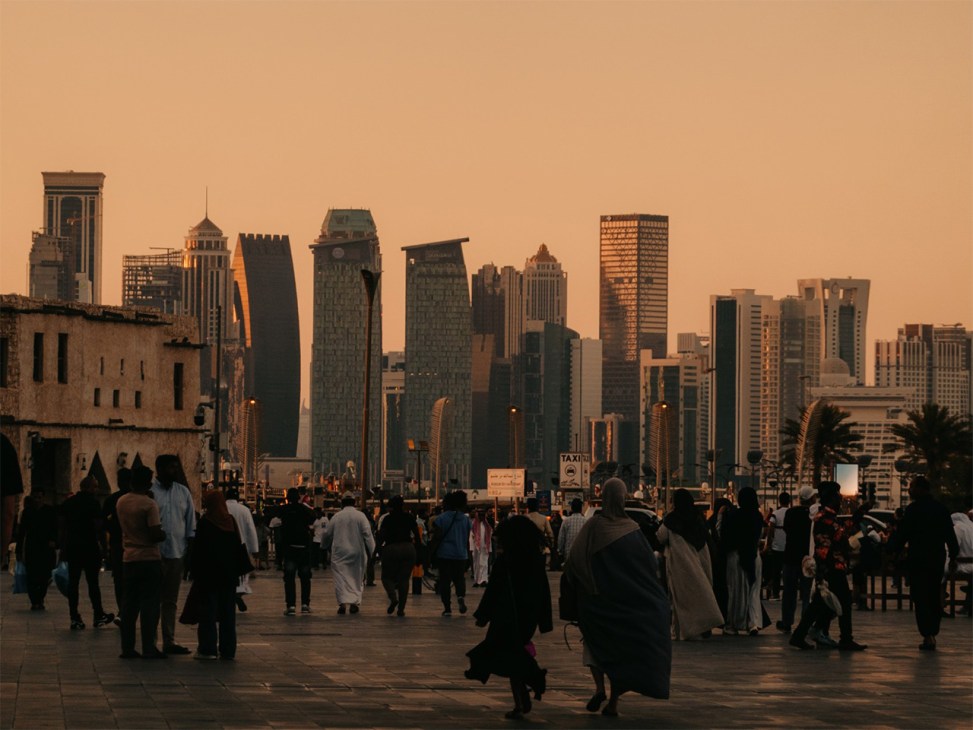
Art Basel Qatar, Doha
The inaugural Art Basel in Qatar will feature 87 galleries from 31 countries, exhibited across Doha – thus launching an intriguing new calendar feature for the art industry.
artbasel.com
13 to 15 February
Munich Security Conference, Munich
securityconference.org
19 to 23 February
London Fashion Week, London
londonfashionweek.co.uk
March
4 to 8 March
Arco Madrid, Madrid
Spain’s international contemporary art fair has a friendlier feel than most of its peers. The 2026 edition – the 45th iteration of the event – will include more than 200 galleries from 36 countries. As ever, the Latin American art scene will feature heavily as Arco Madrid continues to act as an important bridge between Europe and the continent.
ifema.es
9 to 13 March
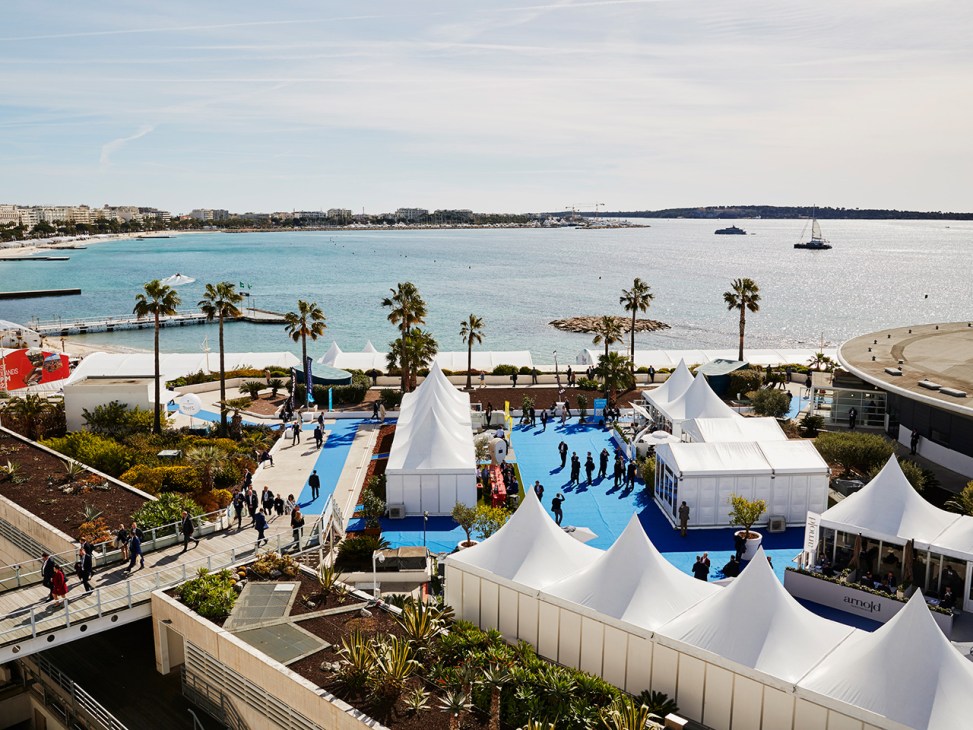
Mipim, Cannes
Mipim is one of the world’s leading real estate festivals, and this year’s edition will spotlight innovation and sustainability. The fair’s attendees will come bearing an estimated $4trn (€3.47trn) in assets – a figure not to be sniffed at.
mipim.com
April
8 to 12 April
Pad Paris, Paris
padesignart.com
21 to 26 April
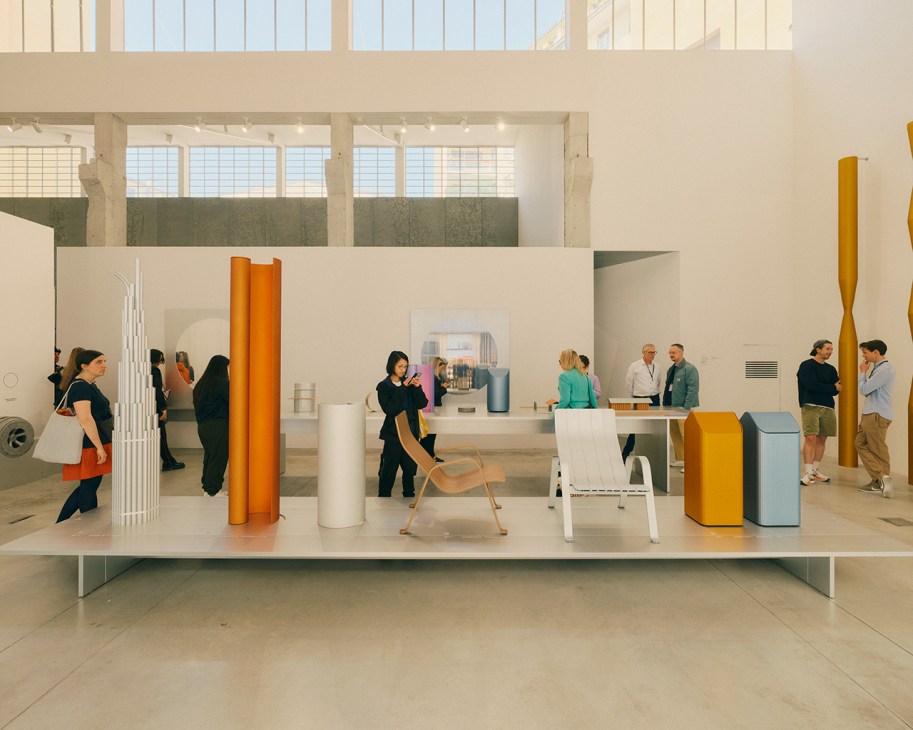
Salone del Mobile, Milan
Milan’s buzzy hub of design will return to the Fiera Milano in Rho for 2026 – highlighting the best-in-class of global design work. Our editors will be there in force.
salonemilano.it
May
4 to 7 May
Arabian Travel Market, Dubai
The Arabian Travel Market was inaugurated in Dubai in 1994 and its star has risen in tandem with its host city, which is increasingly seen as a place to holiday as well as do business in. This year’s edition will include stalls covering emerging sectors of the industry, including space tourism.
wtm.com
9 May to 22 November (vernissage: 6 to 8 May)
61st International Art Exhibition, La Biennale di Venezia
The art world’s version of the Olympics returns to the canals of Venice in May. Don’t miss Qatar’s new pavilion in the Giardini (the first to be built there since 1995), the colourful work of Great Britain’s representative, Lubaina Himid, and Australia’s Khaled Sabsabi, whose selection is a political hot potato down under.
labiennale.org
12 to 23 May
Cannes Film Festival, Cannes
Cannes is the golden tentpole of the film festival season. In 2025 dissident Iranian director Jafar Panahi became the fourth person to win the Palme d’Or, the Golden Bear in Berlin and the Golden Lion in Venice. Can another director repeat that feat?
festival-cannes.com
June
4 to 5 June
Swiss Economic Forum, Interlaken
Hosted at the Kursaal Interlaken building on the isthmus between lakes Thunersee and Brienzersee, near Berne, Switzerland’s pre-eminent economics event features high-profile speakers from the business, politics and science worlds.
swisseconomic.ch
18 to 21 June
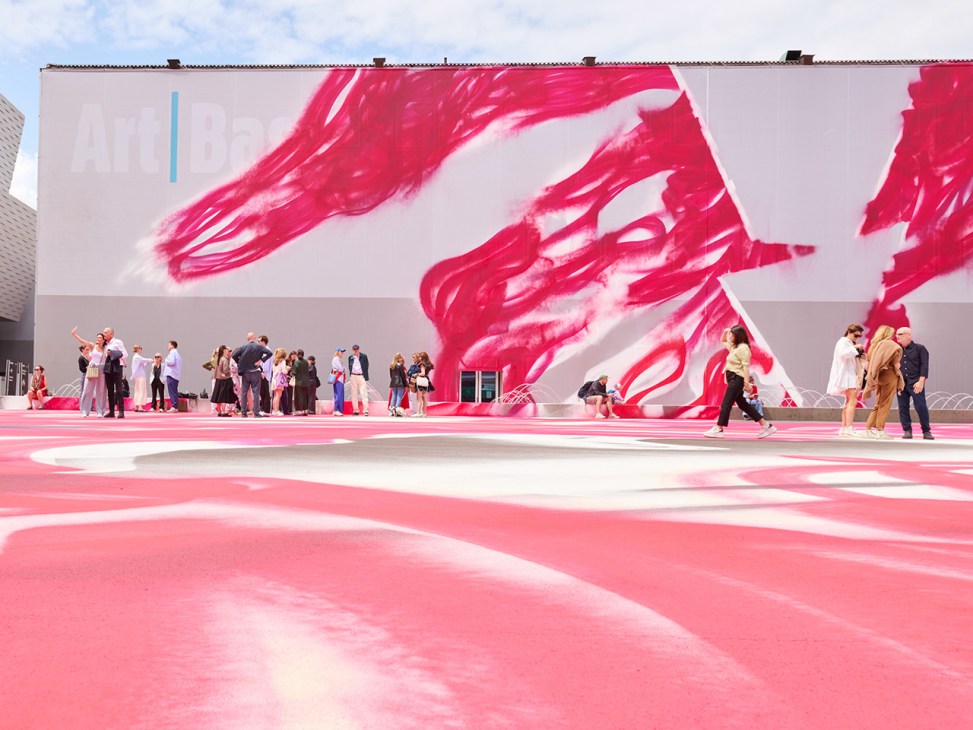
Art Basel, Basel
Though Art Basel Paris has prompted much chatter about the status of Basel’s original international art fair, it still has much to offer. In particular, the features and installations in the Unlimited sector, which showcases large-scale works in Basel’s Messeplatz.
artbasel.com
July
6 July to 4 October
Les Rencontres d’Arles, Arles
Known as the capital of photography, Les Rencontres d’Arles has earned a global reputation since its first summer exhibition in 1970. This year revives its Discovery Award for emerging artists.
rencontres-arles.com
August
Dates to be confirmed
Affordable Art Fair Melbourne, Australia
For those who are looking to prettify their walls without breaking the bank, the Affordable Art Fair returns to Melbourne with a range of contemporary pieces available – all capped at a maximum price of AU$10,000 (€5,600).
affordableartfair.com/fairs/melbourne
September
2 to 6 September
Habitare, Helsinki
Taking place across five days in the Finnish capital, this furniture and interior design trade fair is a platform for celebrating trends and innovation driving forward the homeware design industry.
habitare.messukeskus.com
16 to 20 September
Art Rio, Rio de Janeiro
The 16th edition of Art Rio will host global curators and collectors, offering an opening into the burgeoning Latam art market.
artrio.com
October
7 to 11 October
Frankfurt Book Fair, Frankfurt
This fair is never shy of highlighting challenges facing the industry. AI, war and the rise of populism were all mentioned in the opening speech at its last edition. But the fair also provides an important reminder of literature’s ability to cross borders and foster empathy.
buchmesse.de
13 to 15 October
World Aviation Festival, Lisbon
Six-hundred speakers fly through this Portuguese aviation conference in just three days. This year expect to hear a lot about unmanned flight and GPS jamming.
worldaviationfestival.com
Dates to be confirmed
Pad London, London
Now a staple of the UK capital’s design circuit, Pad has become a favourite of collectors and curators.
padesignart.com
November
3 to 5 November
World Travel Market, London
The World Travel Market is building a reputation as the world’s pre-eminent tourist industry event. Expect chat about growing Asian tourism and the overlap between tech and travel.
wtm.com
Dates to be confirmed
Dubai Design Week, Dubai
dubaidesignweek.ae
Dates to be confirmed
COP31, Turkey
December
Dates to be confirmed
Design Miami, Miami
designmiami.com
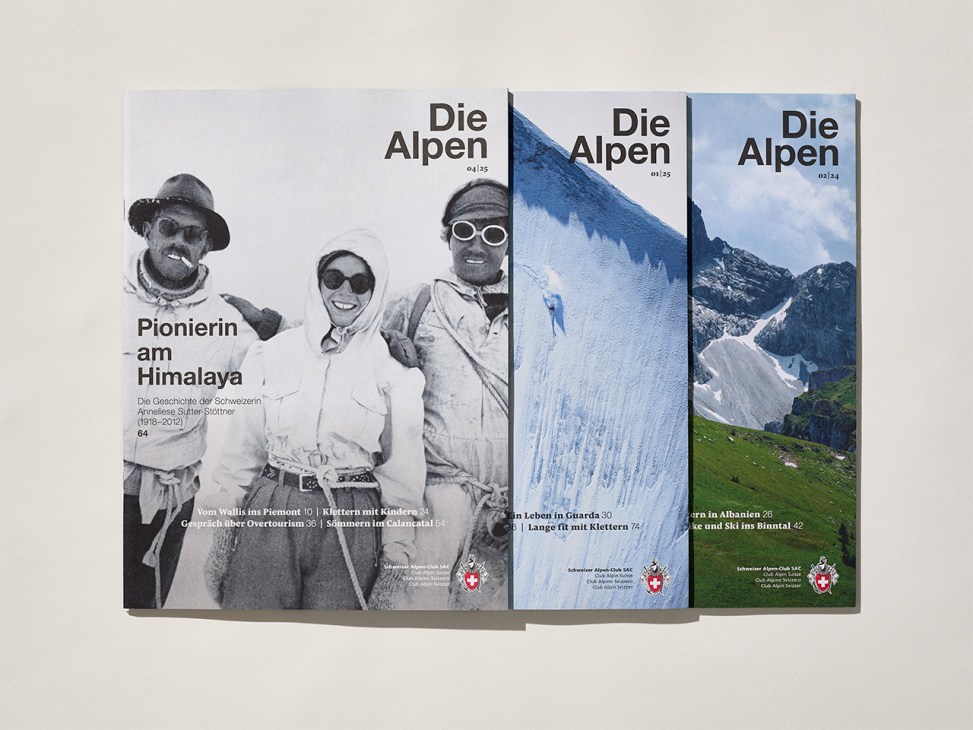
Die Alpen magazine is a specialised Alps guide for Switzerland’s committed mountain enthusiasts
Few magazines can tread the same ground of a single subject matter for a century. Indeed, a publication would be considered lucky even to survive that long. But for Die Alpen, published every two months since 1925 to serve the members of the Swiss Alpine Club (SAC), the mountains’ vastness still offers a wealth of stories and inspiration.
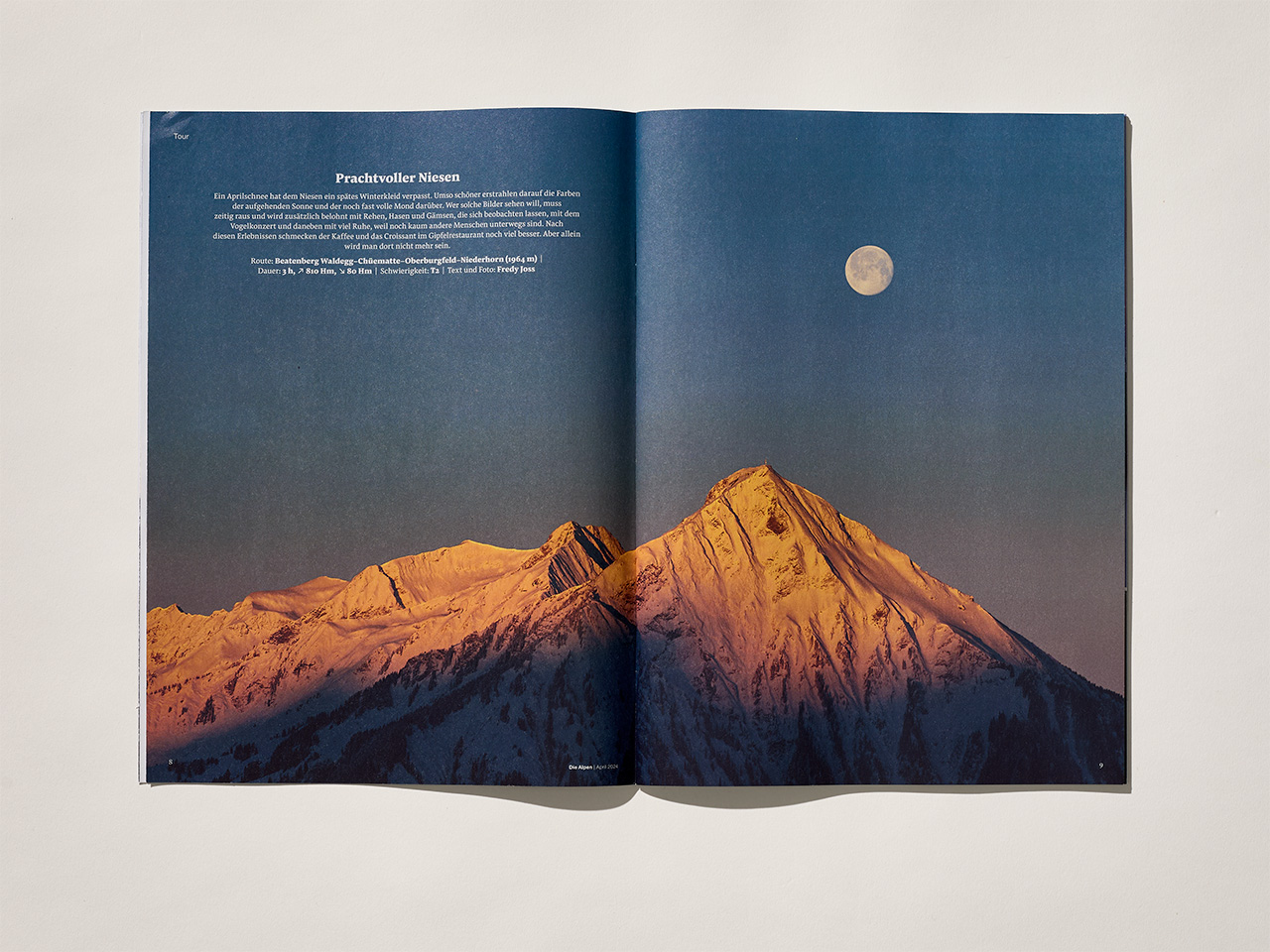
The pages of Die Alpen capture the stunning vistas that the magazine was founded to celebrate, with in-house photography that details the landscape’s complex topography and changing seasons. But it’s not all about the dramatic photos. Shots of skiers negotiating glaciers are accompanied by useful information about their routes and technical details such as altitudes, wind speeds and difficulty ratings. “Our readers want specialisation,” Die Alpen’s editor in chief, Alan Schweingruber, tells Monocle. “It’s not a nature magazine. They want advice, recommendations and news about what’s happening, to know where they should go and what they should bring.”
The SAC, which was founded in 1863 in Olten, a small town between Zürich and Basel, used to release journals of the club’s records before it transitioned to the magazine format. Now, new members of the 180,000-strong club become subscribers upon enrolment and the magazine’s accessibility has always been a priority. “We translate every issue into German, Italian and French,” says Schweingruber. “It’s a major challenge but it’s a crucial part of our process.”
The Swiss Alps draw adventurers all year round, whether for skiing in the snowy months or hiking in the summer. In 2024, Switzerland’s alpine tourism hit record highs, with 24.4 million overnight stays in hotels in the summer months. But Schweingruber, who has been at the helm of Die Alpen for five years, has no plans to cater to those who aren’t serious about the landscape. “We don’t write for those who only head into the Alps from time to time,” he says. “We write for those who want to be members of an exclusive group – who want to be a part of the mountains.”