Alpino
Our first look at Rosewood Courchevel Le Jardin Alpin – the latest luxury-hotel opening in Courchevel
Courchevel 1850 was once known as “St Tropez on snow”. In the 1960s, only a few years after Europe’s first purpose-built ski resort sprang up in the French Alps, it became a magnet for royalty, politicians and celebrities flocking to the Savoyard mountain town in search of winter sun and perfect powder.
Part of its draw lay also in the fact that – unlike later generations of ski destinations such as Les Arcs, La Plagne and Flaine – its planners eschewed concrete brutalism in favour of distinctly Alpine architecture. Everything from hotels to the chic boutiques lining the centre of Courchevel was housed in traditional chalet-style builds, with slate roofs and wood cladding.
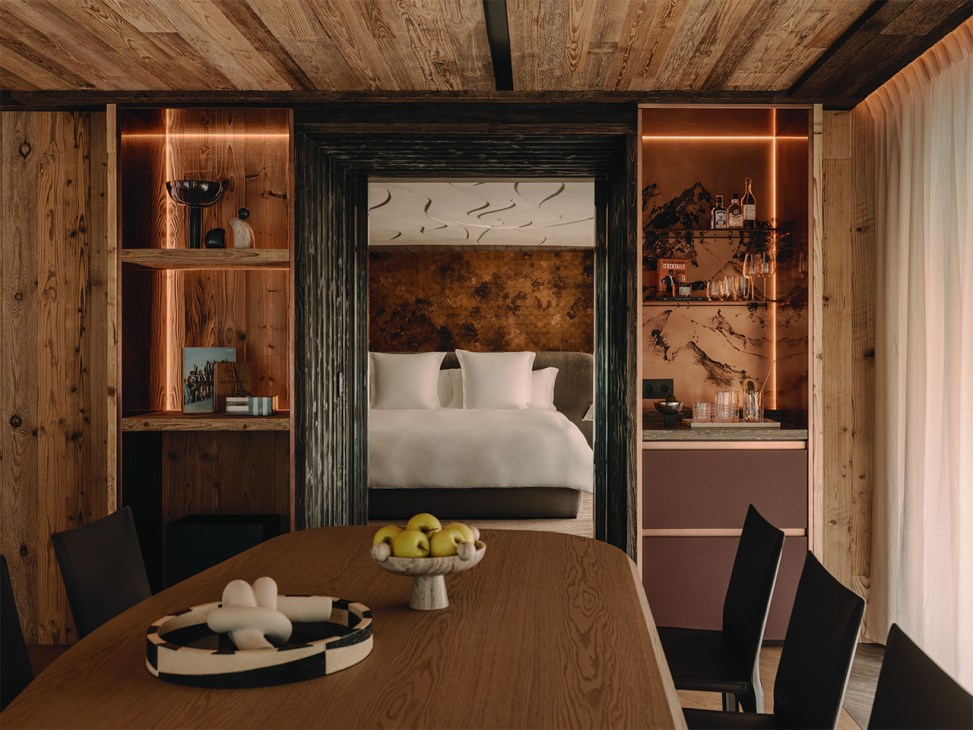
The town remains beloved. The latest high-end hotel opening is Rosewood Courchevel Le Jardin Alpin. For its debut winter resort (and second property in mainland France), the hospitality group took inspiration from the glamour of 1960s Courchevel. And, with the help of French interior designer Tristan Auer, the property has been infused with the spirit of the golden age of winter tourism.
“We approached the project as though we were creating a private mansion chalet rather than a traditional hotel,” says Auer. A return to the elegance of yesteryear is often central to his briefs, whether in his work for the Carlton on Cannes’ Croisette, the belle époque-style Villa Pétrusse in Luxembourg City or Belmond’s Royal Scotsman train.
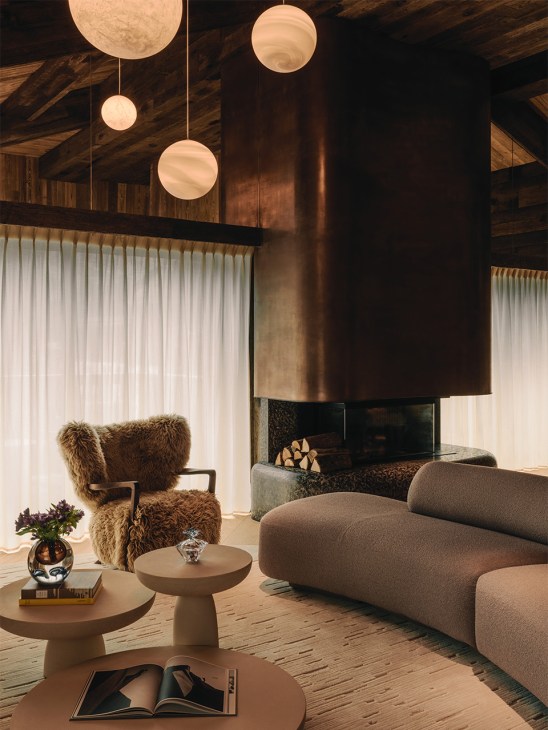
Auer drew on his signature palette of materials – copper accents, mirrors, velvet upholstery, marble – combined with the natural warmth of Alpine wood. Inside the 51 guest rooms and suites, creams and off-whites echo the glistening mountainscape outside. “The idea was to transport guests into another world,” he says. It’s a philosophy of slowing down – an approach that runs through every detail of the hotel’s meticulous design.
rosewoodhotels.com
How architect Tom Kundig designs mountain cabins that balance shelter, snowfall and style
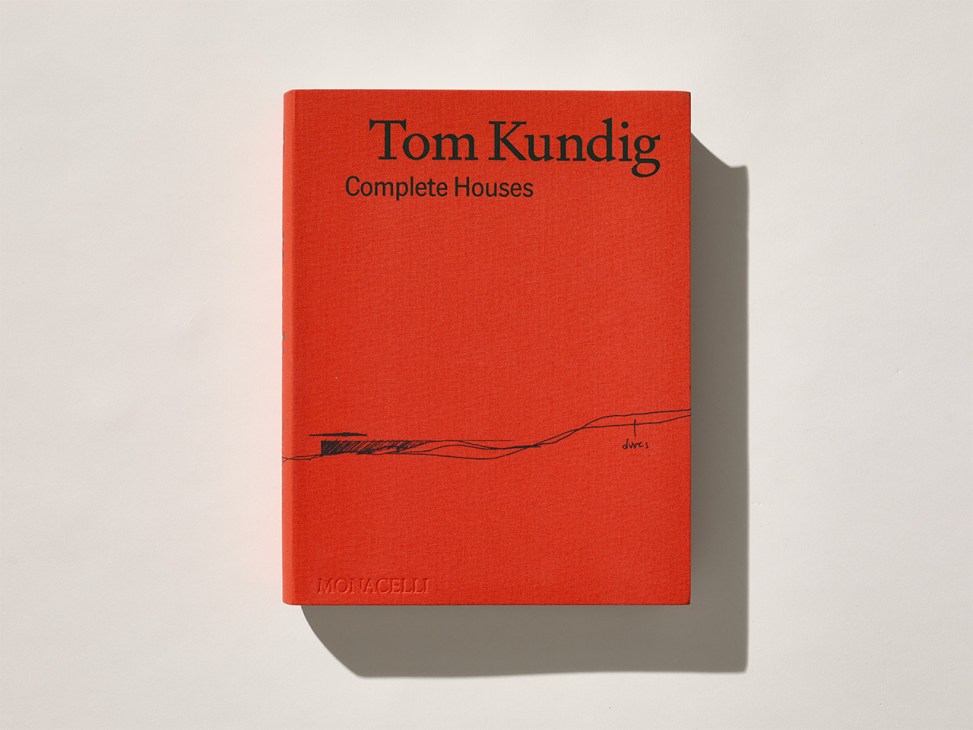
Winter weather presents unique challenges for architects – something that Tom Kundig faces head-on. With a career spanning six continents and four decades, US architect Tom Kundig’s design philosophy revolves around how we interact with nature – a central theme of his new book, Tom Kundig: Complete Houses. The founder and principal of Seattle-based Olson Kundig takes a holistic approach to every project to ensure that materials, textures and the environment all work together. Here, he tells Monocle about designing for snowfall and the idea of architecture as a refuge.
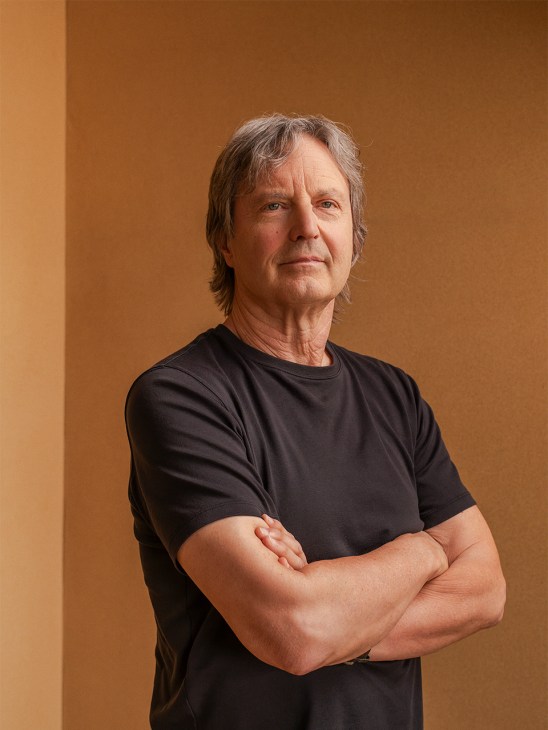
You’ve designed many mountain cabins. How does that kind of environment shape your work?`
Snow is a strange material. I grew up in a cold country and later worked in Switzerland to learn about mountain architecture. With snow, the issue isn’t weight but movement. When it sits on a sloped roof, it becomes a threat to people who are walking underneath. Old chalets, with their relatively low-slope roofs, are examples of how to hold snow, not for insulation but for movement, so that it doesn’t drop off the side like an avalanche. It’s about control. If you look at a lot of my architecture, it seems relatively simple – it’s often just a series of boxes. But there’s an intention to it. These buildings deal with the snow that’s not only landing on top but that’s being blown from the side. Until you understand the ways that snow works, you will be designing naively.
People associate cabins in snowy places with rest and slowing down. Is that something that resonates with you as an architect?
Absolutely. Snow country generally means a challenging climate, which might mean that a building is all about the prospect of refuge, places where you’re protected from the outside elements. Even if you’re not physically affected by the weather, you’re psychologically affected by it. It’s stormy as hell, it’s windy and it’s cold. But inside, you have the fireplace and cosy furniture that make you feel protected. The other great thing about the mountains is that they are places of extremes. It’s this yin and yang of existence that I find extraordinary.
Olympian secrets to the perfect ski jacket: How Tomoya Ishii helped inform Goldwin’s innovative collection
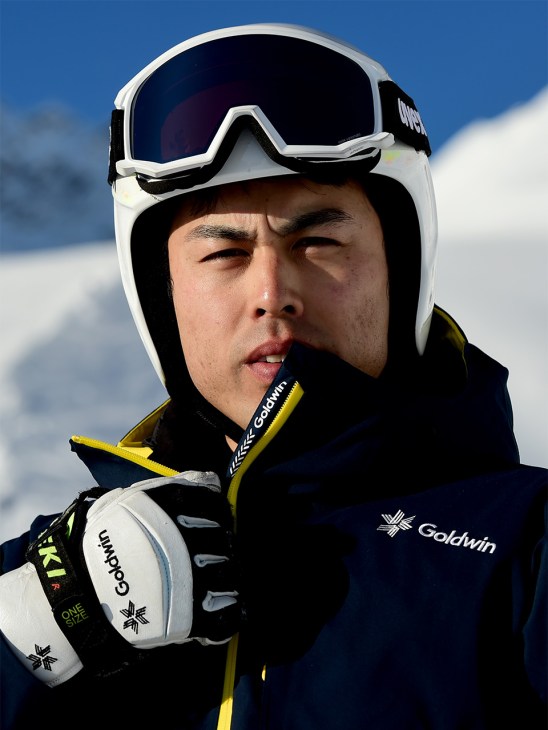
Born and raised in the Hokkaido city of Utashinai, Tomoya Ishii took up skiing at the age of two and made his first national team in junior high school. Competing in slalom events, he spent half a decade racing in Goldwin apparel, including at the Pyeongchang Winter Olympics in 2018, before retiring in 2022.
Ishii now works in Goldwin’s Tokyo-based marketing department as one of a handful of former Olympians among the company’s ranks, involved in fieldtesting its growing skiwear collections. They include Oyabe, a new range for this winter that pays homage to the small town where the company was founded in 1950 as a knitwear factory.
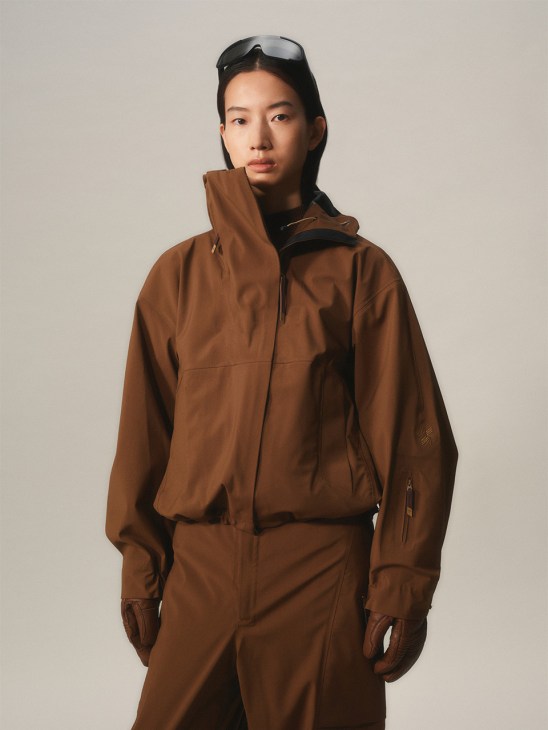
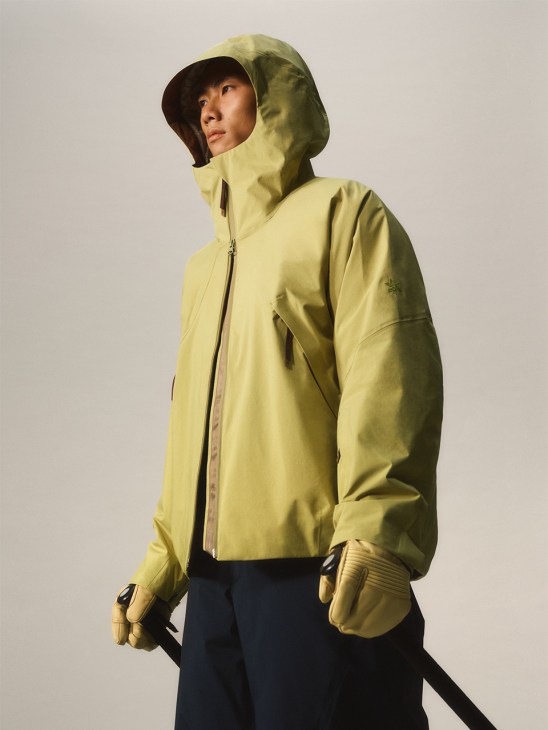
The 25-piece range goes against the broader sector’s fast-paced production methods, with limited quantities and the use of innovative, natural materials. We have our eye on the 3L jacket, crafted with a wool-fibre material and featuring a helmet-compatible hood, as well as a women’s cropped down jacket, which has a relaxed fit despite high-volume, 900-fill-power goose-down insulation. Here, Ishii tells Monocle about Goldwin’s foray into high-end skiwear and what to look out for when investing in your alpine wardrobe.
What are your priorities when you’re testing new collections?
What matters most is being able to ski comfortably all day long. One of the key features of Goldwin apparel is its incredibly high levels of comfort and movement. From the moment you put on one of the jackets, there’s no stress because of restricted movements.
How does the Oyabe collection bring Goldwin’s high-performance apparel for competition use to a broader audience?
It takes the functionality of high-performance wear and combines it with a lifestyle element, allowing it to be worn stylishly in an après setting. One thing that stands out is the beauty of the silhouettes. Until now, skiwear has generally been designed with a sole emphasis on on-slope comfort. Here, we also considered other scenes from the outset, which resulted in new ideas, such as the balloon silhouette. The designs are minimal but all the essentials are there.
What should we look for when shopping for high-end skiwear?
It should have a lot of attention to detail, even in a garments’ unseen parts. The Oyabe collection offers designs for people who are seeking out something a little different.
Cesar Equipment, a new Scandinavian ready-to-wear label designing well for harsh winters
Split between Denmark and Sweden, Cesar Equipment is a new menswear brand that looks to the coastlines of Scandinavia for inspiration for its cold-weather-ready designs. “We started this brand because we want to test ourselves and see how far we could go in terms of hi-tech functional garments, while adding a fashion element,” says Andreas Åhrman, one of the company’s five partners, from his base in Gothenburg. “We like functionality in clothing but looking as though we’d just come back from a five-day hike wasn’t our style.”
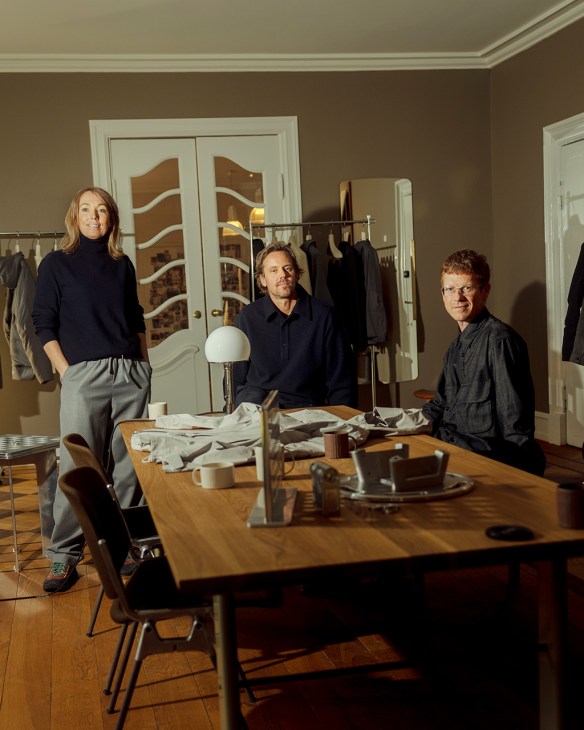
Since Cesar Equipment’s launch in October, its offerings have been split into two categories: Active Tech and Casual Tech. The former centres around lightweight, waterproof and durable Japanese fabrics, cut into loose and clean silhouettes with functional details (think Aquaguard zippers and taped seams to prevent leaks or draughts sneaking in). From bib overalls to goose-down jackets, the Active Tech line will keep you safe and stylish during a snowstorm. Casual Tech, meanwhile, is aimed at city dwellers, who might not need such storm-appropriate clothes but still want to retain technical elements that will keep them warm and dry during the chillier months.
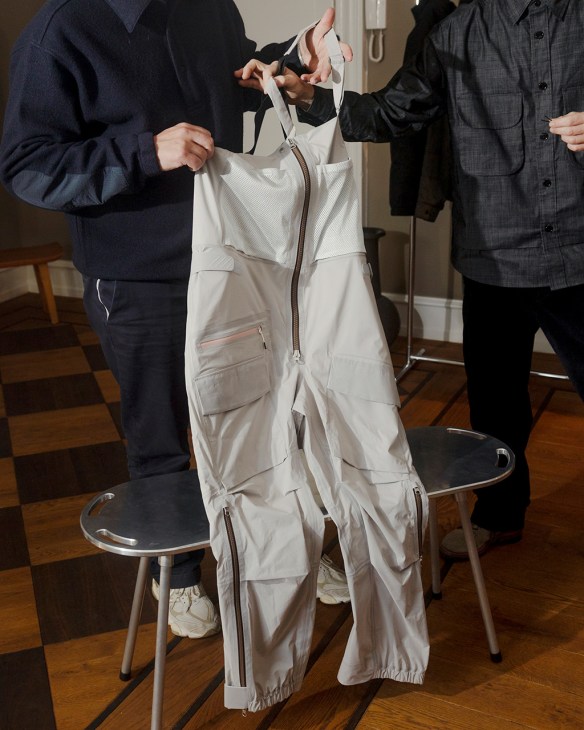

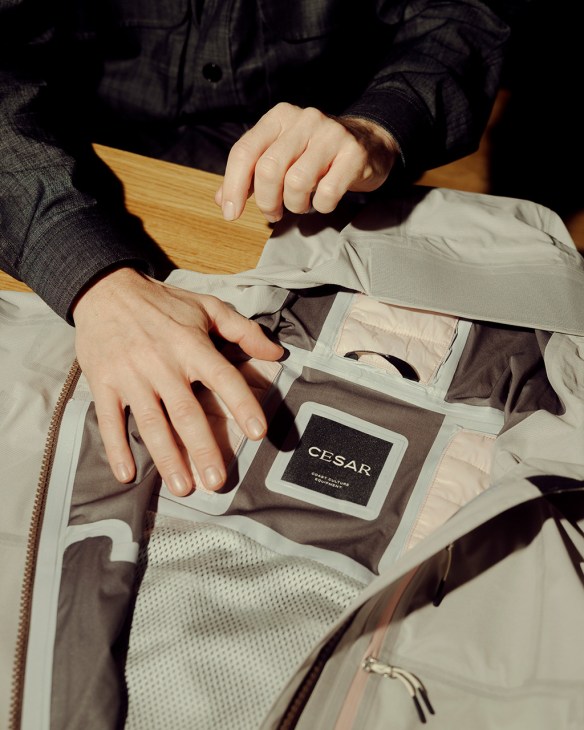
“We were tired of freezing in denim jackets that didn’t fit properly,” says Åhrman. Based near the North Sea, where conditions can be harsh in winter, the team is well placed to test the viability of its products, from waterproof trousers to merino-wool beanies. “We’re sailors, we water ski and we take our dogs to the beach. Our favourite products to work on are those that aren’t traditionally seen from a design perspective, like a wetsuit. We like functionality but also want an opportunity to make something more beautiful by twisting the design.”
While the brand has only existed for a few months, Cesar Equipment’s ambitions are to slowly build a base of customers in Scandinavia, with plans to expand to the Benelux region and the UK – specifically London, where clothes suited for the great outdoors are often worn for less sporty activities (namely going down to the pub).
“We create contemporary expressions of clothing that appeal to city-based customers,” says Åhrman, before sharing his advice for entrepreneurs seeking to start their own fashion companies. “Building a business is a marathon. Some brands, perhaps in fast fashion, might be overnight success stories but if you want to be more premium, you need to go at a slower pace, in a more stable way.”
How top politicians dress for winter: Parkas, tradition and power statements
As winter descends, it’s easy to abandon any ambition of cutting a sartorial dash. When the days are colder, darker and damper, the temptation is to swaddle oneself in a warm coat, a hat, gloves and a scarf, and wait for the sun to return.
National leaders, however, do not have this option. They are remorselessly scrutinised by their peers, the public and the media, whatever the season. Accordingly, what they choose to wear in the winter months says no less about them than how they dress in summer.
Leaders of generally chilly places have the advantage of practice. Here are five – from Denmark, Finland, Greenland, North Korea and Russia – who have found one means or another of standing out as they bundle up.
1.
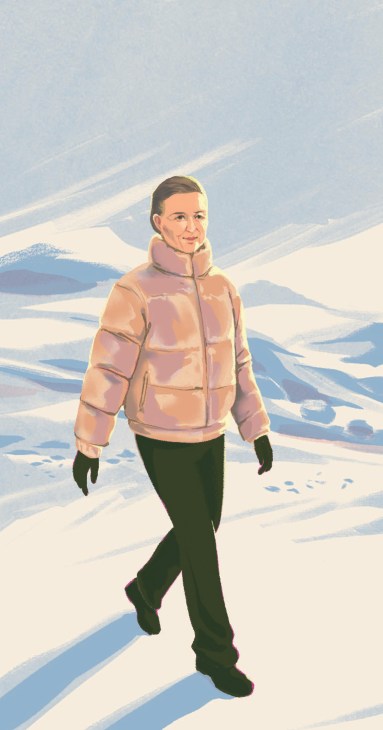
Mette Frederiksen
Prime minister of Denmark
Visiting Greenland in 2025, the Danish prime minister chose – possibly to the chagrin of her own country’s many fine manufacturers of winter wear – a parka by Swedish brand Fjällräven. She has also been seen in a parka by Didriksons, also Swedish, and one by Norway’s Helly Hansen. This seems to be a matter of practicality rather than treachery.
2.
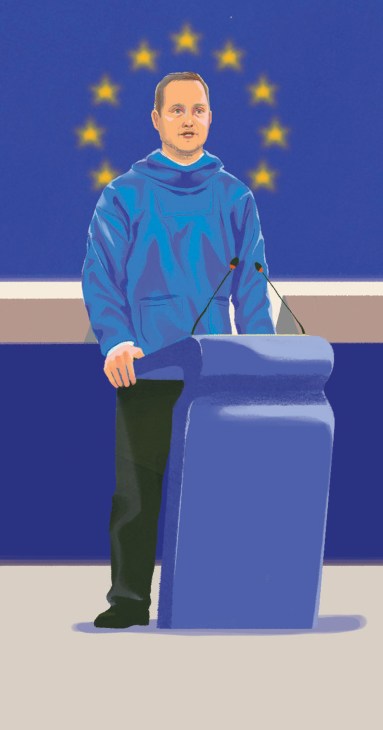
Jens-Frederik Nielsen
Prime minister of Greenland
Nielsen, who was 33 when he became Greenland’s prime minister in April, had previously worn one ceremonial outfit – a badminton tracksuit in which he won gold at the 2023 Island Games. As prime minister, he has addressed international forums in a svelte modern take on the Inuit anorak – annoraaq is originally a Greenlandic word.
3.
Vladimir Putin
President of Russia
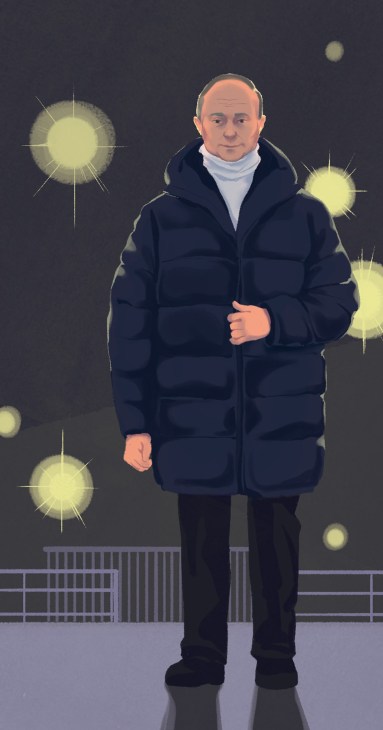
During Russia’s long winters, Vladimir Putin favours upmarket parkas, including one by Loro Piana. The white rollneck beneath it is not, as he might wish onlookers to assume, Russian Navy surplus but the work of another Italian brand, Kiton, that is likely to have set him back €2,500.
4.
Alexander Stubb
President of Finland
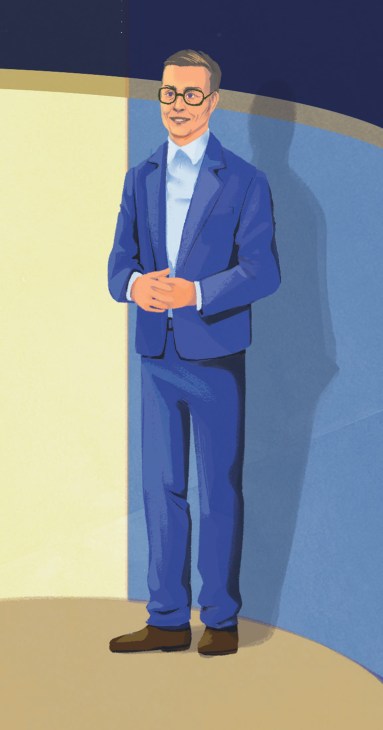
Though one of the more dandyish leaders, Stubb knows that there’s little point in rebelling against practicality in colder months and wraps up in parkas. He has also donned camouflage when visiting Finland’s soldiers. Uniform often comes across as cosplay for politicians but Stubb completed military service and holds the rank of lance-corporal.
5.
Kim Jong-un
Supreme leader of North Korea
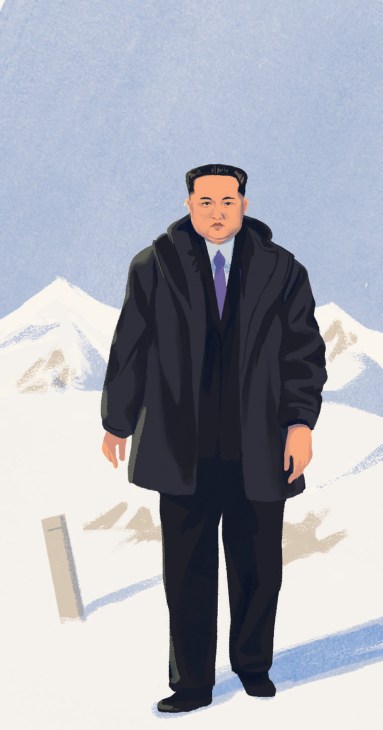
The hot item in Pyongyang is the “marshal’s coat”, modelled on one worn by the rolypoly despot. Potential purchasers should be mindful that when an earlier favourite caught on with the proletariat – a black leather trenchcoat – an edict was issued cautioning that “wearing clothes designed to look like the highest dignity is an impure trend”.
Illustrations: Cornelia Li
‘Chroniques d’en Haut’: A public TV programme spotlighting the lives of French residents living on higher ground
After a bumpy drive through a colourful larch forest, we pull over to fit snow chains on the wheels of our four-wheel drive before tackling the final stretch to our destination, 2,300 metres above sea level. “I’m passionate about the mountains but I’m no adrenaline junkie,” says Laurent Guillaume, a little nervous. We’re in the ski resort of Serre Chevalier, high above the town of Chantemerle. The TV presenter and his crew are here to visit a Canadian-style sugar shack just off the slopes, where guests can try their hand at axe throwing and taffy making using locally sourced honey. The duo behind the business, Sandrine Sucette and David Crockett, are preparing to open the shack for the upcoming season.
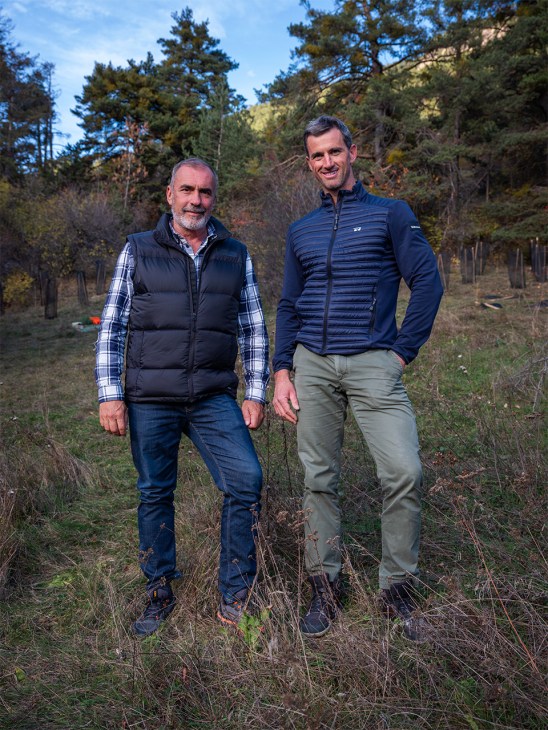
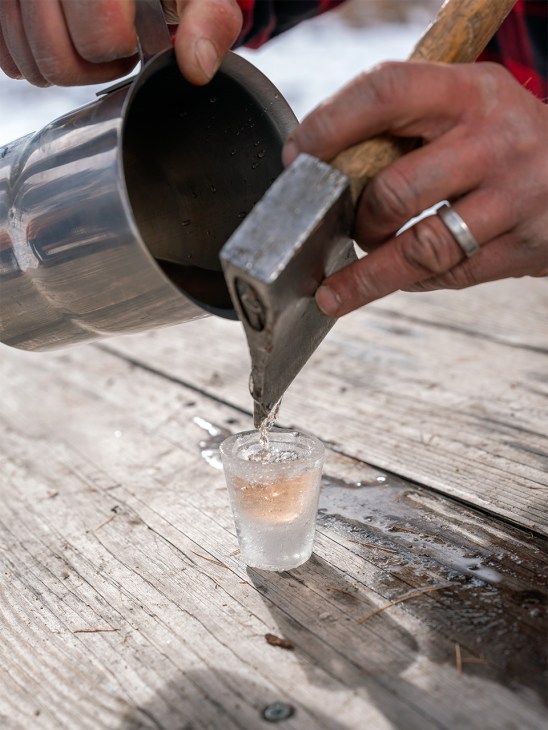
When we arrive at the cabin, our hosts are dressed in checked lumberjack jackets. They welcome Guillaume with a shot of a berry-infused spirit served in a glass made from ice. Guillaume empties his frozen cup and carries it to a custom-built catapult designed by Crockett, with which patrons are invited to launch their drinkware at a target a few hundred metres away. After several attempts, Guillaume hits the mark. “This is brilliant – no washing up,” he says. “Thank you and I wish you a great ski season,” he tells Sucette and Crockett, before turning to the camera with a smile. “And thank you for watching this programme. As always, I’ll see you next week.”
Today’s scenes are part of the 745th episode of Chroniques d’en Haut (Highland Chronicles), a show on TV channel France 3 in which Guillaume travels around the country’s mountainous regions to meet their inhabitants, or montagnards. “I’ve always been fascinated by small mountain hamlets,” says Guillaume, who has been presenting the show for 28 years. “The local customs and architecture speak volumes about the climate and the way of life here. I find the adaptation of mountain people to their environment remarkable.”
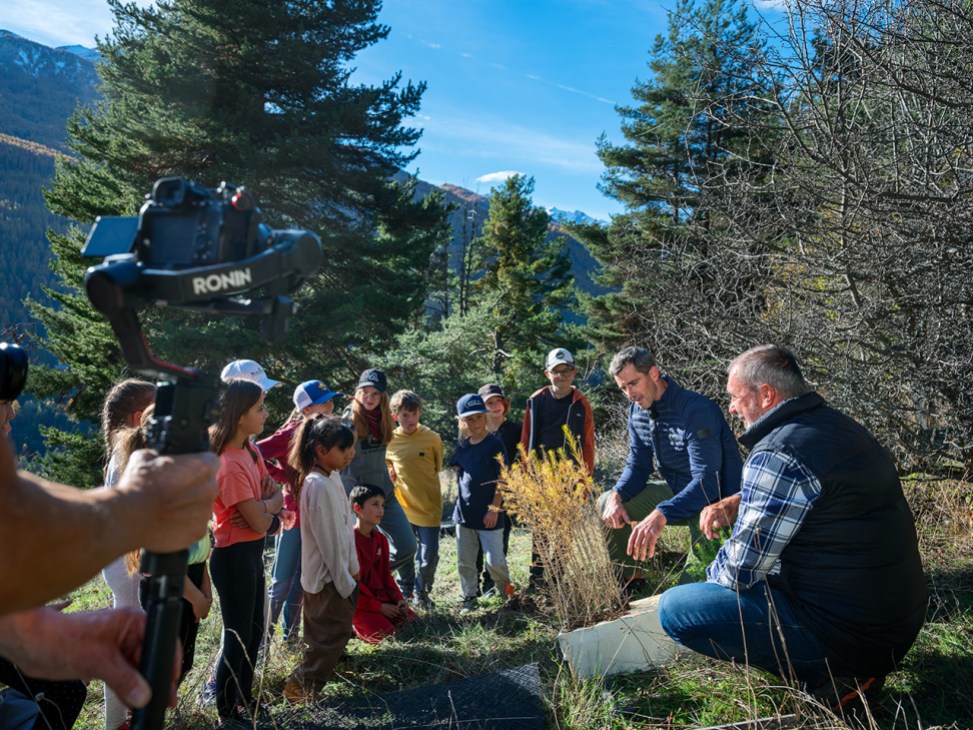
During our visit, filming takes place near snow-capped peaks but the programme tends to focus on areas further down the mountain, where communities live year-round. “I love the inhabited areas the most – little chalets lost in the snow with smoke coming out of the chimney,” says Guillaume. Today’s episode takes place in the Guisane valley – a corner of the Hautes-Alpes department that is famous for its forests, which in autumn are ablaze with amber and deep-orange hues. Monocle follows the presenter as he meets a former athlete-turned-environmentalist, a mountaineering storyteller and four brothers who run a local distillery.
Born in Lyon, Guillaume started his career as a reporter at local station Télé Lyon Métropole but soon realised that he wasn’t suited to the news. As a child, he had fallen in love with the mountains on visits to the Valloire ski resort so he transitioned into a role as a weatherman on France 3, which allowed him to “be in the right place at the right time” – in the mountains when it was snowing.
In 1998, Guillaume pitched Chroniques d’en Haut to his boss. “Though there was a programme about climbing, I realised that there wasn’t one telling the story of the French mountains and its inhabitants,” he says. The show hasn’t changed much since it launched, aside from its use of drones and the size of its cameras. France 3 is publicly funded so it can prioritise programmes’ cultural and social values over ratings. “We’re trying to make something that makes people feel good,” says Guillaume.
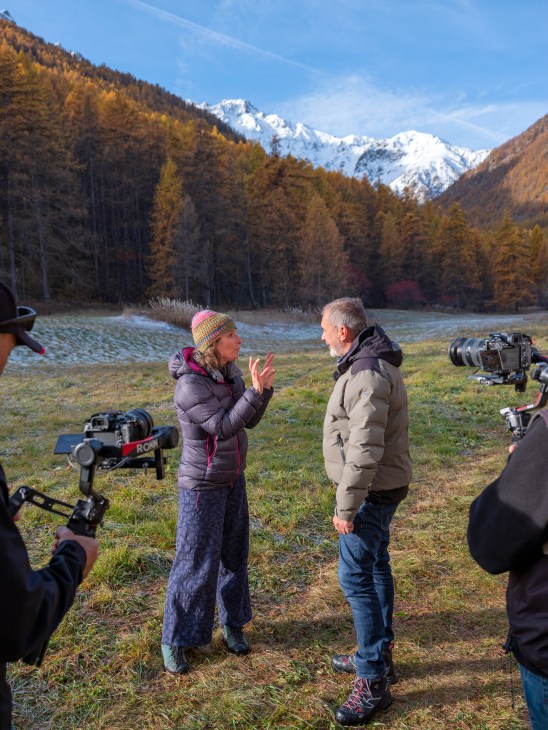
Though climate change, depopulation and the challenges faced by rural communities regularly come up in conversation, the point of Chroniques d’en Haut is to celebrate the beauty of mountain life. “This is a regional channel, which gives us a different perspective from those who are producing national shows in the capital,” says Guillaume. “Local connection really matters because everything in France is heavily centralised in Paris.”
A few months ago, Guillaume became a montagnard, moving from Lyon to Valloire. “Finding snow on the ground feels like you’ve arrived after the party. You really have to see it falling,” he says. Guillaume has even installed special lights in his garden for this purpose. “Being in a cosy room and watching the snow fall outside – that’s the best feeling in the world.”
‘The Winter Warriors’ by Olivier Norek tells the unknown stories of Finnish soldiers and their quiet heroism
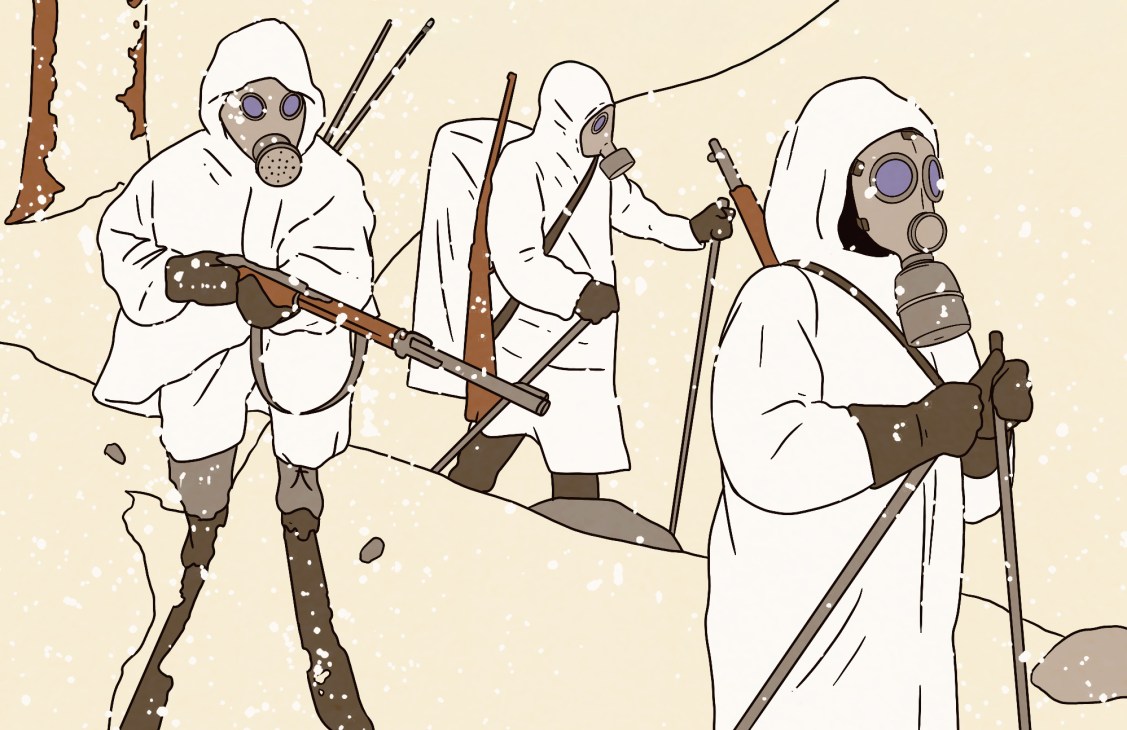
The Winter Warriors, French writer Olivier Norek’s first historical novel, tells the story of ordinary Finns who fought during the 1939 Soviet invasion of their country, taking up positions across icy plains and forests. Despite the harsh conditions, they managed to repel the enemy’s winter advance, relying on white camouflage outfits, ingenuity and the skills of a brilliant sniper, Simo Häyhä. Norek spoke to Monocle about the deep research that the book required and why this front of the war – little known internationally – was so historically important.
To write ‘The Winter Warriors’, you travelled to Finland to experience living there during the winter months. What did you learn?
It helped me to understand that the Finnish soldiers were in an impossible situation. When the temperature drops to minus 40C, you become paralysed. The cold doesn’t just make you shake – it attacks you. You can’t protect yourself, you can’t think. And yet the Finns were able to come up with strategies and stay in the snow to fight for hours without moving.
I was a field cop and like to think of myself as a field author today, so I wanted to know how the Finnish snipers were able to stay in the snow for so long. One thing that I had to do was get drunk on the same alcohol that the soldiers did – it helped to keep them warm in the snow. I also got hold of the same gun that they used and went into the forest to practise shooting with it. I knew that to write about it I had to know the bang of the gun going off, how it recoils and the smell of the powder.
What first inspired you to write about this war?
Not so long ago I was in the south of France and heard Vladimir Putin’s voice on the radio. He was kindly reminding us that he had nuclear weapons and that he wouldn’t hesitate to use them if we supported Ukraine. It scared me but I knew that fear was fed by ignorance, so I wanted to find out more about Russia’s relations with the rest of the world in the last century. That’s when I learned about this forgotten war that took place over 105 days in minus 51C weather. I also discovered the name of Simo Häyhä, who was apparently the best sniper of all time. I knew that I had the ingredients for an incredible story.
Why does what the Finns achieved in 1939 matter to the rest of the world?
It happened in 1939, at the very beginning of the Second World War. At the time, Joseph Stalin and Adolf Hitler knew that one day they would have to fight one another but they didn’t know when. So when Russia tried to invade Finland, it was like a preview for Hitler of any future confrontation with Stalin. He was able to see what conflict with Russia would be like. They had everything that they needed to win, from arms and tanks to soldiers – yet they didn’t succeed. So when Hitler saw that, he thought that Russia was a weak giant. It was after this that he decided to send four million Nazi soldiers into the Soviet Union to start Operation Barbarossa, precipitating the beginning of the Third Reich’s fall.
That’s why I think we have to thank those Finnish soldiers because without them, our borders and maybe even our language and culture wouldn’t be the same as it is today. I felt ashamed that we had erased a story that had potentially changed the course of history. It was one of the reasons why I wanted to tell the story exactly how it happened. I invented nothing.
Tell us about the reaction to the book in Finland.
When I visited the country after the book’s publication, I was received by the Ministry of Foreign Affairs. We organised some signings in bookshops and they were completely full; we had to find chairs from other shops because there weren’t enough. On the third day of the visit, we heard the Finnish president say that there was a book written by a French author that everyone must read. That was incredible.
Finnish people are humble and secretive. I think that they weren’t able to write a book about how they had been heroes during that war. They needed someone from the outside, someone foreign, to say that. So this isn’t my story, it isn’t my culture or my heritage and these soldiers aren’t my brothers in arms. I’m just the messenger. I want to ensure that this story will never be forgotten.
There is humour in the book too.
I worked with the military in former Yugoslavia during the war in the 1990s and was later a policeman in Paris’s Seine-Saint-Denis, an area with one of France’s highest crime rates. If you want to survive mentally – if you want to have a family life and exist with all of this horror and violence – you have to have a wonderful sense of humour. In fact, humour, love and friendship are stronger when there is death all around you because you realise that you don’t have much time. You think that today might be the last day, this laugh the last laugh or this kiss the last kiss. You need to be with people.
Do you see echoes of today’s geopolitical situation in the story of the war?
Yes. It’s a historical book but also about men and women – about courage, resistance and fighting for what’s right. This is very important: when Russian soldiers are serving in Ukraine, they are fighting because they have received orders to do so. But like the Finns in the Second World War, the Ukrainians today are fighting for their houses, their land, their nations and the ones they love. That is a just cause. When you have that on your side, you are almost indestructible.
There are many differences between the Finnish and Ukrainian war efforts. When Finland was attacked in 1939, they were totally alone. Today, Ukraine has the support of Europe. But there are parallels because it isn’t just the fight of an army of soldiers – it is a war that involves everyone in the country. Men and women, soldiers and farmers: the entire nation is part of the war effort.
Tell us about the star of your book, Simo Häyhä.
For Finnish people, Häyhä is on the level of Napoleon Bonaparte or Joan of Arc – very, very famous. So everybody has a story to tell about him. I worked with soldiers, veterans and snipers and found his diary. I spent two and a half years with my feet in the snow, trying to get as close to his character as possible. He wasn’t just a legend – Häyhä was a myth. There was something supernatural about the way that he could stay still in such cold weather, just waiting for the Russian snipers to move and reveal their positions. And he could make shots at about 500 metres. Nowadays, the best snipers can’t explain the shots that he made because they seem impossible. But there are witnesses to prove that he did perform these feats. I think that it was because he wasn’t shooting with his eyes so much as with his heart, his courage and his rage.
When Häyhä was about 80 years old, a German journalist asked him whether he was a hero. And Häyhä replied that he just did what he had to do, like the rest of the Finnish soldiers around him. Like every Finn, he was very modest. I liked him because he wasn’t a murderer or assassin. He was just a man who defended his country.
This interview was first broadcast on Monocle Radio’s ‘Meet the Writers’, hosted by Georgina Godwin. Head to Monocle Radio for more.
About the interviewee
Award-winning crime novelist Norek started his career as an aid worker in Yugoslavia and Guyana, followed by a stint as a policeman in Paris. He is the co-creator of French TV series Les Invisibles.
How to dress for winter – the Viennese way
Quietly elegant in its formality, Vienna is a bastion of Mitteleuropean charm – a quality that the city’s residents reflect by favouring stylistic restraint over excessive glamour. But there’s more to the Austrian capital’s understatement than meets the eye. With its high-collared Loden coats, Viennese style expresses something of the city’s heritage as the former seat of the Austro-Hungarian Empire. This is also where, at the turn of the 20th century, the secession movement of Gustav Klimt, Josef Hoffmann and others broke from artistic and design conventions, and where Sigmund Freud conceptualised psychoanalysis.
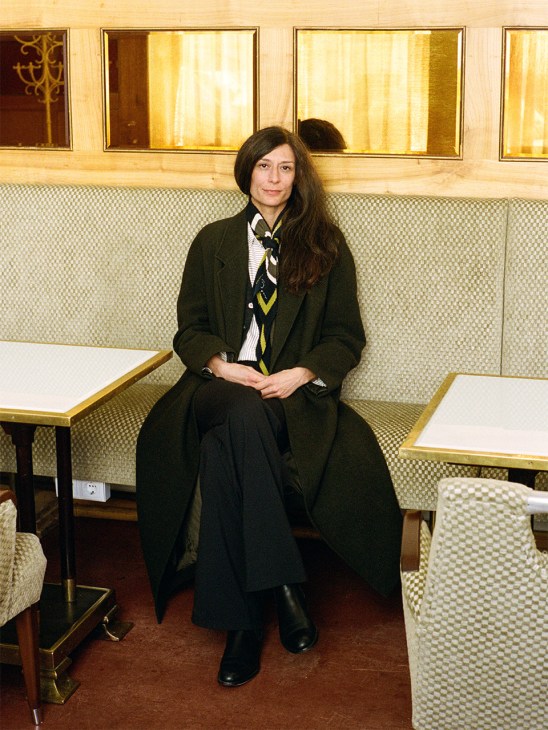
Though the shadow cast by its history is long, today Vienna moves at its own pace and on its own terms. “The luxurious thing about Vienna is that it’s still a slow city,” says editor and art historian Nela Eggenberger when Monocle meets her for breakfast at Café Prückel, which has served the city since 1903. Here, waiters in bow ties busily ferry silver trays stacked with eggs, chive toast and cream coffees. Two women in matching turtlenecks enjoy a catch-up while elderly men gather in a booth, setting the world to rights. “We have coffee houses where you can sit for hours without being pushed to consume more,” she says. “There’s a saying: ‘When the world ends, go to Vienna because everything happens 10 years later.’”
For creatives, the city’s pace allows ideas to percolate and develop slowly. With her friend Pia Draskovits, Eggenberger co-founded Pinea, an online publication that covers contemporary photography, with a print magazine slated to launch in early 2026. In her pleated neckerchief and forest-green Loden jacket – designed by her late friend, Austrian fashion designer Claudia Brandmair – Eggenberger looks like a modern equivalent of the Viennese women who Klimt painted in the 1900s.
As we leave Café Prückel and head towards the Innere Stadt, we spot grandes dames wearing pearl necklaces and cashmere coats. Here, the ornate buildings offer an opulent backdrop for anyone running errands near Stephansplatz or sipping a midmorning mimosa at Zum Schwarzen Kameel. As in most cities, the most formally dressed people are, let’s say, women of a certain age.
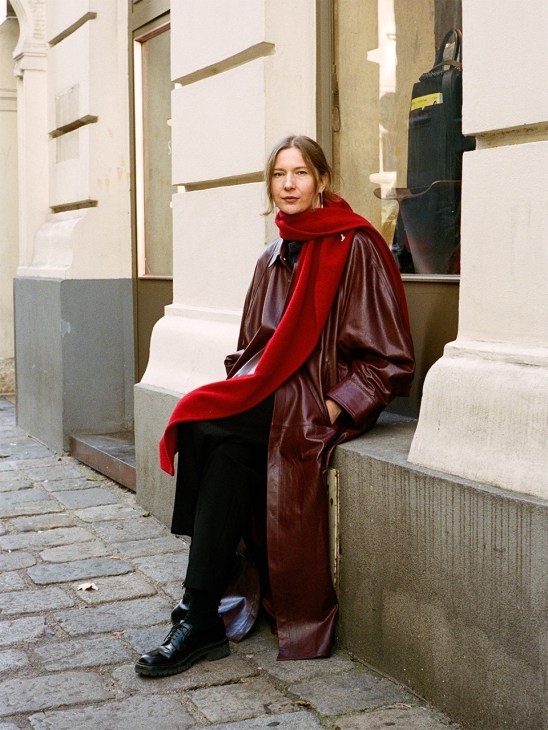
“Vienna has a classic quality that is difficult to escape,” says Tanja Bradaric, co-founder of leather-goods brand Sagan Vienna. “Subconsciously, there’s a layer of something traditional in our creations.” She isn’t the only person we meet in this city who tells us that fashion occurs to them on a subconscious level – an apt comment in Freud’s old stomping ground. When Bradaric greets us at her brand’s shop on Gutenberggasse, she is wearing a Jil Sander shirt, a leather coat by Enrico Borino and a red scarf from Mühlbauer.
Originally from Croatia, the designer moved to Vienna to study fashion before meeting her business partner, Taro Ohmae. After a stint working for Balenciaga in Paris, the pair moved back to start a brand in 2016 and soon received two awards from the Austrian Fashion Association. “There used to be the idea that being in Paris or London was a form of confirmation for a brand,” says Bradaric. “Now there’s joy in finding a cool label from Helsinki or Vienna.”
Sagan Vienna’s ambition is to design leather accessories that complement a life well lived. “I find inspiration in books or exhibitions,” says Bradaric as she grabs a folder filled with cut-outs of details referenced in her collections. The braided reins of the Austrian capital’s horses are echoed in the strap of a bag. The woven seats of German furniture maker Thonet’s bistro chairs are reinterpreted in leather.
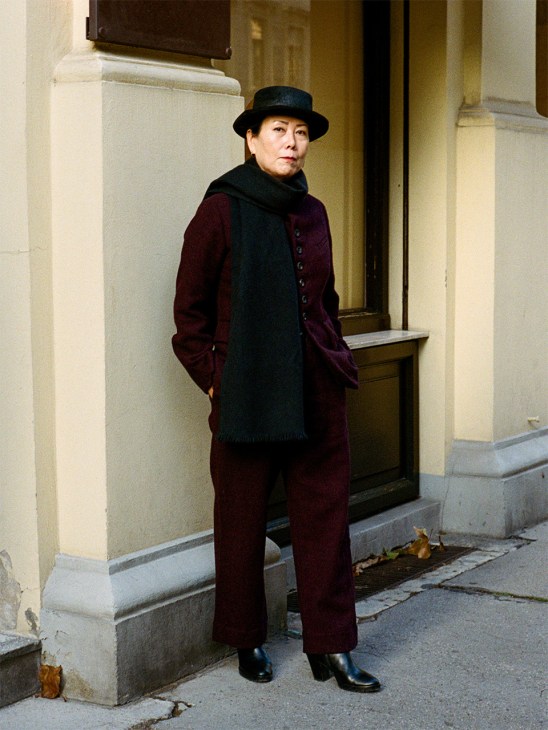
An advantage of being based in Vienna is that the city draws a cultured international clientele in search of well-crafted souvenirs. Visitors might cross the Danube from the old town to head to Song, a design-and-fashion concept shop nestled in the Leopoldstadt district and run by South Korean transplant Myung-il Song. There’s also Anouk in Neubau, a family-owned concept store that offers a selection of fragrances, knitwear and trainers.
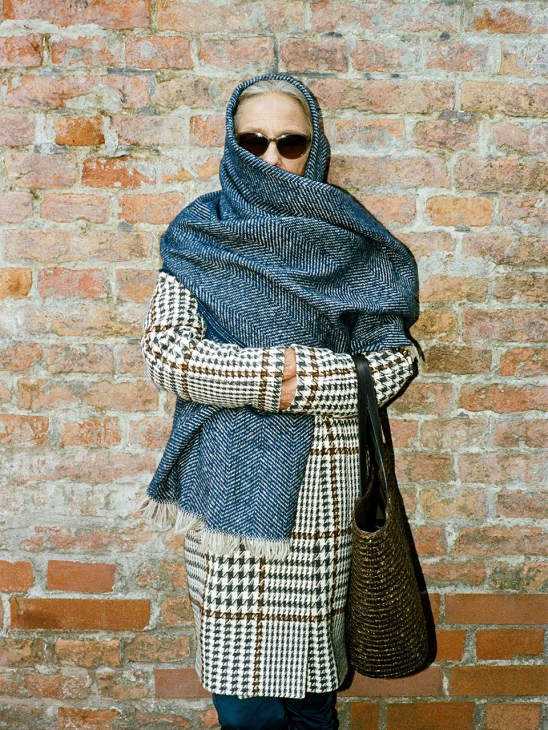
The city’s residents provide plenty of wardrobe inspiration. Well-heeled gentlemen go about their day in heavyweight jackets. Students in shearling coats mingle in the courtyard of the University of Vienna. We meet Helena, a philosophy student who is also a part-time model, and Lucien, who reads history. The city’s colder temperatures – and proximity to popular Alpine ski resorts, from Lech am Arlberg to Ischgl – mean cocooning cloaks, oversized scarves and woollen fedoras are staples.
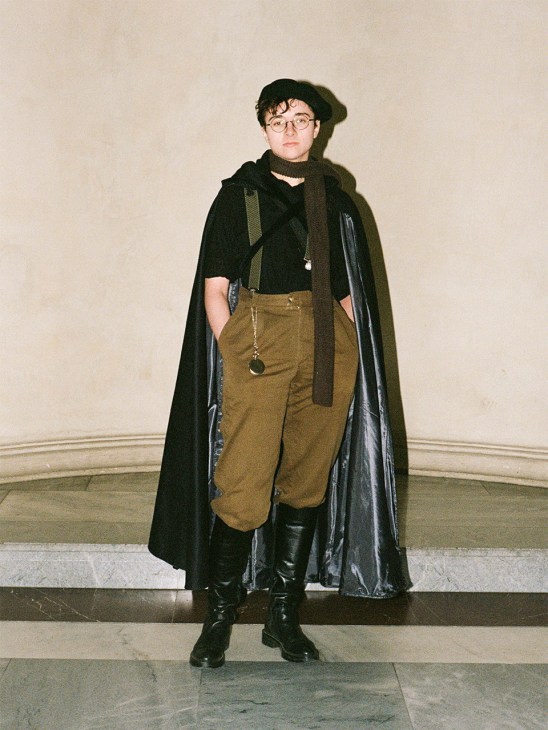
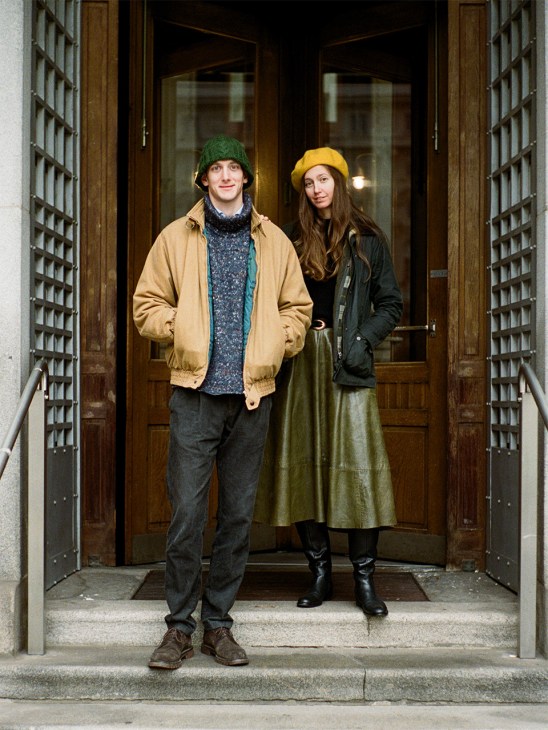
As the sun sets in the early afternoon, we meet Klaus Mühlbauer, the fourth-generation owner of internationally renowned hat manufacturer Mühlbauer. (It’s only in a city such as Vienna that the foremost fashion brand would be a 120-year-old headwear maker.) As Mühlbauer greets us at the company’s headquarters near Schwedenplatz, hatters are hand-shaping felts into fedoras and cloches. “In Vienna, there’s the influence of the mountains, particularly in terms of the hat shapes,” he says as he pulls a series of silhouettes from the shelves. “Compared to British hat fashion, we’re less oriented to special occasions and millinery. We don’t think in terms of costume. We’re in the field of ready-to-wear.”
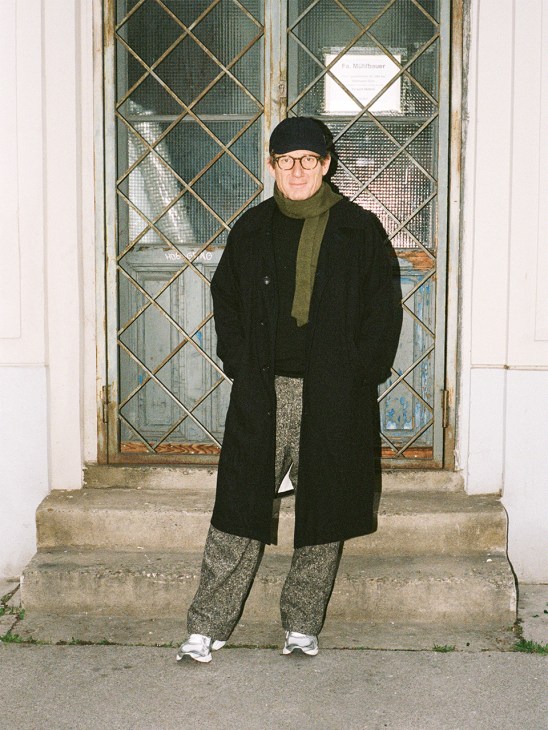
As darkness falls and 17.00 approaches, the craftspeople put down their tools and pack up to go home. “Vienna is a good place to work because there’s no rush,” says Mühlbauer. “For everyday life, it’s good to have quiet surroundings. But there’s still the openness of a city. It’s not a big fashion hub but the craft is still vibrant.”
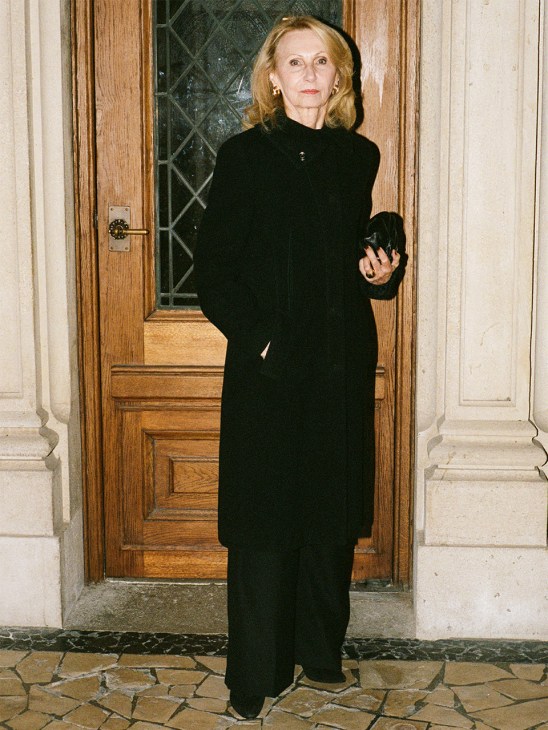
Soon we make our own departure to see the streets of the Innere Stadt light up the night and twinkle with Christmas decorations. In the spirit of the season, throngs of people make their way to after-work drinks, dinners or their evening’s entertainment. Near the Vienna State Opera House, we encounter Elisabeth, who is meeting her son at the Hotel Sacher before seeing Claude Debussy’s Pelléas et Mélisande. In her black knee-length coat, tailored trousers and a pair of diamond stud earrings, Elisabeth seems to be an embodiment of Vienna: sophisticated and perfectly proper, busy but in no rush.
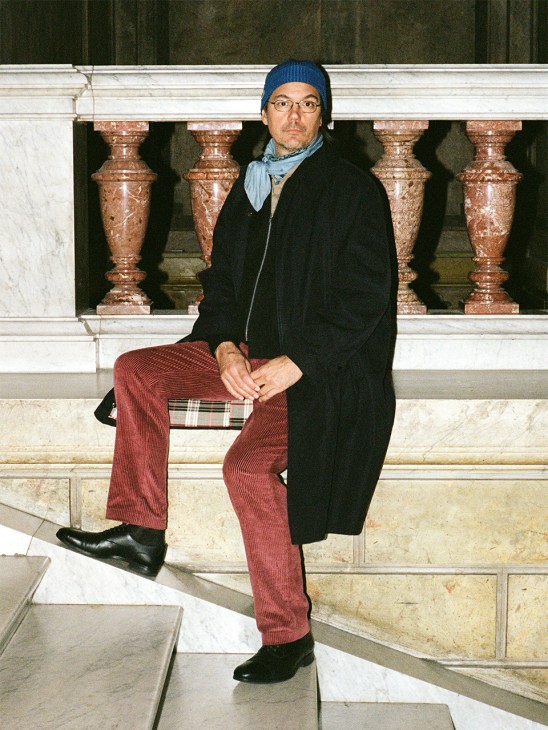
Where to shop in Vienna
Want to channel the elegance of Austria’s capital? Here’s where to stop off – and stock up.
1.
Mühlbauer
Hatmakers since 1903.
Seilergasse 10
2.
Sagan Vienna
Leather handbags and accessories inspired by Vienna’s heritage but with a contemporary twist.
Gutenberggasse 1
3.
Song
A concept shop that stocks everything from ready-to-wear clothes to candles and design pieces for the home.
Praterstrasse 11
4.
Knize
Come to get a suit expertly tailored in an atelier designed by Viennese architect Adolf Loos.
Graben 13
5.
Anouk
A shop with minimalist interiors but a wealth of offerings that include pieces by Patta, Kleman, Woodbird and Anna Reiss.
Westbahnstrasse 16
10 projects reshaping Italy as its north prepares for the Olympic Winter Games
Milano Cortina 2026 will be a stage on which Italy can showcase the best of all that it has to offer, from the stunning beauty of the Dolomites to the ancient city centre of Verona. But it’s also much more than a showcase of the country’s natural and historic assets. The Games have given the Bel Paese fresh impetus to upgrade its infrastructure. The optics are good – and not just the fibre ones.


1.
Connecting the dots
The Games have provided the Italian government with a good excuse to extend Milan’s enviable fibreoptic network, first unfurled in 2005, to the rest of the country. About 900km of fibre has been run north from the Lombard capital to the Valtellina valley (which includes one of the main ski venues in Bormio), near the border with Switzerland. This extension will give the state police a high-speed connection that will aid them in securing events and communicating with local hospitals.
2.
New heights
A significant part of the host’s infrastructure push has been the improvement of transportation to the area’s ski slopes, including upgrading outdated cable cars. The Ponte Bondio-Mottolino lift has been modernised with an automatic clamping system that allows cabins to detach from the cable at the stations, slowing them down to allow safe boarding and disembarking before they reattach and continue on their journey. Completed in late 2024, this update follows a private investment in the Mottolino resort, which included the opening of a coworking space and several new restaurants.
3.
Pedal power
Some of the changes initiated for Milano Cortina won’t quite meet the 2026 deadline but are still set to leave a legacy for residents. With work starting in December, a new cycle lane boasting impressive views and protection from a busy road is expected to be completed by 2027. Linking Lecco with Abbadia Lariana, it completes a track that has already been finished between Caviate and Pradello.
4.
Stadium gig
The Winter Games might be billed as Milano Cortina but they will also be a celebration of two of Italy’s powerhouse economic regions: Lombardy and Veneto. Roughly halfway between Milan and Cortina, the ancient city of Verona will host the closing ceremony on 22 February inside its Roman amphitheatre. To bring it up to Games standard, €20m has been spent by the nation and municipality, improving accessibility and making other tweaks, such as to the stadium’s security system.
5.
Right on track
In anticipation of the Games, train services have been given a serious (ski) lift. For example, a Trenord service from Milan to the valley of Valtellina will run from 04.20 until 03.00, with trains leaving every 30 minutes throughout the day. Money has also been invested in new trains and tracks, such as the stretch between Trento and Bassano del Grappa, which has been electrified and now features a number of new carriages that were purchased to service it, including colourful Pop models made by Hitachi Rail.
6.
Peak position
By sharing hosting credits with Milan, Cortina is expected to reach new heights when it comes to property. Already the most expensive and exclusive resort in Italy, it will cement its status as an Italian St Moritz once the event concludes. In preparation, various facelifts are under way, including the installation of a traffic-calming roundabout at the city entrance, the widening of the roadway along Lungoboite and new city lighting.
7.
Getting ahead
Bormio – with its famous Stelvio slope – will be one of the main venues for the Games. The resort town knows exactly what it’s doing, having previously welcomed the Alpine Ski World Cup on numerous occasions (it will be responsible for hosting all of the men’s Alpine skiing competitions in February). Bormio has had a spruce up to get Games ready. Alongside the installation of pumping stations for artificial snow, a ski stadium and ski park were completed at the end of November, a month ahead of schedule. An Italian miracle.
8.
Sight unseen
Rome-based energy company Terna is behind a series of installations of underground power lines, stretching about 130km, with the goal of minimising eyesores for Olympic attendees. The works have taken place in northern Italy, extending from Milan to the Sondrio province. The projects strengthen the grid across a large swath of the country and increase the resilience of infrastructure in an area that is increasingly exposed to extreme weather.
9.
Taking off
Verona has been seeking to enhance its strategic position ahead of the Games. Already a gateway to the Dolomites, thanks to an international airport that services 75 destinations in 27 countries, it has recently expanded its passenger terminal in an €80m initiative called Project Romeo (named after one half of Verona’s most famous couple). The objective is to welcome as many as five million passengers per year, up from the current figure of four million.
10.
Tunnel vision
In South Tyrol, not far from Bolzano, a bypass road surrounding the village of Percha has been a hot-button issue for residents for about 10 years. However, until recently, the funds to make it a reality were not available. Now a €170m project is creating a 2.7km tunnel that will redirect traffic and pollution away from the village. In October, the final piece of rock separating one end of the tunnel from the other was removed – a major step towards completion. It is expected to have a significant impact on residents long after the Games conclude.
Illustration: Ana Cuna
In Val McDermid’s kitchen, every recipe is just an opening chapter
Winter means soup. I believe the world is divided in two: between those who think that soup is a meal and those who are wrong. Of course, it’s possible to have a small bowl as a starter, ahead of a main course. In winter, when I was growing up, there was always soup with our dinner – a steaming bowl to start the meal. But for real aficionados, a suitably fulsome soup is a meal in itself.
I love soup, probably because my mother was a fine soup maker. When my godson visited me, he always used to demand Nanna Da’s soup, a Scotch-broth variant with stock made from boiling beef. The piece of meat is removed before serving, shredded, then returned to the bowls when the soup is dished up. But now his partner is a pescatarian, so the boiling beef has been consigned to oblivion, replaced by a vegetable stock gel. Even the best traditions have to move with the times. Yet the soup love remains.
When I went off to university, I decided that I wanted to make dinner for a few friends to celebrate St Andrew’s Night. He is the patron saint of Scotland and 30 November is our national day. We don’t make much of a fuss over it, at least not in Scotland, but we do give a nod to our winter favourites. I hoped to impress my English friends with the richness of Scottish cuisine. I had persuaded my mother to send me a haggis in the post but I needed more. I needed soup.
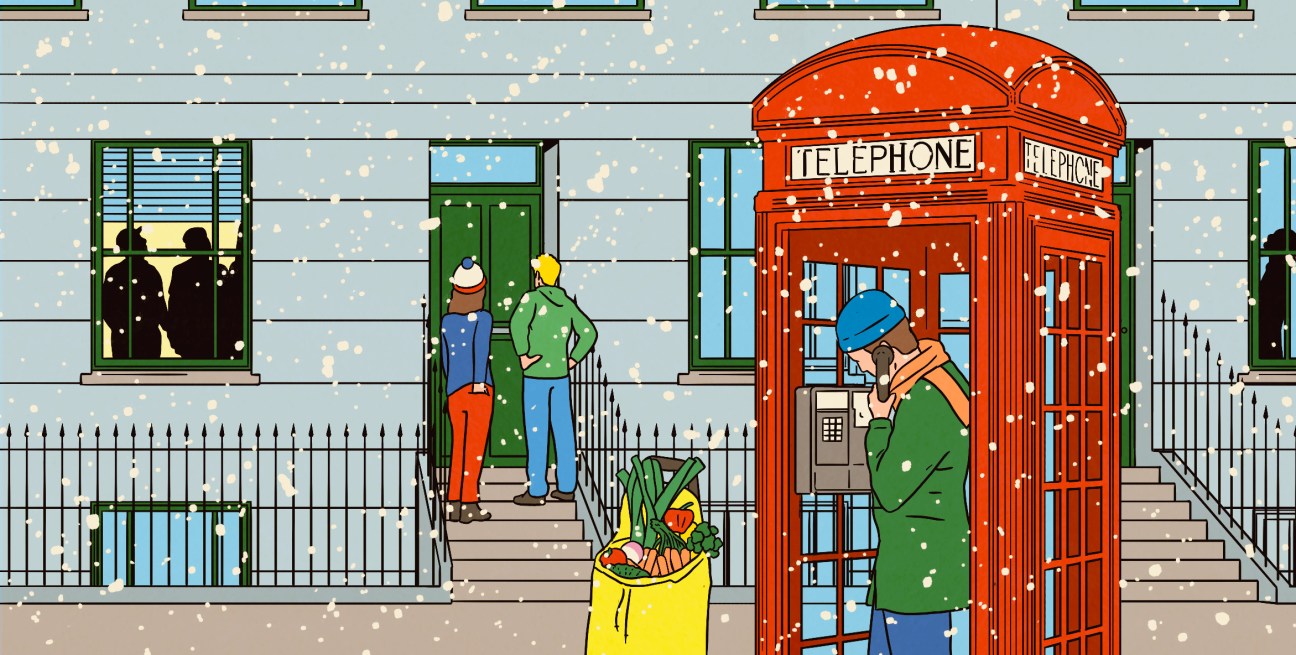
“Can I have your soup recipe?” I asked on one of our occasional phone calls (occasional because I never had much cash to spare to shove into the payphone’s greedy maw and my mother was paranoid about losing her low-user rebate from the phone company). There was a long silence. “Mum, the recipe?” I prompted her.
“There isnae a recipe,” she said. “You make a stock with boiling beef or a chicken carcase, then you chop up whatever vegetables you’ve got, then throw in some lentils and barley and some dried peas or beans, whatever you’ve got, and a tin of tomatoes if you have some, tomato purée if not. Then you simmer it for a few hours. It’s no’ really a recipe, more a rummage.”
In a way, that phone call defined my view of cooking. A recipe is always a starting point. It can invariably be improved by a good rummage, then tweaking and adding other ingredients. The perennial cry in our kitchen as one or other of us is stirring a pan is, “There’s a missing middle. I think it needs some balsamic vinegar/chipotle/chaat masala/Worcestershire sauce/pickled walnuts.” Nowhere is my tendency to ignore a recipe more evident than in the area of soup.
Family legend has it that, as a small child, I announced that I didn’t like lentil soup. So my mother sneakily added a tin of tomatoes, put the new variant through a sieve and told me that it was tomato soup. I was suckered and sucked in.
Now I have a repertoire of my own. When we have shellfish on the barbecue, I gather up the heads and shells and make a rich and fragrant fish stock with garlic – wild garlic, when it’s in season – and the tops of the fennel plants that self-seed in the garden. I strain the stock, add smoked tomato paste, shallots, a tin of chopped tomatoes and some chilli powder to create a stonking fish soup. A swirl of rouille and some croutons made with the end of the rye sourdough loaf, and I defy anyone to say that it’s not a meal.
The simplest of all is mushroom soup. Chop a shallot and a couple of cloves of garlic and sweat them in some olive oil and butter. Then add a sliced punnet of whatever mushrooms are available. If there are any dried porcini in the cupboard, crumble them, pour on some boiling water and leave them to infuse, before adding them to the pan. Add whatever stock you prefer, simmer for half an hour, then pulverise with a stick blender. Serve as it comes or add a swirl of crème fraîche if you feel the need for a bit of luxury.
One of my favourites is “bottom-of-the-fridge soup”. The day before your big shop, there are always bits and pieces left that you can use up. Rub the sprouting eyes out of the potatoes, peel the strange black bits off the bendy carrots, discard the half of the red pepper with the green and brown mould, rescue the middle of the tragic leek from the squidgy outer layers and repurpose the leftover cauliflower cheese. Some sorry-looking mushrooms, a couple of onions. Three cloves of garlic. All they need is a stock gel, a can of beans (borlotti, cannellini, haricot, maybe even kidney) and a tin of tomatoes. Before you know it, you’ve conjured up a hearty Mediterranean bean soup, with a little help from the herb-and-spice shelf.
When I was a trainee journalist on starvation wages, I used to make a vat of soup on a Sunday evening. Proper soup, with vegetables that I had chosen for the job. Leek and potato; lentil and bacon; mushroom and onion; minestrone; a trusty Scotch broth. That, plus a loaf of bread from the bakery under our office, kept me going till Friday and cost very little, leaving enough cash for the weekend jug of Devon farm cider.
Making big pans of soup in winter is a habit that I still cleave to. It’s central heating for the soul. My partner is in the other camp and she really doesn’t understand what she’s missing. Instead, she leans in to stews and casseroles, rich with venison, garlic, chillies, corn and chocolate, or curries from every corner of Southeast Asia, or tofu, red peppers and shallots with crispy sage leaves that crack into flavour in the mouth. I love her cooking – even when it’s a bottom-of-the-fridge curry. But, left to my own devices, I always turn to soup.
Extracted from ‘Winter: The Story of a Season’ by Val McDermid (Hodder Press), which is available now.
About the writer
Val McDermid is the author of five series of crime novels. Her work has been translated into more than 40 languages.