Design Directory
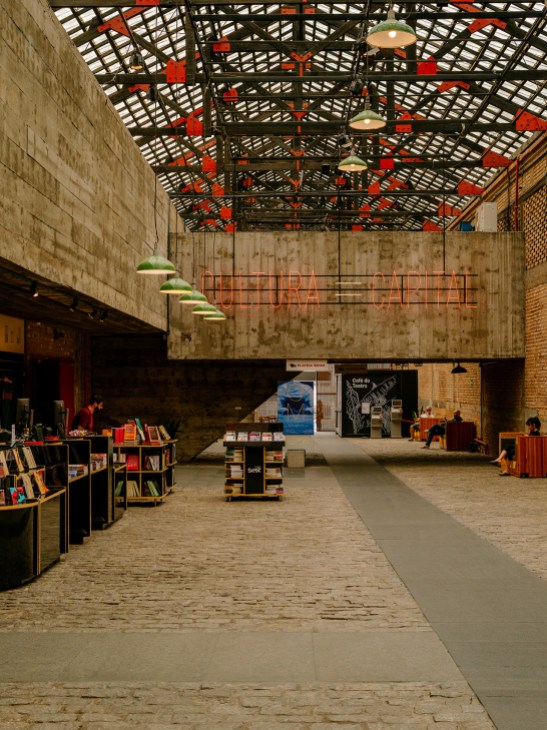
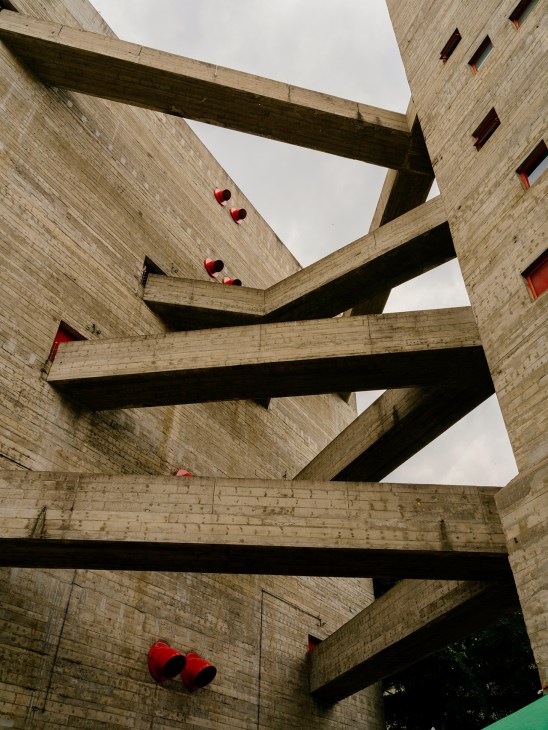
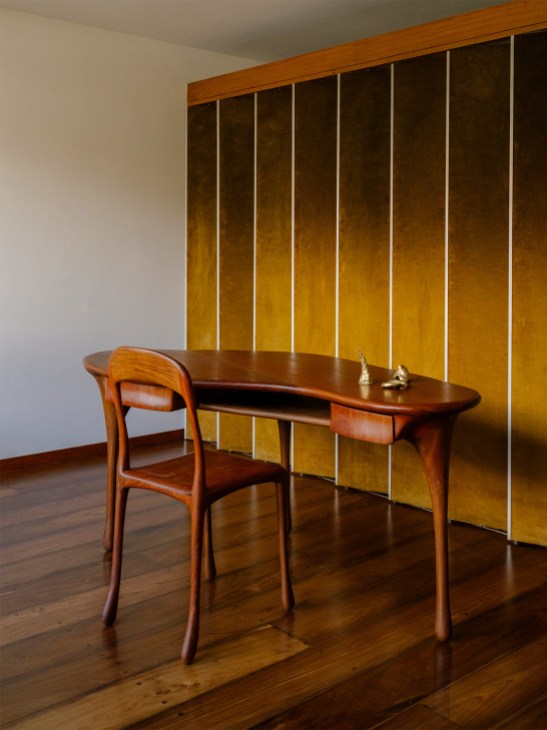
São Paulo, South America’s rising design capital
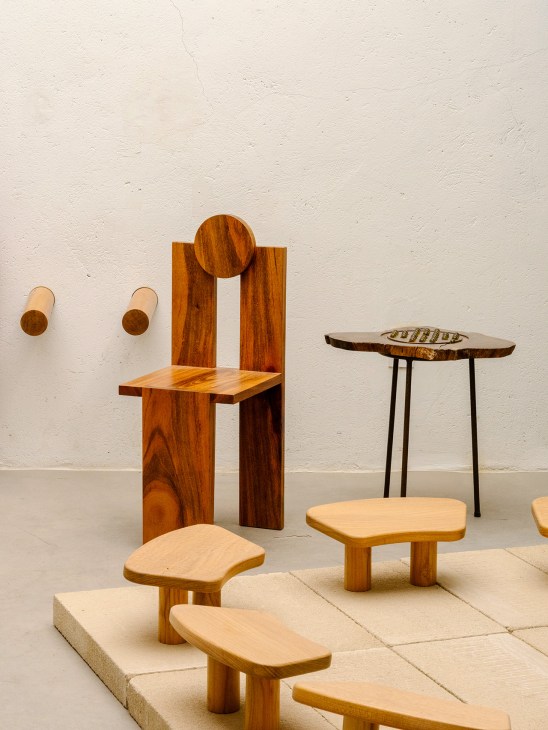
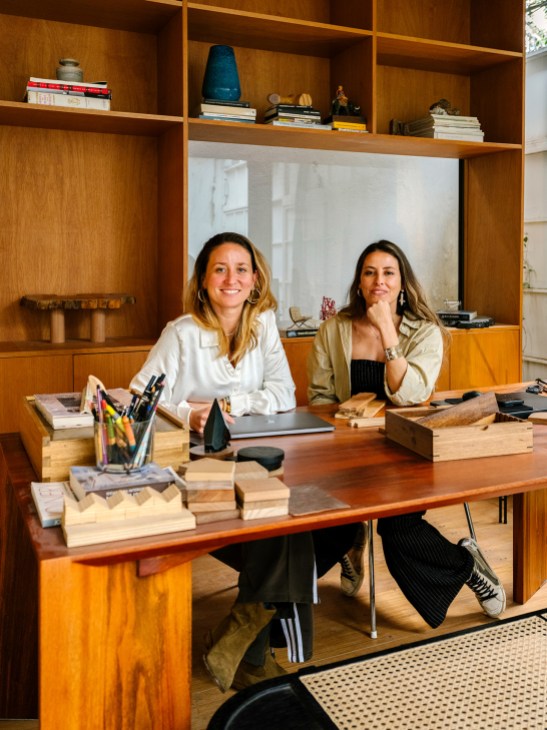
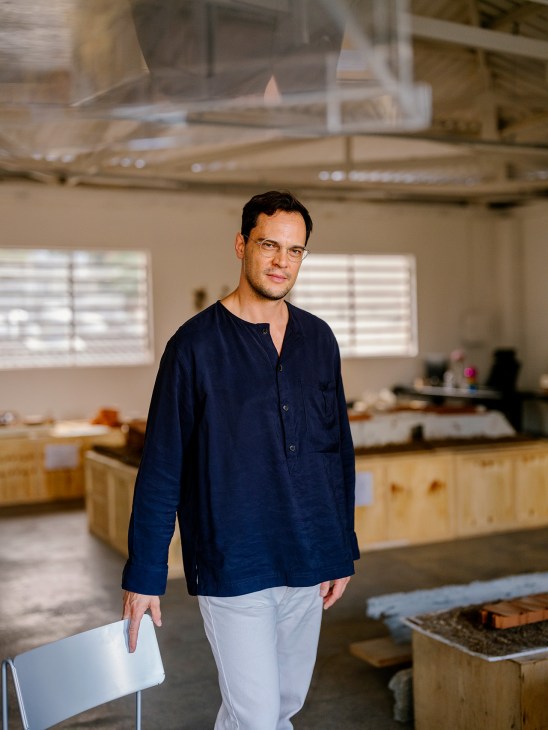
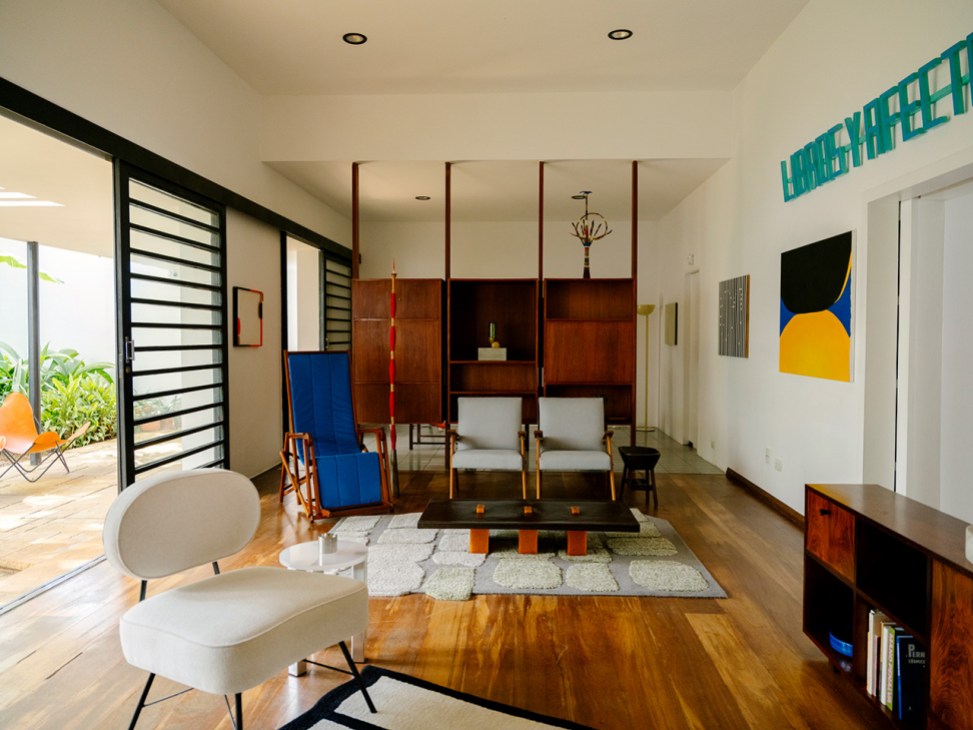
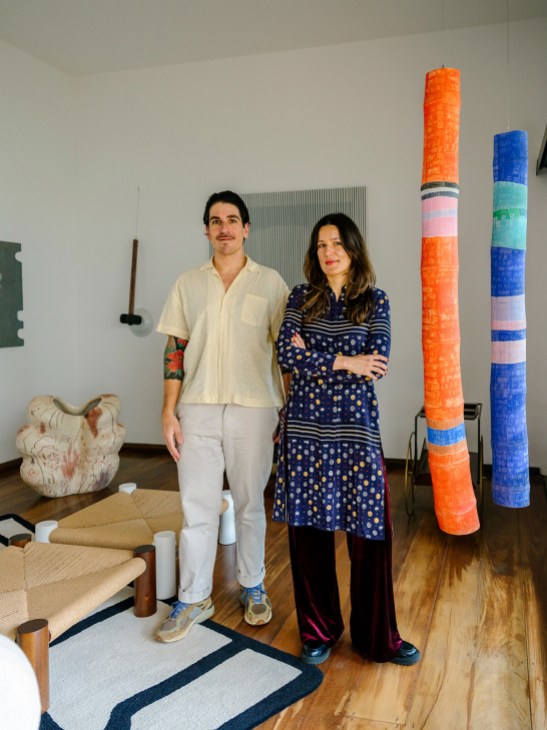
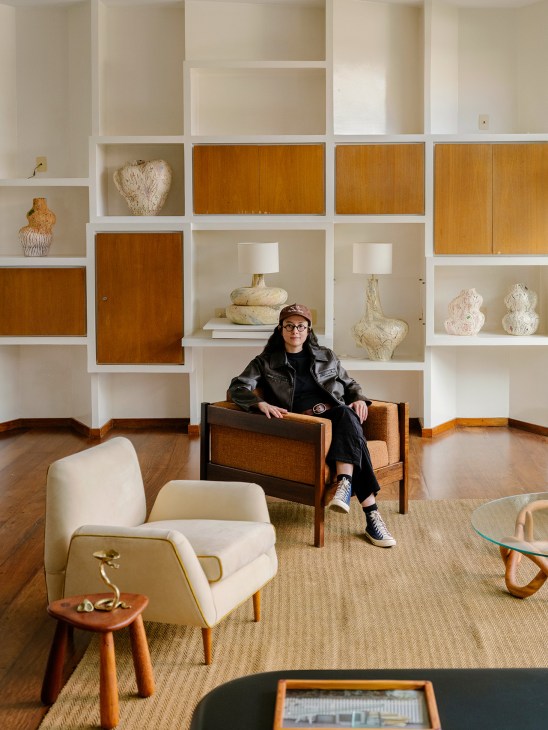
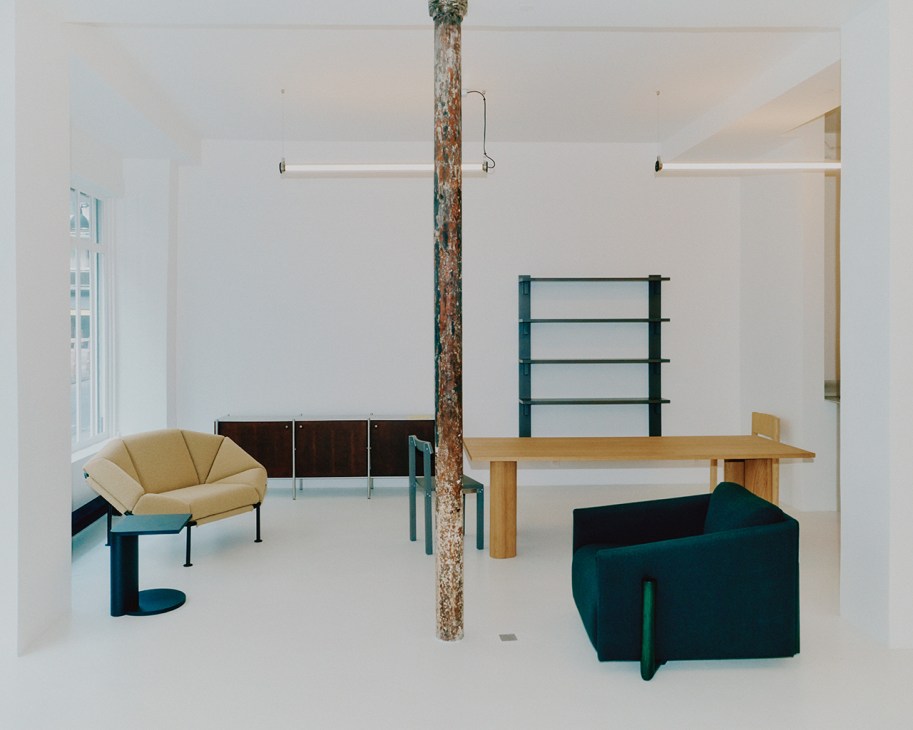
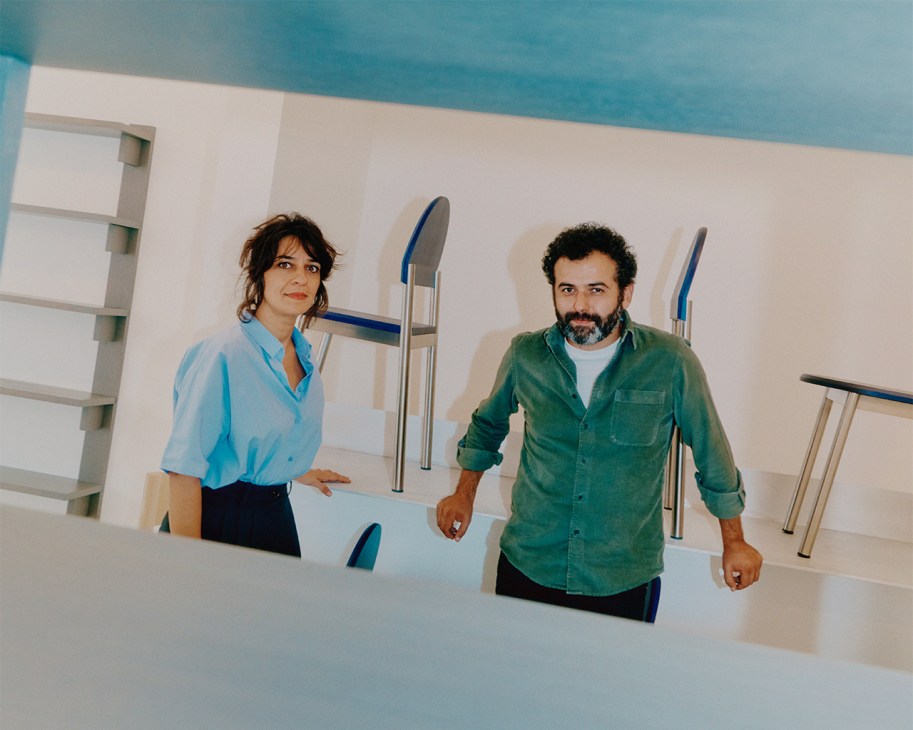
“All of Brazil can be found in São Paulo,” says Manu Reyes, co-founder of Studio Reyes. “My father came to São Paulo [from Bolivia] because he saw that it was full of possibilities.” After a stint abroad, enrolling in courses and doing apprenticeships, Reyes returned to the metropolis and established her studio with her sister, Moira, in 2023. “There are so many different ways to inhabit and engage with this city. It’s a constant source of inspiration.”
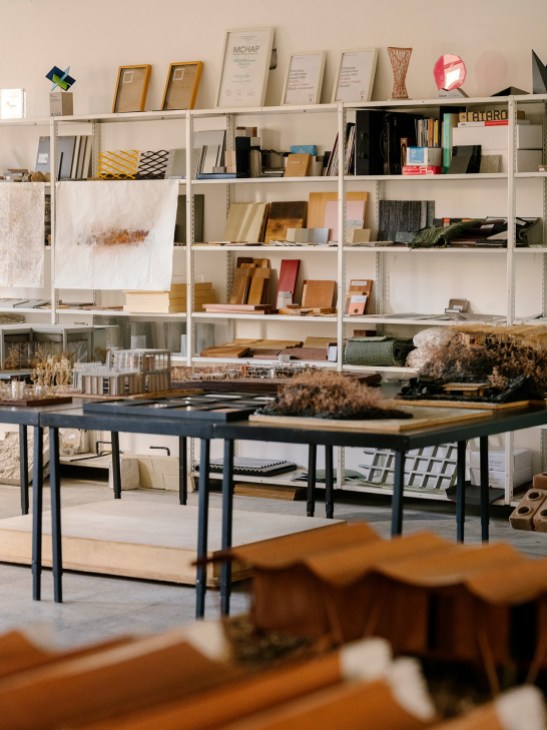
Studio Reyes is just one of dozens of design studios, ateliers and art galleries to open in recent years in the post-industrial Barra Funda neighbourhood, where large warehouse spaces can still be found at a reasonable price. “There’s a strong sense of community here,” says Reyes. “For designers and artists, it’s a chance to exchange ideas.”
A few metro stops away, Centro, the city’s historic heart, is also being revived by creative communities. Once home to most of São Paulo’s major art institutions and businesses, this is where Brazil’s modernist movement began in the 1920s and the first Bienal de São Paulo was held. A wave of relocations in the late 20th century saw the neighbourhood slide into dilapidation. But young cultural players are now returning in force, transforming abandoned spaces, driven by a love for the area and the possibilities on offer.
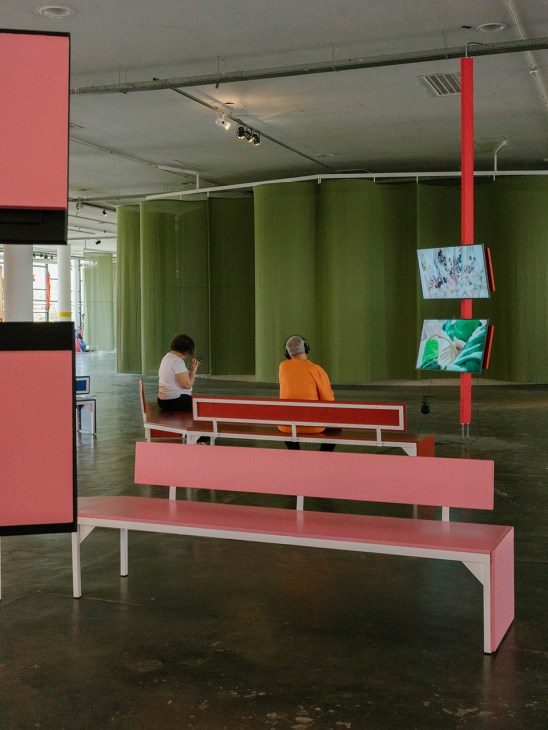
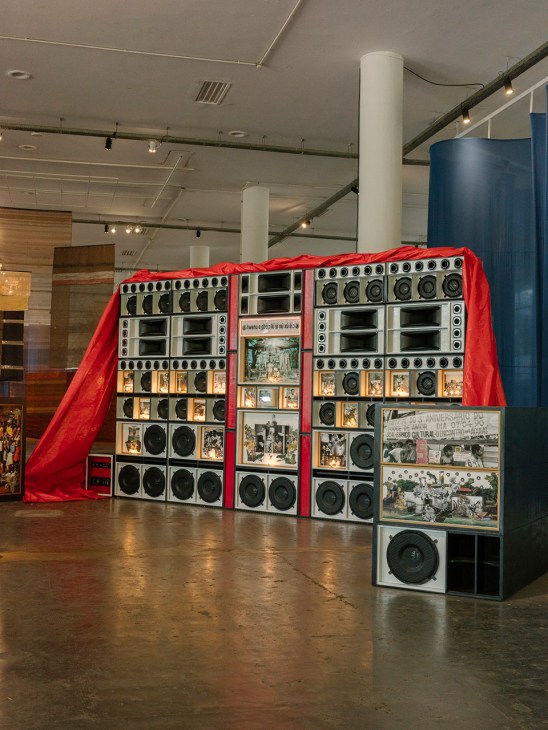
Architects are also fuelling Centro’s renaissance. Setting up shop are big names such as Metro Arquitetos Associados, while smaller firms are opening up offices in buildings such as Galeria Metrópole, an open-topped 1950s shopping mall. Many of the district’s new generation of architects are graduates of the Escola da Cidade, an architecture university that opened in the neighbourhood in 2002 and is run by disciples of Brazil’s greatest architects, such as Oscar Niemeyer and Paulo Mendes da Rocha.
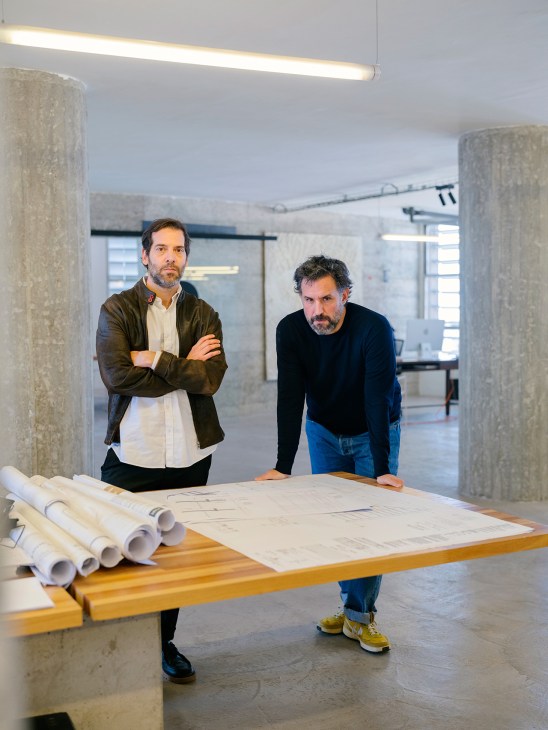
“The Escola da Cidade has been a catalyst for Centro’s boom in architects,” says Andrea Vosgueritchian, who runs architecture firm Estudio Tupi with her partner, Aldo Urbinati. Like the Reyes sisters, they have migrant roots. Vosgueritchian’s ancestry is Armenian, while Urbinati moved to São Paulo from the Amazonian city of Belém to study architecture.
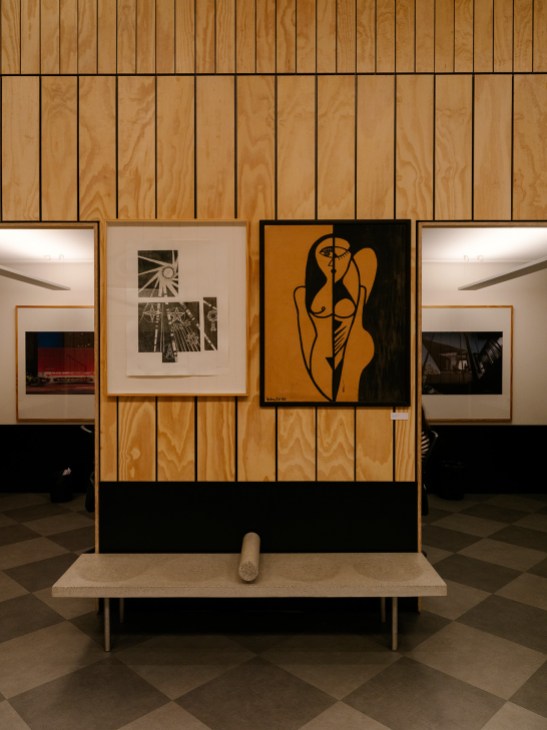
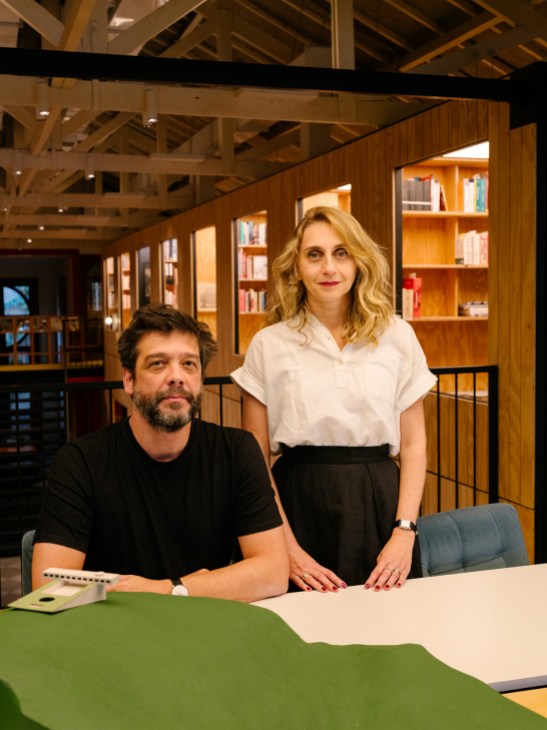
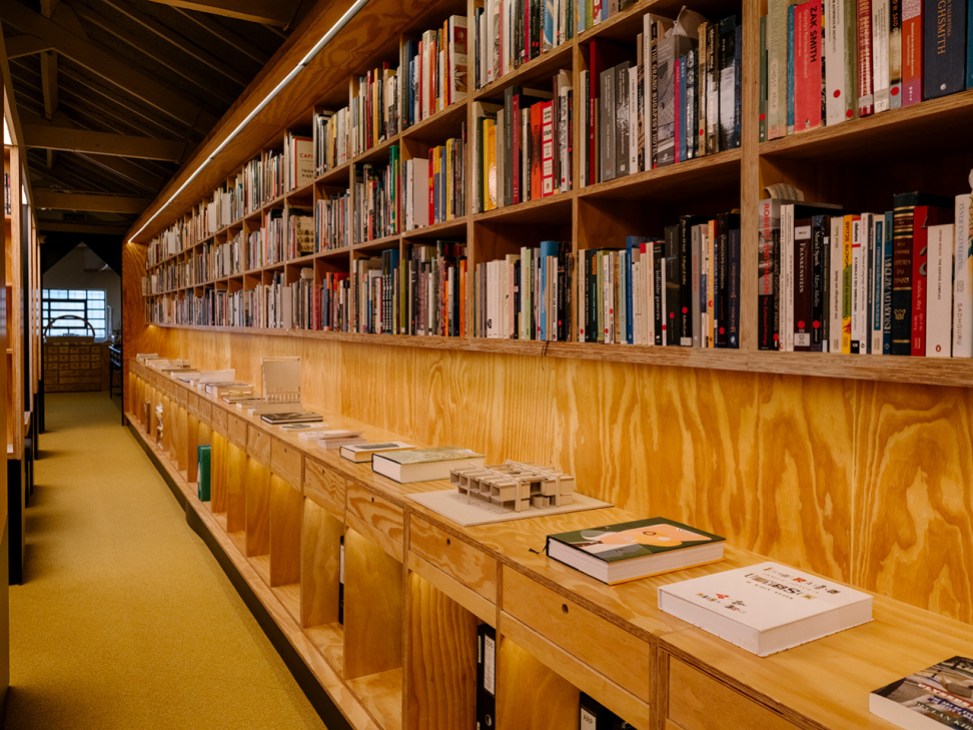
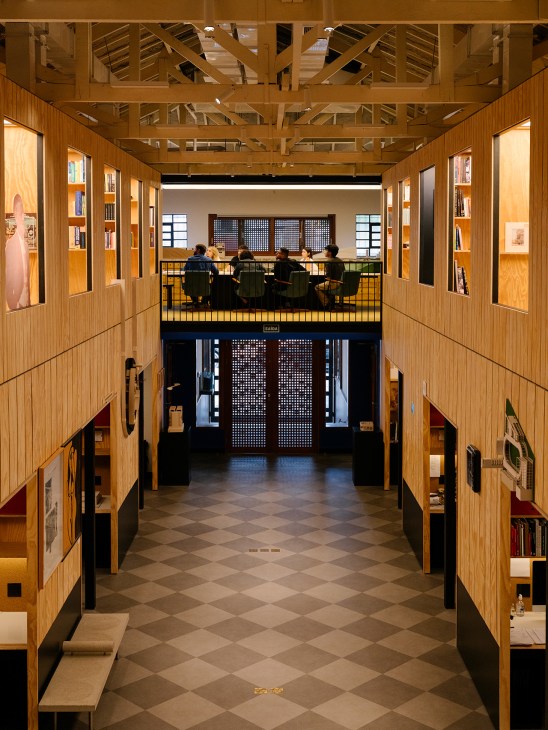
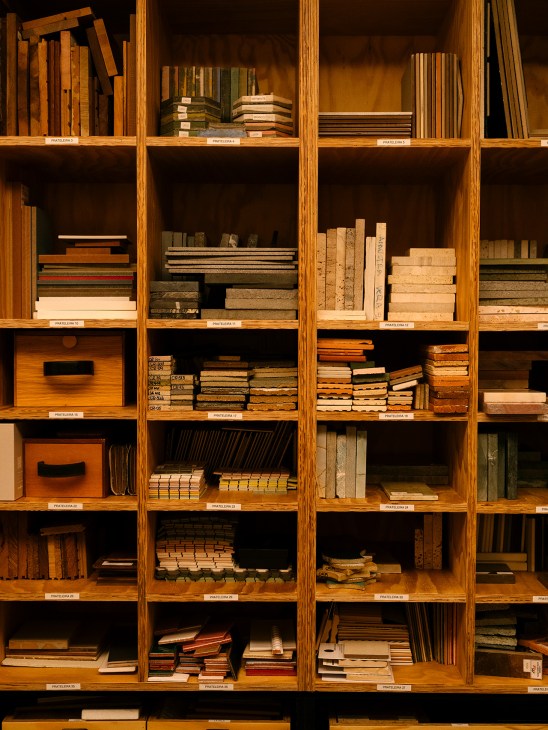
“People come to São Paulo with a desire to make things happen,” says Urbinati. “It’s the ugliest city in the world and that’s why it attracts the best architects and artists. It is so disorganised that people want to resist this and create things that are more orderly and beautiful.”
There will almost certainly be designers and architects who disagree about the city’s beauty – or lack thereof – but most can agree that its size and financial muscle make São Paulo a place where creative movements and emerging talents can gain traction and scale quickly.
International audiences now flock here for the city’s many galleries and dealers; there are several museums and cultural centres, as well as a handful of high-profile events catering to the sector. The annual SP-Arte has become Latin America’s biggest commercial art fair. Design-only events – from DW! design week to Made (Mercado Arte Design) and Casacor – generate buzz and offer a chance to network. Then there are smaller open-studio gatherings such as those in Barra Funda and in Galeria Metrópole.
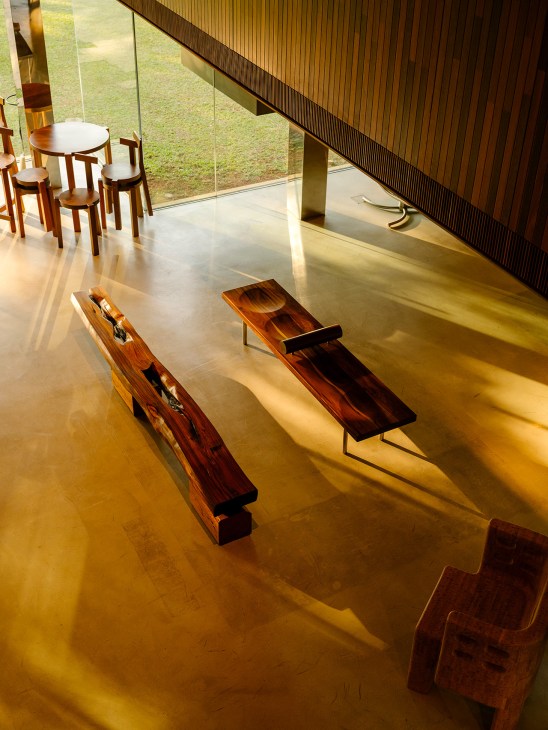
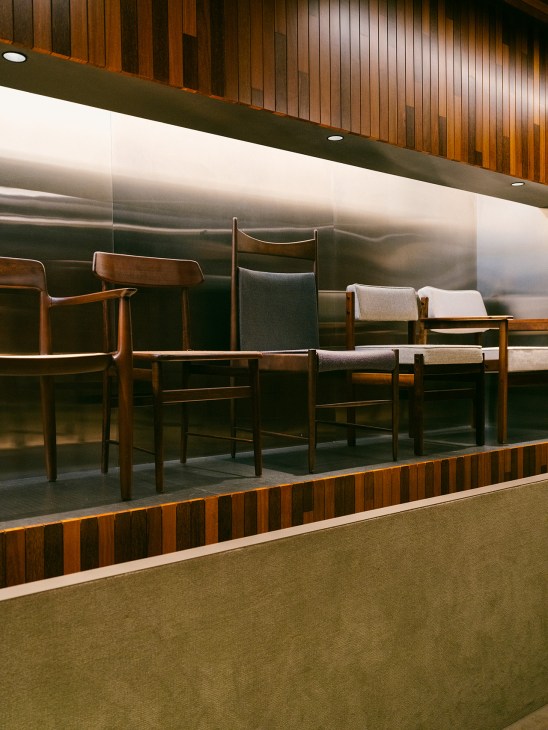
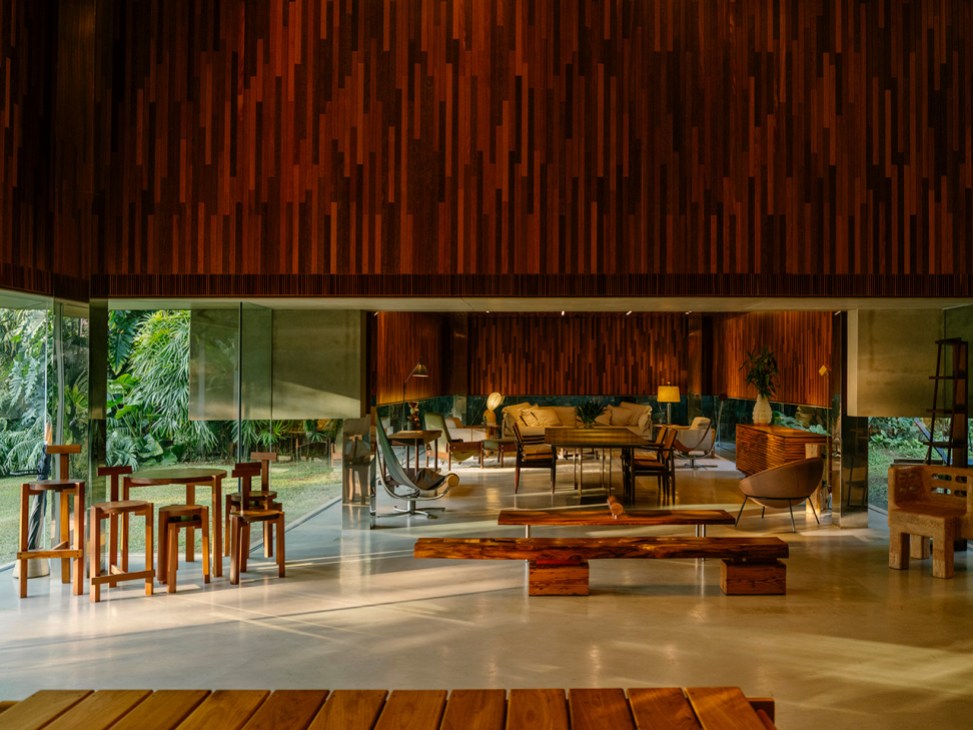
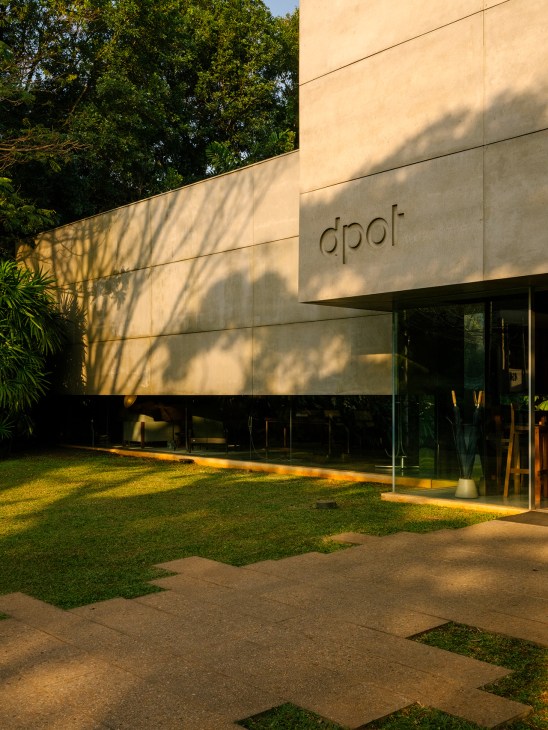
While Alameda Gabriel Monteiro da Silva, São Paulo’s so-called “design avenue”, is home to flagship furniture shops such as DPOT – a verdant, light-filled space by architect Isay Weinfeld – the city’s creatives are coming up with more accessible solutions too. “Before, there was just Alameda Gabriel,” says Manu Reyes. “But in São Paulo, every day brings a million new possibilities. This is where it all happens.”
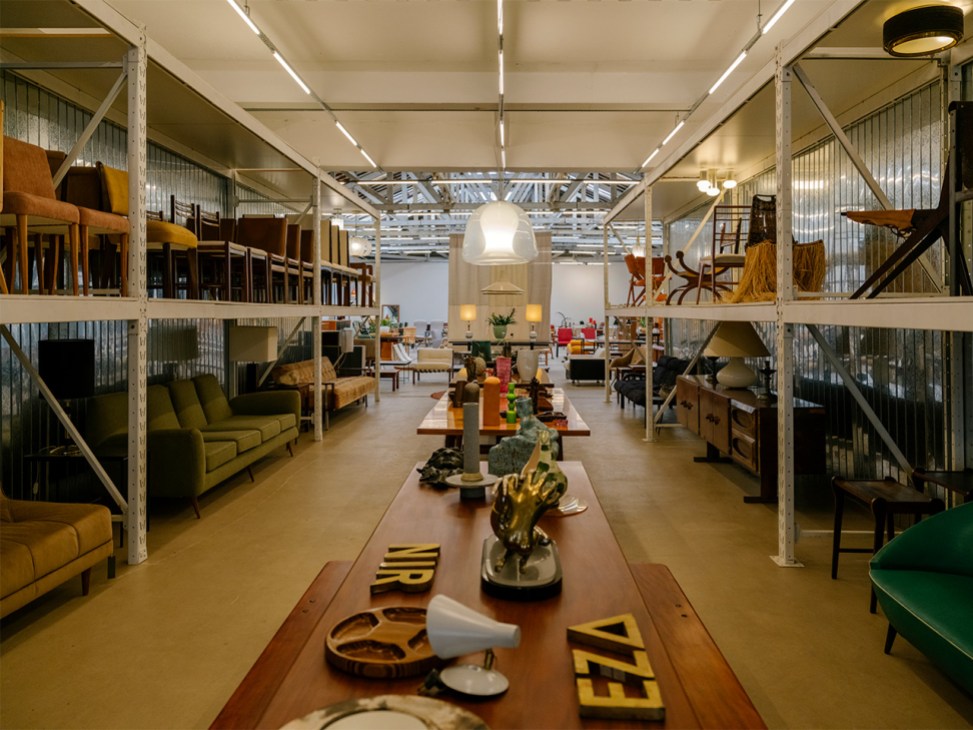
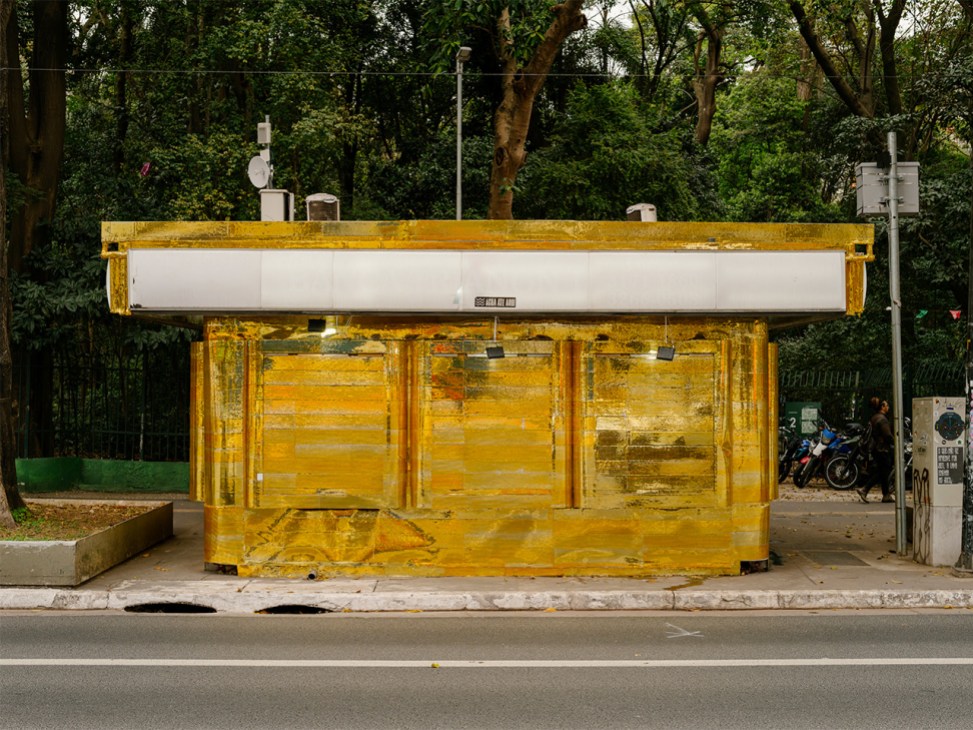
Fenix Originals, the family-run furniture dealer championing forgotten Iberian design
If you head to Barcelona’s northeastern outskirts, where the city starts to give way to countryside, you’ll find yourself in the residential neighbourhood of Horta. And if, like Monocle, you have messaged ahead to signal your geographical discombobulation, you might just spot Pau Pibernat standing in the street, scrutinising the passing cars in search of a missing-in-action visitor. After a quick greeting, he will produce a remote control from his pocket and retract a roll-up metal door. Then he will take you through a passageway that leads to the hidden treasure trove that he and his father, Carles, have amassed since they started their business in 2021.
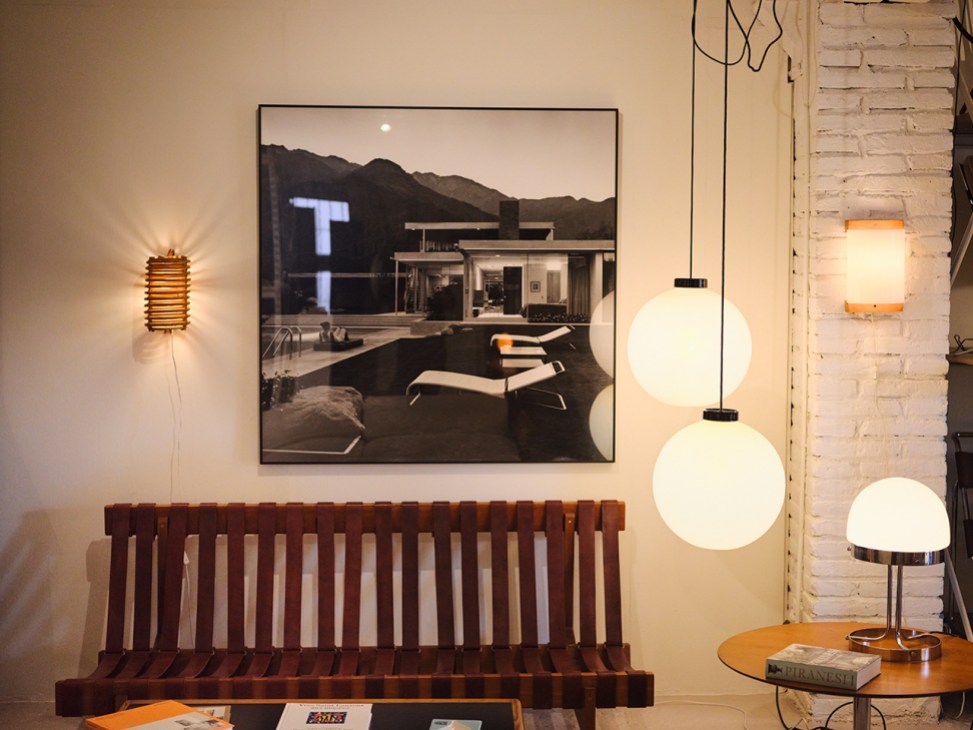
With assistance from Carles’s partner, industrial designer Constanze Schütz, the Pibernats run Fenix Originals, dealers in Catalan and Spanish furniture from the 1940s to the 1980s – though the occasional piece from, say, Herman Miller or Le Corbusier is allowed to sneak into the line-up too. That might not sound particularly unusual but it is. While these furniture makers were as skilled as their peers in the Nordics, France and Italy, many of them have only recently begun to receive the recognition that they deserve. This is thanks to people such as Pau and Carles, as well as a new generation of collectors, growing institutional interest and even film director Pedro Almodóvar (two chairs borrowed for his latest picture have just been returned).
“Part of this project is about putting the names of these designers on the table just as people in Scandinavia, for example, have done for their designers,” says Carles.
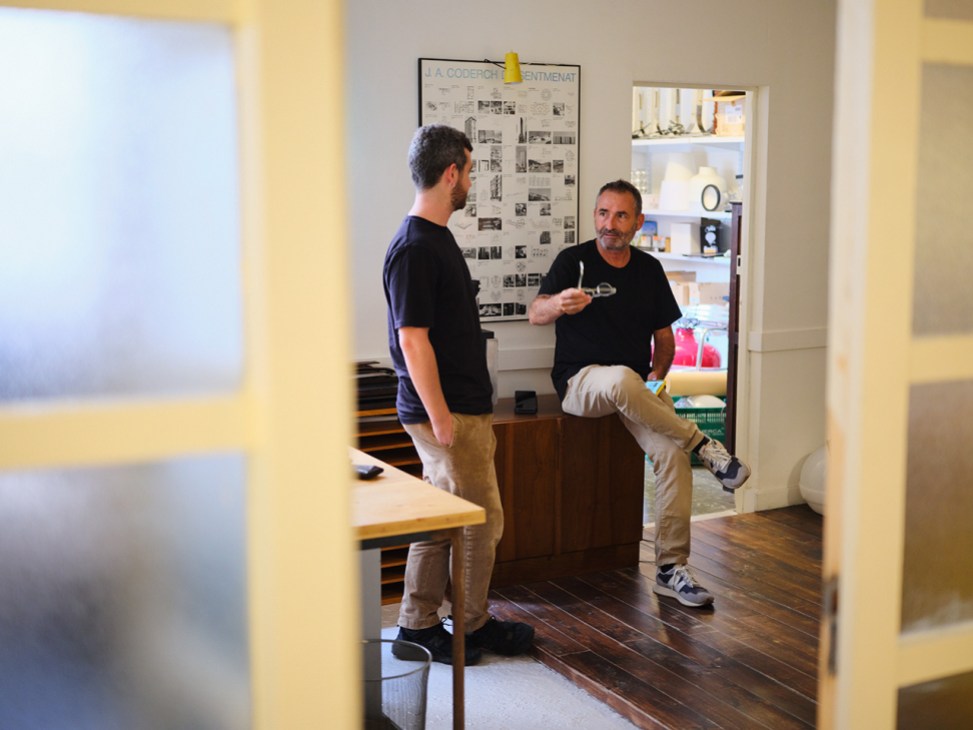
But there’s another reason that explains why these designers have sometimes been overshadowed by their contemporaries. “During the dictatorship [of Francisco Franco], Catalan designers weren’t selling much even in Spain and the production runs were also not very large,” says Pau. “Some of them were often just selling to the bourgeoisie in Barcelona.” He cites the example of pioneering industrial designer Jordi Vilanova, whose work combined elements of Scandinavian and Mediterranean design and was mainly popular with well-to-do Barcelonès. In recent years, however, his canon has been reappraised. “We’ve just sold some of his pieces to a key gallery in Holland,” says Pau.
So while, say, Danish mid-century furniture dealers are commonplace, their Iberian cousins are harder to locate (in every sense, it turns out, if you’re bad with a map). But first things first. Let’s look around this hidden-from-view, appointment-only gallery.
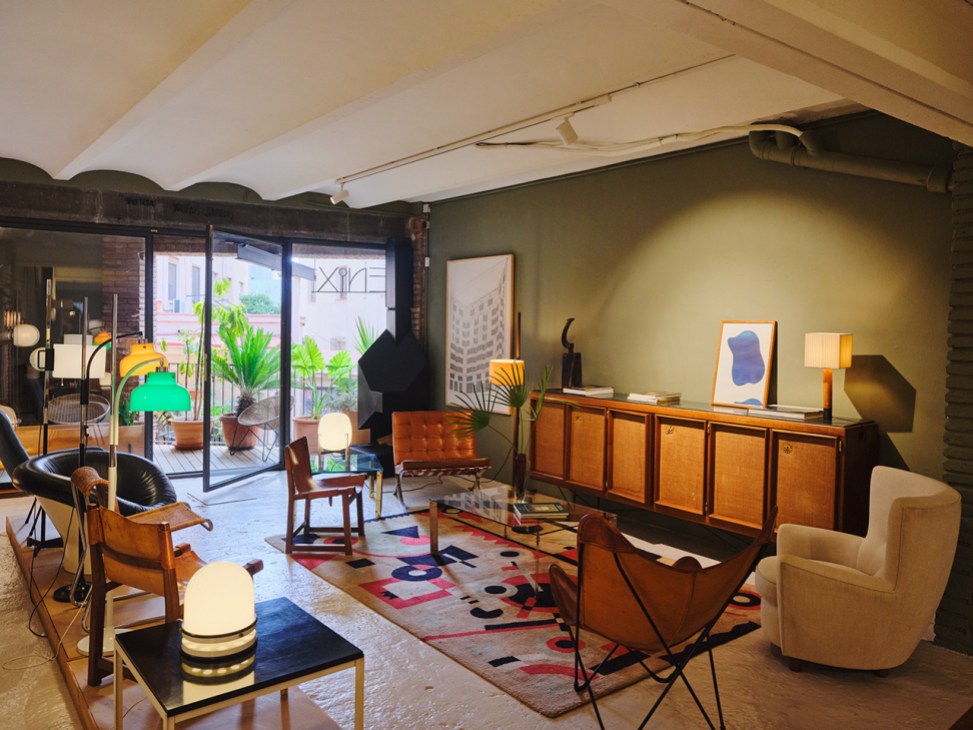
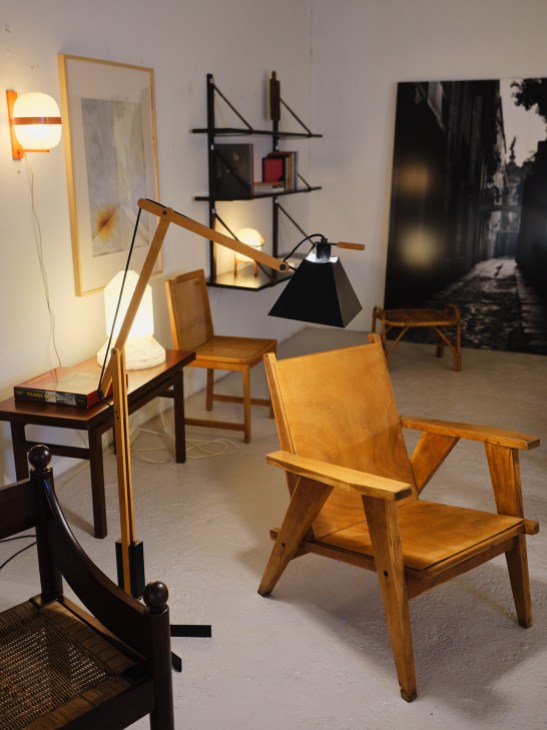
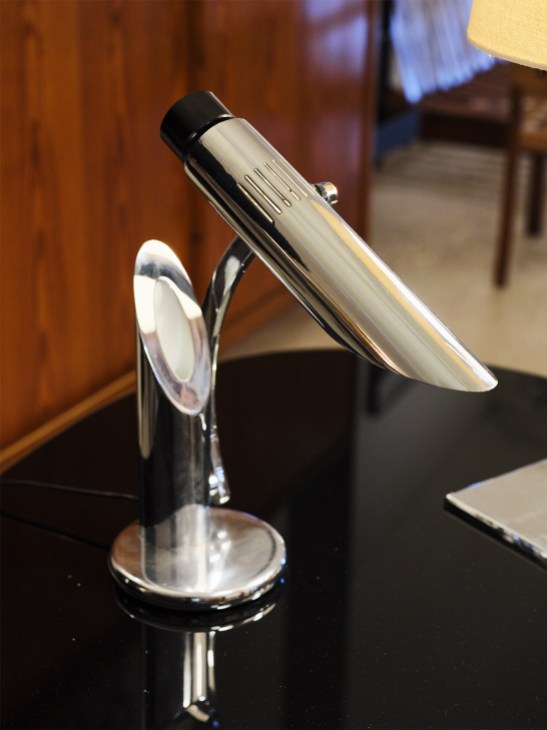
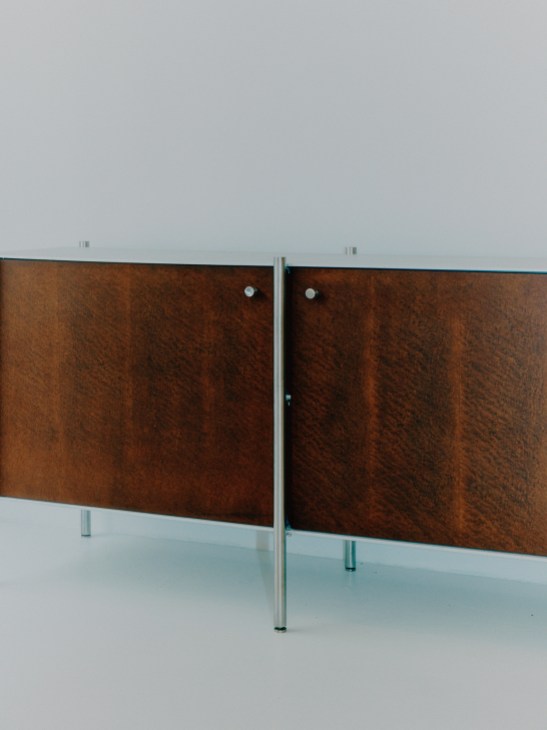
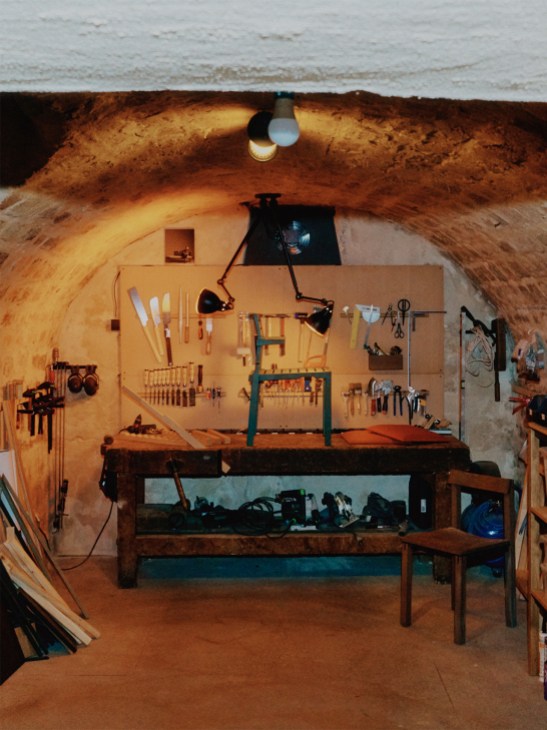
It’s a little overwhelming – in a good way. At the front of the space on white industrial racking sits chair after chair, all gently restored by the Pibernats and the artisans in their network. Then you come to a space with rooms set with furniture by designers including Joaquim Belsa Aldea and Vilanova (we spot a handsome walnut-and-marble side table from 1970 that could swiftly be rehoused), and lighting, such as Miguel Milá’s well-known work for Santa & Cole. Then there’s a repair station where, when we visit, Carles is in the throes of fixing a graceful Barceloneta armchair by Federica Correa and Alfonso Milá (Miguel’s elder brother). And last, we peek into a large storeroom filled with finds that have yet to be primed for sale. It’s a collection that has been put together with extraordinary knowledge, much of it gleaned by father and son after visiting archives, tracking down rare brochures from when the furniture or lighting first went on sale.
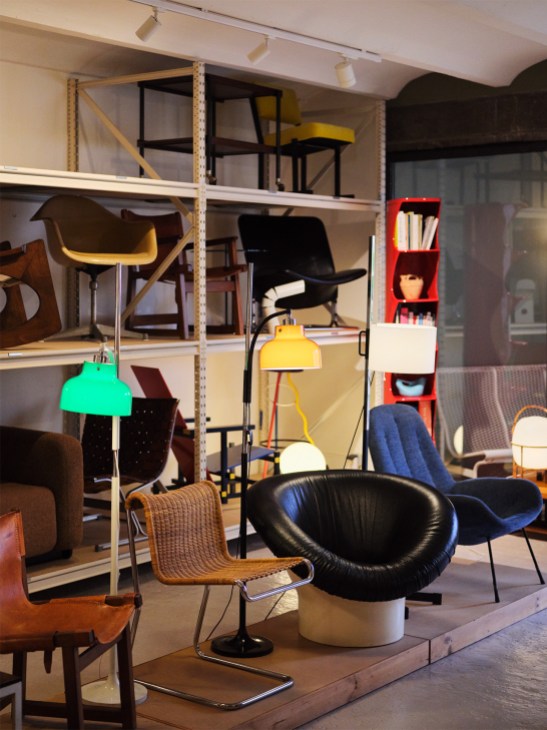
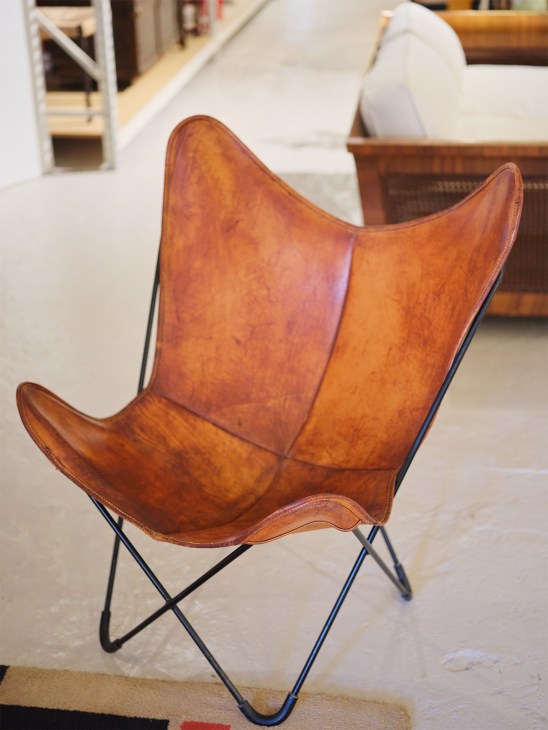
As the duo show Monocle around, their delight in what they have amassed is palpable. Carles produces a utilitarian folding metal chair with an orange frame and a shiny steel seat by Rafael Carreras Puigdengolas, from about 1960. “It’s the only one that we have found,” he says. We stop to inspect a Riaza armchair designed by Paco Muñoz in 1959 and produced by the firm Darro; it has a walnut frame that supports a back and seat stitched from a single piece of leather. There’s something reminiscent of Brazilian tropical modernism about its sturdy stature. “And look at this,” says Carles, stroking the black metal form of a fireplace, designed by architect José Antonio Coderch in 1952 for the company Polinax.
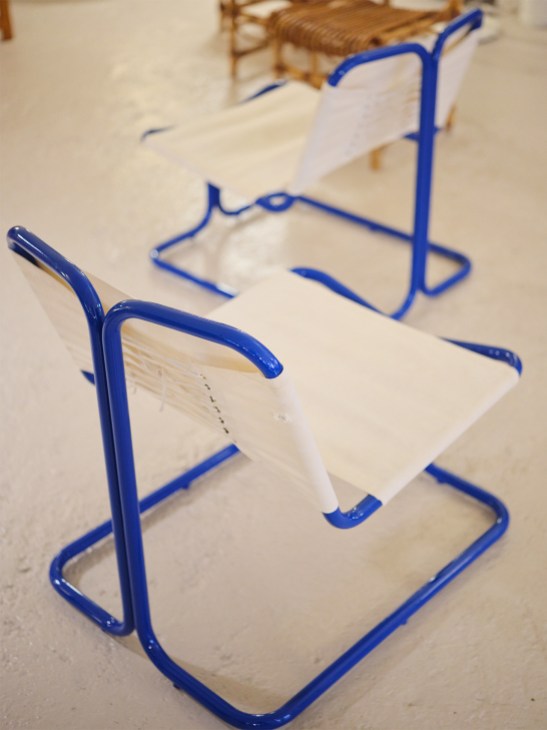
Both men are also champions of the work of Joaquim Belsa Aldea, whose output was aimed less at the middle classes than the masses and relied on the use of robust, artisan-style materials. They have coat racks made from loops of cane, a folding pine dining table, chairs with bright-blue frames constructed from tubular metal contorted to reflect the designer’s goal of making products with a single, continuous, flowing outline.
Another thing to admire is the relationship between Pau and Carles. They started the company at the height of the coronavirus pandemic when the latter decided that it was time to step away from his career as a graphic designer as it shifted from the craft that he had loved to the more pacey world of digital. Already a modest furniture collector, he saw an opportunity. Meanwhile, Pau, who was undertaking a doctorate in modern history, was wondering whether he really wanted to pursue an academic career. So they teamed up. “It was organic – my father had the idea and started setting up the business, and I said, ‘How can I help?’” says Pau. They bought a van and started tracking down pieces, giving themselves the target of amassing 100 items before launching their website (they took their Horta gallery space in 2023).
As for a name, in the 1980s there had been a design shop in Girona called Fenix Originals run by US designer Nancy Robbins. When it shuttered in the 1990s, Carles bought the sign and always said that one day he would launch a business with the same name, even using the same art deco-inspired font. Here, it rises again.
What next? Carles is clear. “To find better and better pieces, to discover forgotten designers and to focus on the cultural potential of this project. We want more time to do research, to tell these lost stories.”
What does a designer’s couch tell us about their approach to creativity? We speak to five creatives to find out
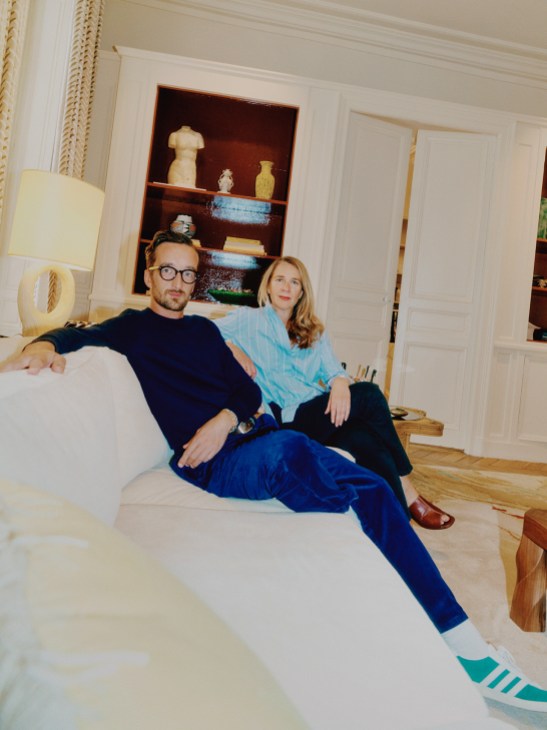
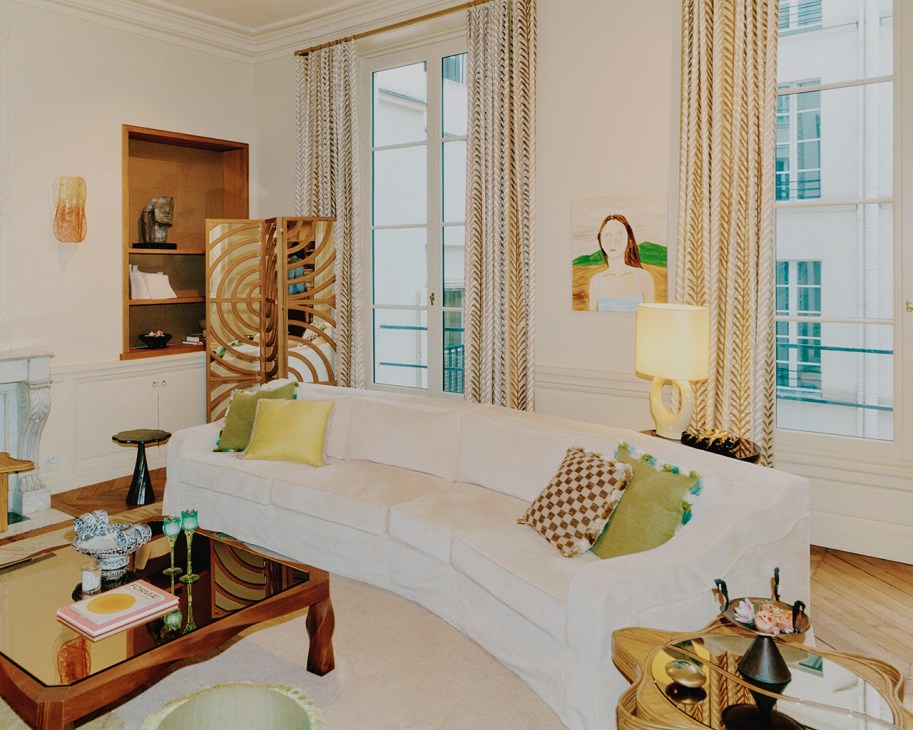
The sofa in your living room reveals a lot about your priorities and your outlook on life. For designers and architects, there’s often an added layer of meaning: their choice of perch can reflect their core creative philosophies. Monocle explores this idea in our newly published book Designers on Sofas, for which we spoke to 50 leading architects and designers about their relationships with their settee. Here, we visit five more.
Find a comfy seat and settle in.
1.
Amanda Levete
Architect, London
Sofa of choice: Anfibio, Giovannetti
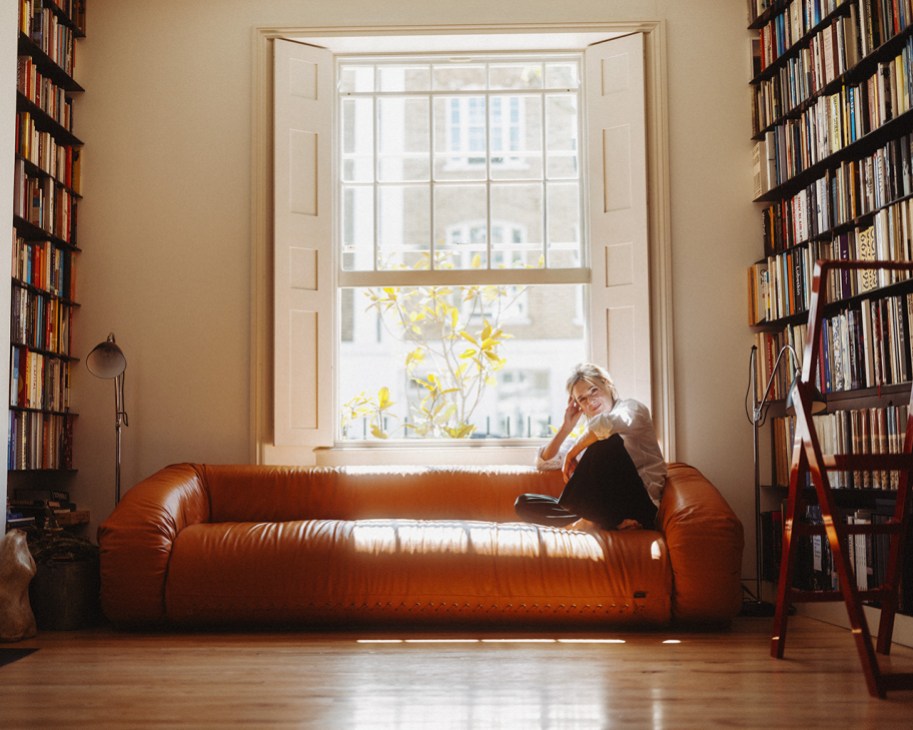
Plump and easy to expand, UK architect Amanda Levete’s Anfibio sofa is steeped in history. A leather- covered version of it can be found in New York’s Museum of Modern Art, where designer Alessandro Becchi first showed the unconventional sofa-bed as part of the trail-blazing 1972 exhibition Italy: The New Domestic Landscape – a show that helped to put the country’s contemporary-design scene on the map.
But Levete came across the model about 10 years later, when she was house-sitting for her then-employer, British-Italian architect Richard Rogers. “Looking at it still reminds me of those happy days when I used to work for him,” she says.
Levete’s Anfibio is in her library. “It’s one of my weekend rituals to sit there in the morning sun, reading or playing Scrabble with my husband.” During holiday seasons, the sofa’s convertible form comes in handy. “Some of the best moments are at Christmas, when all of our kids are here,” adds Levete. “We open it up and it becomes a cosy nest for reading and chatting in.”
Despite its domestic appeal, the Anfibio is uniquely stylish. “It’s clever and consists of just one piece,” says Levete. “The soft profile is elegantly low enough so that it fits perfectly below a window without obscuring the view.” Manufactured by Tuscan brand Giovannetti, which had a long creative relationship with Becchi, the Anfibio is the product of a radical turn in design history whose ideas continue to resonate.
About the owner:
One of UK architecture’s leading lights, Amanda Levete is a Stirling Prize winner who established her practice AL_A in 2009. The studio’s portfolio includes Lisbon’s Museum of Art, Architecture and Technology and Bangkok’s Central Embassy.
2.
Konstantinos Pantazis and Marianna Rentzou
Architects, Athens
Sofa of choice: Vimle, Ikea
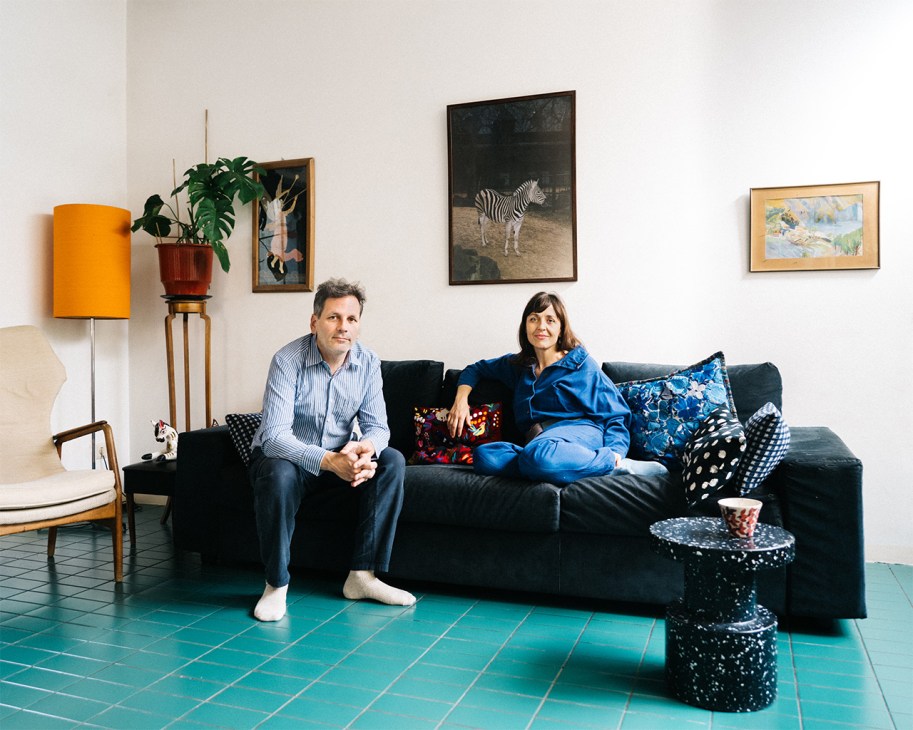
“The couch is like a home,” says Athens-based architect Konstantinos Pantazis, who co-founded Point Supreme studio with his wife, Marianna Rentzou, in 2008. “It’s a place where you need to be comfortable.” The couple designed their home in the Greek capital’s Petralona neighbourhood, updating an early-20th-century residence by blending surrealist ideas with contemporary Greek aesthetics. Taking pride of place at the centre of their living room – perhaps surprisingly, given their high architectural standards – is a Vimle sofa from Ikea.
“It’s so comfortable and unpretentious,” says Pantazis. “It’s not a couch that you need to be very careful with. You’ll find us on it during the day and also our two young children and their friends.” The couple’s configuration is composed of three deep, large cushions that can be easily removed to create additional room. Significantly, the sofa responds to the home’s architecture. “The house is pretty extreme in its proportions,” says Rentzou, explaining that the living room’s ceiling is three storeys high, with a tree planted at the centre. “It has a very strange feeling, a bit like being outside in a courtyard when you’re indoors.”
The resulting atrium-like atmosphere, combined with a multitude of hard surfaces (including a large table), could make for a cold and uninviting space – which is why the couple chose such a large sofa. “When you’re on the couch, it’s the only place that’s horizontal, soft and comfortable,” says Pantazis. “Everything else around it is hard. So that’s why the sofa feels so welcoming and warm.”
About the owners:
Konstantinos Pantazis and Marianna Rentzou co-founded Athensbased Point Supreme Architects in 2008. The studio’s work has a distinctive Mediterranean flavour, using vibrant colours and graphic elements, and seamlessly blurring indoor and outdoor spaces.
3.
David Montalba
Architect, Los Angeles
Sofa of choice: Hamilton, Minotti
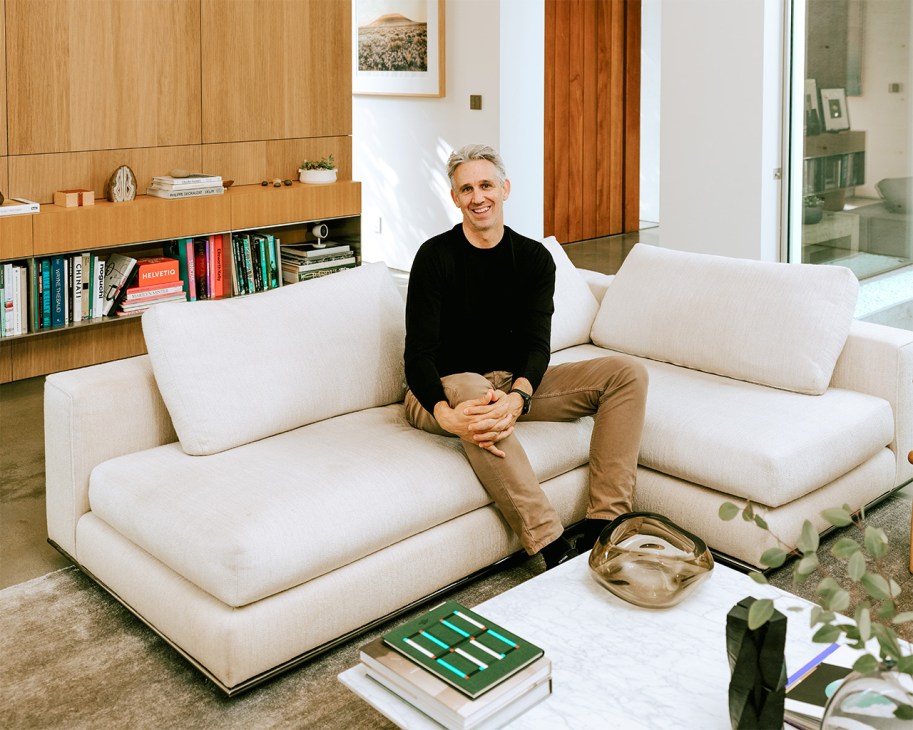
David Montalba is obsessed with the details. In his work, every line, junction and material is calibrated with precision – and that same sensibility extends to his own living spaces. Nowhere is this more evident than in the Santa Monica Canyon home that he designed for his family, where a custom Hamilton sectional sofa by Italian brand Minotti acts as both a centrepiece and a case study. Purchased in 2020, the couch was chosen to harmonise with the home’s restrained palette, spatial clarity and lived-in elegance.
“It’s a piece that changes with us,” says Montalba, who is the founding principal of Montalba Architects. Originally conceived as a single large L-shape, the sofa has since been rearranged multiple times to meet changing needs – from opening up space for a Christmas tree to framing conversations and allowing for easier movement through the room. “It became two sofas that speak to each other,” he says. “That dialogue made the room feel more alive.”
What began as a formal focal point has now evolved into a place of casual intimacy. His daughter has claimed a corner; the family dog perches on another ledge. And like the house itself, the settee has lost its sacredness, becoming a feature of daily life, family habits and spontaneous gatherings. “At first, we barely used it,” says Montalba. “Now we eat on it, watch TV and lounge. It’s part of our routine.”
Still, even in its most relaxed moments, the couch carries the refined sensibilities of its maker, Minotti. Montalba’s obsession with scale, proportion and tactility has turned a simple piece of furniture into an active participant in the home’s architectural effect. “A good sofa isn’t just something you sit on,” he says. “It helps to shape how you experience a room. It is part of the choreography.”
About the owner:
Swiss-American architect David Montalba bridges the design cultures of his two nationalities, combining Californian experimentation with Swiss precision. His work is characterised by volumetric forms that connect indoors and outdoors.
4.
Chen Chen
Designer, New York
Sofa of choice: Togo, Ligne Roset
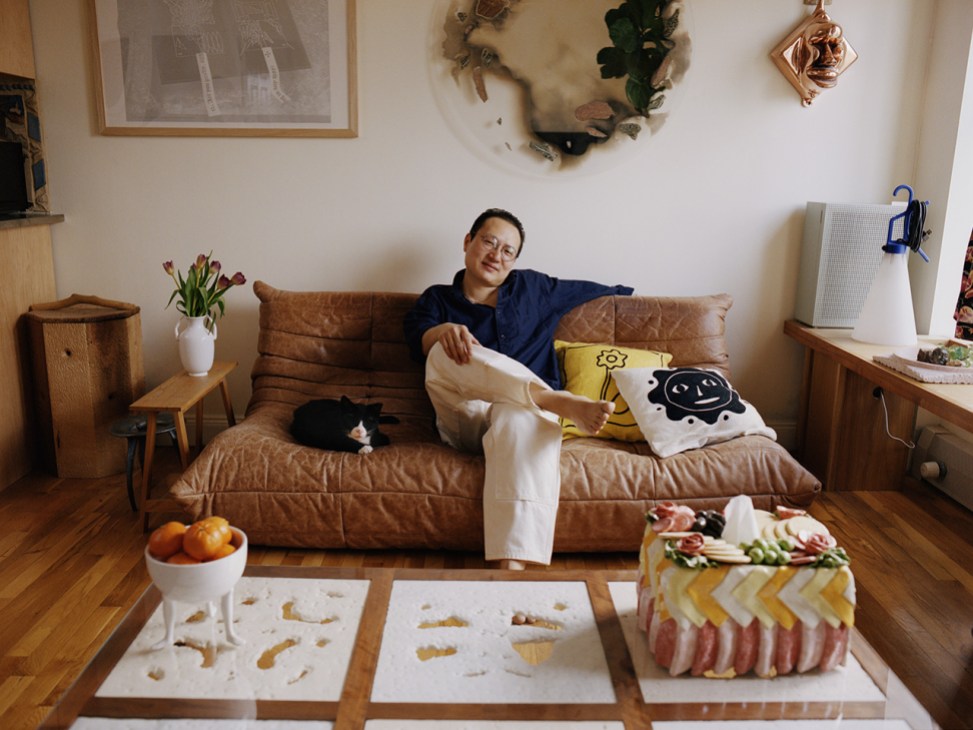
Brooklyn-based designer Chen Chen first encountered Michel Ducaroy’s low-slung Togo sofa – a 1973 design classic that is still manufactured by French furniture firm Ligne Roset – when he was a student at New York’s Pratt Institute. It immediately made a big impression on him. “It was unlike anything that I had ever seen before,” says Chen. “From that moment, I knew that I had to have one.” So when the time came to kit out his own apartment, he decided to buy one. “For me, it was the fulfilment of a dream – though, at that moment, I had never actually sat on one.”
Chen wasn’t disappointed and the Togo has become an integral part of his home set-up. “When it was delivered to my apartment, I was really surprised to find that there wasn’t a frame inside,” he says. “It’s essentially like a giant foam pillow.” The designer found that he could move the sofa – which was lighter than he expected it to be – without assistance, making it a perfect fit with his domestic arrangements.
“In New York, we don’t have a lot of space so it had to be functional, comfortable and also visually appealing,” says Chen. The Togo’s leather upholstery is another charm. “There are scars on the material from wear and tear over the years, like a history that is being written into the sofa.” This mutability appealed to the designer, whose practice with fellow Pratt Institute alumnus Kai Williams has a keen interest in the transformative qualities of materials.
Despite his deep love for the piece, however, Chen confesses that his ideal couch would be a roomier version than the one that he owns. “A lot of sofas funnel you in towards the centre,” he says. “If I were to design one, I would make sure that it had a lot of structure. It needs to keep people sitting where they are.”
About the owner:
Chen Chen creates furniture and lighting in partnership with fellow designer Kai Williams. The New York-based duo are known for their use of industrial materials and their playful reinterpretations of everyday objects.
5.
William Smalley Luis
Architect, London
Sofa of choice: B&B Italia
“Sofas tend to be divided into those that look nice and those that are comfortable. And, as a rule, you can have either one or the other.” Architect William Smalley is describing the problem that often complicates the purchase of a home’s biggest piece of furniture. “So after I moved in here, I didn’t have a sofa for four years because I couldn’t find the right one.”
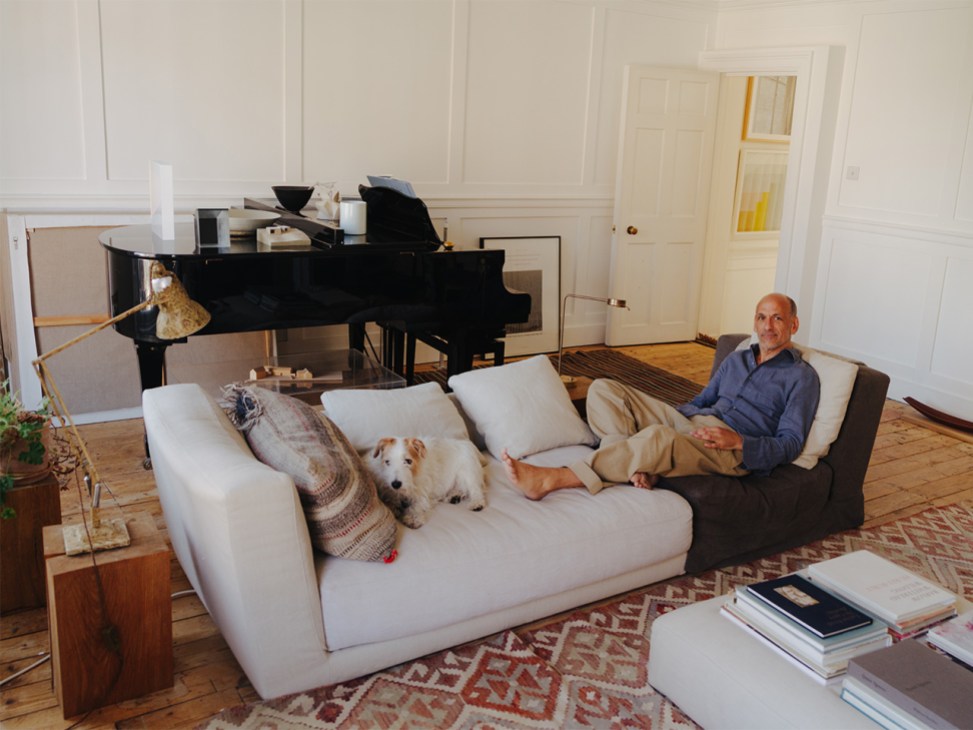
Thankfully, those days are over and Smalley’s home – a heritage-listed building in central London’s Bloomsbury neighbourhood – is now fully furnished, with a large modular sofa by B&B Italia taking pride of place in the living room. Designed by Antonio Citterio, the couch, titled Luis, has been through various configurations.
“I got the chaise and the ottoman, which went on the end of the couch,” says Smalley. “Then I wanted another, so I bought a chair section, which used to sit as a separate piece. And then, one day, the sofa and the chair made friends and the square thing at the end became the ottoman. So it has been sequential. The sofa has been added to and it is very comfortable.”
Smalley originally alternated brown and white covers for winter and summer. “The problem is that the white one is much nicer and I don’t really like being gloomy in winter,” he says. “And it’s not very white any more because I have a dog.”
The introduction of Smalley’s Jack Russell, Dylan (“as in Thomas”), served as a corrective to the idea that architects live in pristine, minimalist spaces. “I think that everyone has been very amused by Dylan messing up what they see as my perfect life.” The sofa is now a piece that has been lived in – and on – and has accrued its own history.
About the owner:
Known for his quiet, elegant style, William Smalley is a master of blending heritage and modern architecture. He runs his namesake practice from London, where projects range from Manhattan apartment renovations to Alpine château reconstructions.
The Monocle Book of Designers on Sofas | Pre-order
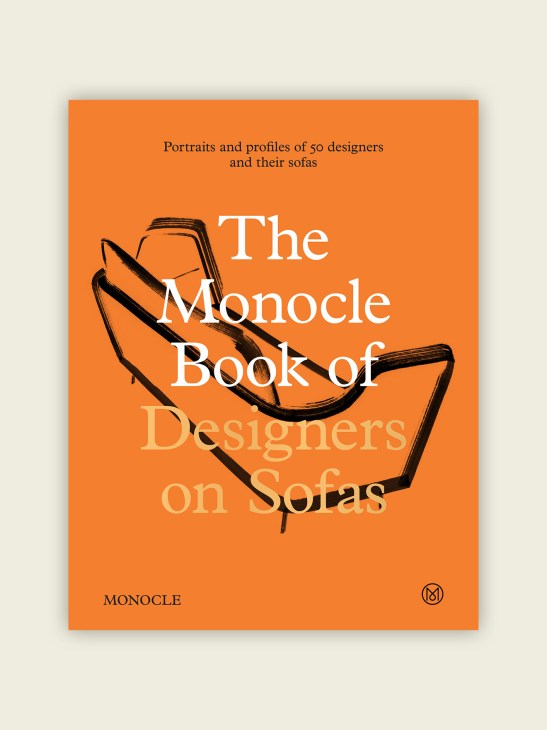
Monocle meets 50 celebrated designers from across the globe who get cosy on their couches (with their pets, partners and children) and tell us about their sofa choices – why they designed it, why they chose it, how they use it. They reveal fresh insights into their work, their lives, their passions and their style. Original photographic portraits and in-depth interviews transport us into the homes of some of our favourite creatives. We also take you on a fascinating journey that starts at an English country house in 1675 to find out about the 350-year history of the sofa. And we have compiled an illustrated guide to 100 of the most iconic examples, representing the best from 125 years of settee design. Take a seat and join the conversation.
Pre-order here
Ateliers de Paris, a city-hall initiative committed to nurturing young creatives
There are plenty of places vying for the title of Europe’s design capital. On the one hand, there are smaller cities, such as Rotterdam or Lisbon, with a disproportionate number of world-class studios. On the other are established powerhouses, such as Milan or Copenhagen, whose industrial output is unparalleled. Paris might be the best of both.
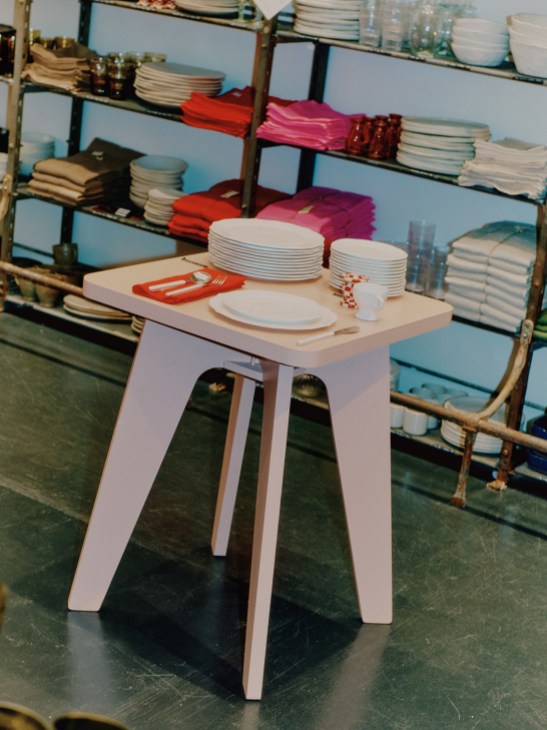
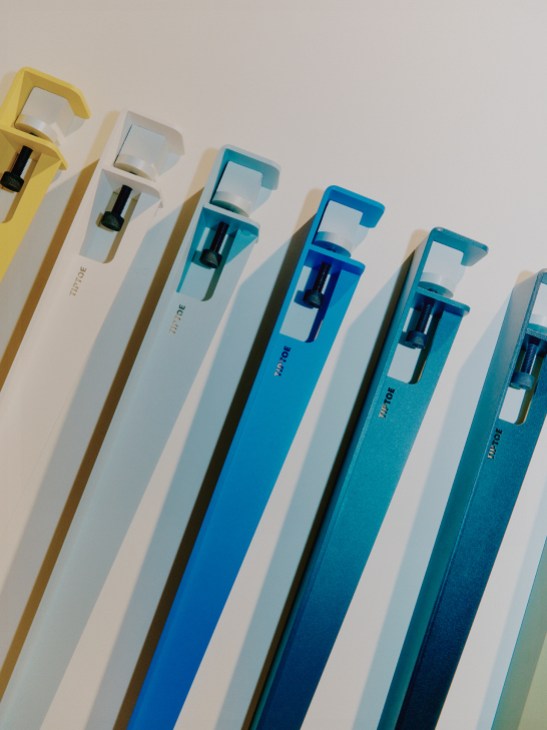
In the French metropolis you’ll find outposts of global furniture brands such as Ligne Roset, Roche Bobois and Fermob. At the other end of the spectrum are a host of smaller, independent makers that rely on the city’s artisans to craft unique pieces. In recent years these partnerships have come to the fore at events such as design fair Matter and Shape and Paris Design Week (held annually in September).
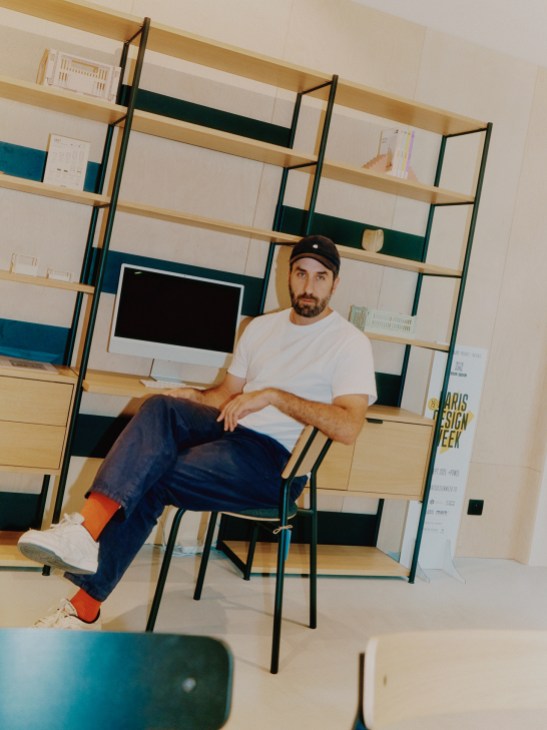
At the latter’s most recent iteration, there were countless outstanding collaborations between atelier and designer, chief among them Chloé Nègre’s partnership with rug maker Editions 1.6.9. “There is a new perception of Parisian métiers d’art, of know-how, of provenance of piece and production methods,” says Franck Millot, the director of Paris Design Week. “Craftsmanship has taken on a new modernity and the bond between creatives and artisans is part of our DNA.”
The French capital’s many design schools keep fresh ideas flowing, while city-hall initiatives such as the Ateliers de Paris – a publicly funded design incubator – serve as a support system for up-and-coming creatives.
“We try to welcome people who are pushing the boundaries of what is traditionally considered design by the public or even policymakers,” says Mathilde Nony, the deputy director of the Ateliers de Paris. “We want to expand their horizons.”
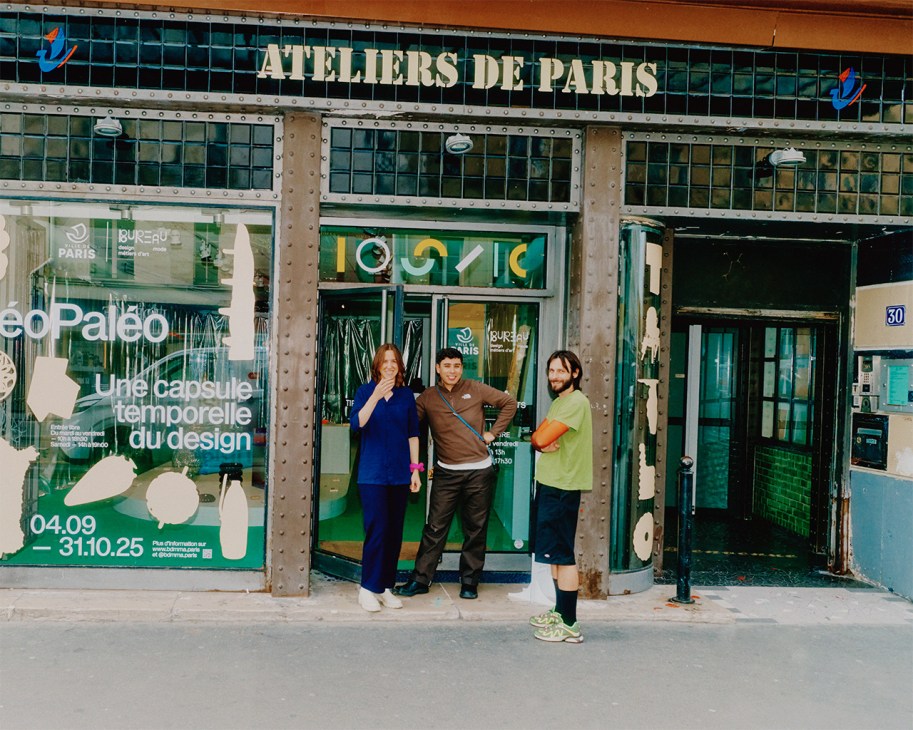
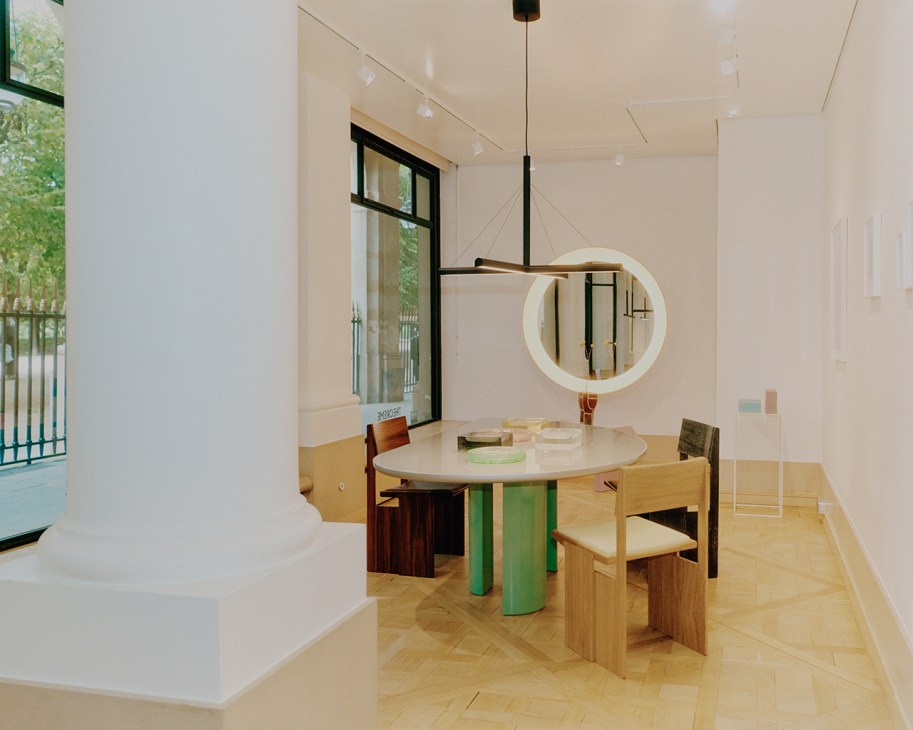
Every year, she explains, the Ateliers select a number of designers whose projects run the gamut from furniture to public policy and give them access to affordable workspaces. Advice is also provided to help participants find their market, while a gallery in the Faubourg Saint-Antoine neighbourhood exhibits their works.
“The great advantage of being based in Paris is easy access, not just to exhibition spaces but also to resources for research,” says designer and visual artist Clémence Althabegoïty. She was accepted into the Ateliers in September 2024 and regularly collaborates with fellow creatives, as well as scientists, on projects devoted to exploring how urban spaces can thrive in our overheated world.
The seemingly limitless cultural options have long drawn creative people to the city. Those who are design-inclined flock to the outskirts for the Saint-Ouen flea market, one of the largest in Europe, to stock up and get inspired.
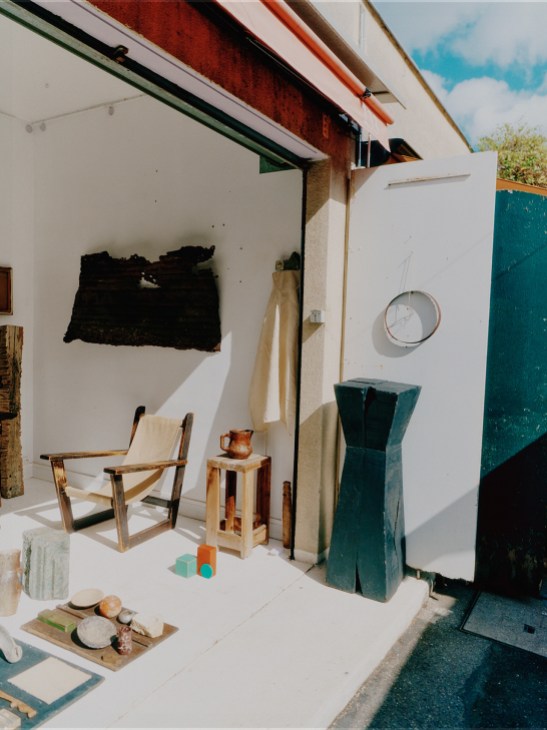
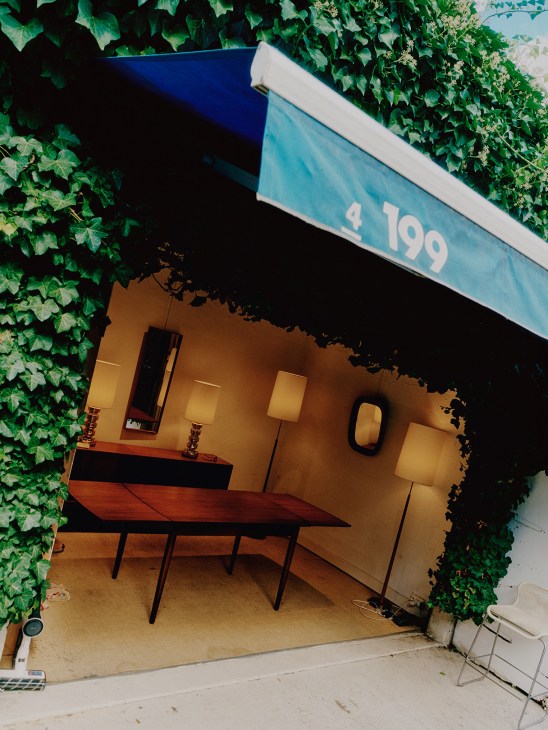
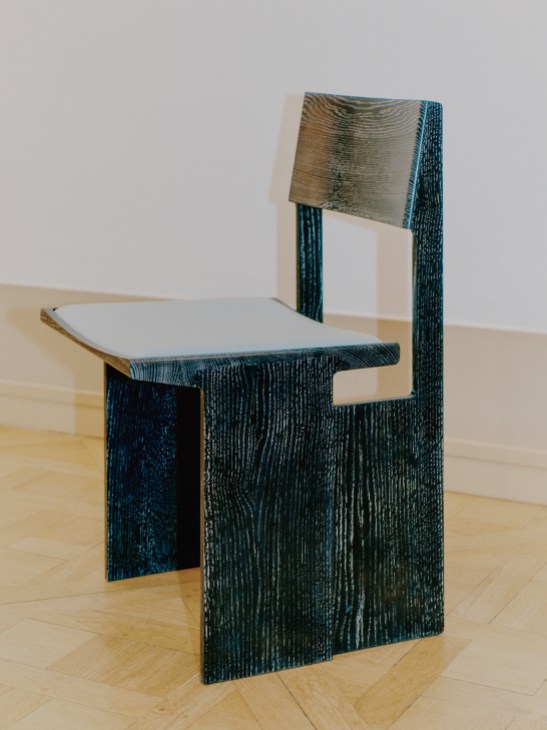
“The world’s best decorators and interior designers have always been regulars, along with actors and celebrities from around the world,” says Augustin Deleuze, one of the three founders of Parisian furniture powerhouse Pierre Augustin Rose. “The design collection of the Musée des Arts Décoratifs is also an incredible source of inspiration.”
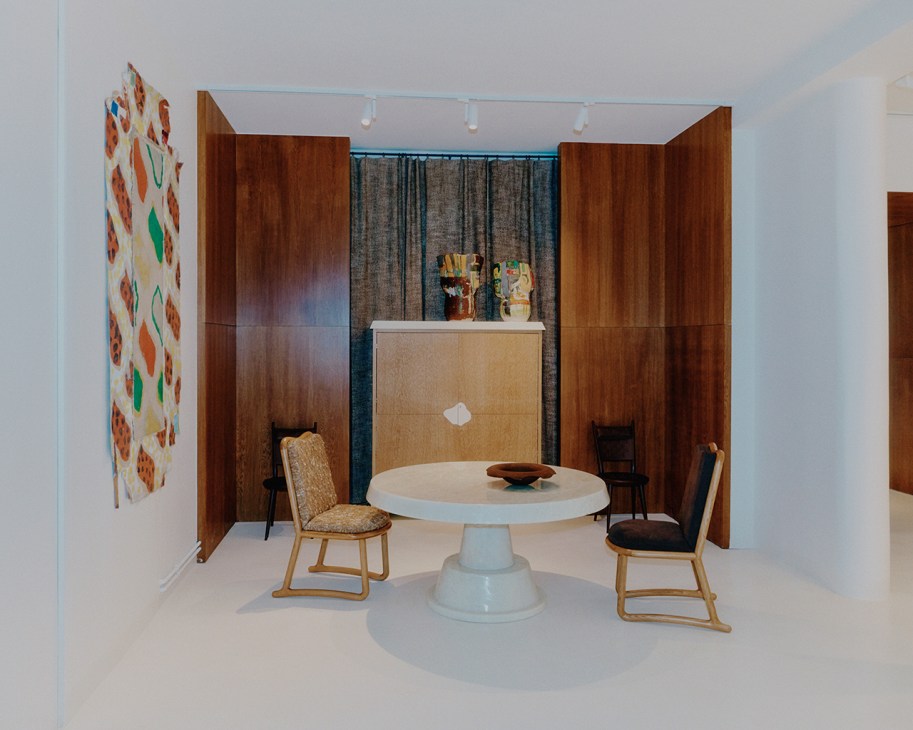
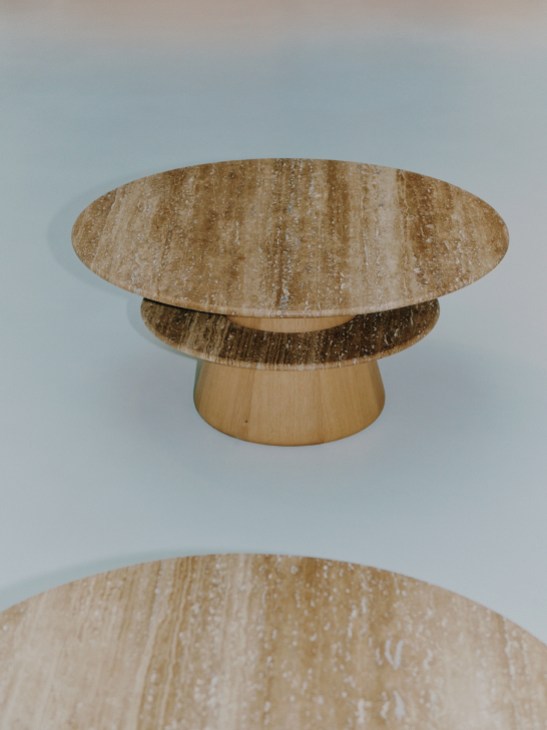
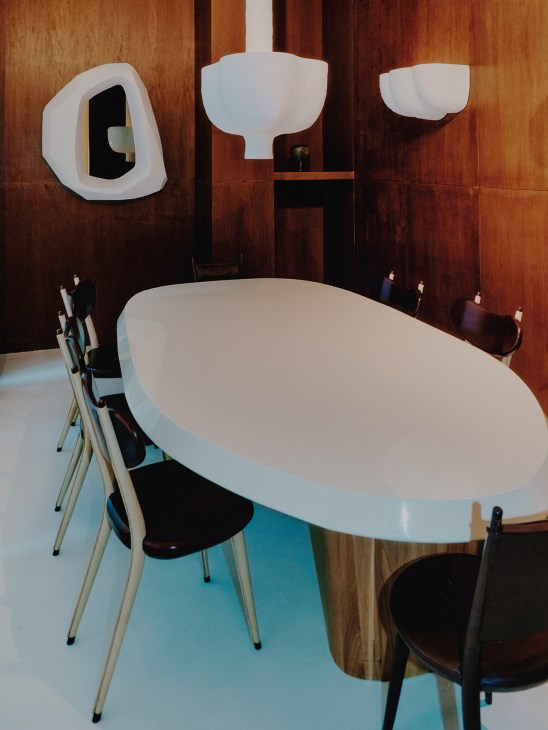
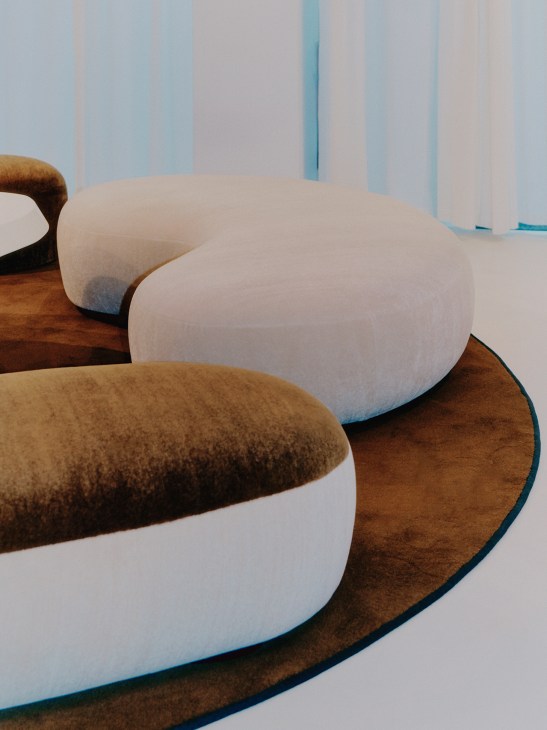
The Louvre-adjacent museum’s permanent collection of modern pieces is a touchstone for the capital’s designers. “Paris’s dynamism is supported by many public and private initiatives, as well as an exceptional network of galleries and globally recognised fairs,” says the museum’s director, Bénédicte Gady.
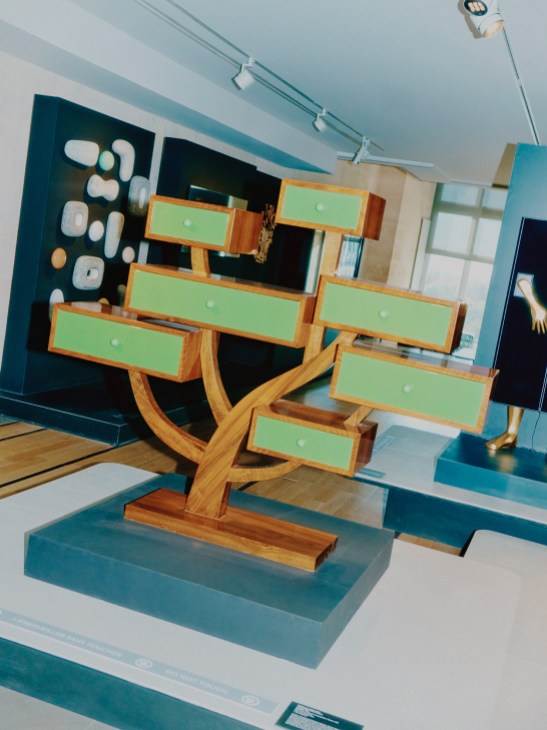
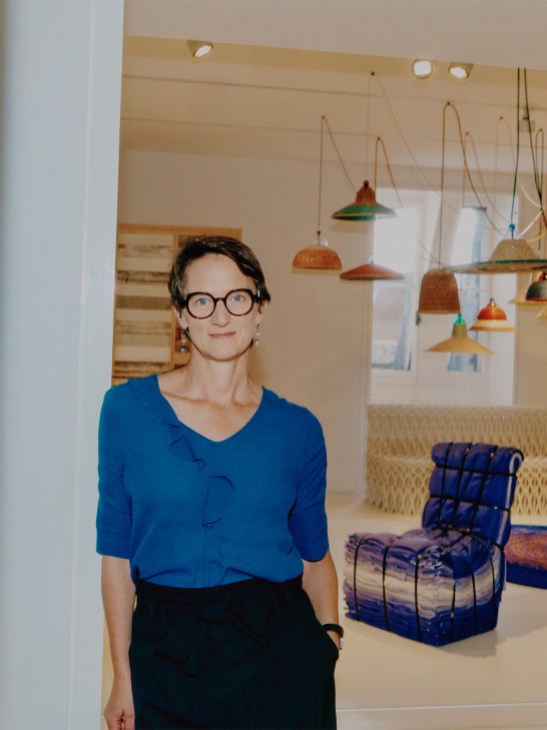
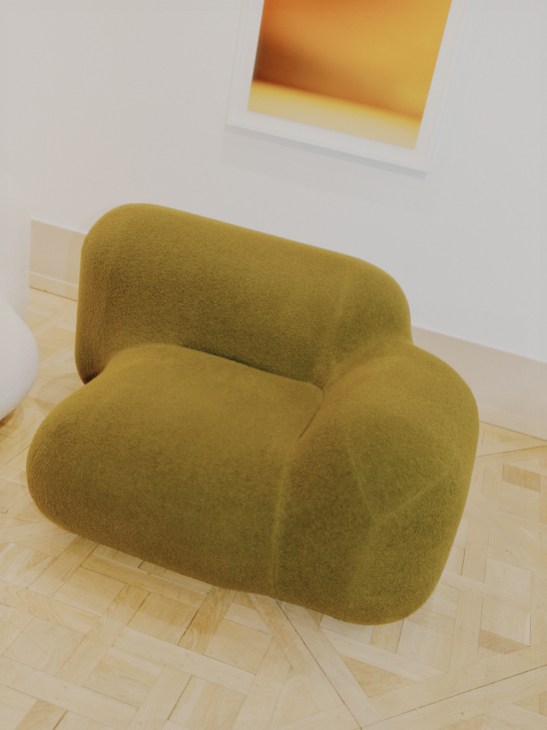
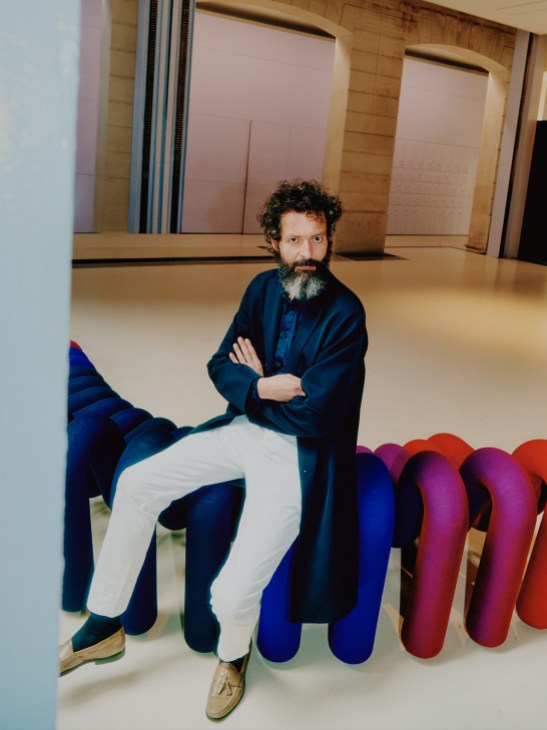
The institution regularly adds pieces to its collection, underscoring its vitality, with this year’s works including a Gelato chair and TGV lamp by French designers Moustache. It’s no wonder that the French capital, already a force in fashion, is a design hot spot in the ascendant. Or, in Gady’s words, “At the moment, Paris is effervescent.”

Read next: The Monocle City Guide to Paris, featuring the best hotels, restaurants and retail spots in the French capital
Why Tokyo’s designers still work by hand and how it keeps Japanese design exciting
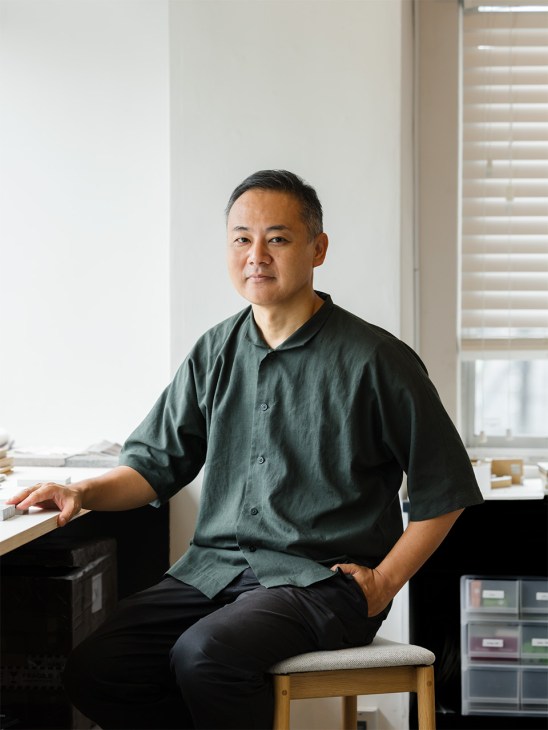
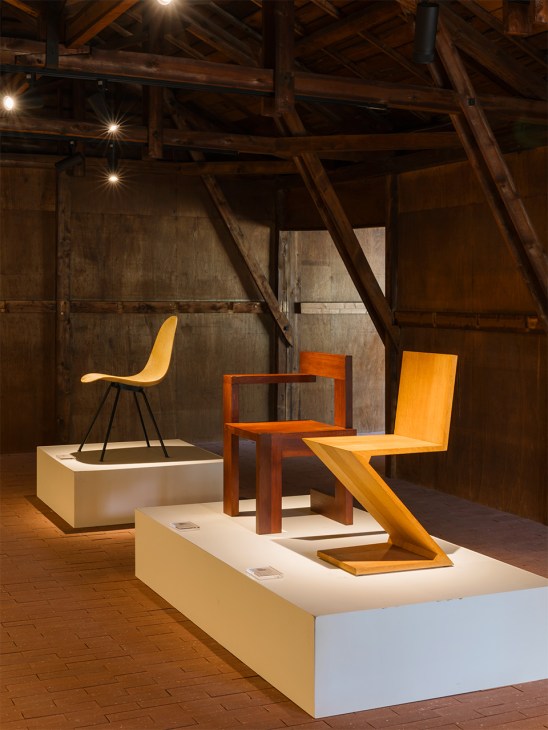
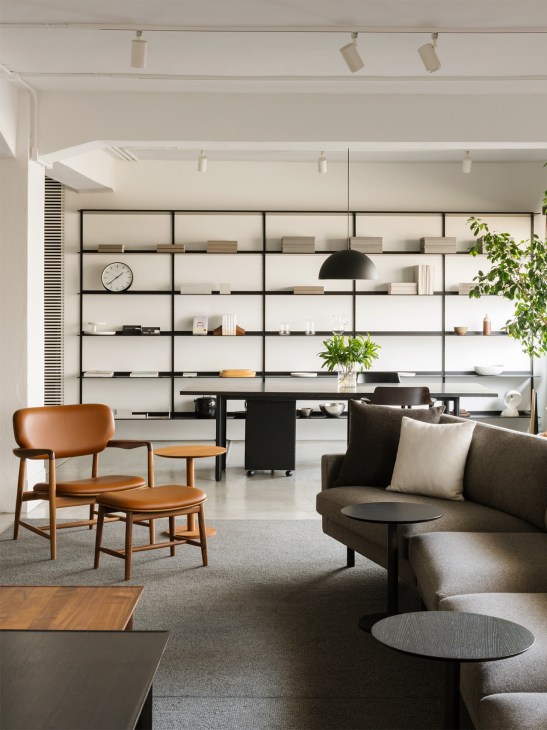
When Tokyo’s architects and designers have a problem to solve or a drawing that they want to bring to life, they might well call on the skills of construction company Tank. Its founder, Naritake Fukumoto, and his team relish such challenges and are worthy partners in creative endeavours. “I have no academic training,” says Fukumoto, a carpenter by trade, as he concentrates on a table that he has been asked to create. “But I have always wanted to know how architects think.” Tokyo architect Keiji Ashizawa, who is in high demand for residences and hotels, has worked on a number of projects with Fukumoto and admires what he brings to a project. “In Japan, a craftsman can be a hero,” he says. “That’s something unique.”
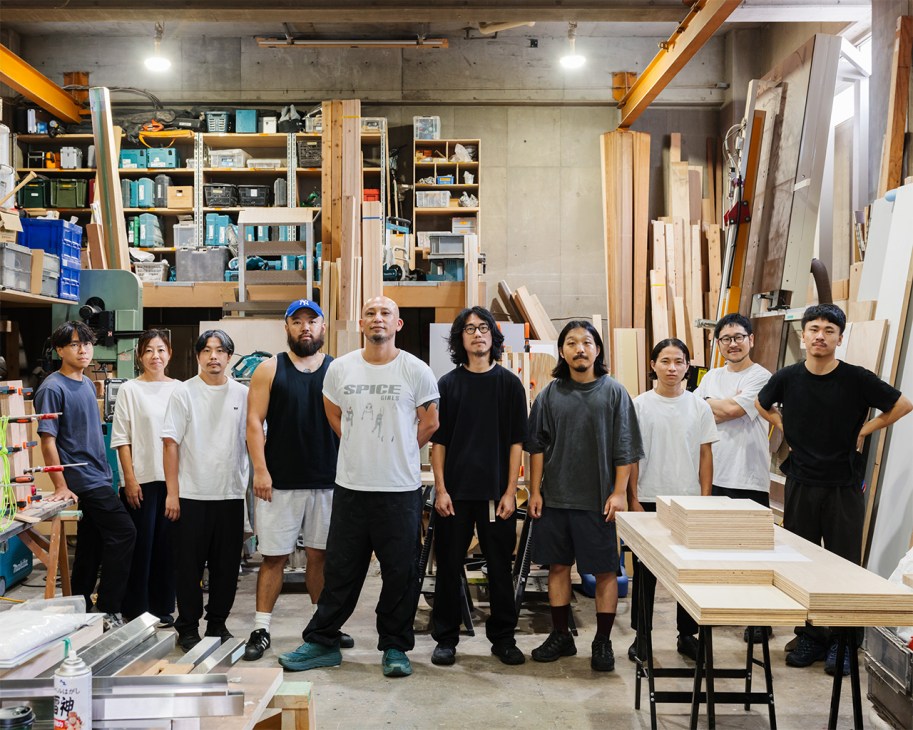
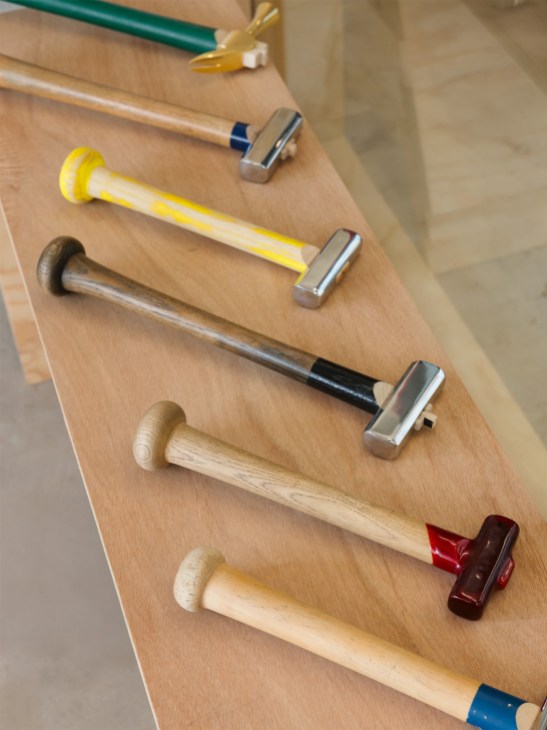
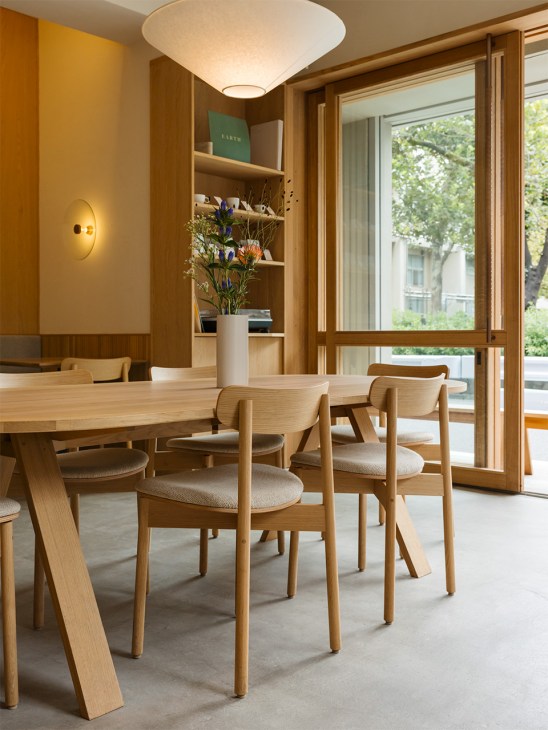
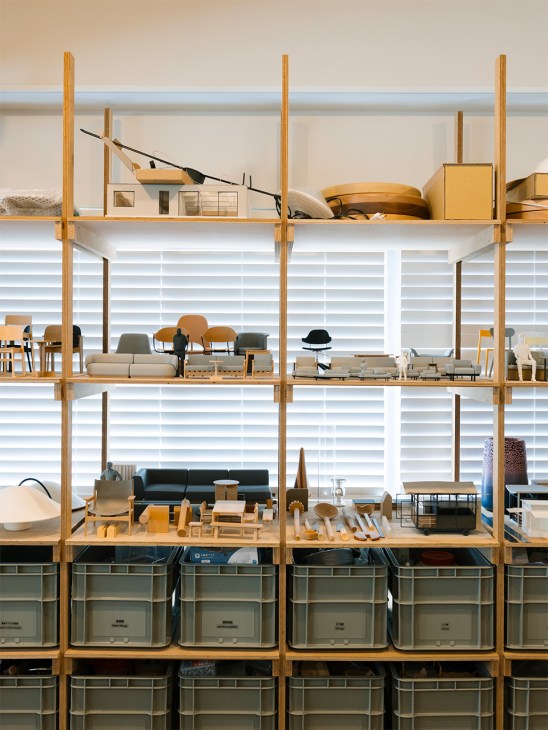
Democracy lies at the heart of Tokyo’s creative community – a respect for every aspect of the process, from planners to plasterers. “Designers aren’t up here and construction workers down there,” says architect Momoko Kudo. “We are all in it together.” Kudo, who launched her studio, MMA, 10 years ago, is surrounded by samples of soil, ceramic tiles and glass that she used in a recent restaurant project. She loves materials and craftsmanship so much that she produces an annual magazine on the subject. Japan is an outlier as a developed, urbanised country where people still make things by hand. Perhaps as a result, thoughts of nature are never far away, even amid the city’s dense concrete.

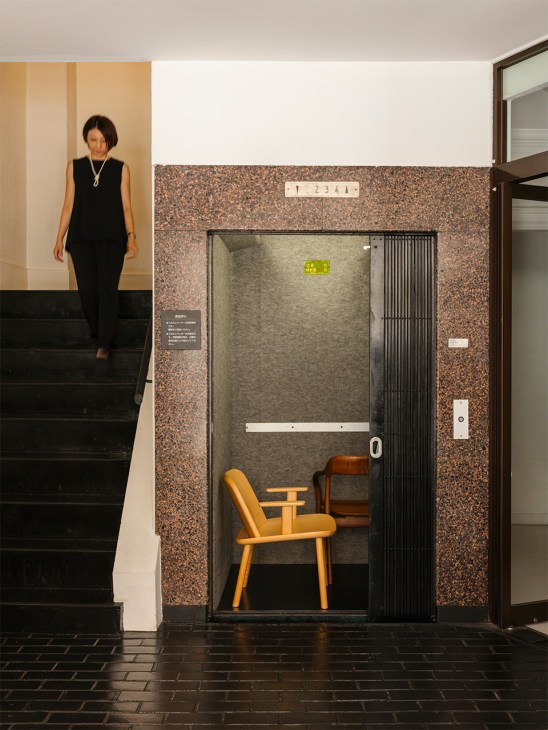
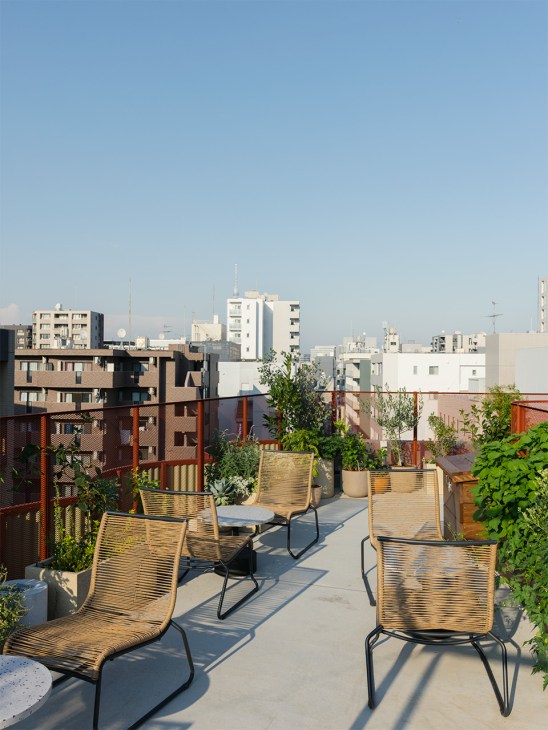
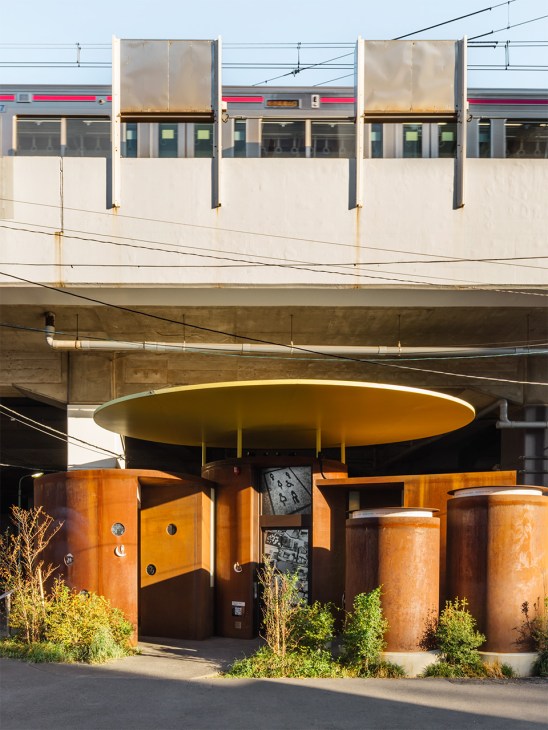
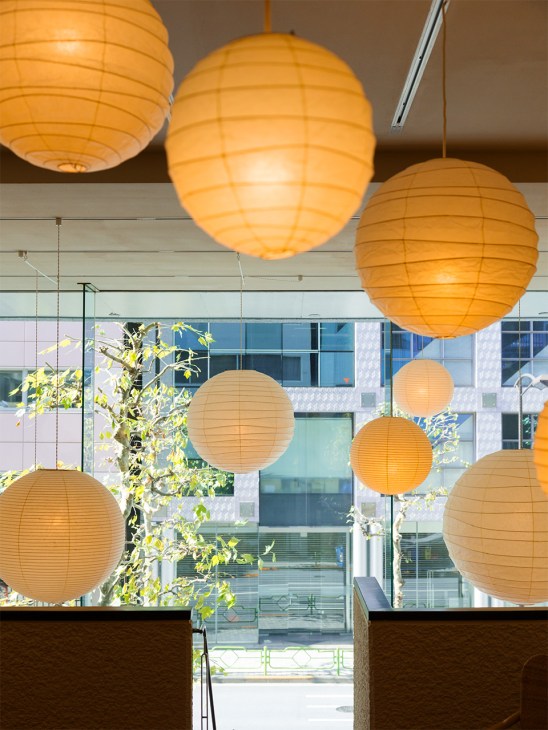
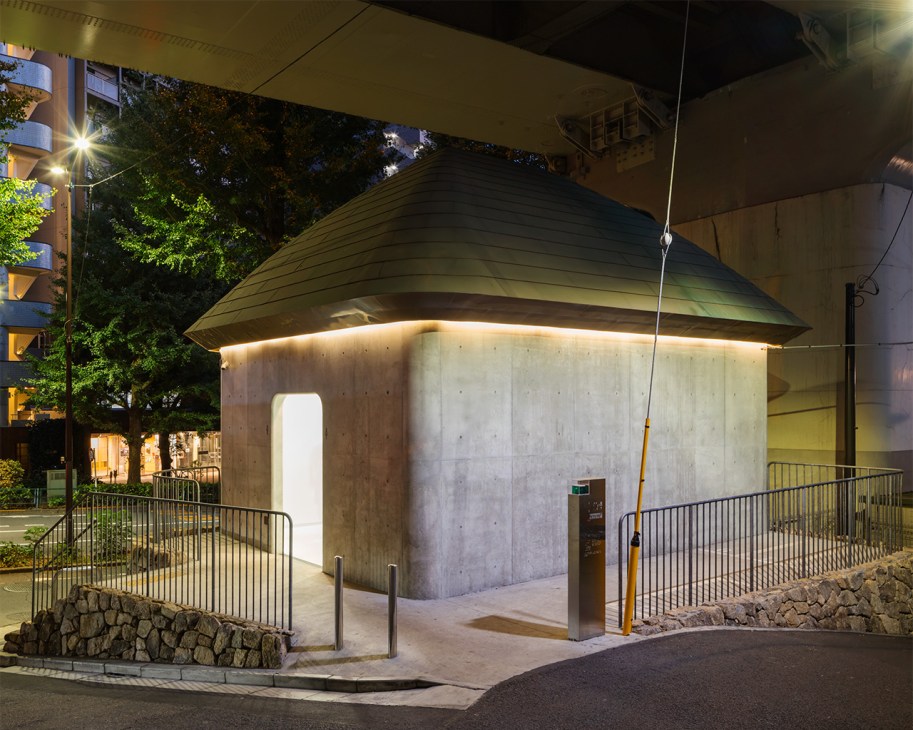
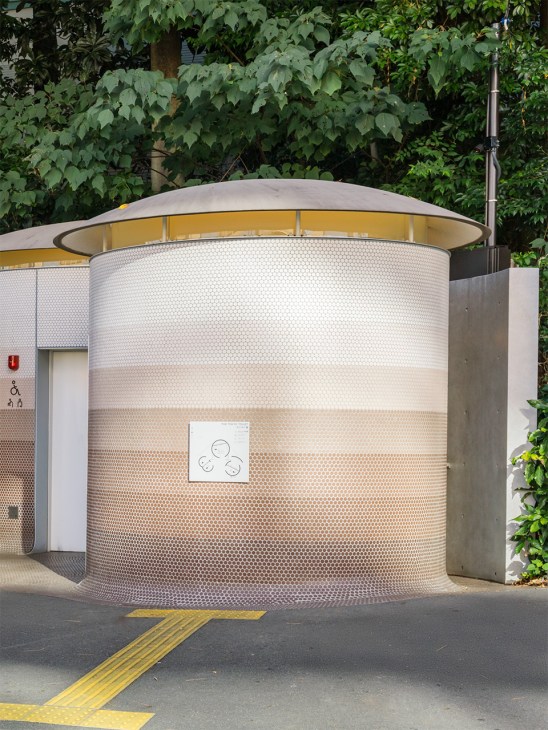
Move through Tokyo and good design is everywhere: in convenience stores, in an ikebana display in a hotel lobby, in the clean lines of a new metro train. The city is bursting with impressive museums (and the Japanese public flocks to them in droves) but design in Tokyo is rooted in everyday life. Functionality has been the driving force of some of the country’s best design. In Junichiro Tanizaki’s celebrated 1933 essay on the elusive elements that make up the Japanese aesthetic, “In Praise of Shadows”, the author wrote, “The quality that we call beauty must always grow from the realities of life.” In short, nothing is too lowly to deserve a designer’s eye in Tokyo. Indeed, Japan’s annual Good Design Awards are as likely to celebrate a great tractor as an elegant building. The late Sori Yanagi, one of Japan’s greatest designers, was commissioned in 1980 to apply his prodigious talents to the Tomei Expressway. Has a motorway wall ever looked more poetic?
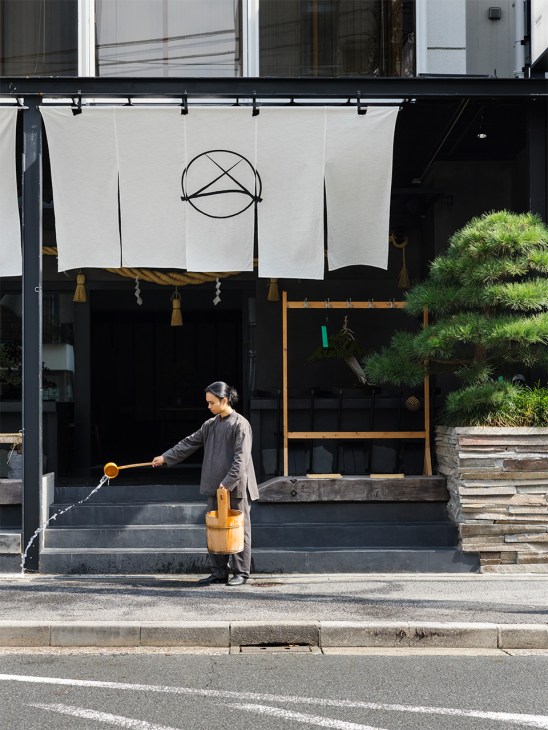
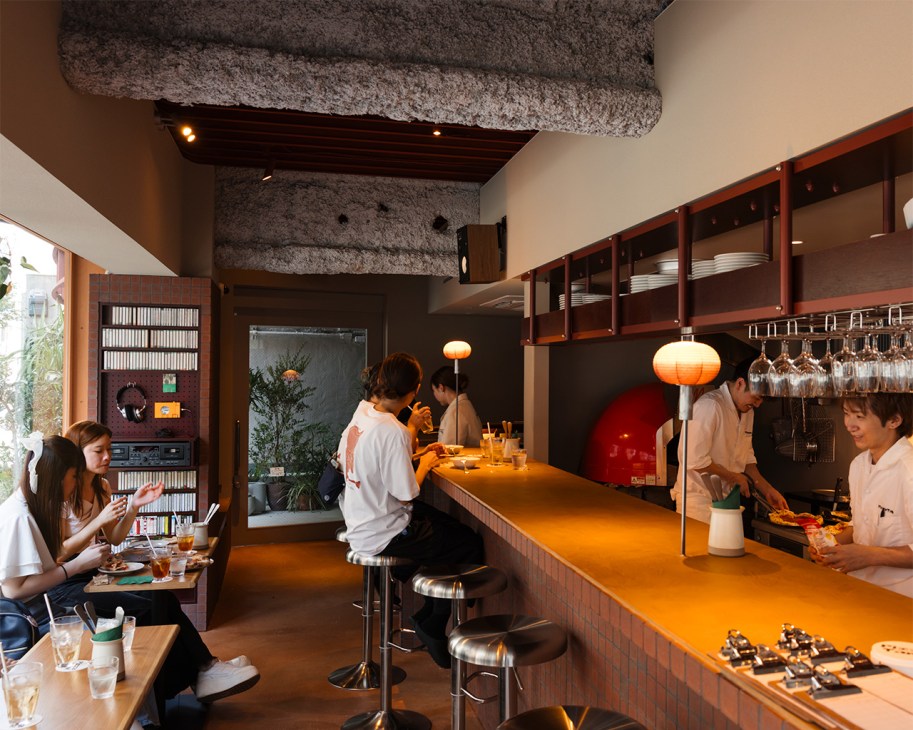
Most creatives in Tokyo enjoy dialogue with people from other disciplines – architects, artists, craftsmen and contractors – working together to create exceptionally atmospheric restaurants, shops and bars. At Matsubaya Saryo teahouse in Aoyama, the simple conjunction of century-old bonsai trees, antique tables and dark walls makes for a magnetic space, packed with meaning, history and culture. Distillation is key in a city where space is in short supply. Those few pot plants sitting outside a city house in Tokyo convey centuries of garden artistry.


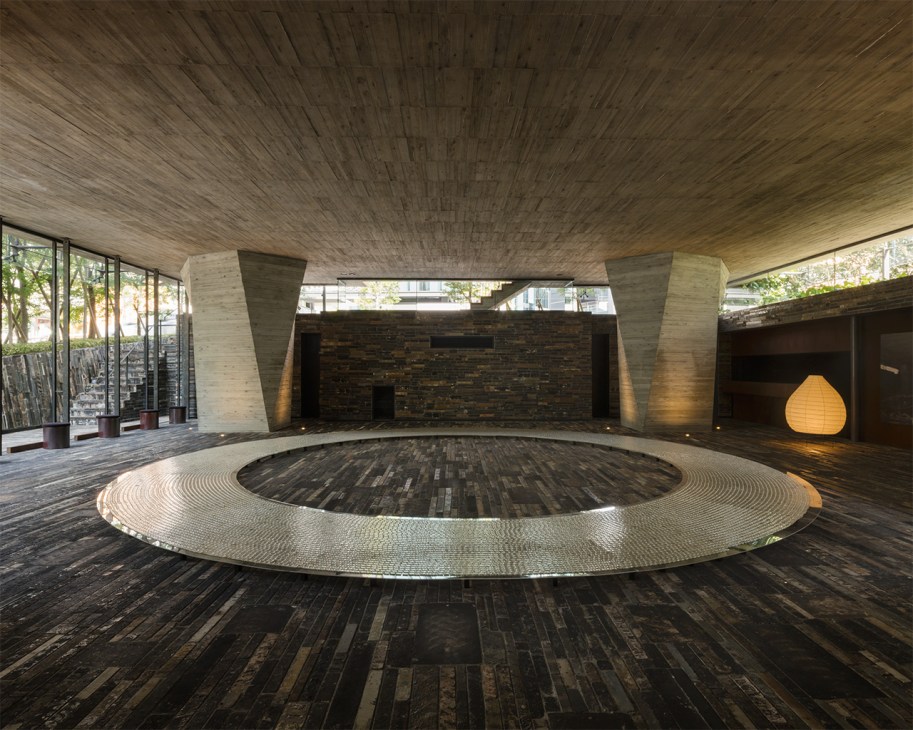
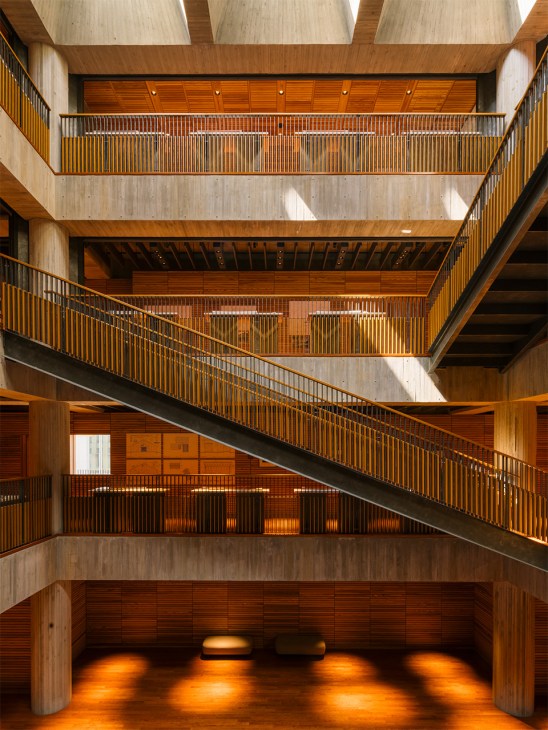
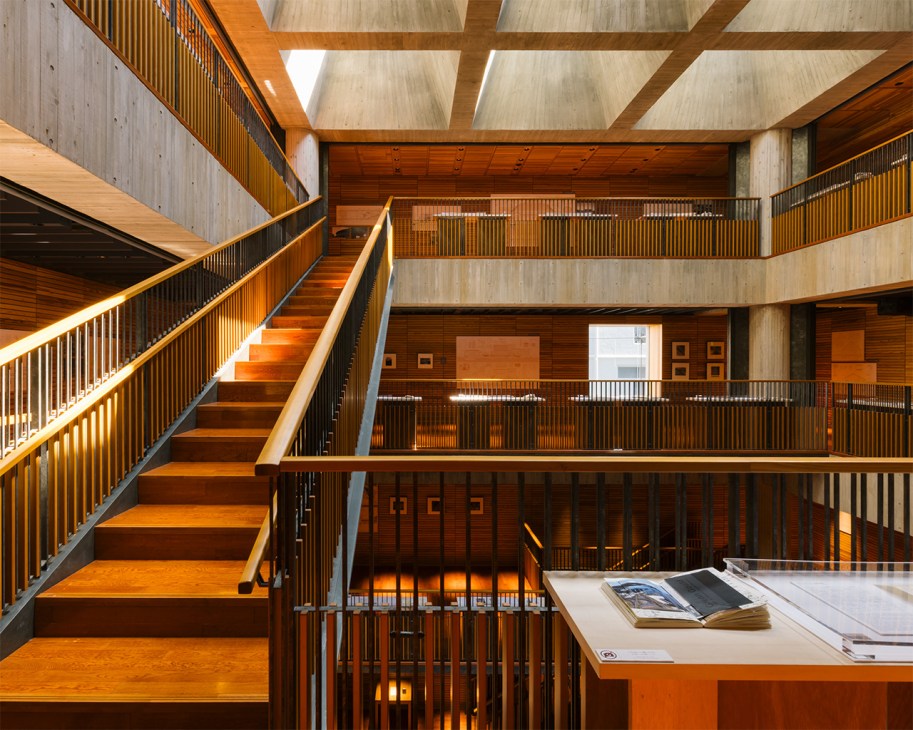
For sheer inspiration, few architectural projects can compare with Kioi Seido, an enigmatic building in the centre of the city with no purpose at all. Designed by architect Hiroshi Naito for the Rinri Institute of Ethics, it was a dream commission. “They asked me to design the building at my discretion and said that they would figure out the functionality later,” says Naito. The result is a mysterious, soaring pantheon for the 21st century, lined with wood and wrapped in concrete and glass. It isn’t generally open to the public but when it has been, crowds have lined up to glimpse what’s inside. Completed in 2021, the building’s use has yet to be decided. Perhaps it never will. Here, utilitarianism has been thrown out the window. “As an architect,” says Naito, “I have never been more proud.”

Read next: The Monocle City Guide to Tokyo, featuring the best hotels, restaurants and retail spots in the Japanese capital