
Design Directory
Ateliers de Paris, a city-hall initiative committed to nurturing young creatives
There are plenty of places vying for the title of Europe’s design capital. On the one hand, there are smaller cities, such as Rotterdam or Lisbon, with a disproportionate number of world-class studios. On the other are established powerhouses, such as Milan or Copenhagen, whose industrial output is unparalleled. Paris might be the best of both.
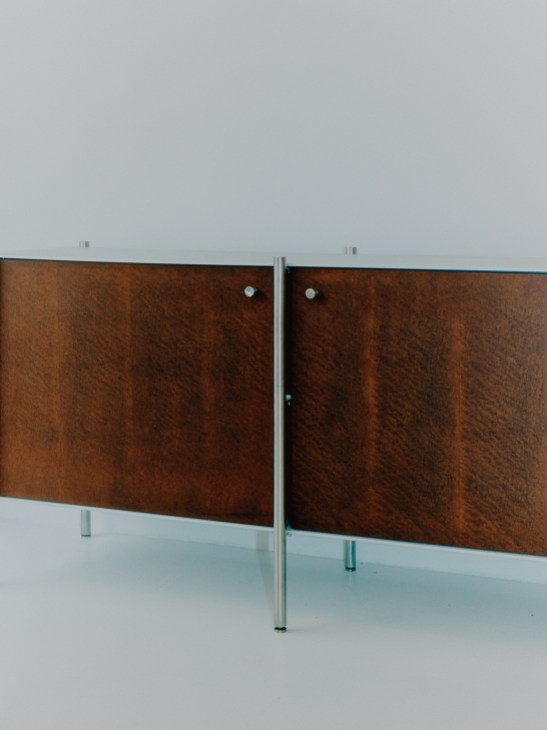
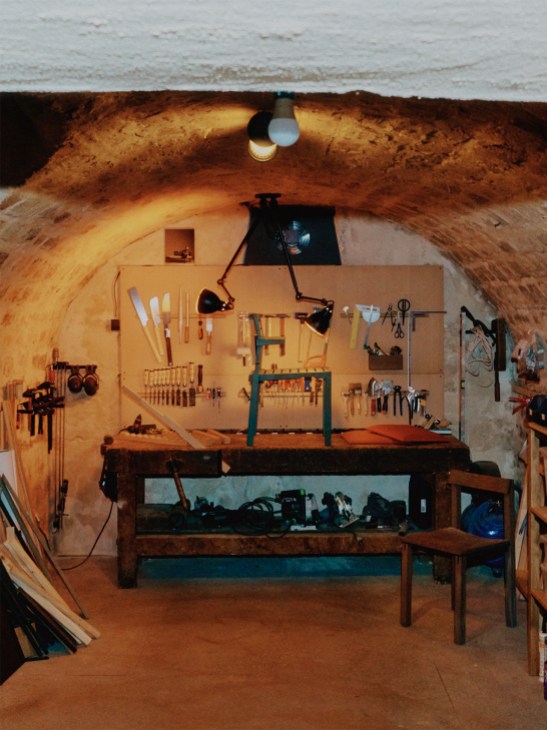
In the French metropolis you’ll find outposts of global furniture brands such as Ligne Roset, Roche Bobois and Fermob. At the other end of the spectrum are a host of smaller, independent makers that rely on the city’s artisans to craft unique pieces. In recent years these partnerships have come to the fore at events such as design fair Matter and Shape and Paris Design Week (held annually in September).
At the latter’s most recent iteration, there were countless outstanding collaborations between atelier and designer, chief among them Chloé Nègre’s partnership with rug maker Editions 1.6.9. “There is a new perception of Parisian métiers d’art, of know-how, of provenance of piece and production methods,” says Franck Millot, the director of Paris Design Week. “Craftsmanship has taken on a new modernity and the bond between creatives and artisans is part of our DNA.”
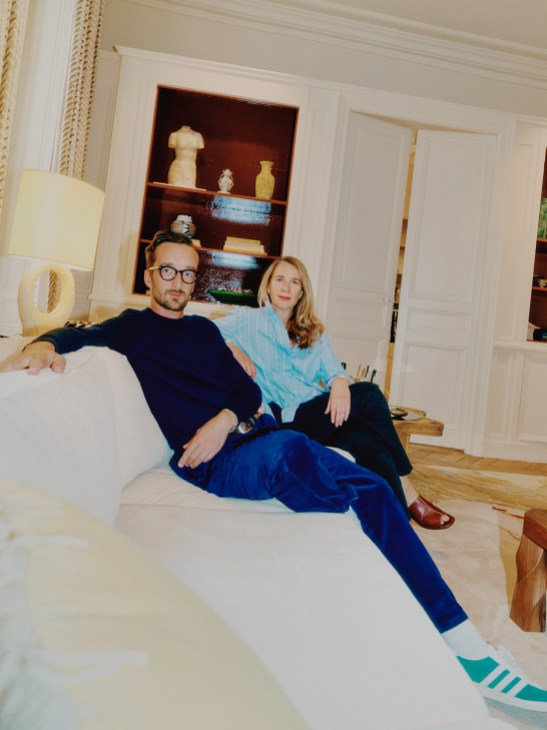
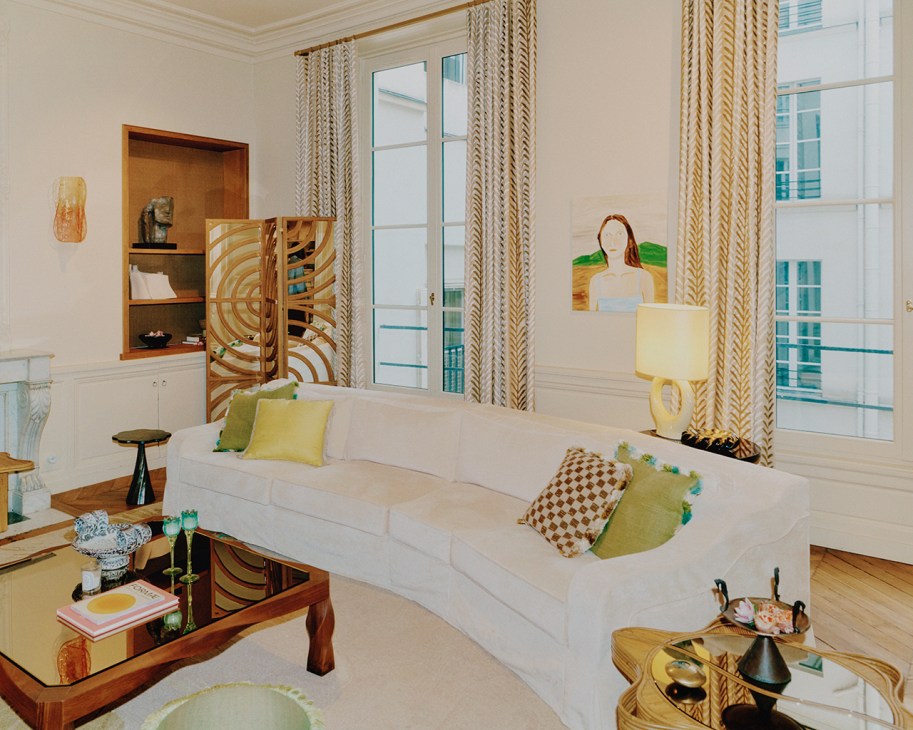
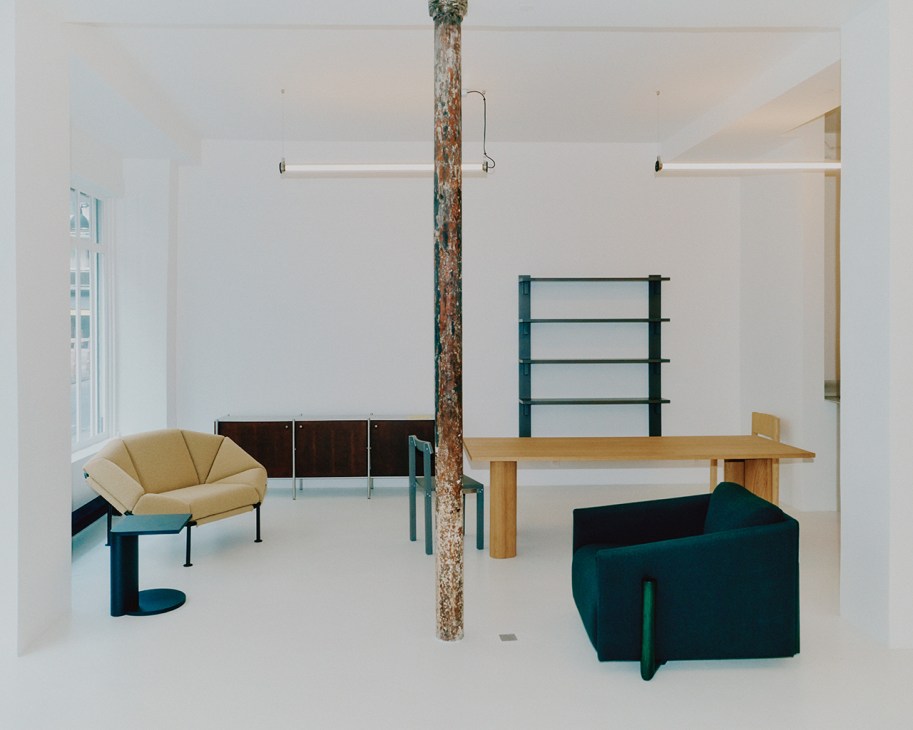
The French capital’s many design schools keep fresh ideas flowing, while city-hall initiatives such as the Ateliers de Paris – a publicly funded design incubator – serve as a support system for up-and-coming creatives.
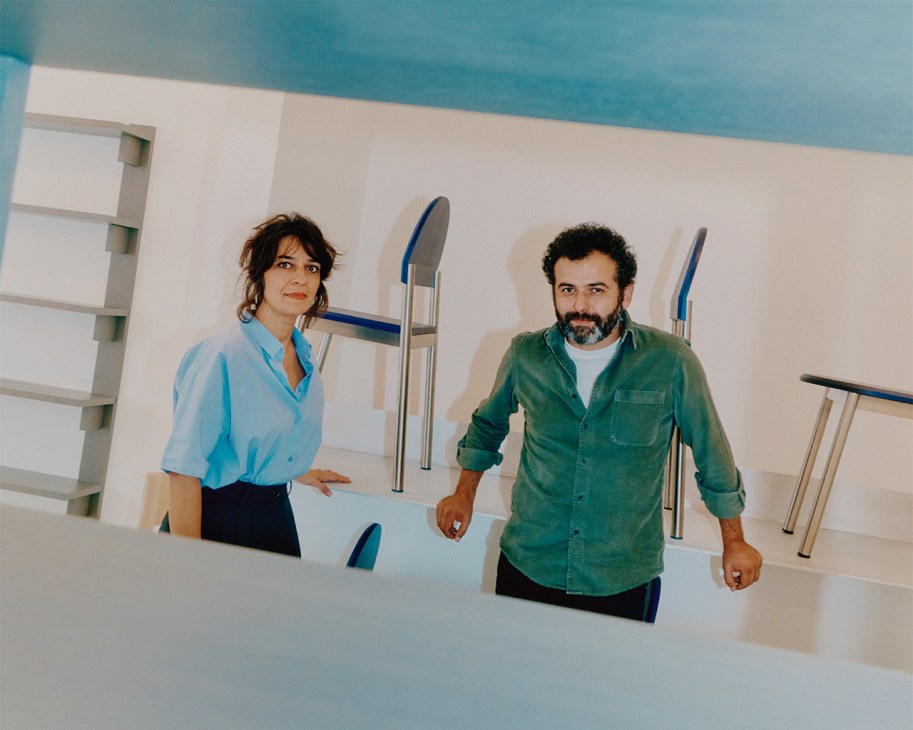
“We try to welcome people who are pushing the boundaries of what is traditionally considered design by the public or even policymakers,” says Mathilde Nony, the deputy director of the Ateliers de Paris. “We want to expand their horizons.”
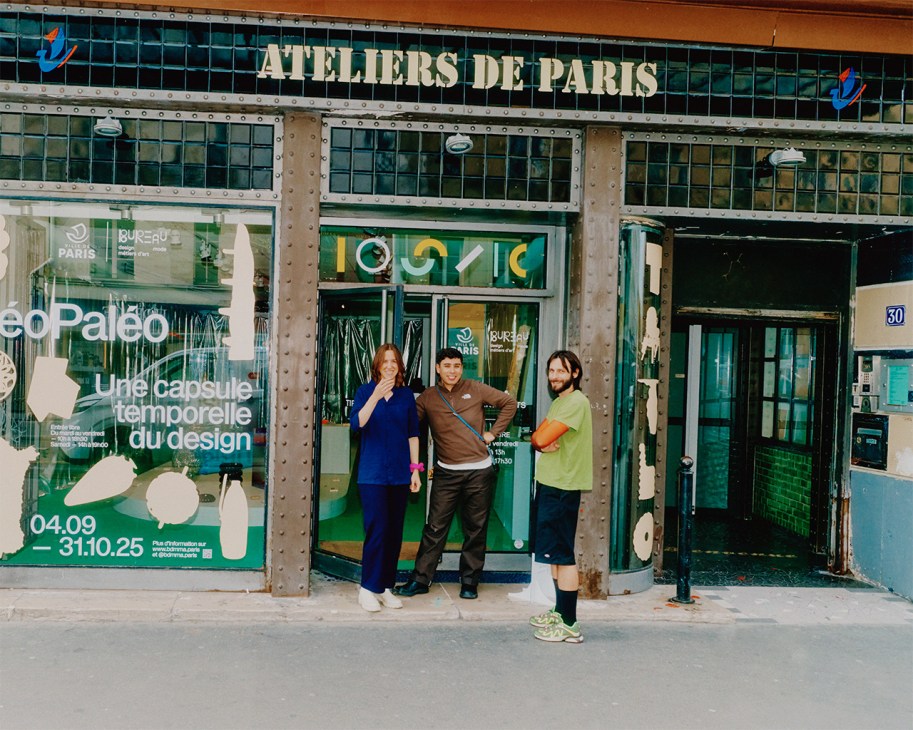
Every year, she explains, the Ateliers select a number of designers whose projects run the gamut from furniture to public policy and give them access to affordable workspaces. Advice is also provided to help participants find their market, while a gallery in the Faubourg Saint-Antoine neighbourhood exhibits their works.
“The great advantage of being based in Paris is easy access, not just to exhibition spaces but also to resources for research,” says designer and visual artist Clémence Althabegoïty. She was accepted into the Ateliers in September 2024 and regularly collaborates with fellow creatives, as well as scientists, on projects devoted to exploring how urban spaces can thrive in our overheated world.
The seemingly limitless cultural options have long drawn creative people to the city. Those who are design-inclined flock to the outskirts for the Saint-Ouen flea market, one of the largest in Europe, to stock up and get inspired.
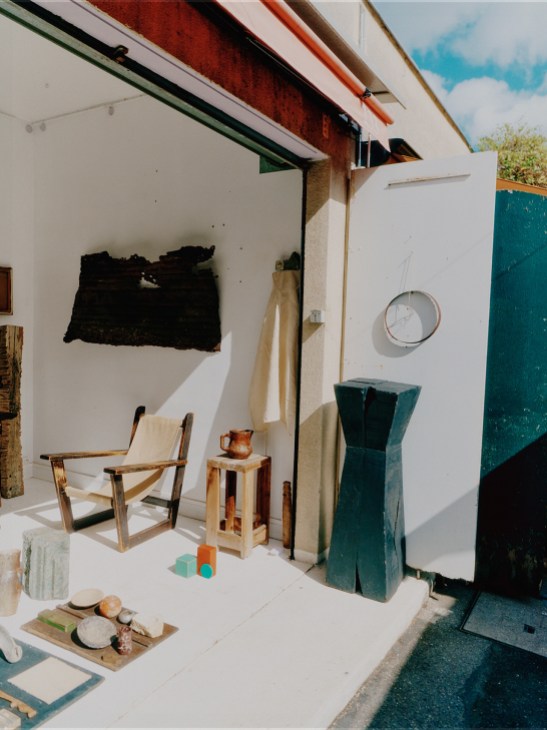
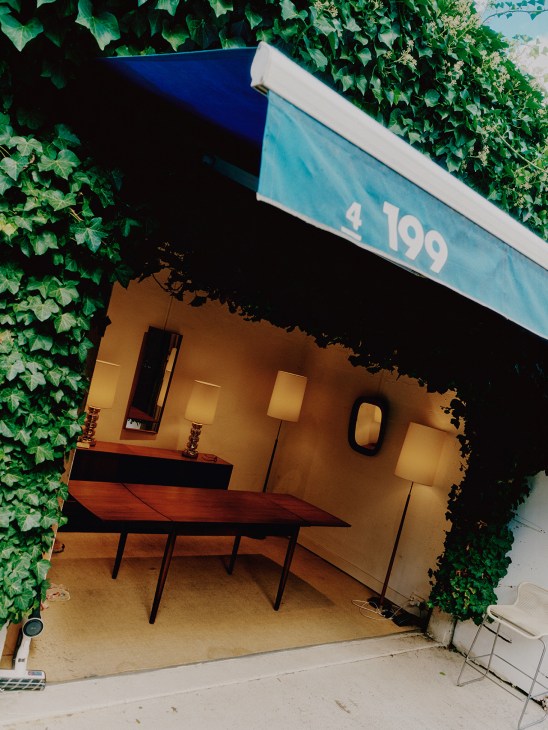
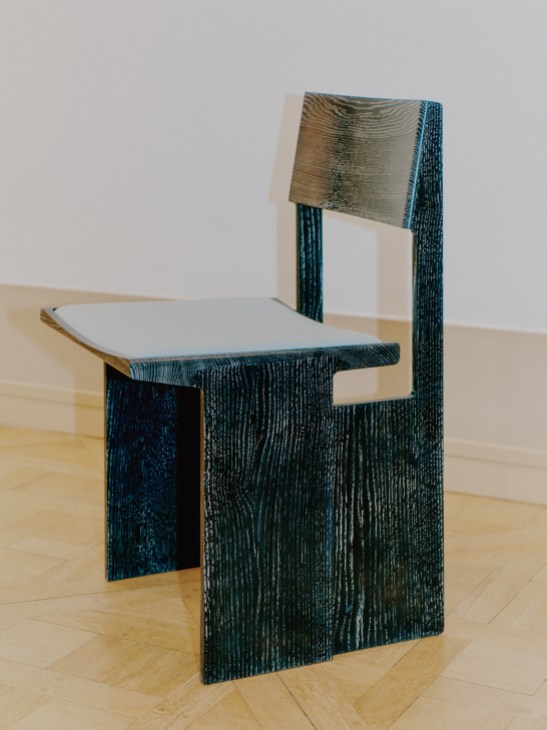
“The world’s best decorators and interior designers have always been regulars, along with actors and celebrities from around the world,” says Augustin Deleuze, one of the three founders of Parisian furniture powerhouse Pierre Augustin Rose. “The design collection of the Musée des Arts Décoratifs is also an incredible source of inspiration.”
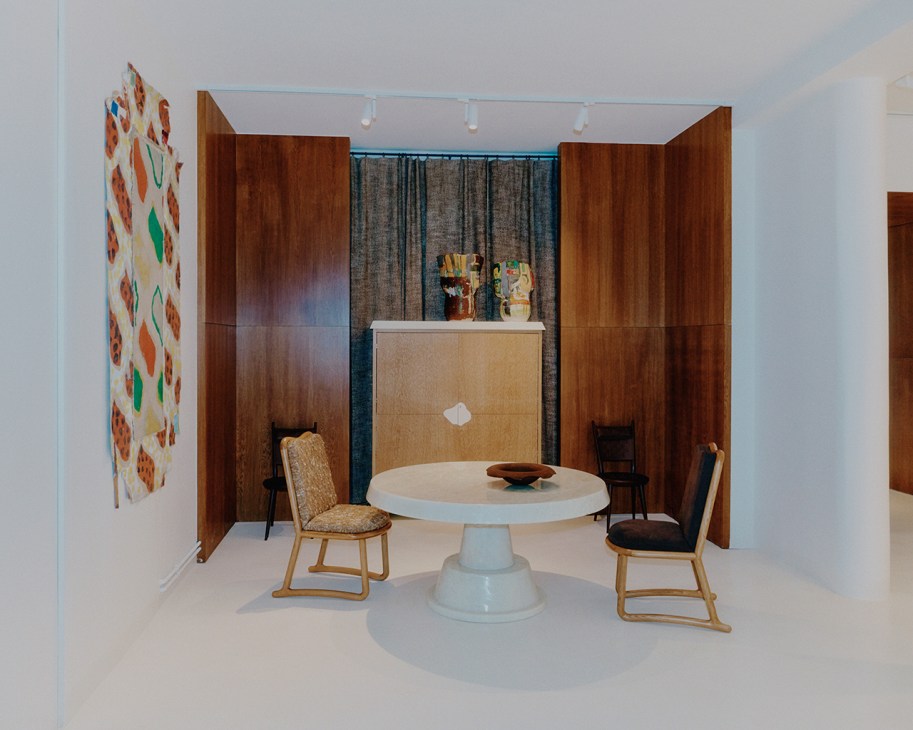
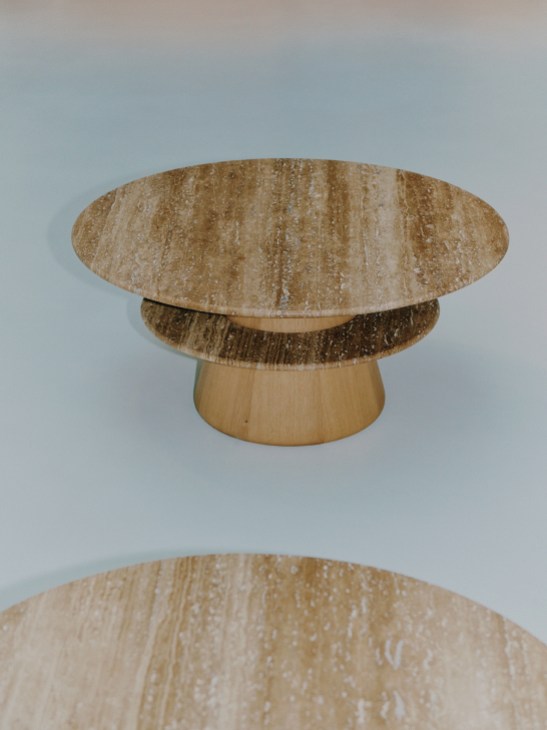
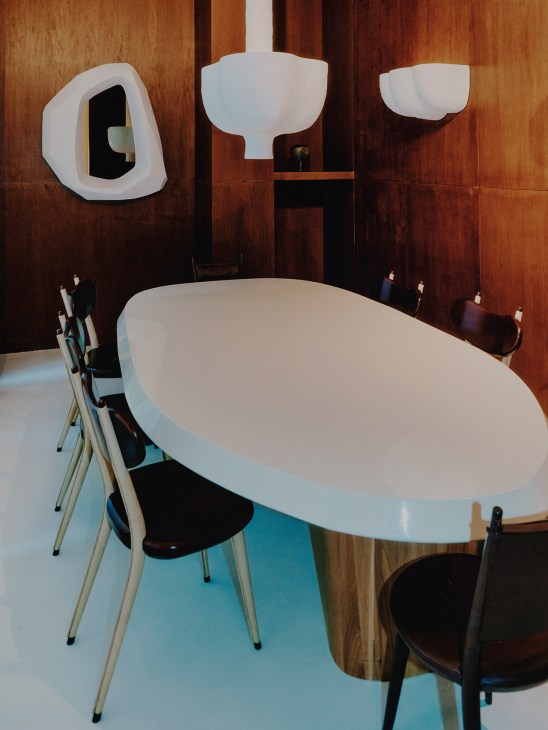
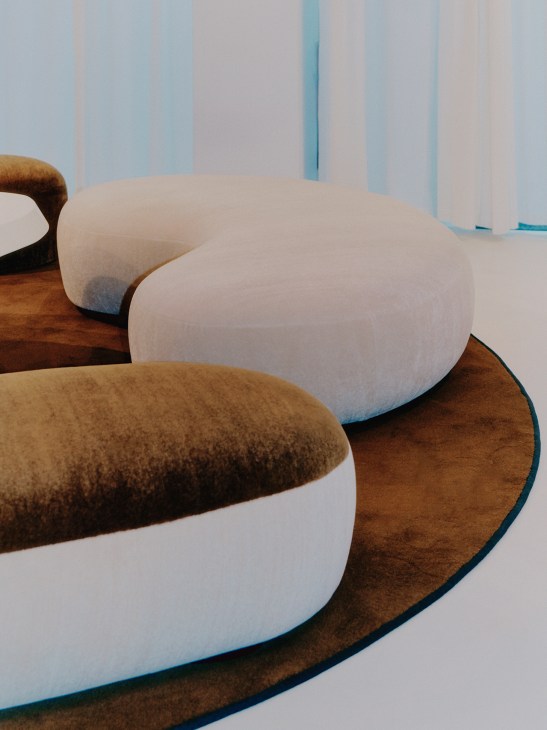
The Louvre-adjacent museum’s permanent collection of modern pieces is a touchstone for the capital’s designers. “Paris’s dynamism is supported by many public and private initiatives, as well as an exceptional network of galleries and globally recognised fairs,” says the museum’s director, Bénédicte Gady.
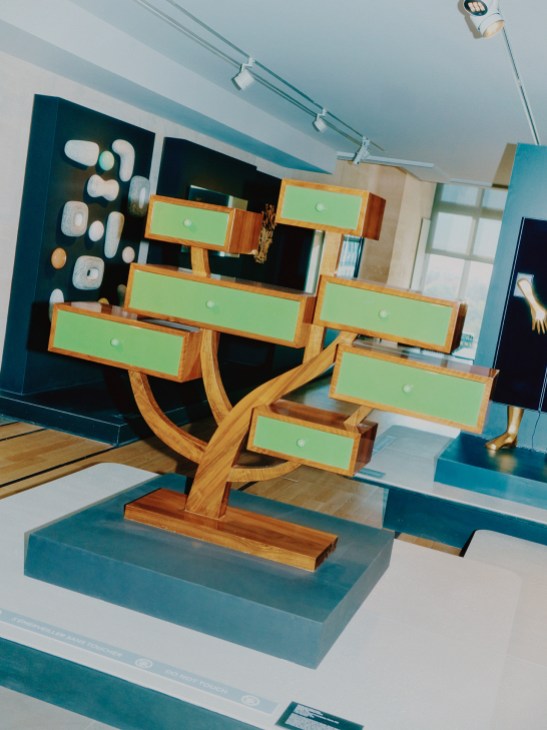
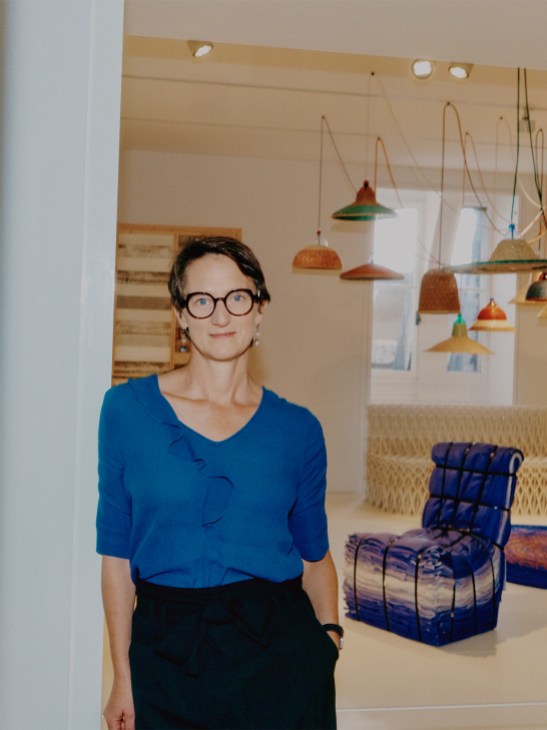
The institution regularly adds pieces to its collection, underscoring its vitality, with this year’s works including a Gelato chair and TGV lamp by French designers Moustache. It’s no wonder that the French capital, already a force in fashion, is a design hot spot in the ascendant. Or, in Gady’s words, “At the moment, Paris is effervescent.”
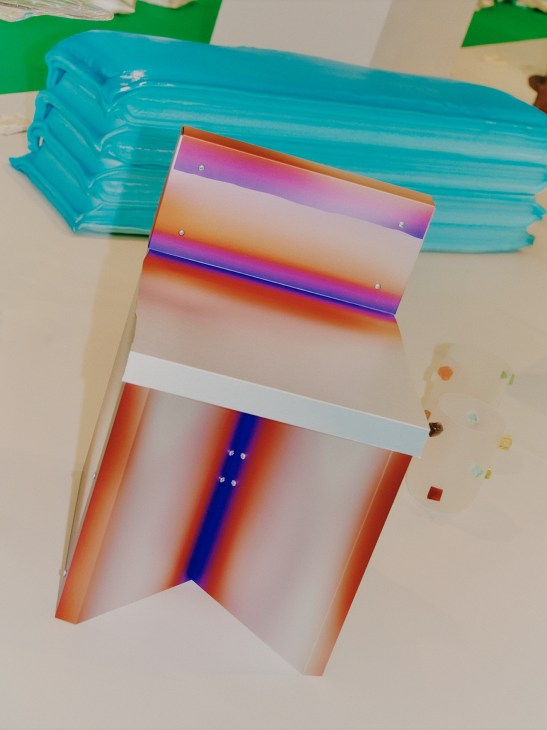
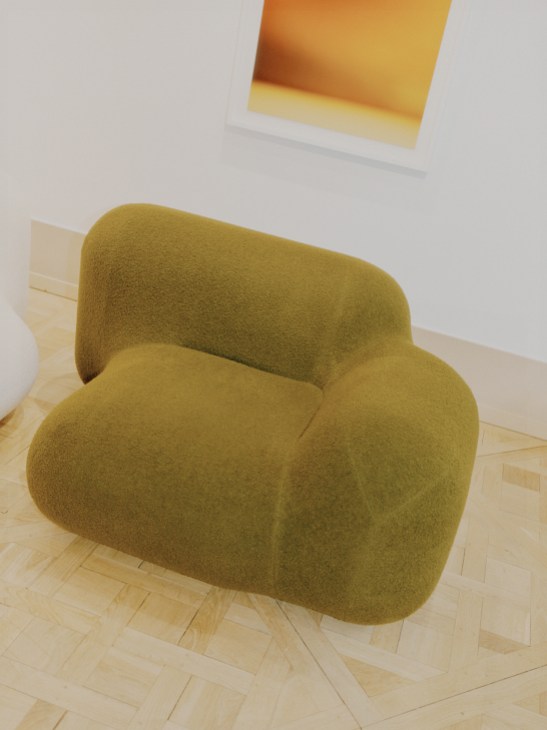
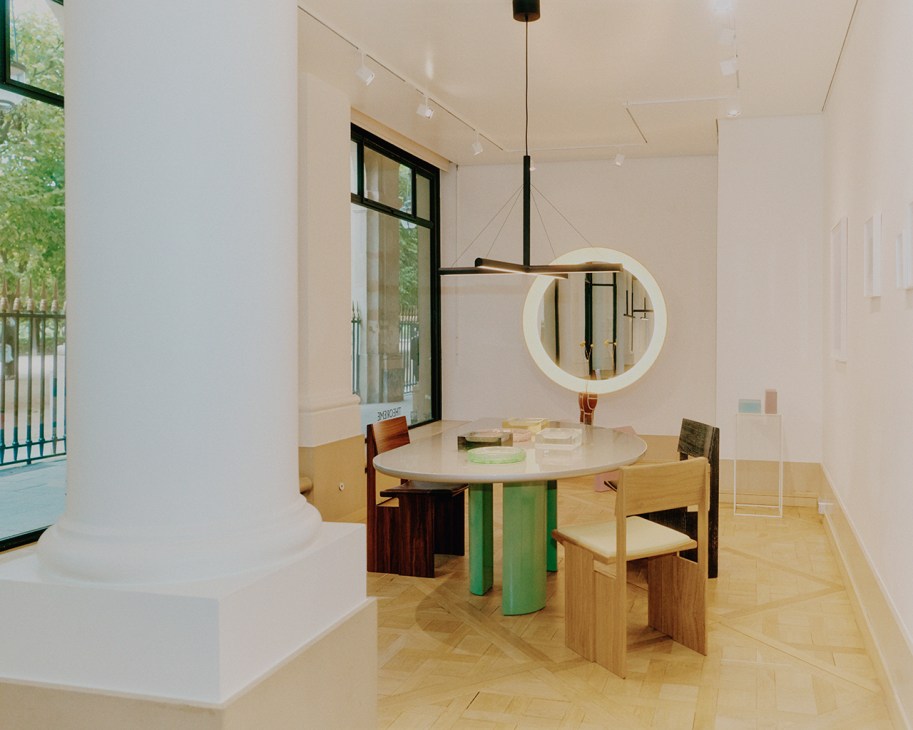

Read next: The Monocle City Guide to Paris, featuring the best hotels, restaurants and retail spots in the French capital
Why Tokyo’s designers still work by hand and how it keeps Japanese design exciting
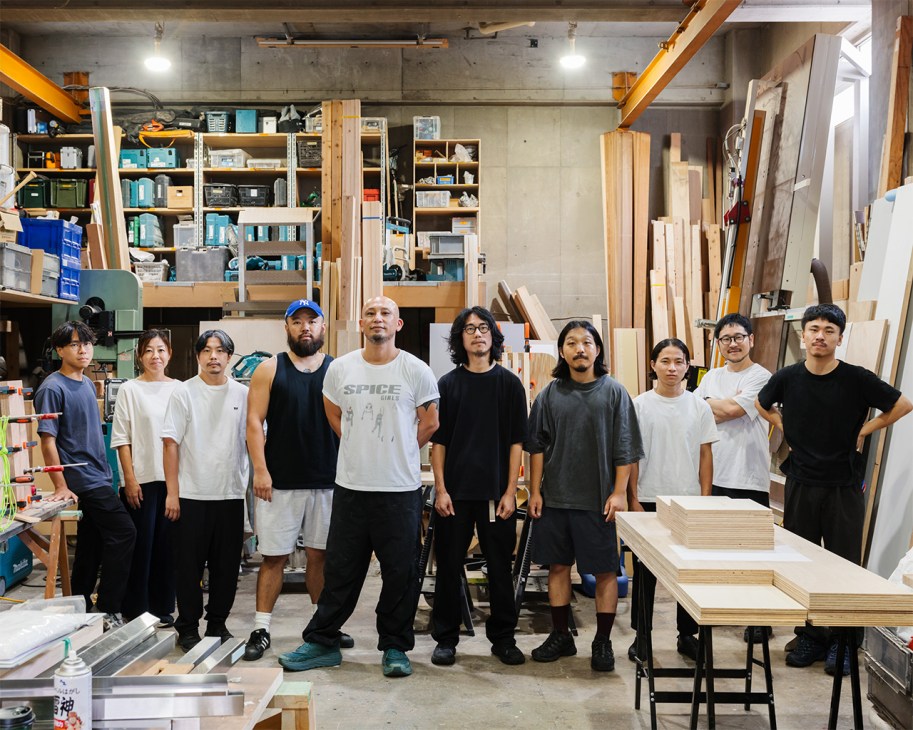
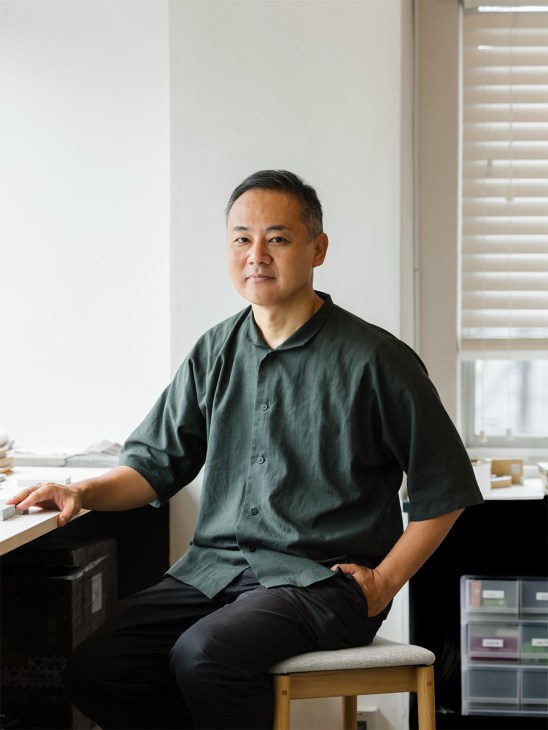
When Tokyo’s architects and designers have a problem to solve or a drawing that they want to bring to life, they might well call on the skills of construction company Tank. Its founder, Naritake Fukumoto, and his team relish such challenges and are worthy partners in creative endeavours. “I have no academic training,” says Fukumoto, a carpenter by trade, as he concentrates on a table that he has been asked to create. “But I have always wanted to know how architects think.” Tokyo architect Keiji Ashizawa, who is in high demand for residences and hotels, has worked on a number of projects with Fukumoto and admires what he brings to a project. “In Japan, a craftsman can be a hero,” he says. “That’s something unique.”
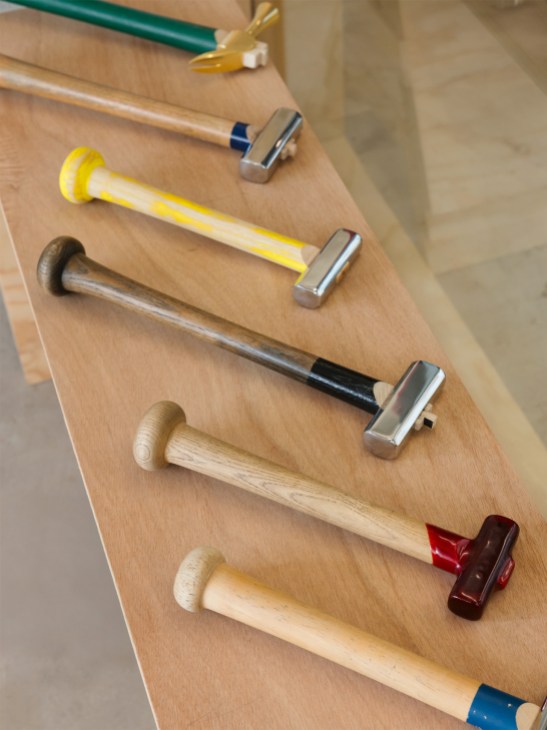
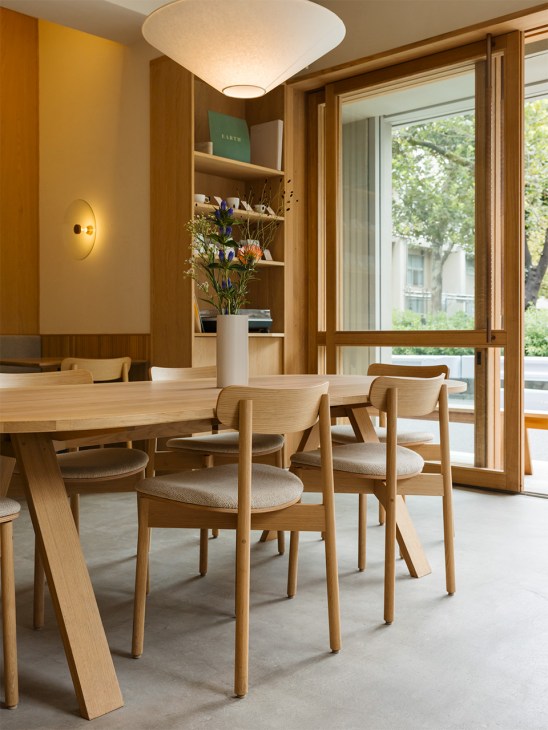
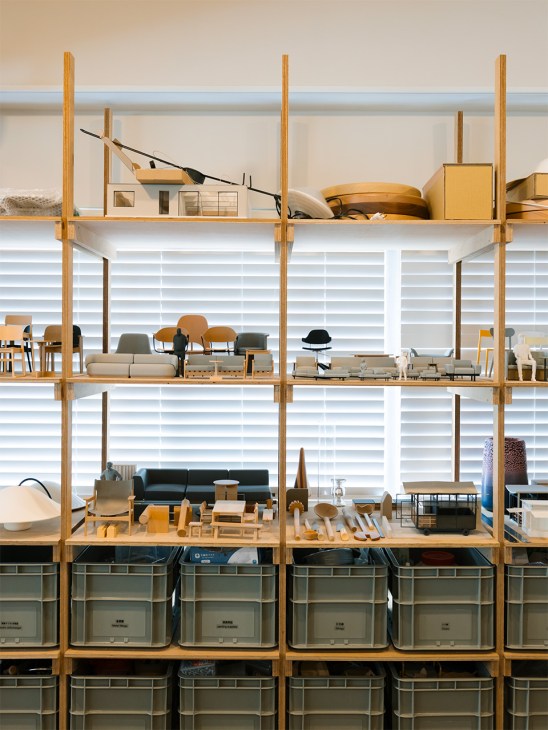
Democracy lies at the heart of Tokyo’s creative community – a respect for every aspect of the process, from planners to plasterers. “Designers aren’t up here and construction workers down there,” says architect Momoko Kudo. “We are all in it together.” Kudo, who launched her studio, MMA, 10 years ago, is surrounded by samples of soil, ceramic tiles and glass that she used in a recent restaurant project. She loves materials and craftsmanship so much that she produces an annual magazine on the subject. Japan is an outlier as a developed, urbanised country where people still make things by hand. Perhaps as a result, thoughts of nature are never far away, even amid the city’s dense concrete.
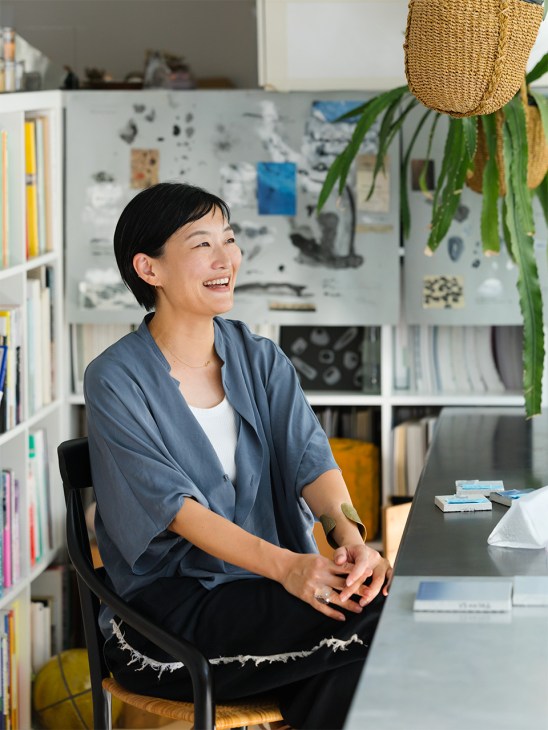
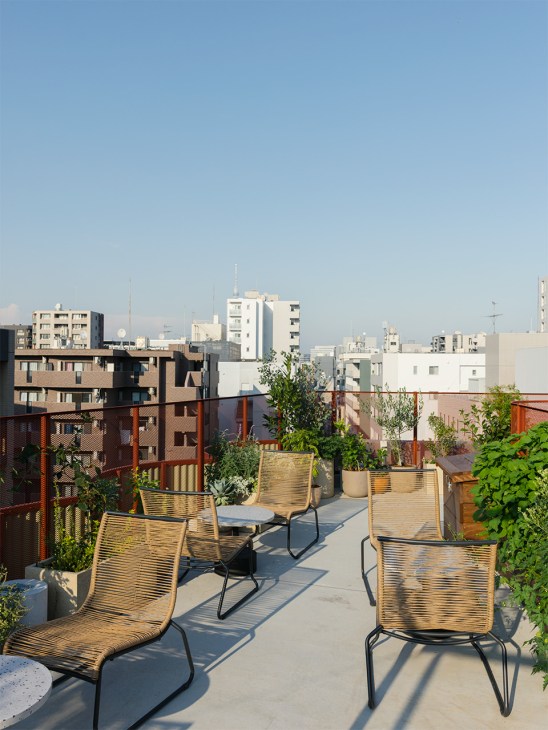
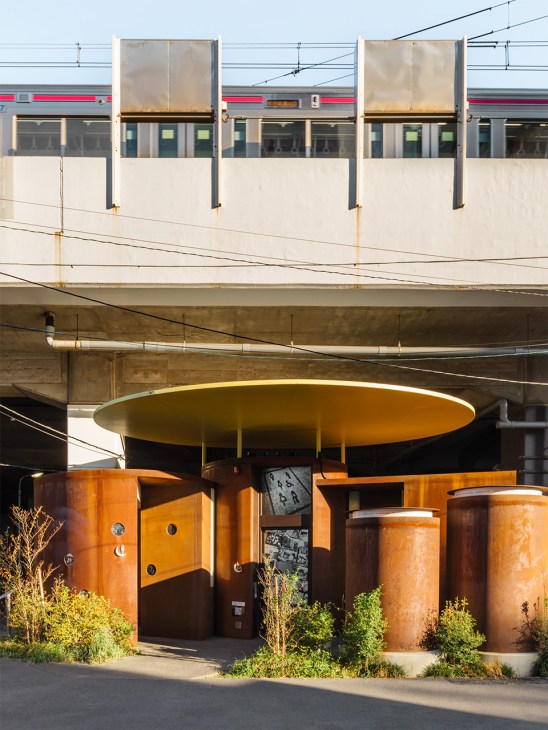
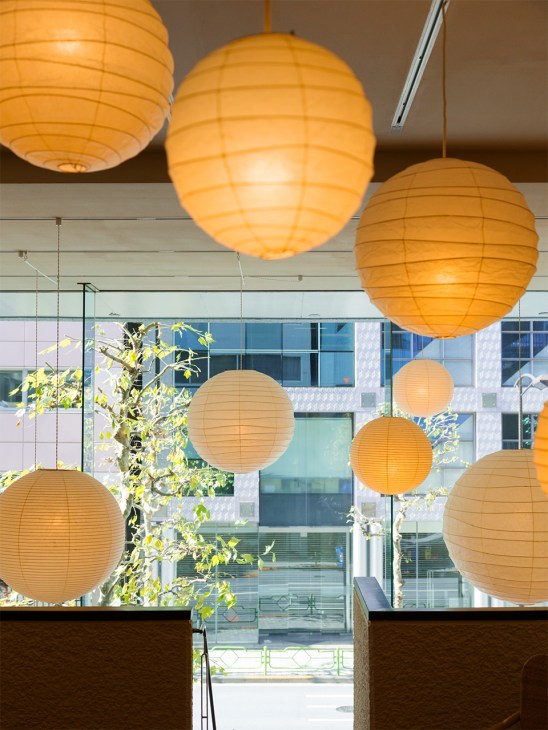
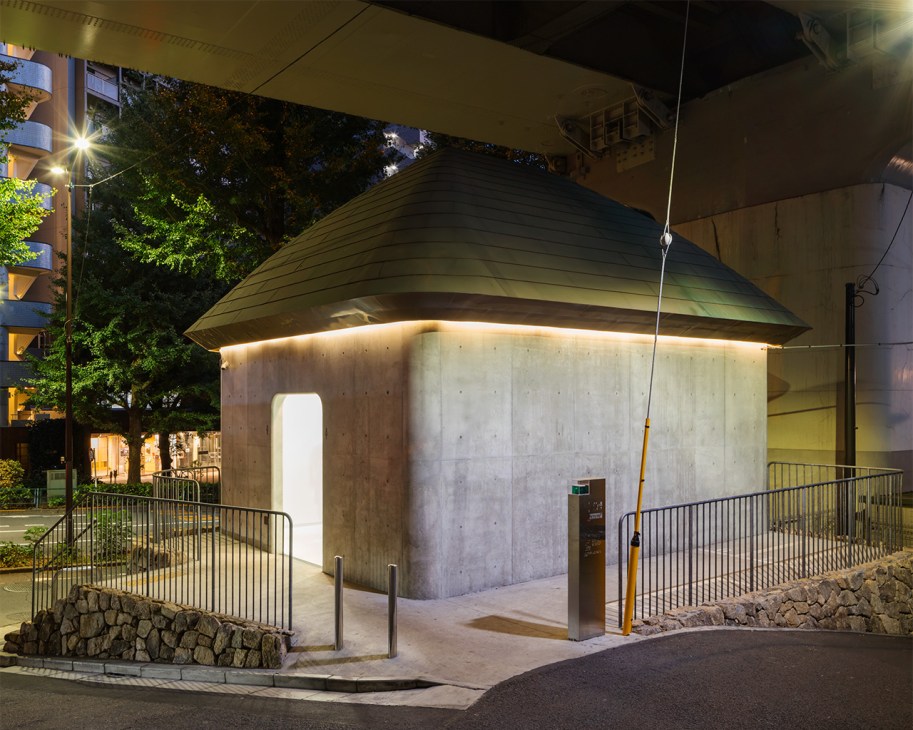
Move through Tokyo and good design is everywhere: in convenience stores, in an ikebana display in a hotel lobby, in the clean lines of a new metro train. The city is bursting with impressive museums (and the Japanese public flocks to them in droves) but design in Tokyo is rooted in everyday life. Functionality has been the driving force of some of the country’s best design. In Junichiro Tanizaki’s celebrated 1933 essay on the elusive elements that make up the Japanese aesthetic, “In Praise of Shadows”, the author wrote, “The quality that we call beauty must always grow from the realities of life.” In short, nothing is too lowly to deserve a designer’s eye in Tokyo. Indeed, Japan’s annual Good Design Awards are as likely to celebrate a great tractor as an elegant building. The late Sori Yanagi, one of Japan’s greatest designers, was commissioned in 1980 to apply his prodigious talents to the Tomei Expressway. Has a motorway wall ever looked more poetic?
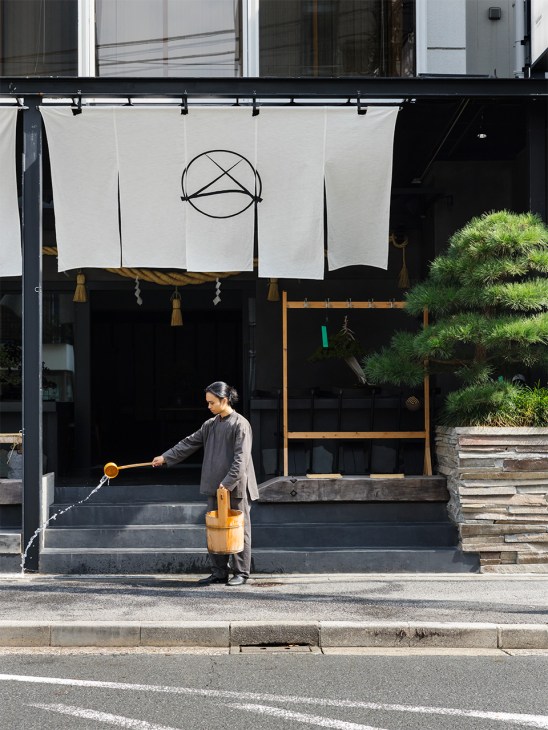
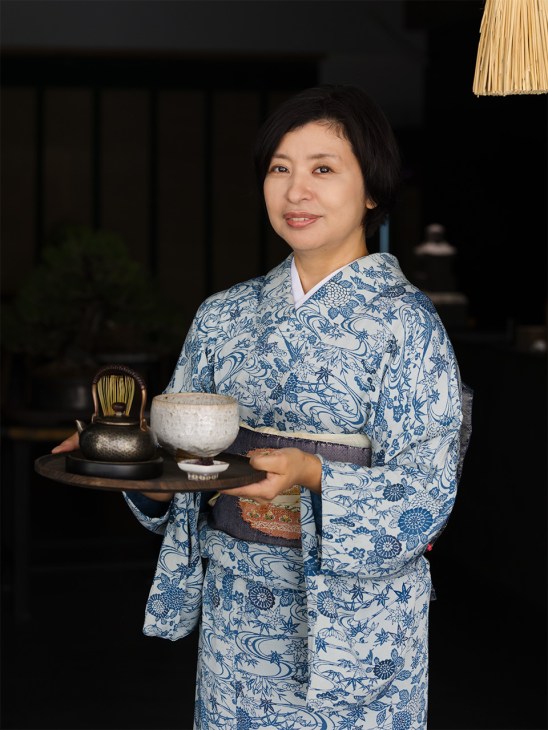
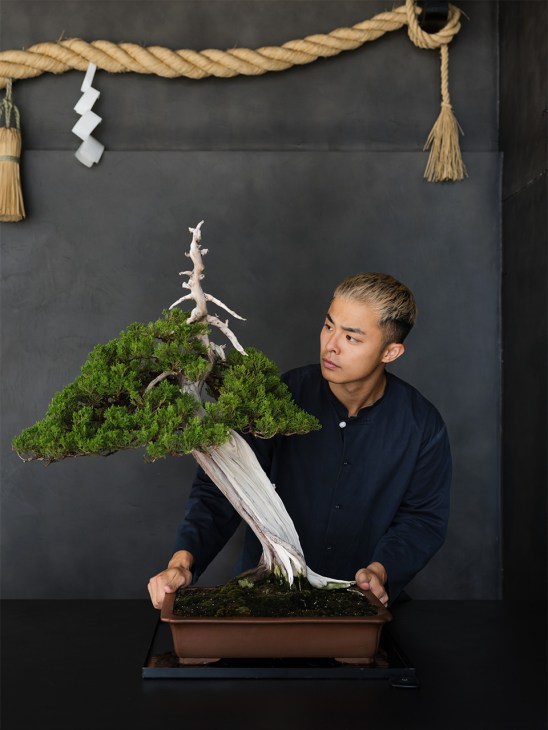
Most creatives in Tokyo enjoy dialogue with people from other disciplines – architects, artists, craftsmen and contractors – working together to create exceptionally atmospheric restaurants, shops and bars. At Matsubaya Saryo teahouse in Aoyama, the simple conjunction of century-old bonsai trees, antique tables and dark walls makes for a magnetic space, packed with meaning, history and culture. Distillation is key in a city where space is in short supply. Those few pot plants sitting outside a city house in Tokyo convey centuries of garden artistry.
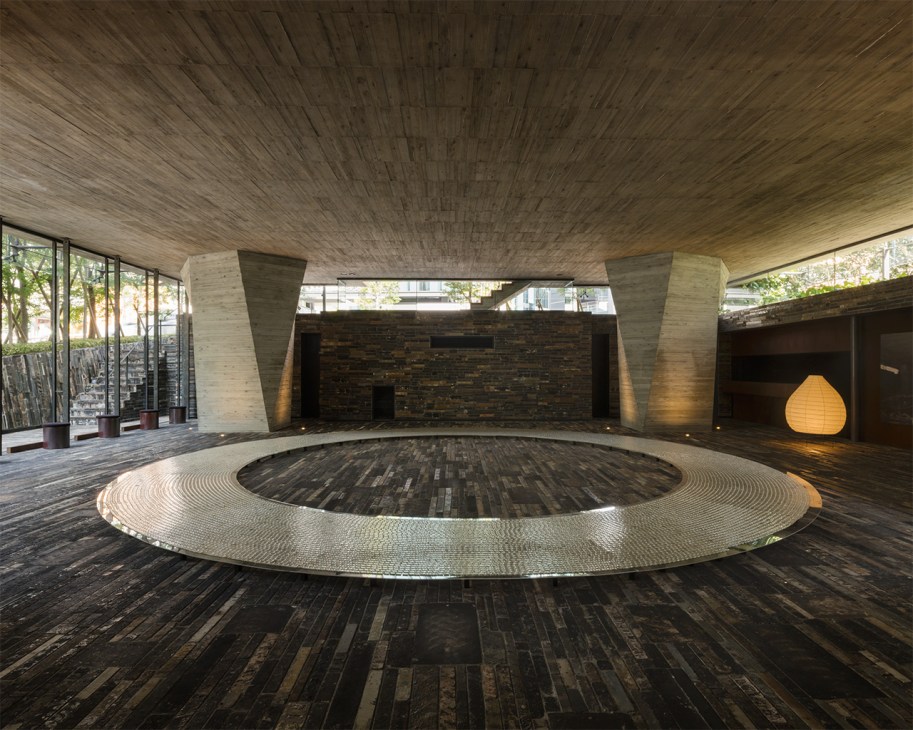
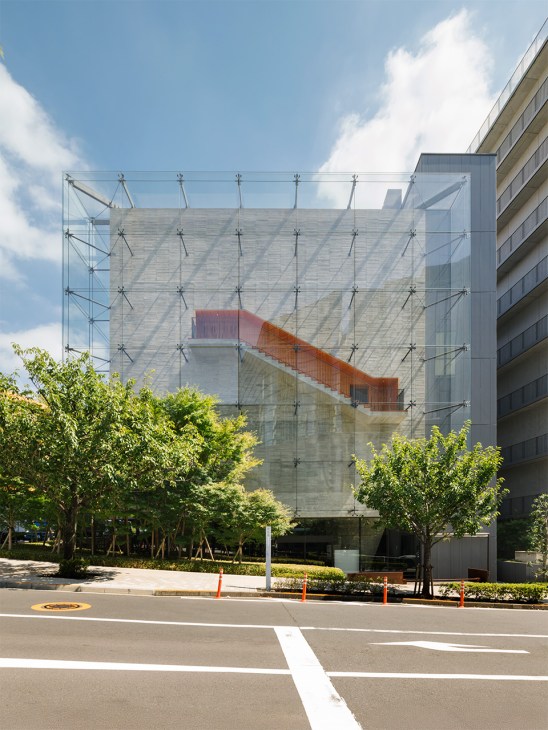
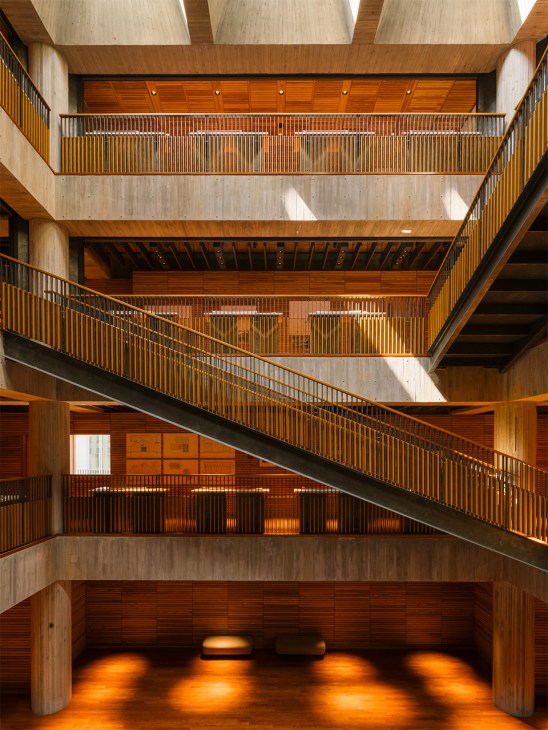
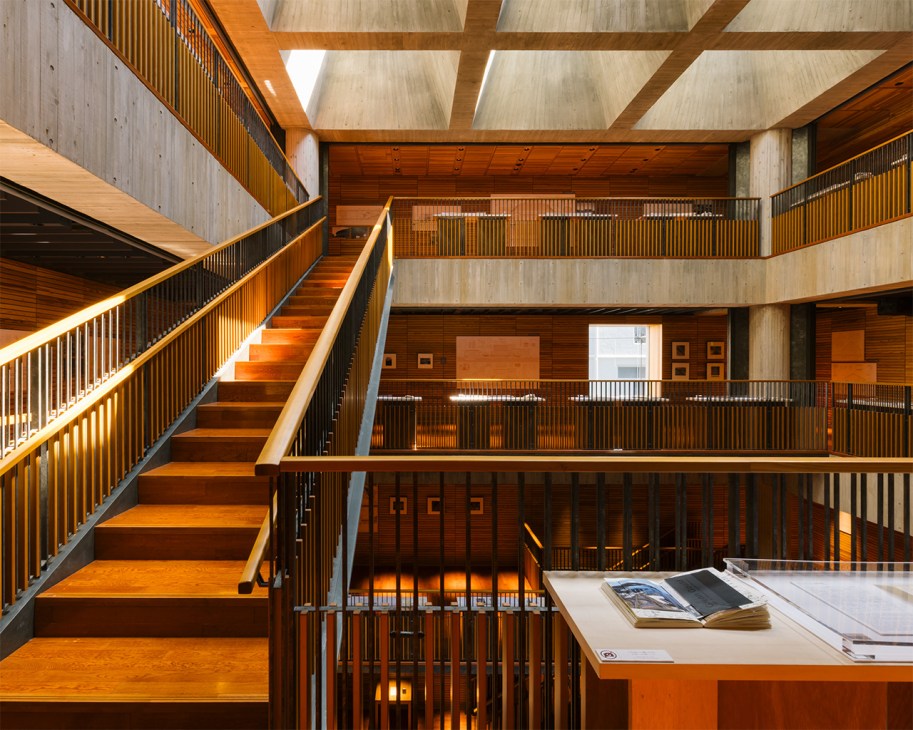
For sheer inspiration, few architectural projects can compare with Kioi Seido, an enigmatic building in the centre of the city with no purpose at all. Designed by architect Hiroshi Naito for the Rinri Institute of Ethics, it was a dream commission. “They asked me to design the building at my discretion and said that they would figure out the functionality later,” says Naito. The result is a mysterious, soaring pantheon for the 21st century, lined with wood and wrapped in concrete and glass. It isn’t generally open to the public but when it has been, crowds have lined up to glimpse what’s inside. Completed in 2021, the building’s use has yet to be decided. Perhaps it never will. Here, utilitarianism has been thrown out the window. “As an architect,” says Naito, “I have never been more proud.”
Read next: The Monocle City Guide to Tokyo, featuring the best hotels, restaurants and retail spots in the Japanese capital