Salone del Mobile
Salone del Mobile 2026
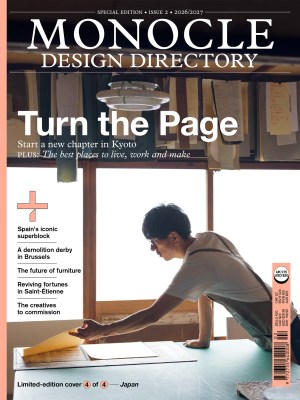
A must-read for design lovers, Monocle’s annual Salone del Mobile Special provides news, insight and analysis ahead of the industry’s biggest event in Milan. The Berliner-size newspaper covers stories from across the globe – from a partnership between Italian tile-makers and a US art foundation to the Spanish brand reviving the Eames’ modular architecture and the Japanese designer breathing new life into a Lombard icon. Plus, for those attending the fair and Milan Design Week, there’s a host of recommendations for the best spots to eat and drink, as well as tips for roadtrips beyond the city.
Subscribers can flip through the paper online, here.


Where are all the design critics these days?
For a cultural sphere that is hard to opt out of, design criticism is strangely absent in the zeitgeist. Art, film, fashion and architecture are adjacent creative fields that have vibrant and mainstream ecosystems of analysis. Major newspapers, from The New York Times to Milan’s Corriere della Sera, employ critics in these fields, meaning that readers are informed of new ideas and can engage in withering takedowns.
And yet design, the most ubiquitous and inescapable of creative spheres (you’re probably sitting on a chair, reading this), is left woefully bereft of rigorous discussion in mass media.
Indeed, there’s no Rotten Tomatoes for Daniel Arsham’s collaboration with Kohler. A new Kelly Wearstler collection for The Rug Company floats blithely through the vacuum of Pinterest boards, unfurled and unquestioned. Perhaps the need for mainstream media to stay on the “good side” of design brand advertisers casts a pall over what should be a vigorous and open debate among the field’s foremost practitioners. How the design community really feels about top designers and new outdoor deck collections is relegated to whispers at Salone dinner parties.

And yet the wild popularity of design content on social media points to a deep need for critique, currently unmet. Yes, splashy high-end furniture is out of the reach of some consumers but the decisions made by premium brands and star designers filter down to us through Youtube home tours, glossy magazine spreads and social media, making their way into trend cycles and mass-market dupes. To quote Meryl Streep, chewing out a sceptical Anne Hathaway in The Devil Wears Prada, “It’s sort of comical how you think that you’ve made a choice that exempts you from the fashion industry when, in fact, you’re wearing a sweater that was selected for you by the people in this room.”
Switch sweater for chair, sofa or table and the analogy holds. It means that if we, the un-open-kitchened masses, end up drowning in the trends that filter down to us, it is vital that there be a robust, critical ecosystem that contextualises what’s going on upstream.
Already we see many creators on social media and self-publishing platforms filling in the gaps. The result is a discourse that is providing a desperately needed counterbalance to the bland excess of mainstream design coverage. It was through them that millions have become wise to the scourge of the millennial grey aesthetic, the insipid luxury of ivory boucle love seats and the cold vulgarity of industrial minimalism. Here, comedy and satire – perhaps too base for the pages of a newspaper – can be deployed to puncture the bloated ostentatiousness of the algorithm. Fire must be fought with fire and only an irreverent platform-native response unencumbered by industry incentives can counter the assault on good taste. Here’s hoping that, in doing so, such a response might show the way for mainstream media to find confidence enough to hire that design critic.
About the writer
Rosen is a New York-based comedian, critic and design enthusiast. He’s the host of the Middlebrow podcast.
Interview: Kristina Blahnik on making retail spaces speak for themselves
Kristina Blahnik has been CEO of footwear brand Manolo Blahnik, first founded by her uncle, for more than a decade. Having spent much of her childhood in its London flagship, dropping by every afternoon after school, it was only natural for her to take over the family business. But not before she qualified as an architect. Even in her current role, Blahnik has continued to put her education to use, designing a number of the brand’s shops, including its new Shanghai outpost, typically combining a monochromatic palette with dynamic shelving to emphasise shoes on display.
Here, Blahnik tells us more about her design ethos and her passion for spaces that reflect
the brand’s values.
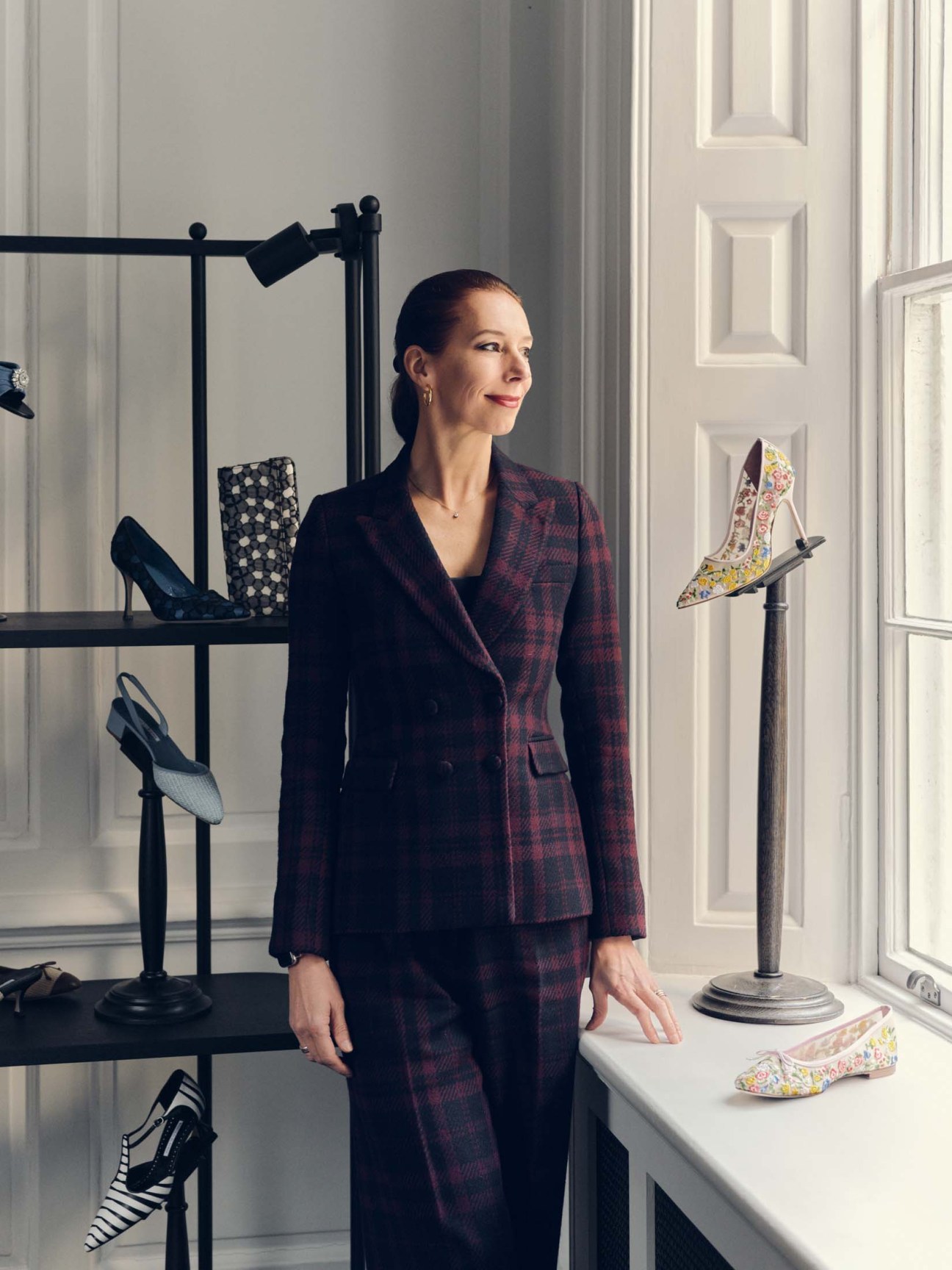
Tell us about the transition from working as an architect to becoming a CEO.
I grew up in the shoe world: my mother was the managing director of the business. My home was the shop in London’s Old Church Street. So, in many ways, becoming the CEO was coming home. As I’ve matured into the role, I’ve carried over the architect’s ability to visualise the means of reaching the end result. At Manolo Blahnik I have to imagine what the business will look like in 20 years, or what it should be known for in 500 years. That helps to keep us on the right track. We’re not losing our direction, because we have the blueprint.
How have you been approaching retail design?
When I was still at the architecture practice, I wrote an article about retail in the late 2000s. One shop to the next was exactly the same. It was very efficient and you could argue that it helped with brand recognition. But my point was that we would actually end up in a retail coma. You had no idea where you were because shops lacked local identity. For me, our shoes are almost living things. To just be seen as objects in a shop, I think, does a disservice to them.
You’ve been designing concepts unique to each location.
We’re in an experience economy now. It’s not just about consumption; we need spaces where people can connect and bring our story to life.
Where should we expect future openings?
We’re pushing into Asia. Some of the region is struggling but it’s good to enter the market when it’s quieter. Then we’re opening in Milan. I’m looking forward to when our artisans have a celebratory drink in the shop.
manoloblahnik.com
Anticàmera, the scouting service that knows Milan’s most secret spots
Milan has a reputation for being a private city, with many of its most spectacular spaces hidden behind closed doors or inside internal courtyards. How much you get to see depends on your level of access. The idea of getting into restricted spaces appealed to Eléna Olavarria Dallo when she was growing up here. “I have always loved going into places that were closed,” she says. “I used to go with my mother to see houses for sale that were far beyond our reach to do just that.”
Olavarria Dallo has turned her childhood fascination with unlocking the city into a job, co-founding location-scouting company Anticàmera in 2015. Every April during Milan Design Week, the city throws caution to the wind and opens its closely guarded spaces to the public, whether it’s the striking local government building Palazzo Isimbardi, used by Czech glass company Lasvit last year, or Brera’s San Simpliciano cloisters, which have been rented by Poliform and Saint Laurent in the past. Corps of location-scouting companies operate behind the scenes to secure the most unusual, stunning or best-positioned buildings for brands to use. Anticàmera, which currently has about 500 locations in Milan on its books, is leading the pack.
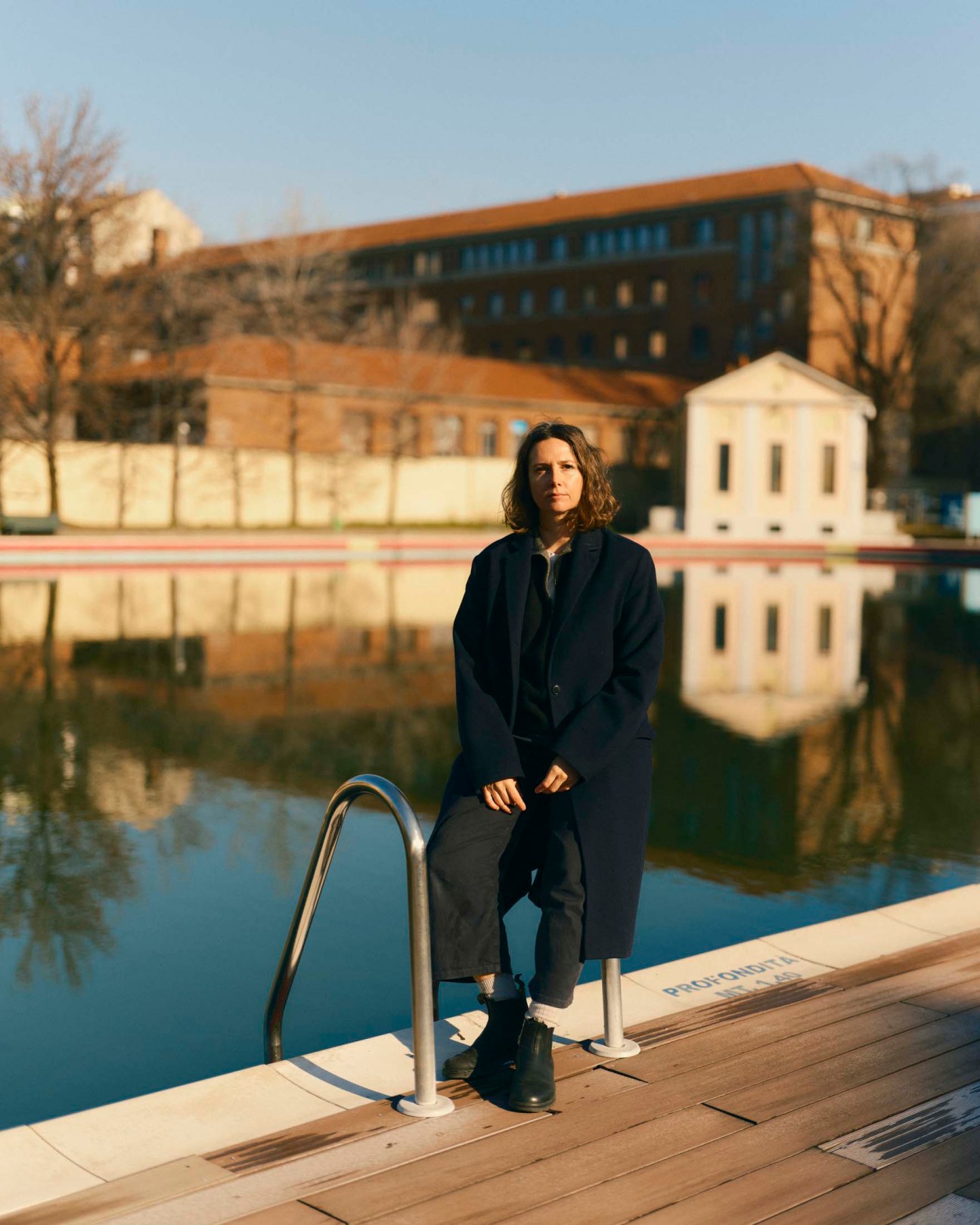
“I was helping my future business partner, Rossana Passalacqua, to find a location for a fashion shoot in Paris,” says Olavarria Dallo, a former project manager at Milan’s Studio magazine. “We had such fun. So we said – with a third partner, Francesca Donnarumma – ‘Why don’t we do this for a living?’” Today the company’s work largely involves finding locations throughout Italy for fashion and design campaigns – but the intensity ramps up when it’s time for Milan’s springtime furniture shindig, with brands from across the design, fashion and lifestyle sectors seeking to outdo each other in the high-stakes game of finding the best Fuorisalone spot.
Monocle meets Olavarria Dallo just off Milan’s Via Monte Napoleone for a tour of the city to see some of the company’s mix of locations for rent in 2025. Down a side street, a custodian opens a grand iron gate and we enter a cloistered passageway with an inner courtyard featuring murals depicting regional landmarks, including the Certosa di Pavia monastery complex and Milan’s Castello Sforzesco. We’re opposite the city’s Bagatti Valsecchi Museum (which has been used by Prada in the past) in private residences that still belong to the Bagatti Valsecchi family. The courtyard that we’re standing in, alongside two at both ends of the passageway, can be rented for Design Week.
The private apartment block from the 1890s was built to resemble 16th-century noble residences and we glimpse what the apartments upstairs – which are still off-limits – must be like: discreet oases of peace in the heart of Milan’s Quadrilatero della Moda, complete with ample terraces. Olavarria Dallo established a relationship with the family through her extensive contacts. It’s all part of the game of gaining access, which requires equal doses of perseverance and diplomacy. “It’s about the network that you have,” she says. “Building trust is essential.” Olavarria Dallo says that she is constantly building Anticàmera’s portfolio by keeping her “eyes and ears open” all year.
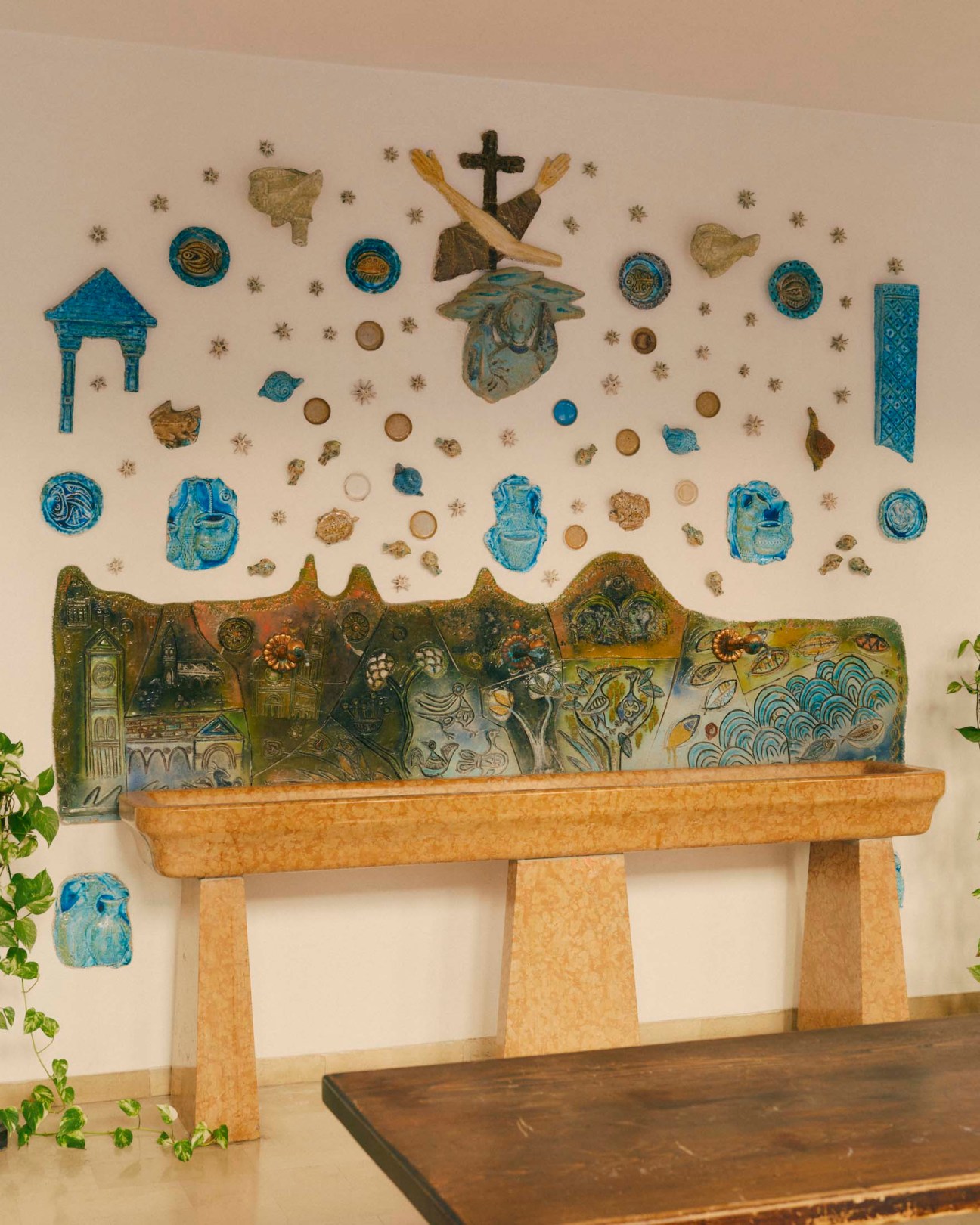
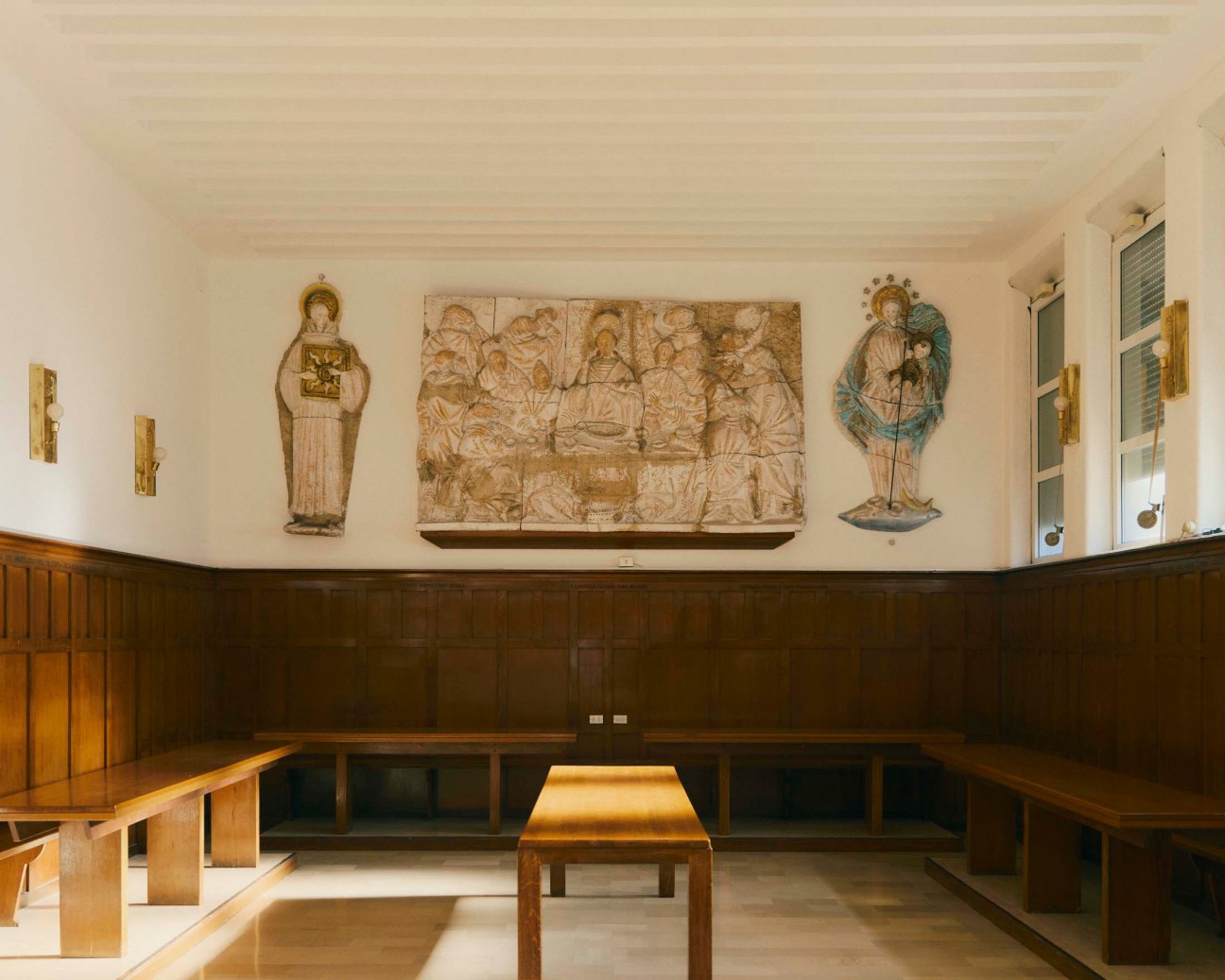
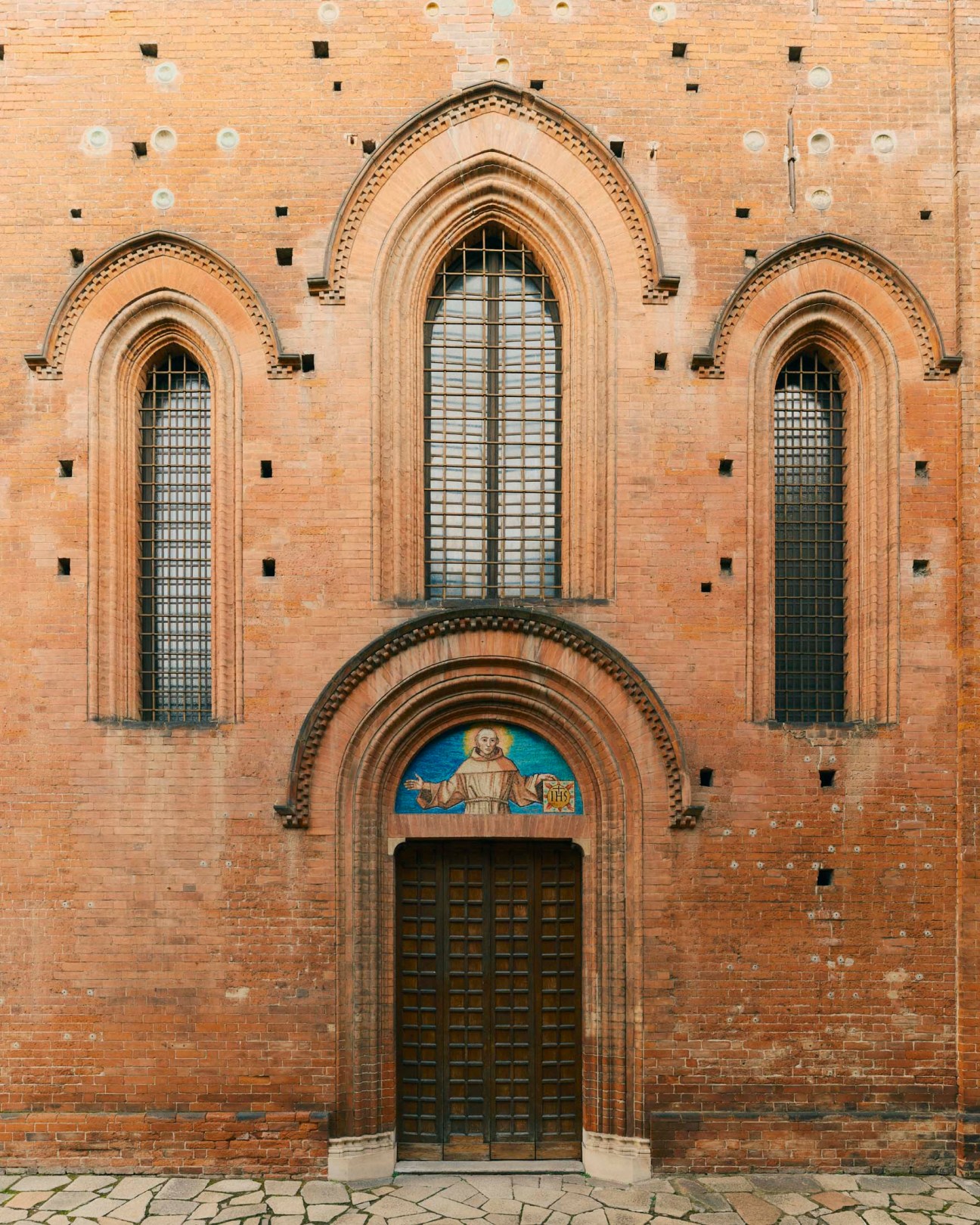
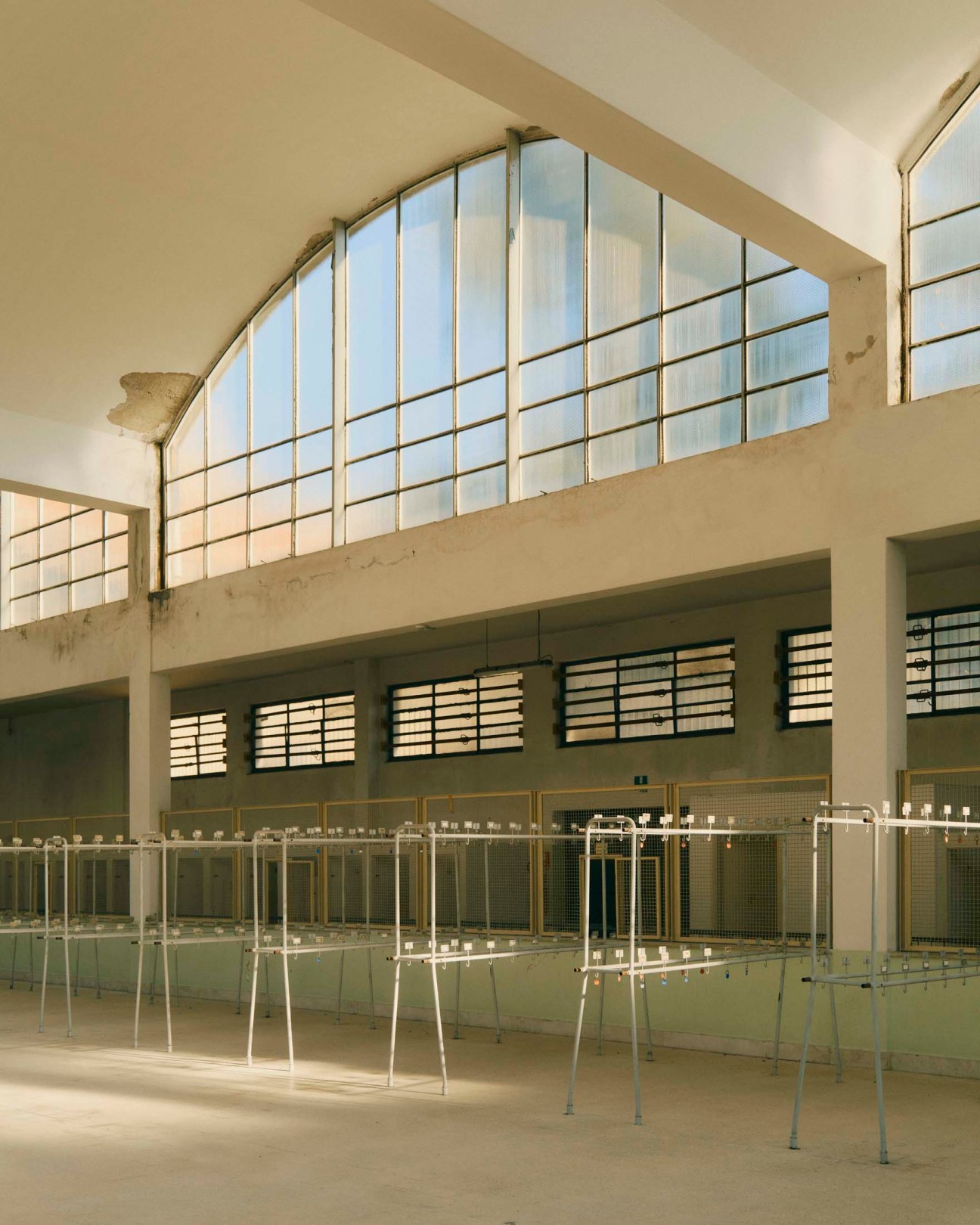
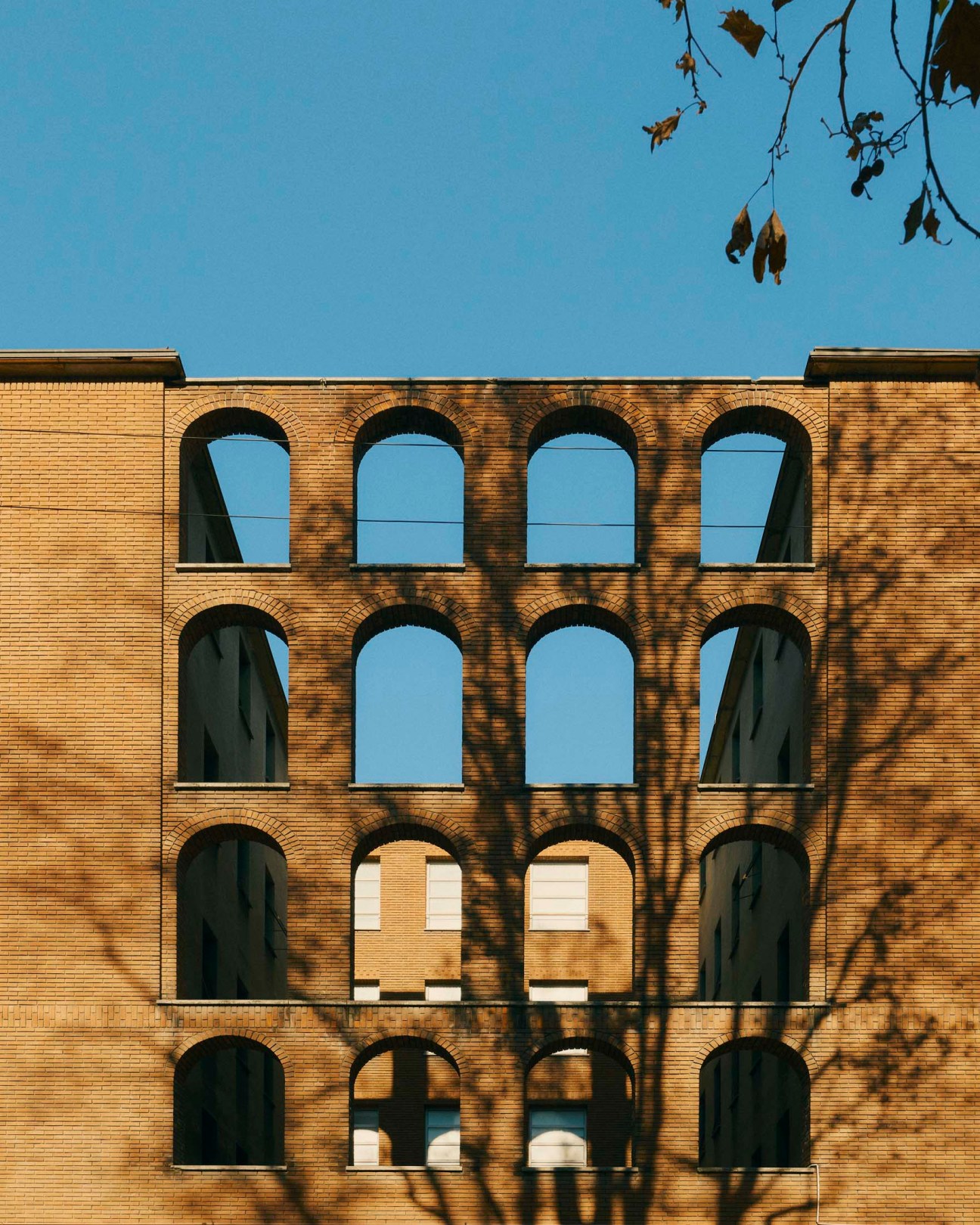
We spend the rest of the day visiting different sites around town – none of which is like any of the others. Take Piscina Romano, an outdoor swimming pool with vast, light-filled changing rooms (now out of use), or the Frati minori osservanti di San Francesco convent, a red-brick architectural gem built in the 1940s by one of Olavarria Dallo’s favourite architects, Giovanni Muzio. Its arched outdoor space can be rented. Olavarria Dallo started working with the convent after a call from a location manager with ties to the religious community.
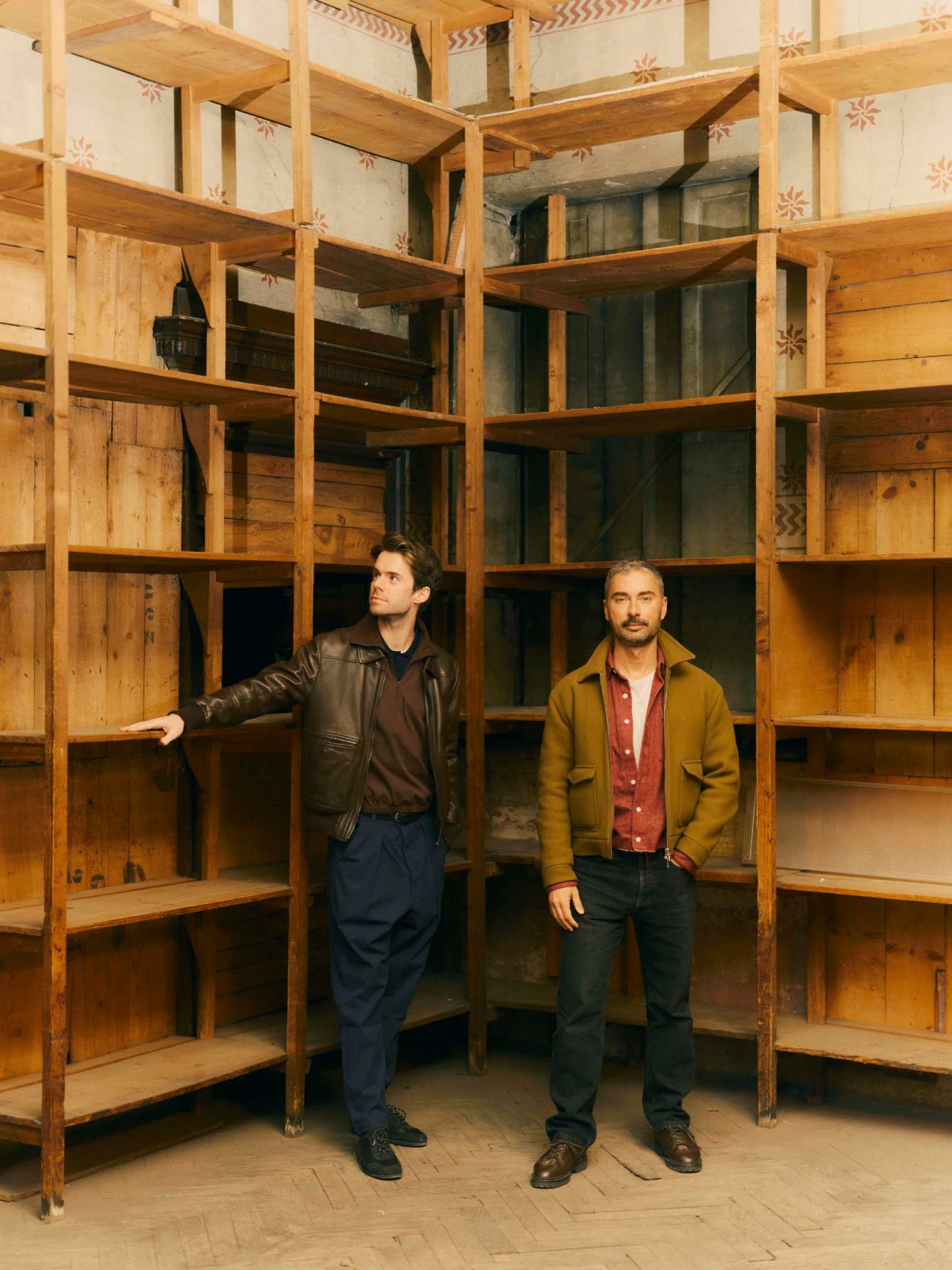
Our final destination, in the Cinque Vie neighbourhood, is inside another internal courtyard. We have tagged along to a client meeting with Robert Wright, the US co-founder of Morocco-based rug-maker Beni, and the brand’s creative director, Colin King. Beni is returning to Milan Design Week for the first time since 2021, presenting a 10-rug collaboration with the Paris-based Studio KO called “Intersection”. The space that the brand has rented through Anticàmera is a ground-floor shopfront consisting of three connected rooms full of wooden shelving, which at various times functioned as a bank (there is still a safe in the wall), a button shop and a suit trimmings outlet. On the day that we visit, there’s an electricity connection to think about and unstuck floorboards to secure but it’s clear that the place exudes character.

“This collection is so strong and has such a point of view,” says Wright. “We were searching for a space with patina, marked by the passage of time. It’s about how we tell our stories. Stepping inside, you’re transported back.”
Beni will transform the former shop into an experiential world of not just rugs but also lighting and sound, even featuring a bespoke fragrance made by London-based perfumer Azzi Glasser. It’s a hidden nugget of Milan that Beni would never have uncovered if it weren’t for the intrepid work of Anticàmera. “It feels as though so much of the city is hidden,” says Wright. “With Eléna, we get to peek behind the scenes.”
Read next: The Monocle City Guide to Milan, featuring the best hotels, restaurants and retail spots
All puffed out: Milan’s new smoking laws cause a stir
Sometimes over a drink with friends in Milan, both Italian and expat, conversation will turn to the “elasticity” of rules in the Bel Paese, a stretchiness comprising two distinct layers. The top one involves the definition of what the rule is in the first place: in Italy, it turns out that almost everything operates in a grey area, rather than being a clearly defined, hard-and-fast ordinance. A rule can be interpreted diversely according to whoever happens to be in charge that day, based on things such as whim or emotion. Almost everything, it turns out, is negotiable.
Once you’ve got over the hurdle of defining the law, there’s the second layer of whether you’re going to obey it, based largely on the calculation of how much chance there is of enforcement. A case in point? Everyone knows you’re not technically allowed to double park but, listen, you had to take your elderly grandparent to a doctor’s appointment and what kind of a cold-hearted traffic cop would you be to not understand that, anyway? As long as you put your hazard lights on, Milan is a forgiving place.
Which is why I had to chuckle when earlier this year a friend from Argentina sent me a link to an article in one of the South American nation’s daily’s, Página 12, with the headline, “Milan bans smoking in open-air spaces”. From a public relations point of view, the fact that the news had travelled thousands of kilometres meant the announcement was already doing its job.

The “ban” (note the quotation marks here) came into force at the start of this year and is a hardening of a law from 2021 restricting smoking in some public spaces. According to the new legislation, you can no longer smoke in any public areas, including the outdoor seating areas of bars and cafés, and on the street, if you can’t be more than 10 metres away from someone else. Failure to abide by the rules can lead to a fine of €40 to €240. But according to one report, in the first month only about 20 people had been fined, with police preferring “education” instead.
Skip forward to early spring and people are still smoking in bars and lighting up after they alight the Frecciarossa at Central Station. And I’m still making zigzags on pavements to avoid plumes of smoke on my morning runs. Trying to cut down on small-particle pollution in a city that often has very poor air quality is a noble cause. But I’m yet to see a billboard advert, strategically placed no-smoking sign or proactive enforcement to make me think that this is anything more than another chance for Italians to assess the malleability of the law. Up in smoke? Quite literally.
About the writer
Stocker is Monocle’s Europe editor at large, based in Milan since 2020. A law in his current hometown requires locals to smile constantly; he’s rarely in danger of breaking it.
If Milan values its property market, then it urgently needs to slow down and reset
When I moved to Milan from New York a little less than five years ago, I found a city booming thanks to its property market, despite the enforced blip of the pandemic. Over the past few years, house prices and rents have continued to climb, largely out of step with the rest of Italy, shoring up the idea of the Lombard capital as the nation’s safest property investment choice.
Neighbourhoods such as Porta Nuova and CityLife have continued to expand, while new ones such as Scalo Porta Romana, Scalo Forlanini and Santa Giulia promise to link more peripheral, once industrial areas with the urban core. Meanwhile, big name architects have piled in, from Norway’s Snøhetta to the Big Apple’s Diller Scofidio 1 Renfro, with high plans to oversee urban regeneration.

But something started to happen at the end of last year that checked the “Milan model”. The city had, for a long time, been interpreting a national law at a local level in a way that is now being severely questioned. A series of permissions to construct new, tall buildings were authorised by treating them as though they were much smaller refurbishment projects. By doing this, they allowed for a much easier fast-track permits process that also got around having to provide a series of provisions that new builds need to include, such as parking and public services.
In 2023, for example, a 12-metre-high three-storey office building in the Lambro Park area was knocked down and replaced with a residential tower, 27 metres high and containing 45 apartments. Neighbours complained and prosecutors investigated. Currently more than 100 building works are frozen – a small number already started, others still waiting to commence – while investigations continue. While some people have long called out what they say is illegal speculation in the industry, Italy’s parliament stepped in and tried to push through a bipartisan bill to end the impasse called “Salva Milano” (Save Milan). It would have not only validated what Milan was doing but given it the green light to happen throughout the country.
While champions of the Milan model say that it is simply a business-friendly interpretation of the law, the plot thickened with the arrest in March of a former municipal manager, Giovanni Oggioni, who is accused of corruption, fraud and misappropriation of funds, including favouring a company where his daughter works. Oggioni is alleged to have created a system in which fast-tracking happened, often with severe conflicts of interest and without subsequent checks and balances. Milan’s mayor, Beppe Sala – once an avid supporter of “Salva Milano” – has withdrawn support for the law due to the scandal and has talked of a few “bad apples”. Milan’s councillor for urban regeneration, Giancarlo Tancredi, tells me that there have been a few “episodes to reflect on” rather than a systemic problem – and that the municipality is already working on a new urban plan to try to make matters clearer. He says that Milan believes that a national interpretive law is still needed.
Corruption and unfettered capitalism are not a good brand for Milan, which has always billed itself as a functional, efficient island compared to the rest of the country (though the “Mani pulite” scandal from the 1990s also started here). How many political heads fall remains to be seen but clearly the city needs to correct its course.
Milan has become too reliant on the property market – a bubble that could easily burst. With the cost of living growing ever higher, wages not keeping up with it and some services lacking, Milan needs to slow down and take stock.
Snøhetta’s regeneration of a former slaughterhouse into a social hub
“I’m hoping that the exhibition will encourage the developers to keep more of the original buildings,” said Joseph Grima over dinner in 2023. The curator was hosting a guestlist that included journalists and designers during that year’s Milan Design Week at Ex-Macello. Here, on the site of a former abattoir, the creative director was opening Alcova, a travelling showcase of design that he co-founded with Valentina Ciuffi in 2018. A hit every Milan Design Week since, Alcova typically takes place in abandoned buildings.

“Ex-Macello has all the characteristics of a good Alcova site: big, spectacular, iconic spaces but also smaller ones that can host independent exhibitors,” says Ciuffi when Monocle catches up with the co-founders ahead of this year’s Alcova (taking place in four venues across Brianza). But, in addition to appreciating the beauty of the former slaughterhouse site, Ciuffi, like Grima, was also pinning hopes on its activation. “Alcova is a gesture of juxtaposition,” she says. “Iwish architects would take it as a suggestion that you don’t always need to restore architecture cosmetically but you can show the traces of what happened.”
At Ex-Macello, on a plot the size of 28 football fields in Milan’s Calvairate neighbourhood, those traces are evidenced in the slaughterhouse buildings, defined by a central galleria. Erected between 1912 and 1914 by engineers from Milan’s municipal technical office, they were decommissioned between 1995 and 2005. In 2019, Milan-based developer Redo took over the site; Oslo-based architects Snøhetta were tapped to develop a plan after winning a global design competition in 2021. The scale of the site means that execution of the strategy will take years. Redo realised that they couldn’t simply box out the city for more than a decade. “Integrating temporary uses into redevelopment generates multiple benefits,” says Fabio Carlozzo, CEO of Redo. “Hosting cultural and social initiatives strengthens local identity and social cohesion, ensuring that the transformation of Ex-Macello is not just a physical redevelopment but a meaningful, inclusive evolution.”
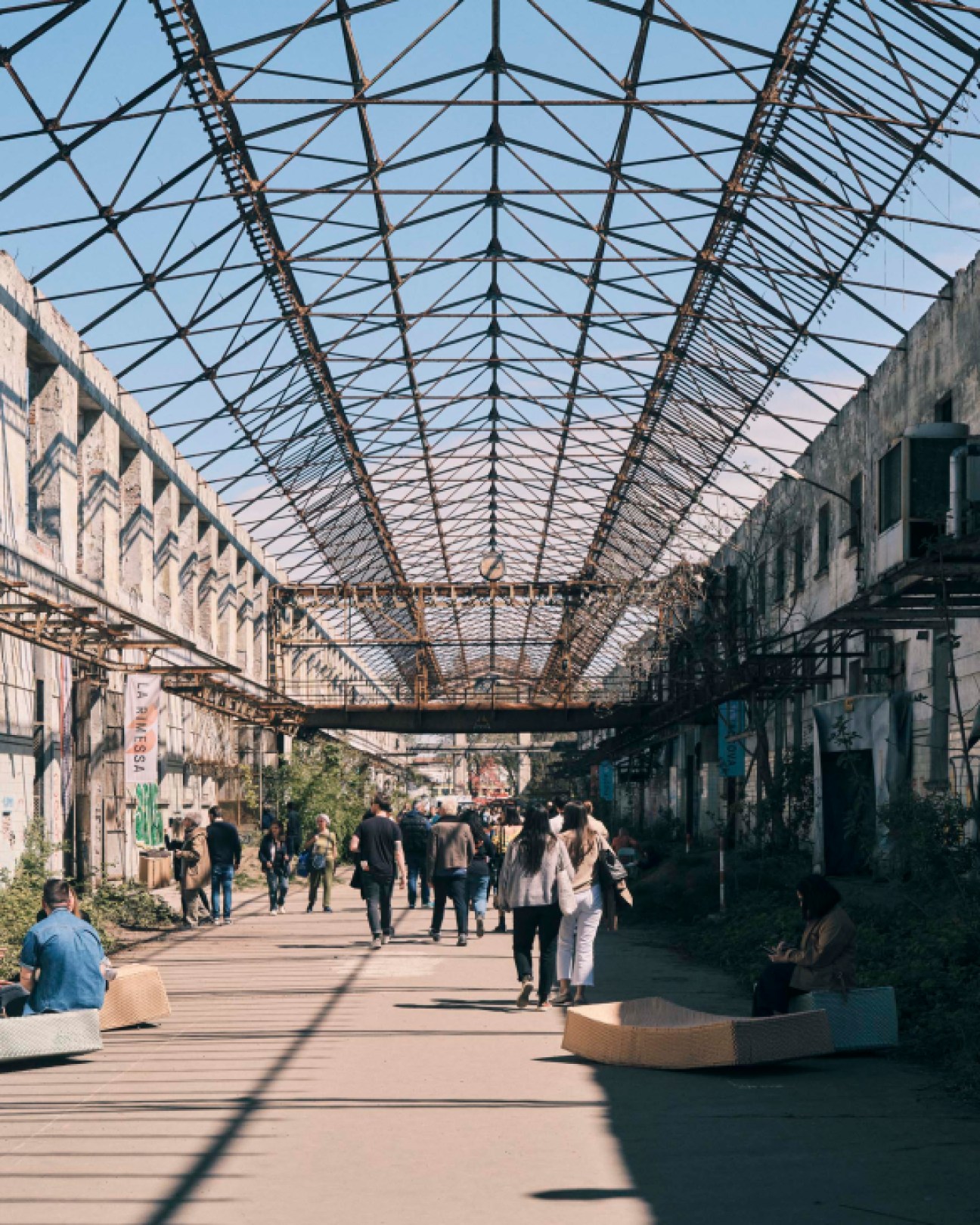
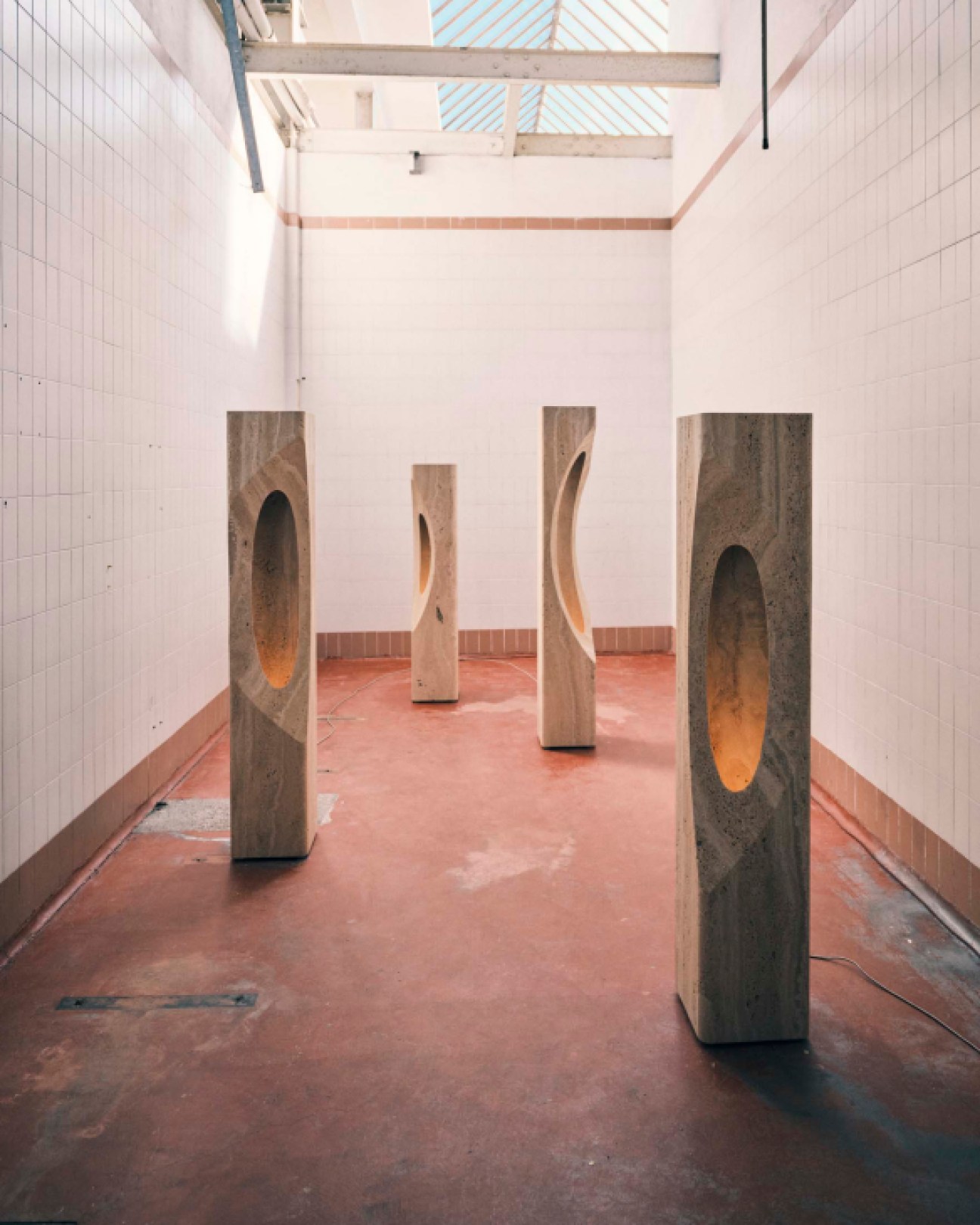
And so, Alcova was greenlit. “The thing that Redo really understood is that people need to gradually reappropriate space,” says Grima, reflecting on the 2023 edition, which welcomed an audience of more than 90,000. Locals and design enthusiasts reappropriated this space, perusing the work of a global cohort of Alcova’s 70 designers.
But a renewed relationship with the site wasn’t just limited to the week-long event. “When we were spending time at Ex-Macello, we met lots of people who lived in the neighbourhood and had never had the opportunity to go inside and walk down that central nave,” he says. “The idea of opening spaces to people is at the core of Alcova.”
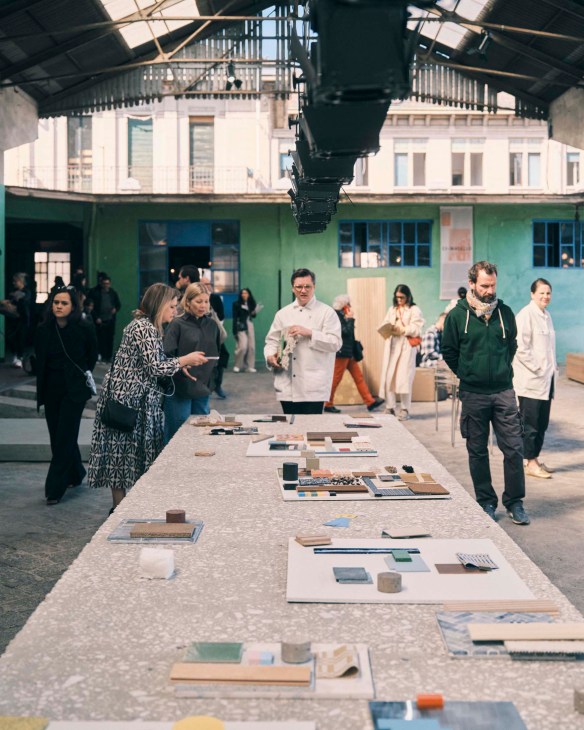
This principle of engaging the neighbourhood is central to Snøhetta’s plans for what will be Milan’s first carbon-negative area. At the core is the regeneration of the slaughterhouse buildings, in a move that protects the site’s architectural heritage and contributes to its environmentally sensitive agenda. Housing, offices, a university, a nursery and a museum will be programmed into the site and the fences around it, which have obscured sightlines for more than a century, will be ripped down.
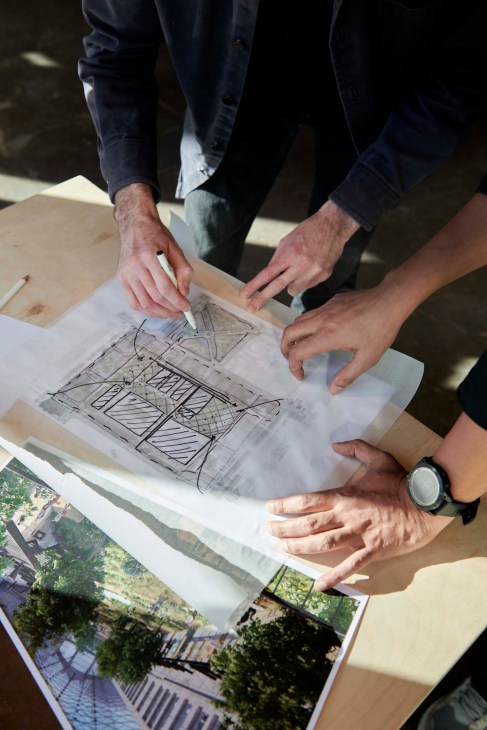
The architects are aware that change will be slow. “The span of this project is maybe up to 15 years. So allowing visual or physical access to the site is important,” Tommaso Maserati, Snøhetta’s lead on the project, tells Monocle when we visit the studio’s Oslo HQ. “There are also implications for keeping the existing buildings. People have been born in Calvairate, having these buildings there, and they’re going to die having these buildings, their kids and their grandkids there. It gives a sense of permanence and continuity.”

In 2025 with both the architects and developers keen to keep the buildings, it seems that they’re fulfilling Grima’s vision from two years ago. In fact, momentum is likely to build, with Alcova hosting a bar, restaurant and DJ pop-up called Vocla at Ex-Macello as part of this year’s Milan Design Week. According to Grima, this is all helping the city to get its groove back. “Milan’s going through a particular moment of self-rediscovery. Historically, it’s a city that’s been considered ugly when compared to Florence, Venice and Rome,” he says. “But Ex-Macello shows that there’s some incredible opportunities of beauty to be discovered and reactivated. Ex-Macello can bring about a very fertile new chapter to our history.”
Behind the scenes at Salone del Mobile’s unofficial watering hole: Bar Basso
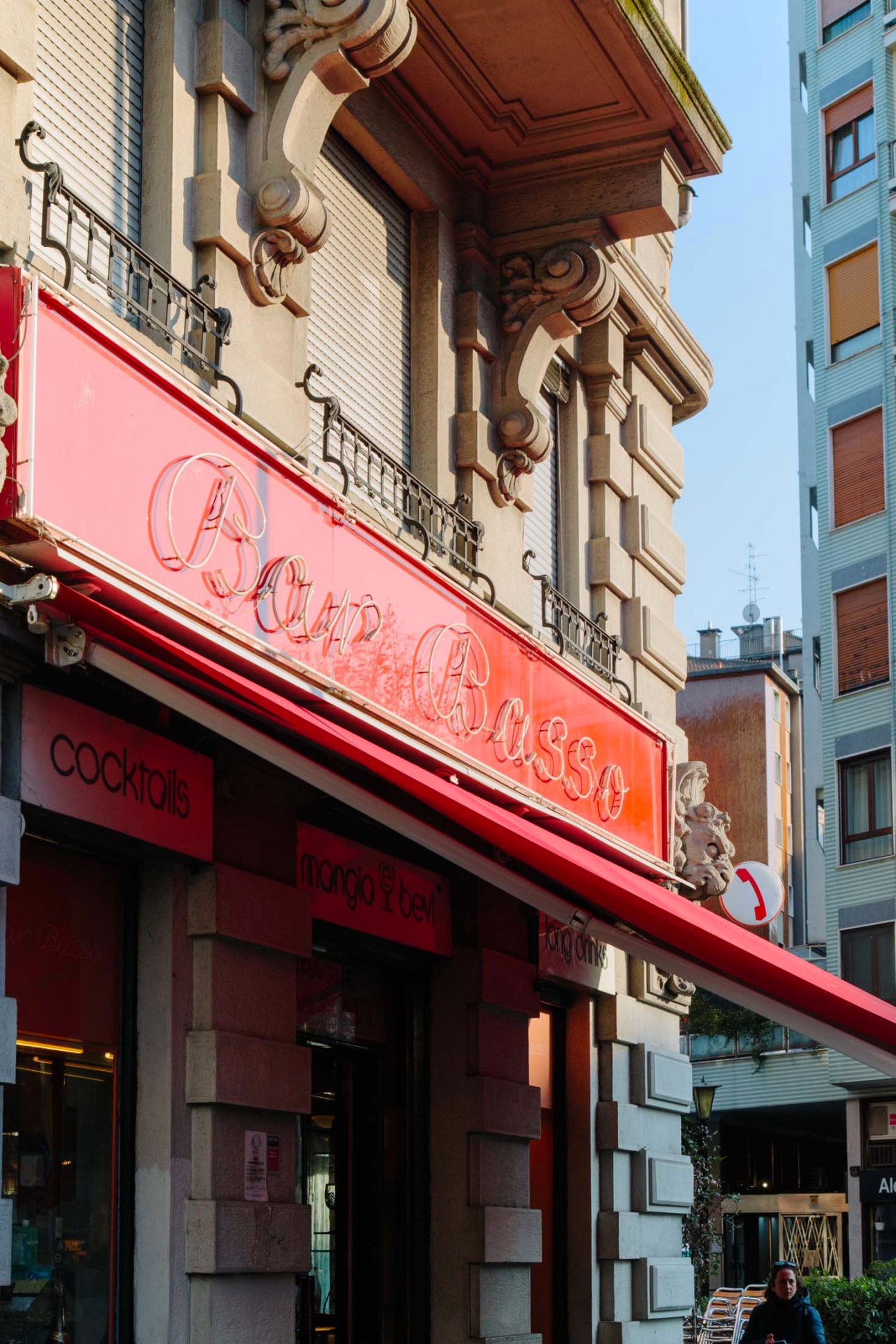
In its decades-long reign as the Salone del Mobile’s unofficial watering hole, Bar Basso has been where the design world gets drunk. Opened in 1933, it has been managed since 1967 by the Stocchetto family, who introduced Milan to cocktail hour. Its owner, Maurizio Stocchetto, can often be found at the bar, cheerfully recounting the area’s history. Bar Basso is a neighbourhood institution but, for a week in April, it also becomes the go-to social hub for an international set of designers. Here’s how this bar on Via Plinio became Milan’s centre of gravity during Design Week.

1960s:
Bar Basso passed from its founder, Giuseppe Basso, to bartenders Mirko Stocchetto and Renato Hausammann in 1967. Originally from Venice, the duo had cut their teeth behind the bar of Hotel de la Poste in Cortina and were intent on introducing cocktail culture to Milan.
1970s:
The bar has always adhered to old-school bartending methods: drinks are measured out by eye. While mixing a negroni in the late 1970s, Mirko poured in prosecco instead of gin. Thus the negroni sbagliato (“wrong negroni”) was born. Mirko also designed a supersized goblet for the cocktail, the 33cm-tall bicchierone. It was later licensed for production by Germany’s WMF.
1990s:
When Jasper Morrison and James Irvine started designing furniture for Cappellini, the two designers often stayed at Irvine’s flat in Milan and drove to and from the factory in Brianza. “On the way there, we would stop for coffee at Bar Basso; on the way back, we’d stop for an aperitivo,” says Morrison. They befriended Mirko’s son Maurizio, who allowed them to organise parties there during Salone. When Bar Basso acquired a late licence, these became open to everyone. A turning point was when the friends started issuing drink tokens as invitations. “They were popular as you could hand them over to the barman without having to queue to pay,” says Morrison.
2010s:
In partnership with Toiletpaper magazine, artist Maurizio Cattelan threw a party at an unglamorous, Chinese-owned bar across the roundabout from Bar Basso, dubbing it Lo Sbagliato. Today it’s known as Caffé degli Artisti but Cattelan’s art works are still above the bar. Bar Basso, meanwhile, received a touch-up in 2016 by Valentina Ciuffi, who had just started her creative agency Studio Vedèt (and now runs Milan Design Week showcase Alcova). “I lived down the street and frequented the bar, and I had the idea that I’d make a website for it,” says Ciuffi. “Maurizio was sceptical of anything digital. It took one, two, maybe three aperitivos for him to agree.” On barbasso.com, Studio Vedèt has organised exhibitions dedicated to the venue’s regulars, cocktails, staff and eclectic signage.
2020s:
The unofficial house bar of the Salone del Mobile has now become a brand in itself, hosting Design Week events. In 2022, Bar Basso teamed up with Berlin-based lifestyle brand Highsnobiety on a line of merchandise and the bar has even had a pop-up in Berlin. Bar Basso itself, however, remains happily frozen in time, with its walnut panelling and chandeliers unchanged since the 1960s. “It makes you reflect on our profession,” says regular Marcel Wanders. “Designers talk about changing everything but, at the end of the day, we want to sit down at a place that hasn’t changed in 80 years.”
Interview: Iittala creative director Janni Vepsäläinen on rethinking Finnish glassware
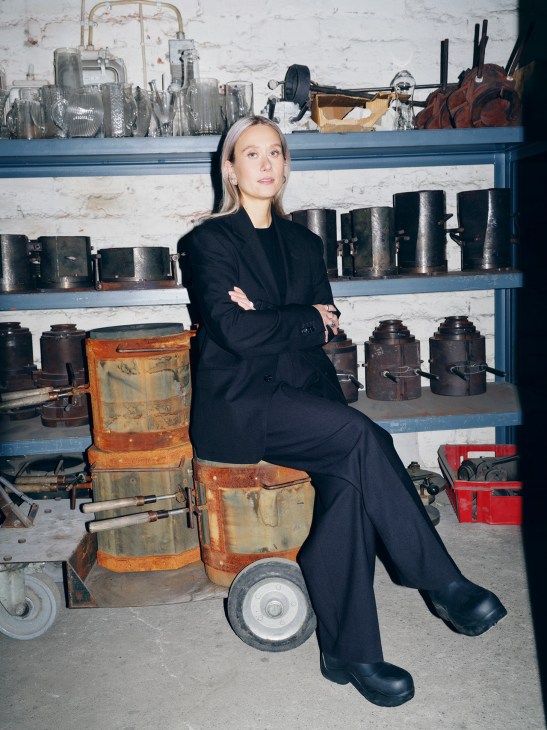
Since 1881, Iittala has been a pioneering force in artistic and artisanal glassmaking. It’s a legacy that the Finnish heritage brand is continuing under the creative direction of Janni Vepsäläinen. After working abroad and in fashion for more than a decade (most recently as London-based JW Anderson’s senior knitwear designer), Vepsäläinen returned to Helsinki in 2023, trading knitting machines for glassware kilns. In her first year in the hot seat, she imbued Iittala with renewed creative vigour and she aims to keep up the momentum this year. We caught up with her to hear about her plans for the year ahead and the company’s home event, Helsinki Design Week.
Where can we expect to find Iittala in 2025?
We are heading to Tokyo for the first major retrospective of acclaimed Finnish designer Tapio Wirkkala. This exhibition, called Tapio Wirkkala: The Sculptor of Ultima, will mark Wirkkala’s 110th birthday. Held at Tokyo Station Gallery in April 2025, it will feature 300 of the designer’s works, including Wirkkala’s revolutionary Ultima Thule glass collection, originally created for Iittala in the 1960s. There will be an installation of more than 400 Ultima Thule glasses, showcasing Wirkkala’s iconic design inspired by the melting ice of Lapland.
How will you continue to evolve your vision, bridging the gap between respecting the past and innovation?
Our vision is deeply rooted in Iittala’s rich history and core values. From the beginning, the brand has aspired to be a pioneer of modern design and that spirit remains at the heart of everything we do. The glassworks in Iittala village are still the beating heart of the company, where design innovation is born on the factory floor. Our products emerge from the fusion of forward-thinking creativity and traditional craftsmanship. As we move forward, we are committed to reigniting Iittala’s legacy while embracing transformation. This vision is our guiding principle, shaping not just our designs but also the experiences that we create – whether through product innovation, events or artist collaborations.
Why is Helsinki Design Week, held in September, still important to you as a brand?
Helsinki is our home base. We take great pride in our legacy as a Finnish pioneer in premium glassmaking and design. Iittala has shaped the modernist Scandinavian design movement, empowering visionary designers. But our mission is to challenge conventions in Finnish design, fostering an inclusive approach to luxury in home décor.
See some of Iittala’s archive at ‘Tapio Wirkkala: The Sculptor of Ultima’ at Tokyo Station Gallery in Tokyo, Japan.
South Korean lighting firm ILKW’s bright idea
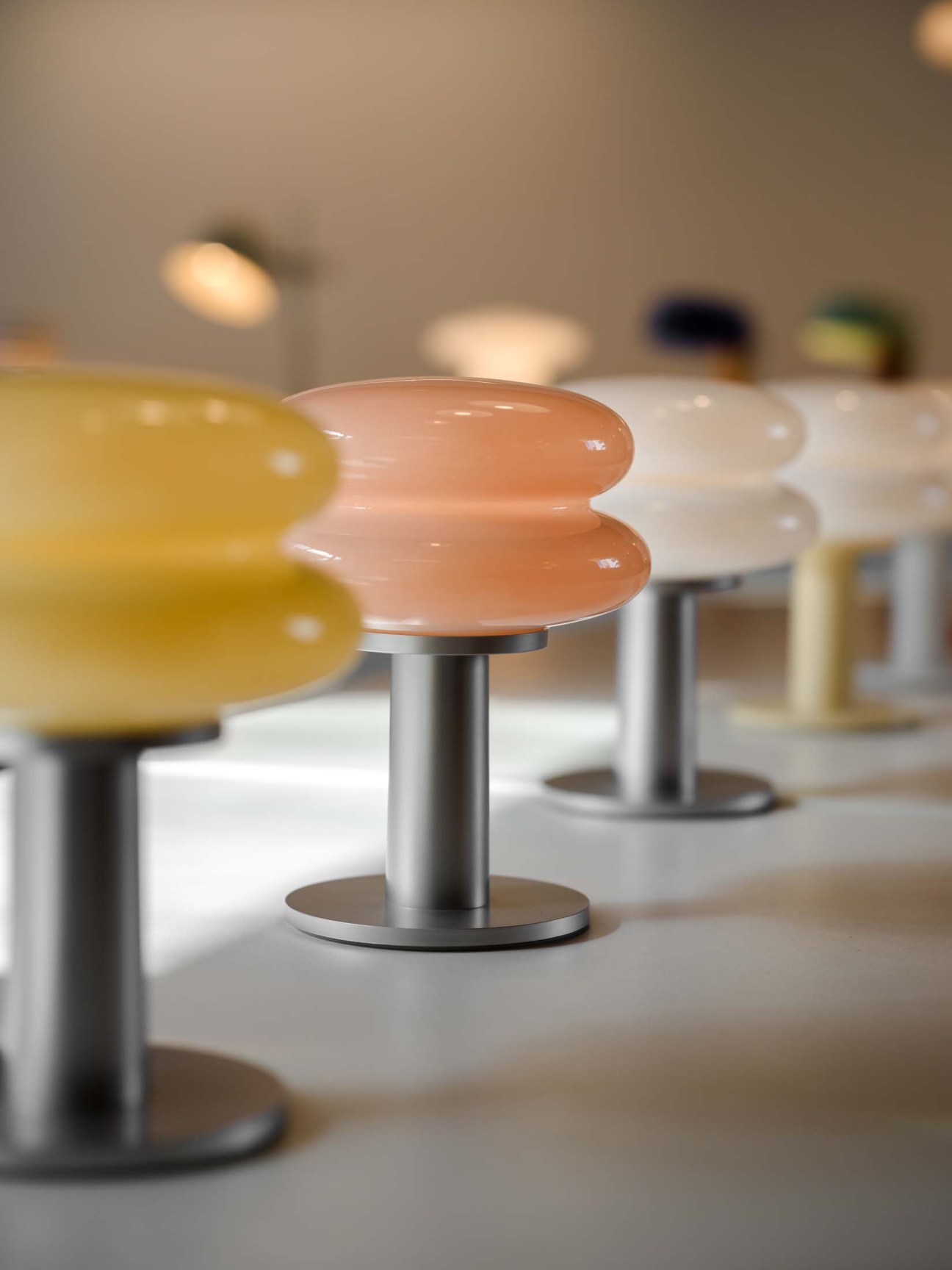
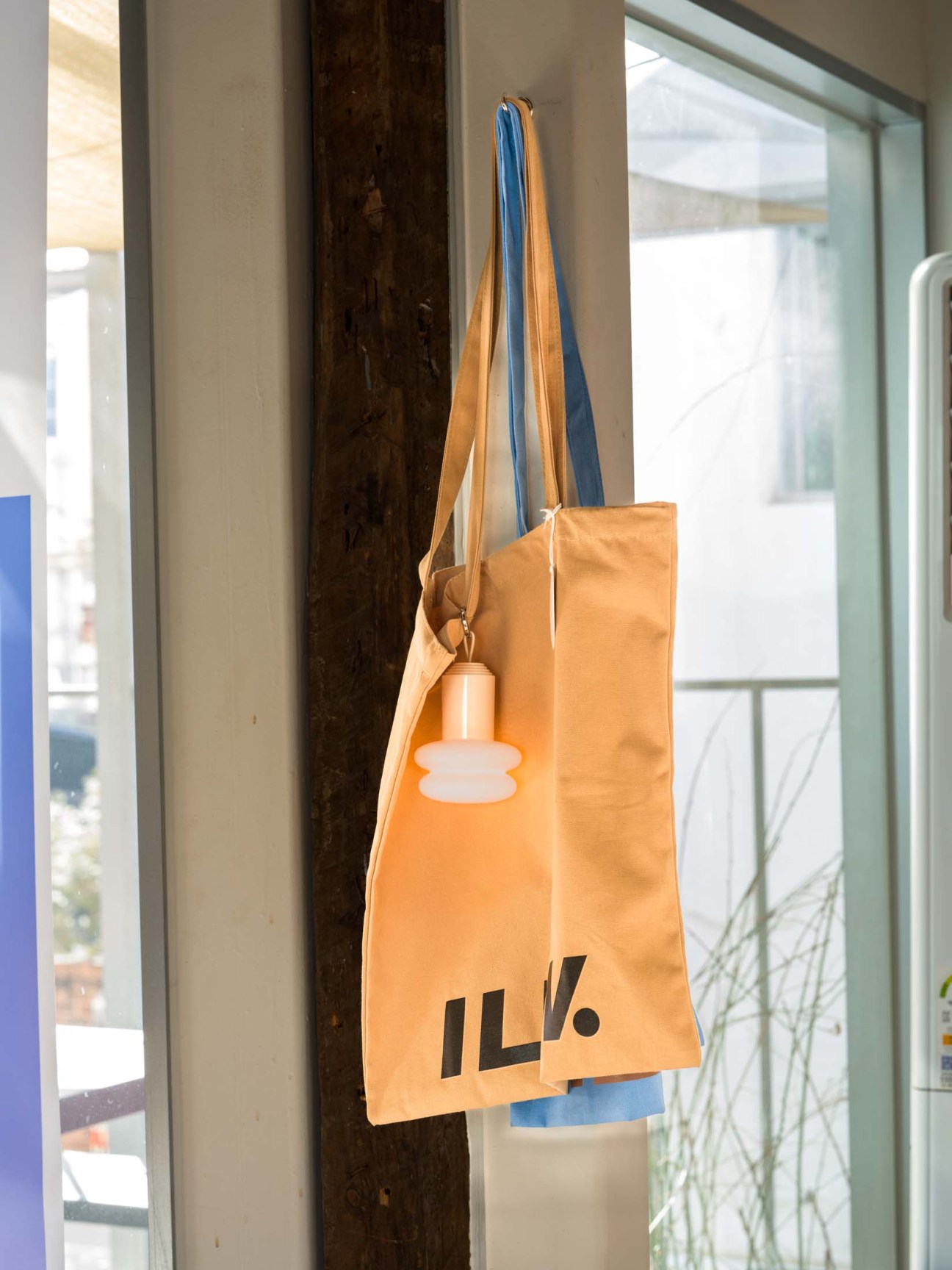
Established in 1962, South Korea’s ILKW, with its incandescent-bulb-manufacturing facility in the city of Daegu, is a brand that walks the line between the efficiency of LED lighting and the beauty of incandescent light. This balancing act began in 1998, when second-generation owner Kim Hong-do inherited the family company and embarked on a singular mission to establish ILKW as a globally competitive brand, dedicated exclusively to this light source. However, the ascendant tide of LED technology and the imperative of global sustainability demanded a strategic re-evaluation, sending him on a quest to redefine the company’s heritage.
“I took a transformative journey, traversing the vibrant creative milieu of New York and the artistic lineage of Aix-en-Provence, yielding pivotal insights,” says Kim, when Monocle meets him at the brand’s Hoehyeon-dong showroom in Seoul. “I resolved to reposition ILKW as a purveyor of ‘artistic design’.”
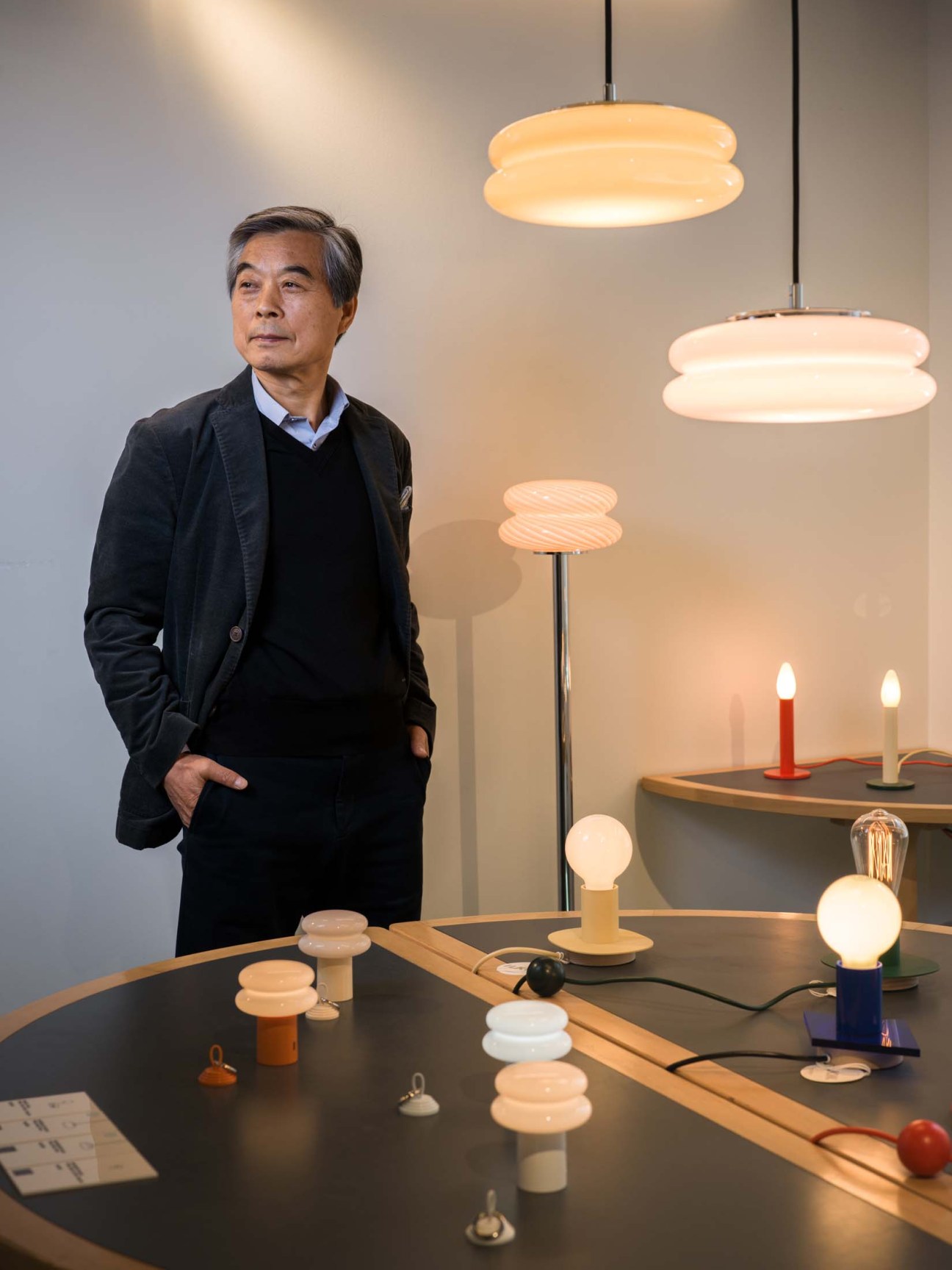
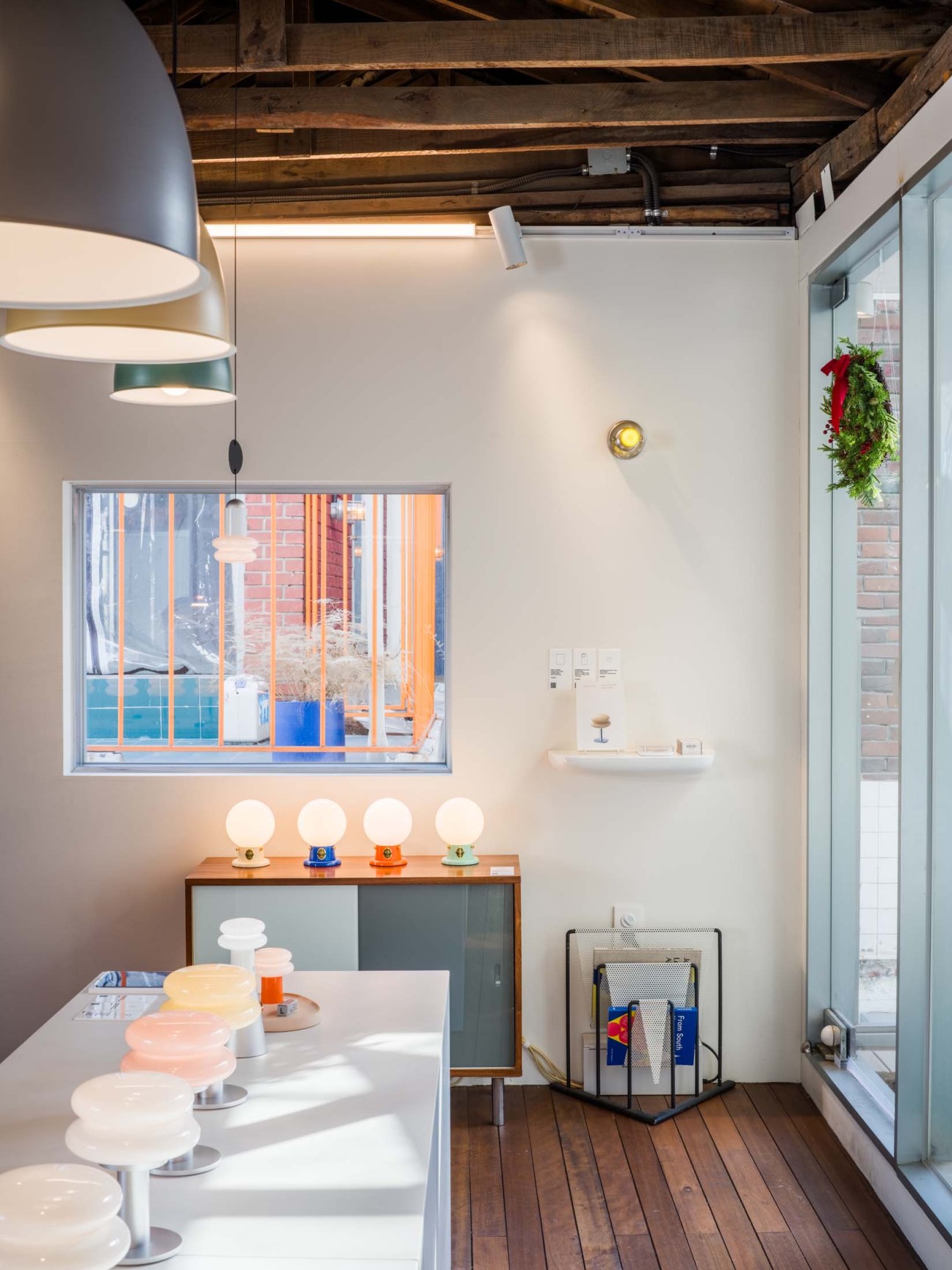
The owner’s ambition was to evolve slowly. Initially, it resulted in a collaboration with South Korean designer Kwon Sun-man, who came on board as creative director of ILKW in 2014 and redesigned packaging for the firm, outlining the benefits of the glow of an incandescent light source compared to the LED lighting available at the time (which was particularly harsh and still in a relative infancy). Momentum shifted again in 2021 when Kim’s son, Si-yeon, joined the enterprise, ushering in a new epoch of marketing and operational vision.
Under his watch, the brand launched its Snowman series, which delivers exquisitely refined LED light. Additionally, ILKW’s decade-long annual presence at Seoul Living Design Fair has cemented its growth from a light-bulb manufacturer into a comprehensive lighting brand. The Snowman series will be on show at Euroluce in Milan this year. But Kim is keen to stress that the priority is still making beautiful light, whether incandescent or LED sourced. “We’re committed to integrating aesthetic excellence into both our manufacturing processes and product design.”