The Entrepreneurs
Bright ideas
There are many opportunities to hang out your shingle in the UAE – plus plenty of venture capitalists and deep-pocketed customers to embrace suggestions. Here we round up underserved corners of the market where an enterprising firm could add to the riches on offer, from aviation to architecture.
1.
Making a spectacle
A far-sighted eyewear brand
How has this been missed so far? The UAE’s abundance of both sunlight and sand – a vital ingredient in glass lenses – is an untapped and obvious place to try to launch a homegrown luxury eyewear brand. Ditto for a decent opticians service that we would roll out across the Emirates with solicitous and professional service and same-day lens fittings. Can you see what we mean?
2.
Fit for purpose
Healthcare
Artificial intelligence is being touted in everything from fintech to marketing, but few applications will provide as much relief as those in healthcare. From screening scans to managing patient data, opportunities abound. We would back a platform that processes (anonymised) patient information to improve treatment and focus on early screening for illnesses – tailoring care and resources to those who need it.
3.
Fresh suggestions
A properly shady consultancy
Not the suit-wearing sort but those teaching architects how to harness the heat. Think awnings, blinds, slatting and bricks that let through a breeze. Harnessing the principles of the barjeel (wind tower) and the nation’s sha’bi houses could make the right firm a regional leader in managing heat. The pay-off? More walkable neighbourhoods with better retail and fewer car journeys required.
4.
Souks you, sir
A decent multi-brand menswear shop
Not all retail in the UAE is mall-based but too much of it involves luxury brands selling faintly inappropriate versions of European apparel. There’s space for a decent shop selling both understated brands (think light linen blazers, seersucker shirts and slip-ons) as well as Gulf staples. We would operate the nation’s freshest kandura laundry, alteration service and tailoring while you wait.
5.
Press play
A newsstand (with global distribution)
The UAE is already a global air-traffic and sea-freight hub, so why not fill any empty bellies with the books and magazines that are currently missing from the nation’s not-so-well-stocked newsstands? Yes, there are one or two independents but a homegrown book and magazine distributor could help to put the country at the centre of a global conversation about media, journalism and publishing.
6.
Be our guest
A UAE hospitality school
Despite the number of jobs in the hospitality sector, there’s a gulf in the Gulf. Top GMs are flown in from Swiss hotel schools, while kitchen porters and scullions are kept back of house. There’s still a stigma around Emiratis in the kitchen and service industries, though this is shifting. Starting a hotel school would put paid to both, helping to train staff for a new generation of restaurants and cafés.
7.
Dunes’ blooms
A florist rooted in local flora
Too many shop and hotel displays use flown-in posies that are ill-suited to the climate and short-lived. They also send the wrong message about sustainability and taste. What about celebrating the feathery fronds of the ghaf tree, oleanders or salt cedars? The native brush is spikier and wilder than Dutch tulips but perhaps getting back to the nation’s roots involves some aesthetic rearrangement.
8.
Arabian flights
A world-leading aviation repair centre
The arid conditions of deserts make them ideal for storing planes that need fixing (Arizona does this in the US) and the UAE’s ascent to a global aviation hub presents an opportunity to become the world’s workshop too. The nation has the space, the climate and connectivity. An aviation and aeronautical hub that’s as attractive to start-ups as global manufacturers is anything but blue-sky thinking.
9.
Top of the shops
A toothsome produce-led supermarket
This won’t sound revolutionary to some, but for all the souks and pop-ups, the UAE lacks a decent, walkable place to buy fresh produce. While you might be able to try local tomatoes or Gulf oysters at restaurants, the city needs to get people excited about local produce – and that means growing and buying at scale. Our little supermarkets will help smaller growers and producers to win new fans.
10.
Panel discussion
A sunny solar provider
While many countries in the region are keen to reduce their reliance on oil, it’s obvious that battery alternatives aren’t always much better for the environment and are tough to recycle. So what about making the most of the region’s abundance of sun? A canny operator could retrofit buildings, set up spots in the desert and be an ambassador for a technology that’s more than a little overlooked.
Breaking new ground
The visionary developer
Mahdi Amjad, founder and executive chairman, Omniyat
It’s hard to imagine how things were before. Apartment 801 of The Lana, an almost-completed mixed-use property consisting of residences and a hotel, looks onto a circular marina sprinkled with yachts and, beyond that, Downtown Dubai’s skyscrapers. But not so long ago, none of it was here. “This area was a military camp,” says Mahdi Amjad, the Iraqi-born founder and executive chairman of property developer Omniyat, dressed in a dark grey suit. “That’s why there is a Defence Roundabout here.” Today the area is known as Business Bay. Back then, says Amjad, it was “just desert”.
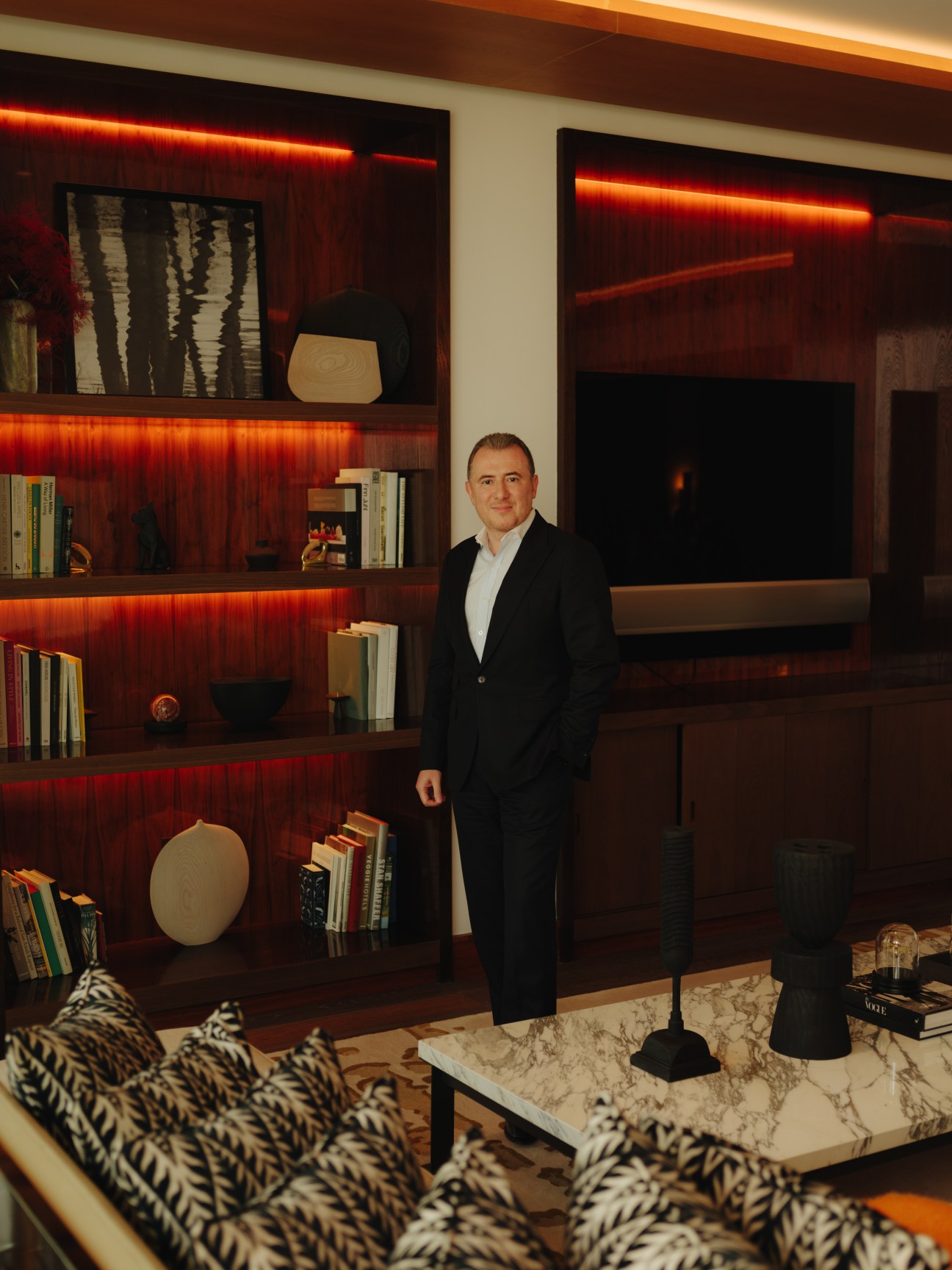
It took gumption to take a punt on this sandy lot in the early 2000s, when the emirate was just opening up to foreign home ownership. At the time, the Creek had yet to be extended. As Amjad pored over the planning maps, it came down to one question. “I asked the government, ‘Are you sure that it’s going to happen?’” he says. “And they said, ‘Yes, we’re pressing ahead.’ That was when I became a property developer.”
Outside The Lana, Amjad’s dark-blue Rolls-Royce is parked not far from where site workers are putting the finishing touches to the building. Things have turned out well for Omniyat (“wishes” in Arabic), which now has a portfolio valued at more than $5bn (€4.7bn).
While it was in the right place at the right time, it also would have been easier for the company to erect more conventional glitzy towers instead of the thoughtful high-end developments that Omniyat has built. “The main challenge was in deciding what type of developer we were – what were we going to do?” says Amjad. “I went around the world trying to envision the identity of this company that we were creating.”
After studying contemporary architecture in bookshops abroad, Amjad came up with a list of starchitects with whom he wanted to work, from Rem Koolhaas to Richard Rogers. At the top of the list was British-Iraqi designer Zaha Hadid. How he persuaded her to come to Dubai and put her trust in a twentysomething with a property start-up and previous experience in electronics distribution remains a mystery to him. “I still don’t know and I would have loved to ask Zaha,” he says of the architect who died in 2016. “What did she see in me to have such faith – to come to Dubai and work on a several-million-dollar mixed-use development with a young entrepreneur whose company was in its first year of operation?” That collaboration culminated in the Opus, a mixed-use building featuring 4,800 unique pieces of glass and comprised of two towers that come together at the top and bottom, creating a shape in the middle that Amjad says is “like a melting cube of ice”.
Sitting on a sofa in the vast living room of show apartment 801, Amjad may overuse words such as “exceptional” and “unique” into our conversation but he does so with some justification. He clearly has the nous for creating properties catering to what he calls “a particular segment” of the high-net-worth community. These include the “villas in the sky” of One at Palm Jumeirah and The Lana, which features seven central gardens. The latter, by Foster + Partners, took a number of iterations to get just right. Along the way, Amjad has ticked off several names on his wish list of firms, though he has yet to work with Renzo Piano.
Omniyat is expected to make several new project announcements before the end of the year. It was also in the headlines in September with the news that it had bought the body of water outside our window, Marasi Bay Marina, with development rights. For now, Amjad is giving little away but he promises that it will be iconic. “My grandfather was a jewellery-maker in Iraq and that has always been part of my dna,” he says. “I want to ensure that I contribute to this beautiful city.”
omniyat.com
The Star designer
Pallavi Dean, founder, Roar
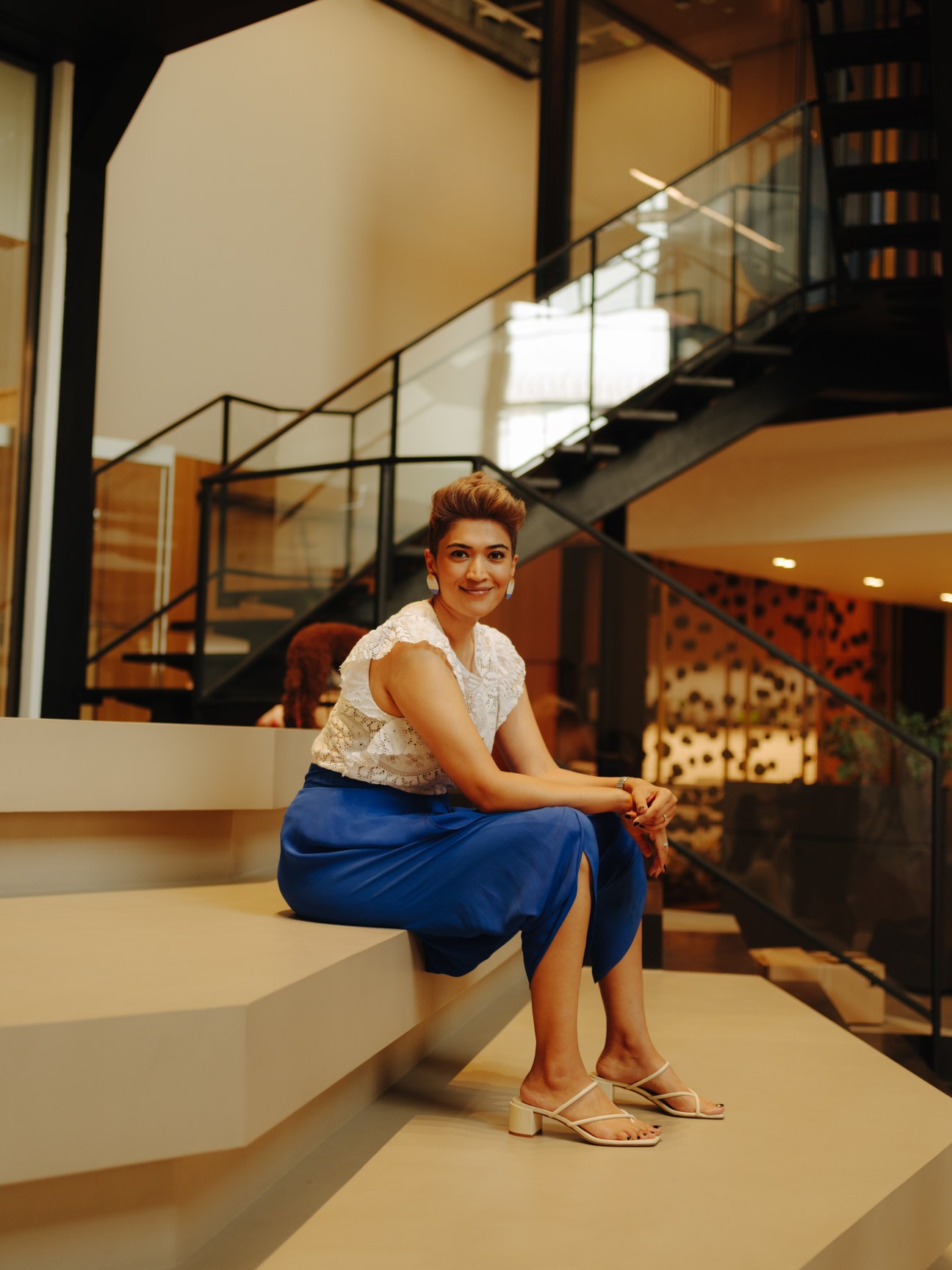
One of the uae’s most sought-after designers, Pallavi Dean, set up her studio, Roar, in 2013. Since then, it has forged a reputation for her skill and vision by reimagining everything from offices to retail spaces, schools and homes. Born in India, Dean moved to the uae when she was just three months old. She built her career in the Emirates after studying architecture in Sharjah, with a brief professional stint in the UK. Dean has grown Roar from a start-up in a spare bedroom to an international firm. Her 35-strong team works with local makers to fabricate everything from joinery to millwork. Dean recently completed an office space in Dubai and is working on new hotel projects in Rabat and Islamabad, a school in Saudi Arabia and several social projects for the Abu Dhabi government. Here, she sits down with Monocle and shares a few entrepreneurial observations.
You once said that your work is at the intersection between design and entrepreneurship. What do you mean?
I have two degrees: an MA in architecture and an mba, which I have just finished. For me, it’s not just about pretty pictures and pretty spaces. It has to make sense scientifically and functionally. Return on investment, footfall – all those numbers make a difference to me.
Is it easy to switch between sectors?
Traditionally, you had architecture or design firms that only specialised in hospitality or commercial work but we have always been multi-sector. The reason for this is that you can learn so much through diffusion. I implement a lot of what I have learned in workplace design in the schools and education spaces that we work on. Similarly, I put a lot of what I learn in my hospitality designs into everyday homes. The cross-pollination of ideas is so rich and keeps me on my toes.
There’s so much development happening in the UAE. Does that mean there’s a lot of opportunity?
I’ve seen dusty villages grow into cities. In terms of opportunity, it’s fantastic. The pace at which we work here is wild. In the UK, I worked on one project for 18 months. I have built seven projects in that timeframe in the uae. For a young designer or someone who really wants to get those 10,000 hours of experience under their belt, this is a fantastic place to be.
How would you describe your leadership style?
My firm is 92 per cent female and that’s very intentional. It was about providing a safe place for women to balance their work and life. My leadership style is based on empathy. I’m very assertive and focused on deliverables. I don’t care about whether people come into the office but if you say that you’ll do something, it has to get done.
There’s a lot of talk in the UAE about technology. How big a part of your work is it?
We use generative AI and I spent a lot of time learning about the metaverse. We were one of the first studios in the uae to design there – for a Singapore bank – and I also teach a course on it. You can’t just think, “Ah, it’s all something in the future. Somebody else will deal with it.” I want my clients to know that this technology is out there but it can’t perform exactly what it promises yet because the infrastructure isn’t ready. But it does give me ideas that I wouldn’t have ever thought of because it’s working from a database of millions of ideas. Everybody should invest time in understanding this technology because it’s so important.
Your studio is so busy. How do you stay ahead of the competition?
Because the ecosystem is so friendly and ripe for entrepreneurship, people who are fresh out of university set up their own firms. The competition is intense. But I am experienced and have been doing this for more than 20 years. You always have to establish trust with your clients. They need to know that you are an expert, that you are a thought leader in this industry and that it’s you who they should listen to. I do a lot of independent research and write a lot of white papers. That’s my way of differentiating myself.
designbyroar.com
The pioneering investor
Fadi Ghandour, chairman, Wamda Capital, and co-founder, Aramex
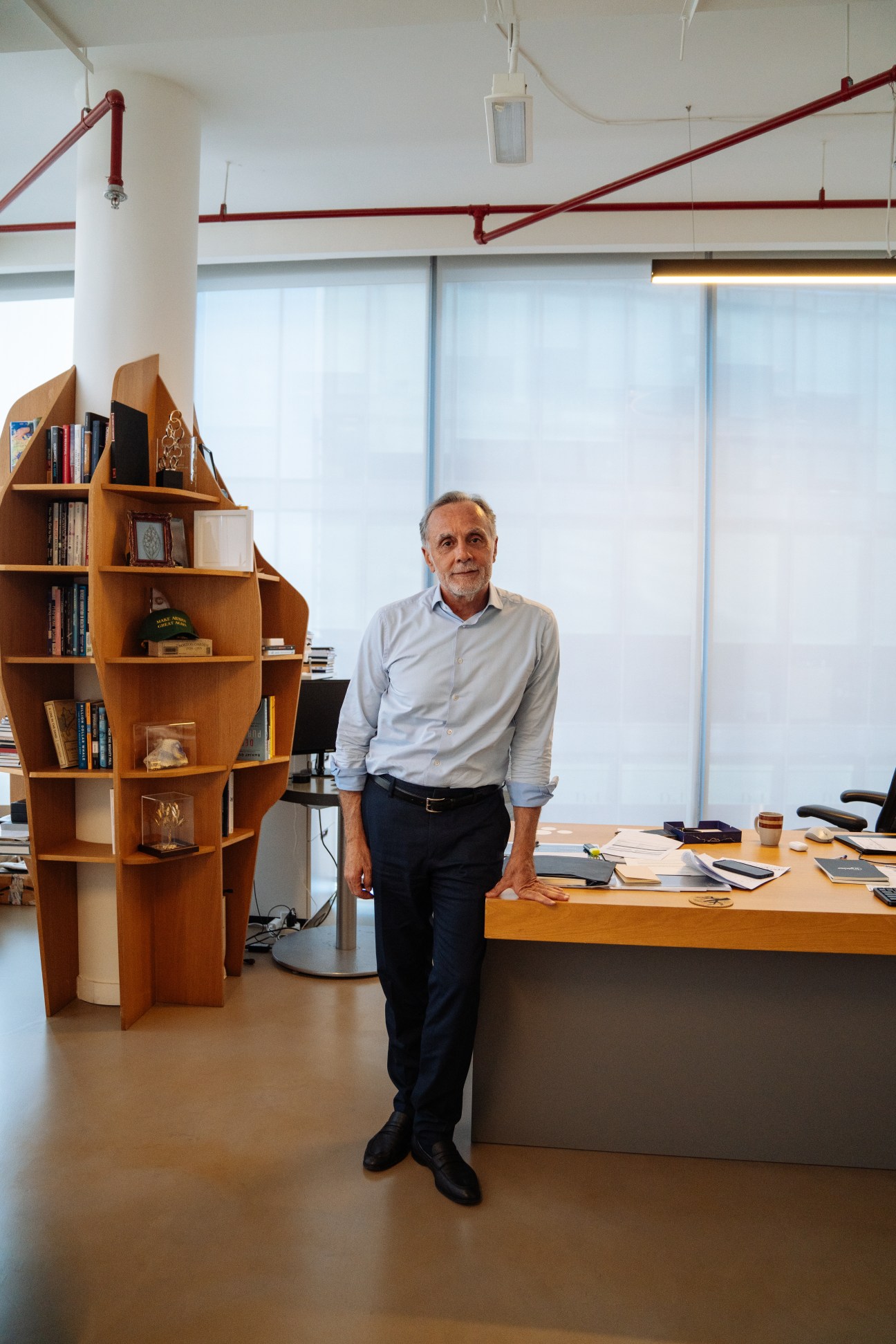
Fadi Ghandour always has his sleeves rolled up and is ready for business. The eagle-eyed, market-smart investor is the serial entrepreneur who co-founded one of the uae’s earliest global success stories: package-delivery firm Aramex, which launched in the 1980s. Today Ghandour chairs Wamda Capital, the uae’s first true venture fund. Here, he shares lessons on how to make it big in the Middle East.
How easy is it for an entrepreneur to get funding in the UAE?
It’s night and day compared to 20 years ago. There used to be no such thing as venture capital here. Crucially, the sovereign wealth funds have changed their focus. They used to invest outside of the region to generate an income beyond oil but that has changed completely. They have become enablers of a real entrepreneurial ecosystem here, especially in technology.
Where are the opportunities right now?
There’s a lot of purchasing power here and this is a consumer-based region, so there are plenty of opportunities in digital payments, e-commerce, digital banks, last-mile delivery and anything to do with the consumer experience, including entertainment. Many talented engineers have also moved here from countries like Ukraine and Russia.
Has the ‘funding winter’ – the decrease in the inflow of start-up capital that has been affecting other regions – reached the UAE?
It might be autumn but it’s not winter yet. This region continues to generate the most new cash and liquidity in the world simply because of the price per barrel [of oil]. Silicon Valley is knocking on our doors and many financial institutions have set up operations in Dubai International Finance Centre (DIFC) because they want to raise money and there are opportunities to invest.
You built Aramex from the ground up. How did you get started?
When we started in the 1980s, the big boys, such as Fedex and ups, seemed to be completely focused on the US market. And if they even thought about going global, it certainly wasn’t to the Middle East, with its civil wars, terrorism and all of the stuff that you don’t really hear about any more. So, I went to courier companies around the world that didn’t have a presence in this region and told them, “We will deliver here for you.” Which we did, even through the civil war in Lebanon and after Saddam Hussein invaded Kuwait. From the start, we created a brand built on reliability.
Aramex was the first Middle Eastern company to list on the Nasdaq stock exchange. Would you list it in the US today?
No. At the time, 51 per cent of a company in the uae needed to be owned by a Gulf national, which I am not. As a result, I couldn’t list it on a stock exchange here. That has all changed and the law now allows for 100 per cent ownership. In many respects, the uae is completely in tune with the rest of the world: we work a Monday-to-Friday week and the rule of law in the DIFC is largely modelled on British law. In 2002, we bought Aramex back and relisted it on the Dubai stock exchange three years later.
There have been several major IPOs in the region, not least that of the Abu Dhabi National Oil Company. Do you expect that there will be more?
A good chunk of the companies that are going public are either government-owned or semi-governmental. While this is about creating liquidity and deep stock markets, it also creates more transparency [in state-owned companies]. It shows that there is maturity in the economic system. You will see so many more private companies in the next five to 10 years that want to professionalise in this way.
How will technology shake up supply chains over the coming years?
At the centre of this story will be robotics, AI and 3D printing. These things will allow you to create an industrial base close to home and minimise the cost of supply chains and of securing them. There’s a new competition happening out there and supply chains are at the heart of it.
wamda.com
Up in the air
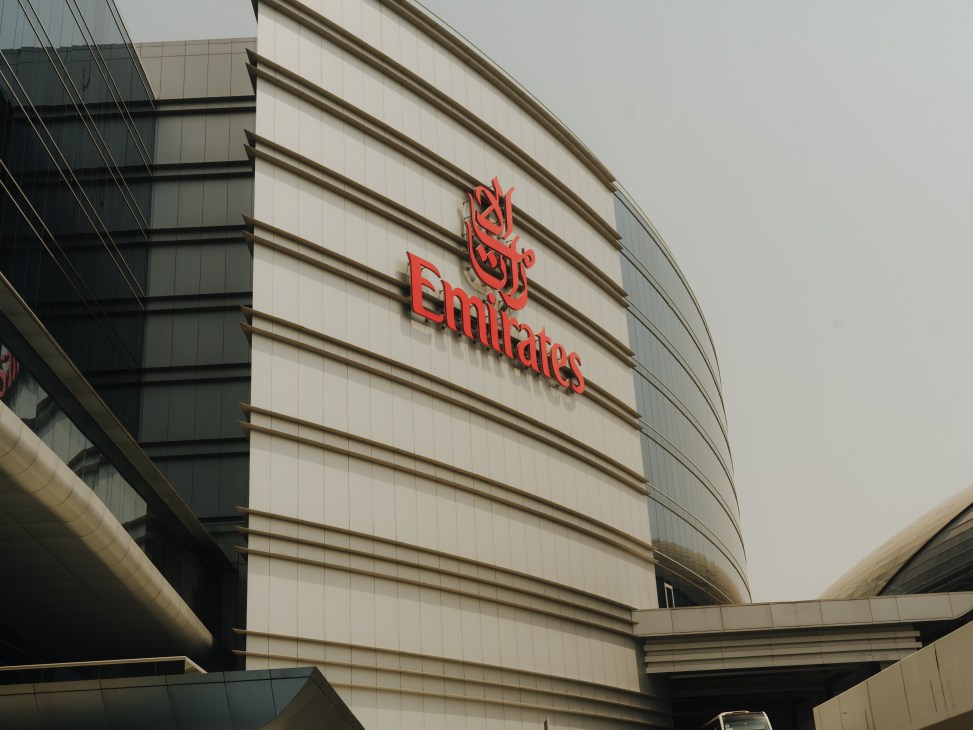
Tim Clark is a self-professed aeroplane geek. The Emirates executive, who has been the airline’s president since 2003, might be in his eighth decade but his affection for what he dubs “the buzz” of flying remains undiminished. Luckily, his office on the top floor of the Emirates Group’s HQ next to Dubai International Airport, gives him a daily fix. With views over the airfield below, there’s a constant stream of planes – many flying Emirates colours – taxiing back and forth from runway to gate. “It’s every nerd’s dream,” he says, leaning back in an armchair, dressed in a suit and pink tie. “I have probably the best view of any president’s office in the airline world today.”
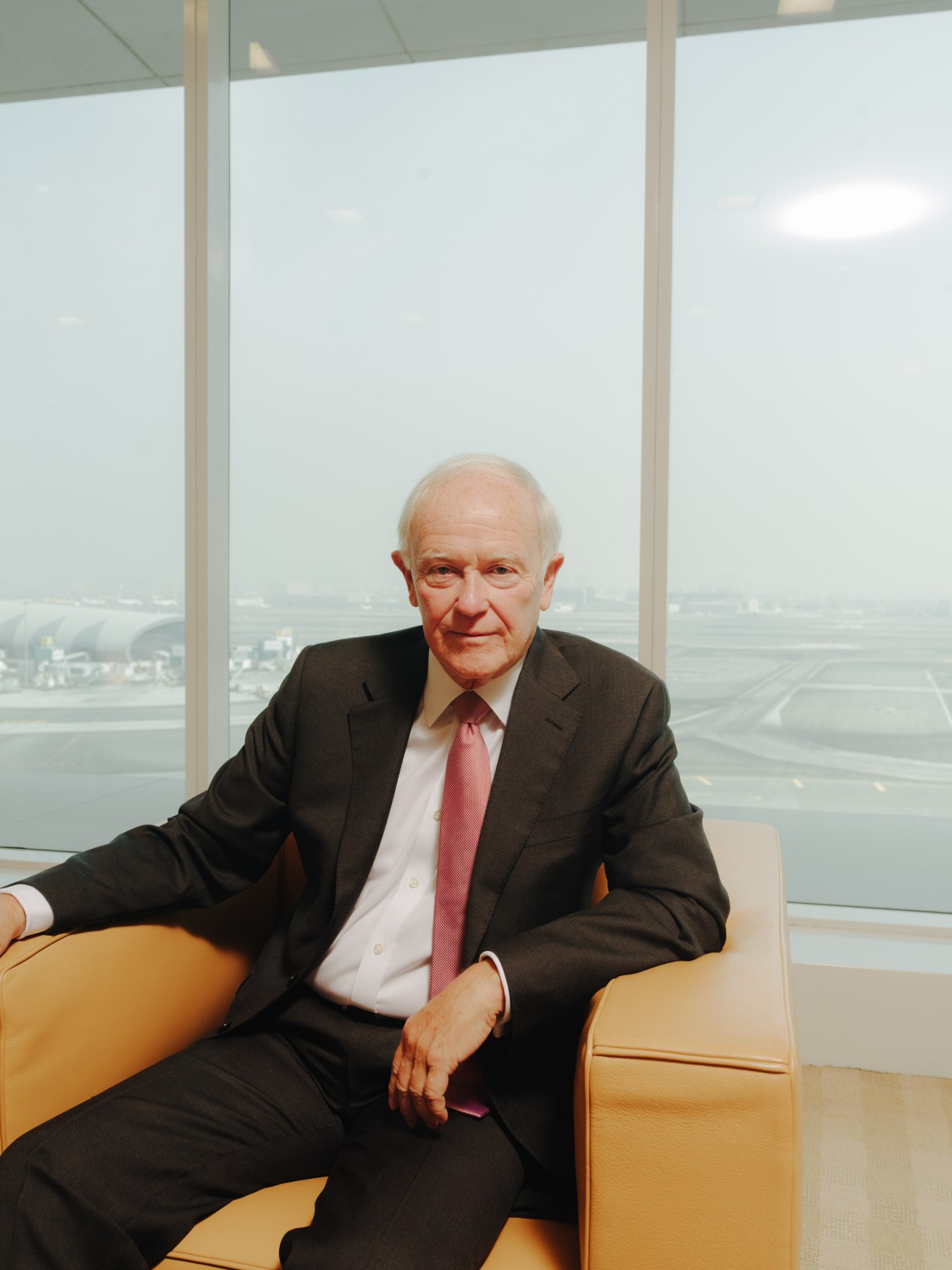
When Emirates airline was founded in 1985, Clark joined the planning department after spells at British Caledonian and Gulf Air. Since then, the carrier has gone from a plucky start-up to one of the world’s largest airlines. Today it flies to more than 140 destinations, having recently added Montréal to the mix. And despite the severe dip of the pandemic, which hit the whole industry, Emirates has bounced back. In May it reported its most successful figures to date, with profits for the 2022-2023 financial year of aed10.9bn (€2.8bn).
Trying to pinpoint crucial chapters in Emirates’ success story is not easy; Clark calls it “a complex series of questions with a complex series of answers”. He has always maintained that the airline shook up an outdated model in which destinations were determined based on a postwar, old-world order. In stepped Emirates, as what Clark calls “a disrupter to the traditional approach”. It linked multiple points of the map in a more streamlined fashion, drawing on the Gulf’s strategic location as a hub between Europe and Asia.
Emirates has also always had something of a “go it alone” attitude. While it has forged code-sharing partnerships with the like of Qantas, it has avoided clubbing together with others in the Star Alliances of the world. “We do not allow ourselves to be sidetracked into other issues, such as getting involved in partnerships,” says Clark, who says that the focus has been on building an airline from the ground up rather than getting distracted by secondary services.
A fierce advocate of liberalising the airways through so-called “open skies” agreements, Clark refutes claims that Emirates has received subsidies from its wealthy government owners. “We are not subsidised by the government; the government is hugely supportive of what we do,” he says. “They don’t give us any money at all, apart from when we were in dire straits during the coronavirus pandemic when they stepped up immediately. But they rely on us to get the job done.”
Others have complained that the way that the uae is set up has given Emirates an unfair advantage, such as the fact that the airline’s employees are not unionised (Clark says that the company offers extremely generous packages) or that Dubai Airport doesn’t have a curfew, essentially operating 24/7. When it comes to the latter, Clark is bullish. “That’s the way it is,” he says. “We have a government that is hugely involved in what we do in the sense that they understand the criticality of aerospace. They want to nurture it and what’s wrong with that?”
As an airline executive, Clark must occasionally answer questions on hot-button issues. Described in the past as having “a friendly outspokenness”, he agrees with the depiction, saying that at times he might have been “a little bit vocal on certain issues”, even if he does try his best to veer away from anything controversial, such as politics. Monocle takes this as a cue to ask about Emirates’ decision to keep flying to Russia. “We do as we are bid by the state,” he says, making it clear that decisions like these rest with the government.
Not so long ago it looked unfathomable that a conversation like this with Clark could happen at all. Back in 2019, he announced to the world that he was retiring as part of an acceptance that, as he puts it, “nothing lasts for ever”. That decision to bring the curtain down on a Emirates career lasting more than 30 years was reversed as the pandemic hit. “You’re right,” says the 73-year-old grinning. “I’m now pushing four years over when I said I was going to go. But I’m pleased that I stayed.” For now, he won’t be pushed on an exit date as he continues to pilot the airline’s impressive post-pandemic recovery. And the focus still seems to be on ensuring that Emirates is never on autopilot and continues to disrupt the market.
In the past, that disruption was arguably done through traditional customer service: its colossal double-decker Airbus A380 planes, with their top floors dedicated to premium classes and staff welcoming back passengers by name. Small gestures such as metal cutlery being extended to economy, meanwhile, suggested that this was an airline that didn’t skimp on costs. Clark says it has all been part of the airline continuing to bring “class, style and panache to the various cabin classes that we offer”.
Technology plays a central part in Emirates’ bid to continue to differentiate itself. “We are at the forefront of embracing just about everything that comes along,” says Clark. And that ranges from blockchain and the metaverse to the current brave new world: artificial intelligence (AI). While Clark seems cynical about its ability to be customer-facing, he thinks that the technology offers plenty of opportunities. “We need to embrace AI to help us in the way that we go about executing our products: engineering, flight operations, finance, HR,” he says. “The B2C side is far more complicated.”
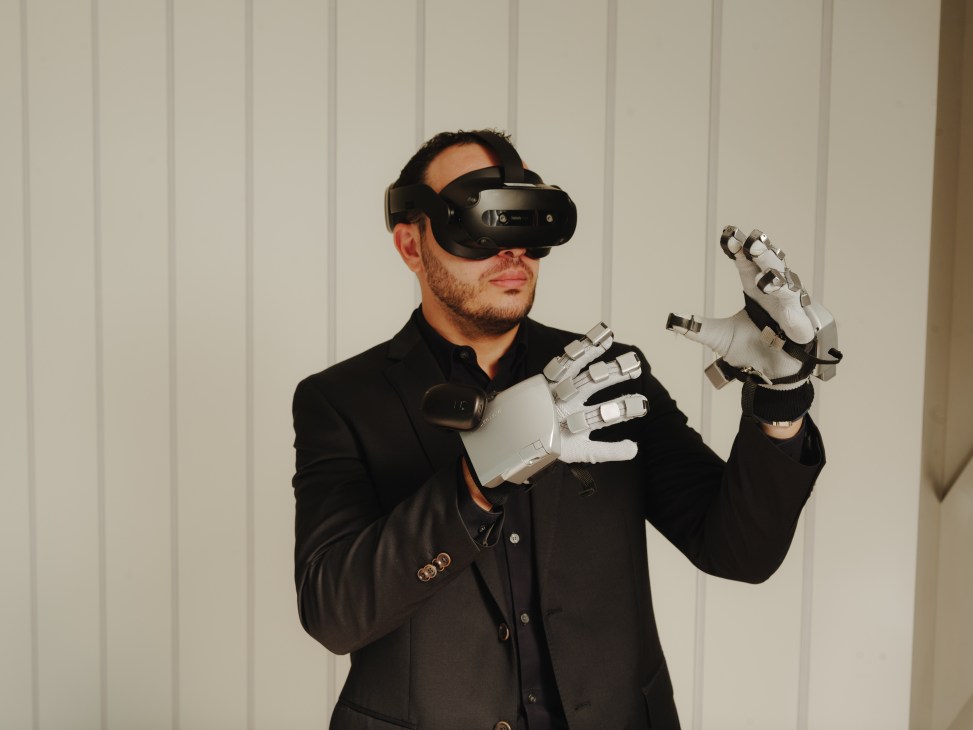
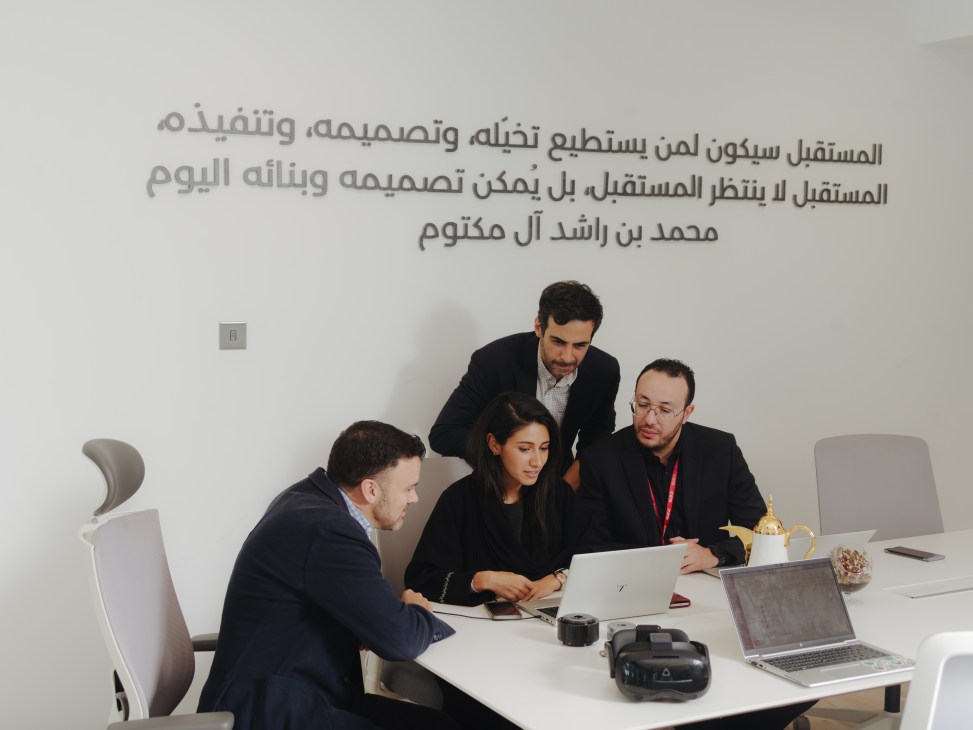
Not that it’s stopping the people on the eighth floor from pushing the boundaries of where Emirates’ tech-enabled customer service might go. The Innovation Majlis platform, launched in July, is working on prototypes that could one day be a mainstay of the Emirates experience; Clark says that it’s vital to have a group of people “who are testing, innovating and, hopefully, shocking and stunning us”. During our visit, Monocle gets to try out a virtual-reality headset complete with a haptic glove that could be used for crew training and would prove much less expensive than a life-size aeroplane simulator. (Your correspondent managed to spill a coffee and drop a drill, meaning that his Emirates job prospects look slim.) Elsewhere, there is a 3d printer trialling the manufacture of replacement metal parts for airport buggy transport, as well as an impressive 3d customer service avatar powered by Hypervsn.
Back on the executive floor, Clark is sketching out future plans, including painless air travel, easy check-in and virtually non-existent physical security, thanks to biometrics. “Why do you need a passport these days?” he asks. “It’s a rather anachronistic piece of paper and a book.” But our time is coming to an end, even if we could talk for another hour about the future of travel, the difficulty of scaling the provision of sustainable aviation fuel, and Saudi Arabia’s cash-rich Riyadh Air taking off in the region.
An eloquent and often amusing interlocutor, Clark relaxes when Monocle’s audio recorder is switched off. It’s then, in that less-guarded moment, that he offers a glimpse of the management style that has kept Emirates at the top of its game and sees him behind his desk at 06.30 every morning. “I’m always on,” he says, adding that he expects to be able to contact his employees whenever he needs them, given the multiple issues across multiple time zones that constantly need resolving. “This is a change of life,” he says, comparing working for the company to being an on-call doctor. It may well be the best explanation yet for Emirates’ success.
Emirates airline in numbers
Destinations served: 144
Countries and territories served: 76
Passenger planes in fleet: 249
Airbus a380-800s in fleet: 116
Freight craft in fleet: 11
Passengers served (2022-2023): 43.6 million
Back on track
Modern rail travel rolled into the UAE in April 2009, high on fanfare but fairly low on functionality. The maiden voyage of the Palm Monorail was a triumphant moment: the sleek driverless train trundled up the trunk of the Palm Jumeirah, giving those onboard views of the ritzy, villa-laden fronds of this man-made island. However, it wasn’t all that useful: the mainland station was marooned and only accessible by car and the train just went to the Atlantis hotel and back. The monorail was more of a pleasure ride than proper public transport, which led some to question whether the UAE was really serious about tempting people out of their cars and onto the rails.
The picture today is quite different. The Dubai Metro, which has 47 stations, serves commuters with two lines and tram arteries that reach residential and industrial areas. It has also proved to be an engine for the economy as tourists can now get around easily. What’s more, the values of houses near stations shot up by more than 50 per cent in the first decade of the Metro’s operation. In little more than a decade, Dubai has built an enviable public-transport network that is showing other cities in the region how it can be done.
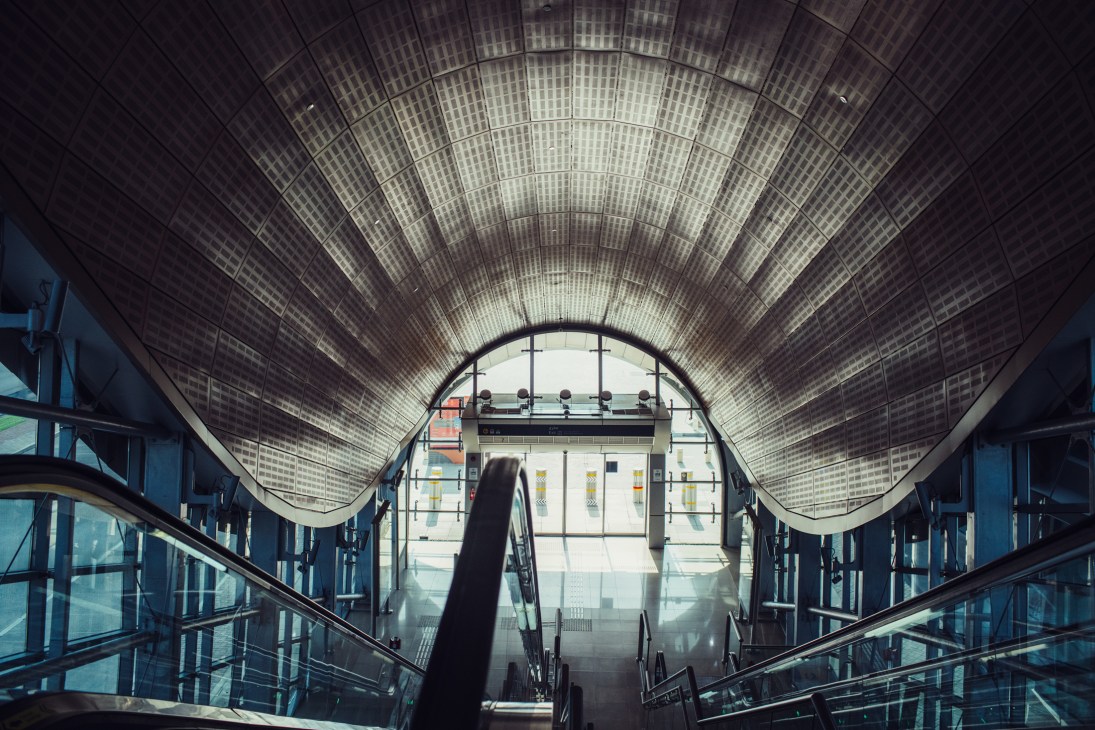
It’s fair to say that the car still rules here. Sheikh Zayed Road, the main artery running to Abu Dhabi, is a snarl-up come sunset, with more than half a million cars zipping back and forth every day. In the capital, a long-planned light-rail network hasn’t yet broken ground.
Meanwhile, there’s a broader vision for trains, which are set to connect the seven emirates. In March, Etihad Rail announced that 900km of track had been laid on its forthcoming freight and passenger network, running from Oman to the Saudi border. It will be some years before passengers are hopping aboard but the new line is a major logistical link, with the goal of raising industrial contributions to GDP by $81.7bn (€77.6bn) by 2031. That might all sound ambitious but the UAE is tracking well.
Round trip
Cycle culture
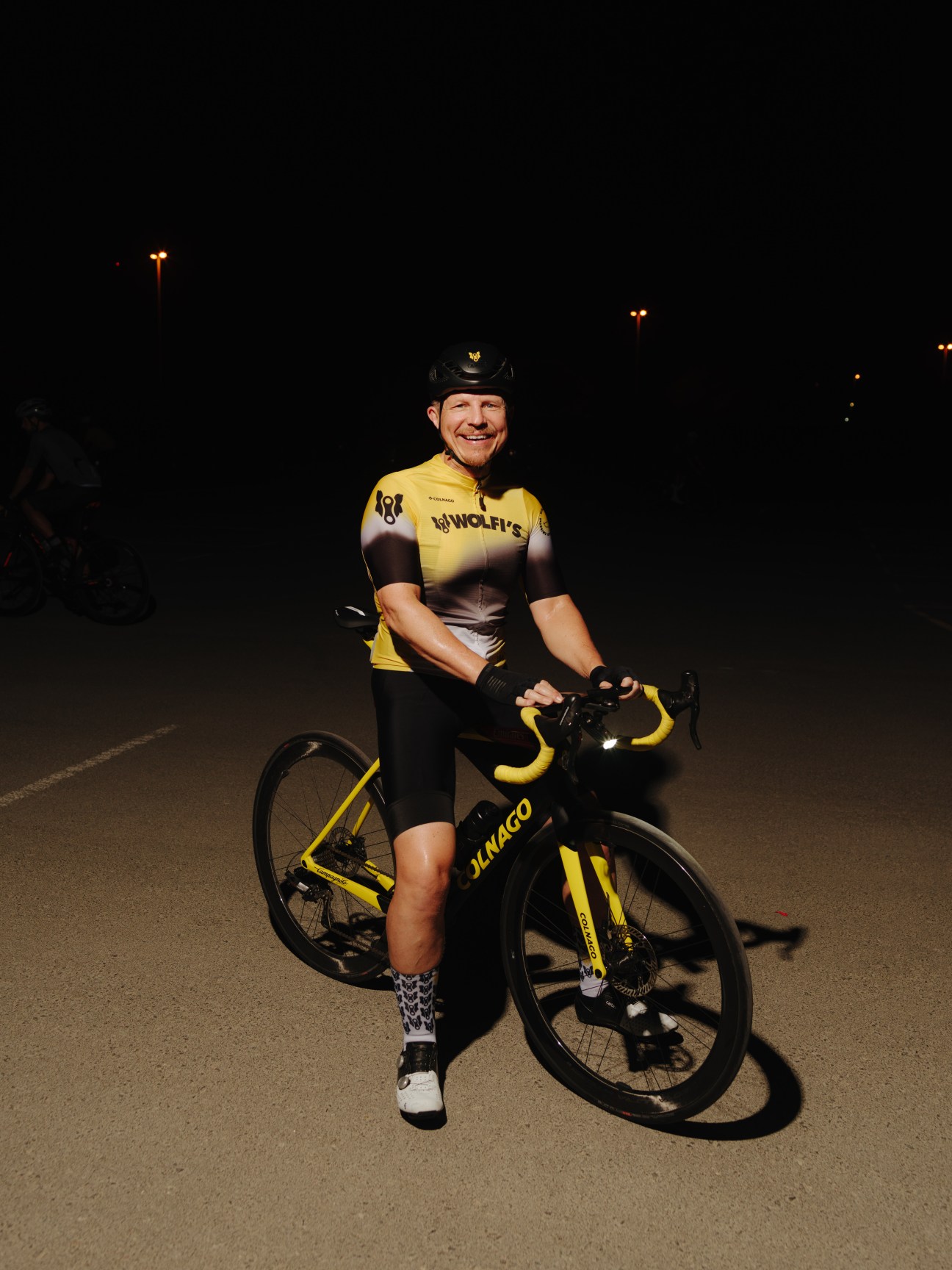
Monocle meets Wolfi Hohmann (pictured) at 05.00, as he and more than 100 of the so-called Dubai Roadsters gather for their Sunday cycle into the desert. They clock at least 85km, which takes three hours and includes a water break to watch the sunrise.
Hohmann arrived in the UAE from Germany in 2002 with a 12-metre container, half of which was packed with furniture and the rest brimming with bicycles. At that time, the appetite for cycling here was limited – partly due to infrastructure, partly because of the lack of shade. Today, Hohmann’s bike shop, Wolfi’s, has nine locations in Abu Dhabi and Dubai. “By 2026 I want every child in the UAE to be able to ride a bike,” he says.
Seeding cycling culture in these conditions has been an uphill struggle. Hohmann confessed that despite moving his family here, he only had a “plan A” but decades into his venture, he looks rather comfortable in the saddle. With royal backing, investment in cycling has ramped up, with more than 20 cycling tracks in operation in Dubai. In turn, success at all levels has followed. Members of UAE’s Team Emirates claimed second and third at the 2023 Tour de France.
The country is some way off having a bike in every home but Hohmann’s shops are helping to get things (and people) moving under their own steam.
Lasting impressions
The UAE is no stranger to the challenges of rapid urbanisation. But despite this being a nation where development and innovative construction has happened fast over the past few decades, it’s important that urbanism unfolds in the right way. Cue the Expo 2020 Dubai, which was postponed and only closed in March 2022. The landmark event was not only the global exhibition’s debut in the Middle East and the first hosted by an Arab nation, but it also delivered a new district: Expo City Dubai, which is now home to businesses and will be the site of 2023’s Cop28 climate conference in December.
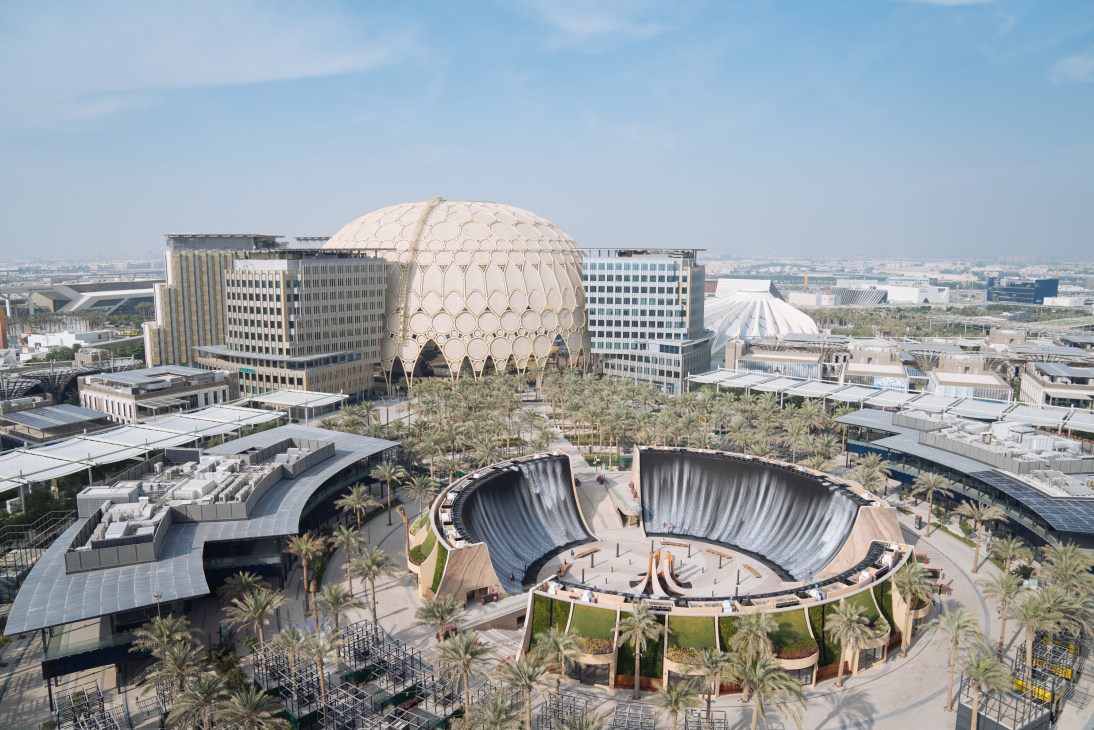
“We want to draw on the lessons of what we have built here and offer Expo City Dubai as an example,” says Nadia Verjee, executive director of the Global Initiative of Expo City Dubai. “Urban centres are going to mushroom by more than half of the world’s population and many are yet to be built – all the cities that are being thrown up in the Global South by 2050.”
Just south of Jebel Ali in western Dubai, the purpose-built site was planned from the beginning as a future city. Some pavilions used by nations during the exhibition were built as permanent structures; many were repurposed by businesses, others bought by the nations as permanent display spaces. “That’s the China Pavilion,” says Verjee as she drives me around Expo City Dubai in a golf buggy. “It’s now a Chinese cultural centre, where the embassy holds a lot of activities. There were more than 27,000 attendees here for the Chinese New Year festivities, for example.”
Verjee has been on this journey from the very beginning. A chief of staff during the event, she is now part of the executive team responsible for the city that it created and fosters business here. “The only way that we could make this happen was by designing both the masterplan and the legacy plan for Expo City Dubai at the same time,” she says. “We didn’t have to remove or knock down most of what was already built; we could use everything in its second life. And that’s a big part of our strategy because it was anchored on delivering a sustainable built environment.”
The area’s green credentials are among its biggest calling cards. Companies including Emirates, Engie, Siemens Energy and DP World have all signed up for offices in its business hub. “We already have more than 3,000 tenants living or working here, while we’re continuing to develop the site and figure out mobility solutions,” says Verjee as we pass the Rove Expo 2020 Hotel. But it’s not only the big players that have seen the value in calling Expo City Dubai their home. Restaurants, retail and start-ups are also moving in, attracted by the space, which lies in between Downtown Dubai and Abu Dhabi and has a direct connection to the Metro. “It’s a great entrepreneurial hub. Small businesses are already setting up here and several of them have grown from the journey of Expo City Dubai itself, eventually fully relocating here.”
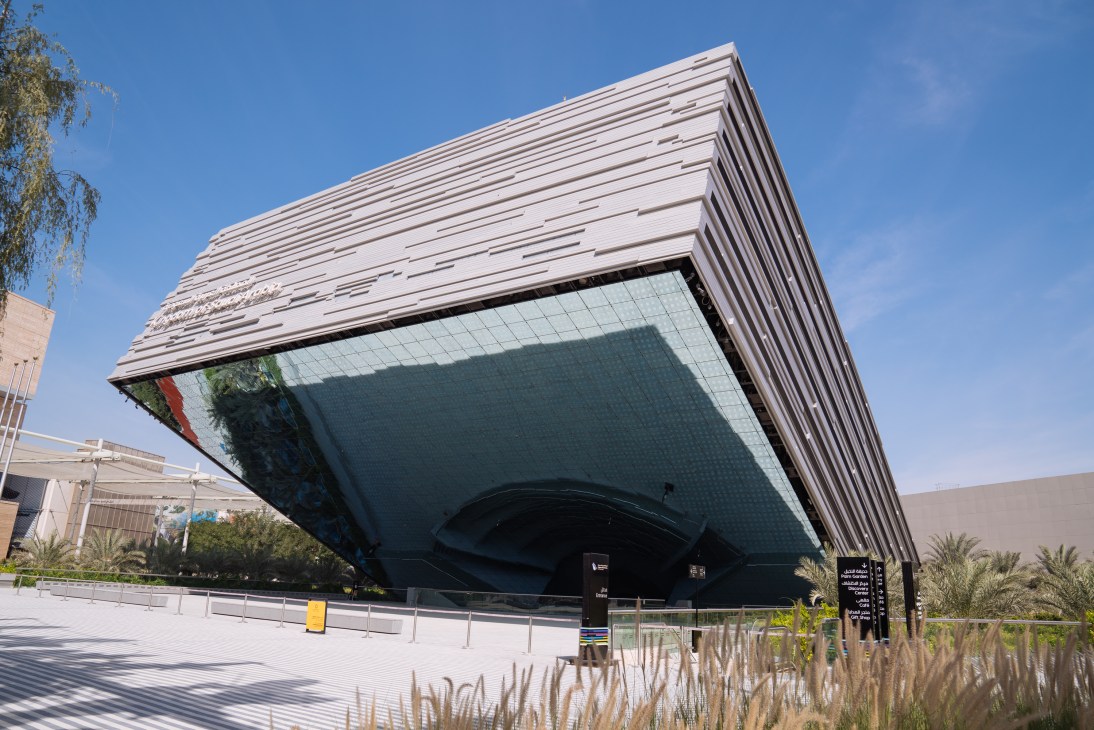
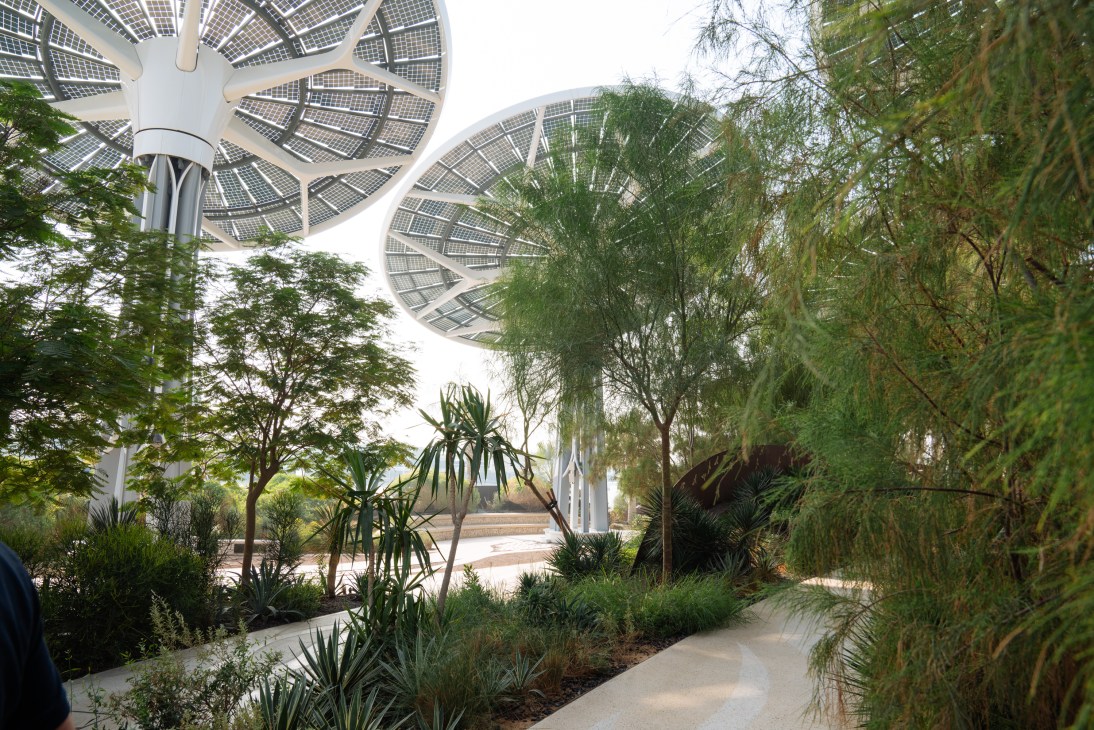
As we tour the site, one thing stands out: the large concourses connecting the city are pedestrianised and there’s a shuttle service as well as shade. “If you have a city that’s designed without vehicles as the primary way to get from one place to the next and provide the right kind of cooling, then it can really operate as a 15-minute city – even in this temperature,” says Verjee.
Businesses aren’t alone in setting their eyes on this part of town. “In true Dubai style, we have already sold out of everything that’s available on the market for our apartments and homes,” says Verjee as we pass a soon-to-be-completed residential block. “People will be moving into apartments and homes as of the third quarter of 2025.”
The masterplan for 2040 includes the creation of Expo Valley, a community of townhouses and villas surrounded by lush vegetation and cycling trails, as well as high-end amenities such as clubhouses, swimming pools, an outdoor cinema, gyms and hospitality. Prices start at aed3.5m (€900,000). “Even with the villas, we spent a lot of time talking about sustainability; how to keep water and electricity consumption down and how that affects residents. We wanted to have a good balance of greenery and what’s built. It’s not about maximising profit but delivering a vision for living.”
Welcome to the UAE
Success takes graft and good ideas. But let’s face it: sometimes, it’s also about being in the right place at the right time. That’s how this UAE special, our first dedicated country issue of our business-minded magazine, got off the ground. A series of conversations with readers, business owners and eventually even a government agency or two (which have underwritten the advertorial chapter of this issue) has led to us turning our editorial spotlight on the Gulf – and, specifically, a country about which, for better or for worse, most people have firm opinions.
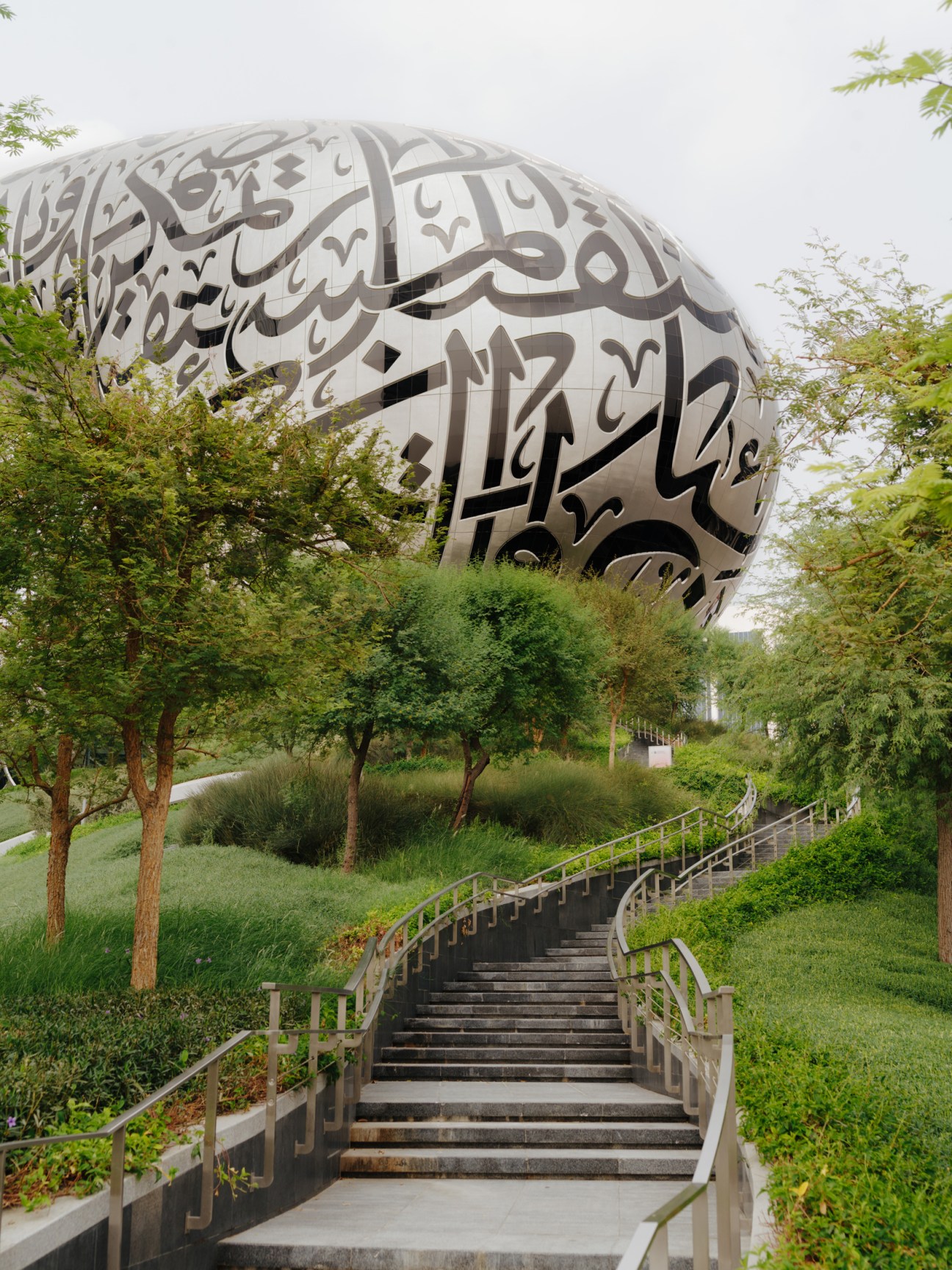
Over the following pages, you’ll meet entrepreneurs who have built castles in the sand, sowed seeds in less-than-fertile ground and transformed this once-quiet part of the world into a centre of innovation for everything from solutions for warming cities and agriculture to fine design. Our journalists uncovered some surprising stories: technology companies trying to help us forge stronger human connections or offer access to better education; inspiring HQs for companies taking recycling seriously and mobility start-ups beginning the journey towards sustainability from within car-centric cities.
There’s an irony here, of course. The UAE’s oil wealth makes it a somewhat unlikely centre for eco-conscious enterprises, yet still they come. What fresh ideas about urbanism and living well can a place that’s regularly warmer than 40c in summer offer? Plenty. It’s happening for many reasons. Whether it’s the tax breaks or the timing, better regulations or the country’s relative safety, there’s something unique stirring in the UAE that we hope we have captured. Wherever you turn, there’s an upwelling of optimism about the future of aviation, AI, architecture and more (and that’s just the As) and a sense that the future in the UAE is here for the taking. The making too: from plane parts and artificial islands to fire-fighting robots, there’s a future-focused manufacturing boom under way. So wherever you find yourself in your entrepreneurial journey and however the sands have shifted in your industry, we hope that you will find inspiring stories, lively lessons and some benchmarks to help you on your way. Remember: right place, right time. Shall we show you around?
The Monocle UAE special
Project editors: Christopher Lord, Josh Fehnert
Creative director: Richard Spencer Powell
Production director: Jacqueline Deacon
Chief sub editor: Lewis Huxley
Photo director: Matthew Beaman
Photo editor: Alex Milnes
Associate editors
Ed Stocker
Carlota Rebelo
Jack Simpson
Reporters
Mustafa Alrawi
Nicola Chilton
Natalia Maiboroda
Creative solutions and partnerships
Niall Flynn
Steve Pill
Sub editors
Lewis Huxley
Yo Zushi
Steve Pill
Sonia Zhuravlyova
Project photographers
Dan Wilton
Anna Nielsen
Roderick Aichinger
Andrea DiCenzo
Researcher
Monica Lillis
Special thanks
Saqr Binghalib
Shatha AlHajji
Hind Taha
Marwa Al Shaibani
Artificial Intelligence Office, UAE
Dubai Chamber of Digital Economy
The future of farming
“Just try this,” says American entrepreneur Sky Kurtz, who just might be the farmer of the future. Wearing a Barbour gilet despite the summer sun beating outside, Kurtz pours Monocle an ice-cold glass of blended strawberries, picked less than 24 hours earlier. Without any added sugar, the drink is sweet and as thick as clotted cream. “If you’d have told me five years ago that I’d be having a strawberry smoothie in the middle of the desert…” He pauses, lost for words for perhaps the only time in our interview. “Well, I would have loved it.”
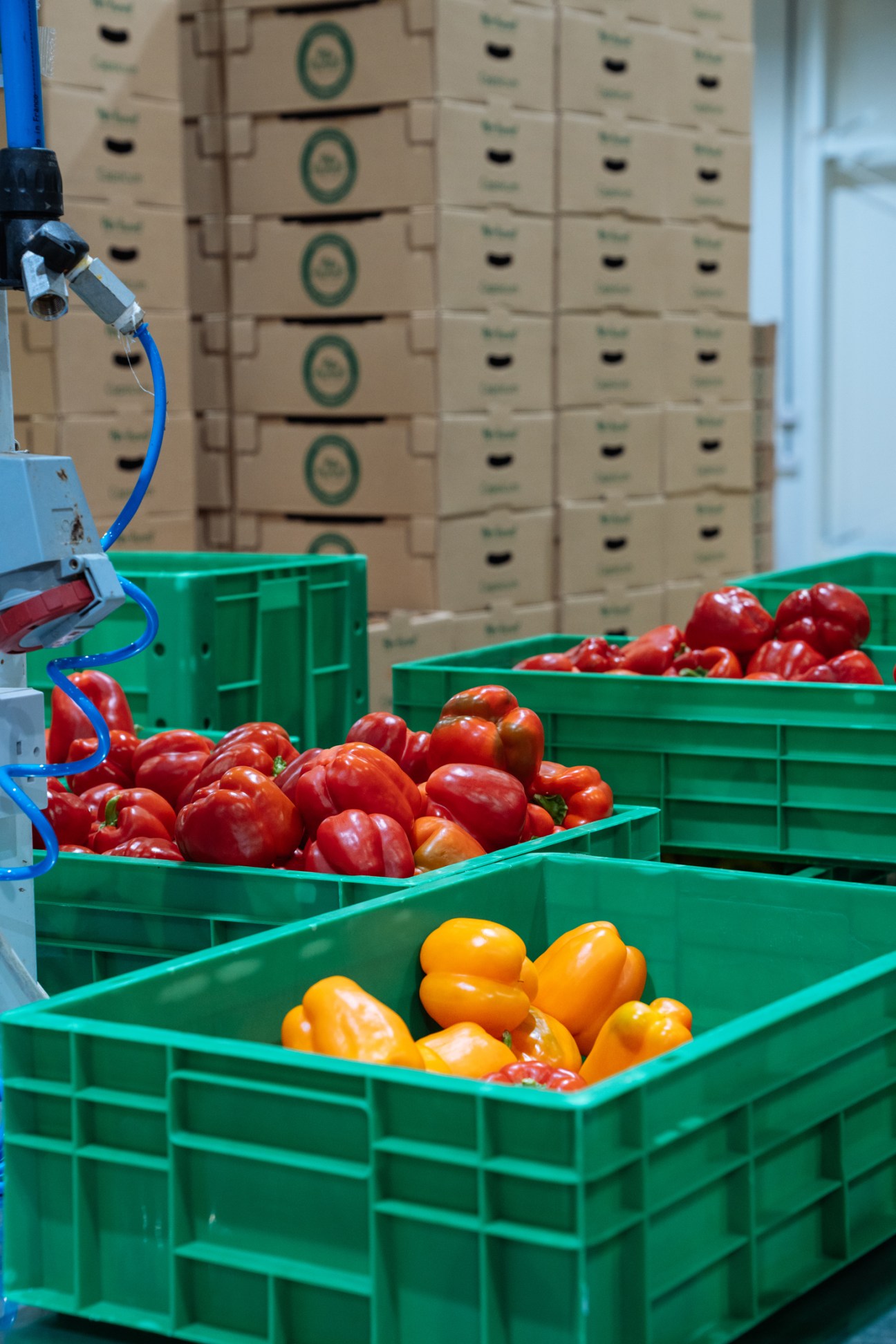
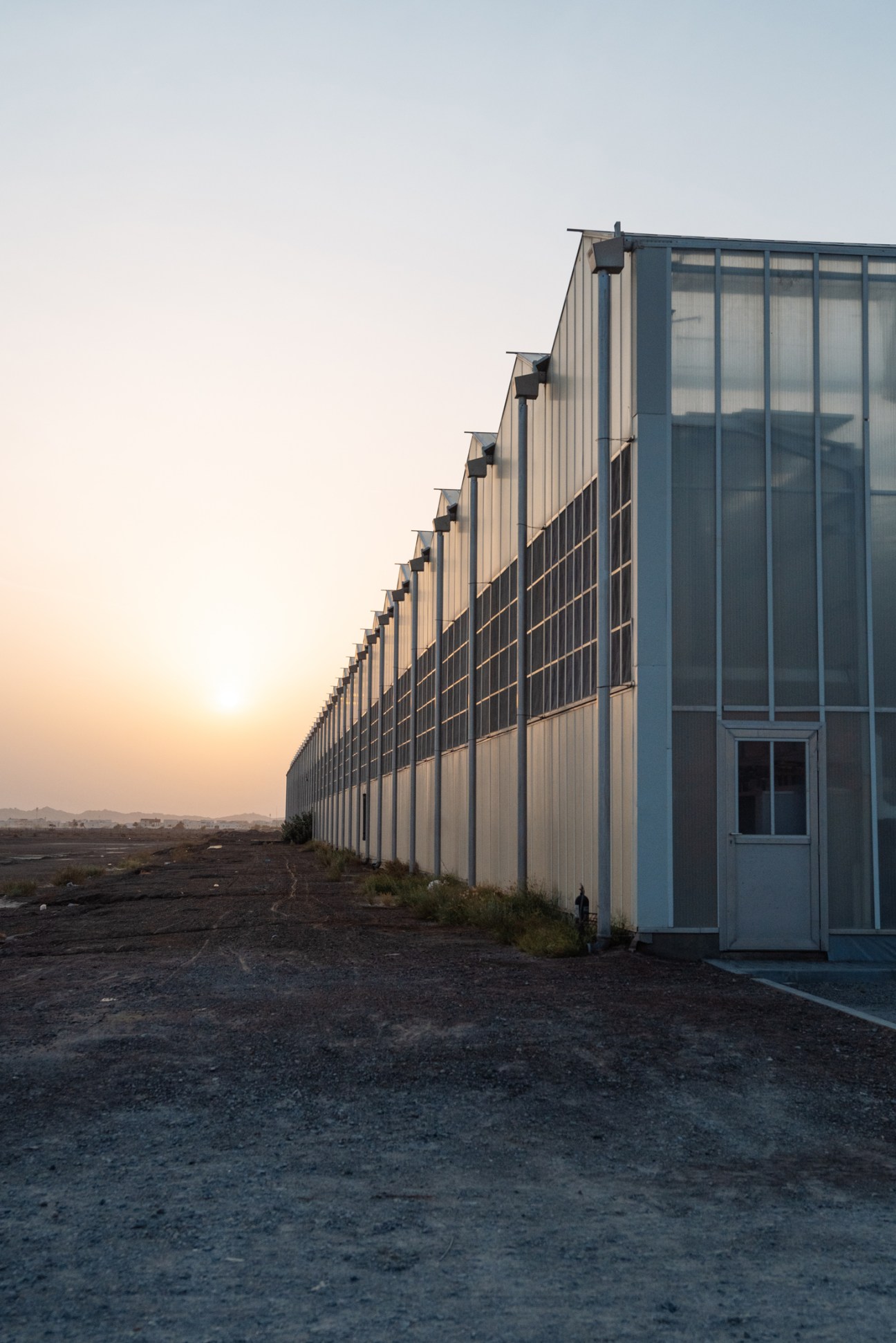
Kurtz is co-founder of Pure Harvest Smart Farms, a start-up based in Al Ain, an oasis city east of Abu Dhabi. After making wearable devices for cattle and managing assets for venture capital firms in Silicon Valley, Kurtz wanted to “make a dent in the universe” and set about revolutionising how people in hot, harsher climates get their greens.The strawberries are grown in one of the firm’s vast greenhouses, which can grow crops even in the extreme heats of a uae summer. According to Pure Harvest, 83 per cent of the water put into the soil leaves with the vegetables, thanks to a highly controlled system of hydroponic irrigation. “It allows us to precisely control the nutrients to the plant,” says Kurtz. “We’re able to take the water that’s not utilised, run it, treat it and put it back into the system so that we don’t lose fertilisers or the water. We are 30 times more productive than a field farm and typically 20 times more water efficient.”
Those might sound like grand claims but fresh strawberries, he says, used to be a status symbol in these parts: “Like the keys to a fancy car, if someone pulled them out at a party, it meant that they were doing well.” Indeed, the uae imports about 41,000 tonnes of food a day and 85 per cent of its total consumption arrives from overseas. That is an extraordinary amount of air freight and an uncomfortable reality of sustaining growing cities in the desert, especially when the country is set to host the Cop28 climate conference later this year.
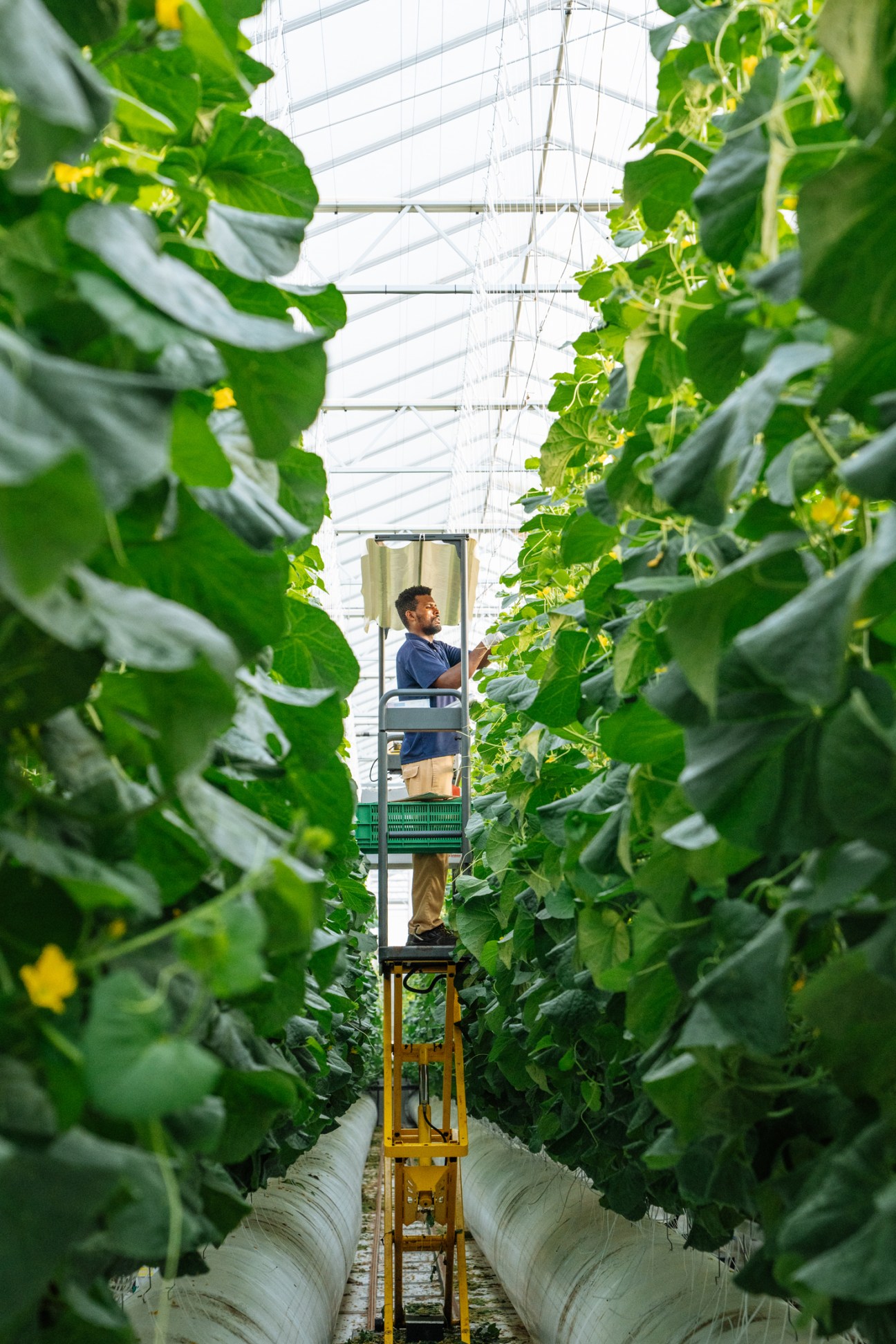
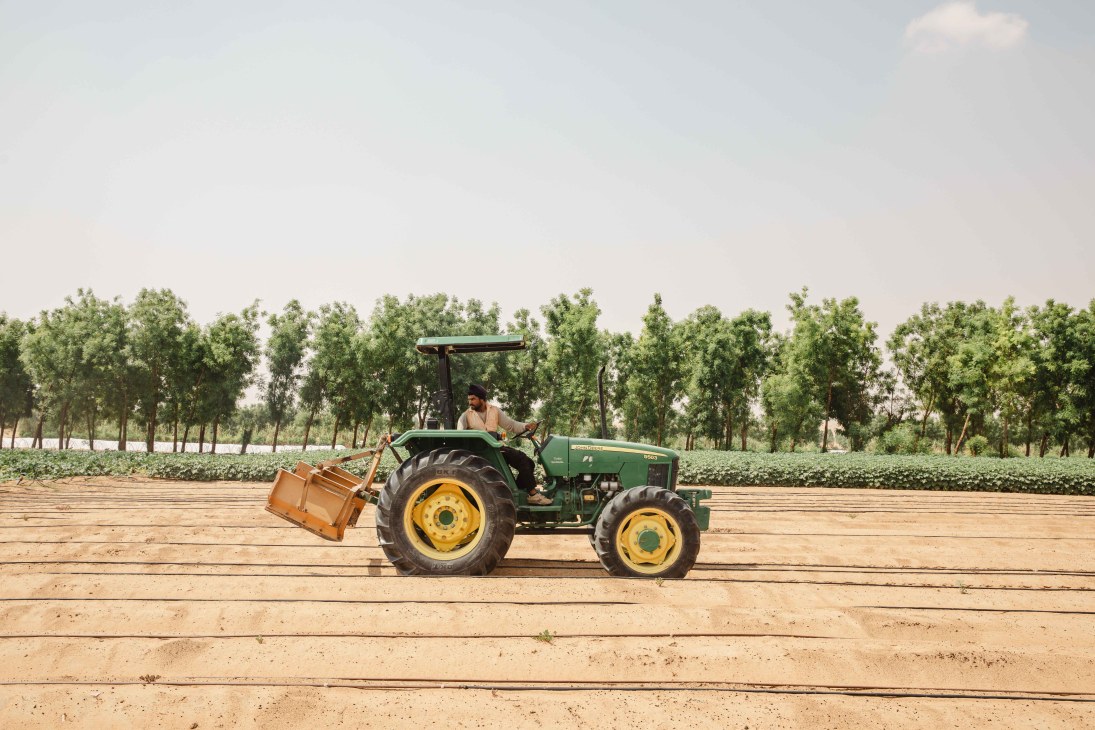
Yet it represents a moment of opportunity for entrepreneurs like Kurtz. In addition to addressing the environmental cost of relying on imports, the disruption to global supply chains during the pandemic has underlined the need to secure food stocks for the future. A government plan published earlier this year looks to support the uae’s 38,000 farms, mostly smallholdings, by getting more of their food to market. There’s a rush of investment in sustainable ways to farm locally.
Last year Pure Harvest secured $180.5m (€170m) in funding from investors. It is one of a number of start-ups based in the uae that use technology and old-fashioned desert smarts to bring a reliable harvest closer to home. Crop One in Dubai, for instance, is the world’s largest “vertical farm”. It now grows vegetables served on Emirates flights in a lab-like setting where plants are nurtured by led lights and monitored by artificial intelligence (AI). iFarm, a Finnish agritech start-up that also builds vertical farms, relocated its headquarters from Europe to Abu Dhabi earlier this year in a bid to tap into demand across the gcc and be closer to a new generation of growers in Asia-Pacific. In Sharjah, a government-funded wheat farm has just embarked on its first harvest and many of its processes are powered by AI.
There’s a lot of money available for those with fresh ideas too. In 2021, the uae and US Department of Agriculture (USDA) agreed to jointly encourage investment in climate-friendly and resilient agriculture. “Our agri-sectors are very different but we’re both focused on increasing investment, and on innovation,” says Jaime Adams, senior advisor for international affairs at the usda. So far, the partnership has helped direct $13bn (€12.4bn) of investment from private and public sources to agritech start-ups around the world.
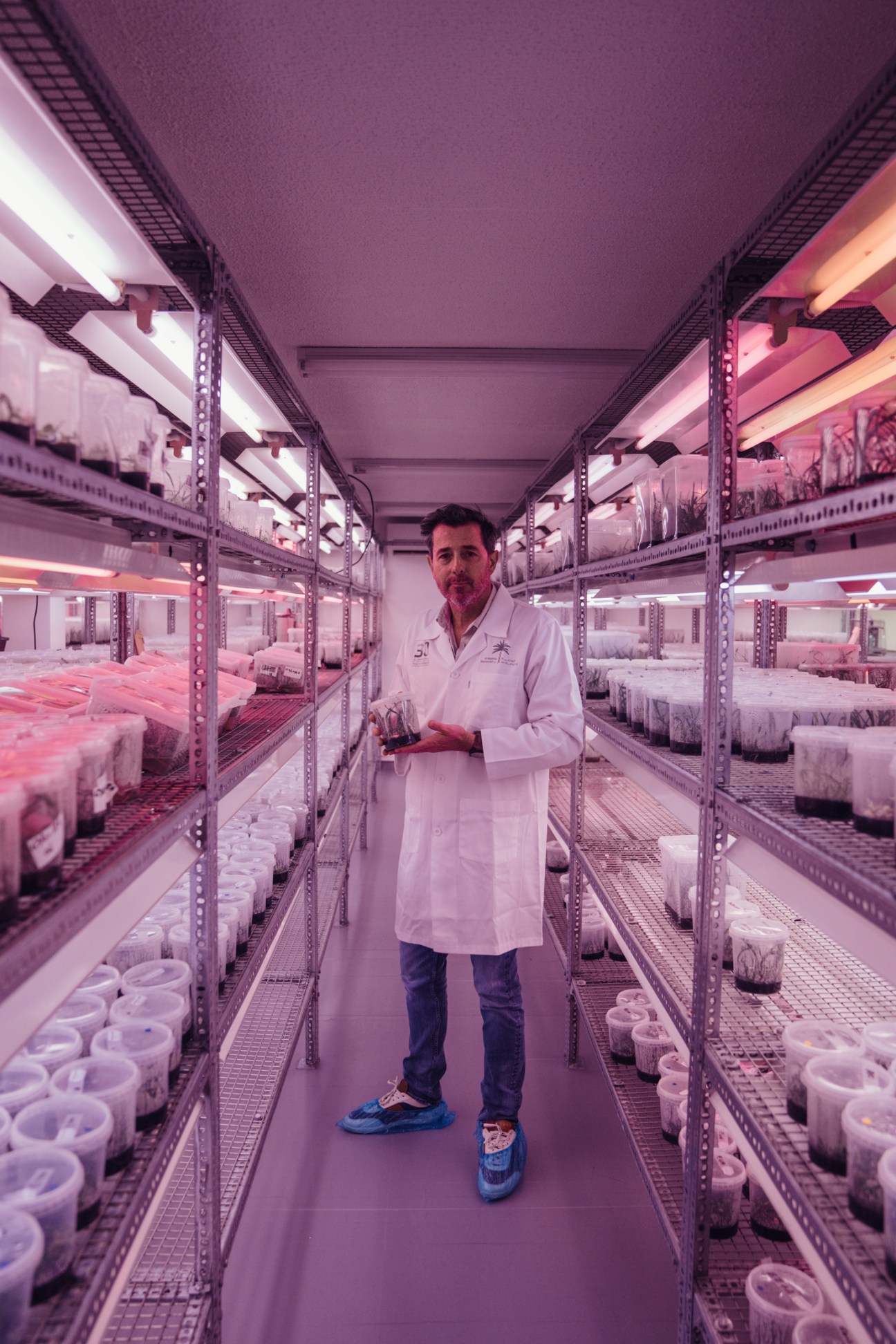
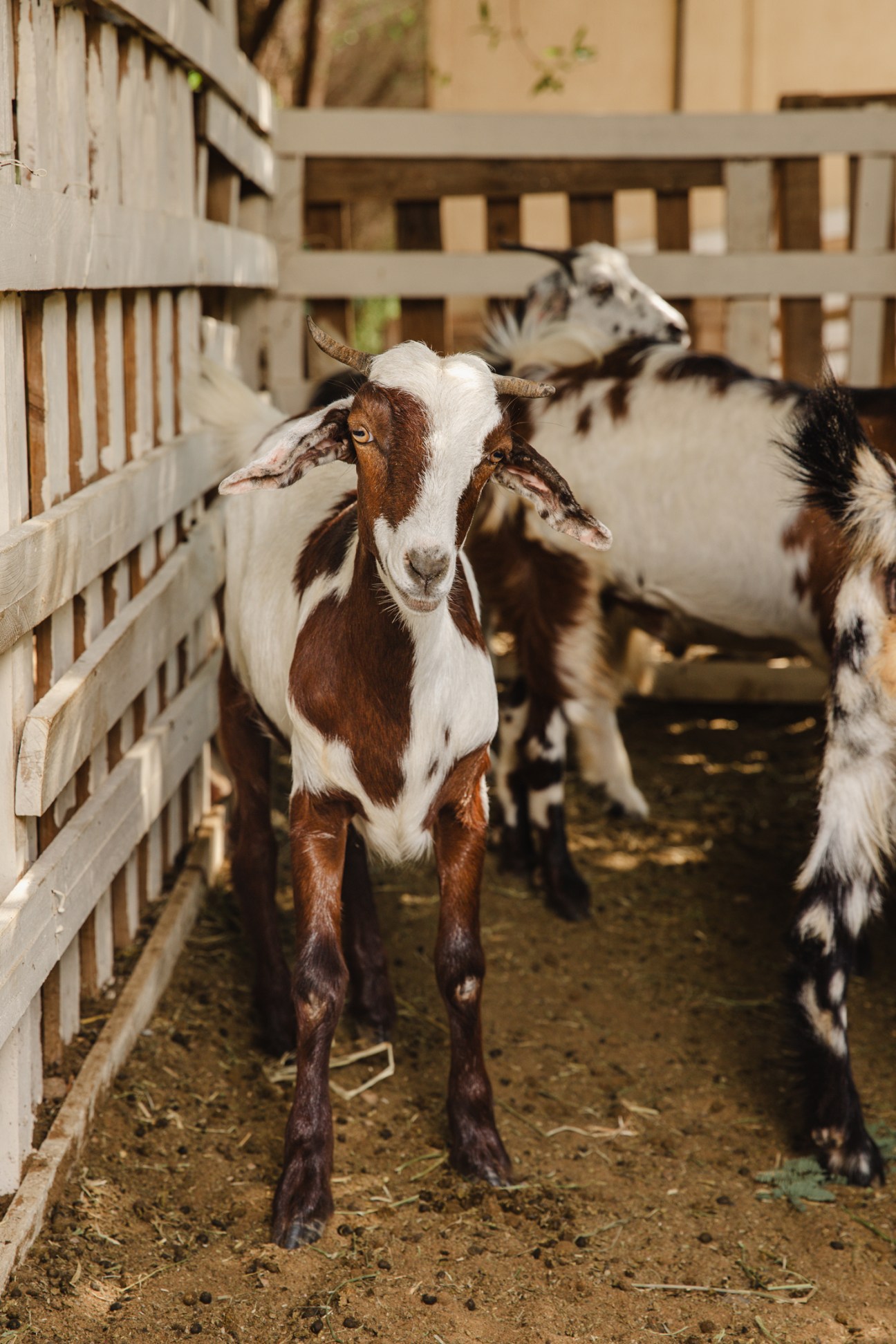
Donning a plastic poncho, Kurtz leads Monocle excitedly through his own high-tech greenhouse. Gutters of soil are machine-seeded before being whisked off on conveyor belts to join rows of lettuce, kale, spinach and rucola. The greenhouse is the size of a football pitch, kept at the temperature of a Mediterranean summer via a system of air-conditioning and louvred glass. Rows of seeds slide forward almost imperceptibly, germinating on a lower deck before they ascend a conveyor belt to soak up the sunlight. Jans Prins, Pure Harvest’s head grower, surveys the scene contentedly. “We now have a lot of data about plant diameter and growth rates, and are developing AI tools that will eventually reduce the burden and reliance on the grower,” says Kurtz. “Experts like Jans are expensive, hard to find and highly skilled.”
A second Pure Harvest farm is now in operation just down the road and the company is also retooling traditional farmers’ fields in Saudi Arabia. The founder has an eye on revolutionising the sprinkler-fed farms that dominate in his native Arizona. “We started this in the uae to prove that the technology could work anywhere, even in the sometimes hellish environment of the summer here,” says Kurtz.
Case study: hot dates
Dates are a revered source of natural sustenance in the uae, in part because each one is a little miracle. The date palm is fickle: growers can wait years for one to mature to find that it doesn’t yield fruit. Franck Marionnet arrived in the uae in the 1990s and brought a technology called “tissue culturing” that creates more reliable date palms in a lab. It was based on a method for growing strawberries developed by his family in France. “We don’t genetically modify, we just reproduce exactly the genetic qualities of the varieties that we produce,” says Marionnet from his lab outside of Abu Dhabi. “The advantage that they have compared to natural plants is that they will be healthy with a tendency to grow faster and provide a greater yield.” His company, Al Wathba Marionnet, exports date palms across the world but the uae remains its base of operations. “We have hundreds of thousands of our trees now planted across this country.”
Pure Harvest-branded vegetables can now be found in supermarkets around the uae. But all the tech comes at a cost: Kurtz calls his admittedly excellent produce “premium local” and it’s more expensive than the hardy tomatoes that are trucked in every day from Jordan and Iran. Similarly, while a lot of new vertical farms are opening around the gcc, those artificial lights require a lot of costly energy. To make sure that everyone can buy local, uae farmers say that there is value in going back to the land.
“In Holland, they have 100 days of sunshine, whereas we have 300, yet we’re the ones going vertical and growing with leds?” says Yazen Al Kodmani, a Syrian-Canadian entrepreneur who runs Emirates Bio Farm, the country’s largest fully-organic farm in Abu Dhabi. “We need a multi-pronged approach to securing food stocks.”
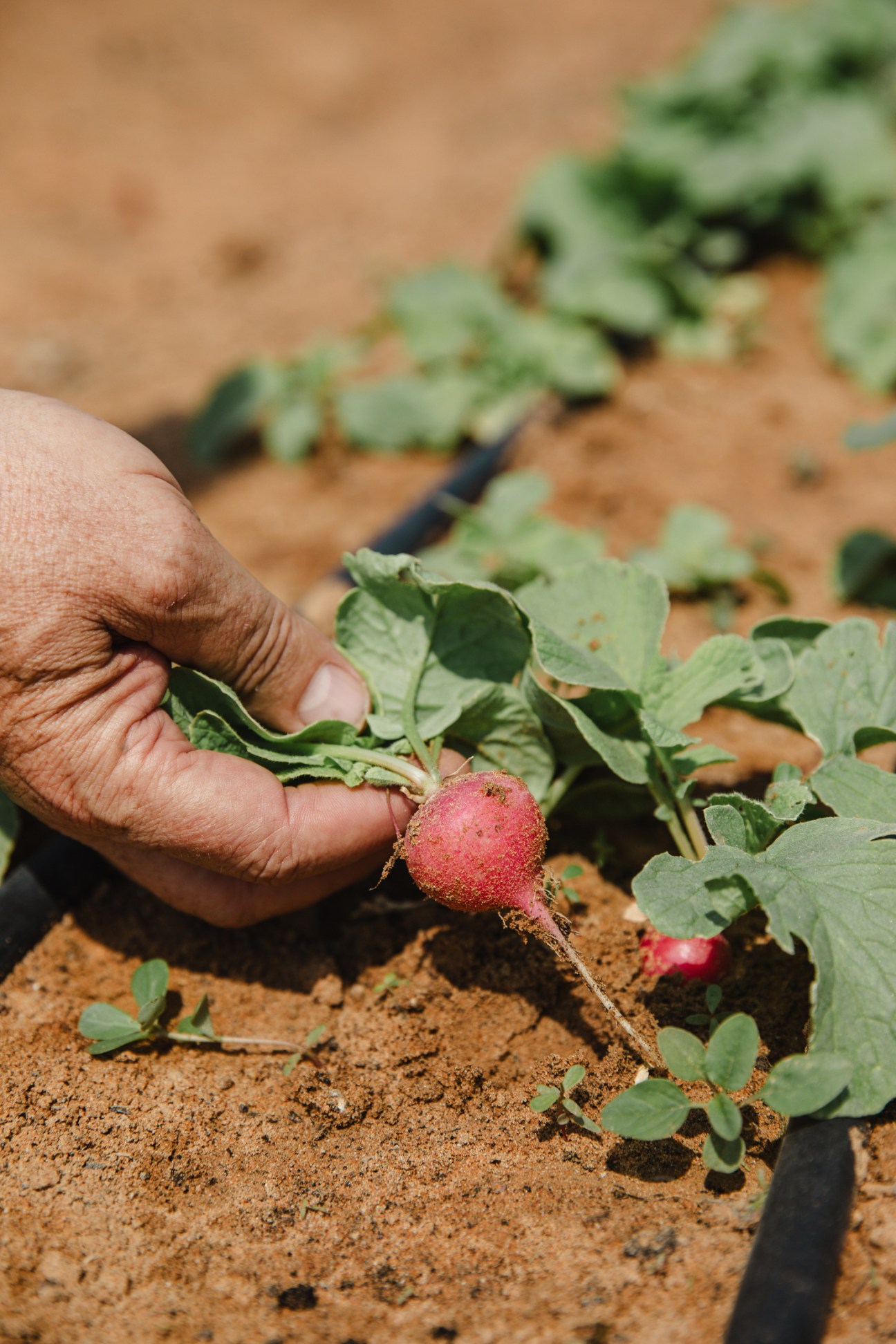
Al Kodmani’s farm supplies restaurants, markets and distributors around the uae, growing carrots, potatoes and other staples of local cooking across 25 hectares. Since starting in 2016, it has become a powerful force in the country’s nascent farm-to-table movement and has its own on-site produce market and restaurant.
Although Al Kodmani is looking to use sensors and drones to monitor some of the farm’s processes, right now it’s run on drip irrigation, fertilisation (from 15,000 chickens) and simple planting methods to create shade along with netting and some basic greenhouses. He has come to accept that, in the summer months, growing is too resource-intensive; July and August are set aside to ready for the next season. It is in those months, Al Kodmani says, when high-tech solutions come into their own.
Al Kodmani is now working on the uae’s Food Innovation Hub, part of a project by the World Economic Forum to gather expertise on how to create the next generation of local growers. It’s a spirit that runs in the family: his father came to the uae from Syria in the 1970s in search of opportunity and heard about “a man who was greening the desert”, the country’s first president, Sheikh Zayed bin Sultan Al Nahyan, who hired the young agricultural engineer to help build a crop-farming industry from scratch. In a way, those looking for smarter ways to secure food stocks today are continuing that early project. “We get about 1,000 visitors a week to the farm in the winter months and a lot of people arrive a bit sceptical,” says Al Kodmani. “But then they see bees, dragonflies and birds all over the field and they know that we’re not spraying crops. There’s definitely a magic up there.”
Restaurants we recommend
There is still some way to go before there is a true farm-to-fork movement in the uae but a handful of restaurants are making a point of building their menus around what is in the ground locally. Here are three to try.
1.
Lowe
The creation of Australian chefs Jesse Blake and Kate Christou, Lowe was the first restaurant in the uae to win a coveted Michelin Green Star.
2.
Teible
Chef Carlos Frunze works closely with farms in the uae to develop seasonal plates in this restaurant in Dubai’s Jameel Art Center.
3.
Les Dangereux
White Hospitality’s fine-dining spot in Abu Dhabi has its own 113,000 sq m farm on Yas Island to grow its produce.
Case study: oceans of opportunity
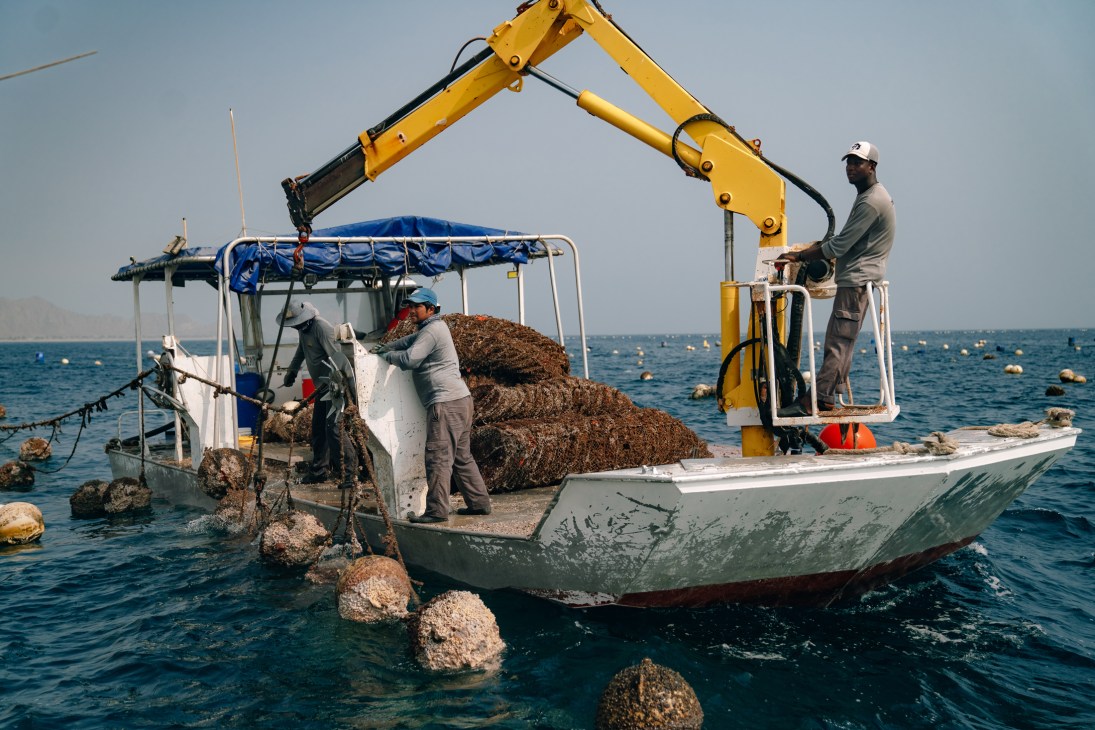
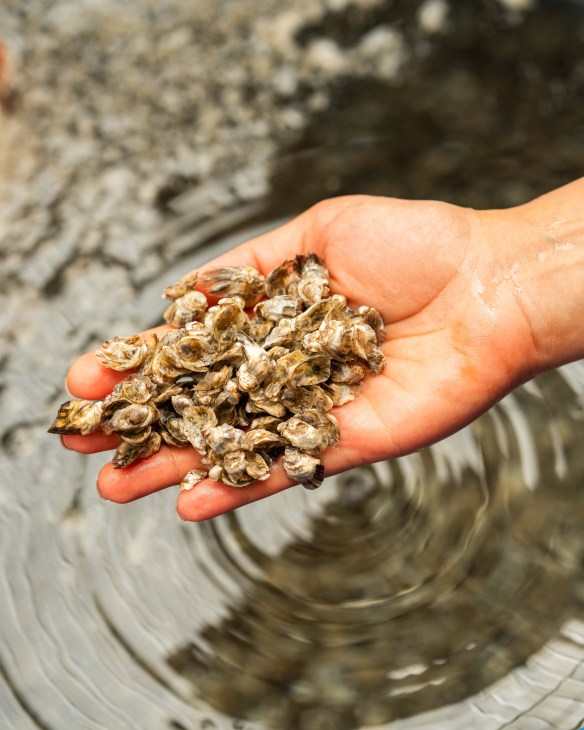
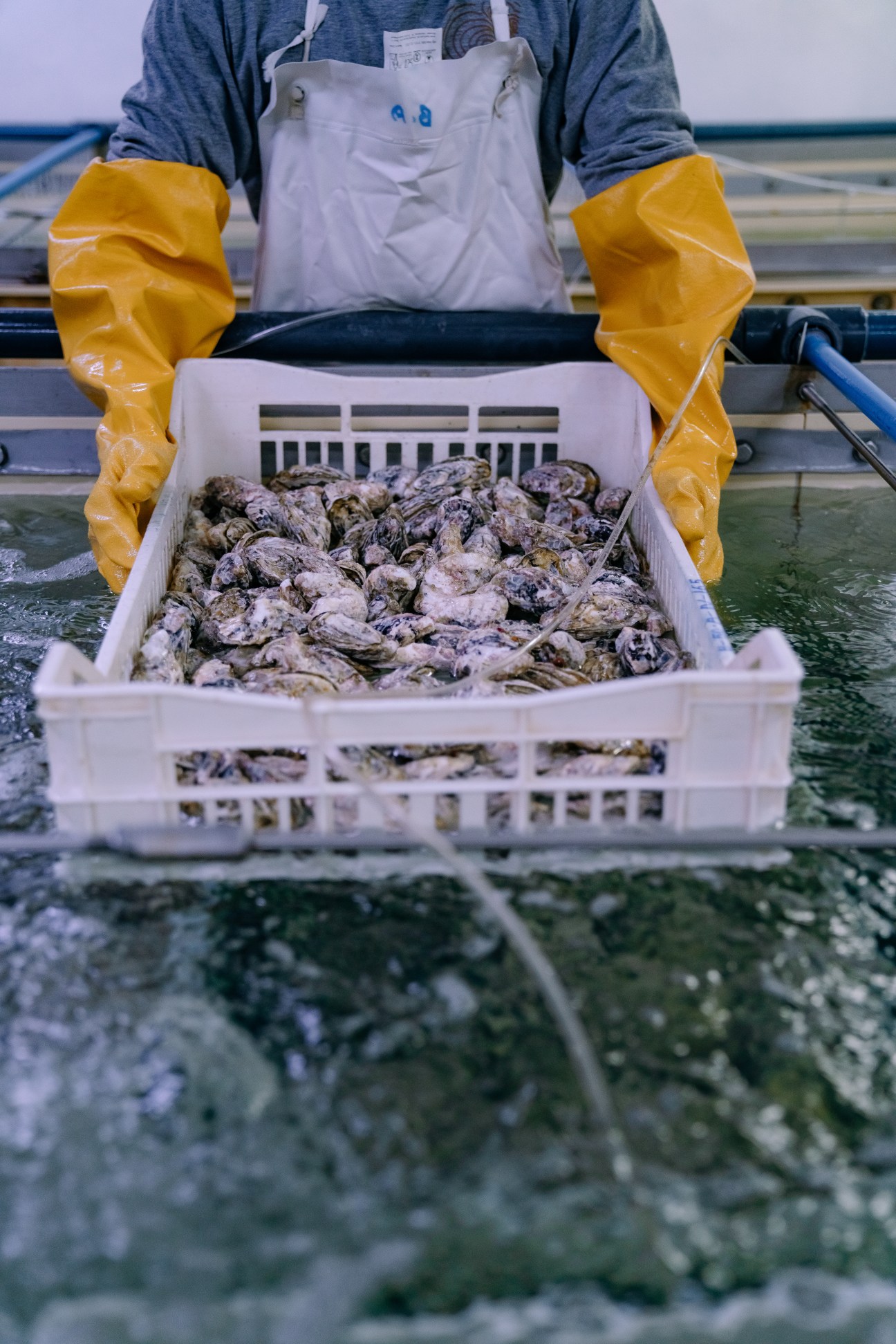
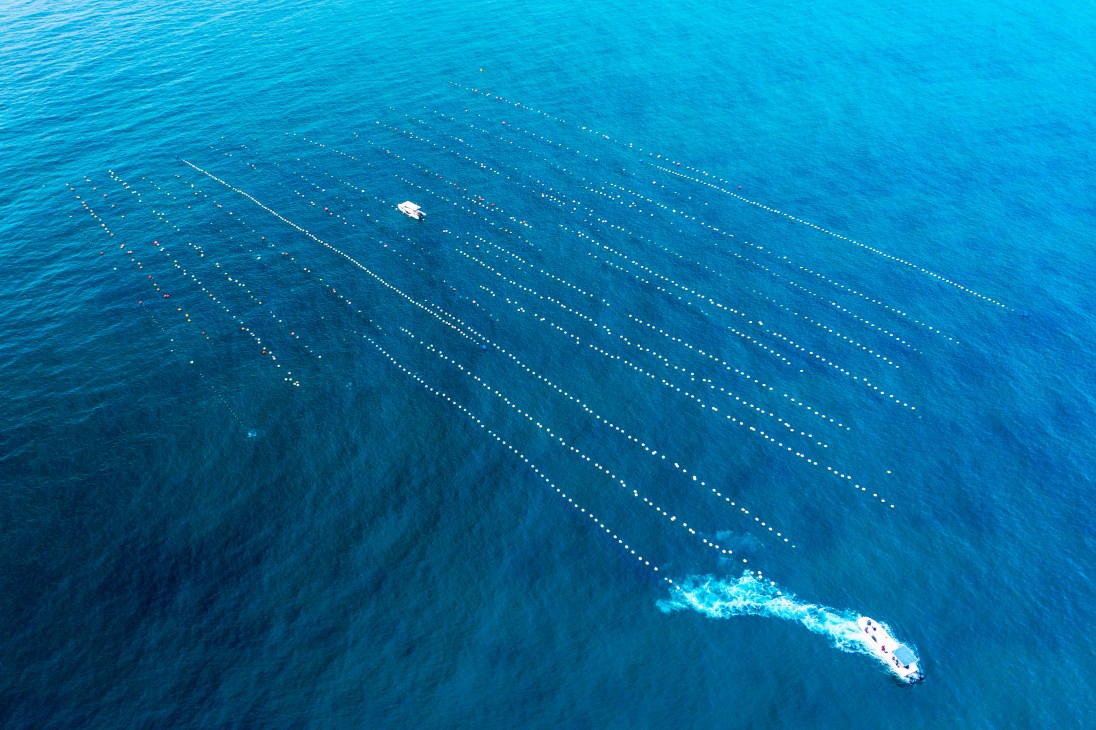
The uae imports the majority of its seafood, which is frozen and flown in from far and wide, but in 2016 Ramie Murray, a British entrepreneur and industrial designer by training, spotted an opportunity: he began farming oysters on the coast of Dibba, a quaint town in the emirate of Fujairah. His shells are now served in high-end restaurants around the uae. “The Pacific cupped is native to Japan and China and represents about 90 per cent of the world’s farmed oysters, but no one thought the species could survive here,” says Murray. “There are upwellings of cooler, nutrient-rich waters from the depths of the Indian Ocean off the coast of Fujairah, so we did a pilot and now we’re getting market-size oysters in nine months.”
Murray says that his company, Dibba Bay Oysters, has a 40 per cent market share in the uae. “We have replaced a huge chunk of what was being flown in by air,” he says. Initial take-up of his home-grown molluscs was hampered by sniffiness. “People would call asking if we did Fin de Clair oysters, which are French, and didn’t want ours,” he says. “It was an uneducated market.” But the tide has turned. “Consumers here are used to getting the best so, to have such a significant market share in a prestige sector, you have to be really good.”
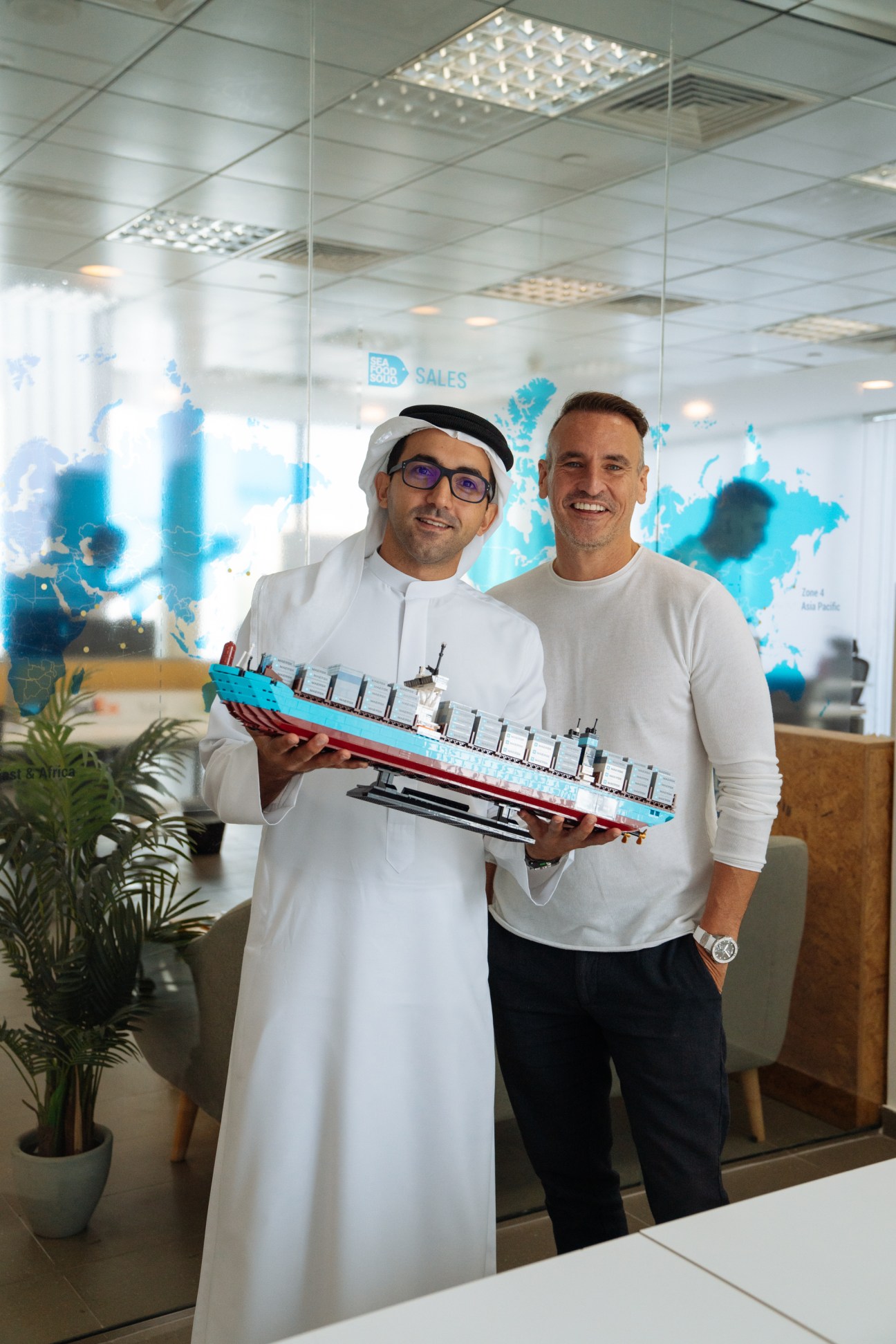
While uae waters sustain some surprising sea life, there is much that can’t be found locally. With that in mind, Fahim Al Qasimi and Sean Dennis created Seafood Souq, a tech start-up that helps importers, restaurants and hotels trace the exact origins of fish and shellfish that they purchase. Working with suppliers in 47 countries, the online tool connects customers with suppliers who are catching sustainably and paying fisherfolk a fair deal. “It’s also an intelligence platform, which tracks international trade and can understand trends or shortages before they happen,” says Dennis. “From a food security perspective, this is a first for the industry.”
Rising Stars
1.
Medical tourism
Health by numbers
How are you feeling? If you’re in the medical industry, then business is in rude health. The UAE’s spending on healthcare is expected to rise to 6 per cent of GDP by 2026, according to a report by KPMG, with 700 (mainly private-sector) healthcare projects now in development.
Meanwhile, the UAE’s Ministry of Economy estimates 2021’s medical tourism sales (valued at €2.3bn) grew by 17 per cent, while the private-healthcare sector grew by almost 10 per cent in two years. In 2022, about 674,000 international visitors to Dubai spent €270m on everything from dermatology to dentistry. The doctor will see you now.
2.
Groceries
Home deliveries

The boom in e-commerce sales means that the gcc market alone was worth nearly €30bn last year. Interestingly, before lockdown, just 5 per cent of e-commerce spending in the UAE was on groceries or food delivery. At the height of the pandemic, that rocketed nearly fivefold to 24 per cent and some habits stuck.
As well as shopping online and enjoying new delivery options, many people are also spending more on food at shops such as Maison Dufour, Jones the Grocer, and Organic Foods and Café. Not to mention the success of Kitopi, a popular cloud kitchen delivery service backed by Japan’s Softbank.
3.
Space
Aiming high
As the UAE sets out to boldly go where – well – relatively few people have gone before, investment in space-related technology is taking a giant leap forward. The UAE is one of only a few Arab nations with a space programme, set up in 2014, and its agency has an investment chest of some €5.2bn.
The plan? To develop the region’s position as an aerospace player and help to establish partnerships in the fledgling industry. Nibras Al Ain Aerospace Park and the Center for Space Science at NYU Abu Dhabi have already launched innovative new projects and in satellite technology alone there’s Thuraya, DubaiSat, YahSat and KhalifaSat.
4.
Fintech
Rising rates
Financial technology firms have found fertile ground in the Middle East. The UAE’s fintech market alone is estimated to be worth €39.3bn (in terms of transactions) in 2023. What’s more, it’s growing by 15 per cent a year: talk about a rising interest rate. The 134 businesses – including 80 start-ups – in the sector employ 2,000 people but it’s the arrival of institutional investors that will help with everything from remittances to cybersecurity, mobile payment processing to monitoring investment portfolios. Businesses to bank on include credit service Tabby, payment technology company Bridg and insurtech platform Democrance.
5.
Artificial intelligence
A surprise boom
Artificial intelligence (AI) is here to stay. It can help to deliver value in so many different ways – from processing and looking for data patterns to increasing efficiency across the board.
And while efficiency is the first stage, efficacy – which would involve properly improving services – will hopefully be the next. McKinsey says that AI’s payoff in the gcc region alone might deliver as much as $150bn (€143bn) in value to the economy (nearly 10 per cent of the region’s GDP) and many others predict that it will quickly surpass this. Understanding its applications will be crucial to futureproofing the economy.
6.
Robotics
Welcome to the future
People never used to take much pride in labels that said “made in the UAE” but today it’s becoming a mark of quality. While there isn’t much heavy industry, a few forward-thinking players are building everything from aerospace parts to firefighting robots.The Dubai Robotics and Automation Program hopes to increase the sector’s contribution to 9 per cent of Dubai’s GDP by 2032. It also plans to roll out 200,000 robots that manage everything from logistics to services and manufacturing. It’s time to get with the programmers.
7.
Desalination
Waves of change

Water is fundamental to humanity but its scarcity in the UAE makes it even more prized. The region has invested in desalinating seawater, treating and using more than two billion cubic metres of seawater a year. Over 40 per cent of the country’s drinking water comes from 70 desalination plants (14 per cent of the world’s supply of desalinated water). The UAE’s Water Security Strategy 2036 is expected to increase capacity and storage in case of climate-related emergencies; meanwhile, Dutch start-up Desolenator uses solar energy and Abu Dhabi-based start-up Manhat is looking to help capture and collect water from natural sources.
Inside Track: the UAE is racing ahead with mobility options
Getting to and around the UAE has never been easier. At a speed most countries could only dream of, the Emirates – formed in 1971 on a largely arid patch of land beside the Gulf – has become a global hub for aviation, cargo and increasingly talent too. From the high-rises to the street-level souks and shopping malls, this part of the world remains a meeting point for modern-day merchants and entrepreneurs from across the region and beyond.
While there are long-term plans to develop Al Maktoum International into an even larger airport (said to be capable of serving 255 million passengers a year by 2050 and costing a whopping €31bn), there are also other ways to get about. Once you’re here – whether you arrived by Emirates or one of the countless carriers that already make Dubai International among the busiest airports in the world – all seven emirates are accessible by road. The car remains the primary mode of transport, yet journeys by public transport increased by more than a third in Dubai in 2022, thanks to extensions to the Dubai Metro network, which now measures almost 90km and serves 53 stations. Next stop? Etihad Rail’s ambitious national service is on track to connect the emirates when it opens to passengers later this year.
In recent years cycling has become a popular pastime (though perhaps not quite a viable way to commute) and a ferry route recently reopened between Dubai and Sharjah, showing a willingness to look back to traditions of travelling by water for getting around. Mercifully, developers are increasingly focused on making neighbourhoods more walkable too. Shall we take a stroll to get our bearings?
Know your emirates
Divided between the families of the ruling tribes when the UAE was founded, each of the seven emirates has a distinctive character – and a namesake capital city. While Dubai might draw the majority of attention (and raise the most eyebrows), each has much to recommend it.
Abu Dhabi
The government hub and the largest emirate, Abu Dhabi stretches far west into the Rub’ al Khali (Empty Quarter) and includes a wealth of islands. Home to more than 90 per cent of the nation’s oil wealth, Abu Dhabi’s capital has attracted world-leading institutions, such as outposts of the Louvre, the Guggenheim and NYU, plus plenty of homegrown businesses and neighbourhoods on the up.
Dubai
The most populous city in the UAE with more than three million inhabitants, Dubai is perhaps best known for its vertiginous towers, sandy beaches and glitzy hotels. The real story is more nuanced. Once a small fishing village, it is now a modern international hub that is home to the world’s tallest building, one of the busiest airports and about 10,000 small and medium start-ups.
Sharjah
The third-biggest emirate in terms of both area and population, Sharjah is working hard to preserve its heritage and is Unesco’s Cultural Capital of the Arab World. With dozens of museums and galleries, the emirate’s capital has the most to offer when it comes to the arts. Sharjah is dry, which also makes evenings a little quieter. With land on the UAE’s east and west coasts, visitors have options for city life or coastal tourism.
Ajman
Ajman is the smallest emirate in size but not by population. The culture is steeped in generous Arabian hospitality and it has been a centre for shipbuilding in the region for hundreds of years. Ajman also has an equestrian centre and is home to an illustrious stud farm.
Umm Al Quwain
Accounting for just one per cent of the UAE’s landmass and the least populous emirate, Umm Al Quwain is best known for its natural bounty. Nestled between Sharjah to the south and Ras Al Khaimah in the north, it’s a place to glimpse gazelles, falcons and turtles. Better still, lush green mangroves line its shores. Fishing is big in Umm Al Quwain and it exports the catch throughout Europe and the Middle East.
Ras Al Khaimah
Ras Al Khaimah is the UAE’s most northerly point (its name means “head of the tent”). The emirate is known for a growing roster of luxury hotels, undisturbed beaches and the Hajar mountains. It is also home to the UAE’s highest point, Jebel Jais, near the border with Oman. The emirate has a diverse economy but most notably has become a manufacturing hub, with its output ranging from ceramics to pharmaceuticals and construction materials.
Fujairah
Some of the UAE’s most historical buildings stand in the eastern emirate of Fujairah. Al Bidya Mosque was built in 1446 and Fujairah Fort followed in the 16th century. A free-trade zone also exists, enabling the transport of goods across the Indian Ocean to more than 50 countries.
Mapping it out
Although much of what people think they know about the UAE happens in the cities Abu Dhabi or Dubai the country is much bigger and more diverse than many expect when they disembark their inbound flights. In its north-eastern corner the invisible borders of the emirates criss-cross and overlap: it’s also where you’ll find plenty of less developed beaches and mountains ready to be explored. Abu Dhabi (the emirate, not the city) dominates the landmass in the west, stretching all the way to the border with Saudi Arabia and encompassing stretches of the dune-dotted Rub’ al Khali (Empty Quarter).
Shifting Gear
Dubai might have built its own Metro system at lightning speed but the city remains road-centric, with many trips still made by taxi. There were about 11,300 taxis on the Emirates’ streets in 2022; collectively, they drove over 2 billion kilometres. That brings a lot of wear and tear to the vehicles but it’s where 24-year-old entrepreneur Zach Faizal saw an opportunity to help reimagine the fleet in a more sustainable way.
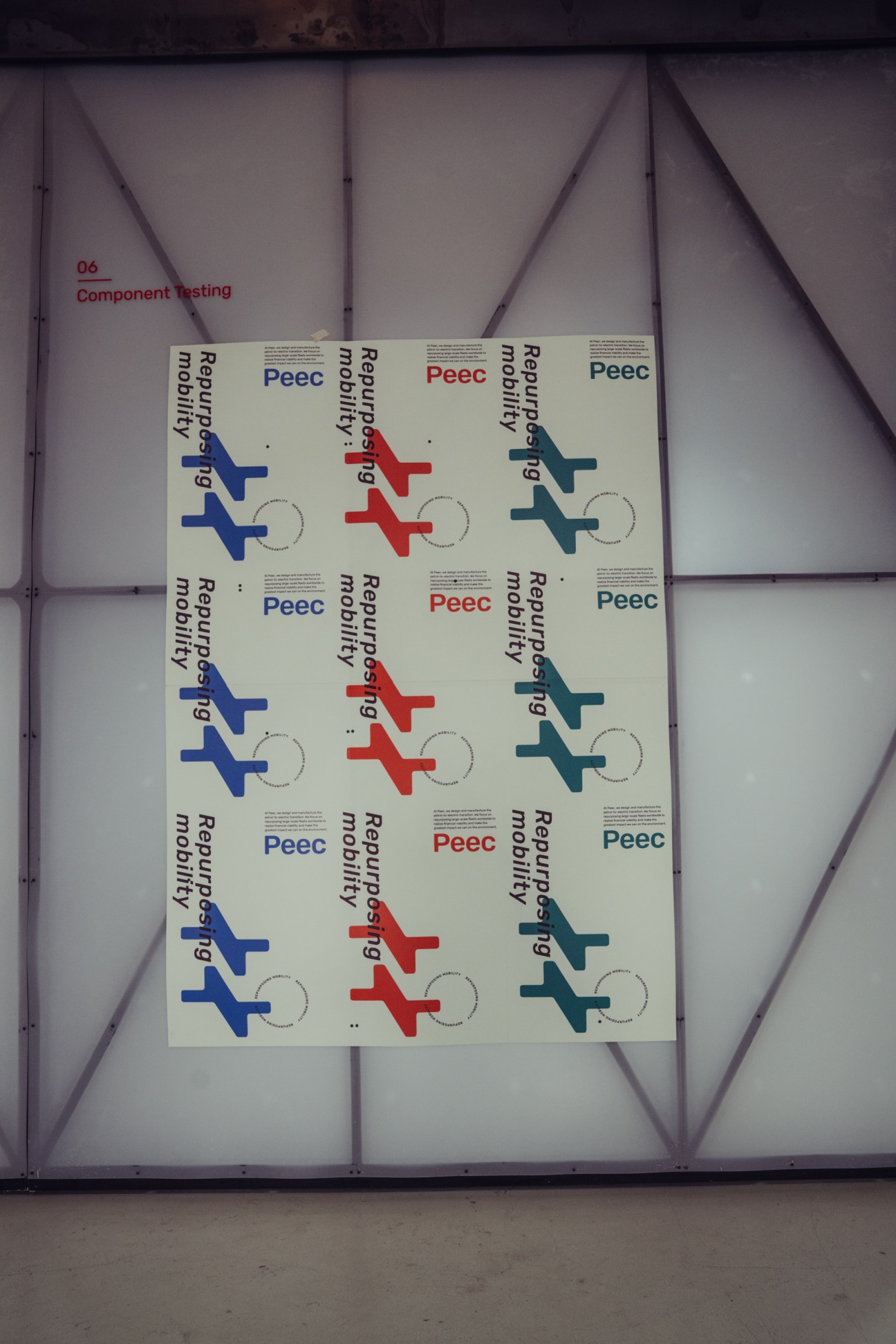
“About 10 to 20 per cent of taxis in circulation are scrapped here every year, so I told the Roads and Transport Authority, ‘Don’t scrap them; give them to me and we’ll repurpose them as electric vehicles,’” says Faizal, who grew up in Sharjah but had the inspiration for his business, Peec, while studying in the UK. “We have done it at 70 per cent of the cost of creating new electric cars and at 30 per cent less emissions.”
It’s only the beginning of the journey for Peec, which is unveiling its repurposed vehicle and technology at the 2023 United Nations Climate Change Conference (Cop28) in Dubai in late November. That will include a reinvented mid-sized sedan with a smart paint job, Flyknit-style upholstery and new electric motor. Faizal says that the team will have at least 500 of these operating on Dubai’s roads by 2024, pending final certification from the local authorities.
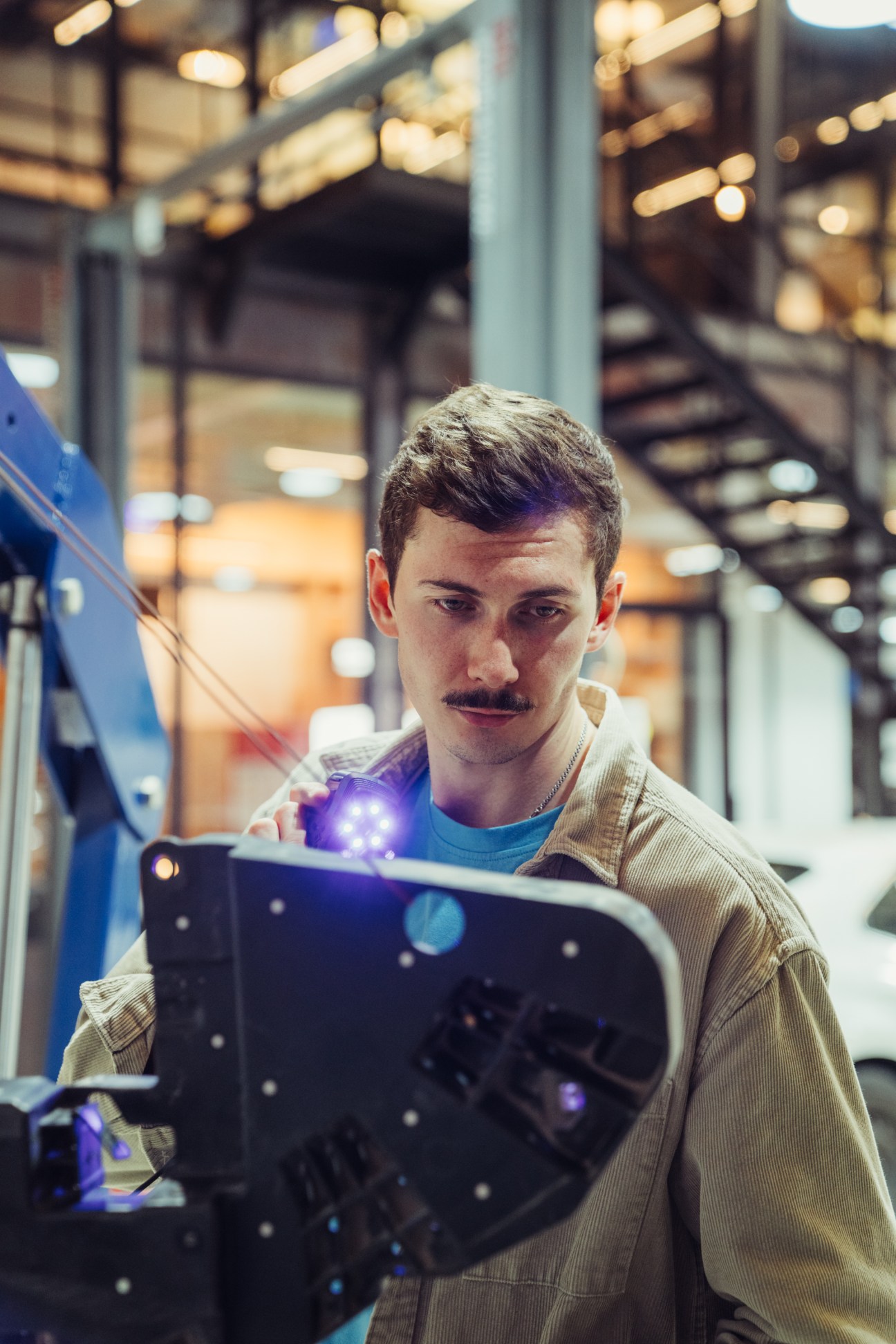
When Monocle visits, the prototype is standing in the company’s workshop in a row of industrial warehouses out in the desert, where Peec’s international team of coders and engineers has taken apart the car’s old petrol system and onboard computer, and has written its own software to help make the refit road-worthy. Under the chassis is a purpose-built device that keeps the battery cells cool enough to withstand the Gulf’s ferocious summer heat. “It’s tailor- made for this region,” says Luis Rodriguez, Peec’s Colombian-born head of operations.
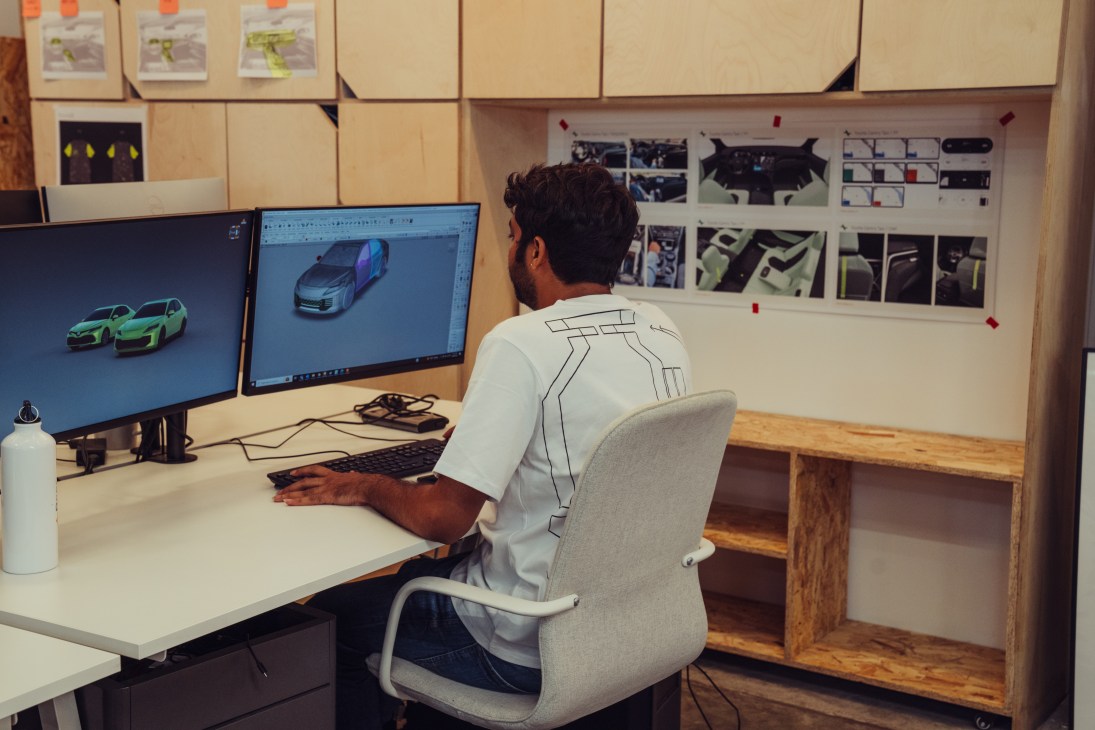
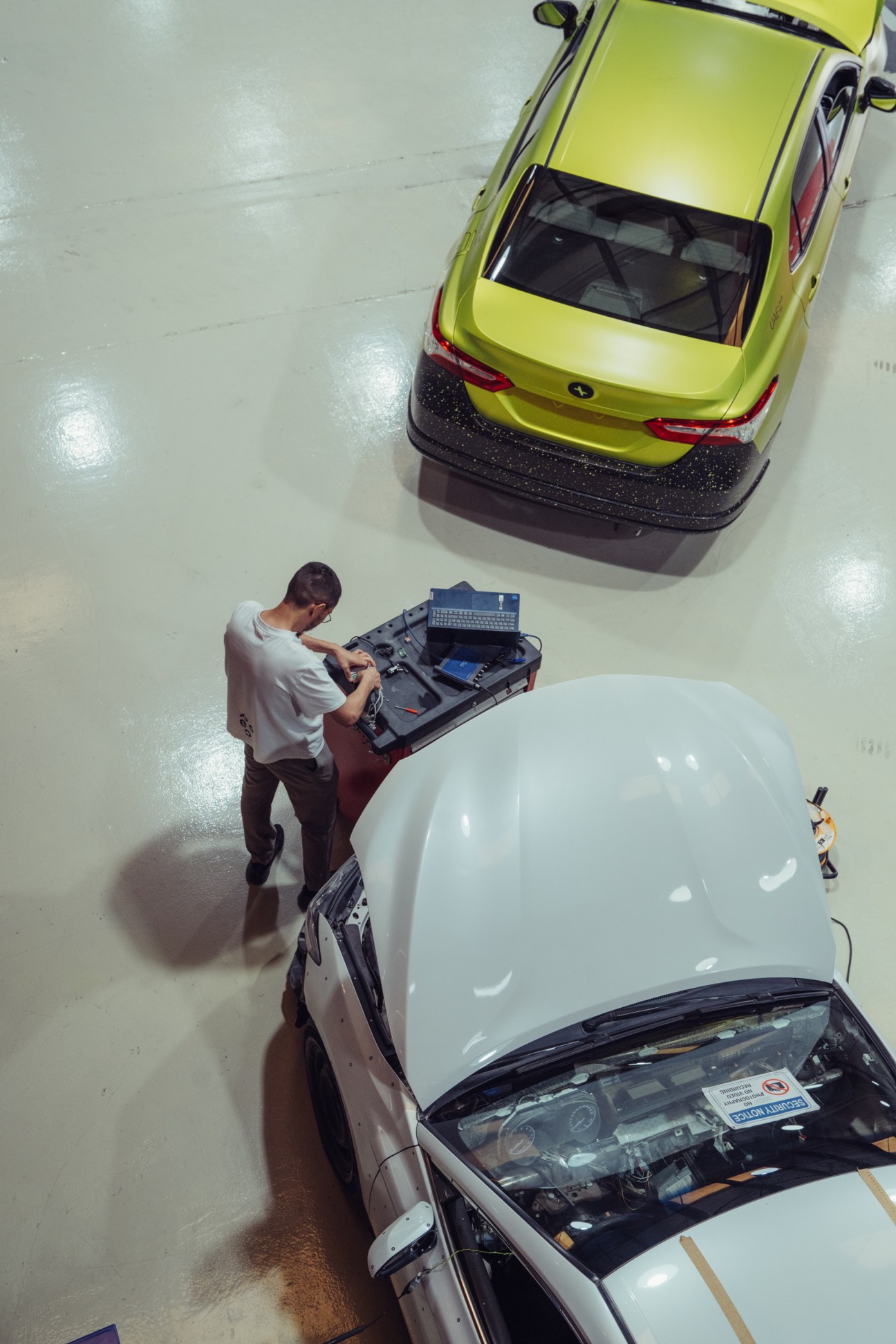
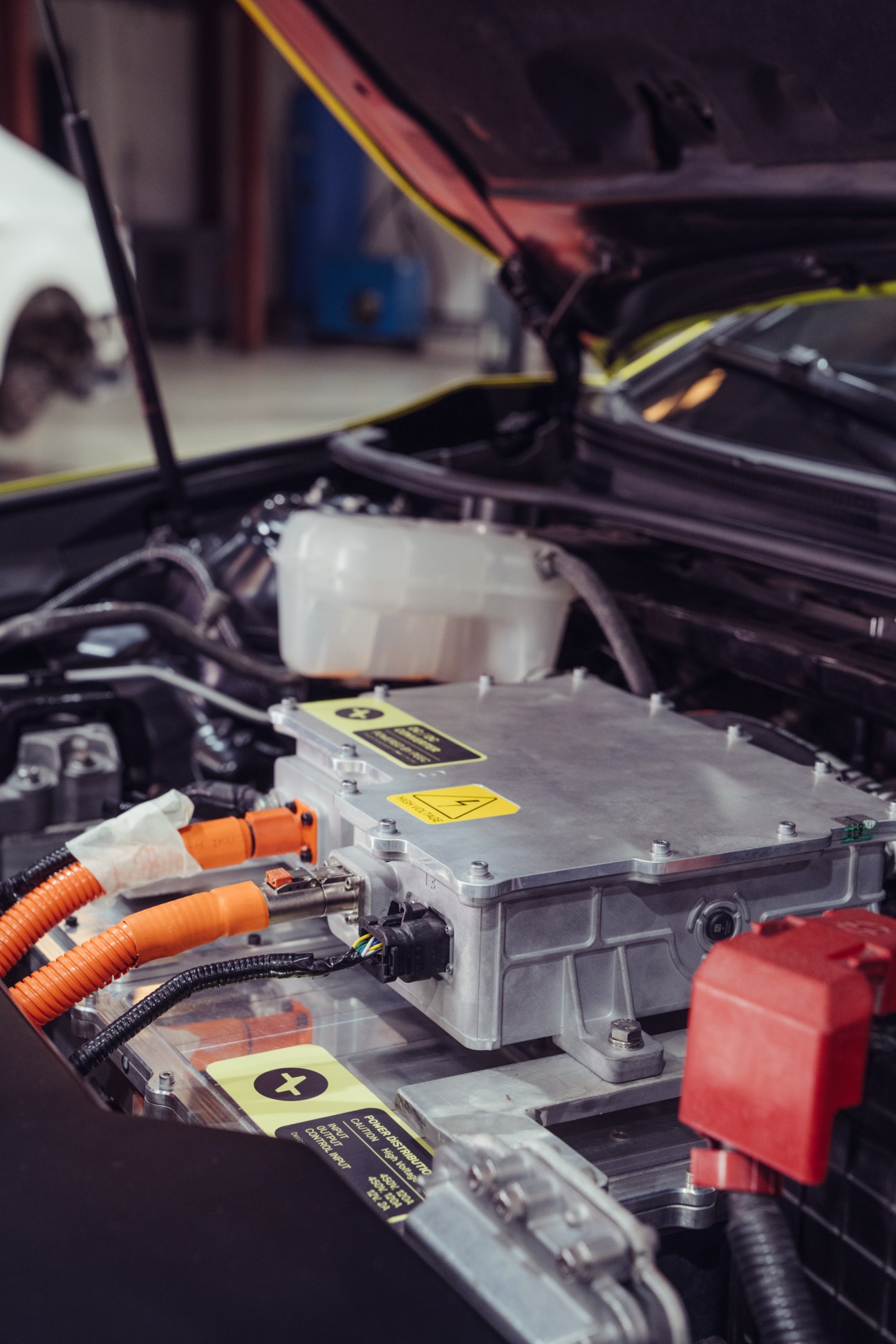
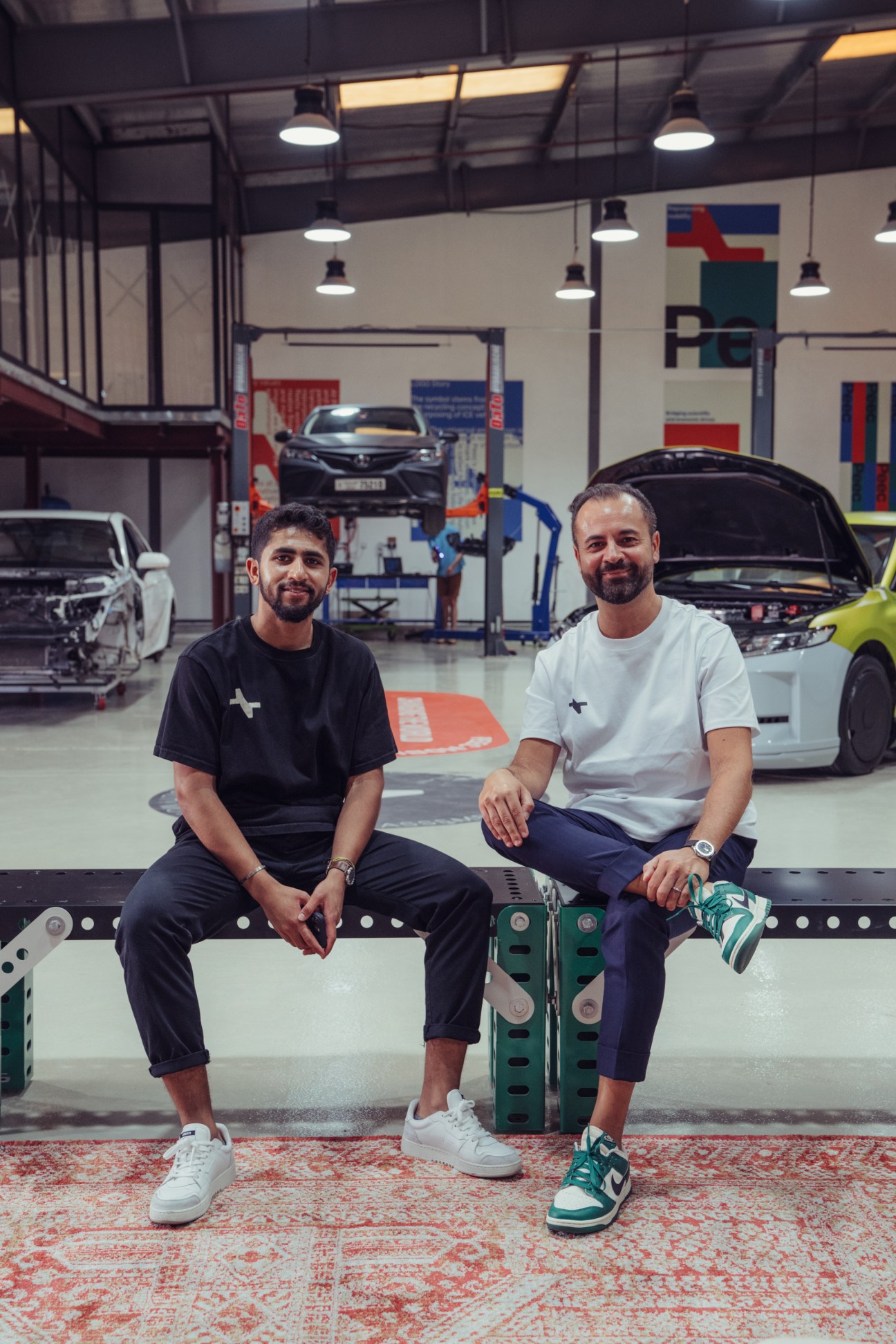
While major car companies compete to put their latest EVs to market, petrol-to-electric conversion remains a burgeoning industry. It has so far been prohibitively expensive and is mainly used to keep beloved classic cars moving with the times. Yet as governments around the world, including the uae’s, set ambitious net-zero targets that will make petrol and diesel models surplus to requirements, getting enough electric vehicles on the road will require manufacturing many new vehicles – and that means more emissions.
Faizal and the Peec Mobility team believe that conversion is a practical route to net zero. If it can prove that the model works in Dubai, it wants to take it elsewhere. “We’re trying to redefine the entire used-car market,” says Faizal. “We have 1.6 billion cars on the road globally. Let’s use those existing assets and give them an extended life.”
There’s plenty of energy coursing through Peec’s HQ and it’s not just in the converted car that’s being readied for its Cop28 debut. Rainer Scharf, the firm’s head of design, came from designing first-class cabins for British Airways and believes they have created a fit-out that maximises comfort for both passenger and driver. “They will be spending a lot of time in here,” he says with a smile.
Peec’s international team is also trying to speed up the sometimes-slow process of conversion so that a petrol taxi can be turned electric in as little as seven hours. It sounds ambitious: perhaps a push? But the team says that it has secured $10m (€9.52m) in investment to move into production by 2024 and already has an eye on a production plant nearby. Faizal says that a knock-on advantage of refitting cars to electric, rather than making them from scratch, is that it cuts out the need to build vast, expensive gigafactories. “Africa, for instance, has no shortage of cars but not the manufacturing base,” he says, looking proudly at the prototype as his imagination shifts gear. “This is also a wider problem for the Global South.”
peecmobility.com