The Entrepreneurs
King of the mild frontier
If you drive through the plush Tokyo neighbourhood of Daikanyama, you’ll no doubt spot the embassies and boutiques, the coffee shops and well-groomed dogs. Amid this luxury you might also be struck by an unexpected cluster of log homes surrounded by tall cedars. These rustic dwellings belong to Bess, Japan’s number one log-house builder. At weekends, weary city dwellers pile in to gawp at the picture-perfect show homes and dream of another life, where they give up the daily grind and move to the country.
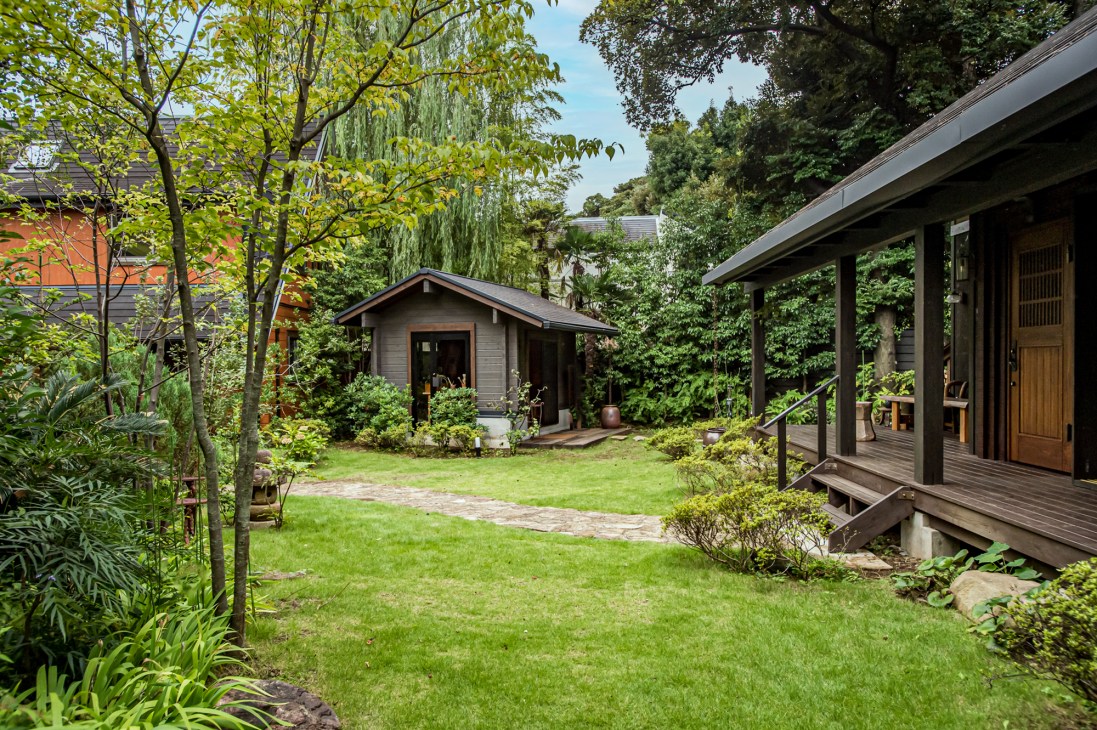
“Two-thirds of the people who come here to Daikanyama have no plan to build a house,” says Kozo Futagi, Bess’s charismatic 74-year-old CEO. “But even those who come with no intention of buying still see the houses, feel them and smell them. That experience may encourage them to purchase eventually. People often have a latent desire even they don’t know it.”
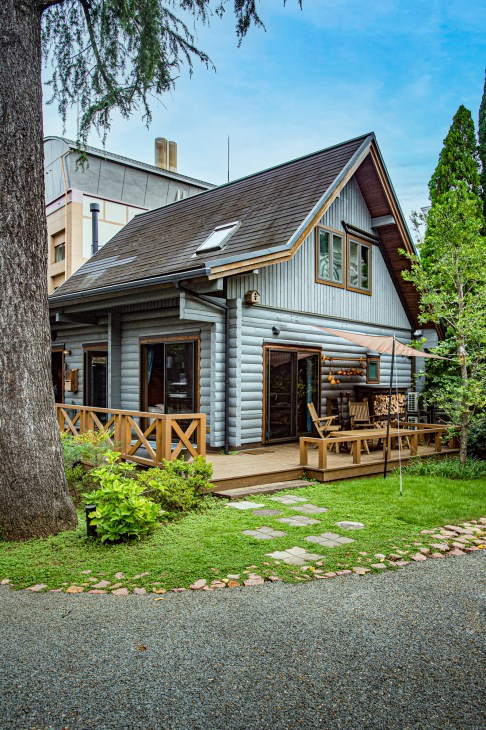
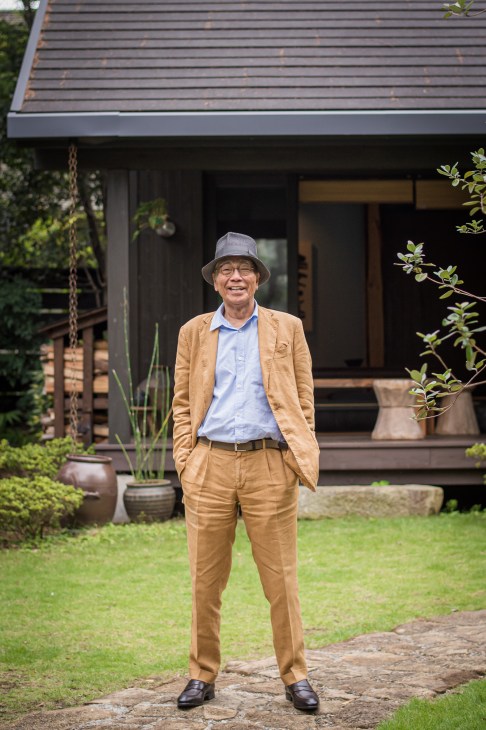
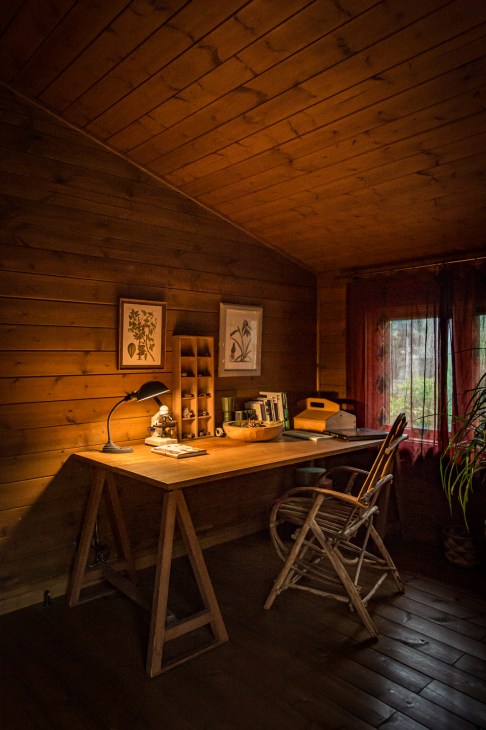
Futagi founded the company in the mid-1980s. “They were the bubble years,” he says. “We felt anything was possible.” He settled on log houses almost by chance when a friend asked for help to import a wooden cabin from Canada. He remembers being less than impressed. “It was a rough-looking house, hand-hewn, made from big round logs,” he says.
Still, Futagi’s interest was piqued, and when he discovered that the second-home market in Japan was wide open (only 0.4 per cent of households had a second home at that time) he saw what he thought was an unmissable business opportunity: Japanese log homes. “What was being imported didn’t have good taste or great design. I thought there was room to improve.”
Business was good but didn’t grow as fast as Futagi was expecting. “I quickly realised that Japanese people aren’t good at long holidays. If they go to a summer house, they spend the first day cleaning, have a barbecue on the second and go home on the third. The second home was never going to be a huge market.”
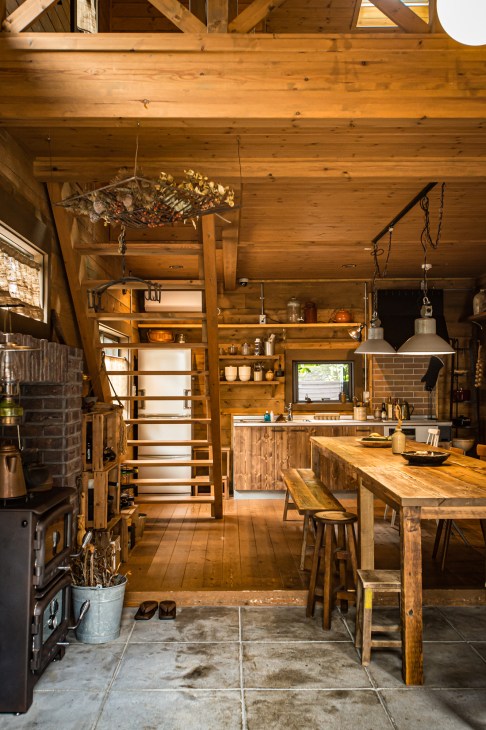
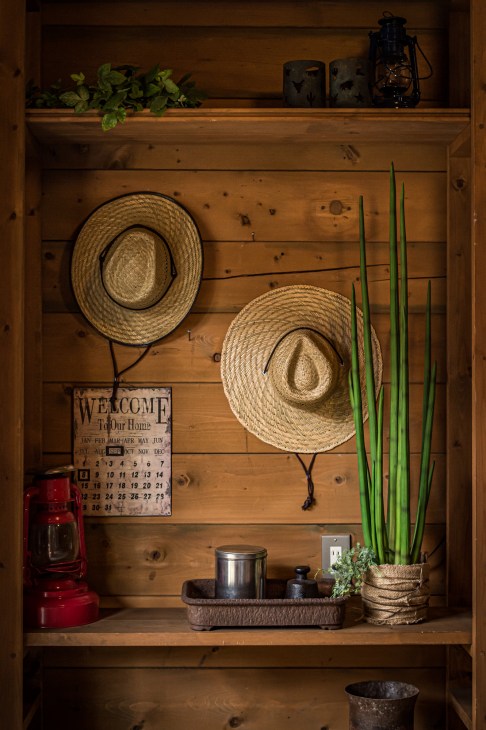
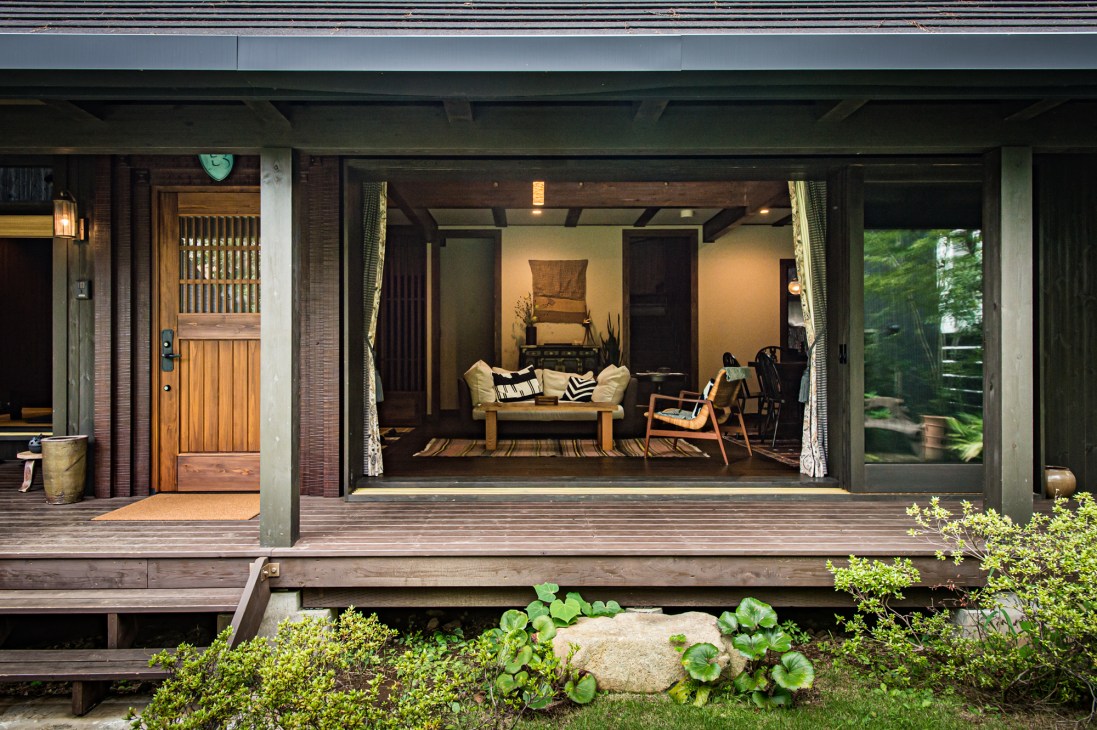
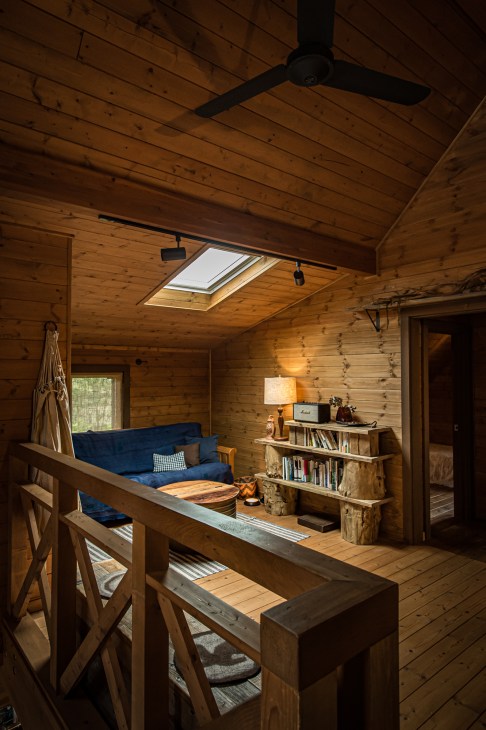
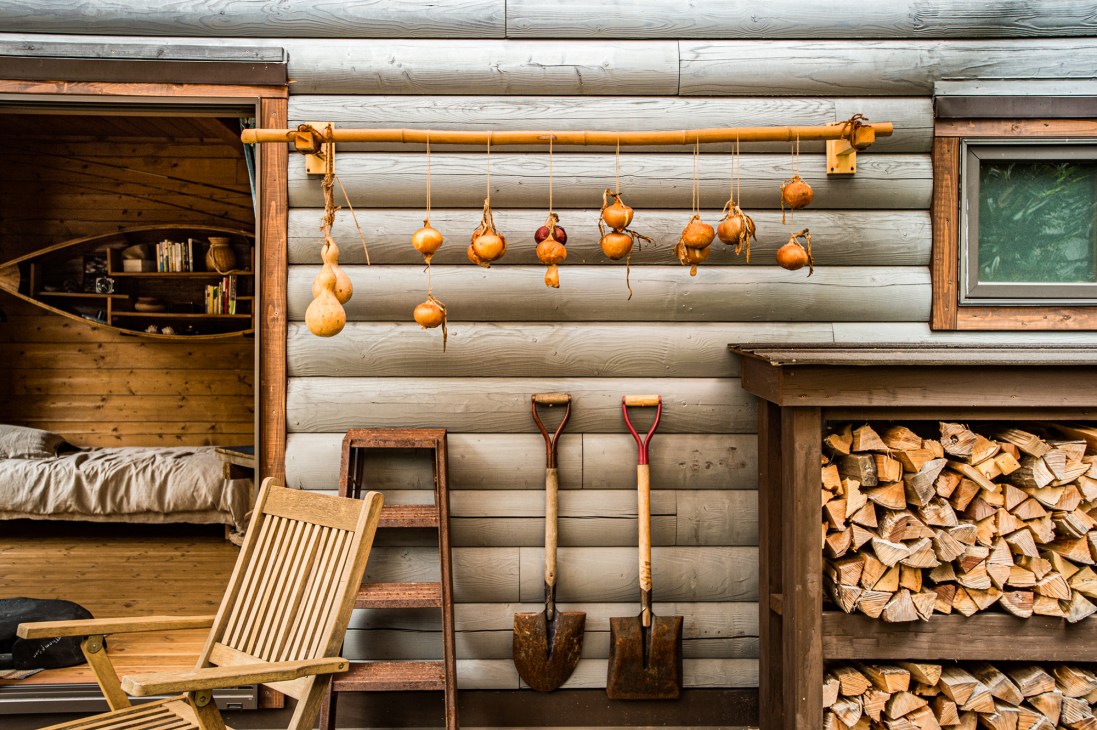
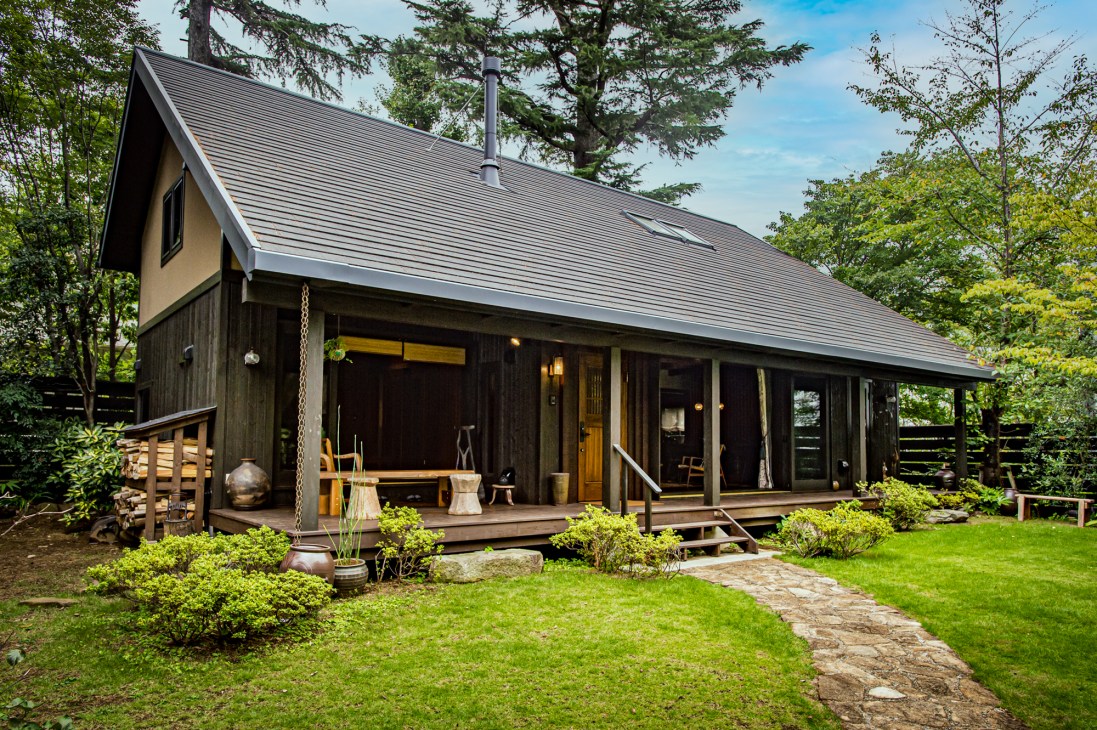
He came up with a new concept: the permanent summer house. The idea was a home with all the fun of a country house but somewhere that you could live full-time. “Japanese people like natural materials and wood particularly,” he says. “If we focused on function and good design then I believed that we could create something people would want.” It was a good call.
Today, 95 per cent of the 1,000 homes Bess builds every year are primary residences. People are moving out of cities to places beyond Tokyo, to Kanagawa, Chiba and Saitama and some as far afield as Hokkaido. The pandemic has hastened the shift. Bess is also building 30 “villages”, groups of Bess houses, around Japan. Like-minded Bess dwellers connect online. Bess owners, known as “Logway coachers”, tell others how to work a wood-burning stove and maintain a log house.
One of the first Bess houses, the Country Log, is still a strong seller and a barometer of changing tastes. Originally designed as a classic log cabin, this model is as likely to be built in the suburbs these days. The old brown logs now come in a more modern, grey wash. The D-shaped logs create interior walls with a flat surface that deters dust and is easier to furnish.
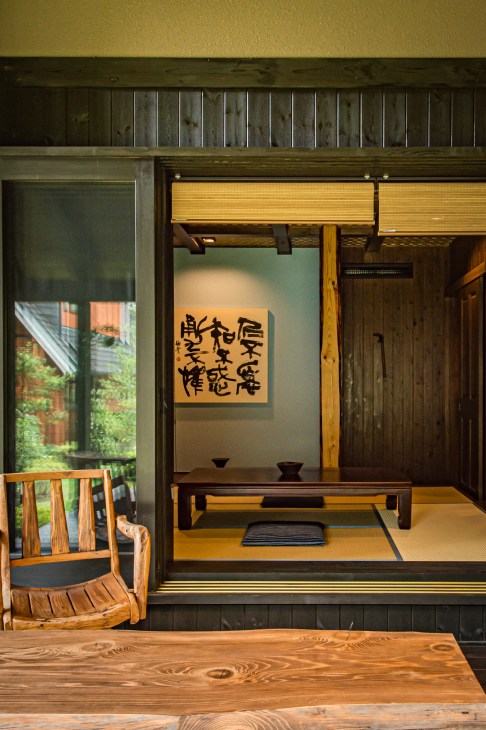
The collection has grown: the Wonder Device, the biggest seller, has been refined and typifies Bess’s idea of building open, flexible spaces (with plenty of room for desks for remote working). There’s a geodesic dome, not a huge seller, but totemic for the company. The most expensive house is the Hodo-hodo (“all things in moderation”), a dark-stained cedar house with a tatami room and enough space for three generations to cohabit.
A few years back, the company developed a small wooden cabin that costs about ¥1.1m (€8,500); many choose to build it themselves. A new version with wheels has just been released. “We’ve found that more and more people are looking for that freedom to move around,” says Futagi.
How the business operates is that Futagi comes up with the ideas and an in-house design team develops those ideas into realities. Beautifully styled ads in premium Japanese interiors magazines such as Casa Brutus whet the public appetite, presenting an accessible lifestyle that anyone can aspire to. Futagi is no ordinary businessman though: he takes a holistic, even philosophical, approach to housebuilding and is more likely to talk about mental health than square metres. He speaks about acceptance of ageing and imperfection, of enjoying life’s journey, struggles and all, as much as he does about the end goal and about the importance of being close to nature (“it brings out a softer, gentler side”). He rejects excess and says that people in Japan too often build new houses unnecessarily, simply out of boredom. He’s hoping that the Japanese concept of hodo-hodo as a design principle will become widespread among non-Japanese speakers.
“A wooden house should last a long time,” he says. “What we want is to create houses that don’t need to be rebuilt but can be passed on to new owners who will want to take care of them.”
bess.jp
Base lines
The fashion industry sometimes neglects the basics. With companies churning out designs seasonally, competing on the catwalk and aiming to set trends, the idea of creating timeless, long-lasting pieces can often be left behind. But consumers are now thinking more consciously about what makes a great wardrobe. In response, smart entrepreneurs are realising that slowing down the way that the industry operates can be good for business in the long term.
Some newer brands are focused on building businesses around basics – and doing so in a smart and sustainable way without leaving style behind. With competition from global players such as Muji, Uniqlo and h&m’s Arket, smaller firms have to work hard to carve niches of their own. We meet four that are getting the basics right.
Making sustainability the real deal
Unfeigned, Madrid
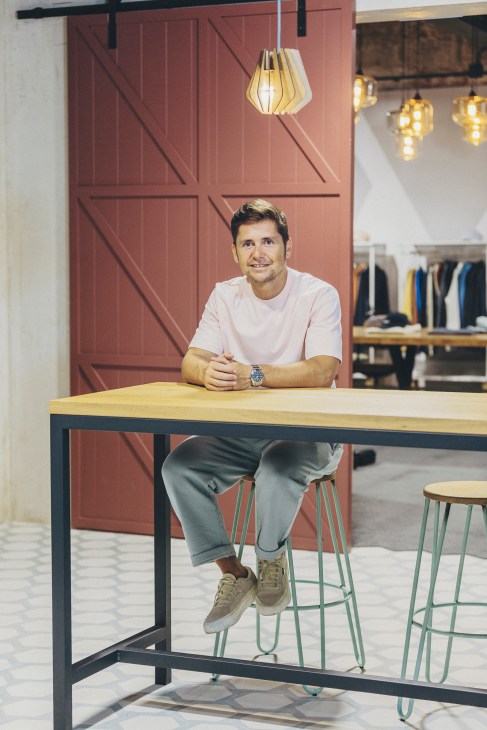
Spanish brand Unfeigned is an honest business. With a mission to merge smart and casual basics through sustainable production, the brand’s direct communication of its entire supply chain is what sets it apart from others. “Sustainability is the most important priority for us,” says co-founder Rafa Gómez. “Anyone starting a brand today needs to consider its carbon footprint in the most ecologically minded manner if they want to be truly successful.”
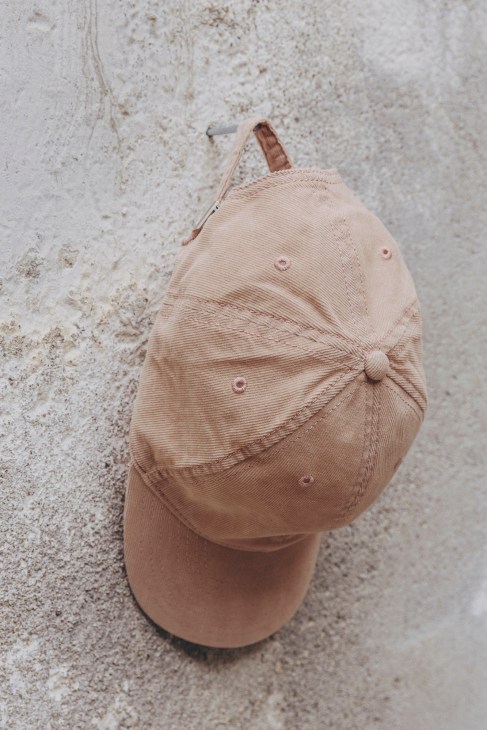
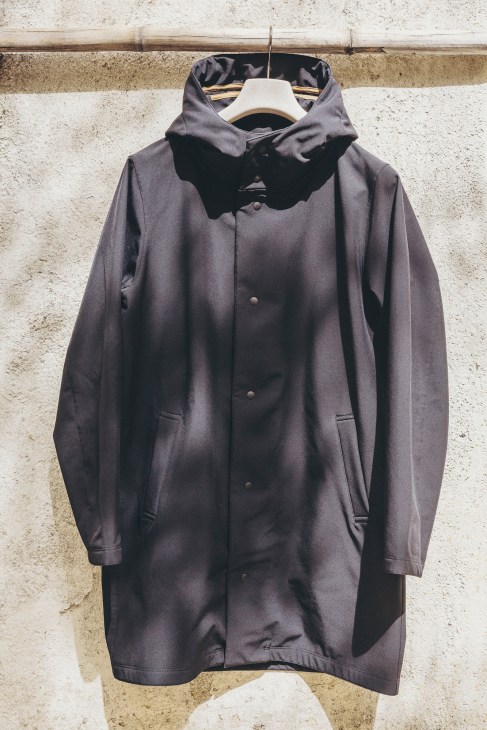
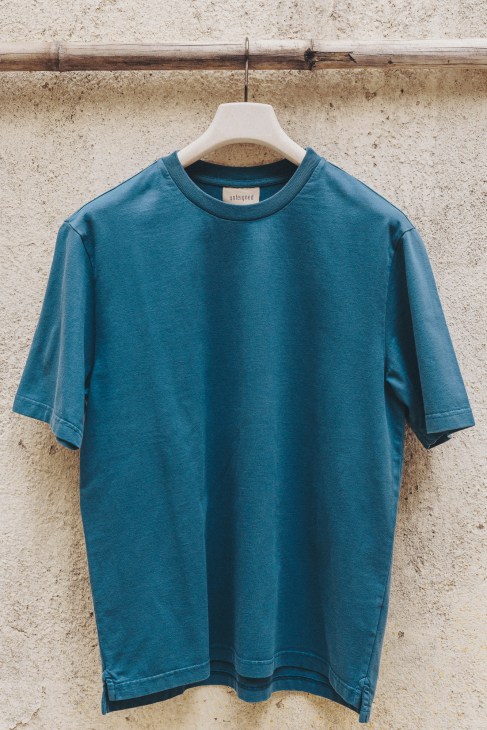
Gómez co-founded the Madrid-based brand with his sister Maria in 2018. “We wanted to mix fashion and functionality,” he says. Establishing a transparent supply chain from the offset, their basics are certified by renowned judges gots and grs. “It takes real commitment to achieve these certificates,” says Maria. “And we pride ourselves on it.” With two seasonal collections a year and a permanent range of basics, Unfeigned’s designs are dominated by neutral hues and clean cuts. Current standout pieces include a cream long-sleeved polo, a graphite-blue cardigan and a pair of loose, indigo jeans. From fabric providers to factories, all of its clothes are made between Portugal and Spain and the process for every product is outlined on the brand’s website. “What binds good businesses together is a transparent supply chain,” says Maria. “This is an essential ingredient for any new designer who really wants to contribute to change.” Through its classic pieces and environmental conscience, Unfeigned is a brand to watch for both consumers and those looking to build a sustainable business.
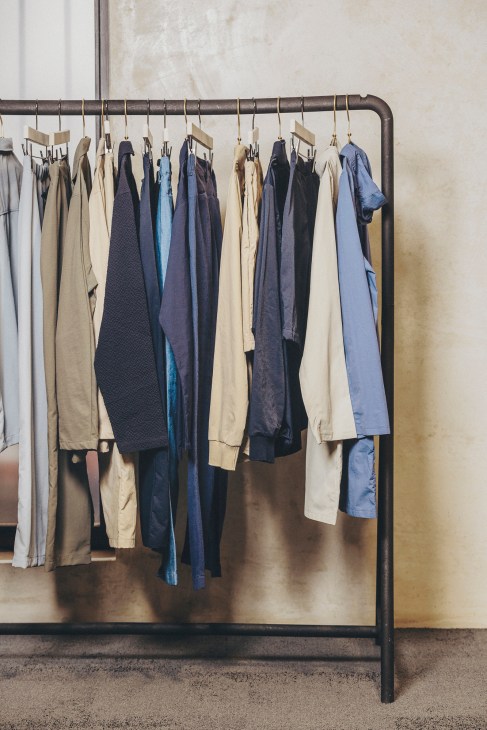

All down to a T
Lady White Co, Los Angeles
When Phillip Proyce launched Lady White Co, a Los Angeles-based menswear line, he did so without the typical long-term view, or the business plans or investors. “I just wanted to see whether we could make a T-shirt in California from start to finish,” he says humbly. As it turns out, he can. What started with his own personal curiosity about local manufacturing and supply chains has since become a bona fide clothing company with a robust global wholesale business, a flagship retail space in Los Angeles that Proyce opened four years after starting the company and a second shop, also in Los Angeles, that opened earlier this year.
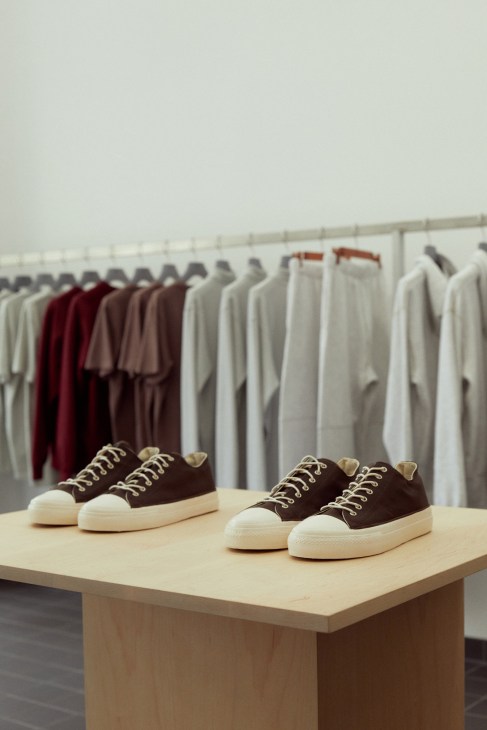
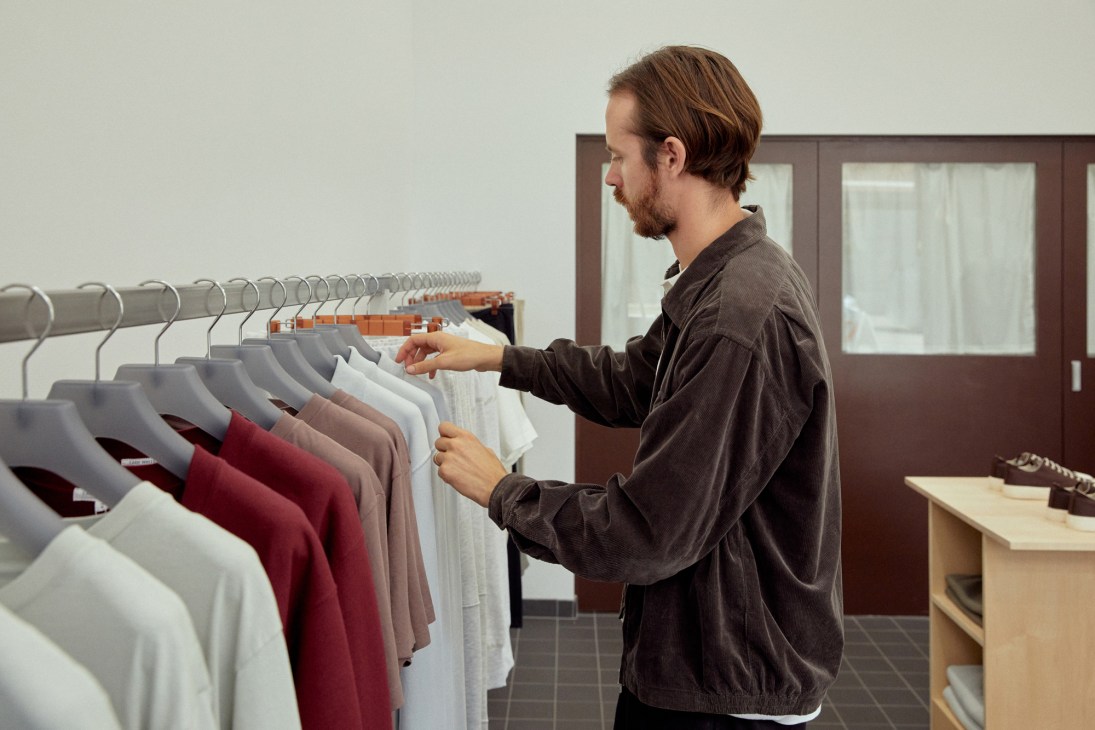
For his first production run, in 2015, Proyce designed and fabricated 500 T-shirts. He was just 25. “I spent every dollar I had to make the 500 shirts,” he says. “Then, when I had them, I thought, ‘How am I going to sell them?’” He took a booth at a trade show, and when Japanese wholesalers spotted the T-shirts there, they bought the entire run. “That funded the whole brand, so I could then make the next 1,000 shirts,” he says. That thousand led to more and he has since guided the company through consistent growth over the past seven years.
He acknowledges that the market for basics is a crowded place. “Every company makes a blank T-shirt but a lot of brands that offered T-shirts were making them as an add-on or afterthought to their overall collection,” he says. For Lady White Co, though, T-shirts represent the very core of the business and Proyce sees opportunity for growth by keeping the brand squarely focused on its origins in basics.
The key to his strategy is quality. “One of the things we found is that T-shirts and sweatshirts have become easy, fast commodities, so for us, the main point is quality,” he says. To control that quality, Proyce has kept his supply chains local. Though he started by using California-grown cotton, drought conditions in the American West prompted him to partner with farms in North Carolina. Beyond that, the entire operation of cutting, sewing, dyeing and labelling is done within a 15km radius, which means that Proyce and his team can monitor the entire manufacturing process closely. “In one day we can make visits to every vendor we work with,” he says.
As to what lies ahead, the company is staying true to the focused simplicity of its founding spirit. “We don’t look too far into the future,” says Proyce. “We just want to get the new shop up and running and continue to ensure that the product is the best quality.”
ladywhiteco.com
Timeless versatility
Bassike, Australia
“Looking back, it’s easy to see that true style usually transcends trends,” says Deborah Sams, co-founder of Australian clothing company Bassike. This tells us something about her label’s core message; the name provides another clue. Since 2006, Bassike has created handsome staples in quality materials in Sydney’s Northern Beaches, embodying the laid-back Aussie lifestyle through T-shirts, linen shirts and more, typically in understated colours.
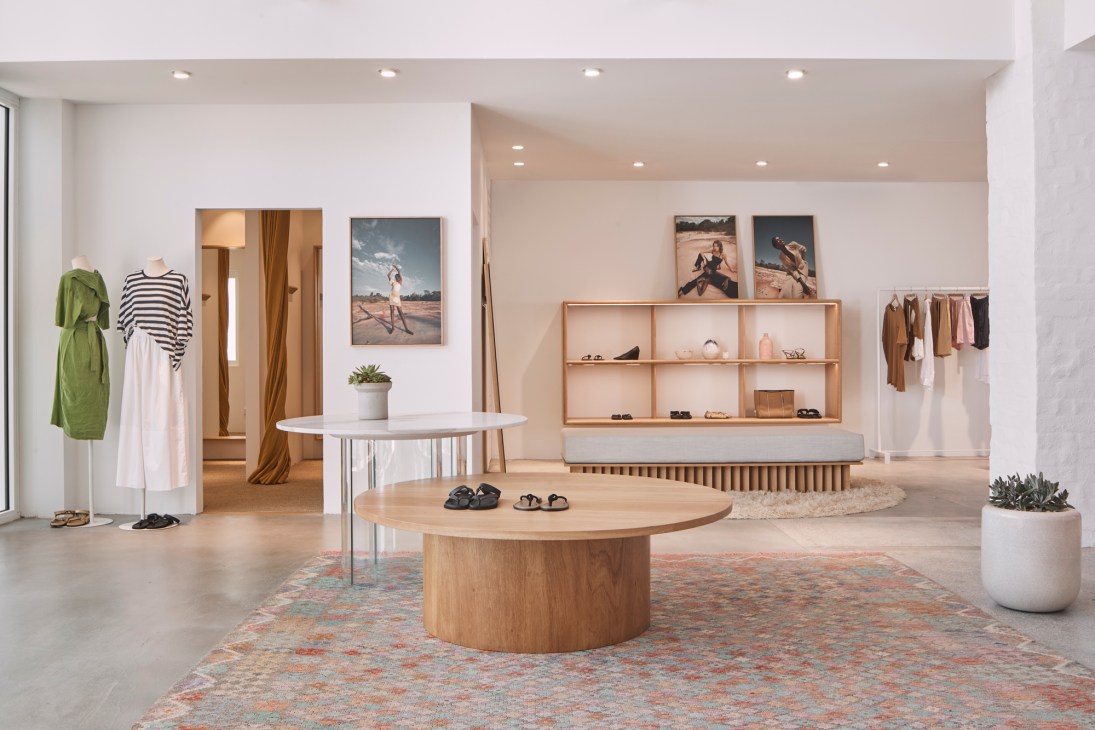
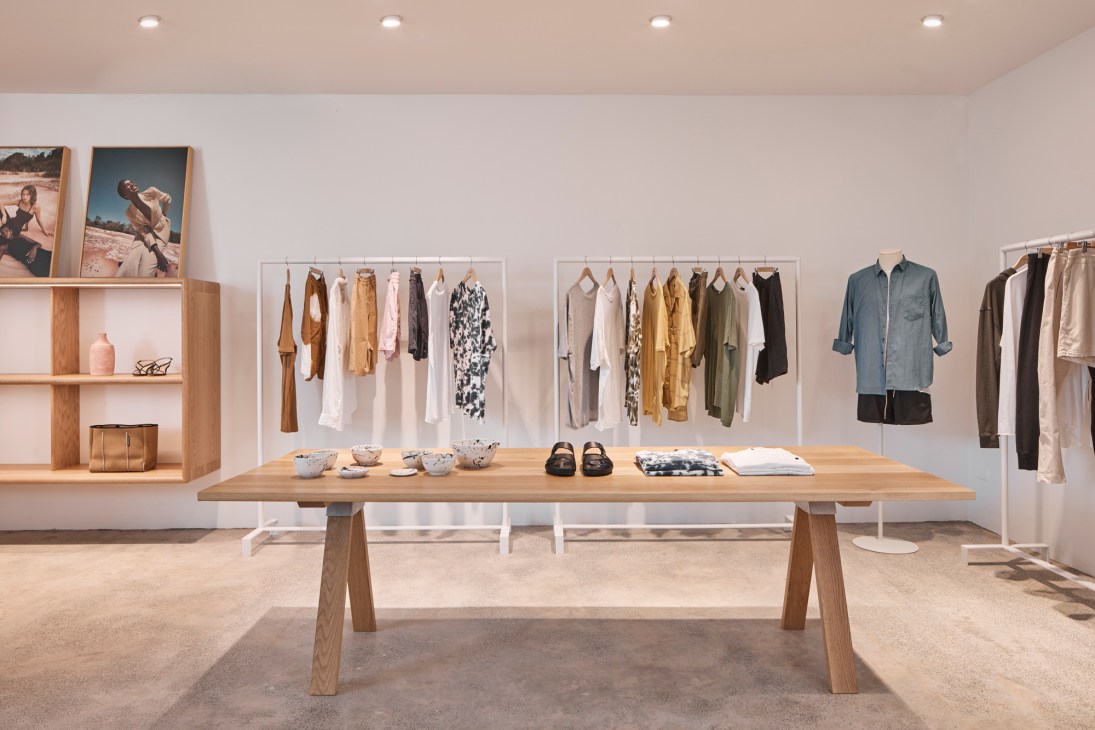
Though conceiving of a company that makes basic clothing well is easy, doing it is harder. “I wouldn’t necessarily even use the term basic,” says Sams. “It’s about creating timeless style. Our customers buy their clothes with versatility and longevity in mind.” That has meant sourcing the best fabric, including organic cotton from India and cashmere from Mongolia, and denim from suppliers in Japan. “Things such as using organic cotton, that was unusual when we started,” says co-founder Mary Lou Ryan.
It was important to secure supply-chain transparency, says Sams, as it has helped to ensure that goods are sourced responsibly and aided the company in achieving carbon-neutral certification. Bassike’s success is evidence that timeless doesn’t mean traditional, and it has paid for the company to stay ahead of the curve: it has a broad and loyal audience base across its eight shops.
This forward-thinking isn’t reserved to sustainability; it extends to design too. By keeping certain elements simple, Bassike has been able to add creative twists in interesting cuts or textures, making clothes that can be dressed up or down. “I love to pair my organic cotton jersey T-shirts with a tailored jacket for an elevated office or evening look, or with a soft cashmere knit and relaxed trousers for the weekend,” says Sams.
bassike.com
The slow grower
Sweden

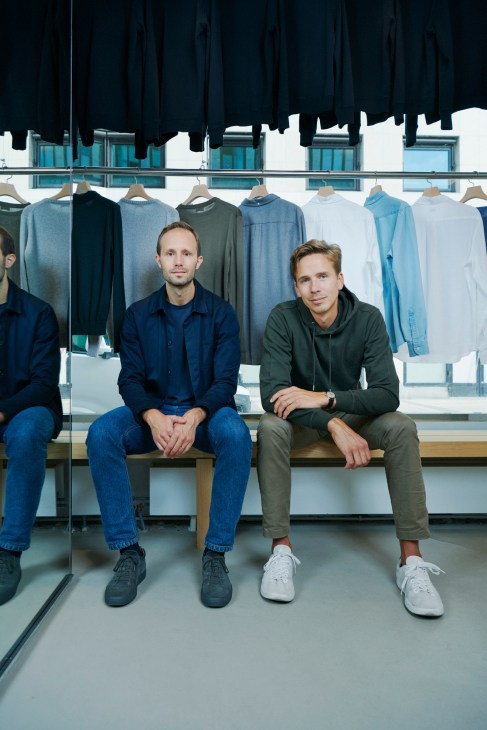
Jakob Dworsky and August Bard-Bringéus, the co-founders of Asket, are fine with you thinking that their products are boring because what’s hot must, eventually, go out of style. “Our garments,” says Dworsky, “should be in fashion forever.”
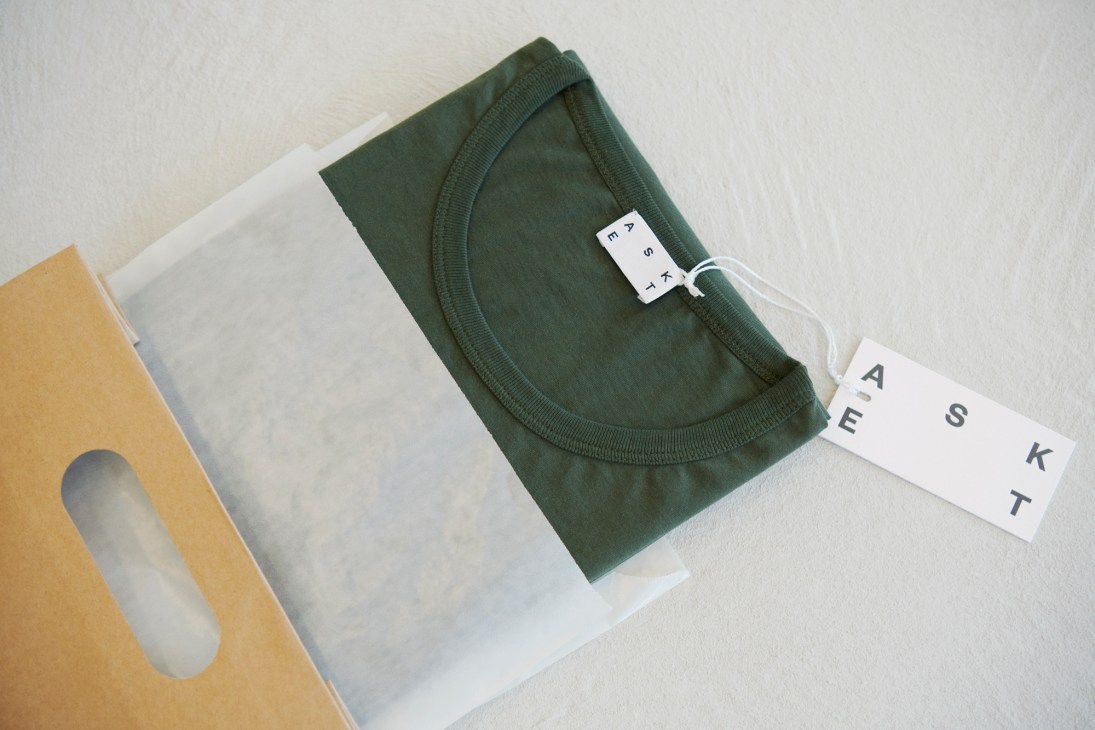
Asket launched as a direct-to-consumer menswear label in 2015 and epitomises a basics brand at its most focused. There are 36 items in its line-up and no seasons; once added, a product is never removed. Before introducing something – chinos, a rollneck or a polo – the duo ensures that it has been “in demand for a few decades, without much fluctuation,” says Bard-Bard-Bringéus. “If you buy it today, it’s not going to be out of fashion in 10 years,” says Dworsky. They then produce that item in its simplest form, without prints, logos or pops of colour. A brand of dove-grey sweaters, white T-shirts, merino socks and raw-denim jeans, Asket seduces not through design flourishes but durable products, extreme supply-chain transparency and great fit.
Six years and two rounds of modest funding later, Asket employs 29 people and brings in more than €15m a year. In 2020 it broke even for the first time and in 2021 opened a flagship in Stockholm and launched a womenswear line and a repair and recycling service. Growing by 50 per cent every year, it is putting ever more people into unfussy, long-lasting clothes. “You can be boring and still wield influence,” says Bard-Bringéus.
It hasn’t all been smooth-sailing. The basics market is increasingly crowded and without exclusive drops or splashy branding it’s tough to stand out. But Asket has done its best to set itself apart. Before any money was coming in, it partnered with a creative agency who helped it to create a slick website and visual identity so that it looked like a “super-polished brand from day one,” says Bard-Bringéus.
The company has mostly grown through word of mouth, press coverage and social media. Unlike a fashion brand with vip shoppers splurging on collections, it relies on selling fewer things to a broader network of people. It has customers in 90 countries, although its biggest markets are Germany, the US and Sweden. Unsurprisingly, given that prices fall between high-street and luxury (a shirt is €90), most of its shoppers are aged between 25 and 35.
Asket has found a model that does away with many of the risks that plague other labels: it is not confined to tight seasonal windows or dependent on wholesalers who might slash prices on items that sell sluggishly. Nothing is ever discarded or put on sale. “It’s a much easier inventory to manage,” says Bard-Bringéus.
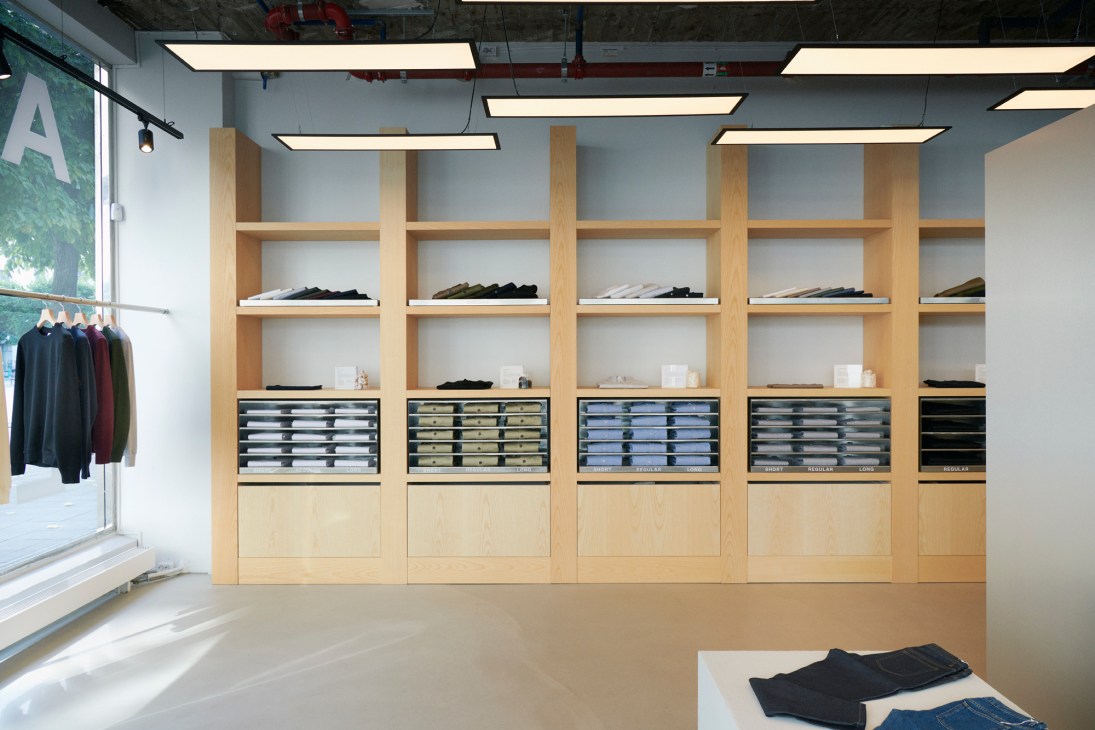
The compact range allows accurate sizing. All tops come in the standard five sizes and there are three lengths, short, regular and long. Trousers come in slim or regular “build”; the latter has more room in the thigh and backside. Dworsky calls this approach “mass customisation”.
Such fastidiousness extends to tracing the origins of every piece and its component parts in a bid to show customers exactly what they’re paying for (an approach pioneered by brands such as San Francisco’s Everlane). Asket’s organic cotton is sourced from Turkey, India and the US, and wool from Argentina and Australia. Its clothes are sewn in Italy, Portugal, the Czech Republic and Poland. But they want to go right back to the farms behind the raw materials (including the threads used in tags). Tracing cotton is very difficult; batches from different farms are sold in bulk. “Where is it extracted?” says Dworsky. “Where is it processed? How has it been shipped? We want to know everything.”
Currently, 91 per cent of the journeys of products are listed online and in the new shop on Norrmalmstorg, where installations let customers “smell the greasy wool and the indigo dye and touch the cotton in its different stages,” says Bard-Bringéus. Asket makes clear that “it takes so many monotonous steps, involving thousands of people, to create the clothes that we take for granted every day,” says Dworsky. It demonstrates that basic is not simple.
asket.com
Bright ideas
Attentive veterinary technicians cradle a “doodle”, a cross between a poodle and another dog breed. They’ve just induced it to vomit to extract any traces of xylitol, a chemical commonly found in chewing gum that’s harmless to humans but toxic for dogs. In some veterinary clinics an animal’s owner would sit anxiously in the lobby without knowing what was going on in the examination room. Not so at Modern Animal, where the doodle’s owner keeps a watchful eye on the proceedings through glass windows.

Pet smart
How a Californian start-up is reinventing veterinary care.
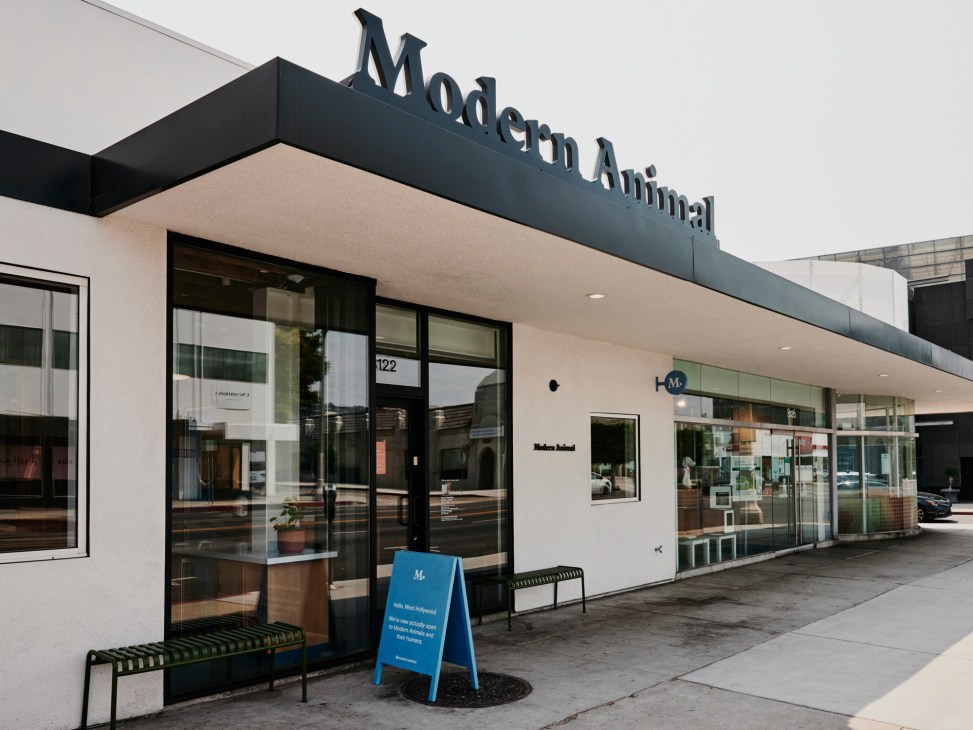
That’s just one of many thoughtful touches at this Californian start-up, which incorporates smart design and technology to reinvent the pet-care experience. It feels a world away from the usual noisy clinics filled with yapping dogs and screeching cats (not to mention the unpleasant odours that come with them). Here, natural light pours in from skylights, illuminating blond wood, a cool blue-and-white colour scheme and an assortment of succulents and indoor plants. Pet owners are soothed by a friendly host who greets them at the door and they often get to see a veterinarian who has known their animal since it was a puppy or kitten.
“The problems in the industry aren’t animal problems but human problems. The quality of the veterinary experience was never thoughtfully designed”
“The problems that the industry is facing are not animal problems but human problems,” says Modern Animal co-founder and CEO Steven Eidelman, who has raised $89m (€76m) in venture capital to turn this initial 325 sq m location in West Hollywood into a nationwide business. (A new outpost has since opened in Pasadena, with further expansion planned over the next year.) “From the front desk to the actual care, the quality of the veterinary experience was never thoughtfully designed,” he says. “The assumption was that the experience is for the animal, which led the industry to accept a low bar.”
The improvements made by Los Angeles-based firm Design, Bitches are visible throughout the clinic: quiet veterinarian’s offices, uncluttered workspaces, a private room for delicate consultations. In addition to regular examinations and vaccinations, Modern Animal can process lab tests in-house and offers an on-site pharmacy, radiology suite and operating theatre for some procedures, as well as dental care.
Eidelman entered the industry as co-founder of Whistle, a health-tracking company for pets. After Mars Petcare acquired it in 2016 and made Eidelman entrepreneur in residence, he shadowed practitioners at countless veterinary clinics. “I couldn’t believe what a veterinarian or technician had to endure behind the double doors,” he says.
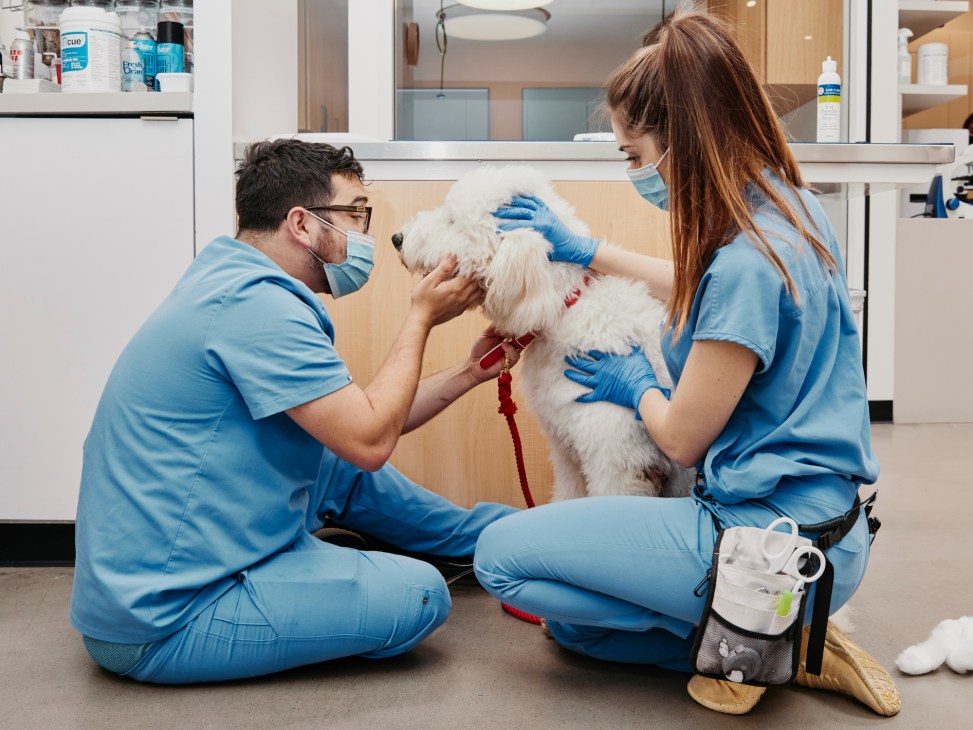
Poor conditions, high debt burdens after graduating veterinary school and a commission-driven business model that generates overwhelming workloads all contribute to the profession’s alarmingly high suicide rate in the US, just as the workforce has become majority female.
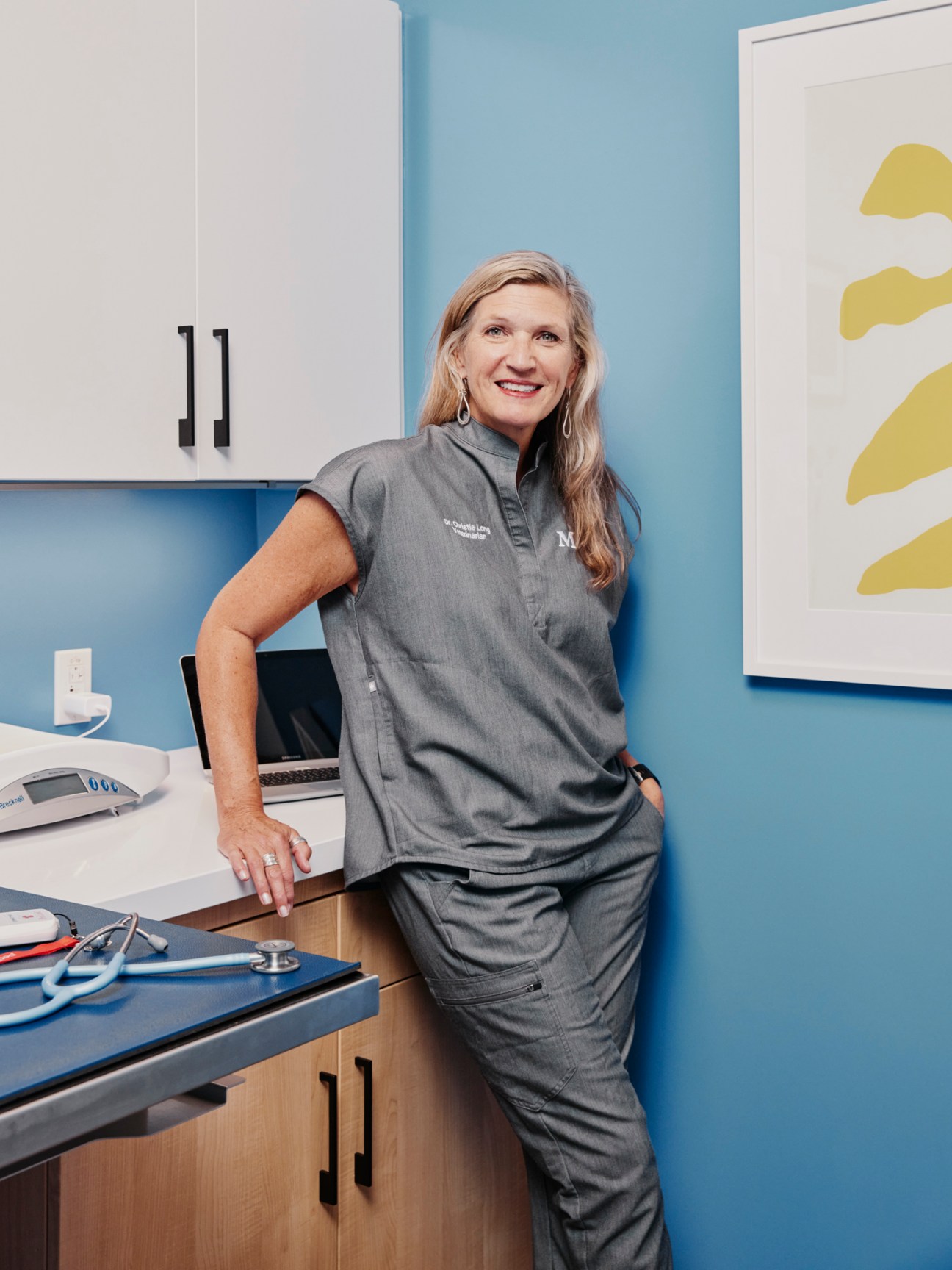
“There is a lot of talk about mental health and wellbeing in the industry,” says Christie Long, Modern Animal’s head of veterinary medicine. “The functionality of our space lets doctors close the door and hear themselves think. Our industry has lost sight of how important the physical space is to the team.”
The beautiful and functional design is made possible in part by Modern Animal’s software innovations. All of the scheduling happens via an app, eliminating the need for a ringing phone at the front desk. Digitised medical records allow a seamless transition of cases between the clinic’s seven veterinarians, so a day off is truly a day off. Rather than fruitlessly trawling the internet for answers, pet owners can use the clinic’s round-the-clock telemedicine service. In turn, virtual care reduces the number of in-person visits, freeing up precious clinical space for urgent cases.
After Eidelman sold Whistle, he felt burned out and contemplated moving out of pet care. “When we started Whistle, I didn’t have the conviction that there was a real problem,” he says. But the thought of taking his pitbull-collie mix, Layla, to the vet, knowing the grim reality of conventional veterinary care for both its practitioners and pet owners, gave him all the insight he needed. “I finally had clarity around the problem,” he says. And out of that insight emerged Modern Animal, which is poised for wider success in an industry long in need of a shake-up.
modernanimal.com
Key takehome
Striking out into new territory might sound appealing the second time around but there is value in staying in a related field. The networks and knowledge gleaned from your first venture will prove to be invaluable.
Animal instincts
Go Fetch, UK
A decade or so ago a friend of Matthew Rogers asked him if he could help move a dog. Now Rogers’ company Go Fetch moves about 80 animals a week. Most are dogs and cats but one recent passenger was a 130kg tortoise.
Go Fetch, based in Chertsey, England, employs 26 people. “We’re quite strict when interviewing drivers,” says Rogers. “Most have worked with animals before: police dog handlers, animal-welfare charity staff.” All of the company’s 16 vehicles are custom-equipped at a cost of about £10,000 (€11,700) each; the vans have onboard kennels, climate control, water storage, first-aid kits and harnesses. “We’ve been as far north as Tromsø, as far south as Tenerife, as far east as Moscow and to the west coast of Ireland,” says Rogers.
“We’re quite strict when interviewing drivers. Most have worked with animals before: police dog handlers, charity staff”
As well as pets, Go Fetch transports zoo animals and police and military dogs. Asked for a sample price, Rogers quotes £1,200 (€1,400) to drive an average-sized hound from Madrid to London. Some customers prefer to send their pets by road for the flexibility this offers, says Rogers, while others do so to avoid airlines restrictions or because they “don’t like the idea of their dog being in a plane’s cargo hold”.
gofetch-ltd.com
Money matters
Ñeri, Uruguay
Over the past year a small, informal Uruguayan currency called ñeri has evolved from a playful way to trade marmalade and old furniture into a fully fledged digital currency that has caught the attention of the Uruguayan Central Bank (BCU). It was launched by a young entrepreneur called Juan Grunwaldt with the decidedly humble objective of helping him to trade home-made food and unwanted homeware with his friends. Soon, however, Grunwaldt found that more than 1,000 people had signed on.
Cut to two months later and transactions using the new currency had exploded to 6,000 purchases, piqueing the interest of the bcu’s governor, Diego Labat, and his team.
Ñeri’s rapid rise is a welcome reminder that if what you’re doing is fun, it’s likely to be good for business too – and that not all ventures need to totally rewrite the rule book.
nieri.uy
Listen and learn
Finnish agency Ultra Nordic’s sound advice.
If you’re a business owner, you will have given plenty of thought to your brand image. You have a nice logo, a colour palette and perhaps even your own typeface. But have you ever considered what your brand sounds like?
“Sound activates larger and deeper sections of the brain than visuals,” says Tommi Partanen, an adviser at Ultra Nordic, an audio experience design agency based in Helsinki. “We see so much visual marketing that we have become immune to it, whereas sound affects us in powerful ways.”
Though sound remains an underleveraged branding tool, businesses are increasingly starting to take note. Mastercard removed its name from its logo in 2019, focusing instead on a unique sonic identity across all brand touchpoints. Meanwhile, McDonald’s is perhaps as well known for its “I’m lovin’ it” jingle as it is for the Golden Arches.
With only a handful of companies focusing exclusively on sonic branding, the field has been left wide open for agencies such as Ultra Nordic. It has helped a Finnish hypermarket chain to boost its fruit and vegetable sales by creating a soothing nature soundscape, played via hidden speakers; it has also managed to halve the complaints at a busy passenger terminal for a cruise ship client with a soundscape that focuses passengers’ attention on the thrill of the sea journey.
Ultra Nordic’s highest-profile project so far was with Finland’s national carrier Finnair, which wanted to enhance its in-flight dining. High altitudes diminish our ability to register flavours but sound can change the way we experience what we eat. Ultra Nordic worked with Anu Hopia, a Finnish expert on molecular gastronomy, and Chinese chef Steven Liu to record a soundscape that would improve the taste of food on Business Class flights.
“It’s about understanding the emotions that different sounds evoke and connecting them with a brand’s attributes”
The result was not only a better customer experience but also an increased brand awareness in the Asian market.
An audio brand identity is about far more than a catchy jingle. Ultra Nordic works closely with its clients to gain a deep understanding of the brand, its target audience and its competitors. It then uses analysis to design what the company calls “SX-ID”, its sonic operating system.
Everyone involved with the company has a background in music: some were producers, while others were DJs or artists. “Many ways in which we interact with brands involve sound in one way or another,” says co-founder Antti Suomalainen. “We hear sounds in shops, in apps, on TV and in radio ads – even when we call a company’s helpline and wait for someone to pick up the phone.” Yet, as Suomalainen points out, most companies don’t have brand guidelines when it comes to sound.
“It’s about understanding the emotions that different sounds evoke and connecting them with a brand’s attributes,” says Suomalainen. And it doesn’t always have to be pitch perfect. Once, Suomalainen had to tell a trumpet player that he was playing the notes too well. “The client wanted its audio brand to reflect humanity, so it was OK to miss a few notes.”
Ultra Nordic’s approach is paying off. At the 2018 International Sound Awards, it won more awards than any other audio-branding agency. It has recently opened offices in both Singapore and Berlin. It sounds like we’ll – literally – be hearing more from this company.
Key takehome
Keep your mind open and your ear to the ground for innovative ways to market your brand. After all, there are more approaches than one to make your target market listen.

Q&A
Harpreet Singh Rai
CEO, Oura
Society is increasingly interested in our sleep and activity patterns; the market was valued at more than $37bn (€31bn) in 2020 and is forecast to top $100bn (€85bn) by 2027. Finnish company Oura, which was founded in 2013, has developed a lightweight ring that tracks and records such information, giving wearers detailed data about their health. We speak to the company’s CEO, Harpreet Singh Rai.
Tell us about your rise to CEO.
I worked in investment banking after I left engineering college. When I was in the job, I ended up being sleep deprived and in poor health but this improved when I moved to a hedge fund that had a focus on employee wellbeing. It spurred me on to order an Oura ring from Kickstarter in 2015. I realised that on the days that I wore it, I slept better, was more productive and in a better mood. By chance, I met one of Oura’s co-founders at a Whole Foods shop in New York. He saw my ring and said, “That’s the first time I’ve seen it worn outside my office.” We hit it off and spent six hours together. Four months later, I ended up personally investing in the company, put its Series A funding round together and joined the board.
Why did you decide to join a company that was untested at the time?
It was down to an alignment of interest and a belief in the product. If you talk to engineers and doctors in this industry, they would probably tell you about all the shortcomings of wearable technology. But Oura showed that you can simply measure that data on a finger.
What’s the biggest challenge for the company as it grows?
A lot of companies grow and tend to move more slowly. We want to create the right systems, tools, processes and environment to make sure that we still have the agility of a start-up and an open culture where everyone can share ideas.
Ecologyst’s urban factory
A Canadian fashion brand is bringing it all back home.
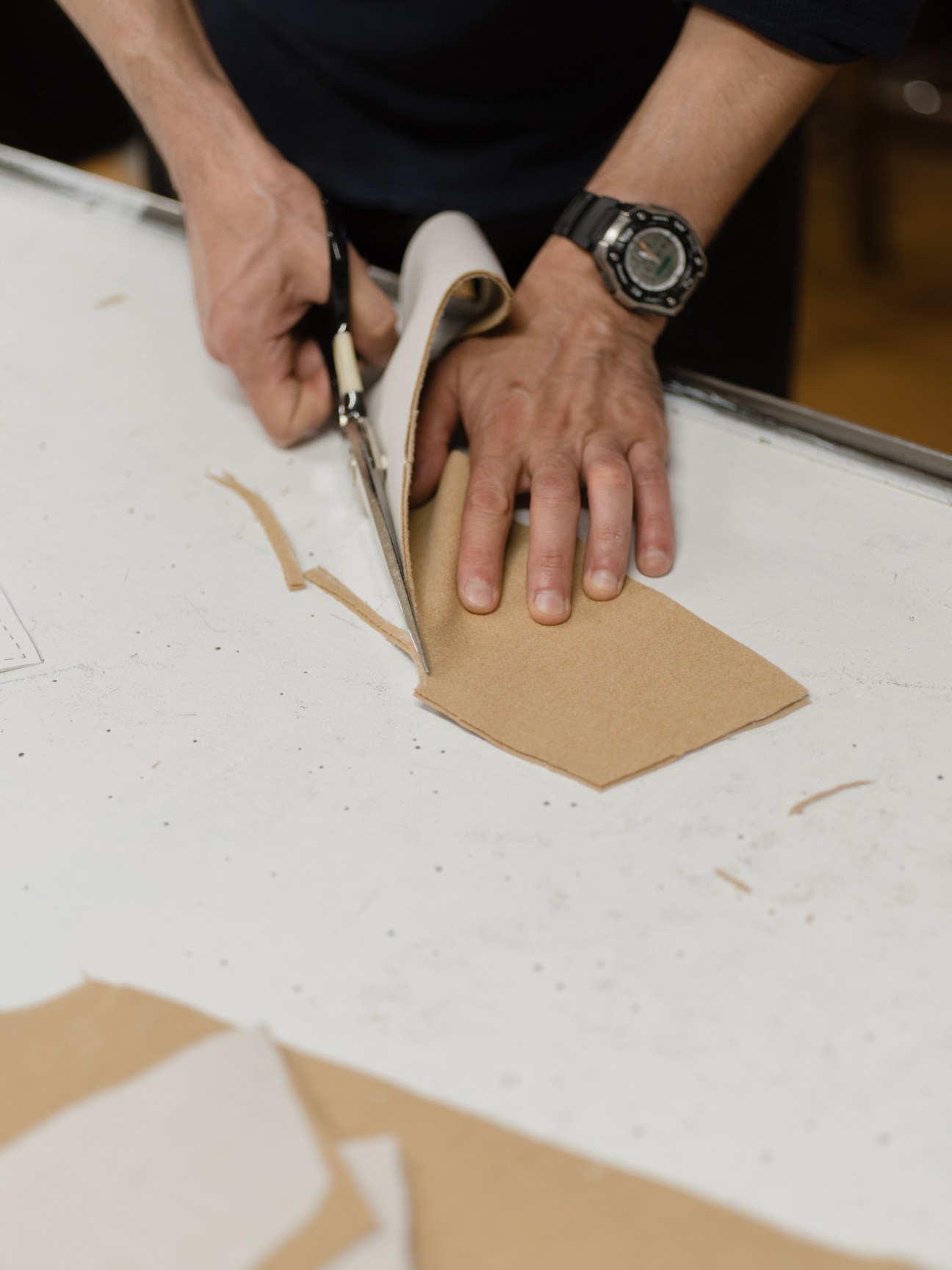
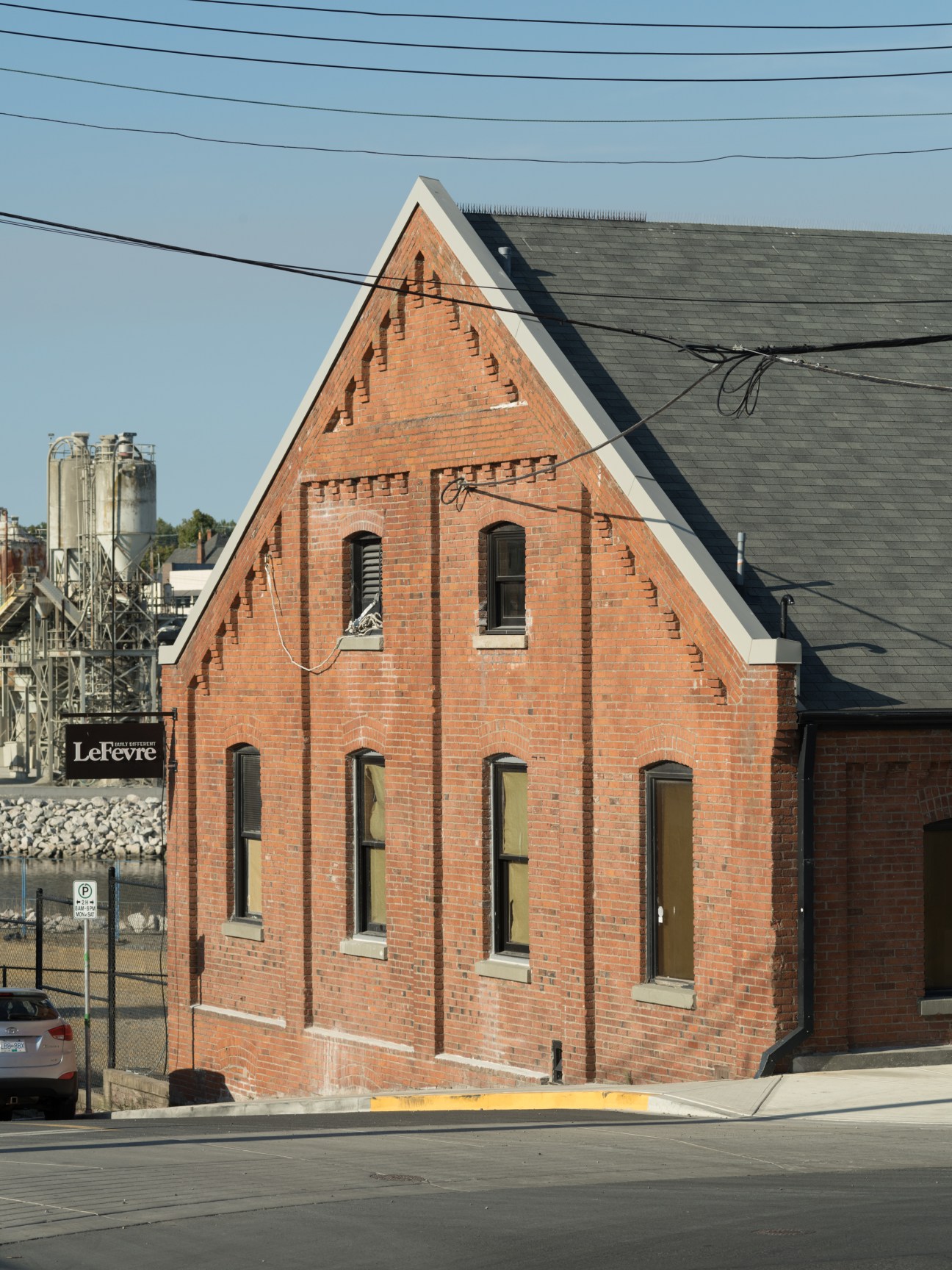
The Powerhouse, a handsome brick building on the edge of Victoria’s Old Town in British Columbia, has long been a symbol of the Canadian city’s evolution. Designed by architect John Teague, who later briefly served as Victoria’s mayor, the complex opened in 1892 as a power plant, lighting up the city’s first electric streetlamps and bringing the initial stretches of its public tram network to life. Since the beginning of 2021, however, the thrum of sewing machines has been heard at the building in its new guise as a manufacturing facility of ethical clothing brand Ecologyst.
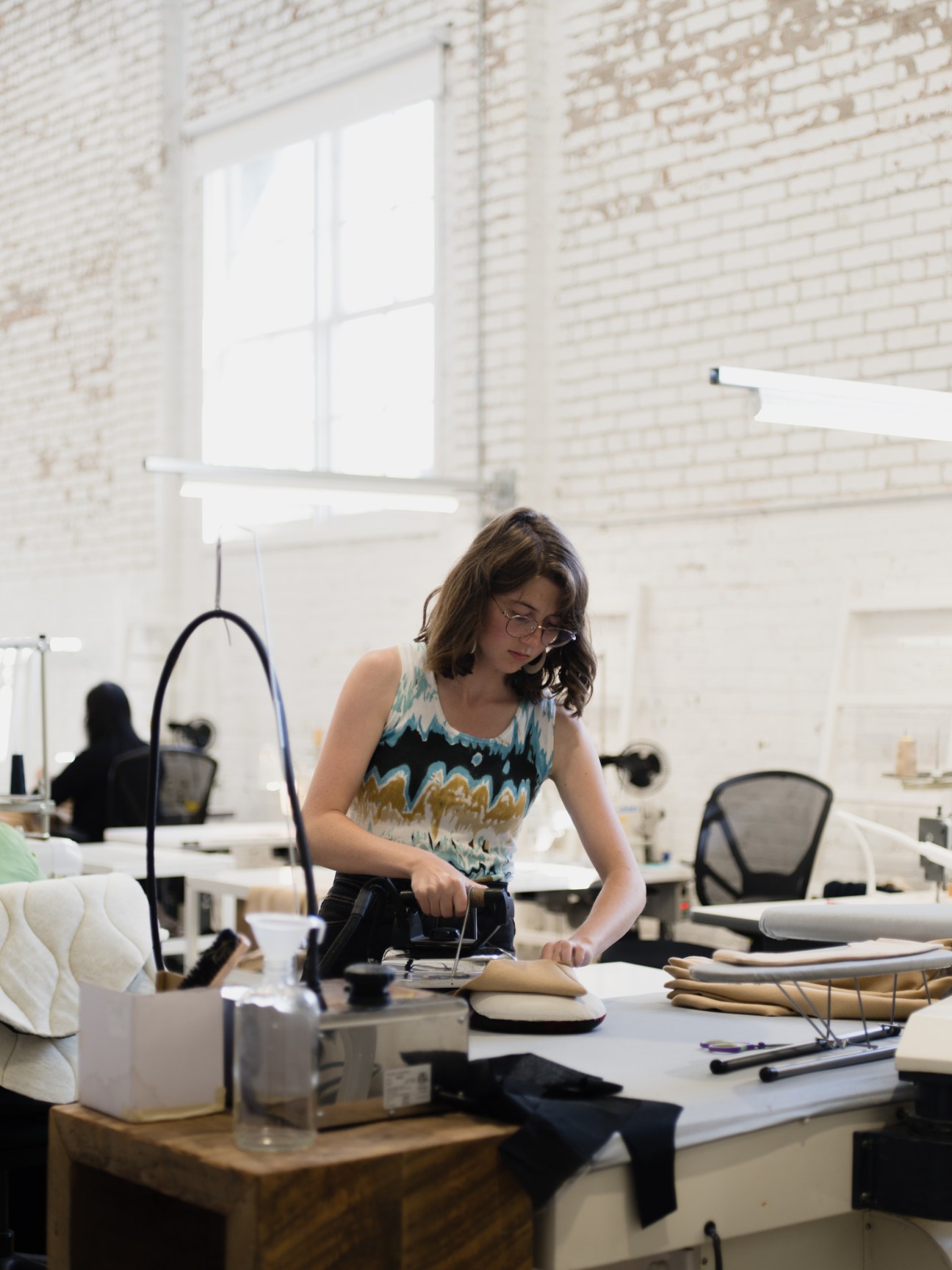
“A lot of the manufacturing once done in Canada has moved offshore,” says Rene Gauthier, who founded Ecologyst in 2002. Nearby, needleworkers are finessing panels for a line of jackets made from sustainably sourced camel hair, a part of Ecologyst’s autumn collection. “That pushed us to open up our own factory here in Victoria to meet the demand. Our customers wanted it.”
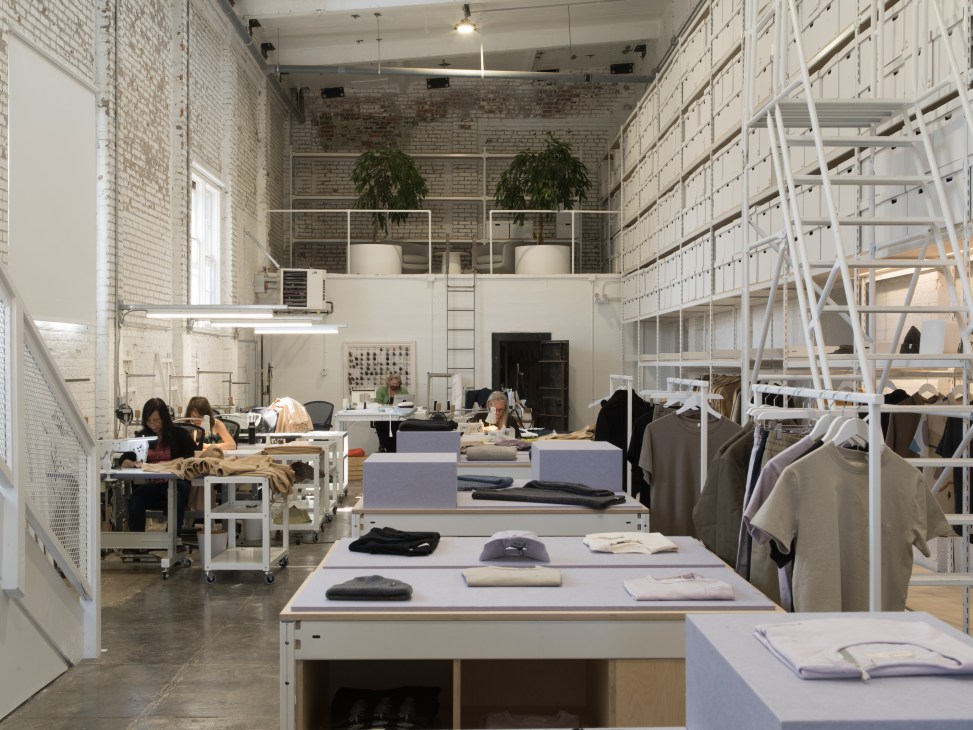
Ecologyst opened its first factory in the city in 2018, a far smaller operation than this new facility in the Powerhouse. Here, the ground floor of the vast space also serves as a showroom where loyal customers and curious passers-by can peruse clothes from current and forthcoming collections, all of which are made in small batches to minimise waste. “In our industry, overproduction is a huge issue,” says Gauthier. “Companies often make too much so they have to discount it. But if they’re a more premium or luxury brand and discounting isn’t an option, they either burn products or put them in landfill, which is crazy.”
Ecologyst’s pieces are assembled at sewing stations arrayed around the vast space, which was designed by Victoria-based architect Colin Harper. Gauthier points to a set of sleek, unobtrusive floor-to-ceiling shelves, stacked neatly with white boxes. “That whole wall, it’s our inventory,” he says. “It has become this architectural feature. It’s one of the more interesting parts of the space.”
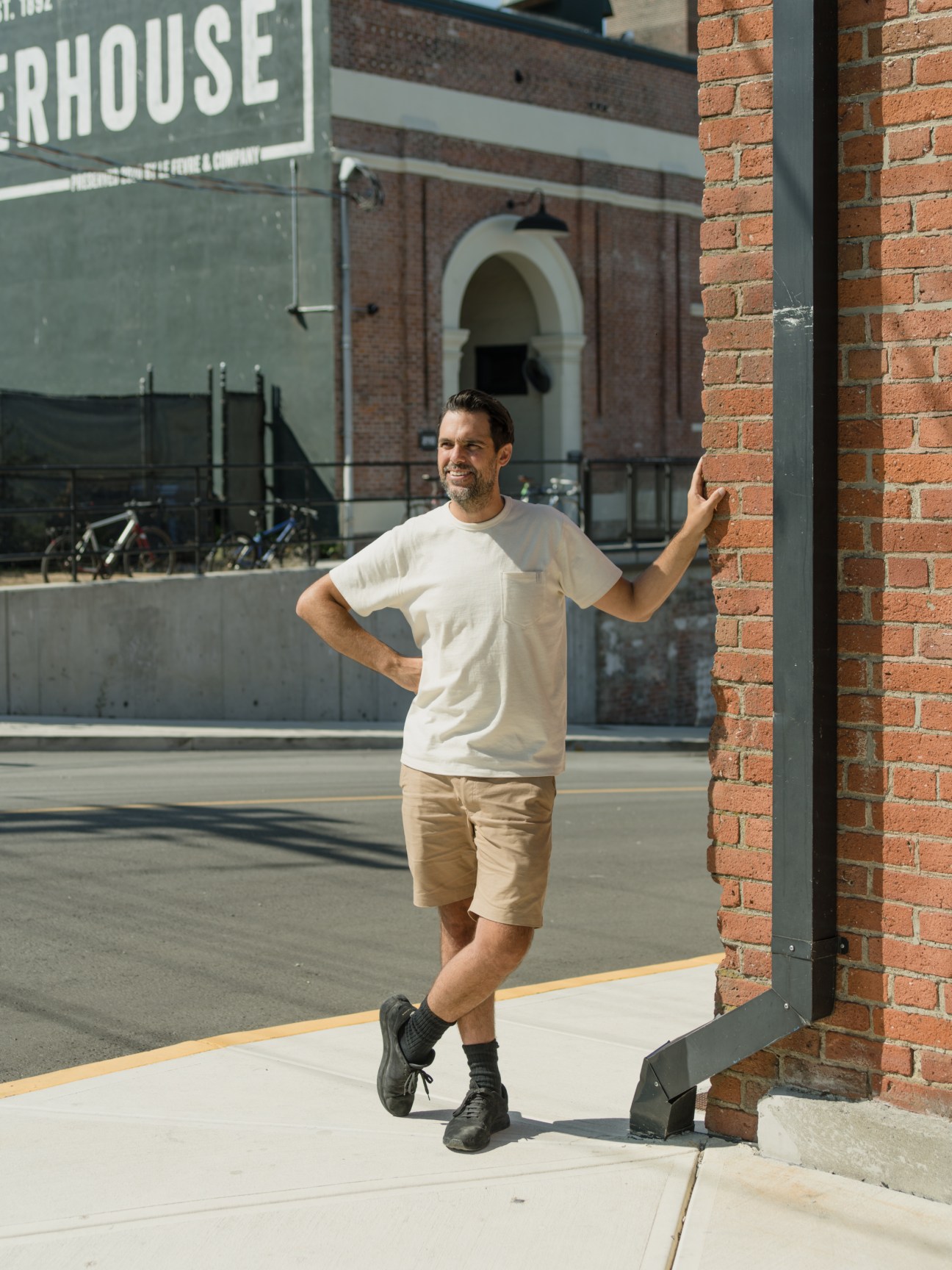
Gauthier has demonstrated a willingness to take risks before. The firm was initially named Sitka after a spruce tree native to the Pacific Northwest but rebranded as Ecologyst in 2019 to avoid a potential copyright wrangle with a similarly named US hunting-apparel company. That decision followed a comprehensive overhaul of its production processes three years earlier, when it abandoned plastic and synthetic fabrics in favour of entirely natural ones, severed its overseas supply chains and returned all of its manufacturing to Canada.
Banks and other lenders were hesitant about funding such a radical shift so Gauthier had to search elsewhere. “Then the light bulb went on,” he says. “We looked into the idea of enabling our customers to be the owners of the company.” Ecologyst now has about 600 small-scale investors who fund the purchase of high-quality fabrics, such as water-resistant cotton for its outdoor coats, while allowing the company to pay its small team of highly skilled in-house makers above-market wages.
“The demand for sustainable clothing is there but the supply isn’t. It’s going to take the newer players, like us, to meet it”
Gauthier’s goal is to replicate this manufacturing format in cities elsewhere in the Pacific Northwest. Plans for a site in Seattle are under way. “People understand

that they can vote with their wallet and that the purchases they make have an impact,” Gauthier says, referring to Ecologyst’s deliberately small lines and pricing model.
“My view is that the demand for sustainable clothing is already there but the supply isn’t,” adds Gauthier. “Large players can’t just completely rejig their supply chains overnight. That’s why it’s going to take the newer players who have been working on this for a while, like us, to meet that demand. I am confident that we are going to shift the pendulum the other way.”
ecologyst.com
Key takehome
Move your manufacturing closer to home and you could soon reap the benefits. A tight production run can pay significant dividends for the environment, the community and your business.
Flying high
Five grounded pilots who made their side hustles soar.
Everyone in Hong Kong seems to have a side hustle and the city’s pilots are no exception. When these first and second officers were grounded by the pandemic, it didn’t take long for them to get down to business. Hobbies and passion projects turned into start-ups and some are now second careers. As revenues start to take off, we check in with three of these transformations.
1.
Ash Clark and Alvin Lam
On the Wagon

Melburnian Ash Clark usually flies long-haul around the world but right now he’s on the 16th floor of a factory in Kennedy Town, a residential area popular with expats in western Hong Kong. The 30-year-old co-founded kombucha brand On the Wagon in January and its headquarters are full of bottle-stocked fridges and vats for fermentation. Three flavours are on sale at several neighbourhood cafés and a Michelin Guide-recommended restaurant: a rapid ascent for an idea that began in Clark’s home kitchen. His best-selling concoction, a mix of darjeeling and assam teas, is a favourite at food markets. “We were selling about 100 bottles a week when we launched but now we can do five times that,” he says.
He is flanked by his business partner Alvin Lam, an artist and former cabin crew member. Lam’s watercolour designs are on every On the Wagon label. Clark and Lam branded the company as an artisanal, non-alcoholic drink rather than as a health tonic because it helps them to broaden the customer base and differentiate their products. “It comes down to balance,” says Clark. “I’ll have a kombucha for every two beers.”
onthewagonhk.com
2.
Andy Littlewood and Sean Noreiks
K-Town Roasters

K-Town Roasters has set up shop just a few floors down from On the Wagon. The roastery was founded by Andy Littlewood and Sean Noreiks, who met a decade ago in Papua New Guinea while working for domestic carrier png Air. Both in their thirties, the pair of first officers, who have more than 30 years of flying experience between them, aim to provide locally roasted coffee at palatable prices.
Australian coffee-roasting veteran Noreiks had wanted to set up his own roastery in Hong Kong for years. So when the pandemic reduced his flying hours, he approached Littlewood, who had just been laid off by a regional airline, with a business idea. K-Town Roasters was started in April. As Noreiks and Littlewood navigate the ups and downs of obtaining a food licence, they are busy roasting and blending beans from Indonesia, Ethiopia and Guatemala.
During our visit, Littlewood makes a pour-over coffee, enthusing about the Japanese ceramics in his brewing kit. “At the beginning of the year, I would still have been drinking only flat whites,” he says. He hasn’t given up on flying a330s but he’s certainly on a high for other reasons too.
ktown.com.hk
3.
Antony Bunker
Quickdash
It’s not just Hong Kong’s Aussie pilots who are pursuing a second career: the city is full of Brits, Kiwis, South Africans, Singaporeans and, of course, Hong Kongers themselves who are starting up their own projects. Second officer Antony Bunker launched his own business in his hometown after seeing countless friends in the aviation industry struggling to promote their new businesses online. So, with flights on hold, the 25-year-old pilot sat down with more than 200 businesses in the city to find out precisely what they needed and Quickdash was born.
The app helps users, often physical-space retailers such as market stalls, to set up an e-commerce shop in minutes, with added features to help them manage orders and track inventories. It now has more than 300 users and 50 online shops, including several pilot-owned businesses.
Bunker plans to partner with a delivery service and expand further with the recently launched web version. Once a blueprint has been created here, he wants to target other countries in the region, with Singapore first on the list. But don’t expect this young pilot to taxi away from the runway just yet. “I’m keen to fly for as long as I can,” he says.
quickdash.app
Key takehome
When the pandemic put their day jobs on hold, these pilots wasted no time in taking advantage of their clear schedules. When life gives you lemons, make lemonade.
Only connect
How creative agency Bodega is reinventing the members’ club.
On a warm autumn evening, a dozen or so guests have gathered for dinner at Maison Bodega, a restored early-20th-century mansion on the leafy fringes of Minneapolis. Tonight’s meal is the first instalment of a new initiative of Bodega, a creative agency established in 2014 by Liz Gardner and Josef Harris.
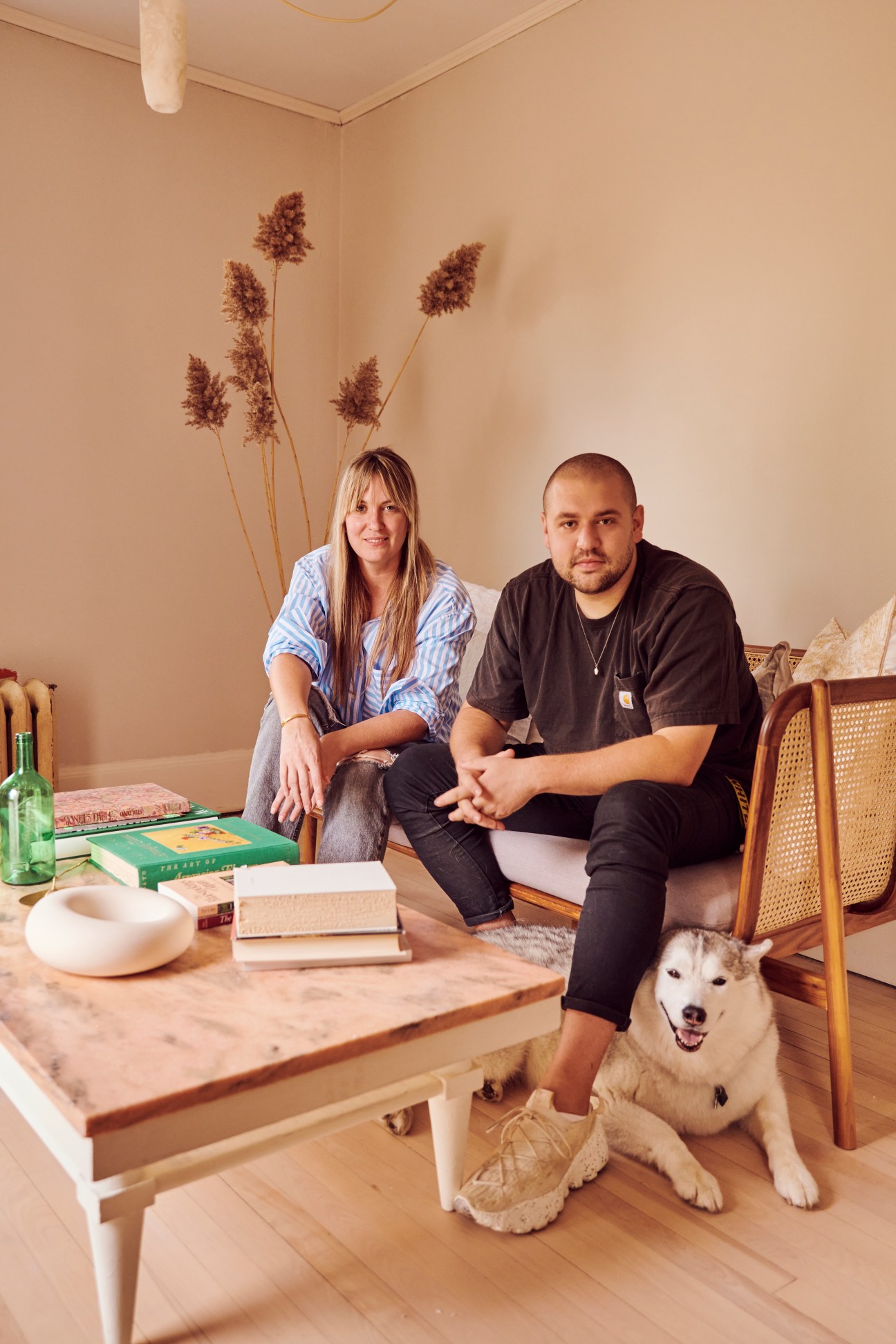
Salonnière, named to evoke the salons of 18th-century France, is a modern take on a members’ club. For a monthly subscription that begins at $199 (€168), you can gain access to publications, an online hub and events such as tonight’s nine-course French dinner. This meal is part of a conceptual series called For the Corpse, created with Los Angeles- based photographer Aubrey Devin.
“In the process of bringing our 100-year-old building back to life, we discovered that it had been home to several matriarchs who had facilitated creative and civic conversations,” says Gardner. In the early 1900s, it hosted classes for women on managing their incomes; later it was a venue for readings of new plays and performances of pieces of jazz and classical music. “Salonnière felt like a natural extension of that history,” says Gardner.


Salonnière gives its events and subjects for discussion a theme that is updated every three months. Its membership largely comprises people from the creative and design industries but other sectors are also represented, says Harris. The goal is to start conversations and relationships. “We invite our audiences to spend time mulling and meandering,” he says. “We felt that there was an opportunity to bring more information to the trends we’re seeing. That would allow designers, business leaders and others to make better decisions.”
“We felt that there was an opportunity to bring more information to the trends we’re seeing. That would allow designers, business leaders and others to make better decisions”
The members’ club has helped Bodega to reach a wider audience and find interesting projects. “It is crucial for entrepreneurs to understand new opportunities and it’s vital for us to be multidisciplinary,” says Mad Lenaburg, a designer at Bodega. “The relationship between Salonnière’s digital hub and its events has allowed us to better understand our ideas. We hope those conversations and connections will ultimately move the culture forward.”
bodegaltd.com
salonnierepaper.com
Key takehome
Don’t just start a business: start a community instead. By bringing people together through your brand, you will improve your project pipeline and develop your ideas further in the process.
Q&A
Gabriela Hearst
Fashion designer
Hearst is the founder of two successful fashion brands: Candela, which she built from scratch while a 28-year-old in 2004; and her own namesake label, which launched in 2015. She is also the current creative director of Parisian label Chloé. Having grown up on a ranch in Paysandú, Uruguay, Hearst’s rural roots continue to inform her work.
Tell us about the influence of your upbringing on your career.
I grew up, off the grid, on a ranch where my family has been living for 170 years. When I was a child, the power came from a generator that would be switched off at night. Growing up in such a place, you’re connected with nature and understand that you belong to it – and that nature doesn’t belong to you. It taught me about sustainability because we had to make things to last. It was about quality from a utilitarian point of view and not from an opulent point of view.
How does this experience influence the work that you do now?
In the next year I want to be using 80 per cent non-virgin materials. The goal is to make the highest quality possible while having the lowest impact on the environment. We’re looking at our relationships and time schedules, trying to work them in a better way so that we can ship by boat and not freight by air.
It certainly feels as though it’s a different approach to fashion.
I don’t feel that what we do is like fashion. Rather, I feel that what we do is closer to cooking; I have friends who are chefs and they find that their work is very similar to ours. In both cases it’s about ingredients and how they are sourced. With clothing, as with food, there are things that might look good but don’t necessarily make you feel good. Your skin is your largest organ and you’re putting these things on top of it, so we really need to think about it.
Perfect pitch
A Dutch tent company’s commitment to quality.
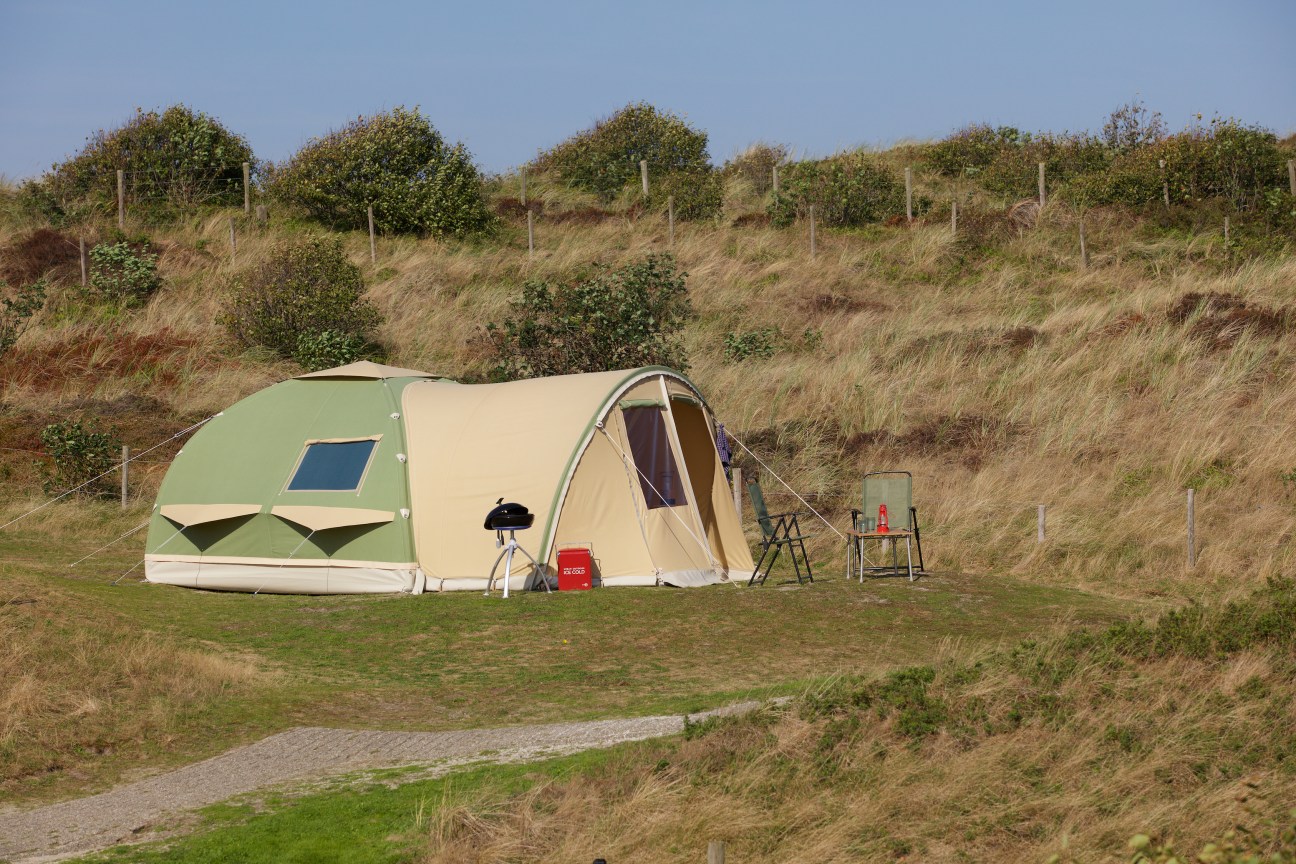
When the pandemic struck, many of us traded in adventures abroad for sojourns closer to home. This left aviation in turbulence but triggered a rise in demand for camping gear. Earlier this year sports retailer Decathlon announced that its tent sales had surged by more than 70 per cent.
But not all tents are created equal. “You can only use many cheap ones for five or six weeks,” says Marc Takken, managing director of Dutch brand Karsten Tenten. “Ours last for 25 to 30 years. We make lifetime tents.”
Made in the Netherlands, Karsten’s products have sold particularly well in Asian countries such as Japan and South Korea, where demand for European-made tents has been high. Recently, Karsten has started customising and exporting its goods to the South Korean navy and army rescue corps.
Founded in 1981 by Takken’s father, Karsten has had a loyal customer base for decades but the brand could never have predicted its recent success. “2020 was our best-ever year,” says Takken. He is confident that sales won’t suffer significantly even as travel restrictions ease and demand for holidays on home shores wanes. Once people try camping, he says, they tend to stick to it – at least, if they have the right tent for the job.
karstententen.com
Form and function
The architecture firm that insists its employees dress to impress.

Paul Noritaka Tange is chairman of Tange Associates, an architecture firm founded by his Pritzker prize-winning father, Kenzo Tange. The studio is famed for public buildings from Japan to Mexico, and has also become known for its dress code, which requires employees to wear a suit and tie. Tange tells us why.
“Wearing a suit and tie was a tradition at the firm started by my father in the 1940s and it’s one that we maintain today. As architects we are not just artists, we are service providers and we are businessmen. In Asia, and Japan especially, all of our clients wear suits and ties to work. As we are serving them, we have to respect them and not offend their work culture. This means it’s important that we look as though we mean business when we go to meetings. So keeping the suit and tie shows respect to our clients and our profession.”
Key takehome
Think about what your clothes are saying about you when you are working with clients. Trying to be too fashionable can make your services look slack and send out the wrong message entirely.
Making progress
Craftwork is booming as we pursue tangible skills.
A few years ago, craft workshops might have been the domain of retirees with time on their hands or those seeking a weekend hobby. But recently a significant shift has taken place in the UK. Professionally run short courses in everything from basket weaving to chair caning now command six-month waiting lists.
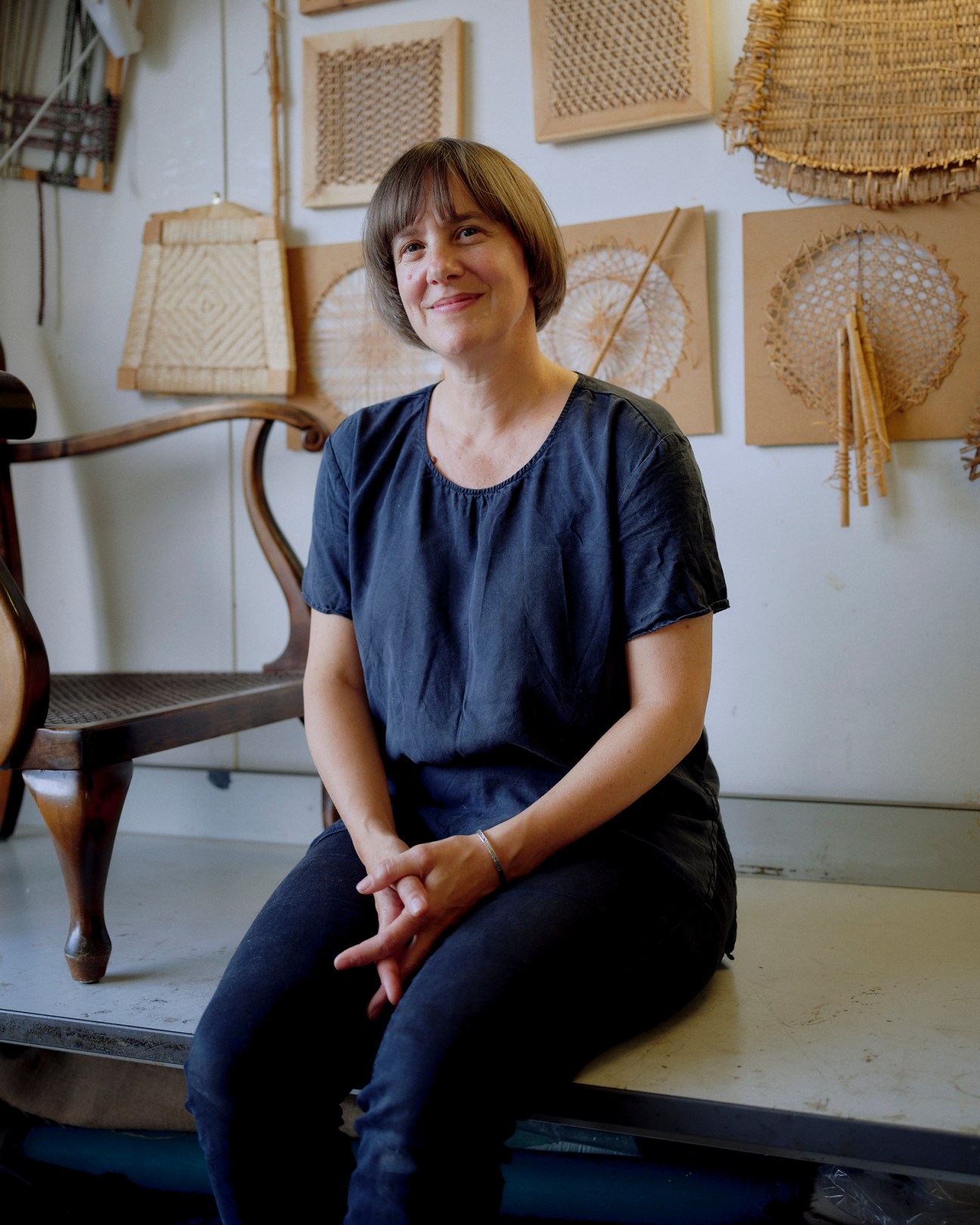
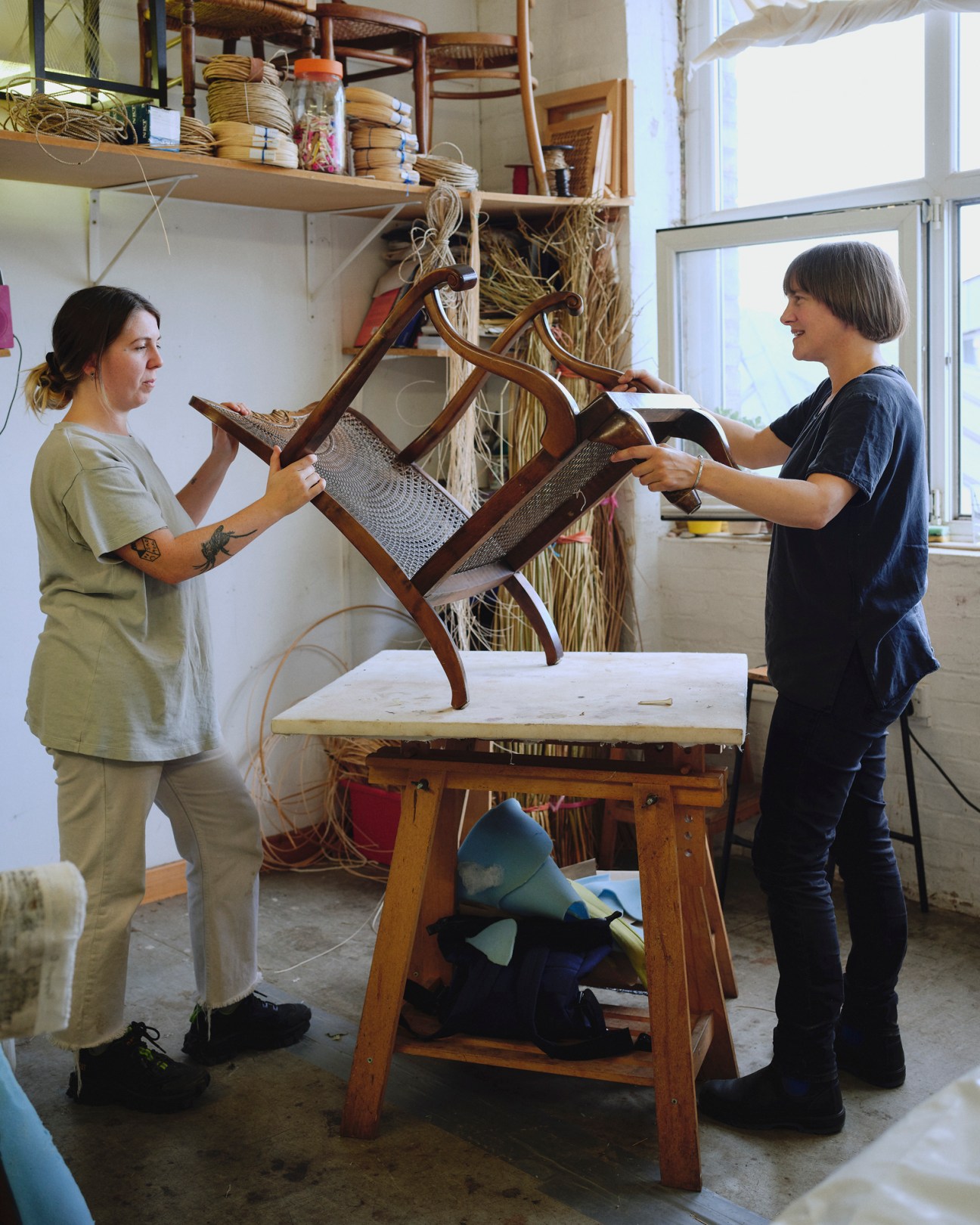
“A lot of jobs are computer and office-based and people are missing making something tangible and real,” says Rachael South, who teaches modern and traditional upholstery courses at the London Metropolitan University and runs a series of classes on crafting chair seating with cane, rush, willow and cord.
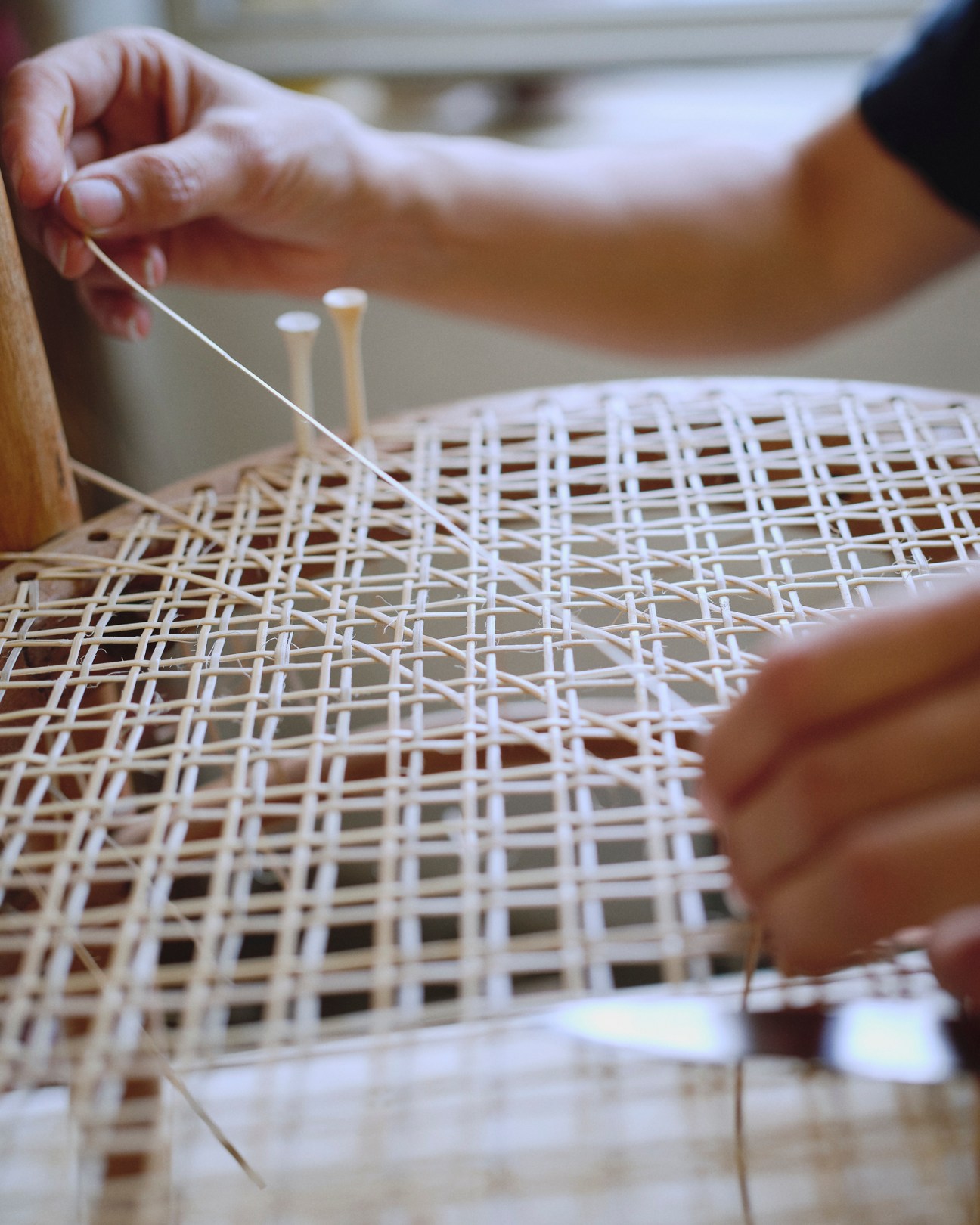
South’s workshops are full of people from all walks of life. Although many of them aren’t necessarily looking to profit from their new skills, some see it as an opportunity for career growth. “They’ll come to train first and they have to practice quite a bit because when you learn you’re much slower,” says South. “But once they’ve sped up and caned, say, 450 chairs, it starts becoming something that’s potentially lucrative.” According to South, many of those who see her courses as a jumping point for a career in craft get part-time jobs while they’re still finding their feet – or establish collectives and studios with other like-minded craftspeople who are also taking their first entrepreneurial steps.
It’s a more organic and less linear approach to business than getting an mba but it might pay off. After all, people aren’t only increasingly interested in making craft; they’re buying more of it too. A report from the UK Crafts Council revealed that the number of people buying artisanal wares in England rose from 6.9 million to 31.6 million between 2006 and 2020. So if you’re thinking of trading in the mouse and keyboard for a caning needle, now might be the time.
Sectors to invest in now
The past 18 months have posed profound challenges for businesses. But they have also thrown up new opportunities and revealed some truths about what’s essential to our economies and the communities we live in. As many businesses bounce back, there are a host of possibilities to be harnessed by entrepreneurs who have learnt lessons over the past year. Here are five openings that we would put our money on.
Companies with short supply chains
The precariousness of global supply routes has been laid bare by the pandemic. It’s a development that has made it more appealing to manufacture closer to home and is why smaller independent makers in specialised centres, such as shoe brands Unmarked and Miles & Louie in the Mexican footwear capital of León, have been able to keep up with demand despite slowdowns elsewhere.
The neighbourhood shop
It’s a case we’ve been pushing for years but the importance of the neighbourhood shop has never been more evident. Many became cornerstones of their communities and city economies in the pandemic. They proved their flexibility and boosted offerings, with bakeries becoming miniature supermarkets and cafés turning into bottle shops.
Green energy suppliers
Some environmentally savvy energy suppliers have seen their share of the consumer-energy market climb. London-based renewable-energy company Octopus, founded in 2015, doubled its UK customer base in the 2019 to 2020 financial year to more than two million people. It shows that demand for green energy is growing.
“Our employees now volunteer at food banks, clean up parks and hang holiday lights along the main streets”
City infrastructure planners
Building cycleways, bridges and other infrastructure is a central plank of efforts by governments worldwide to kick-start their economies. Playing your part as an architect, engineer or investor will bring benefits to your city – and your bottom line too.
Independent delivery services
Many consumers are becoming aware of the cut that food-delivery giants take from the small, independent businesses whose goods they transport. Targeted, locally owned delivery services can crack that stronghold. During the pandemic, Toronto’s Annex Market sold goods produced nearby and delivered them within the city – and customers have since stayed loyal.

Toast of the town
Three contemporary companies that have spawned communities.
Company villages or towns were a popular concept with industrialists in the late 19th and early 20th centuries. The idea was that a corporation could build an urban environment – complete with housing, markets, parks, schools and social programmes – in which its employees would live, work and play, thus improving their quality of life while also attracting other associated businesses and infrastructure to the area.
Although the model resulted in some notable successes – including Hershey in Pennsylvania and Bournville in the UK – the number of such schemes has dwindled. But that doesn’t mean there’s not some merit to the proposal. Indeed, it’s why the likes of Google and Facebook build campuses for their workers, and why many Italian villages have set up programmes with the aim of enticing ambitious and visionary entrepreneurs to their enclaves.
Here we spotlight three companies from more recent times that have provided large-scale employment and given back to their communities. In some cases they’ve done it so successfully that we think a municipal name change should be on the cards.
1.
Zoho, Silaraipuravu
India
Technology company Zoho first established an office in the village of Silaraipuravu (population 2,100) in 2011. Its initial six-member team has since grown to 500 employees. During that time, surveys have shown that over 60 per cent of Zoho’s employees believe that livelihoods have improved across the community. This is largely thanks to Zoho’s revamp of schools, investment in hygiene and waste infrastructure, and establishment of a farm to provide employment for field workers from the village.
2.
Insitu, Bingen
USA
Nestled in the Columbia River Gorge in Washington, Insitu, an unmanned aerial vehicle company, has earned Bingen the nickname of “Dronetown”. Founded in 1994 (and a subsidiary of Boeing since 2015) it is now the area’s largest private employer, with 900 workers from the small town and its surrounding areas.
Over the past 20 years, Insitu has attracted investment to the region, with former employees forming more than a dozen other drone-related businesses nearby. But it’s not just the economic boom that’s significant. “Giving back has always been part of our culture,” says Jennifer Beloy from Insitu’s communication team. “Our employees volunteer at food banks, clean up parks and hang holiday lights on the main streets.”
3.
Iitate Power Company, Iitate
Japan
For generations the mountain village of Iitate, which has a population of 1,400, in Japan’s Fukushima prefecture had been home to farmers who supplied the country’s finest beef and rice. But this changed in 2011 when, following the disaster at the Fukushima Daiichi nuclear-power plant, the village’s future looked to be uncertain. Enter Iitate Power Company. Established as a solar-power producer and financed by 43 villagers, it has introduced a new industry in the village, creating jobs for young people and welcome income for the farmers who host the panels.
Key takehome
While we’re not suggesting your business plan should include proposals for a whole new town, an awareness of the positive effects your company can have on its employees and environment is an important first step.
Are you ready for the country?
‘Ruralmind’, Spain
Reality TV has long covered the ups and downs of contestants’ entrepreneurial pursuits. Whether a programme is about home renovations or restaurant kitchens, however, showrunners have largely focused on city life, rarely tackling the pursuits of rural entrepreneurs.
New Spanish series Ruralmind seeks to change that. In the programme, which begins in October on streaming platforms Twitch and Youtube, 40 participants will compete to launch successful businesses from small villages.
While its producers hope that this will help to tackle rural depopulation, reactions from residents have so far been mixed. Given that reality TV isn’t known for its fidelity to the facts over a good story, who wouldn’t be a little suspicious?
But let’s hope that Ruralmind’s contestants spot genuine opportunities for long-term development so the benefits can last long after filming has stopped.
Better by degrees
While the past 18 months have been tough for every aspiring entrepreneur, design students have faced a particular set of challenges. For two years, the all-important graduation shows at schools and universities – the culmination of years of hard work – have been cancelled. These events are typically attended by talent scouts, journalists, academics and other industry insiders, providing networking opportunities that no online replacements can compensate for. Combined with design-world gatherings being postponed or cancelled, and a dearth of work and exhibition openings, two entire cohorts have had far fewer chances to showcase their talents.
However, recent design-school alumni haven’t vanished en masse to sulk. Instead, they are entering the industry in interesting ways. Monocle has selected seven laudable examples of graduates from 2020 and 2021 who have become entrepreneurs. All have used the pause in the carousel of industry events to develop a bolder direction, while applying what they have learned during this difficult period to develop robust and novel approaches to business.
Sarah Hossli
École cantonale d’art de Lausanne, Switzerland
MA product design
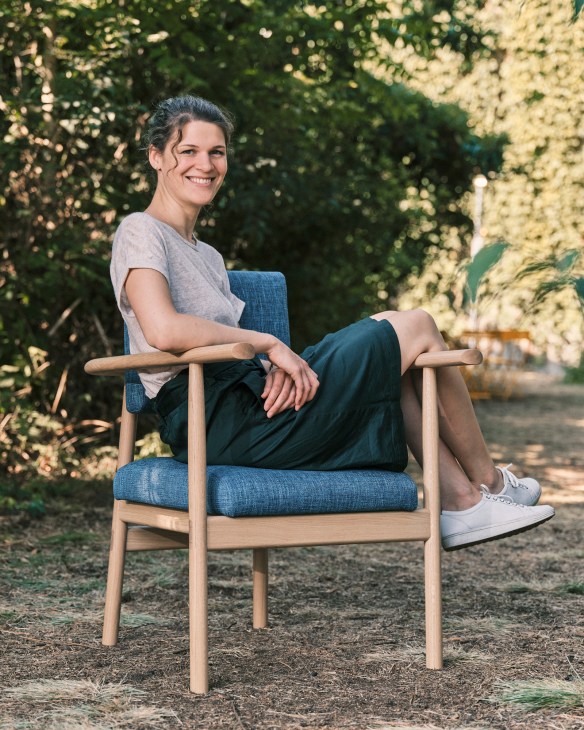
Residents of Basel’s Generationenhaus Neubad will have an easier life from next year, thanks to Sarah Hossli. While researching for her diploma project at the École cantonale d’art de Lausanne (ECAL), the Lucerne-based designer visited the nursing home and day-care centre, and saw that the elderly occupants were often unable to get out of chairs by themselves. “This wasn’t a problem of mobility but one of design,” says Hossli, who graduated in 2020.
Developed over the past two years at ecal – in collaboration with Girsberger, a Swiss manufacturer of custom furniture – the Lotte chair helps users get up and move around thanks to extended armrests that also wrap around the seat. The residents of Generationenhaus Neubad, who provided feedback on every prototype, will receive their new armchairs next spring. The Lotte, which is soon to be put into production at Girsberger’s factory, has also earned Hossli a nomination for the prestigious Design Prize Switzerland, as well as inquiries from both sides of the Atlantic.
Hossli has steered her practice towards inclusive design; an area that might not be the most glamorous but is in high demand. “I’m lucky with the topic that I’ve chosen because people are now much more aware of the need to take care of the elderly,” she says, arguing that designers have been slow to address the issues presented by ageing societies. “In the end, this will benefit us all.”
Lukas Marstaller and Oliver-Selim Boualam
Karlsruhe University of Arts and Design, Germany
MA graphic design & MA product design
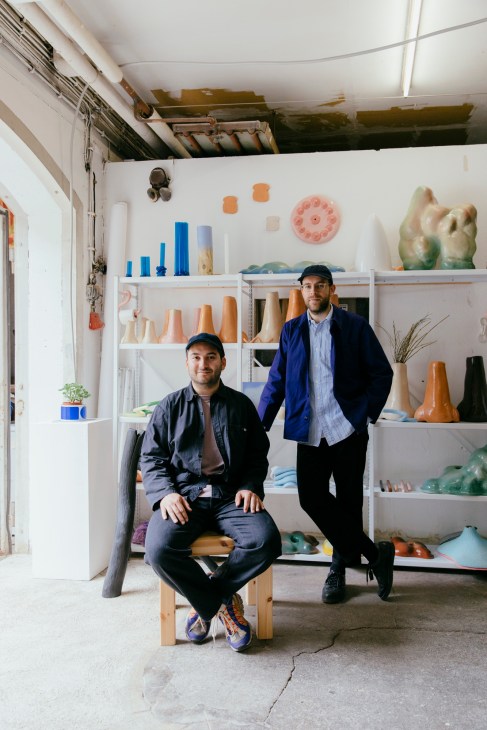
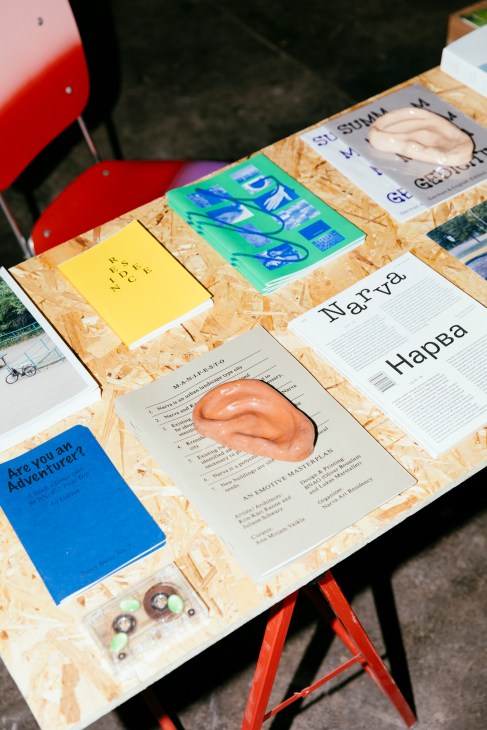
Lukas Marstaller and Oliver-Selim Boualam, of design studio bnag, produce books and ceramics, while also running a small independent publishing house. “We often have to explain to clients that we don’t work in just one field and would be bored doing so,” says Boualam.
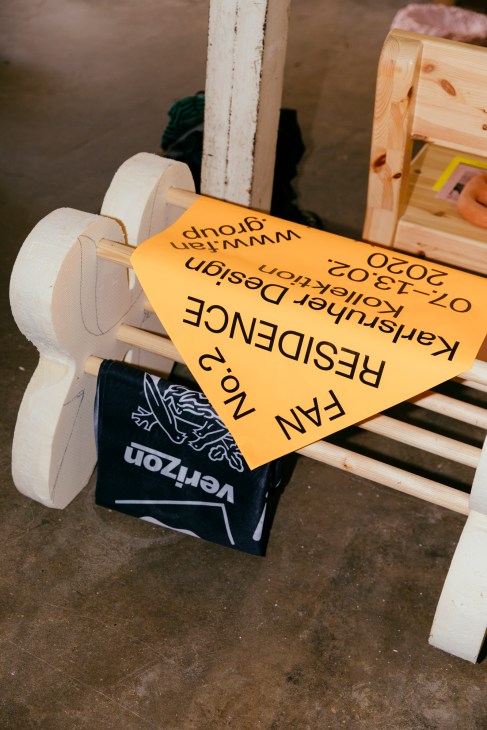
The duo graduated from Karlsruhe University of Arts and Design in summer 2021, though bnag was actually founded seven years ago. “I don’t know any other place where this would have been possible,” says Marstaller, referring to the academic encouragement and support that they received at the free-minded design school. Before the pandemic began, the designers had several major projects in the works, including a group exhibition at the Salone del Mobile in Milan. “Suddenly everything was cancelled,” says Boualam.
Hunkered down in Karlsruhe, the two friends got back to work in a former factory that now houses their studio. In collaboration with type foundry Dinamo, a special-edition Braun stereo launched earlier this year sports a bnag-designed typeface and a set of steel furniture connectors will soon be available as well. Boualam is also about to start an exhibition design for Karlsruhe’s Zentrum für Kunst und Medien and the duo’s unique pieces sell in galleries in Berlin and New York. It seems that bnag’s sunny brand of optimism is precisely what’s in demand.
Oneseo Choi
Hanyang University, South Korea
BA techno product design
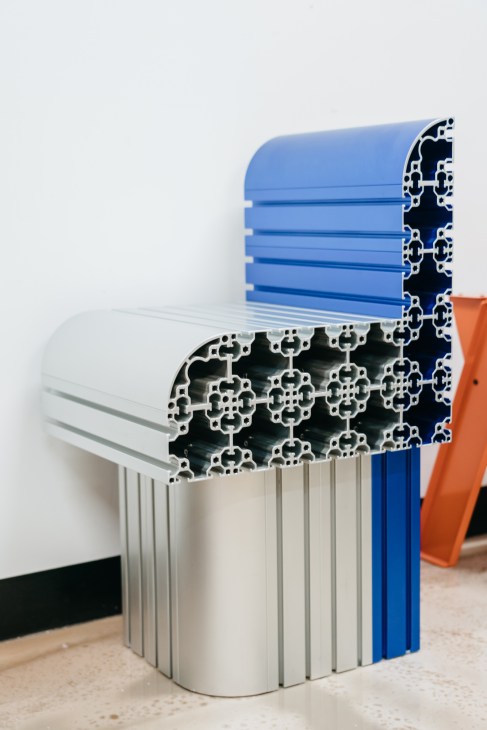
Visit a chic café, salon or restaurant in Seoul and you might spot sleek benches, tables or stools made from repurposed aluminium rods typically used in building construction. They are by Pattern of Industry, the signature furniture line of 26-year-old Oneseo Choi.
Two years ago, Choi took a semester out from Hanyang University to develop and launch the collection. “I discovered the material on the streets of Euljiro, an industrial complex in Seoul,” says Choi, who manufactures the hardwearing furniture himself in a studio just outside the city. After he won a contest organised by Design Press, a South Korean online publication, the first orders from interior decorators started coming in. Choi graduated this spring and now runs his eponymous company full time.
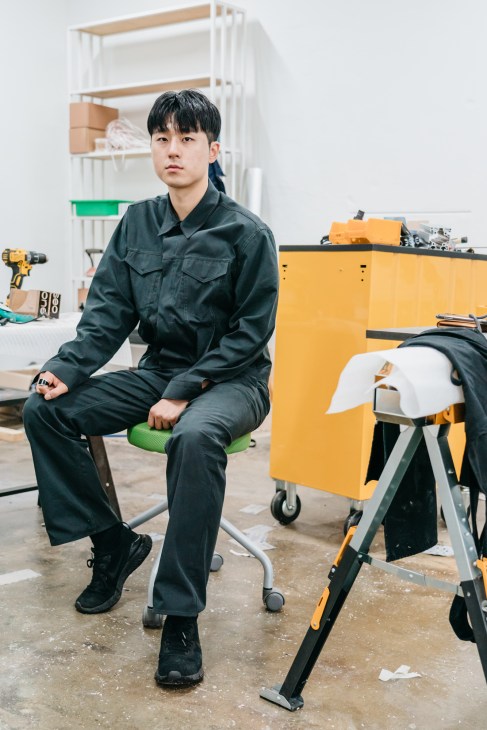
Choi credits a crafts professor who became his mentor, alongside ample networking opportunities, as the keys to his success. “Seoul is one of the most interesting cities in the world, and creators and clients are concentrated here,” he says. When events and exhibitions were cancelled last year, he focused on adapting Pattern of Industry for residential settings, while also conceiving new long-term projects. “I just want to be a designer who constantly thinks, develops and practises,” he says.

Yaxuan Liu and Izzy Kornblatt
Harvard Graduate School of Design, US
MA architecture & MA design studies
In the middle of the pandemic’s first wave and nationwide political protests, Harvard Graduate School of Design student Yaxuan Liu had the idea of organising a fundraiser by selling designs by his fellow students. After the Chinese-born architect involved his partner Izzy Kornblatt and three other current and former gsd students, the initiative quickly snowballed into Design Yard Sale, a month-long online sale with pieces by the likes of Herzog & de Meuron, Denise Scott Brown and Virgil Abloh that raised more than $120,000 (€102,000) for social-justice causes.
“Three of us were living together in Cambridge and our apartment was completely crammed with hundreds of design objects, books, shipping boxes, labels and bubble wrap,” says Kornblatt. “At the same time, we had to make sure that all our sellers were sending out their items, and all our customers were happy.” Kornblatt and Liu list website design, public relations, accounting and social media marketing as skills they learnt on the fly.
Currently, both have full-time jobs while working on independent projects. Kornblatt is an architectural historian, curates exhibitions and is working on a book; Liu does independent design work, including creating brand identities. “Our goal is to formalise all the work into one multidisciplinary design agency,” says Liu, who cites Pentagram and Venturi, Scott Brown as industry inspirations. He and Kornblatt have been emboldened by Design Yard Sale. “We learnt that if you have an idea, you need to jump in and figure things out along the way.”
Elisa Defossez
Aalto University, Finland
MA textile design
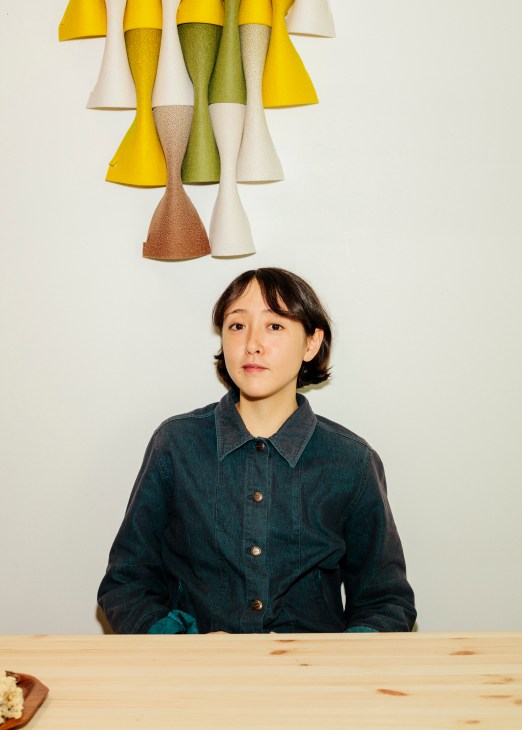
In Elisa Defossez’s studio in a residential area of Helsinki, crayon sketches are strewn on tables and felt fabrics in ochre and moss green are pinned to the wall. A budding international design agency operates in this small, serene space: some of the crayon patterns are commissioned by a leading Parisian textile house and the wall-mounted designs are currently being developed by Innofusor, a Finnish acoustic panel company whose visual identity is set from here.
“My work is about how material and colour can be considered as a whole, physically, emotionally and culturally,” says Japanese-Belgian designer Defossez, who graduated from Aalto University last year. The main tenet of her practice is nukumori, the Japanese term for a holistic sense of warmth, which she creates using a palette of natural dyes and soft line-drawing techniques. Defossez’s thesis research won the 2020 Arts Thread Material Innovation prize, and her gentle ethos resonates with a growing client base. “This interest I have in comfortable and cosy design has become even more needed,” she says.
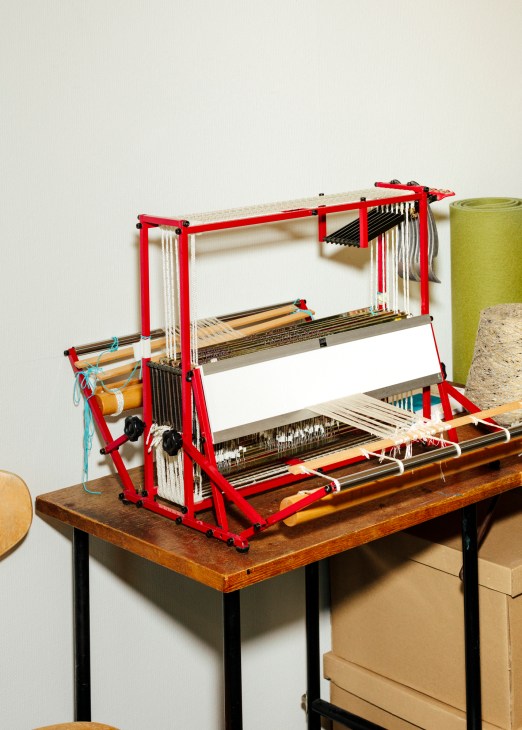
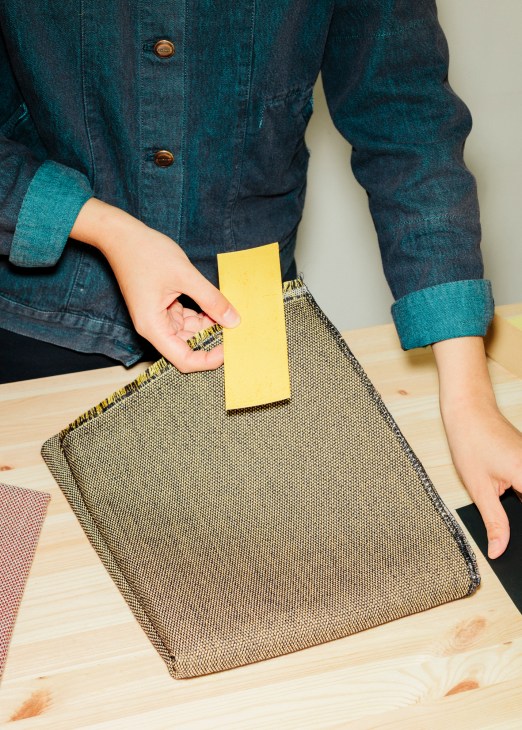
As a student, Defossez landed a coveted role as leather goods designer for Hermès but quit in order to focus on her own practice. The designer has trips scheduled to Brussels, Paris and finally Tokyo, where she plans to organise talks with regional architects and designers. Though excited to be travelling again, Defossez hopes to retain a less hurried pace of work. “I don’t think the industry always needs to be going faster.”
Port of call
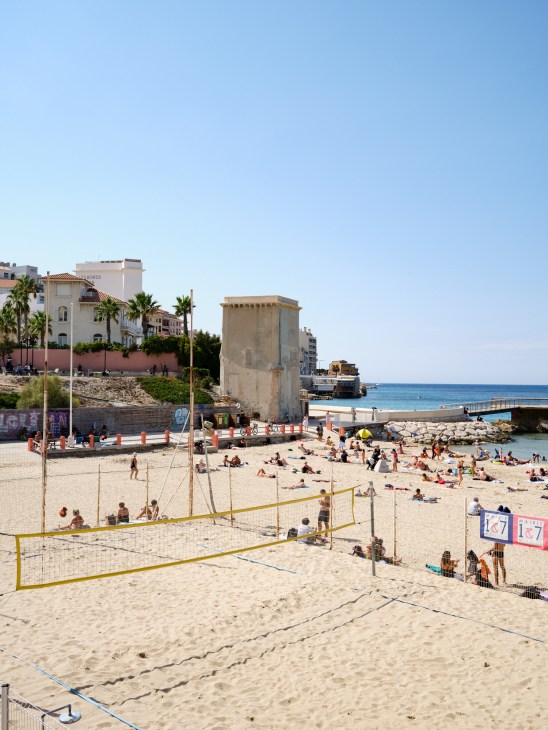
Marseille is having a moment. In September 2021, Emmanuel Macron visited France’s boisterous second city to announce a major regeneration plan. He stayed for three days in the longest official trip he has made to a French city outside Paris since becoming president. Macron has long been a fan. A supporter of the city’s football club, Olympique de Marseille, he spent his first presidential summer holiday in what’s sometimes referred to as la cité phocéenne, in a nod to its Phocaean founders – merchants who dropped anchor here about 600bc. Now Marseille’s modern-day residents are hoping that the new investment will spur the city’s considerable potential.
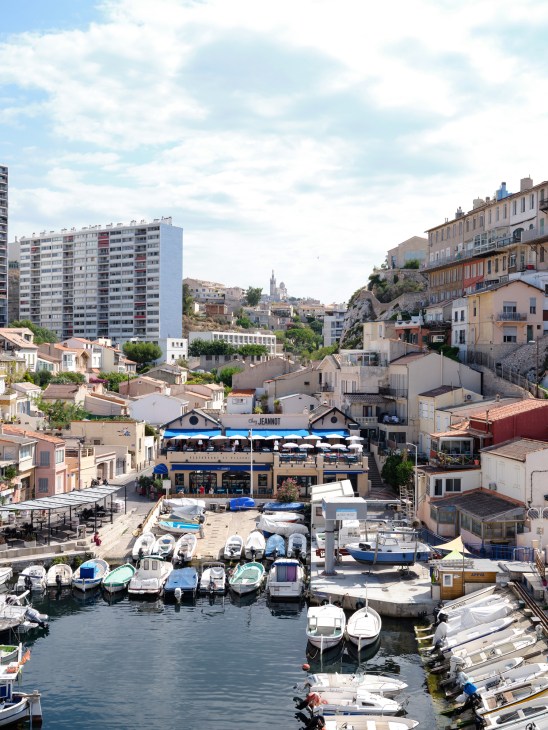
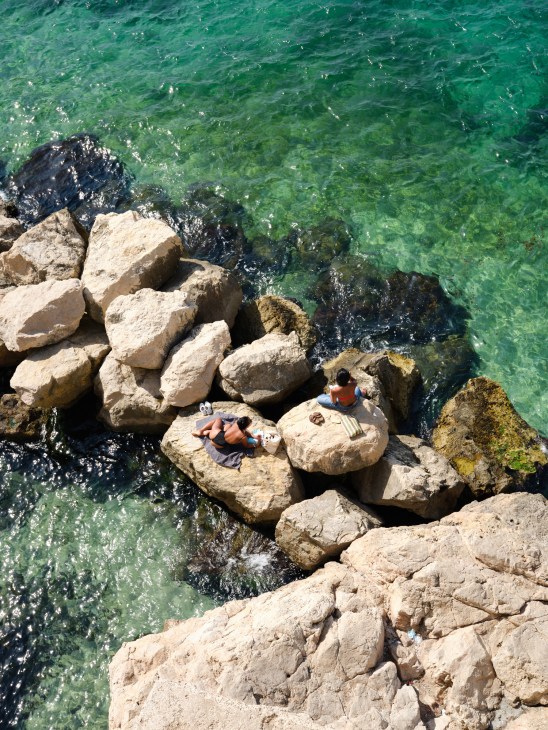
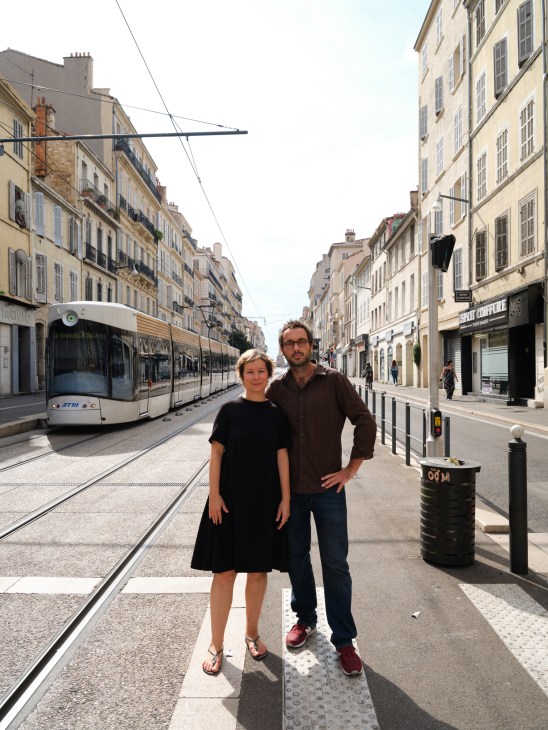
Many people have already decided to make the city home, and they’re not only from elsewhere in France. The rise of remote working during the pandemic accelerated the trend, something that regional economic development agency Provence Promotion is keen to harness, having opened offices in the US and the UK last year. The new arrivals, dubbed the neo-Marseillais, come for the 300 days of sunshine a year and the Mediterranean lifestyle with rural Provence on the doorstep. They also come because of the property prices, which are a fraction of those in Paris and other major European cities. And they come for what many consider to be one of France’s most exciting cities, with a hinterland, the Aix-Marseille region, that’s earmarked to become the country’s equivalent to Silicon Valley. “There’s a crazy energy here,” says Benoît Jobert, who chose Marseille to launch The Babel Community, a co-working and co-living concept that has grown alongside the city’s start-up culture. “You feel the buzz as soon as you arrive.”
Some speak of Marseille as a kind of frontier town. It’s where Europe meets Africa, and not just in terms of centuries of trade and migration. Once one of Europe’s most important ports, the city is now home to key undersea fibre-optic cables that link the two continents, underpinning Africa’s connectivity. Investors are intrigued by the role that the city might play in what is becoming an increasingly geopolitically significant Mediterranean region.
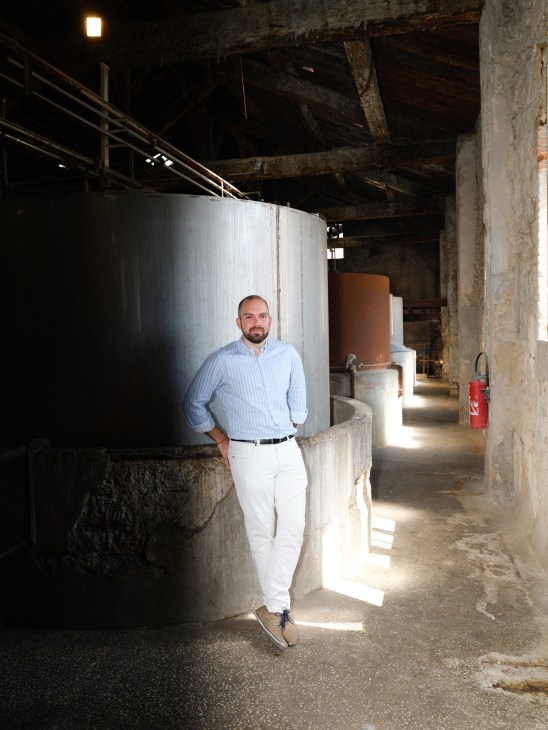
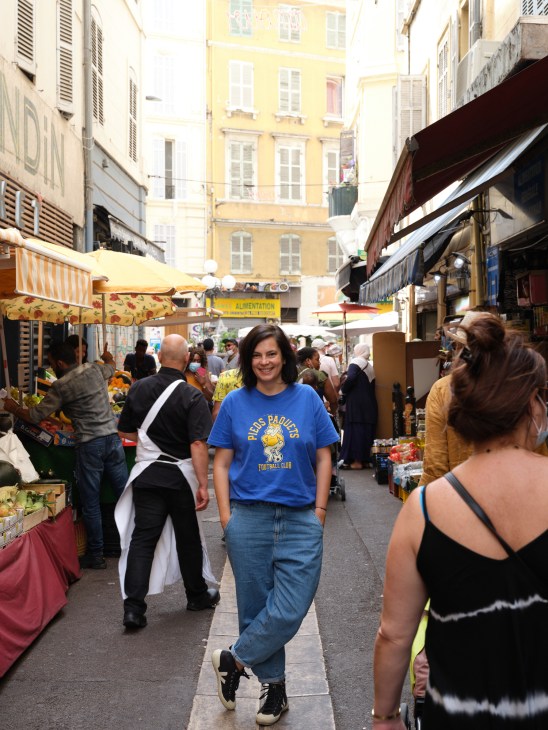
The city’s location and history inspired Samir Abdelkrim to choose it as the place to establish Emerging Valley, a project connecting European and African technology entrepreneurs. “We want to make Marseille a hub of shared innovations,” he says, adding how well connected – by air and sea – the city is to capitals on both continents. “It can be a springboard towards Africa.”
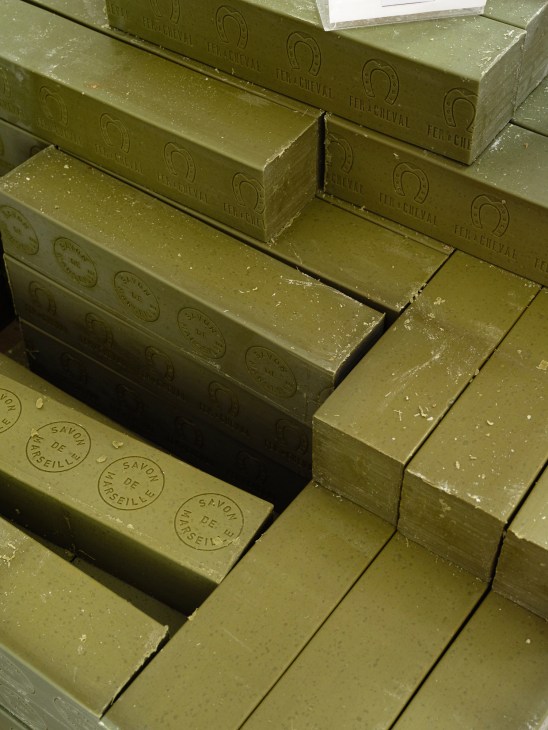
It’s not only the technology sector in which businesses are setting up. Belgian entrepreneur Raphael Seghin, along with his brother Yannick, resurrected Marseille’s oldest soap factory, Fer à Cheval, and turned it into a successful international business. He sees the city as a place of possibility for those willing to look beyond French Connection-era stereotypes. Like many big cities, poverty and crime still scar some neighbourhoods – a series of drug-related killings shook the city’s northern districts this summer – but Marseille is changing. A green-left alliance named Printemps Marseille (“Marseille springtime”) took over at city hall last year, bringing with it the first female mayor, after the previous incumbent, a right-wing octogenarian, had been in place for 25 years.
Getting there
Marseille Airport is the third largest in France, with nonstop flights departing for 116 destinations – including Lisbon, Madrid and Marrakech – in 26 countries. There are also 22 domestic routes. Alternatively, hop on the direct train from Paris’s Gare de Lyon and you should be able to get to Marseille in just over three hours. There are about 11 such trains running between the two cities every day.
Key to Printemps Marseille’s electoral base are the enterprising neo-Marseillais who have relocated to the city. “I’ve lived in many different cities but it was only New York that gave me the same feeling of open- mindedness and co-existence,” says soap-maker Seghin. “Marseille is slowly trying to shake its bad reputation and young people are realising the potential it represents.”
Marie-Pierre Gracedieu left her job as head of international literature at leading French publisher Gallimard to move to Marseille and establish a new publishing house, Le Bruit du Monde (“The Noise of the World”) with partner Adrien Servières. “Marseille is the perfect place to discover outstanding voices from across the world,” she says. “It is the oldest city in France and people from so many countries have settled here. We knew that it would be full of fascinating untold stories.” Gracedieu notes that the city’s creative energy and low cost of living lured many artists here, boosting its cultural sector. Some refer to it as a “new Berlin” on the Mediterranean.
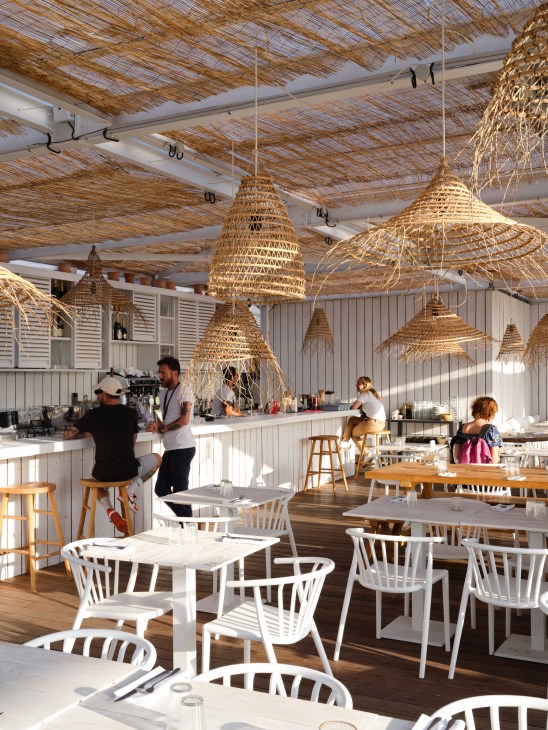
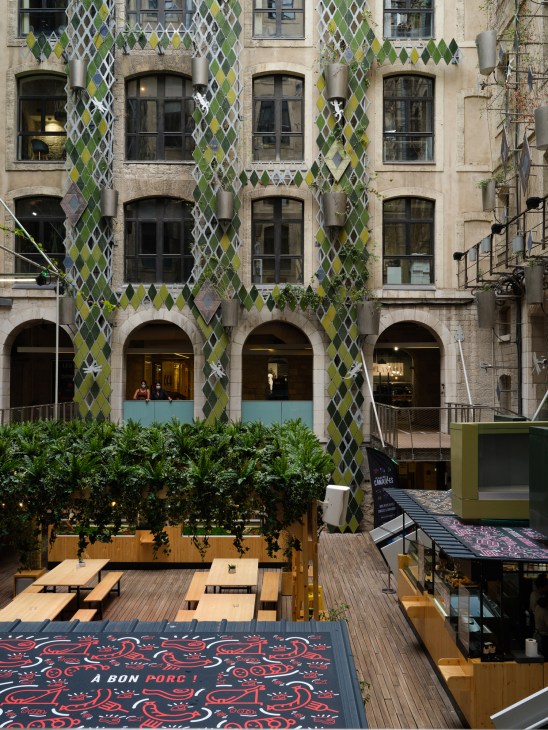
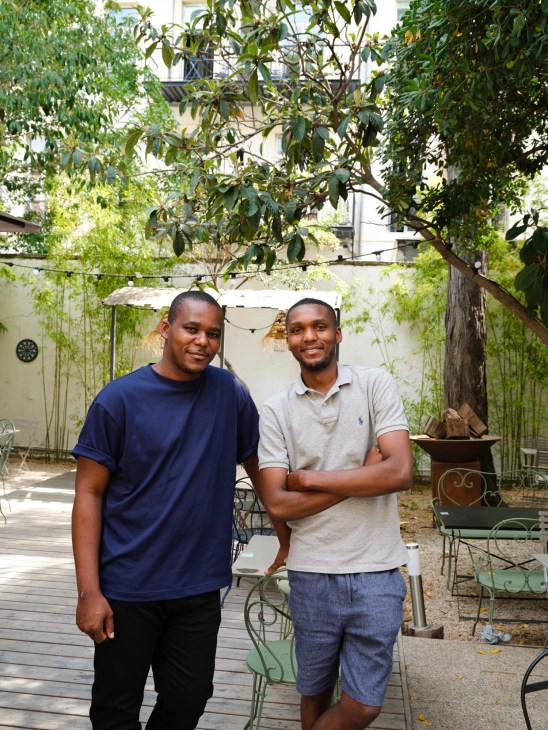
Marseille’s vibrant food scene has also been central to its reinvention. A new generation of chefs takes inspiration from the rich culinary heritage of the city’s multi- ethnic populations, which include diasporas of Maghrebi, Armenian, Italian, Corsican and West African origin. Eric and Hugues Mbenda, two Congo-born brothers whose L’Orphéon restaurant collected a Michelin Bib Gourmand, saw an opportunity when they moved from Paris. “I call Marseille the sleeping beauty,” says Eric. “We made our bet on it due to its young, dynamic population. They drive its potential.”
This year’s Cannes Film Festival buzzed with talk of how Marseille – a popular shooting location in the 1960s – was now drawing a new crop of directors. Recent movies set in the city’s sun-bleached streets include Matt Damon’s Stillwater. The US actor has become something of a cheerleader for Marseille, telling Paris Match magazine that if he were a young Frenchman he would move to the city.
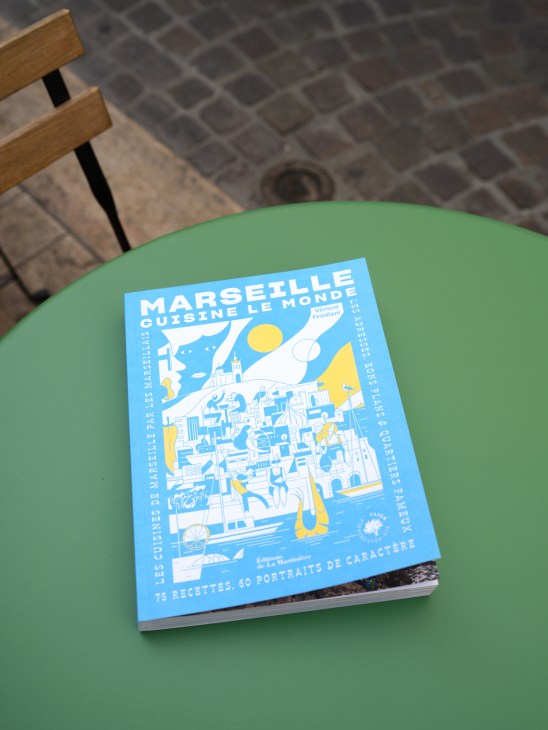
Vérane Frediani, a Marseille-born filmmaker who now divides her time between here and London, believes that her native city’s time has come. “Marseille is a place that makes sense in today’s world,” she says. “Life here is grounded in cultural diversity and resourcefulness. My advice for living here? Come as you are and talk to everybody. Anything is possible – but first you need to negotiate.”
Marseille in numbers
Population 870,000 (2020)
Time it takes to set up a business Seven days
Tax rate Rates are progressive, ranging from 0 to 45 per cent
Growth industries Petrochemicals, steel, f&b and ocean engineering
Average sunshine 2,858 hours a year
Residential property prices €4,040 per sq m
Commercial property prices €295 per sq m
No time like the present
The ups and downs of the past 18 months have delivered to our doorsteps all sorts of unwanted challenges and put many careers on hold. It has often been exhausting navigating regulations, moods (both personal and national) and just getting stuff done. But it has also brought a few pleasant revelations. And now, as we finally seem to be breaking free from coronavirus’s grasp – lifting our eyes to the horizon once again – an odd thing is happening. People are asking themselves, “Am I really going to go back to my old life or is this the chance, a unique chance, to do something new?” For many people, that new thing seems to be having a go at finally starting their own business or switching up the company that they already helm.
The impetus for some is a desire to leave the city for a rural idyll; for others it’s the fact that opportunity is staring them in the face – there’s a boarded-up shop on the high street, for instance, that would look much nicer with their name painted on the shingle. For many it’s a recognition that a business can do good: could they make a fashion brand that treads more lightly on the planet than its rivals? Could they build a company that helps to generate employment and change a town that’s close to their hearts? And yes, for others it’s simply that their old career has vanished and they need to make a living. But whatever the reason, it feels as though this is a moment when numerous employees will become entrepreneurs. And, as always, the Monocle team is here with some encouraging words.
For this outing of The Entrepreneurs we have spun around the globe to find 25 business owners whose tales we hope will offer inspiration, insights and even things to be wary of if you are contemplating joining their entrepreneurial gang. Some of those in our line-up have inherited family businesses that need fixing, while others are still earning their spurs. But in all of their stories comes a sense of the determination that’s needed to be your own boss.
Elsewhere in the issue we have our Big Interview series, where we sit down with four business owners who are going against the grain, including Yuichiro Hori, the Japanese owner of furniture brand Stellar Works, who is determined to prove that “Made in China” can be the mark of luxury; and Beks Ndlovu, CEO of African Bush Camps, who wants to shake up his sector’s offering and change the way in which safari businesses are run. For our Expo, we head to the Gulf of Bothnia between Sweden and Finland to meet the business owners who, despite the chilly climes, are making the region a hotbed of clean industry. We also check in on the players who are reinventing the nightclub, investigate the new stripped-back fashion brands and meet the graduates with the next big ideas.
So read on, take notes, ask yourself some big questions and wonder: do I have what it takes? Can I become an entrepreneur? Now is your time.
PS: If you like the world of business and our inspirational take on creating your own firm, then we have some good news. We have produced a whole book on the subject – ‘The Monocle Book of Entrepreneurs’ – which you can order now at Monocle.com/shop. It could provide the welcome shove that you might just need to say goodbye to the nine-to-five or set a friend, partner, daughter or son on a new path.
Gulf of expectation
The sheer scale of the Northvolt Ett battery factory being built outside the Swedish town of Skellefteå is mind-boggling. It measures 500,000 sq m in floor space, which is almost twice the size of Stockholm’s popular Gamla Stan (old town). The factory, due to start production later this year, will eventually produce batteries for a million electric vehicles a year. This multibillion-euro investment is one of the largest ever in this part of Sweden, and the factory alone will employ more than 3,000 people. When you factor in subcontractors, some of whom have already started arriving from as far away as China, and the increased need for housing and services, the effect on employment is multiplied. This mega-project is just one example of how the Gulf of Bothnia – a cross-border Nordic region many might struggle to place on a map – is becoming a global business hub.
“We chose northern Sweden because the surrounding region is a source of the raw materials we need, such as cobalt, nickel and lithium, but also because we can rely on renewable energy to power our factory,” says Jesper Wigardt, a vice-president at Northvolt, the brand behind the batteries. Wigardt joined the company, founded by former Tesla executives, as one of its first employees in 2017, giving him a front-row seat for the area’s transformation into a clean-energy hub. “Traditional industry has a vital role to play in mitigating climate change by altering the way it operates. Steel and cement production alone account for a third of all carbon dioxide emissions,” he says. “Northern Sweden is showing that industrial production can continue in a cleaner manner.”
One example is the upcoming H2 Green Steel plant in the Boden-Luleå region, which will aim to become the world’s first large-scale steel plant to eliminate carbon-dioxide emissions from its production process. Set to open in 2024, it will achieve this by using a combination of hydrogen-based technologies and renewable energy.
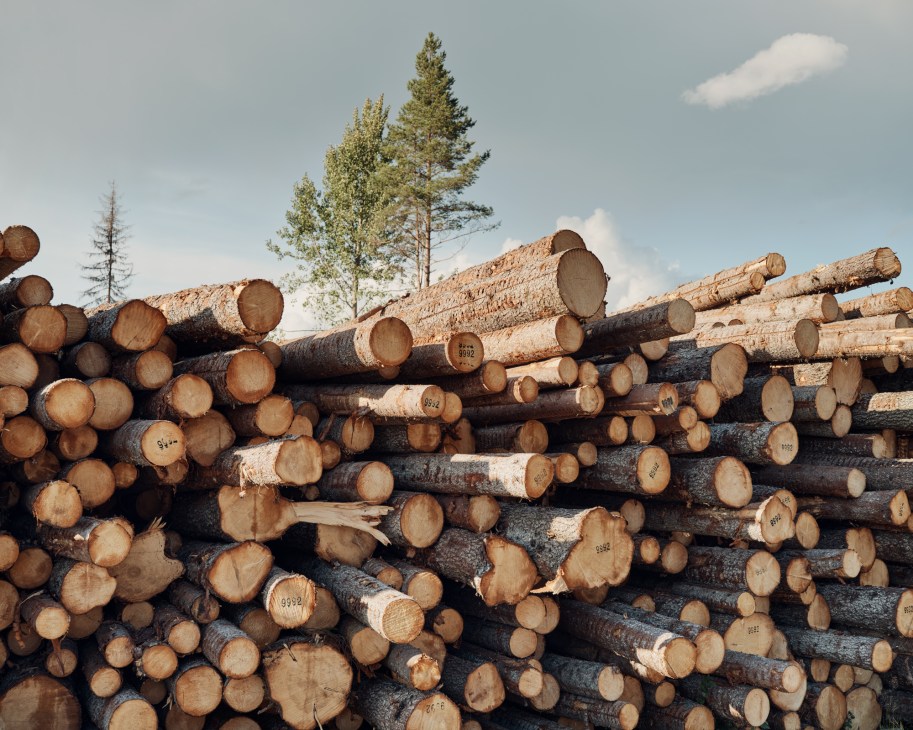
Alongside transformative new sectors, northern Sweden continues to be buoyed by traditional industries such as paper and forestry. In a country where almost 70 per cent of the land area is forested, large paper factories in towns, such as Gävle, Sundsvall, Husum and Piteå, along the Gulf coast employ thousands. To feed their need for timber, the Umeå-based Komatsu Forest manufactures large-scale forestry machines such as harvesters to fell and delimb the trees, and forwarders to transport them out of the forest.
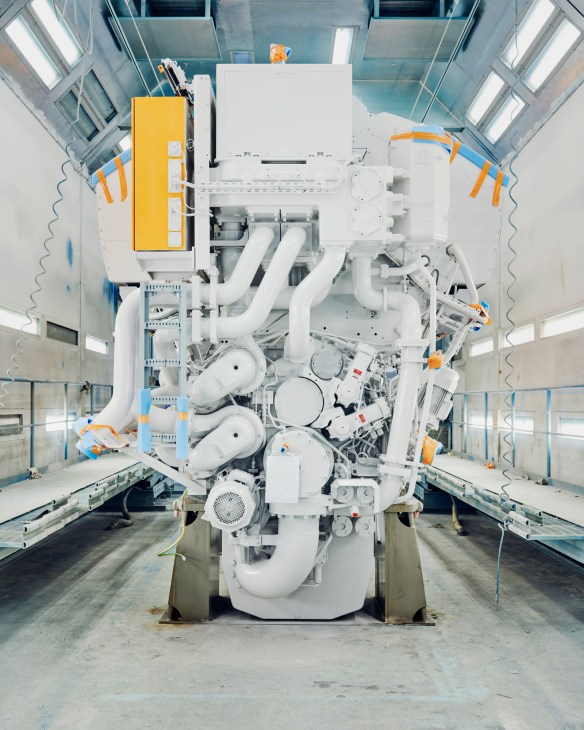
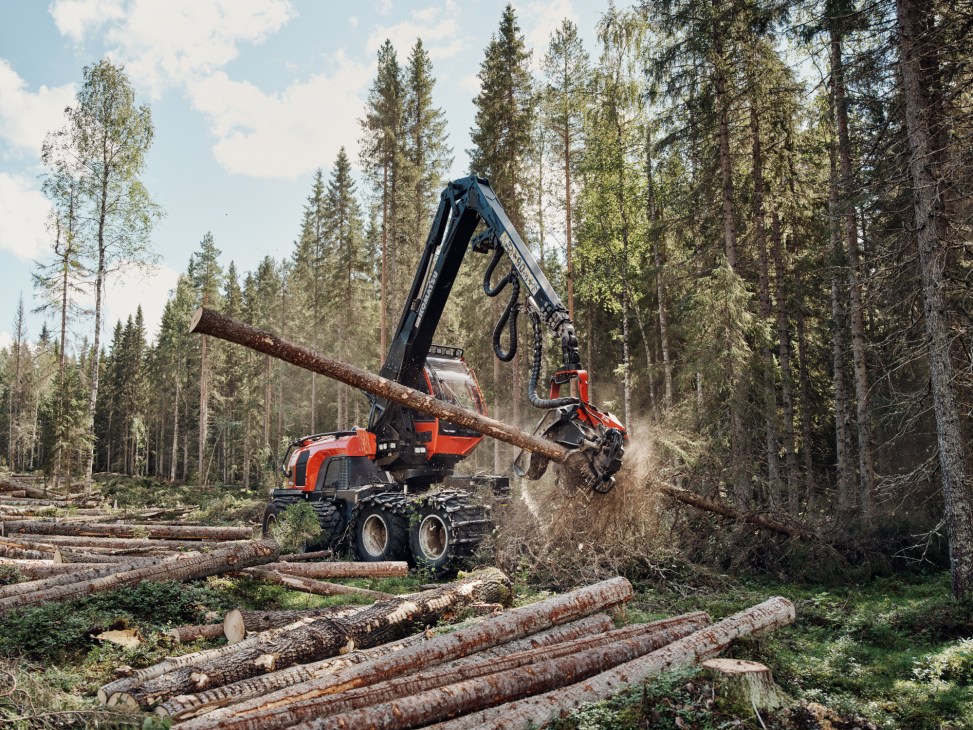
In a thick coniferous forest about an hour’s drive from Komatsu’s headquarters and factory in Umeå, Joacim Henningsson is putting the red and black 931xc harvester through some heavy-duty testing. Moving in the rough terrain, it needs fewer than 20 seconds to cut down a tall pine tree, remove all of its branches and chop it to the length the client has requested. It’s a marvel of modern engineering, something that would take even the sturdiest of lumberjacks a lot longer to achieve. After the trees are cut and trimmed, the 895 forwarder’s loader stacks them effortlessly – it can carry up to 20 tonnes of timber. “It is important for us to be based here. This is Sweden’s forestry hub, plus our main clients are based nearby in Finland and Russia, which means that we can easily ship our products to them,” says CEO Jens Bengtsson. “In addition, the universities in Umeå and Luleå produce a talent pool of forest technicians and we have many suppliers based nearby.”
The company was founded 60 years ago in Umeå and was acquired by the Japanese industrial conglomerate Komatsu in 2004. When Monocle visits, the company is in the process of moving its production from the old factory into a new state-of-the-art facility that is carbon neutral, due in part to the more than 7,000 solar panels on its roof. This traditional company with deep roots in the region is excited about the new business boom in northern Sweden. “With more skilled workers moving in here and better investments in infrastructure, everyone is set to benefit from the boom,” adds Bengtsson. One of the key infrastructure investments is the new high-speed rail link between the two major cities Umeå and Luleå that is currently under discussion. The 270km line will be designed for both passenger and freight traffic and is set to halve the travel time between the cities.
Örnsköldsvik is a traditional paper-industry town a 90-minute drive south of Umeå on the coast of the Gulf of Bothnia. It is home to one of Europe’s largest pulp mills, Husum, and a large cellulose mill, Domsjö, perched on a hill overlooking the town centre. Next door to Domsjö is where this traditional industry meets the region’s clean-tech boom. Large metal pipes run up and down an old red brick building – from the outside it looks like an oversized chemistry set. Inside this biorefinery, the chemical and clean-tech company Sekab uses byproducts from the adjacent paper factory to develop biofuels, biochemicals and biotechnology. CEO Mikael Fränckel calls the company’s technology revolutionary. “We are on course to replace fossil-based raw materials used in industries with environmentally friendly biochemicals,” he says with confidence.
At the refinery, staff monitor a large quantity of ethanol inside a boiler tank. The employees need to keep tabs on how its colour changes – and it’s a job that requires a human eye. Elsewhere in the refinery, biohazard suits indicate the danger that is inherent in this line of work, where the temperatures in the six insulated reactors can reach up to 800c.
Sekab’s 80 employees are highly educated professionals in areas including chemistry, bioeconomics, engineering and sustainability, most of whom hail from the surrounding region. Fränckel calls this area the cradle and future of the Swedish chemistry industry. “Our heritage stretches back hundreds of years and our know-how is the result of the work done by generation after generation,” he says with a hint of pride, being an Örnsköldsvik native himself. “Many of Sekab’s employees have studied at Umeå University just north of here,” he says. “Because this sector has been thriving here for so long, the local institutions of learning, such as vocational schools and universities, have specialised in the sector.” Being close to Finland, another forestry powerhouse, also helps. Finnish and Swedish pulp and paper sector companies often co-operate, organising workshops and cultivating the knowledge base on which they rely.
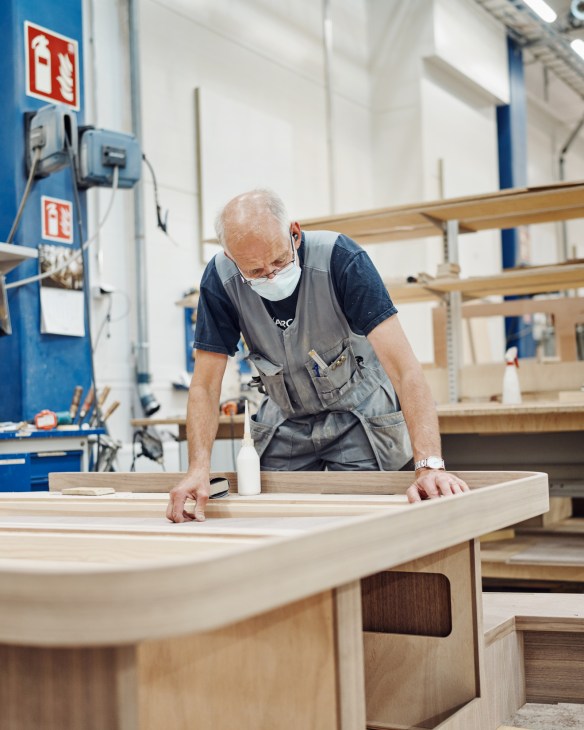
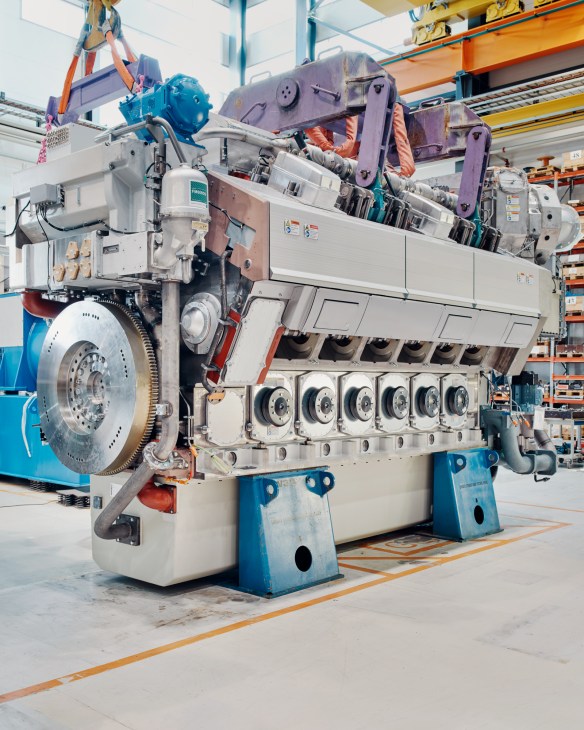
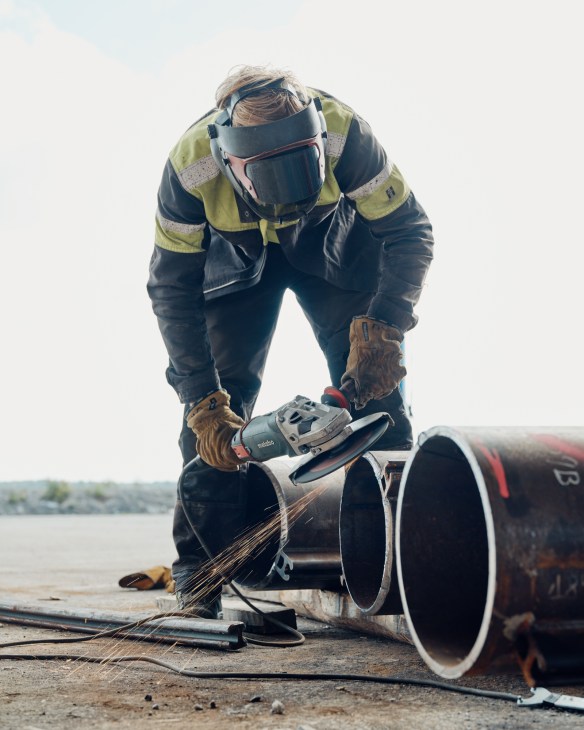
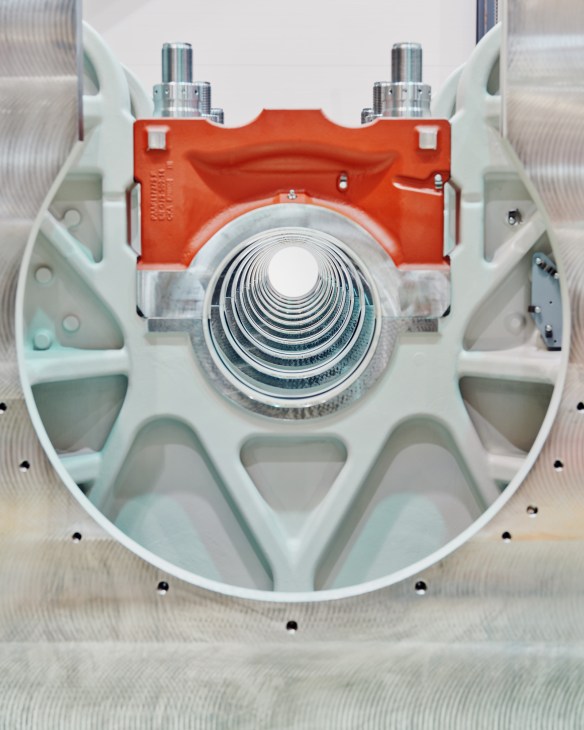
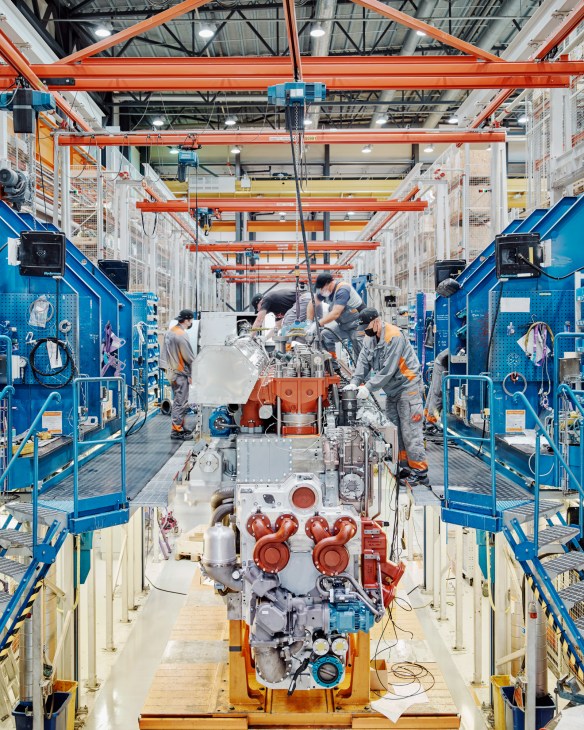


Northern Sweden’s boom, which Fränckel likens to a gold rush, is built around what he calls the “green transition”. Sweden has pledged to become carbon neutral by 2045, which means that in little more than 20 years, the nation’s resource-intensive industries such as pulp and paper, mining and steel production need to find new, environmentally friendly ways to operate. The key word here is transition; not end. People will still drive cars, fly in planes and run factories but inventions by companies such as Sekab mean that people can do all of those things and pollute a lot less. That this transition is being spearheaded here in Sweden is perhaps a testament to the country’s longstanding inclination towards the practical and functional.
While northern Sweden is poised for a strong bounceback, the same can also be said about western Finland and the city of Vaasa, a three-and-a-half-hour ferry ride from Umeå. As the sun sets, the white and blue Wasa Express is being loaded with lorries and tank trucks. Its departure is delayed because there are so many of them. Inside, lorry drivers speaking Finnish, Swedish, Russian and Estonian dig into a buffet of herring and potatoes. They are joined by factory workers, day-trippers and tourists. This ship, built in 1980 in Helsinki, is on one of its final legs of this route. Its replacement is the new Aurora Botnia, a ferry that the area’s MP Kim Berg calls one of the most environmentally friendly passenger ferries in the world. “This new ferry was funded as a joint effort by Vaasa and Umeå, underlining the strong link across the Gulf of Bothnia,” he tells Monocle. “Businesses on both sides of the gulf will benefit from its faster travel speeds and its increased cargo and passenger capacity.”
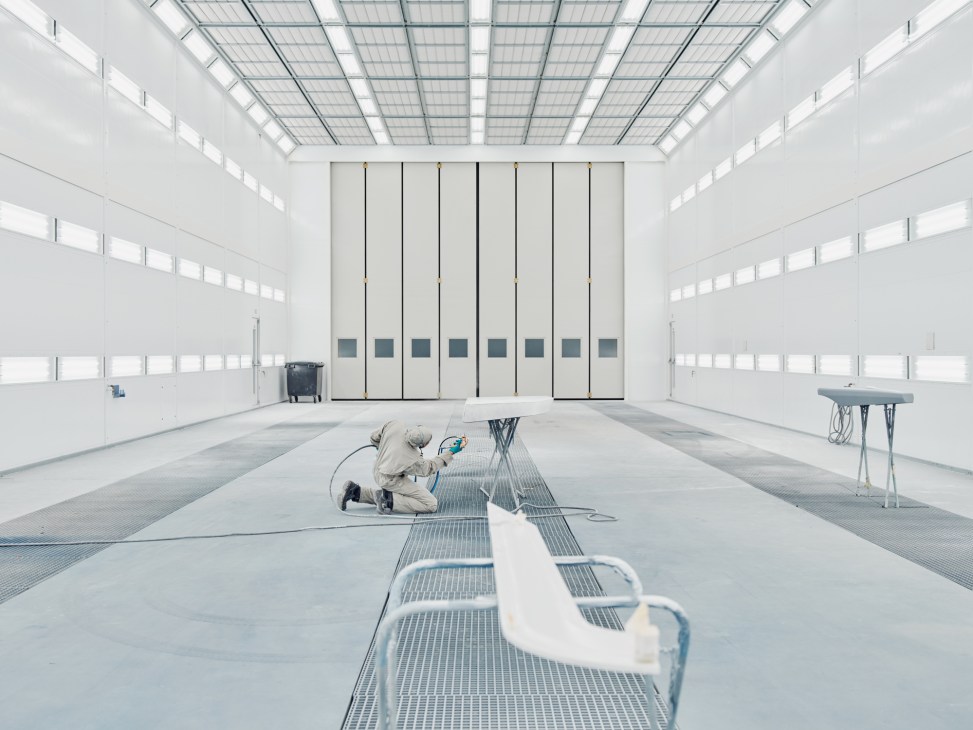
The Gulf of Bothnia’s cities and regions are connected by much more than transport links. Finland and Sweden were one country for almost seven centuries, a union under which Finland’s laws and culture developed, and as a result of which Swedish is Finland’s second language. In coastal western Finland, it remains the first. It is the language spoken by the boat builders at Nautor’s factory in Pietarsaari, a small town just north of Vaasa, that was once – when still under Swedish rule – the country’s largest shipbuilder. When Monocle visits, a 36-metre Swan 120, the company’s flagship model, is leaving the harbour for sea testing. The international crew of 10 stands on the deck of this sleek, cream-coloured 99-tonne vessel, inspecting the smallest details of the boat with great care.
These sailing yachts have a premium look and feel and perform extremely well, and this is key to their success according to chief technical and operations officer Michelangelo Casadei. The Italian Leonardo Ferragamo acquired the historic yacht maker in 1998, attracted by the style, performance and heritage of their vessels. “From the Italian perspective, there are similarities to some of our top brands in terms of the passion and craft that go into making these yachts,” says Casadei over the phone from Nautor’s Italian HQ in Florence.
Nautor’s factory in Pietarsaari employs more than 350 people, both locals and international experts. Boatbuilding is taught at vocational schools but most new employees enter the company via apprenticeships. Many workers here learnt their craft from their fathers, who learnt it from theirs. There are five generations of boatbuilders at Nautor’s factory. One of them is chief operating officer Benny Brännbacka, a Pietarsaari native and a third-generation Nautor employee. “We managed to grow throughout the pandemic due to our healthy order books,” he says. “Since the company was founded in 1966, we have built far more than 2,000 Swans and now we make about 30 units per year.” For Brännbacka, choosing to work for the company where his family had worked for decades was a matter of pride. “Business is booming here, which means that young people have lots of options. For me the choice was obvious.”
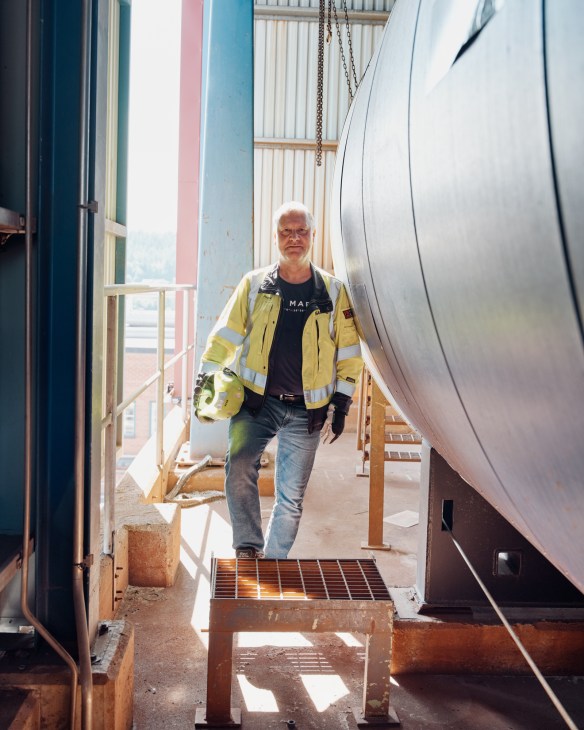
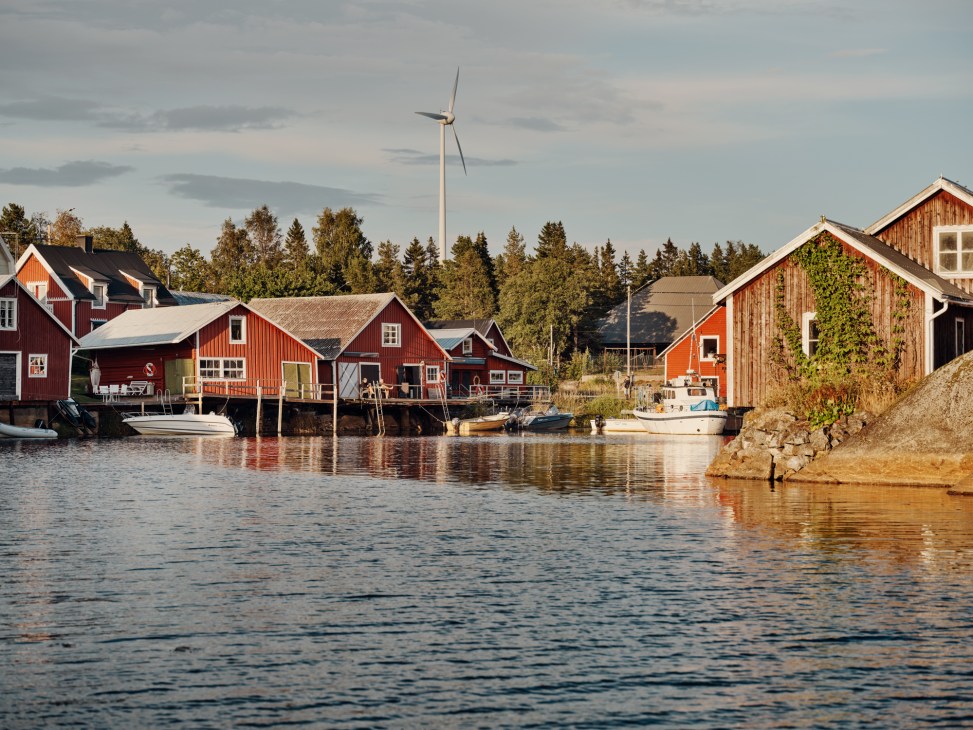
Most of the yachts built here end up sailing in the warm waters of the Mediterranean, so the obvious question is why the company keeps its production this far north, where temperatures can dip as low as minus 30c, the sea freezes in winter and the distance to the main market is so far. “In Pietarsaari we have the know-how of generations of boatbuilders, who work together with the best sailing industry experts from all over the world,” Nautor group chief executive officer Giovanni Pomati tells Monocle. “Most of our owners come to the yard in Pietarsaari to get their boat and unfurl their sails to reach home onboard their Swans by sailing the most amazing seas in the world. This is one of the most extraordinary adventures of their lives.”
Nautor is one of many successful yacht and boat brands in this part of western Finland. Others such as Baltic Yachts and Targa have become synonymous with quality and style in the boat world and there are many other yards that produce more affordable and smaller boats. Travelling further south along the coast of the Gulf of Bothnia, the city of Rauma is one of Finland’s shipbuilding hubs, where large vessels such as ice-breakers, missile boats and large cruise liners for thousands of passengers are built. “This is a region where entrepreneurship is in people’s dna. Ever since the global tar trade of the 18th century, this region has been integrated into the world economy,” says Seija Virkkala, a professor of regional studies at the University of Vaasa. The latest economic boom in the region, she says, is part of a longer trend, whereby local industries adapt to transformations in the world economy. “The region has raw materials and clean energy that the battery industry needs. But there’s more to it than that. Over time, the region has developed highly specialised clusters of knowledge which, together with social stability, are key to attracting investments.”
One such cluster is the energy sector in Vaasa, a city of 67,000 on Finland’s west coast. Here the sector employs more than 10,000 people and is home to several large factories run by multinational companies including abb, Danfoss and Wärtsilä. Over at the Wärtsilä engine factory, assembly-line workers are adding components such as pistons and crankshafts to what will be a 200,000kg marine engine that’s capable of producing more than 20,000 brake horsepower – over a hundred times the power of an average family car. It takes about a week to assemble such an engine and it will end up powering a ferry. Similar engines are used in large merchant vessels, cruise ships and land-based power plants. These are some of the largest engines in the world and Wärtsilä is a world leader in making them.
The Vaasa operation is the biggest site for this €4.6bn company, now headquartered in Helsinki. The 3,000 employees at Vaasa produce engines that are sold to more than 170 countries around the world. “The entire ecosystem of subcontractors, schools and universities, logistics partners and designers that this region offers is extremely valuable for us and the reason why we keep operating and investing here,” says Hannu Mäntymaa, managing director of Wärtsilä Finland.
As Monocle visits, the company is putting the finishing touches to its new Smart Technology Hub, a more than €200m centre whose 57,000 sq m will soon host the company’s research and development, testing and production facilities. “The hub is located just 100 metres from the city’s main port, which is also the world’s northernmost all-year passenger port,” says Mäntymaa.
Like most companies in the region, Wärtsilä also wants its share of the green transition. The company’s strategy and innovation are driven by decarbonisation in marine and energy industries. The new technology centre will feature a fuel lab that, much like Sekab in Sweden, will research and develop cleaner fuels. It will enable the company to develop more environmentally friendly engines that run on ammonium or hydrogen and can operate carbon neutrally. “Globally, Wärtsilä employs more than 18,000 people and Vaasa is where our engine r&d is centred,” adds Mäntymaa.
The Norwegian company Freyr Battery has recently announced that it will build a battery-cell plant on a 90-hectare site in the city. It follows the announcement in April by the UK’s Johnson Matthey that it will launch a battery materials factory in Vaasa by 2024. Each company cited Vaasa’s proximity to raw materials, abundance of renewable energy and the presence of an existing energy cluster as motivations for their choice to invest. “The Gulf of Bothnia is emerging as the global hub for battery production after years of hard work convincing companies and investors of the viability of this region,” says MP Kim Berg.
For Vaasa and other cities in the region, growth presents a positive challenge. New homes need to be built and the infrastructure improved in order for them to thrive as business cities in the global economy. In Vaasa, this means the construction of the Wasa Centre, a mixed-use event venue that will feature a hotel, apartments and retail outlets, as well as a conference centre. In the city of Skellefteå, the Sara Cultural Centre, a wooden high-rise that will host cultural events such as concerts, has opened. “If we want to attract more talent, we need our cities to be nice places to live,” Berg says.
Although the Gulf of Bothnia is the current geographical marker separating Finland and Sweden, over the centuries it has united the coastal communities on either side of the bay. Old wooden fishing huts in Skeppsmalen, near Örnsköldsvik, serve as reminders of a time when fishermen would provide for their communities, just as the fishermen from similar huts on the Finnish side in Svedjehamn did. Both locations are part of the Unesco World Heritage Site jointly formed by Finland’s Kvarken archipelago and Sweden’s High Coast, a cross-border area of outstanding beauty that underlines the historic bond between these communities, which still exists today. “The companies on the opposite shores of the Gulf are often part of the same value chain,” says professor Virkkala. “This means that when Northern Sweden booms, it benefits the Finnish side too.”
Talking to the people and businesses in the region and travelling around the Gulf of Bothnia, one is struck by a palpable sense of optimism. Sparks fly in the harbour of Umeå as welding work is underway to expand the city’s port to meet the increasing demand for passengers and cargo. The region is propped up both by its traditional industries, such as forestry and shipbuilding, and by the new industries built around the green transition such as batteries and biofuels. Despite the boom, life in the region still carries on at a distinctly leisurely pace. In Obbola, a group of children are out with their parents practising freestyle ski jumps. This is winter-sport country but the kids have come up with an ingenious way of honing their winter skills in late summer. They strap on their skis and slide down a steep hill, twist and turn in all manner of ways after taking off and then land in the chilly waters of the gulf instead of on a powdery ski slope. This is no sport for the weak-hearted, and shows the kind of daredevil attitude that has made this region just south of the Arctic circle the thriving, and entirely unlikely, business region it is today.

Advance to ‘go’
Entrepreneurship isn’t simply about earning a living; headlines about lucrative flips, floats and “disruptors” belie a more complicated picture. Instead, running your own business means that you decide what success looks like and ensure that your own values align with the job you do. Despite the snakes and ladders of working life and getting your career going, there are a few simple steps you can take – to look after your staff, step up to new challenges, start a company you can be proud of – and decisions that mean taking a few calculated risks, now and again. Will the future of business be run from bedrooms or boardrooms? In a tailored blazer and a button-down shirt or in pyjamas and sweatpants? We’ve got a few hunches about all that. Now, are you ready to roll the dice? Then let’s play.
Level 1
Choose a sector that’s good for growth
Option A
Tried and trusted
Stick, why twist? Why not be grateful for your career as it stands and stay with what you’re doing? If it was working before, why can’t it again? After all, the pandemic was a one-off and surely nothing like this will ever happen again… While there’s some credit to continuity, isn’t there also a virtue to challenging the way things were?

Option B
New opportunities
Start something new. What about pets, plants, fitness or bicycle shops? Vinyl records, friendly deliveries, rural hotels or good retail? All experienced growth over the past year but remember to look beyond the pandemic. Select something that will deliver some happiness for years to come. Tweaking winning formulas and brand revivals might work well too.

Three ventures to ponder:

1.
Find loyal customers
The pet market is expected to grow by 5 per cent a year until 2025 to a value of €172bn. China has the biggest market share but the rest of Asia is playing catch-up. Might a trend towards pampering pooches fetch a profit?
2.
Value reinvention
Older technology, such as records, can still turn a profit. In the UK, sales of vinyl overtook those of cds in 2020 for the first time since 1987. Global sales last year were to the tune of €17.9bn, the highest since 2002.
3.
Cultivate your garden
The pandemic has reignited an appreciation of nature and led to many investing in their outdoor spaces. The industry for cut flowers and potted plants is likely to blossom, growing by more than 6 per cent in the five years between 2019 and 2024 to a value of €47.5bn.



Level 2
Q: Is it time to hire?
Option A
Know your limits
With so much uncertainty around, no one would blame you for being a little cautious with cashflow. Let’s just hope that the shifty new assistant with the grating laugh and those unscrupulous-seeming investors will change their tune once they see what a nice person you are – and that you might know what’s best for your own business. However unlikely this may seem.

Option B
Challenge your collaborators
You need sage advice – ask people you admire for some guidance. Look for mentors who have skills you might be missing out on. And who to have as a partner? This will be tough and can cost friendships. Do you all have the same vision? Will it fall apart when one person is working 24/7 and others are not able to commit. Cast your net wide for collaborators and surprise yourself.

Level 3
Q: Is it time for a new look?
Option A
Smarten up
Overalls or suit? T-shirt or tie? When raising capital and selling your vision, think about how you’re going to make this a success and what success looks and sounds like. How about some lessons on public speaking? Picking up a few phrases in a foreign tongue to show a willingness to talk to your suppliers in Spain? Get off on the right foot with some smart shoes from John Lobb and a Boglioli blazer.

Option B
Hunker down
Cross your fingers and pray that online video-conferencing technology improves to the point where you can stage a credible office from your spare bedroom. The danger? That the larger impression of your project to customers, staff and potential partners gets stuck on “mute” as well. Schlubbing around at home in leisurewear might have done for the pandemic but it won’t for the aftermath.

Level 4
Q: Is your branding working?
Option A
Faith in digital
Online advertising can create “impressions” but not necessarily the sort that amount to presence or credibility. Don’t believe the hype about “guerrilla marketing” and word of click, or be the one writing your number on a beer mat when you meet an interesting contact but realise – too late – that you never invested in a smart business card.

Option B
Build a brand
So you’ve realised that “digital” is something but by no means everything. Great. Now you’ll need a deft logo and to take some time to decide what your brand is and what it represents – then stick to it. Too many companies rely on tired copywriting and 10 rebrands in the first five months. Do it right and these building blocks will add up to a firm foundation.

Level 5
Q: Where do you see yourself sitting?
Option A
Zoom in, please
Stay at home. But be wary that what you save in rent might cost you in quality of life, not to mention the trouble you’ll have hosting meetings or recruiting talented staff who may not wish to share your conference-cum-laundry room. Remember to look beyond the lockdowns – is this how you’d like to live and work for the foreseeable future?

Option B
Zoom out, thanks
Whether you plump for a shared space or a proper office, our environments shape how we feel – and how people see you. Perhaps you should consider whether you’re being overambitious or if you’re in the right city or nation. How about a nice office in Porto or Athens? Now’s the time to cut a deal with the landlord and think big.

Level 6
Q: How important is making a buck?
Option A
Money is part of it
Make sure you have control of your finances and let’s hope that this pays you a decent income. But is that your motivation? Are you just as likely to be happy getting around on a bike as a super yacht? It’s a simple question but a surprisingly philosophical one too. How you answer it will affect many things throughout your journey.

Option B
Money rules all
Then cash in early. It’d be great if the opportunity presents itself. But what about seeing the company that you put everything into succeeding and rewarding the staff who have came along for the ride? Will you be happy to see your restaurant run by people who don’t take pride in it, or to stand by as your book business is underwritten badly?

Level 7
Q: Can you take a few knocks?
Option A
Take it personally
It’s a mistake to believe that everyone is as proud and passionate about your business as you are. If you take it as a personal affront, then you’ll end up a gibbering mess. Plus, if the past year has taught us anything, it’s that situations can turn on a pin and sometimes a little creativity and humility can be the key to changing your fortunes for the better.

Option B
Be resilient
You won’t get everything right – it’s OK to apologise, reframe and regroup. The key is knowing when to step back – from a row with suppliers, an angry and unproductive email exchange or a deal – and to go for a walk. A morning routine can clear your head – play tennis, do a downward dog. There will be setbacks, and you must take care of yourself when they happen.

Level 8
Q: How good can you be?
Option A
As bad as I can be
Underestimate your customers at your peril. People can see through the greenwashing and straight through to the corners you’re cutting by offshoring, underpaying or exploiting loopholes to do the minimum amount required. “Designed in Germany” really – and obviously – means “made on the cheap in China”. What’s more, everyone knows it.

Option B
As good as I should be
If making shirts, flogging financial advice or landscaping, your business probably provides goods or a service. But is this venture also about something bigger? Maybe safeguarding family firms or filling an under-served niche? Can it help a community or nudge the world in the right direction? The best companies embed this idea of a greater good into their mission. You should too.

Level 9
Q: How is the outlook?
Option A
Great. What’s next?
What’s your plan for how long you might last? Are you looking to leave things ticking over and take a back seat, or wind it in gracefully and get out before it’s too late? You’ll need to decide whether another venture beckons, whether you can do both or whether this business is something you’d like to see passed down the generations.

Option B
Fine but I’m too busy
There’s value in growing and cultivating a company over time, especially for the love of what you do and the staff who help. But, if you don’t mind us asking, how did you end up doing all the dirty jobs and feeling like the one who wants to quit? If you’re too busy to enjoy what you’ve built, then it’s time for a bold shake-up. Business is good but not if it makes you sad.

Level 10
Q: And what if it all falls apart?
Option A
There is only one option: be brave
Remember, you can always head back to Level 1 and try again. Good luck.

Come together
For decades the fishing village of José Ignacio, just over 30km east of Uruguay’s popular seaside resort of Punta del Este, was a well-kept secret. It was prized for its comparable simplicity: low-rise architecture, unspoiled beaches and a quirky artistic community. That discretion and charm, however, lured blow-ins from abroad seeking a haven away from city life in Montréal or Miami, along with seasonal South American sun-seekers and socialites. In recent years the village transformed to accommodate new guests, smart hotels replaced fisherman’s cottages, queues grew outside modest cafés and 4x4s began to line up along the sandy dirt roads.
Tourism’s heavy footprint had brought prosperity but also crushed this modest village. The trend felt irrevocable – until, that is, the planes stopped landing and the suvs stopped pulling up. Travel restrictions caused by the pandemic gave many residents some room for a rethink.
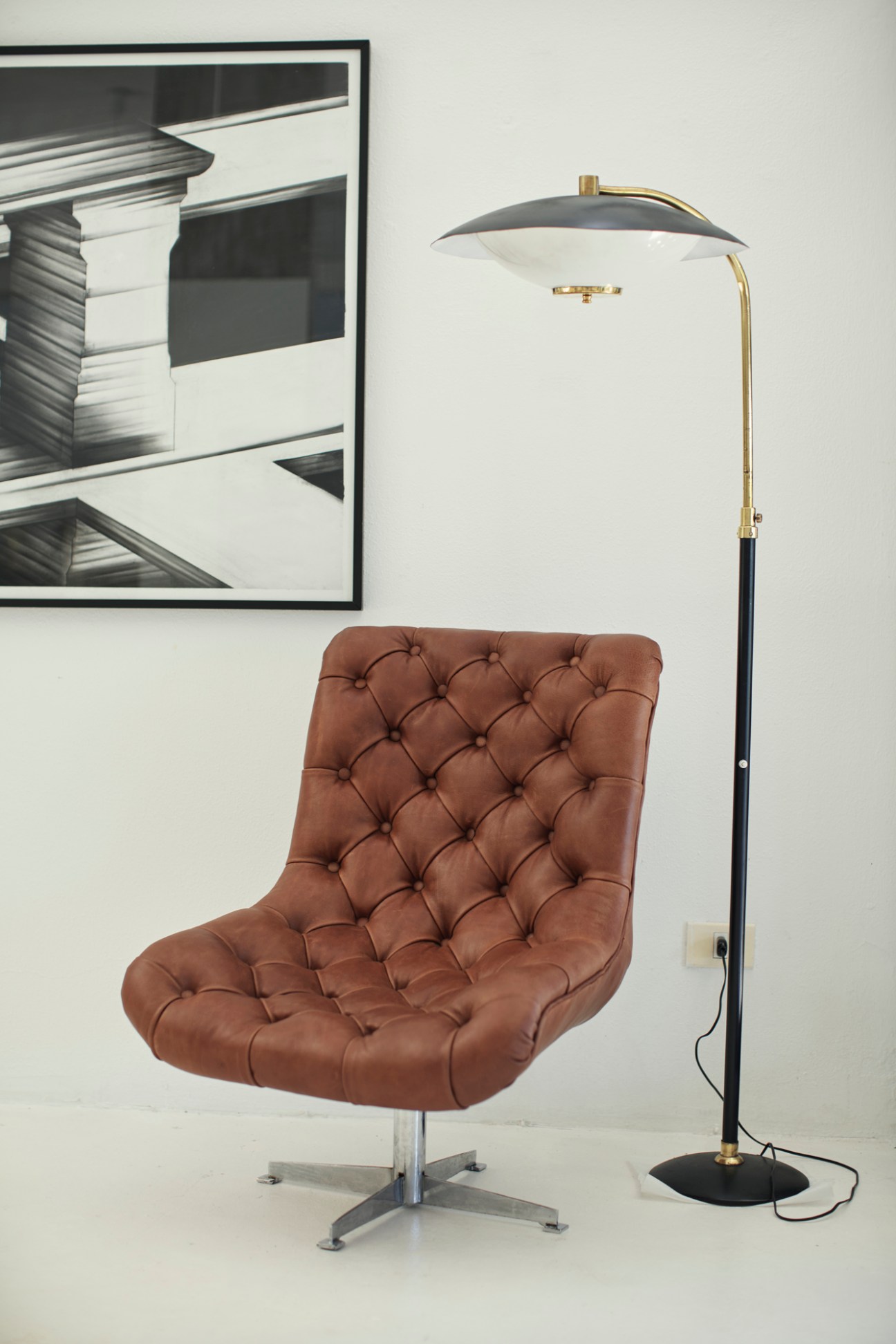
At one end of Playa Brava, one of two pristine beaches that are separated by a lighthouse, colourful merino wool blankets hang from the ceiling of an atelier run by Uruguayan Hugo González. He settled in José Ignacio 14 years ago and hasn’t stopped selling his hand-stitched pieces since. Clients, he says, weaving an indigo thread into a poncho, come from all over the world but for the first time in what feels like a lifetime, he has had time to speak to customers from Uruguay this year. “They come from the interior of the country, from Montevideo for a long weekend,” he says, describing a fondness for having reconnected with his compatriots.
The travel restrictions caused by the pandemic gave many residents some room for a rethink
Domestic tourism so far in 2021 has nearly doubled (up from 30 to 50 per cent) as Uruguayans shunned travelling abroad during summer in the southern hemisphere, which runs from December through to March. At the same time, strict foreign-arrival restrictions (only nationals and residents can enter) mean that locals are rediscovering a destination that was widely considered exclusively for the international elite. Unlike most countries in Latin America, coronavirus cases here have remained low. Early tracing, a smaller population and favourable demographics account for some of Uruguay’s success.
A few streets from González’s atelier is a homeware shop called Mutate. Bright and airy, it is filled with mid-century, Danish-inspired interiors, lamps and a selection of 1940s travel-size backgammon and chess sets. The sign on the entrance reads “Here Mutate is Reborn”. Although to many who have visited these thronged streets in busier years you might think it was José Ignacio itself that’s experiencing a rebirth. In January, Mutate owner Gonzalo Massa was forced to move to a new site closer to the waterfront after an electrical fire destroyed his first shop and from which nothing was able to be salvaged.
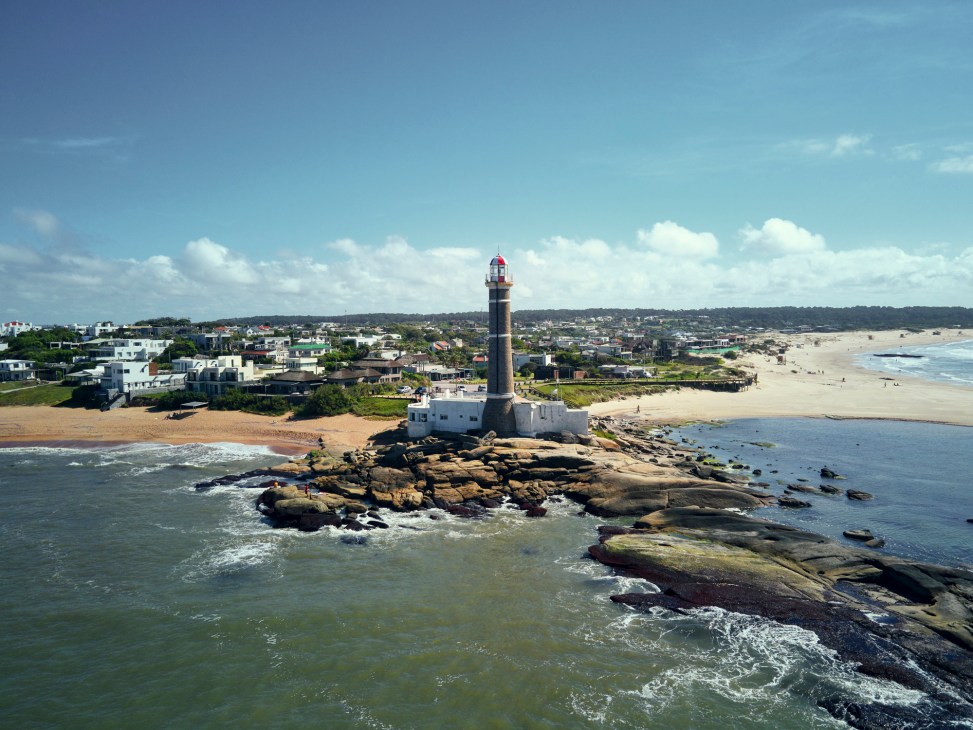
“It has not stopped being a village,” says Massa, as though relieved to be reporting it. Within weeks of the incident, a fundraiser run by locals helped him to resurrect his business. Up for auction were cases of wine from a vineyard in the region, cooking classes at nearby restaurants and weekend passes to several hotels in the area. This new opening could not have happened without the village.
The decrease in international tourists has helped residents to club together and afforded opportunities for newly arrived entrepreneurs. The eight-room Posada Ayana along Marinero street, which is just moments from Mansa beach on the southern side of the lighthouse, opened in December 2020. Felice Kofler, originally from Vienna, is the general manager – or posadera as she is referred to at the guesthouse, which she designed with her parents Edda and Robert, and sister Koko in collaboration with architect Álvaro Perez Azar. Felice’s grandfather once ran a hotel in the mountains near the Austrian town of Bregenz. It was a “dream to open our own one day,” says Kofler.
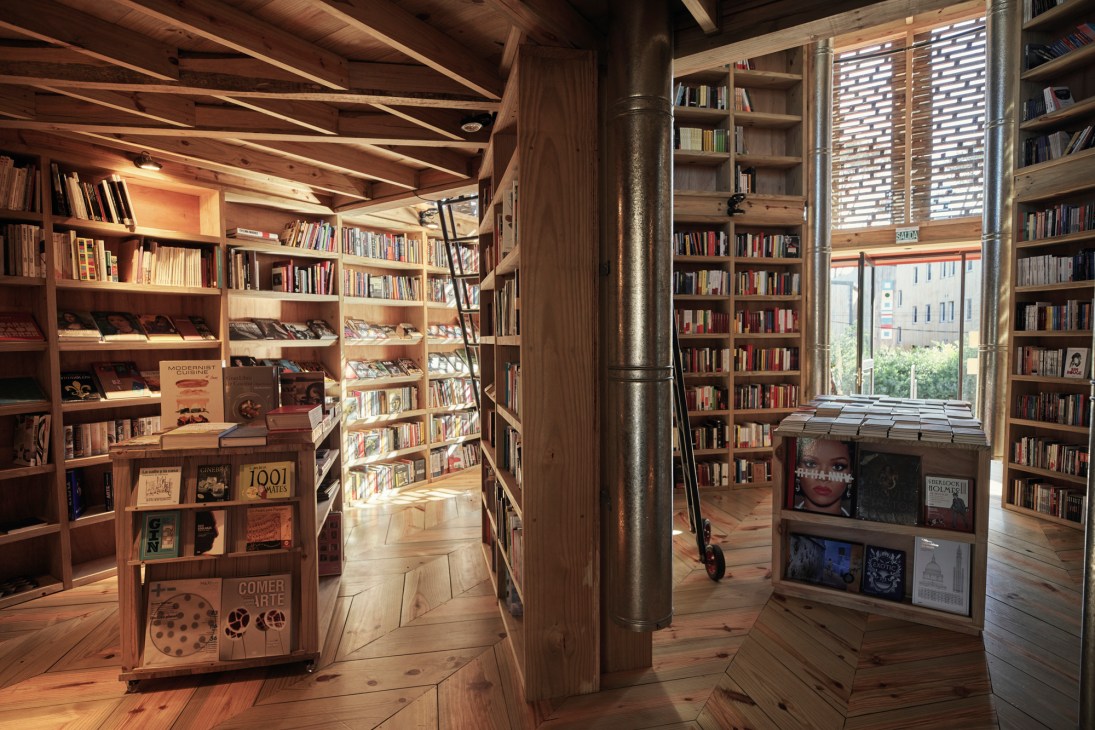
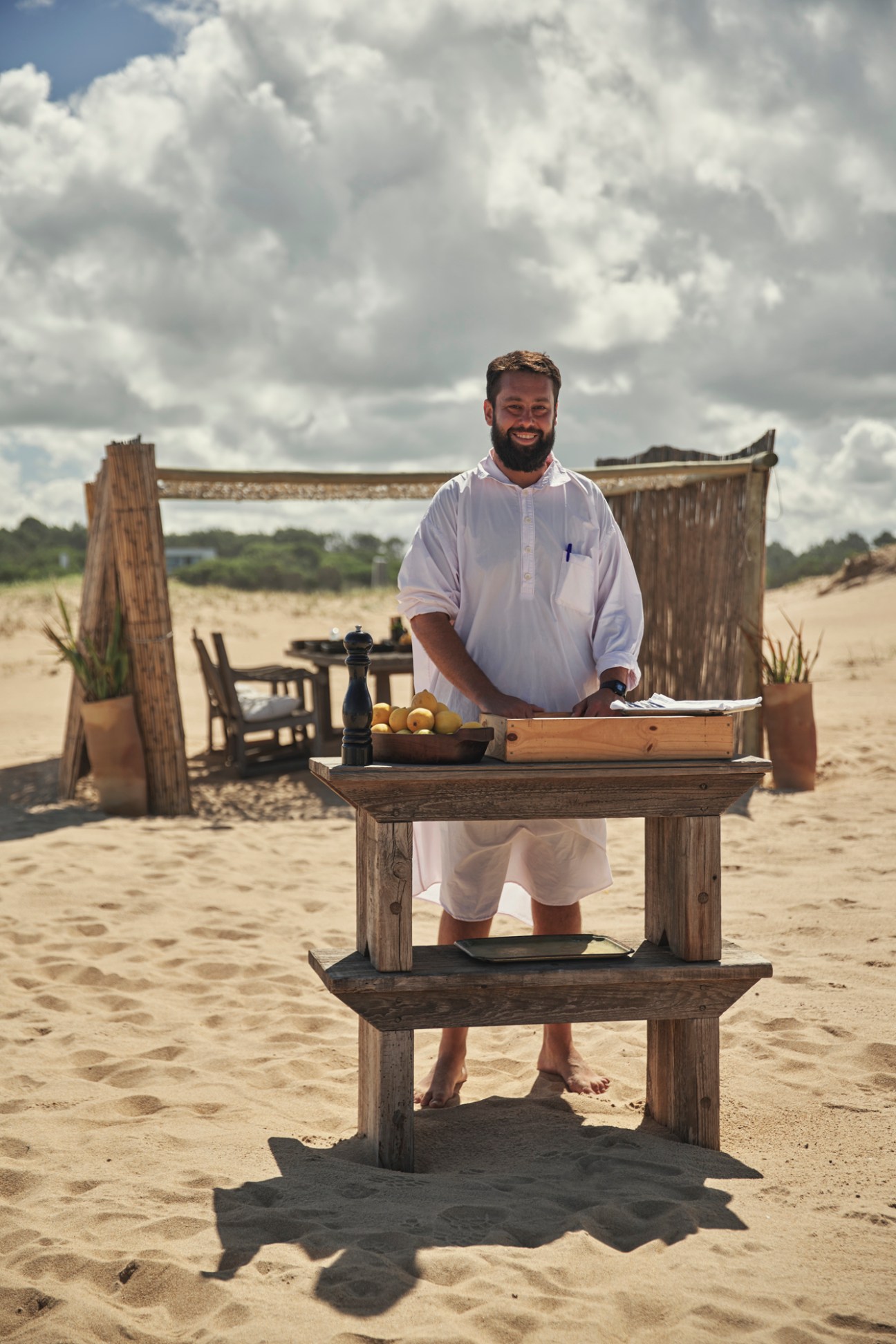
Address book
Stay
Posada Ayana
Every room at this smart hotel comes with its own private balcony or garden and access to the saltwater pool. As of November the first free-standing Skyspace in South America opens as part of the hotel.
posada-ayana.com
Shop
Mutate
Curious objects from across the continent to take home as souvenirs or decorate your living room. Outposts also in Montevideo and Buenos Aires.
mutate.com.uy
Rizoma
Bookshop hidden between shady pine trees. Enjoy a sweet treat or light bite from the café at the back. Open from 08.00 to 20.00.
rizomalajuanita.com
Sat
La Susana
Brush your toes in the sand and feel the ocean breeze while enjoying freshly caught seafood and glasses of Uruguayan rosé at this all-day restaurant.
lasusana.com
Mostrador Santa Teresita
A village mainstay offering a beautifully presented lunch buffet. Just moments from José Ignacio’s main square on Calle Las Garzas y Calle Los Tordos.
598 4486 2861
Do
Haras Godiva
Trek into the wide, expansive landscapes on horseback. Open to all abilities. Ask about course and full moon rides.
harasgodiva.com
José Ignacio International Film festival (JIIFF)
Premieres of international feature films under the stars. Runs every January. All performances begin at sunset.
joseignaciofilmfestival.com
Visit
Pueblo Garzón
Sleepy hamlet and gastronomic getaway 22 miles inland, where Francis Mallmann runs the Restaurante Garzón. He also hosts spectacular “7 Fires” dinners at his country estate.
bodegagarzon.com
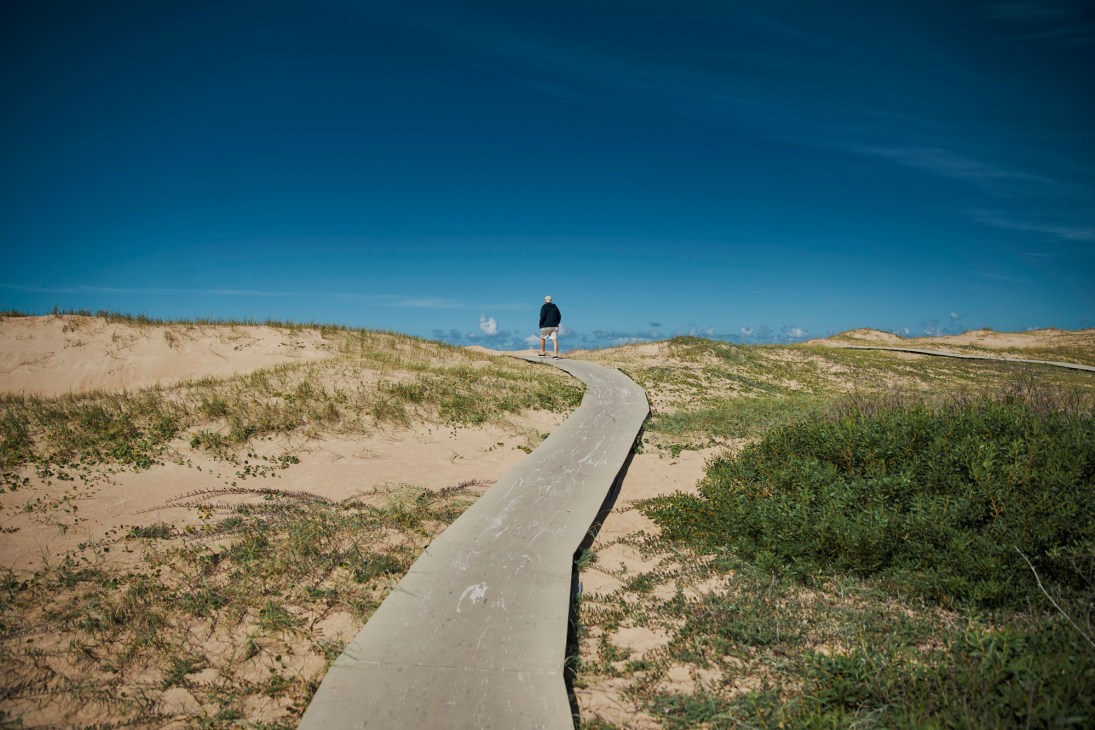
The vintage chairs and tables in Posada Ayana’s library were sourced by Mutate and the ceramics in the dining room were designed by Uruguayan potter Alfe. At the foot of every guest bed is a soft woollen blanket that González recommended. “We’ve had time to arrange dinners, cinema screenings and open up our space beyond the guests who stay,” says Kofler of having opened a hotel during a pandemic. “This has made us feel more part of the community.”
Getting to know where to find the best flowers, soaps and a decent plumber would have “taken years” to figure out but it only took one summer season in 2021, says Kofler. The pandemic has been challenging for many but proved to be a blessing for her debut project.
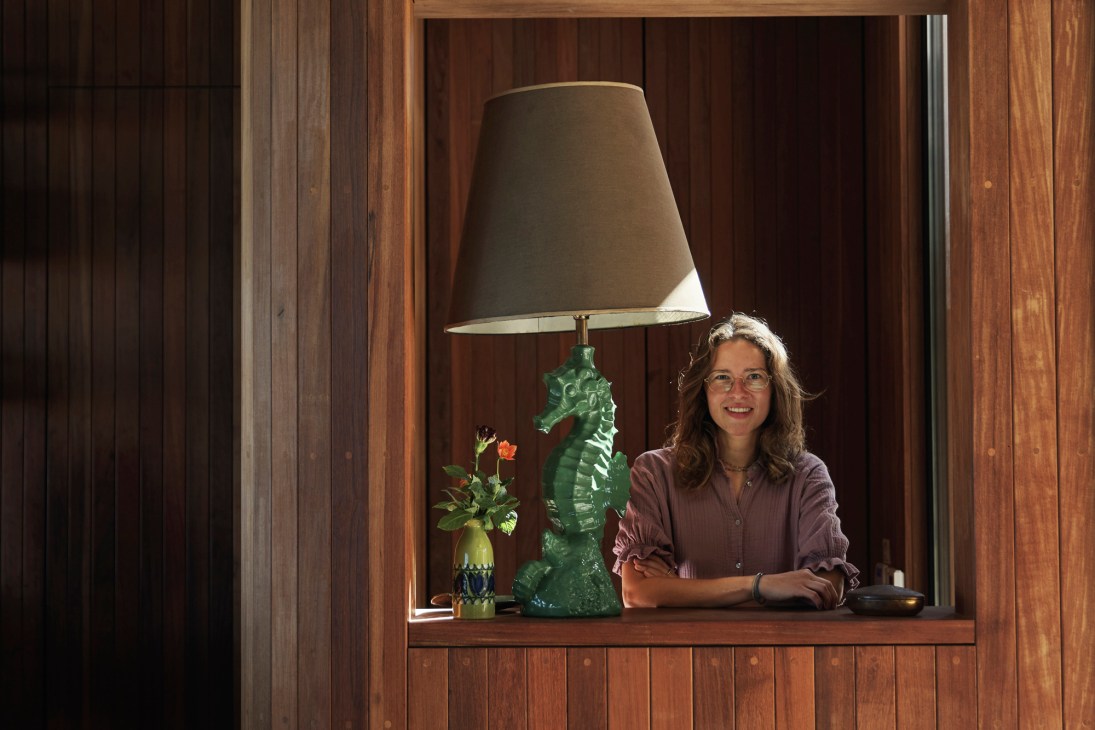
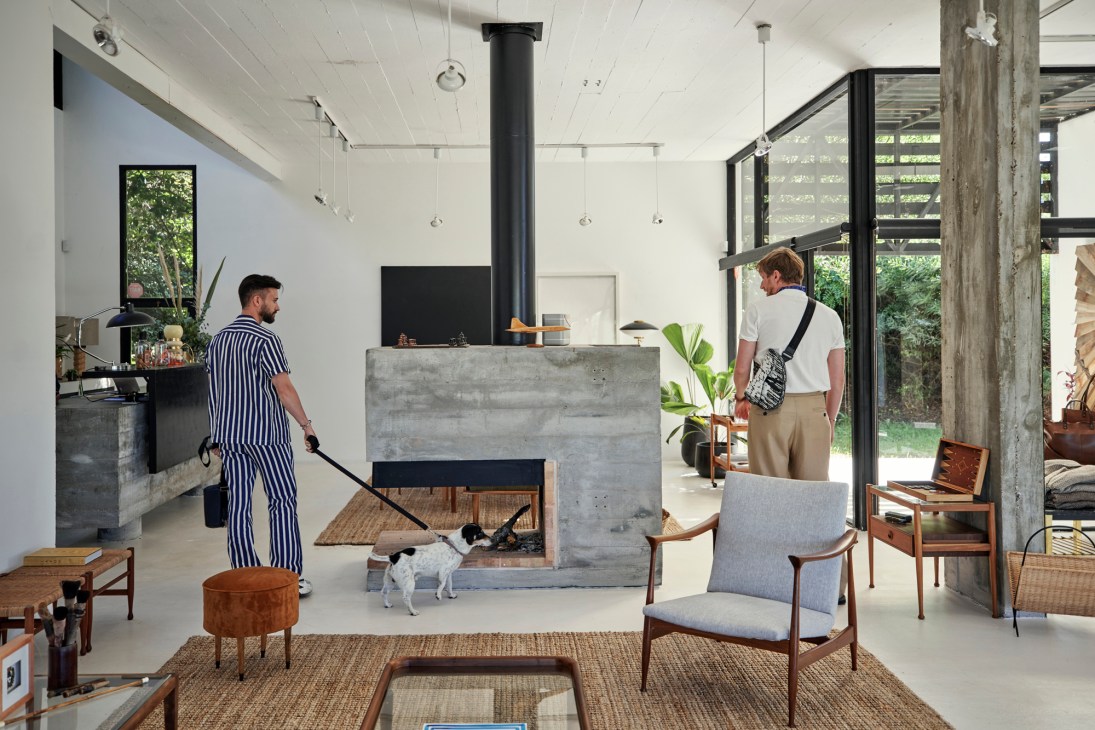
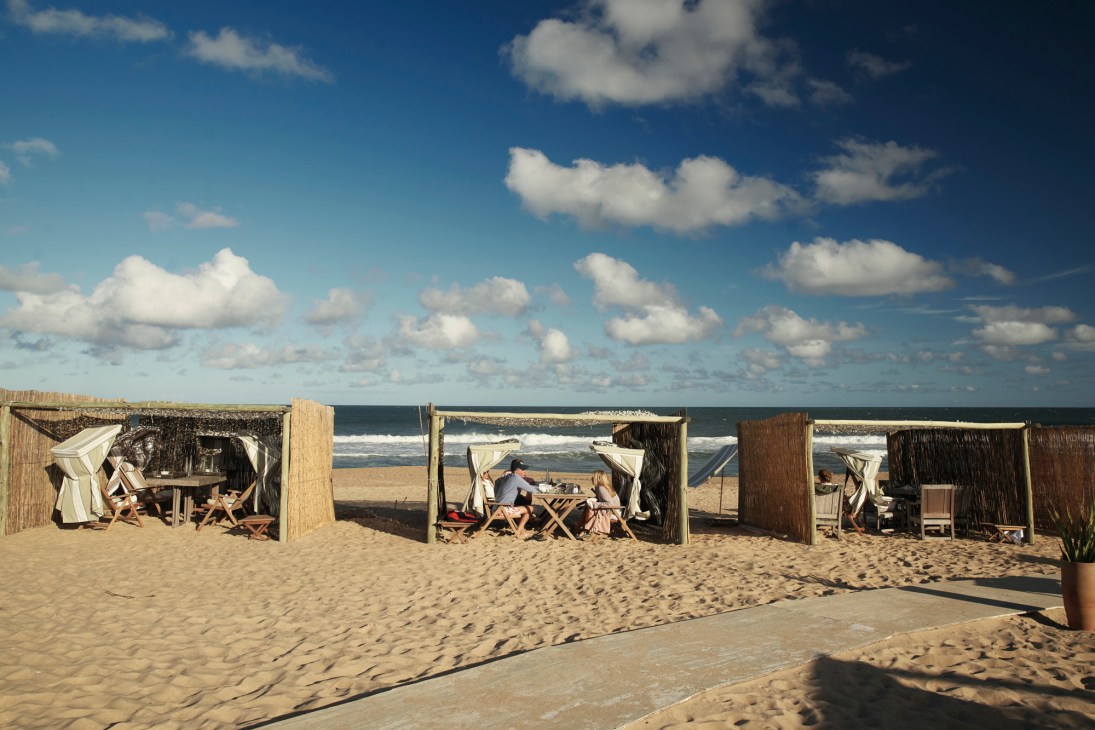
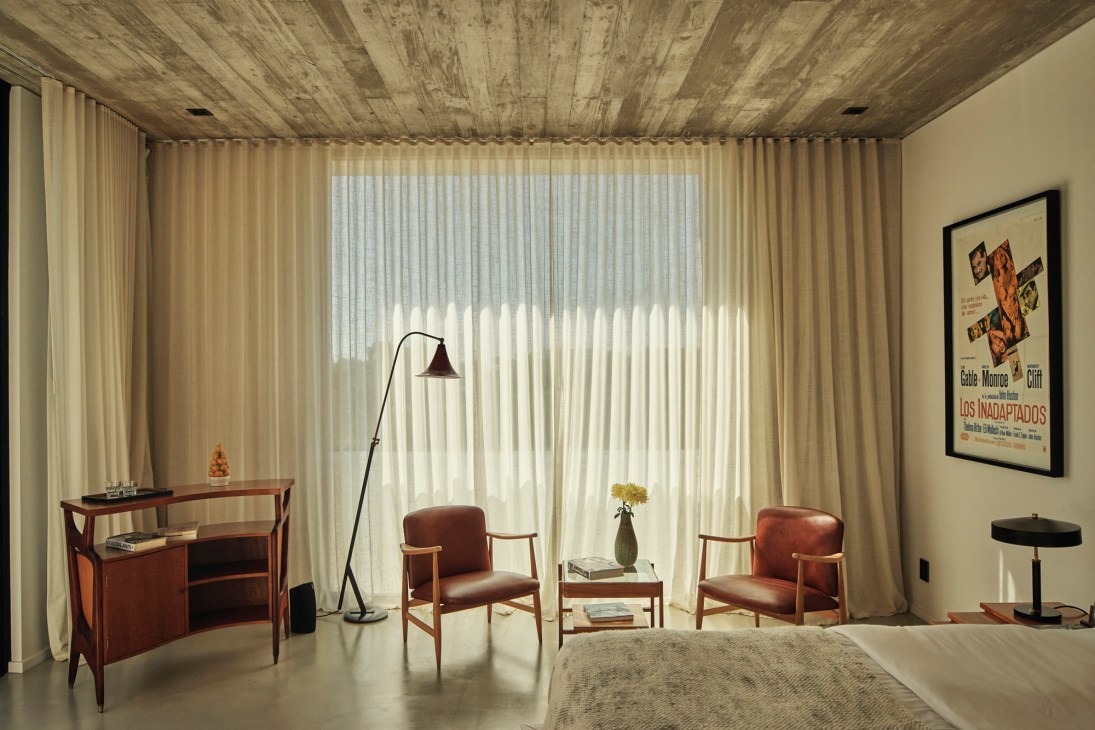

Another quirk of 2021 is that José Ignacio’s season is extending beyond the usually packed period of the southern hemisphere’s summer months. Typically condensed between December and the February carnival weekend, several businesses stayed open beyond April 2021 into the autumn. This had the effect of changing the profile of visitors and offering an insight into how business here could be done more sustainably and consciously in the future.
One of the operators exploring that avenue is Argentine chef Francis Mallmann. His latest lunch spot, Chiringuito, is on the sand halfway down Brava beach. “This year I decided I wanted to be at the beach,” he says from a deck-chair with its own canopy, which protects diners from the midday sun. “With all this health trouble, I felt it would be quite safe for everybody.”
“A chiringuito [beach bar] is a place where you eat something humbly with your feet in the sand,” adds Mallmann. “This is a little upgrade but it’s a concept I really like.” Waiters here wear long casual gowns and no shoes. Dishes include grilled fish and chips, prawns and milanesa sandwiches. Mallmann knows the area better than most having opened a restaurant here in 1978. He runs another place further inland in the village of Garzón, a 30-minute drive north that’s also well worth a visit.
Bookshop Rizoma now plans to stay open all year thanks to growing demand
Another business starting a new chapter in 2021 is bookshop Rizoma, which now plans to stay open all year thanks to growing demand. The claret-coloured wooden shop has a collection of 15,000 titles picked by couple Eduardo Ballester and Marcela Jacob. When they opened in 2020, the pair imagined selling mainly coffee-table books but the demand caught them off guard. The variety of requests has been a “huge surprise” they say, as more people work remotely and Uruguayans keep returning for long weekends.
As international travel picks back up, it’s hard to know whether José Ignacio’s transformation from busy holiday hub to a quieter, more sustainable spot will be a blip. “People come for the community feel,” says Massa, who observes that 2021 has given many here some time to reflect, repair and maybe even rethink the road the village was on. “I was overwhelmingly reminded of that this year.”
Staying power
Yoshiharu Hoshino, CEO and fourth-generation owner of Hoshino Resorts, has needed to think on his feet to survive a year unlike many in his company’s 107-year history. He runs 48 hotels and inns (45 in Japan) under five brands, including Hoshinoya and Kai, and during the pandemic has stewarded his 3,831 employees into relatively calm waters. Monocle meets him in Tokyo.
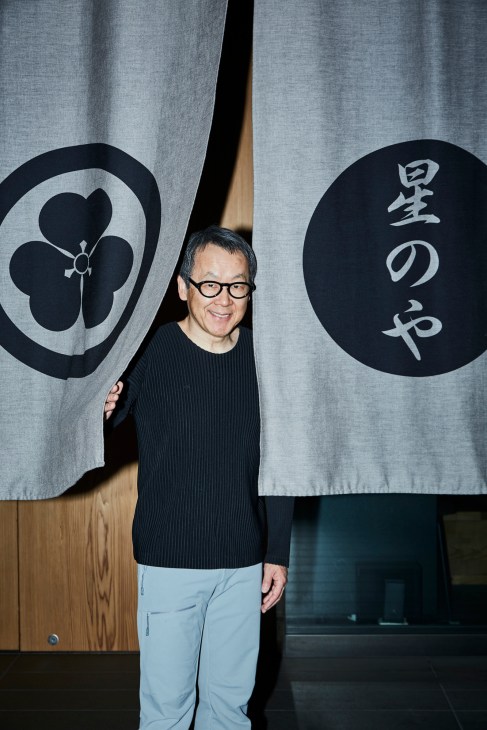
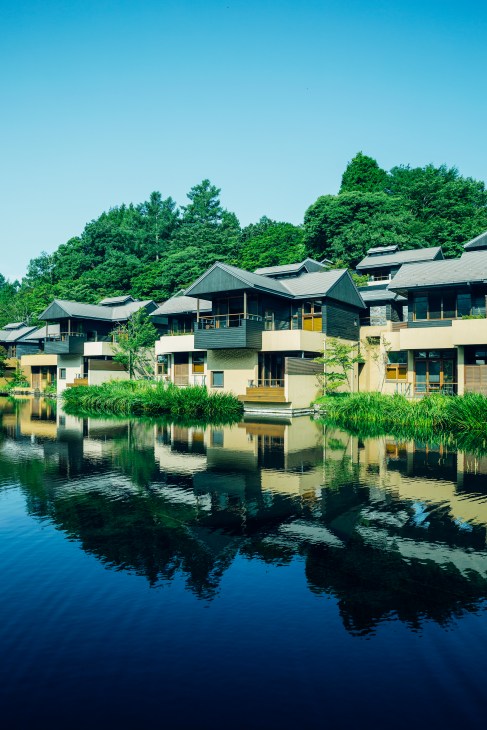
What advice would you give to would-be hoteliers?
There are many more failures than successes with start-ups. But those who fail aren’t always getting something wrong; they have good ideas, an approach and a vision. What they don’t always have is time. People want a quick return; too quick. Investors might expect a profit in three years. To build something, you have to invest in time and have a long-term commitment. The key to success is to give yourself time.
How has the past year affected business?
During Japan’s state of emergency last April and May, our revenue dropped by 90 per cent. We performed well throughout the autumn thanks to a strong demand from the domestic market, which accounts for nearly 80 per cent of Japan’s ¥28trn [€36bn] tourism industry. Japanese people spend ¥3trn [€23bn] a year travelling overseas but that money stays at home when borders are shut. Although ¥4.8trn [€36bn] of inbound tourism is gone, all in all the actual loss is relatively small.
The CV
1960: Born in Karuizawa, Nagano Prefecture
1983: Graduates from Keio University with a degree in business and management and Cornell University with a master’s degree in hotel management
1991: Becomes CEO of Hoshino Resorts
2001: Revives ailing properties across Japan
2005: Reconstructs and opens his family ryokan under the name Hoshinoya – now the flagship luxury brand of Hoshino Resorts
2013: Establishes real estate investment trust Hoshino Resorts reit
2016: Opens an onsen ryokan, Hoshinoya Tokyo
How did you weather the storm?
In April 2020 I created an 18-month survival plan for our staff with an estimation of loss and a look at what business we could win and how. I made this to send a clear message, reorganise and clarify our priorities. Usually I call for a long-term vision but I shifted to a shorter strategic plan. In June we conducted a survey of 20,000 people around Tokyo and asked whether they wanted to travel within Japan when the state of emergency was lifted. Twenty-seven per cent said “no”, while 42 per cent answered “yes”. Our strategy was to target those who were unsure. We identified their concerns about travel and tried to solve them one by one; we developed an application for guests to remotely check the occupancy of the big onsen bath and also redesigned our buffet set-ups to make them safer. We also searched the country for things we could still do during a pandemic, such as renting open-air buses. We rented them to offer guests a safe way to see the beautiful countryside. They were very popular.
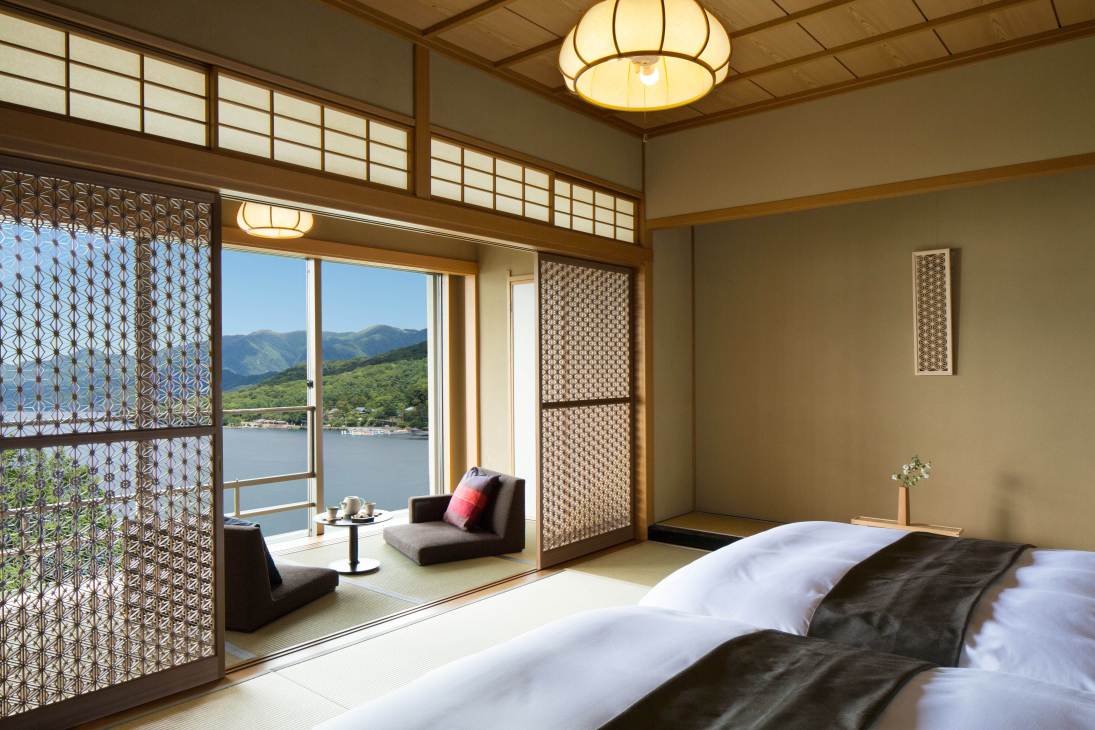
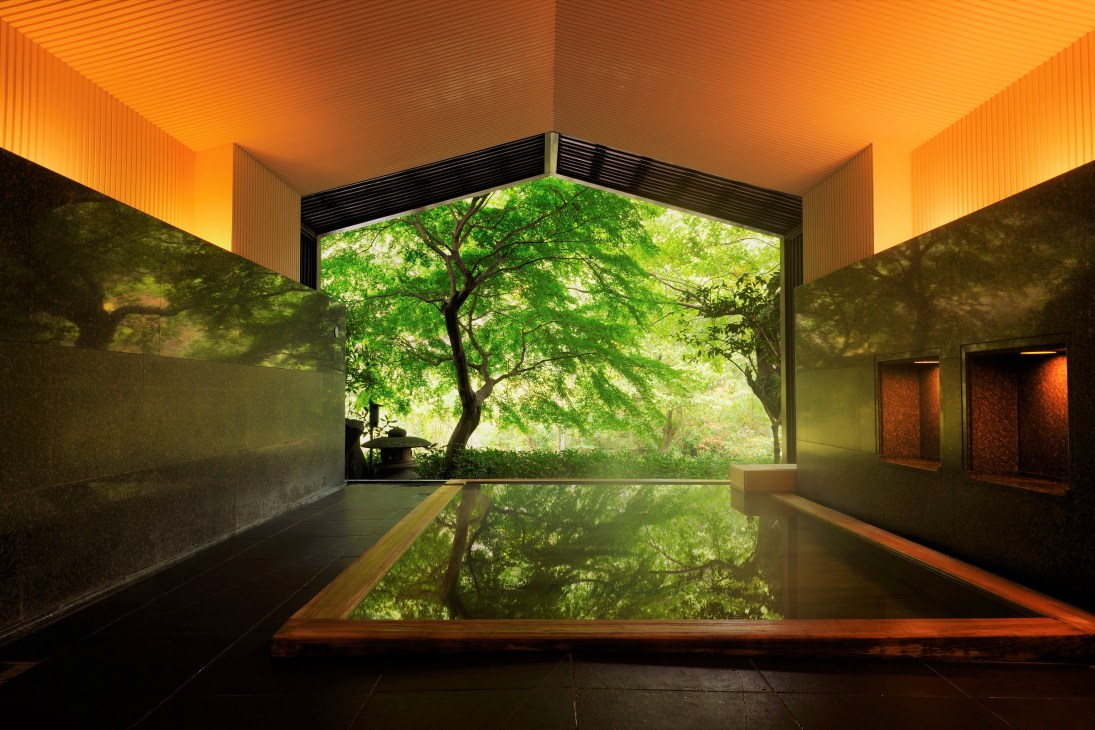
What other issues did you face in building confidence for guests to visit?
Nobody wants to be stuck far away from home. One reason why many people were reluctant to travel was transport: a child might have a fever and, suddenly, the whole family would be in trouble because the airlines wouldn’t have let them fly. This is where our “microtourism” comes into play. The idea is to drive to a destination within two hours of your home. Wherever you are, we can serve you because we are everywhere in Japan. We even changed our service slightly because regional dishes are less special when guests are visiting from nearby.
How did the oversupply of hotels affect the business?
It didn’t affect us; you only fall into a price competition if you’re selling a commodity. If you’re selling a standardised product such as electronics, for example, consumers want to pay the cheapest price. We offer unique service and experience with a backbone of the Hoshino brand. That’s key for survival.
What shifts do you expect to see in Japan?
I believe that the demand will come back once the vaccination programme is finished. The only change would be the introduction of a “workation” [working holiday]. Thanks to technology, it has become acceptable to conduct online meetings. This means a lot. In Japan people have about 120 official days off work every year [weekends and national holidays]. If the “workation” culture spreads, the market could grow to 365 days.
Tell us about your plan in the US.
We’re looking at a few locations in the US to open a traditional Japanese onsen ryokan. The story goes back to the 1980s when major Japanese hotel management companies started going overseas. I was working on a project in Chicago and a journalist asked us why a Japanese company was running a western-style hotel in the US. Nobody could answer. It was an eye-opening question. Imagine a Japanese sushi chef going to New York to run a French restaurant. The second we say “Japanese hotel”, they expect Japanese culture. An onsen ryokan is the only way for a Japanese hotel management company to go overseas.
What’s the future of tourism in Japan?
Hotels have two types of customers: business and leisure travellers. With the rise of teleworking, business travel could shrink but the holiday market has been growing. The opportunities lie in how hotels could shift to cater to holidaymakers. Cities have been the biggest holiday destinations. Urban tourism has a diverse offering, from food to culture and craft. But Japan’s mid-sized cities – such as Hakodate, Kumamoto and Matsue – have distinct cultures and can be a strong draw for tourists. Japan’s tourism industry was concentrated on big cities such as Tokyo, Kyoto and Osaka. Out of 47 prefectures, the top five prefectures take about 50 per cent of the market. Filling this huge gap is a big next step for Japan. Since 2004 the government has pushed the country to become a tourism nation but, as it turned out, Tokyo, Kyoto and Osaka won almost everything. Regional cities can play a bigger role in the future.
hoshinoresorts.com
Images: Hoshino Resort