The Entrepreneurs
Back in business
On the move for that meeting or to scout out a plot for your next venture? Get there in style with robust luggage for every leg of your trip.
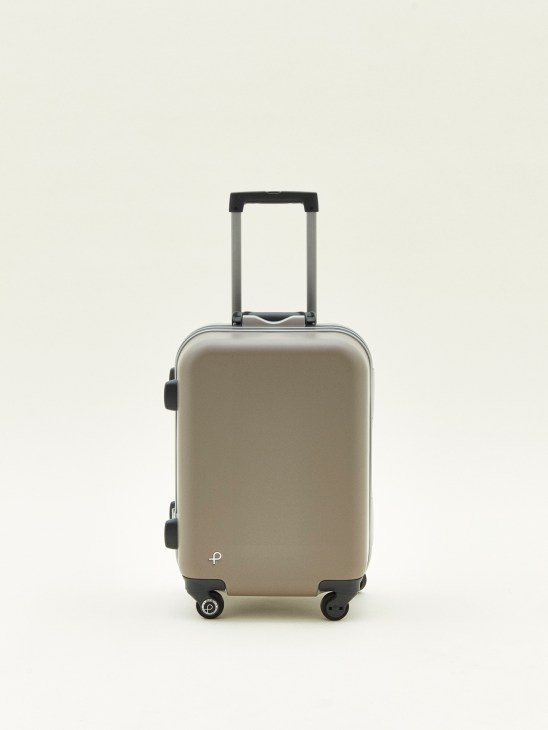
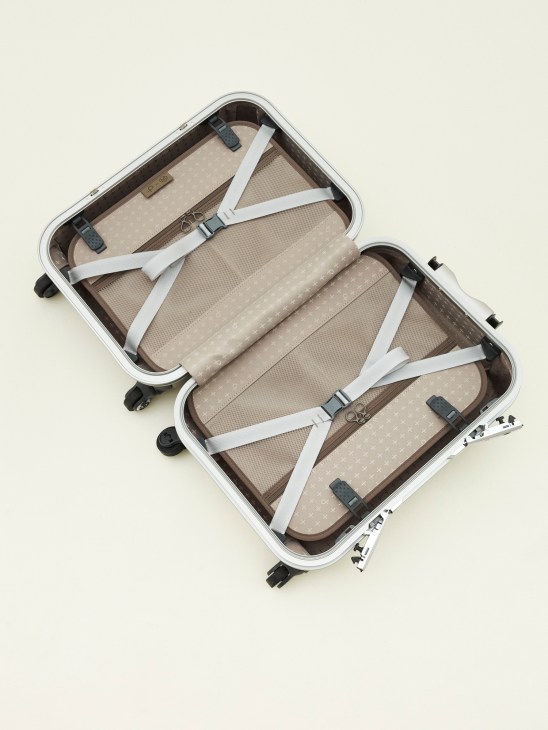
Equinox light u carry-on suitcase 34l by Proteca x Monocle, €545

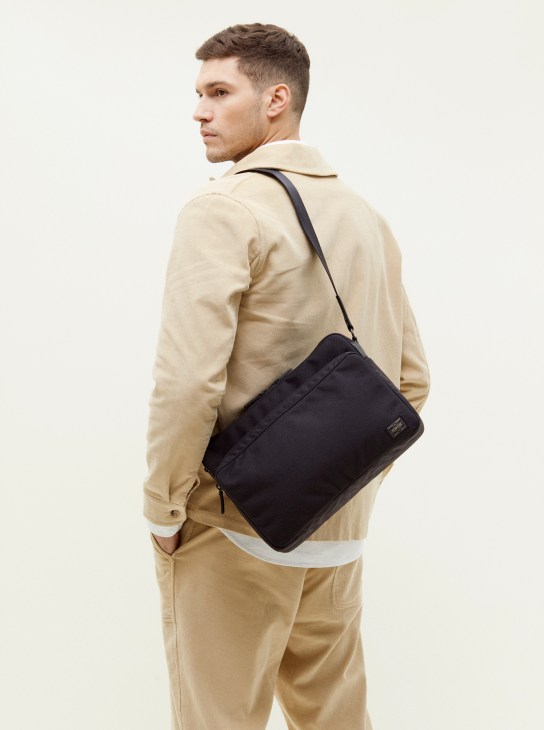
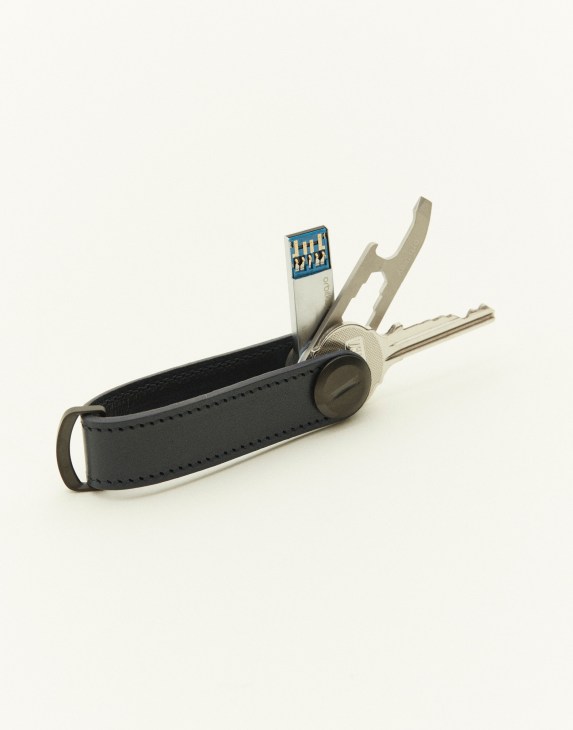
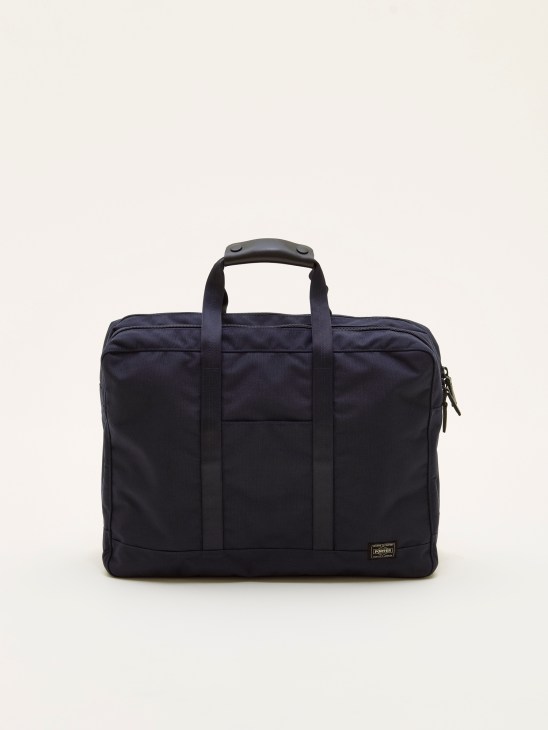
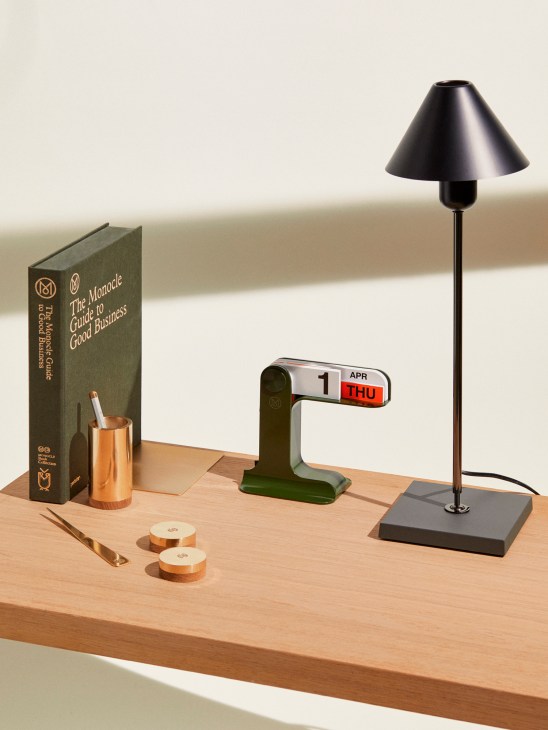
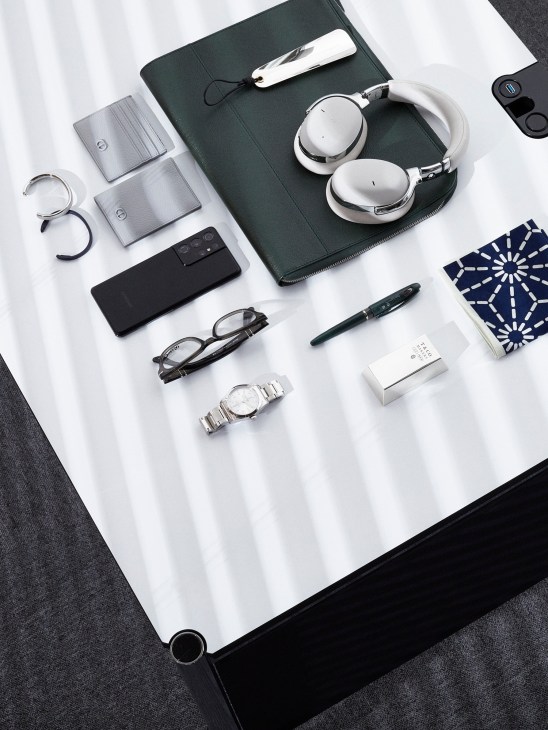
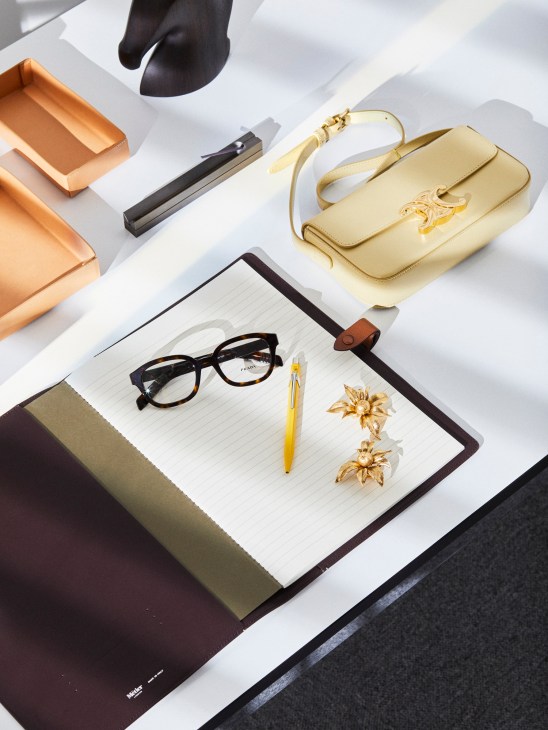
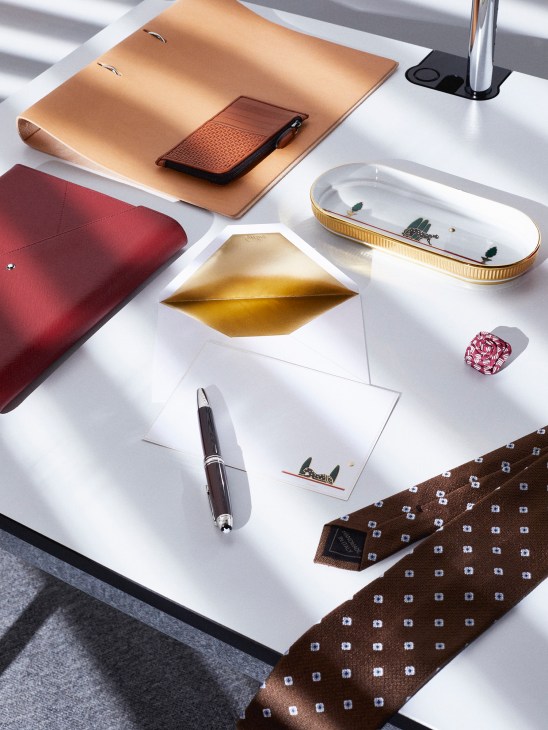
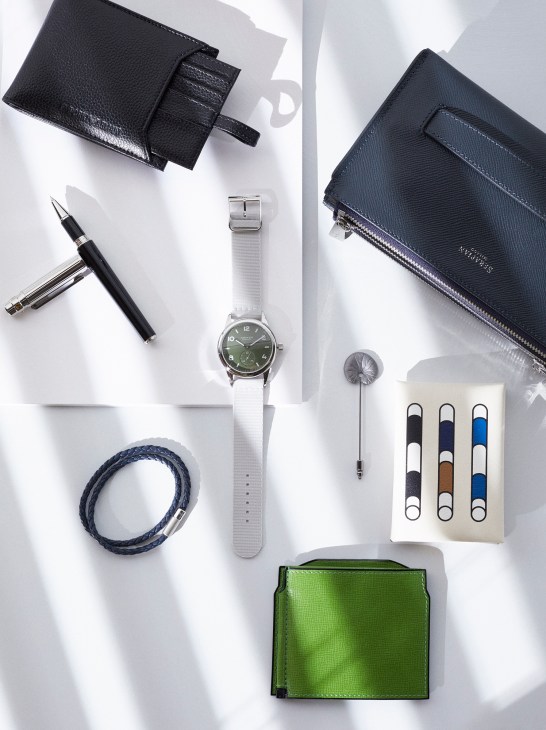
Smart gear for sharp minds. Keep your desk in line with simple and elegant items to help you get the job done.
Layers are essential for unpredictable climates and as day turns to night, you’ll be safe in the knowledge that they work from boardroom to bar.
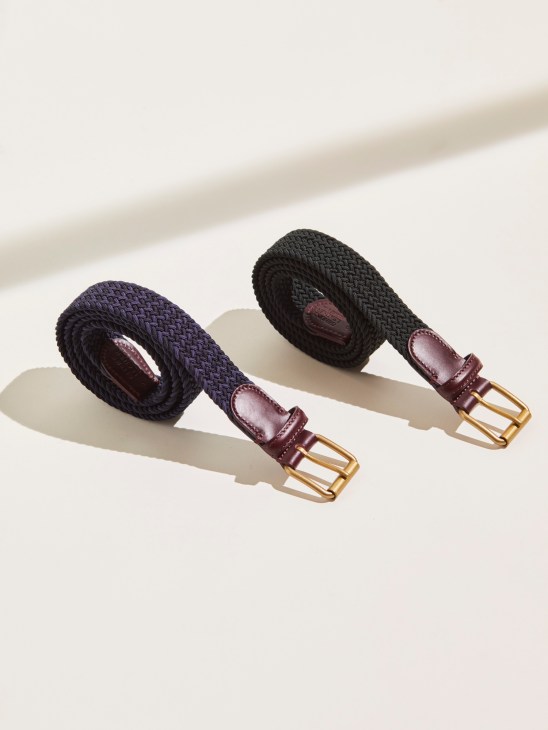
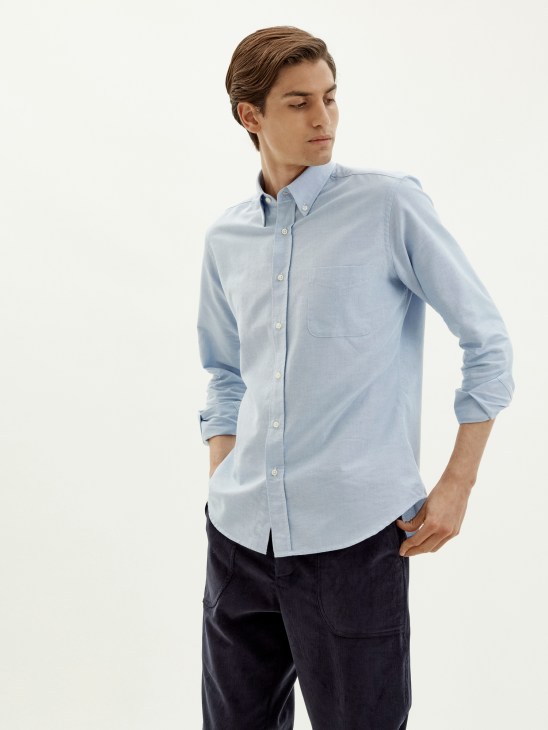

Steer clear of that stuffy suit and tie, and keep mind and body cool with breezy summer clothing. Light and easy to pair, these pieces are ideal for business trips.
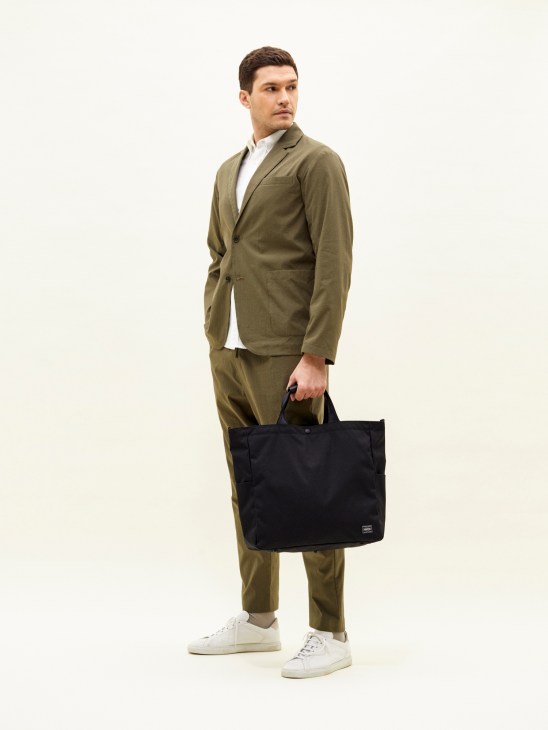
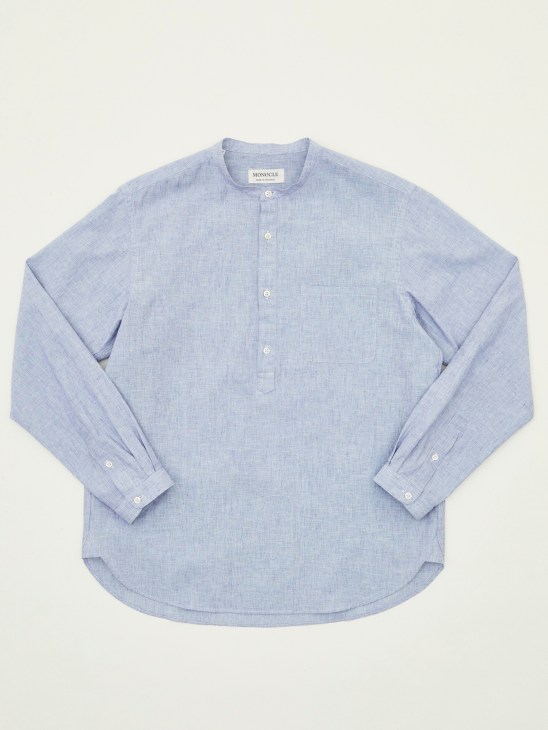

Styling: Kyoko Tamoto
Adorn again
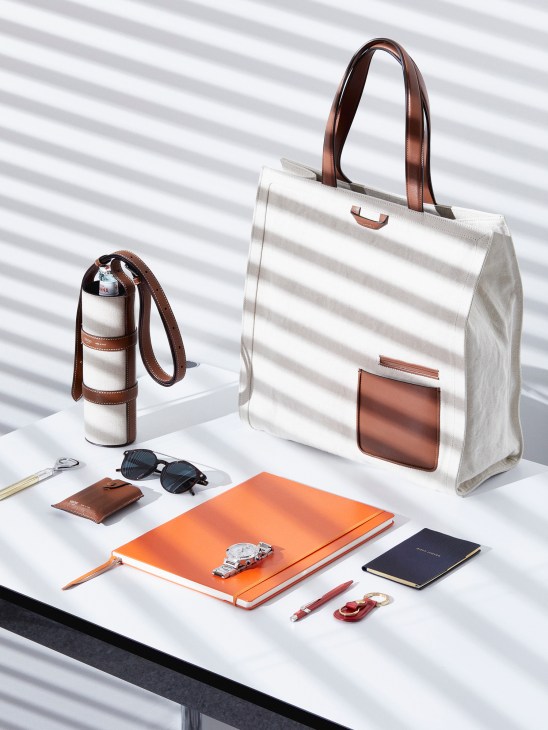



Kitted out
What should the modern office look like? In our view, not too different to those that have been successful in years past – spaces that were influenced by proven ideas about good design. Working environments that offer staff space, flexibility and a good dose of nature’s bounties (whether via timber interior touches or thriving plant life) will never go out of style. Our shopping list for entrepreneurs seeking to kit out their office in the best possible way fuses comforting classics with more novel innovations. The hope is to help you to provide a healthy and happy environment that is good for both your staff and your business.

Wilde + Spieth’s SBG 197 R Swivel Chair
Germany
Teutonic modernist architect Egon Eiermann was a master of office design. His work spanned everything from massive HQ plans to the commissioning of the furniture within them. This swivel chair, launched in 1949, stripped the necessities of office seating to its essentials.
wilde-spieth.com

Flos’s Smithfield Suspension pendant light
Italy
The elegant rounded shape of these pendant lights from acclaimed industrial designer Jasper Morrison has hung gracefully over desks and boardroom tables since 2009. Clearly a modern classic, its maker, Flos, recently added two new colours to the range, including this handsome green.
flos.com

Stattmann’s Add Stools
Germany
Industrial designer Steffen Kehrle’s space-saving stools can be stacked six- high. This means they look just as good as an artful mini-tower in the corner of a small office as they do serving as seating for your growing team. Made from a blend of hardwood and plywood, they’re light enough to move around easily and come in a variety of colours to suit your office.
stattmannfurniture.com

Molteni&C’s Touch Down Unit
Italy
A completely new concept is rarely added to the office furniture staples list. But Milan’s Studio Klass’s all-in-one workstation is a shoo-in. Essentially a moveable desk with masses of integrated storage, it’s delivered with the sophisticated polish its manufacturer, Italy’s Molteni&C, is renowned for.
molteni.it

Ikea’s Förnuftig air purifier
Sweden
With offices becoming increasingly homely environments, Ikea’s wares are easy and affordable options for businesses the world over. Its newest innovation is an air purifier to keep your workspace feeling fresh, twinned with a design that’s as simple and smart as a highly functional electronic device can be.
ikea.com

Kettal’s Phone Booth
Spain
While soundproof booths for calls or concentration have been a rising phenomenon in workplace design, most options on the market favour function over form. Distinct from its goldfish bowl-like competitors, Kettal’s effort is elegantly proportioned and moodily lit, and is a perfect, peaceful capsule for noisy open-plan offices.
kettal.com

String Furniture’s Works shelving system
Sweden
Combining desks, shelves and storage, this set-up provides a customisable solution for an expanding office that doesn’t eschew elegance in the process of pursuing practicality. Truly tactile with timber desktops and sound-absorbing, fabric-sleeved dividers, it adds the functional comfort that all offices deserve.
stringfurniture.com

KEF’s R11 speakers
UK
For an ambient soundtrack to a busy day of work – and for the late-night parties that follow –KEF’s floor-standing speakers deliver crisp quality and reliable audio. These timber-lined numbers can easily be transported into presentation rooms, adding an extra dimension to your pitch and impressing your clients.
kef.com

Araheam’s Mokuji planter cover stand
Japan
Made in Japan from white oak and rattan, this plant-pot holder provides an elegant way of showcasing your office’s fledgling greenery, encasing your plants in natural material. Perfect for slender air-improving options, these holders keep a green-laden office neat.
araheam.com

Hirota Glass’s Bamboo cup set
Japan
An artisanal touch for your boardroom meetings, these jug and glass sets, crafted in Japan, are universally appealing. They’re as suitable for toasting a successful deal with saké as they are for serving water in. Put simply, we would much rather see these shapely numbers on our staff member’s desks than a plethora of ugly plastic bottles – and so should you.
hirota-glass.co.jp

The perfect office dog
Global
At Monocle we have long harped on about the value of adding a four-legged friend to your team, which can calm the nerves of a new employee and soften the hearts of even your steeliest C-level staff. Now more than ever, we need joy and warmth in our workplaces – and a member of staff with a happy hound makes for a great addition.

Kokuyo’s Perpanep stationery
Japan
You would be surprised how enamoured laptop-focused staff can be when given first-rate stationery by their employers. Inspire your team with these modish notepads and pens from Kokuyo, which offer a range of options for all vocations, be it creating architectural sketches or jotting down those big ideas.
kokuyo-st.co.jp
Learning with no limits at Berghs School of Communication
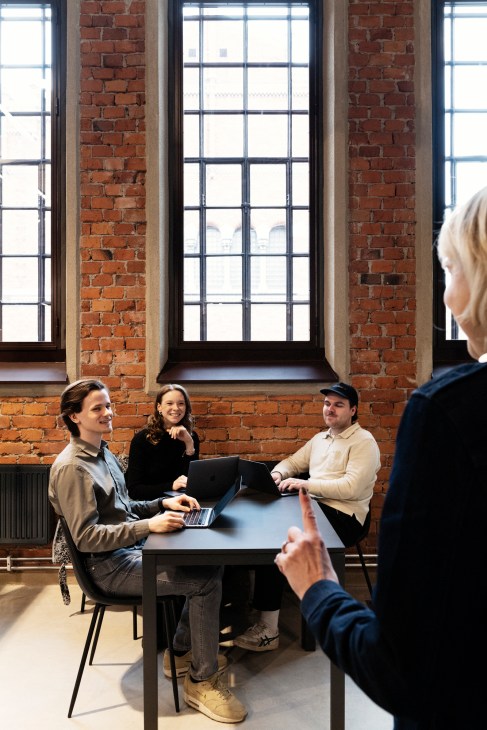
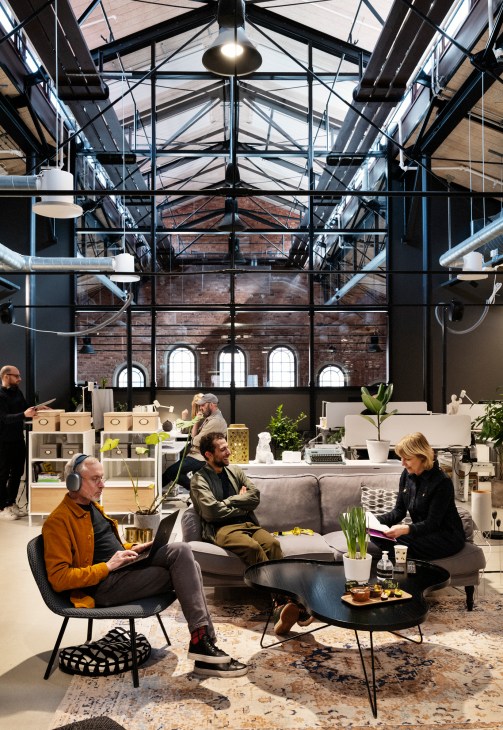
It is the first semester of the year at the Berghs School of Communication’s new site in Gasverket, a redeveloped industrial area of northern Stockholm. Students are participating in a variety of ways as lectures from entrepreneurs and professionals unfold both online and in person. The 1890s building’s red brickwork, round-arched windows and ribbons of brown and yellow tiling contrast with the subtle, minimalist interiors. “This learning environment is all about providing tools – not answers – and conditions for creativity to thrive,” says architect Jani Kristoffersen, co-founder of Campus, the studio behind the school’s new design. “We were inspired by ‘undictated’ spaces such as Tate Modern’s Turbine Hall in London or Palais de Tokyo in Paris – places where activity is constant.”
The 3,500 sq m three-storey building was originally designed by renowned Swedish architect Ferdinand Boberg as part of a gas plant serving Stockholm with heating throughout the 20th century. Today every aspect of the building produces creative energy: the lecture halls, work islands, canteen, café and shop are all included in an “action-based” curriculum. “Creative learning today demands an open environment where rules can be rewritten,” says the school’s CEO Camilla Wallander as she takes Monocle into the generous assembly hall or aula. “We call our lecture rooms learning courts, based on the idea of a sports hall where lines on the floor are used for different activities. This is the future of the classroom.”
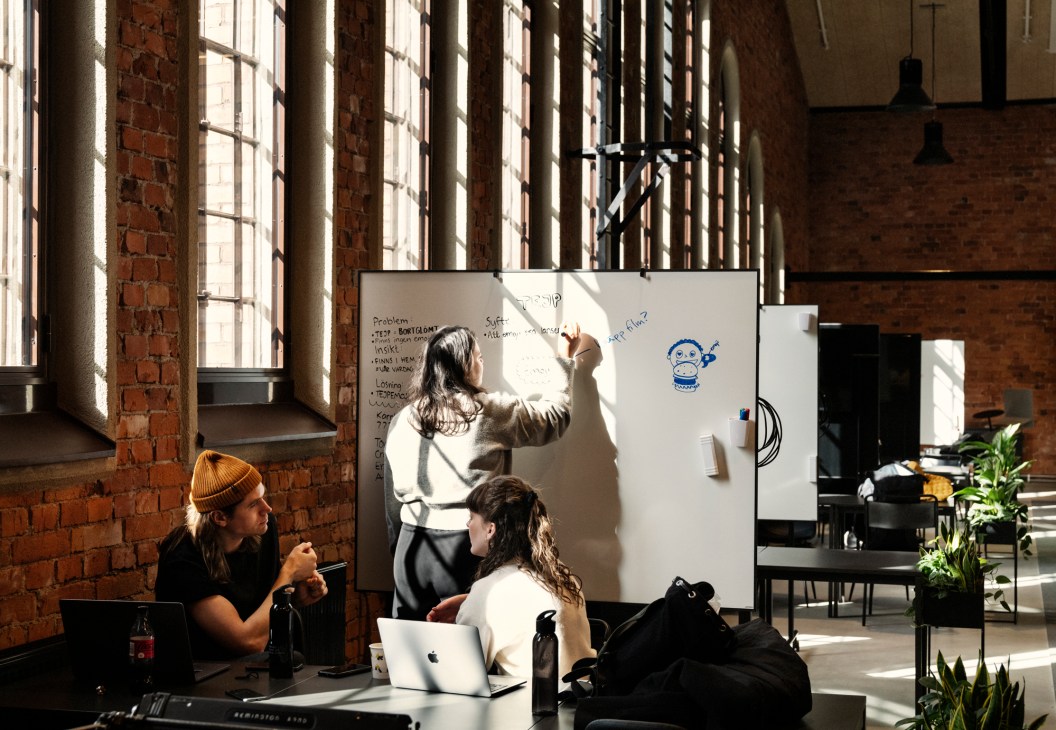
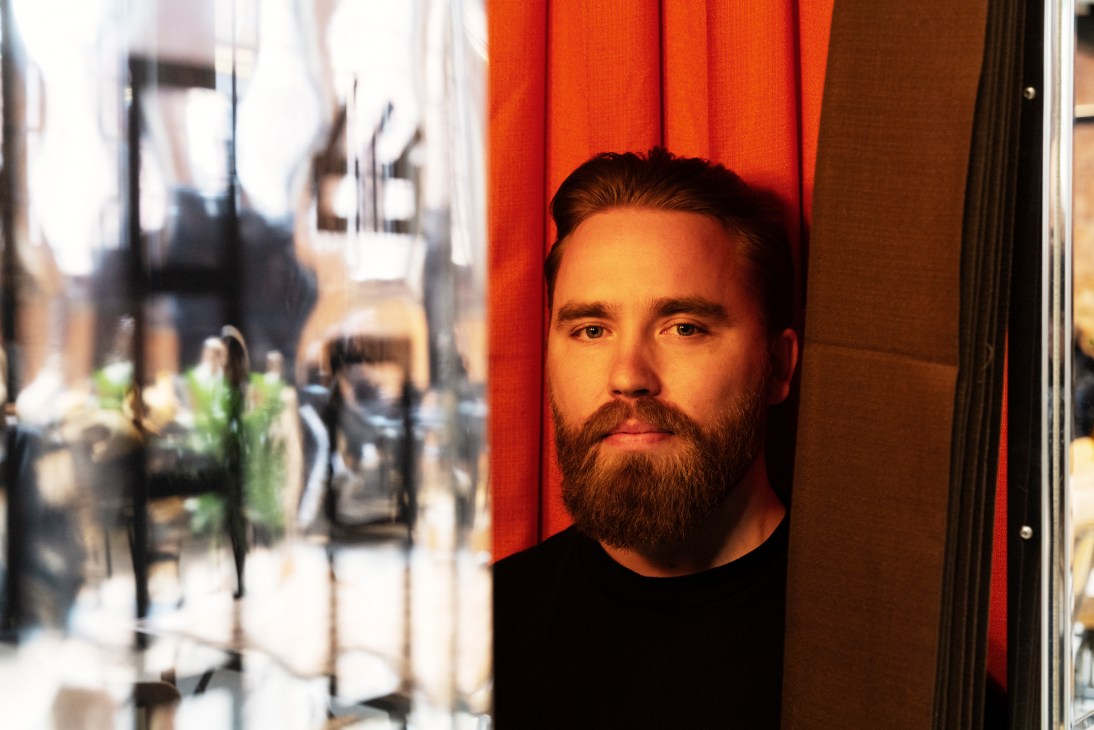
Berghs, now in its 80th year, is seen as the world’s best establishment for creativity and innovation; it has been awarded school of the year seven times at the annual Cannes Lions industry awards. The programmes are interdisciplinary and range from communication design to growth marketing, with bespoke courses for organisations and brands. The unique teaching model invites 800 lecturers a year to tell their stories to students and provide mentorship backed by industry experience. From brutal bankruptcies to overnight successes, every teacher offers their know-how to students in a frank and honest manner.
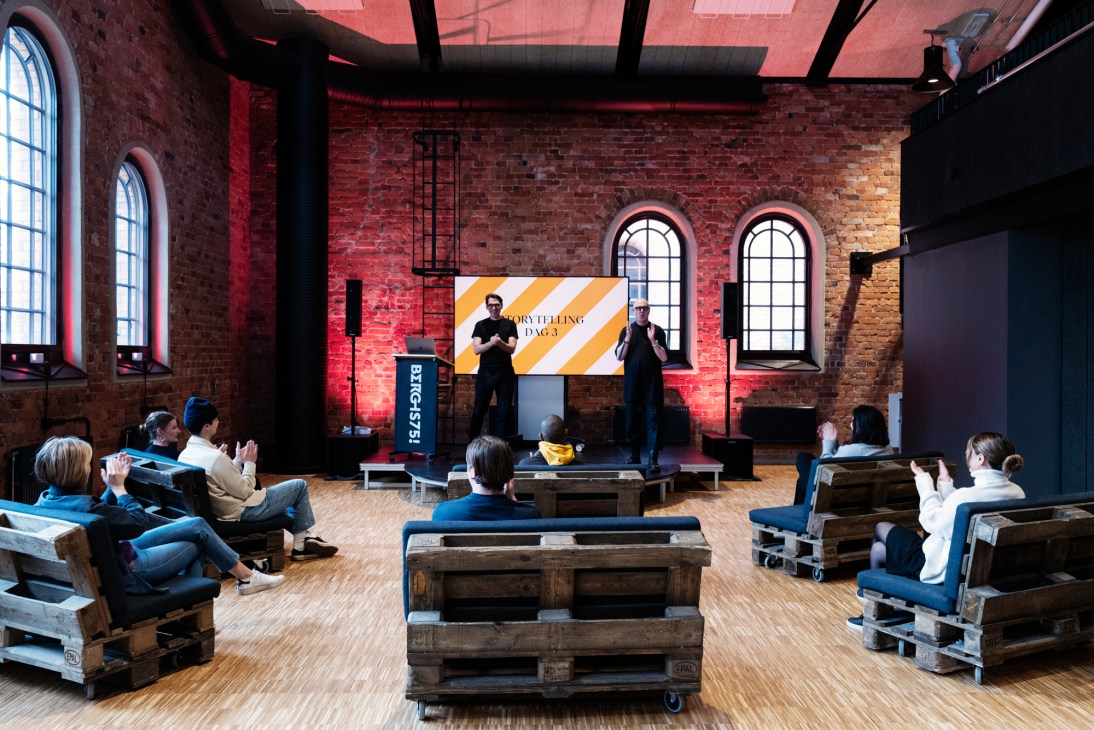
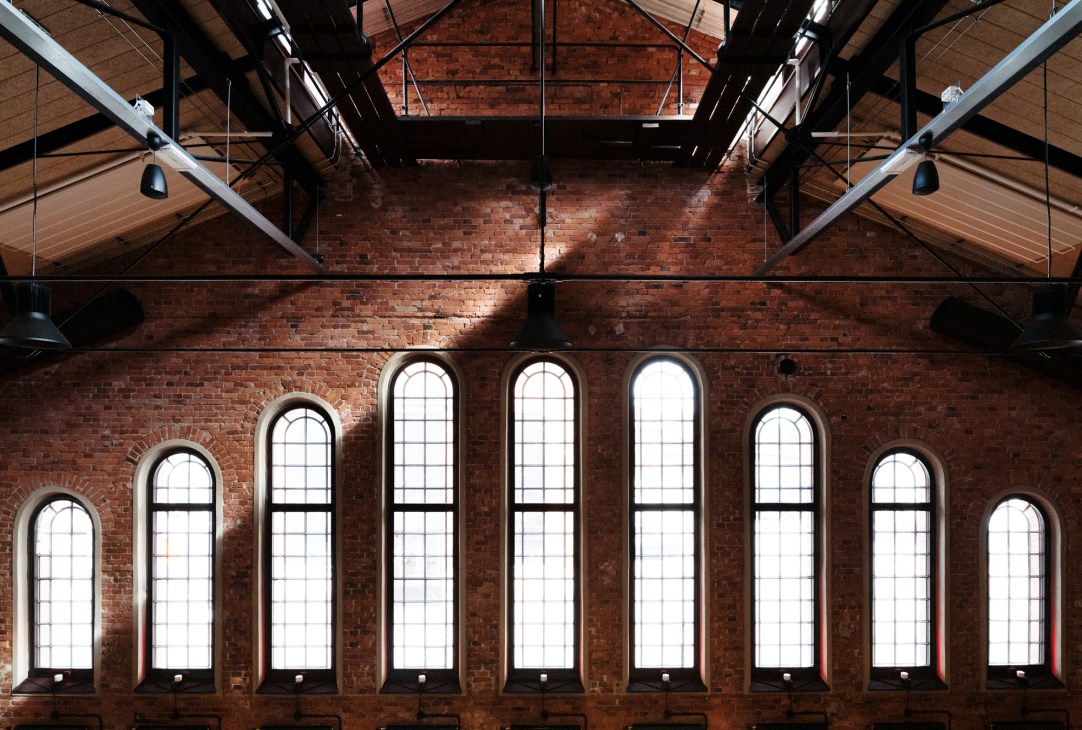
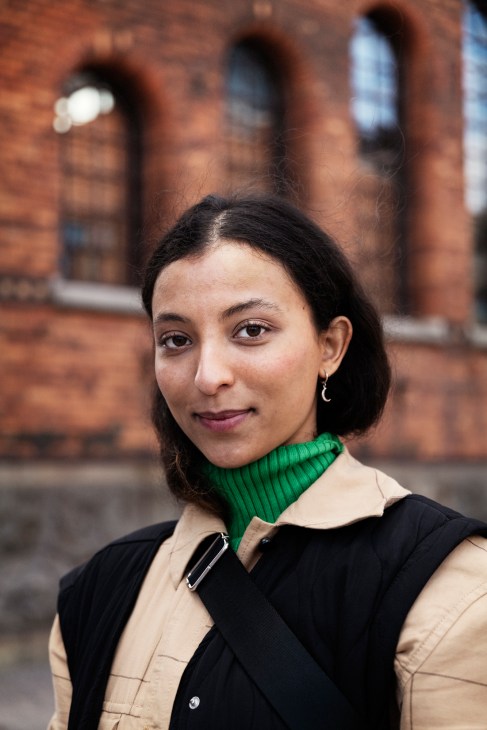
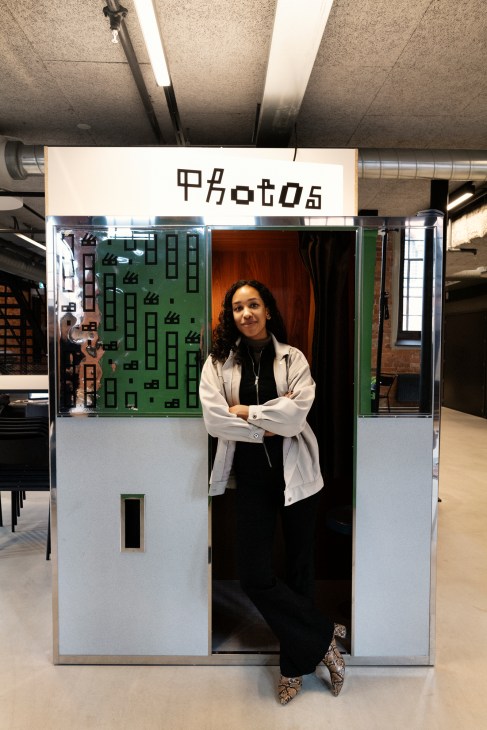
In line with the education model, the identity of the school has undergone a refresh. Designed by Swedish studio Kurppa Hosk under the tag “the space in between”, its new branding celebrates the non-linear creative process that makes the school famous.
“Berghs behaves a bit like an art gallery, providing a space for the students to express themselves,” says Thomas Kurppa, creative director and co-founder of Kurppa Hosk. “At the same time, the identity has to serve the vast content of both lectures and student work, constantly changing the tempo, a bit like a TV channel,” he adds, noting that an exclamation mark has been retained in the branding treatment to subtly emphasise this unique energy on campus. The design is intended to be sparing and minimal.

The diversity and tempo of school life at Berghs is what makes the graduates of the school so successful. Every year 280 courses take place, 80 of which are for professionals; the age of students ranges from 20 years old to 80. A network of course directors curate content for each year and select the experts with industry experience to ensure that lessons remain relevant. As a result, courses change regularly and are updated between semesters. “We use an agile, entrepreneurial way to teach, capturing the world we live in,” says Wallander.
Taught in the act
Berghs takes inspiration from “relational aesthetics”, a term that gained traction at Paris’s Palais de Tokyo in the 2000s when the gallery was designed to feel more like an open market, abuzz with social interaction, than a container for art. “Berghs is led by a relational approach,” says CEO Camilla Wallander. “The school is modern, raw and unfinished to allow collaborations to thrive and creativity to run wild.”
Another aspect that helps to prepare would-be creatives and entrepreneurs for the careers ahead of them is an in-built co-working space named Care Of. Here we meet André Lindholm, who is busy creating a new collection for his shoe brand, Bivando. “The high ceilings, airy rooms, and adjustable interiors make the building itself a part of my creative process,” Lindholm tells Monocle, showing off some of his latest trainers. “I move around throughout the day to gain different perspectives. I spend the morning researching, for instance, and move on to a more social space in the afternoon.”
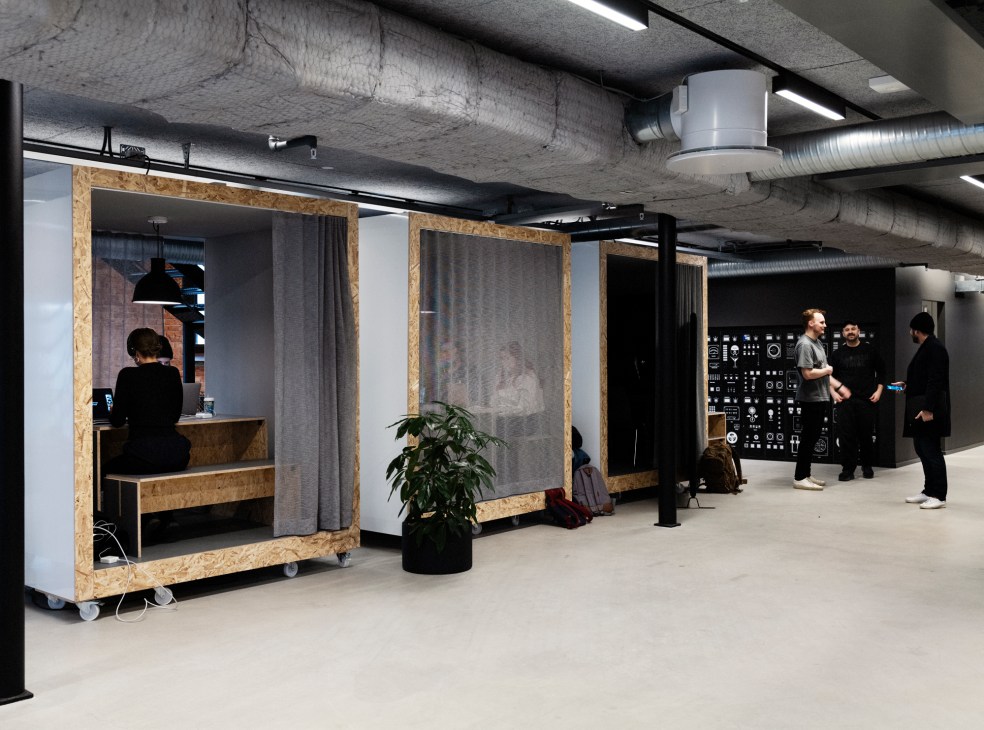

A decade ago, a student from Berghs would typically have dreamt of working for advertising agencies in big cities like London or New York. But today most of the students are approaching business with a different mindset. Working in-house at a start-up or established brand, or founding a business on home turf or abroad – all are now viable options and career paths. “I went through academia, then worked for a couple of years,” says Isabel Garcia Toivanen, a student who also interned at public relations agency Prime Weber Shandwick in Stockholm. “When I arrived at Berghs it was such a relief that the transition from work back to school was an easy one. Berghs provides a hybrid education – learning while still being close to the professional environment.”
Meeting of minds
As CEO of Vitra, one of the world’s largest design brands and global suppliers of office, home and public furniture, Nora Fehlbaum is in a unique position. While steering her company through the pandemic, she and her brand have become a go-to resource for architects, designers and ceos who are grappling with the question of how we will work in the future. In her words, this topic has “never been so interesting” and it’s now high on the agenda in discussions worldwide. Sitting down at Vitra’s base near Basel – a handsome, airy Frank Gehry building – we discuss what has been learnt.
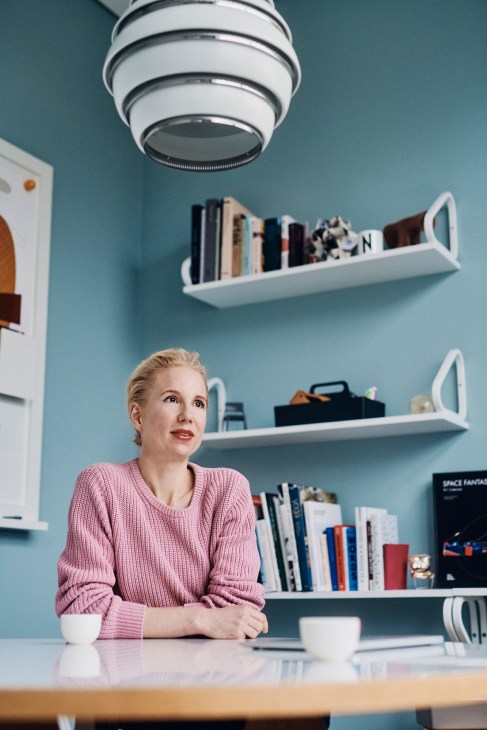
How is Vitra forecasting what the future of work will look like?
Before we talk about who works where and what the workspace looks like, we need to clarify how much physical office time is needed, how much remote-working time is needed and what works best for whom. We identified four types. We have the “workplace resident”, who has to be physically present – someone in a workshop or factory. Then there are the “enthusiasts”, who don’t have to be there all the time but like working from the office and profit from interactions with their team. We then have the “citizens”, who spend more than half of their time at the office, perhaps an IT person who sometimes needs to have their head down at home working through one task for a day. We finally have the “nomads”, a small category where someone is perhaps based in another country. But at Vitra almost no one is out of the office more than 50 per cent of the time. If staff are out more than they are in, it becomes too disruptive. By defining these groups, we’re solving issues that apply to some of our customers as well.
It sounds like learning from your own offices is becoming a strong asset for helping clients to understand how to use your products in their workspace design…
This is something we have been doing for decades. At the moment we’re building our “Club Office” here in Birsfelden, which is a concept of three different working modes that can be viewed by visitors and enjoyed by our staff. The first work mode is an informal, collaborative set-up where the serendipitous moments of creativity that everybody talks about in the creative industries can happen. The second part is designed to get people collaborating more productively and rather formally. It offers spaces where teams can come together to get a specific project done, almost war room-like set-ups. The third mode is about privacy, where you can read contracts undisturbed and people know you’re in the office but also that you want to be left alone. We realised that we have these different subcultures and work modes, so it was interesting to serve those and improve our offering.
How much is Vitra rethinking the design of its products?
There are new functions and needs that our r&d department is working on serving better. What I also find interesting is the ways in which existing products can be applied differently. So, for example, if you’re working from home more regularly you might want an ergonomic task chair but you might not want the full “machine”. If you’re living in a small apartment you don’t want that symbol of productivity always around you. You might choose something more suited to a residential environment, but that still has height adjustability. This could be our classic Eames Aluminium or Eames Soft Pad chairs or our Rookie chair, which still serve this sort of environment but are more affordable.
We’re entering a very interesting phase of workplace design. For decades now we’ve seen signs of the home moving into the office. So offices have become softer with more textiles, brighter colours, sofas and so on – we’ve been trying to make people comfortable at work. Now, suddenly you have the office moving into the domestic environment.
For the entrepreneurs and managers reading this, what are the design fixes that will help get staff back into the office?
The expectations that staff now have of the work environment, which is worth the trouble of travelling to, is simply going to be higher. I visited a finance office in Zürich recently and they told me that they wanted to have their staff to come back in. I looked at the workspaces and thought, “These are highly paid people who probably have beautiful houses with great furniture and lovely views – and this office is squeezing people into rows of desks in one room and asking them to have sad desk lunches.” I am not surprised that people aren’t volunteering to come back to environments like that.
Getting people back in the office comes down to what you as an employer want from your team. Those intentions need to have an impact on the environment you build. Right now we’re having a lot of great conversations about making more attractive workspaces.
Screen living
Cinema
The stay with silver screens
Hotel Paradiso, Paris
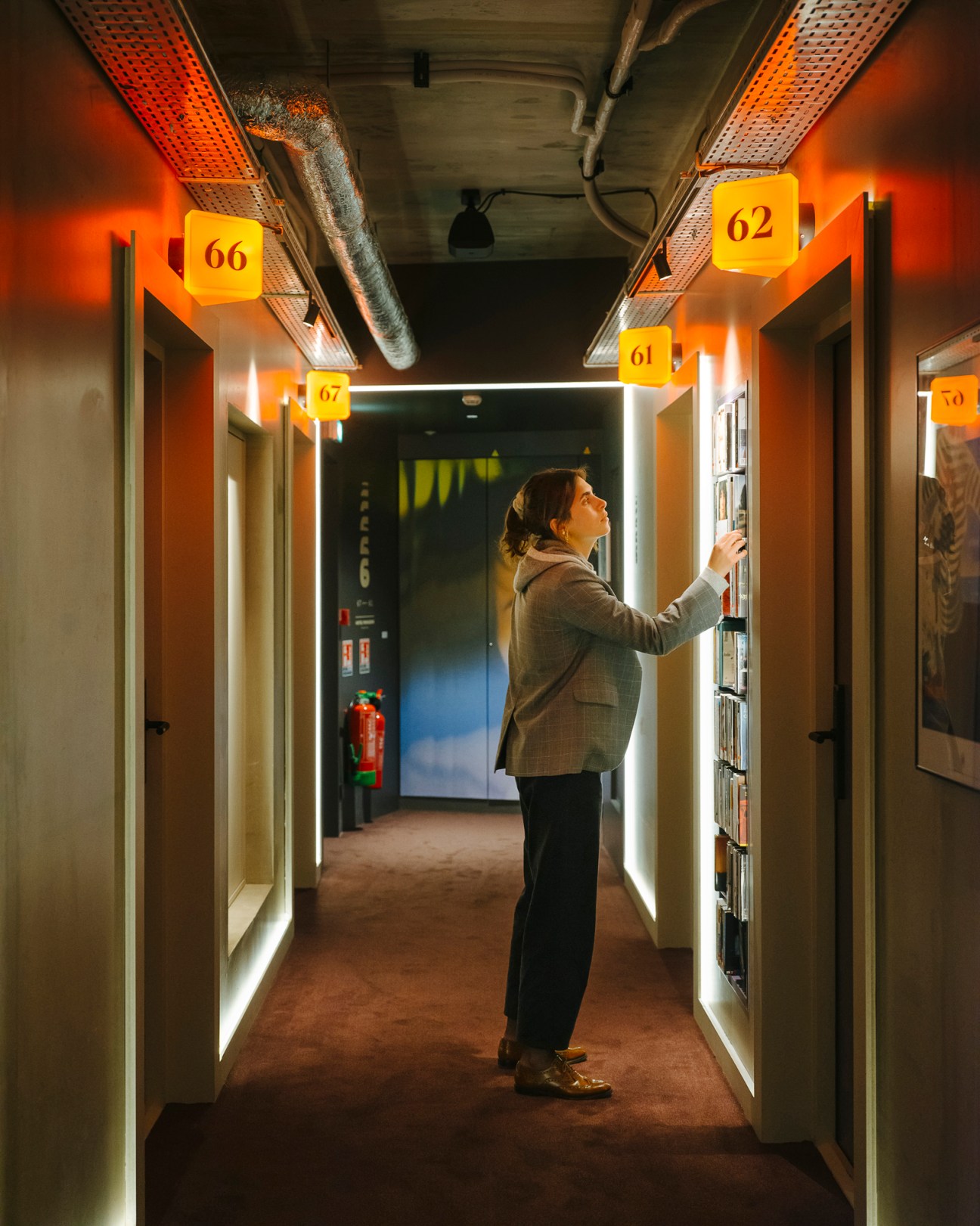
French cinemas may have been closed for months but the rooms of the new Hotel Paradiso in Paris are pretty much full every night. It’s vindication for Nathanaël and Elisha Karmitz, heads of the country’s main independent cinema chain mk2, which for the past 15 years has been diversifying the cinema experience like nowhere else.
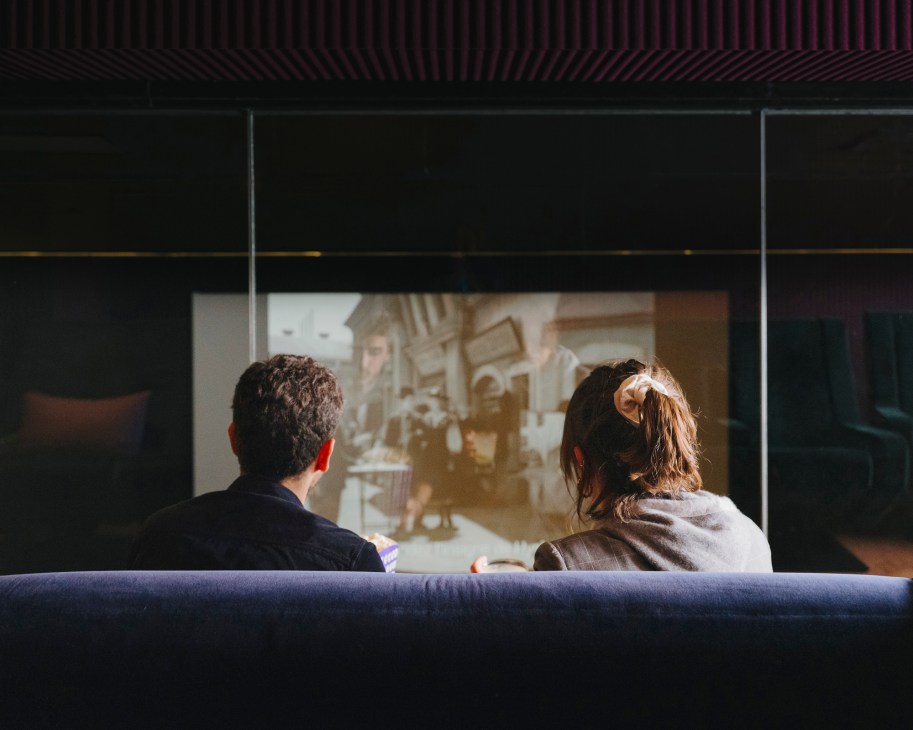
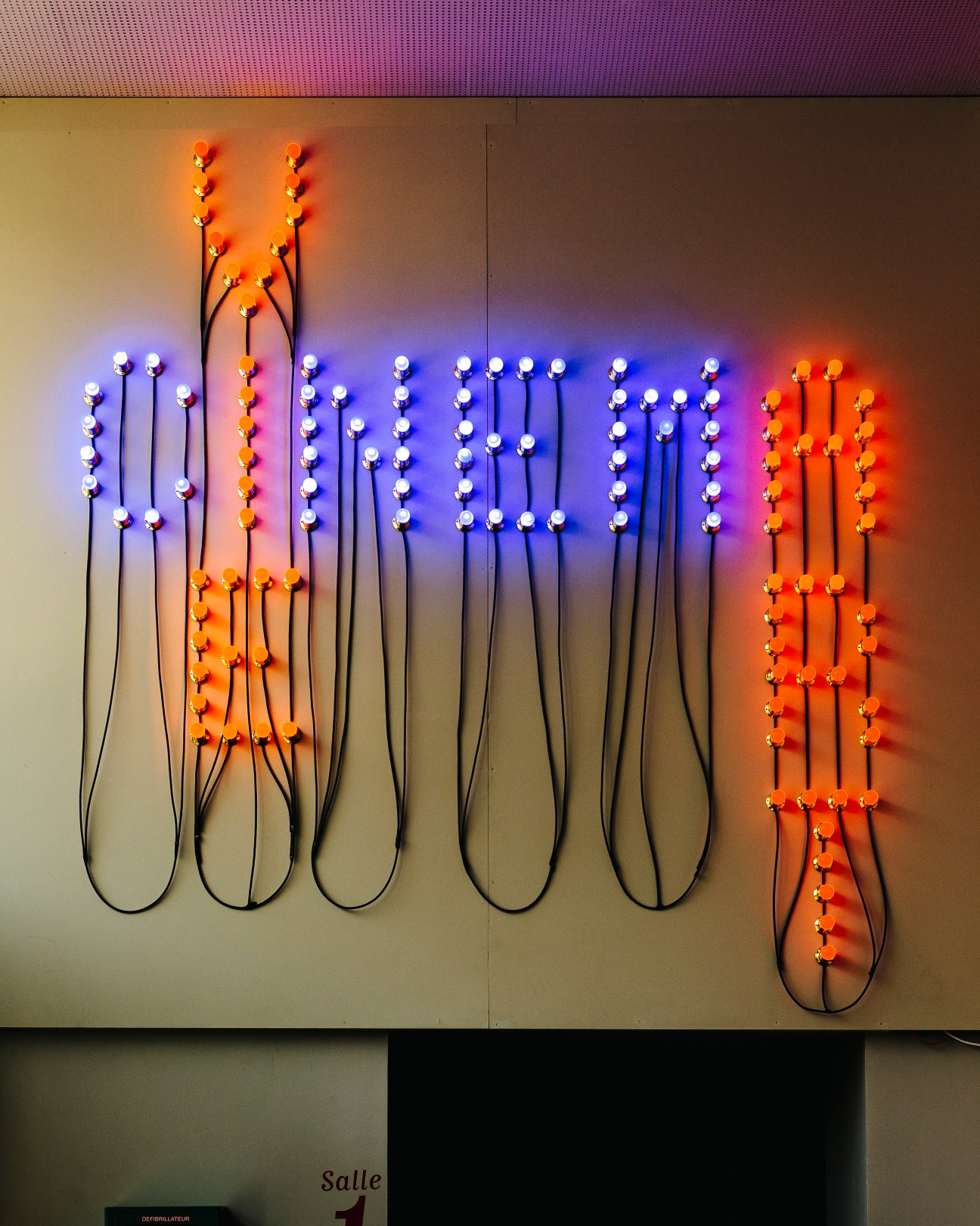
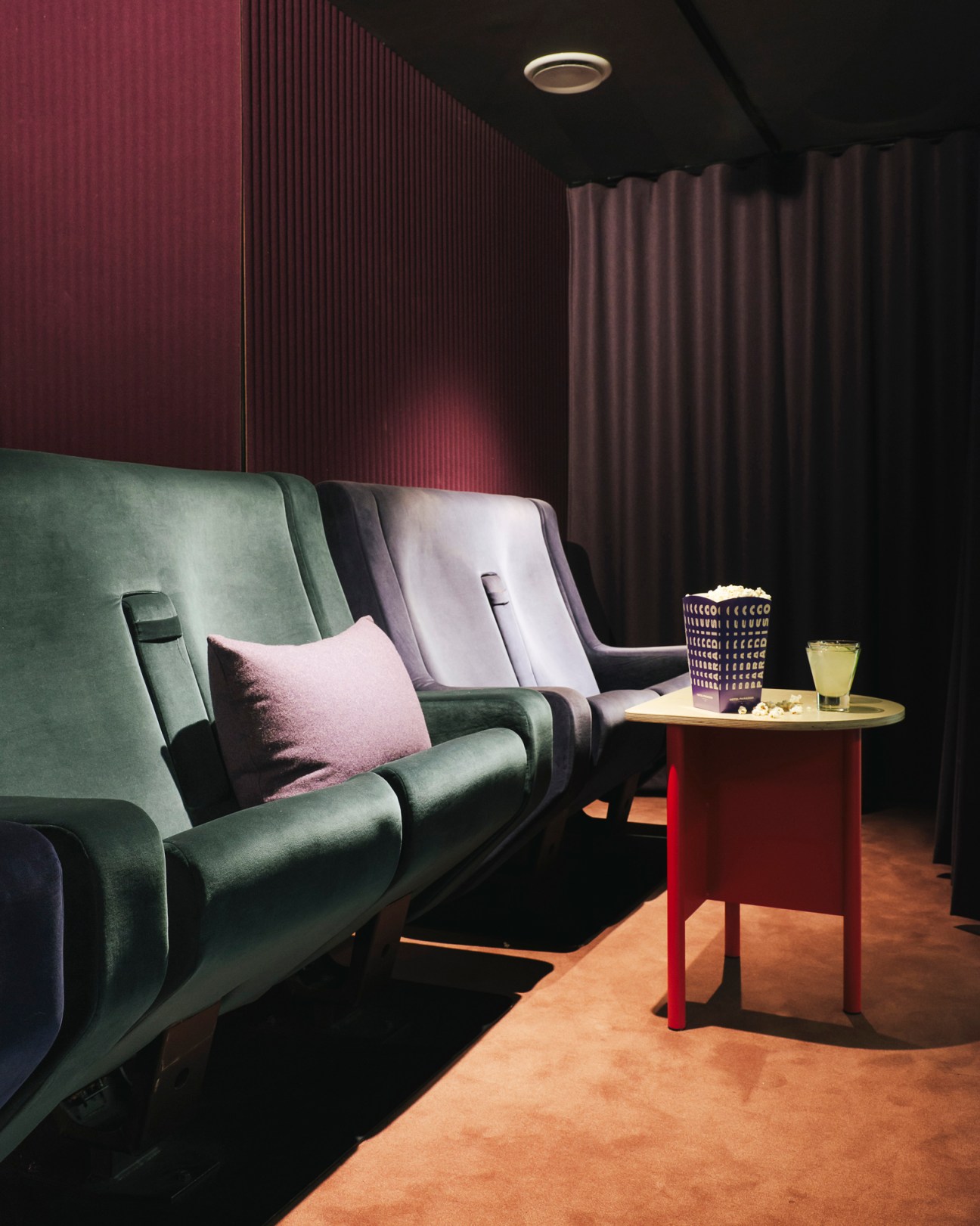
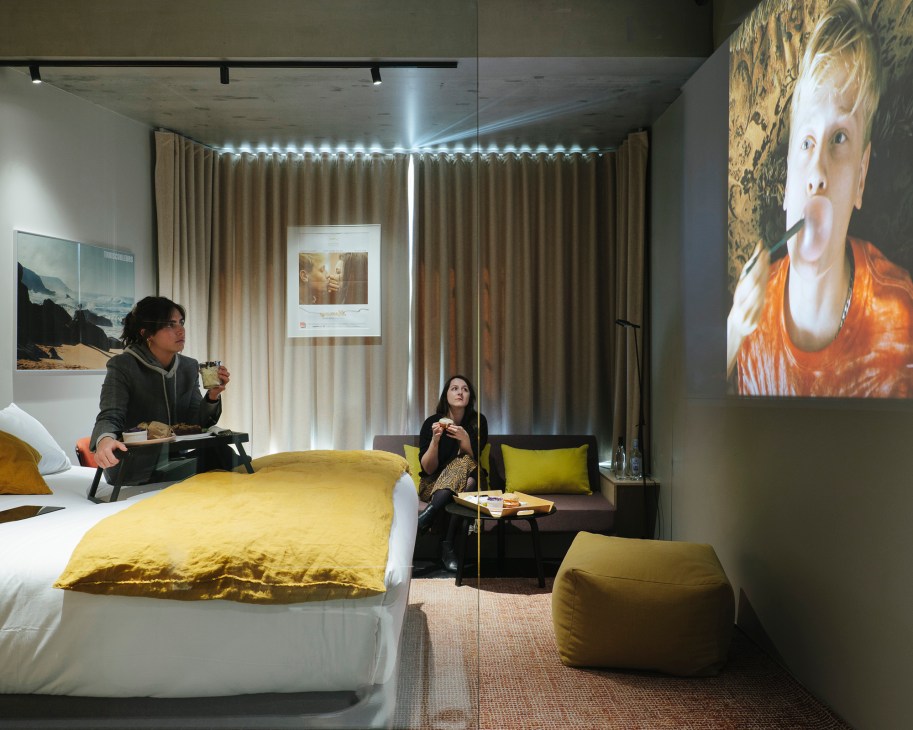
When we meet on Boulevard Diderot in the 12th arrondissement, outside the hotel they opened this spring, the Karmitz brothers are fresh from last night’s launch of the new French streaming platform Brut X, a youth-oriented on-demand service. The event took place inside their hotel in accordance with the strictest safety rules, which was only possible given the unique nature of this venue. It’s the first cinema-hotel with 34 guest rooms and two suites in which to sleep, eat, drink and most importantly watch films on the rooms’ giant screens – which happen to be even bigger than the beds.
As if they had been hoteliers all their lives, the Karmitz brothers graciously take us on a tour. “This hotel is a world premiere,” says Nathanaël, smiling. “There are film-themed hotels with old cameras and people dressed as Charlie Chaplin, but hotels whose focus is the cinema and built around the experience of seeing the film – that doesn’t exist.”
Having this space open (and often sold out) while so many of their venues around the country have remained shuttered has helped Nathanaël and Elisha make the most of these challenging months. “We always wanted to create places of wonder through cinema,” says Nathanaël, as we sit in the hotel’s La La Land karaoke (one of many attractions about the place).
“The film Cinema Paradiso really inspired us,” explains Elisha. “It’s a story of education through cinema – values we feel close to.” The hotel is an extension of the initial ambition for the company founded by their father Marin Karmitz: to offer another approach to film-going. Back in 1974, the company was created in the midst of a cultural revolution: Marin’s aim was to use cinema as a vehicle to join the movement. From showing films in their original language, to organising meetings and events in order to give a voice to those who didn’t have one, mk2 was always innovative.
“Today we are pursuing a mission of differentiation that is important, especially after the pandemic. Consumers expect brands to present themselves in a new way, digitalising their offer while maintaining the importance of physical space,” says Elisha. “And to make projects that make sense.”
Hearing all about the hotel’s details, the project goes beyond making sense. “We’ve been working on it for more than seven years,” says Nathanaël from the hotel rooftop. Soon, a bar, a barbecue and a 4.5 metre-wide screen will be installed. “The idea will be to take a seat, watch the stars, sip a cocktail, eat your burger… and at 10pm, when the Eiffel Tower flashes, the movie starts.”
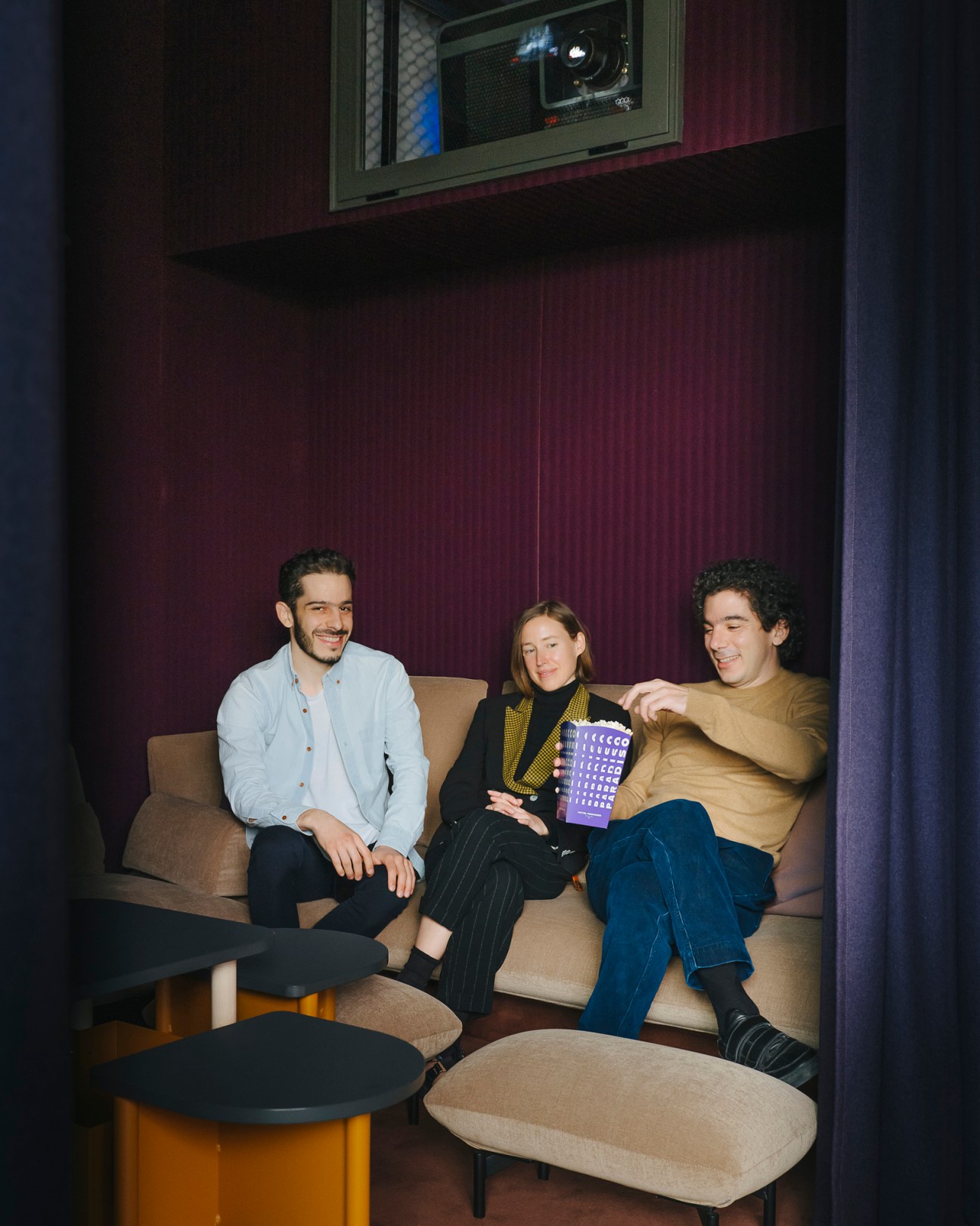

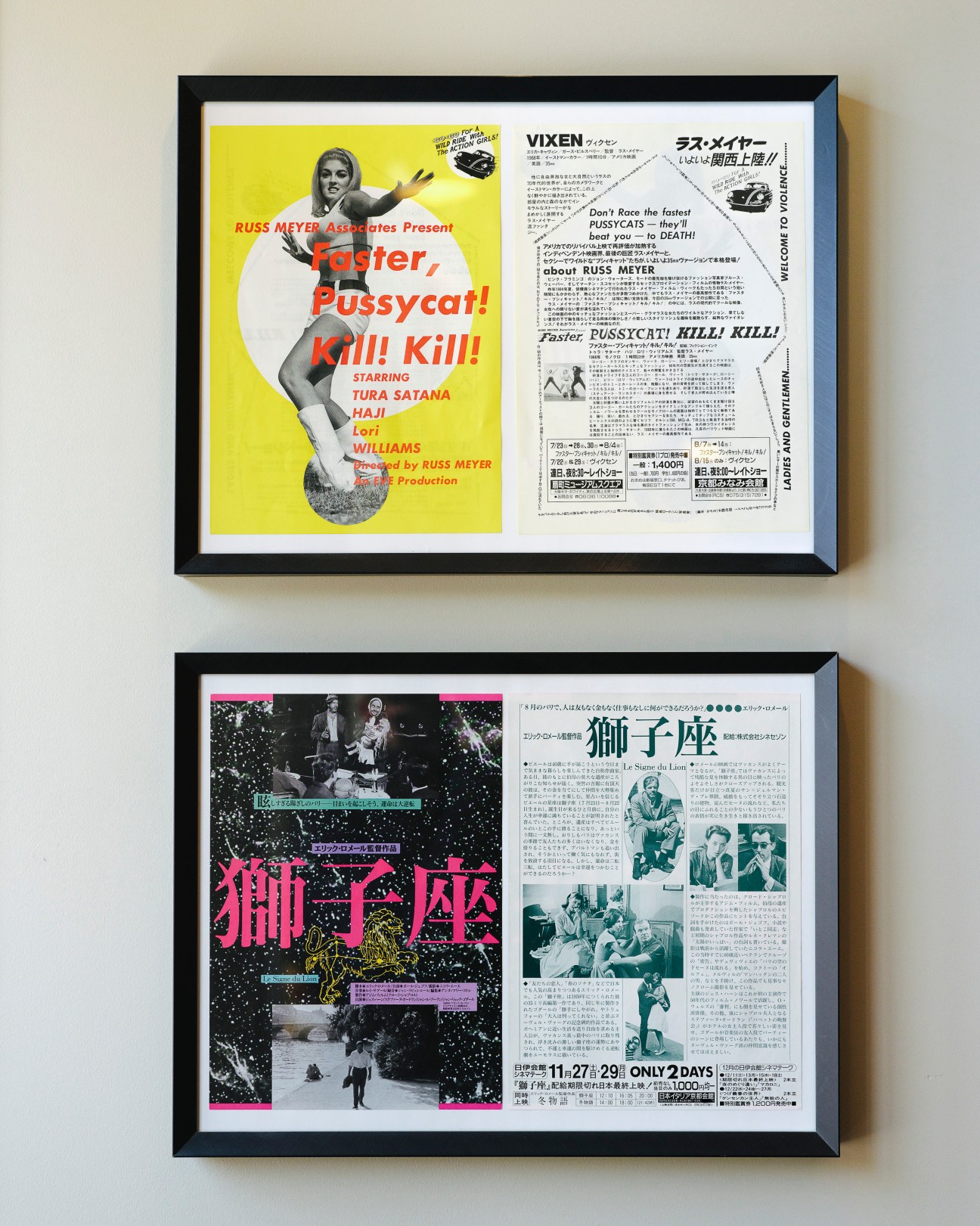
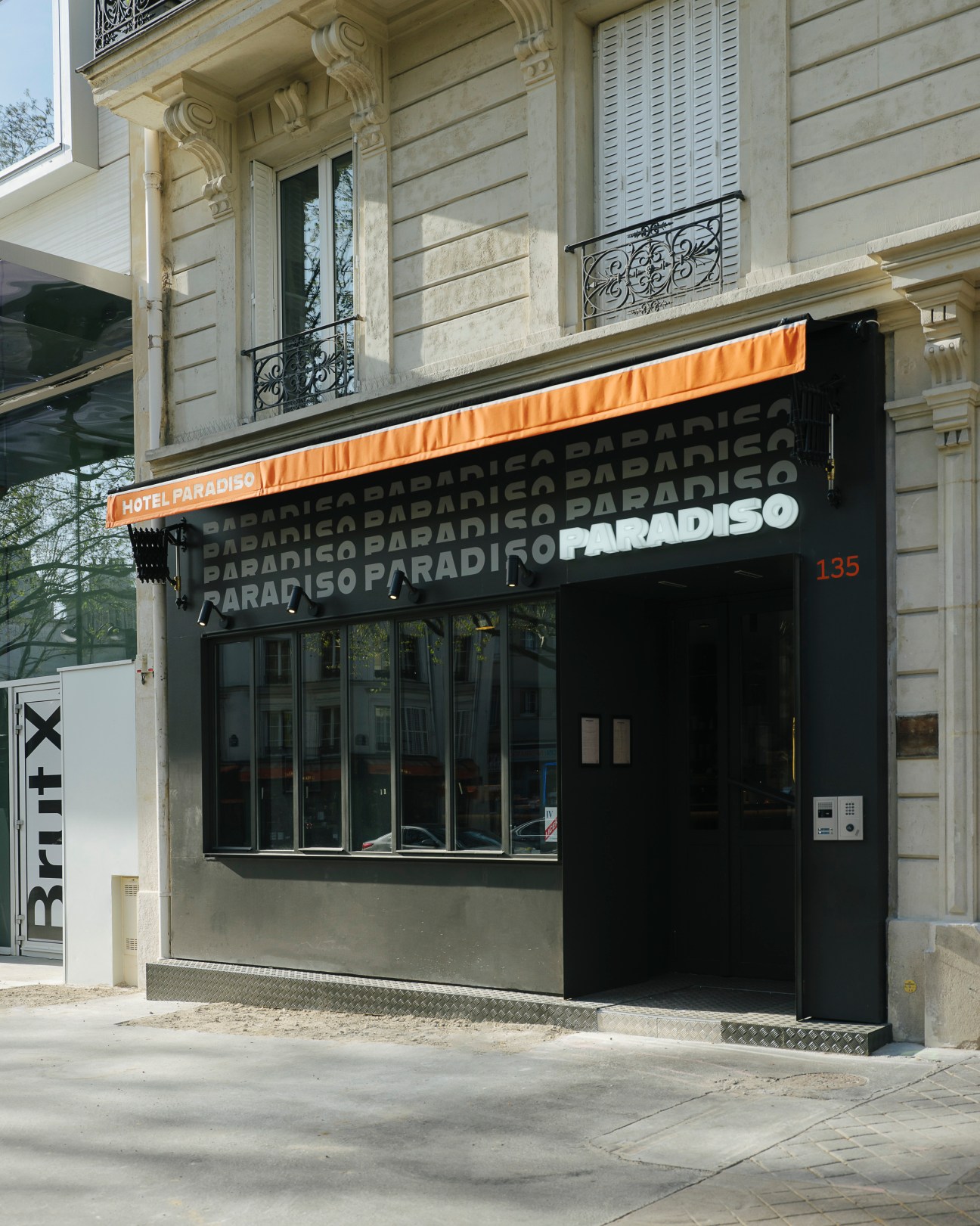
First and foremost, though, Paradiso is a good hotel – one that happens to have six theatres on the ground floor. In the cinemas, you can book “La Loge”, a private box which comes with a bar and unhindered views of the projection. In the hotel rooms, you have unlimited access to thousands of films and series from the mk2’s libraries as well as Mubi, le Vidéo Club Carlotta Films, Netflix, My Canal and Disney+. If that’s not enough, you can borrow a dvd from the hotel’s 2,000-strong collection.
“Hoteliers often take over a place and try to create a concept around it,” explains Nathanaël. “We designed this around our programme. We have always seen our profession of cinema operators as a hospitality job. Normally, we welcome people for two or three hours – here it’s for 24 hours, but it’s based on the same desire.”
The connection between cinemas and hospitality runs deep. “Hotels are in movies and movies are made in hotels. They are where you meet, write or produce films,” he continues. “This project is an indirect tribute.” If you need anything – dial 007.
mk2hotelparadiso.com
Ten reasons to book a room at Hotel Paradiso
1.
The Pretty Woman and Love on the Run quotes printed on the Do-Not-Disturb signs.
2.
The room directory which is written as a screenplay.
3.
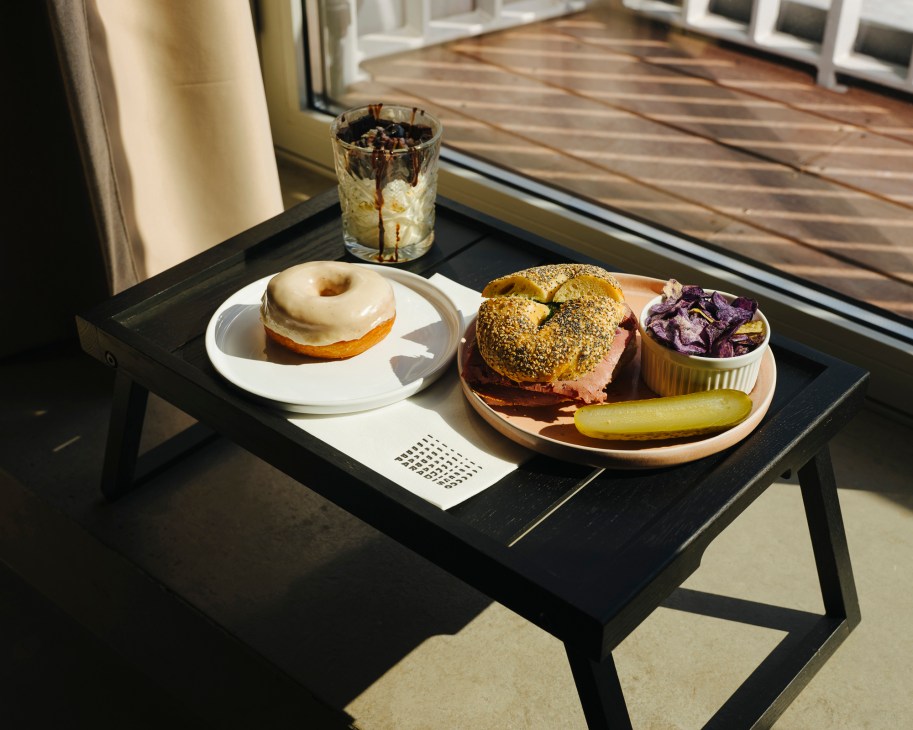
The large tub of popcorn to order and eat in bed while watching a great film.
4.
Suites 7 and 8 screen the latest films released at the cinema.
5.
The staff uniforms designed by Alexandre Mattiussi, creative director of fashion brand Ami.
6.
To curb Netflix-choice fatigue, Hotel Paradiso offers its own curation of films and series, devised by an editorial committee made up of mk2’s programming team.
7.
The stunning job by architects Daniel Vaniche and Paula Castro from dvvd agency and the interior design by Alix Thomsen.
8.
The selection of artwork by friends of the Karmitz such as Christian Boltanski, JR and Ruben Brulat.
9.
The La La Land karaoke, with a list of more than 10,000 songs.
10.
Environmentally conscious building and eco amenities, like the Casa Nera bath products.
Media
The newsroom in a café
‘The Big Bend Sentinel’, Marfa
Many major newspapers and magazines (Monocle included) have discovered that pairing a coffee shop with a print purveyor can do wonders for newsstands sales. But not many local newspaper editorial teams have attempted this hybrid model: these outfits often adhere to old-school business practices in their admirable commitment to print. As the survival of many smaller titles hangs in the balance, editorial experiments are becoming increasingly popular.
In Marfa, Texas, the headquarters of The Big Bend Sentinel and Presidio International houses a newsroom as well as a café; here punters can enjoy custom-blend drip coffee and the latest paper for a few dollars. Customers occasionally walk into the newsroom by accident because “they think it’s the bathroom”, says co-founder and editor in chief Maisie Crow. The set-up has offered a path towards economically sustainable local news.

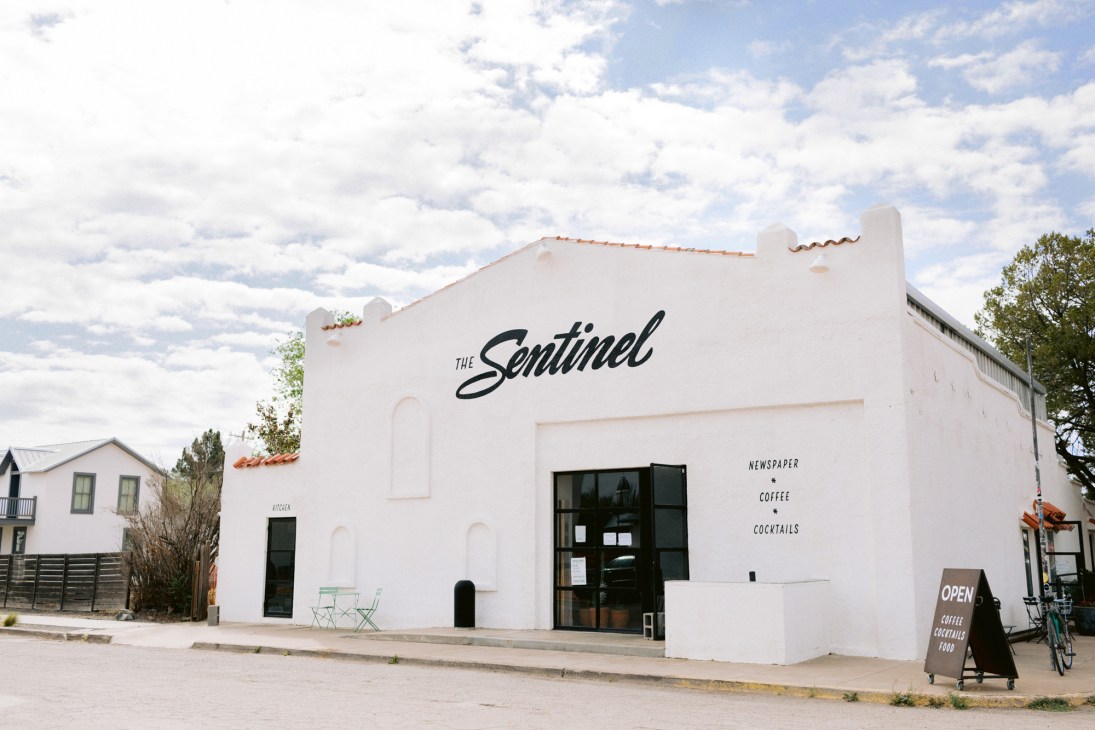
Marfa is known for its artistic community and visitors flock to its famed galleries. But the town also resides in Presidio County, one of the poorest in the US. The demographics make Presidio the kind of place where local journalism is dying out.
Crow and her husband, Max Kabat, bought the nearly century-old Marfa-based weekly newspaper The Big Bend Sentinel and the accompanying Presidio International in 2019. Crow has a background in journalism, while Kabat works in strategy consulting. “We realised we could combine our skillsets to reinvent the business model,” says Kabat.
They moved the newspaper operations into a Spanish mission-style building. Renovations involved opening up large windows to flood the space with light and display west Texas’s “clear, beautiful skies”. The airy space complements the paper’s logo, a cowboy staring at distant mountains, standing next to his horse.
Other than bolstering the paper’s coffers, the new model has opened up interesting editorial opportunities – as well as some unexpected challenges. Because of Texas state law, the two operations have decided to remain legally separate, given a rule that allows warrantless searches of any business with a Texas Alcoholic Beverage Commission licence – not the kind of thing a newsroom welcomes.
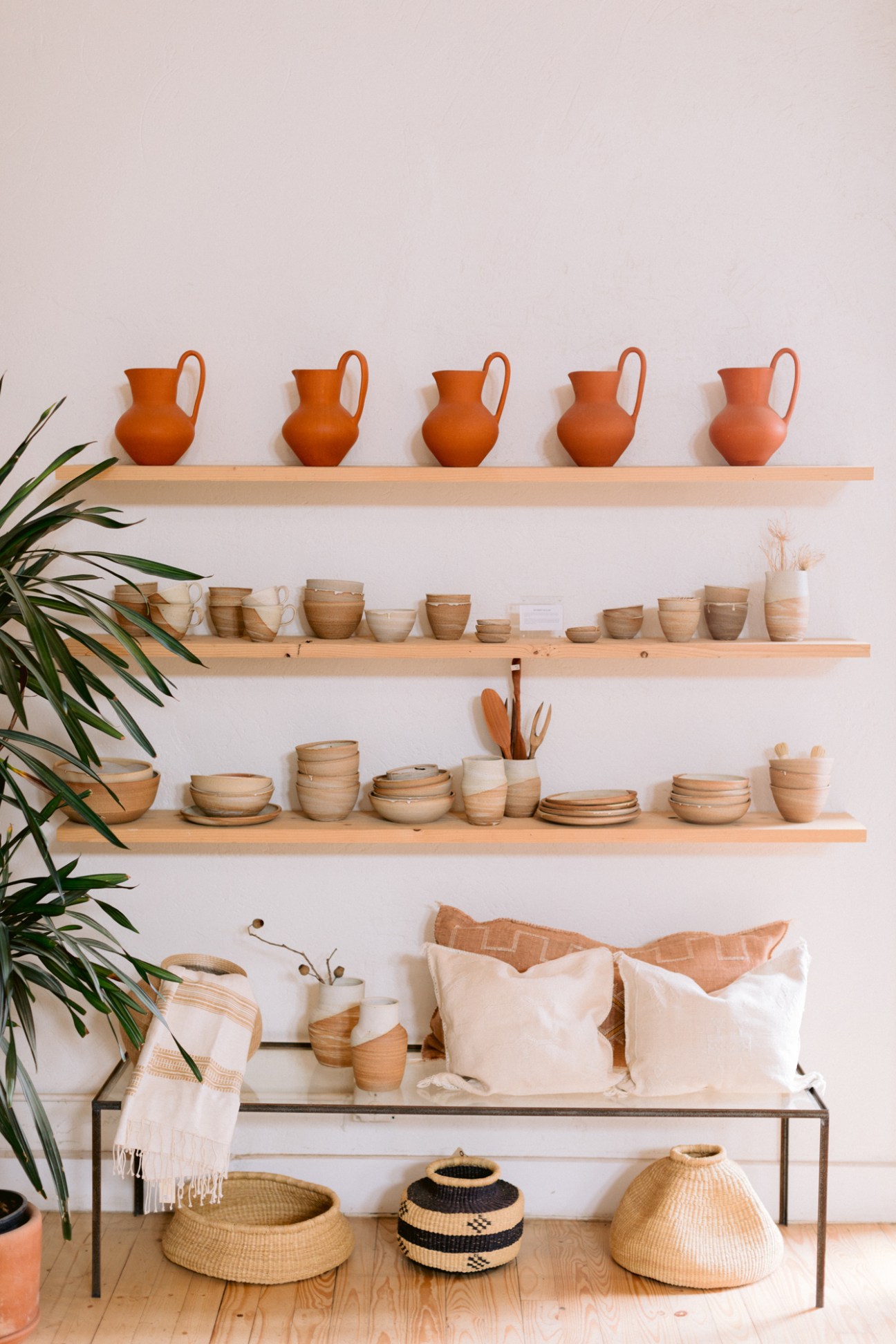
Still, the pairing feels like a natural fit. The Sentinel (as the café is called) serves as a gathering place that attracts ideas through osmosis. The baristas have an ear to the community and therefore can share story tips with the reporting staff. Its wooden tables and rattan chairs make for an inviting place to work, meaning that the handful of full-time reporters can occasionally be found working among the patrons. “People come to get a coffee and have meetings in our backyard,” says Kabat. “It becomes an interesting place to exchange information.”
The media industry has seen many physical newsrooms shutter in recent years, given owners have often considered newsrooms as cost liabilities. A year of working from home may have accelerated this trend but in Marfa, The Big Bend Sentinel is keeping guard on the importance of a real-life, bricks-and-mortar space for reporters to come together – and connect with their neighbours.
bigbendsentinel.com
Boxing clever
How subscription cases deliver extra business
Delirio wine club
Argentine media group Editorial Perfil’s flagship newspaper Perfil and weekly news magazine Noticias may long have included food and drink articles, but neither of them are exclusively dedicated to the subject. Still, after noticing an appetite for in-the-know subscription boxes, digital director Agustino Fontevecchia realised he could tap into his readers’ passion for wining and dining with Delirio. The editorial group’s wine club was launched in 2019, conceived as a four-bottle case selected by sommelier and journalist Fabricio Portelli, who also edits Delirio’s magazine. Run as an independent operation, the box-cum-magazine benefits from the publicity and editorial might of its parent newspaper – while also contributing to the bottom line. “We’ve leveraged our expertise with the [editorial] quality that our readers are used to, and used advertising space to publicise this new wine community,” explains Fontevecchia. “A media company needs to diversify with an array of products but not lose money.” The response from members has been steadily positive – and can be best appreciated at Delirio’s tasting events, when subscribers meet to toast the month’s selected labels. As far as innovative editorial ideas go, this one’s a corker.
delirio.com.ar; perfil.com
Maple magazine and box
Vancouver-based Katharine Herringer had been working in the natural beauty products industry for years when she and her husband Iván Álvarez de Lorenzana launched Maple in 2018. The title would not only focus on recommendations for organic goodies but celebrate their nation’s way of coping with the seasons. Only a year into their magazine’s run, they added the Maple box. “I’ve always been a product hunter, scouring trade shows and shops,” says Herringer.
The box, by Vancouver-based creative agency Glasfurd & Walker, comes with Herringer’s edit of anything from creams to perfumes – mostly made by small Canadian brands – and is sent to subscribers four times a year, along with the latest issue of the magazine.
Beyond selecting the worthiest Canadian makers, Herringer has begun producing candles in-house from the magazine’s (heavily scented) offices. The ambition is to open a bricks-and-mortar retail space. “If you think about great candle or tea shops, they’re spaces that make you feel good,” says Herringer. “That’s why we remain so attracted to print: it has the same tactile component.”
thenaturalistpublishing.com

Art
The gallery with a gym
Kukje Gallery, South Korea
When Kukje Gallery, a leading South Korean art gallery, reopened last year after a renovation, it revealed a surprise in store: a fitness centre on the top floor. To some, this may seem like sacrilege, but to the gallery’s director the space is a natural companion to its main line of business. “Exercise heals the body the way art heals the soul,” says managing director Bo Young Song. “Because we’re a gallery of a certain age [founded in 1982], we’ve grown old together with our clients, so we designed the wellness centre with that in mind.”
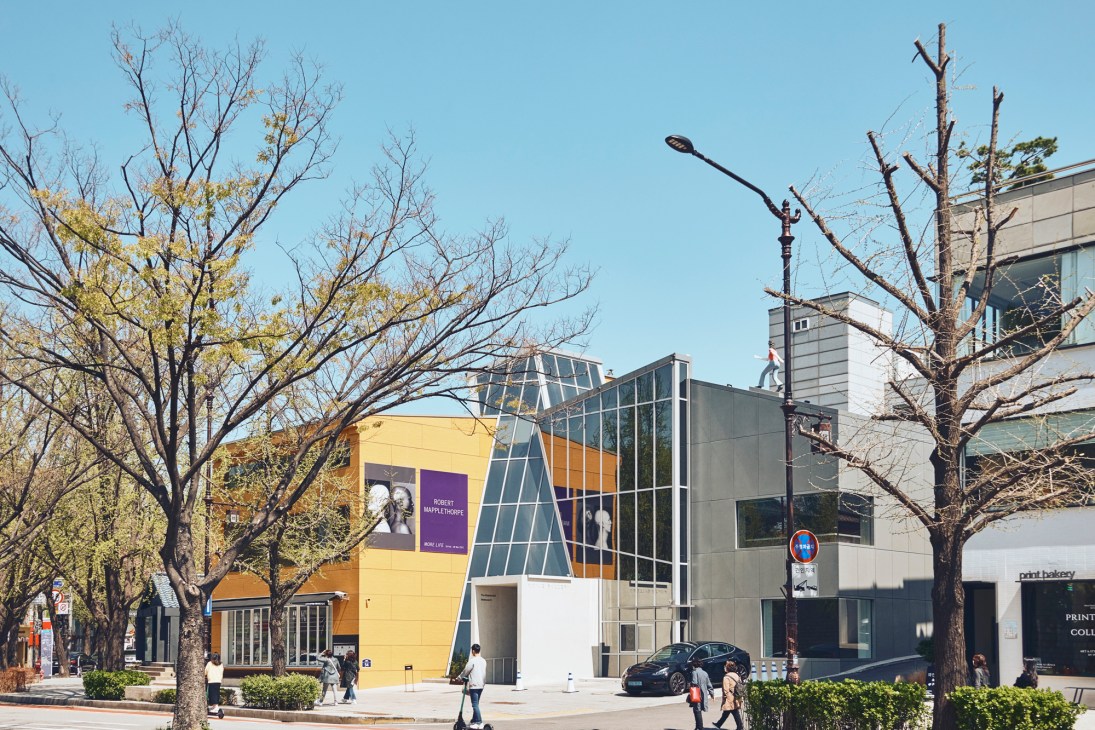
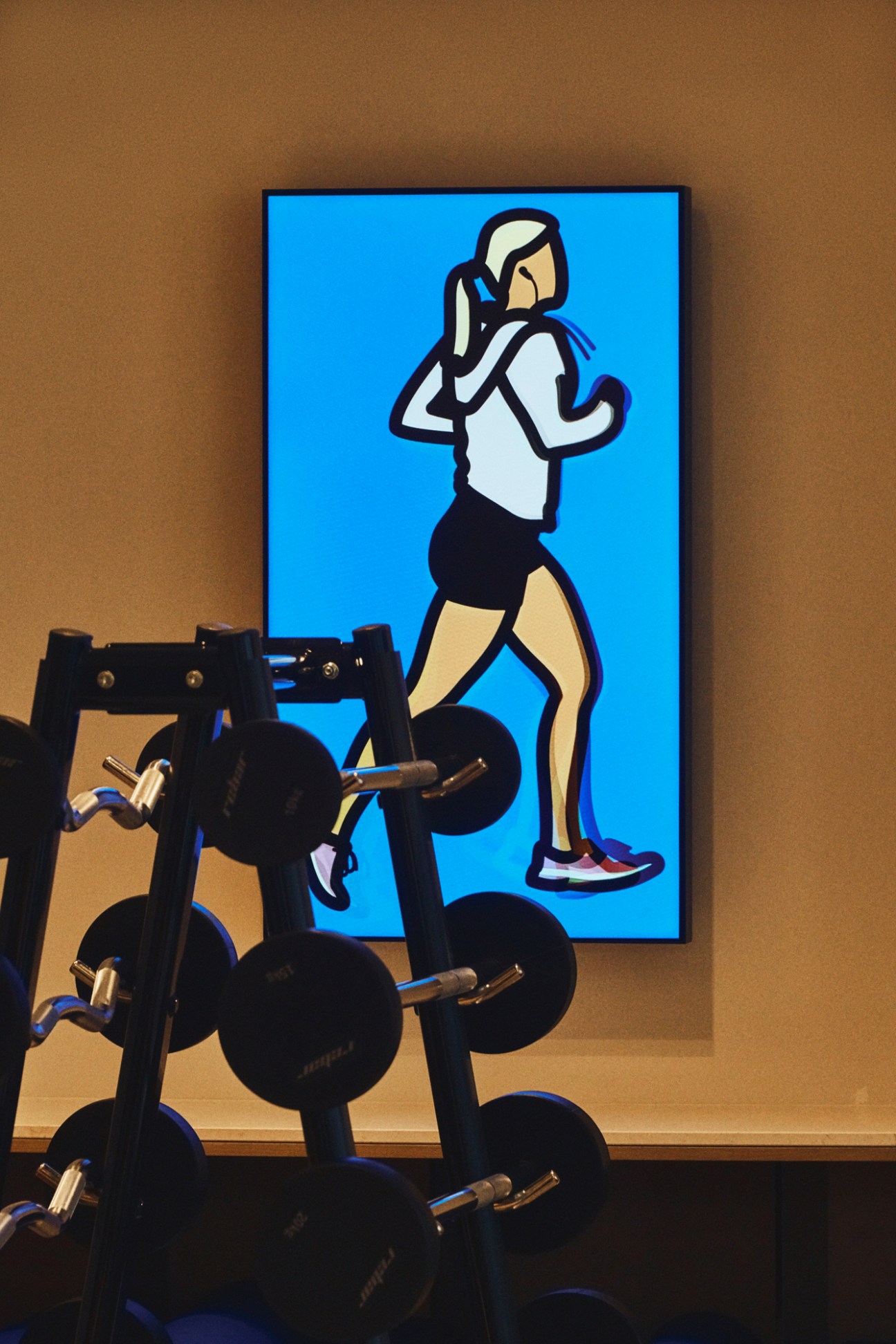
The renovation – directed by architect Sooran Kim of Our Studio, with interiors by Teo Yang – is part of a long-term vision to attract a wider audience while maintaining a bond with collectors. The transformation has been a success. Exhibitions have seen hour-long queues and the gym – where you can lift weights next to a Julian Opie piece or bench next to bronze animals by Ugo Rondinone – now has about 50 members.
Next, the gallery intends to launch a store selling art and design books. “We want to enhance user experience on several levels,” says Song, “Reflecting on changes in lifestyles while exploring new ideas and encounters.”
kukjegallery.com
Best in show
Tactile takehomes
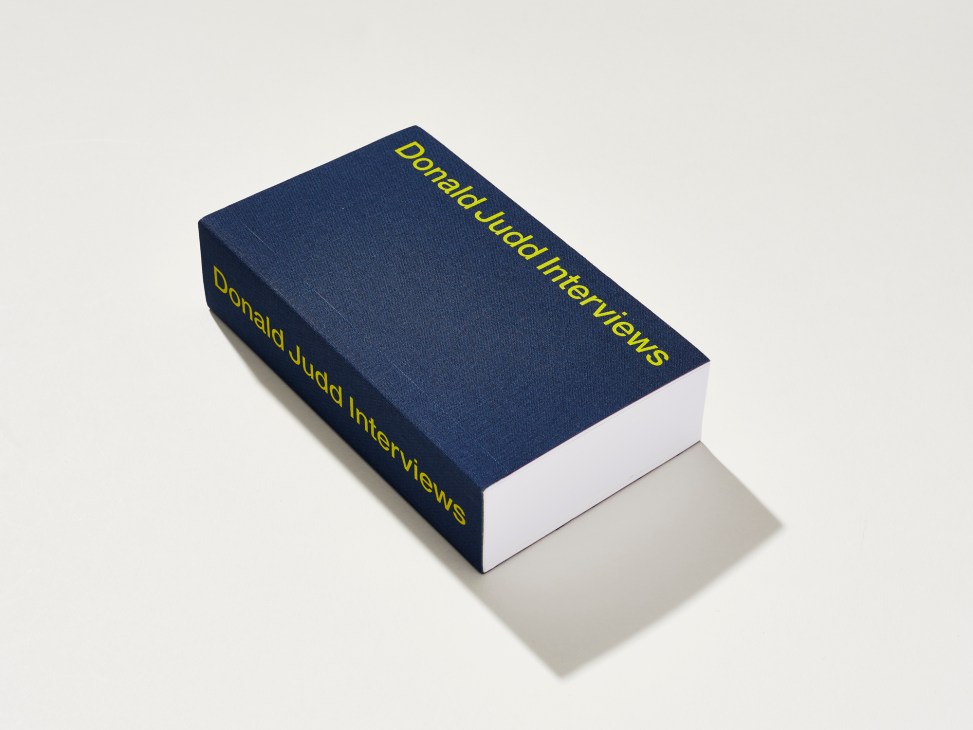
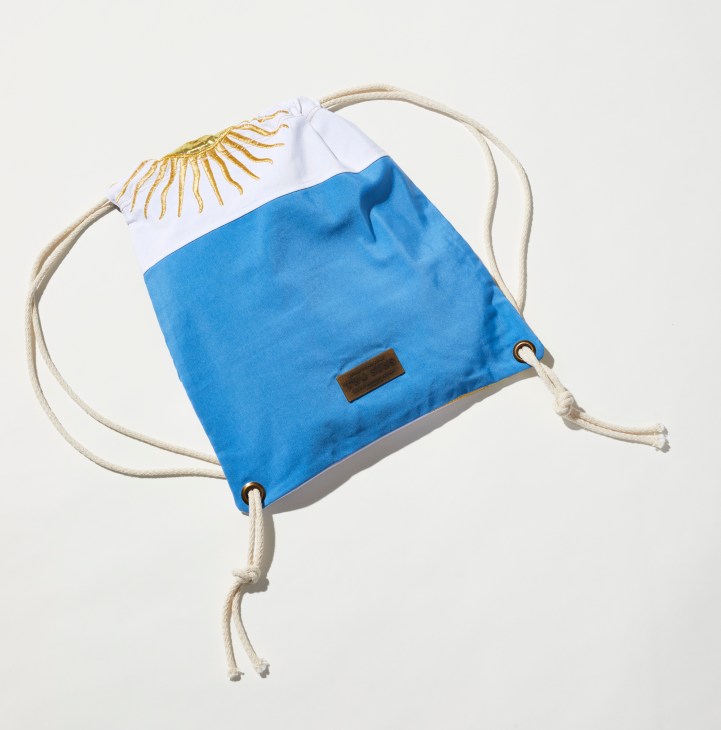
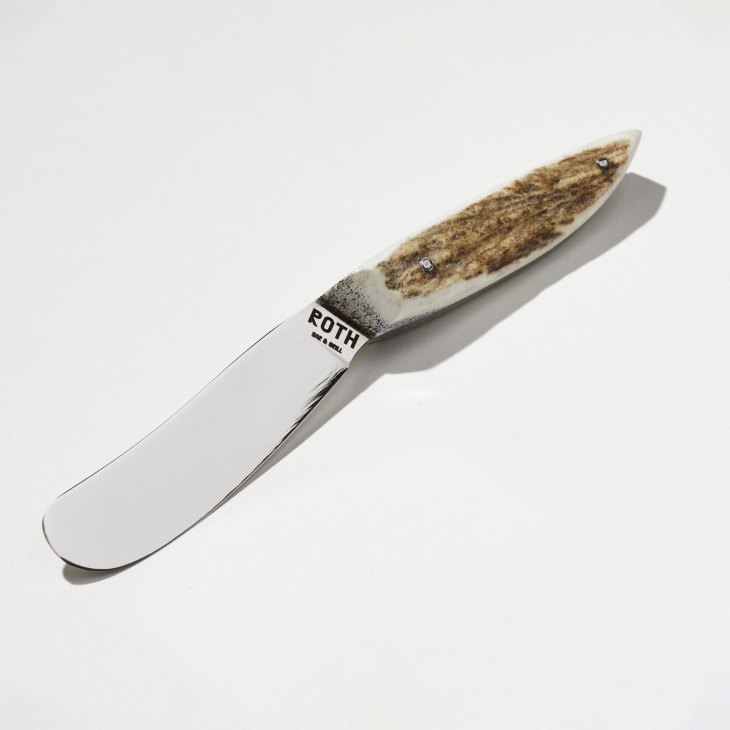
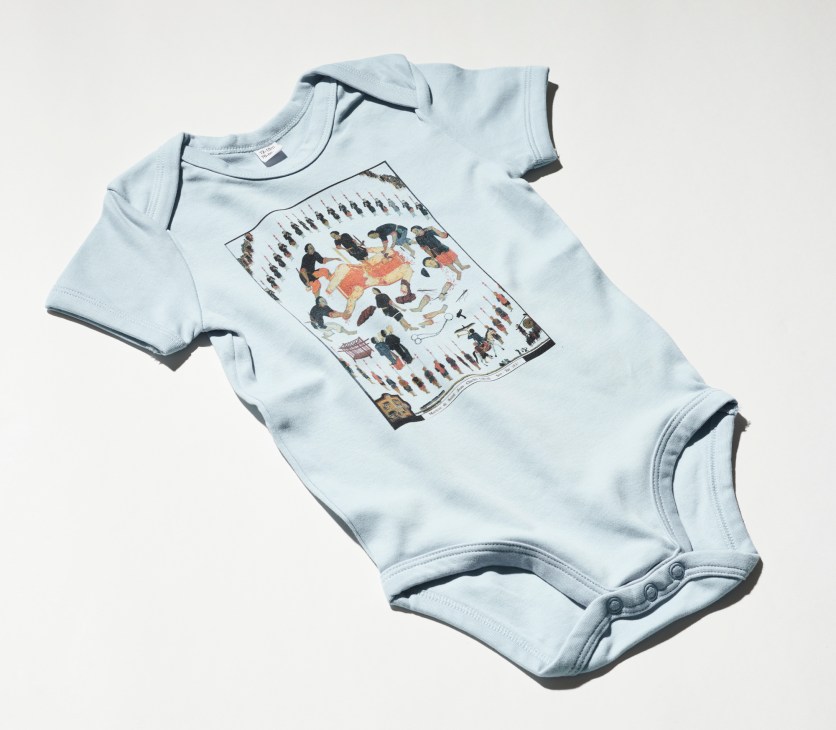
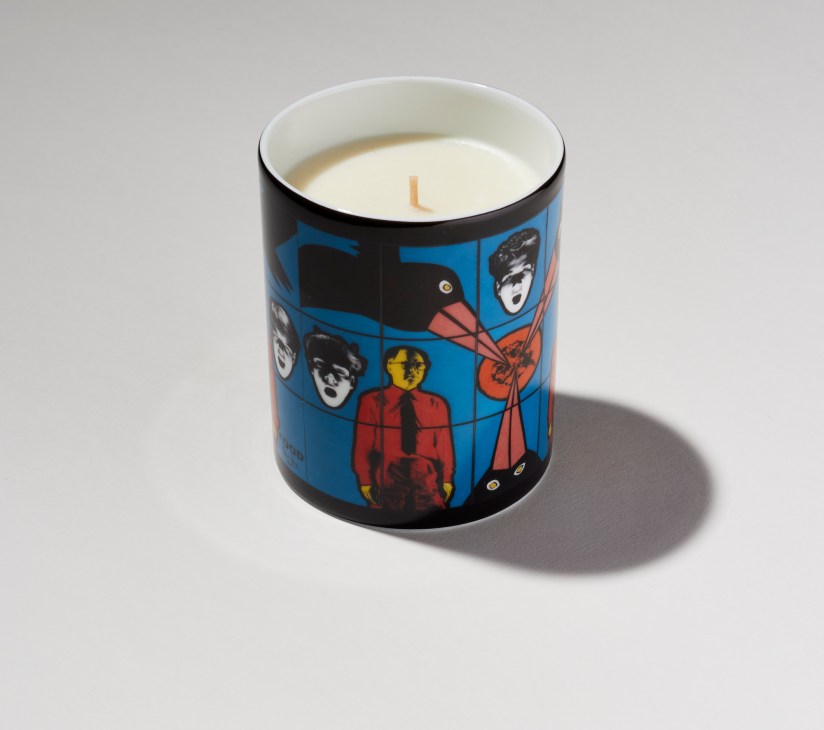
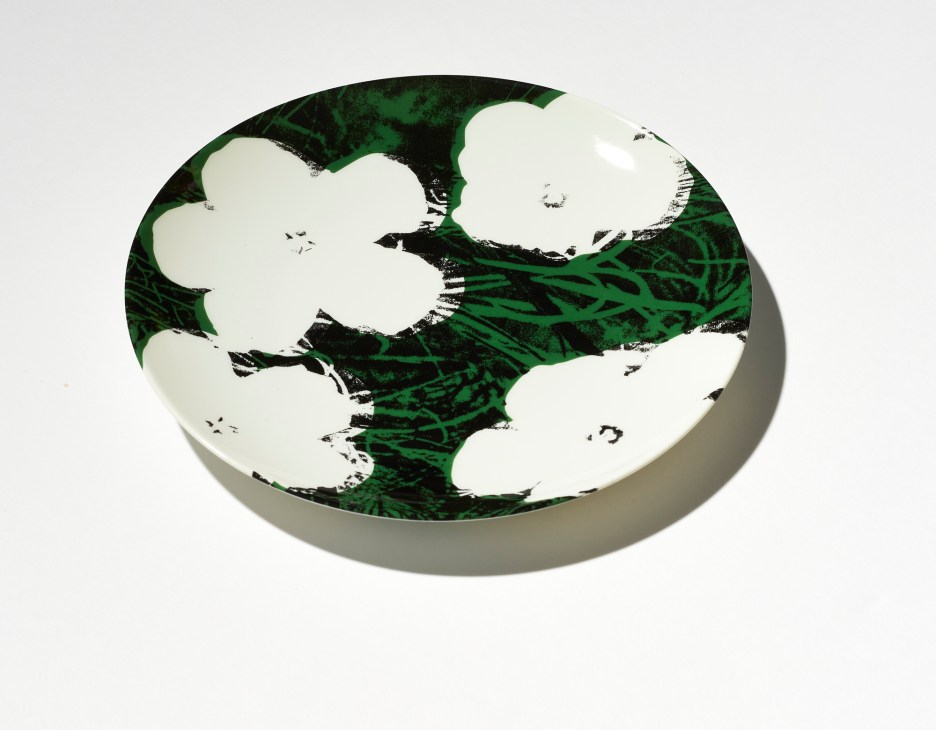
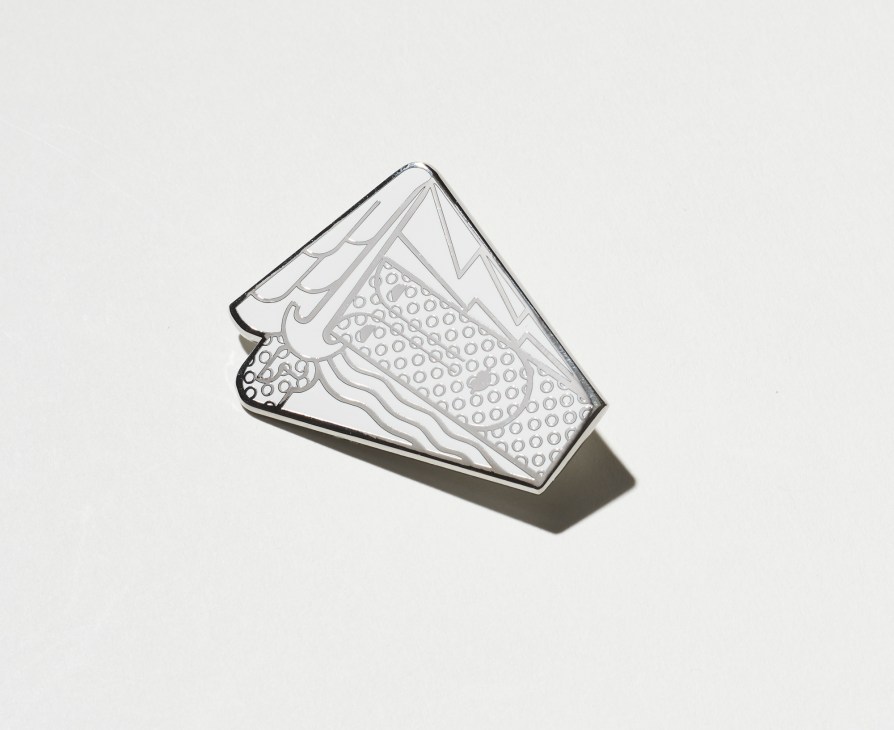
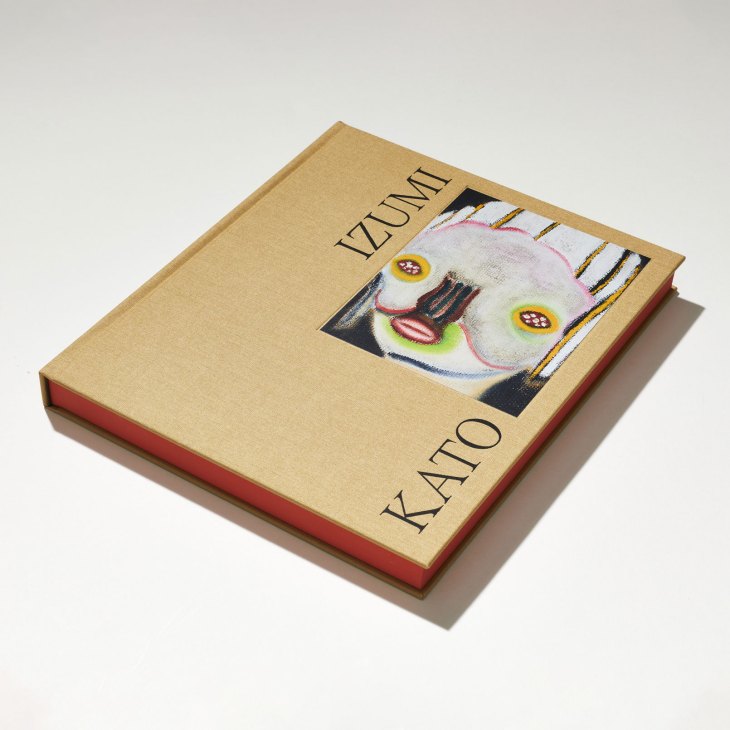
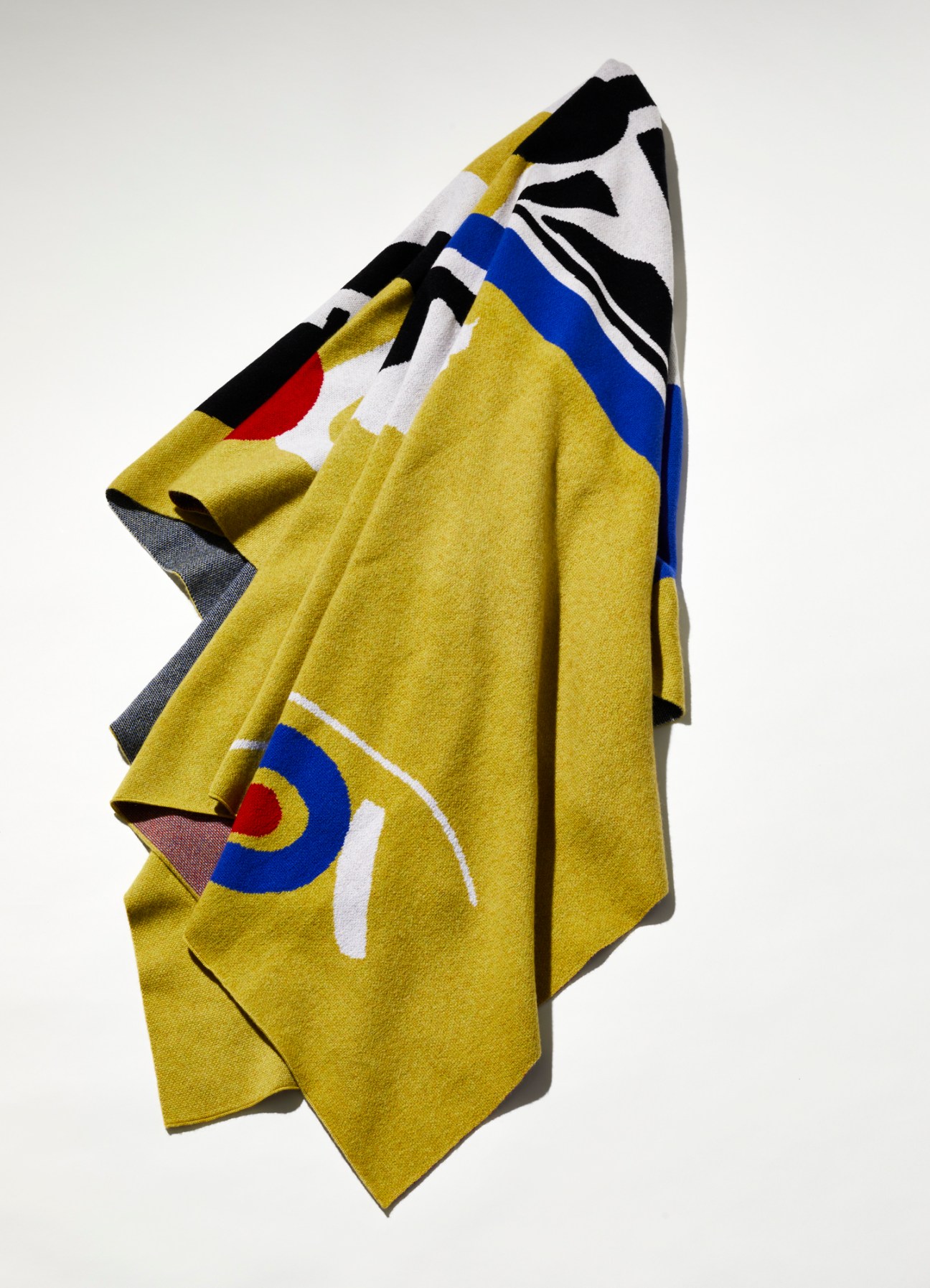
In the hunt for additional revenue streams, many private galleries are now following the lead of museum giftshops in purveying artistic souvenirs. But theirs are not mass-produced gadgets, rather limited editions, artist collaborations and special projects. Here are 15 such pieces.
David Zwirner
davidzwirnerbooks.com
Marian Goodman
mariangoodman.com
Hauser & Wirth
hauserwirth.com
Marian Goodman
mariangoodman.com
Thaddaeus Ropac
ropac.net

Perrotin
store.perrotin.com
Thaddaeus Ropac
ropac.net

Hauser & Wirth
hauserwirth.com

König Gallery
koenig.art

König Gallery
koenig.art
Marian Goodman
mariangoodman.com
Perrotin
store.perrotin.com
Hauser & Wirth
hauserwirth.com
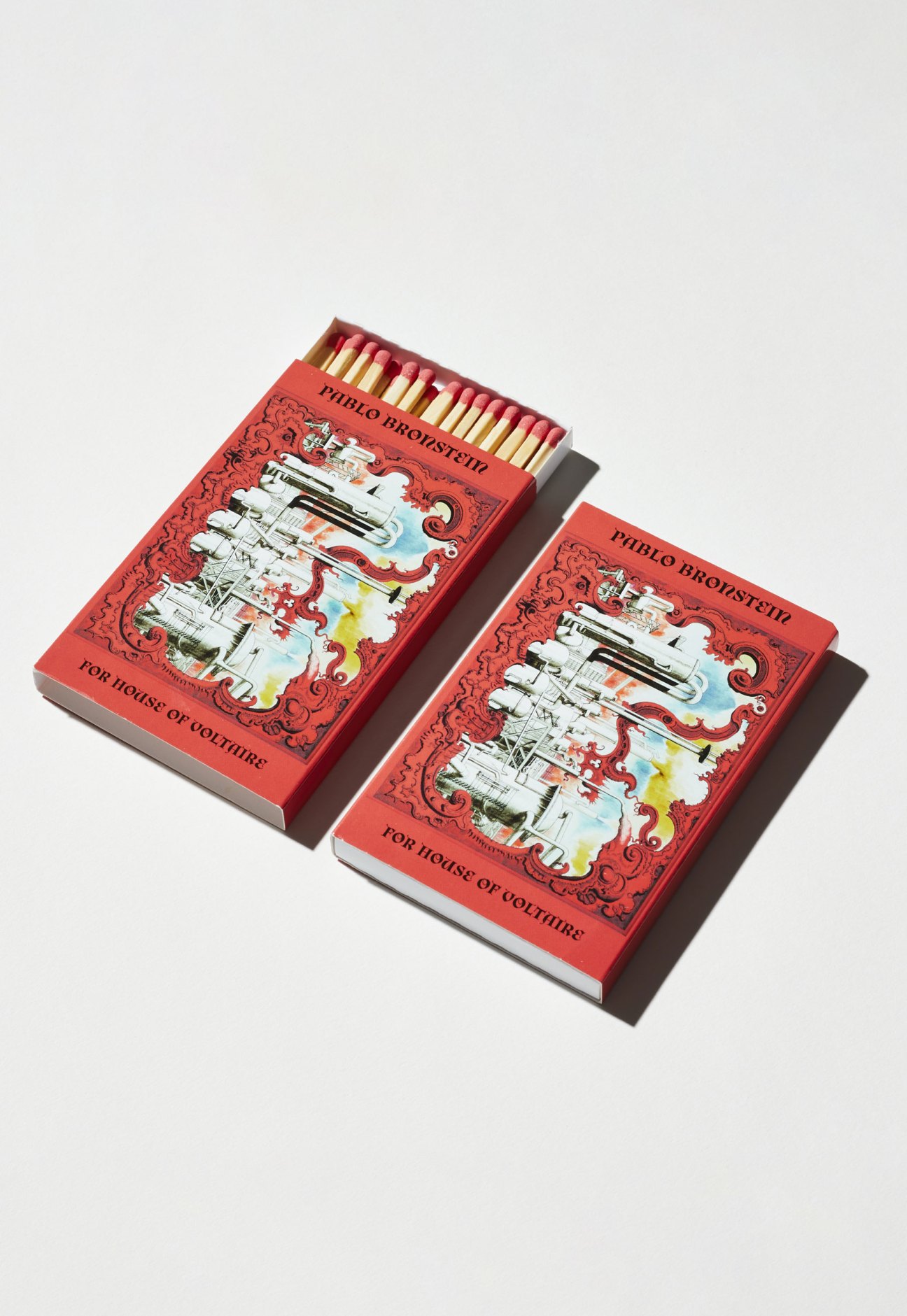
Studio Voltaire
houseofvoltaire.org
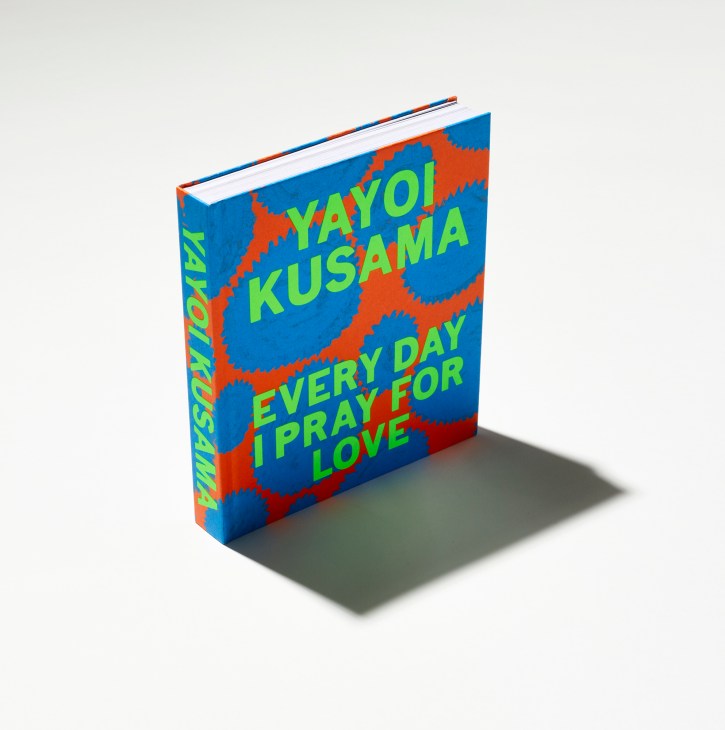
David Zwirner
davidzwirnerbooks.com
Still life: Tony Hay
Working principles
1.
Making your presence felt
By David Sax
The business that knows its place as a part of the neighbourhood will be rewarded by the custom of the community.
Over the Easter weekend I took a walk with my family along College Street, a major thoroughfare just a block from my house in Toronto, to get the first ice cream of spring. One stretch of the street houses all sorts of businesses – grocery and clothing shops, a library, lots of restaurants, bakeries and pizzerias, and even The Monocle Shop and bureau – that together make up the western end of the city’s original Little Italy.
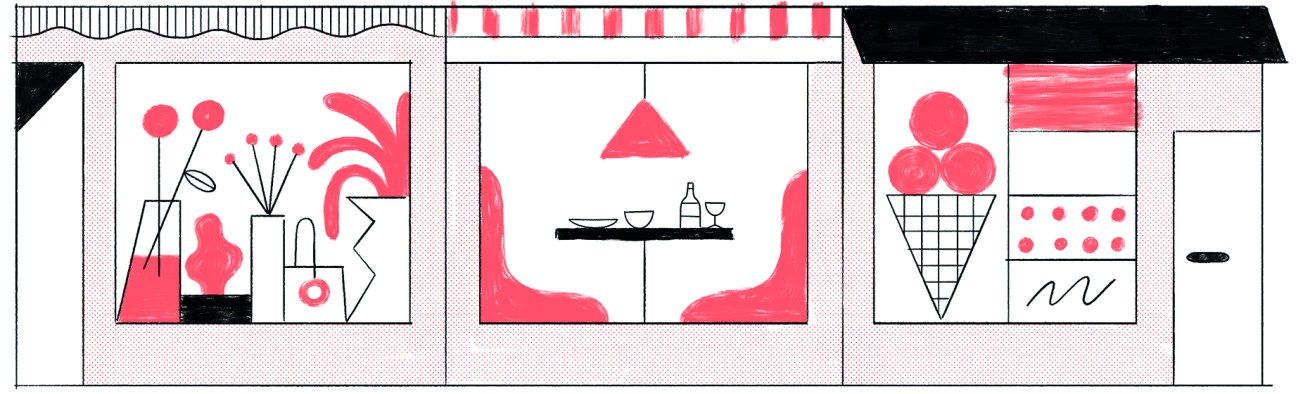
A year into the pandemic, the toll on the businesses in this neighbourhood was obvious. Many shopfronts remained empty, their windows boarded up or plastered with the brown butcher paper that has become a sad sight in towns and cities around the world. On some blocks of College Street, the empty retail spaces outnumber the surviving ones. That weekend the latest victim was Soundscapes, a record shop that had been a beacon of the city’s thriving music scene for more than 20 years.
However, during our walk that day I was actually struck by hopeful signs of an entrepreneurial spring as we passed a handful of new businesses putting down stakes in those empty shops. One of them, a Caribbean/Chinese fusion restaurant that had opened in the depths of winter, had set up a table on the pavement. There the two owners stood, handing out tea samples. They had prepared a few of their menu items, including a jerk-chicken sandwich and a plate of oxtail spring rolls, wrapped up for display like a version of those plastic model meals you find in Japan.
“Hi there, dear!” one of the owners called out to my seven-year-old daughter. “Do you want to try some hibiscus tea?” That offer, which of course we couldn’t refuse (marketing tip: children are the soft underbelly of consumerism, even if they spit out your tea), led to a conversation with the owners about their restaurant, its menu, their cultural background and culinary experience. We told them that we lived around the corner and they wondered whether we’d like to try their food sometime (we would). The whole interaction lasted two minutes and cost no more than a few cents in tea and a plastic cup but it accomplished something that illuminated a deeper truth about entrepreneurship that will be one of the most enduring lessons from this past, awful year.
Entrepreneurship might be an economic activity but it is built on relationships that are strongest when they are tangible and firmly rooted in the spaces and the people who exist in the physical world. Although we might talk about the impact of digital technology on our lives, and conflate entrepreneurship with high-flying global technology start-ups, the heart and soul of running your own venture remains analogue.
Sure, you can open a business anywhere with a wi-fi signal and sell your goods and services around the world from the comfort of your home but at the end of the day every business, even a virtual one, exists in a physical place, a community. The stronger the relationship of the business to that community, the better off it will be.
During the pandemic, many of the businesses around me were able to respond directly to the needs of their local market – their neighbourhood, city and region – by quickly catering to rapidly changing needs. Bookshops were able to offer nearby pick-up and delivery services, and order more puzzles for housebound customers. Restaurants could change their menus to cover takeaway dishes and even offer online wine tastings to regular customers. Even accountants were quick to advise their clients on the local effect of emergency business subsidies and any tax breaks that governments introduced. The coffee shop around the corner ran beans and drinks to the door of anyone who was afraid to leave home; a restaurant put a pantry and fridge of free goods onto the pavement for residents who needed help to get food (and for others to leave it); and the pharmacist who owned the small, independent chemist reached out to her oldest customers in their native Portuguese, which is the unofficial second language of this area, to see who might have questions about vaccines.
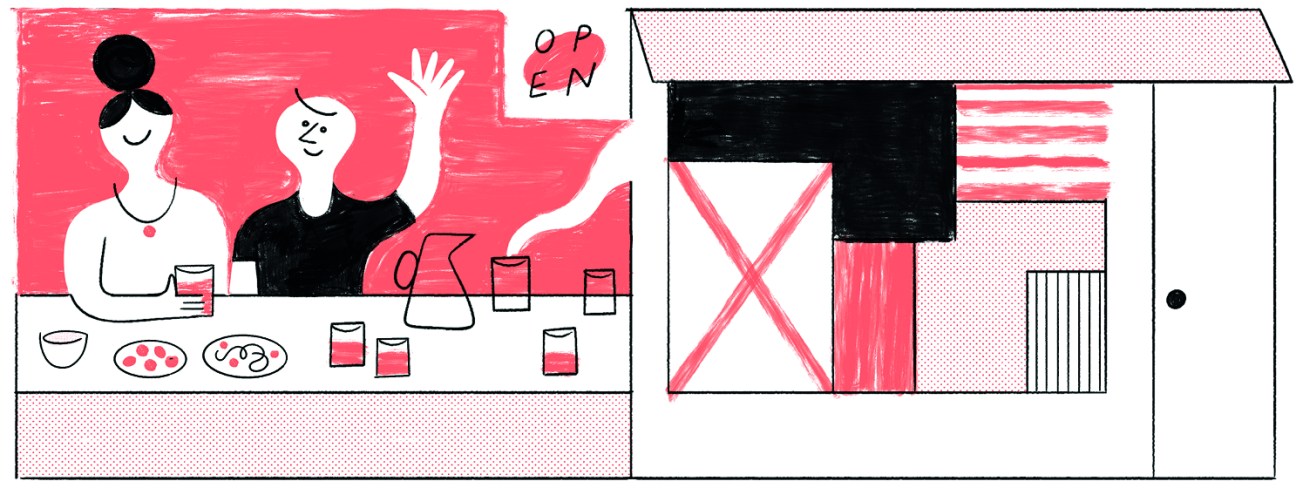
The entrepreneurs behind these businesses knew what this neighbourhood needed because it was their neighbourhood too. They worked here and lived here, so they could respond to the area’s needs in a heartbeat, far quicker and in a more targeted way than any large company could. There was no talk of abandoning the city or setting up remotely. They were invested in the area, financially, historically and emotionally, and they started fighting for its survival through this crisis from day one.
In return, the neighbourhood’s residents stood beside their businesses and helped them to survive the long months of lockdowns and restrictions. People who had never shopped locally before put their money into the streets where they lived, ordering takeaways directly from restaurants rather than from delivery apps, or going through the slight inconvenience of phoning in a book order rather than clicking on an Amazon link because they witnessed – in all those empty windows bandaged in brown paper – what happened when they didn’t.
The deeper truth is that all of this rested not only on the physical presence of the shops, offices and restaurants here but on the face-to-face human relationships that their presence afforded. When an entrepreneur hangs out their shop sign in a community, they do so in the hope of connecting with other humans. Although on the surface this might simply look like a desire for customers, in reality these everyday interactions between an owner and their staff, suppliers, customers – and even the traffic warden who passes three times a day – evolve into real, meaningful, humanising interactions.
The brief conversation we had on the street that Easter weekend with the woman who owned the restaurant was more than just a pleasant sip of hibiscus tea and a glance at her menu. It was the start of a relationship between us – between business owner and customer; local restaurant and local diner; neighbour and maybe even friend – that had the potential to grow into something lasting and to endure for years.
The truth that the pandemic revealed for entrepreneurs is that no business is virtual. They all exist somewhere and the greater the bond that an entrepreneur can forge with the places and people around them, the better off we’ll all be.
About the writer:
Sax is a journalist based in Toronto. He is also the author of several books, including The Revenge of Analog and The Soul of an Entrepreneur.
2.
World of difference
By Foday Dumbuya
There is no substitute for international travel in driving the fresh ideas and original influences that make up a successful company.
From the moment that the pandemic began, people have been talking about new ways of working and the end of business travel. Why should we fly halfway around the world, the thinking goes, when everything can now be done with a laptop and a video app? This line of thinking ignores not only the importance of getting out in the world but also the reason why so many businesses were founded and then flourished.
Travel has been an integral source of inspiration for my label, Labrum, and was a crucial influence on the brand’s inception. When I returned home to Freetown, Sierra Leone, after being away for 15 years, I was hit with an overwhelming sense of love and joy that is unique to the region. There is an energy there that you don’t find anywhere else. Freetown is a vibrant hub of individuality. There is a pride in the clothing that people wear. When you blend this joy for clothing with the bold colour palette that is much loved in Sierra Leone, you can’t help but find happiness in the everyday.

The foundations for Labrum are set on the concept of sharing the untold stories of West Africa. Artisans in Sierra Leone weave and hand-dye fabrics that are used throughout our collections. When we presented our first London Fashion Week show, a group of these craftswomen got together to share a video wishing us luck. Being able to connect with and support people worldwide is a beautiful thing.
When we travel, we gain the opportunity to learn from different cultures and embrace the people who we find in these locations. And although West Africa plays a big part in Labrum, there are other places that have informed the business. I have learned from Japan, Amsterdam, India, Portugal and others, which all influence our designs and add something new to how we work and what we present. From Tokyo, for example, I gained a heightened sense of humility and a clearer understanding of what it means to work hard and stay focused on your goals. These impressions wouldn’t have been possible via a 40-minute conference call and a series of emails; I needed to be there, in person.
Some of our production takes place in Portugal, where the team that we work with appreciates our drive to keep Labrum as sustainable as we can. They help us to source organic cottons and we work with them to use deadstock fabrics from the factory when possible. Without visiting we would not have been able to form such a strong bond or place trust in this vital extension of our ecosystem.
We could all benefit from more travel, post-pandemic. For entrepreneurs it’s not just about building rapport and closing deals. I have a great love for London and particularly the east of the city, where our studio is based. But when you step outside that bubble you will see things – ways of doing business, different approaches to design – in a fresh way.
Labrum wouldn’t be able to do what it does without its connections to our global community. It is my ambition to set an example for people to look back on in 50 years or so, to see what great work can come from Africa and to inspire others to have the courage to do the same. The stories that we are telling and the people who they focus on have the power to change the world. Some of them have travelled further than many of us will in our lifetime – we should embrace the knowledge that comes from that experience.
About the writer:
Dumbuya is the founder and creative director of Labrum London. He is a self-taught designer who draws inspiration from all over the world, specifically spotlighting black history and the tales of West Africa.
3.
Sound investment
By Ivan Carvalho
Acoustically unsuitable working environments extend beyond the video call. One Milan-based brand has quietly produced a solution.
Many people proclaimed that this new era of so-called smart working would bring us only benefits, such as the drop in pollution related to fewer commutes. But other problems – or distractions, if you prefer – have cropped up as companies regularly communicate with staff online. Like the moment in The Wizard of Oz when the feisty Toto tugs open the curtain to reveal the real wizard, our fellow colleagues’ domestic workspaces have often been a letdown too: a sea of on-screen headshots composed of badly angled close-ups of chins and nostril hair, poorly lit backdrops and, perhaps the worst culprit, appalling acoustics.
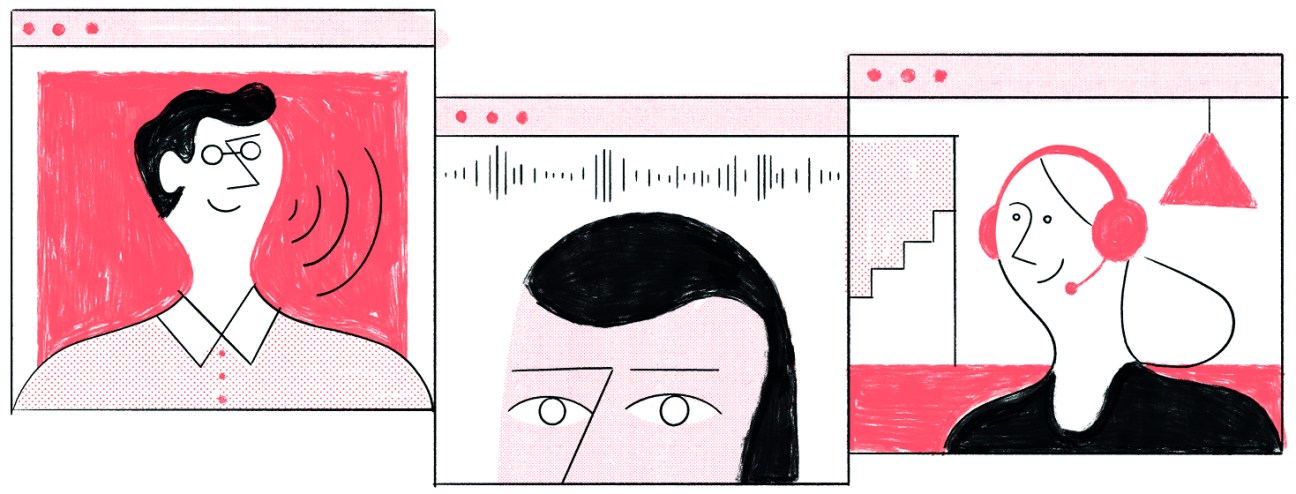
Predicting what the future office would look like had practically become a cottage industry before the pandemic. Now we have realised with alarming speed that it’s not just the look and feel of a workspace that matters but also how it sounds.
Thankfully there are companies that are not only planning for our future work set-ups but canny individuals creating products that will address the aural quality of our spaces. Danish architect and industrial designer Mikal Harrsen is one such entrepreneur. In the spring of 2020, as a large swathe of the world’s workforce began to migrate online, he launched the website for his new business, Design Editions. The company manufactures high-end acoustic panels, together with a collection of decorative wall pieces and magnetic writing boards, to cater to home and office settings.
Developed in Milan in 2019, Harrsen’s Acustica range for Design Editions was born of an idea that came to him when his wife, Thea Mikkelsen, a business coach and author, was holding one-to-one online meetings from their Milanese home with managers in Scandinavia. Harrsen went about researching materials that could combine proper soundproofing with the right aesthetics. He opted to source from premium Danish textile supplier Kvadrat, which creates subtle yet contemporary textile patterns with noise-cancelling properties. These are made from virgin wool and Trevira, a flame-retardant fabric. The minimalist panels are housed in a sleek, eye-catching anodised-aluminium frame that recalls the sharp lines of an Apple laptop. The result is a functional product that’s also attractive, whether it’s used in someone’s home office or a corporate boardroom.
Unsurprisingly, the initial reactions to Harrsen’s Design Editions venture have been positive, with acoustic-minded architects, restaurateurs, hoteliers and others keen to explore how they can recast interior walls while adding the benefit of noise reduction. One major client that has understood the product’s benefits for both the office and the home environment is leading Italian design brand Cassina, which is now featuring a selection of Harrsen’s acoustic panels and decorative pieces on walls in its showrooms.
As for the rest of us who have been passive voyeurs for more than a year – many still attending online meetings and grabbing glimpses of our colleagues at home with the often accompanying scratchy audio and disjointed imagery – ventures such as Harrsen’s can give us pause to rethink how we too can improve our acoustic experience, wherever we are working.
About the writer:
Carvalho has been Monocle’s Milan correspondent since 2007, covering topics including business and design. He works in acoustically challenged home-office spaces in Italy, Portugal and California.
4.
How to spot a business angel
By Max Dautresme
When choosing investors to help realise your company’s vision, you could do worse than seeking a little help from your friends.
Doing business with friends, so the conventional wisdom goes, is neither advisable nor likely to result in a successful outcome. When searching for investors, many look to big names or sometimes even travel overseas to find the cash input that they need to grow their company. In my experience, however, the best business opportunities can often be found right before our eyes, provided we know how to spot them. I met my latest investor during a casual lunch with friends. It was a seemingly fortuitous encounter that has enabled me to grow my business by 20 per cent over the past year, at a time when many other ventures have been struggling.

I met Marcus Foley for the first time in May 2020, in Hong Kong. The city had just endured 18 months of protests and was coming out of a brutal second wave of coronavirus. It was a particularly hard time for everyone there, myself included. I had to reduce my employees’ working hours to a three-day week in order to avoid making redundancies, and my interior-design studio, Substance, was in critical need of a cash injection. At the time, Foley, a fifty-something Australian architect and good friend of my business partner, Alexandre Reinert, had just sold his practice and moved to Ubud in Bali.
On the occasion of a friendly lunch with Reinert and Foley, I came to discuss Substance’s latest project: a showroom displaying one of Hong Kong’s most impressive collections of classic cars. A keen motoring enthusiast, Foley’s curiosity was immediately piqued. He then came to visit me at the office the following day in order to take a closer look at Substance’s work. Less than 24 hours later he asked to meet me again over a drink – and it was then that he put in an offer. Foley proposed to invest money into the company and become a shareholder, as well as an active partner at a management level.
As an architect, he had been working in the industry for the past 20 years and could definitely help with reaching out to the big players in Asia. Now freshly relocated to Ubud, his involvement would also allow my company to expand to Bali, where the access to abundant sustainable natural resources was something that I actively sought. Creating a lifestyle brand using such materials had always been one of my long-term projects. In short, what Foley brought to the table was exactly what my business had been missing after its 12-year evolution and it could help to propel the company to the next chapter I had envisioned. After getting positive feedback from my associates, I signed on the dotted line and so Foley became Substance’s new partner.
Over the next year he brought the knowledge and experience that the company needed at that point in time to keep up its momentum and avoid scaling down. Together we established a new branch of Substance in Ubud, where the agency’s creative team is housed alongside production facilities and a showroom, all under one roof. Substance’s expansion into Bali also gave us access to the skilled artisans who execute the quality and level of detail that we need for my various projects, including our furniture, lighting and tableware line made from locally sourced and sustainable materials.
Most of all, however, by bringing in this new partner I was freed up to focus on the quality of our creative output and leave the pragmatic decision making to my more business-focused associates. As a result, Substance had its most successful year to date in terms of reach and revenue, and became an international agency with active hospitality projects from Sydney to Puerto Escondido in Mexico.
You might think that us meeting during the initial lunch was just good fortune but there is actually a larger lesson here. Foley and I connected because of a shared interest and the partnership grew from there. Although many people prefer to keep their personal and professional lives separate, there is something to be said for choosing to work on an everyday basis with the type of people who share your sensibilities, tastes and interests. You might not always match each other perfectly but in many cases you are just as likely to align with someone in your wider circle – whether they are a friend of a friend, a former colleague or even a one-time mentor – as you are with a stranger from further afield.

Call it luck or fate but I found through my network of friends the investor and partner who propelled my company to the next level. It is a good reminder of how valuable good old-fashioned friendship networks remain in this digital age. But it’s also proof of how, sometimes, looking no further than the community around you might help you to spot the business investor – or angel – who you were waiting for.
About the writer:
Dautresme is a Hong Kong-based French-Brazilian designer and co-founder of Substance, a multidisciplinary branding and design consultancy agency with offices in Hong Kong, Paris and Ubud.
5.
Calling the tune
By Béatrice Martin
How an artist’s impulse to take control of her record label was built on the need to improve the workplace culture for all its employees.
I had never dreamed of being an entrepreneur. My sudden dive into the world of running a business stemmed, in part, from my desire to create a work culture that I would actually want to be a part of.
I had been with my record label since 2008. It was an independent label in Québec with a reputation for signing artists that were a little bit off the beaten track and then pushing them into the mainstream. They were good to me, so I stayed with them. But that changed in 2020. Following a wave of revelations, similar to #MeToo, within the music industry in Québec, the label’s previous owner admitted to turning a blind eye to several events, resigned and announced that he was selling the business.
It was a moment of reckoning for me. I never had any aspirations to own or run a record company but at that moment it was important for me to make a move to acquire the business. There are a lot of wonderful artists on the label. In this industry, your intellectual property is entwined with the label that you sign with – your whole catalogue, everything that you own as an artist, your whole life is linked to this. My first thought was, “What if the label gets sold to another entity or somebody who doesn’t care about music?”
I also saw an opportunity to not only preserve something but to build it better. I had some money saved up and I made an offer for the business that was accepted. It’s a whole new reality for me. And I’m determined that this time around, the label will have a culture that makes people happy and proud to be associated with it.
We started out by drawing up a manifesto on what we believed in as a business and by establishing the guidelines that we should all be aiming for. The music industry is unlike a lot of other industries in that lines can be blurred between what constitutes work and what doesn’t; we work in concert venues, we work in clubs, we go to do interviews and we generally conduct a lot of business outside the office environment. That’s certainly one of the great things about this industry but it can also give people leeway to behave badly. I wanted to establish from the beginning that such behaviour is not what my label is about.
Another problem with the way the label was run was that every department was working within a little silo. No one was connected with what the other departments were doing. So we kind of tore the walls down and now our departments collaborate more with one another and it’s far more open. We made some new hires, mostly women, to create a team of people who want to build a more open working environment. My whole philosophy is basically that to change a culture you have to do it from within.
I might be new to running a label but, as artists, musicians are very much entrepreneurs right from the beginning of their careers. You still have to set budgets and make deals and sell yourself. So I had a little company within my whole artist persona. Now I’m transferring that model and that way of working onto a bigger company. It’s not just about making it a better business but about making it a business that I would want to work with and be a part of.
About the writer:
Martin is a French-Canadian singer, better known as Coeur de Pirate. She is also now the president and a&r of Bravo Musique in Montréal.
6.
Lessons for a four-day week
By Elvire Jaspers
Flexible working can be a boon to wellbeing and productivity but it should be flexible in its implementation too.
With the potential end of the pandemic in our sights, many companies are now struggling to figure out what the working week will soon look like. Firms are considering hybrid schedules, whereby some employees can opt to work in the office part-time, whereas others will work from home all of the time. Several countries, including Spain, are even thinking of making a four-day working week the standard practice throughout the nation.
This is terrain that I know well. In 2014, when I launched WeAreBrain with my co-founders Mario Grunitz and Jack Myasushkin, we decided early on that we would be open to all types of working arrangements for our employees. It made sense for us as we were all based in different countries – one of us was in Ukraine, one in Switzerland and one in the Netherlands. Today we’ve grown dramatically but everyone still has a flexible schedule in terms of the hours that they work and the location from which they do it.
Of course, as much as we like to be flexible, our policy also needs to match the needs of our clients and our company. As wonderful as a completely flexible working environment sounds, it’s not as straightforward as simply announcing it as a policy and expecting everything to just fall into place right away. The way that our company works has been wonderful for us and our employees – and has proved to be successful. But it takes a lot of thought and planning, and a willingness to make it work. Over the years I have learned a lot of tips and tricks about flexible working, which I’m happy to share here.

Get organised
Allowing flexible-working arrangements requires a lot more in the way of organisation. If your company has people who are not working on certain days, you have to organise that within a team so that ongoing projects are always covered. This isn’t just about organising time and schedules but people too. We know that there are team members who need more structure and others who want to have more freedom. You need to take a deeper interest as a manager in what your employees need as individuals; you need to know how it’s working for them. You then have to connect your company goals with a purpose for the employees, weaving company values into daily work tasks. In that way, you get happier and more productive employees.
Improve communication
At WeAreBrain we have found that as long as you explain your policy properly to your clients and ensure they know that they will always be covered, most of them are happy to go along with it. But it’s all about transparency. It’s also important to give people the right tools to actually work together and to share information so that nobody is left out of the communication process. This is particularly important.
It is then crucial for managers to ask their team for regular feedback. This will open up communication channels between employees and management, which provides a great boost for team dynamics while allowing you to judge the effectiveness of those roles and procedures that you have put into place.
The fact is that you might not get it right the first time. So you should be prepared to make multiple attempts before you do. Every team is different and every person needs a different kind of support with different aspects of their job, so there is often some variation that you have to bear in mind.
Change the way that you measure success
There are so many people out there who are in an office, sitting at a desk for eight hours, from nine to five. And what’s their overall output? It’s still questionable. You have to shift away from the belief that long hours spent in the office are a measure of a job well done; for us it’s about a project being delivered successfully and efficiently. What we have seen is that if you give employees confidence and you trust them to make it happen then the number of hours that they work becomes irrelevant. For us, success is measured by the velocity of the team and by the output that we see.
Be realistic
Allowing employees to have flexible working arrangements will look different from company to company. It will depend on the industry and your company’s goals. We are very open to flexible schedules because we are a technology company and working remotely is common in this industry. If you’re not a technology company but, for example, a car-making factory, then your flexible arrangements will look very different. They have to fit your company’s goals and philosophy. But that doesn’t mean it’s not possible; companies can experiment with shift work or shortened days. You just have to figure out how it can work for you.
About the writer:
Jaspers is WeAreBrain’s co-founder and CEO. After successfully running and selling her first start-up in 2017, she has been involved in numerous digital ventures. Jaspers was included on the Netherlands’ NextWomen100 list in 2020.
Secrets to success
Joël Mesot
President, ETH Zürich
How can universities modernise, show the relevance of their research and forge connections with businesses? Joël Mesot of ETH Zürich has many of the entrepreneurial answers.
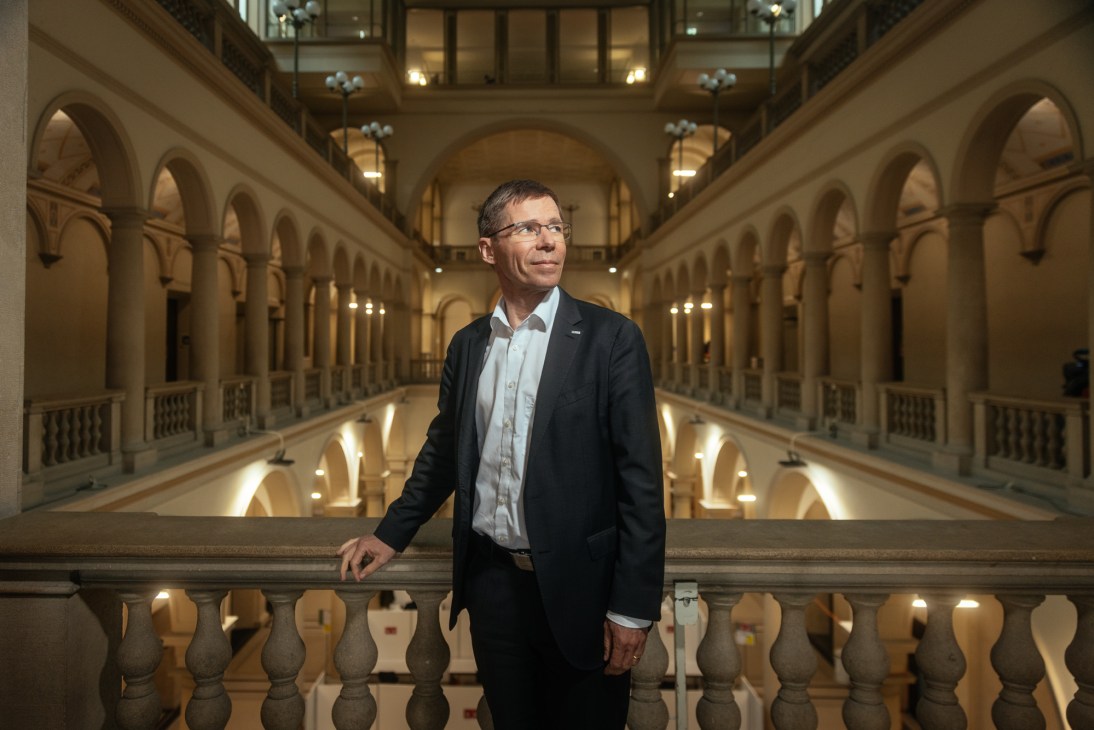
ETH Zürich, also known as the Swiss Federal Institute of Technology, might not be an international household name compared with other institutions of its calibre, such as Oxford, Cambridge, Harvard or MIT, but it consistently ranks as one of the top 10 universities in the world. Tyler Brûlé asks Joël Mesot, ETH’s president, about the future of education, why 2020 was a record year for ETH’s start-ups, and why he’s not losing any sleep over the university’s low public profile. The lesson for educators and budding entrepreneurs? Be proud of your achievements and focus on what matters; don’t try to be famous everywhere.
What attracts companies to ETH and Zürich?
First, they’re coming for talent: 99 per cent of our students find a job within a year. Then there is the technological side. We enter into collaborations, though we never sign exclusive contracts so everyone has a chance to benefit from what we do. And there is the desire to give something back to Switzerland – or maybe to ETH.
You became president of ETH in 2019. What was some of the work that needed to be done?
Our collaborations with big companies are working extremely well but we have less contact with smes. In order to realise the kind of scientific research that we do, we need to develop more technological applications. Another area is that social pressures on institutions are increasing – to become carbon-neutral, for example, or to hire more female professors. I launched a programme called Rethink to help position ETH for the next 20 years. And then there were a few research areas I thought we should enter: one that’s really important to me is helping diplomacy to be more efficient. Think about multilateral organisations such as the World Health Organization – how can we help by combining technology, science and diplomacy?
ETH ranks in the top 10 universities worldwide and there seem to be a lot of secrets here, such as the Center for Security Studies, that don’t get global recognition.
To be clear, among specialists – the experts in their fields – we are known. Where we could make an additional effort is internationally, to reach the broader public. But I look at this with a bit of distance and I’m quite relaxed. Because in the end, does it matter to be known in every corner of the world? Or to attract the best scientists and the best talents of the world? Here we are doing very well.
ETH was founded back in 1855. What is the connection between Switzerland, Zürich and the university?
We need to go back to the creation of ETH as a federal university: Switzerland was a very poor country at that time and to modernise – to build railways and tunnels – we needed engineers. That mission – not just to perform the best science but to support our society – has remained. And Zürich has benefitted too. Today, some of the biggest technology companies have centres in Zürich – it started with ibm more than 50 years ago; now Microsoft and Disney are here. And just in the past two years, CHF1bn (€906m) been invested in ETH start-ups. One thing that really amazes me: 34 start-ups were created in 2020 – a record high in the year of the pandemic.
Tell us about some start-ups that you’re particularly proud of.
Looking back to the 1990s and 2000s we have two Nobel prize winners – Richard Ernst and Kurt Wüthrich – who helped to develop technologies based on magnetic resonance imaging [MRI] that are now in every hospital. More recently there have been fantastic developments in transforming electricity into chemicals. Another example is in secure internet transactions. In computer science we are in the top three universities worldwide. Our scientists helped to develop the Swiss coronavirus app and were able to convince Google and Apple to modify their operating systems to implement new security protocols. The same scientists developed protocols for transactions with banks that the Swiss National Bank is already using. It could become the next standard for the internet.
ETH is also known for its impressive architecture school. What is the university’s physical environment like?
We offer a great auditorium and research facilities; we have invested a lot in equipment. We have invested a lot in our buildings in the past years in various parts of the city – and even abroad. We have 250 researchers in Singapore, our only external hub. One of our programmes is called Future City Lab, where we pair our architects in Zürich with Singapore – because Singapore is what Europe could be in the next 10 to 20 years.
The pandemic has affected education all over the world with remote learning. Does ETH have a house view on this – will being present still matter?
It will matter but the form of teaching might be adapted. We went completely online within two days; when we questioned the students, 98 per cent were happy with how we dealt with the situation. Now we are conducting an analysis of what we can learn from this period. Not only was there homeworking but also collaborations; this was an amazing time where everyone – researchers, administrative staff, technical staff – concentrated on solving the main issues together. Can we build on this? I’m sure we can. We don’t want to waste the crisis.
To hear a longer version of this interview and more discussions with political, corporate and academic leaders, listen to ‘The Chiefs’, hosted by Monocle’s editorial director Tyler Brûlé on Monocle 24.
Nisha Kanabar
Founder and CEO, Industrie Africa
How to promote commerce in emerging markets? Knowing that there were designers doing distinctive work in cities across Africa, Nisha Kanabar created a platform to put African fashion on the map.

For Nisha Kanabar, creating a platform showcasing African fashion was about sharing a richer narrative about the continent and making is accessible for shoppers. “It was important to enable consumers to buy the products, not just to make a directory,” says Tanzanian-born Kanabar, who graduated from Parsons School of Design in New York and worked in media there, in India and in the Middle East. She launched Industrie Africa as an information-packed platform in 2018, then expanded to e-commerce in 2020 and this year unveiled Connect, a designer index that provides access to more than 80 emerging and established designers. “The point of Connect is to authentically represent the continent,” she says. Today it acts as a kind of African Net-a-Porter, where global consumers can discover fashion that might otherwise be hard to find.
For outsiders, and even for shoppers within Africa, sourcing fashion in African cities which haven’t had as much attention and media coverage as European and US centres, can be challenging. Kanabar, who is based in Tanzania’s largest city Dar Es Salaam, admits that prior to launching Industrie Africa she had little idea of what was going on in, say, Nairobi. “If we found it so difficult as Africans to access these spaces, how difficult would it be for the rest of the world to find them?” says Kanabar.
As a fashion-industry insider, Kanabar knows what innovative brands are on the rise and where to find the best bricks-and-mortar shops too. Her top three African shopping cities? “Nairobi is full of character and has a bit of an edge,” she says, adding that the leafy Kenyan capital has many artistic pockets, as well as an interesting up-and-coming start-up culture. In Nigeria, Kanabar loves Lagos’s high energy, glamour and grit. “It’s rife with creativity and has so much entrepreneurial spirit,” she says. “People are churning out incredible emerging businesses and collections.” It also has a great mix of established designers and emerging creatives, producing more gender-fluid, headline-worthy items. And, unsurprisingly, Cape Town also tops her list. “It’s a hub of innovation and good design,” she says, recommending the shop Merchants On Long. The beautiful coastal city has long attracted foreigners, which has in turn propelled it to be a notable destination for the fashion industry. “Cape Town is really fashion-forward and many of the things you buy there are top quality, from food to retail and interiors.”
It goes without saying that the media industry – where Kanabar began her career and which groomed her for the launch of Industrie Africa – is integral. “Media plays an interesting role in being a cultural and aesthetic ambassador for burgeoning markets,” says Kanabar. “Editing and media in general has a very curatorial role. So it’s about being able to refine how we tell a story.” Outsiders often see a westernised version of African fashion and, in the west, rather than promoting individual scenes or cities, the continent’s products are lumped together. For Kanabar, it was essential to shift these preconceptions by telling a more detailed and authentic story in a contemporary way. As she says, “We want to offer the fashion world the opportunity to experience the African fashion industry in a way that’s intuitive and speaks to them.”
Susanne Miarka
Senior vice-president of real estate, Uniper
Turning wasting assets into dynamic developments takes imagination and optimism. Susanne Miarka’s approach has lessons for all of us – even those without a portfolio of power plants to transform.

Susanne Miarka knows a thing or two about new beginnings and bouncing back. Before taking on her current job finding fresh uses for decommissioned power plants, she helped rid banks of their bad (meaning non-performing) loans and make a fresh start after the 2008 global financial crisis. It’s this experience that has made Miarka the ideal fit for Uniper, the German energy company that was spun off from utility giant Eon in 2016. “They called Uniper the ‘bad bank’ of Eon, so this was perfect for me,” she tells Monocle.
Miarka runs Uniper’s real-estate arm. Her job is to find a new uses for company-owned land that is no longer fit for purpose. Nearly all of the company’s coal-fired power plants in Germany are to be phased out by 2025 and, while some will be retooled into cleaner alternatives such as gas-fired power plants, many will be fully decommissioned. In the case of the latter, Miarka steps in to find new owners. Power plants, it turns out, are often located on valuable land: their energy and logistical needs puts them near rivers and not too far from major urban centres. That makes them a good fit for new enterprises such as industrial research parks, data centres and other energy-intensive businesses seeking a home. And in cases where the plant is torn down completely, the land around it can sometimes be turned into residential developments once the eyesore of a power plant has been removed. “We do the typical development activities that you normally see in real estate: we create a masterplan, together with the municipalities and public stakeholders, and then we find out together what is needed and what is wanted,” says Miarka.
At the end of the day, remaking a business is all about attitude, says Miarka. In 2016, Uniper was saddled with all the legacy assets – from dirty coal-fired power plants to unused factory land – that Eon had come to see as albatrosses around its neck as it sought to refocus on renewable energy. But while the mood around these properties was quite dour at Eon, where Miarka worked for two years before joining Uniper, she insists on seeing her work at Uniper in a far more positive light. “The whole attitude we have at Uniper is that we don’t see [the properties] as a problem; we see them as a challenge and make the best of it,” she says. It’s a worthwhile lesson in attitude as many companies find themselves retooling towards more climate-friendly and sustainable business models this decade.
Despite her company being in the business of making power plants, Miarka says that she enjoys the moment of watching the decommissioned power plant and its chimneys come crashing down. “It’s always very exciting; I don’t know of a single person who is sad at that moment,” she says. “Because what you’ve done is made a good deal: you got rid of a power plant – and you have the future right in front of you.”
Lindsay Jang
Entrepreneur
Dream of running a restaurant? Lindsay Jang has done it multiple times, while also founding a communications agency and fitness business. Here’s her formula for resilient, winning ventures.

Originally from Alberta, Canada, Lindsay Jang moved to Hong Kong 12 years ago and has since made her name as an entrepreneur. From running the three restaurants that she founded with her business partner, chef Matt Abergel, including Japanese yakitori spot Yardbird HK – recently awarded a Michelin star – to starting a drinks company and a shop, Jang knows how to launch and grow businesses. Beyond f&b, Jang also heads her own creative branding and communications agency, Hecho, and has just launched a fitness method, Family Form.
Between the protests and the pandemic, Hong Kong has endured two tough years. What did you learn from these trying times?
To survive and be resilient, you have to compromise and learn what that means for your own brand – taking ownership of quick change, empowering our team to think on their feet, putting new systems of operations in place, learning how to be flexible. We had to get used to adapting to government regulations, sometimes with just two days notice.
How can small or medium-sized businesses build resilience in the face of such hardship?
You can’t plan because you don’t know when disasters are coming, right? So you need to be running a tight business, monitoring your costs. That’s a foundational skill that you need from the beginning, not just when the shit hits the fan. No matter what business you’re entering, you should have a written plan. You have to be unemotional and prepared to make decisions that aren’t always fun.
What advice would you offer for entrepreneurs starting out in hospitality?
Any business you go into, you need to have done it. I’ve been a waitress since I was 11 years old, I’ve been a bartender, everything in a restaurant except working in the kitchen. People who have a passion for f&b should either match that passion with someone who has experience or spend time working in that field without ego and learning every facet of it.
Hong Kong has such a diverse and competitive food scene. What’s your advice on finding a successful concept?
My advice is always that less is more. There’s nothing worse than a restaurant that has a little something for everybody. As a small business owner, you can’t please everyone, so focus on what you are passionate about and do that to the best of your ability.
And yet you have developed multiple businesses across different industries. How do you juggle so many projects?
The only reason I can do as many things as I do is because what I do is the same for all of the businesses. It’s really about who you surround yourself with: the team and the organisation. Once you have that in place and everyone knows what they’re supposed to be doing, that’s what makes people successful. To rule with autonomy becomes exhausting and you won’t be able to do multiple things. Macro-managing and being able to delegate is a skill that’s not that easy to attain. I feel like that’s often something that hinders people from growth.
Tom Beahon
Co-founder, Castore
Raising investment can seem like an end in itself but Tom Beahon’s bootstrapped sportswear business shows that not having cash to splash might be the key to building an enterprise with long-term viability.

Founded in 2016 by brothers Tom and Phil Beahon, Castore has grown to become the first premium UK sportswear brand to compete on the world stage. Sales of its smart athletic wear are forecast to push revenue to more than £100m (€115m) in 2021. Here, Tom tells us about founding the brand and how they brought investors on board.
Looking at the sportswear market when you started, there didn’t seem to be room for new players. What made you think that there was an opportunity?
There are always the brands that dominate sectors by market share – but then there are also always the premium alternatives to those brands. In the automotive market, you have got the big brands like Volkswagen and Ford but you will still always have Aston Martin, Ferrari or Bentley too. If you take any consumer, when they’re 18 versus when they’re 35, they will wear a different watch, live in a different postcode and drive a different car. And they will usually trade up as they go through that journey. We looked at the market for sportswear and realised that people have no option to trade up and that doesn’t make any sense. So our ambition from day one was to build Castore into the number one premium sportswear brand in the world – because that’s where we saw the opportunity.
In five years, you’ve built a number of partnerships with high-performing global athletes such as Andy Murray, golfer Patrick Reed and Australian rugby league player Ryan Hoffman. How did you win their trust and add them to the brand’s portfolio?
For world-class athletes who were previously partnered with Adidas, Nike, Under Armour and the like, it’s fair to say that they were just part of a big portfolio, so they never got a lot of personal attention. We could engage more personally with them than the big brands, so we would go and have a conversation and say, “Look, we’re really simple, we create a better product than those big guys and you will be our number one tennis player, or our number one golfer or our number one rugby player.” And I think that really resonated for those guys who had come from being part of those global portfolios of athletic sponsorships.
You were a bootstrap company at first. Why was this important to you and when did you make the decision to bring on investors?
We didn’t have that typical Silicon Valley start-up mindset where you raise $20m and then burn through it seeing whether it works or not. We used our savings and had support from our parents, who remortgaged their house. That really gave us the drive and desire not to accept failure but instead to build a business in a profitable, sustainable way. After about 12 months, revenues were growing and we made the decision to take it to the next level by looking at private investment opportunities. In bringing in external investors, we wanted to work with people who realised that we’re not an algorithm-driven business in which the numbers make sense on the page. They had to understand that feeling and emotion is important when making decisions about which products and markets to invest in.
Boom towns
The past year has presented us with a chance to re-evaluate our lives and reconsider how and where we work. For many of us, if research from the Centre for Entrepreneurs is anything to go by, that means taking the plunge and striking out on our own. The London-based organisation found that, in the UK alone, nearly 500,000 companies were launched during a six-month period in 2020 – almost a 10 per cent increase on the whole of 2019. Across the Atlantic, the Peterson Institute for International Economics also tracked a significant bump in US entrepreneurship. It recorded 4.4 million business launches in 2020, a 24 per cent year-on-year increase – by far the biggest rise on record.
Although it’s clear that starting your own business is an attractive proposition, success can only come when its foundations are strong. Not only does there need to be an appetite for the goods and services on offer but a supportive in-person network can be critical too. It means that it matters where you decide to put down your operational roots. So for those taking the plunge, here’s some inside knowledge from experts and entrepreneurs in various fields on the emerging hotspots in which to set up shop. Good luck.
1.
Media
Fredric Karén
Executive, Schibsted, and former editor in chief of Svenska Dagbladet
Schibsted owns many of the Nordic region’s top newspapers, including Sweden’s Svenska Dagbladet and Norway’s Aftenposten.
My vote goes to: Mumbai. India has huge potential in the news market. According to [media analytics company] Comscore, news is the number one content category consumed in the country. Last year, 96 per cent of internet users in India accessed a news site and news intake was higher during the lockdowns than anywhere else in the world. The country of 1.2 billion has a growing middle class, with more Indians being educated than ever before. Plus, English is read and spoken almost everywhere and 5G is on its way.
2.
Finance
Vilve Vene
CEO and co-founder, Modularbank
Modularbank, the latest start-up by Estonian entrepreneur and banker Vene, enables businesses to offer financial services to their customers.
My vote goes to: Tel Aviv. I set up my business in Tallinn because it has the crucial aspects that foster growth: a highly educated workforce, minimal bureaucracy and a supportive legal system. However, if you’re looking to scale up rapidly, Tel Aviv is the place to be. There you’ll find an openness to new ideas, a vibrant start-up ecosystem and a strong venture-capital presence, which makes it an attractive city for entrepreneurs. What Tallinn and Tel Aviv share is that they are both home to companies that, from inception, think globally.
3.
Music
Didier Gosset
Network director, Impala
Belgium-based Impala champions independent music production, with more than 5,000 companies, trade associations and artists as members.
My vote goes to: Ljubljana. There’s a bouncing vibe here that you won’t find in other cities, which is astounding given that it only has 300,000 people or so. It’s home to Ment, the biggest showcase festival and music conference in the Balkans, and it gets plenty of support from the government. There are also more music venues and record shops than you’d expect for a city of this size, which draws a lot of travelling European artists. Some very cool record labels have set up here as a result.
4.
Art
Patrizia Sandretto Re Rebaudengo
Founder and president, Fondazione Sandretto Re Rebaudengo
Sandretto Re Rebaudengo’s contemporary art non-profit has two exhibition halls in northern Italy, totalling more than 1,000 artworks.
My vote goes to: Madrid. A big, global capital, Madrid is a bridge to Latin American culture and art, something that I am really interested in. Its growing art scene, Arco art fair and emerging talent are huge draws. I’ve been watching this brilliant city closely for a long time and I’d like to create a space where the Fondazione’s educational focus and inclusive ethos can continue. It would be a place where contemporary art by both Spanish and international artists could be experienced.
5.
Architecture
Francis Kéré
Founder, Kéré Architecture
Burkina Faso-born Kéré founded his Berlin-based studio in 2005. Working across the globe, he still has a design presence in his hometown, Gando.
My vote goes to: Dakar. The population growth in West Africa and the need to find solutions to the economic and environmental challenges is the perfect nourishment for architecture that uses sustainable materials and is innovative without squandering finite resources. More permanent studios in West Africa would also mean a different quality of dialogue and exchange of knowledge between architects in the global south and north. When you have active day-to-day work in a given region over a prolonged period of time, an understanding of its particularities and place in the world can take shape. So I would encourage more creative minds from various fields to set up shop in Dakar in Senegal.
6.
Fragrance
Lyn Harris
Founder, Perfumer H
Perfumer H, a boutique brand, shop and laboratory in London, was set up by Harris after stints with Robertet and her own venture, Miller Harris.
My vote goes to: São Paulo. Brazil is one of the world’s biggest cosmetic and fragrance markets – in some parts of the country it is estimated that 90 per cent of the population wears fragrance. We have a big following in São Paulo but can’t send fragrance because import duties and taxes make it very cost-prohibitive. There is, however, a customer for more niche and luxury fragrances there. By investing in local solutions with the right partner, manufacturing in São Paulo would be ideal. And this is how the “big boys” get around the import cost issue.
7.
Hospitality
Marcus Samuelsson
Restaurateur
After opening Red Rooster in Harlem, New York, Ethiopian-born Swede Samuelsson has launched more than 10 restaurants worldwide.
My vote goes to: New York. It’s got to be New York. I’m fortunate to live in such an amazing place; it has given me so much. It’s somewhere that allows you to reinvent yourself and become something else. That’s something I appreciate, having come here as an immigrant. But it also means you have to reinvent the food that you make and surprise your customers, who are always incredibly curious and demanding. They want better food, better methods of cooking, more environmentally conscientious chefs. I’ve lived in many cities but New York gives me drive, creativity and diversity. It’s that spirit that always brings me back.
8.
F&B
Swaady Martin
Founder and CEO, Yswara, and former director and acting CEO at General Electric Middle East and Africa
Martin launched luxury-tea brand Yswara in 2012 and quickly gained a reputation as one of Africa’s leading businesswomen.
My vote goes to: Marrakech. If you were choosing the most cost-effective place to launch a speciality tea brand, it would always be Hamburg, due to a 300-year history that’s a legacy of colonial trade. So when I launched I wanted to challenge this arrangement and develop a new region – and I chose South Africa. It was important to be close to tea production and to be in a country with a large middle class that could afford and consume my product. Marrakech would be another good option for similar reasons. It offers key services for the speciality tea industry, is close to Europe and has reduced import and export taxes with the continent, which would allow any business there to trade easily.
9.
Fashion
Sarah Fung
Founder, Hula
Hong Kong-based luxury-fashion consignment retailer Hula has been growing rapidly since being founded by Fung in 2016.
My vote goes to: Tokyo. The ideal place for fashion retail, Tokyo is creative, crazy and cool. It’s one of my favourite cities, where almost anything goes. There are clear shopping destinations, such as Shibuya, Shinjuku and Harajuku. But Ginza would be the ideal location, near Dover Street Market. [A brand like Hula] would be able to sell the most amazing consignment of fashion because recycling, upcycling and reselling has been popular in Japan for decades. As Tokyo is one of the most fashion-forward cities in the world, it would be a great place to collect unique items to sell.
10.
Marketing
Joakim Borgström
Worldwide chief creative officer, Bartle Bogle Hegarty
Ad company Bartle Bogle Hegarty has more than 1,000 staff in offices worldwide, working with the likes of Google, Samsung and Marvel.
My vote goes to: Bangkok. Southeast Asia is an amazing region. It is somewhere that has the speed, the hunger, the diversity and the talent. A big city such as Bangkok has a creative community that is bustling, as well as a really strong design culture, friendly people, good food and architecture, and diversity. All of this results in a place that’s inspiring and offers a lot of inputs – and the more inputs that you have, thn the better the output. For creative businesses, working in a city that is a melting pot of activity is really important. Bangkok also has this great mentality that everything is possible. It’s amazing to go to a place where the attitude is always, “Let’s do it.”
All is well
The former fishing hamlet of Ericeira, about 45km north along the coast from Lisbon, is a surfing mecca, famed for its consistently high-quality waves. But recently it has been attracting more than just surfing types and weekenders, with increasing numbers of entrepreneurs choosing the laid-back town as the perfect base for both raising a family and starting a business. “During the pandemic we saw many digital nomads here,” says Mariana Ricciardi, founder of Salt Studio, a co-working space in the town. “Web developers, programmers, data analysts – people whose work allowed them to be remote for the lockdown months. Now most of our members are either setting up their own businesses and relocating permanently – or are in talks with their employers to do so.”
Ricciardi opened Salt Studio in 2019 after she opted out of her small Lisbon apartment to try life by the sea. “When I arrived, I was working as a freelancer and it was impossible to find anywhere decent to work from,” she says. “I had two children at home and needed a quiet space. I thought that if I’m having this problem, others must be too.” Ricciardi’s hunch paid off: shortly after opening the site she was managing a waiting list of mostly northern Europeans in dire need of a desk, a good internet connection and a sense of community.
Surf’s up
Trying out your skills on a board is a must for anyone arriving in town. Here are the three spots that will get you ready for the sea:
1.
Boardriders Quiksilver
This shop, event space and skate park cemented Ericeira’s reputation as a hub for surf culture in Europe. This is where you’ll find the biggest selection of gear in town as well as foreigners and locals mingling over poké bowls, beer and live music on most evenings.
Largo São Sebastião 36A
2.
Magic Quiver
This small shop has a loyal following thanks to its discerning and stylish selection of surf-related products and brands. Here you’ll find boards by renowned international shapers, as well as premium Australian and Californian wetsuits and a variety of coffee-table books and magazines on surf lifestyle.
magicquiver.com
3.
Wavegliders
A brand that has been making classic surfboards by hand in Ericeira since 2009. It also regularly invites international shapers to work at the craftsmen corner within the shop.
wavegliders.pt

Ricciardi wasn’t the first to harness Ericeira’s potential as a business hub. In 2015 the town hall inaugurated Ericeira Business Factory, a small incubator. Inside a typical blue-and-white house, Dutchman Lourens Boot is working on Sponsh, the start-up he founded three years ago that tackles water shortages by exploring ways to capture air vapour. A few years earlier, Boot had reached a turning point in his career and later took an extended roadtrip in Portugal with his wife. It was during that trip that the idea for Sponsh was born. “We passed by so many areas stricken by droughts and fires, yet every time we would wake up in the morning, the stuff we had left outside the camper van was soaking wet,” he says. “I started researching this and found a Portuguese woman who had been developing a textile that can absorb humidity directly from the air.”
Sponsh’s innovative fabric is currently being developed in Eindhoven but Lourens is comfortable running the company from Ericeira. “I manage to surf twice a week and if I need to travel, I’m only a 30-minute drive from Lisbon airport,” he says. Spaces such as Ericeira Business Factory, Salt Studio and Kelp Cowork (another work space inaugurated by couple David Pentland and Amy Ilic, who moved from Brighton in the UK two years ago) have helped Boot to meet like-minded international transplants.
“I’ve lived in your typical expat city such as Jakarta or Beijing but the vibe in Ericeira is completely different,” says Boot, who has just bought a house in the town’s surrounding hills. “In those places, people are sent by their companies; they stay for three or four years, perhaps, and then leave. Nobody is sent to Ericeira for work or comes with the ambition of making loads of money. It’s more about a lifestyle change.” Although renting and buying property here still feels reasonable compared to Lisbon, there’s already talk of rising prices. “When we were looking for a place, we were asked to be responsible with what we were willing to pay for rent [to avoid driving prices up],” says Ilic, who recently moved with her family to a house just outside the city centre. “Localism is inherent in any surfing town, and it’s important to respect the way things are done,” adds Pentland.
While Ericeira’s historical centre is still mostly dominated by restaurants and surf shops, a new wave of entrepreneur is slowly starting to leave its imprint here – and it’s not exclusively technology. Many beach bars and restaurants, for one, serve Why Not Soda, an artisanal beverage brand that comes in three natural fruit flavours created by German duo Nils Schwentkowski and Steffi Hunstock. “Our first trip as a couple was to Portugal in 2010 and we randomly made a pit stop in Ericeira,” says Schwentkowski. “We fell in love with it and ended up staying another three nights. It always stayed in the back of our mind as somewhere we could see ourselves living.”
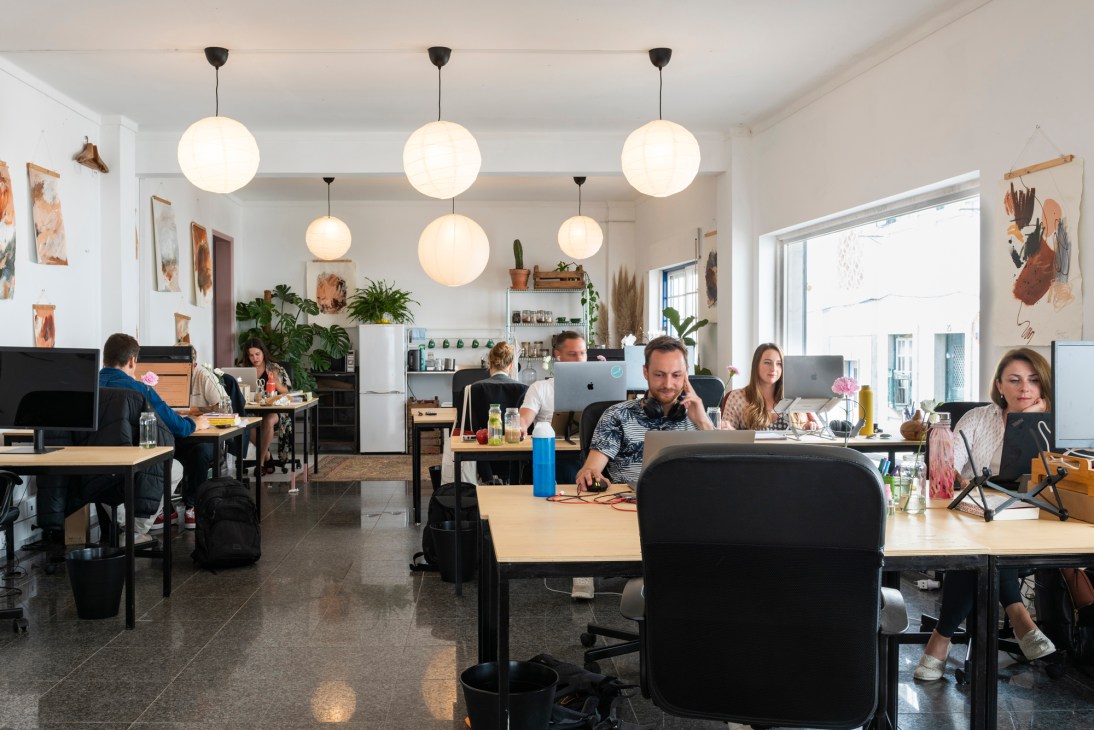
After the birth of their second child, the couple decided to quit their corporate jobs in Berlin, pack their bags and take a leap. On arrival, they discovered that there was a gap in the market for a more sophisticated soda brand and went about setting up their business. “A lot of people thought we were crazy in the start – leaving our jobs in Germany and bringing the children to Ericeira just to start a soda brand,” says Hunstock, laughing. “But we always thought, ‘Why not?’”
Monocle comment: The tides of the working world didn’t move as many expected – we still need offices for interaction. Even if you could run your start-up from a surf shack, it’s handy to be close to a plugged-in city: for attracting staff and backers, and fostering ties with others.
Out of Africa
As well as attracting budding business owners from across Europe, he municipality of Mafra (of which Ericeira is part) is also ripe for a new crop of Lusophone entrepreneurs lured to Portugal through funding and visa incentives. Employees from several Angolan businesses were already working remotely from Lisbon and more could follow. “Mafra is not very well known outside Portugal but everyone who ends up coming here wants to stay, ” says Jorge Trope, an investment consultant advising Brazilian and Angolan clients on entering the Portuguese market, who made the move to Mafra from Luanda five years ago. While the Brazilian diaspora is well represented in the region, its African counterpart is still lagging, “The Angolan community in Portugal is still concentrated in and around Lisbon but the new incentives might be the surrounding areas need,” says Trope. Watch this space.
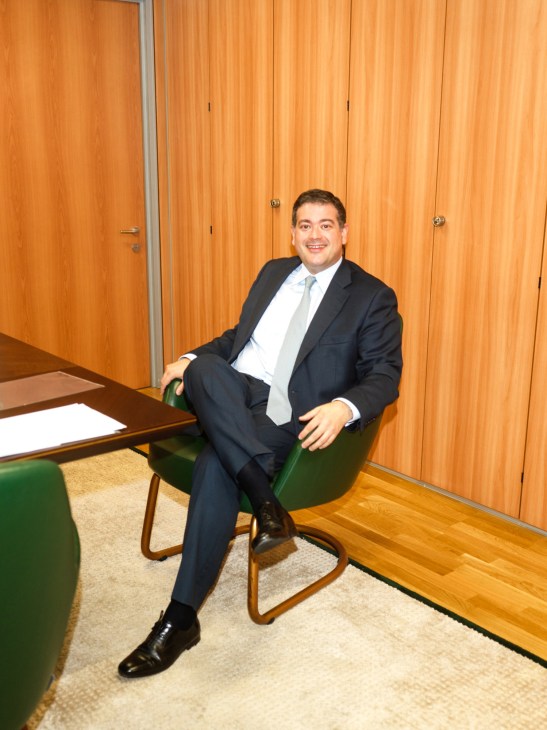
Opening Portugal up
Luís Castro Henriques
Chairman & CEO, Aicep Portugal Global
Luís Castro Henriques is head of Portugal’s trade and investment agency, Aicep. He tells Monocle about Portugal’s new digital community, the effect of Brexit and why the Aga Khan established a formal seat here.
Is Portugal benefiting from the remote-working trend?
Absolutely, and I would identify three segments: an extremely strong build-up of our technology start-up scene; highly sophisticated software development and engineering companies moving here; and digital nomads and entrepreneurs whose base is irrelevant. So yes, there’s a definite trend of new people discovering Portugal, seeing what it has to offer and the respect we have for an entrepreneurial spirit, and then setting up their life here.
Like in Ericeira…
That’s a great location for surfing. It’s also quite a unique location: 30 minutes away from an airport and you can live with a great vista looking out over the ocean. But this is not just about Lisbon’s surroundings; it’s happening around the country.
How have you encouraged a start-up scene in Ericeira?
A few years ago we established a technology visa; it simplifies and speeds up all the procedures for entrepreneurs in that sector from outside the EU. With remote working becoming more of a trend, even independently of the pandemic, Portugal can benefit. We believe this will be a defining aspect of our growth.
You even convinced the Aga Khan to establish a formal seat of the Ismaili Imamat here…
There was already a historic relationship to Portuguese-speaking countries but the 2015 agreement was a transformational step. They brought a lot of activities in the social and educational sector and, from a business perspective, the Ismaili community has invested almost €400m directly in Portugal since the agreement. We thrive most when we’re open to others, whether they are Ismaili or from other communities.
It appears that you’ve also been able to use Brexit to your advantage…
We already have more than 40,000 Brits living in Portugal, and yes, we’ve seen some British companies in need of a foothold in Europe deciding to move over here in the past two years. We also believe that there are still opportunities for Portuguese companies in the UK. This has been a period of adaptation but I honestly think the worst part of Brexit is over – that was the period of uncertainty that ended on 31 December last year.
Key takehome: Remote working might offer flexibility but nothing beats having a physical presence and getting out to meet people face to face.