The Entrepreneurs
Growth area
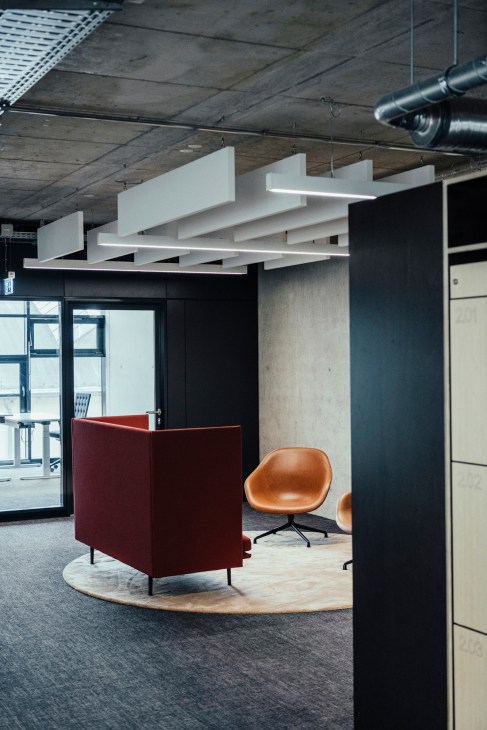
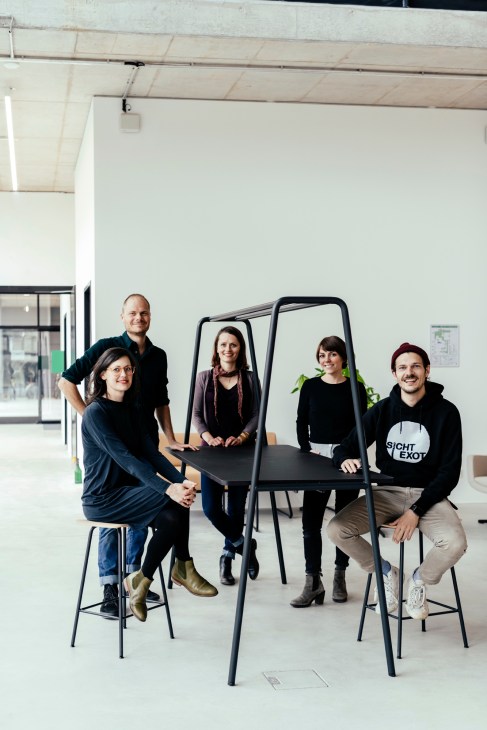
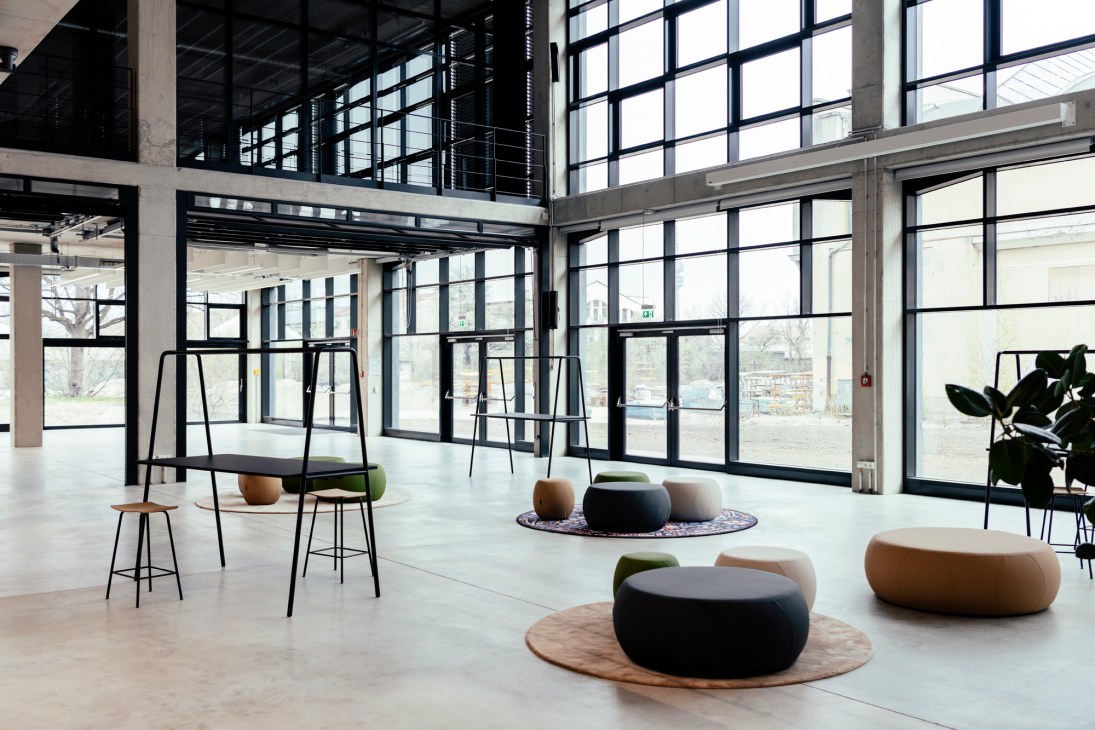
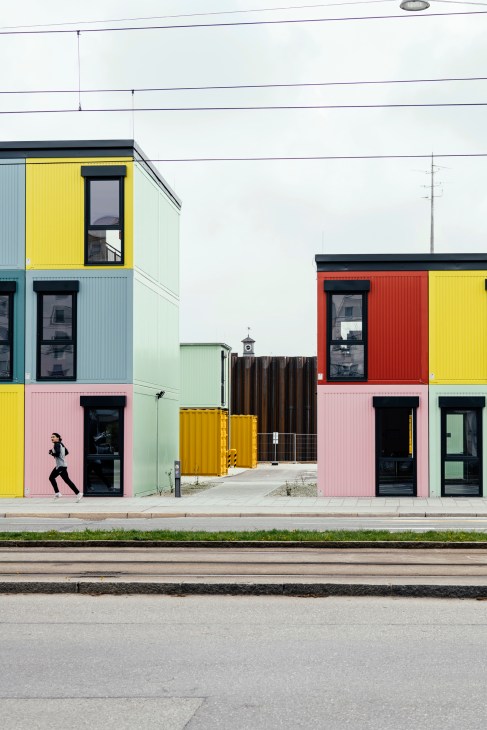
It was back in 2009 that Munich began redeveloping a 20-hectare former industrial and military site into a mixed-use development area. It included everything from apartments and workshops to artistic studios, theatres, arts schools and co-working spaces. Known as the Kreativquartier, the area is quickly forming its own ecosystem for young start-ups, students and creative types. “The mix of people is extremely fruitful for us,” says Ramona Pielenhofer, co-founder of Sichtbarmacher, a collective that supports social and sustainable entrepreneurs with their communication and marketing. Her company is based in an office space created using a repurposed shipping container.
Christian Escher, another co-founder of Sichtbarmacher, likens the area more to Berlin’s “shabby” start-up scene than the “fancy” look of Silicon Valley. But it’s about to get an upgrade: Unternehmertum, a privately owned non-profit linked to the Technical University of Munich (TUM), is this year opening Urban Colab, a five-storey hub and collaborative space dedicated to entrepreneurs and smart-city solutions. “We’re excited for the Urban Colab to open as it will add more technological impetus to our ecosystem,” Pielenhofer says of the project, which is supported by the city.
Bavaria’s capital has seen an explosion of young start-ups in the past decade. Trace back the success of Biontech, the German company that developed the first coronavirus vaccine authorised in the Western world, and you’ll end up in Munich. “Though the company is based in Mainz, it’s no surprise that its foundational meeting took place in the Bavarian capital,” says Michael Motschmann, board member of Munich-based mig Verwaltungs AG, one of Biontech’s three seed investors. “The city is a world hub for technology entrepreneurs.”
Munich is home to nine unicorns (privately held companies valued at more than $1bn), according to Dealroom, a data provider. That puts it in Europe’s top league, just behind the larger capitals of London (45), Berlin (11) and Paris (10). And Munich’s role as a start-up capital is only growing: funding for Germany-based start-ups rose to €5.3bn in 2020 and Munich’s share of that pie has more than tripled from 8 per cent in 2014 to 29 per cent in 2020.
Munich has a powerful mix of some 20 universities and academies alongside global corporations such as Siemens, BMW and Allianz. All this education, corporate experience – and wealth – is a boon to start-ups.
But what really sets the city apart is the support offered by Unternehmertum. The innovation is backed by Susanne Klatten, the heiress of BMW and one the world’s 100 wealthiest people. “A challenge for many entrepreneurial centres is to involve equally committed world-class players,” says Helmut Schönenberger, Unternehmertum co-founder and CEO. “When we set up Unternehmertum in 2002 we had just that: Bavaria’s political support, Ms Klatten’s substantial backing and TUM’s buy-in.”
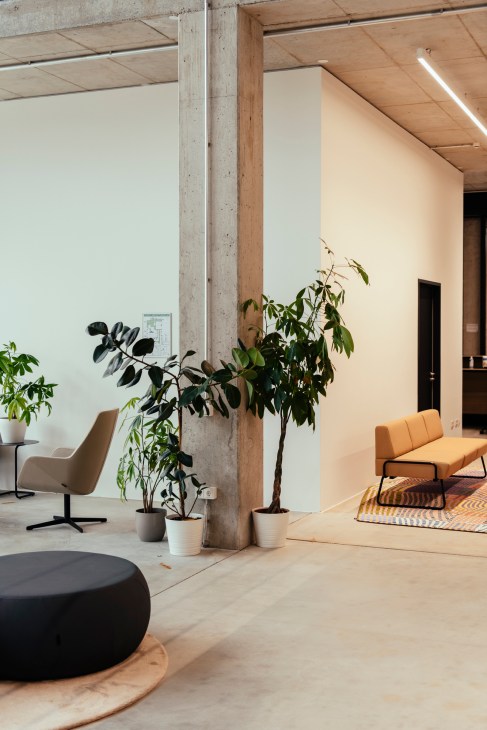
The idea for Unternehmertum stems from a fact-finding mission that Schönenberger embarked on in 2000, comparing Stanford University in Silicon Valley to TUM. It was his resulting master’s thesis on these differences that caught the attention of Klatten. Nowadays, start-ups hailing from TUM and Unternehmertum receive more than half of all funding that goes to this Bavarian technology cluster.
Key takehome: Don’t discount young workers. Top talent will add to your firm’s dynamism.
Schönenberger says that what distinguishes Unternehmertum from comparable centres is its scope. “While typical accelerators guide their members for a few months, we’ve set up an entire ecosystem to accompany our students and start-ups for up to 10 years,” he says. Students begin with an introductory course to entrepreneurial challenges. Then they tinker in Makerspace, a prototyping workshop with high-end tools. They move on to incubator and accelerator programmes before obtaining capital from Unternehmertum’s own venture fund, uvc Partners. “To scale that ecosystem, while keeping a personalised, project-based focus, we have taken our mentoring approach to an extreme,” says Schönenberger. A coaching scheme teaches graduates to mentor the most recent intake. That allows for an annual capacity of 5,000 students, who in 2020 launched 80 start-ups.
“Our other aim is to contribute to the city’s sustainability,” says Schönenberger. That’s a key part of the motivation behind the Munich Urban Colab in Kreativquartier, adding some extra panache to its already colourful start-up scene.
Monocle comment: Even long-established cities need room to grow and innovate. Munich is showing how new academic offerings and government backing (in Bavaria’s case, a “lederhosen and laptops” campaign launched in the 2000s) can help a city change its stripes.
Breakout space
Case study 1.
Baja Club
Open your doors to all. Greet them with a smile
Something is happening in the Mexican state of Baja California Sur. Alongside other spots in the country, it has recently become popular with Americans taking a sabbatical from urban life. But that something both predates the pandemic and promises to extend far beyond it. Put another way, Baja – as it’s commonly known – is having a moment. And for the right hotelier with the right project, there’s a market to be tapped.
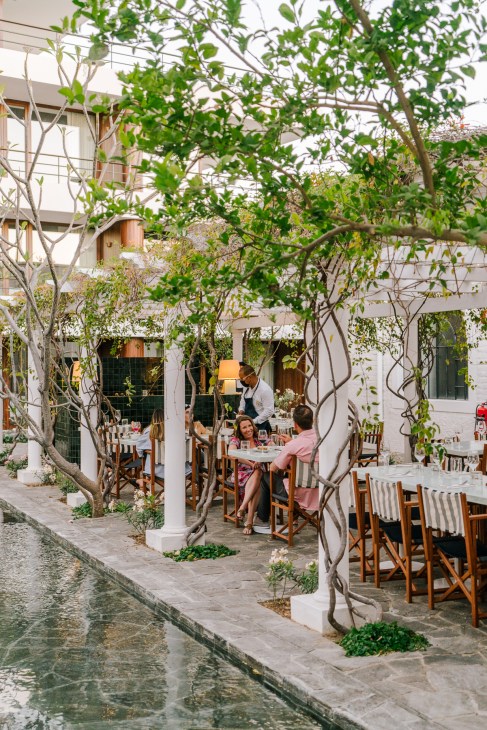
“It’s happening,” says Californian Chip Conley about the prospects for budding hospitality entrepreneurs searching for an opportunity. “It’s definitely not too late. Prices [for land] are still affordable, the Los Cabos airport is growing and so is demand from people who want a more independent, design-oriented experience.” Conley knows what he’s talking about. In the late 1980s he founded Joie De Vivre Hotels, a group that grew to more than 30 properties, and went on to work for Airbnb. He first discovered Baja California (literally “Lower California”), a peninsula of land divided into two states that stretches from Tijuana in Mexico’s north down to Los Cabos in the south, about a decade ago. Now he spends much of the year beachside in El Pescadero, where he runs a midlife mentoring school called the Modern Elder Academy.
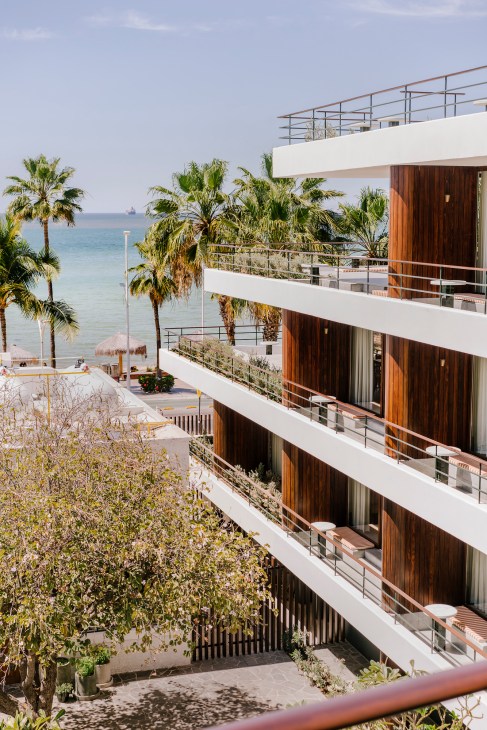
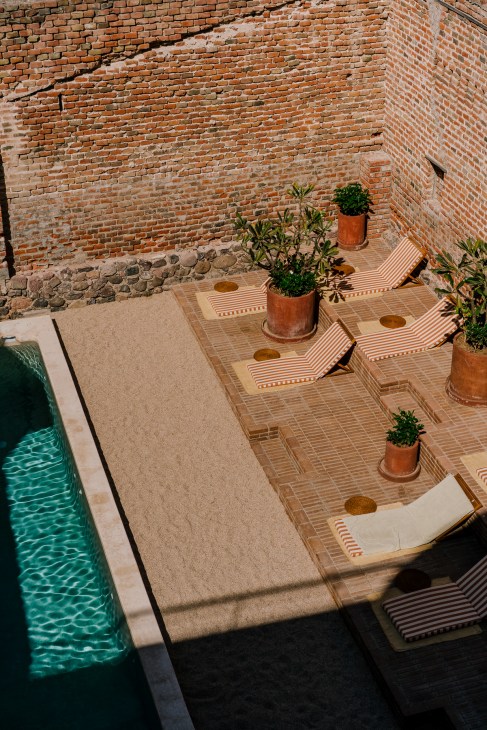
Tourism to the region is nothing new. People have long come to the region for the wine tasting in the Valle de Guadalupe, the year-round surfing and the exclusive resorts in the south of Baja California Sur, where luxury hotel chains dominate. But while retiree second-home owners, backpackers and outdoor types know all about it, others have been slower to realise its potential, including independent hoteliers.
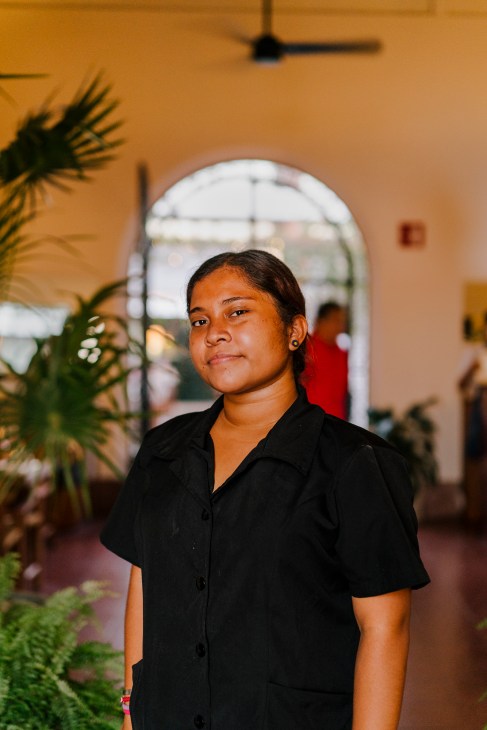
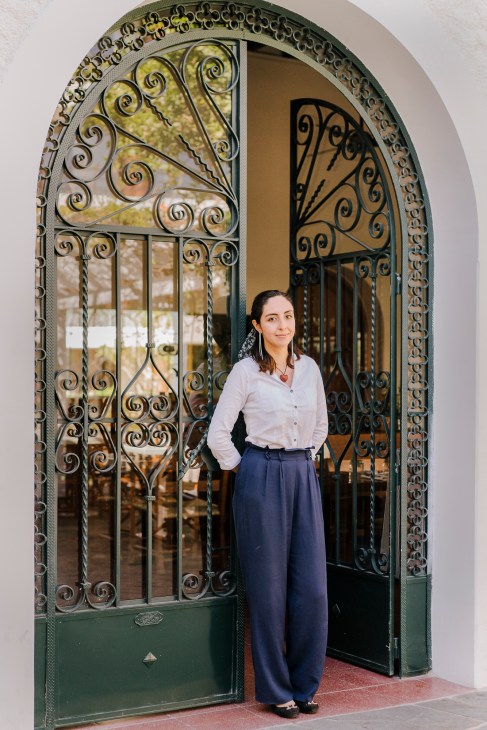

Ben Pundole, a Brit normally based in New York who spent more than 20 years working for Ian Schrager and Edition hotels, has been living in El Pescadero since January. He’s noticed that Baja has started to become more attractive to “a broader audience” and “a certain creative class”. People who might have once headed to the Riviera Maya but have tired of its over-development are reconsidering Mexico’s west. “There are people who would have normally visited Tulum but they are starting to come here and feel comfortable,” he says. And the new demand is outstripping supply.
Sandwiched between the Pacific and the Sea of Cortez, Baja California comprises desert, ocean, mountains, farmland and subtropical dry forests, all accessible either on foot or by car. One of Mexico’s major breadbaskets, its supply of seafood and grapes gives its US namesake a run for its money. Traditionally, visitors made their way to Los Cabos at Baja California Sur’s southern tip but the new hotspots include towns such as El Pescadero, Todos Santos and La Paz.

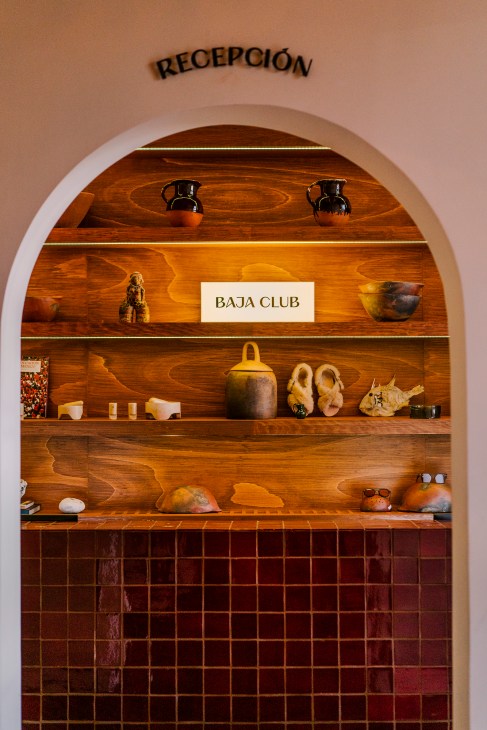

Helping to nurture Todos Santos’s popularity is Hotel San Cristóbal, which opened in 2017, while boutique brand Grupo Habita has launched a new property in La Paz, a gateway destination for whale watching, sailing and kitesurfing. Habita made a name for itself by moving into emerging destinations such as Acapulco (where it had a hotel until recently) and Mérida, where it’s due to open an outpost in 2022. The group’s co-founder Carlos Couturier, calls La Paz an “authentic mid-sized Mexican city”. It has resisted the Americanisation of other parts of the region and has one of the lowest crime rates in the country.
Location: La Paz, Baja California Sur
Opened: March 2021
Number of staff: 55
Covers in restaurant: 70
Ambition: For Baja Club to be a reference point in La Paz, where locals and visitors meet.
Case study 2.
El Perdido Hotel
Get to know your industry – then find a gap
Gina Barrios, the founder of Caravana Americana design fair, who recently relocated with her family from Mexico City to San José del Cabo, agrees, saying that the city is far less developed than other parts of the state and “has a lot of potential”.
Grupo Habita is clearly targeting what Couturier calls “the individual traveller: creative, free-spirited and sophisticated”. These new Baja arrivals would rather eat local seafood than bland international fare and pick an understated stay that references Mexican culture over a nondescript palatial suite, even if the prices are comparable.

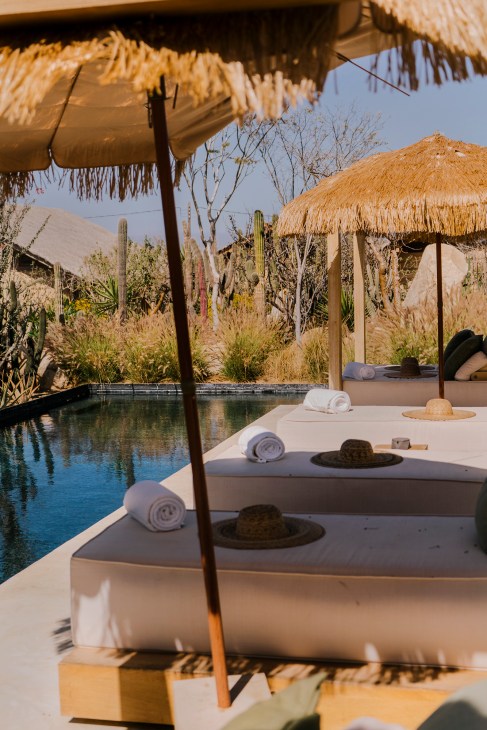
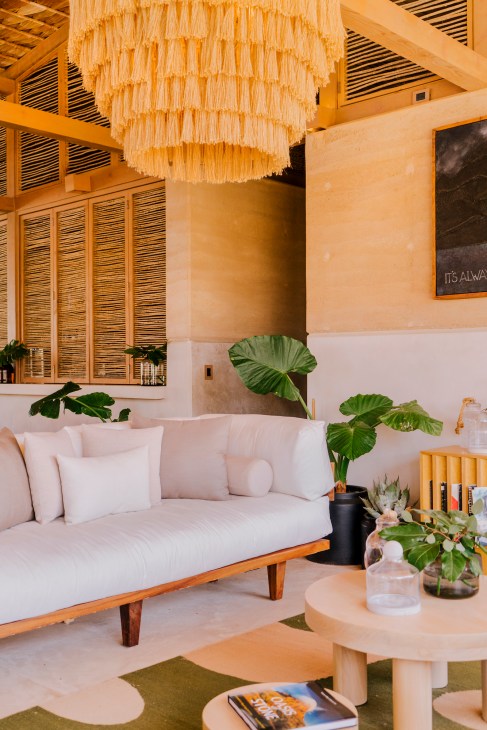
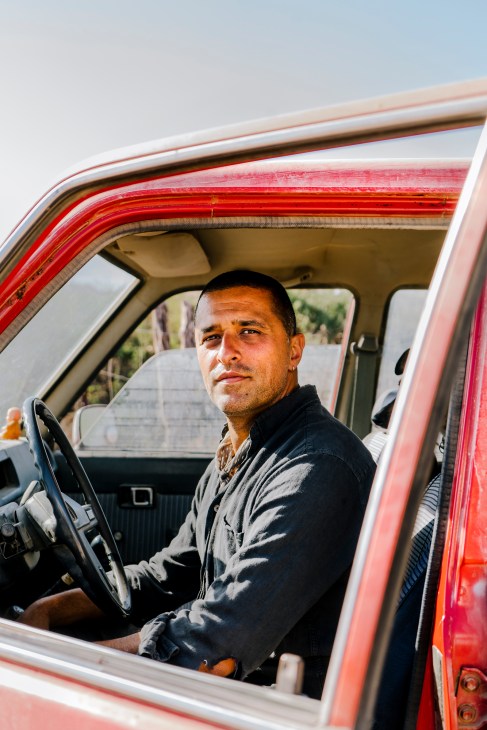
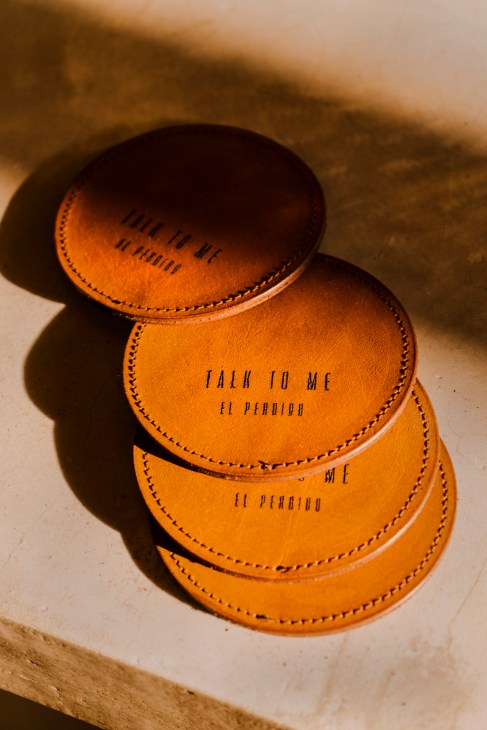

Polo Pérez had all of this in mind when he opened El Perdido in late 2020. Pérez, whose parents have hotel backgrounds – he says he was “conceived in the hotel industry” – has financial backing from an American individual for his high-end jacales, or huts, surrounded by desert in El Pescadero. Pérez claims that he is servicing a “gap in the industry” and originally forecast a return on investment after seven years, charging an average of $350 (€290) a night. That has now been recalculated to four years, charging an average of $650 (€540) a night – a rate he says is in line with nearby competitors.
California dreams: notes for would-be Baja hoteliers
1.
Make the right deal: Get in before the land prices spike and ensure your project is respectful of its environs in a state that takes conservation seriously.
2.
Know your market: This isn’t the new Tulum. Although holiday revelry is to be expected, people are here to experience the outdoors. “Baja midnight” (21.00) is a local in-joke.
3.
Forget the TV: After being cooped up under lockdowns and travel restrictions, people want to get out there and experience the world, not sit in their hotel rooms watching Netflix.
4.
Connect the culture: The new breed of independents and small hotels know that people are after palpable connections. In Baja California, Mexican cuisine and diverse landscapes are to be tapped and celebrated.
5.
Respect space: People want to come together but they also have a newfound sense of their own personal space. Cabins or huts with an element of self-catering – alongside traditional communal areas – will do well.
A lot is happening in Baja: airline routes are being added to La Paz airport, the new Paradero Hotel is making waves for its brutalist desert architecture and the Habitas brand is set to open in Todos Santos soon. The firm behind the luxury Nômade Tulum resort on the Riviera Maya, meanwhile, is rumoured to be eyeing a project in Baja. Yet, according to Pérez, there’s still plenty of opportunity for others. “The cake is big and there is always space for more hotels,” he says. “But hotels that offer more than just a room.”
Location: El Pescadero, Baja California Sur
Opened: New Year’s Eve 2020
Number of staff: 28 (projected)
Covers in restaurant: 45; two settings a day, plus bar
Ambition: Build seven Perdidos in the next decade at unique locations. “We don’t want to go to the new hotspot,” says co-founder Polo Pérez. “We want a location that we can turn into a hotspot.”
Monocle comment: Hotspots come and go so don’t just chase the sunseekers. Instead, invest in somewhere that you consider to be good value, is likely to outlast the trends and which stays true to your vision. Done well, a good hotel can be the catalyst for a region’s recovery.
Finnish first
Helsinki has outperformed most major European cities in its handling of the pandemic. For those looking to set up shop, the Finnish capital offers a vibrant scene and – due to events such as Slush, Europe’s biggest start-up gathering – attracts capital far beyond its size. In recent years the city has given rise to several international growth companies in sectors ranging from technology to biomaterials, as well as those drawing on Finland’s rich design heritage. Things are looking up for the city’s entrepreneurs – and this sense of excitement is palpable.
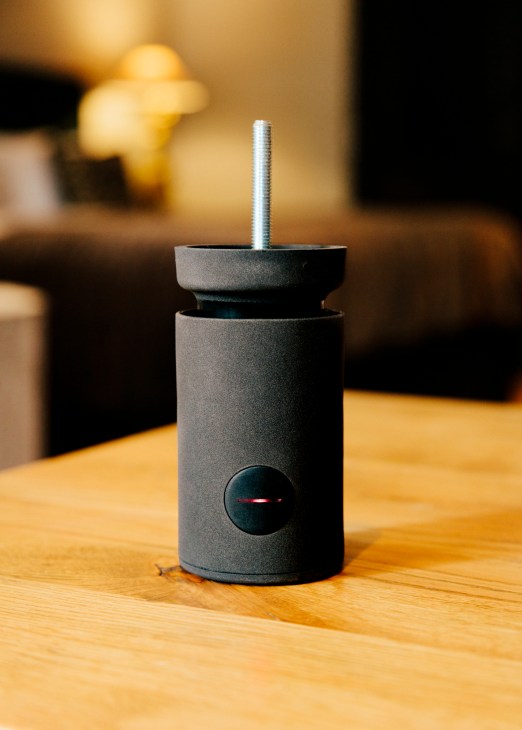
The start-up scene has been faring particularly well. Over at Maria 01, in the central Kamppi district, the long metal shaft of a surgery lamp reminds the current inhabitants of the building’s past life as one of the city’s main hospitals. Nowadays, the campus – the beating heart of Helsinki’s start-up industry – is home to more than 180 companies and 1,400 entrepreneurs. “We make everything here,” says Maria 01’s CEO Ville Simola as he leads Monocle around the colourful hallways. “Micro-satellites, clothes, games, apps and – aptly, given that this is a former hospital – virtual- reality tools that trainee surgeons can use to practise before taking on real patients.”
One of the successful companies that have launched from Maria 01 is Valpas, which makes bed legs that are bioengineered to stop the spread of bed bugs at hotels. While that might not sound particularly palatable, the firm’s products are used in more than 60 prestigious hotels around the world. “Helsinki is the perfect start-up city,” says the company’s Finnish-Portuguese co-founder Martim Gois. “People are tech-savvy and open to new ideas, which makes it perfect for testing new innovations.”
The openness for innovation and ideas is rooted in Finland’s recent history. The country transformed itself from an agriculture and forestry-based economy into an IT powerhouse that gave birth to the likes of Nokia. One of the companies drawing on Finland’s culture of innovation is biomaterials outfit Sulapac, based in the capital’s design district. It makes plastic-like packaging using a fully compostable biodegradable composite. The company has secured multimillion-euro investments from manufacturers and fashion houses including Chanel. “Finland is an exceptional place for material innovation in this sector because of our big forestry industry,” says co-founder Suvi Haimi. Helsinki’s entrepreneurial culture is boosted by the Finnish social model, she believes. “It’s easier to bounce back when there’s some kind of a safety net.”

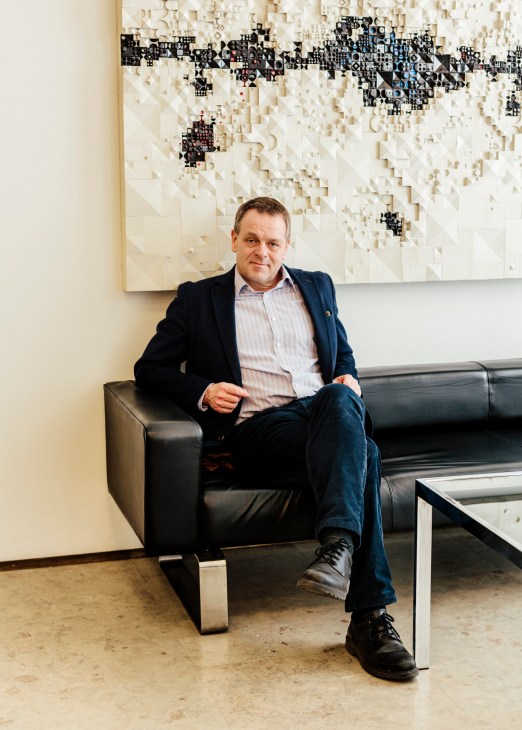
At City Hall across town, mayor Jan Vapaavuori is in good spirits. The city has remained open for business throughout the pandemic and its economy produced a whopping €500m surplus last year. “Our slogan – ‘Helsinki: it simply works’ – was never the sexiest of city slogans,” he tells Monocle. “But in the post-pandemic world we have seen how important it is to have a functional city.” For entrepreneurs seeking stability, being able to trust your city to succeed when faced with the possibility of future pandemics is no small thing. “Lots of people are now looking for a place to invest, to take a holiday or to organise a conference. When they see that life in Helsinki was almost normal during the pandemic, it makes the city very attractive.”
Entrepreneurs don’t expect the authorities to do all of their work for them. All they need is an environment in which they can thrive. Or, as Gois puts it, “In Helsinki you can focus all of your energy into running and growing your business, because everything works so well.” The public transport network is extensive and reliable, so you can travel to your meetings easily and be highly likely to arrive on time. The city’s geographic location also comes in handy. “Helsinki is the capital city with the best flight connections throughout the world, connecting Europe, the US and Asia,” says Haimi. “This makes it easier to meet customers and investors.”
James Cramer moved from his native UK to Helsinki and landed a job at gaming company Supercell, the country’s post-Nokia success story, which grew in just three years from a small start-up into a billion-euro business making some of the most popular mobile phone games in the world. Inspired by Helsinki’s business opportunities, Cramer ended up founding his own gaming business, Skunkworks. “We looked at other options, such as the UK and Estonia. Finland was head and shoulders above the rest because of the support given by the government to young companies,” he says. “It gives early-stage and angel investors much more incentive to invest in technology and game companies here because they know that the company will get a lot of government support and create many opportunities to grow.”

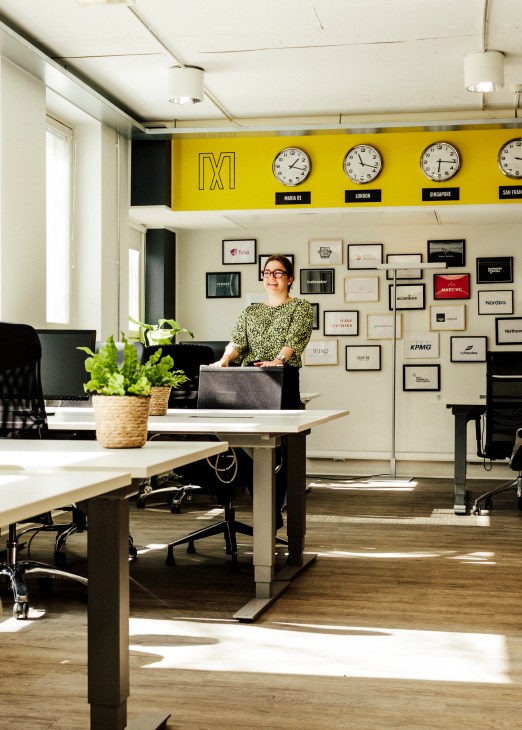

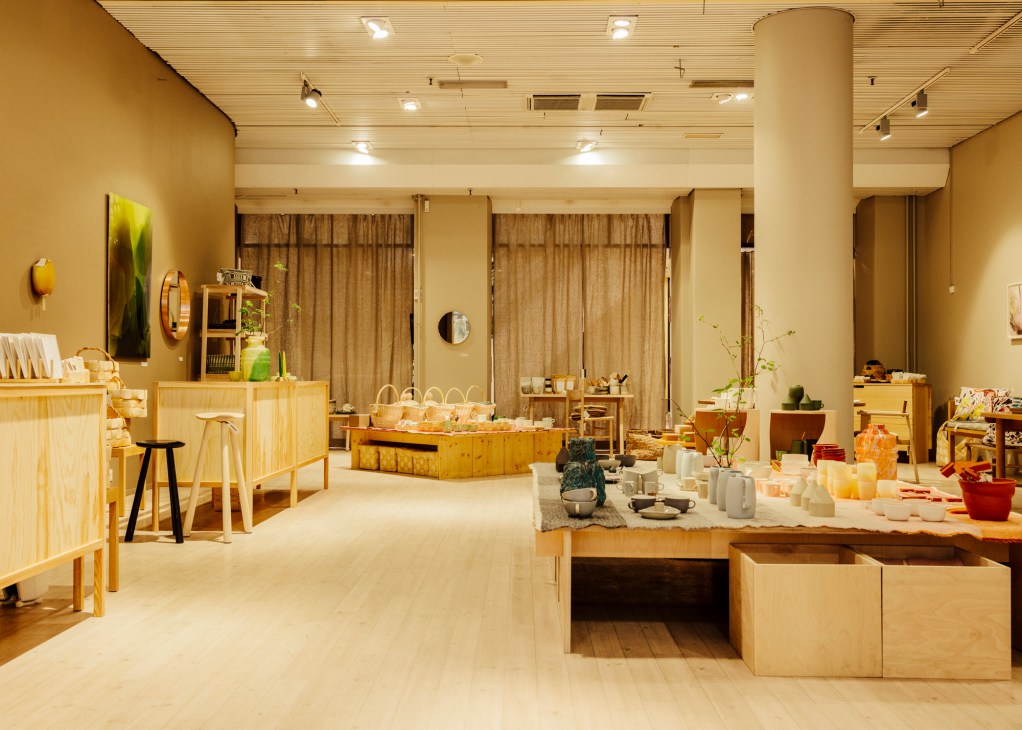
Helsinki has seen a slew of successful design firms emerge in recent years, such as furniture brands Made by Choice and Basta. The latest testament to Helsinki’s potential as a design city is found on Helsinki’s main high street, Aleksanterinkatu. A historic art nouveau building is the site of the latest retail venture by Mirkku Kullberg. The former CEO of Finnish heritage furniture brand Artek relocated back to her native Finland from the US last year to take advantage of Helsinki’s opportunities. The multi-storey space for her new company, Glasshouse, includes a shop dedicated to sustainable design and will expand this summer to feature a gallery space and a meeting place for designers, architects, artists, scientists and other businesses. “Helsinki is a city where you get things done,” she says. “There’s a certain sense of urgency in the way both the businesses and city officials approach things.”
Helsinki start-ups to watch
Solar Foods: The pitch, “We create food out of thin air” might have raised eyebrows with potential investors. Solar Foods produce a protein-rich powder from air, electricity and water, and has received investment from the Finnish Climate Fund to scale up production.
iFarm: This company provides a plug-and-play vertical farming platform for aspiring domestic farmers growing salads, greens, berries and vegetables. The start-up has secured multimillion euro funding and has 50 projects with clients around the world.
Nightingale Health: This health-technology company aims to transform preventative care by using blood-analysis technology to detect future disease risk. It claims to estimate risk of, say, cardiovascular diseases or Type 2 diabetes up to 10 years in advance and raised more than €110m in its initial IPO.

Companies are also booming thanks to the steady rise in international tourism that the country has enjoyed in recent years. Hospitality venture Bob W was launched in 2018 by Finnish-German duo Niko Karstikko and Sebastian Emberger to tap into evolving travel needs and the growing demand for short-stay apartments. “We looked at cities such as London, Dublin and Berlin but eventually settled on Helsinki,” Karstikko tells Monocle. The duo felt that it was the easiest place to test their new concept: a hotel and short-term rentals hybrid. “It is easy and quick to set up a company online here,” adds Karstikko. “Helsinki is a truly international city where you can do everything in English. That also influenced our choice.” The company runs properties in Helsinki and Tallinn, Estonia, and has just secured a €9.6m investment round from a group of Finnish and international investors to expand into the UK and continental Europe.
Despite being a functional city with a high quality of life and plenty of business opportunities, Helsinki still lags behind Nordic competitors such as Stockholm and Copenhagen in name recognition. To fix this, the city has taken a proactive approach to attracting more talent. It has embarked on quirky marketing campaigns such as the 90-Day Finn scheme, which provides a complete relocation package so that top talent and their entire family can try out living in Helsinki for three months. The “Helsinki Freedom, Home-Delivered” campaign provides potential talent contemplating a move to Helsinki a box containing a taster of all things Finnish. Campaigns such as these make sure that more and more foreigners become aware of Helsinki’s potential.
Mayor Vapaavuori also believes that a high quality of life is good for business. “At the end of the day, it is about creating a good city to live in,” he says. “Younger generations don’t think, ‘Which company do I want to work for?’ It’s, ‘Which city do I want to live in?’” Helsinki is pitching itself as a place for a fresh start – not only for business but also for enjoying life again.
Monocle comment
Thinking of relocating for your next venture or investing in a new office abroad? Look beyond the cost of workspaces and staffing, and towards the work culture that different cities can help to foster, and you’ll see that Finland is high up in the pecking order.
Upwardly mobile
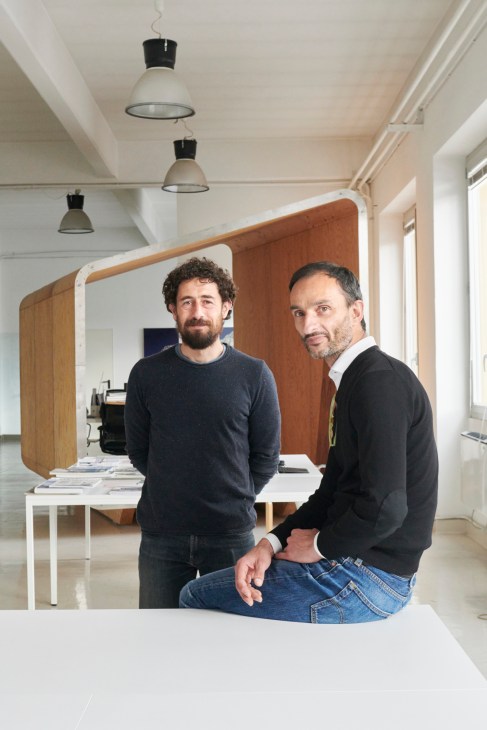
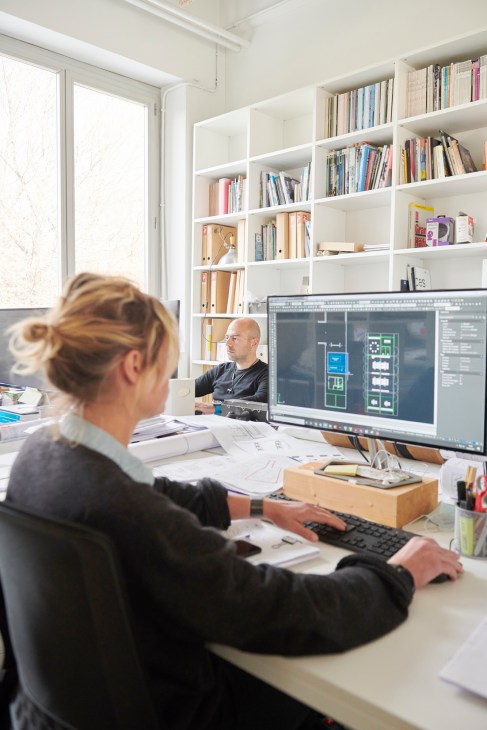
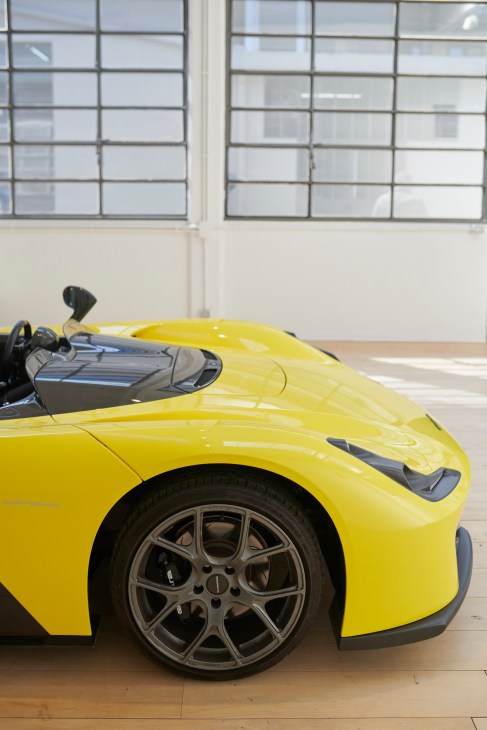
Creative types crave space. That’s what automotive designer Lowie Vermeersch was after when, in 2011, he came across a sprawling factory space sitting idle in Turin. In need of a headquarters for his new creative consultancy, the Belgian had considered his options – among them a move to Milan, with its formidable reputation as a design hub. The choice came down to two factors: affordability and, more importantly, quality of life.
“A space of this size would have cost me double in Milan,” says Vermeersch of his decision to base his start-up Granstudio in a huge structure once home to a business making brakes for the Fiat 500. “Then you have to consider how you want to spend your free time. Here you have a beautiful city centre and in five minutes you are in the hills surrounded by countryside; skiing is just over an hour away.”
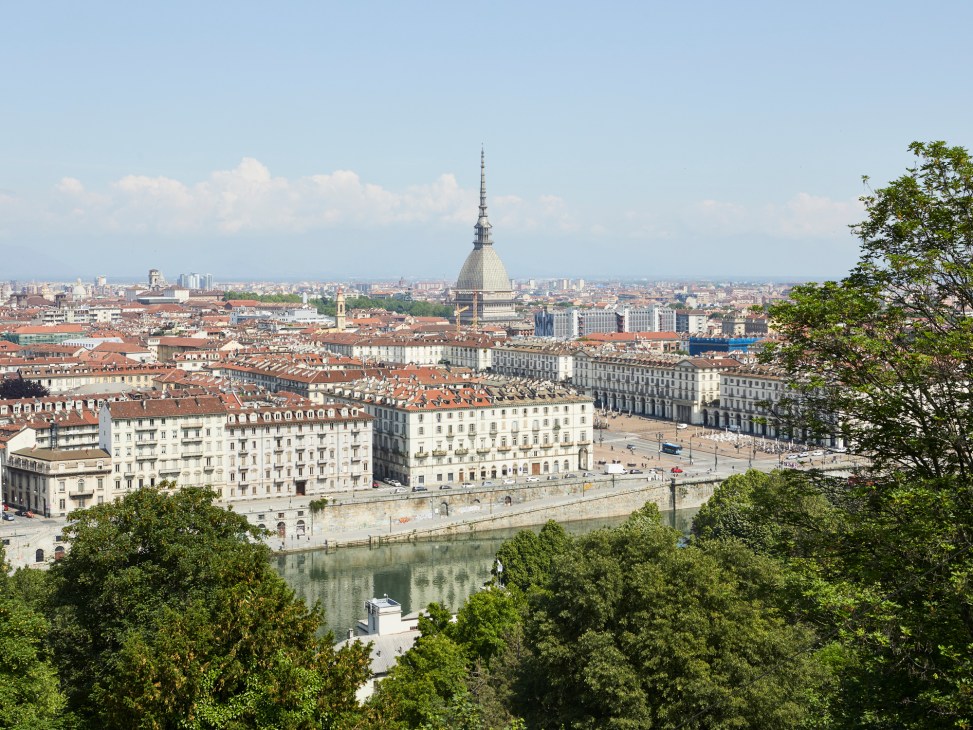
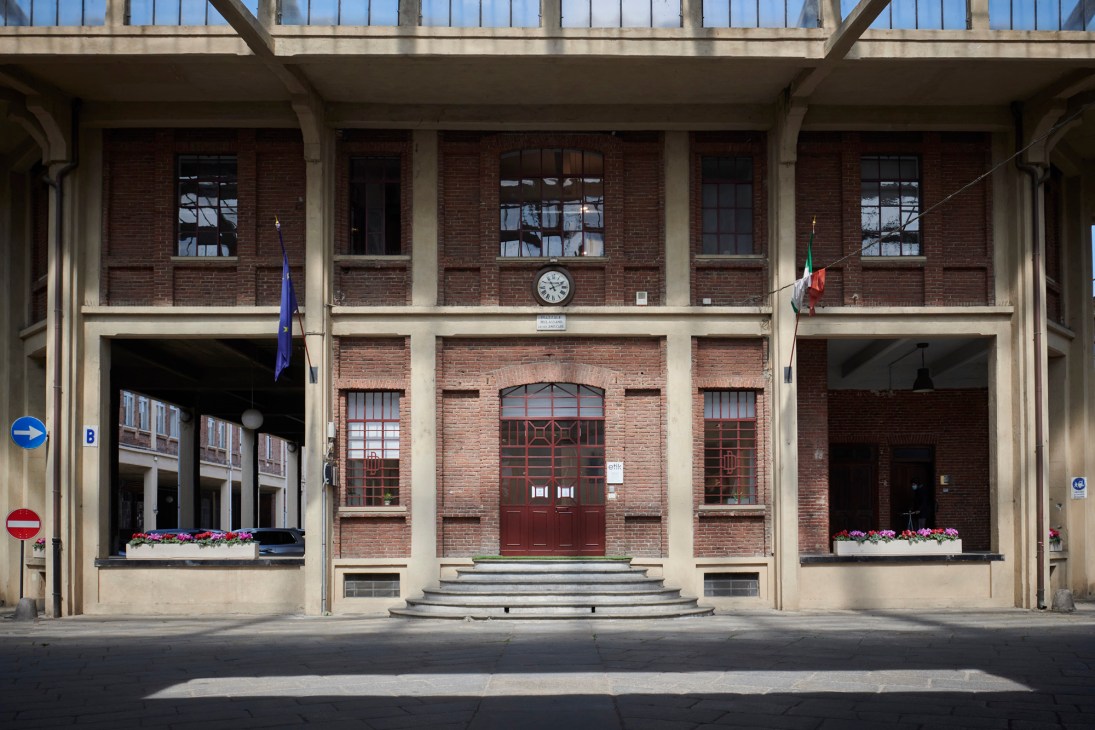
Though Italy’s version of the Motor City had been in decline, with layoffs at Fiat in the 1980s and factory closures in the 1990s, other possibilities arose as industrial activity ceded ground. Hosting the 2006 Winter Olympics spurred a flurry of construction, including the building of Turin’s first metro line. In 2007 businessman Oscar Farinetti inaugurated the first Eataly supermarket selling high-quality Italian food in an abandoned vermouth factory in front of Fiat’s former base.
The move to a post-industrial economy is best seen in neighbourhoods such as Barriera di Milano, which is home to Vermeersch’s Granstudio. The area is less frenetic than Milan: street parking is easier to find here and the telltale signs of gentrification are less of a concern. That’s what makes Turin appealing, says Barbara Villanova, art director at creative agency Bellissimo. “There’s still a feeling of something incomplete about the city. For creatives, that’s a great draw,” she says. Villanova and her colleagues also enjoy the collection of rivers that flow in Turin: rowers, joggers and cyclists can get a spot of exercise by day and venture out for a waterfront aperitivo at night. There is also easy access to some of the country’s most fêted vintners. “We have the [wine regions] Langhe and Monferrato on our doorstep and the sea in Liguria is within easy reach.”
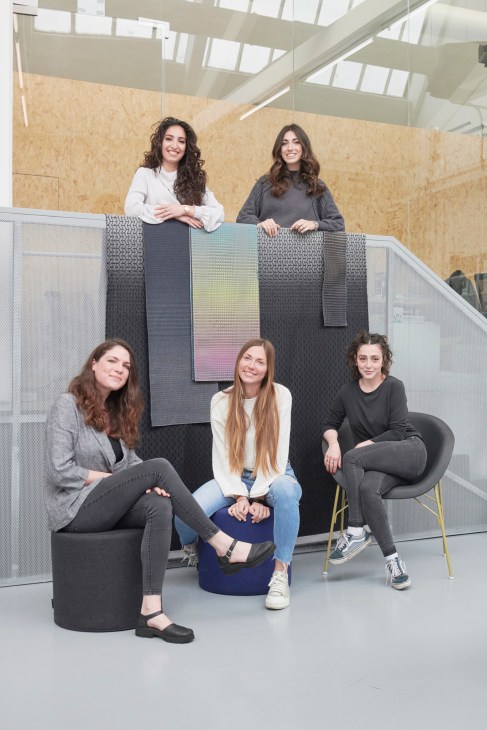

Some might consider Italy’s first capital more provincial than Milan but quality-of-life metrics published by financial daily Il Sole 24 Ore show Turin gaining ground on its Lombard rival. It’s no surprise to Milanese native Stefano Testa, architect and co-founder of Leap Factory, a firm that sells prefabricated modular homes, including for mountains and extreme climates. “You have more greenery around you,” he says. “And if you need to go for a meeting, the high-speed train is a convenient 50-minute trip.”
At Cingomma, which makes belts, shoes, bags and other accessories using recycled bicycle tyres, co-founders Maurizio Sacco enjoys a large office and workshop within Docks Dora, a century-old warehouse. Inside, Sacco has built a makeshift climbing wall, which he uses to unwind when not sewing the soles of the brand’s popular Friulane slippers. “We have room to grow here, which for a young brand is vital,” adds Sacco’s colleague Monica Rofa. “That’s what Turin can offer. It gives you oxygen to grow.”
Sunny outlook
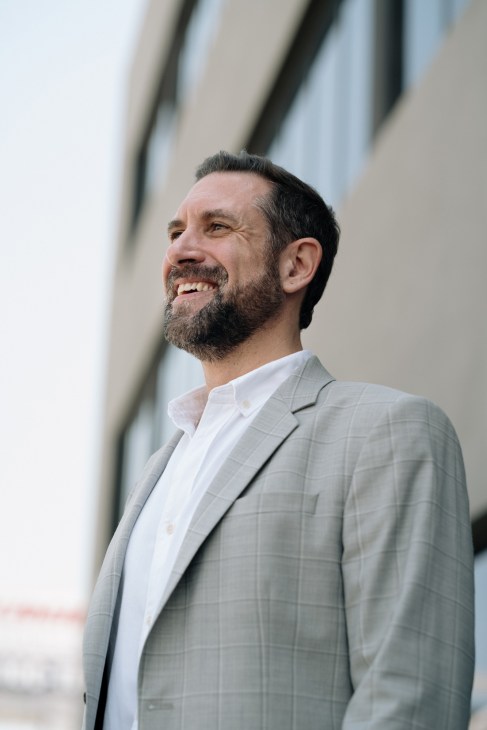
Italy’s Istituto Marangoni has a deep history within the world of global fashion and interior design. Founded in 1935, it has outposts in Milan, Florence, London, Paris, Shanghai, Mumbai and Shenzhen. So when the time came to establish a US branch in 2019, its choice of Miami was notable. “We could have gone to New York or Los Angeles but I knew after visiting Miami that it was the place for us,” says Hakan Baykam, CEO of Istituto Marangoni Miami. “It’s a creative hub full of opportunity, which offers inspiring connections and easy access to Latin America.” Under academic director Massimo Casagrande, the school opened in 2018 and, after a challenging 2020, expects to be up and running again this year as international students return.
Entrepreneurs have been flocking to Florida’s biggest city this past year, drawn by a relaxed approach to lockdowns and, of course, sunshine. First came the prominent business leaders who decamped from larger cities like New York – where higher taxes than in Florida have prompted hedge funds and other Wall Street firms to consider moving south – and San Francisco; even Elon Musk has discussed building car tunnels under the city. But there’s also a larger trend of hospitality, design and fashion entrepreneurs moving to south Florida. Miami is already among the world’s more prominent start-up hubs but over the past year it has shifted into another gear. Half the population is foreign-born and Miami’s inclusive, collaborative atmosphere has encouraged newcomers. And it’s not just the usual technology and finance start-ups. While Miami was already a staple on the cultural calendar with Art Basel Miami and Design Miami, it has been taken to the next level with the creation of the Design District.
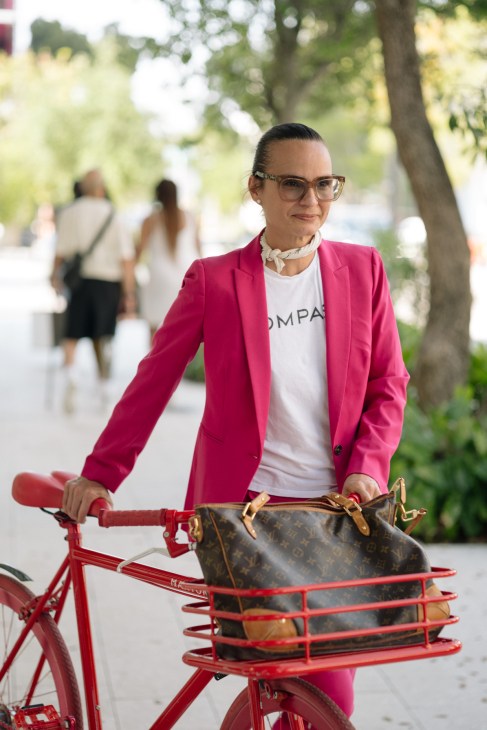
Geane Brito, a Brazilian real-estate agent, moved to the city in 2000. After living in Miami Beach for 18 years she recently moved to an industrial loft in Midtown Miami, the residential neighbourhood that borders the Design District. “It’s no longer the holiday house or vacationer; it’s shifted to permanent residents,” she says. “And because of that, the real estate market, both commercial and residential, is booming more than ever.” She estimates that sales of residential properties in the Design District have risen 30 to 40 per cent in the past year. “It’s crazy what’s happening here now.”
One of Brito’s recent clients was Lisa Walsh, who along with her daughter Lauren, “packed up our house, our business and our family” in New York and moved south. They opened Tighemi, a clothing and homeware shop with a Moroccan theme. Smaller boutiques like hers are flanked by larger brand stores, such as Alexander McQueen and Stone Island, that have moved into the district. Chanel is building a flagship here.
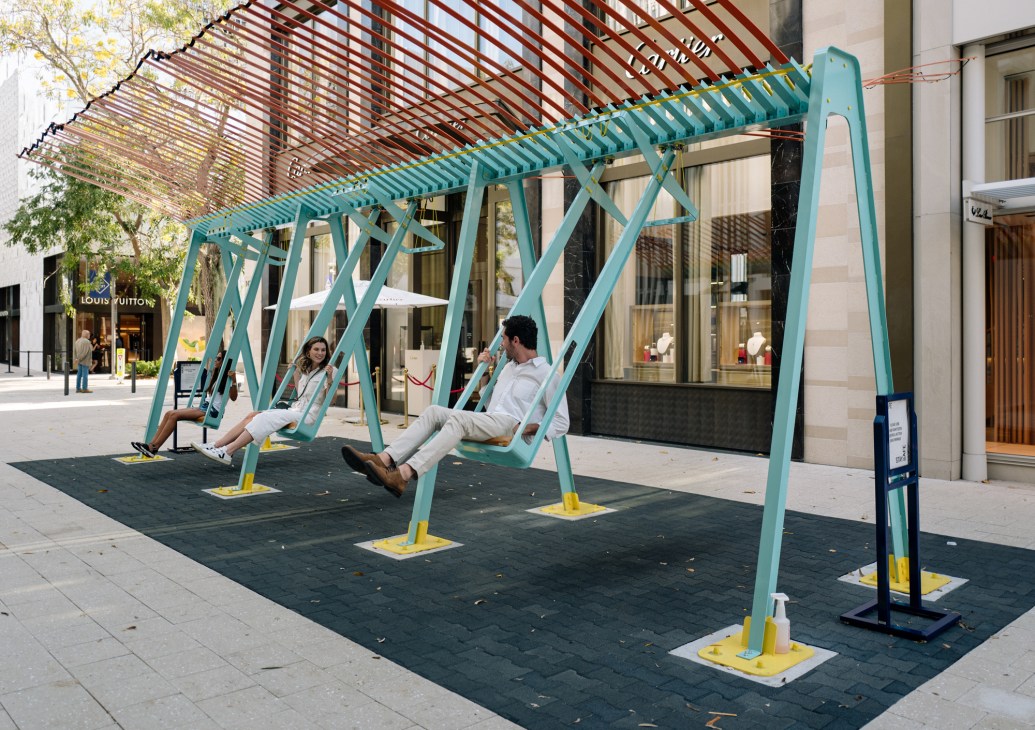
Restaurants with New York flagships, such as Carbone and the Michelin-starred South Korean steakhouse Cote, are also choosing to open outposts in Miami over other coastal cities such as San Francisco and Los Angeles. “I fell in love with Miami,” says Cote owner Simon Kim. “It was transforming from a vacation town to a prominent metropolis and I knew that Cote had to be part of that renaissance.”
Craig Robins, founder of Design Miami and a key developer of the Design District, says that the arrival of escapees from larger cities is a familiar story, even as tourism dropped off during the pandemic. “Our Design District is enjoying robust leasing and an exceptionally busy season with the openings of amazing brands,” says Robins, who’s also the CEO of real-estate company Dacra. “We’re excited to blend culture and commerce in innovative ways.”
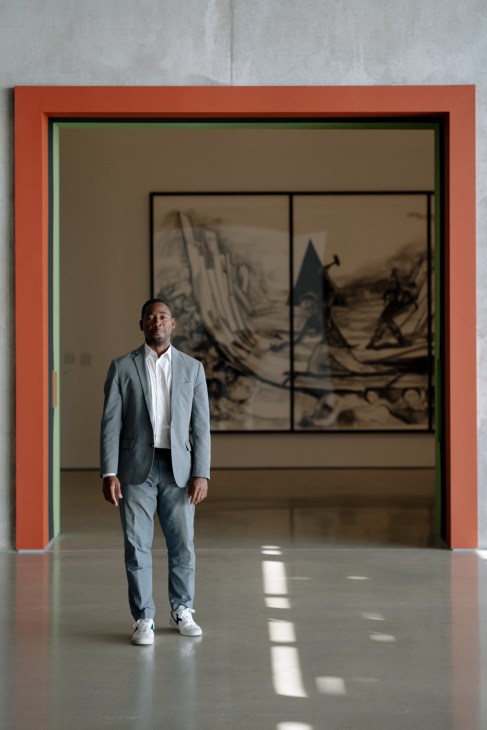
The Design District is now at the heart of the city’s design, fashion and arts scene. Franklin Sirmans, who moved to Miami in 2015 to take over as director of the Pérez Art Museum, says that the area has a positivity that helped to hold the community together over the past year. “It proclaimed the feeling in Miami now, especially in light of coronavirus and the US’s ongoing history with racism,” says Sirmans. “It was celebratory, constructive and filled with mutual aid. It feels as though we’re at another important moment in the city’s story, one that’s inviting change.”
Industrial revolution
Tour & Taxis has been billed as Brussels’ up-and-coming district – but that wasn’t always the case. The industrial area around the city’s docks was built in the early 20th century and has been neglected for much of its recent existence. But a surge in development means that the area by Brussels’ canal is now on the up.
Tourists think of Brussels for its Grand Place, cobbled streets and formidable EU buildings but the historical old docks have become the canvas for new apartments and modern workspaces. The area was primarily composed of vast warehouses surrounding iconic buildings such as the Hôtel de la Poste and the Gare Maritime. The first wave of redevelopment was completed in 2004 but the latest phase has seen the Gare Maritime, a former freight station, converted into a year-round mixed-use “covered neighbourhood” with offices, a food hall, shops, gardens and an events space. “The most outstanding value of the site is the sheer size and quality of the buildings there,” says Kris Verhellen, CEO of Extensa, the property company developing the area. Offices are already in use with the more public areas set to open in September.
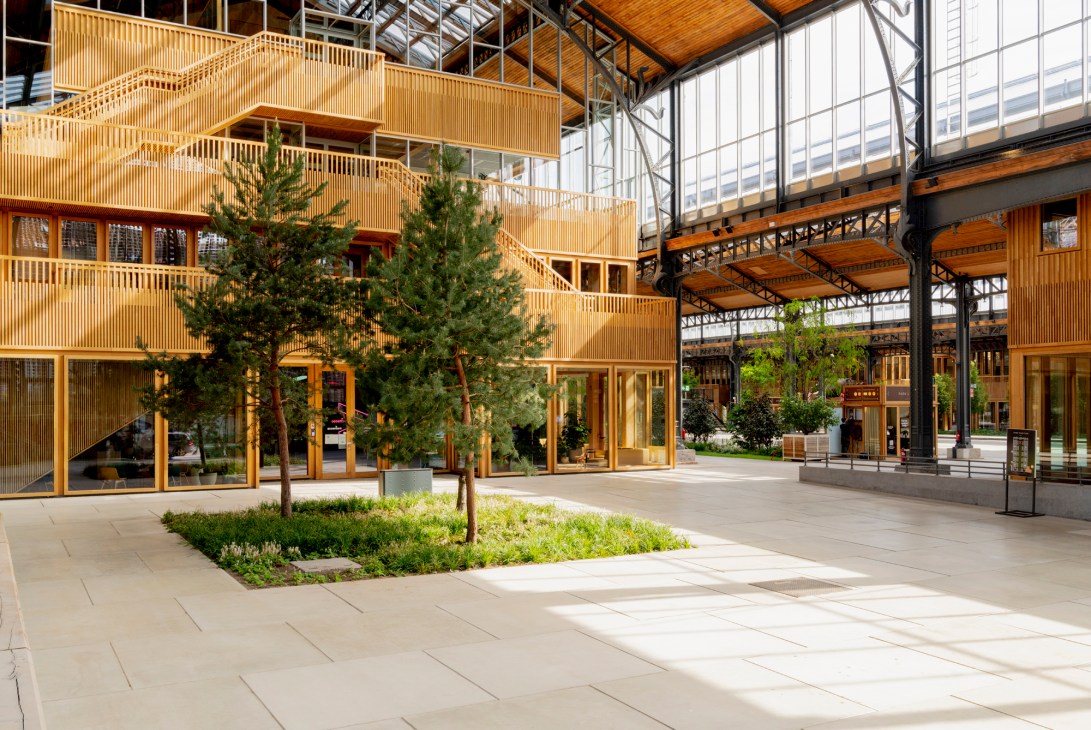
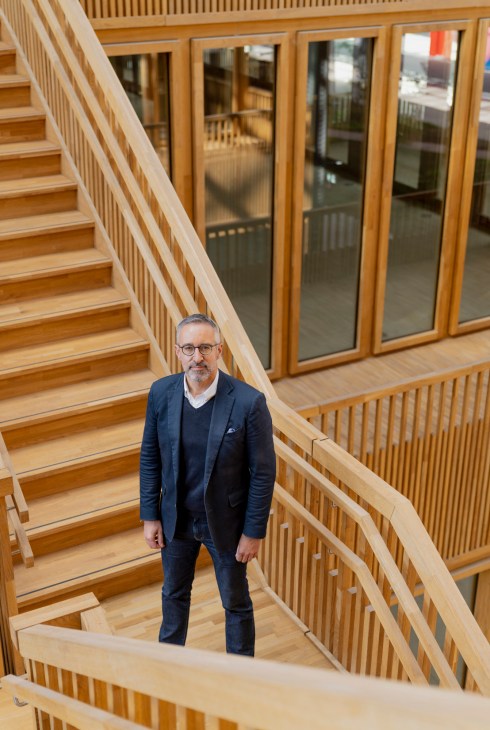
The latest phase of development aims to make it feel “psychologically and physically” closer to the city centre, says Verhellen. “This has to become a metropolitan corner with its own identity. It should be a neighbourhood where people live and work.” Verhellen is inviting everyone from law firms to high-value start-ups to move here. While rental prices match the city’s other high-end spaces, part of the development has been earmarked for affordable housing.
Businesses have been given a helping hand by the city, which realised that Tour & Taxis needed to be integrated with the rest of Brussels. In mid-April, the new 60 metre-long Suzan Daniel Bridge was manoeuvred into place. Secondary boardwalks at the Quai de Willebroeck and Avenue du Port have still to be built. The project, costing about €9.4m, will be open exclusively to pedestrians, cyclists and public transport. “The canal was a dividing line in our city for too long,” says Brussels’ minister for public works, Elke van den Brandt.
In Belgium, beer has been added to the Unesco-recognised intangible cultural heritage list. It’s fitting then that Brasserie de la Senne, founded in 2003, recently moved to a space at Tour & Taxis. “Soon hundreds of new homes should attract a cool mix of people,” says the brewery’s co-founder Yvan de Baets. “It’s a new neighbourhood in the heart of the capital. We saw it as an opportunity.” Sam van Coillie, owner of Obsidian Gallery, says that he chose Tour & Taxis because “it has high ceilings and a great New York-style industrial look”.
Why it works
1.
Sustainable building: The Gare Maritime is climate-controlled with geothermal heat. Solar panels cover the façade and pavilions are built with cross laminated timber, which provides better insulation.
2.
Feeding the soul: Art and culture are integral to Tour & Taxis’ renaissance. Maison de la Poste houses a picturesque private cinema, while the Royal Depot building welcomes those eager to learn everything from jewellery design to graphic skills.
3.
Bringing people together: Art Brussels, Brafa Art Fair and the Brussels Design Market have used the site before – new businesses can capitalise on the visitors these events provide.
4.
Greening up: In 2015, Tour & Taxis park was planted to clean the former industrial land and restore nature with trees, plants and winding walkways.
5.
Eyeing the past: The popularity of the Tour & Taxis developments, past and present, is down to the beautiful 20th century architecture, even when new uses are conceived.
The most recognisable building at Tour & Taxis is the Royal Depot, an enormous warehouse along the canal that has been converted into offices and as been at full capacity since 2004. The Gare Maritime building, meanwhile, already counts Universal Music, Accenture and Publicis as tenants. Currently there’s only about 15 per cent of office space left, which Verhellen is confident about filling. “In September we open the food hall and that will mark the beginning of more retail and commercial activity, which we’re blending with cultural pastimes,” he says.
According to Verhellen, a vibrant business location “is a state of mind”. “You don’t go to Tour & Taxis because you need more space,” he says. “You go to change the mindset of your people. You take people out of their environment, shake them up, get them out of the 20th century and throw them into the 21st.”
Brussels is renowned for its eccentric artists, quirky charm and European institutions. The development of Tour & Taxis could mean that it will also be on the map as a business innovation hub.
Monocle comment: Grand old cities have charm and heritage in abundance but it can be easy for new businesses to get lost in the rush of their best-known thoroughfares. Mixed-use developments are fresh and attract footfall. Setting up in a bold location can do wonders.
Put down a marker
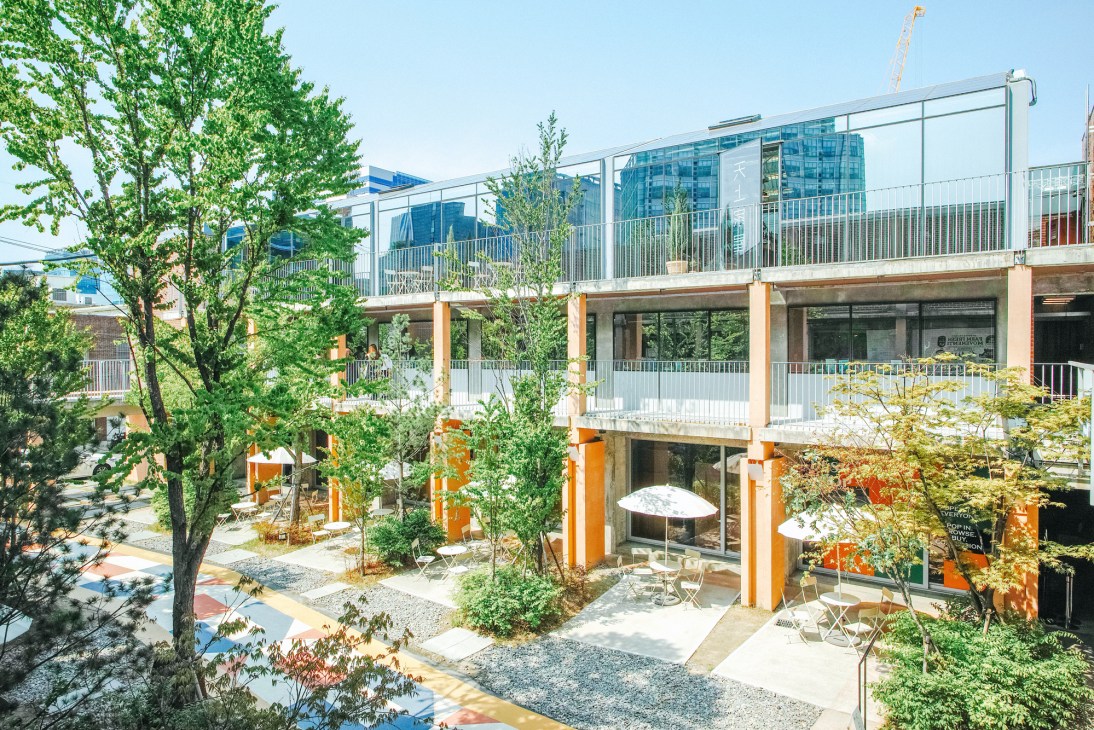
For decades, Seongsu was the furthest thing from cool or convenient. Disused factories lay empty next to car repairers after the 1997 Asian financial crisis drove businesses to bankruptcy. Sandwiched between two rivers, the 5 sq km peninsula has no major roads leading to it and its narrow streets are hard to navigate. Today, however, these wrinkles are making Seongsu one of the world’s most exciting commercial centres, a magnet for entrepreneurs and an enclave for artists.
Take a walk through Seongsu on a sunny Saturday and you’ll see young couples sipping lattes in one of its ubiquitous cafés. There will also be throngs of pedestrians – an anomaly for famously car-loving South Koreans. And you’re likely to discover new shop openings and small construction sites. What you’re unlikely to see is a Starbucks on every corner, as the community board and district office often bar major chains from moving into the area in order to prevent it becoming a bland high street.
Key takehome: Less desirable areas can be transformed quickly. Keep an open mind.
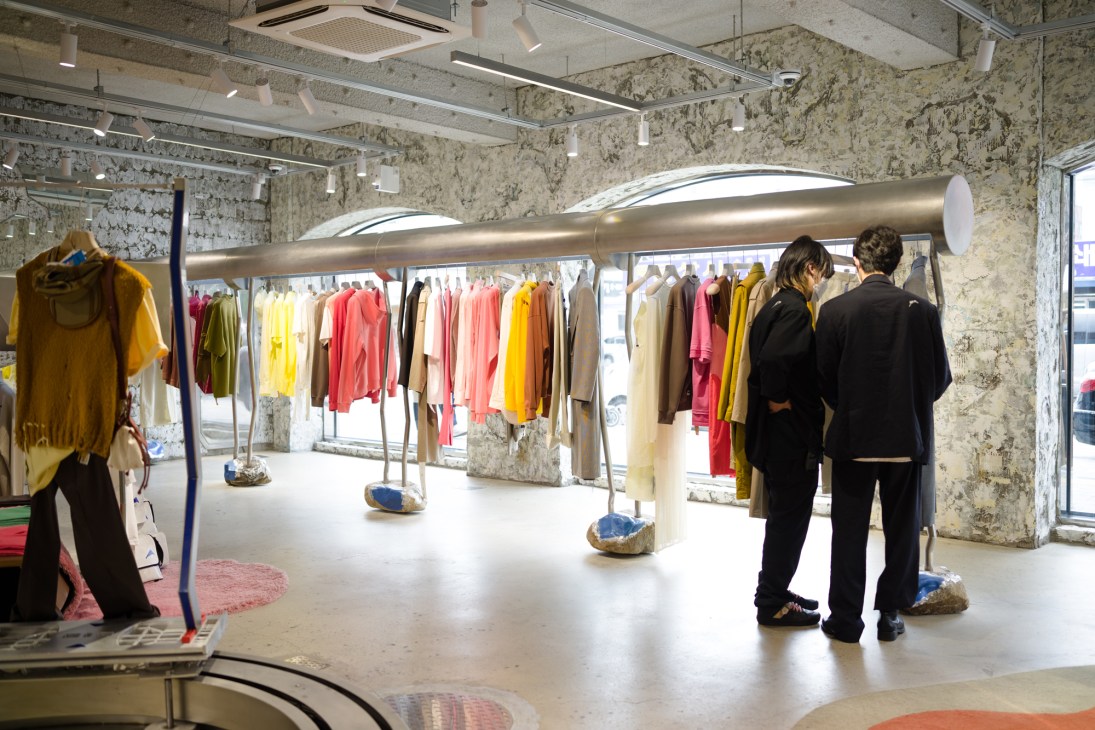
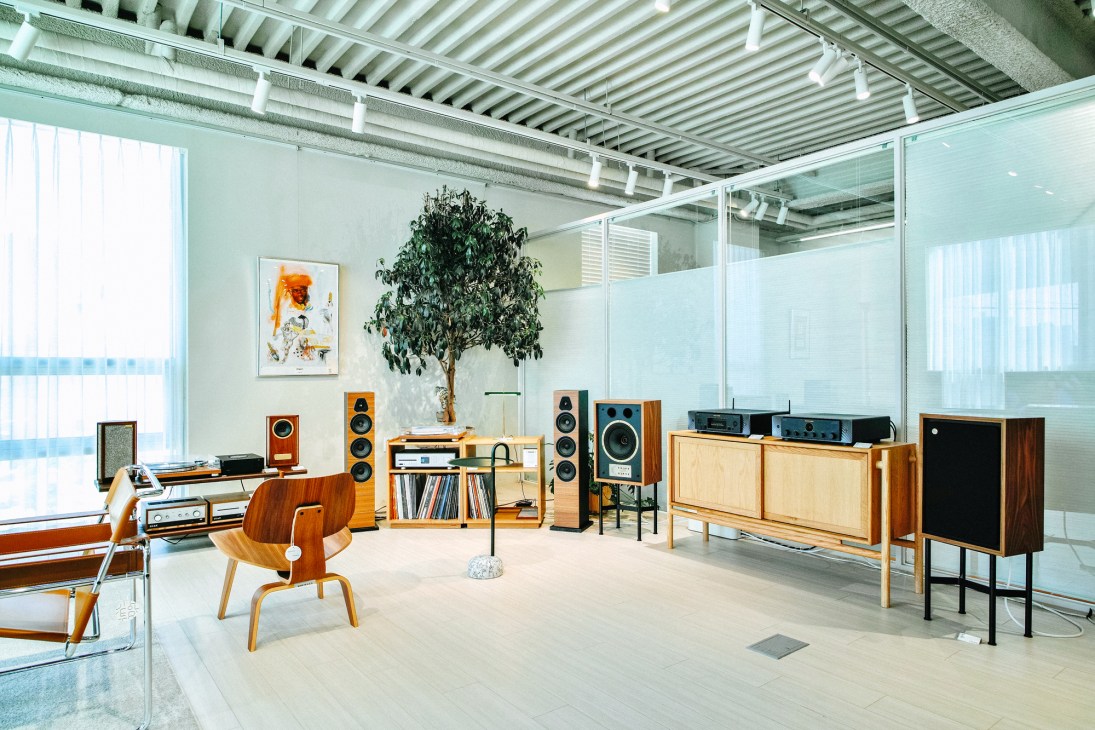
As most parts of Seoul – a city of 10 million – have been transformed into high-rise apartment complexes and big malls, Seongsu’s low-rise neighbourhood, with its meandering alleyways, has become a novelty. Though a handful of multi-million-dollar apartment blocks have been built within its borders, Seongsu is viewed as a collection of converted houses and factories. It plays host to the likes of an artisanal gelateria, a streetwear boutique and a vintage furniture shop. Young people are flocking here seeking unique offline experiences, and retailers who want a piece of the action have popped up throughout the area.
“I opened my shop in Seongsu because it’s a neighbourhood that gives a nod to the past generations’ heritage,” says Jiyoon Yun, creative director of eyewear maker Yun. The brand opened a flagship store here early last year, with a mission of providing high-quality lenses and timeless designs at affordable prices. “It’s an area where old and new are co-existing in symbiosis.” While she admits that growth has slowed due to the pandemic, the company has found inspiration by breathing life into new collections. Late last year, it launched a bio-acetate frame line, targeting more eco-conscious customers.
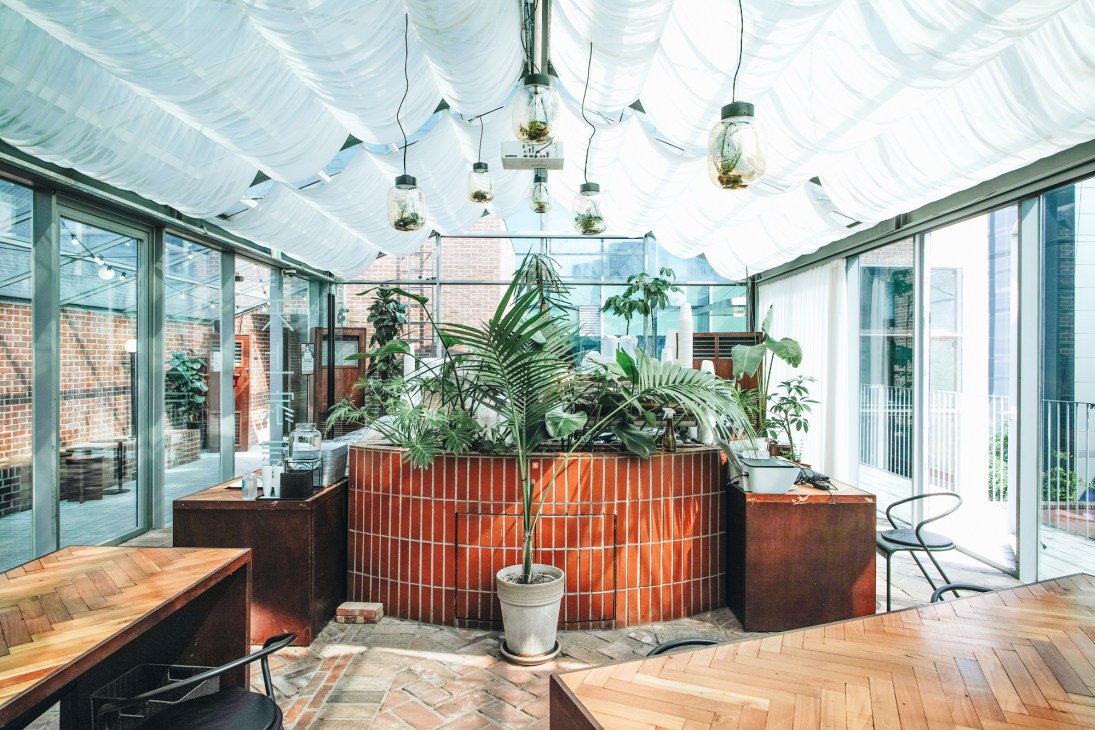

Key takehome: Neighbouring chains won’t boost footfall. Open up near like-minded independents.
Steps away from Yun’s Seoul shop is Samuel Smalls, a vintage furniture trader, which cites a different reason for setting up in Seongsu: its burgeoning retail scene. Samuel Smalls ran multiple pop-up stints – one inside a café – before settling in an underground converted storage area. “Vintage furniture shops are often located in Nonhyeon [an upscale Gangnam district] or outside the city. It’s important for us to stay close to this clientele,” says owner Sukju Ryu.

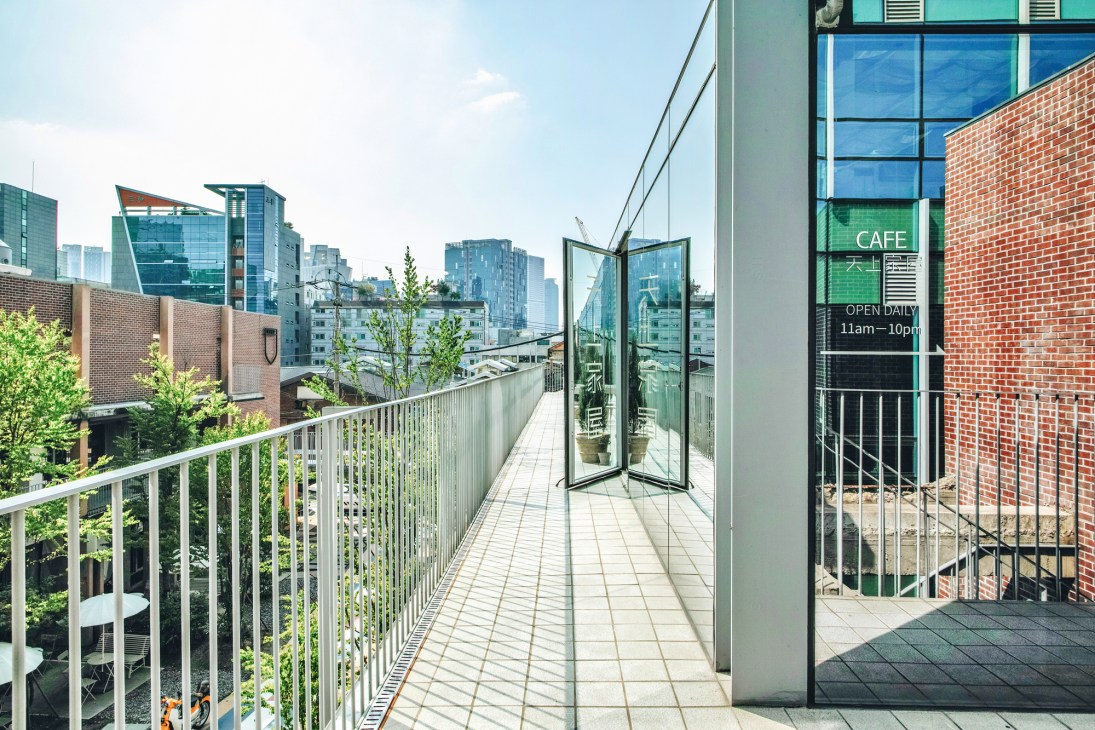
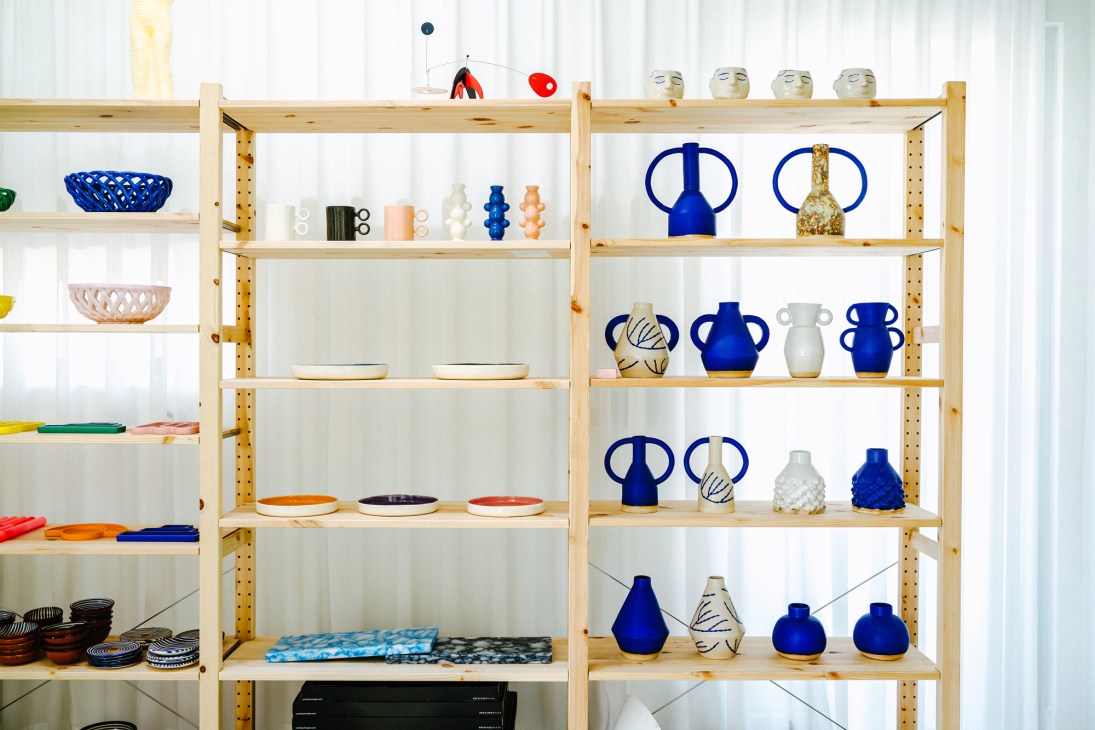
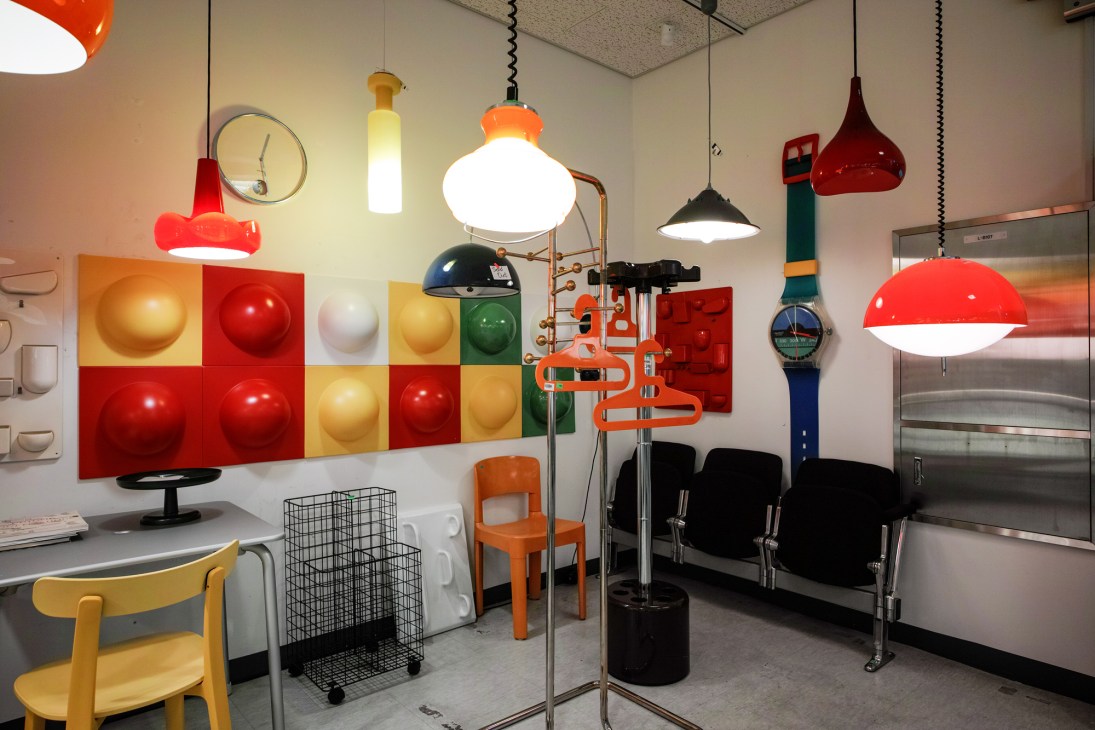
Sell in Seoul: opening a retail business in Seongsu
Find unusual spaces: Take time to survey the property market. Uniqueness is the commodity here, and there are hidden gems waiting to be discovered and converted.
Check the rules: The city hall and the district office don’t appear to see eye to eye on regulating rent prices, so rules tend to be uneven. Some – but not all – landlords have pledged to keep rent below market rate to fight gentrification.
Partner up: South Koreans are famously patriotic. Giving recognition to the country’s heritage and its businesses could help you win points.
Be social: The labyrinthine streets here make many locations easy to miss. Encourage patrons to spread the word.
Stay alert: South Koreans are nothing if not trend-conscious. Without regular updates to your business, you might fall behind.
This is because young people who flock to Seongsu value and seek out authentic products and experiences that are unlikely to be found elsewhere. Pakkookii – a vintage and contemporary home décor concept store that sells items such as David Hockney prints and Bornn enamelware – is a case in point. The shop is hidden on the fourth floor of a nondescript building, with just a tiny sign on ground level – but it sees healthy footfall, according to its owner, Pak Kookii.
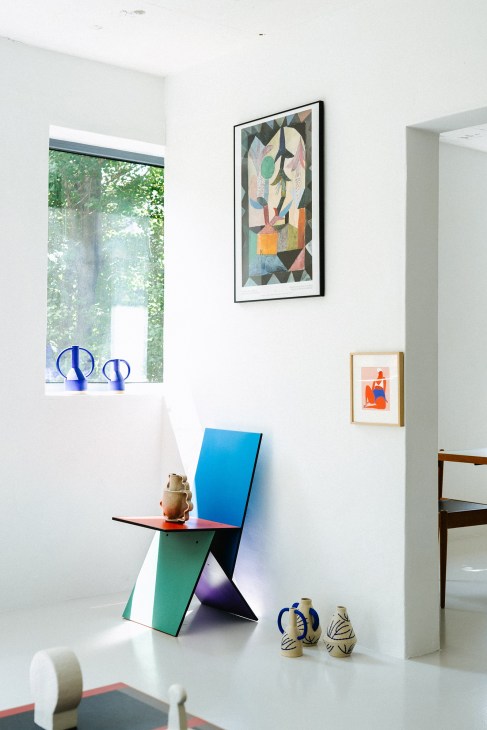


“I don’t do promotion; I just buy goods you can’t find anywhere else,” says Pak, crediting word of mouth as key. Pakkookii’s original location was in downtown Seoul but it was later squeezed out by high rent prices. Earlier this year it moved to the picturesque current site in Seongsu, where gingko trees line the street. “It’s a lush neighbourhood and it sort of feels like Brooklyn,” says Pak.
NDD, a highly rated hole-in-the-wall gelateria, is another relative newcomer that is gaining attention. The parlour is accessible only through a narrow staircase up to the second floor. But the weekend crowd visiting the nearby Seoul Forest – one of the South Korean capital’s largest inner-city parks – forms a queue that reaches all the way down to street level.
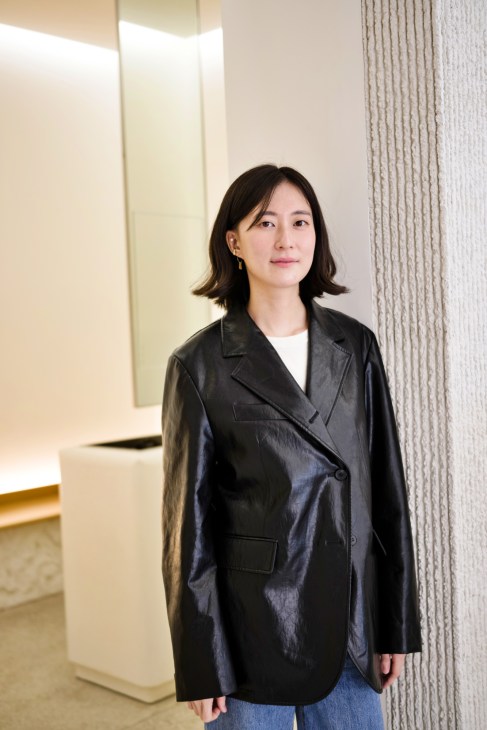
“There are so many people here,” says Jeonghun Kim, NDD’s owner, who learned the gelato craft in Milan and opened the shop early last year. Kim used to frequent the space when it was a sleepy bookshop. Now the area teems with people and retailers. As she says, “Even homes around here are being converted into retail space.”
Monocle comment: Done well, retail can be a lure for other businesses, add polish to a neighbourhood, revive street life and improve security. We’ll all lose in the long-run if retail heads online.
Stay sharp
To the skies
Denmark’s Nordic Seaplanes flies against the headwinds.
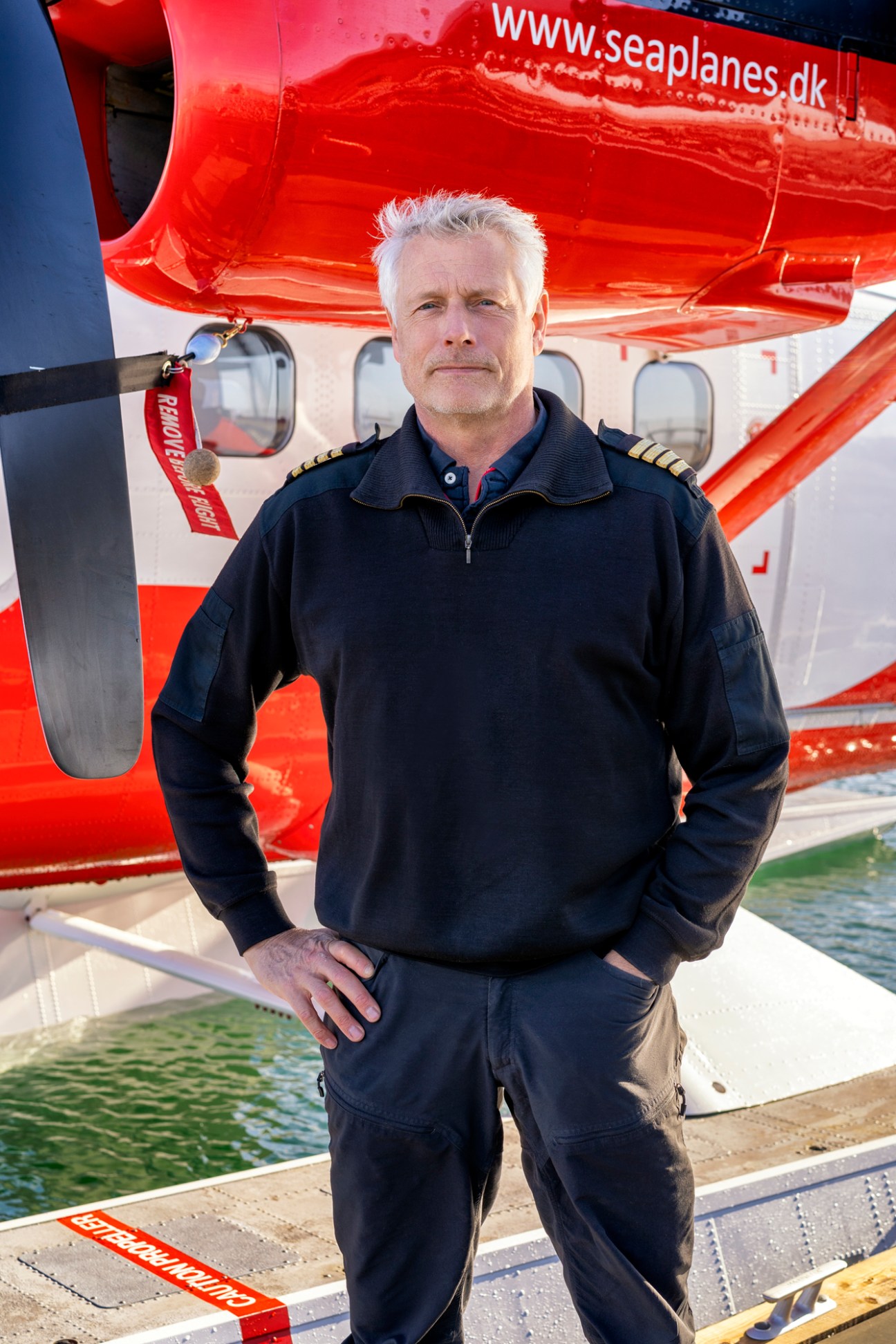
There is little that 57-year-old seaplane captain Lasse Rungholm enjoys more than takeoff at sunrise from Copenhagen’s harbour. Sporting a black suit with golden epaulettes, he flies the 16-seat Canadian Twin Otter for 45 minutes above Denmark’s winding coastline before landing in its second city, Aarhus. “Flying is my time off,” he says.
When not in the air, Rungholm is busy handling a 20-strong staff of captains, co-pilots and ground crew who make up Nordic Seaplanes, the company he co-founded in 2016. As northern Europe’s only seaplane operator, the airline offers daily commuter flights between Denmark’s two largest cities. And it’s expanding.
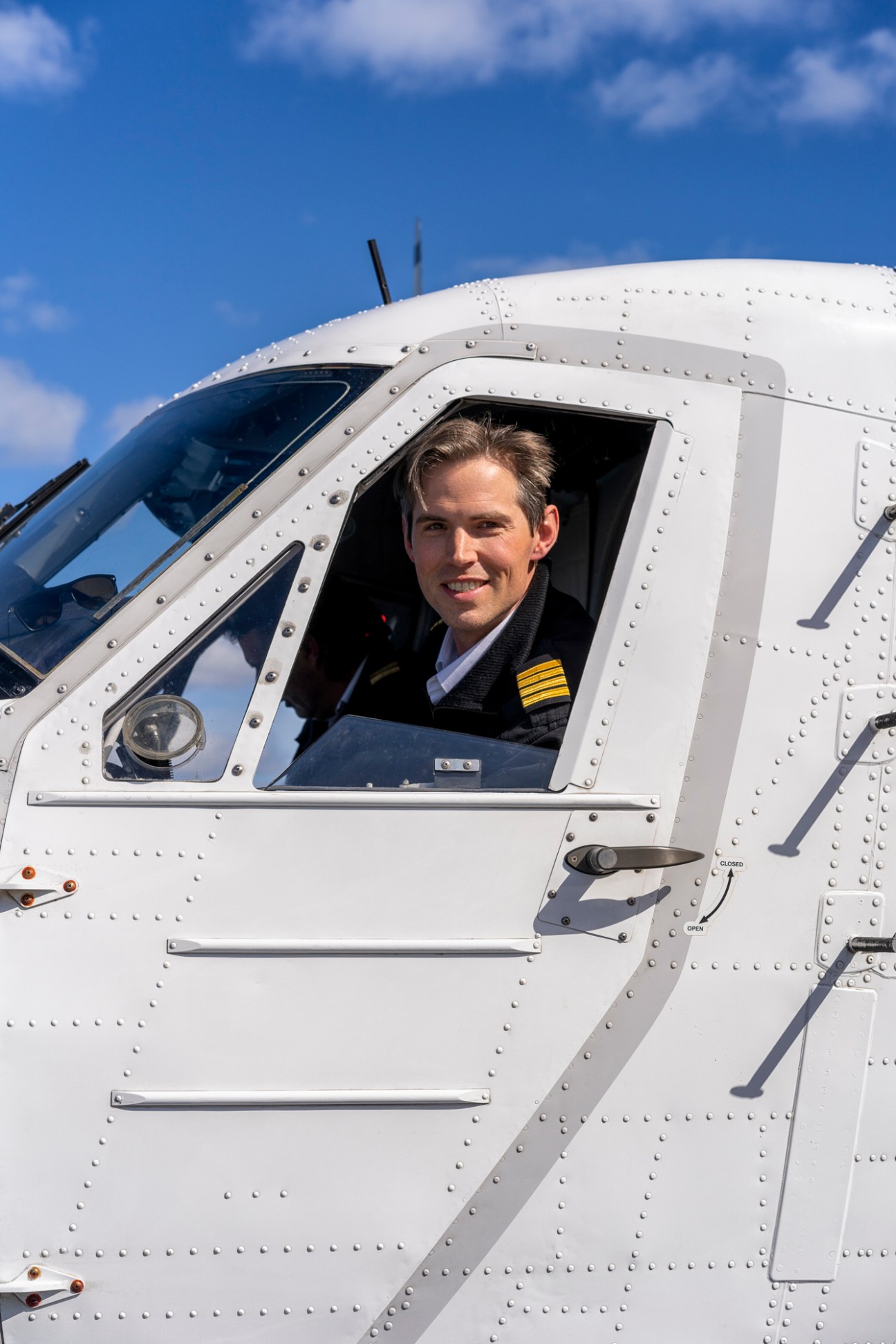

Since its launch, Nordic Seaplanes has experienced steady growth, operating nearly full flights and offering sold-out sightseeing tours over the summer months. Though the pandemic hit the industry hard, the company recently put dkk200,000 (€27,000) into renovating its Aarhus terminal-cum-lounge, where passengers can enjoy coffee and snacks before boarding. On top of that, Rungholm and his team invested in a second dkk30m (€4m) seaplane in a bid to double the daily service and introduce routes to neighbouring Sweden. “We’ve been busy,” he says with pride.
Rungholm’s venture into seaplanes was all about following his passions. A trained pilot and lawyer, he had spent more than a decade at a law firm in Aarhus before rediscovering his calling on a family trip to the Caribbean. “I knew I didn’t want to fly regular jets,” he says. “So I found out exactly what to pursue.”
He relocated to the Maldives after learning that it was home to the world’s largest seaplane fleet, with more than 60 aircraft across the archipelago. There he met the operator’s founder Lars Erik Nielsen, a fellow Dane, who had been in the business for decades. Six years later, the two set out to introduce seaplanes to the Danish market. “It has always been a problem getting from here to Copenhagen,” says Rungholm (pictured) in the Aarhus lounge. “So we knew from the start that we’d have a reliable customer base.” The alternatives are a three-hour train journey or jet services that take over two hours. Boarding a Nordic Seaplanes service is free from security checks and requires passengers to check in just 10 minutes before departure, a short ride from either city centre.
“We’ve come up with ideas to differentiate ourselves from ordinary airlines,” adds Rungholm. Wine tasting is on offer every Friday and hybrid Audis and electric bikes are available outside each terminal, free to loyal customers. What’s more, low-altitude flying (an average of 900 metres) allows full-strength mobile connectivity throughout the flight.
Rungholm is thrilled to be back in the air after months of reduced services. His advice to those seeking to break into the industry? Be well-informed on the regulations. “It can be a tough business,” he says. “But flying is beautiful.”
Key takehome
The aviation industry is far from dead but those breaking into it will have to be savvy and find a niche. Do your research and keep your cool – you’ll be flying in the face of the doomsayers in no time.
Going viral
Global
During these “strange and unprecedented times”, we’re tired of the same old schtick from companies. There are a million and one coronavirus-era copywriting clichés that we will be more than happy to see the back of when the “new normal” gets back to good old-fashioned normal. Here are three to avoid like the plague.
Stay connected
Said by technology firms that have only emphasised the inadequacy of connections in the “virtual world”; we hope this slogan stays firmly in the past. As for the future, let’s do things face to face.
Our offices are Covid-secure
To those brands that broadcast that they’re wiping down their desks, some advice: stop. A clean workplace isn’t a bragging point, it should be standard practice.
Because we care
Oh wait – you don’t care and neither do we. Stop pretending that your sales tactics are from the kindness of your hollow corporate hearts and maybe we’ll start listening.
Special delivery
Finland’s state postal service is leading the e-com package boom.
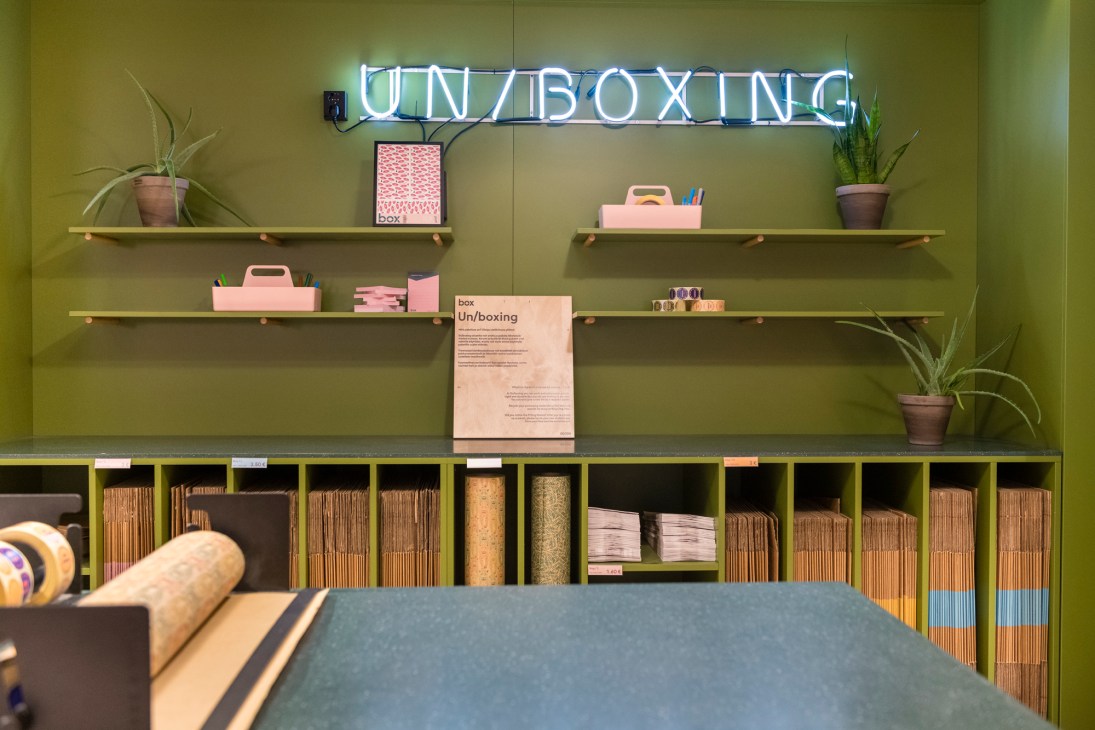
A side-effect of retail’s shift online is that all those packages need innovative delivery solutions from postal services more used to bringing you letters and cards. Finland’s state-owned Posti wants to be at the forefront of this changing postal landscape. Its Box by Posti service in downtown Helsinki is a radical rethink of what the post office should be in the 21st century.
Designed by Finnish studio Fyra in co-operation with creative consultancy Motley, Box by Posti offers parcel lockers, spaces where customers can open packages and dispose of the cardboard, and a fitting room in which to try on clothes orders. Moreover, the space is being made available for emerging online retailers who need a temporary physical showroom in a prime location.
The company has opened more than 2,000 lockers across Finland and launched a smartphone app that has more than a million users – one in every five Finns
“Picking up parcels should be smooth and fun,” says Posti’s head of retail partnerships Heiko Laubach. He believes that online retail doesn’t have to feel cold and faceless, which is why Posti celebrates human interaction by offering personal service on-site. “Finns from all ages and all walks of life send and receive parcels,” says Laubach. “Our people are there to show them how the lockers and smartphone apps work.” Part of the reason for launching Box by Posti was, says Laubach, the urge to support small brands by offering them a space in which to test a bricks-and-mortar shop.
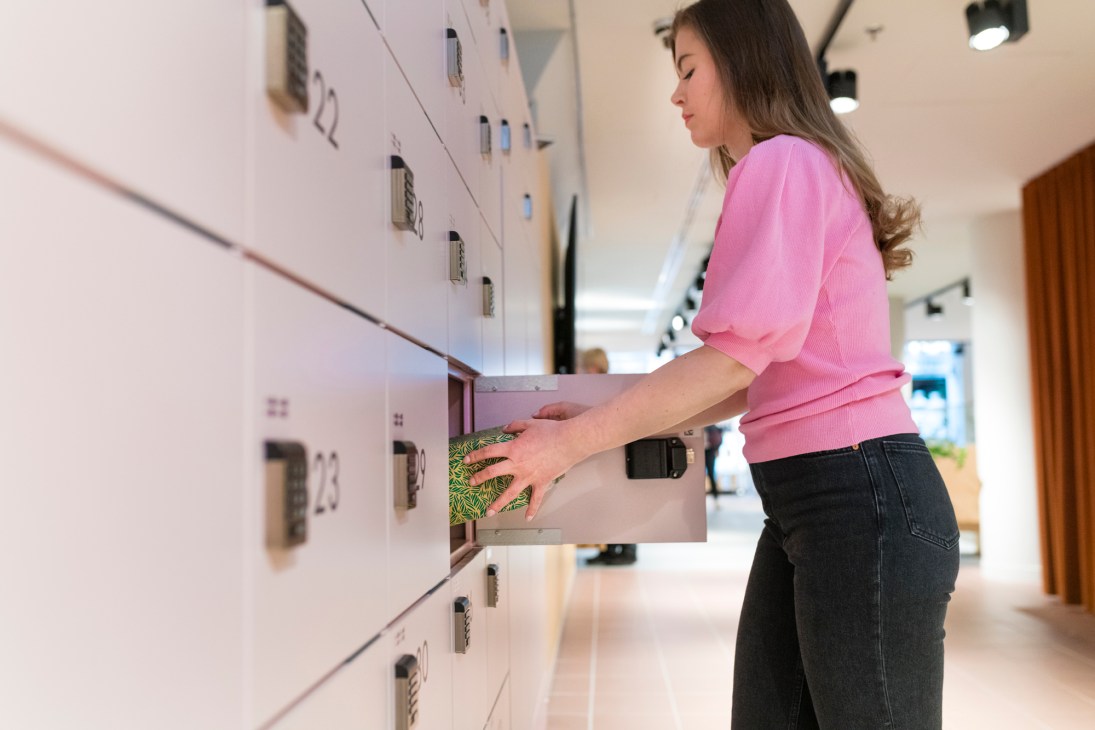
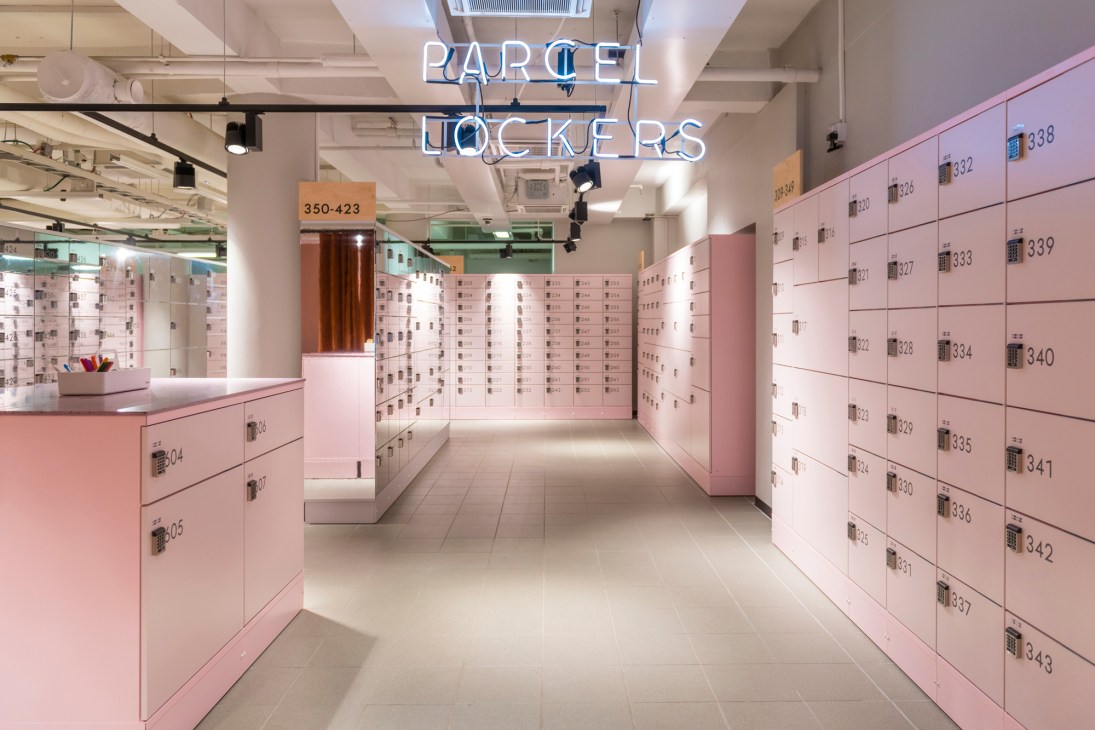
The model enhances Posti’s recent growth; its parcel services alone have increased by 146 per cent in the past 12 years. The company has also launched fully automated postal kiosks in which customers can send and receive goods, opened more than 2,000 parcel lockers across Finland, and launched a smartphone app for tracking post that has more than a million users – one in every five Finns. Posti’s offering is a reminder that innovation doesn’t just rest with private companies. Instead, typically red-taped government-owned agencies can be industry-wide pioneers too.

Three more package deals
The irresistible rise of online retail means that time spent waiting for a delivery has become part and parcel of daily life. Miss the postman and there’s every chance that packages will be lost or parcels left strewn across building entrance halls. To counter this, a host of entrepreneurial companies are offering ingenious secure storage lockers for deliveries that can’t be met in person. We unpack three of our favourites.
Swipbox
Danish manufacturer Swipbox’s Infinity parcel lockers take less than two minutes to install as they need no electric wiring. It means that the only shock you’ll get is that the postman can finally leave your packages in a safe place.
Luxer One
California-based Luxer One offers fully customisable lockers. It has a range of sizes to cater for small and large boxes, and refrigerated options for perishables, so you won’t have to fear missing the driver again. Perish the thought.
Parcel Hive
Spain-based Parcel Hive offers temperature and humidity-controlled lockers perfect for home-delivered food items.
Q&A
Michele Romanow
Co-founder and president, Clearbanc
Canadian serial entrepreneur Michele Romanow is co-founder and president of e-commerce investor Clearbanc. Since 2015, the company has invested $2bn (€1.7bn) in more than 4,500 companies in five countries. Romanow told Monocle 24’s The Entrepreneurs that despite e-commerce booming, bricks-and-mortar retail is as important as ever.
How do you see the future of bricks-and-mortar retail?
There will always be a place for it. But the balance of power is going to shift in the next 10 years, when we’ll see the first country – probably China – get to more than 50 per cent e-commerce penetration. That won’t mean that retail goes anywhere but rather that those experiences will become more special. Brands will invest in unique in-store experiences and when people have a great experience, they are extremely comfortable becoming repeat customers online.
For brands that begin life online and find success, is retail still important?
Without question. We’ve seen that time and time again. Brands that build an online base of customers became an asset for retailers. Previously, some of the terms that retailers were asking of brands were terrible. There was this whole concept of consignment, which was that if we put your product in our shop and it doesn’t sell, we’ll give it back to you; it was all at the small brand’s risk. Now, when you build an online audience, you have more leverage.
More people are thinking about quality and want to support local businesses. Is that exciting for you as an investor?
Yes. People for the first time value the way that small businesses enrich our lives. Take restaurants for example: when you want to celebrate something, noone wants to go to a chain; they want to go to a restaurant in a single location with a great chef to have that specific experience. We’re now craving that curation.
Piping hot
A Japanese plumber is flushing doubts with a smart clothing line.
Yuzo Sekiya is one of the most unorthodox entrepreneurial stars in Japan. Starting as a plumber, the 43-year-old has since made waves in fashion.
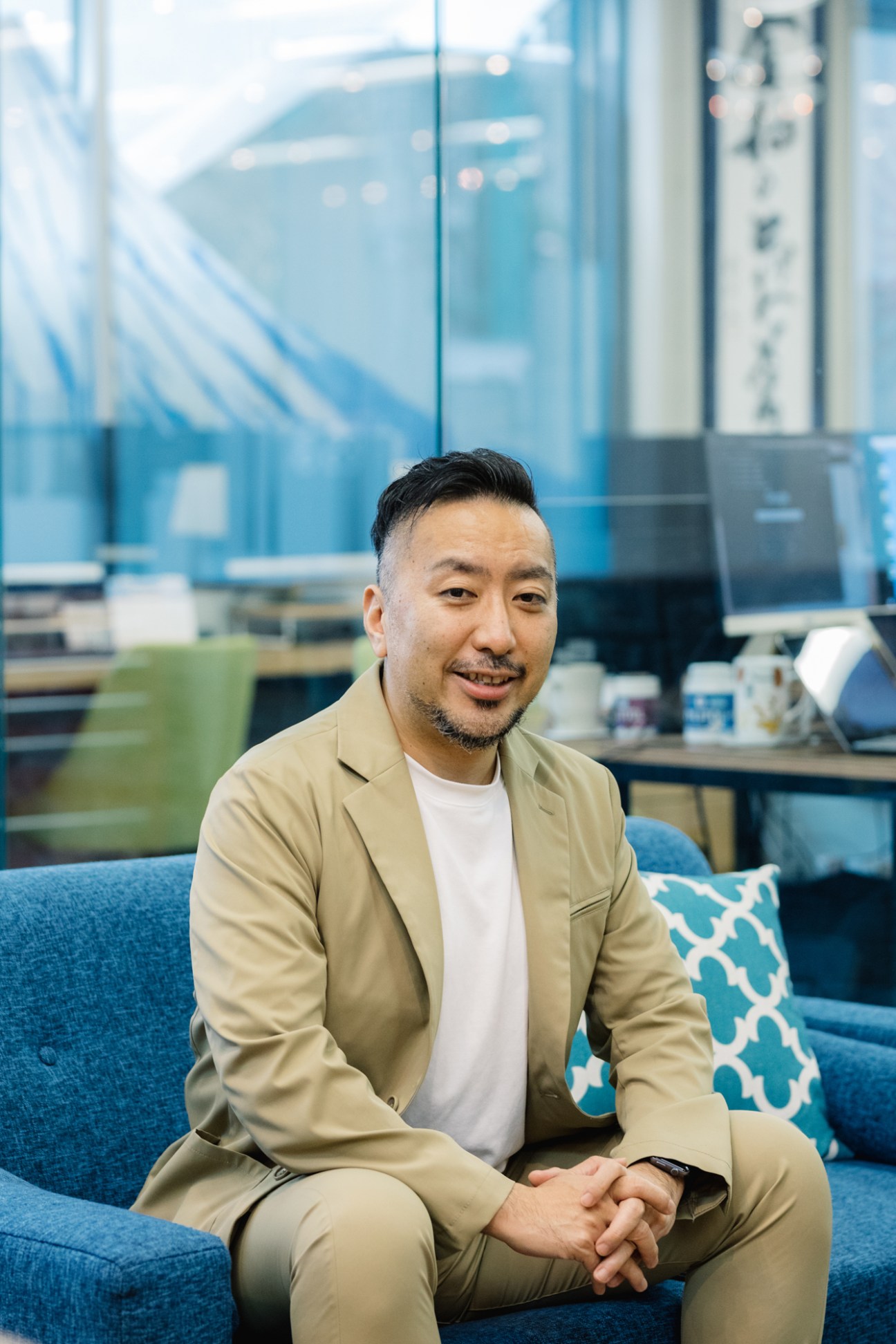
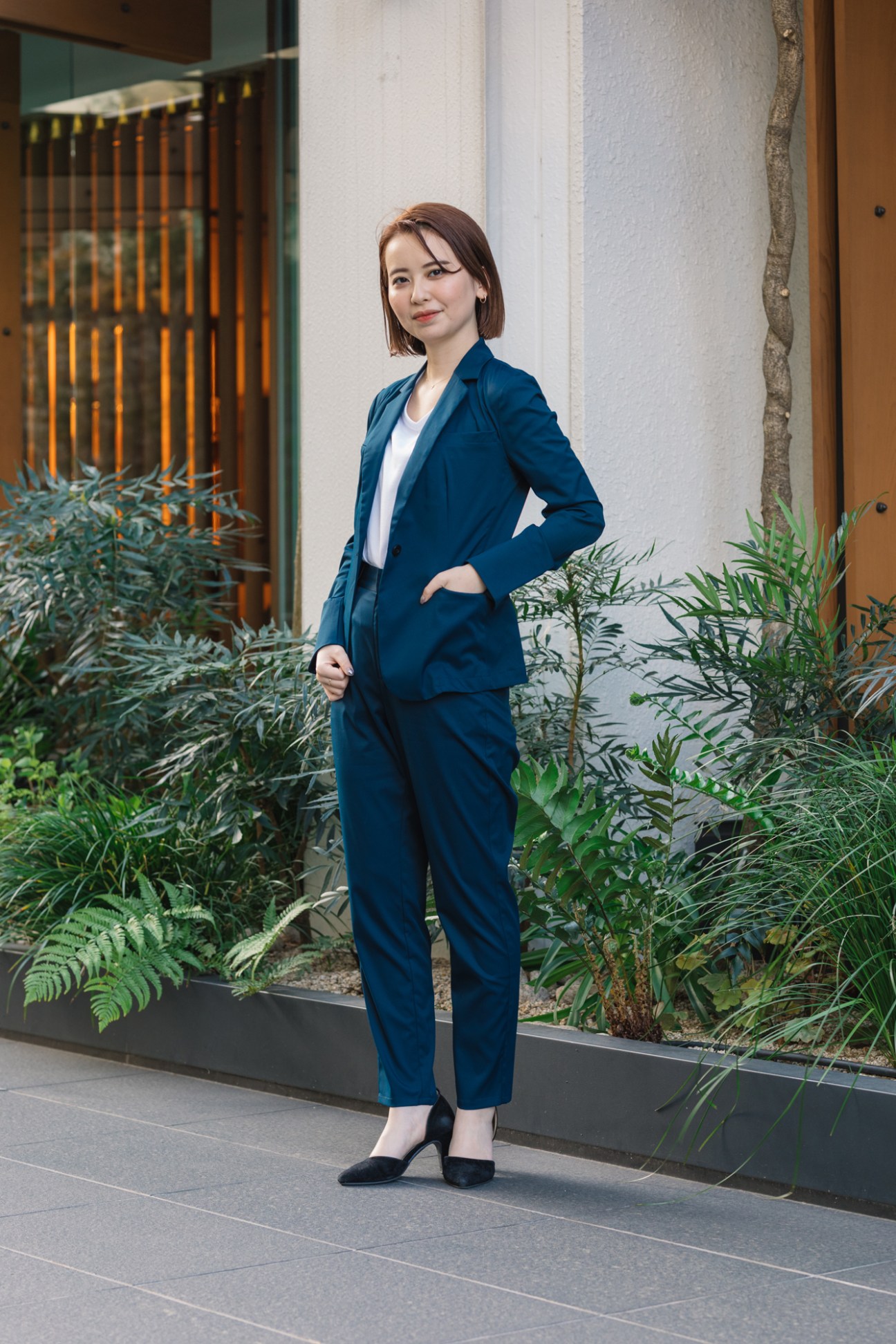
It began in 2001 when he graduated from university. “My father runs a small plumbing company in Tochigi,” says Sekiya. “He got sick, so I went back to support.” Following a stint at the family firm, he started his own plumbing business in 2006, alone from his small apartment in Tokyo – and experience was key. “Rebuilding my family business was hard. It was neither what I wanted to do, nor was I skilled at it, so doing it successfully gave me confidence. Now I feel like I could do anything I love to do.”
In 2016 a eureka moment came when Sekiya was struggling to recruit young talent. “We thought we might attract them if our uniform was more stylish,” he says. In order to fill the gap between fashionable suits and sweaty workwear, Sekiya’s team scoured the globe for the perfect fabric that struck the balance of durability and comfort. “We couldn’t find any, so we developed our own,” he says. It was a big hit: the new, versatile uniform not only attracted young employees but also created a new market. Today his brand Work Wear Suit has 850 clients in plumbing, taxi, gardening and hotel industries, to name a few. Fashion-conscious consumers responded too, buying the basic jackets, trousers and coats at United Arrows and Isetan. The brand’s worth grew from ¥60m (€460,000) to nearly ¥1bn (€7.7m) in three years.
Brands that pivoted to fashion
1.
Daiwa Pier 39
Fishing gear has boomed among Japan’s youth – these technical togs lead the way.
2.
Fiskars
The Finnish gardening-supplies firm launched a snappy line in 2020.
3.
Snow Peak
The Japanese outerwear favourite exclusively sold camping and walking accessories until 2014.
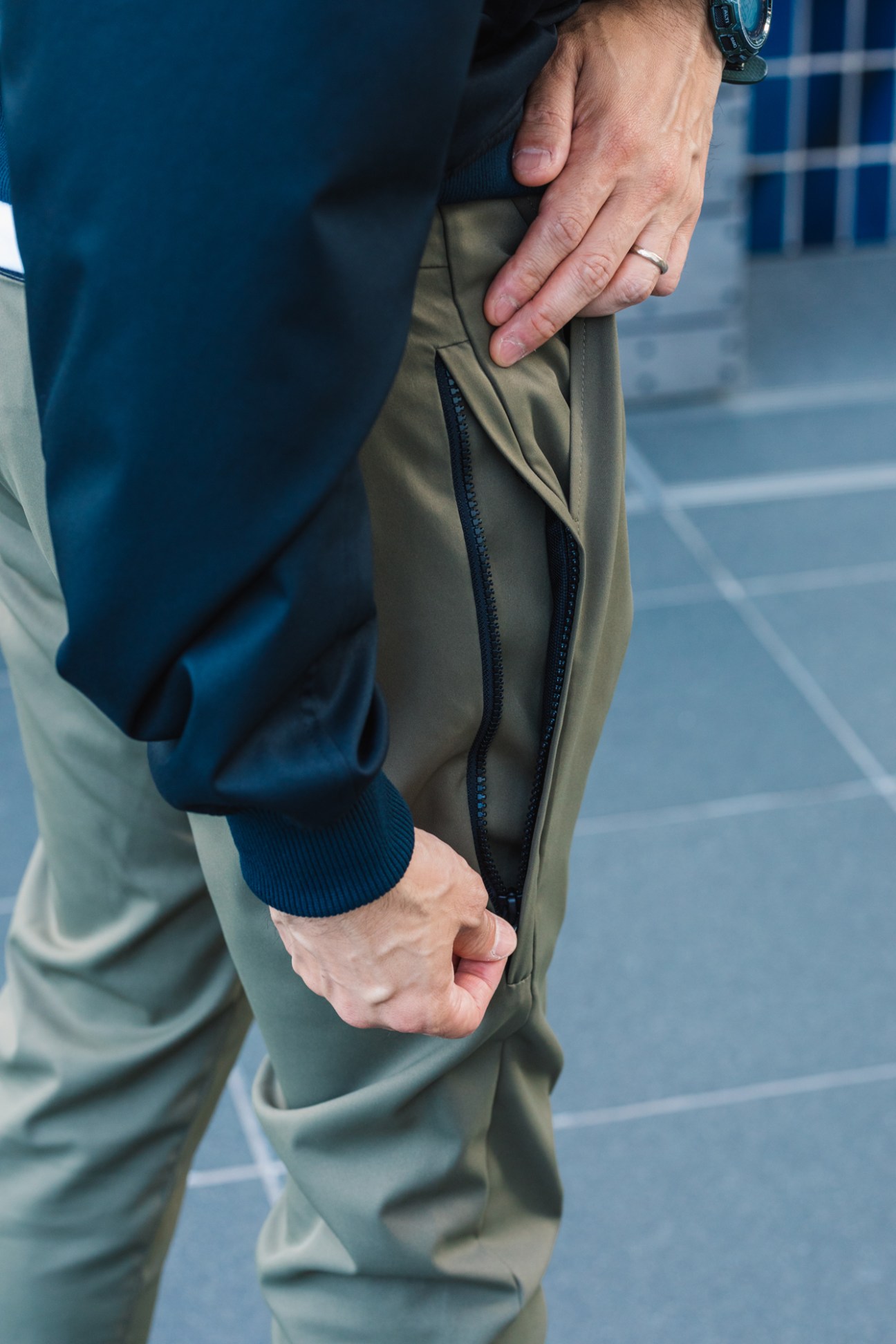
“We have one material for basic, all-season staples,” says Sekiya. “We don’t end up with unsold seasonal collections.” In 2019 he received a hefty seal of approval. Osamu Shigematsu, founder and honorary chairman of United Arrows joined to advise his company on seeking expansion.
Today, Sekiya’s Oasys Lifestyle Group employs 200 staff, whose average age is 28. “If anything, my strength is soft power,” he says. “I can gather people. I want my company to be the best place in the world for my colleagues.”
Sekiya has many irons in the fire but keeps his focus sharp. “Whatever it is, I give it my all once I’m in,” he says. “I aim at number one in the world.”
Key takehome
If you’re in danger of becoming complacent, remember that there’s no harm in taking the plunge with an idea that’s outside your comfort zone – you might plug into a new market if you do.
Economy of scales
Abu Dhabi’s Pure Salmon is fixing a flailing industry by moving inland.
Fish farming is often seen as the reserve of buccaneering business players who have little regard for the planet’s ecosystem, with horror stories of sea-lice infestations and algae blooms, long-distance exports freighted with astronomical costs and a hefty carbon footprint. This salty issue is set against a backdrop of overfishing and cresting fish consumption among a growing middle class. But one Abu Dhabi-based company is taking this in an altogether different direction.
Pure Salmon will chart new waters by raising its fish inland, creating a controlled environment devoid of chemicals, antibiotics and hormones, while curtailing traces of poisonous mercury (a common problem) and microplastics. Buoyed by a belief in sustainability, it reinstates 98 per cent of the water used through a filtration and oxygenation system, keeping it fresh. And in contrast to open net-pen farming, growing inland minimises the effect on the oceans.
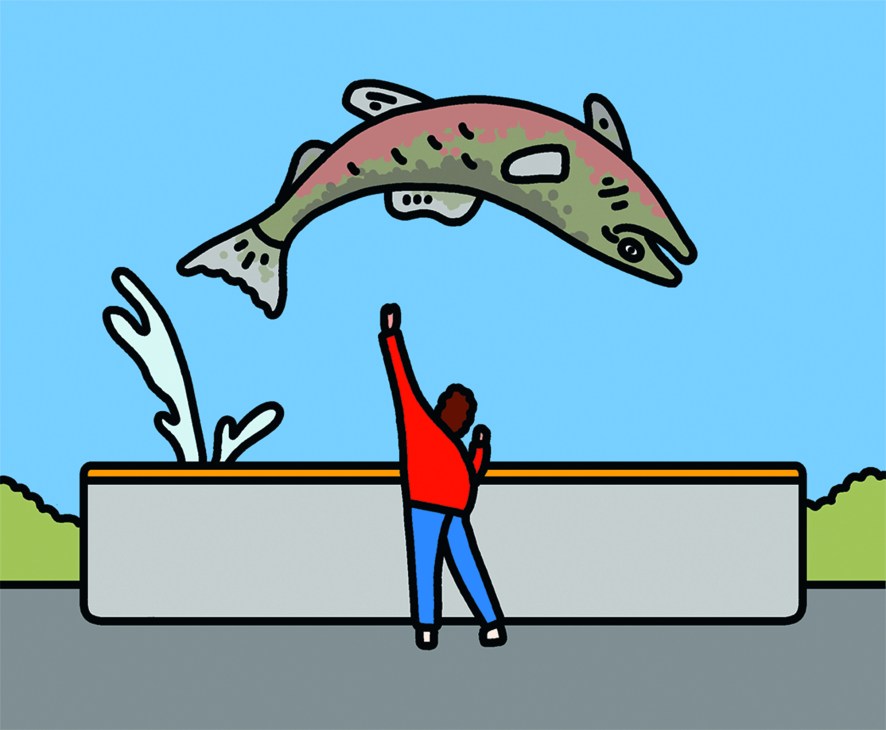
The visionary behind this landlubber’s approach is co-founder and chairman Stephane Farouze who, after spending decades in the banking industry, saw an opportunity. “In the global food industry, supply for protein cannot match consumer demand,” he says.
As part of his push for social and environmental responsibility, Farouze has conceived an audacious goal. “Our ambition from the outset is to grow Atlantic salmon locally on a global scale, with an annual production target of 260,000 tonnes by 2030.” The company currently has just one operational farm in Poland but Pure Salmon has lined up a rollout that spans the continents, taking in Japan, France, the US, uae, Brunei and China. It has worked closely with governments to secure funds and land required, in turn meeting their desires to be self-reliant in terms of food security.
One of the biggest hurdles in responsible aquaculture is using sustainable ingredients for fish feed. Pure Salmon is currently collaborating with numerous organisations such as Nutreco, a Dutch aquafeed firm – to innovate and create fish feed by sustainable means, such as experimenting with insects or through fermentation. Beyond thinking about the industry’s future, it also takes a considerable amount of time to raise salmon for harvest (22 to 24 months, to be exact). Pure Salmon is in it for the long haul.
Creative thinking
How to run a design studio.
It’s fair to say that designers aren’t always known for their business savvy. Perhaps due to the idea that design should be about passion and not payment, architects, artists and other creatives often need help when it comes to selling their skills. Here are three of our favourite books that shed light on what it takes to run a financially viable studio or practice.
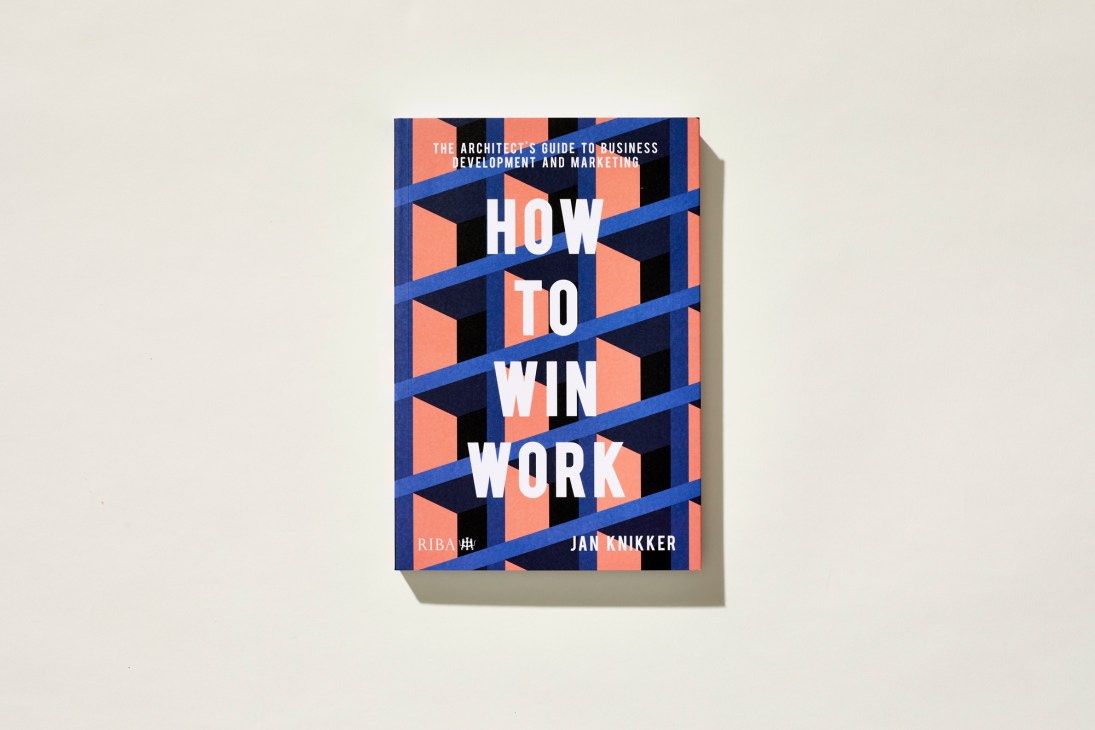
‘How to Win Work’
You’re a great designer but how do you let people know? That’s the question Jan Knikker answers in this new book. A partner at mvrdv, the German architect provides advice on writing press releases, making fee proposals and preparing for presentations. We’re sure that Knikker always has his elevator pitch ready to go.
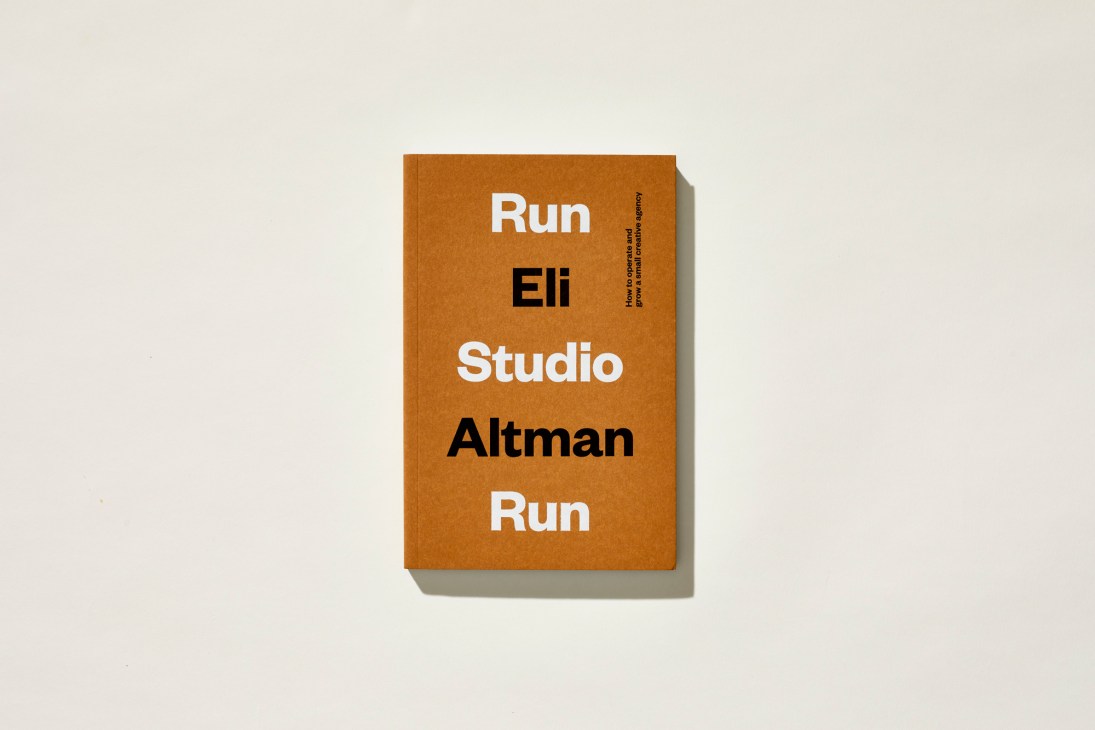
‘Run Studio Run’
Eli Altman of creative agency A Hundred Monkeys explains how to manage and grow a small creative studio, encouraging designers to look at their work critically as a business and not just an artistic endeavour.
‘The Haptic Way’
London and Oslo-based Haptic Architects’ book is part monograph, part manual for setting up a creative business. Featuring the writing of entrepreneur John Brown, the book investigates the studio’s work, giving currency to the idea that truly good design is worth paying for.
Best medicine
Rome’s pharmacies are among the city’s healthiest businesses.
According to the Italian Federation of Pharmacies, there are just shy of 1,200 chemists in Rome’s metropolitan area alone. Their flashing green neon signs are a ubiquitous urban symbol; often several are found on one street. In a city whose small shops close for lunch, there is always a pharmacy open nearby at any time, catering to Italians’ hypochondriacal tendencies, the city’s large population of silver-haired signore and all of those who establish special, personal relationships with these trusted outposts of healthcare. Over the past year, these businesses have re-established their fundamental role in the community.
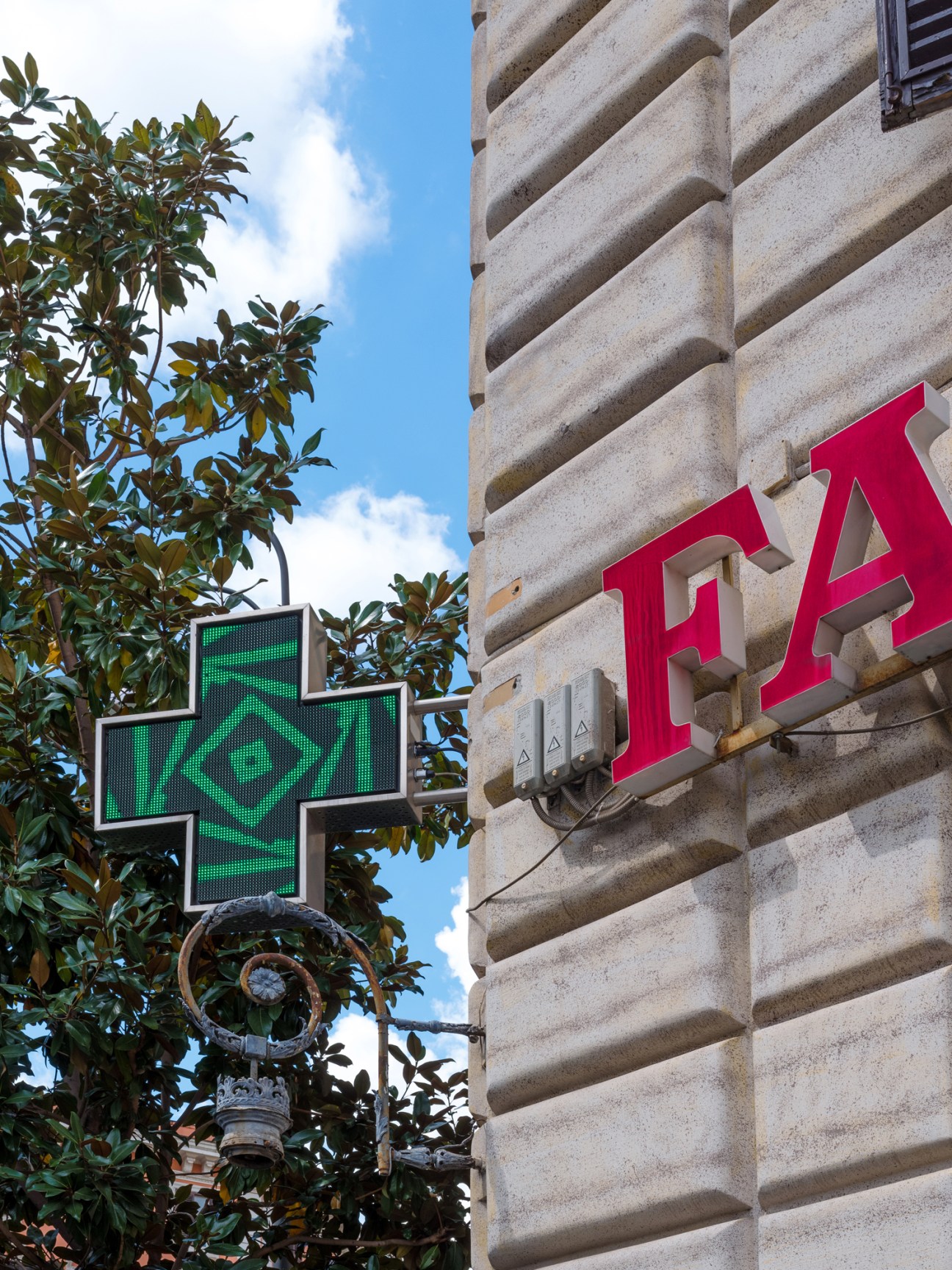
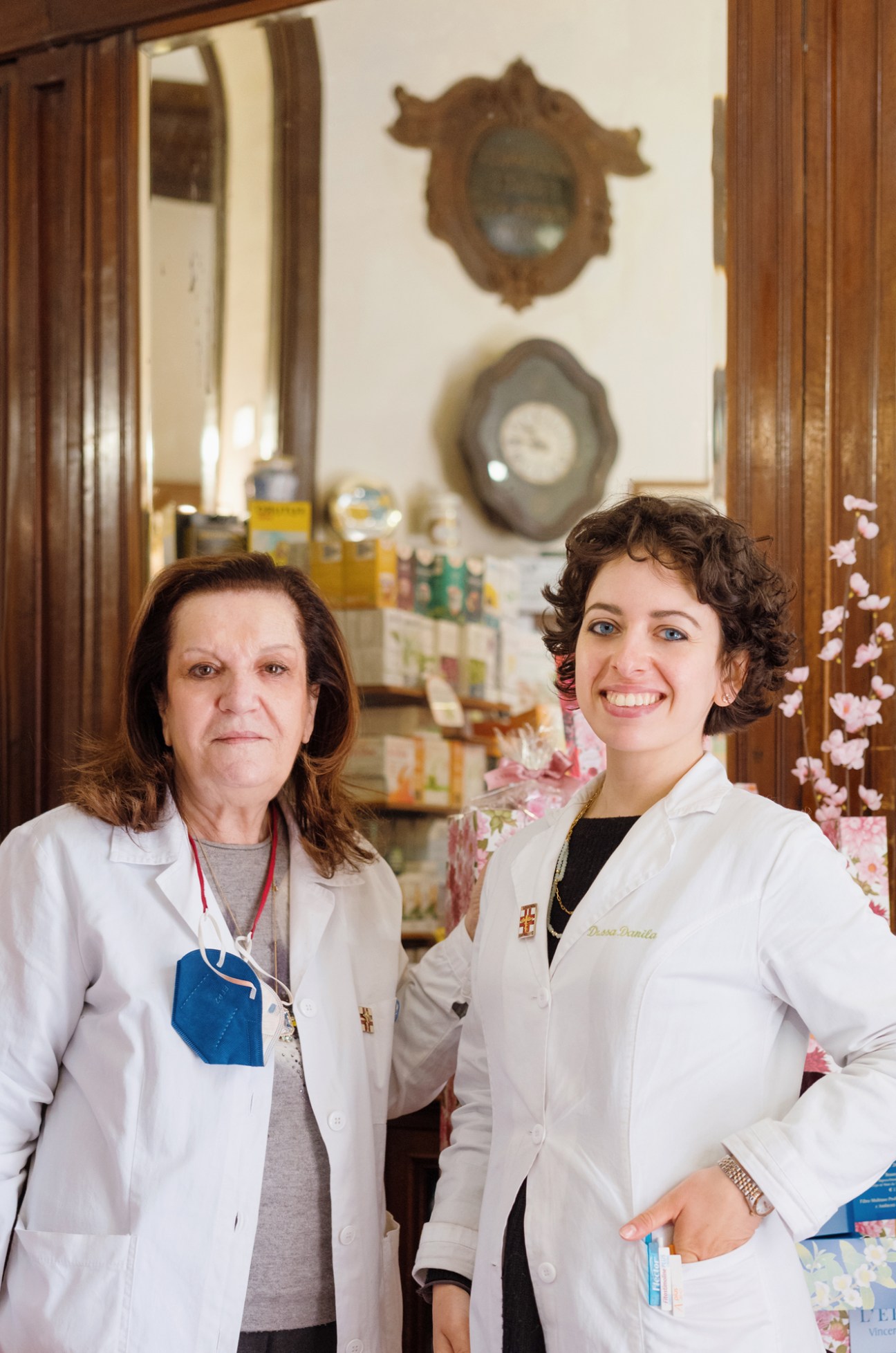
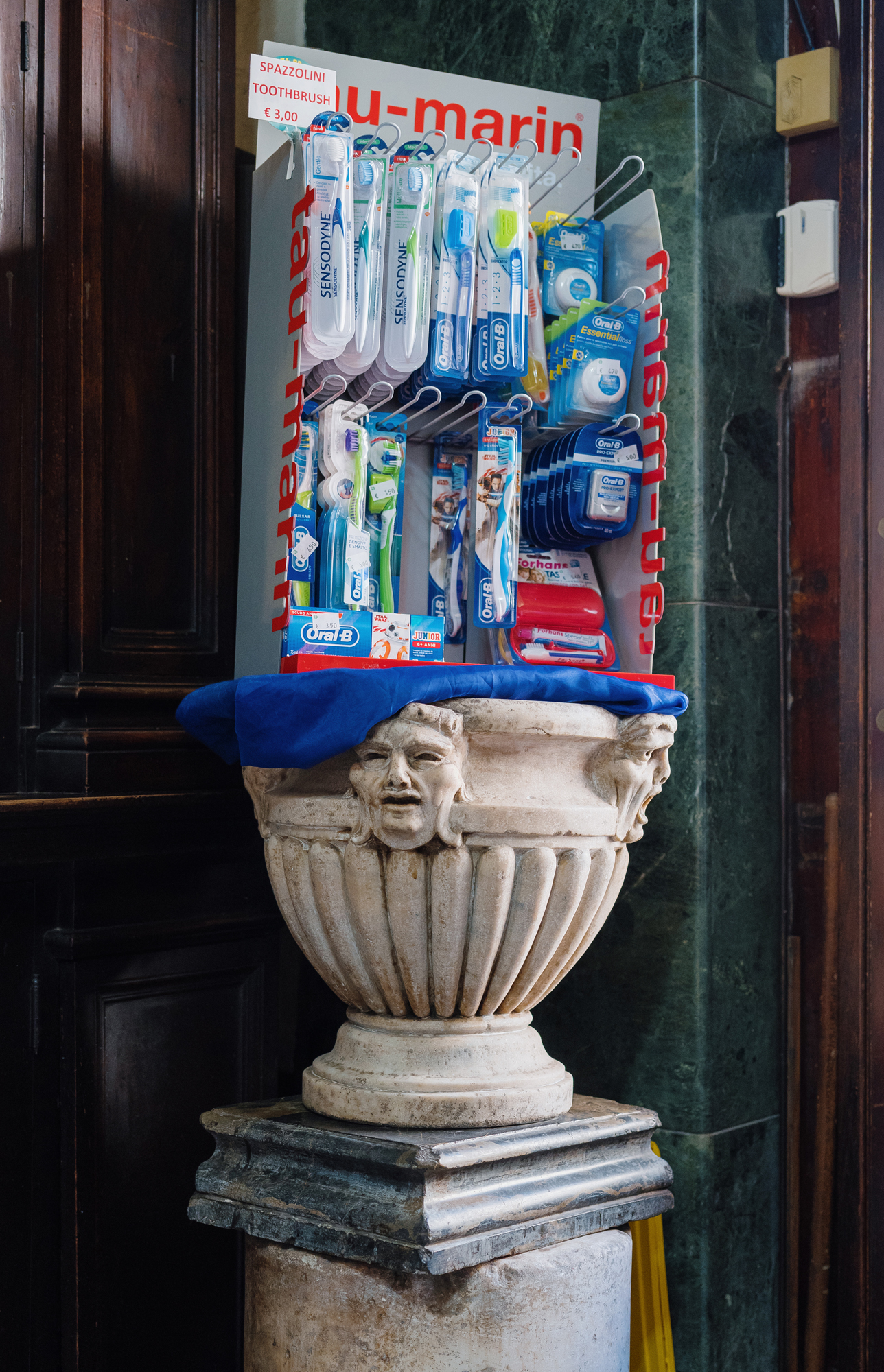
Sitting on the small Tiberina Island in the river at the heart of the city, the Farmacia Fatebenefratelli has serviced the nearby hospital, residents and pilgrims for at least 500 years. “I don’t like to use the word customers,” says head pharmacist Fernando Suez, with a constant flow of people walking in and out. “These are our patients.” And the list of services they provide is seemingly endless. There’s advice and prescriptions, of course, but the pharmacy also supports homelessness charities, staffs a helpline for domestic-violence victims and runs a service for missing persons. Brother Angelo, who came to Rome from Colombia five years ago, highlights a more prosaic service too: first aid for countless twisted ankles – Rome’s cobbles are notoriously treacherous.
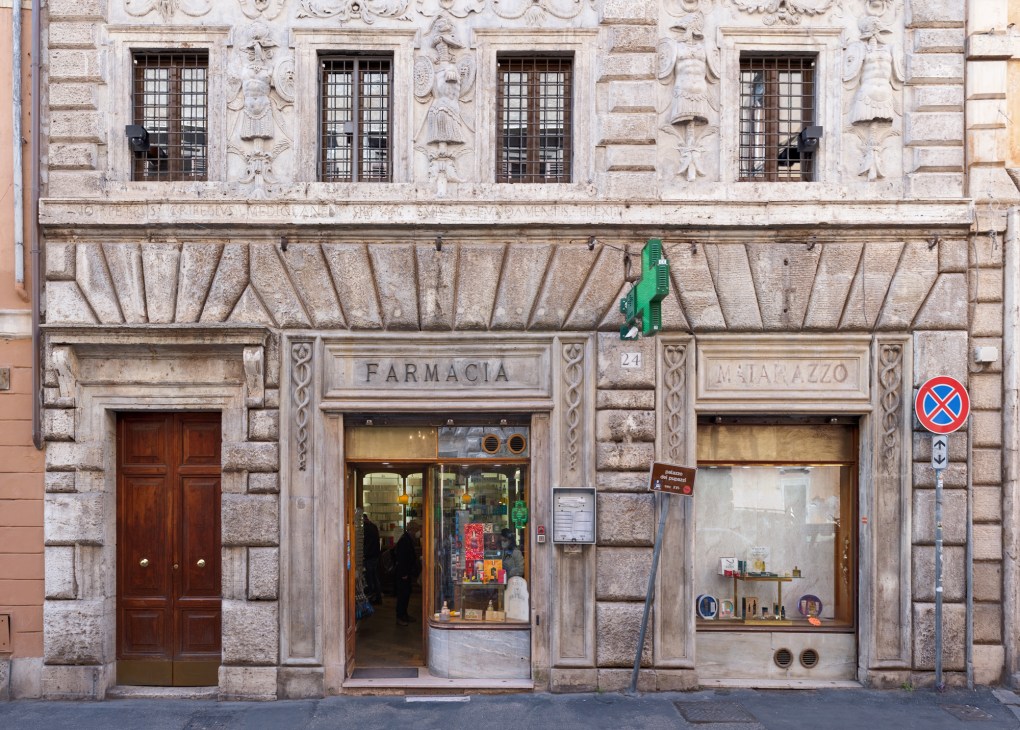
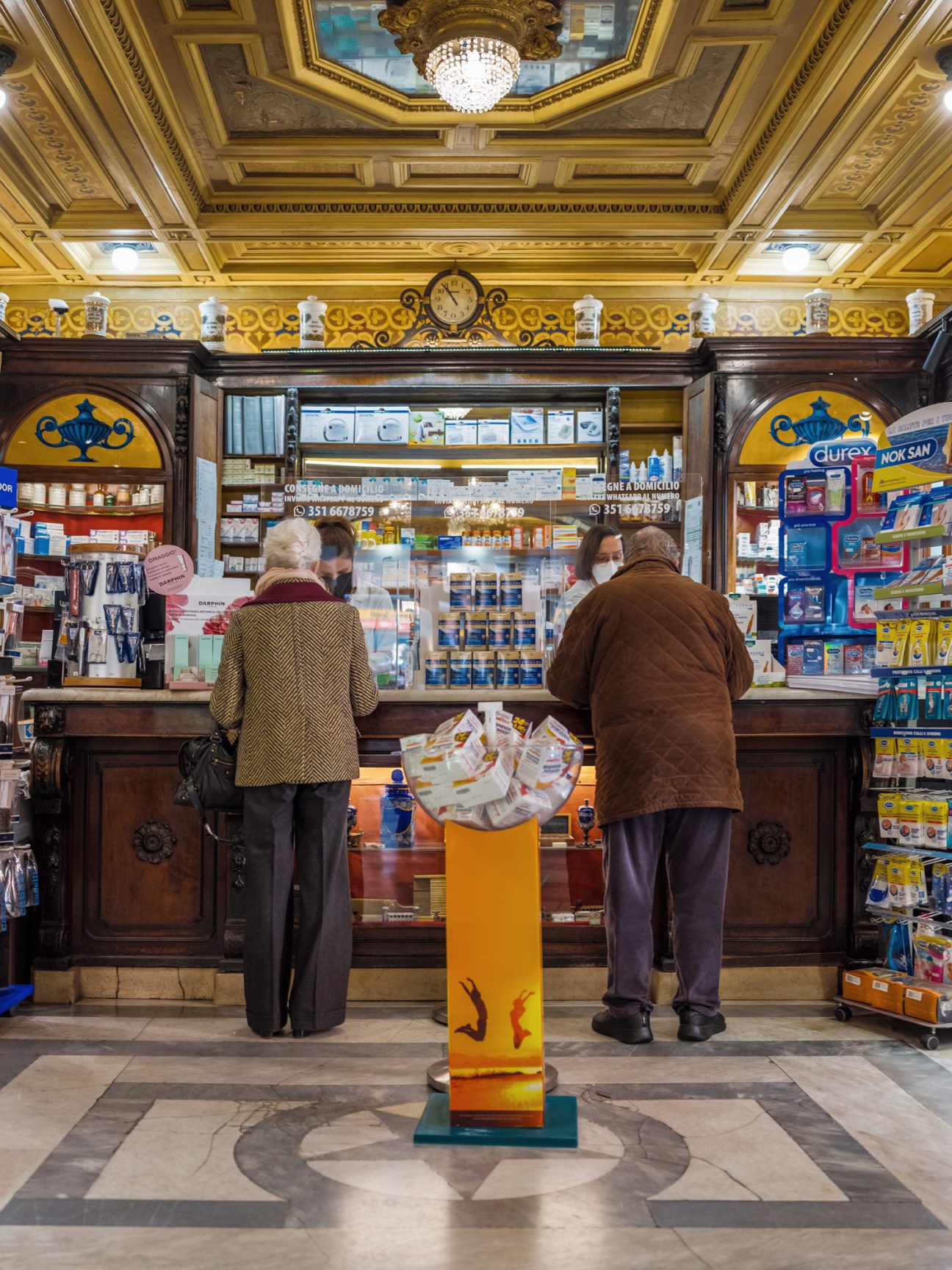
At the more opulent surroundings of the Farmacia Reale, despite the chandeliers, pharmacy services are just as accessible. “We’ve been doing coronavirus testing and now we are waiting to start vaccinating,” says head pharmacist Fiorenza Madeo. In the basement, more traditional activities take place – including the preparation of so-called “galenic formulations”. Madeo makes pomades, capsules and tonics to order. “We can create things that have gone out of production but that a doctor might insist are just the ticket for a patient,” she says.
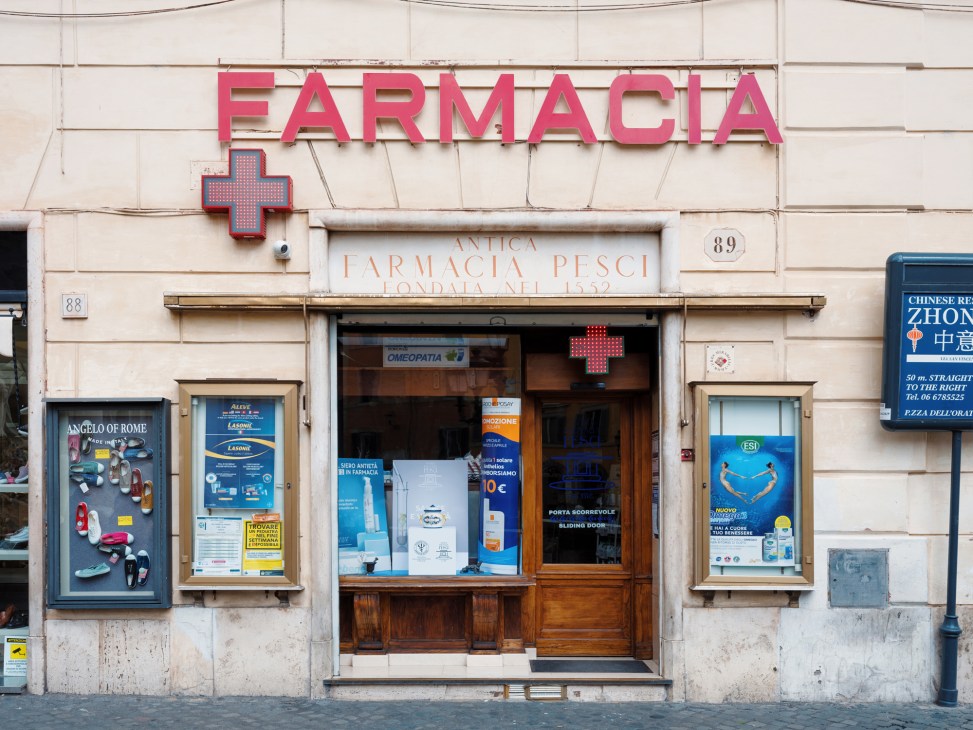
Nearby, and so close to the Trevi Fountain that gushing water drowns out most conversation, Alessandra Ciotti runs the beautifully preserved Farmacia Pesci, which has been in the family since 1900. “An uncle had it, then my father,” says Ciotti at the vast polished mahogany counter, which dates from the 16th century. “Now my son is doing a degree in pharmacy.” She specialises in those tourist services you don’t think about until you need them. “Maybe the airline lost your luggage and you need to replace your medication?” says Ciotti. “And you probably need a toothbrush too.”

A stone’s throw away, Farmacia Santi has been run by the diminutive Anna Laura Santi since 1974. Her pharmacy is an immaculate time capsule. “I have respect for what came before, and if I’ve decided to do this in life, I should do it properly,” she says. “I was born in 1939,” she adds unprompted, before lowering her mask to reveal a youthful smile. “Not bad, wouldn’t you say?” We’ll take whatever she’s prescribing.
Key takehome
A company needn’t be a sterile, heartless venture. Start a business with a healthy dose of human warmth and history behind it, and you’ll be sure to draw in a crowd of happy customers – or signore, as they say.
Knowing the spore
One Californian start-up dreams of a world made of mushrooms.
Among the warehouses of Emeryville, near San Francisco, California, Sophia Wang brushes her hand across what appears to be a sheet of supple leather. But appearances can be deceiving.

Wang is in the production facility of Mycoworks, a start-up she co-founded that has been developing a raft of biomaterials from mycelium – the fine, threadlike substance you can find branching out below mushroom stalks. Of the company’s various ventures, its trademarked leather alternatives have gained much commercial attention. These consist of layers of mycelium (or Fine Mycelium, as the company’s patented version is called) and include Reishi, the sheets laid out in front of Wang, and Sylvania, the material used to create the first mushroom-based bag, produced in collaboration with Hermès. This follows Mycoworks receiving $45m (€37m) in its second round of financing with investors ranging from celebrity figures, including Natalie Portman and John Legend, to venture-capital funds.
The roots of the company run deep. While studying for a phd in English Literature at Berkeley in the 1990s, Wang was also working part-time as a multimedia artist in San Francisco. There she came across Phil Ross, a fellow artist, with whom she collaborated on a number of projects and who introduced her to his decades-long experiments with mushrooms (no, not like that).
“It’s easy to get people on board when they feel the material. It provides opportunities that wouldn’t exisit with animal hide”
More than just an eccentric hobbyist, Ross was beginning to see huge potential in how mushroom roots might be used as a material for sculpture and design. By growing mycelium in the right conditions, the substance could be used to create all manner of things. Ross worked to make tough mycelium bricks, which went on to be displayed in museums around the world for their architectural potential. As interest picked up, the duo officially launched the company in 2013.
Ross focuses on the long-term vision for the technology and its applications, while Wang steers the company’s culture and values. This is no small matter. Mycoworks has mushroomed from its two-person spore, with some 100 employees now working in its facilities across California, producing mycelium in huge quantities and researching the new possibilities it brings.

“It’s easy to get people on board when they feel the material,” says Wang, explaining that while designers are often initially drawn to the material for its sustainability, they stick with it for other reasons. Fine Mycelium allows them to customise production in order to match the material to their needs – it can be made tougher, softer, thicker, thinner. “It provides opportunities that wouldn’t exist with animal hide,” says Wang. And as the fungal matter can grow just about anywhere in the world, it’s easy for production sites to sprout in new locations, meaning that supply-chain waste and transport costs can be avoided.
Though choosing to remain tight-lipped about future plans, Wang confirms that more fashion and design projects are on the horizon. As for what else the company is cultivating in its labs, it could be anything. “It’s exciting to think about what else we might discover,” says Wang. Mushroom shoes? Mushroom planes? Mushroom everything. The idea is growing on us.
Key takehome
Big ideas don’t come all at once, so sometimes it’s better to focus on cultivating your interests. Do what you love and already have passion for. When the time is right, the business will grow.
Capital assets
Will creative Londoners stick or twist?
We asked three London-based creative entrepreneurs whether they’re keen to stay in the UK capital or move on after a period marked by Brexit and the pandemic.
Tarik Fontenelle
Chief research officer and co-founder at strategic insight agency On Road.
Twist: “I will leave London at some stage if the UK can’t deliver on its post-Brexit promises. I’d probably go to New York, where we plan to set up our next office, although with the Olympics going to Los Angeles perhaps I should be looking at the West Coast. I’m optimistic for London because new ideas, businesses and ways of solving problems will emerge but it’s hard to feel totally positive about the decisions that have made it tricky to be an entrepreneur. I’m most concerned about the effect [of Brexit] on the UK’s standing as a nation and the glut of talent that we’ll lose. This is a time for innovative thinking that can take the country forward – more should be done to support this new wave of entrepreneurs.”
onro.ad
Myvanwy Evans
Founding director of creative agency Louder Than Words.
Stick: “The pandemic has taught us that almost anything is possible and it’s a real challenge to assume what the next few years will look like. London has been a leading cultural capital for hundreds of years and always will be. The rate at which we have adapted is testament to our creative endurance. Alternative solutions will continue to plug the gaps of the old and the defunct, and I believe there’s an exciting new era ahead. London might need an immigration drive quite soon, which has always been its creative life force. The UK capital could bounce back even stronger – if it rejoined the EU.”
ltwltd.com
Kathlene Fox-Davies
Founding director of Black Box Projects, specialising in contemporary photography and art.
Stick: “The past year has been brutal for the creative industries and the self-employed. As a gallery we specialise in work that must be experienced in-person. We don’t have a permanent bricks-and-mortar gallery, which was a godsend during lockdown, but we never intended ours to be a web-based gallery and it’s been a crash course in technology. We will only know the true effects of this past year once galleries and museums reopen – sadly, we might see some remaining closed. London has always been an attractive place for art dealers because of the business opportunities and diversity of individuals and interests within the city. I see an opportunity for UK-based artists among collectors here and abroad. Brits are famous for keeping calm and carrying on and I believe that this is what we will see from the creative industries as we navigate this strange new territory.”
blackboxprojects.art
Q&A
Alex Bennett-Grant
Founder and CEO, We Are Pi
Since founding Amsterdam-based marketing agency We Are Pi in 2011, Alex Bennett-Grant has picked up a spate of industry awards and heavyweight clients including Lego, Heineken and Nikon. Its success is down to a firm grasp of all aspects of the industry, as seen in its handsome design work and sharp grasp of social issues and technological changes. Here, Bennett-Grant tells us how he’s been keeping ahead.
How have clients’ demands changed over the past decade?
Hugely. We started during the financial crisis and one thing we noticed was that brands wanted different kinds of partners to create different kinds of work. Our popularity was partly driven by our attractiveness in terms of price; people wanted to work with smaller, younger, more nimble partners who were socially and technologically savvy, and knew how to do more with less. And because we’re an international agency, clients also wanted us to provide them with the big ideas: how to enter a new market, launch a product at scale or position the brand globally. The change in demand has been that we have had to really master both of these elements: the big audacious branding and the nimble execution.
How should we approach diversity when considering the marketing industry?
If you want to represent the biggest opportunities for a business, you have to represent the broadest customer base – that means all different kinds of people. So that’s one way you can drive positive change. But what’s more interesting than that is how change is brought about simply by encouraging people to create new businesses, new models for thinking, new talent. Entrepreneurialism allows us to have a more diverse, more interesting playing field – it’s important that we encourage that.
For more from the likes of Alex Bennett-Grant, tune into Monocle 24’s ‘The Entrepreneurs‘, airing every Thursday at Monocle.com/radio
Hard wearing
An entrepreneur with his finger on the pulse is causing shockwaves.
If you’ve ever wondered what it’s like to get shot without actually getting shot, allow me to shed some light: it hurts. But, thankfully, there’s less bleeding involved. It’s one of the experiences flawlessly simulated by the Dipulse full-body Smartsuit, which uses neuromuscular electrical stimulation technology (that’s nmes, for short) to encourage any number of physical responses through targeted electric pulses, controlled through a smart app.
The suit is supposedly the first of its kind and is intended to enhance physical performance for athletes of all stripes. But founder Richard Statham is in talks with industry leaders of a range of sectors and the possibilities, he stresses, are endless. The suit might prepare astronauts for zero gravity, simulate pain in video-gaming (hence the gunshot), train military personnel or even help to treat muscle ailments and injuries.
The suit might prepare astronauts for zero gravity, simulate pain in video-gaming, train military personnel or even help to treat muscle injuries
A former jiu-jitsu fighter with a decade of experience working at Volvo behind him and charisma to spare, Statham didn’t struggle to bring the right people on board when he devised the idea five years ago; the product development team includes a London-based programmer and Swiss engineer. Some $3m (€2.5m) in funding and 13 test versions later, Dipulse launched its Smartsuit in December, which retails at €1,090 and is produced in Taiwan.
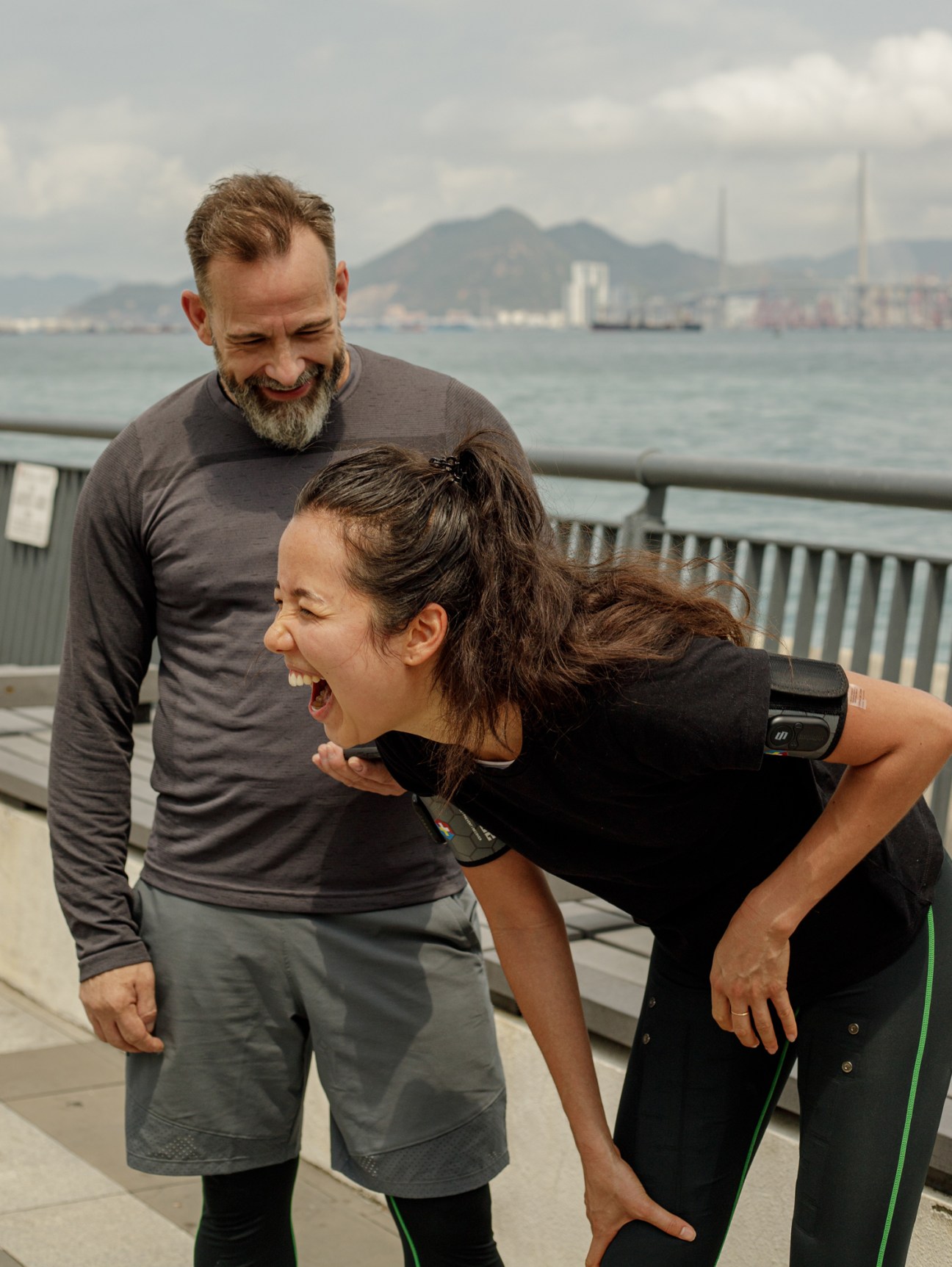
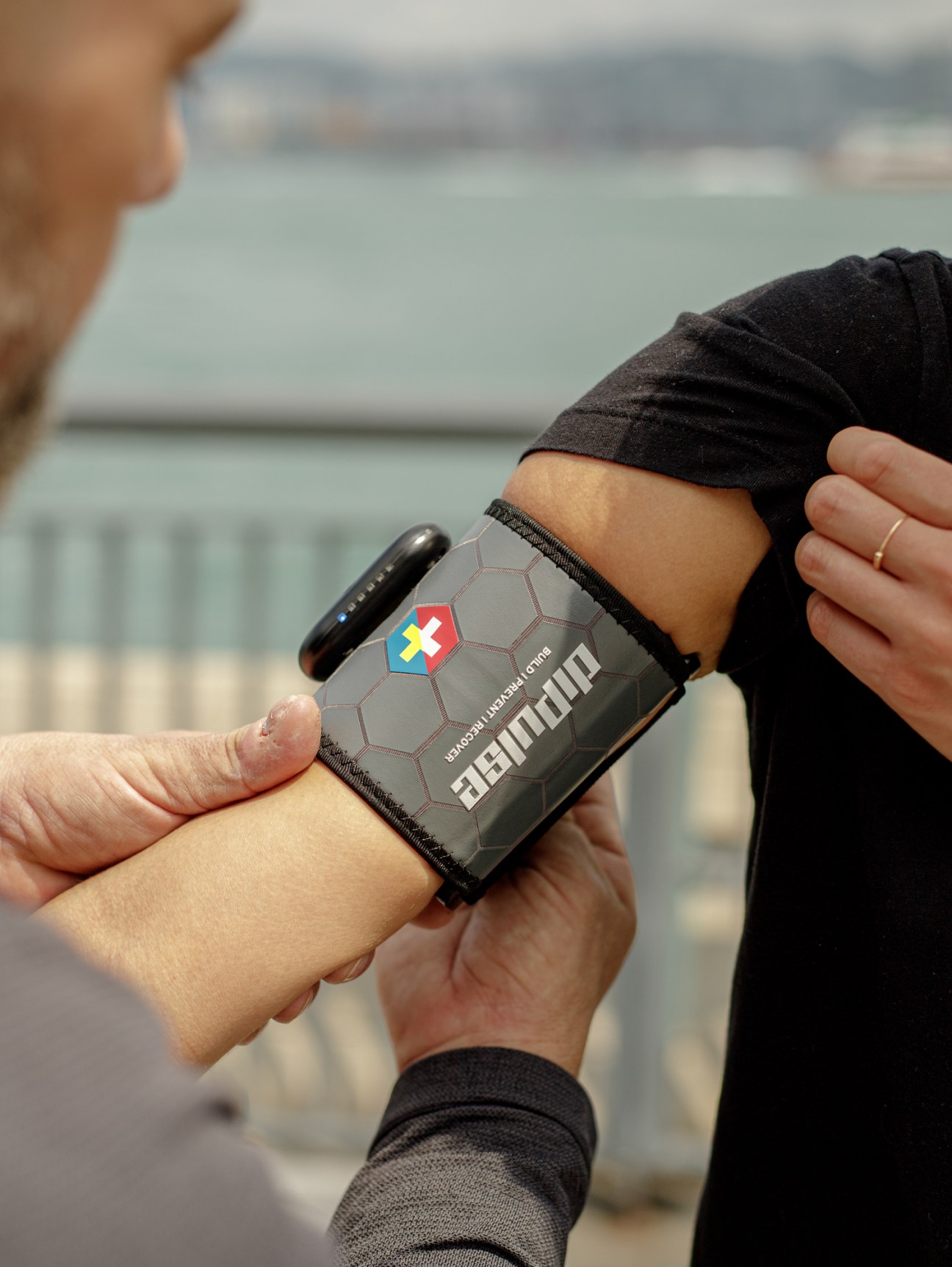
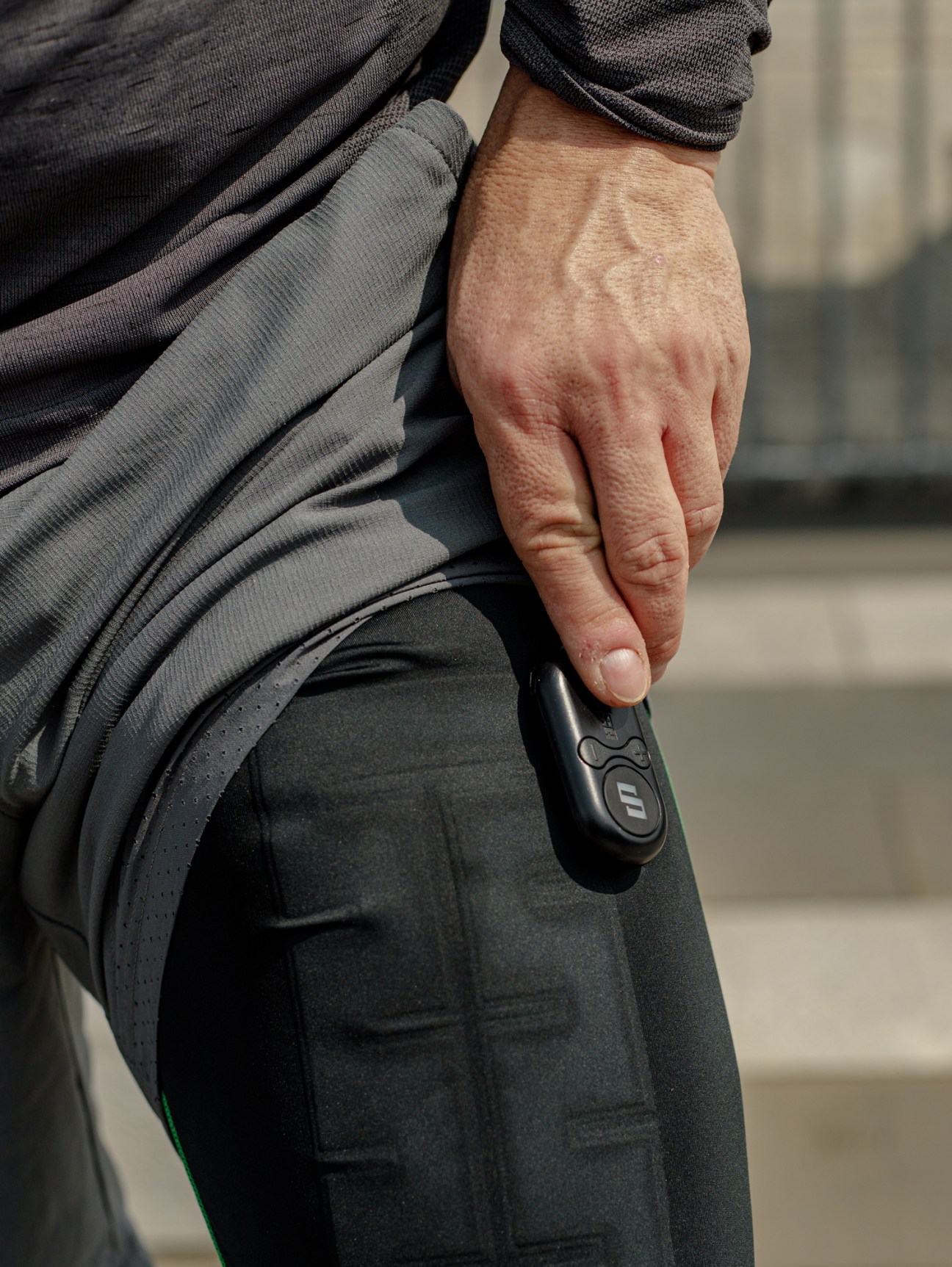
Statham has recently set about developing new software that will allow tailored fitness programmes to seamlessly synchronise with the Dipulse technology. No doubt it will enhance its appeal for those hi-tech gym bunnies out there. But one word of advice: leave the hand grenade function alone.
Key takehome
Innovation isn’t always about making something new. Sometimes, it’s just a case of finding a new way of using something that’s already been developed – and tailoring it to perfection.

Marque difference
Car-maker logos
Buying a new set of wheels in the coming months? Chances are it will be adorned with a badge that you’ve never seen before. Nine leading car-makers, including Audi, bmw and Peugeot, have all given their logos – the public’s crucial first point of visual contact with brands – a new look. And, to use the graphic designer’s lexicon, all nine are “flat”. Monochrome and simple in form, the designs can be easily replicated across a range of media. They also represent a targeted backlash against efforts in the 1980s and 1990s to create more intricate and embellished logos, which aimed to replicate the glossy effect of a metal car badge wherever they sat. Our pick of the bunch is Peugeot’s roaring lion, whose new linework evokes a sense of depth without faux-realistic textures and shadows; proof that the simplest of ideas don’t always fall, well, flat.
Up cell
Inmates start up to start over.
Finding an employer isn’t easy if you have a criminal record. But since 1992, Brian Hamilton and Robert Harris’s non-profit Inmates to Entrepreneurs (ITE) has educated the formerly incarcerated in how to launch a profitable company on a shoestring in the US. “In the past year our graduates have started about 300 businesses,” he says. Here are three that caught our eye.

Queen Coffee Bean
After 10 months at a prison camp in North Carolina, Claudia Shivers knew that she wanted to start a coffee roastery. “ite made my plan realistic,” she says. In place of a $25,000 roaster, a $39 popcorn popper did the job. “We’ve now sold coffee to almost every state.”
Sweet Angels Pastries
Susan Ruhe had just finished serving 15 months for fraud. As she was previously self-employed, she wouldn’t have a job to return to. So she set out to start her own bakery. “You can rebuild your life on a 40 cent cookie,” she says. “Now we make 5,000 cookies a week!”
Mafanikio African Goods Store
After prison, Edward Wallace found himself homeless. But on the ite course, the former clothing-business owner learnt how far $800 (€666) could go. He bought a new computer system and designing tools, and now, thanks to targeted outreach to models and celebrities, his African-styled garments are popular throughout the US.
Seattle’s perfect blend
Vietnamese-Americans have created a vibrant business hub.
On a Sunday afternoon in Seattle, a queue of sharply dressed Vietnamese-Americans is snaking down a block framed by warehouses. They are waiting to enter a modern two-storey building and emerge clutching coffee flavoured with kumquat, and banh mi sandwiches.
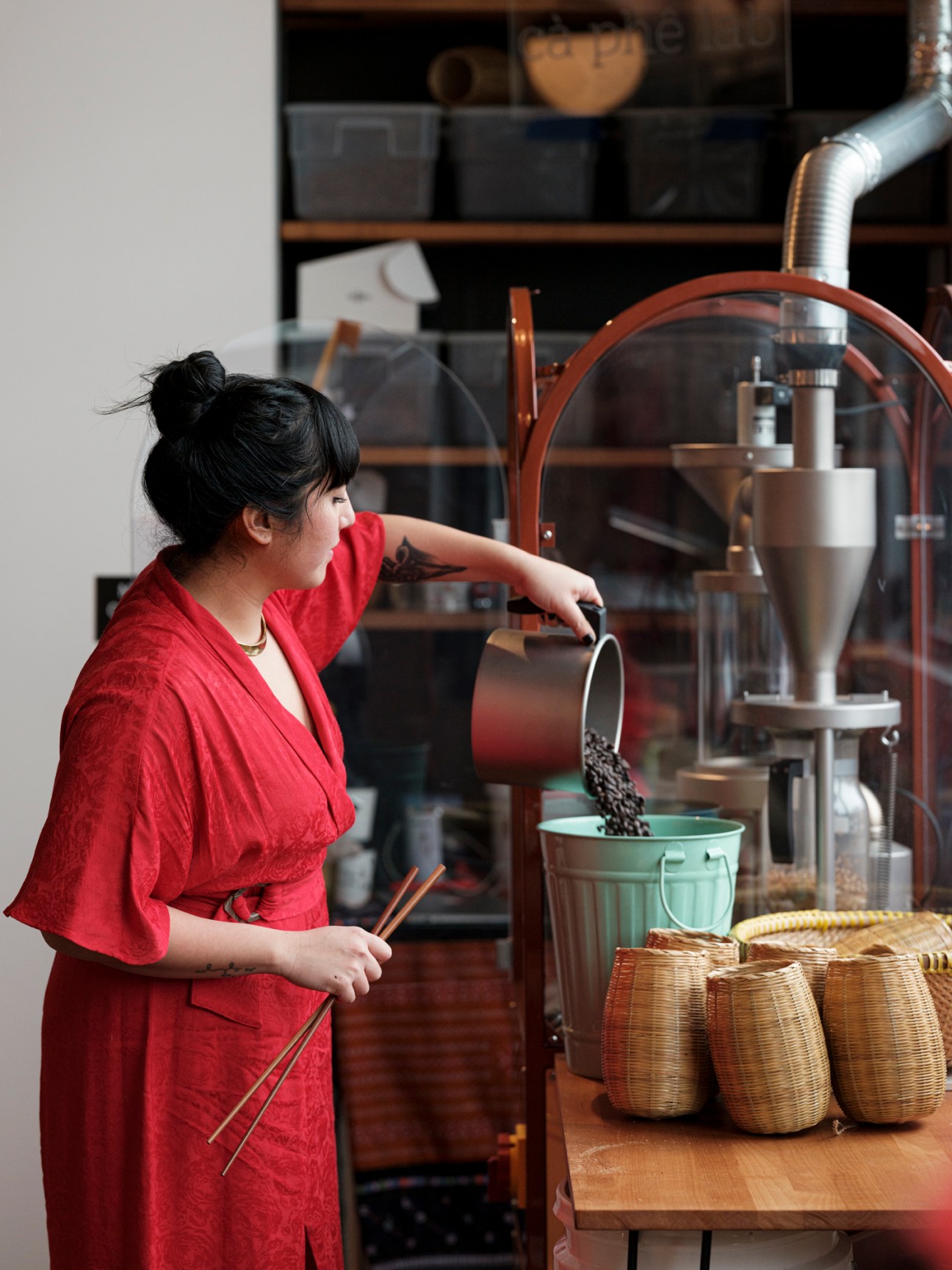
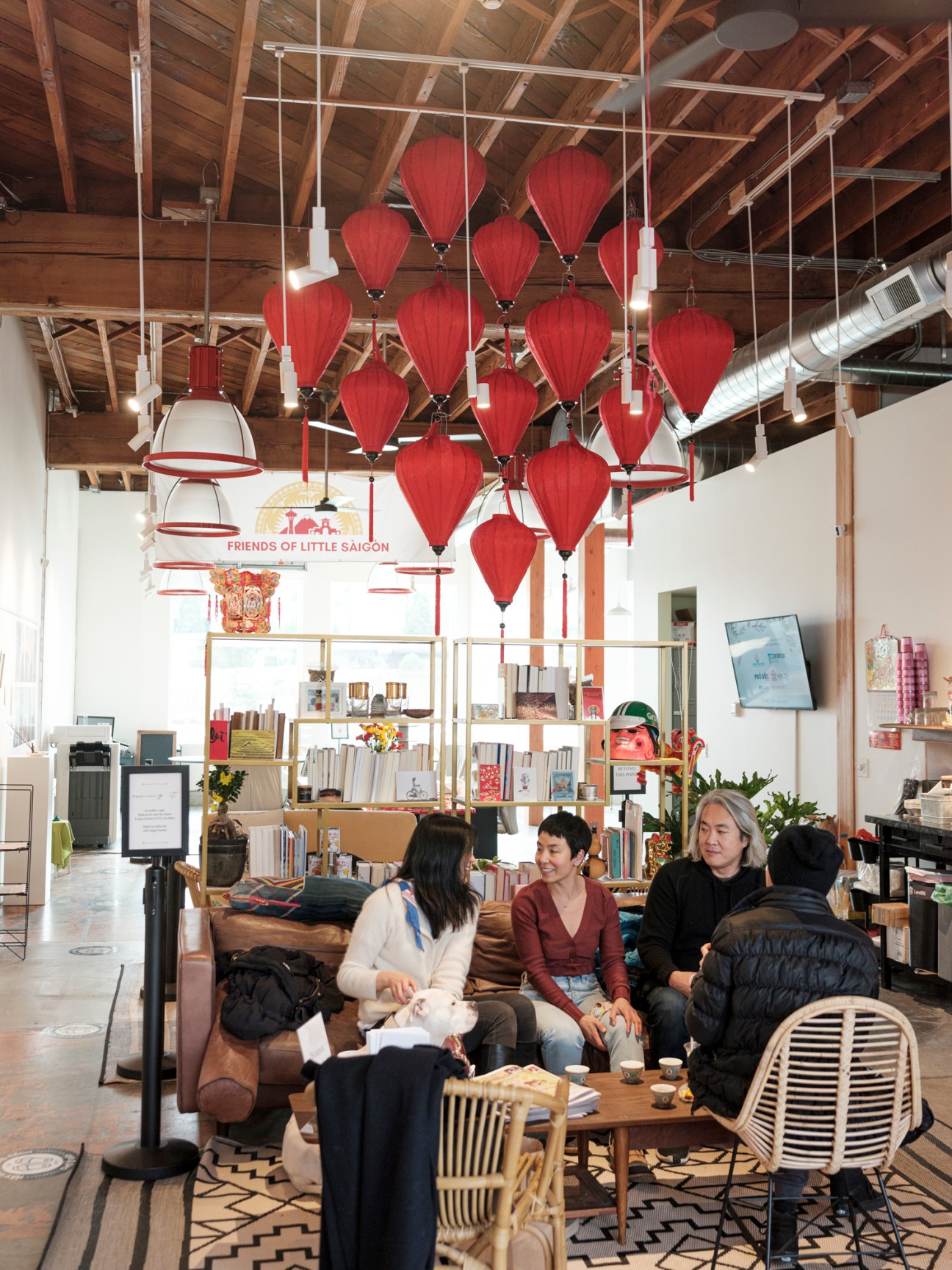
Inside, restaurateur Yenvy Pham is running from counter to roaster to keep up with demand on the opening day of Hello Em, a café anchoring the new retail, office and community hub known as Little Saigon Creative. The building, home to three businesses and rotating pop-ups, opened in November 2020 as a bricks-and-mortar home for the Friends of Little Saigon, an association founded in 2011 that advocates for small businesses in this immigrant enclave amid a property boom reshaping the city centre.
“Little Saigon Creative is about identity,” says the group’s executive director Quynh Pham (no relation to Yenvy). “Vietnamese immigrants have lived and owned businesses here for more than 45 years but we’ve never established a community centre.” The aim is to offer a multi-disciplinary space, with café customers mingling with the creatives working elsewhere in the building.
“Vietnamese immigrants have lived and owned businesses here for more than 45 years but we’ve never established a community centre”
As second-generation immigrants, entrepreneurs like Yenvy straddle the best of both worlds: their parents’ culinary influences coupled with a savvy awareness of contemporary trends. That mindset launched Hello Em, Yenvy’s joint venture with childhood friend and business partner Nghia Bui, whose family works in the coffee business in Vietnam, the world’s second-largest producer of beans. It brings the café scene of Hanoi to one of the cradles of global coffee culture.
New offices will pad out the building. Upstairs, a property firm is preparing to move in to a workspace with a full kitchen to entertain and inspire clients. “I want to pour them a drink and make them a snack, so they feel comfortable doing a deal with us,” says owner Ly Tran. Despite a glut of prestige office space, he chose this location amid tofu factories and seafood vendors. “I want to build strength in our community.” It seems the way to do it, at least for Little Saigon, is to strengthen the neighbourhood’s businesses first.
Key takehome
Don’t just make a coffee; don’t even stop at opening a neighbourhood café. Take the next step and create a community that’s full of beans – you’ll never be short of customers.
Our editor in chief, Andrew Tuck, on how resilience can make a business
When we sent last year’s spring outing of The Entrepreneurs to press, the world was experiencing the full effect of the pandemic’s first wave. At Monocle, as everywhere during that unprecedented time, we had been forced in a matter of days to rethink how our business could work – how we could get magazines made and radio shows produced, how we could stay in touch with our readers and listeners. The rapidly altered landscape of work resulted in us designing, writing and editing pages from kitchen tables and home offices, and spending way too much time on video calls.
A year on and we are all still living with the pandemic but the business world is far from shuttered (and I am pleased to say that the Monocle team is back at its Midori House HQ). Indeed, many companies have taken some hits yet managed to dust themselves off, regroup and come back stronger. Of course, too many lives have been lost in the past year. But for businesses in all sectors, and of all scales, this often sobering experience has ultimately been an empowering one. Again and again, company owners have told us about pivots that allowed them to flourish, how they brought to fruition projects that had been allowed to stay dormant for far too long and how they finally knew what mattered.
So as we headed out to talk to entrepreneurs this time, we wondered what the mood would be and how everyone’s confidence levels were faring. The responses that we received have been unequivocal: it has been tough but we have big plans and we are making them happen.
Take one of the hardest-hit sectors: hospitality. In Uruguay we headed to the resort of José Ignacio and discovered hotel owners who are thriving by refocusing on their home market. It’s a similar story in Japan where the fourth-generation owner of the prestigious Hoshino Resorts minimised losses by bringing in domestic travellers and is now back in expansion mode. Or how about players in the cultural sector? Well, in Paris the new Hotel Paradiso has flourished thanks to its concept of offering rooms with film screens as big as the beds. Or property? In Brussels we headed over to the repurposed dock district of Tour & Taxis to discover new offices and headquarters for growing brands. It’s another project that has stayed on track.
So how will the world of work have changed when the pandemic eventually fades? Well, frankly, it’s still too hard to say what will be permanent and what will stick. In the US there has definitely been an exodus from big northern cities to warmer, more southerly bases – our report on Miami shows how that city is luring people in, although its low taxes also help. And in Europe nomadic technology entrepreneurs have headed to Portugal’s Ericeira, where they can surf and work with ease. Does that mean that traditional business cities and offices are doomed? Far from it. Nora Fehlbaum, CEO at key office-furniture player Vitra, points to something more fascinating: an immediate future where staff use offices in different ways, according to their roles (the digital crew might spend less time in the workplace than the teams for whom collaboration is key).
And you? As always, we want this magazine to introduce you to role models, show some benchmarks for success and encourage you to start, grow and adapt your businesses. The next few months could be an exciting time of possibility and reconnection. Isn’t it time you made your move?
That’s settled then
85 /100
Best to court a VC in DC
Riggs, Washington DC
A new chapter has begun for the building that once housed Washington’s Riggs Bank in the Penn Quarter neighbourhood, a short walk from the Capitol. Hospitality brand Lore Group restored the building to its former decadence with a 181-room hotel that revived architectural flourishes such as Corinthian pillars and marble staircases.
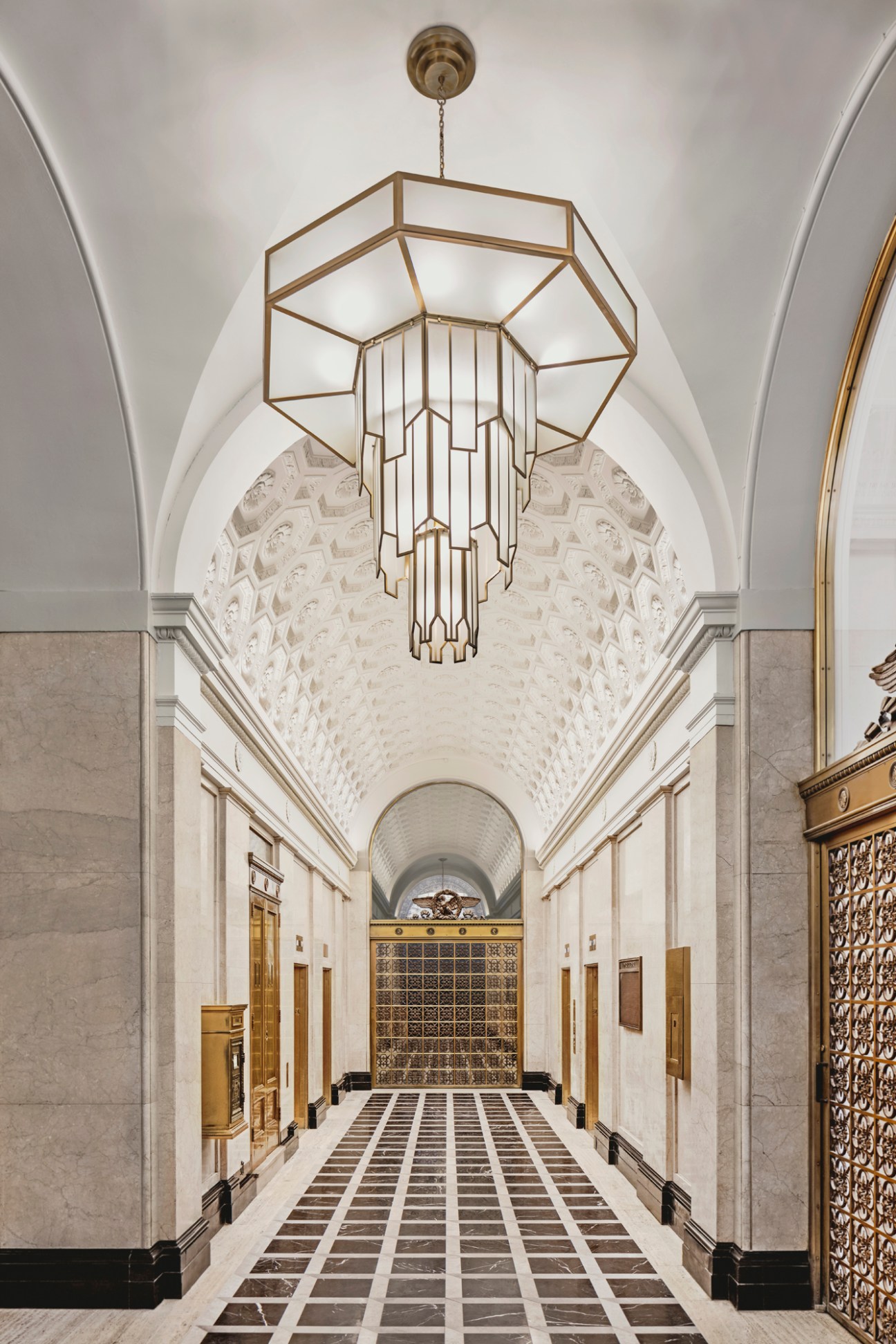
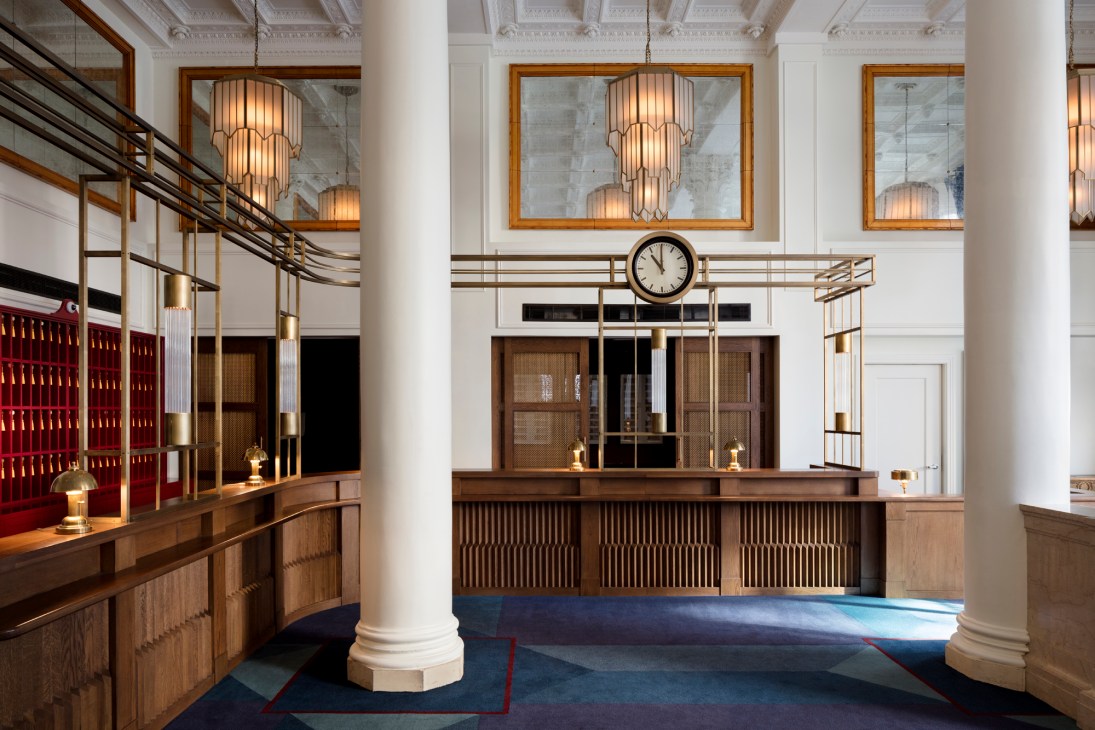
Everything about the fitout is grand, from the plush lounge with its dangling art deco chandeliers to the guest rooms, many of which feature Versailles-esque chairs on faded floral rugs. On the ground floor is the Café Riggs, a colourful dining room with high ceilings, and on the terrace, Rooftop at Riggs serves Mediterranean dishes best enjoyed alfresco.
riggsdc.com
86 /100
Best to escape the city
The Ritz-Carlton Nikko
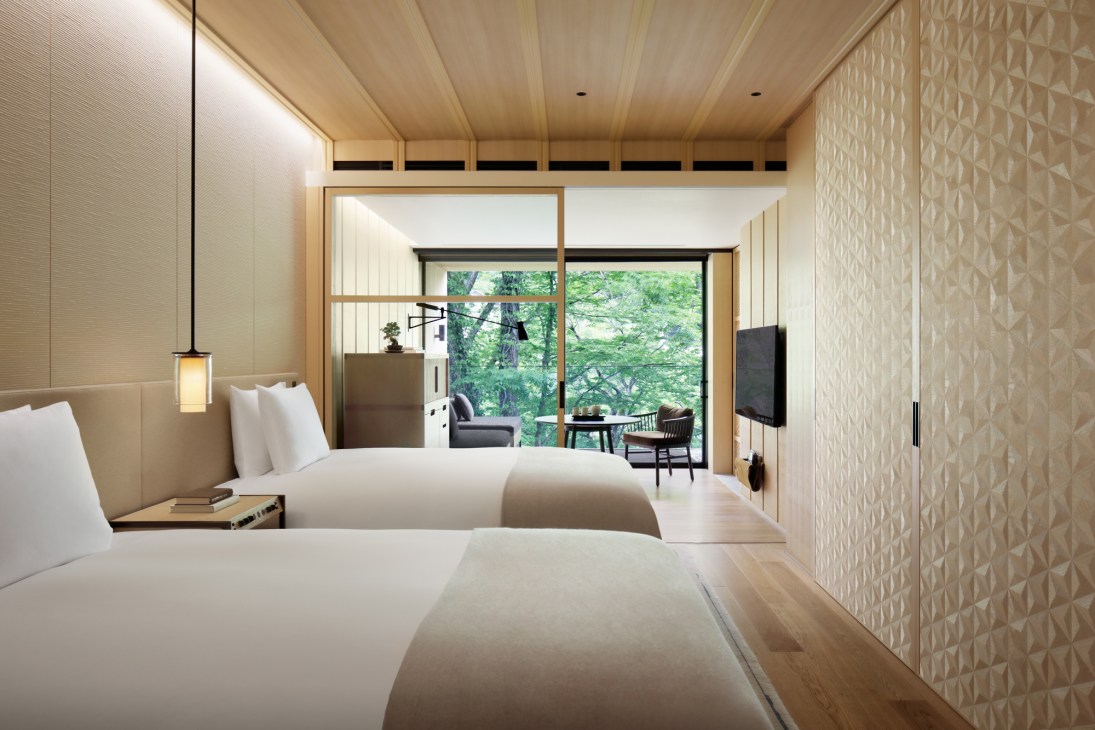
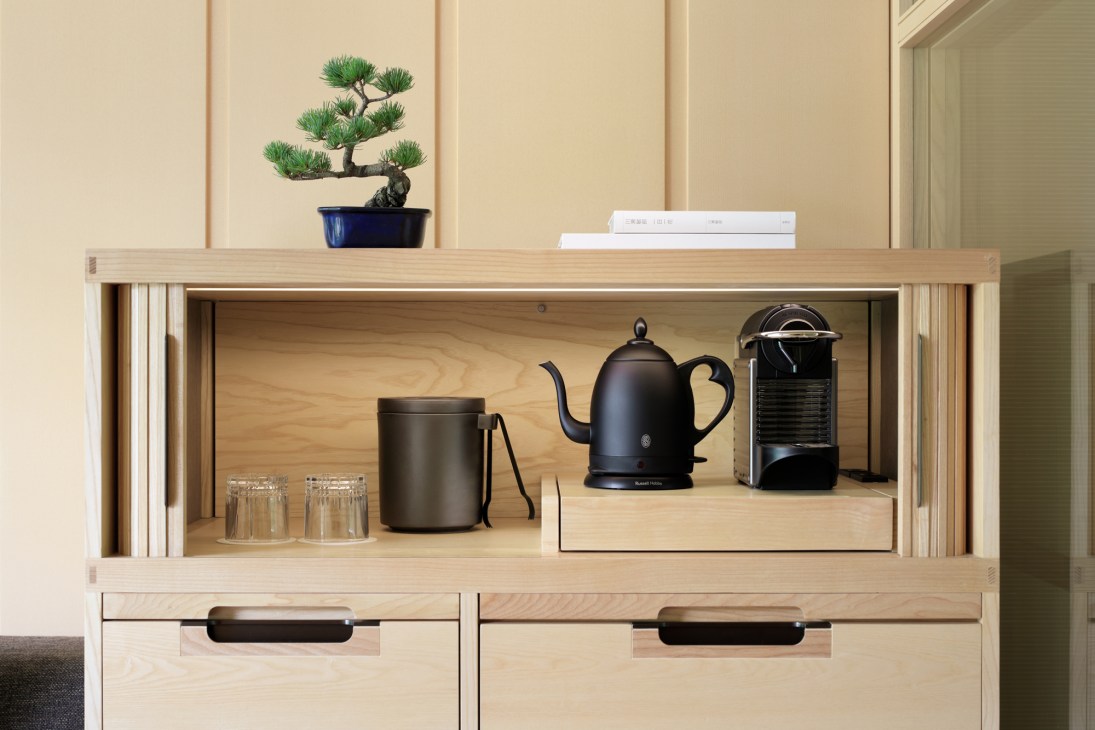
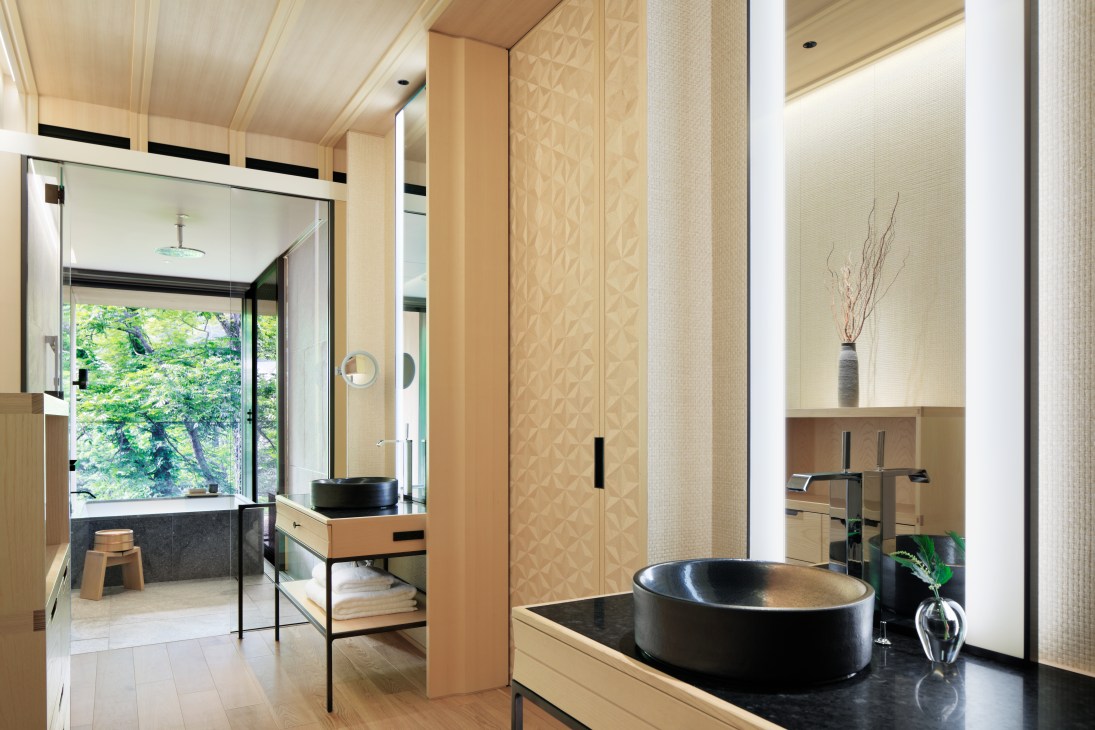
The latest Japanese offering from The Ritz-Carlton in Japan is nestled in the Nikko National Park, two-and-a-half hours’ drive north from Tokyo. The US hotel brand’s fifth outpost in the country sits on Lake Chuzenji, with a view of Mount Nantai.
If you need to recharge, the 94-room stopover has you covered, with large onsens inside and out, a hinoki cypress-wood sauna, zazen meditation sessions led by a monk from nearby Chuzen-ji temple and, of course, a spa. The interior is on the right side of homely, with Japanese artwork curated by Tokyo’s Art Front Gallery. And don’t forget to get out into the surrounding landscape, which is dotted with waterfalls, temples and shrines.
ritzcarlton.com
87 /100
Watch this space
In September, Marriott International is opening another hotel, the Tokyo Edition, in the capital’s Toranomon area. The 206-room hotel has 22 suites, a vast terrace and, hopefully, a few of the hallmarks that made the Ian Schrager- founded brand a place to be seen as well as to see. Stay tuned.
88 /100
Best for honing your holiday pitch
Soho Roc House, Mykonos
Mykonos’s livelier hotspots seem a world away from Paraga Beach, where the latest addition to the Soho House portfolio opened its doors in July. “It’s great to see that members and guests still connect with each other in an organic way as they would in our city houses,” says house manager Nikitas Toulias.
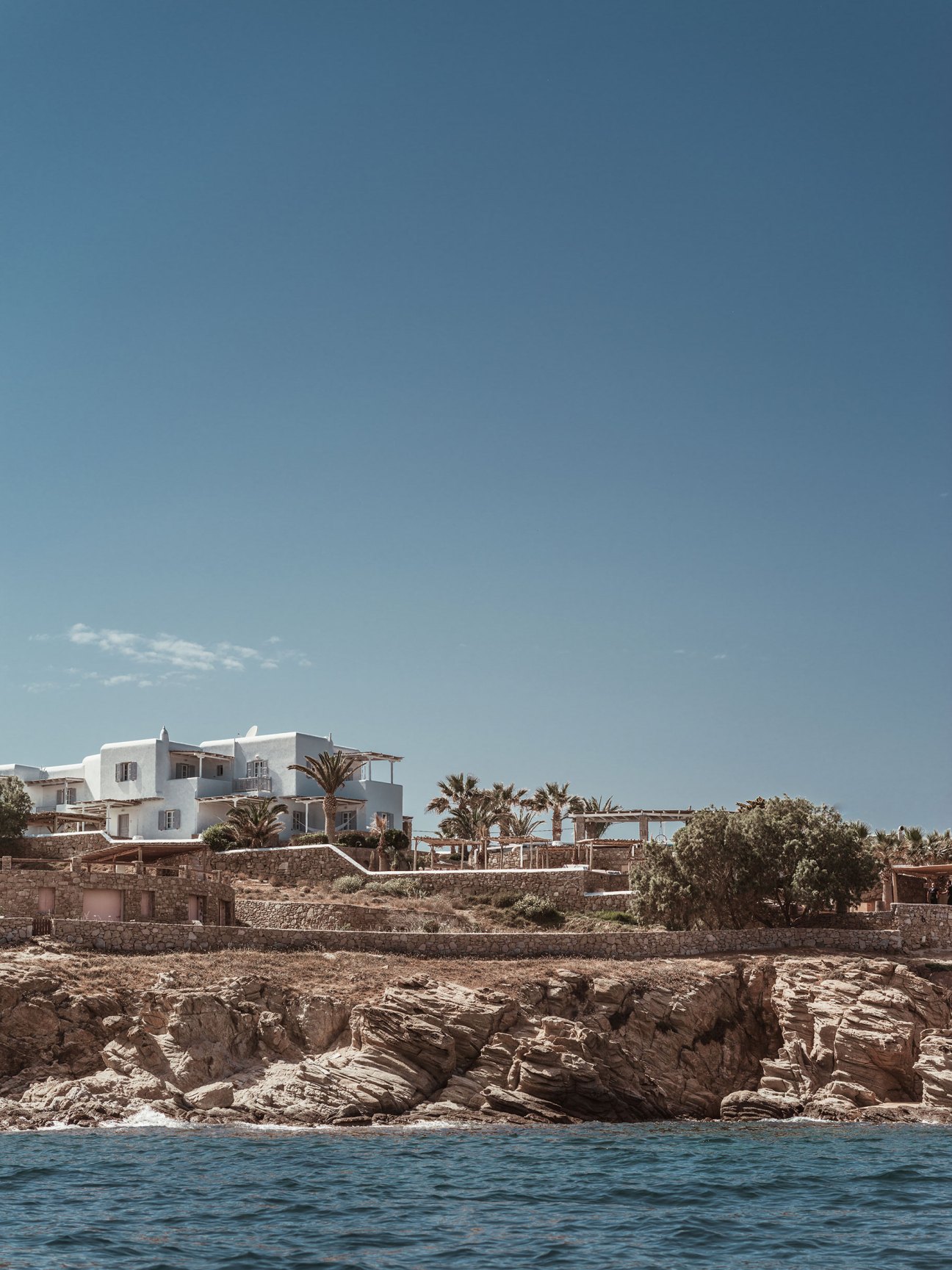
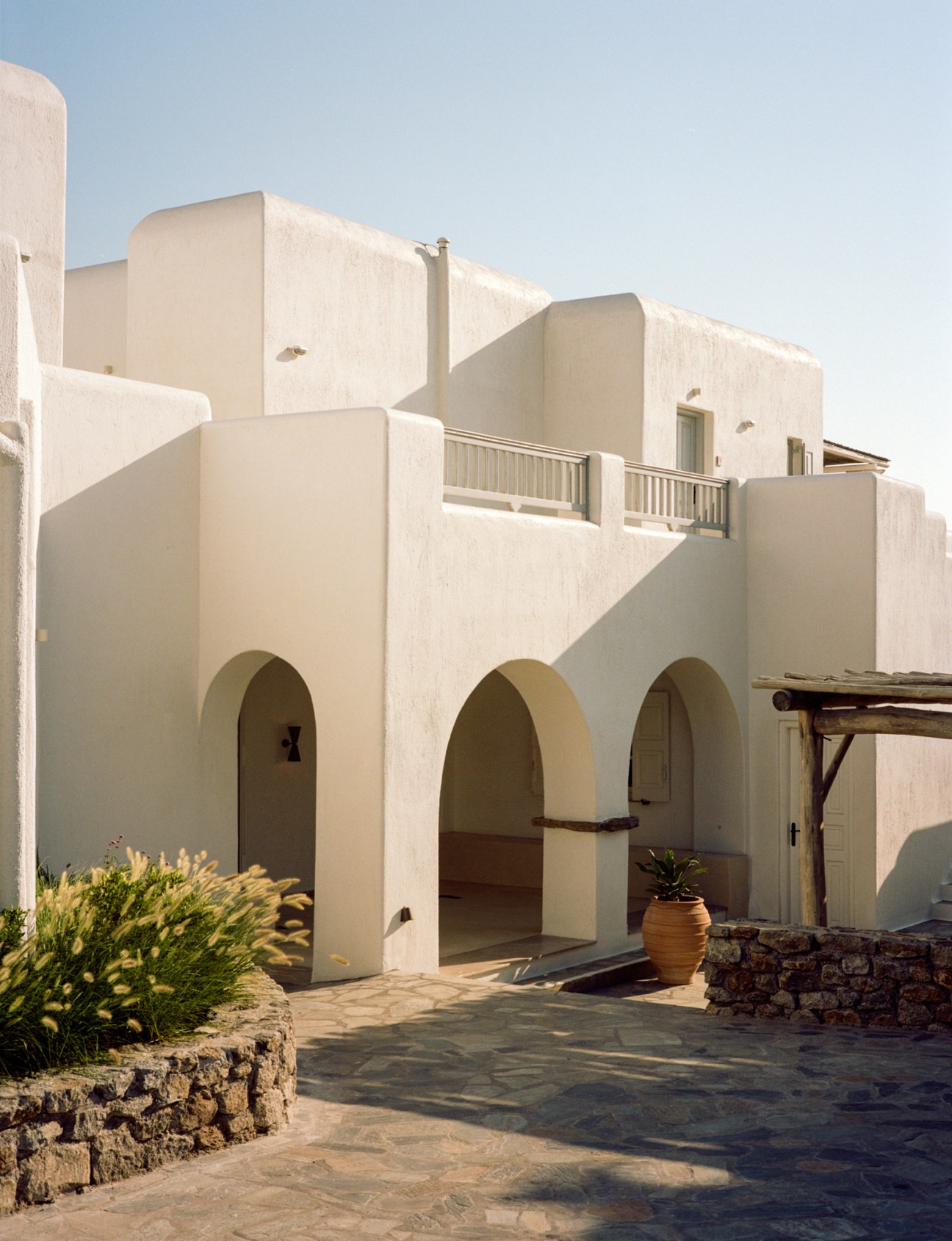
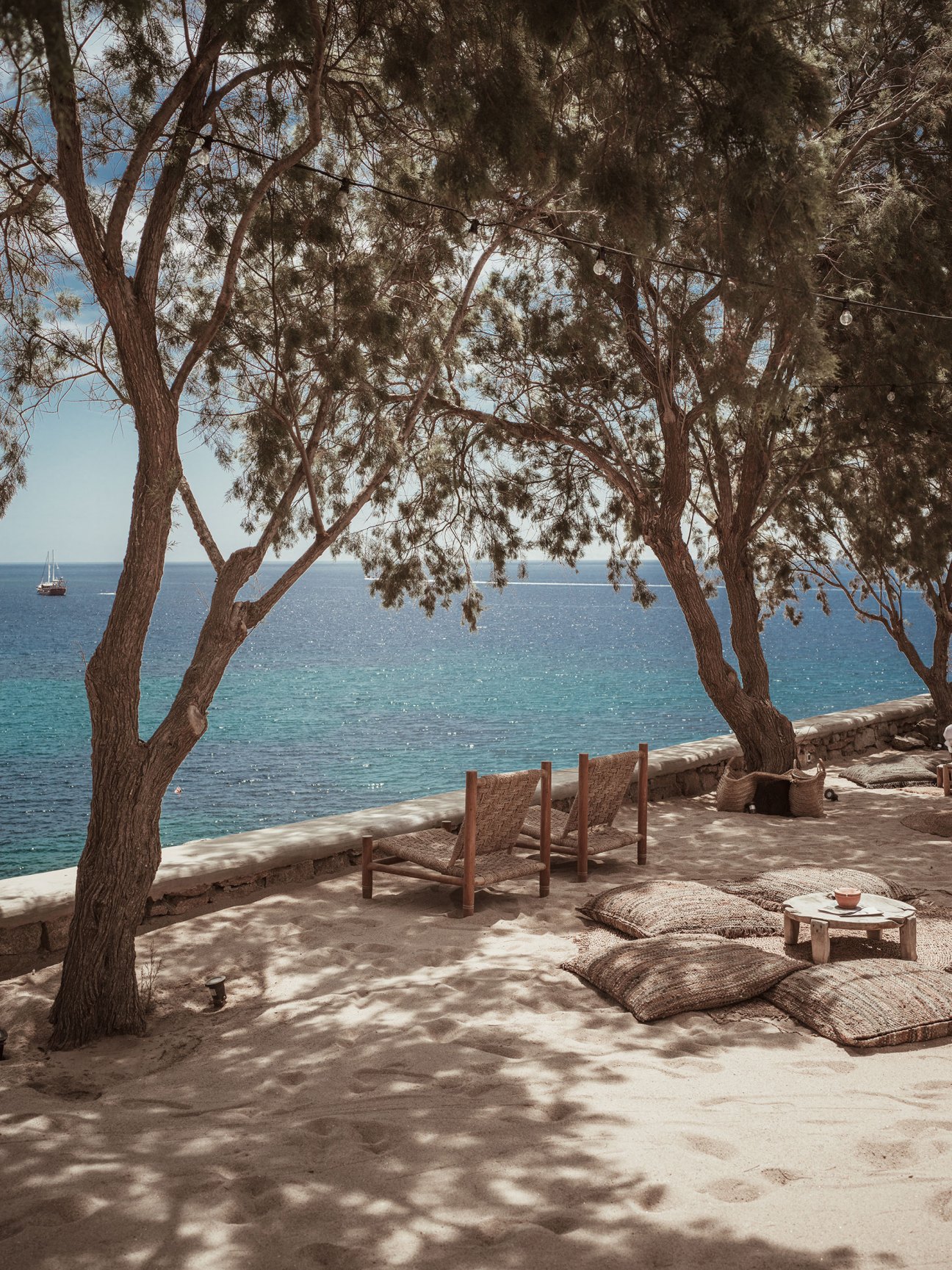
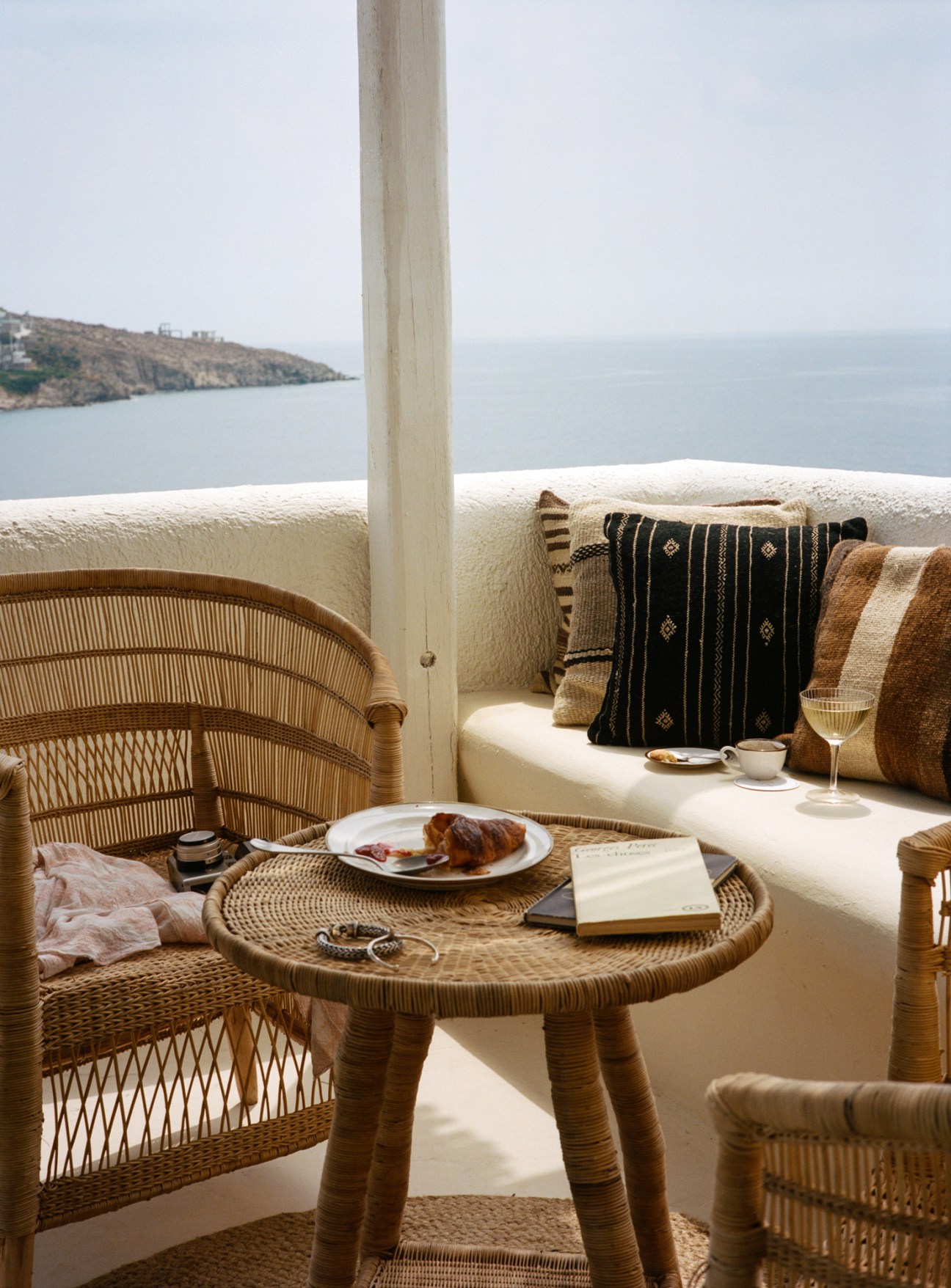
The decor is inspired by laid-back beach life, with a muted colour palette, kilim floor cushions, wicker lampshades and reclaimed wooden furniture. A restored Cycladic chapel sits in the olive-tree-shaded courtyard and, of the 45 bedrooms, many offer balconies with rattan loungers for afternoon siestas.
Executive chef Athinagoras Kostakos has dreamt up a sunny dinner menu, featuring dishes from across Southern Europe. Yet the poolside breakfast is a surprisingly non-Mediterranean affair, with Shoreditch Grind coffee, porridge and bacon sandwiches hinting at the group’s UK origins.
sohohouse.com
89 /100
Best for a business lunch
Hotel Barrière Le Majestic, Cannes
It would take an awfully long time to compile the names of all the film-industry A-listers who have walked through the grand entrance hall of Cannes’ Le Majestic. For 12 days in May, the hotel hosts the opening and closing festivities of the Cannes Film Festival, making it the pied-à-terre of choice for attendees. That’s in a normal year, of course; not in 2020, when the festival was cancelled.
Although Le Majestic is back in business since the easing of lockdown measures, it has had to shift its focus from champagne events to domestic holidaymakers and business visitors, whom the hotel can accommodate for small workshops and client gatherings in its 17 meeting rooms. The reach might not be as big as during the annual Mipim property fair or tfwa travel retail summit but the Majestic is primed for when more glamorous times return – and international business sails back into town.
hotelsbarriere.com
Images: Jennifer Hughes, Soho Roc House Mykonos, Fabián Martínez