
The Entrepreneurs
From wearable fans to cooling creams: East Asia’s market for staying cool in a hotter climate
Although concern over climate change has temporarily taken a backseat while the world struggles with coronavirus, global warming is still happening. As politicians, scientists and business leaders work towards various solutions, we hop over to East Asia to see how they are coping with the kinds of hot, sticky weather that will increasingly become common elsewhere in the world – and find a significant business opportunity. Hong Kong, Japan, Korea and its neighbours are home to a world of products designed to help you and your loved ones stay cool, from face creams and hygiene items to useful accessories and extras for the home. Retailers take note: could these be the new supermarket staples of the future?

Hands-free fan
Available in 12 colours and with a USB-rechargeable battery, Japanese lifestyle brand Spice of Life’s wearable WFan is about the size of a pair of headphones, making it the perfect solution for a punishingly humid, hot summer day.
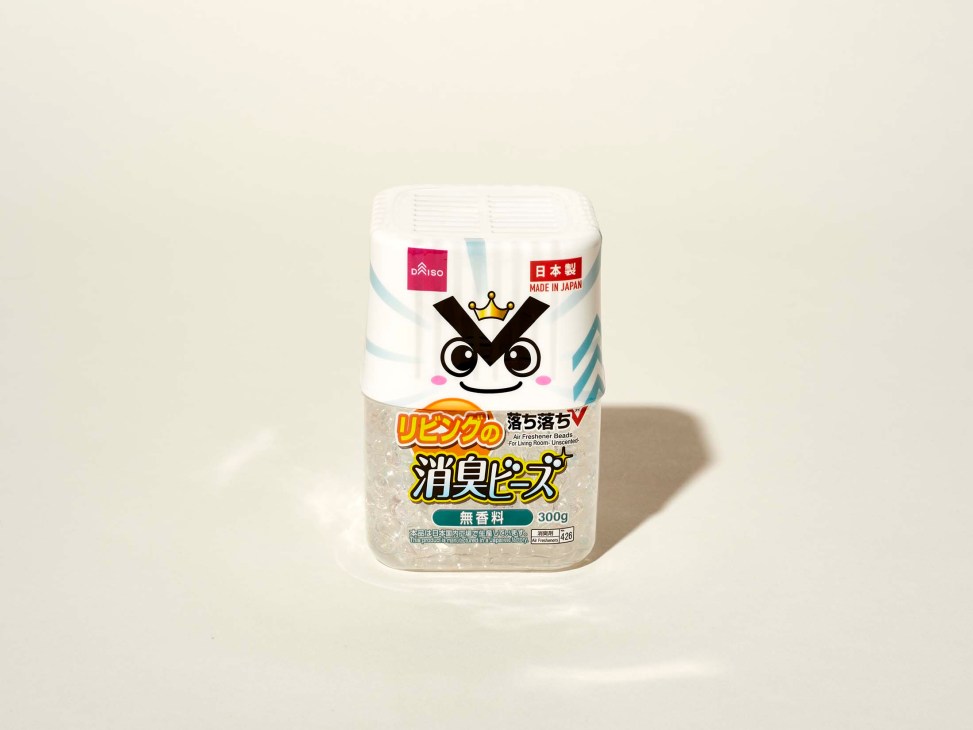
Dehumidifying beads
Keeping homes and cupboards mould-free is a team effort. Alongside dehumidifying machines, thesesingle-use cartons are placed into cupboards and there are also handy sachets for sock drawers.

Mask
Wearing a cooling mask after a day in the sun provides new meaning to the “grin and bear it” approach to hot weather. Cute animal designs, from bears to cats, provide optional lift to evening beauty routines.
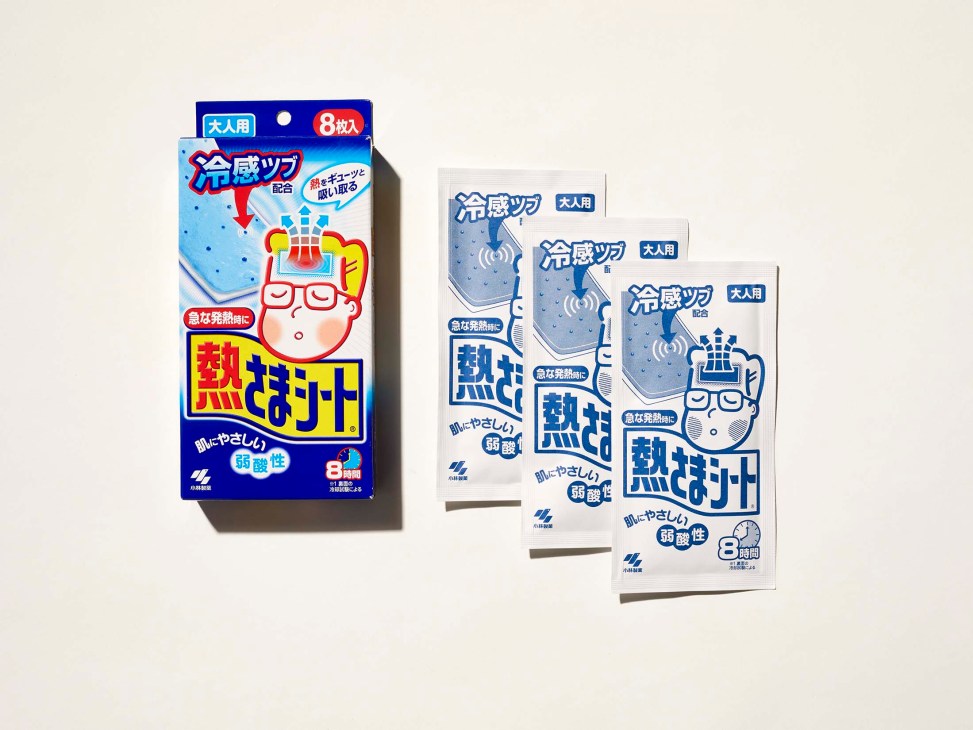
Facial gel strips
Usually used for treating fevers – many households stock a packet in the fridge for children – they’re also useful for on-the-go cooling action. Shops in Hong Kong did a roaring trade last summer during the street protests.
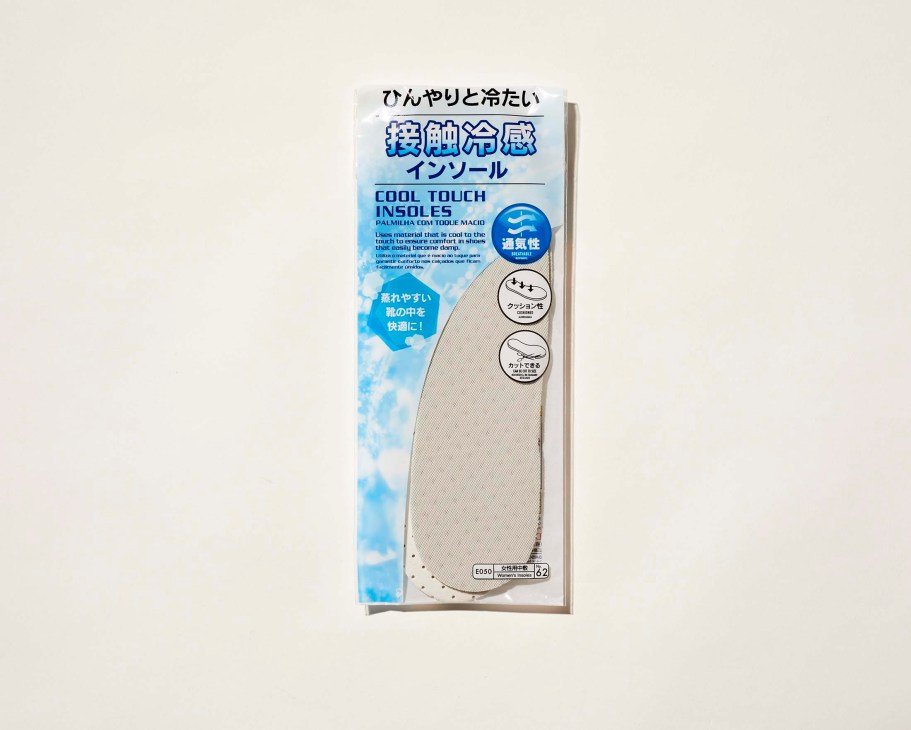
Cooling insoles
This insole will keep socks dry – an important consideration when tradition dictates taking footwear off when entering homes or some places of business.

Wet tissues for men
Available across Japan, millions of these wet facial wipes are consumed every summer. It’s such a staple that you’d be hard-pressed to find a businessman not carrying a packet in his tote.

Sun visor
A step up from sunglasses, these visors provide full-face protection from damaging rays. In Japan you’ll often spot women wearing these as they zoom around the city on electric bikes.

Neckerchief for dogs
Man’s best friend also needs to battle with the heat when going out for a walk. So why not help him do it in style? This cooling gel product is made to be easily wrapped around your pooch’s neck.
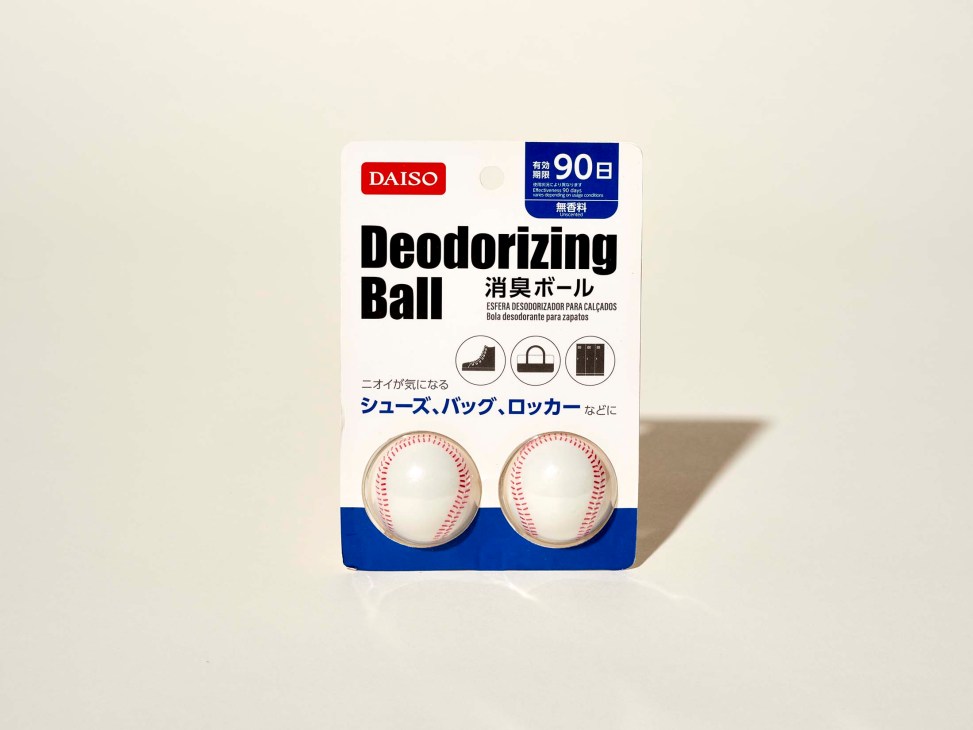
Deodorising balls
Playing sports in high humidity means breaking into a sweat even before running onto the pitch. After a game, baseball-mad Japanese and Koreans keep their cleats smelling sweet with these sports-themed deodorisers.

Cooling mat
Whether in the park or relaxing at home, this compact chilled mat helps bring the mercury down a bit. Washable and easy to clean, it’s a popular option for pets and little ones.
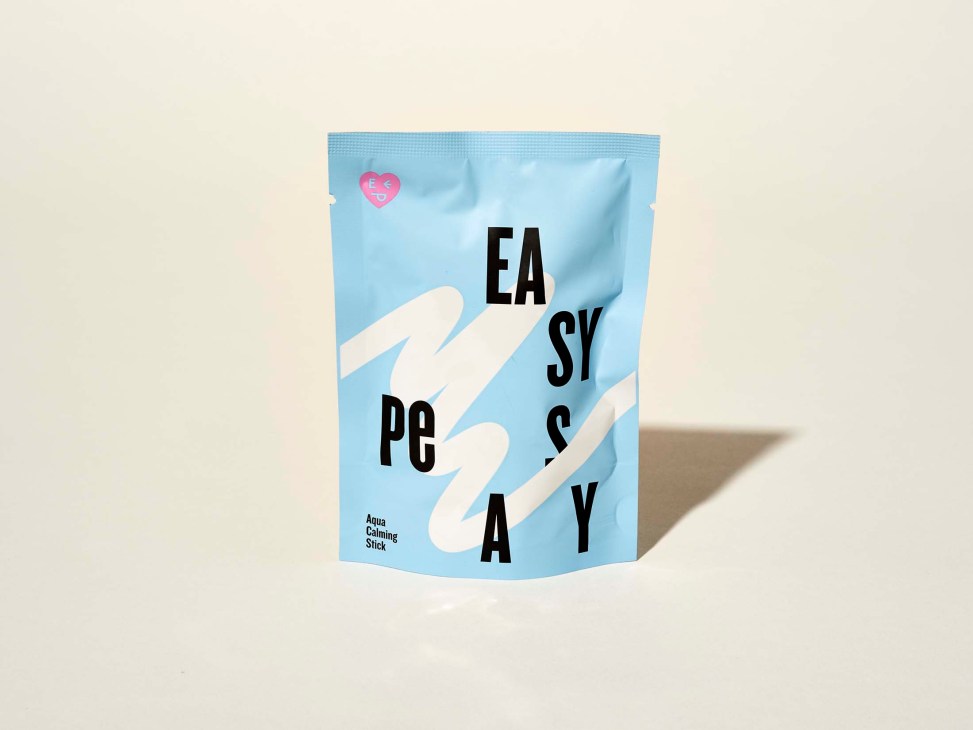
Facial moisturising stick
South Korean beauty brand Easy Peasy’s Aqua Calming Stick helps keep skin cool during the summer months and reduces heat-induced puffiness. Its smart branding and easy-to-use design makes it a popular handbag essential.

Rear window car shade
Cars cook under the sun so street-smart drivers throw some shade on their back seat. This handy collapsible window shade comes with a fun, visual reminder that pets are important passengers too.

Moisturising cream
Suitable for sensitive skin, beauty brand Mamonde’s Blue Chamomile Water Cream instantly cools and reduces redness, useful for refreshing a frazzled face. A new product from South Korea’s Amorepacific.

Long arm-protectors
Another popular product for reducing sun exposure without having to ditch your summer wardrobe. These long gloves are popular among women, particularly when cycling during the day.

Room humidifier
Going to sleep with the air conditioning on often means dry skin or waking up gasping for water. These portable fruit-shaped room humidifiers are a nifty solution.

Sweat-absorbing underarm pads
When work dictates wearing a suit or a smart dress all day, these underarm pads are just the ticket. They stick to the inside of your clothes and are pleasingly discreet.
Tricks of the trade
The right move
City revival
The world’s largest chess piece (garlanded as such by the Guinness Book of World Records in 2018) stands on a pavement in the leafy Central West End neighbourhood of St Louis, Missouri. At six metres tall and weighing nearly 5,000kg, the towering king, built from mahogany, is a totem to one of the city’s most notable cottage industries: the game of chess, which has become a pillar of life in St Louis.


“This has become a pretty colossal endeavour,” says Rex Sinquefield, cheerfully. The 76-year-old serial entrepreneur and former investment manager made his fortune in the 1970s by pioneering index funds, the stock-market device that groups diverse stock portfolios and tracks them on the markets. Upon retirement, his attention returned to chess, a pastime he first picked up as a teenager playing “postal chess”, where players mark their move on a checkerboard postcard before mailing it back to their opponent.
“It’s been incredibly successful,” Sinquefield says, of the St Louis Chess Club, which he c0-founded 12 years ago, and the satellite endeavours it has spawned since. The club has almost single-handedly made this midwestern city the hub of US chess and one of the world’s best-regarded centres for the game. Hundreds of tournaments take place here every year, including the US Championships, and Sinquefield estimates that chess events have brought millions of dollars into the city over the years.
The club has woven itself into city life. Its 1,000 members – old hands and newcomers alike – represent most strata of St Louis society. As well as offering chess scholarships to local universities, the club operates in 60 schools, hosting chess classes for schoolchildren. “Chess teaches you a bunch of stuff that is critical to success, not just in education but afterwards,” says Tony Rich, the club’s executive director. “It’s basic things like critical thinking, problem-solving, planning ahead or realising that your actions have consequences down the road.”
For former industrial powerhouses such as St Louis, the chess club offers a lesson: there is opportunity for smaller, more targeted industries to help reinvigorate cities. “What chess has done for the city is to become another cultural touchstone for St Louis,” says Rich. “One of the questions I love getting asked is, ‘What is chess? Is it a sport? Is it an art? Is it a game?’ Well, it’s all of those things. It brings together all these facets from our everyday lives. And it’s fun.”


Company towns
- Batawa, Canada: Czech shoe magnate Thomas Bata built Batawa – a factory town – in 1939. The factory shut in 2000, though efforts are underway to revive the town.
- Billund, Denmark: Home to the Lego Group’s HQ and theme park. Even the airport – the country’s second largest – was founded by Lego; thankfully it’s built of more traditional materials.
- Noda, Japan: Noda’s claim to being Soy Sauce City dates back to 1917 when eight soy sauce-making families banded together to create the brand Kikkoman, choosing to basethemselves in Noda.
- Hershey, Pennsylvania: The Hershey Company has funded a boarding school, a tram and even a cemetery with a notable occupant: HB Reese, inventor of Reese’s Peanut Butter Cups.
- Kohler, Wisconsin: One third of Kohler’s residents are employed by the bath and kitchen-fixture maker that lent the village its name. In the early 1900s, the company hired famed landscape designer Frederick Olmsted to draft Kohler’s masterplan.
Branding
What’s in a name?
By Ed Yeoman
Stephen King once wrote that the road to hell is paved with adverbs. Despite this, it’s a road that lots of companies have decided to follow. It’s a trend that’s been with us for more than a decade, so it’s high time we look at how it came about – and the pitfalls of following the herd.
Today, with our abundance of domain extensions, it’s easy to forget that not so long ago the holy grail of business naming was to allow you to secure the same dot-com. Yet getting your hands on a dot-com wasn’t easy and for those without millions to spend, new approaches were needed – approaches such as the portmanteau (Pinterest, Codecademy), the compound (Foursquare, Birchbox) and the misspell (Tumblr, Etsy).
Another way was to use a suffix to create a new word (Spotify, Bitly). And many turned to other countries to give themselves an online edge: the .ly URL code of Libya became popular following the success of bit.ly. But as Libya entered a decade of war and instability in the early 2010s, brands no longer felt comfortable associating with the code of such a volatile nation.
The adverb trend continued unabated, however, leaving us with Feedly, Cloudly, Feastly, Leafly, Yabbly, Guesterly, Zaarly and hundreds of other names ending in “ly”. This is naming for sheep – unimaginative, uninspired and charmless. How are customers supposed to build a relationship with a name that they are embarrassed to say out loud?
There are so many elements that can serve as naming stimuli. By linking the name to your firm’s products, provenance or purpose, you can build a story that sticks. It will give your business a more cohesive, confident aura and it will mean that your team will have less of a hellish time trying to explain a name that people can’t spell.

Q&A
Thomas Erikson
Sweden
Communication expert Thomas Erikson is the author of Surrounded by Idiots, one of Sweden’s best-selling non-fiction books. Since its publication in 2014, the book has sold two million copies; it is now available in 40 languages.
What’s the premise?
My thesis is that there aren’t many idiots out there. [Problems arise from] not understanding each other so I want people to talk more about how they communicate. I outline four types of human behaviour. A common question is: should a workplace mix them all together? The best dynamic you can get is a combination of different people – you’ll have more ideas and points of view – but the trick is that you need a team leader who can cope with all the different characters.
Why should entrepreneurs read your book?
If you want to succeed in any business, you have to rely on other people. I mean, you haven’t heard about any successful hermits, have you? Understanding people and getting the most out of partnerships is crucial.
How can your book help people through and beyond the pandemic?
Under stress people’s behaviour can shift quite a lot. If we can predict how a person will respond to pressure, we can show a greater understanding of how people are acting out their worries and concerns.
How to…
Find your brand
with Brian Collins
“I started my first design company when I was 22 years old in Boston. I had no money so I worked out of the bedroom that I grew up in. I set up a drafting table, I put my art supplies underneath my bed and I ran a telephone line from my bedroom down the hallway and into the kitchen. My mom would answer the phone and say, ‘The Brian Collins Design Group’. That was a conscious branding decision: I wanted to be seen as having a group of people or a company. It gave me a greater chance of landing bigger, better projects. Incredibly, it worked.
Today, I’m chief creative officer of Collins. We’re an independent strategy and brand-experience design company in San Francisco and New York. We work with some of the most remarkable brands in the world [such as Spotify, Nike and The San Francisco Symphony].
From the moment that you start talking about your company, launch a website or have someone answer your phone, there’s a brand there. So my argument is simple: be conscious of it. Protect it. Manage it like you would any valuable asset. Today the big challenge is no longer finding new business ideas but instead building attention [for those ideas]. For entrepreneurs the heavy work is in finding the right story and helping people emotionally relate to what you make.
How?
You build a brand by asking two key questions. First, what do you believe? That’s an internal question that is about authenticity: what’s the world seeking that only you can provide? Second, how do you behave? How are you relevant for your customers? At the intersection of your belief and behaviour sits your brand. A good brand seamlessly connects what it says with what it does. And the brands that are thriving right now recognise that people no longer buy only what you make. They buy who, what, where, when, why and how you make it.
Don’t do it yourself
New entrepreneurs are focused on making ends meet so when they first come to meet us we get them to examine what they really want to create. What’s their biggest, most brazen ambition? Entrepreneurs are so busy running the day-to-day puzzles of their companies that these kinds of conversations can be hard to conduct but they’re necessary. These are some of the things we always want to know:
- Why did you start this? What motivates you to get out of bed?
- What problem do you solve? Why is that important?
- What are your product’s functional benefits?
- What are your product’s emotional benefits?
- Why should someone trust any of this? What proof is there?
- Which employee represents the best of your company? Why?
- If you vanished tomorrow, would anyone care? If so, who? Why?
- Who’s your most respected adversary? How are they better?
- Write the headline five years from now from a glowing feature story on your company. How did you make that future happen?
- Why will you not give up?
The top challenge facing any entrepreneur will be not knowing exactly what next step to take or figure out how everything fits together. A good brand will keep an entrepreneur and their team focused, motivated and aligned. Best of all, it will help them answer the question at the heart of every entrepreneur’s story: what happens next?”
Brian Collins is the founder and chief creative officer of Collins.
Q&A
Daniel Coyle
USA
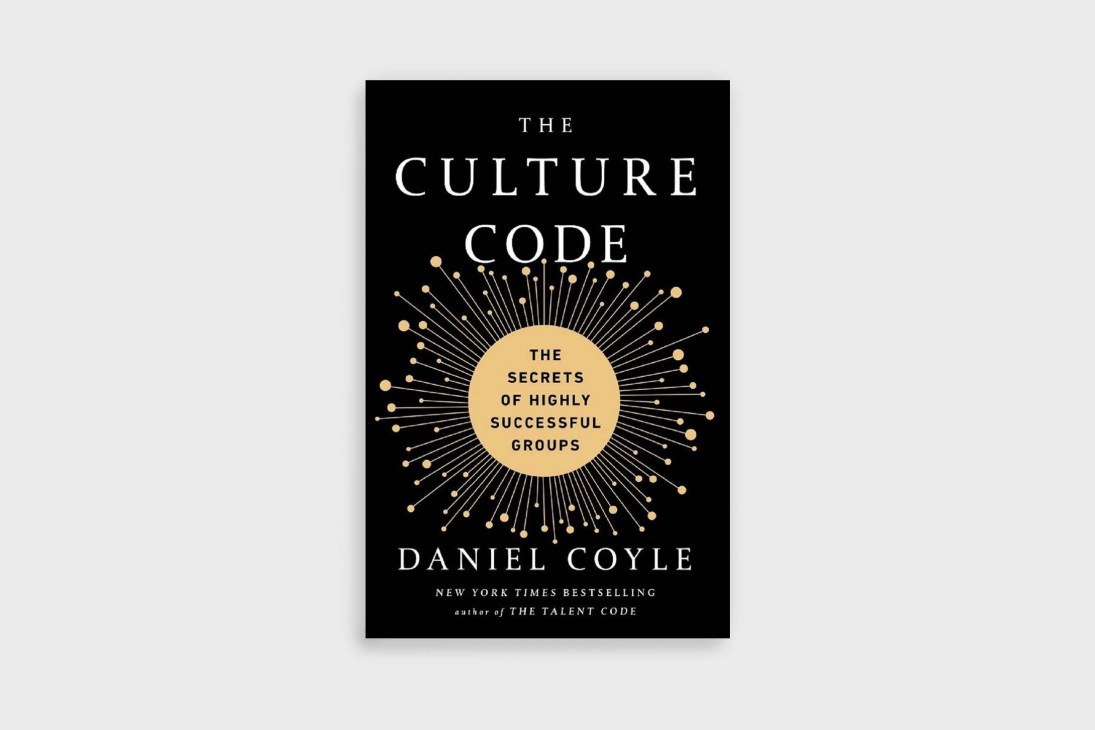
From locker room to boardroom, author Daniel Coyle’s best-selling The Culture Code explores the very real but hard-to-identify traits that underpin the world’s most successful organisations.
What’s the premise of your book?
It feels like magic where you’re around a group that has an extraordinary connection or sense of purpose but it’s not. It’s a real thing. So I spent time with some of the world’s top-performing groups and, while they’re wildly different organisations, there are patterns connecting all of them.
How important is ‘work culture’?
A Harvard study looked at 200 businesses where the only difference was that some had a strong culture and others didn’t. Over 11 years it turned out that culture was worth 756 per cent more net revenue. Culture isn’t some add-on. The soft stuff gets you the hard stuff.
How can your book help people through and beyond the pandemic?
This recent crisis has revealed that a strong culture isn’t a frivolous accessory. It’s the engine that helps a group stick together in challenging times. The more energy groups funnel toward building and strengthening that engine – learning to be vulnerable together and creating a sense of purpose in an ever-changing, hazard-filled landscape – the more prepared they can be for any future.
Another giant leap
UK space race

A low moon is visible in the morning sky above Manchester but Steve Bennett – entrepreneur, self-taught rocket engineer, budding astronaut – is focused on more earthly pursuits, for now at least. Climbing down a tower of scaffolding, the 55-year-old stops to admire his work: a 12-metre-high rocket parked on the back of a converted flatbed truck in an industrial lot near the M67.
But this is no garage project. Nova 2 is the latest in Starchaser’s human spaceflight programme, a one-tonne craft capable of manned, suborbital (ie entering space but not high enough to orbit) flight at 5,400km/h. With an unmanned test launch scheduled for the near future, it’s a symbol of the UK’s aspiration to be put firmly on the map of Solar System-faring nations. “Space is becoming the everyday,” says Bennett, who founded Starchaser in 1992. “And there’s no doubt we’re closer to it than ever before.”
Bennett has reason to feel optimistic. Recently the UK’s race for the stars has gone into hyperdrive. Following the ratification of the Space Industry Bill, which allows UK businesses competing in the commercial space race to use domestic spaceports, several Nasa-lite operators are pushing forward with various ventures. Among the developments, the bill has ushered in £31.5m (€37m)of funding for Space Hub Sutherland, the UK’s first vertical launchpad complex, with construction teams set to break ground next year. Revenue from the industry has grown steadily from £14.8bn (€16.8bn) in 2017 to an estimated £15.5bn (€17.6bn) in 2018, and the government intends to increase its share in the global space economy from 6.5 to 10 per cent by 2030. The next frontier, though running a few years later than planned, is extraterrestrial tourism.
Starchaser – with two dozen employees and volunteers – is a contrast to glossier private ventures such as Virgin Galactic, SpaceX and Blue Origin but the aim is the same: enabling paying passengers to become astronauts. While revenue is generated from sponsors, school visits and one well-heeled local investor who has put in £2m (€2.3m), Bennett also has a number of customers (he won’t divulge exactly how many) who have paid £250,000 (€293,000) for front-row seats. Driving it all is the appeal of experiencing the strange beauty of the universe’s blackness first hand. “Space has a huge potential to be profitable,” he says.
Bennett is not alone. There are now nearly 1,000 organisations working on related projects in the UK. One of the biggest is Airbus Defence and Space’s ExoMars rover, designed to search for signs of life on the Red Planet. Part of an international programme led by the European Space Agency, the rover was prototyped and tested at Stevenage’s Mars Yard, a tennis court-sized sandpit. “It has all sorts of rocks and slopes to test the vehicle on,” says Paul Meacham, ExoMars’s lead systems engineer. “The UK government sees the benefit in investing and funding this. There’s real belief in the future of a space industry here.”
The UK Space Agency (UKSA), the bureau responsible for the civil space programme, has similarly green-lit projects from Cornwall to Glasgow. And the technologies being developed aren’t reserved solely for space. Following a £60m (€70.3m) investment from the UKSA, for instance, Abingdon-based aerospace manufacturer Reaction Engines Limited saw its Sabre engine pass the hypersonic Mach 5 milestone; potential spin-off markets include everything from motorsports to power stations.
Future investment has already been ring-fenced: at the recent European Space Agency’s Council of Ministers in November, the UK committed to increase funding by 15 per cent, or £374m (€438m) per year, to deliver international space programmes until 2025. Extraterrestrial businesses: coming soon to a launchpad near you.


UK firms shooting for the moon:
- Glasgow’s Clyde Space, which is developing and deploying products for the nano-satellite market, recently won a component supply contract from the US Air Force.
- The University of Edinburgh, whose scientists have helped Nasa to test the Valkyrie Robot, an advanced humanoid that will one day be sent to the moon and Mars.
- Newport’s B2Space is developing a high-altitude launch system for rockets in the form of a stratospheric balloon, which significantly cuts down costs.
How to…
Be a good boss
with Kim Scott
“Early in my career I was an entrepreneur. I founded a couple of sales start-ups before joining Google where I realised that what got me up in the morning was the act of building a great team. Steve Jobs had decided that Apple was going to throw out its management training and start over so I went to Apple and developed a course called Managing at Apple. I realised that managing there was similar to managing anywhere. So I started writing my book, Radical Candor, because the advice I was giving to technology CEOs was the same advice that I gave to young people just starting out.
As a manager you need to care personally about your employees while also challenging them. That’s ‘radical candour’. If you challenge someone but don’t show that you care about them, that’s ‘obnoxious aggression’. Having a senior leader who behaves this way creates a culture of fear.
But it’s also one of the mistakes we most fear making. Often when we realise we’ve been a jerk, we move in the wrong direction. We say we ‘didn’t really mean it’ or ‘it’s no big deal’ when, in fact, we did mean it and it is a big deal – and we end up in the worst place of all. The majority of mistakes are made when somebody is so worried about not hurting someone’s feelings that they don’t tell them something they would be better off knowing. This happens all the time at work: mistakes that don’t get corrected get repeated.
There is a path that companies often go down. A successful small company is often very candid. People know each other well and part of the reason that they’re successful is that they deal with things as they arise. But as they have success, they grow and want to maintain that nice culture – that sense of almost being a family – but now they don’t know people as well so they tend to pull their punches. They no longer point out problems like they did before so you get this culture of what I call ‘ruinous empathy’, which can lead to failure.
It’s easy for me to say, ‘Be radically candid’, but how do you do it? Here is how.
- Solicit feedback. This is true no matter where you are in the hierarchy but it’s especially important if you’re the boss. You need to understand what is going on from other perspectives.
- Focus on the good stuff. If you’re a leader, especially an entrepreneur, your job is to show your team what’s possible. Praise is a much better tool for doing this than criticism. Remember that praise has to be sincere and specific. One of the mistakes people make is thinking that praise is only used to show that you care about someone when it should also challenge other people directly: it shows the whole team what success looks like.
- Now you’re in a better place to offer criticism. Make sure that while you praise in public, you criticise in private. The best criticism I’ve ever received has come in impromptu two-minute conversations. It can be a gift in one of two ways: either because you’re giving the person an opportunity to fix the problem or because you’re wrong and only by telling that person what you think do you give them the opportunity to correct your thinking. But remember to state that you’re giving criticism to help them improve. Make sure you do it right away. The longer you wait, the harder it is to remember the context.
- Focus on things people can change. Describe the situation, the behaviour and the impact that the behaviour had. Then you’re explaining to the person how to change their behaviour, not their personality.
About 15 years ago a lawyer friend said that in Silicon Valley, management is neither taught nor rewarded. The good news is that that has started to change. There is an increasing understanding that getting management right is the only way you can build the product or service you’re passionate about. For entrepreneurs it’s really easy to get caught up in the stress – there’s no more stressful job out there – but if you can get the management side right then the stress goes down and the product gets better. And most importantly, the relationships will be fun.”
Kim Scott is co-founder of Candor Inc and the author of best-selling book ‘Radical Candor: Be a Kick-Ass Boss Without Losing Your Humanity’.
Kim’s tips for managing remotely:
- Maintain frequent interactions with those you work with. This allows you to pick up on subtle emotional cues.
- A video call is the next-best thing to in-person communication. While email or text might feel faster, they can create misunderstandings that require hours to clean up.
- Don’t assume that what works for one person will work for everyone. While some might want to hop on the phone several times a day, others might find that disruptive. Ask every member of your team what works for them.
- Be kind. Social distancing can leave people feeling lonely.
- Be a partner not an absentee manager or micromanager. This is even more important when your team is working remotely.
On board
Brand revival
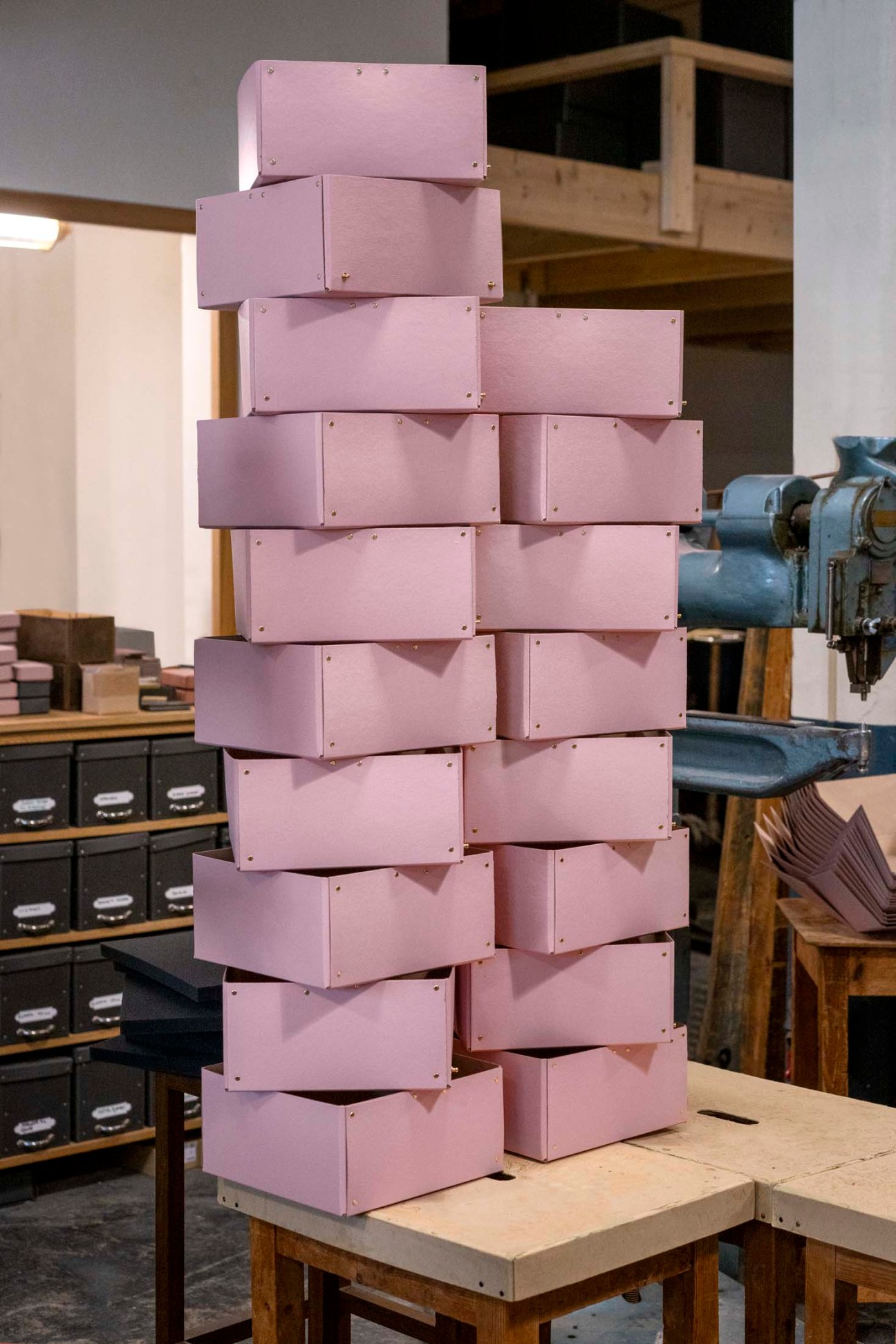
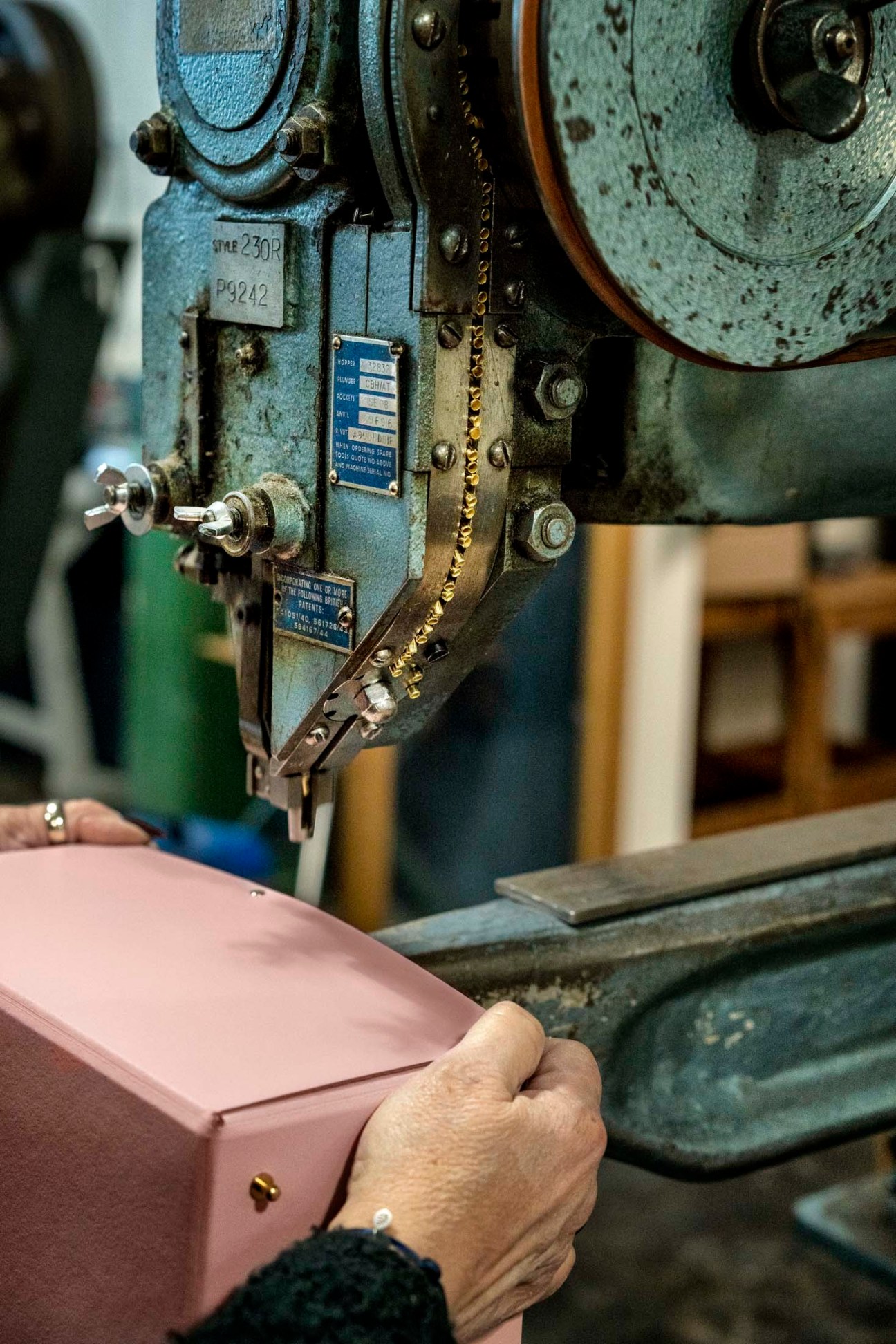
“If you can make it from cardboard then we can do it,” says Jakob Kristoffersen, one of the new co-owners of Elvo, manufacturer of bespoke cardboard products since 1923. Its output currently includes notepads, waste-paper bins, restaurant menus and packaging for brands but Elvo’s mainstay has always been boxes. These are no ordinary boxes; these are super-durable boxes, featuring embossing, waterproof finishes or leather straps and buckles. The Copenhagen-based company can make them to any specification, whether for vinyl records or socks.
“The Danish Royal family uses them and the Danish Royal Ballet has used Elvo boxes to store ballet shoes for more than 70 years,” says Kristoffersen, who bought the company with three partners from its family owners in 2019. No commission is too small: you can order a single box, made-to-measure, from 130kr (€17). Kristoffersen’s day job is as a senior manager at Bang & Olufsen but Elvo represented a chance to revive a classic Copenhagen brand, in decline since the advent of digitalisation, and take it in a new direction.

“There are so many industrial products in our lives but this is something that is handmade in Copenhagen; the craftsmanship is amazing and it’s sustainable,” he says. “The cardboard is all recycled here in Denmark.”
Another new co-owner is Kim Dolva, founder of Københavns Møbelsnedkeri (Copenhagen Furniture Carpenters), whose high-end cupboards and wardrobes have long featured Elvo’s storage boxes. “I’ve used them for more than 10 years so when I heard that the family didn’t want to continue running the company, I had to help save it,” she says.
Among the treasures that the new owners discovered in storage was a stack of vintage cardboard, almost half a century old. “It has some really special properties,” says Kristoffersen. “Because it has dried out, it is incredibly tough, like heavy-duty plastic.” The cardboard was used in a clothing repair kit handed out at a fashion show by designer Mark Kenly Domino Tan. “Mark wanted to make a statement about sustainability in fashion and this was the perfect way to do it,” says Kristoffersen. “Instead of the usual goody bag, he gave the audience something they could use to repair their old clothes.”
Elvo’s new owners are having fun with the company and business is on the up. “We have started spring/summer and autumn/winter colour ranges,” says Kristoffersen. “Right now, the mustard is very popular.”
Where are they now?
How to build on success
We check in on three flourishing businesses to see how they’ve fared in their respective markets.

1.
Al Rifai
Lebanese nut company
When food company Al Rifai launched in Beirut in the 1940s, it competed for a foothold in Lebanon’s snack-food market. It quickly grew. When Monocle spoke to managing director Moussa Al Rifai Jr in 2008, the company had nearly 90 per cent market penetration in the country and had just launched a European product line, Nutisal.
Today, Al Rifai Jr is manager of the whole group and in 2015 he oversaw the sale of Nutisal for €10.3m. “It meant that we could focus on our core business, which is retail,” he says. “It also allowed us to develop a new premium line of nuts for the travel industry.” The result? Al Rifai has grown from 160 shops in 2008 to nearly 420. Last year it premiered a high-end snacks shop in Frankfurt Airport. Like many, it hopes that airports are running normally again soon.

2.
Igloo
UK property developer
When Monocle spoke to developer Igloo in 2009, it had just been named the world’s first responsible real-estate fund by the UN. It’s a reputation the team has upheld: in 2017 it became the sector’s first European B Corp, a label reserved for profit-driven businesses that meet high environmental, social and governance standards. The company now has 5,000 completed and in-the-pipeline homes under its belt. This has also allowed the team to double in size from 16 staff in 2009 to 32.
“Investment has moved in our direction,” says founder David Roberts. It’s also pushed them to think outisde the box. “Every project has to perform better than the current standards. These standards will have changed by the time it’s finished so we need to be ahead of the curve.”

3.
Grace Winery
Japanese vineyard
Grace Winery, in the hilly Yamanashi village of Akeno, is one of Japan’s most respected wine-makers. Started in 1923, it is now run by fourth-generation president Shigekazu Misawa and his daughter Ayana, who is head wine-maker. When Monocle spoke to Ayana five years ago, the winery was already making waves internationally and exporting to eight countries. Today that number is 20, with nations including Switzerland and Indonesia stocking its vintages.
The firm has been on a winning streak: Grace’s Koshu white wines, made with Japan’s light indigenous grapes, have won gold medals at the Decanter World Wine awards for six consecutive years since 2014. “We’re improving the quality and raising the profile of Japanese wine in the world,” says Ayana.
Q&A
Angela Duckworth
USA
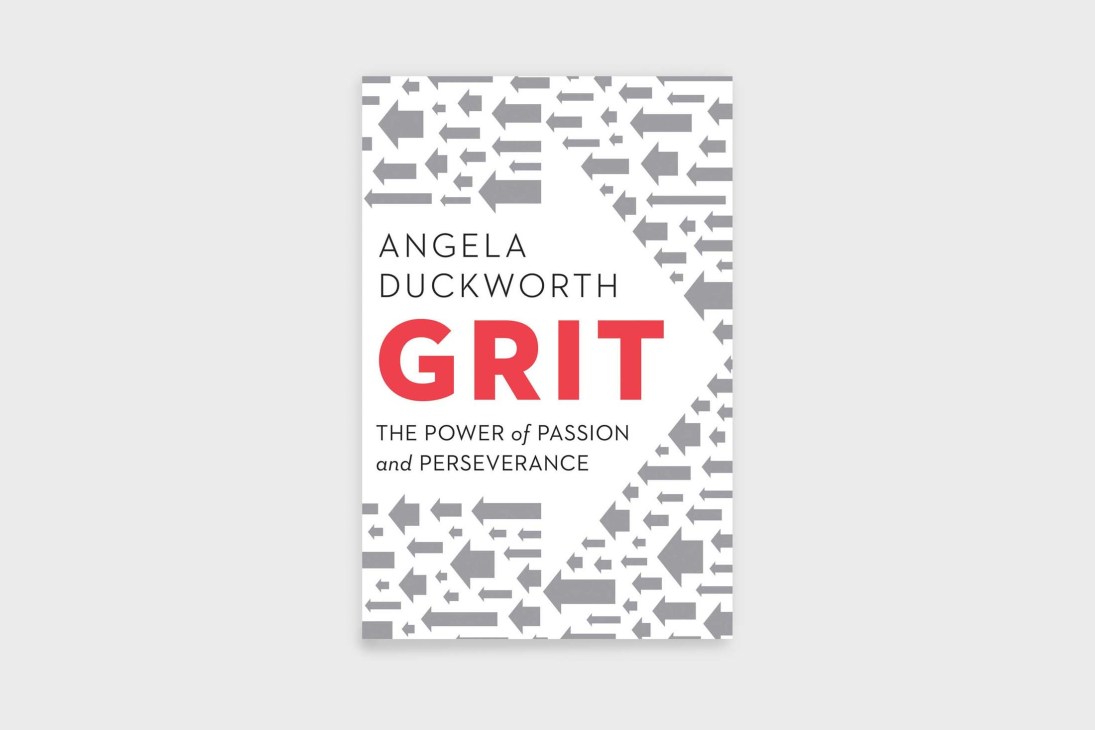
“One habit that I’ve noticed about entrepreneurs and other successful people I’ve studied is that they’re always reading,” says psychological scientist Angela Duckworth, author of Grit: The Power of Passion and Perseverance, which explores the psychology of achievement.
What’s the premise?
I started out asking: what differentiates those who are successful from those who are less so? Grit is about high achievers in business, medicine, literature, athletics and music. In addition to talent or IQ, I found that they had a combination of passion and perseverance – “grit” – that they sustained for years or decades.
Why should entrepreneurs read your book?
If you want to be more successful, why not look at the psychological science of achievement? Everything we study has some inheritable DNA component but we also know that there’s nothing that’s completely nature. Our experiences, mentors and the culture that we grow up in influence who we become.
How can your book help people through and beyond the pandemic?
Whatever your grit has enabled you to master, now is the time to put that skill to use. Plus, every crisis is a learning opportunity. We will all learn something new for the simple reason that we have no other choice.
Where to put your money
Ideas that will pay off
- Stephan Gerhard, co-founder of the 25hours hotel group: “People will travel once coronavirus is under control so I would recommend investing in tourism. But people won’t be looking for adventures and unexpected experiences. They will travel in their own backyards, looking for health, ecology and security. Invest in back-to-earth projects nearby.”
- Nicola Kilner, co-founder of skincare company Deciem: “People have realised the value of their health. I would invest in something that allows for easy home [medical] testing. The earlier we identify issues, the better our chances of solving them.”
- Jean-Martin Fortier, co-founder of small-scale farming enterprise The Market Gardener: “I believe that people will put more value on having a direct relationship with their food. Investing in anything that supports a transition towards local food systems – farms, distribution solutions or companies focused on artisanal production – is a sure bet. Or just start a garden.”
- Alain Sylvain, founder of design consultancy Sylvain Labs: “Businesses’ promises to care for employee wellbeing is being tested. As we spend more time working remotely, feelings of isolation can become overwhelming. Companies should invest in personal wellbeing and tools for healthy digital collaboration to maintain a productive mindset.”
- Carl-Magnus Norden, co-founder of electric truck-maker Volta: “Covid-19 has forced the world to realise the shortcomings of our distribution systems. For the time being, our economies will depend on local trade. Investing in local farmers, factories and hospitality businesses will be crucial for recovery. This will inspire more sustainable trade, reduce polluting transport and make our society more resilient to future disruptions.”
- Max Rofagha, founder of finance app Finimize: “I would like to invest in a remote Swiss mountain cabin where I could do a week-long retreat to read books and extend my knowledge.”
- Corinne Vigreux, co-founder of navigation company TomTom: “I’d recommend investing in digital literacy and social mobility to help empower the next generation of technology talent. I’m a firm believer that digital literacy is key to economic growth. That’s why in 2018 I founded Codam, a nonprofit coding college in Amsterdam. It’s free and I would like to keep it that way.”
- Nani Marquina, founder of rug brand Nanimarquina “We should all invest in the most sustainable practices and in new work processes that allow us to trace what we are doing.”
- Rich Pierson, co-founder of meditation app Headspace: “This year will be about the integration of mental and physical health. As people are living longer, I think we’ll see a growing dependence on new technological developments combining wellness with healthcare. This trend should be at the top of investors’ minds.”
- Ariel Kaye, founder of bedding brand Parachute “I recommend that people continue to invest in small businesses that focus on service and craftsmanship.”
Our editor in chief on how to build a better business
I was going to start by offering a warm welcome to this debut issue of The Entrepreneurs but there’s a good chance that you’ve already been a keen follower of this Monocle franchise for nearly a decade. So perhaps I should start by reframing things slightly. While this might be a print premiere for this sub-brand devoted to setting up your own stall, it’s first and foremost an extension of a much listened-to programme that’s part of Monocle 24’s round-the-clock audio schedule. With more than 400 shows under its belt, The Entrepreneurs signed on in 2011 and has become a favourite podcast (or live show) for listeners around the world. Indeed, it’s often ranked as one of the most downloaded shows in our line-up.
It was for this reason that we decided to make The Entrepreneurs part of our print portfolio; this latest addition will bring us to a total count of 24 magazines and periodicals across 2019. If you don’t believe me, let’s count: 10 classic issues, the escapist, The Monocle Drinking & Dining Directory, The Entrepreneurs, the Forecast, the Salone newspaper, the Art Basel newspaper, four Summer Weeklies and four Winter Weeklies. If you’ve missed any of these then please drop us a note at [email protected] and we will happily send along whatever you’re missing from your collection.
We officially pressed play on a standalone magazine devoted to start-up culture last December. We took stock of our inventory and recognised that there was a gap on newsstands for a chunky annual that feels like a magazine but can also jump off the shelf and sit on a table, alongside more likeable management and busi- ness books. In line with the editorial spirit of the audio version, The Entrepreneurs in print is about launching, sustaining and selling businesses in all forms. For our editors, start-ups are not just technology firms looking to do a quick exit off the back of a less-than-essential app launch, nor yet another firm trying to figure out how to sell us a solution to cover that last mile. From front to back we’ve taken a classic Monocle approach to examine how to spot an opportunity and then research, fund, brand, launch and grow it.This means that we’ve taken a global view and spoken to the indi- viduals who’ve launched and sold multiple firms, then aken a step back and done it all over again. We’ve vis- ited the companies that have created spaces that offer flexibility for growth; we’ve also turned over the tables and fixtures you might want to invest in when you’ve got that second round of funding and need to start looking the part.
And on the topic of appearances, our story on the evolution of the working wardrobe reminds all of us that the world works to different codes and timelines. As such, you still might want to invest in some good tailoring if you’re going to succeed within certain sec- tors and territories. And thank heavens! After all, if you’re really running your business from cafés and commuter trains, your daily get-up is a big part of your overall brand.
Along the way we’re going to ask some questions and force you to dig deep into the soul of the enter- prise you’re developing or already running. What does a successful day look like? Have you considered how you might hand the reins over and to who? What about balancing friends, family and health with grow- ing margins? Where should you be running your show from? Do you need to be in Brooklyn or Hoxton or Mitte? Does a major global hub need to be 15 minutes away (it never is) or does it make more sense to be sitting in an inexpensive office that’s a walk to your house – and just two minutes from the jetty where you keep your boat and enjoy a morning paddle? We have a few answers to these questions and, of course, many, many more. Enjoy this print premiere of The Entrepreneurs.You can find me at [email protected]. Cheers and thank you for your support.
Done deal
What you’ll learn from this magazine
1.
Everyone talks up the power of urban digital hubs but you can run a powerful business from a third or fourth-tier city – even from a rural outpost.You’ll need passion, good people to work with and a desire to balance revenue with a better quality of life. See the features on pages 50 and 165.
2.
Work is changing – and where we do it is too. But the giddiness around shared workspaces hides a truth: a nice office of your own is good for brain and brand. Our Design editor, Nolan Giles, can show you how to pull off a simple corporate look.Turn to page 113.
3.
Sometimes the world of work can be fun too; with that in mind, turn to page 80 to see how you do on our animal-branding quiz.
Friends in the north
Urbanist Jan Gehl once said that if you want to bring a community together, you should burn down the school. The great Dane was speaking in jest but his message was serious: communities grow stronger by solving the problems that affect them. Residents in the Scottish peninsula of the East Neuk of Fife do not have a smouldering school to contend with but you hear the same gripe wherever you go: their fields and waters are teeming with incredible produce yet no sooner is it harvested or landed, it’s loaded onto lorries to be sold elsewhere.
People are increasingly aware of the environmental consequences of their food habits but they’re less aware of the social breakdown that occurs when farming and fishing communities are forced to compete on an international scale. The ties that bind people and place become unstuck.
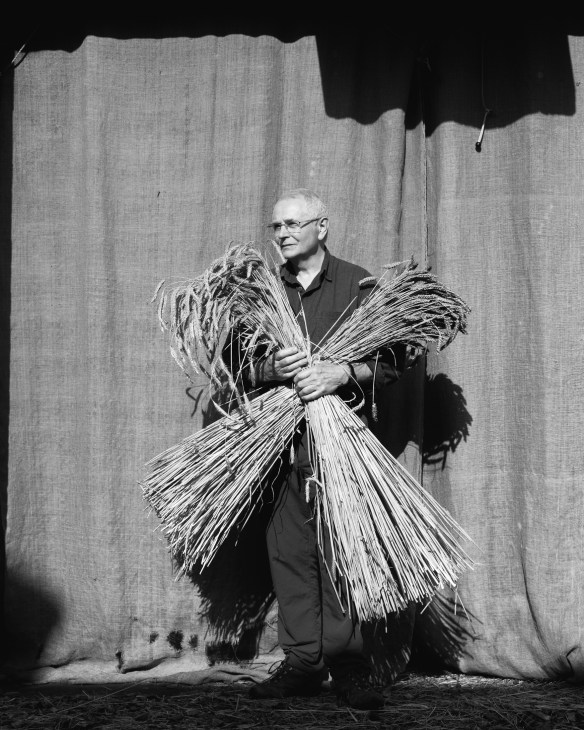
The Anstruther family has owned land in Fife for centuries. Toby, founder of the Brompton Design District in London’s South Kensington, moved up to Scotland with his family in 2008 to take over the family estate at Balcaskie. Since then he has been sowing the seeds of regeneration to create, as he describes it, “a natural habitat”. This is quite literal: since 2016 Balcaskie’s farmlands have been converted to organic practices, with a mission to be totally organic by 2022. “Organic farming achieves a set of principles that we’re trying to re-establish more generally,” says estate manager Sam Parsons as he stands in a field of willowy heritage grains. “Environmental, economic and social capital – intertwined.”
Like in many other picturesque parts of Scotland, fishing and farming may have declined but tourism has grown in recent years. The latter may fill a void but it creates its own problems too: it encourages seasonal employment, so small communities suffer from the feast-or-famine effect. “It’s important that there is a diversity of opportunity,” says Anstruther. “We need to make sure we are attracting people to make their lives here. Whether it’s in the city or the countryside, the idea is the same: how much better does a place feel if people have chosen to live there for a reason?”


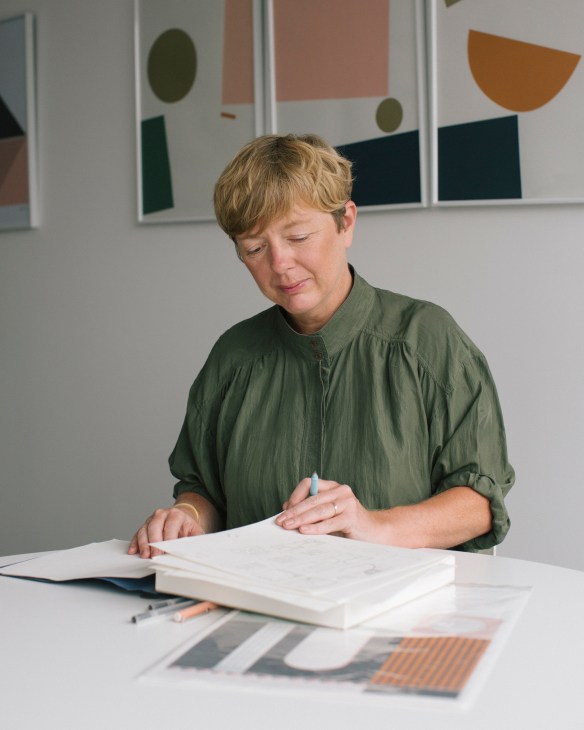
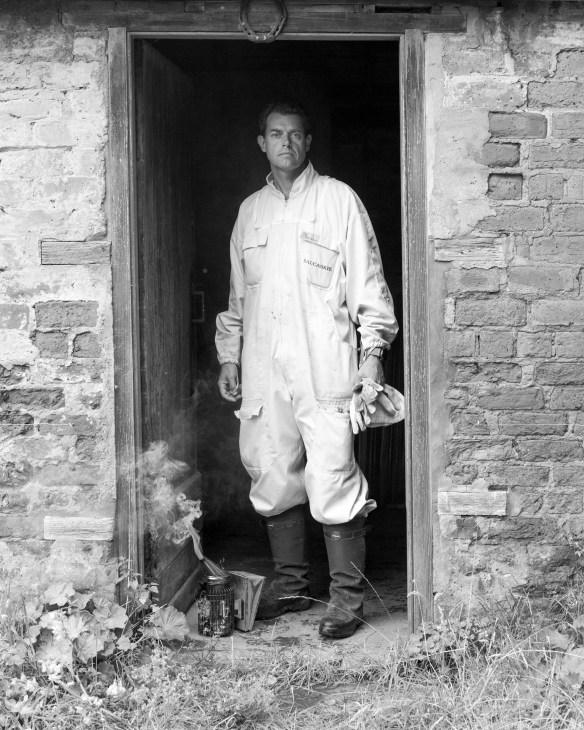



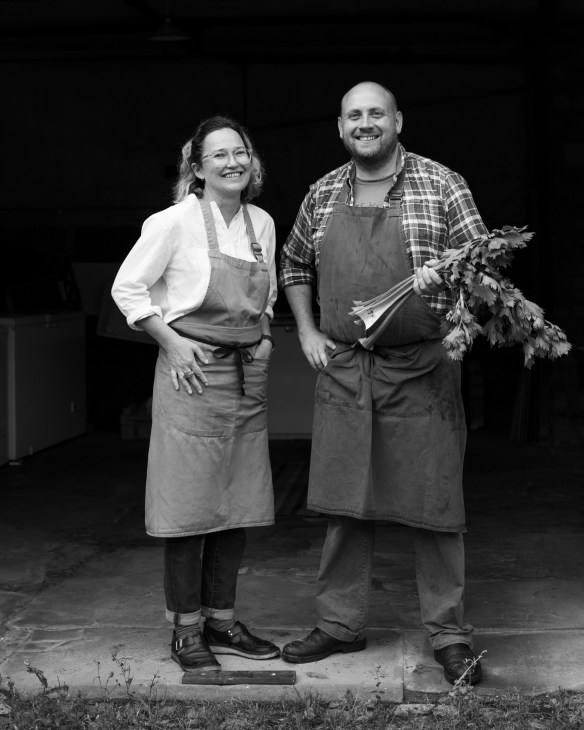




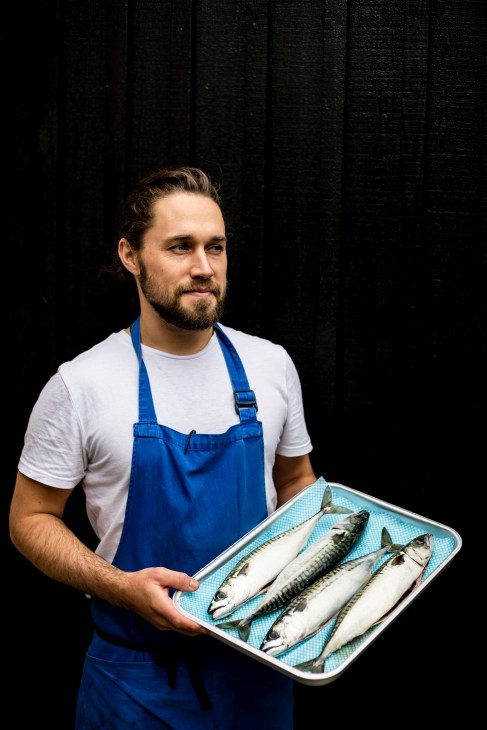
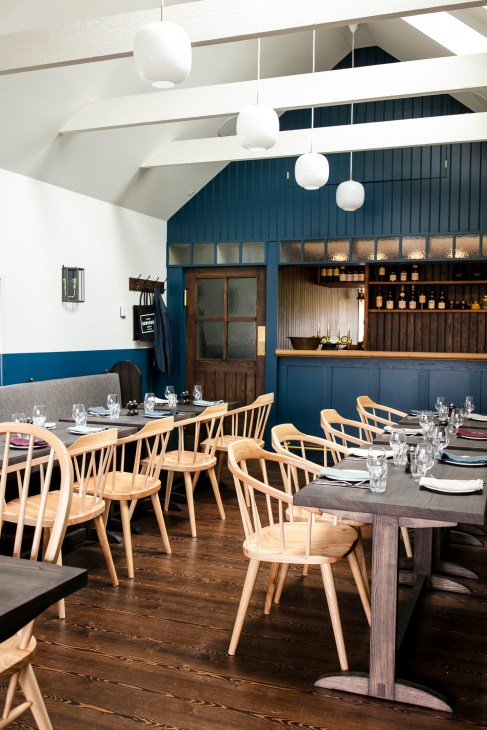
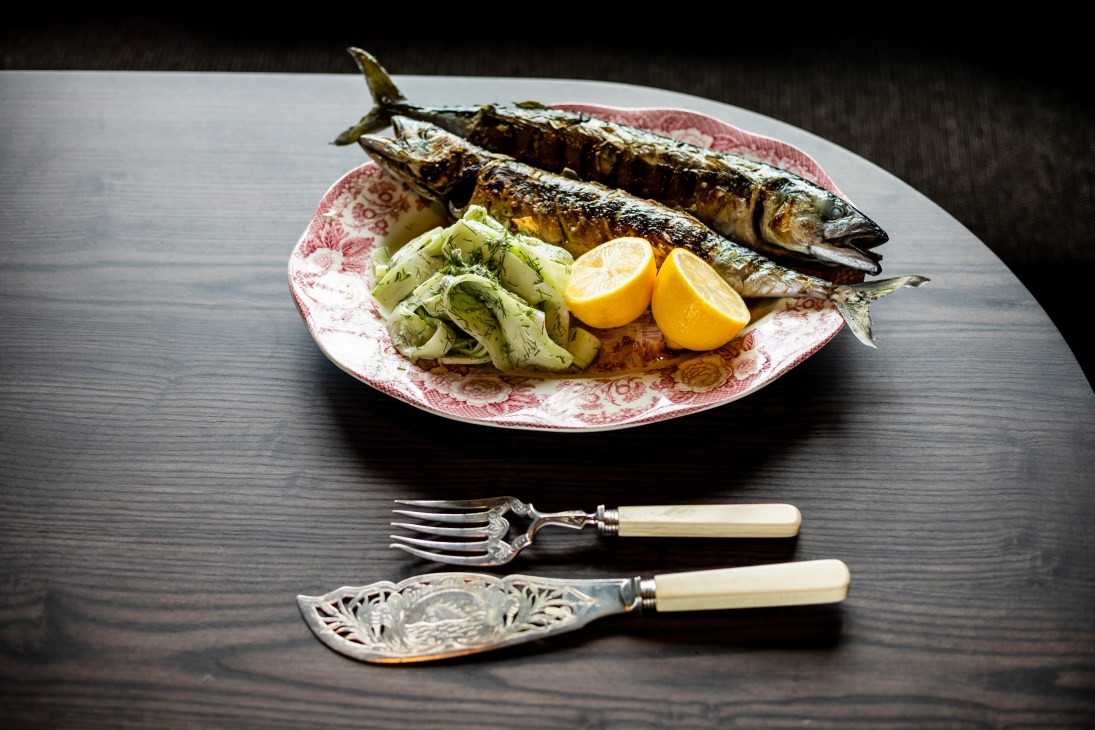

This fundamental principle has governed Anstruther’s approach at Balcaskie and beyond. Nine years ago he co-founded Food from Fife, a network to bring together, co-ordinate and promote all the region’s food and drink producers. “It was an initial building block to re-establish a bit of pride,” he says. “Food and pride are so inextricable, particularly in rural communities.”
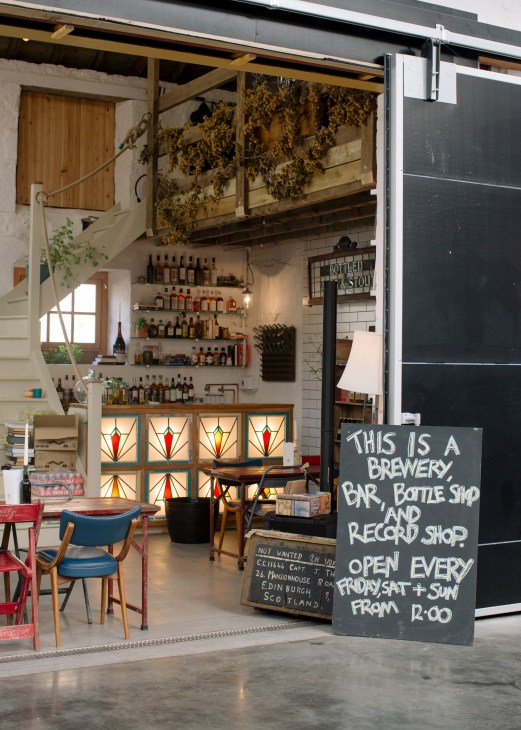
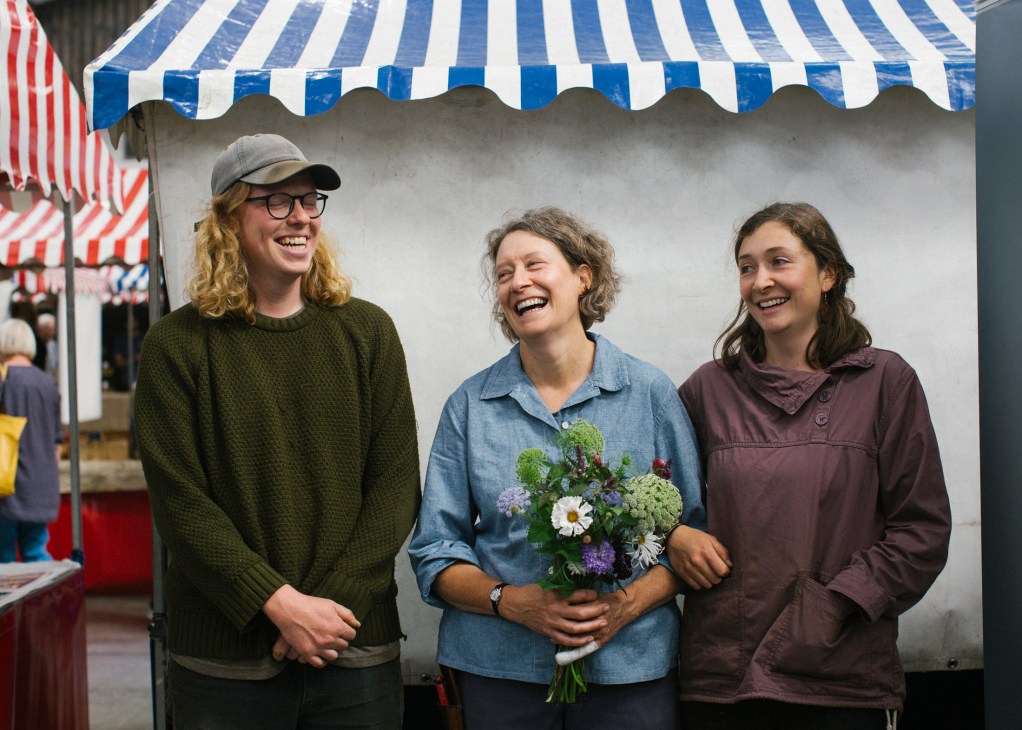
Joining the dots is Anstruther’s forte: following the success of Food for Fife he recognised the need for establishing an environment in which small businesses could grow, process, make and sell their wares in person. This is what happens at Bowhouse, a collection of growing plots, production units and a monthly market where producers come together to sell to the community. Still only in its third year, it attracts about 5,000 people – an impressive number considering the population of the East Neuk is just 15,000.
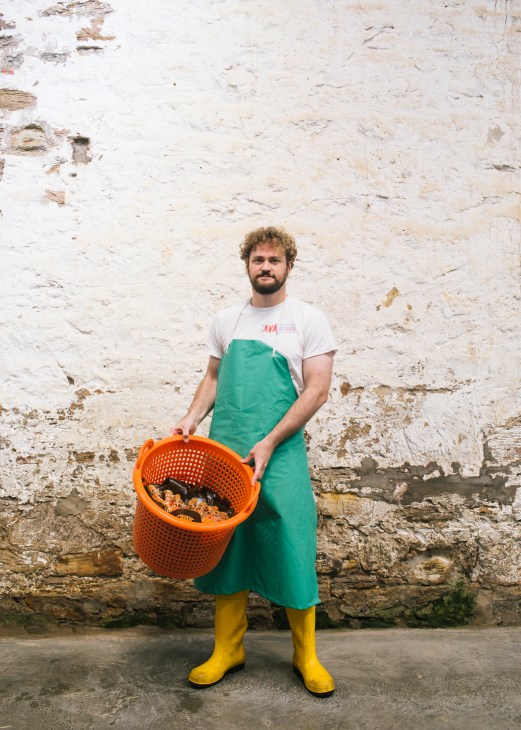
At Bowhouse you’ll find suppliers of shellfish, meat, fruit, vegetables, flowers, beer and whisky. Andrew Whitley, founder of Scotland the Bread, has a flour mill and growing production base at Bowhouse. “We are trying to prove a concept that realigns the social contract between farmers and citizens,” he says. “Farmers need to make a living without trashing the environment – and consumers should be able to buy quality local produce at good value.”
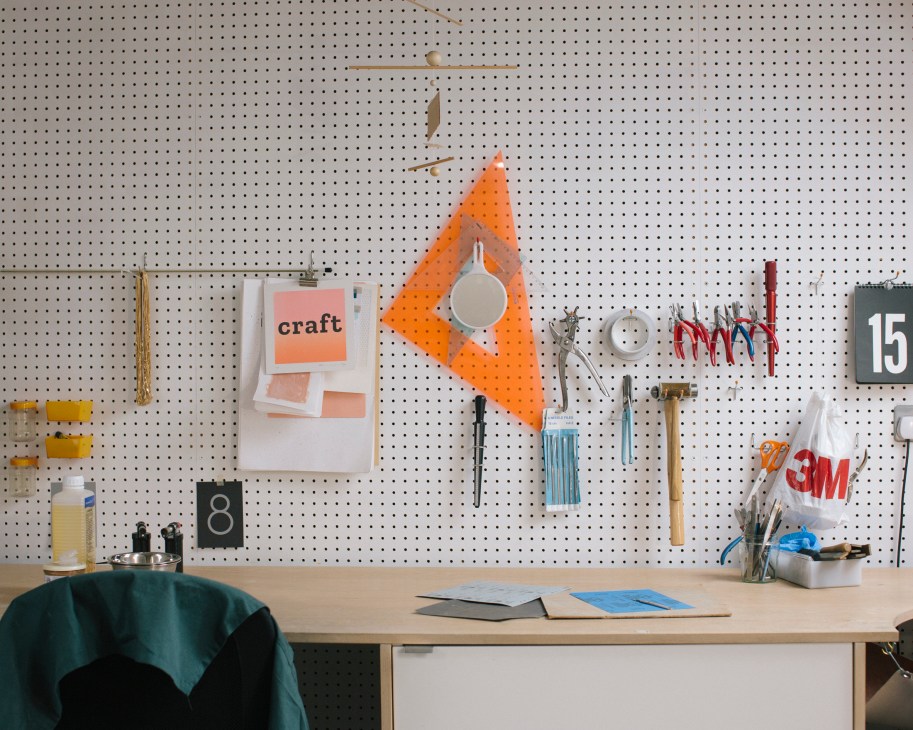
A few kilometres inland at Comielaw, Anstruther has also repurposed another clutch of former farm steadings to house eight studios. Here the remit of businesses goes further than just food: there are graphic designers, a guitar and mandolin-maker, a photographer and a stained-glass-window designer, among other people. Everyone on site agrees that coming together has made their businesses greater than the sum of their parts. “Many of us were kitchen-table set-ups,” says Kirsty Thomas of graphic studio Tom Pigeon, whose clients have included some of London’s great cultural institutions, not least the v&a and the Tate. “It’s not just about having more space to grow our businesses – we all feed off the sense of community here. Food is a massive draw to the area but we’re also seeing an influx of creative folk who are hot on the heels of the foodies. There’s an exciting energy – it’s contagious. In a good way.”
As you can imagine, this is the sort of place where everyone knows everyone – but what’s more important is that everyone helps everyone. There’s an engine of goodwill that runs the gamut from recommending the ultimate compost ingredients to making up the numbers in a local band. Elsewhere we hear of people designing neighbouring firms’ websites as a favour and others dropping off 30kg of excess courgettes at a nearby hospice.
The East Neuk is proving to be a strong magnet. When Anstruther moved north from London in 2008 there were six jobs on the estate; today there are more like 100. It illustrates the fact that people are moving here to set up for life, not just escape for a holiday. “The more complex a community is, the more resilient it is,” says Anstruther. “But it needs to feel simple. Much of life feels complicated and unbalanced. I don’t claim to know what the balance should be but unblocking barriers can help restore a natural equilibrium. It’s not about the buildings – it’s about the people who occupy them.”
Where
The East Neuk of Fife
With the North Sea on three sides, the area takes its name from the old Scot word meaning “corner” and consists of fishing towns and farming settlements. It’s unusually fertile due to the twin blessings of volcanic soil and a warm microclimate. The region is famous for its food, including langoustines, soft fruits, wheat, oats, potatoes and livestock.
Eat
The Kinneuchar Inn
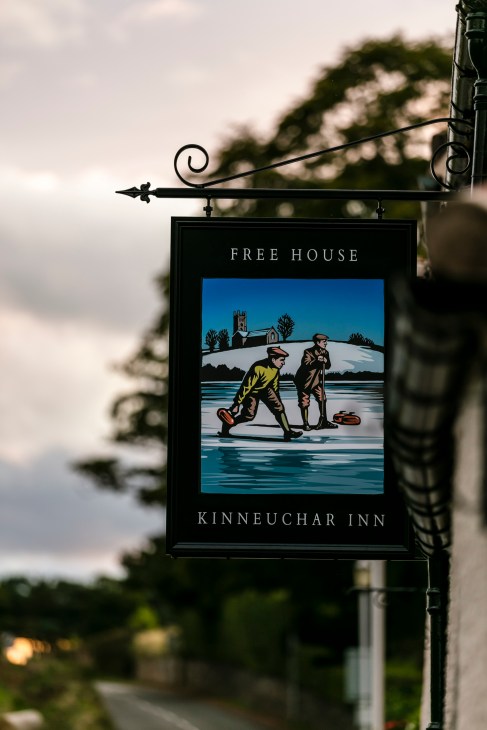
This 17th-century inn in the village of Kilconquhar was bought by Balcaskie in 2016 and has been refurbished by young practice Norman-Prahm. The restaurant, pub and dining area doubles as a community space. Partners James Ferguson and Alethea Palmer, formerly of London’s Rochelle Canteen, have made Fife, and the inn, their new home.
Buy
Di Gilpin
From an unassuming studio in Comielaw, Di Gilpin oversees more than 30 knitters. Twice a recipient of the Balvenie Artisan award, Di Gilpin is one of the world’s most respected knitters and has made clothes for Celine, Meadham Kirchhoff and young Glasgow-Paris couture label La Fetiche. She was instrumental in the development of Nike’s Flyknit trainers.
Revel in the details










Styling: Kyoko Tamoto
World at your feet
Miami ice
Alaska Ice Corp
Eric Goeres, aged 47, is the unlikely entrepreneur behind Miami’s Alaska Ice Corp, having bought the fledgling company in February after ending a successful 20-year career as a creative executive for several of the biggest names in print and digital media. He says he was seeking a “future proof” opportunity. “Ice is unique in that it is essential and elemental; its use cannot be replicated or disrupted by Facebook, shipped by Amazon or made in China,” he says.

It’s barely dawn in Miami and the temperature is already above 30C. At the Plaza Seafood Market, Sergio Yanez and his workers are busy arranging colourful rows of just-delivered red snapper, grouper, lobster, jumbo prawns and live blue crabs atop the beds of pure-white ice crystals that will keep them cool and fresh during the searing heat of the day to come.
If such a rich daily harvest from the waters around south Florida is the draw for shoppers at this lively Hispanic street-corner marketplace and café in the city’s Allapattah neighbourhood, Yanez knows it’s the ice that keeps the wheels of his business turning. It arrives in giant cloth bags, 500kg at a time, from Goeres’ firm which is a short drive across town. “The ice is crucial to the fish; we need these guys,” says Yanez, who processes and sells a range of seafood supplied by clients from Mexico to the Florida Keys. “Our ice-makers break down a lot. Whenever I need a big bag – which is often – they’ve always got one ready to go.”
Commercial ice is a big deal in Miami, where daytime summer temperatures average 31C. In such heat you might think that the bright-yellow sign on the wall at Alaska Ice Corp’s premises in Hialeah, warning visitors of falling snow and ice, is a joke. Yet just steps beyond, in a cavernous and freezing packing room, chunks of the stuff cascade down chutes from two giant ice-making machines on the roof. On busy days production can reach nigh on 45,500kg. Hard hats are obligatory.
From the packing room, Alaska Ice Corp’s general manager JC Pino uses a forklift to load the bags onto the company’s fleet of trucks, which shift it to where the ice is needed most: flower imports coming through Miami International; large-scale fish companies that import, process, repack and distribute South American tuna; smaller family-run operations such as Plaza Seafood; and Miami’s prolific teams of loncheros: food trucks driven around the city that deliver fresh fare including empanadas, cheeseburgers and ceviche to workers at building sites and offices.
“These workers are the backbone of the labour force building future Miami and our ice keeps the food and drink cool in the Florida sun,” says Goeres. Another growing line is “emergency” ice: for example, when a restaurant’s ice-maker fails and Alaska Ice Corp receives a late-notice call to stock up the freezer of the business in question.
“It’s not lost on me that what we’re selling is just frozen water,” says Goeres. “It’s not the internet, it’s not a ‘like’ or an Instagram post and it’s not a marketing ploy. It’s just a piece of ice. And that very tactile, hands-on nature is what appeals to me.”
Banking on start-ups
Getting a business loan needn’t be cause for alarm.
You’ve got a business plan, a few employees and a load of confidence – now what? Funding is often the most daunting aspect of setting up a business but never fear: some banks are rethinking their lending terms and helping entrepreneurs create interesting companies.
Traditional banks can be risk-averse but the better ones offer a helping hand in the form of advice and a network of likeminded businesses. For UK-based firms there’s Aldermore, one of the fastest-growing lenders; The Triodos Bank, which only lends money to businesses that pay social, environmental or cultural dividends; and Unity Trust Bank, which is aimed at charities, social enterprises, co-operatives and community organisations.
Technology-driven mobile banks such as Tide and Mercury are appealing for their ease of use but without physical branches it can be hard to get personal support. This is the niche that Bira has cornered. Founded in 1955, it is owned by the British Independent Retailers Association and is specifically built to serve their interests. It disburses about £10m (€11.2m) a year in loans, anything from £15,000 (€16,700) for a used car to a working-capital loan of £250,000 (€279,000) for a shop refit. Its expertise is coupled with speedy service. “If one of our members approached a high-street bank for a loan they might have to wait several weeks before they could speak to someone who can help with their particular application,” says managing director John Collins. “We try to turn it around the same day or within a couple of days.”
Its trade-association ethos means that it isn’t beholden to increasing shareholder value and can put money in things it believes in or thinks will benefit UK retailers. “The job is about putting our members at the heart of everything we do,” says Collins. Now, there’s an ethos you can bank on.
Don’t touch my base
Ditch the buzzwords and keep things simple.
Words are vital when it comes to communicating your company’s values so choose them wisely. Whether it’s a job title, company tagline or how you address your team by email, corporate jargon adds confusion and frustration. We’ve collected some of the lowliest examples of this lame lexicon in a glossary for getting beyond work-speak.
Synergy
People think it means The complementary interaction of two ideas
It really means Neither of the ideas was good enough to start with
Hot-desking
People think it means “I’m part of the creative elite”
It really means The company is saving money, starting with where you sit
Going forward
People think it means From now on
It really means The entire undertaking has been going around in circles until this point
Ideate
People think it means Generating solutions
It really means Some people are insolubly daft
Action
People think it means Activity; the act of getting something done
It really means Someone who rarely does anything is (or may be) about to do something
Touch base
People think it means Catch up
It really means To arrive at the foot of the Himalayas or smoke crack cocaine
Strategic
People think it means An important prefix for any occasion that adds impact to the proceeding word, such as “partner”, “decision” or, most amusingly, “reversal”
It really means Every decision that this person has made previously lacked any forethought
Granular
People think it means Detailed, nuanced and close-up
Really means Nebulous, irrelevant and far from important
Stakeholder
People think it means Anyone even tangentially involved in a decision
Really means A decorative item in a butcher’s shop for displaying meat
Innovation
People think it means Something new and exciting
Really means Nothing new and exciting has happened at this company for some time
Low-hanging fruit
People think it means Easy pickings; a simple win
Really means “We’ve given up aspiring to anything more clever, complicated or competent”
Succession story 1
BlattChaya, Beirut
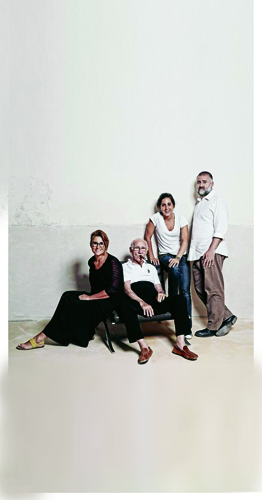
Building a company involves knowing when to hand over the reins; across the following pages we meet three getting it right, starting with a Lebanese tile firm.
Cement-tile producer BlattChaya was founded 20 years ago after Edgard Chaya’s cousin gave him a chest of tile-mould fragments from a previous family enterprise (also called BlattChaya). The company is now a market leader and his four children, of which Karim is the youngest, are determined to continue that legacy.
Edgard Chaya, 90
“I’m proud that I managed to start something that my children want to continue. They caught the bug from me and love the creativity of it. Karim has changed a lot of things in the factory and it has improved the business – even if I wouldn’t have done it that way.”
Karim Chaya, 47
“I’ve learned a lot from my father but, above all, my dad is a great believer that the product is king, rather than the customer. If the product speaks for itself then the client will feel the perfection and be happy.”

Old job, new tricks
When wisdom and entrepreneurial verve combine
1.
Jaswant Kular, 69
Co-founder and executive chef
Jaswant’s Kitchen
Jaswant Kular (above) started out making homemade spice blends for her children. Years later daughters Simi, Roupi and Nimi convinced her that there was a market for her recipes, becoming co-founders of Jaswant’s Kitchen in 2010. Now the Toronto brand is stocked in the Ontario branch of Whole Foods and some in the US – and on Amazon. “My life is more rewarding now,” says Jaswant.
2.
Bryan Kravitz, 70
Owner
Philly Typewriter
For 15 years Bryan Kravitz repaired typewriters but, as their popularity dwindled, he was forced to stop. But in 2013 his partner noticed a vintage one on sale. “It gave me a hint that there was something there,” says Kravitz, 70, who opened Philly Typewriter in 2017. “It couldn’t have happened if I wasn’t this age. I had this skillset that was buried, then people got into retro; business is thriving.”
3.
Kemi Oloyede, 53
Founder and creative director
The Sew London Project
Having taught art and textiles in London for 20 years, Kemi Oloyede was ushered into early retirement at 50 after arts-funding cuts. She resolved to reboot her career and The Sew London Project was born in 2015, offering a bespoke fashion-design service; the company also offers sewing workshops. In 2020, Oloyede plans to open up her designs to other makers by producing patterns.

What’s at stake?
Why the smart money might not be on external investment.
Aisles of boring business books and hours of idle daydreaming are devoted to pitching that humble business you started to those most promising but precarious of potential creditors: venture capitalists. But why do it? Any savvy investor worth their tailored suit probably isn’t quite as excited about swimwear or a supper club as you. Instead they have shareholders to report to and dollar signs in their eyes.
At Monocle we feel a little different about the purpose of businesses. Yes, they need to make money but what about building something that lasts a lifetime? Angel investors are fine if you just want to flip the company but think twice if you don’t. Luckily the tides of entrepreneurship are eroding the island mentality of making money for its own sake. Customers are wary of firms that ransack neighbourhoods, nations or the environment without giving back. This sense of responsibility is the advantage of family funding and it’s still the safest road to take. It can be precarious turning pals or parents into creditors but it also provides some clarity. Should you gamble grandma’s savings on that office upgrade? Does dad’s diligently gathered inheritance deserve to be squandered on a staff party? Your sister’s wedding savings on a website? It makes you think twice.
In the rush to run with the unicorns, many founders quickly forget what got them excited about owning a business in the first place. If you’ve got faith in your business then a venture capitalist isn’t always the answer, particularly if you want to pass along any of the proceeds to help your cousin get their fledgling firm flying.
Succession story 2
Ludwig Reiter, Vienna
Founded in 1885, this heritage shoemaker started out supplying the Austro-Hungarian royal army but these days produces everything from handmade Chelsea boots to briefcases. Fourth-generation Till Reiter runs the firm with his brother but will eventually hand over to his daughters, Anna and Magdalena.
Till Reiter, 57
“They bring so many new ideas to the table. I see the future in them, even if I have trouble understanding it: the importance of social media and online shopping.”
Anna Reiter, 31
“When the smell of leather is one of the first things you remember, it’s normal to sit and chat about shoes at the dinner table. I always knew I wanted to be a part of the business. It’s not a job I leave behind at 5pm, it’s my life.”
Magdalena Reiter, 29
“I’ve been working with my father for eight years and we understand each other really well now. He sends me off to meetings on my own these days; it’s a sign he’s letting go a little and trusts me. We have a lot to learn from him – they are very big shoes to fill.”

One man, two businesses
Hadrianus & Möbelkunst
On the east side of Budapest, two businesses are tucked away on a street in the Tenth District, Kobanya. The first is Hadrianus, a salvage company for unwanted and broken IT equipment. The second, Möbelkunst, houses the city’s foremost trove of mid-century furniture. At face value these businesses don’t seem to have much in common but their founder, 42-year-old entrepreneur Andras Fugerth, disagrees. “They share a very similar business model,” he says. “Except one is waste and the other is treasure.”
Aged 19 and still at university, Fugerth observed that, in an effort to remain in step with the latest technology, offices around the city were discarding tonnes of waste in the shape of computers, telephones and televisions. Someone was missing a trick: the discarded devices could be collected from companies for a price, then either recycled or repaired and resold. So he set up Hadrianus.
Fugerth was glad that his efforts were reducing the amount of waste that was finding its way into landfill but he always knew that there was more to it than giving new life to broken gadgets. As his wealth accumulated he developed an eye for modernist furniture. Among his first collections was a Hans J Wegner CH33 chair he found while living in Finland. As profits from Hadrianus continued to roll in, his home got so full of furniture that he was forced to rent a warehouse near his IT salvage facility and sell off a few items. But there was a problem: he was hooked on the buzz of discovery and continued to collect rare items from his favourite period. “Möbelkunst is now a business employing eight people,” says Fugerth. “It has costs so it has to be thought of as a business but it’s still run on the premise that it’s a good hobby – the thing I enjoy most is the sourcing.”
Wearing two very different hats might cause some people to feel overwhelmed. However, the variety that comes from flitting between his two businesses gives Fugerth energy and enthusiasm in spades. “I’m very busy but I also value my free time,” he says. “These two businesses keep me occupied as much as I want. If there was a new opportunity then I’d be open to it but not just to earn more money.”
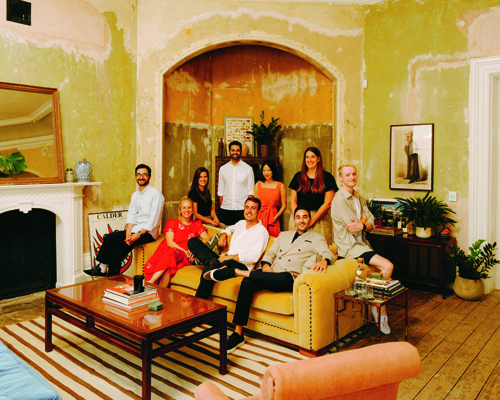
My cabinet: Sharan Pasricha
Ennismore, London
The potted history of Ennismore reads like a business-school case study. Since the group acquired Shoreditch’s Hoxton Hotel in 2012 it has expanded at breakneck pace; Hoxton is now a brand with eight locations across Europe and the US, with a hotel scheduled to launch in LA in October. The purchase (and subsequent revival) of luxury Scottish grande dame The Gleneagles Hotel followed. Now Ennismore is turning its attention to the budget category with NoCo, a less expensive hotel option due in 2021.
Once you establish a location, sustained growth in the hospitality industry isn’t that tricky according to Sharan Pasricha, Ennismore’s founder and CEO. “If you look at our business, we are a hotel but we are also a living room for the neighbourhood,” he says. Pasricha is fascinated by the social mores that appear in different cities and how these manifest in hospitality spaces. When it comes to people’s behaviour, he is always taking notes: “When Italians have an espresso, for instance, they don’t sit down,” he says. “What I didn’t realise is that if they sit they get charged VAT.”
Ennismore is dedicated to sharing the wealth with the neighbourhoods surrounding its establishments. Pasricha talks with pride about his company’s work with charity Shelter from the Storm, a homeless shelter in London. Ennismore lent its hospitality nous to the initiative, helping with budgeting and negotiating low prices from suppliers. Chefs from the portfolio of hotel restaurants are regularly brought in to feed those seeking refuge. “Corporate social responsibility isn’t just a tagline on the bottom of the website,” says Pasricha. “Companies need to spend a lot more time reflecting on how they can add to the conversation.”
1.
Marcos Eleftheriou, Head of internal culture, “Only Marcos could rally enough troops to get out of bed to paint a homeless shelter on a Saturday morning.”
2.
Heather Pigott, Brand director, “Could sell water to a goldfish.”
3.
Hannah Cheston, Brand manager, “Han brings the team together to help us raise that dough.”
4.
Imran Bhatia, Senior legal council, “The one keeping us all out of trouble.”
5.
Luke Nurser, Project manager, “A ballbuster when it comes to keeping things on time. Great at beating down suppliers for the best price.”
6.
Kathleen Lee-Joe, Content editor, “Kath knows how to write a story. She’s done everything from establishing the mission statement, to documenting the journey online.”
7.
Sharan Pasricha, Founder and CEO
Sharan Pasricha cut his entrepreneurial teeth at an early age: fresh out of university he founded marketing agency Rush Media. Before long he was being enlisted by an uncle to reverse the fortunes of the family’s ailing leatherware business in New Delhi. Pasricha did just that, bringing the company back into profit in 18 months. Moving back to London in 2009 he founded hospitality group Ennismore. Starting with the purchase of a single hotel in a fast-gentrifying area of east London, he has since turned the company into a flourishing hospitality empire.
8.
Hannah Marsh, Head of learning and development, “Hannah gets the best out of our people. With Marcos she helped establish our apprenticeship programme so that we can continue to develop.”
9.
Harry Ashbee, Graphic designer, “With his eye for detail, Harry has worked with Shelter from the Storm on branding: telling their story, creating assets for social media and doing all sorts of hands-on jobs like sign painting.”

Help is at hand
Junction Triangle, Toronto
In 2016, when Halo Brewery opened in a two-storey, red-brick building in Toronto’s Junction Triangle, it did so sporting a homemade logo that, like the basement the brewery started in, no longer fitted its ambitions. Owner Callum Hay didn’t have to look far for help. The move to a new, bigger space in the city’s west end, which helped expand production to 2,400 litres of beer a week, also introduced him to useful neighbours: fellow small businesses.
Formerly an industrial area filled with warehouses and factories, the Junction Triangle fell into decline in the 1960s when passenger trains ceased to stop there. Today the area is home to cafés, movie studios, technology entrepreneurs and, just upstairs from the brewery, design firm Underline Studio.
Founded in 2005, Underline is run by graphic designers Fidel Peña and Claire Dawson, who met at another Toronto design studio, Concrete. Since moving to the Junction Triangle in 2012 they’d become regulars at Halo, so Hay turned to the designers for a new brand identity. “We knew Halo’s product and they knew us,” says Peña. “It was almost like a dream to be able to go downstairs to show them concepts.”
The resulting beer labels are modern and geometric, and have had a significant impact on bringing new customers to the brewery. They are also among Underline’s most publicised projects and potential clients often reference them.
Underline’s office is airy but small and doesn’t have a private meeting space. For that they head to another of Junction Triangle’s residents, Café Neon, owned by Niki Tsourounakis. Back in 2010, French video-game maker Ubisoft moved into the area and Tsourounakis, who cut her teeth working at her parents’ Greek restaurants, was hired to provide food for the launch party. She found out that Ubisoft expected to grow its staff upwards of 600 in five years and thought, “Where are these people going to eat? There’s nothing around here.”
Within a year Tsourounakis had opened Café Neon across the street. The menu features quiche, salad niçoise and falafel, all served to a hungry lunch crowd made up of workers from Ubisoft and other companies. And when Halo was looking for someone to make bar snacks for its new taproom? Café Neon was the natural choice.
This close-knit web of support, often overlooked in favour of digital connections and social media, offers unique opportunities. “They’re such easy relationships to navigate,” says Hay.
How do I… pitch?
Marie Perruchet on how to connect with your audience.
I lived in Silicon Valley for 10 years; it’s a world of its own. In the Californian sun you’re seeing 10 entrepreneurs pitching the same idea in the same hour so you have to perfect that pitch. I quickly realised that storytelling is essential. As a former BBC journalist I know how to make people talk, gain their trust and tell their story but, from my experience, that is not always the case with entrepreneurs.
Why do you want to tell a story? To connect with your audience. It should show loss, struggle and transformation – not unlike all those fairytales you grew up reading. When you think about your start-up, ask yourself this: what’s the issue you’re hoping to solve or the gap in the market you’re hoping to fill? Then explain how your product or service can fix the problem and point out why your target market needs this product.
In order to grab your audience’s attention in the first few seconds, tell them how your company has triumphed over adversity and how you are going to go about transforming people’s lives. You want to show that you are innovative and that your idea is going to make the world a better place in one way or another.
The guidelines
To simplify your story into a five-minute pitch takes a lot of work and practice. The process is important but never forget what you want to achieve. Aim for fluency while keeping these universal rules in mind:
1. Keep it short. Don’t wait five minutes to dive into it and don’t beat around the bush. Take the first 10 seconds to grab your audience’s attention.
2. Be clear and precise; make every word count. When you push people to be as precise as possible you can paint pictures in your listener’s mind to help them remember your idea.
3. Be authentic. You don’t want to sound like a clone of yourself. People want to see the real person behind the venture and make a connection.
Prepare your pitch
In Silicon Valley people often say, “Fake it until you make it.” As a former journalist I like to deal in facts but I would say prepare your pitch like you’d train for a sports competition. These are the things that you’ll want to take into account:
1. Research your audience and know who you’re addressing. Perhaps there is something that could help you create a connection.
2. Test your pitch in front of a low-stakes audience – a group of friends, perhaps. Ask your audience to reformulate your pitch to see what they understood and took away from it. Practice will help you gain confidence and when the day comes for you to pitch your business to an investor, you’ll be ready. I would recommend recording your pitch so that you can listen to yourself and make the necessary improvements.
3. Go with the flow; don’t script it. You don’t want your pitch to sound too rehearsed or robotic. It’s like driving. When you first start driving you’re so tense that everyone’s afraid to sit next to you but with some practice you relax and start holding conversations and doing all these things – that you probably shouldn’t – while you’re driving. When you’re pitching you should feel just as confident and relaxed.
4. Get the timing right. I always prefer to pitch in the mornings on Tuesdays to Thursdays. That’s because people are catching up with their emails on Mondays and they’re distracted by thinking about the upcoming weekend on Fridays.
Ace your pitch
A blossoming entrepreneurial mindset can be witnessed pretty much wherever you are in the world. That’s a wonderful thing – but it also means that your competition is stiff. Showcasing your passion is important when pitching, in order to differentiate yourself from others. When the shit hits the fan, how strong are you? How driven are you to sustain the difficulties and struggles that you’re going to face as an entrepreneur?
We’ve all watched politicians on stage and how they tend to deliver their top three messages regardless of the questions they’re asked. Figure out what you want to get out of the meeting and what three messages you want to get across. Make sure your top messages are conveyed and repeated so that they sink in.
We are stuck to our screens and constantly bombarded with information but at the end of the day, people just want to connect and engage with others. You can do just that by telling a great story.
Perruchet is an international marketing and communications director who has worked with the likes of Netflix, LinkedIn and Adidas
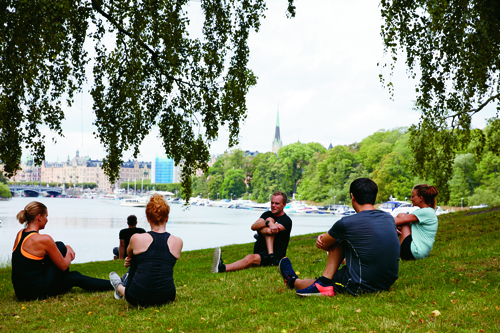
Running with it
Springresor, Stockholm
It’s an autumn morning in Djurgården park in Stockholm. A troupe of runners are being put through their paces by Lars Björklund and Lina Johansson, co-founders of Springresor. Their start-up offers group runs, personal diet plans and trips to locations from the Isle of Skye in Scotland to Hallstatt in Austria.
Just months ago, Björklund and Johansson were desk-bound healthcare professionals yearning to break free and work on their fledgling business full time. In May they did exactly that, embarking on a six-month sabbatical, powered by a government grant.
In Sweden this story is a familiar one: employers must permit workers to take six months off if they want to start a new business. Though there are certain conditions; for example, if it creates a “significant disadvantage” for an employer’s business, they can decline. If things don’t work out, the would-be entrepreneurs are allowed to return to their old jobs. This safety net helps more people find the courage to set up shop alone; between 2007 and 2017 the number of limited companies in Sweden almost doubled, from 27,994 to 48,542.
Both Björklund and Johansson are hoping that Springresor will take off, allowing them to hand in their notice. Björklund says, “The best part is being able to decide what to do with our day; it’s made such a huge difference to our lives.”
In numbers
1. Stockholm has earned a reputation for being Europe’s start-up capital and is second only to Silicon Valley for the number of technology companies valued at $1bn (€907m) per capita.
2. Between 2007 and 2017 the number of limited companies in Sweden almost doubled, from 27,994 to 48,542.
How do I… design a brand?
Designer Lawrence Zeegen on the importance of look and feel.
The first time I really thought long and hard about design was when I came out of school at the age of 16 in 1980 and picked up the first edition of The Face magazine. For me that was the turning point, the moment I knew I was destined for a life in design.
I arrived in London three years later to study graphic design at Camberwell College of Art and then illustration at the Royal College of Art. But the time I spent hanging out in galleries, shops, street markets, bars and clubs opened my eyes to design as much as my time at art school. Even today, when I’m looking for inspiration, I head out. I go for walks, make handwritten notes, scribble visuals, take snaps and visit exhibitions and bookshops.
Why design matters
Design is often thought of as the icing on the cake once all else is complete. My view is that design must always be in the mix from the start; the best brands have understood this. Ensure that design is baked in to how you think and act as an entrepreneur and how you set up your business. Otherwise your audience will go straight to your competitor.
Designing a brand
Focus on differentiating your offer from the competition. Think from the start about how you’d like your brand to behave, what its values will be, where it sits in the market and why the relationship between your brand and your customers will be vital.
Designing a brand is about creating an experience for your clients. If you’re developing an app, for example, make sure that design is embedded into the technology; usability and functionality are key considerations and getting the user-interface correct is as vital as a strong user-experience.
Designing a logo
Your logo is the graphic manifestation of your company, product or service, and it needs to work perfectly on screen, in print, in advertising, on packaging and signage. Some of the world’s best logos are extremely simple. It should reflect your brand’s philosophy and transport the feeling that you want to inspire in people.
Professor Lawrence Zeegen is an educator, designer and illustrator

10 businesses we’d back
1.
An odd-hours hotel
No, not a Brazilian-style love motel but rooms available at times that cater to early and late landings – and don’t force you to sit in the foyer until the maid’s done at midday. Standard Hotels does a version for a fee but it only operates in four cities.
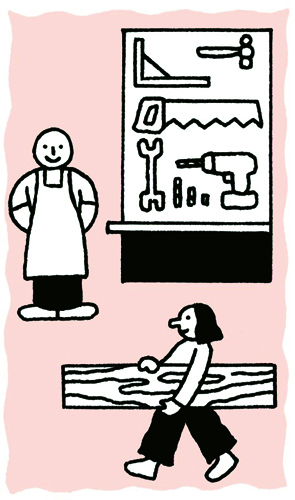
2.
A brimming hardware shop
Yes, because we all need a screw now and again. But also because we all miss the expertise and advice that should accompany the purchase of everyday items. There’s also a market for a less blokey experience, a scaled-down version of Japan’s Tokyu Hands shop that also hosts practical lessons for DIY dilettantes in the evenings.
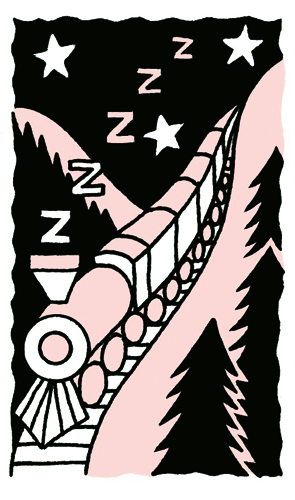
3.
A rolling-stock maker
As the mood shifts to greener, slower travel we are banking on needing more and better overnight train services: carriages you can curl up in and well-equipped boardrooms for business on the move. Enjoy the journey as well as the destination. There’s also a case for adding a little romance and fun to travel, even at the lowest ticket price.
4.
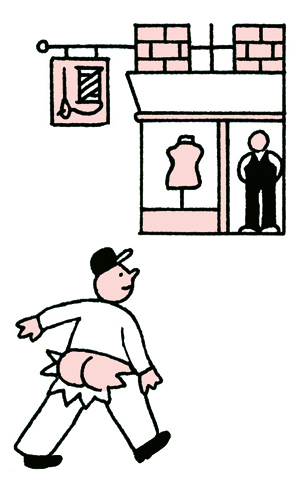
A high-street haberdashery
Adept at hems, nicks and fixes – and with a button to match any blazer – this also chimes with the growing realisation that fewer and better made clothes is a sound alternative to fast fashion. How about a catchy, patch-based marketing campaign proclaiming a few slogans: “I’ll be darned” and “Holey spirit”.

5.
A high-minded allotment
Urban space is tight but what if city folk could sublet areas to grow? Picture an Appear Here (the service for people after a temporary store) for rooftops that would allow green-fingered city slickers space to cultivate a garden – or just a tan. We’d have a side hustle selling soil, bulbs and training for would-be gardeners.

6.
An estate agent
A competent one that’s got a black book of the best stock on the market, the owners’ and buyers’ priorities in mind and isn’t into the hard sell. The Modern House in the UK is a success but people haven’t cottoned on abroad. The firm shows the power of good images, interviews and a good editor to select great design.

7.
A fool-proof proof reader
A crack team of copywriters that can check your menu, shop sign or whatever you’re getting emblazoned on your van, window, or website. Remember, an injudicious apostrophe looks bad and undermines your mission – that can all be sorted with a few strokes of the pen.
8.
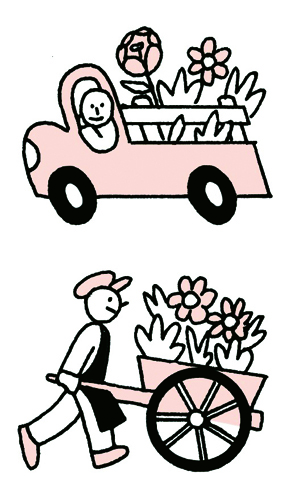
A mobile flower-market
Think of a farmers’ market but for flowers. It would pop up on school playgrounds at the weekend and fill the blacktop with rare blooms and the scent of the season. Behind the scenes we would also cater to the biggest and best corporate parties, helping to link local growers in the country to offices in the city.
9.
A travel agency
Booking online is wracked with unreliable tips, opaque offers and charlatans. Customers will save money in the long run by outsourcing their travel to someone with genuine know-how. Also, how about a TripAdvisor for nice people? Somewhere that helps travellers find pleasant places rather than vent their spleen about bad ones.

10.
A camp interlude
More than just bundling the kids off to camp, our institution takes its inspiration from the German model and teaches children about nature. Young attendees can climb trees, scrape knees and start fires without too much nannying. We introduce tots to camping, cooking, canoeing and a few life skills worth fostering.
Back from the brink
Samuji, Helsinki
Cautionary tales usually have unhappy endings; this one, however, has hope. It concerns Finnish fashion and homeware brand Samuji, which was founded a decade ago by Samu-Jussi Koski, the former creative director at Marimekko.
Over the years Samuji amassed a cult following for its clean womenswear silhouettes and punchy prints. It opened a New York flagship in 2016 and, at its peak in 2017, managed €2.2m in annual sales and had stockists from Tokyo to Oslo. It was going places.
Yet, as with so many independent brands, the cash flow soon dried up and, at the end of August this year, Samuji issued a plea on its website and social-media feeds asking the public to save it from bankruptcy. “As we sometimes do in life, when trying to grow a business, we misjudge some of the risks and find ourselves in an economic situation that challenges our business,” the brand wrote on Finnish crowdfunding platform Mesenaatti. It was a heartfelt appeal. “It was a bit frightening to be so open and candid about the overall situation but we felt that it was the only option at that point,” says Koski, reflecting on the campaign.
It worked. The brand was aiming for €400,000, although €150,000 would have saved it from immediate bankruptcy. In the end it made just over €200,000 thanks to some help from Stockmann, Helsinki’s leading department store, which promoted the campaign for free on its digital display screens.
For now it looks like Samuji will live to fight another day but the incident is a sobering example of the volatility of running an independent brand. “With the benefit of hindsight, we overextended the resources of a small company,” says Frank Svenfelt, Samuji’s CEO. “We grew the company aggressively and took risks; many paid off but some did not,” he adds, citing poor performance by the New York flagship and the fact that two of the brand’s biggest third-party stockists went out of business as key contributors to its downfall. From here on in Samuji will focus on its Helsinki flagship and its online business.
The fashion industry celebrates beautiful things but many of the small, independent brands that prop it up survive because they are canny with money and are hustling, always hustling, to get their goods in front of customers. “The industry in itself is a difficult one and it is going through very significant changes,” says Koski. “Focus and clarity on brand messaging – and also tapping into networks for experience and advice – is perhaps even more important than ever.” The fate of his brand, played out so publicly, reminds us of the perils of being an entrepreneur in this fickle retail game – and also of the danger of trying to expand, that very human thing to do. There is a lesson here for all of us.
Succession story 3
Sanyodo Shoten, Tokyo
Sanyodo Shoten is a small, family-owned bookshop that opened in 1891. It carries everything from bestsellers to a unique selection of children’s books and fashion magazines. The business is run by family members across three generations; Hideko Toyama is fourth generation and her nephew, Ryo Manno, the fifth.
Hideko Toyama, 59
“I learnt everything about how to serve customers from my late father: provide a chair to those who walk with a cane, chat to small children who look a bit lonely and pay a visit if you hear someone is not well. The next generation has brought a new perspective and network of people. Some of our customers have known us for decades through generations of their families and it’s important for us to keep the business in the family.”
Ryo Manno, 31
“Hideko taught me how to make progress while keeping tradition. Her decision to add a gallery to our bookshop created a new network of people and expanded our potential. My role now is to preserve Sanyodo Shoten and pass it on to the next generation.”

How do I… get funding?
Pip Jamieson has some sound advice on securing the dosh.
I had to build my network from scratch. I had meeting after meeting, slowly working my way up the ladder. My break came when someone introduced me to Brent Hoberman, co-founder of Lastminute.com. He loved what we were doing and introduced me to a number of my current shareholders.
The goal of my company, The Dots, is to take on LinkedIn, which was built for traditional, corporate careers. I want to create an alternative professional network that really works for the creative community. We call ourselves no-collar professionals. We’ve got nearly 500,000 members so far and I’m on a 10-year journey to become the next big professional network.
I had the luxury of selling a business and seed-investing The Dots myself when I launched in 2014. We’ve done two rounds of funding since, raising €1.7m in the first external round and €4m in the second. But just because I’ve approached VCs doesn’t mean that it’s right for you and your business. The first thing you have to ask yourself is whether you want to take on that money. Because the moment you do, you are not in control of your company anymore. You have other people who you are accountable to.
My advice would be to make sure you research all available avenues. If you’re going down a route like mine, realise that VCs either want a billion-dollar business or they don’t care if you go out of business. That’s the journey I have chosen but it’s not right for everyone because I’ve kind of given my life up to do this. Sometimes a loan is the best way forward and there are numerous start-up loans out there. What I’m also increasingly interested in is crowdfunding with the likes of Seedrs or Crowdcube.
I love the idea of raising part of the money from my community and having them benefit from any growth. If I could be fully accountable to my community and not shareholders, that would be my dream. But I’d want to make sure that there’s definitely a sensible cap so that no one’s putting in more money than they can afford to lose, because every business is risky.
If you do go down the VC route it’s about picking your investors carefully and making sure they align with your values. Raising investment is like going into a marriage but without the benefit of make-up sex! What I love is the diversity of my backers, whom I call shareholders (it gives you the sense that you’re all in the same boat). Communication is key for maintaining these relationships. We regularly send updates to them, in which we are very honest about the things that are going right and the things that are going wrong. We’re always open to asking for help too. Involving the shareholders on the journey is important but don’t overdo it. Push back when a shareholder is overstepping the mark.
Some of my best mentors are investors who have turned me down. They help with different areas of my business now, from tech to scaling. Don’t get upset when you get a no. If you like an investor, keep in touch and ask their advice when you need it. They might have turned you down in the last round but they might invest next time.
Recently we’ve been inundated with people wanting to invest in The Dots, which is a really lovely position to be in. But it has taken me three-and-a-half years to get here. You’ve got to be patient. It does happen, I promise, it just takes a while.
How to secure funding:
1. Build a network as early as possible. There are wonderful networks such as the AllBright, Blooming Founders and Angel Academe that can help you.
2. Build a portfolio of mentors. I can turn to them for advice and having that knowledge base is incredibly valuable.
3. Persevere. Every no leads to a yes and I’m living proof. If I can do it, anyone can do it.
Pip Jamieson is the founder and CEO of The Dots, a professional network for people in the creative industry
Follow suit
1.
Casely-Hayford
London
For architects, gallerists and entrepreneurs after a hit of cool
Some of London’s best-dressed men determine what their work look will be in a yellow-walled room in Marylebone that’s populated with armchairs, plants and photos of luminaries such as Jean-Michel Basquiat. The downstairs floor of Casely-Hayford’s central London shop was designed “to feel like your coolest friend’s apartment”, says Charlie Casely-Hayford, grinning. “When people are in this room they’re very open. And if they’re comfortable then they explain their job to us. It allows us to really think about what they need to do each day and what will work for them.”
Casely-Hayford co-founded the brand in 2009 with his late father, the esteemed designer Joe Casely-Hayford. It has a cool, refreshing take on tailoring: suits come roomy and coats in crunchy Japanese fabric, while crisp T-shirts are tucked into wide pleated trousers. Its ready-to-wear lines for men and women are popular, representing about 50 per cent of business. But the bespoke side, in which customers can have pieces tweaked in a choice of about 3,000 fabrics (from the UK, Italy and Japan), is growing. Many customers, especially men, are using this service when building their work wardrobe.
“We’ve carved out a niche for ourselves; we’ve attracted people from the arts and creative industries, and young entrepreneurs,” says Casely-Hayford. The 33-year-old cuts an enviable figure in a double-breasted suit in a brown checked wool. “The common thread among our clients is people who are seeking something different,” he says. One architect, for example, asked him to make an “ill-fitting” suit in a Holland & Sherry fabric that would create an insouciant look; another client, the founder of music-broadcasting firm Boiler Room, pairs a Casely-Hayford suit with Reebok Classics and a chain.
Others have a less clear idea of what they’re after. “We’ve had people say, ‘I want a uniform but I don’t know what it is. Can you help me?’ That’s such an exciting brief,” says Casely-Hayford. “For work, a lot of guys like to have a uniform, even if it’s casual. If you’re getting up at 6am and going to the gym, you don’t want to give a huge amount of thought to your outfit. Knowing that something works, and that you can have it in several fabrics and colours, is ideal.”
Given the relaxation of workplace dress codes, can any item now be considered office clothing or is there a certain ingredient that makes something suited to work? “There is definitely something specific,” says Casely-Hayford. “A lot of people say, ‘I want something to make me feel confident.’ You don’t necessarily seek that from your weekend clothes.”
What is it, then, that gives confidence? All Casely-Hayford’s suits have an easy nonchalance about them and the brand “is known for cutting its suits to be worn with T-shirts”, says the designer. The Hendricks double-breasted model is popular as the brand has moved one of the jacket buttons so that it sits half-open, creating a relaxed look. A more low-key bestseller is the shirt-jacket, which comes in everything from Italian suede to corduroy. Customers are advised to pair this with a navy T-shirt and tailored trousers. “Where people get confused is when they think, ‘If I want to feel important, then I need to wear a suit,’” says Casely-Hayford. “It doesn’t have to be as black and white as that. We’re trying to think outside traditional suiting. That’s where we’ve found a sweet spot.”
casely-hayford.com
The white-trainer worker
It’s time we give this new employee uniform the recognition it deserves.
For decades we’ve classified people according to the clothes they wear. We’ve had white and blue-collar workers, of course, but also striped-collar workers for the IT crowd that emerged in the 1990s (deemed somewhere between blue and white) and black-collar workers for the creative class that rose up in that same decade wearing Gucci or Prada in an palette of ebony, coal and ink.
Well it’s high time we cast our eyes downwards and added a new classification: the white-trainer worker. In the past decade, few wardrobe items have come to signpost a male member of the creative class like a pair of white trainers. We have Common Projects (and perhaps Adidas Stan Smiths) to thank for this. New York brand Common Projects – founded in 2004 by former magazine art director Peter Poopat and brand consultant Flavio Girolami – was one of the first to offer trainers for “grown-ups”. Its sleek designs with fine gold lettering looked good with a blazer and enabled men to feel comfortable and sophisticated at the same time; they catered to our more active lifestyles and, unlike most options, did away with the dread of feeling like we were trying to dress like the kids.
Common Projects’ domination is all the more remarkable given the brand’s business strategy. It doesn’t have any of its own shops, choosing instead to sell solely via a prolific wholesale network; according to its website it has 164 stockists in the US alone. (That said, this lack of self-promotion has arguably served to heighten the brand’s mystique.)
As the athleisure movement has raged on, the sophisticated-trainer market has mushroomed with specialist brands such as CQP, Axel Arigato, Oliver Cabell and Fateeva – plus seemingly every luxury house – getting in on the action. Tell us you know an art director over 30 who isn’t wearing a pair of white Nappa trainers and we’ll call you a fibber. It’s about time our sartorial taxonomy reflected that.
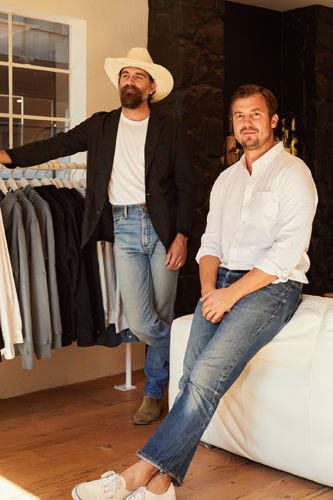
2.
Buck Mason
Los Angeles
For men in the tech and creative industries after well-made basics
In the offices adjoining their shop in Hancock Park in central LA, Buck Mason founders Erik Allen and Sasha Koehn (both pictured, Allen on left) discuss the finer points of one of their signature pieces: the hoodie. “Our guy shops with his hands as much as his eyes,” says Koehn, running his fingers across the French terry. “He can feel that it’s thick but soft and already kind of broken in.”
Allen points to the twill tape along the side seams. “They might not see this nuance until they get home but that’s where people know that this is modern and not [the 100-year-old clothing brand] Eddie Bauer.” This is pure Buck Mason: taking a familiar item – a hoodie, an Oxford shirt, raw-denim jeans – and giving it a youthful injection.
Today’s work spaces – especially on the West Coast – are filled with those riffing on the tech entrepreneur’s outfit sported by the likes of Jobs and Zuckerberg. Buck Mason elevates the basics and is a favourite among men in the creative and tech industries. Since its inception six years ago, the brand now has nine shops across LA, San Francisco, New York and Plano, Texas.
Although Buck Mason has been sported by the likes of Snapchat CEO Evan Spiegel, Allen says its association with the tech wardrobe is a mere postscript. “We never thought, ‘Oh, we’re going to do this pared-down casual thing because the zeitgeist is shifting.’ Our lens has always been California.”
Nonetheless it makes sense that these sorts of folk took to Buck Mason; there is something distinctly uniform-like about its wares. The company began as an online start-up and, on its immaculate website, goods are divided into 11 neat item categories, from tees to polos and sweaters. Every product is available in an array of neutral tones so that customers can buy, say, five of each thing for work, play or both. “Erik jokes about this more than I do but you could walk into our shop blindfolded and pick up five items and chances are that they’ll all go together,” says Koehn.
In LA especially, work happens anywhere you’re not choked by gridlock. Luckily Buck Mason’s casual wardrobe can easily carry the busy worker from a café meeting to an off-site shoot to dinner in Silver Lake.
buckmason.com

3.
Prologue
Hong Kong
For dapper finance guys who are after a suit refresh
Chris Tang (pictured, second from right) is running late for a customer fitting at Prologue, a menswear shop in Hong Kong’s Sheung Wan district specialising in dapper made-to-order suits. He co-owns the shop, along with fellow suit enthusiasts Jerry Tong, Chi Wang Tang and Gareth Li. Although it’s 30C outside, Tang arrives not having broken a sweat. He’s pristinely dressed in a white shirt, burnt-orange knit tie, navy blazer, grey pleated trousers and mahogany Oxfords.
“Our perfect customer is someone who’s looking for separates,” says Tang, who attributes the brand’s success to its wide customer base from Hong Kong to Stockholm. “Seventy per cent of our customers would start with a pure wool navy or grey suit but otherwise we see a lot of people mix and match different patterns, colour and fabrics.”
While young professionals in other cities may be quick to embrace a new wave of casual dress in the workplace, Hong Kongers wear their suits with pride. Much of the tradition of formal work attire is kept alive by the city’s prevalent corporate culture. “It’s a suit environment but I tend to keep it business-casual,” says Pierre-Jean Françon, partner at the firm DHR International and a long-time Prologue customer.
While taking Françon’s inseam measurements, Tang warns him that suits made of light fabrics are prone to wrinkling. “We encourage customers to get something heavyweight but breathable – about 280 to 370 grams,” he says. “It helps that the air-conditioning is so strong in most offices.”
Hong Kong’s long history of tailoring has helped keep suits alive. “Tailoring is a very bread-and-butter thing in Hong Kong,” says Mark Cho, owner of menswear retailer The Armoury, which has branches in Hong Kong and New York. “People are willing to splurge on bespoke tailoring here.”
Prologue’s Jerry Tong (pictured, second from left) attributes his love of made-to-measure to photographs of his grandfather suited up for work in the 1940s. “You see 30 to 40-year-olds opening shops like ours in Hong Kong – people who want to modernise the traditional suit,” he says. “But we’re maintaining that classic touch that a lot of people are willing to forego.”
prologuehk.com
Smarter art
1.
The screen queen
Independent cinemas in Asia often struggle to turn a profit. But for one former real-estate investment banker, reconfiguring a disused cinema in Singapore into a thriving cultural destination has been much more than a personal passion project.
The Projector, Singapore
Singapore-born Karen Tan studied architecture and economics, then worked as a real-estate investment banker in London for several years before moving back to Singapore in 2010. That’s when she started Pocket Projects, a consultancy working to conserve Singapore’s heritage buildings by redeveloping and repurposing them for creative uses.
In 2014, Tan and her two business partners came across a disused cinema on the fifth floor of the city’s famous Golden Mile Tower. They decided to reconfigure it and turn it into what’s now The Projector. As well as showing a bold programme of films, the building also hosts a co-working space and a café, which ensures that the space is never underused.
“I wanted it to contribute to the city by creating a cultural space that is about openness and diversity,” says Tan. “In these days of increasing segmentation online, physical spaces where people from different interest groups can come together in a relaxed fashion are more important than ever.”
theprojector.sg
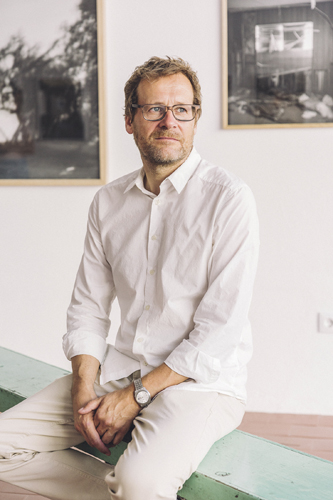
2.
The gallery go-getter
Making a success of a small gallery is difficult: low profit margins and a limited market of potential buyers mean that many ventures struggle. But by applying an innovative funding model, Pablo Berástegui has found an approach that works both financially and creatively.
Salut au Monde, Porto
Before opening photographic gallery Salut au Monde, Spaniard Pablo Berástegui held a raft of senior cultural management positions in his home country. As well as working as CEO of the San Sebastián 2016 European Capital of Culture programme, he spent four years heading Madrid’s cultural venue Matadero and seven years running the city’s annual PhotoEspaña festival.
“I was working on large, complex projects and felt that the moment had arrived for something more personal, where I have more control,” he says. “I was managing big teams and big budgets but I was moving further away from the artists. With Salut au Monde I’m involved in the whole process, from curating the exhibitions and installing the work to distributing the promotional postcards.”
The precarious nature of funding in the cultural sector means that even big-name institutions struggle with cash flow; Berástegui’s solution was to develop a strategy based on subscriptions rather than sales. He is recruiting 100 people to support Salut au Monde with an annual contribution of €400; in return they receive a print from each of its four yearly exhibitions. “The idea is that people who like photography, or share my values and want to support me, can get involved for a small investment,” he says. “It’s about being part of a community that supports something interesting.”
The model certainly has benefits from a curatorial perspective. “I can take chances on what I exhibit and show the work I really like, instead of worrying about what sells well or having to work with big-name photographers because they attract media attention,” says Berástegui. “I am focusing on up-and-coming photographers rather than established names so we can help people get their work seen.”
His advice to entrepreneurs is to be patient. “You need to give things time to blossom. It’s taken longer than I expected but it’s important not to be too nervous about success. Important things take time; if you are committed and believe in your vision, success will come.”
salutaumonde.info
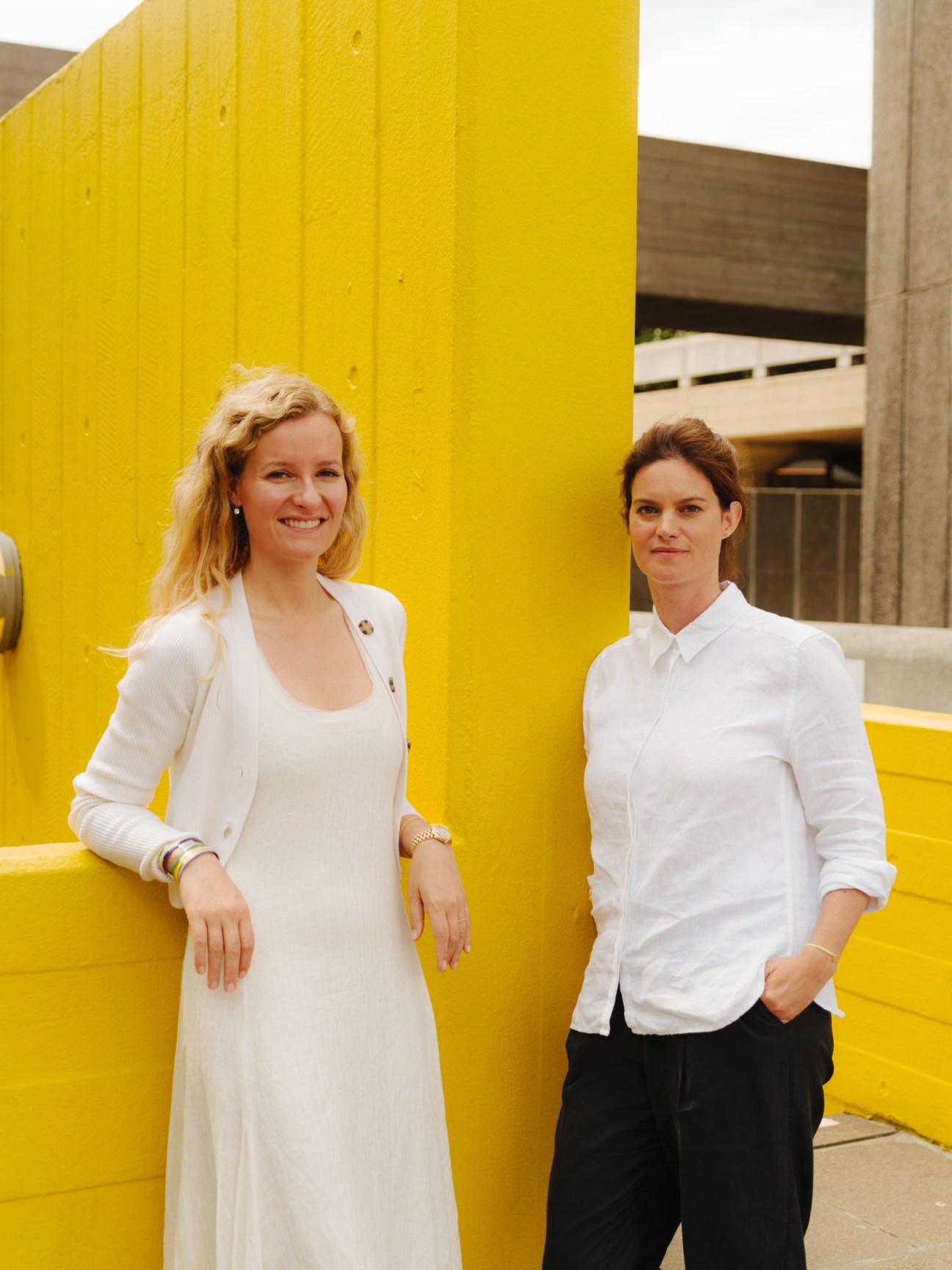
3.
The culture vultures
The Cultivist is an art-lovers’ club where members pay an annual subscription in return for access to exhibitions, private tours, tailored trips and visits to artists’ studios. We meet the co-founders who will stop at nothing to grant people’s cultural wishes.
The Cultivist, US & UK
Marlies Verhoeven and Daisy Peat (both pictured, Verhoeven on left) had been working on auction house Sotheby’s vip programme for years when they realised that there was a wider public who wanted to enjoy similar privileges to top-level collectors. The Cultivist, the company they founded in 2015 after raising $1.5m from private investors, is a membership-only club devoted to meeting art lovers’ needs.
For $2,500 a year (€2,200 in Europe), members get fast-track entry to more than 150 museums and institutions around the world – from the Guggenheim to Lacma – and access to more trade fairs than they could feasibly fit into a travel schedule. Then there are the extras: members can call in and request private tours of exhibitions led by experts at as little as a day’s notice. A roster of more than 200 Cultivist-organised events in New York, London, San Francisco, Brussels and Paris every year provides ample networking opportunities, while members can also visit artist studios in whichever city they happen to be visiting.
For the first year the pair capped the number of members at 1,000 but the community has now expanded to include a few more thousand. “We wanted slow growth,” says Peat. “We didn’t want to grow too rapidly and didn’t want to advertise.” Yet what began as a six-person team has evolved into a 20-person operation with offices in London, New York, Shanghai, Los Angeles and Brussels with a network of 40 collaborators on the ground in various cities around the world.
While most members are collectors, some artists and curators are also on the list. “These people are time-poor so we do the homework for them,” says Peat. “We often say that they don’t need us but we do make everything a lot easier.” The fact The Cultivist does not have a commercial edge also allows the team of programmers to recommend whatever they feel is best, without pressures to encourage any sales.
Despite relying primarily on membership fees for revenue (some corporate partnerships are in place too), the model took off pretty quickly. Activities have also expanded to provide art-trips (pre-organised or bespoke) to less-explored art cities from Bogotá to Beirut.
“If you’re going to Rome, let us know the dates and we will let you know what exhibitions you should go to, whether they are at museums or commercial galleries,” says Peat. “But we’ll also tell you what little chapel you should visit to see an amazing fresco.”
thecultivist.com

4.
The host with the most
By going without government support and refusing to collaborate with brands that don’t align with her mission, Anastasia Yefimova has pulled off quite a feat with Richter, her culture centre-cum-luxury hotel that’s right in the heart of Moscow.
Richter, Moscow
“It’s about a collective vision and collective action,” says Anastasia Yefimova, founder and co-owner of Richter. It’s easy to see what she means. In a city where setting up a truly independent cultural centre is no easy feat, she’s embarked on a mammoth project. Located in a stately 19th-century mansion in the heart of Moscow’s historic city centre, Richter (named after the building’s original architect, Fyodor Richter) combines a library, magazine shop, recording studio, contemporary-art gallery and print shop with a luxury hotel, restaurant and vermouth bar.
“We want to create a community of people who realise that you must pay for good art and good service,” says Yefimova. That’s a radical departure from the way that cultural institutions normally work in Russia: even independent museums and galleries often depend on the authorities for their survival and have to toe the official line as a result. “Most people simply didn’t believe we could pull this off without government support, corporate money or connections in high places,” she says.
But Yefimova dug into her savings and managed to draw together a small group of investors who believed in her idea. Several big brands, including bathroom specialist Laufen and Dornbracht and Italian furniture company Zanotta, donated furniture and art objects, while a handful of architects and designers helped out for free during the building’s extensive remodelling and renovation. “All this assistance really slashed our costs but when we had to pay for something ourselves, we didn’t skimp,” says Yefimova. “Part of Richter is a five-star hotel – but it’s also a platform for artists to create and communicate. And good design stimulates creativity.”
Above all, Yefimova says, Richter is about creating “a self-contained experience”. Because Richter’s hotel guests tend to be artists and creatives, they take advantage of the in-house facilities.
This marriage of hospitality and culture is Yefimova’s driving principle. Her other project in town, the Brick Design Hotel, features paintings by Soviet-era artists in its rooms and lobby. With Richter she decided to take things one step further. Most of the complex’s revenue comes from the hotel and restaurant but this helps sustain a cultural programme that includes concerts, talks, performances, DJ sets and exhibitions. Art manager Daria Kravchuk recently curated an exhibition by photographer Katya Turkina in the backyard. “Let’s hope that Richter will create a dynamic new ecosystem of creative spaces in Moscow – an ecosystem that will be rooted in the creative economy in this time of political and financial uncertainty,” says Kravchuk.
That uncertainty looms large over Russia’s cultural sector but Yefimova says she’ll never collaborate with brands or organisations that clash with her mission. “We know our audience and we know where we are headed. We are the first such space in Russia and I’m sure we’ll continue to attract like-minded sponsors and donors.”
richter.moscow
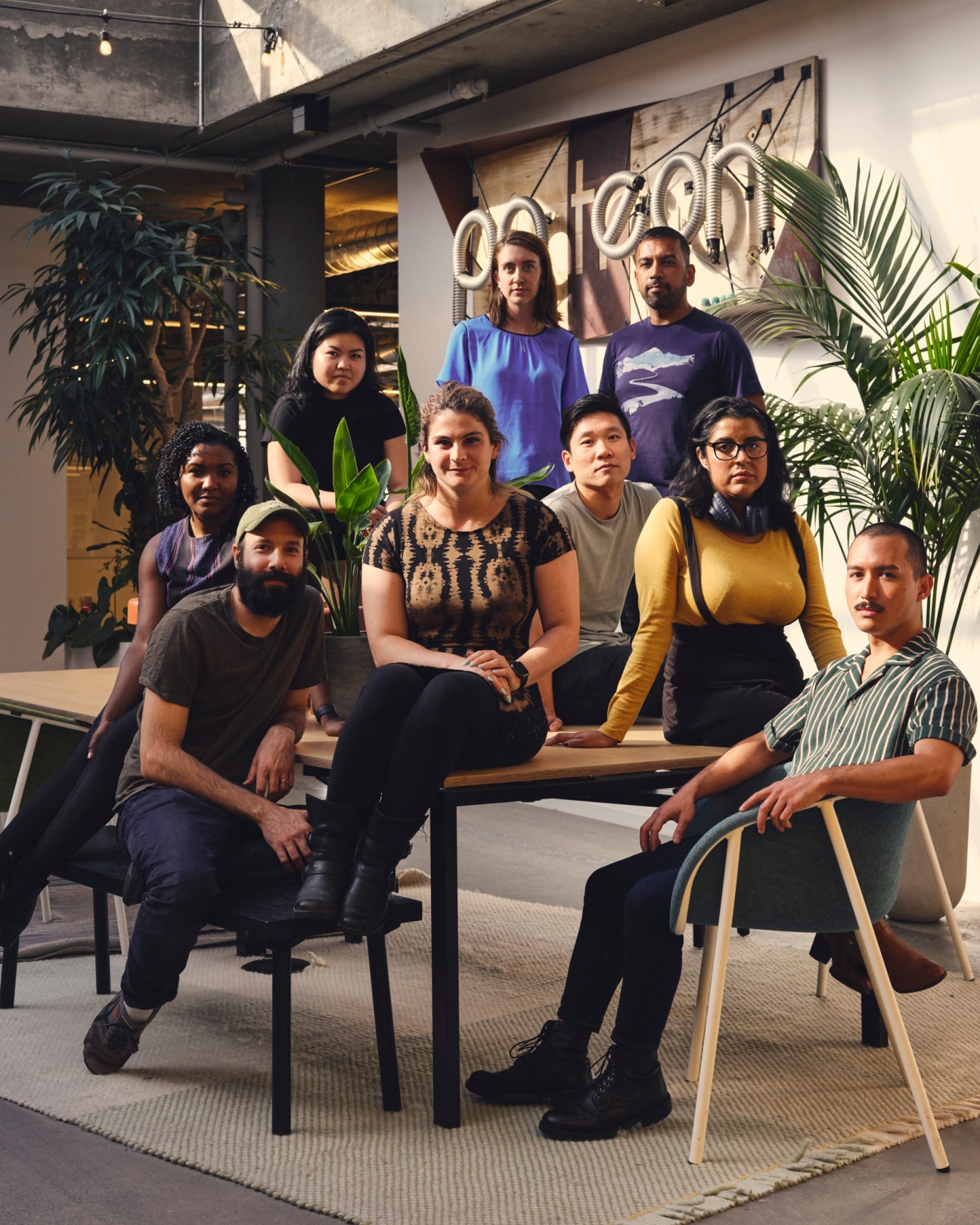
5.
The melody maker
When musician Jack Conte blew all his money making a YouTube video, he hit upon an idea for a crowdfunding platform to finance artists, writers and musicians. Six years on, Patreon is helping nigh on 100,000 creators around the world to make a living.
Patreon, San Francisco
In 2013, Jack Conte (pictured, seated on left), who was then a musician with a sizeable YouTube following, maxed out two credit cards. He had spent three months and more than $10,000 staging an elaborate music video. “I had a horrible feeling when I realised I was going to upload the completed video on YouTube, get a million views and make $150 in ad revenue.”
Nowadays the 35-year-old is CEO of Patreon, a membership platform that allows fans (“patrons”) to finance artists, writers and musicians with a monthly payment. Patreon, in turn, takes 5 to 12 per cent of the donations as a fee. “People in Silicon Valley see art as information and they think all information should be free – but it’s not free to have ideas and execute them,” says Conte. “What if I asked my fans for $5 or $10 a month, in return for my music, to be members of me?”
Patreon now has a roster of more than 100,000 creators, three million patrons and 200 employees; the team are integral to the business’s success. And the collective goal? “If we don’t figure out a fair system to pay the people who fill the web with the stuff we read, listen to and watch then everybody’s going to lose,” says Conte.
patreon.com
This is what success looks like
1.
Niclas Ahlström
Made by Choice
Hosting dinners at home for colleagues – and clients – can keep you hungry.
Home is where the heart is but for Made by Choice founder Niclas Ahlström it’s also a space for moving his furniture business forward. He often, for instance, brings colleagues home to continue their work in a more relaxed setting. “We envision new products and ideas during dinners with the team,” he says. “We innovate together and inspire each other.”
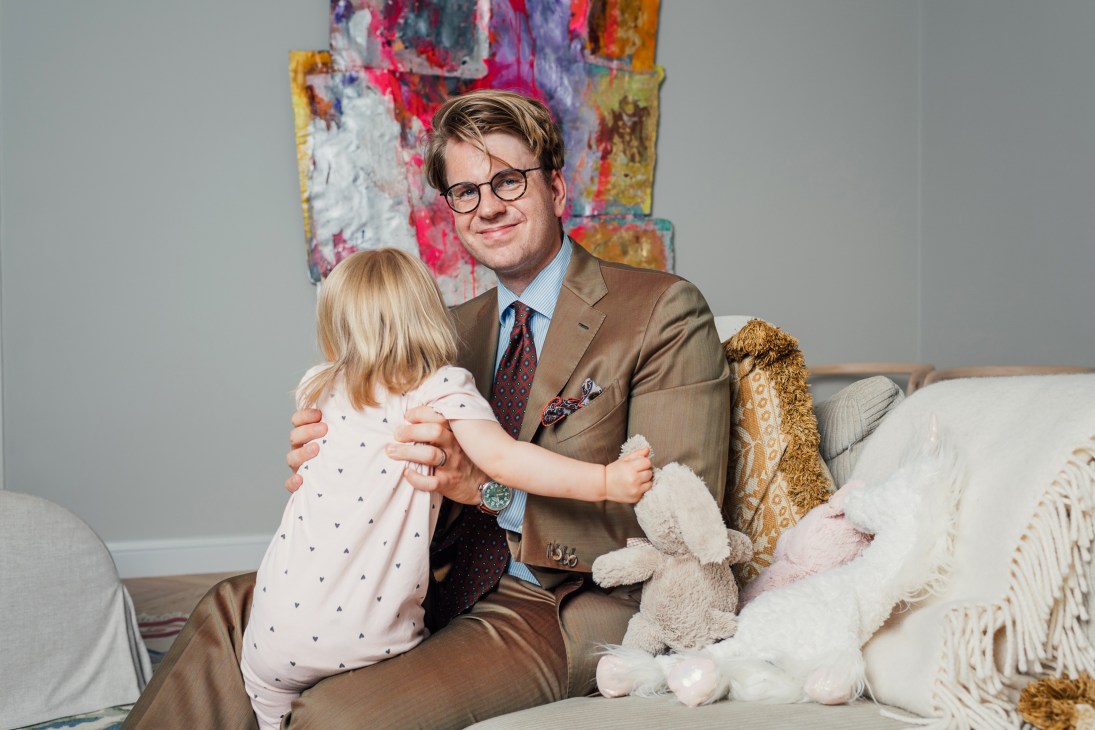
Ahlström says that these dinners help the team to build purpose and passion, and to appreciate each other’s integral roles in the production process. “A good team that works well together is so important,” he says. “Someone envisions the chair, someone designs it, someone builds it, someone sells it – you need everyone involved to work with the same goals from the start to arrive at the best possible results. And I like to show my appreciation to every single person involved in that by having them in my home.”
He also sometimes organises meals there with people from outside the company. “It’s nice to get feedback and ideas from people outside the design sphere. They see things differently,” he says. “This is why we like to do cross-disciplinary projects, such as combining art and fashion with product and furniture design. Dialogue between people from various sectors helps us to build a culture of innovation.
“Made by Choice has drawn attention with its minimalist Nordic-inspired pieces rooted in Finnish woodworking traditions. It made a number of best-in-show lists at this year’s Salone del Mobile and will soon be expanding to shops in the UK. The company has grown 50 per cent in the past year and has a turnover of €5m. For Ahlström there’s a direct link between quality time at home, the quality of the product and success.
“I do a lot of thinking at home,” he says. “Without that time and space to think you can’t create anything.”
Monocle Comment: Bringing colleagues into your home can be a powerful tool to bring the team together and open up new ways of thinking about work.

2.
Marta Brandão & Mário Sousa
Mima Housing
Designing for life – and work.
Portuguese architecture practice Mima Housing takes a modular approach to its homes: it creates elegant, contemporary, pre-fabricated dwellings based on a grid system, enabling simple customisation. At 18.00 on Friday you’ll usually find founders Marta Brandão and Mário Sousa at the office but it’s not about spending hours chained to a desk. “For us, success is loving what we do and feeling good at work,” says Brandão. “We attract clients who understand our concept and architectural language and that means we believe in what we do.”
They came up with the idea for their business while studying in Switzerland in 2007 and realised their first project in 2011. Success came swiftly: that year the practice won a best building award and today it has 12 employees, 45 completed buildings and 83 projects in the pipeline.
The pair designed the homely Mima Housing office themselves. “Being here doesn’t feel like work,” says Brandão. “We have a swimming pool and balcony with great views; we eat lunch together; and in the evening we watch the sunset.”
Monocle Comment: You don’t need beanbags and ping pong tables to make your office a place where people can relax when needed, as well as work.

3.
Max Bonbrest
Ayr
Start-ups are not all plain sailing.
“Being able to work from a place like Sag Harbor on Fridays is a dream,” says Max Bonbrest, co-founder of Ayr, a womenswear brand that makes clothes designed to be worn all year round (hence its name). If Bonbrest isn’t closing the shop in Sag Harbor on a Friday evening, she’s venturing out to sea on her Cape Dory sailboat. “Being able to leave work, drive to a place I love and get on a sailboat with the people I love – that’s success.”
Ayr now has flagship shops in Los Angeles and New York, a pop-up in Denver and a seasonal store in Sag Harbor but getting there hasn’t been smooth sailing. Bonbrest launched the brand in 2014 with two other co-founders under the Bonobos umbrella. But in 2016 all three broke away, taking a handful of employees with them. “We had three months to spin out, incorporate, replatform our site, find an office space and learn all the things we didn’t know about running our business.”
Despite opening five shops in three years, with two more in Chicago and San Francisco to come, Bonbrest still finds time to get away. “Being able to steal moments of peace at sea is magic.”
Monocle Comment: Location is key for any business, not just in terms of its customer base but also for the wellbeing of its staff.

4.
Pascal Blum & Mathieu Caudal
Unu
Savouring the view from the top.
Changing the way people move through cities is one of the central challenges of our times. Six years ago, Mathieu Caudal, Pascal Blum (both pictured, Caudal on left, Blum in centre) and Elias Atahi decided that they wanted to play a part in this transformation so they founded Unu, an electronic-scooter start-up.
Friday evenings see staff members climb a shaky improvised ladder up to the roof of their Berlin-Kreuzberg HQ for sundowners. It is as an apt summary of their journey towards becoming a company with 120 employees. “Nothing was laid out and we are constantly adjusting,” says Blum.
Today more than 10,000 Unus fill the streets of cities such as Berlin and Paris, earning €10m in revenue last year. But talking about success doesn’t come naturally. “Founding a company is a rollercoaster,” says Caudal. “We became resilient; it helps you go through the hard times but it makes it difficult to enjoy the small achievements on the way.”
The makeshift rooftop bar, however, offers sweeping views and the chance to talk honestly about their ambitions. “It might sound like megalomania but we want to leave a mark on this city.”
Monocle Comment: Modesty is good but sometimes you need sky-high thinking in order to push your business to the next level.
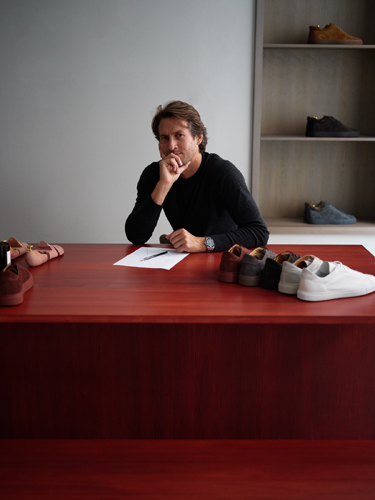
5.
Adam Lewenhaupt
CQP
Step in the direction of your passion.
In 2013, Adam Lewenhaupt came to a crossroads in his life: he could either continue down the path he had embarked upon in corporate finance or throw himself into something new that he felt truly passionate about. One year and a launch party later, Lewenhaupt had set up cqp, a brand selling handmade leather sports shoes with fresh colours and neat silhouettes.
Friday evenings are a chance for him to focus on the creative side of his job. The brand has grown steadily year on year and now boasts eight models of shoe sold by more than 30 stockists worldwide. But Lewenhaupt still likes to keep up with the design side of things. “I was able to pivot from being a junior finance guy who was unhappy with life to setting up a business that works,” he says. “Now I can combine my job with doing the thing I enjoy.
“The moments I love the most are in the evening at the end of the week when the phone has stopped ringing, the kids have gone to bed and I can forget about time and just draw and think of ideas,” he says. “I suppose being able to call that work is, in itself, a success.”
Monocle Comment: Starting a new business is a chance to do something that you enjoy – at least some of the time. Don’t lose sight of the parts of the job that make you tick.
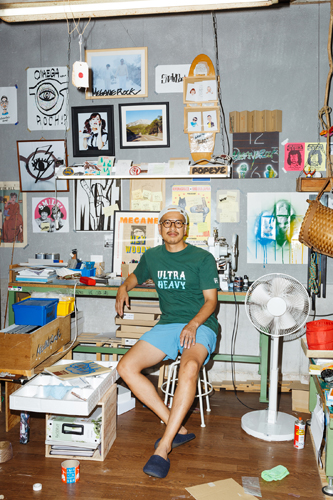
6.
Daisuke Amada
Megane Rock
Whether your business is big or small, keeping everything in focus is key.
Daisuke Amada, founder of Megane Rock, is a rarity in Japan’s eyewear industry. He designs, cuts, polishes and pieces together every part of every frame at his small workshop in the city of Sabae, the country’s eyewear-manufacturing capital. “Typically you specialise in one part of the production process,” he says.
Amada left his career in fashion retail to embark upon a stint in an eyewear factory. He has been running Megane Rock for the past five years, making just 150 acetate frames a month, focusing on one design at a time from 25 different shapes.
On a Friday evening you could find him pulling a batch from a polishing machine, sketching new ideas or packing a shipment of frames. “I’ve reached a point where I can work at my own pace in my atelier,” he says. “I’m happy that I make a product that puts me in contact with so many people. Success for me was never about money; I feel fortunate that I can spend time with people who wear my frames.” Amada’s reputation has mainly spread by word of mouth. As a result he is kept busy travelling for trunk shows and filling orders from 20 retailers in Japan. It gives people who wear Megane Rock frames a chance to meet the man behind the brand but it also energises Amada. “Most producers don’t get to talk with customers,” he says. “I do and it motivates me.” His disregard for trends partly explains the enduring appeal of his designs. “I ignore fads and I never intentionally design something new,” he says.
He’s also busy planning his next project: preserving the methods of eyewear-makers in Sabae who are nearing retirement age and have nobody to pass on their skills or equipment to. Amada worries that their knowledge and expertise will be lost. “This place helped me find my calling and now I want to help preserve these techniques,” he says. “That’s my next focus.”
Monocle Comment: Not every company needs to grow exponentially; sometimes it makes more sense to stay at a size where you can maintain control.
Follow the leaders
1.
Narrative tricks
by Will Storr
Storytelling is a fundamental part of human communication and the best way for brands and businesses to connect meaningfully with their audience.
Most organisations aren’t trying to do business with everyone – they’re trying to connect with a specific market. But who are these people? What’s their tribe? What are the values that bind them together? And how can you tell a story that connects with this tribe? Answering these questions successfully – and creating the right story – can be critical to the success of your company and its campaigns.
Back in the early 1980s the Texas Department of Transportation found itself spending more than $20m every year on clearing up litter. It tried to fight the scourge with an advertising campaign revolving around a Native American shedding a tear at the mess. It didn’t work.
To try and understand why, advertising executives Mike Blair and Tim McClure researched the kinds of people who were doing the littering. What was their tribe? What were their tribal values? The litterers were, as McClure later told The New York Times, “bubbas in pick-up trucks” – not a cohort likely to be moved by the sight of the weeping indigenous person. The executives then made a campaign that was tailored to that tribe. In 1986 they hired Dallas Cowboy players Ed Jones and Randy White to make the now iconic Don’t Mess With Texas ads that appealed to their intended audience’s patriotic love of their state. Within a year littering had declined by 29 per cent; four years later it was down by an extraordinary 72 per cent.
Over the past few years it’s felt as if everyone’s been talking about the value of storytelling. Bankers, technologists and strategists at global ngos have all been thumbing copies of Joseph Campbell’s The Hero With a Thousand Faces or Blake Snyder’s Save The Cat! and trying to incorporate their teachings about myth, literature and blockbusting screenplays into their working lives. By now the idea is beginning to feel like an annoying fad that’ll inevitably pass – but nothing could be further from the truth.
Storytelling isn’t going anywhere; it will be just as crucial for entrepreneurs to understand it in 100 years’ time as it is today. This is because story is the natural language of the human brain. We think in stories. We’re raised on stories. Stories help define our culture, our values and our moral lives. Stories orient us. They define us. If we want to talk to other people so that we connect with them and influence how they feel and behave, it’s critical to understand some of narrative’s basic rules. It’s not much of an exaggeration to say that if we’re not communicating with stories, we’re not communicating at all.
Successful pieces of corporate communication, like successful story plots, should be structured in an elegant sequence in which one point leads to the next. Yet a lot of companies tell their stories in dense paragraphs that are more like lists.
But there’s more to effective storytelling than elegant structure: it’s also vital to communicate your values. We are a strange species: we’re tribal and the stories we tell each other often communicate the rules that bind our tribes together. It’s partly thanks to these stories that the members of the group discover how they should behave and what the group stands for.
Even a fledgling firm should have a clear understanding of what it wants to say and who it’s trying to say it to. By building a company you’re creating a tribe and it should be one that other people want to join. The stories a company tells about itself and the world should connect subconsciously with the stories that their customers tell. The price of admittance is the price of a purchase, which will then be displayed with pride. This is why storytelling is no fad. To understand its power is to understand how humans think and behave. What could be more valuable than that?
About the writer:
Storr is an award-winning writer and photographer. He’s the author of five critically acclaimed books and his journalism has appeared in titles such as The Sunday Times, The New Yorker and The New York Times.
2.
Return to form
by Sarah Balmond
A firm’s founding values can be brought to brilliant life through design, helping to promote differentiation and brand awareness. There’s no need to be daunted; harness design’s power.
The argument that design can build better and more successful businesses has already been vindicated: Apple Inc. Need I say more? Design can be everything from a well-considered brand through to a clean, intuitive website, professional communications, meaningful products, streamlined services, intelligent processes and, of course, stand-out environments, interiors and architecture. Wield it in the right ways and design can be immensely powerful.
Don’t be intimidated. It’s important to remember that design is above all else a human process, deeply linked with emotion. Design is experience. Start with questions: how do you actually want people to feel when they see your logo? What do you want them to experience in your shop? What memories do you want them to take away from a night at your hotel?
Integrate a design approach from the very beginning. And if things are going wrong, design can sometimes be the fix too. You want more people in your restaurant? Lay down a gloriously crisp, clean tablecloth (yes, it could be that simple). Footfall slow? Take a hard look at your shop front. What more could you do? Revisit your business regularly and use design to steer it. Turn to common sense and intuition. Design could just be the glue sticking your entire operation together.
About the writer:
Balmond is a director at Balmond Studio; the research-led practice, with offices in London and Sri Lanka, undertakes architecture, art and design projects globally. Previously she was the founding design editor at Monocle.
3.
All together now?
by Fiona Wilson
Stirring company anthems used to be a morning staple in Japan – is it time for a comeback? Probably not. But the workplace harmony they coincided with is a more lamentable loss.
As if Monday mornings weren’t bad enough, imagine how much worse they would be if instead of the usual latte and light banter you had to join in with a rousing ode to your employer. And yet a chorus of the company song, or shaka, was how the day used to start in factories and offices across Japan.
Businesses large and small had company songs; somewhere between a school song and a national anthem, they were bellowed out by workers and management alike. There are some painful dirges among the classic company anthems and more than a touch of the North Korean collective. But in more paternalistic job-for-life days, when a young recruit could see a straight path to retirement in the same company, workers readily embraced the communal spirit. Some even played the songs at their weddings.
When a New York Times reporter took a look at the Japanese company song in 1972 the practice was still in full swing. Foreign visitors, says the piece, “can never quite believe the spectacle of hundreds of workers at, say, the Matsushita Electric Industrial Company, whose sales exceed $2bn, bursting into song”.
The first company song dates back to the early 20th century but the high point for the genre was during the postwar years when Japan, having been destroyed by conflict, was rebuilding itself. Turning the country into the economic behemoth we know today was an epic effort that required everyone to be facing in the same direction. Stirring company songs helped to bond workers and give a shared sense of purpose.
The lyrics were positively nation-building. Fujifilm’s employees would sing “Fuji! Fuji! Fuji! Ah, with one voice let us sing a prosperous future!” Matsushita Electric’s song had such lines as, “For the building of a new Japan, let’s put our strength and minds together, doing our best to promote production.” You get the idea.
In recent years the company song has faded into obscurity. Working habits have changed and people don’t expect to be in the same company their whole life. Karaoke has replaced corporate hymns with pop hits. That said, there have been brief shaka revivals. Nihon Break Kogyo, a demolition company, scored an unexpected hit in 2003 with a soft-rock tune that was accompanied by a hilariously un-rock video of workers tearing down buildings. For all the publicity that it attracted, the song wasn’t enough to save the company from bankruptcy in 2009.
Some companies have tried to jazz up their songs; Panasonic went so far as to hire the services of distinguished film composer Joe Hisaishi. Three years ago Dentsu, one of the world’s biggest ad agencies, set up a new shaka competition; an exercise in branding, its purpose was to boost the profile of small companies that were lagging behind their larger counterparts.
A company song has a heavy load to bear: it has to be something timeless that can last for decades, bringing together management and employees while conveying a corporate philosophy at the same time. The cheery rap by office-supplies company Kurabun – a recent winner of the shaka trophy – doesn’t quite do the same job.
About the writer:
Tokyo-based Wilson is our founding Asia bureau chief. Having got her way with her suggestion of a Monocle mascot (hi, Monochan!), this essay marks her latest attempt to institute a company song.
4.
Hustle and flow
by Alain Sylvain
Just because a business has found success doesn’t mean it has to stick to the tried and tested. Greater rewards lie in wait for those organisations that embrace the entrepreneurial spirit.
We’re drunk on entrepreneurialism. And it’s not just because it’s entered the mainstream: entrepreneurs give us the feeling that we too can do anything we set our minds to. They symbolise vision, agility, hustle – values that society holds dear. They challenge the status quo by exploring new ideas and taking risks. They’re inspiring. It’s also the reason that so many big businesses try to emulate that start-up feel, either through office design or company culture.
But with big organisations comes lots of red tape. Rapid growth means that responsiveness and agility diminish. The freedom to fail and start again, something that is quintessential to the start-up mentality, is lost. But most importantly the “hustle” becomes unnecessary – and a seeming liability as it flirts with disrupting what has worked well so far. Big businesses are “safer” and the much vaunted qualities of entrepreneurial employees become muted.
The good news is that it’s possible to restore that mindset; it’s also crucial to do so. The drive to challenge the way things are, to reach for the future and create new ideas, is important to the soul and integrity of any progressive organisation. It’s ultimately what unites people and helps you stand out in a competitive market. So how can large organisations authentically channel entrepreneurialism within their walls?
Find unusual partners. Entrepreneurs network tirelessly and collaborate all the time; the best know the value of integrating alternative thinking into their own ideas. The same should go for big business. Find and secure partnerships with different communities that inspire you, be it customers or, potentially, competitors.
Prioritise invention from the inside out. A lot of big companies, from technology to food, use in-house accelerators, incubators and venture funding to promote invention. That’s commendable but the challenge is doing it in a way that is authentic and properly intergrated so the results are felt across the company.
Don’t rest on past success. Every move by an entrepreneur could make or break them, while big businesses have the resources to play it safe. Lose the safety net and get the hustle back. Allow staff to take risks, fail, learn and start again, and motivate them to share failures. This will allow for new lessons and experiences, and leave everyone with an open mind for unforeseen opportunities.
About the writer:
Sylvain is the founder and CEO of Sylvain Labs, a strategy and design consultancy, and Certified B Corp. He is also a partner and investor in several ventures, including a mobile-gaming company, an açai bowl company and a pet-food start-up.
5.
Put to the test
by Sarah Hernholm
There’s no textbook for teaching entrepreneurship but steer students to success by getting them to execute their ideas in the real world and become more familiar with failure.
Since the launch of WIT (Whatever it Takes) in 2009 [see “About the writer” panel, below] I’ve been asked multiple times about “how to teach entrepreneurship”. People in the education space want a curriculum, set modules and detailed outlines for how to teach the masses on the subject. Ten years later my response remains the same: “Focus on the doing.” There’s no textbook for becoming an entrepreneur – it’s about giving young people the space to have a go. Provide them with opportunities and time to try out their ideas, create prototypes, take those prototypes to market and use the feedback to do it all over again. Becoming an entrepreneur is messy; there’s no straight line.
That’s where people usually get stumped. Because in a traditional classroom the approach is one of “getting it right” and perfect scores. Entrepreneurship is about trying and failing over and over again. The work is never “perfect” because the consumer changes, technology advances and change are inevitable, which means that the work will never be done.
I don’t want to discourage people from creating entrepreneur classes and programmes at their schools, I just want to suggest a different set of metrics and scoring. At WIT we don’t grade on whether the business is successful (ie, making money, scaling and so on), we grade on execution, hitting deadlines, using customer feedback, prototyping, and – that word again – failing.
Yes, we give points for failing. Why? Because many young people come to us with a great fear of the concept. They aren’t comfortable taking risks or stepping outside their comfort zones. We reward them every time they fail since that’s when they gain valuable feedback on their ideas. Our goal is to take the sting out of it and get our students as comfortable with talking about their misses as they are about their wins.
If you’re thinking of designing your own entrepreneurship programme, here are a few more things to consider.
Hire entrepreneurs. So often I see people with zero real-world experience running classes. If you haven’t wrestled with the fear and insecurity of being an entrepreneur, you shouldn’t be teaching others on the subject.
Celebrate setbacks. Set aside time for students to talk about their mistakes and let them use their experience to inspire and encourage the other students. Remind them that it isn’t personal, it’s just feedback that will stand them in good stead.
Focus on the doing. So much learning comes from taking action – students learn from actually doing it. Many entrepreneur programmes culminate in a “shark tank” type moment. I used to attend these events until I noticed that most of the pitches were theory-based – they hadn’t actually taken their ideas to market yet. So here’s the lesson: please ensure that your students execute their idea or product and test it thoroughly. Remember, it is that real-world application that results in students ultimately becoming successful entrepreneurs.
About the writer:
Hernholm is the founder of WIT (Whatever it Takes), a college credit programme for teenagers in San Diego, Austin and New York (and online). As a former teacher she’s failed multiple times and has no problem talking about it.
6.
Mind the mindful
by Ronald Purser
The wellness industry promises to make us less stressed and better, happier workers. But are some firms using this trend to a sinister end?
Work, deadlines and the daily grind are stressful and our collective anxiety has buoyed a spate of mindfulness start-ups to help – at least, we hope so. In the US, corporate wellness firms will rake in an estimated $8bn (€7.3bn) this year. What’s less helpful is that the responsibility for happiness is being bundled onto the individual rather than the company or bosses that overstretch them. The exponential growth of the wellness industry has coincided with increasing “employee disengagement” and a rise in chronic workplace stress. HR departments are alarmed by the fact that seven out of 10 employees report feeling “disengaged” from work, resulting in staggering annual losses estimated at $550bn (€499bn) according to a Gallup study.
Although employees clearly do experience stress in the workplace, what is less certain is that the cause of their distress lies solely in their minds. Yet this is exactly the convenient, albeit faulty, diagnosis that is made by corporate mindfulness trainers. David Gelles, author of Mindful Work, is a vociferous cheerleader for mindfulness at work. He makes a bold claim: “Stress isn’t something imposed on us. It’s something we impose on ourselves.” The workplace mindfulness movement has built a whole new industry by pointing the finger at the mindlessly distracted and stressed employee.
But is stress really self-imposed? What about toxic, sociopathic work cultures such as that at Amazon? In a New York Times exposé a former Amazon employee was quoted as saying that he saw nearly everyone he worked with cry at their desk. Would Gelles offer his advice with a straight face to these employees? Tell them that they have imposed stress on themselves? That they could have chosen not to cry? And it isn’t just at big corporates: a recent CBS News report revealed that eight out of 10 employees admitted to crying at work due to toxic work conditions. And start-ups, as fast-growing companies where employees are required to put their lives on hold in order to execute the founder’s vision, can be particularly susceptible to such problems.
As the latest wellness remedy, company mindfulness programmes promise to fix the employee-disengagement issue by making staff responsible for managing their own wellbeing – becoming calmer, more focused and resilient. If we are miserable at work it must be our own fault; we only have ourselves to blame. This victim-blaming philosophy is integral to the mindfulness ethos and doubles as a cheap substitute for real organisational change.
Company-sponsored mindfulness is the new capitalist spirituality that poses no threat to the status quo. When you feel stressed, it preaches, just practise mindfulness. Pay attention to your breath and let go of any mental ruminations that might interfere with the smooth functioning of you carrying out your job. Rather than paying attention to the internal voices of dissent or feelings of anger and frustration with regards to bad bosses or just plain corporate stupidity, we are instructed to constantly audit and self-regulate our internal states as a surefire pathway to wellness, happiness and human flourishing. Everyone wants fulfilment from their job but telling staff to focus on their problems “from within”, rather than fix the faults of their employer, is less than enlightening.
About the writer:
Purser is professor of management at San Francisco State University and author of McMindfulness: How Mindfulness Became the New Capitalist Spirituality, published by Repeater Books. He also hosts The Mindful Cranks podcast.