
The Entrepreneurs
20 Books in 20 words
Just as there is an art to making a deal (if we are to believe Donald) there is an art – or rather, a formula – to writing a business book. First there’s the cover: shouty, all caps and in all shades of primary optimism. Then the content, often kicked off with a confession. There’ll be practical take-aways (three, five or seven skills to apply right now) and references to the rigorous research that went into them. Crossovers into sport or ancient wisdoms should be expected. Sometimes their message may not feel that surprising. And yet many of these titles have been selling millions of copies for decades. Like the lucrative self-help market they resemble, they have a way to make us feel like we’re taking action. Sometimes though, they do teach us lessons – however straightforward. Our insight? The formula for success is a little harder to find.

1.
Trump: The Art of the Deal
by Donald J Trump & Tony Schwartz
Believe me. He knows smart words. He knows the best words. They are great words. Losers can’t make deals. Sad!

2.
Factfulness
by Hans Rosling
Here’s a fact: what you think you know is probably just preconception. Only pursue things that are supported by evidence.

3.
Capital
by Thomas Piketty
You could read this massive and insightful tome about macro-economics but, really, what’s it going to teach you about “unicorns”?

4.
Zero to One
by Peter Thiel & Blake Masters
“Stop copying other people!” said Paypal’s co-founder, writing a book full of examples and giving you practical advice to follow.

5.
Good to Great
by Jim Collins
Disciplined leaders who hire disciplined people and face reality can be great – Collins isn’t just telling you, he’s got data.

6.
The Culture Code
by Daniel Coyle
Galvanise your staff by embracing tough feedback, delivering bad news in person and creating a corny catchphrase: be more bee.

7.
The Trust Manifesto
by Damian Bradfield
So you want to found a tech start-up? You folk don’t have the best rep nowadays. Better listen to users.

8.
Start With Why
by Simon Sinek
Whoever told you what matters is when and where your business started, well, they were wrong. It’s always about why.

9.
The 4-Hour Work Week
by Timothy Ferriss
Be effective. Act professional. If you listen to Ferriss you could read this sentence 200 per cent faster than most.

10.
Grit
by Angela Duckworth
Like everything else, grit can be developed. Don’t stop, never give up, hold your head high and reach the top.

11.
Dare to Lead
by Brené Brown
Did you think courage was about bravado? Vulnerability matters more. All perfectionism and no generosity make Jack a dull boy.

12.
Range
by David Epstein
The machines are coming: they can do your specialised, fiddly bits. All you have going for you is common sense.

13.
Everything is Figureoutable
by Marie Forleo
No money? Not your fault. You just need to figure out you can figure out anything that needs figuring out.

14.
Atomic Habits
by James Clear
Change is not about annihilating your former self. This book drops a different kind of bomb: baby steps transform lives.

15.
Trillion Dollar Coach
by Eric Schimdt (et al)
Teams want to be loved. Talk to them about stuff that’s not work – it won’t cost you a trillion dollars.

16.
Winning Not Fighting
by John Vincent & Sifu Julian Hitch
You’d think a martial arts-inspired approach to business requires warmongering but the opposite is true: breathe in the Shaolin serenity.

17.
I Will Teach You to be Rich
by Ramit Sethi
Allocate budgets. Invest early. The reason you can’t save is also why you got fat: you kinda can’t be bothered.

18.
The Lean Startup
by Eric Ries
Write your business hypothesis but don’t get too analytical: try it, test two options. Treat ’em lean, keep ’em keen.

19.
Bounce
by Matthew Syed
Take it from a table-tennis champ: talent is a tenuous idea. Greatness is not genetic. Guess what? It’s about practice.

20.
How to Win Friends and Influence People
by Dale Carnegie
Make people feel like it was their idea. Listen. Praise. Smile. Avoid rows. And, for God’s sake, remember their names.
Images: Getty Images
Scaling up
It’s a real challenge for an entrepreneur to build a base that is beneficial to business and uses good design to create the correct culture within. Thankfully, what fledgling ceos might lack in terms of funding and resources early on they make up for in their inventiveness.
It’s those entrepreneurs that have a knack for bringing fruits to bear in the business world who are often clever in creating smart work environments. But as a business grows there will come a time when it takes commissioning a canny architect to raise an office’s design up a level – and this requires further vision.
It is undeniable that thoughtful office design is good for business. So, to learn more, we’ve toured our favourite workspaces, from simple home set-ups to bases that have expanded and grown to become the headquarters for global brands.
The lessons we have gleaned have been distilled into this simple rulebook: our guide to designing workspaces that reflect brand values, keep staff comfortable and allow for adaptability as a company scales up.

Rule 1
Eliminate distractions
Lilitt Bollinger, Nuglar, Switzerland
For the modern entrepreneur, working from home doesn’t necessarily mean you’re operating a small business. But doing business from an environment made for living is a recipe for distraction (a quick trip to a well-stocked fridge can be a slippery slope). For Swiss architect Lilitt Bollinger, who created both working and living spaces in this fine conversion of a former factory in the small Swiss town of Nuglar, the trick is a defined separation and the elimination of disturbance. “There should be a balance and it shouldn’t be too cosy,” she says of her minimalist workspace, marked by cool concrete floors and timber panelling. Here she works peacefully while keeping clear of the kitchen.

Rule 2
Design for wellbeing
Represent, London
Offices of all sizes benefit from a good dose of natural light and one rule for entrepreneurs looking for first digs is to give ceiling height and window size the same consideration as floor space. These factors benefit staff in London recruitment agency Represent’s new office. Opened earlier this year, it was formed on the double-height top floor of an old bicycle factory. While floor space is sufficient for this small business, a window-lined sloped roof allows light to bounce in off white-washed walls. Worker wellbeing is further enhanced by a masterfully crafted timber structure sitting within the space that forms private meeting pods and enriches the office environment with the warm smell of wood.

Rule 3
Create room to communicate
Ricardo Bofill Taller de Arquitectura, Barcelona
There comes a point in every office’s life where open-plan becomes far too open and private spaces become essential. But meeting spaces shouldn’t feel like afterthoughts; a converted storage room will always feel more cupboard than conversational, while erecting glass cubes should be left to those in the aquarium business. What your office needs are meeting spaces designed with dignity in mind; these are the places where big decisions are made, career-defining concepts are refined and conversations that require privacy are afforded. For inspiration look no further than Spanish architect Ricardo Bofill’s office. These masterfully designed spaces are set in the theatrical stylings of a former cement factory.

Rule 4
Leave things exposed
Squire and Partners, London
As your business scales up you’ll begin to understand the power of “brand” and may feel the desire to use design as a tool to stamp your company’s identity onto every nook and cranny of your office. Please don’t. When it comes to architecture and your surroundings you can learn a lot from what already exists; if a building has already lasted many years it tends to be because it is well built. London’s Squire and Partners knows this fact well and the success of its conversion of a historic department store into its HQ comes as much from what has been left exposed as what has been added. “We didn’t want to lose the loveliness,” says partner Henry Squire of the layers of history this sensitive renovation reveals.

Rule 5
Work with what you’re given
Rainbow Publishing, Seoul
Entrepreneurs tend to think big but in their early days are often constrained by tight budgets. However, you don’t have to let a lack of funds limit the ambition of your office design if you think about it creatively. Just look at this new home for the young business Rainbow Publishing in Seoul. Here, architect DaeWha Kang worked within the confines of a small footprint site to erect anarrow five-storey structure where the staircase connecting each floor becomes the centrepiece of the design.
A 100-shelf bookcase (handy for a publisher) is adjoined to the light-flooded stairwells, which form stages for staff interaction across the office and have the added benefit of boosting fitness: Kang points to research that shows people who walk up five flights of stairs a day live longer than those that don’t. Healthy staff, healthy business.

Rule 6
Welcome with your architecture
Frama, Copenhagen
When a company installs a bedroom on its premises it doesn’t have to signal the fact that staff are being overworked. For Danish design company Frama’s base in Copenhagen, a sleeping space has been added to offer proper hospitality to weary visitors from far-flung regions. Friends of the company, and clients and distributors doing work at the furniture company’s centrally located HQ, can rest up here in comfort. The space is made extra cosy by the brand’s wares. It’s a fine live-in advertisement for Frama products and a finer representation of the values for which the brand stands.

Rule 7
Give staff a break
Studio Valentin Loellmann, Maastricht
Forming social bonds between staff members works wonders for creating a warm company culture. As such, a good workspace design is one that incorporates space for both work and recreation. As we reveal in our report on company cooks, a handsome dining area (and good food) is a key ingredient in bringing your team together. Maastricht-based artist Valentin Loellmann has taken things a few steps further for members of his growing studio. Here, in an environment that was custom designed by the artist, staff can relax in a sauna and work from a botanical garden. Loellmann almost added a swimming pool but decided against it. Some work still needs to happen, you know?

Rule 8
Leave a lasting impression
Note Design, London
Stockholm’s Note Design took inspiration from the world’s best airport lounges when thinking about how to form the perfect office lobby for London office Summit House. Like a good lounge, any well-designed lobby should welcome new arrivals, highlight the positive attributes of your brand and provide a comfortable space that people will be keen to linger in. From the spacing of the seating (close enough together to avoid isolation but far enough apart to create privacy) to the design of the front desk (inviting but authoritative), your public-facing parts are the ones that require the most manicuring.
Making it together
Big clothing, furniture and design firms today tend to make their products in locations far from where they are conceived. Perhaps it was globalisation and rampant offshoring that drove this? Or maybe it had something to do with the coronavirus pandemic, which helped workers to make the case that they could fulfil their roles from anywhere? Whatever the cause, how things are created can often feel detached from a company’s day-to-day operations.
Luckily, many entrepreneurs are now seeking to bridge the gap between conception and final product by integrating manufacturing into their office spaces. Why? It offers employees opportunities to test ideas more responsively and bring better products to market at greater speed. This can help employers to cultivate a more engaged workforce, as staff are able to see the fruits of their labour almost immediately.
Over the following pages, we visit three firms that chose to bring production in-house. From the pair who followed a thread that took them from the US to Morocco and the firm seeking a competitive advantage in Japan to an Italian firm that found a fresh use for some former stables, each reimagined their workplace to help them gallop ahead with their plans.
Beni Rugs
Tameslouht, Morocco

It’s fair to call Beni Rugs’ founders, Robert Wright and Tiberio Lobo-Navia, a tenacious pair. Back in 2015, Wright was in Morocco for a photoshoot involving the shoe brand he worked for at the time. He ended up buying several handmade rugs from a shop in Marrakech and shipping them back to New York. The rugs were an immediate hit with friends but both Wright and Lobo-Navia, who had joined him for the end of the trip, had noticed that the buying process wasn’t the smoothest. “Basically, it was hard to find a design you loved in the size you wanted,” says Lobo-Navia, who everyone calls Tibs. The couple saw a gap in the market for a beautiful product sold online that was easier to buy and came in living-room-friendly sizes. They set about turning Beni Rugs into a reality.
Despite not having any experience in the rug industry and few contacts in Morocco – a country with its own set of social, cultural, religious and linguistic complexities – Wright found himself on a plane bound for Marrakech the following spring. “I found my way back to the same shop,” he says. “I approached the owner and told him we had this custom-rug idea and wanted to work with him. He said, ‘Absolutely not. This is a crazy idea! You have to understand that Moroccan weaving doesn’t work like that.’”
That sort of initial knock-back would have been enough to sink an idea for many budding entrepreneurs. But not Wright and Lobo-Navia who, drawing on their wells of tenacity, weren’t put off at all. Wright says they had a “gut feeling” about the idea and it was enough to try a different tack. They approached the owner’s cousin and tasked him with convincing his family member to hear the pair out. The plan worked and Beni Rugs officially launched with six looms and 12 weavers.


Things have come a long way since the website first went live in 2018. Its founders organised the first photoshoot at a friend’s modernist home in Michigan that same year. Wright and Lobo-Navia may no longer be married but they call each other “family” and clearly share a common vision. Indeed, their shared desire to push boundaries also led to the signing of the lease for the new headquarters in 2020, rented from artist Mohamed Mourabiti. Located about half an hour’s drive outside Marrakech in the town of Tameslouht, the HQ embodies just how far the brand has travelled. Painted in a bright blood orange that contrasts with the deep blue of the cloudless Moroccan sky, stepping through the gate feels like entering a sanctuary – or perhaps a high-end rescue centre given the number of cats milling about, all of them given “Spanish old-lady names”, jokes Lobo-Navia, such as Hortensia and Jacinto.
Walking past a garden full of olive trees, succulents and cacti, as well as a pétanque court, you arrive at an impeccable showroom which feels influenced by Lobo-Navia’s years working in New York’s hospitality scene. There’s a red 1970s Togo sofa from Ligne Roset in front of a wood-and-marble bar with a La Marzocco coffee machine perched atop it. There are Clara Porset chairs from Luteca and a stunning locally made table in square pieces of Thuya wood; on its surface a collection of weaving books and antique trinkets. Next door’s office has a pair of mid-century sputnik chandeliers in Murano glass from a vintage dealer in Marrakech, while the walls are covered in Moroccan cork. Everywhere you look there are soft, colour-popping rugs underfoot, arranged with such taste that you want to step around rather than over them.
One of the things you notice about the rugs is that the designs are contemporary and don’t immediately nod to Moroccan aesthetics. “Part of the aim was to not appropriate traditional designs,” says Wright, who adds that the idea has always been to use Moroccan weaving talent and techniques – from flat woven to knotted – to create something different. The founders knew from early on that, for several factors including quality control and consistency, they needed to bring weaving in-house and “vertically integrate” as Lobo-Navia calls it. “We learned along the way,” he adds. “Every system we’ve built from the ground up, on our own.”
Although slowed by the pandemic, the Tameslouht atelier, showroom and headquarters opened in May 2021 after extensive refurbishment driven by the founders’ desire to create the right working environment. “This building was dark and broken up, with the courtyard walled in,” says Wright. Windows were installed around the central external space, where a 150-year-old olive tree was planted and a fountain added. “Our whole idea was to have transparency between the business side and the weaving.”


Beni Rugs’ HQ started with about 20 weavers, all of them women, and the number has since grown to 65. A new atelier opened in Sidi Zouine at the end of September, employing 20, and with the capacity to grow to more than double that number. Wright and Lobo-Navia are also eyeing another production facility, all part of creating centres of weaving talent. And while the brand still works with the initial partner for some orders to to a growth that more than tripled in the first few years of business, and currently stands at 40 per cent year-on-year, all rugs pass through Tameslouht for final checks, as well as the washing and surface burning that are part of the cleaning and softening process. After the rugs are hosed-down, they’re left out the back of the building and on the roof to bake dry in the North African sun.
Wright and Lobo-Navia’s model clearly differs from the often-extractive relationship in which Western companies come to developing countries simply because labour is cheaper. Alongside hiring people, the pair has also clearly committed to place. Both have been learning French and Moroccan Arabic, known as Darija, with Lobo-Navia renting a villa a 10-minute drive away from the HQ and Wright based in Marrakech (when he’s not in Barcelona or New York).
Both admit that bringing staff into the office wasn’t easy at the beginning due to cultural differences. But it has also proved a game changer. Traditionally, Moroccan weavers work at home or in small cooperatives near where they live, having to source their own yarn and find a market afterwards. At Beni, five buses a day bring people from Marrakech and villages to the office, and Beni’s founders have made sure that there is a real possibility for those coming onboard to work their way up from a beginner to a maallema (master). “In other facilities it’s hard to find young people,” says Afaf Chouhaidi, Beni’s director of operations. “But in the past few months we have had 10 young weavers join. There’s a career path.”
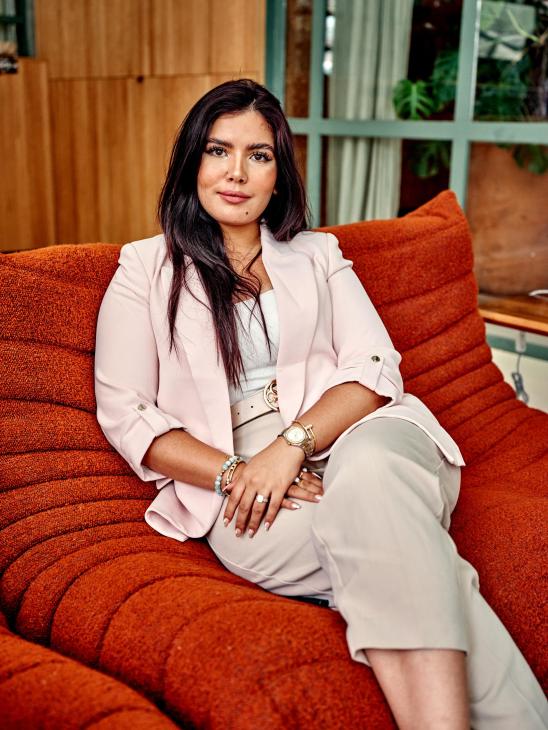


Lobo-Navia says that the HQ is all about building a work culture. “Our vision is unusual,” he says. “It’s community, it’s collaborative.” Alongside the couscous Fridays organised for the team, and the annual go-karting attended by the hyper-competitive washing and packing men, each weaver also gets a chance to make their own rug, all part of giving back to people who are used to making for others rather than thinking about a design for their own homes. Clearly the Beni founders want people to relish coming to work and value a craft that has sometimes been under-appreciated in Morocco.
Last year, the company signed with bricks-and-mortar retailer, Design Within Reach, becoming available in its 65 outlets throughout the US. Beni had to ramp up production to provide inventory when previously the model had been entirely made-to-order. And while it was stressful, they got the job done. When the shipment was finally complete in the early hours of the morning, Lobo-Navia and Wright sent a dkakiya music troupe to the HQ to serenade employees as a thank you.
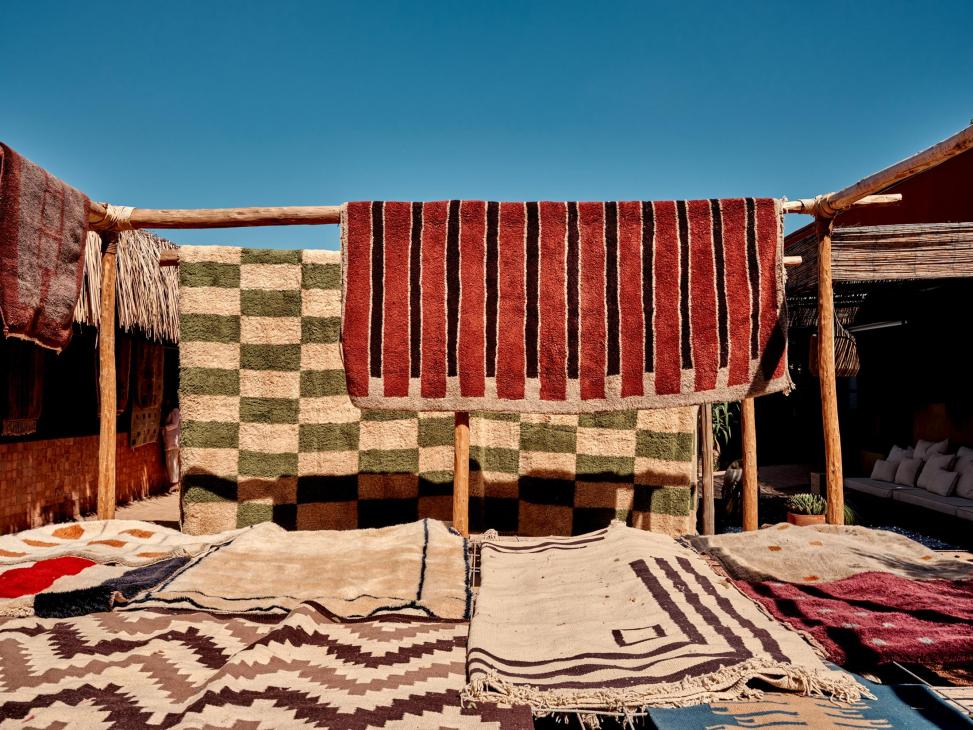

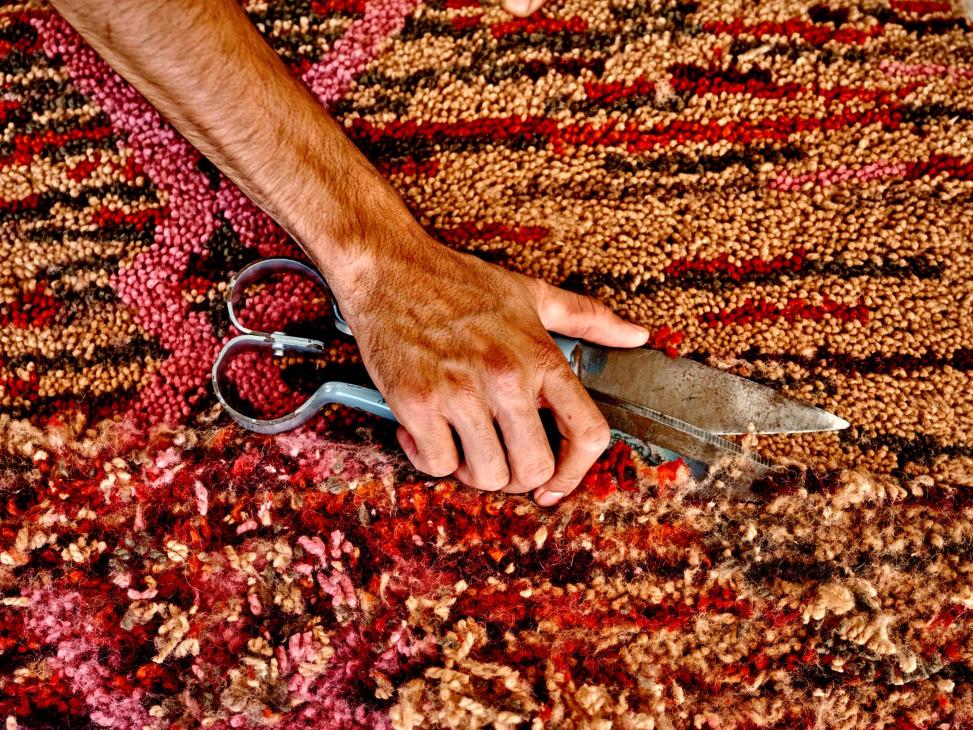
With experimentation on the horizon, including a soon-to-come denser weave – and possible extension to another building in Tameslouht as the rug collection of over 240 designs grows – Beni wouldn’t be where it is without 66-year-old maallema Rachida Ouilki, whose quietly strong gaze suggests that she may share some of the tenacious qualities of her employers. Weaving since the age of 10, she says she is happy to teach new people coming through Beni’s doors the craft. “The weaver should love what they’re doing,” she says from a shaded area in the back patio. Does she? “Too much.”
benirugs.com
Arc’teryx
Tokyo, Japan
“There’s such an amazing connection between the brand and Japan with regards to the simplicity, beauty and innovation that we love,” says Katie Becker, the chief creative officer of Vancouver-based outerwear company Arc’teryx. She has just overseen the opening of the brand’s new outpost in Tokyo, its first overseas. Renowned for its minimalist, high-performance design, Arc’teryx worked with Torafu Architects to reimagine a concrete-and-glass building in the Daikanyama neighbourhood. Its primary aim is to function as a base for operations and community-building in Japan.
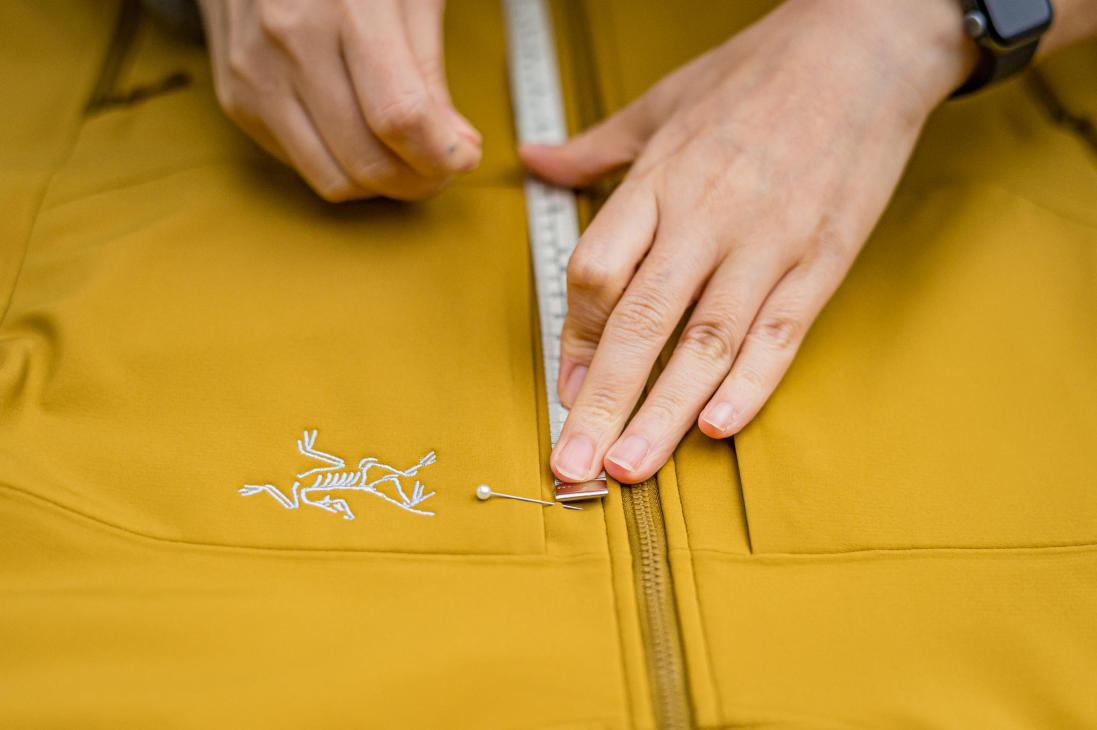
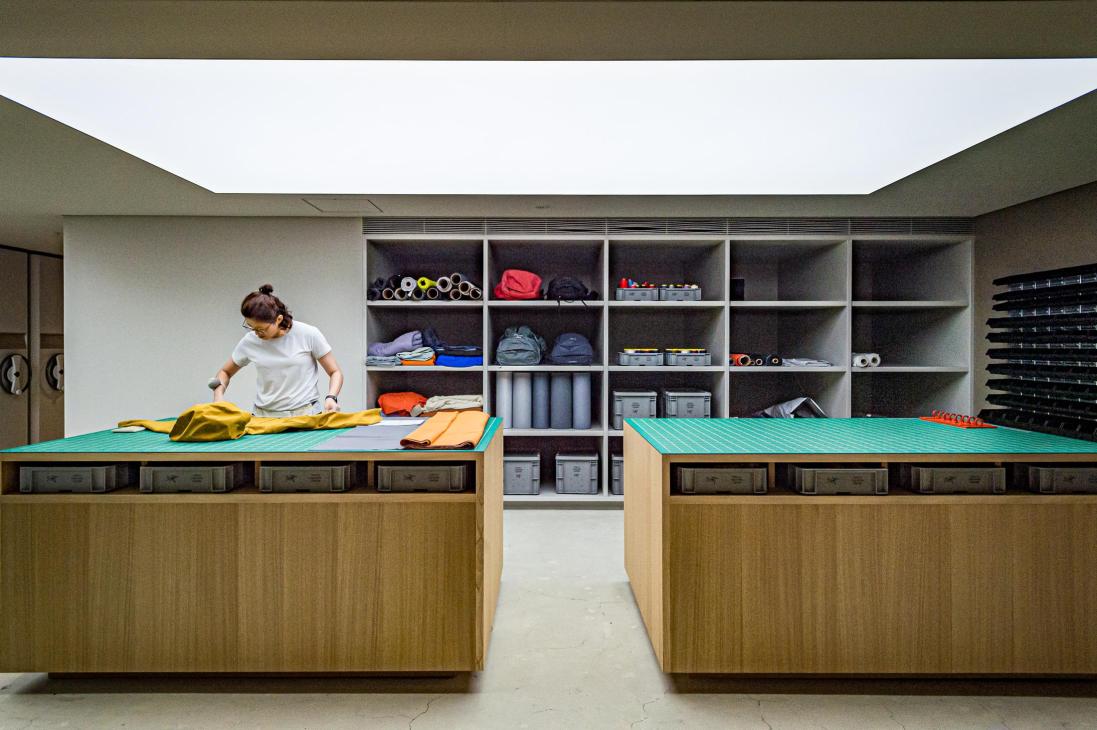
But unlike an ordinary creative workplace, the office has room for pattern makers and sewers to work on new ideas. Additionally, the basement, which doubles as an events space, contains a cutting room that’s equipped with materials and tools. Here, the Arc’teryx team can rapidly prototype and test ideas, speeding up the production process. “This is called a creation centre because we can actually make things here,” says Becker. “There are sewing machines and steam-tape machines. We can make a waterproof jacket in a day and go outside to test it right away.”
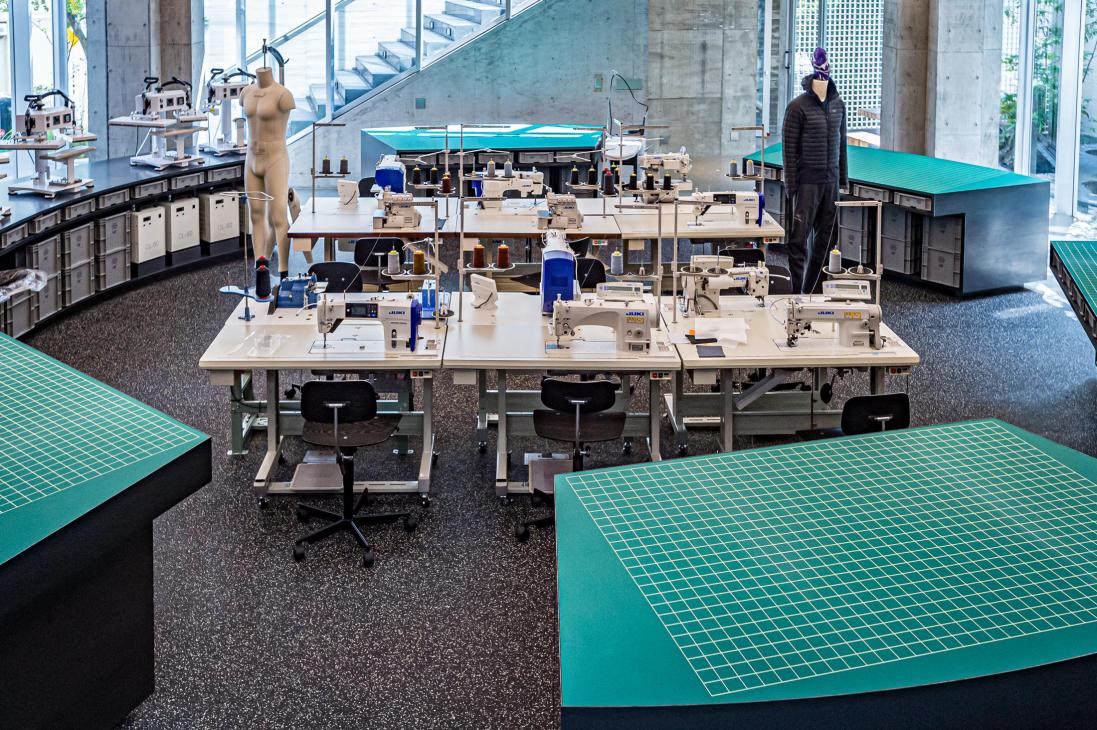
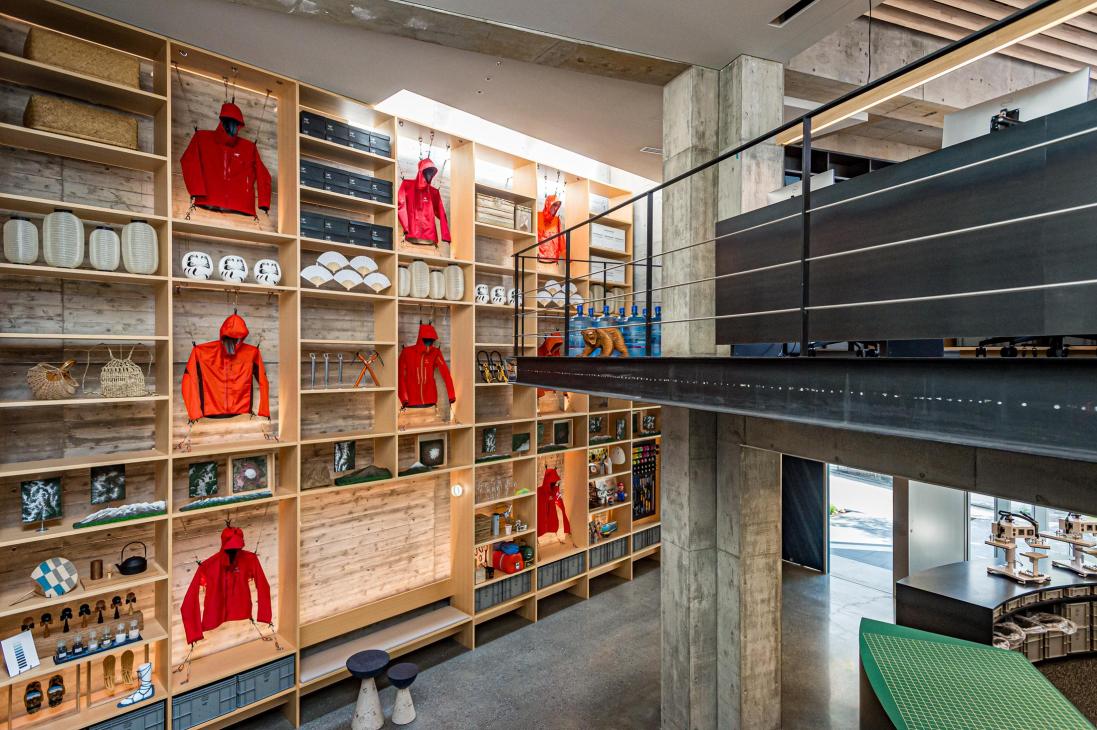


For Arc’teryx employees who aren’t out in the field exploring new concepts, the building has been designed to welcome the elements. The roof is an open garden area inspired by both the mountain landscapes of British Columbia and Japan’s rich forests. Here, seating made from Yanase cedar from Kochi prefecture has a circular form to encourage conversation and creative back-and-forth. “We had this concept of creating a connection between inside and outside, the surrounding city and nature, as well as a place that is enriched by elements such as technology, culture and nature,” says Torafu architect Koichi Suzuno. The interior is filled with mountain-inspired artworks while one double-height wall is lined with Japanese craft and design, alongside vintage Arc’teryx jackets and mountain kit. “The wall is designed to provoke discussion and show the brand in context by displaying items from Japan with pieces that convey Arc’teryx’s history and philosophy,” says Suzuno.
arcteryx.com; torafu.com
Giopato & Coombes
Treviso, Italy
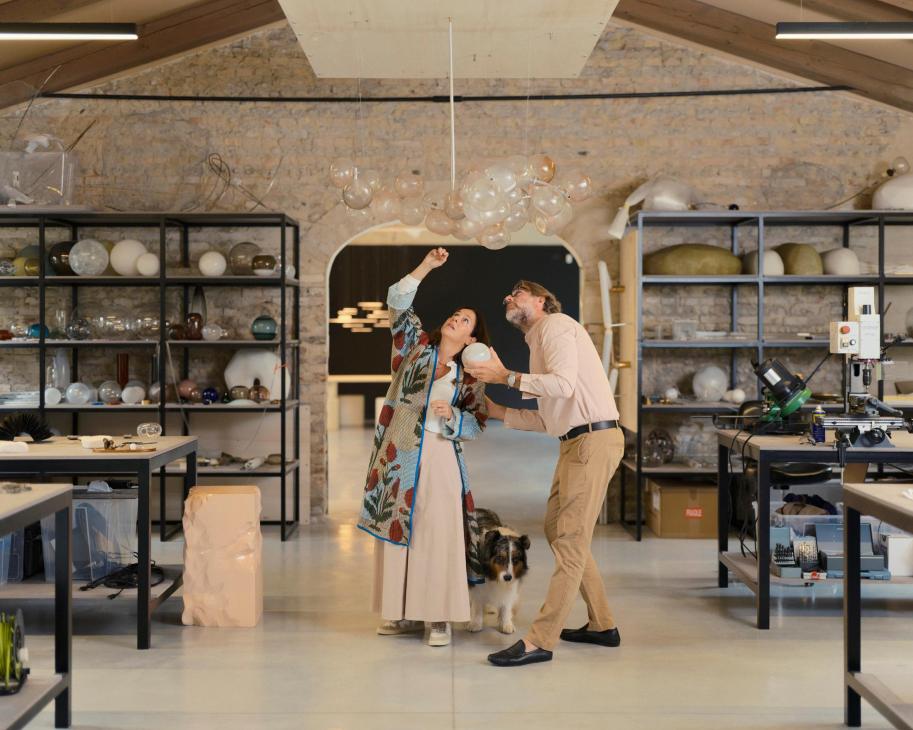
“It was a classic romance,” says Cristiana Giopato, the co-founder of leading lighting company Giopato & Coombes. She tells Monocle that she met her husband, UK-born Christoper Coombes, while on an Erasmus study programme in the 1990s. Today they work from an elegant 18th-century villa in the city of Treviso in northern Italy, designing and producing lighting pieces for hotel lobbies, jewellery shops and apartments worldwide.
After starting their careers in Milan – Giopato with Patricia Urquiola and Coombes with George Sowden – and working there for a decade, the duo felt that something was missing. “We wanted direct involvement in projects,” says Giopato. “In 2014 the time seemed right for us to bring everything in-house, to have a vertical model and become our own brand,” she adds, looking out over the villa’s lawns to a large former stable building that they have recently converted into a cavernous workshop and office space hosting 38 staff.
From the outset, the duo were keen to experiment with their fledgling brand. “One of the first things that we learnt was the importance of a continuous learning process,” says Giopato, in a soft but self-assured voice. As such, the company has invested in showcasing the artistic, conceptual stages of its work, displaying experimental installations with titles such as “To Draw Breath”. In 2024, Giopato & Coombes exhibited in Seoul, Milan, Copenhagen and New York. “Through these experiments, we realised that there’s the idea, the market and the production,” says Giopato.
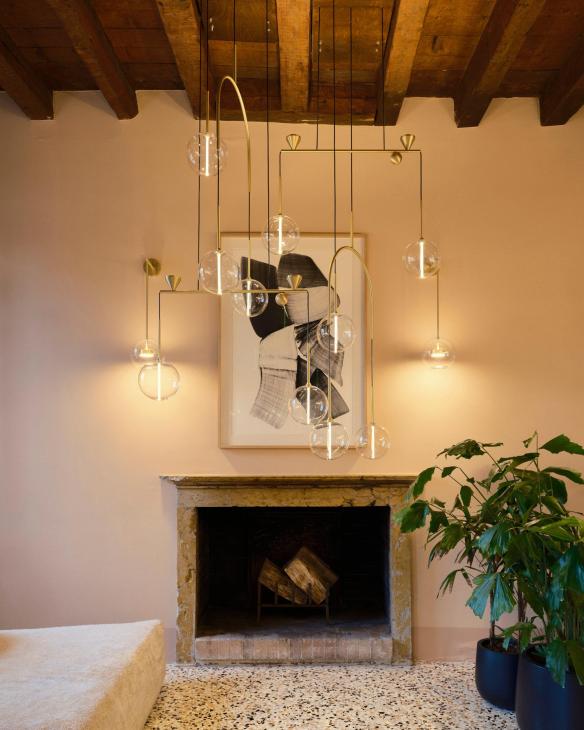
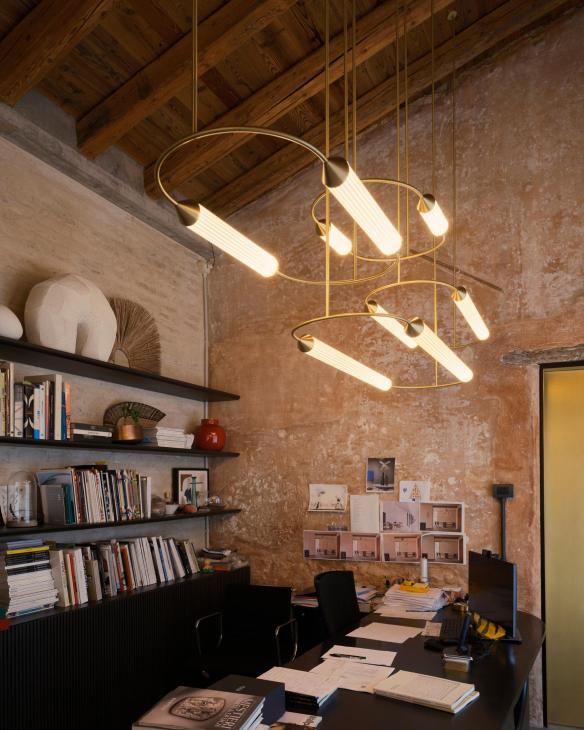
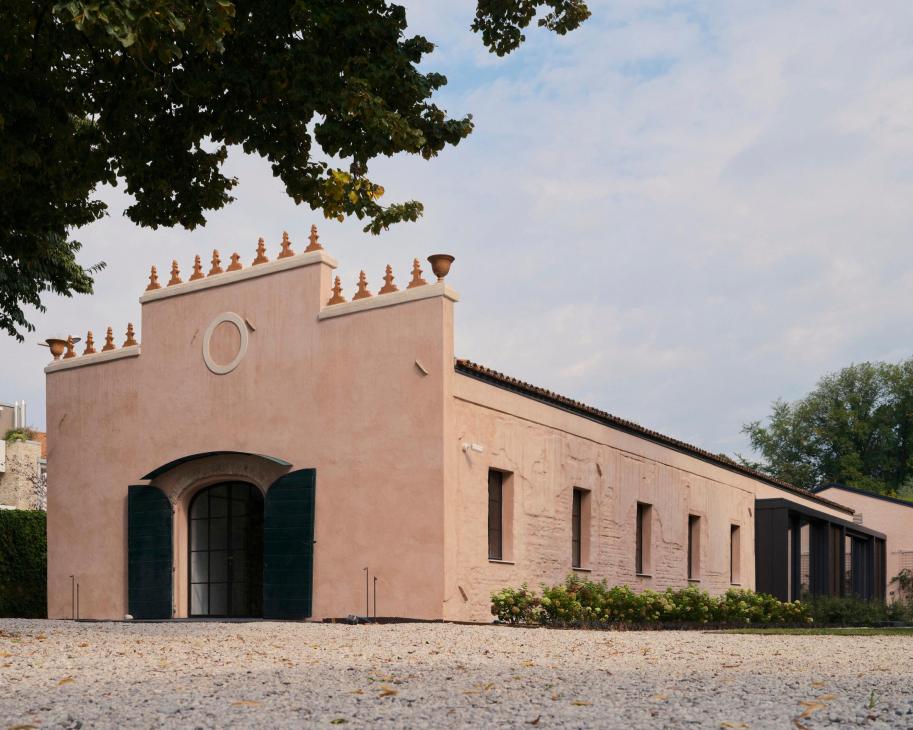
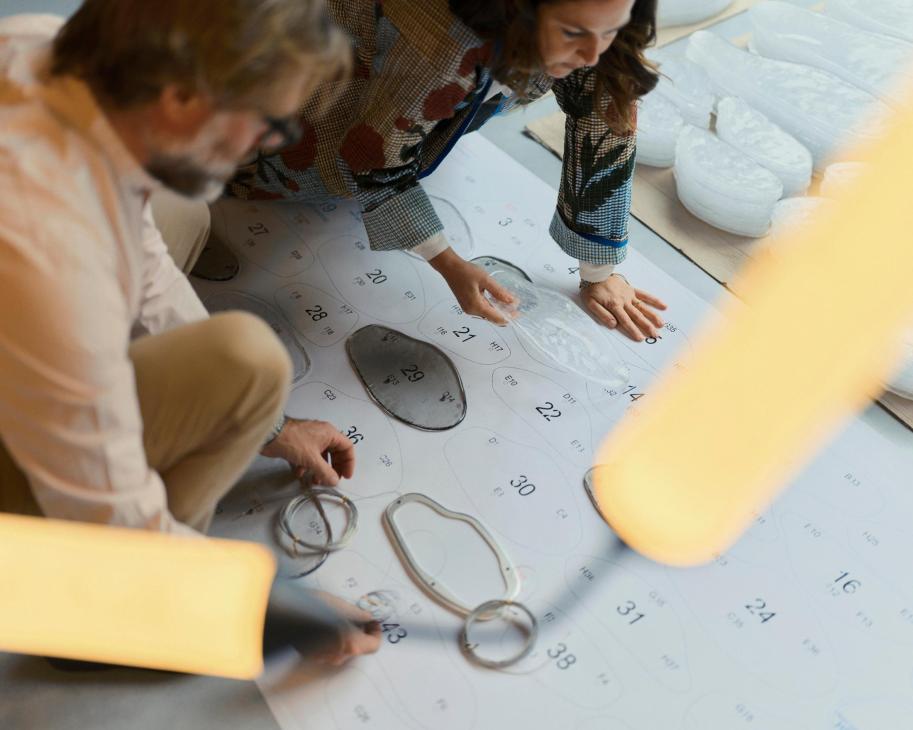
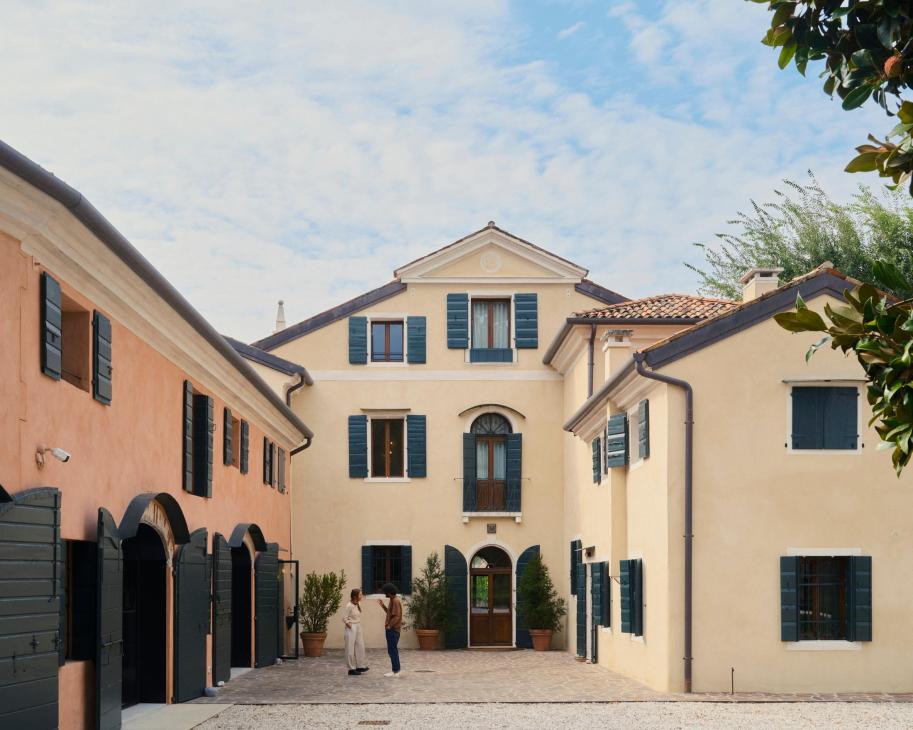
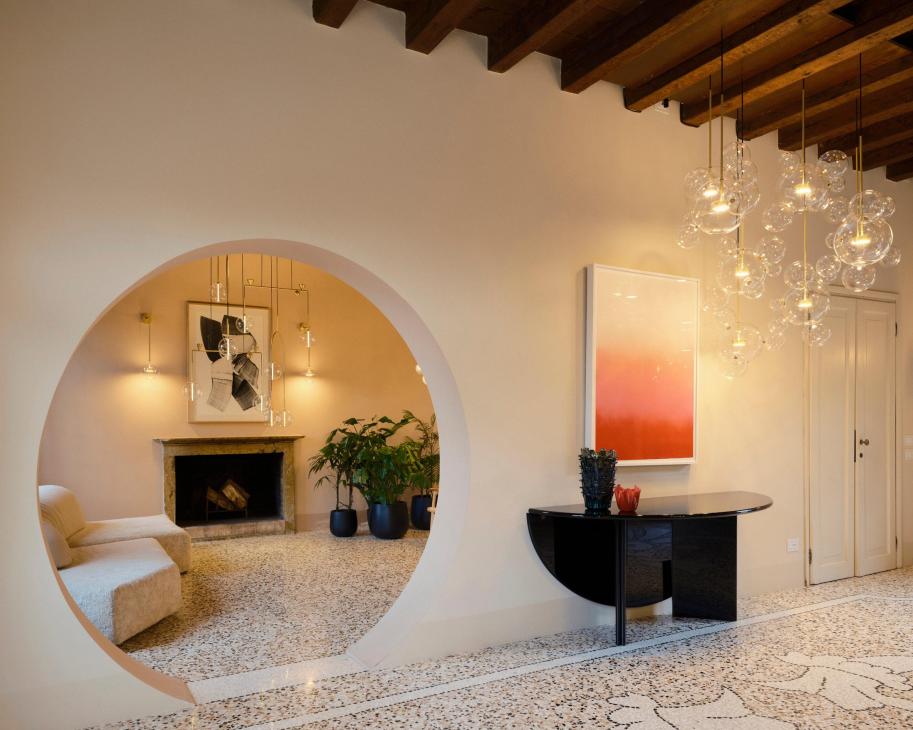
Taking such an approach and creating a compact lighting-design campus in Treviso, Giopato & Coombes has, in effect, cut out the middlemen. By going to the market with products that it has developed in its own workshop space – and by showing technical and craft skills directly to a broad audience – the company is receiving vital feedback from potential new clients. “We operate a little differently,” says Giopato. “We are more like a fashion atelier than an ordinary lighting manufacturer.”
giopatocoombes.com