The Entrepreneurs
Business and entrepreneurship in Austria
Time for a reset?
Who hasn’t daydreamed about beginning another life in fresher climes? You know, the reverie in which you saunter out of work and hit a ski slope, then take in a new restaurant during a deal-sealing dinner? We mean the sort of place where you can picture yourself living better and breathing a little easier – somewhere that’s well connected but offers ample opportunities for escape, where things are well made and traditions are respected but there’s enough room in the market for innovative businesses to make things anew. Welcome to Austria.
monocle’s survey sweeps from rural Vorarlberg to the heights of the Austrian Alps, past sleepy villages and on to the cosmopolitan capital. Whether you’re running a technology start-up and seeking manufacturing know-how and talent or simply looking for somewhere to hike, read on. Shall we show you around? ––
Doing business in Austria
In practice, that means that starting a new business here can come with generous grants and funding, especially in Vienna, where the start-up infrastructure is strong. Housing is also more affordable than elsewhere.
In an Austrian workplace, a command of German is crucial, as many offices are unlikely to communicate in any other language, though schemes are being introduced to integrate non-German speakers into the labour market. It’s also worth noting that more than one in three companies in Austria were run by women in 2023.The most important rule to remember is that things take time in Austria, so don’t be impatient. Don’t expect an immediate response and always follow up a phone call with an email or, in some cases, even a physical letter. In a country known for its bureaucracy, properly filed and addressed paperwork is essential, as is a little rigour in how tasks are approached.
There’s more to do in some areas (such as liberalising Sunday trading and embracing the start-up scene) but Austria isn’t trying to be Silicon Valley. And that’s probably one reason why you’ll like it. ––
We visit three thriving companies showing different ways that keeping things in the family can benefit a business, from a smart Alpine retreat to a winery planting the seeds of success.
FAMILY BUSINESS 01
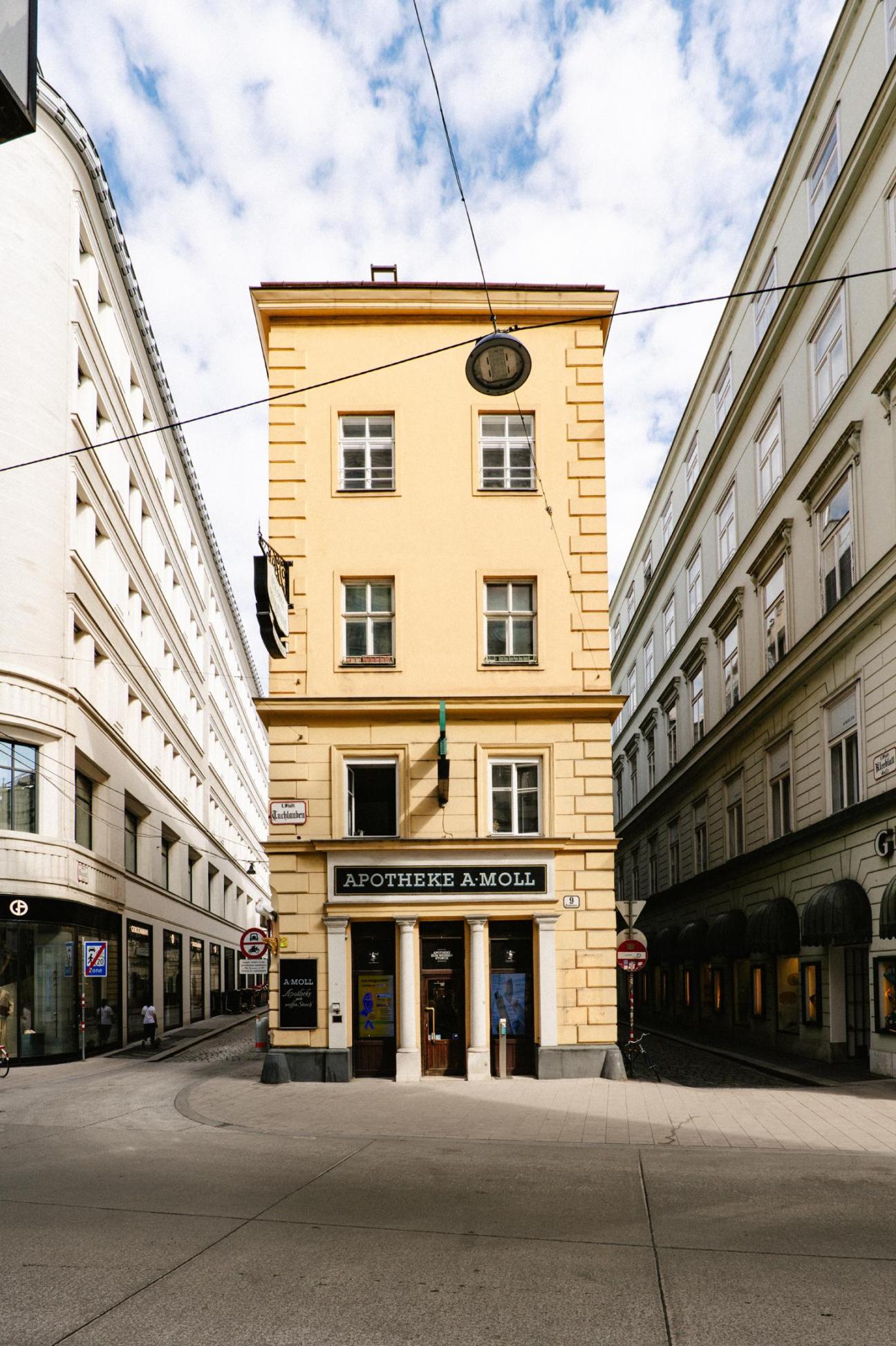
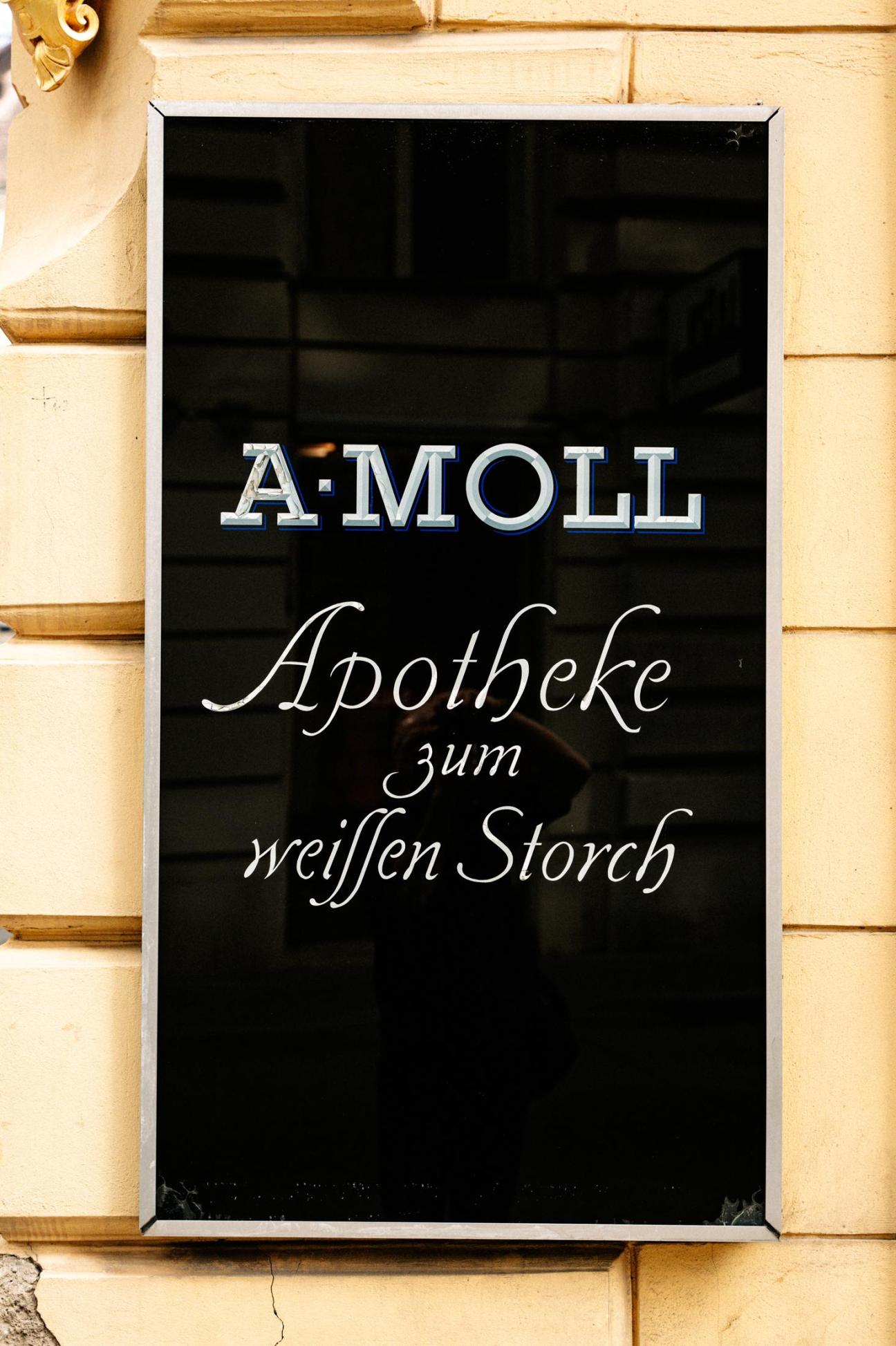
A Moll Apotheke zum weissen Storch, Vienna
The pharmacy with creative chemistry
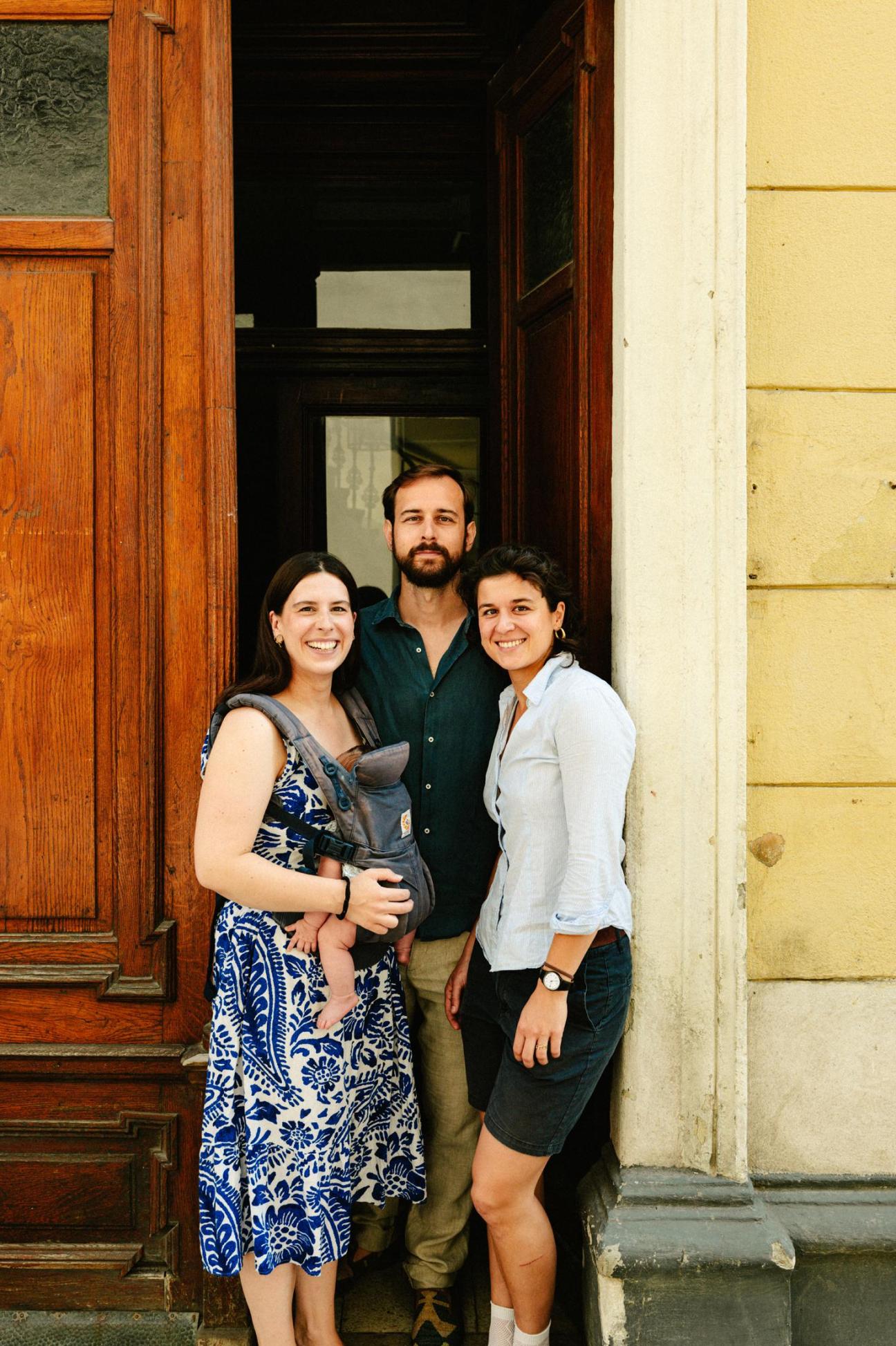
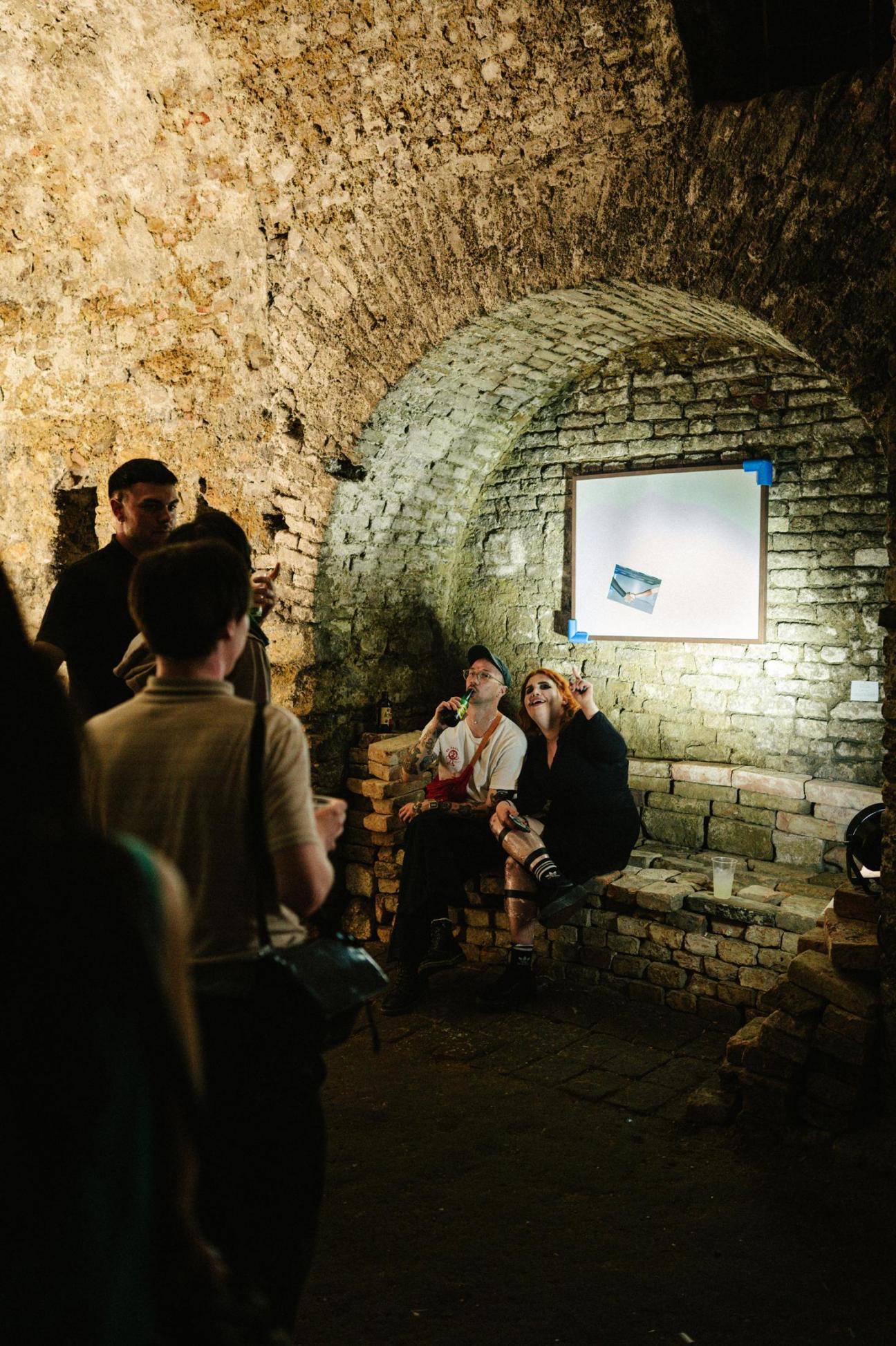
Hoping to breathe new life into their family pharmacy, four siblings reimagined the building as a series of apartments with an events space in the basement. The lesson? A fresh perspective could be just the medicine.
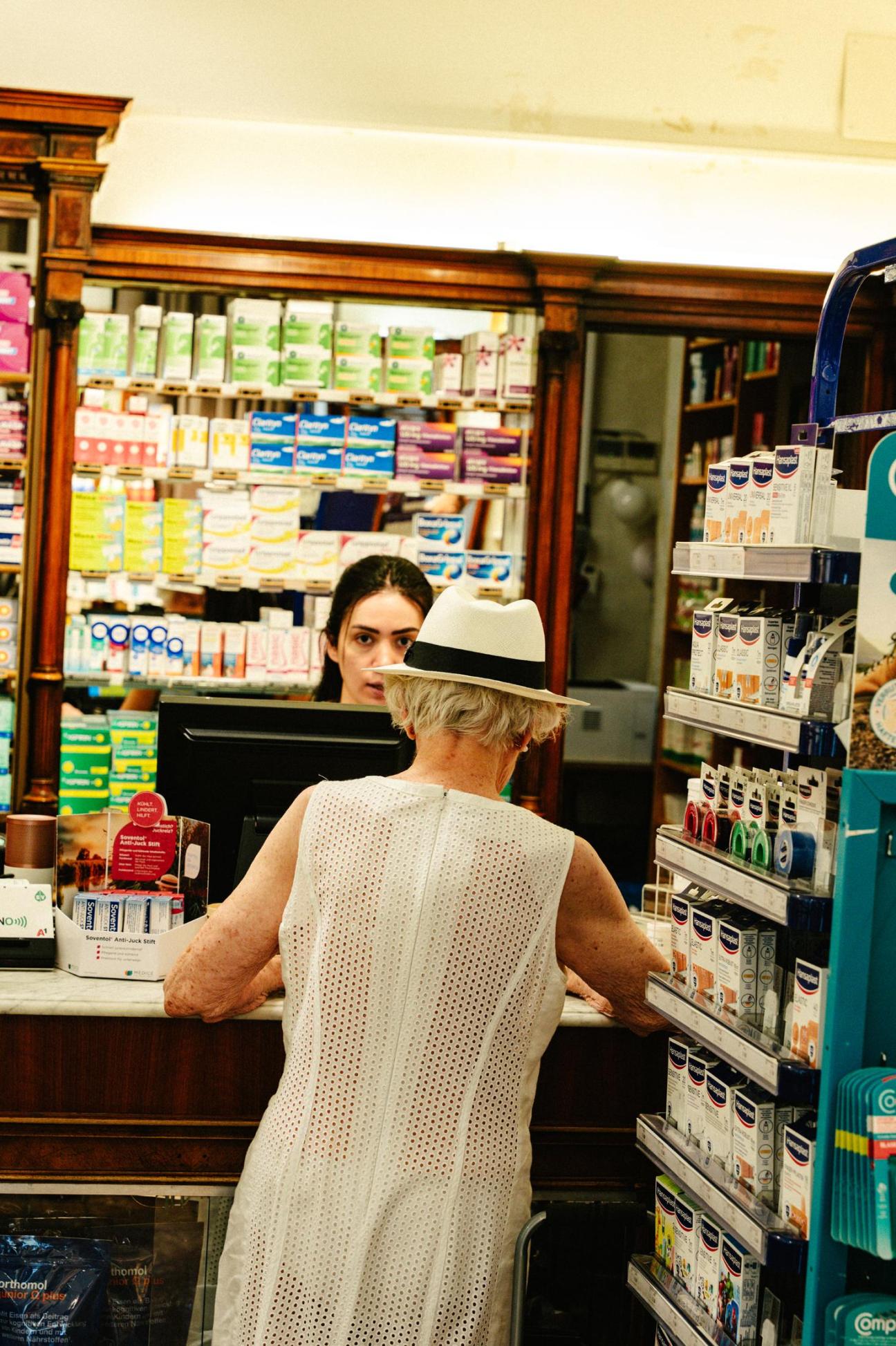
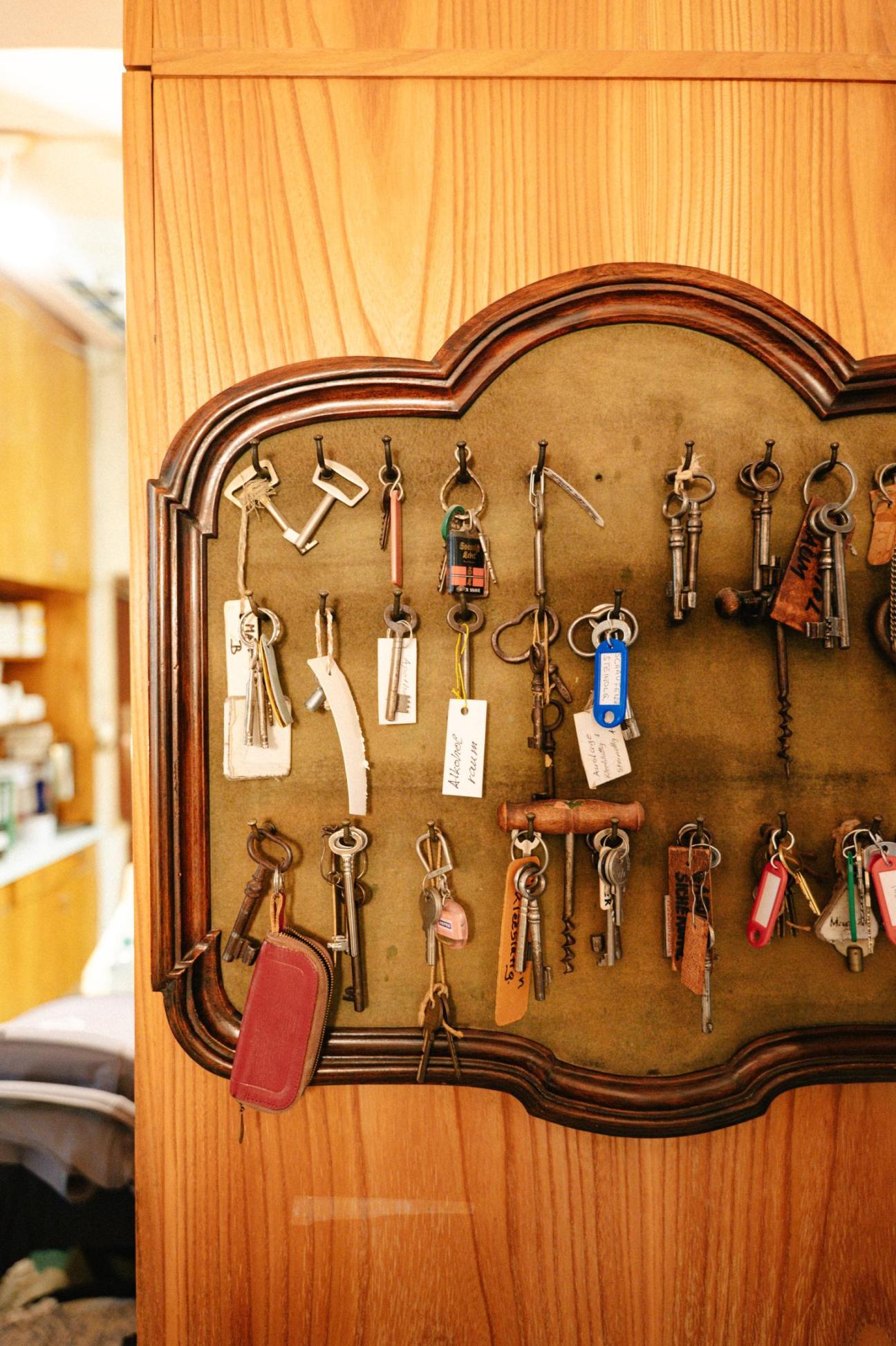
The four Bano siblings – two brothers and two sisters – were still in their twenties when their mother passed away in 2016. They inherited their family home in central Vienna, which also comprised pharmacy A Moll Apotheke zum weissen Storch. Their mother, the daughter of an Austrian baron, had always been protective of the property, keeping journalists and other nosy folk at bay. However, the Banos offspring quickly realised that, for the building to flourish, it needed to be reimagined and given a new lease of life. So they started from its foundations.
Beneath the house is a multilevel cellar that once served as the pharmacy’s medicine depot (and was the location of the 12th birthday party of Anna-Katharina, the younger Bano sister). A clean-up effort involving the removal of 250 tonnes of soil and clutter unearthed some curious objects: 19th-century musket parts, a gold wedding ring from 1922 and an untouched Soviet grenade. “It looked like something out of a comic book,” says Anna-Katharina, who discovered the bomb.
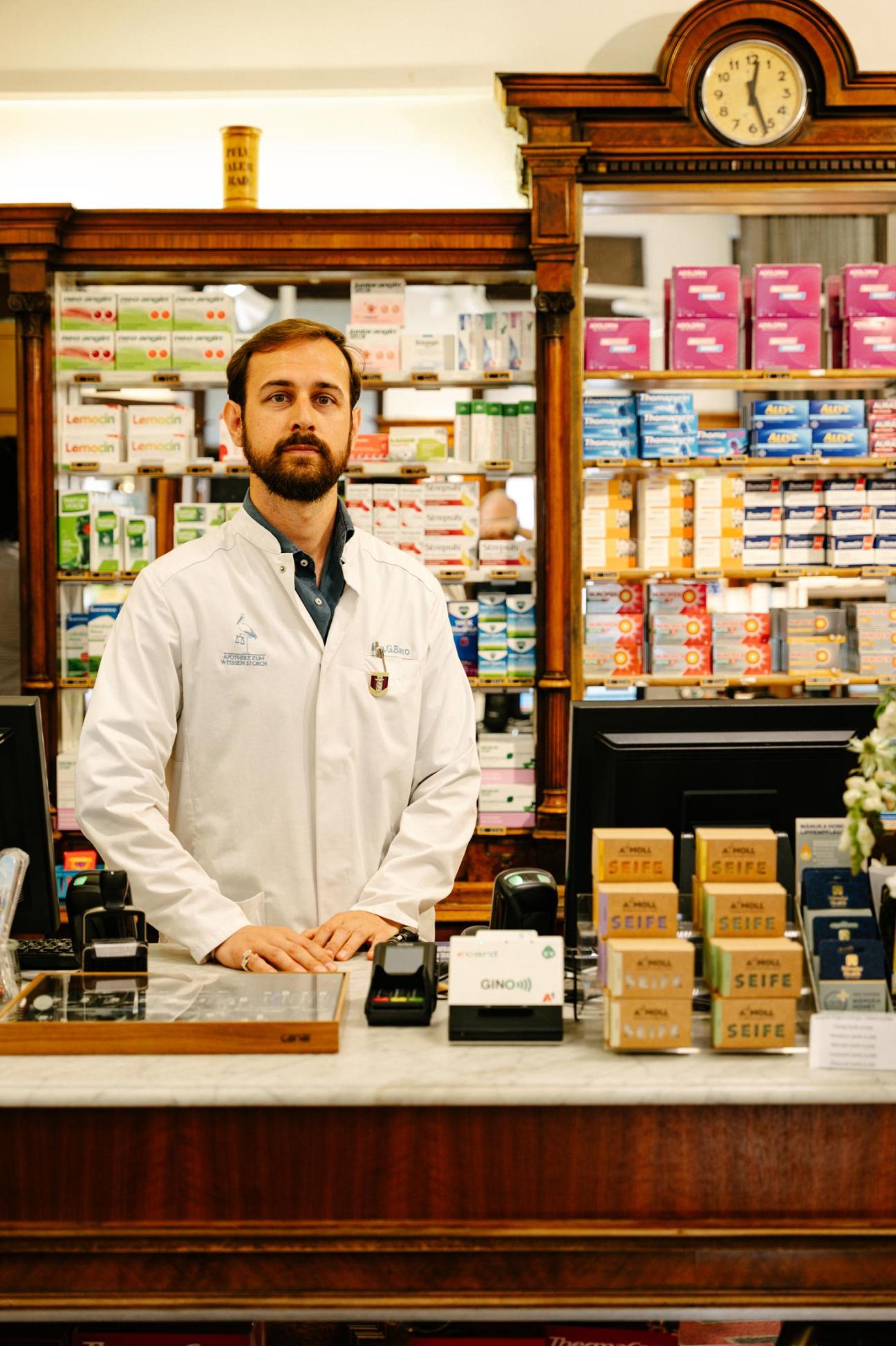
Before long, the siblings had transformed the cellar into one of Vienna’s most unconventional venues for private parties, exhibitions and other events. One exhibition, which took place in July, featured more than 20 artists, mostly from Germany; in June, Berlin-based DJ collective Herrensauna hosted a big party here. Sitting in the heart of historic Vienna, the building straddles three streets and so has three addresses. The pharmacy is listed as Tuchlauben 9 but the Banos consider their home address to be Steindlgasse 2. “This is our base,” says Georg, the second-eldest, who owns the pharmacy and works there alongside his sister Elisabeth Zichy. “The entrance has a magical feeling for us.”
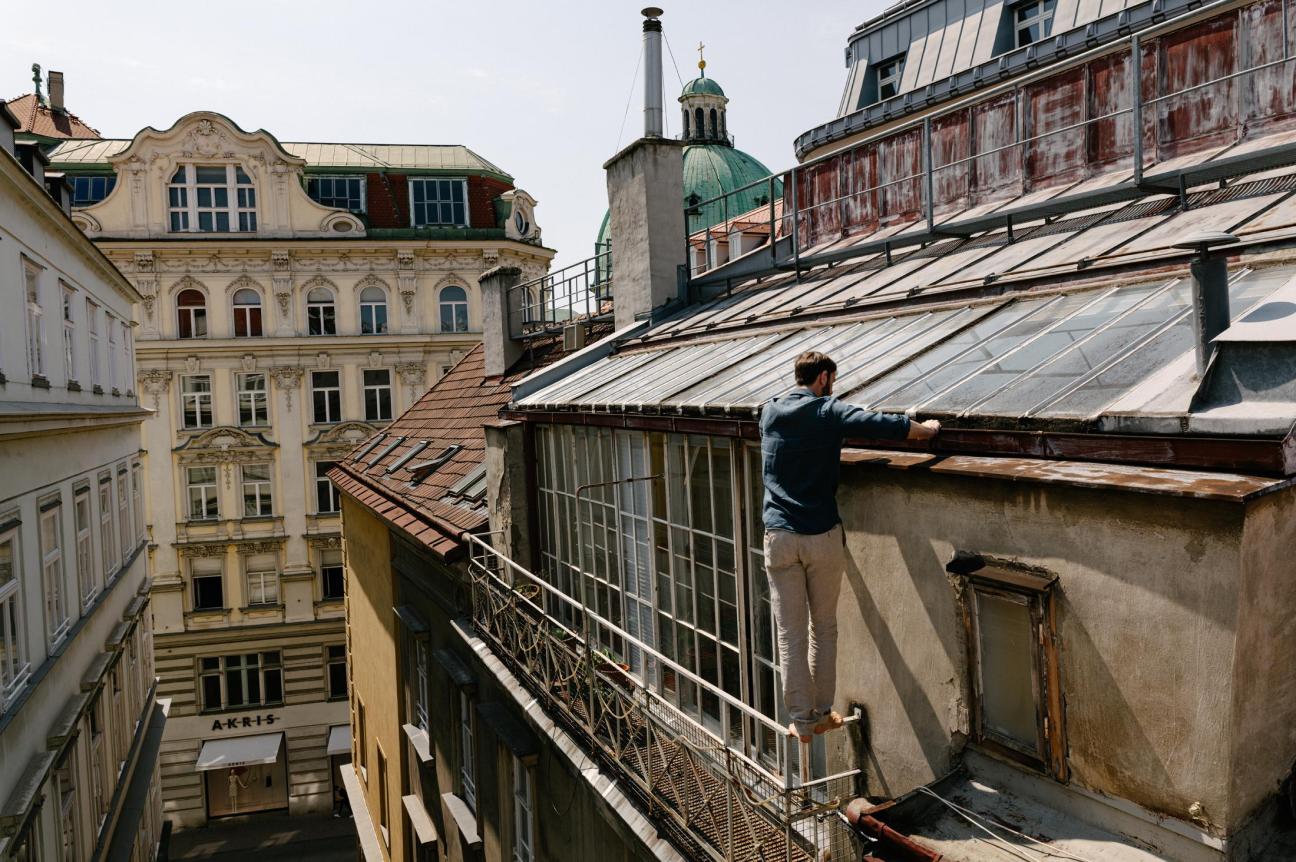
A Moll Apotheke zum weissen Storch, whose history stretches back more than 500 years, was originally on the Graben, a nearby shopping street. It wasn’t until the 1870s that August Moll, the Banos’ maternal ancestor, moved it to Tuchlauben. Moll was an extraordinary figure. As well as creating Franzbranntwein, a topical remedy for muscle and joint pain, the pharmacist was an early devotee of the emerging art of photography; in 1856, he became the first in the city to sell equipment for professional and amateur photographers. He later built a “photo atelier” on top of the roof for developing images and served as an official purveyor of photographic supplies to the Habsburg court. Moll attended world expositions in Paris as a member of Vienna’s Photographic Society, earning him a medal from Napoleon iii.
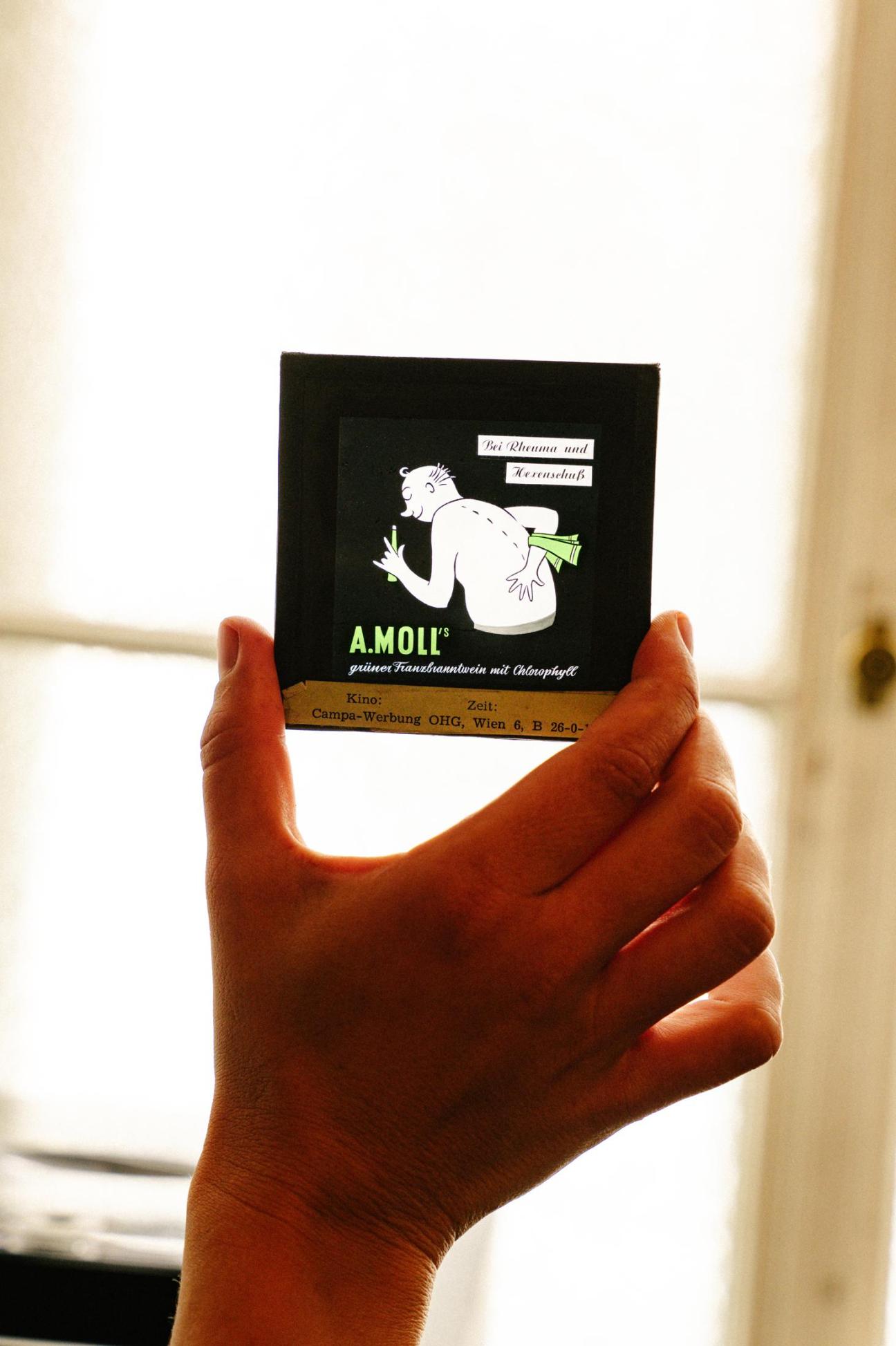
This legacy has always been a source of inspiration for the family. “My middle name is August, after him,” says Georg, displaying Moll’s medal, which now looks a little dulled with age. Moll’s work ethic has clearly been passed down to Georg, who completed his pharmacy degree in 2019 and now spends as many as 60 hours a week in the shop.
The first years of the coronavirus pandemic brought a surge in business, with daily test numbers sometimes reaching 1,000. This enabled the pharmacy to break even for the first time in years but didn’t generate enough revenue to help the Banos revitalise the whole building. So, Georg and his sisters decided to rent out the flats above, including the one in which they had grown up, to their friends – many of whom were artists or musicians and thus a welcome breath of fresh air in the stuffy world of medicine.
Though monthly rents for the 14 flats have increased slightly recently, they remain well below Vienna’s average. “In the past couple of years, we have tried to run this as a proper business,” says Georg, as he walks up to a top-floor flat that, until 2017, was occupied by tenants who had lived there since just after the Second World War. They had rented it at a discounted rate, on the condition that they repaired the roof, which had been damaged by an Allied bomb.
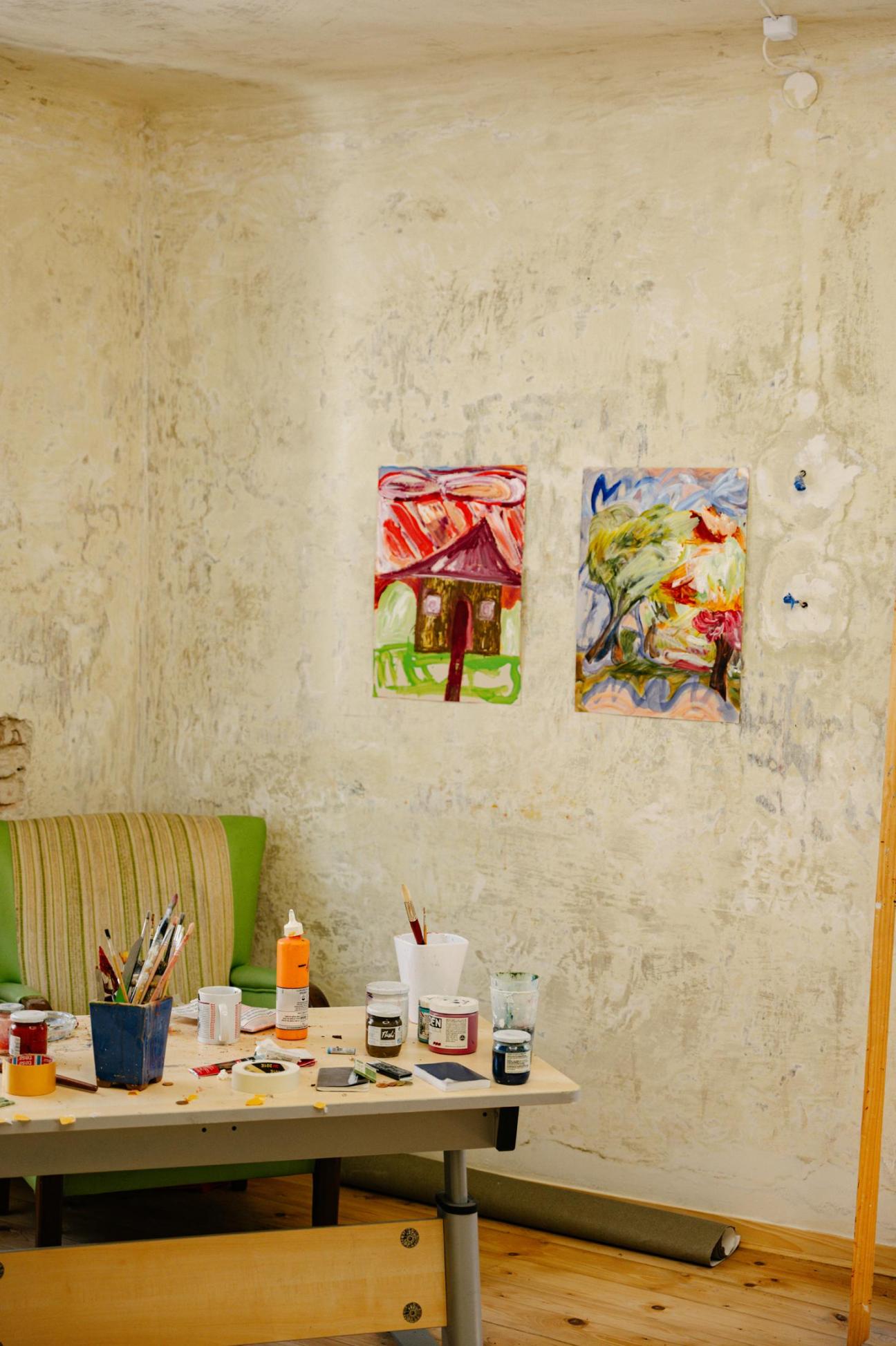
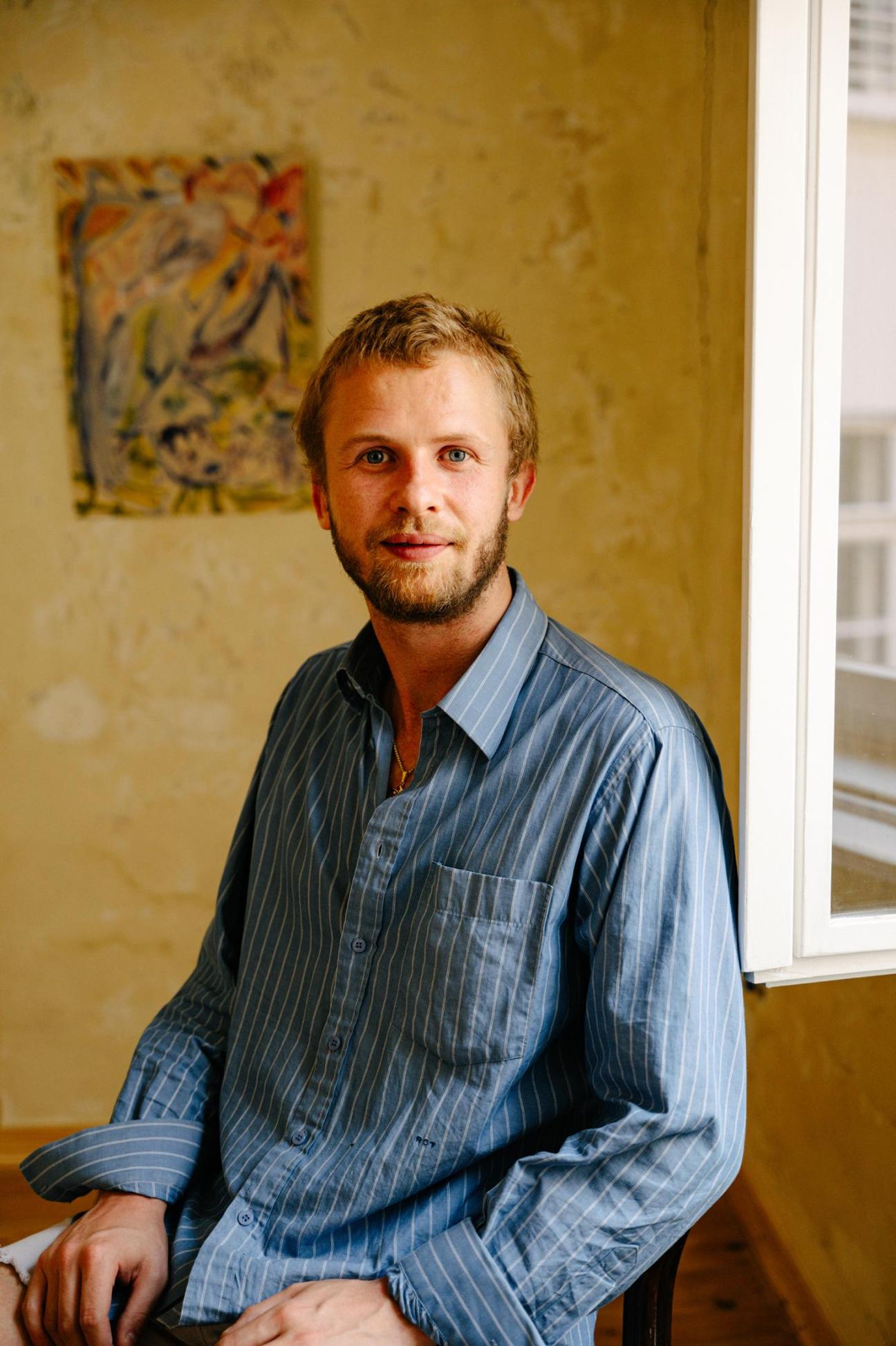
Today, it’s the home, studio and occasional exhibition space of Norwegian-born artists Kjeld Undseth and Elida Høvik. Like many of the tenants, Undseth first met the Banos through mutual friends and was fascinated by the house’s history and the eminent figures who had walked its corridors. Among them was Sigmund Freud, who spent 10 years working in a children’s hospital that used to occupy a wing of the building.
“I don’t think about Freud in my daily life,” says Undseth. “But I believe in ghosts to some extent, so have felt him around the house.”
The crown jewel of the building, the family flat, is now occupied by some of the Banos’ closest friends: Nicolaus Erich, Paul Schmid-Schmidsfelden and Lorenz Revertera. The trio have formed a band named after one of the house’s three addresses (Café Steindl Partie) and use one of its rooms for rehearsals.
The Banos now all live elsewhere. Georg, who says that he needed some distance from his workplace, was the last to move out. But the door remains open to them and, indeed, to anyone else. Erich recalls a demonstration calling for more trees to be planted on Steindlgasse that migrated to the flat. “We started walking up to the apartment and realised that there was something like 100 people following us. Nobody was turned away.”
It’s this sense of openness that the Banos are keen to nurture. What began with friends popping by to cook and lend a hand as the siblings took over has evolved into a small community that is as devoted to the house as its owners. “There’s a positive energy here,” says Georg, noting that the absence of trouble – aside from the occasional squabble with neighbours over noise – reflects how well it all works. “It’s almost exclusively nice people who live here and visit. I don’t know how it happened but that’s just the way it is.”

FAMILY BUSINESS 02
Eriro, Ehrwald, Tyrol
The back-to-nature Alpine bolthole
On the site of an old mountain inn, three families joined forces to build a pared-back retreat where guests are treated to life’s simpler pleasures.
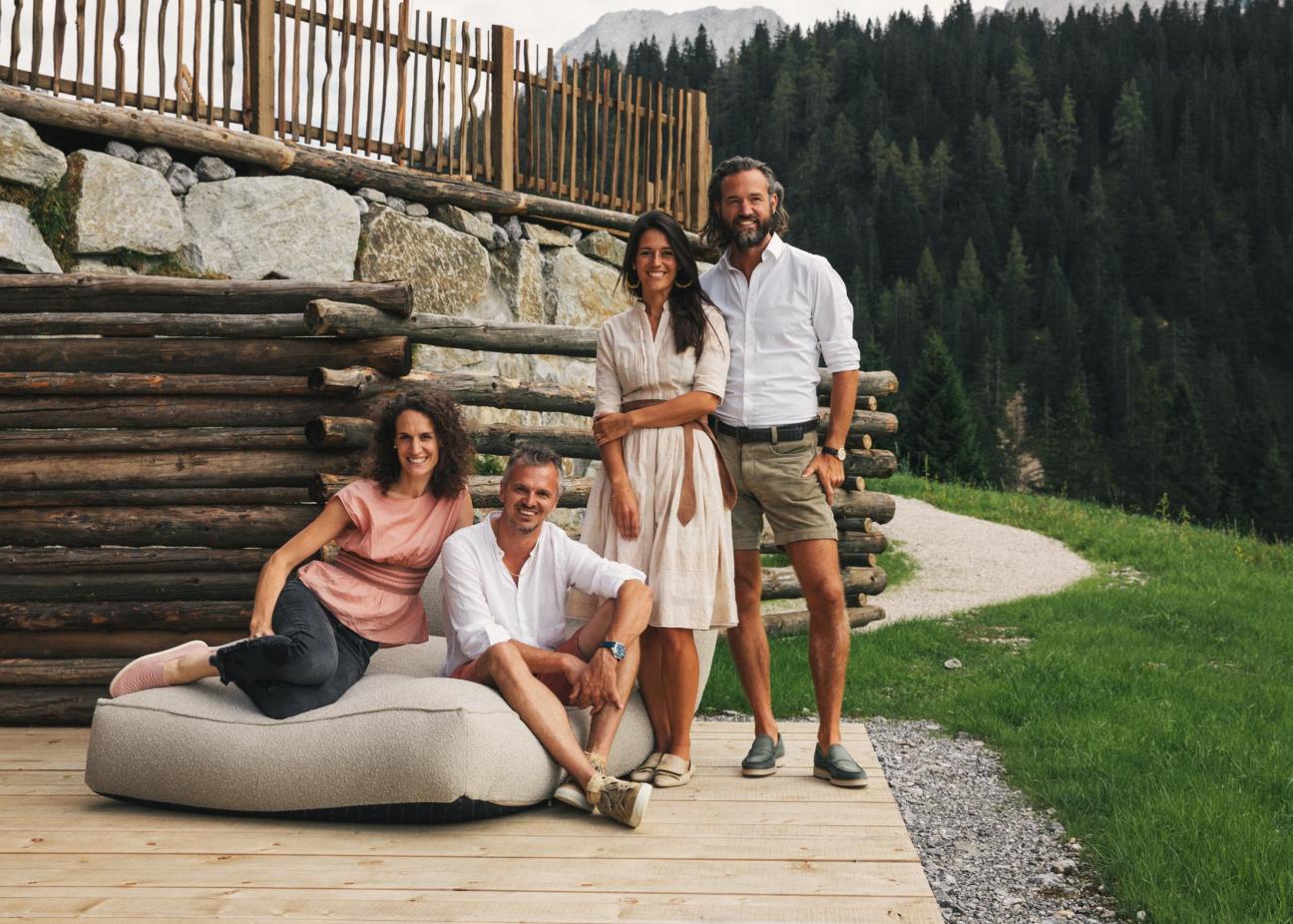
At the foot of the Zugspitze massif in the Austrian Alps is a new hideaway. For nearly a century, a mountain inn had catered to guests on the spot where Eriro now stands. Seeking to pay tribute to this humble old establishment, local hotelier Dominik Posch bought the site with his wife, Amelie, hoteliers Martin and Christina Spielmann, and Andreas Mader, a timber entrepreneur. They built a reimagined cabin almost entirely from timber from the surrounding forests.
The venture seeks to launch a new kind of family-backed Alpine tourism. The chalet, reached by cable car, has just nine suites. There are no TVs; the lamps are handmade and most of the bathtubs are made from single tree trunks. “The idea is to recreate the feeling of being on an old mountain pasture,” says Martin.
The retreat is designed to sharpen the senses. Guests are given socks instead of slippers so that their feet can feel the floor in the corridors, which are lined with wool. A booklet suggests things to do, from a ski tour to a lesson on handling cattle. There’s even a yodelling instructor. But Eriro also champions the simpler things, such as walking in the rain. “People have forgotten what it feels like to be bored,” says Amelie. “It’s time to bring that back.”
FAMILY BUSINESS 03
Meinklang, Burgenland
The winery championing nature and new growth
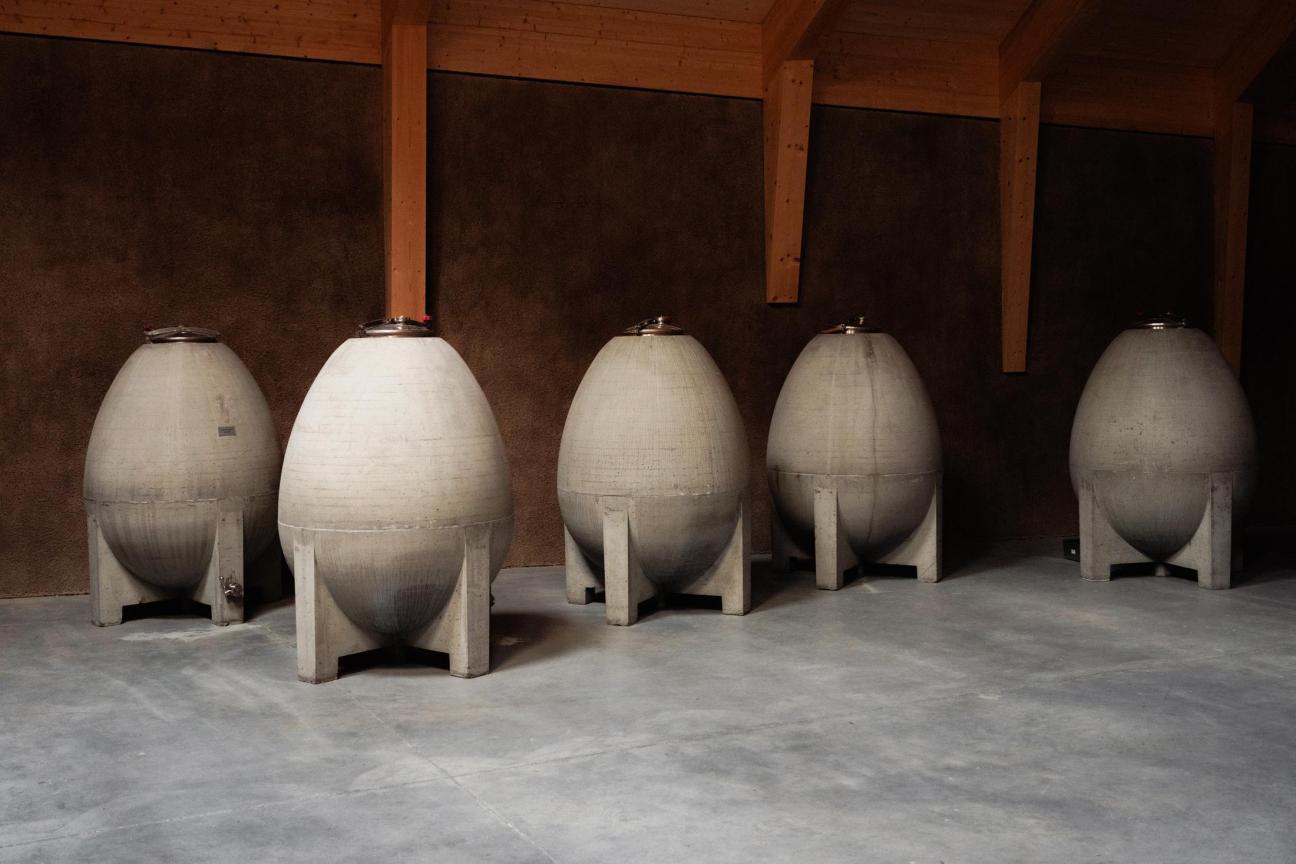
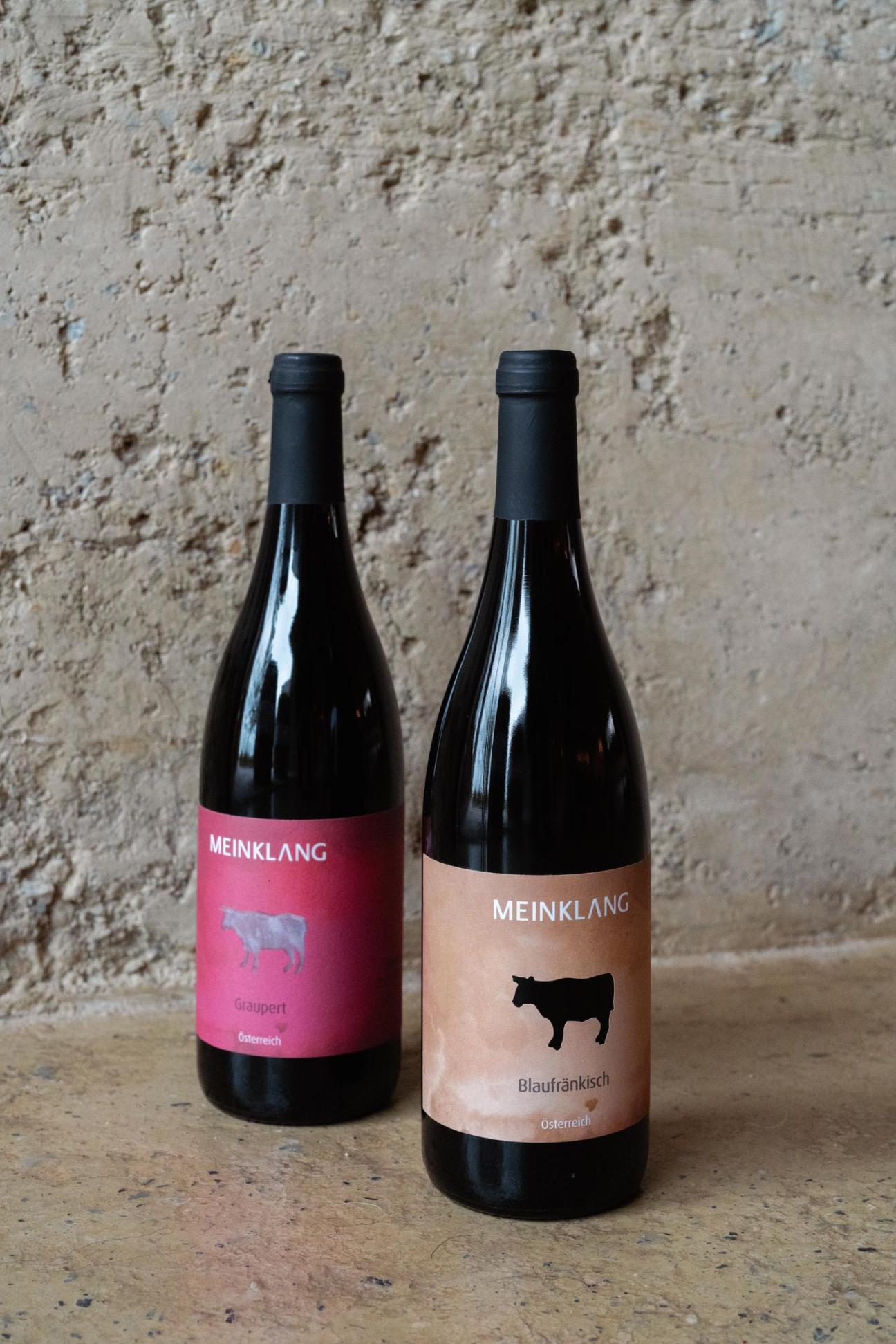
A century-old family business, Meinklang has long been committed to natural viniculture. Now, it has extended this approach to encompass organic practices and even a school at its Burgenland farm.
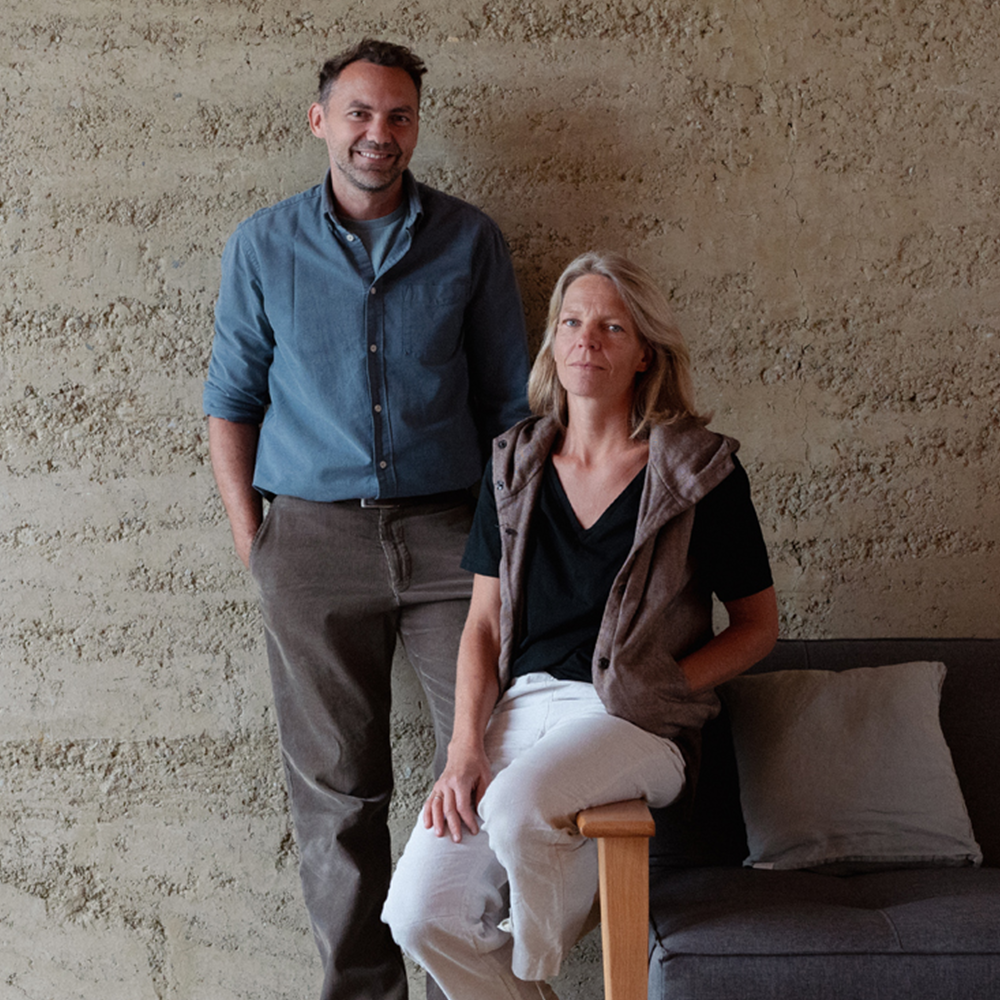
The name Meinklang, which means “My Sound”, might initially seem to have little connection to what this biodynamic farm and winery does. But Werner Michlits – who runs the business alongside his wife, Angela, and brothers Lukas und Johannes – insists that this isn’t the case. “This is my sound,” he says. “What I mean is that everyone has their own vibe.”
Based in the Austrian province of Burgenland, Meinklang exports its wine worldwide and has a particular focus on being in harmony with nature. Its farm produce, along with its freshly baked bread and pastries, can be enjoyed at its shop in Vienna.
The family business has existed since before the region officially became a part of Austria – Burgenland was in Hungary until 1922 – and it has always had an organic ethos. In more recent decades, the Michlits have gone a step further and adopted biodynamic farming methods, a concept pioneered by Austrian philosopher Rudolf Steiner a century ago that prohibits the use of toxic chemicals. Though this approach has its critics, who consider it esoteric and unscientific, Werner and Angela insist that the extra effort is worthwhile. “It’s about bringing energy back into the soil,” says Angela. “Decades of industrial farming have drained it.”
In keeping with Steiner’s holistic view of life, the premises also host a Waldorf school, which has about 90 pupils. With its free-form curriculum, this educational system has many sceptics too but Werner and Angela believe that organic produce naturally goes well with what they call “organic education”. —
meinklang.at
Game changers
Whether perfecting children’s bicycles or energising sleepy neighbourhoods, a new crop of business leaders is finding ways to thrive in Austria. Here are a few who have caught our eye.
ENTREPRENEUR TO WATCH
Theresa Imre. Founder, Markta
The farm-fresh businesswoman
After founding a delivery service that thrived during the lockdowns, Theresa Imre launched a bricks-and-mortar space in Vienna selling fresh produce sourced from family farms. Today, her business shows no sign of throwing in the towel.
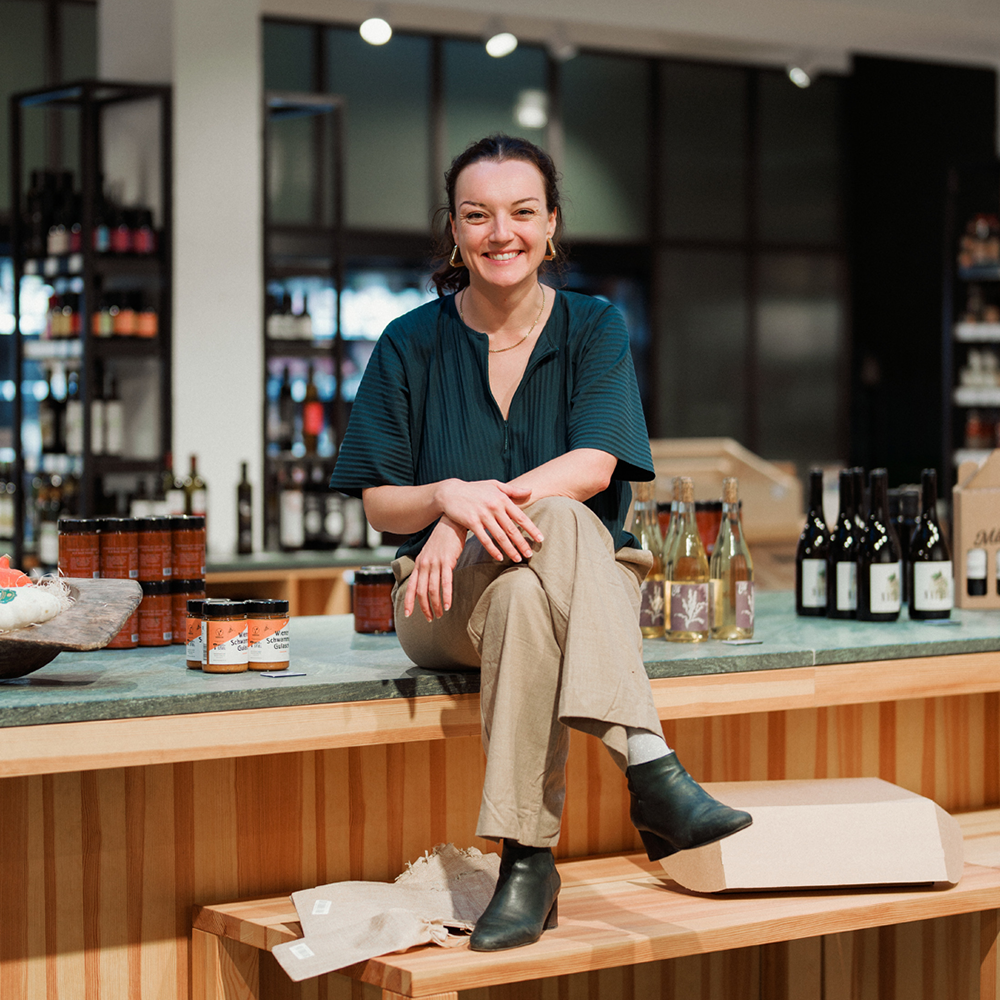
Ten years ago, Theresa Imre was working as a business consultant in Vienna while writing an award-winning food blog. “I was getting so many requests from farmers who needed help in the digital age,” she tells monocle. So, in 2017, Imre left her job to launch Markta, an online platform shipping farm-sourced fruit, vegetables, meat and dairy across Austria. During the first coronavirus lockdown, its orders soared from about 150 a week to 2,500 – a huge challenge for a company with just five employees. “It was basically impossible to manage,” says Imre. “But friends and family chipped in.”
It became clear that the business needed a logistics centre and a physical shop. The former arrived in 2020 and the latter, on Alser Strasse in Vienna’s 9th district, followed in 2023. Produce in the shop comes directly from partner farms, which now number more than 200.

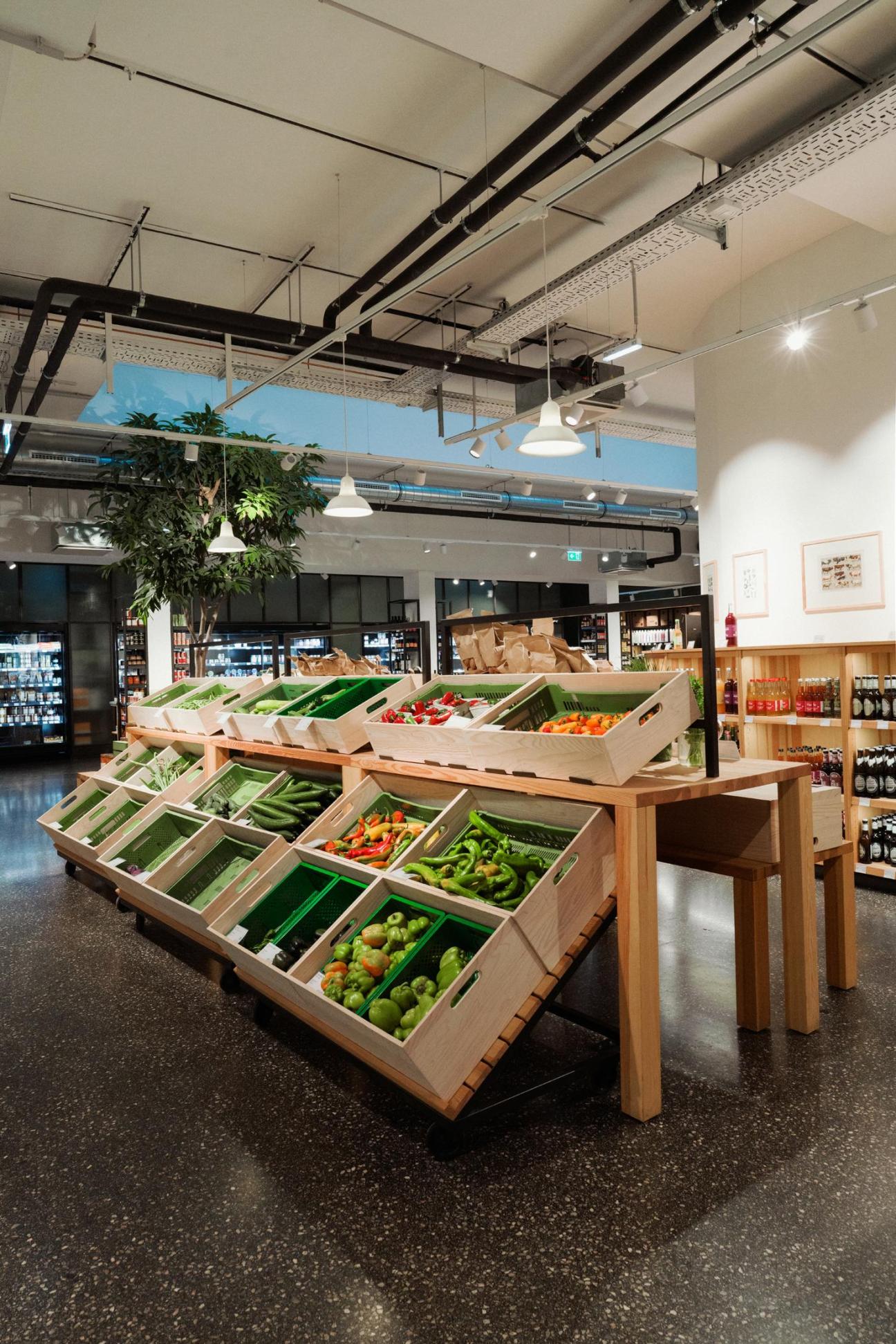
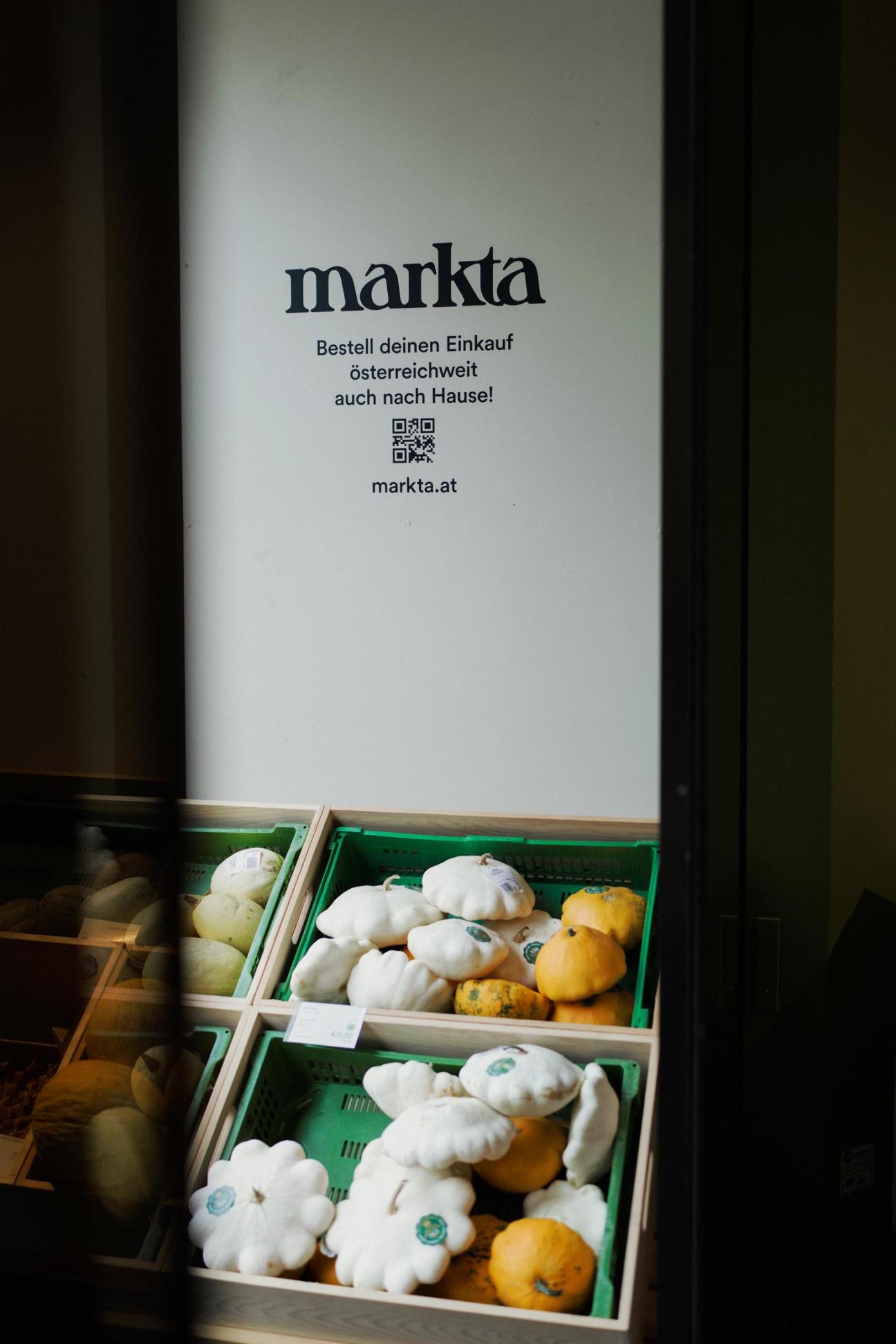

Even with more employees and the additional running costs of the shop, Imre remains committed to a fair pricing structure. For every product sold, the farmers keep two thirds of the proceeds. The shop attracts everyone from eco-conscious thirtysomethings to pensioners with an eye for fine produce. Buoyed by this success, Imre is planning five more shops in Vienna. — markta.at
ENTREPRENEUR TO WATCH
Martin Auer. Baker and CEO, Martin Auer
The baker cooking up international success
The much-loved bread and pastries made by a Graz bakery will soon be sating New Yorkers too.
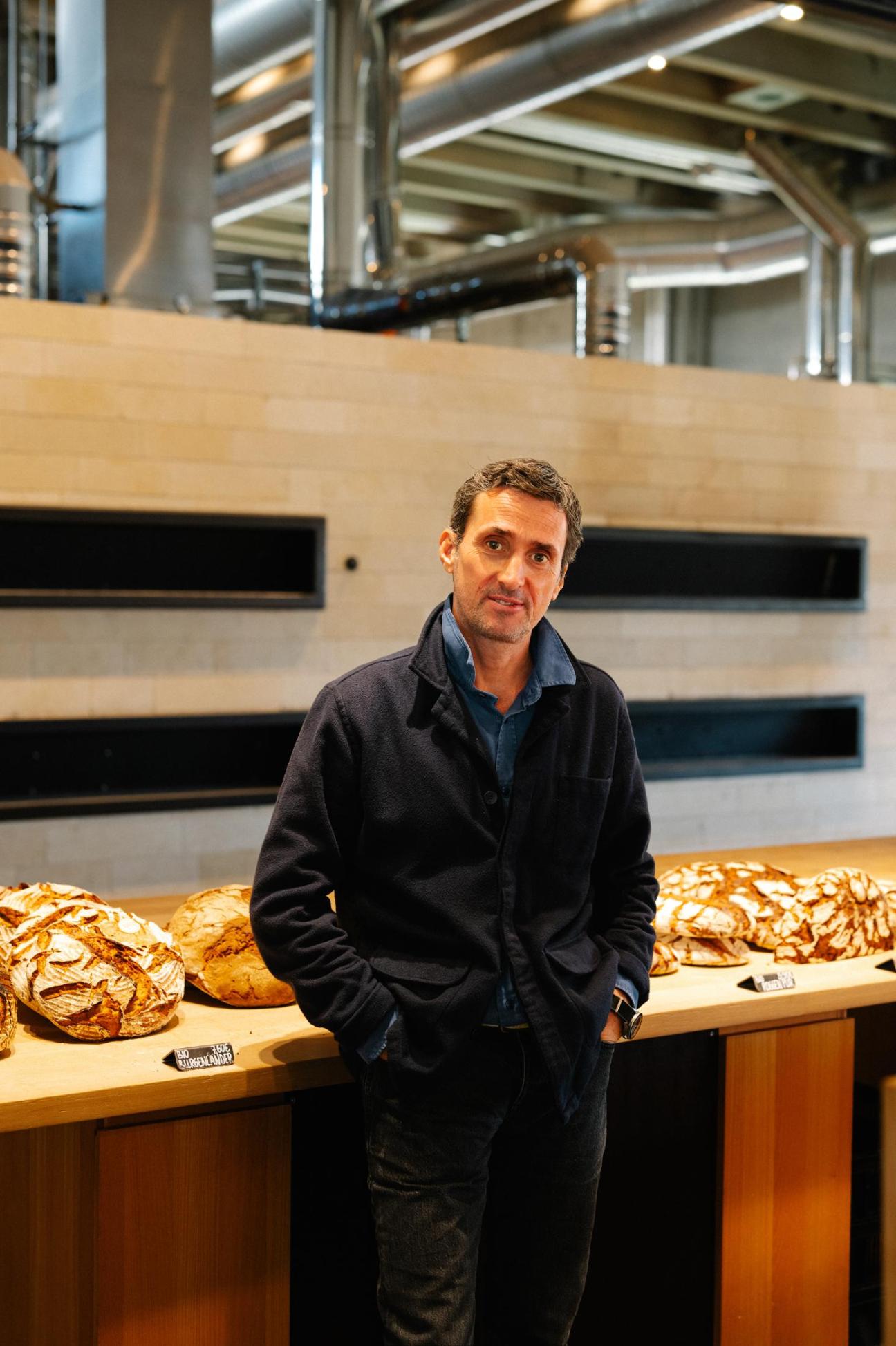
Third-generation baker Martin Auer has spent his entire life surrounded by bread, which he calls “the oldest cultural good”. By the time he took over the family business in 2011, its bakeries were an institution in Graz. One of its outposts was well known for its chandelier; Auer’s father had hung it there in the austere 1960s. “It seemed absurd to people that there was a chandelier in a bakery,” says Auer. “But they found it appealing at the same time.” This shop, in the city centre, is also said to have been Austria’s first bakery specially designed by an architect.
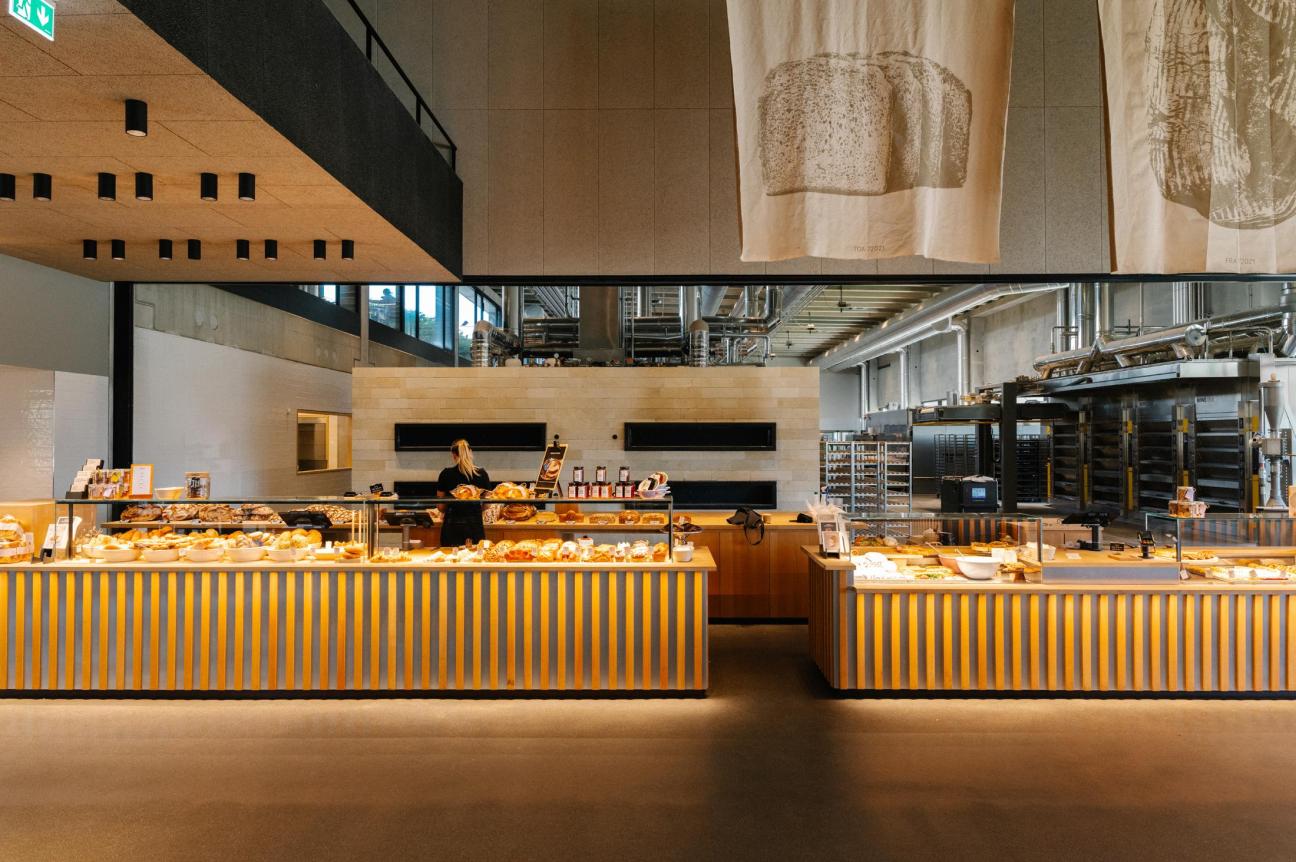
Auer has ensured that each of his locations in Graz, Carinthia and Vienna has its own character. “We don’t want to be a chain,” he says. The flagship shop is at the company’s HQ on the outskirts of Graz – a striking building that resembles a university campus. All production takes place here, as well as training courses for bakers and staff.
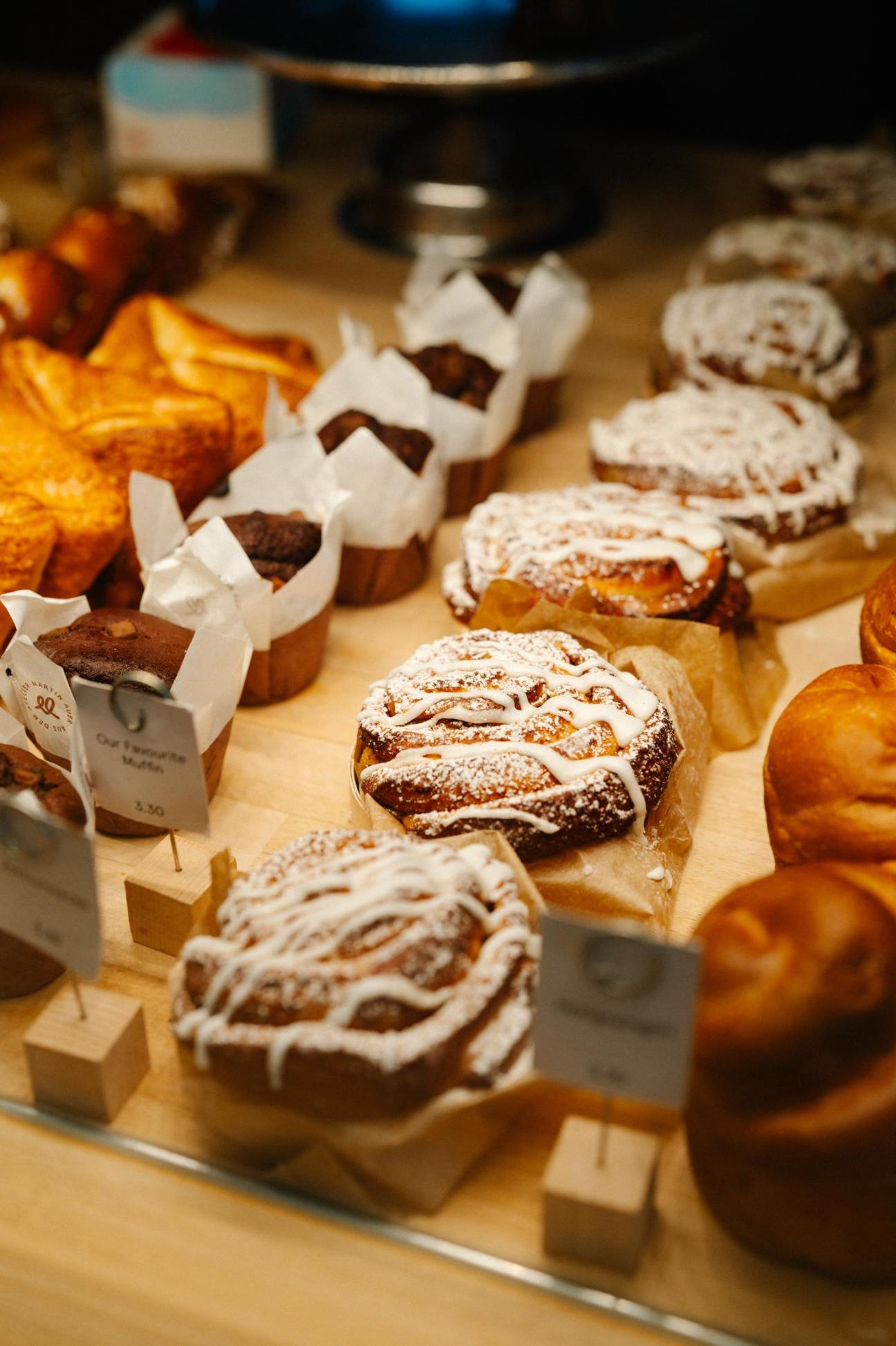
Next year, Auer aims to open an outpost in New York. Its showpiece product will remain the rye sourdough, an Alpine bread that requires a very specific fermentation process. But the baker says that he’s not daunted by the challenge. “It’s not easy to produce bread elsewhere and we know that it will take effort – but it’ll be special to make and sell ours in the US.” — martinauer.at
TECH COMPANIES TO WATCH
Shadowmap
Vienna-based Shadowmap visualises sunlight and shadow on a 3D online map. The tool’s applications range from helping architects plan buildings to assisting photographers in finding the perfect light.
shadowmap.org
Standing Ovation
Developed by a Salzburg chef and a carpenter, Standing Ovation helps those with mobility difficulties to perform standing jobs using adjustable seats connected to ceiling rails.
standingovation.at
Cerabyte
As the long-term storage of digital data becomes increasingly important, Cerabyte – with teams in Austria, Germany and the US – has developed ceramic carriers that it claims can store data indefinitely.
cerabyte.com
Instahelp
Founded in Graz, Instahelp is an online counselling service that also conducts mental-health surveys in Austria and Germany.
instahelp.me
Bitpanda
Cryptocurrency trading company Bitpanda became Austria’s first unicorn – a start-up valued at more than $1bn (€920m) – in 2021.
bitpanda.com
Austrian Audio
Austrian Audio was founded in 2017 after Samsung acquired Austrian acoustics engineering company akg, closing its offices in Vienna. A group of former akg personnel stuck around to honour the company’s legacy while creating something new.
austrian.audio
ENTREPRENEUR TO WATCH
Theresia Kohlmayr. Co-founder, Urbanauts
The neighbourhood reviver
Re-energising city districts by placing hospitality at their heart, Theresia Kohlmayr’s innovative hotel company Urbanauts is quickly becoming an international success.
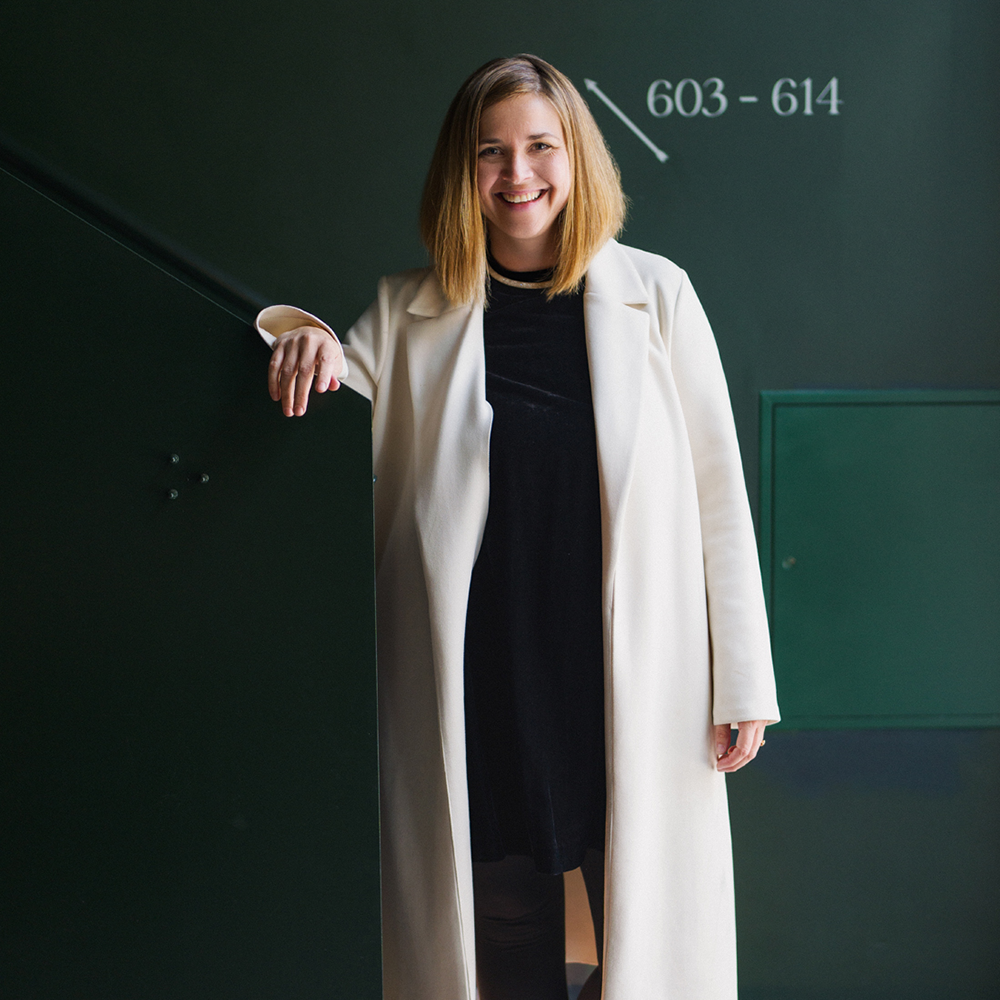
Despite a demanding schedule managing properties across Vienna and beyond, Theresia Kohlmayr always seems to be smiling. One of three university friends who co-founded hospitality company Urbanauts, she recalls its first opening in 2011 as almost surreal. That first hotel space consisted of just a single room, converted from an old tailor’s shop, in a building next to the firm’s office.
Urbanauts revitalises disused city spaces by converting them into accommodation and connecting them to existing cafés and shops, which serve as lobby and breakfast areas. More boutique lofts (now called Grätzlhotels) followed the first opening. In 2017, the company introduced its first “studios”: groups of rooms leased together. The latest was launched in October in Vienna’s 5th district.
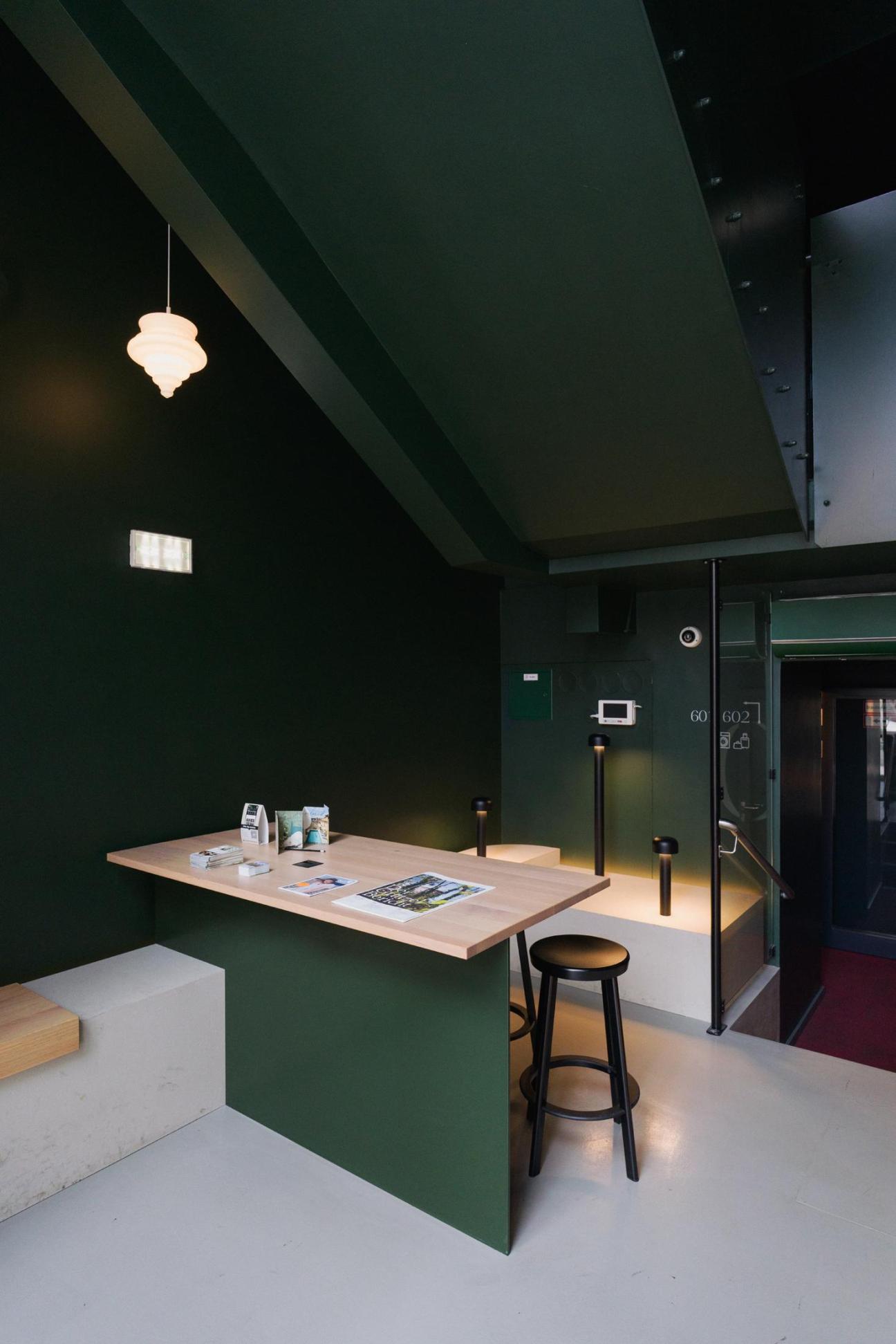
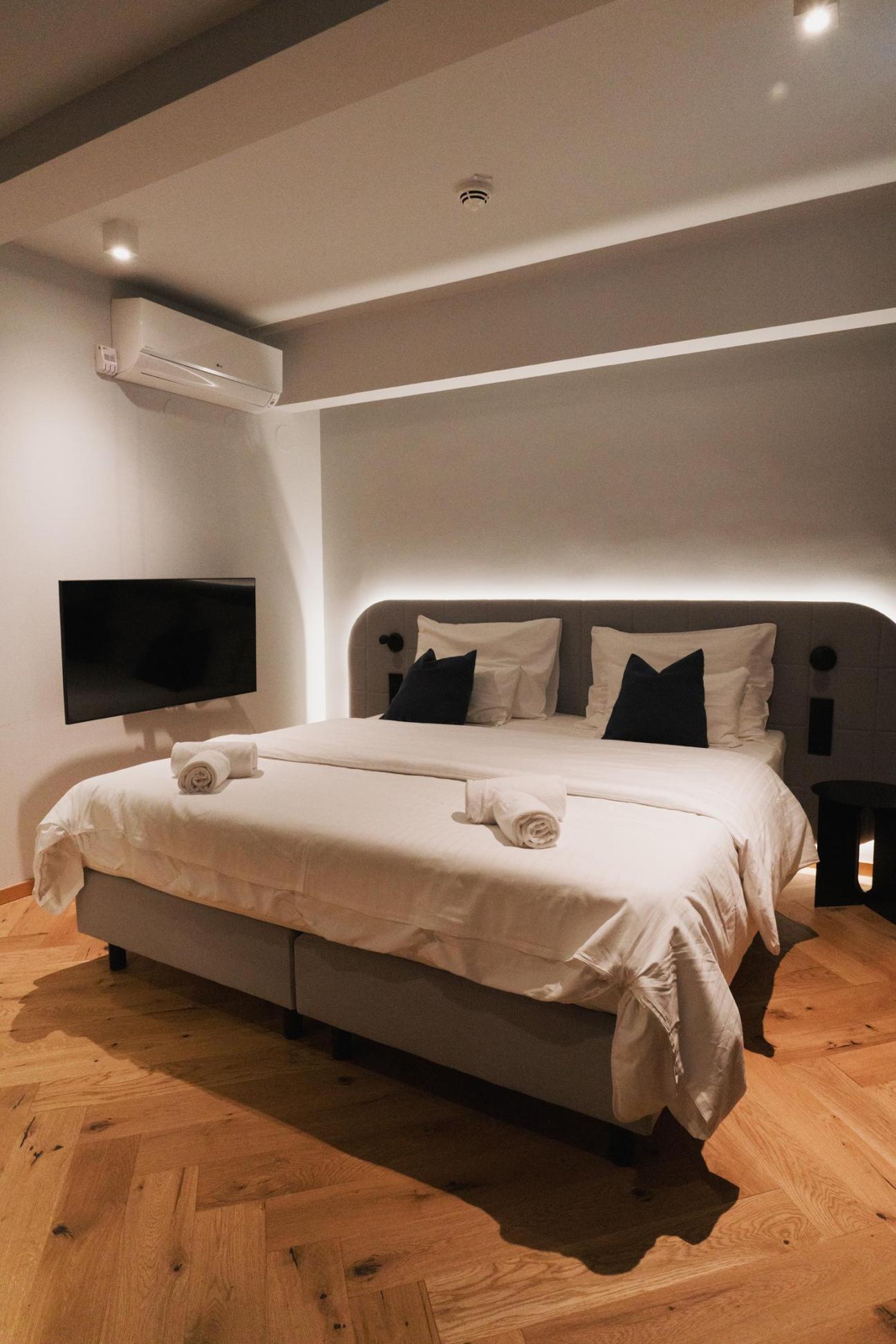
Urbanauts now has locations in Italy, Germany and southern France. Despite this expansion, the mission remains unchanged. “For me, it’s becoming even more relevant,” says Kohlmayr as she inspects a room inside one of the studios in the 6th district. The property was once a theatre and had been vacant for years before Urbanauts took over. “I want to create more of these connecting points in cities, places that link people with their neighbourhoods.” —
urbanauts.eu
ENTREPRENEUR TO WATCH
Marcus Ihlenfeld. Co-founder, Woom
The keen cyclist who remade bikes for kids
A chance conversation and a shared passion for cycling set the wheels in motion for Marcus Ihlenfeld to co-launch a business that now has an annual turnover of more than €100m.
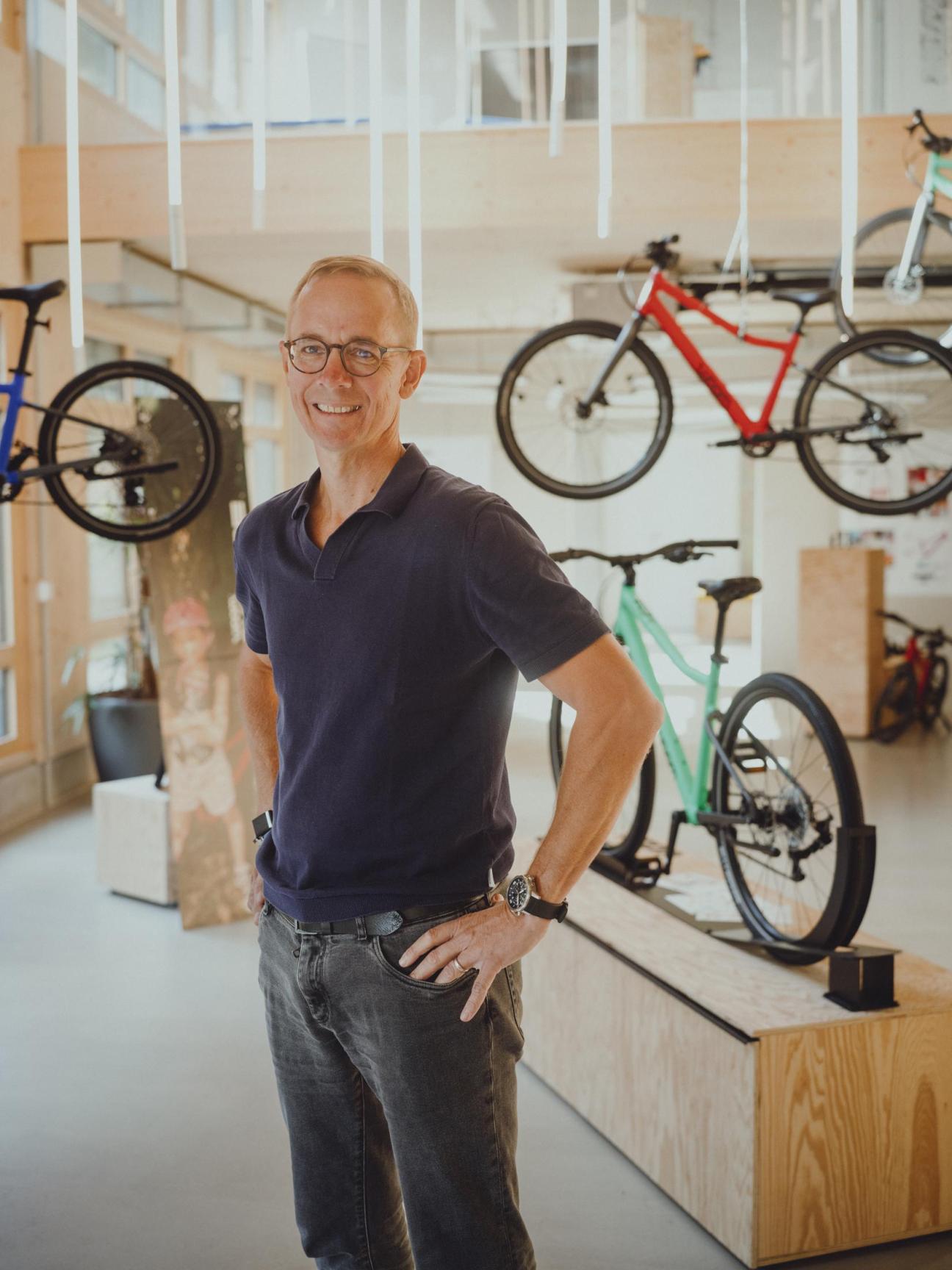
About a decade ago, Marcus Ihlenfeld was working as a marketing director at Opel when he was approached by industrial designer Christian Bezdeka about a project at the car maker. But they soon began discussing something else. Both were keen cyclists and wanted their children to enjoy it too. “There weren’t any good kids’ bikes on the market,” says Ihlenfeld. So, in 2013, they founded Woom in his garage. “I remember that first morning,” says Ihlenfeld. “Boxes with components for the first 500 bikes were all over the house.”
Soon, families were approaching them to buy the bikes, attracted by their lightweight frames and ergonomic design. Ihlenfeld and Bezdeka managed production themselves, sourcing pieces from Taiwan. Ihlenfeld left Opel to focus on Woom; two years ago, however, the pair stepped back from day-to-day operations (though they remain on the board).
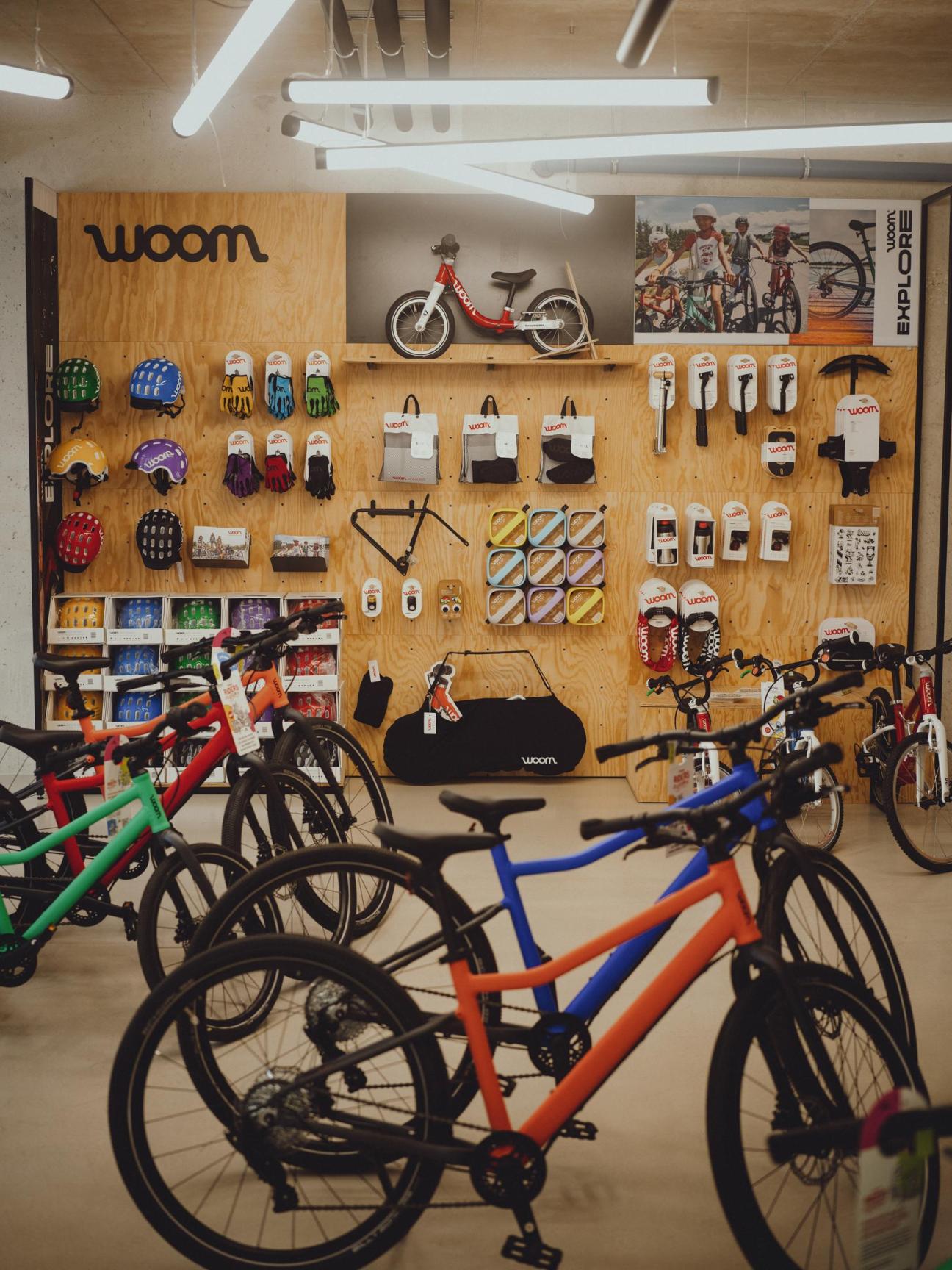
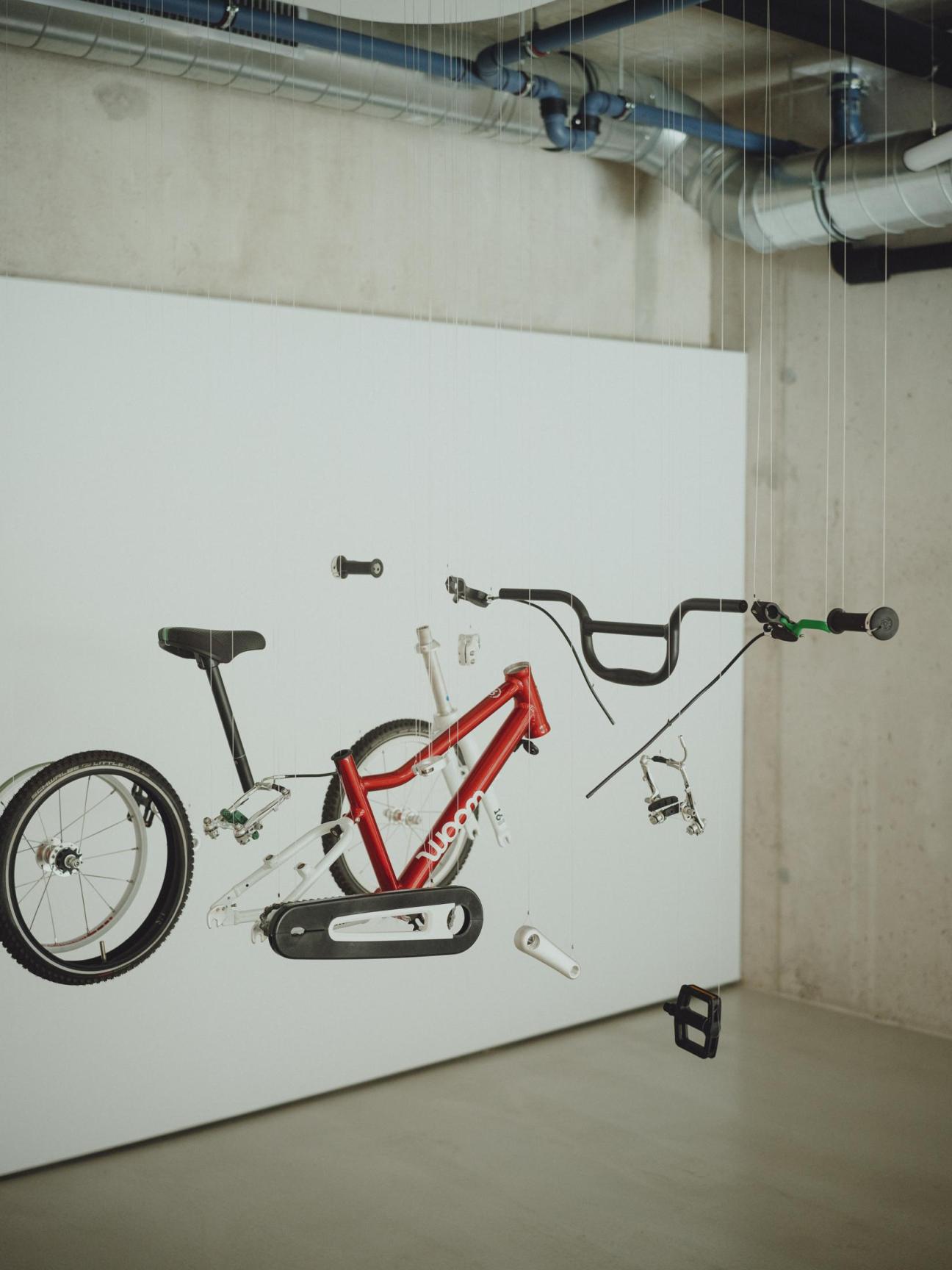
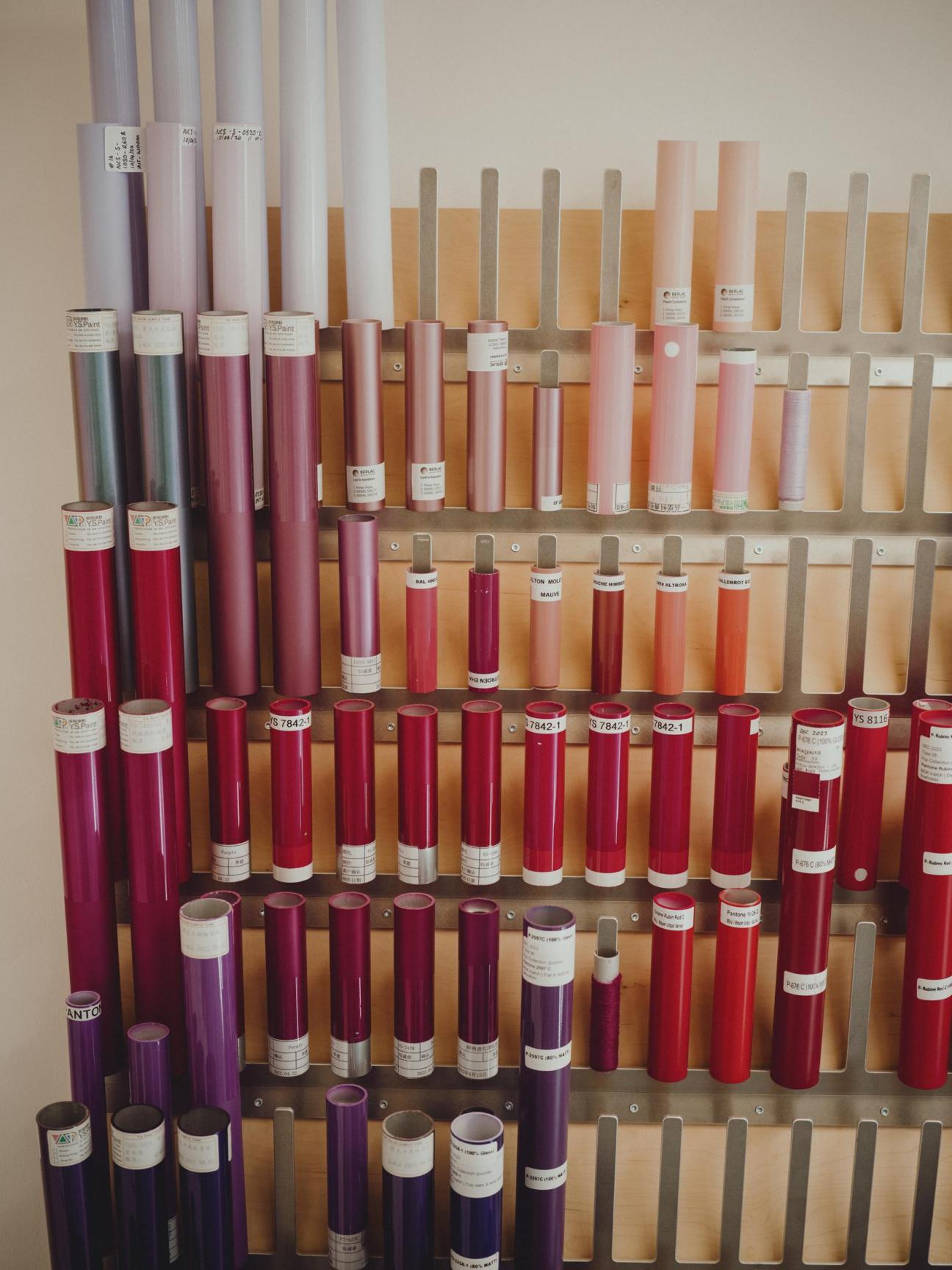
Today they are developing a fresh concept: a height-adjustable table for children. The idea came to them while designing the brand’s new Vienna HQ, a bright, multistorey space with test grounds and engineering teams. The company now sells more than 300,000 bikes a year and has an annual turnover of more than €100m, with a presence in more than 30 countries. — woom.com
ENTREPRENEUR TO WATCH
Isabella and Mike Rabensteiner. Co-founders, Bureau Rabensteiner and Montamont ATC
The Alpine travel experts
The Innsbruck-based Rabensteiners drew on their extensive journeys across Austria to expand their design studio into a publisher of just-so regional guides.
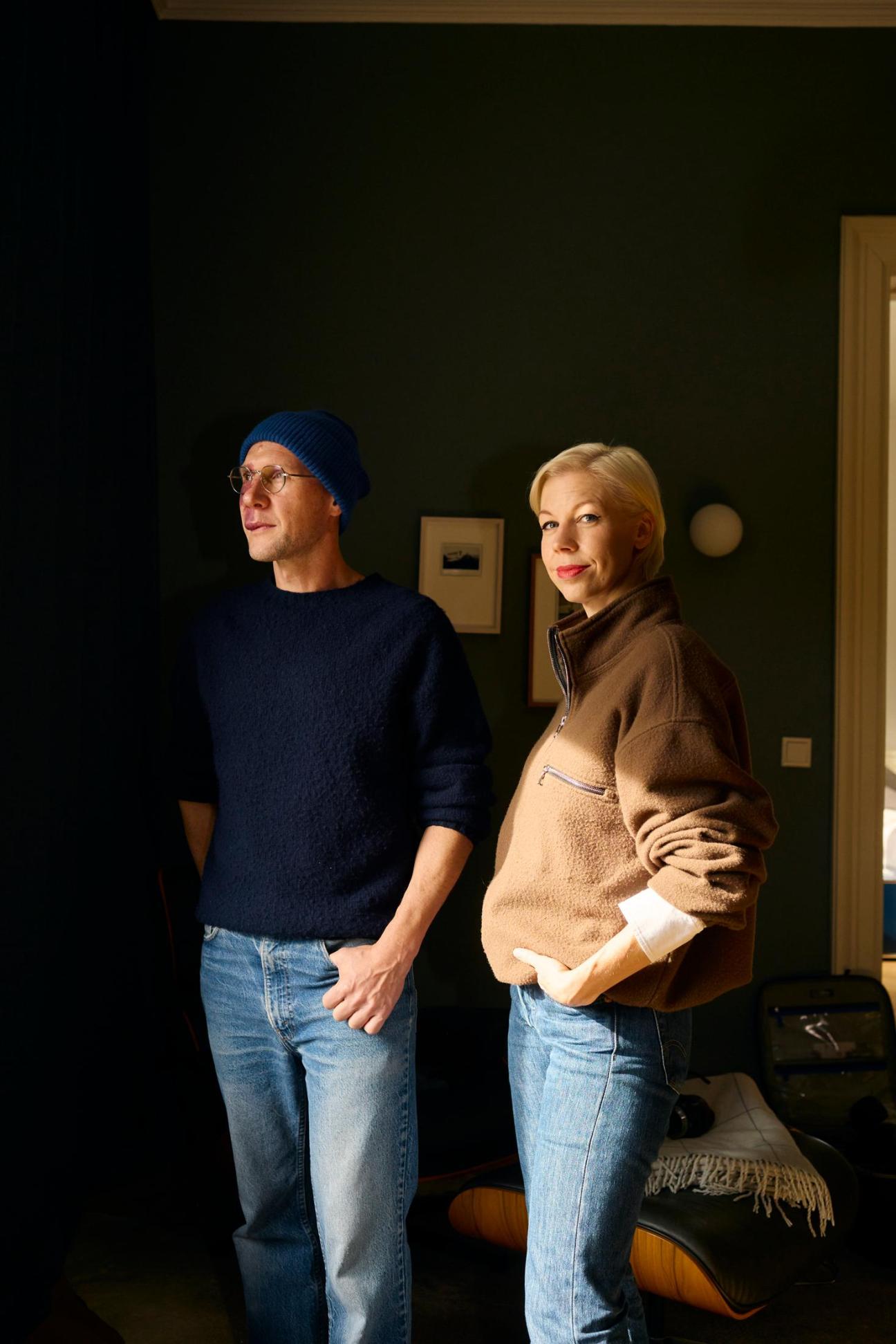
Isabella and Mike Rabensteiner, who first met at university, moved back to their hometown, Innsbruck, to start a family and a business together. Their studio Bureau Rabensteiner, founded in 2011, provides branding and design services for sustainable brands. “It was a time when tourism and hospitality businesses were figuring out different ways of doing things,” says Mike. Their work led them to travel extensively across the region, meeting hoteliers and restaurateurs who inspired them. “It was our dream to tell the story of these wonderful hosts,” says Isabella. When the coronavirus pandemic hit and tourism became more localised, the pair published guides to South Tyrol, Graübunden and Vorarlberg through their Montamont imprint as “a platform for people looking for a new take on Alpine travel”, according to Mike.
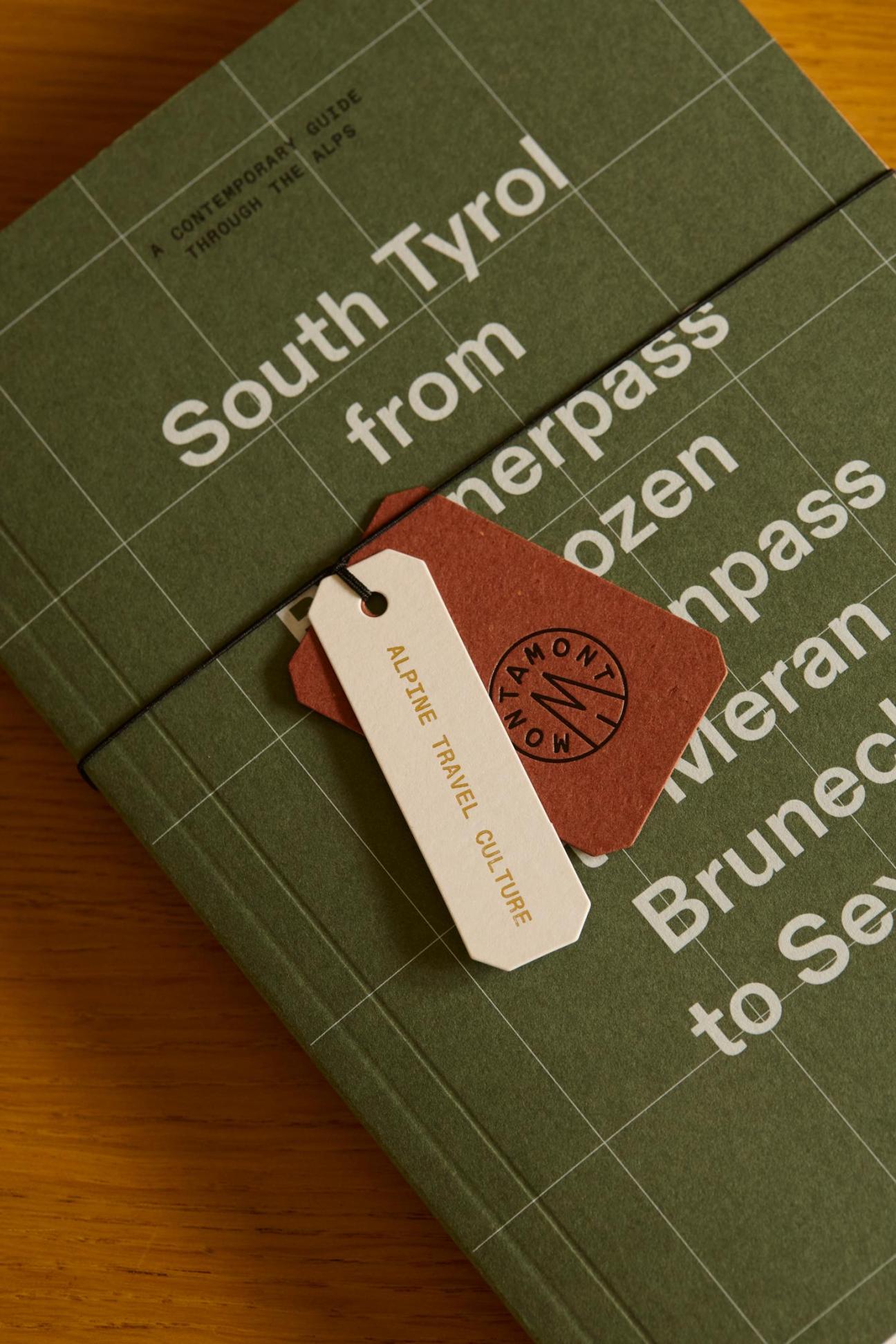
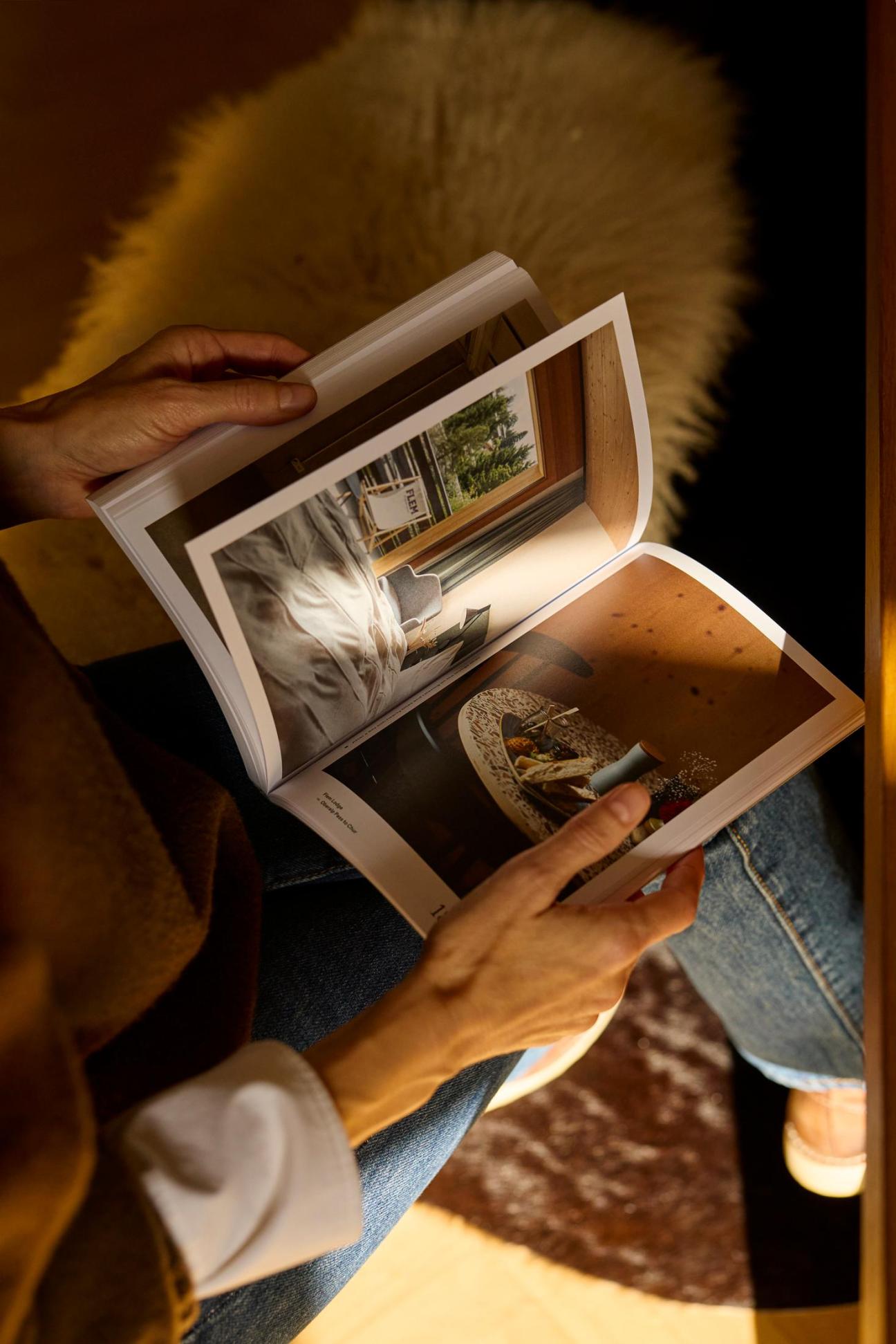
The couple are now putting out their first coffee-table book, Off to the Alps – Italy, featuring photos by Mike and words by Isabella. The project has not only allowed them to discover unique locations in Europe but also appreciate Innsbruck as a place to start a company. “We never felt limited by the size of this city,” says Isabella. “As our work grows more focused on the Alps, so our love for Innsbruck grows.” — bureaurabensteiner.at; montamont.com
THREE ALPINE HOTELS TO TRY
Peterhof Furx
A family-owned chalet complex with outdoor hot tubs in a flowery meadow in Rankweil.
peterhof-furx.at
Hotel Krone Hittisau
A grande dame built in 1838 in the small village of Bregenzerwald.
krone-hittisau.at
Holzgauer Haus
A cosy mountain shelter located 1,500 metres above sea level in the Lechtal Alps.
holzgauerhaus.at
ENTREPRENEUR TO WATCH
Sebastian Proft. Co-owner, Stapf, Dollinger, Feli & Hans and Kings of Indigo
The serendipitous fashion entrepreneur
A family connection brought banker Sebastian Proft and his wife into fashion retail. Combining Austrian heritage with modern sensibilities, they have since become owners of multiple top brands.

In 2012 investment banker Sebastian Proft and his wife, Kathrin, were living in London when her parents started looking for someone to take over their Salzburg-based clothes shop, Dollinger. The couple decided to move home and run it themselves. To stand out, they chose to focus on traditional Austrian fashion. “There’s less competition and everything is produced here,” says Sebastian.
When Stapf, one of the shop’s suppliers, filed for bankruptcy in 2017, the Profts bought it, excited by its methods. “It still uses old knitting and washing machines,” says Sebastian. Then, having acquired another old-school clothing label called H Moser in 2019, renaming it Feli & Hans, the couple added a modern brand to their collection in 2022: denim company Kings of Indigo. “It felt like the missing piece of the puzzle,” says Sebastian. The label gave them a chance to blend new craft techniques with their own sense of style. “We focus on natural fibres and pieces with a casual silhouette,” he says of its latest spring/summer collection.
For the Profts, “an honest story and a high level of transparency” are key. They’re confident that those seeking a slower approach to fashion will find them and help their brands to thrive. — dollinger.net; stapf.at; felihans.at; kingsofindigo.com
THREE TRADITIONAL BRANDS IN THE PROFTS’ PORTFOLIO
Dollinger
A family-owned clothing company that has an in-house tailoring workshop.
dollinger.net
Stapf
A knitwear-focused brand using wool, knitted and fulled in Wörgl, Tyrol.
stapf.at
Feli & Hans
Formerly H Moser, the brand reimagines modern silhouettes for traditional lederhosen and dirndls.
felihans.at
Three legacy furniture brands crafting masterpieces in a modern world
The furniture industry in Europe’s powerhouse design scenes, such as Helsinki, Copenhagen and Milan, has largely been built by family- owned companies. Many of these household names were established in the early 20th century and enjoyed enormous success in their domestic markets before expanding overseas. However, with investors and private-equity companies increasingly buying up such furniture firms, their numbers seem to be dwindling. Here, we travel to Italy, Finland and Denmark to meet three of the holdouts and find out how the current generation is continuing its predecessors’ legacy. —
1.
Molteni
Italy
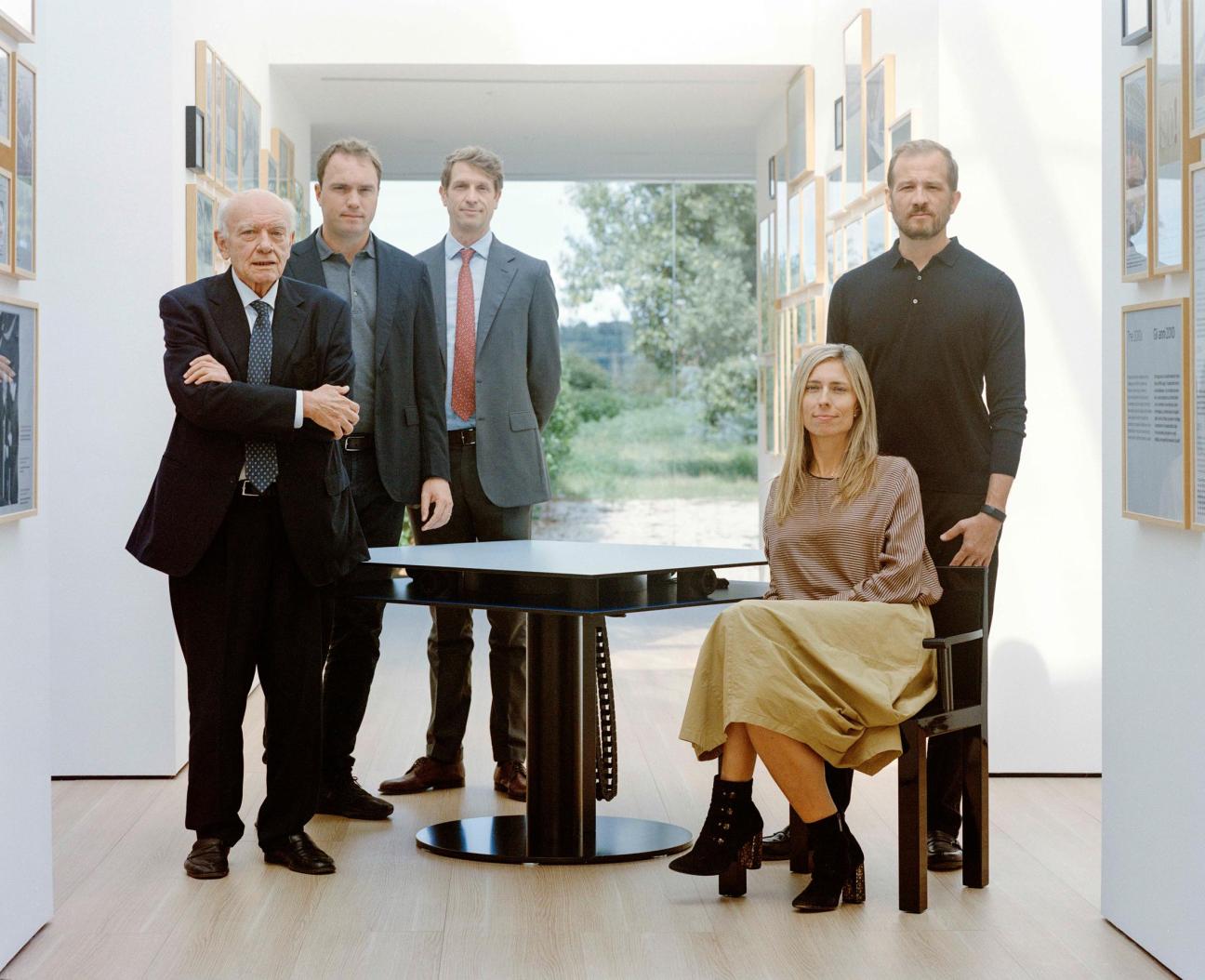
“Our playground was the factory,” says Carlo Molteni, the octogenarian president and ceo of Italian furniture giant Molteni Group, which celebrates its 90th anniversary this year. “When I was six, we would play there after school.” Carlo, the firm’s second-generation patriarch, has been running the business for four decades: he took over the company on the day that its founder, his father, Angelo, passed away in 1984.
Founded: 1934
Turnover: €480m
Employees: 1,140
Areas of growth: China, India
When monocle visits its headquarters, a verdant campus about a 45-minute drive north of Milan, we tour the Ron Gilad-designed Molteni Museum. A timeline of the group – which consists of furniture brand Molteni&C, office furniture-maker Unifor and workplace furniture and partitions firm Citterio – rolls out along a hallway. There is a photo of a four-year-old Carlo, standing in front of the original workshop with his parents and their staff. “I came here as a baby and started working as soon as I turned 18,” he says. “All of my cousins were here.”
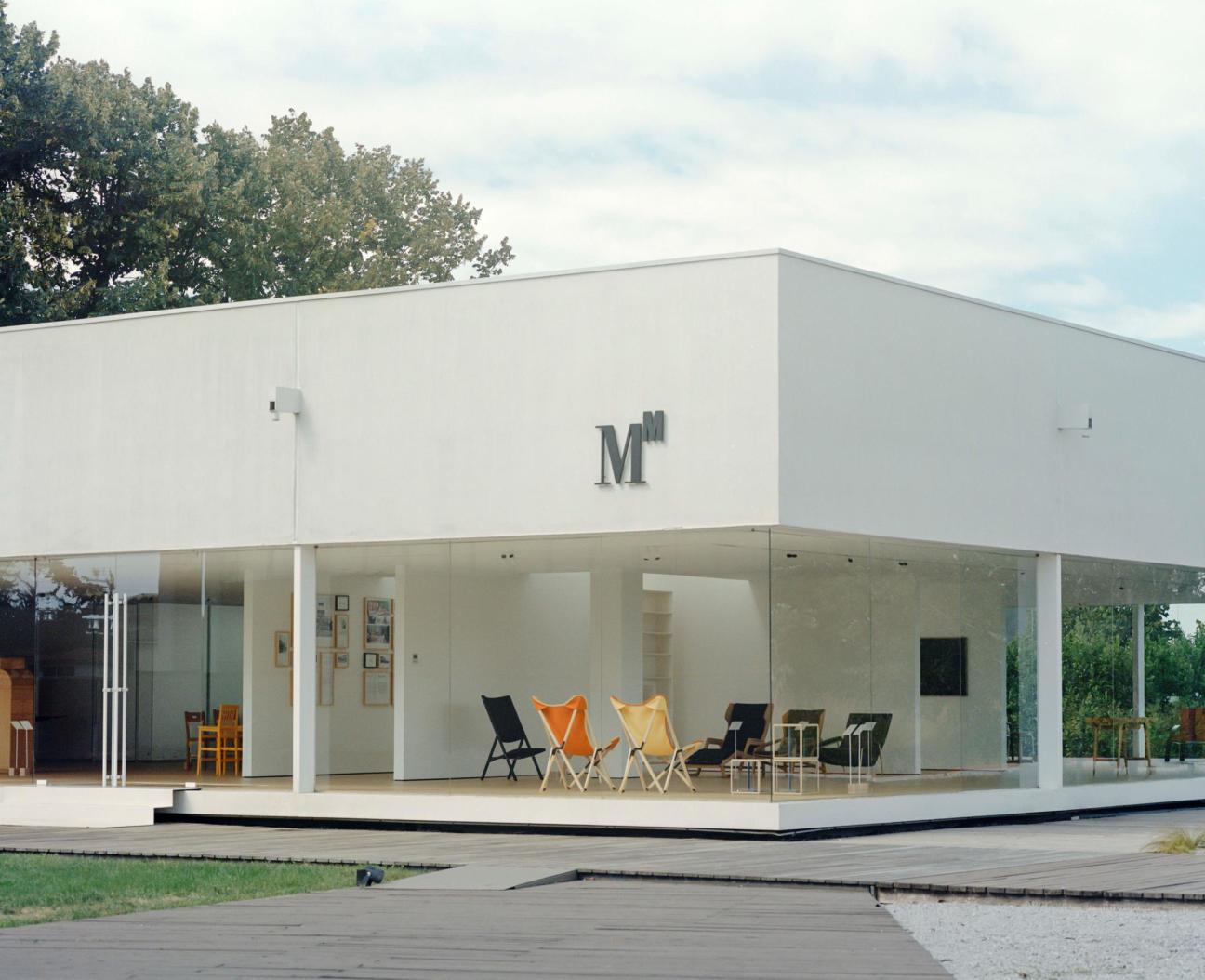
The Molteni Museum
Molteni & C was established in 1934 to create artisanal furniture. But by the mid-century, it had moved away from classically inspired pieces and embraced modern stylings. Its focus on modern furniture was reinforced in 1961 when the Molteni family helped to establish the now annual Salone del Mobile trade fair. By then, German machines had arrived that allowed high-quality pieces to be produced on an industrial scale. Today the group makes its furniture between four factories, all within a 30km radius.

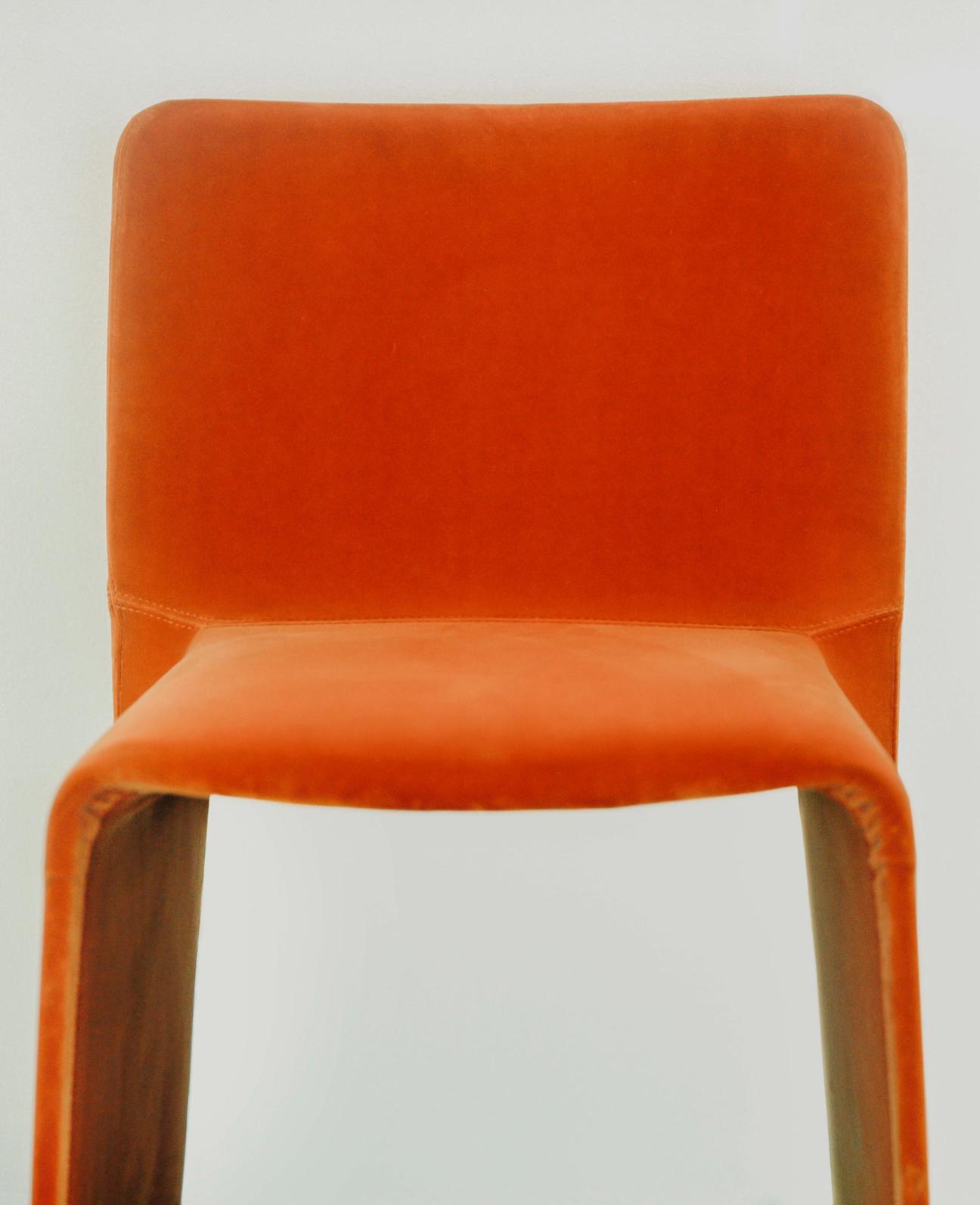
When monocle visits, we meet Carlo’s nephews Andrea (Molteni&C vice-president) and Pietro (UniFor cfo), as well as Carlo’s daughter Giulia (Molteni Group chief marketing officer) and son Giovanni (Molteni&C vice-president). The cousins – as well as another of his nephews, also called Carlo (UniFor ceo) – work closely and remain committed to keeping the business in family hands.
The Moltenis hired Marco Piscitelli, who sits on a steering committee, as group ceo in 2014. “We have to make difficult decisions about opening in new markets and changing people,” says Giulia. “It’s faster when we have someone like Marco doing it with us.” Over the past 12 months, the group has opened 10 flagship shops across the globe, with 70 per cent of its turnover now coming from overseas.
Growth is part of the family’s vision for the future. “I want to leave this company bigger and better for my kids,” says Giulia. Will photos of her own offspring land in the hallways of the Molteni Museum? “I was on holiday with my children recently. I pointed out some cargo containers at a port and told my son that his grandfather’s furniture might be inside. He was curious.”
molteni.it
2.
Hakola
Finland
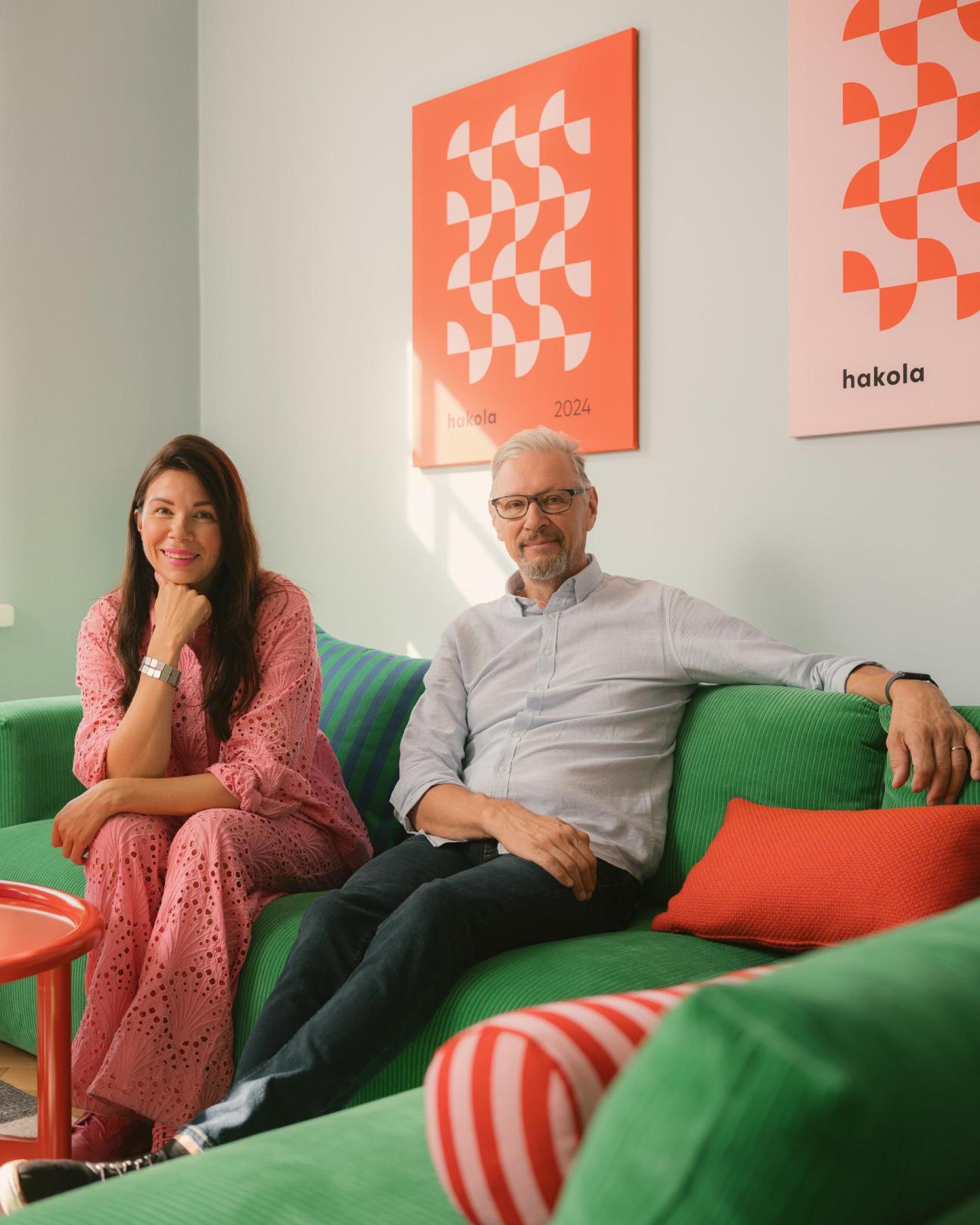
Members of the Hakola family have run their eponymous furniture brand for 61 years. Founded in 1963 by Eero Hakola in Jurva, western Finland, it has crafted its colourful sofas, armchairs, tables and shelves in the same village ever since. Both these deep roots and the virtue of keeping things in the family have been integral to the company’s success, says Annaleena Hakola, its creative director and owner (and the founder’s granddaughter). “It has given us the independence and autonomy to survive challenging times, and a certain perspective that younger companies lack,” she says, sitting on one of the brand’s green Puzzle sofas in its Helsinki showroom.
Founded: 1963
Turnover: €4.8m
Employees: 40
Areas of growth: Germany, UK
Her father, Jari, who ran the company for three decades after taking the reins in 1983, nods approvingly. “For us, a quarter means 25 years,” he says, suggesting that the company is focused on building a legacy, not just on its bottom line.
Like many Finnish villages, Jurva has long been known for woodworking and Hakola was one of a clutch of similar companies when it was founded. But after initially flourishing, things became challenging at the turn of the 21st century, when foreign companies flooded the market with cheaper alternatives. By the 2010s, Hakola needed a rethink: its portfolio lacked focus and its made-in-Finland furniture was far pricier than the competition. “We had lived through challenging times before and I knew that a brighter day would come,” says Jari. And it came in the form of Annaleena.
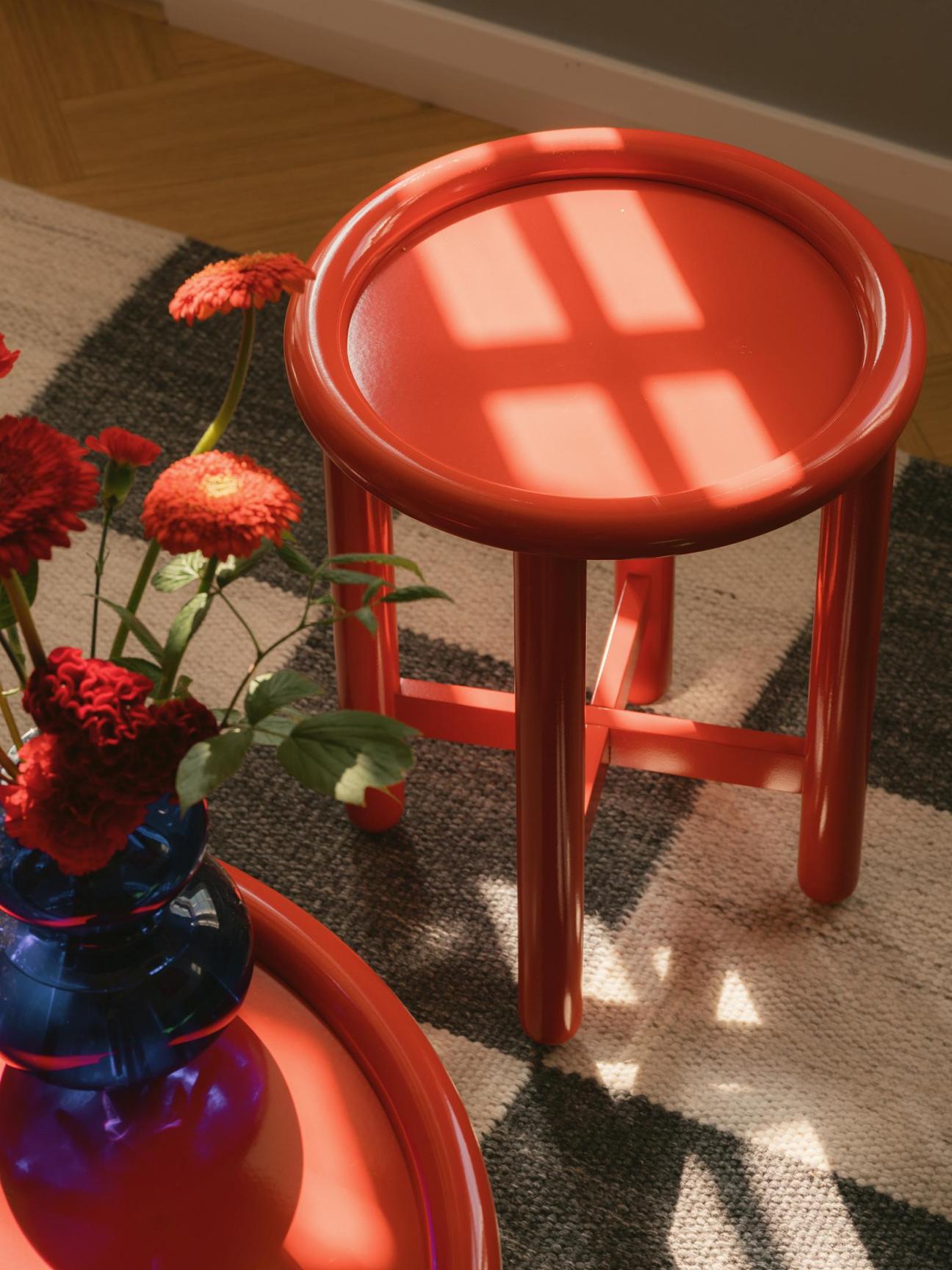
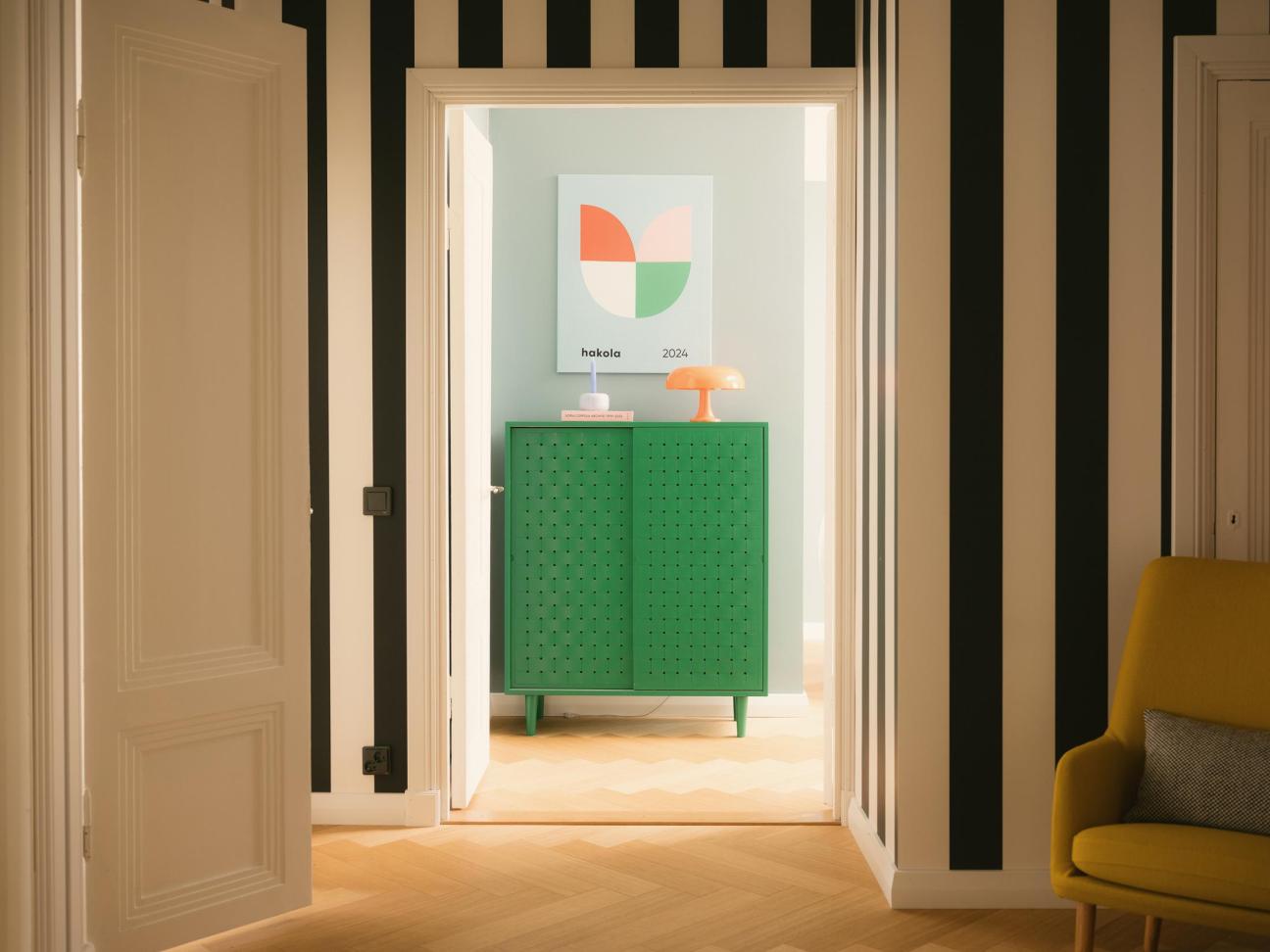
After studying international design and business management, Annaleena realised the value of storytelling, provenance and branding, and started to help her father before taking over as ceo in 2018. “For a long time, I wasn’t planning to work for Hakola,” she says. “But there was talk of closing down the brand and it made me realise that we would lose a business, a way of life and a large part of our family identity.” She realised how distinctive the company’s heritage and origin story were, and how issues such as sustainability were increasingly important to consumers. Under her stewardship, the brand started selling directly to consumers both online and at its flagship shop in Helsinki’s design district. The strategy paid off. The firm’s turnover in the past decade has grown tenfold and it has hired dozens of new employees.
Hakola’s success under Annaleena is a compelling case for passing down a brand from generation to generation. She brought new energy to the firm while being grounded in a respect for its past, carefully developing that legacy. “For me, it has never been about the money but something bigger,” says Annaleena. “It’s a sense of duty towards the company, the craft tradition in the village where Hakola was born and Finnish design in general.”
hakola.fi
3.
Fredericia
Denmark
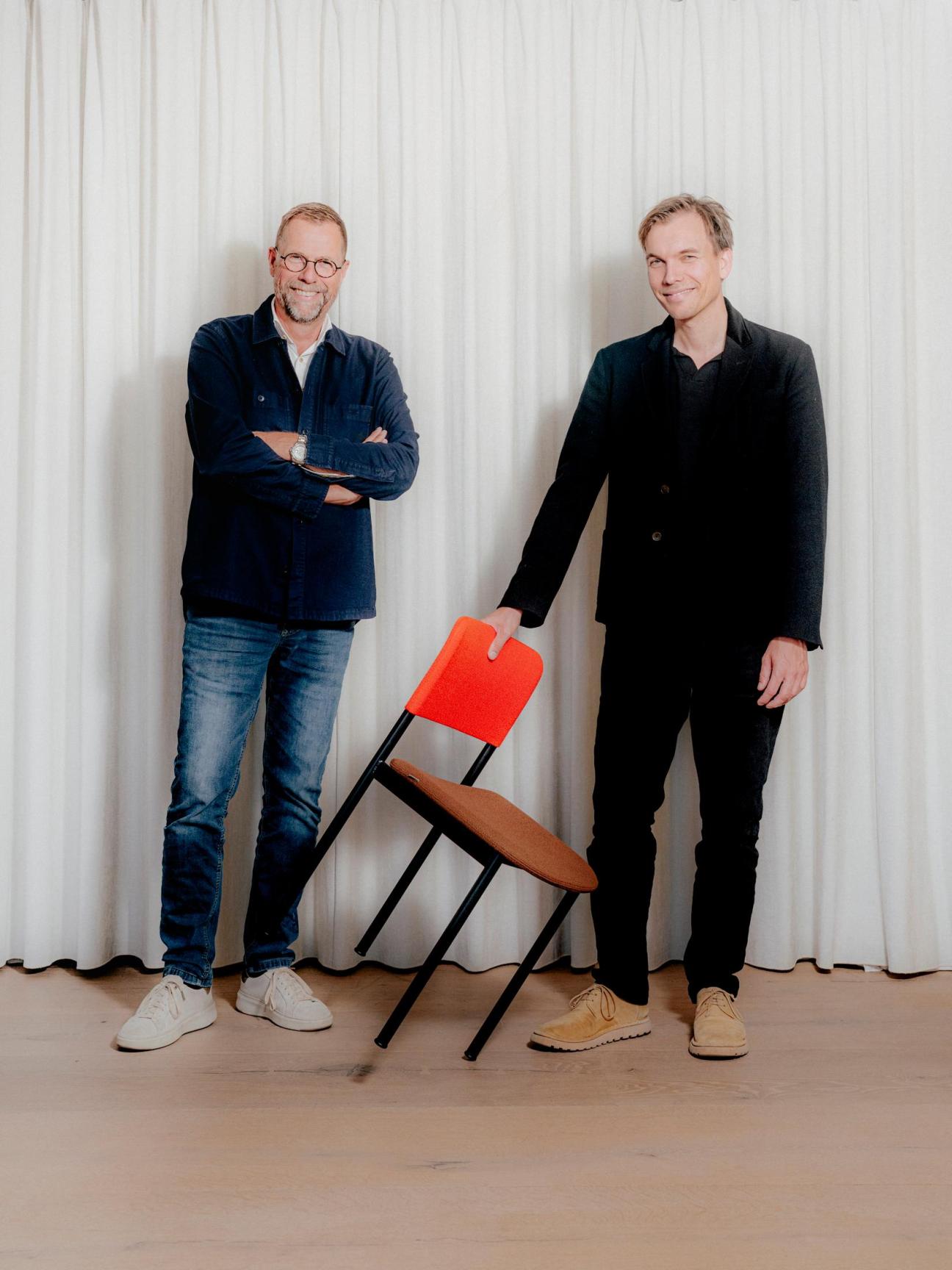
The passing of a family business down the generations can often be a difficult process but the Graversens – owners of 115-year-old Danish furniture company Fredericia – seem to have hit upon a successful formula. “I worked with my dad for 10 wonderful years before I took over in 1995,” says Thomas Graversen, the 62-year-old former head of the company. “I didn’t take over until he was sure that I was capable and I had achieved something in the company. It’s the same with Rasmus.”
Founded: 1911
Turnover: dkk200m (€26.8m)
Employees: 90
Largest overseas market: UK
Thomas’s son Rasmus, Fredericia’s new ceo, has been with the company since he completed his business education seven years ago. In this time, he has overseen Fredericia’s registration as a B Corp and its collaborations with designers such as Maria Bruun. He also dropped one of his father’s bestselling products, the Stingray chair, from the company’s catalogue. “It was an interesting idea when it came out but doesn’t represent the core of the company,” he says. “Though it was one of my dad’s big successes, he agreed.”
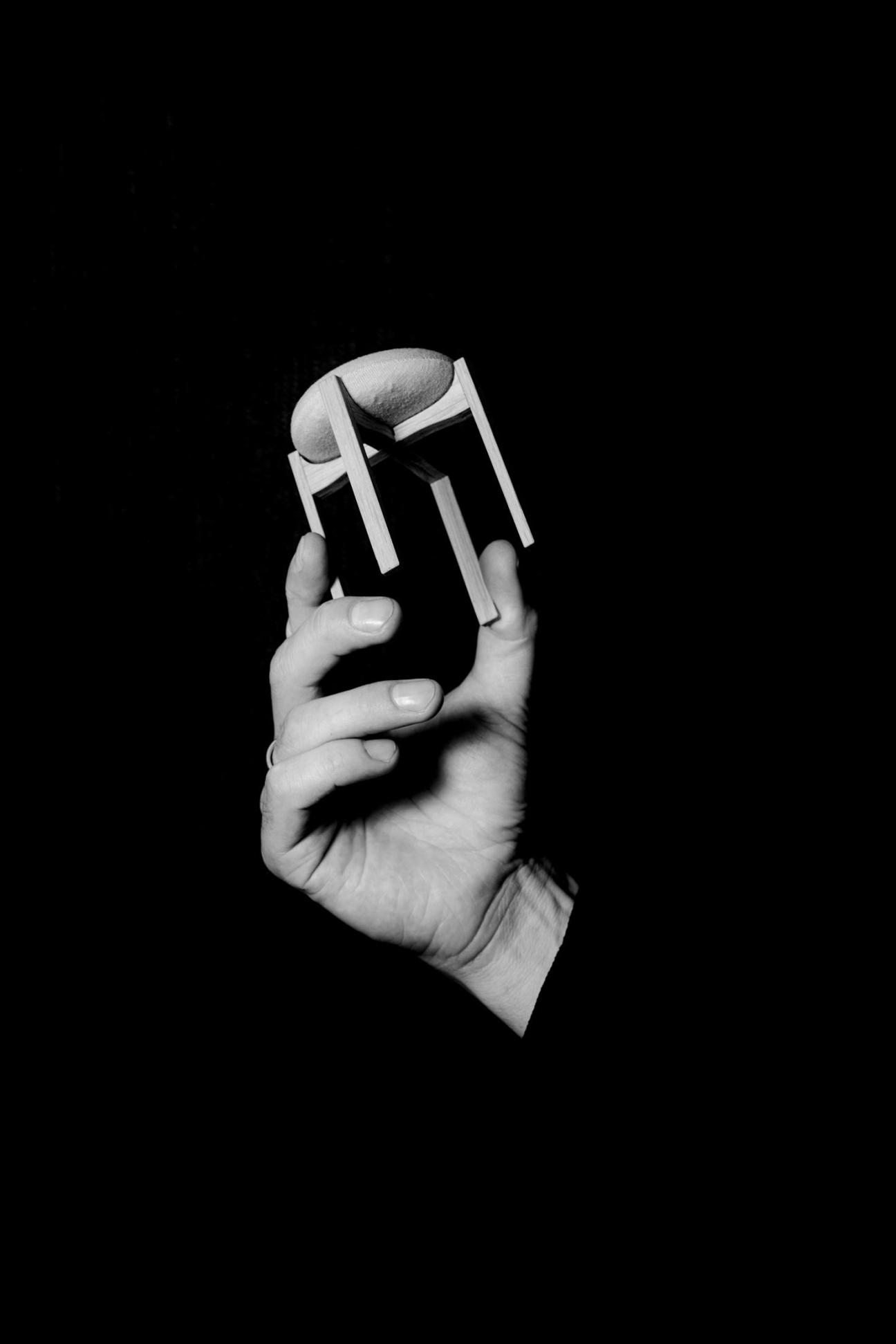
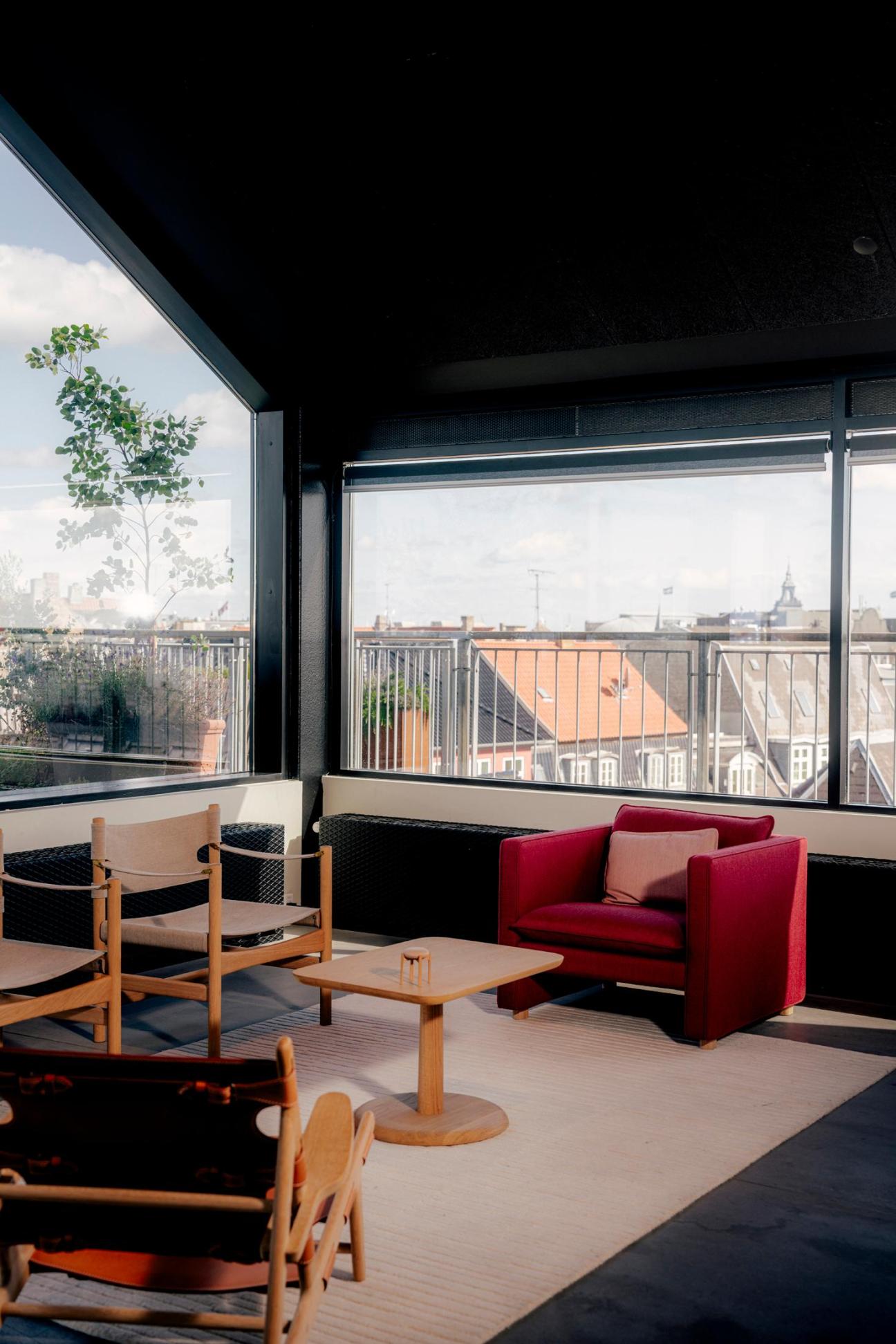
That isn’t to say that Rasmus, who took over in May 2024, isn’t respectful of Fredericia’s past. In the 1950s and 1960s, when his grandfather Andreas was at the helm, the firm found success working with in-house head designer Børge Mogensen, one of the key figures of the Danish modern style. But when Mogensen died in 1972, the company drifted until the 1990s when Thomas, by then ceo, befriended another Danish design legend, Nanna Ditzel. “She was more experimental,” says Thomas. “I realised that our collaboration would draw attention to the company.” Ditzel’s Trinidad Chair was a huge commercial success for Fredericia.
Despite this legacy, Rasmus has had to negotiate a few hurdles. “The biggest was not being embarrassed about being handed a company,” he says. “I’ve worked hard to know everything about furniture.” His focus has been on rationalising production. “It would be easier for us to sell the company but it’s not about money,” says Rasmus. “An investment fund would want short-term returns but by staying in the family we can build relationships with designers who can put their mark on the company, just as Mogensen and Ditzel did.”
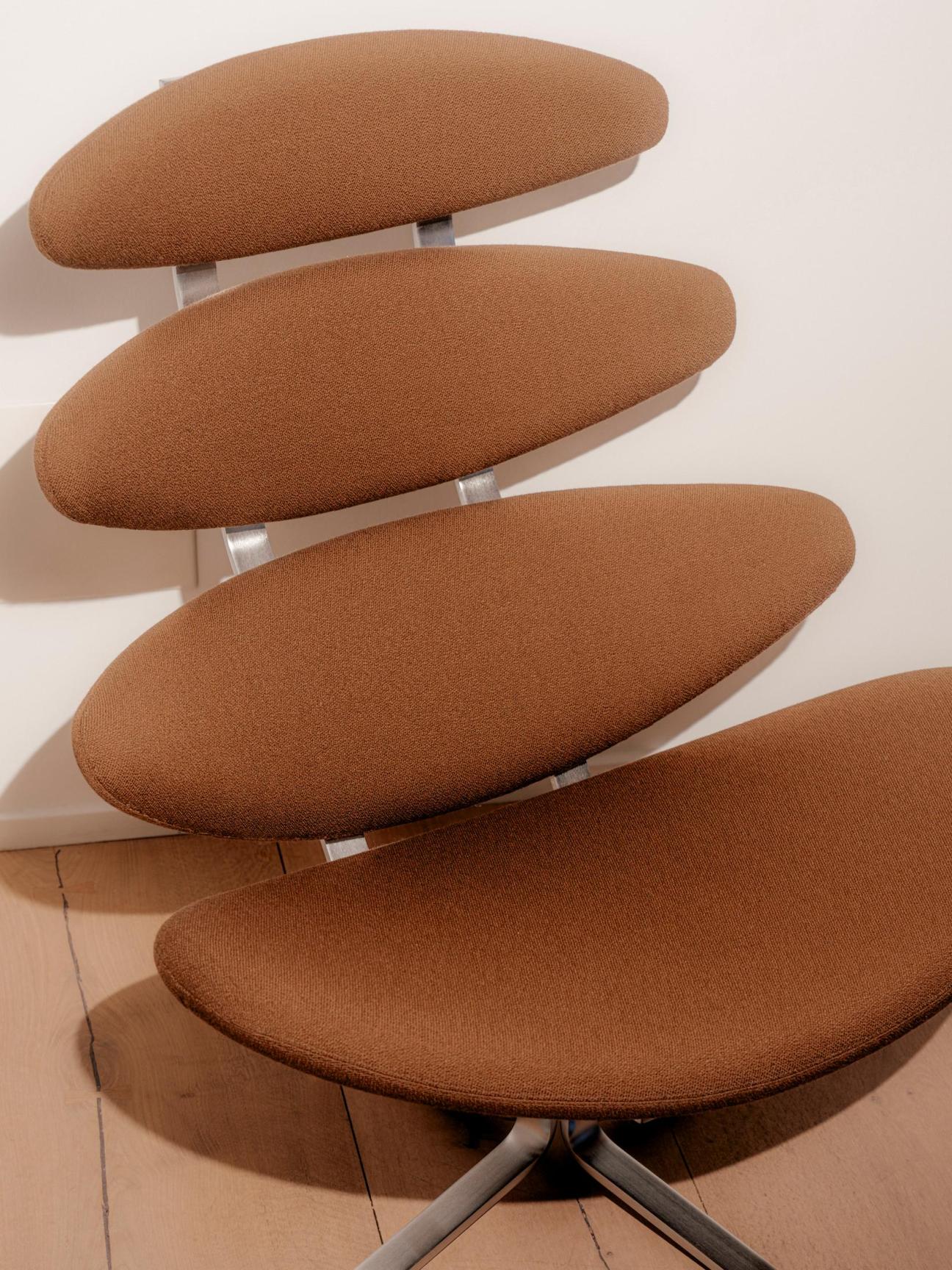
Rasmus is aware that Fredericia can’t just reissue old Mogensen, Klint and Ditzel pieces. That’s why the company has worked with contemporary designers such as Jasper Morrison. “Sometimes archives are being dug too deep,” he says. “There is a reason that something didn’t surface at the time.”
Today, Thomas remains the majority shareholder with a seat on the board but refrains from interfering. He says that his son became ceo on merit. “Rasmus is nicer than me,” he says, laughing. “He has a better eye for this ecosystem, so if he fails, I would be surprised.”
fredericia.com
Captain’s Cut Leather: The Maltese brand reviving retail for Valletta residents
“People said that physical retail doesn’t make sense and I should only sell online,” says Keith-John Caruana of Captain’s Cut Leather, the Maltese leather brand and retailer that he founded in 2021. The self-taught craftsman has recently opened a shop in Valletta. “Leather is something that you need to smell and I make bespoke belts that people have to try on so we needed to be here.”
It was a bold move for Caruana, who is keen to change the Maltese capital’s retail dynamic. The island-nation welcomes 2.9 million tourists a year, the majority of whom visit Valletta, with its shopping scene catering to the influx. “All of the retailers serving locals are leaving Valletta – it’s just restaurants and tourist shops now,” says Caruana. “But I’ve done the exact opposite.”
A retired armed forces captain whose passion for leatherwork was ignited while stationed in Tuscany – where he watched Florence’s skilled traditional leather-craftsmen at work in the city’s narrow alleys – Caruana made his retail vision a reality with the help of his army friends. “Funnily enough, the original shop was run by a Maltese guy making boots for the British army and navy,” he says. “But it was really run down, so I got some of the army guys to come in and help me gut it. We stripped it back to reveal the original woodwork and tiles from 1921.”
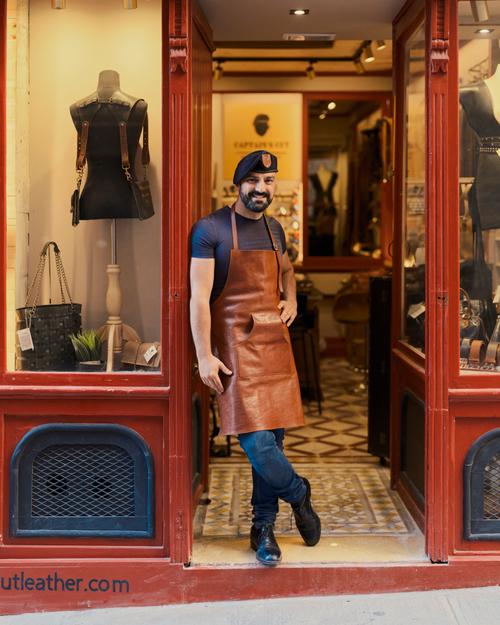
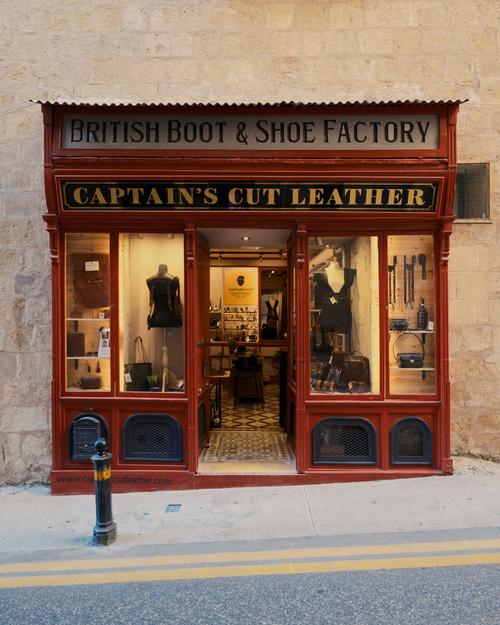
The result is a beautiful workshop-cum-store, where Caruana puts the finishing touches on his products, takes measurements for bespoke commissions and runs workshops for apprentices. “I’ve trained 25 students from across Europe,” he says. “I want young people to understand the quality of good, full-grain, vegetable-tanned leather and get them addicted to things that matter – and I needed a shop to be able to do that.”
Caruana is taking a similar approach with his customers, who include discerning tourists (the ones who are willing to venture off Republic Street, Valletta’s main drag) and Maltese celebrities, such as pop star Ira Losco. “I want to give visitors quality souvenirs, not the made-in-China stuff that you’ll find everywhere,” he says. “And it’s good for residents too. If you’ve forgotten your mum’s birthday, you can come here and have a wallet embossed with my laser, to make her feel special.”
captainscutleather.com

Three new firms and founders using innovative methods to stand out from the crowd
1.
The couple using bamboo to build in Sri Lanka
When Aoife O’Sullivan and Julien Bailly moved to Sri Lanka in 2019, they saw bamboo growing all over the island, planted years ago by the government as a potential cash crop but later abandoned. The pair planned to build a hotel with this renewable resource to appeal to eco-holiday enthusiasts. But after mapping out the island’s bamboo groves, they realised the plant’s potential. So they founded Una Gama, a factory and centre to kick-start Sri Lanka’s bamboo-based manufacturing. “We’re targeting developers, architects and designers – anybody who wants to work with bamboo and innovate with the material,” says O’Sullivan
Bamboo is 30 per cent cheaper and produces less carbon dioxide than concrete. “We realised that if we want to build with this material, somebody needs to tackle the supply chain and make it more efficient,” she says. Una Gama’s first factory (made from bamboo, of course) opens in central Sri Lanka at the end of 2024 and will produce construction-ready poles for hotels and residential projects.
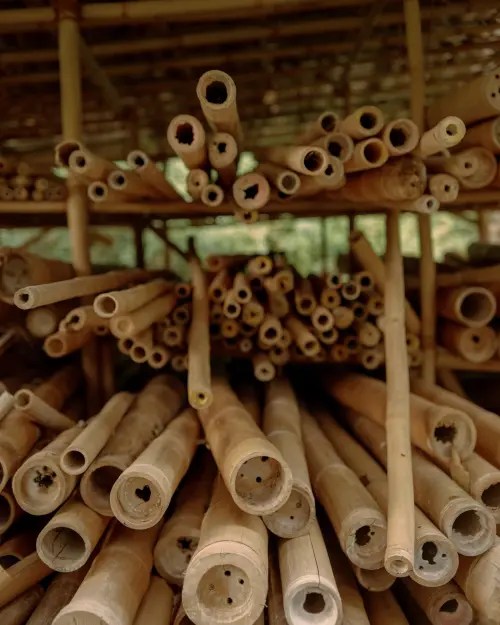
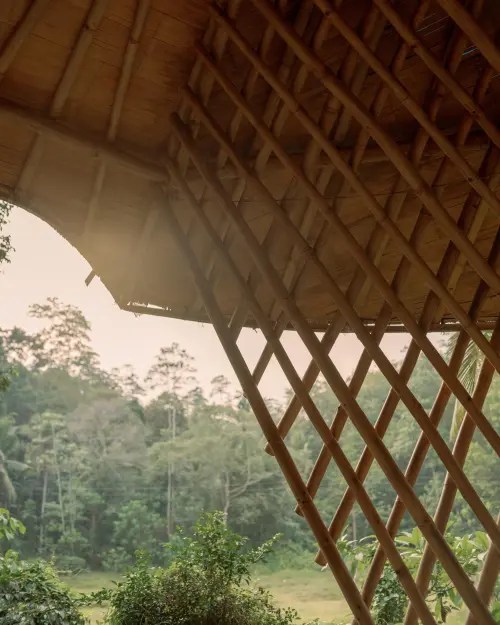
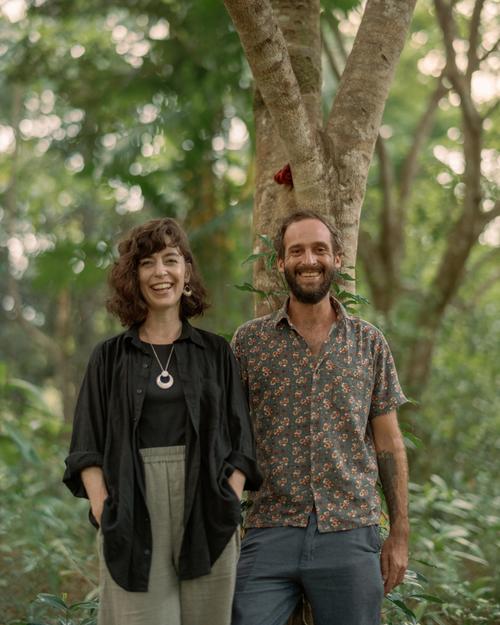
The couple still intend to make good on their dream of building a hotel but the project has taken a back seat for now. In the meantime, they are hopeful that other hoteliers in Sri Lanka will build with bamboo. “If you have a strong vision and a strong goal, there will always be an opportunity to pivot,” says O’Sullivan. “We’ve discovered a purpose that feels greater than us.”
unabambu.com
2.
Minh Ngo
Founder, Modern Metier
Vietnamese-Australian entrepreneur Minh Ngo founded Modern Metier as an online platform featuring contemporary European lighting, furniture and décor. Ngo’s marketplace highlights independent brands and designers working with local artisans. Having recently launched her own collection of furniture and décor with French designer Léa Zeroil, Ngo has transitioned from curator to manufacturer. She tells us why Modern Metier is less like a gallery than a publishing house.
Why focus specifically on European design?Having lived in Stockholm, London and Paris, where I’m currently based, I wanted to be able to focus on the local without limiting myself to only my French network. Keeping our attention on Europe allows my taste to be reflected in the selection but it also lets me cater to a wider customer base.
What is Modern Metier’s business model?
People like to compare Modern Metier to a gallery but I would describe it more as a maison d’édition. The idea is that we curate a list of new designers who align with our vision, while simultaneously having éditions that allow us to invest in a single designer and manage the [manufacturing] process. These are two very different activities but, as an entrepreneur, it’s rewarding to now do both.

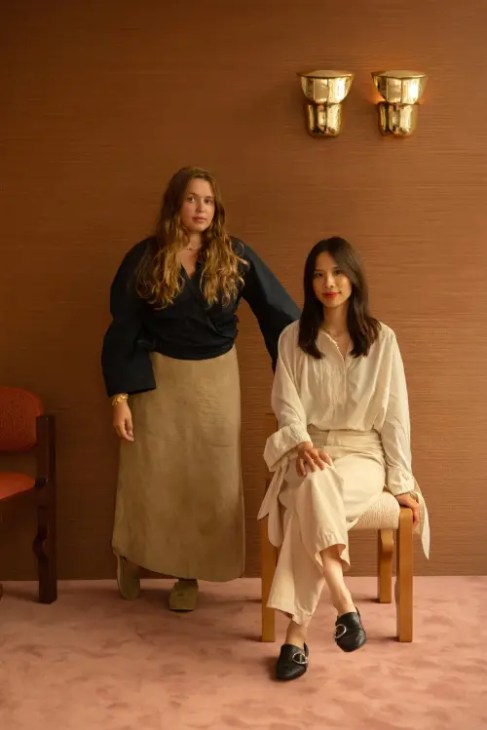
Can you share more about the process of creating the Léa Zeroil collection?
I never imagined that I would produce a collection. But sometimes an opportunity presents itself and you must seize it. I reached out to Léa because I wanted to represent her but, from our very first meeting, we decided that we should collaborate instead. Léa was the creative force and I acted more as an editor, providing a framework and guiding her with furniture quantities and what décor pieces to include. It took us about a year and a half to launch the collection in time for Paris Design Week.
modernmetier.com
3.
Shannon Maldonado’s expansion into hospitality helped to revive a neighbourhood’s creative legacy
When we speak to entrepreneur Shannon Maldonado, she is busy installing furniture and artworks at a new residential project in the Queen Village neighbourhood of Philadelphia. A consultant on the development, Maldonado moved her own business, Yowie, to the area in 2017, first as a homeware shop before adding a hotel upstairs last year. Her arrival has sparked an interest in this somewhat neglected corner of the city, attracting other small businesses and cafés to open here.

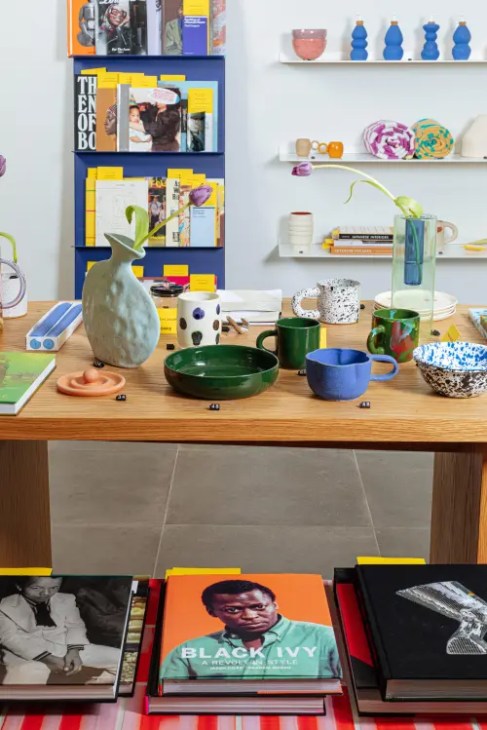
“South Street is a place I came to a lot as a teenager,” says Maldonado, who grew up in Philadelphia. “It was where I got my first crazy haircut.” She explains that she wanted to preserve the neighbourhood’s countercultural legacy. “It was good for us to put down anchor here and be a part of the next wave of culture because our brand is all about supporting artists and makers.”
Maldonado worked in fashion before striking out on her own eight years ago. She launched Yowie as a website selling small-batch homeware before opening a dedicated shop in the neighbourhood, presenting pieces in a crisp palette of primary colours that popped in the otherwise minimalist white interior. Yowie’s momentum as a brand grew after Maldonado moved the shop to South Street. Before launching the hotel upstairs, she cut her hospitality teeth designing two other guesthouses, The Deacon in Philly and Dye House Hotel in Rhode Island, with Deacon Hospitality.
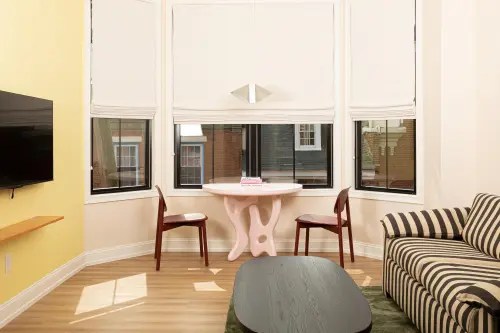
For Yowie Hotel, Maldonado has created 13 spaces that are more pieds-à-terre than conventional hotel rooms. The establishment’s roomy kitchens are stocked with handmade plates and ceramics. Everything you see is for sale, from the perky little lamps by San Francisco-based Gantri to the knobs on all of the fixtures by New York-based designer duo Chen Chen & Kai Williams. It’s a clever extension of the shop downstairs but also a platform for local talent. “I feel like I took the opportunity to trust my gut after being a creative designer for over 20 years,” says Maldonado. “This is the aesthetic that I believe in. Some people will get it and love it – and I’m also going to open other people’s eyes.”
helloyowie.com
The sharpest workwear and accessories for taking care of business in style
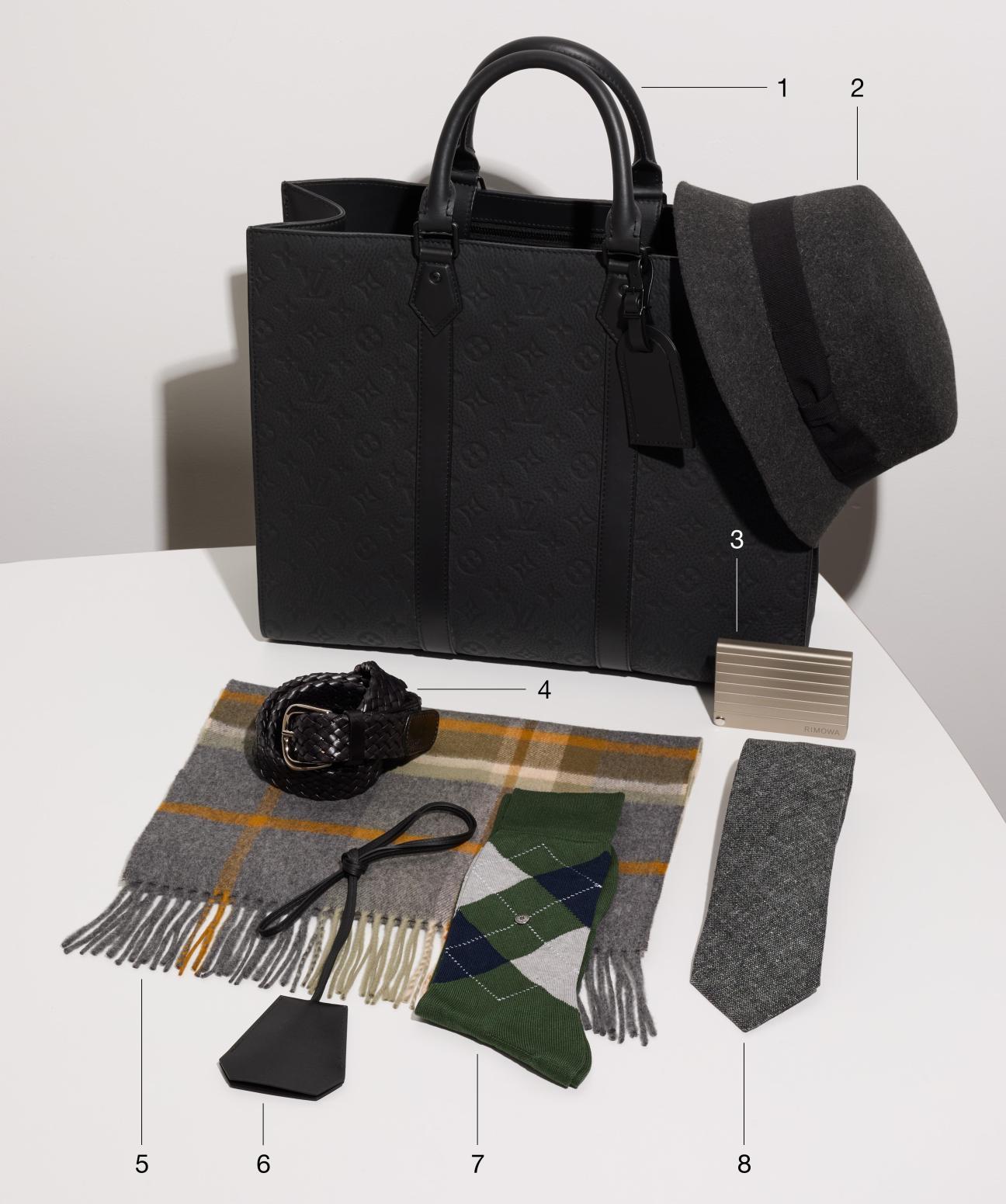
1. bag by Louis Vuitton
2. hat by Dunhill
3. card case by Rimowa
4. belt by Ludwig Reiter
5. scarf by Johnstons of Elgin
6. clochette key ring by Hermès
7. socks by Burlington
8. tie by Bigi Cravatte
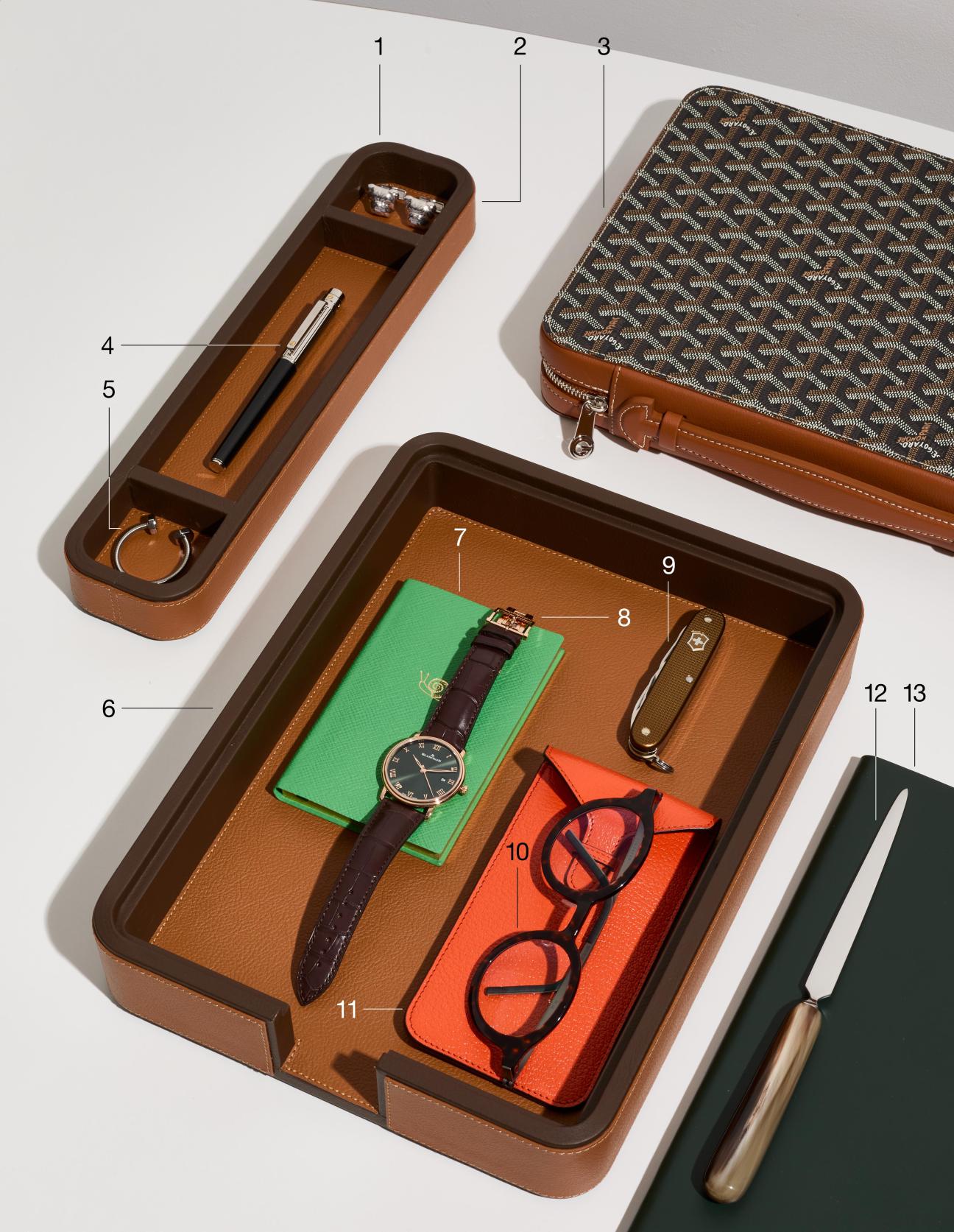
2. cufflinks by Dunhill
3. a4 compagnon by Goyard
4. pen by Cartier
5. key ring by Cartier
6. paper tray by Poltrona Frau
7. notebook by Smythson
8. villeret extraplate watch by Blancpain
9. swiss army knife by Victorinox
10. glasses by Lindberg
11. glasses case by Anya Hindmarch
12. letter opener by Connolly
13. notebook by Connolly
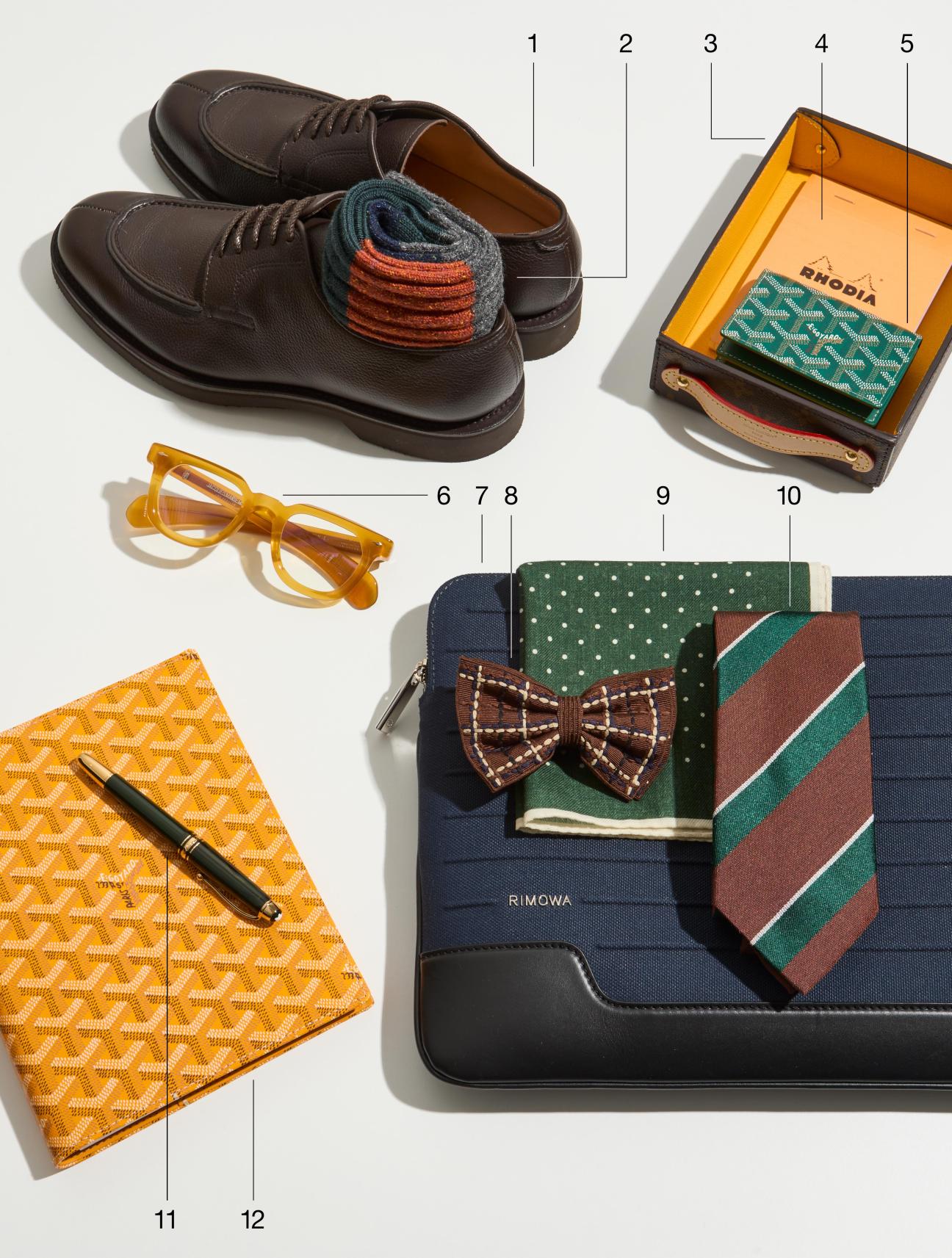
2. socks by Pantherella
3. tray by Louis Vuitton
4. notepad by Rhodia
5. card wallet by Goyard
6. glasses by Jacques Marie Mage
7. flat pouch by Rimowa
8. bow tie by Jupe by Jackie
9. pocket square by Bigi Cravatte
10. tie by Bigi Cravatte
11. pen by Montblanc
12. document cover by Goyard
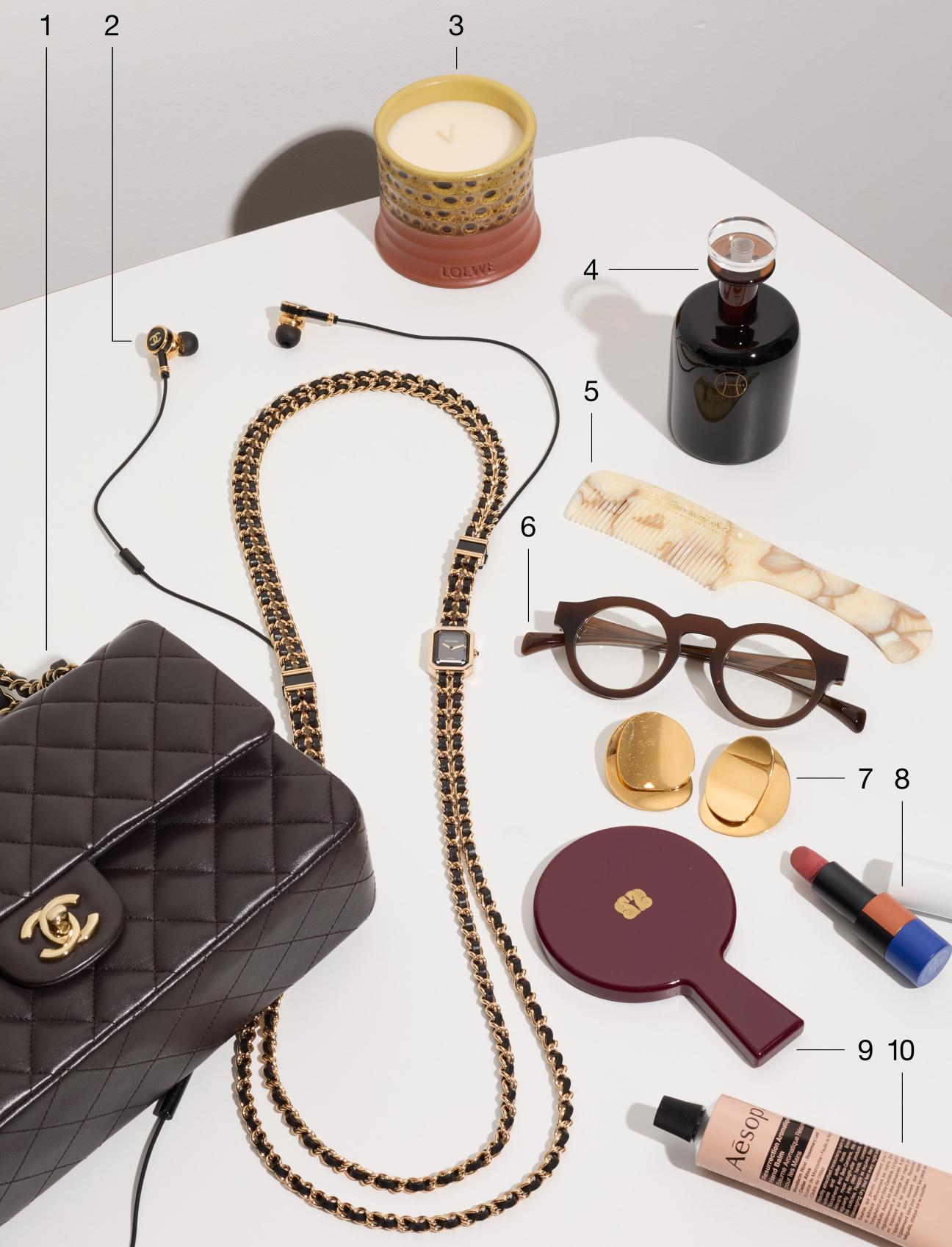
2. Première sound watch by Chanel Watches
3. Candle by Loewe
4. Eau de Parfum by Perfumer H
5. Comb by Officine Universelle Buly
6. Glasses by Jacques Durand
7. Earrings by Celine by Hedi Slimane
8. Lipstick by Hermès
9. Mirror by Koh-I-Noor for Blazé
10. Hand Cream by Aesop
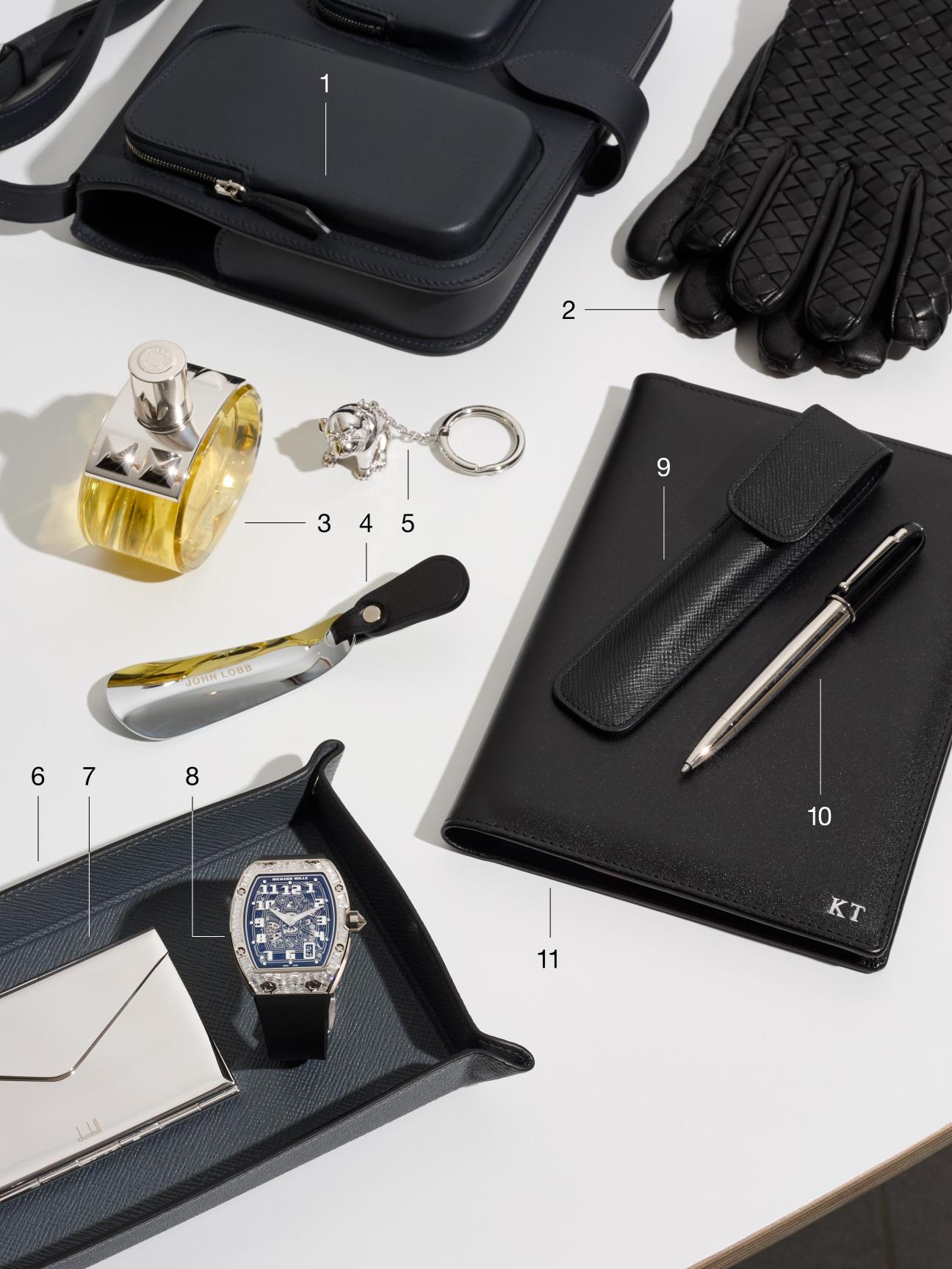
2. gloves by Bottega Veneta
3. eau de parfum by Hermès
4. shoehorn by John Lobb
5. key fob by Dunhill
6. tray by Smythson
7. card case by Dunhill
8. rm 67-01 automatic extra flat watch by Richard Mille
9. pen case by Smythson
10. pen by Dunhill
11. notebook cover by Ettinger
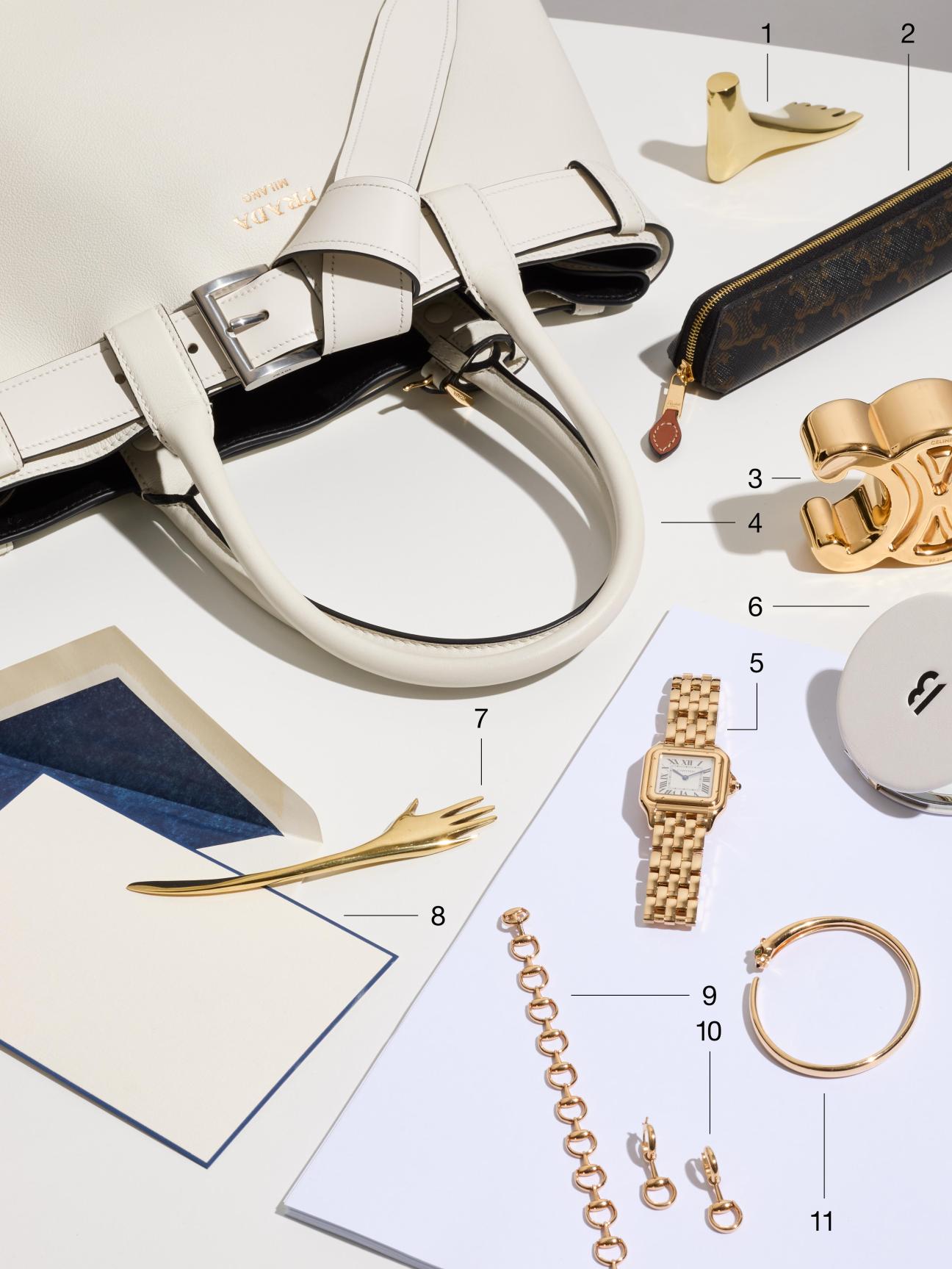
2. pen case by Celine by Hedi Slimane
3. paperweight by Celine by Hedi Slimane
4. bag by Prada
5. panthère de cartier watch by Cartier
6. mirror by Byredo
7. letter opener by Carl Auböck from Abask
8. correspondence cards by Smythson
9. bracelet by Gucci
10. earrings by Gucci
11. bracelet by Cartier
Wildflower Studios: The production company bringing Hollywood-style filmmaking to New York
“There is no other facility like this,” says Adam I Gordon, co-founder and managing partner at Wildflower Studios, the newest production lot in New York’s growing ecosystem of film and television facilities. Filming of the studio’s first project commenced in October but the idea for the site came to its founders five years ago.
“It turns out that New York has been underserved for many years in terms of studio space,” Gordon tells monocle during the 30-minute drive from Manhattan to Wildflower Studios in Queens. As the owner and developer of one of the city’s most expansive networks of warehouses – whose largest client is Amazon – he started receiving enquiries from studios seeking spaces big enough to shoot their programmes in. “I started getting knocks on my door,” says Gordon. “After the fourth or fifth knock, I decided to do some research.”
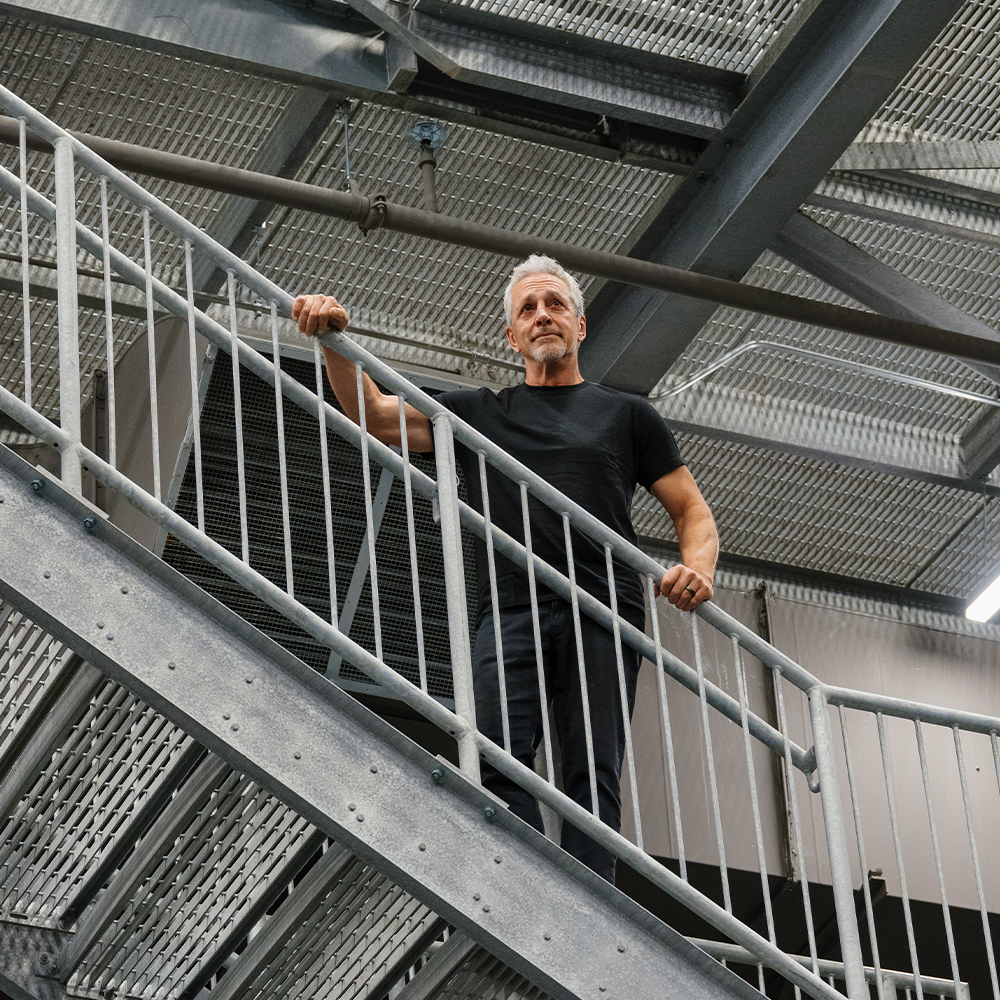
That entailed visiting an old friend who is well versed in making films, Robert De Niro, who today co-owns Wildflower Studios. “We have been friends for two decades,” says Gordon. “When I went to see him, I discovered that he had a strong interest in developing a film studio. He sent me on a listening tour to Los Angeles, Atlanta and New York to find out more about the cities’ stock of film studios.”
During those visits, Gordon was inspired to refresh the template that film complexes were conventionally modelled on. “I felt that the design of these spaces wasn’t particularly well thought out,” he says. “There were these incredibly creative people who were spending their careers working in tired warehouses of every shape and size. But the buildings were often quite dispiriting and dull.”
“I have spent my career thinking about environments that elevate us,” says Gordon, referring to the series of boutique residential properties that he has developed across New York over the past few decades. Before bringing them to market, he and his family would often move into the properties to test the renovated designs.
“I have always been interested in how a place can make us feel more inspired,” he says. “And I thought, ‘What if we could combine these optimal ingredients and create a kind of mise en place for film production in New York – bringing together the poetry of a beautiful place with the city’s great food and a hospitality culture that elevates people and their experience of making art.”
To conceive a building as complex as a film studio, Danish architect Bjarke Ingels was brought on board. His designs flip the script on how studio lots are usually laid out. Traditionally, soundstages – soundproof rooms in which films are shot – occupy hangar-like buildings on large footprints of land. Wildflower Studios is more compact. The 2.2-hectare plot was built on the former manufacturing site of piano-makers Steinway & Sons (which still operates a factory nextdoor) and houses 11 soundstages.
The soundstages have been stacked vertically – a first for the design of a studio complex – and are all enclosed behind the building’s striking, panelled edifice. “There is no such thing as an urban, vertical studio anywhere else,” says Gordon. “We have the only one in the world.”
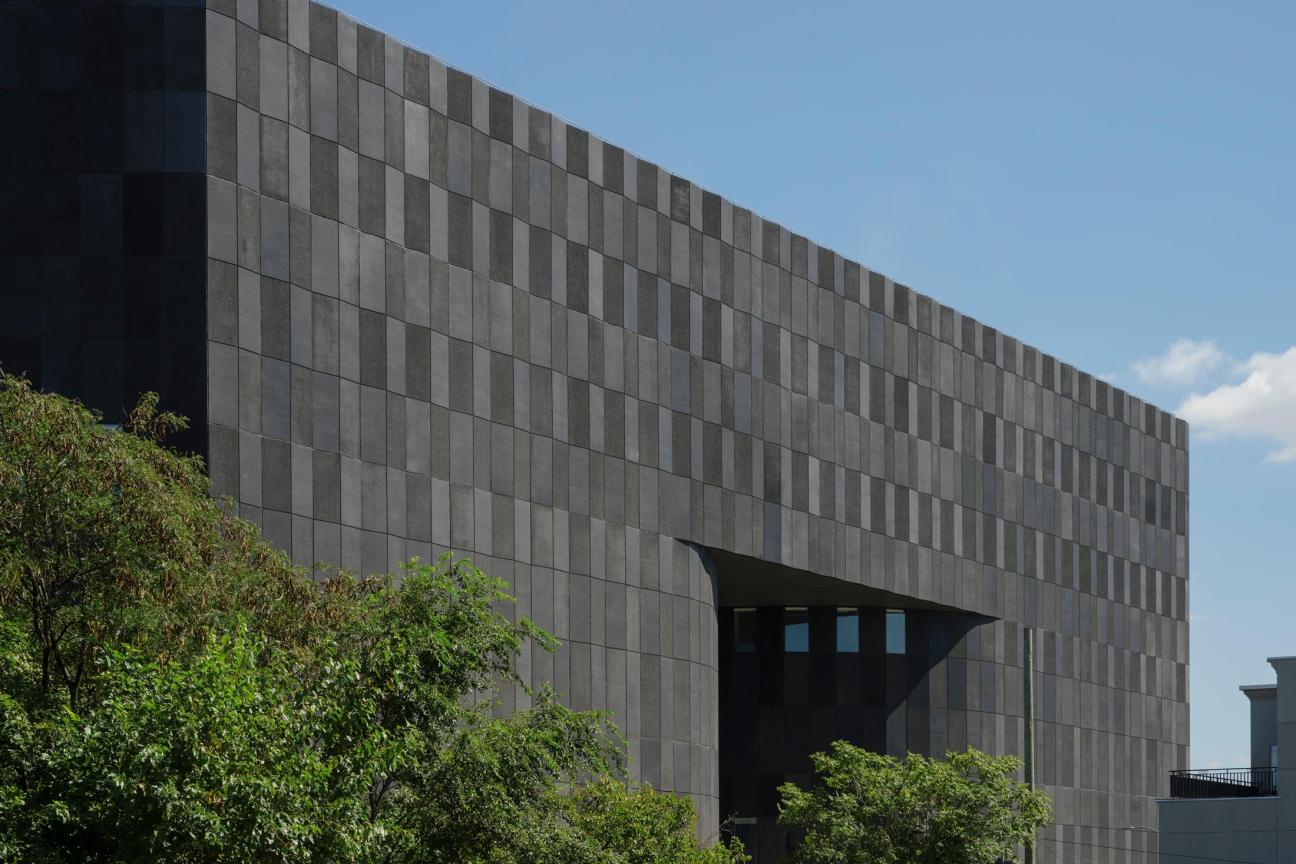

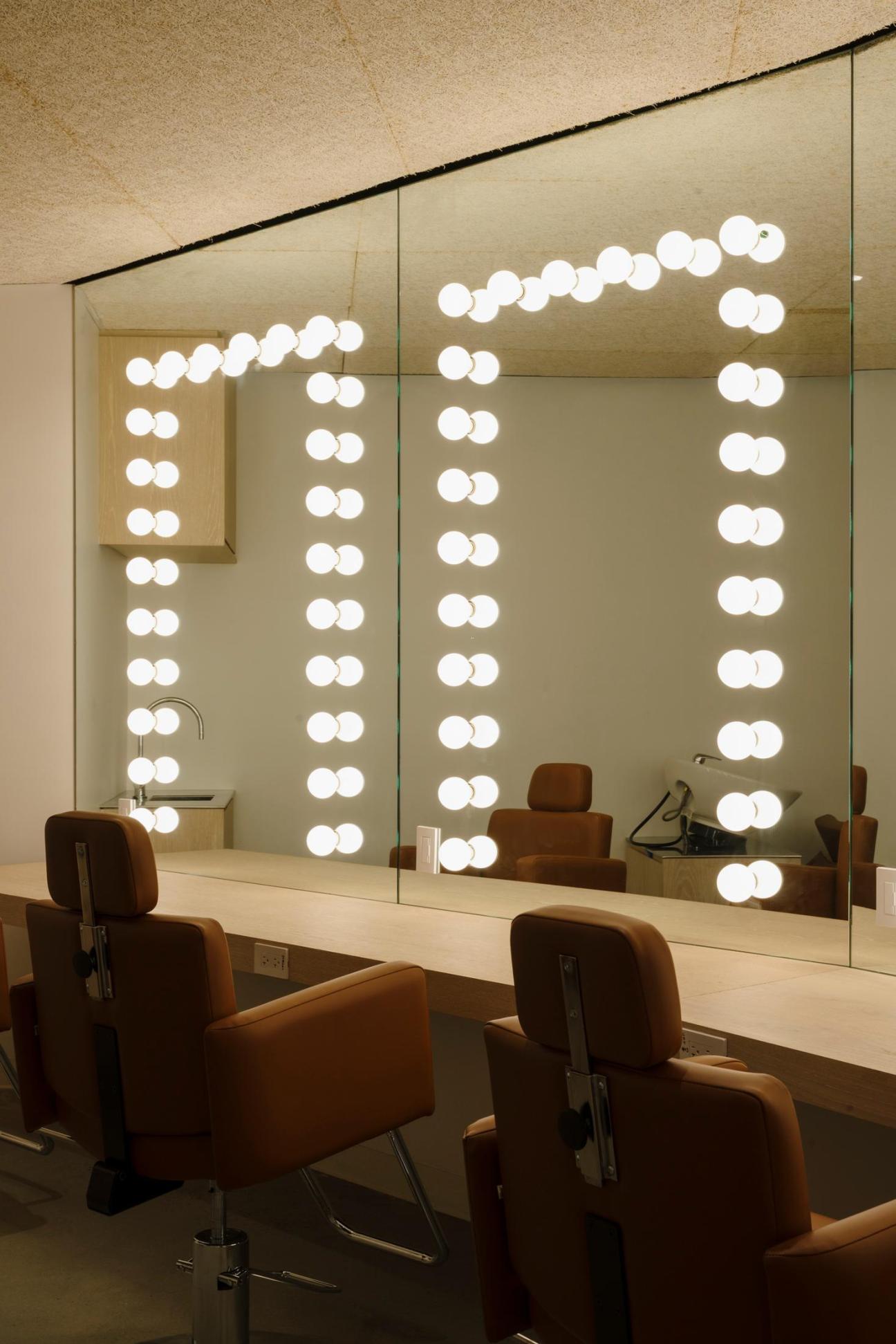
The goal of that design, he says, is to streamline the process of making a film. “We sat down with the people involved in the day-to-day business of filmmaking to gain a better understanding of how it works,” he says. “We asked everyone from lighting experts and actors to hair-and-make-up artists, carpenters and directors, ‘How do you like to work? What or who do you need to be working next to?’”
Gordon estimates that the design of Wildflower Studios will make the facility’s output between 20 and 30 per cent more efficient than that of other production companies. This streamlined approach affects every aspect of the filmmaking process, including transport.
Inside the studios, an oversized turntable allows trucks moving sets, building materials and other equipment to drive in and be rotated, before reversing the short distance to one of the six “elephant elevators”. These lifts then transport their contents upstairs to the workshop spaces that adjoin every soundstage. “People often ask us how we can provide sizeable studio facilities in a space-constrained city such as New York,” says Oscar Morales, Wildflower’s vice-president of development. “I think that we have knocked it out of the park. Not only are you able to film in a large studio but you can also access it very quickly. It’s really simple to move between one part of the building to another.”
Each soundstage at Wildflower Studios is interconnected. Retractable walls allow for several productions to occupy different soundstages at the same time and make it easier for a single production to film across multiple rooms. This is particularly useful for TV series that require shooting scenes over more than one set at once. As part of the initial soundproofing process, bowling balls were dropped onto the floors to assess whether sound would seep from one stage to the next. It didn’t.
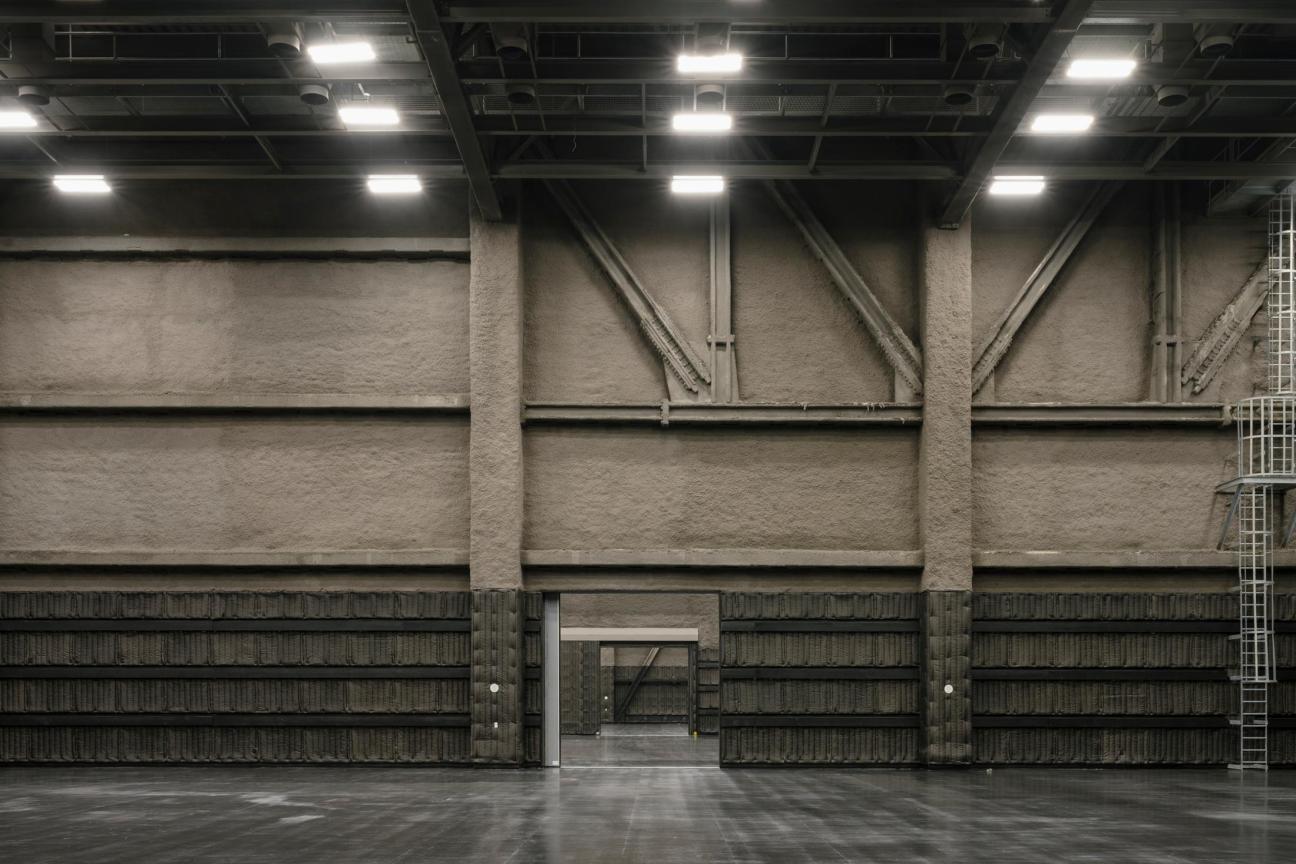
Open for business: Retractable doors link the soundstages
Gordon also took into consideration the welfare of the actors who would be working in the space when he came up with the studios’ design. At other, more spread-out complexes, paparazzi photographers are often found attempting to scale the walls or sneak in to get behind-the-scenes shots of actors. Wildflower Studios’ self-contained nature, however, allows high-profile actors to discreetly move between the stages between takes.
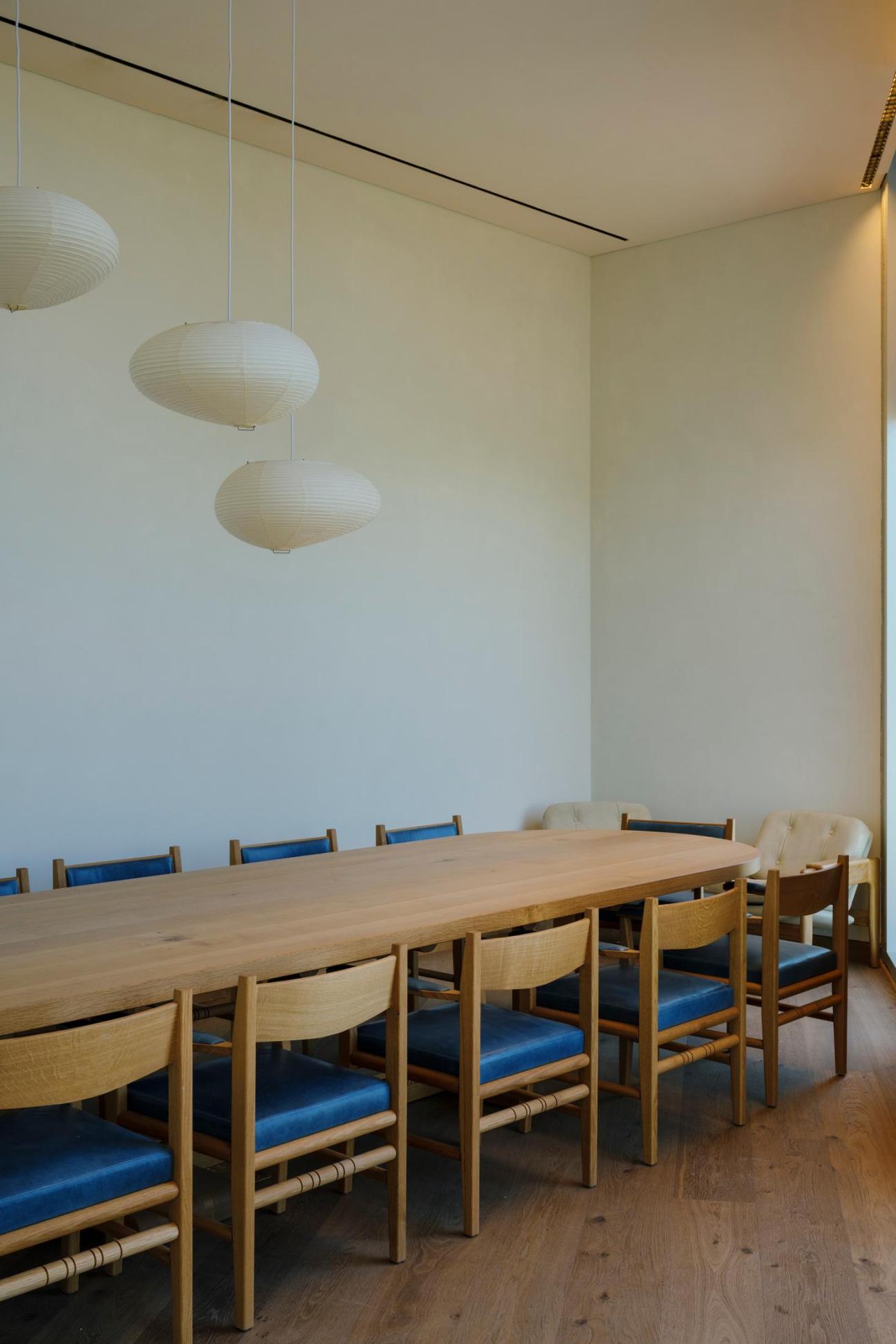
“Everyone here is treated the same and receives the same level of service,” says executive director Cheryl Huggins, who oversees the studios’ daily operations. The dining rooms capture this sense of warmth, with handsome wooden furniture crafted by San Francisco-based studio Fyrn and paintings by Robert De Niro’s late father, the abstract expressionist painter Robert De Niro Sr. The rooms also play host to chefs from across New York’s restaurant scene, in addition to the regular menus.
“We want to do everything that we can to make the production staff’s day go smoothly,” says Huggins. “If that means having a coffee cart pull up to their soundstage as they’re unloading at 06.00, then we’ll do it. Many people have already walked through here – line producers, for example – and their jaws are always on the floor. They say that they can’t believe that they can work somewhere like this.”
One goal of the new complex is to attract productions back to New York – a city that is often portrayed on screen through soundstages in other filmmaking hubs such as Los Angeles, Toronto, Atlanta, Calgary and London. “This type of studio has never been built before,” says Gordon. “It takes a completely different approach. It has enabled us to create an industrial building that is able to function while being beautiful in a novel way.” — wildflowerstudios.com
Business benefits:
While several North American metropolises have boosted their film-making ecosystems, producers often prefer locations where the cities themselves are part of the draw. “People want to be in New York,” says Gordon. The 30-minute drive from Manhattan to Queens means that the best of the Big Apple is within easy reach.

Read next: The Monocle City Guide to New York, featuring the best hotels, restaurants and retail spots
From J Crew to Alex Mill: Mickey Drexler’s bold new chapter
“Happy chaos” are the words that spring to mind when you peek inside fashion label Alex Mill’s headquarters in New York’s Soho neighbourhood. The office dog, Alan, is hanging out as people share pasta dishes from Italian restaurant Parm down the street. The door to the office of the company’s ceo, Mickey Drexler, is open for the team to waltz in and out. It’s a world away from Drexler’s previous set-up at US multibrand label J Crew, where he served as ceo from 2003 to 2017. The feel is also very different to that of Gap in San Francisco, where he spent almost two decades growing the brand from a $400m (€358m) business into a $15bn (€13bn) one. Here, the hierarchies are less rigid and the atmosphere more familial. “I initially joined as a sort of senior mentor,” says Drexler. “Now I’m involved in all of the details.”
This isn’t a new venture. Drexler’s son, Alex, (centre-left), founded the label more than 10 years ago. “It was just me at the beginning,” says Alex, wearing a crisp, white shirt and black-framed glasses. Much like his father, he favours uniform dressing. “I started with a small shop on Elizabeth Street and the idea of creating the perfect shirt.”
Over time, the brand developed a niche following, working with speciality shops in Japan and a handful of global retailers such as Mr Porter and Bergdorf Goodman. When Mickey left J Crew and started feeling the entrepreneurial itch again, he realised that his next big opportunity could lie a lot closer to home than he had expected. “This wasn’t part of some grand scheme,” he says. “I was getting a little bored because I wasn’t building anything. I liked the name of the brand and saw a white space in the market. The companies that I have previously worked for are changing direction, so there is room for a new label to offer cool clothes that aren’t overly trendy or expensive.”
Alex Mill relaunched in early 2019, with Mickey as ceo and Somsack Sikhounmuong, a veteran of J Crew and Madewell, as creative director. Ali Dillon, formerly of Gap, has also joined the business as brand president. “I love not having a number of units to hit,” says Dillon. “It’s more about making things that we’re proud to produce,” she says.
The brand’s collections span menswear, womens- wear and accessories, and live up to the team’s promise of creating tasteful, reasonably priced designs. These are fuss-free clothes for people who “understand quality and love fashion but aren’t obsessed with it”, says Alex. Mickey has overseen the label’s recent expansion to categories such as denim and cashmere, as well as the opening of two new physical outposts in New York on Mercer Street and Madison Avenue. “It was a small business at the start but it’s coming around now,” he says.
Three more fashion start-ups to keep an eye on:
1.
NN.07
This Danish label blends classic Scandinavian designs with more playful styles, from patterned shirts to patchwork jackets. New concept stores opened in New York and London in 2024.
2.
Polène
Parisian handbag brand Polène is known for understated, logo-free designs and accessible price points. This autumn it received the backing of L Catterton, lvmh’s investment vehicle. The ties to the luxury group are expected to help the business to polish its marketing, expand its manufacturing capabilities and open new shops.
3.
Tove
This London-based womenswear label was founded by Camille Perry and Holly Wright, two former Topshop alumni on a mission to create higher-end, elegant designs that fit into busy city lives. The label now works with the likes of Mytheresa and Saks Fifth Avenue, and has also joined the London Fashion Week roster.
He credits part of this recent success to the power of imagination, rather than careful research or strategic marketing. “To me, imagination is what drives business,” says Mickey. “Some companies – I prefer to call them bureaucracies – can operate almost without thinking but that’s when everything starts to look the same,” he adds, recalling some of his most successful ventures, including the launch of labels such as Madewell at J Crew and Old Navy at the Gap, all of which all happened “on a whim”. “I believe in instinct, talent and risk-taking.”
Successful matchmaking is also part of his formula for success. In this case, introducing his son to Sikhounmuong was pivotal in pointing the brand in the right direction. “I could see the potential,” says Sikhounmuong. “I was ready to roll up my sleeves and get my hands much dirtier than I ever had in the past,” says the creative director, explaining that creating smaller collections allows him more time to indulge in every detail and achieve a balance between fashion-forward and classic designs.
“Sikhounmuong built Madewell from scratch,” says Mickey. “The only difference is that we had the bank of J Crew then. Here, we don’t have any investors because we don’t want any. I don’t need someone doubting what we do.” After years of reporting to boards, Mickey was adamant about “being his own boss”. It’s why Alex Mill is one of the few ready-to-wear labels that has committed to direct-to-consumer sales, avoiding the additional price mark-ups that come with wholesaling.
The brand also steers clear of fashion’s unhealthy discounting culture. “The most successful department store in the world is TJ Maxx, which sells pieces by many major brands at 50 per cent off,” he says. “What does that do to a consumer? They think that everything is a deal. We won’t participate in this. It’s two sales a year and that’s it.”
This formula is working. Alex Mill has gradually been progressing in its mission to create the “perfect wardrobe” and customers continue to purchase classic styles. “It’s about focusing on specific items rather than trying to do everything quickly,” says Alex, who is adamant about holding on to the founding values of the brand. Still, he shares his father’s vision about the business’s potential. A new shop inside the Rockefeller Center is also in the works. “The importance of interacting with customers is something that Mickey has emphasised throughout his career,” says Alex.
With the label’s foundations now securely set, Mickey says that it is in a good position to start reaching a new audience outside the US. “I believe that we can become as big as many other major clothing companies but, for now, I would rather think about what I need to do day by day,” he says. “I have made many people a lot of money in the past – but this is more personal.” — alexmill.com
How heritage brand Tolix’s revival reflects the boom in traditional luxury design
There’s something afoot in the peaceful Burgundian town of Autun. Among the vineyards and the vestiges of Roman temples, design brand Tolix has been undergoing what could be described as a fashion makeover since Antoine Bejui and Emmanuel Diemoz took over the company in October 2022. After meeting at Parisian couture house Balmain, where they held executive roles and helped to save the firm from bankruptcy, Bejui and Diemoz worked at fashion brands Anya Hindmarch and Carven, respectively. But when the opportunity to turn around a French heritage brand arrived, the pair sensed that it was time for an industry sidestep. Now, nearly two years since they bought the company, they have helped Tolix to get its groove back.


Raw steel reissue of the 1958 UD chair
Founded in 1927, Tolix produces sturdy steel chairs and stools that you’ll spot in many parks, terraces and cafés across France. Despite this, it has long flown under the radar. The arrival of cheap made-in-China imitations in the 2010s resulted in a challenging time for the company. “Tolix occupies a space in the French collective consciousness without many of us realising it,” Bejui tells monocle at the company’s industrial headquarters in Autun. “The brand was losing esteem. It’s like we’ve taken over a vineyard that hasn’t been tended to for a couple of decades but no real damage has happened. It just needs some attention and care to bear fruit again.”
Bejui and Diemoz’s priority after purchasing Tolix was to streamline its catalogue. Initially, only a small selection of its most emblematic pieces were produced, including the t37 chair, which the brand’s founder, Xavier Pauchard, designed in 1937, and the UD chair by his son Jean, originally made for the University of Dijon in 1958. From there, new designs have gradually been introduced in a more cohesive manner. “While we wanted to establish some house codes, we didn’t want to get stuck on the same three chairs,” says Bejui. “So Tolix asked French designer Pauline Deltour to add pieces such as a high-chair and a bench to her outdoor patio collection [which launched in 2020].” With the brand’s offerings tightly controlled, the materials and colours were also reworked and a more restrained palette introduced. Finally, the duo’s background in fashion came into play as the logo, image and branding were given a contemporary refresh.
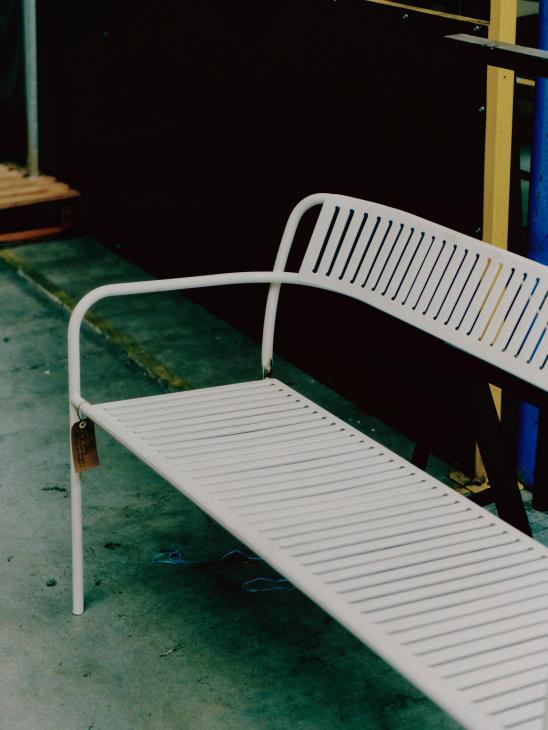

Tolix’s new ownership reflects a wider trend that has been gaining momentum in recent years: fashion crowds have serious designs on… well, design. Luxury brands including Prada, Bottega Veneta and Hermès are now regular fixtures at Milan Design Week. New Parisian design salon Matter & Shape made waves in March when it launched during the French capital’s fashion week. Finnish heritage brand Iittala’s new creative director, Janni Vepsäläinen, made the switch to design from UK label JW Anderson. France, where the luxury industry employs more than a million people, presents itself as fertile ground for this type of aesthetically minded cross-pollination, helped by a general appreciation for and investment in smaller-scale manufacturing.
When Bejui and Diemoz took over Tolix, they inherited a factory staffed with talented craftspeople who specialise in the production of its metal pieces. Autun and the surrounding Sâone-et-Loire region were once bastions of the French metalworking industry and many of the tools used to make Tolix’s designs date back to the mid-20th century. As we make our way across the factory floor, sheets of steel are being cut, moulded, hand-hammered and checked. One chair is being customised with an engraving as a wedding gift for an employee. “We keep our production as artisanal as possible,” says Maxime de Almeida, who is responsible for development at Tolix. “By continuing to use the techniques that have been inherited from our ancestors, we’re keeping our savoir-faire alive. Today we employ 30 people who can produce as many as 300 products per day.”

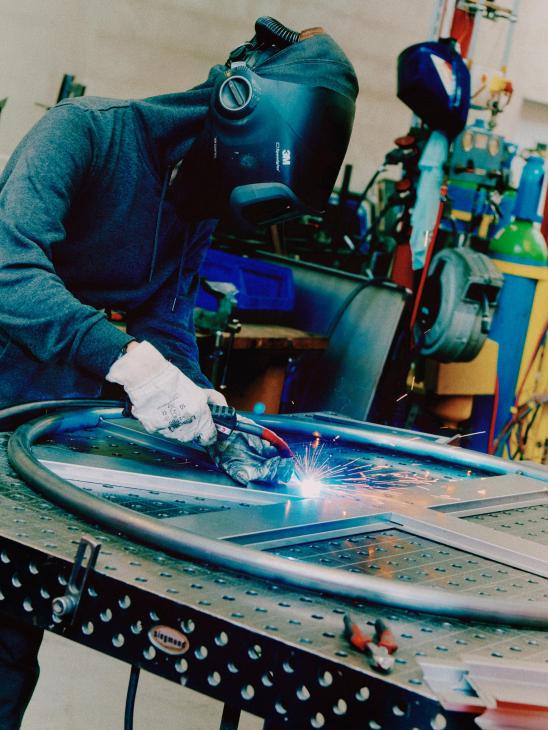
Tolix has been designated by the French state as a Living Heritage Company – a prestigious label that comes with the responsibility to transmit know-how to young apprentices. On the factory tour, a stop is made so we can watch a new addition to the team, Samuel, weld a chair with a thin brass brazing rod. The choice of brass rather than copper or aluminium is a Tolix signature. It also helps to distinguish the genuine article from imitations, as the welding process leaves behind gold-coloured marks.
Once the pieces are cut, moulded, assembled and welded, they are cleaned and galvanised or powder-coated. The hazmat-suit-clad team responsible for this process carefully examines every newly coated piece as it’s hung upside-down from a revolving conveyor belt. If a paint coat isn’t quite up to scratch, it will be sanded down for another round. In the stock room, colour labels point to a restrained palette going form jet black to brown green and oyster white. For those who are more partial to the industrial look of metal, a simple coat of varnish is also an option.
Luckily for Bejui and Diemoz, metal furniture has been enjoying a renaissance, with aluminium and steel designs taking over bars and restaurants in cities such as Paris and Sydney. This year, as part of their plan to broaden Tolix’s international appeal, the company has been cropping up at design fairs including Matter & Shape and Milan Design Week (at the latter, in Finnish firm Marimekko’s temporary café Bar Unikko). A new flagship on Paris’s Boulevard Saint-Germain is helping Tolix to establish itself as a premium brand. As for global retail, the company works with select shops and stockists to reach a demographic that has an appreciation for French manufacturing and industrial history.
“We’re here to save a piece of national heritage and make sense of it,” says Bejui. The entrepreneurial duo now split their time between Paris and Burgundy to be close to the manufacturing team. “It’s a source of pride for Frenchmen that we have these extraordinary companies such as Tolix. I feel a civic duty to tell people about the marvels that take place here.” — tolix.com
Tolix timeline:
1917
Xavier Pauchard sets up a factory making steel household items.
1927
Pauchard trademarks Tolix.
1937
The Pauchard-designed T37 chair is launched.
1958
The UD chair is released.
2000
Emmanuel Diemoz joins fashion firm Balmain.
2011
Antoine Bejui joins Balmain as CFO.
2012
Diemoz becomes Balmain’s CEO.
2017
The pair leave Balmain, after growing annual revenue to more than €120m.
2020
Tolix releases the Patio collection by Pauline Deltour.
2022
Bejui and Diemoz buy Tolix.
How AI-powered cameras are stopping wildfires in Colorado
On a hot, dry July morning, lightning sparked a wildfire in a Colorado canyon 37km south of Denver. Just 24 minutes later, first responders were at the scene dumping water from two helicopters and a 40-person ground crew had mobilised to hike deep into the terrain.
By evening, the fire had been extinguished, after growing to just 12,000 sq km. The risk of a hard-to-control, fast-moving blaze that could engulf nearby homes had been prevented.

Such a destructive prospect is increasingly common in wildfire-prone areas, such as the western regions of the US, the Mediterranean, Australia and Argentina. The reason why Colorado could muster such a speedy response that day? It has two 360-degree cameras mounted on mobile-phone towers. Made by Pano AI, a San Francisco-based start-up that was founded in 2020, the ultra-high-definition cameras scan, identify and monitor wildfires.
In the Mountain state, two electricity utility companes had separately invested in the Pano system, which costs $50,000 (€45,000) a year per camera. The two cameras triangulated the fire’s co-ordinates and a staffer at Pano’s intelligence centre verified the image’s accuracy to confirm that the cameras had not misidentified fog or clouds as smoke.
“We combine human and artificial intelligence to deliver the best quality of alerts to our customers,” says the company’s co-founder and CEO, Sonia Kastner. Historically, wildfire detection has relied on trained spotters in lookout towers deep in the mountains. Often, there isn’t any available land to put up new fire towers in areas near urban populations. “However, there are plenty of telecommunication towers, water tanks and other existing structures that we can mount cameras on,” says Kastner.
With $45m (€40.8m) in venture capital funding to date, Pano has sold its kit to 10 US states, from California to Arizona; it has sold five to Australia and one to a Canadian province. The company’s 30 or so customers include timber companies, ski resorts, government land agencies, energy companies, wind-farm operators and private landowners.
As wildfires become a year-round threat, technology such as Pano’s has the potential to play a crucial role. Demand for such systems, for which existing infrastructure is used and AI complements rather than replaces human know-how, is only likely to grow.
The entrepreneurs helping to reimagine Nice and San Diego’s forgotten spots
01.
Nice
France
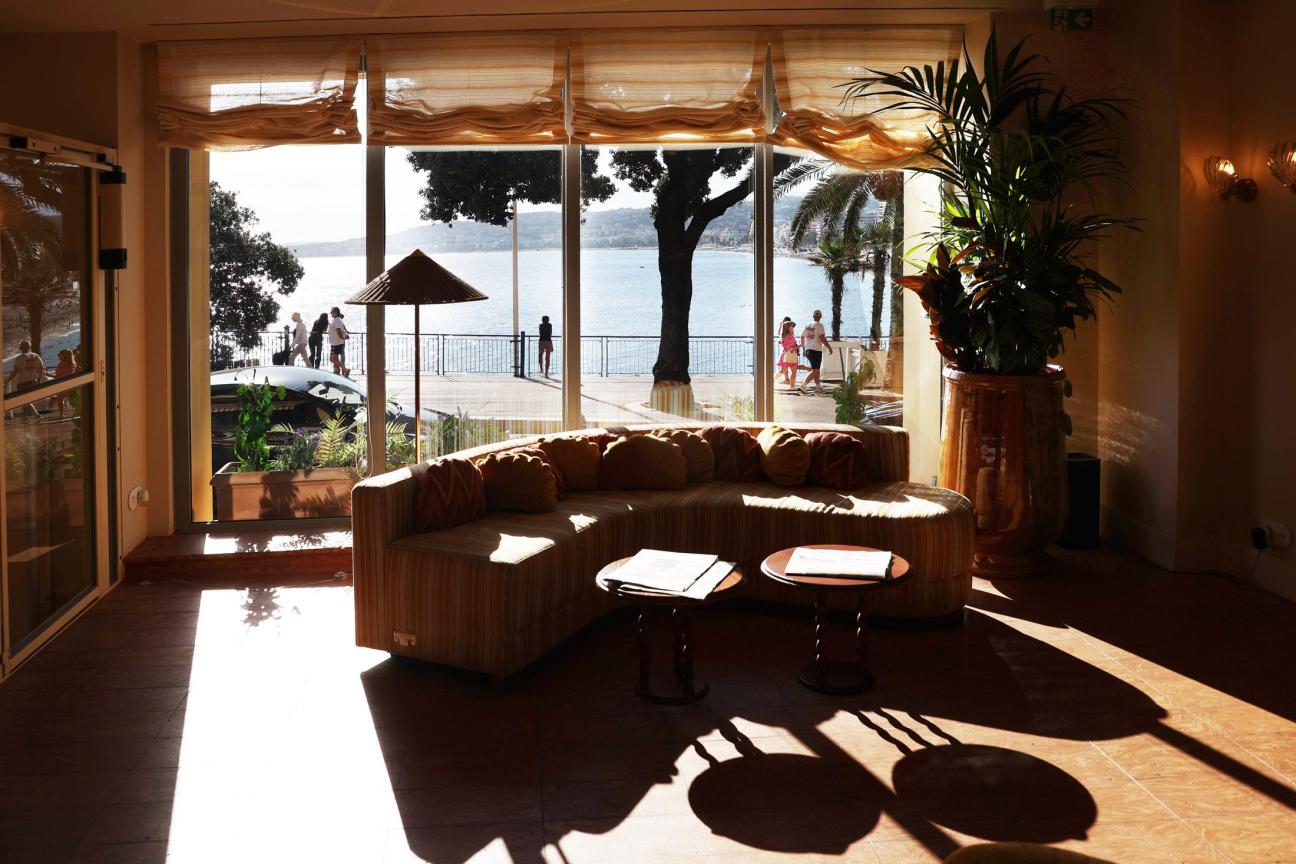
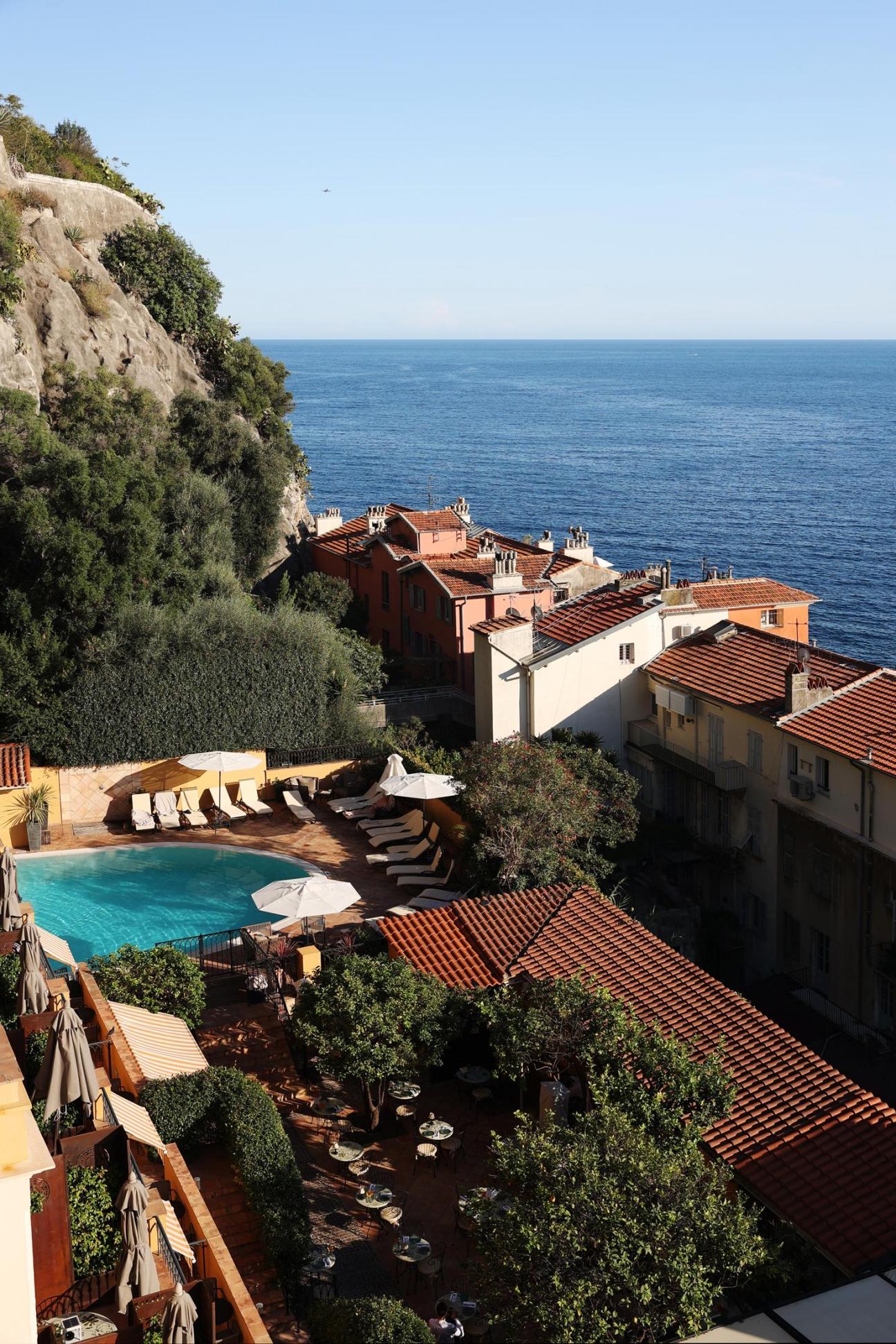
The courtyard at Hôtel du Couvent feels more like a sleepy village square in the south of France than the scene of one of the season’s most anticipated hospitality openings. Locals with market baskets queue to pick up freshly baked loaves from the boulangerie and a florist rushes past with an oversized bouquet, while chic patrons sip cups of café crème on the leafy terrace. Watching the ensemble from the shade of an orange tree is Valéry Grégo, the hotelier who spent 10 years thoughtfully converting the 400-year-old Couvent de la Visitation, a Nice landmark, into a five-star retreat.
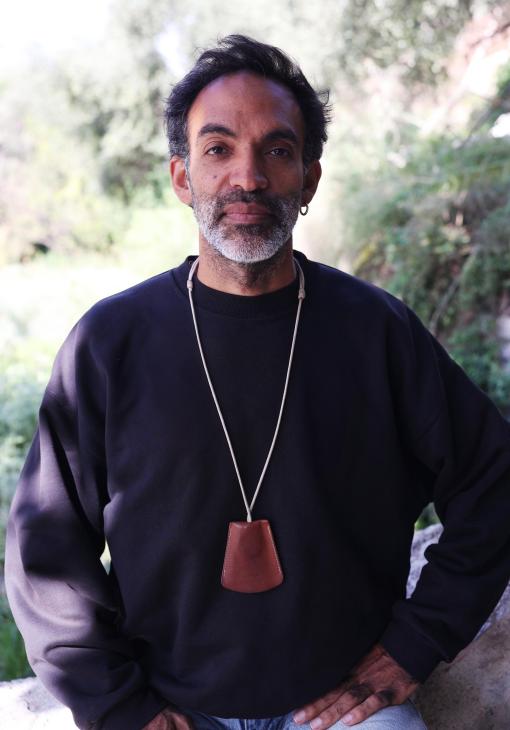
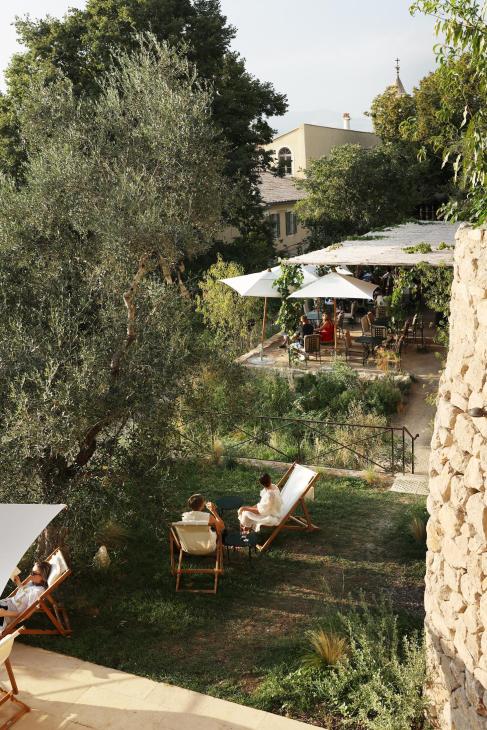
“A decade is a long time to do as little as possible,” he says with a smile. “Ideally, I want people to think that we have been lazy all this time. That would be the best compliment.” “Lazy” is not the word that we would use to describe a €100m undertaking such as this. But Grégo, who sold his other hotels (including Paris’s Le Pigalle and Les Roches Rouges on the Côte d’Azur) to finance the venture without the help of investors, has a point. The site seems as though it has always existed in this form, with its sober, subdued décor courtesy of Parisian firm Festen Architecture and peaceful, terraced gardens designed by Tom Stuart-Smith – plus a bakery and apothecary located in the same places as during the nuns’ tenure. And yet, until recently, Hôtel du Couvent was the kind of project that would have been unthinkable in France’s fifth-largest city.
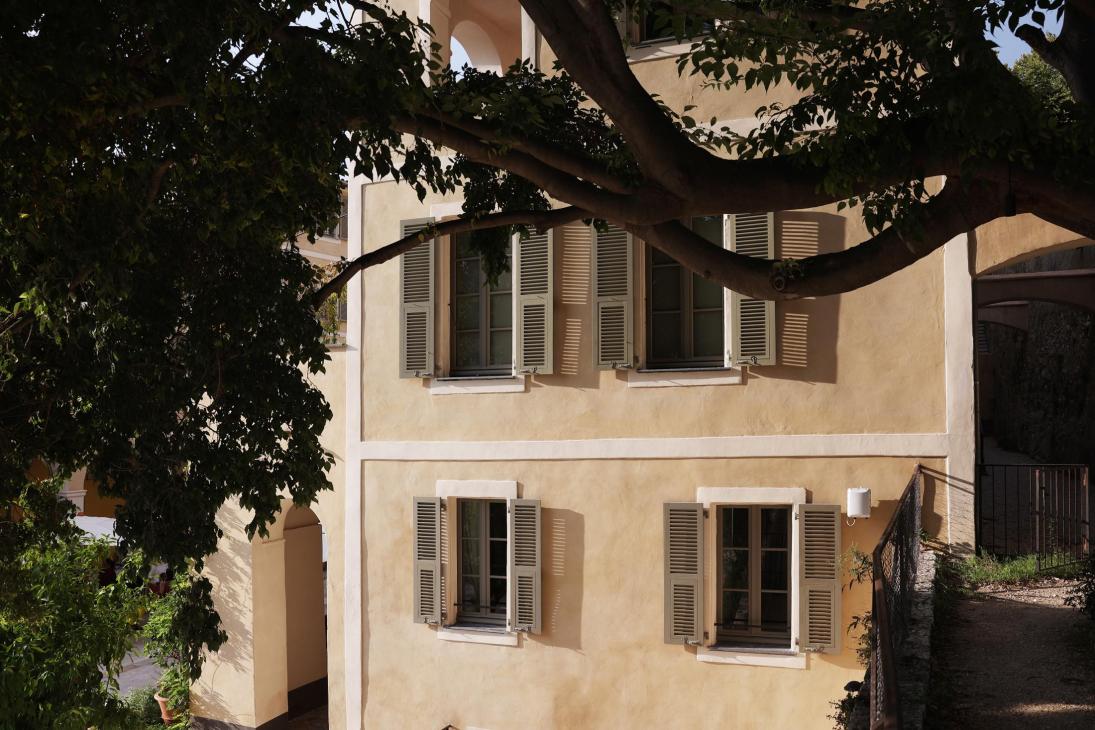
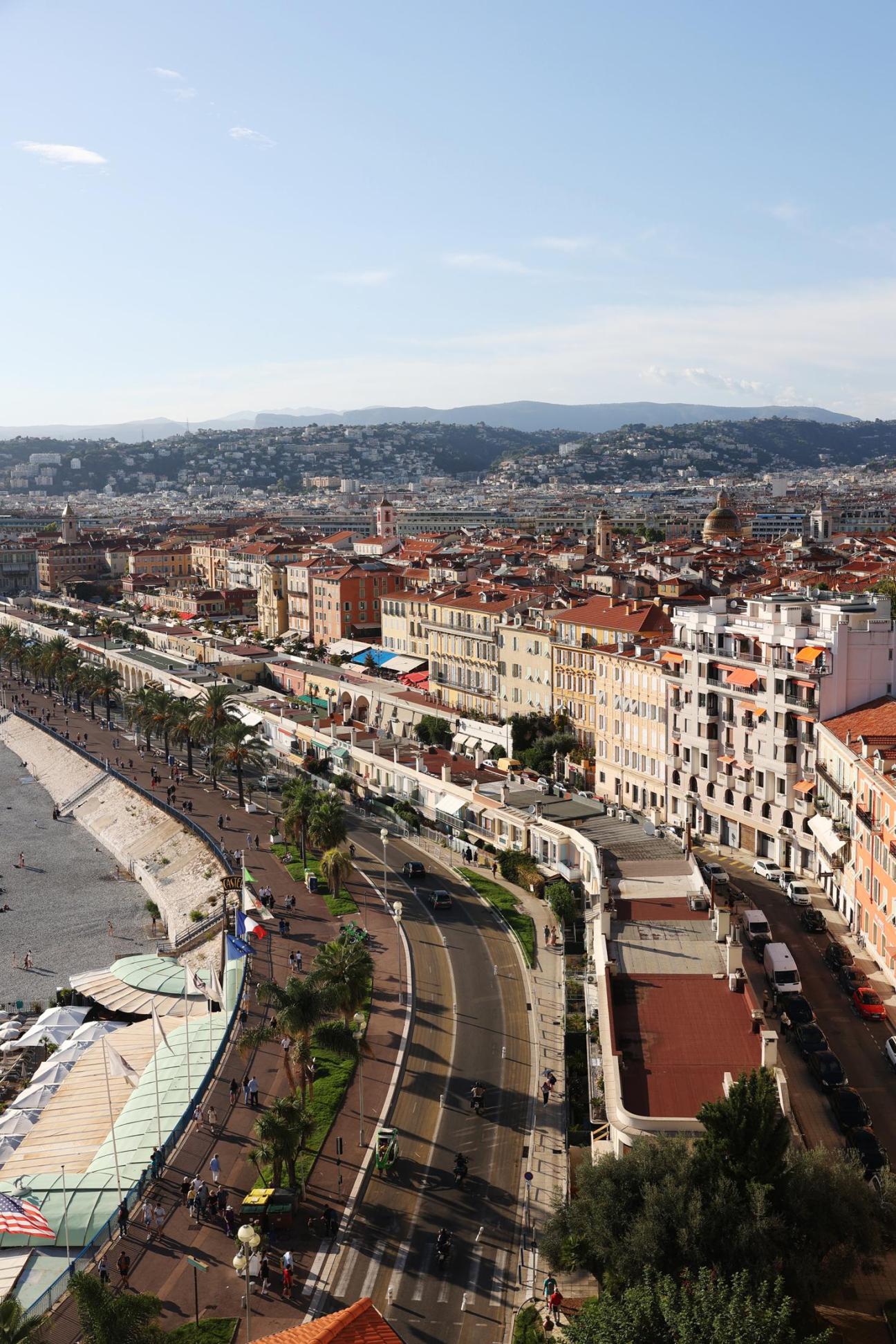
Though Nice is now buzzing with new activity, this was far from the case in 2008, when incumbent mayor Christian Estrosi took office. He felt that the city, with its belle époque palaces and faded French Riviera charm, was in need of a refresh to attract a younger and more high-end crowd. And so Estrosi initiated the hotel conversion of the historic Couvent de la Visitation, calling for a competition from which he selected Grégo’s grounded take on luxury hospitality. But Estrosi was also keen to introduce more accessible urban options, which helped to bring in establishments such as Mama Shelter and the California-inspired Pam Nice to the gentrifying neighbourhood of Riquet. “We want to be a hub for quality, not mass tourism, where locals and visitors can live together in harmony,” says Rudy Salles, delegate president of the Nice Côte d’Azur metropolitan tourist office. As the city’s deputy mayor until 2020, Salles was Estrosi’s right hand in advancing this vision. For instance, in 2015, the duo opposed the construction of a cruise port to protect Nice from the same pollution and crowding issues faced by tourism hot spots such as Barcelona and Venice.
Recognising that a city must first be welcoming to its residents before it can reposition itself on the world stage, Nice invested heavily in improving its tram and bicycle network, enhancing green spaces and improving the cultural calendar. “The first ambition was to make Nice a city where people could live well,” says Salles. “If it’s pleasant for the Niçois it will be pleasant for tourists.” While the efforts are ongoing – such as the construction of a vast urban forest cutting through the centre – the city is already reaping significant rewards. Café terraces are now spilling onto once traffic-heavy squares, major venues are taking form to host events such as the 2025 United Nations Ocean Conference and new direct flights to Europe, North America and the Gulf are being added weekly.
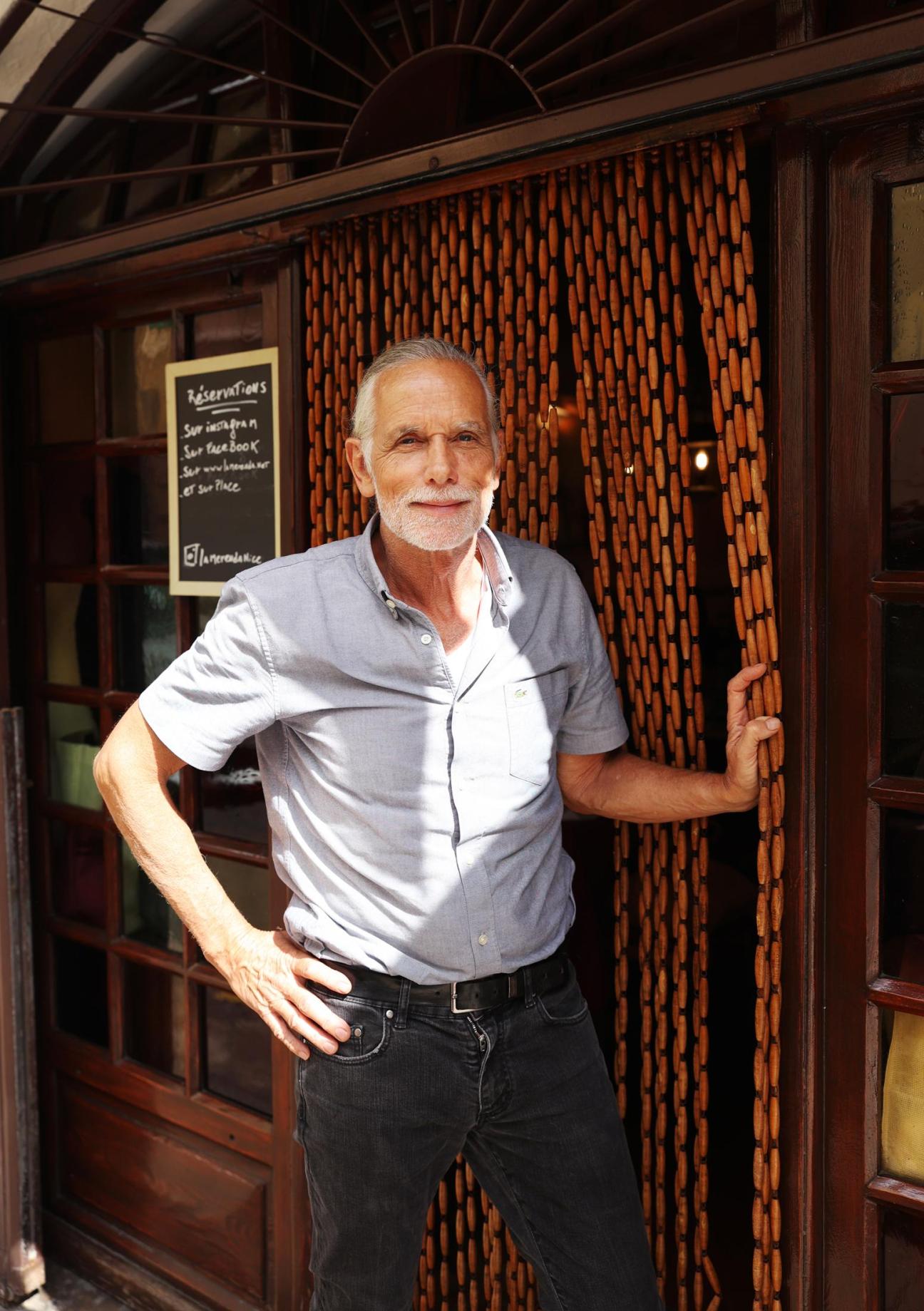
Hotel occupancy rates aside, the city’s transformation has been good for other local commerçants too. Trésors Publics, a boutique for “Made in France” goods popular with Niçois and tourists alike, has recently moved to bigger premises, expanding its shop floor by 30 per cent. The new space is also set to include a 200 sq m cellar that will host workshops with artisans. An upstairs chambre d’hôte is expected to open in 2025. Even hospitality mainstays, such as Dominique Le Stanc’s celebrated restaurant La Merenda, are adapting to the times: while it remains cash-only and still doesn’t accept phone reservations, the 25-seat establishment now offers online bookings, resulting in a full house for each of its four daily services.
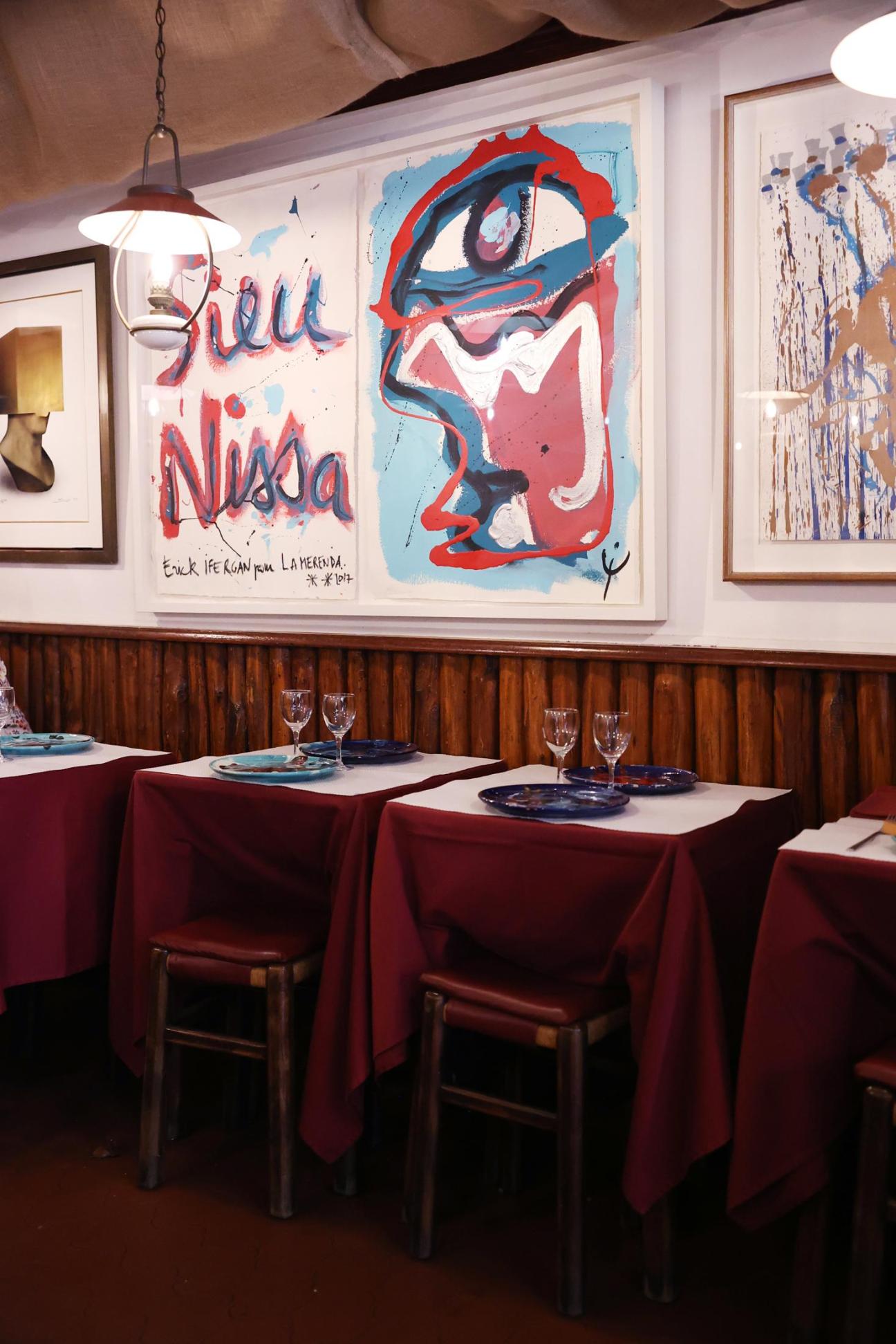
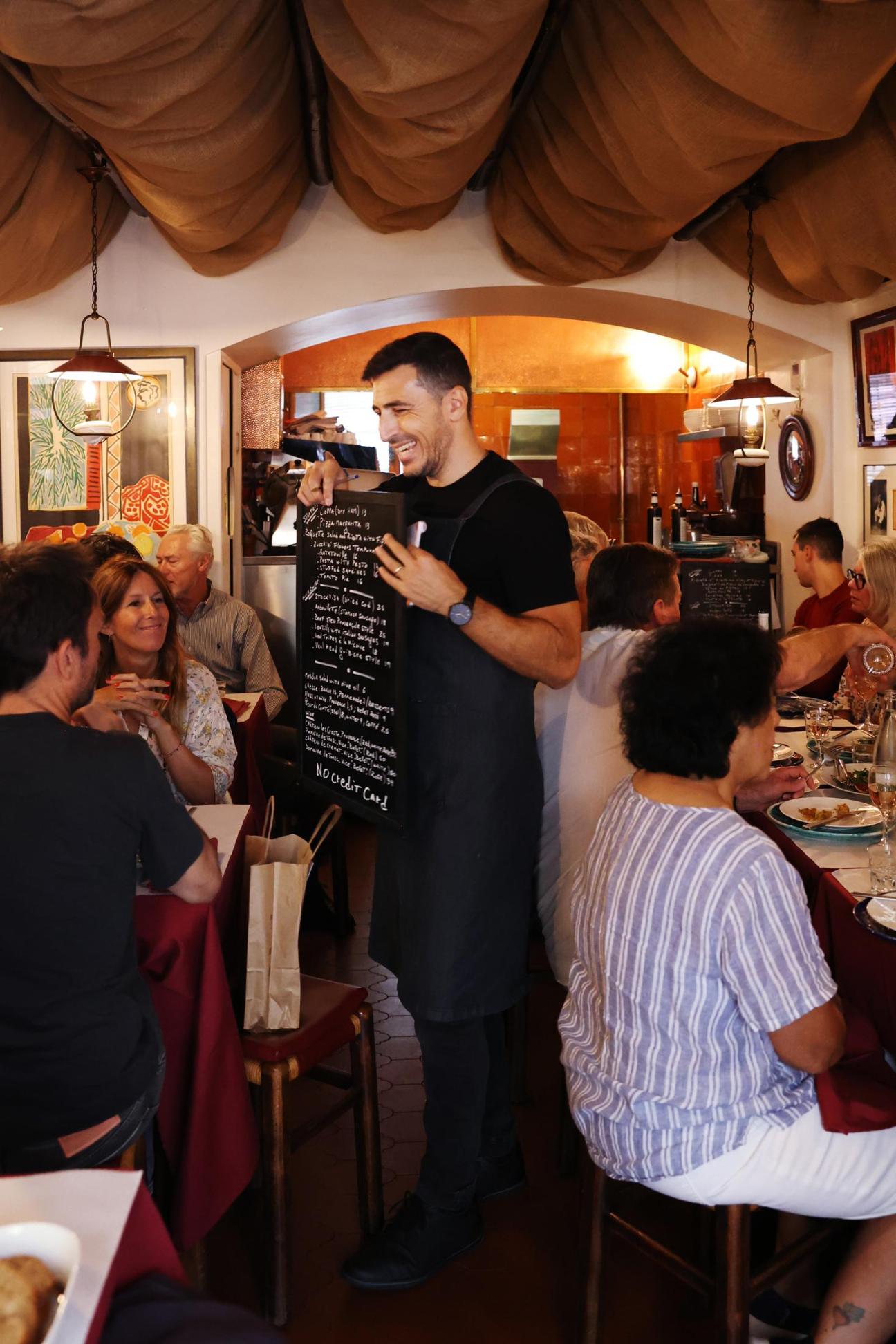
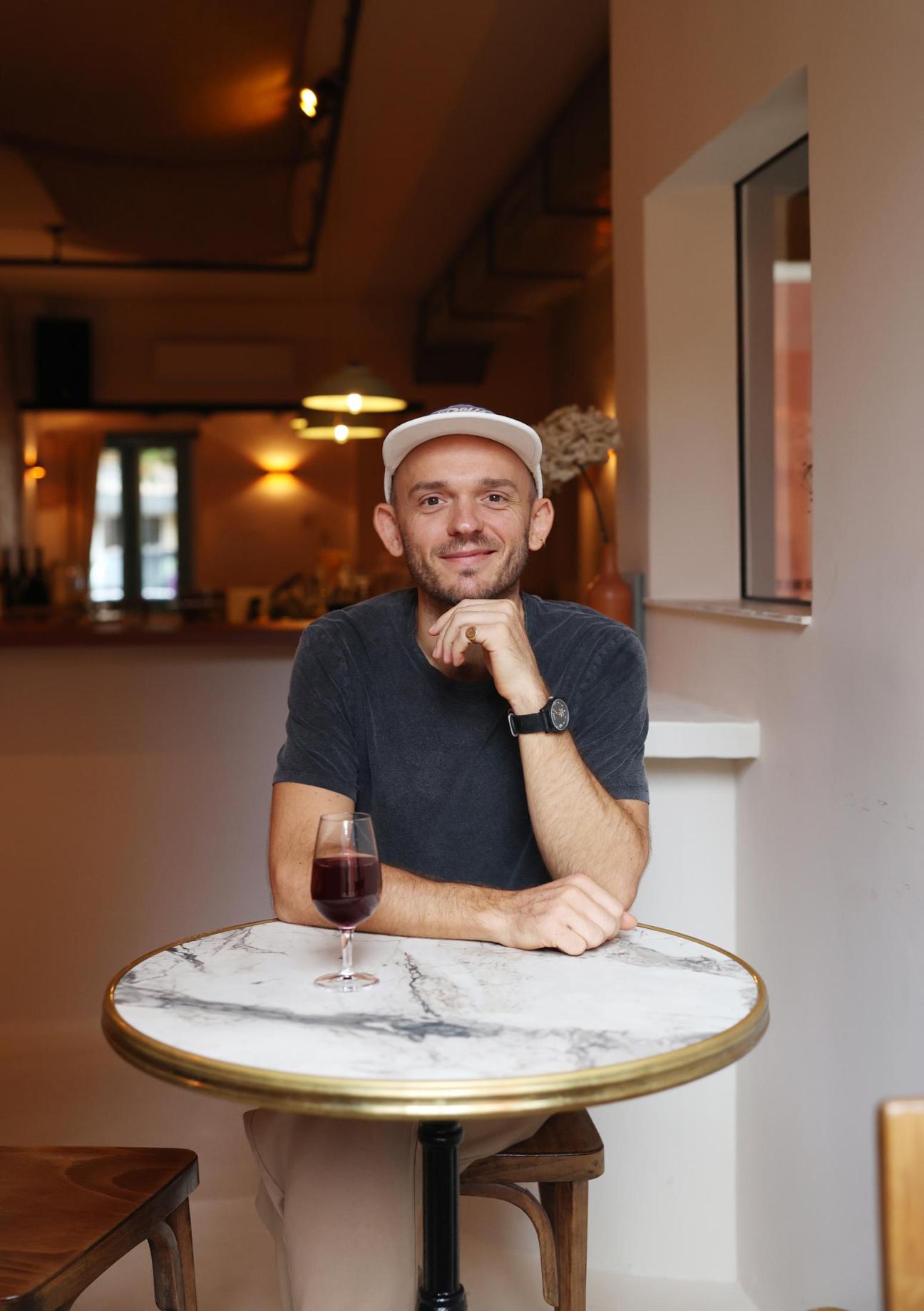
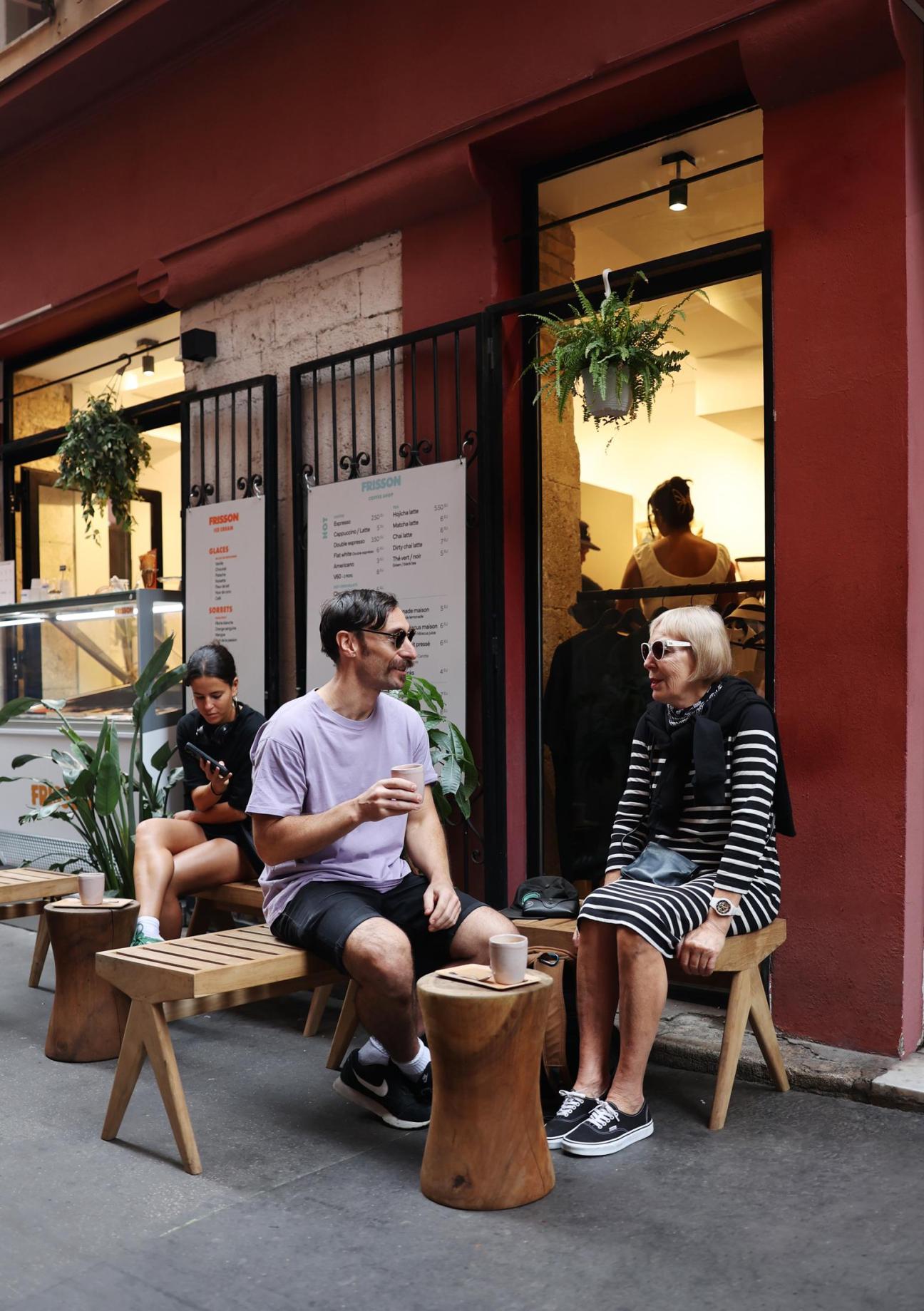
Handsome businesses founded by a new generation of entrepreneurs are springing up across the town. Many of the founders are Nice born and bred; they have sought experience elsewhere only to bring their new skills and knowledge home. Among them is the former beverage manager of Experimental Cocktail Club, Maxime Potfer. His bar, Povera, opened near the old port in July. “Before, there was nothing to do in Nice after midnight,” he says from behind the bar. “For the first time, we have more demand and anticipation than supply.” The result is a welcoming business environment with space for newcomers – from neighbourhood bakery Pompon to Italian-French restaurant Marmar and coffee and ice-cream shop Frisson.

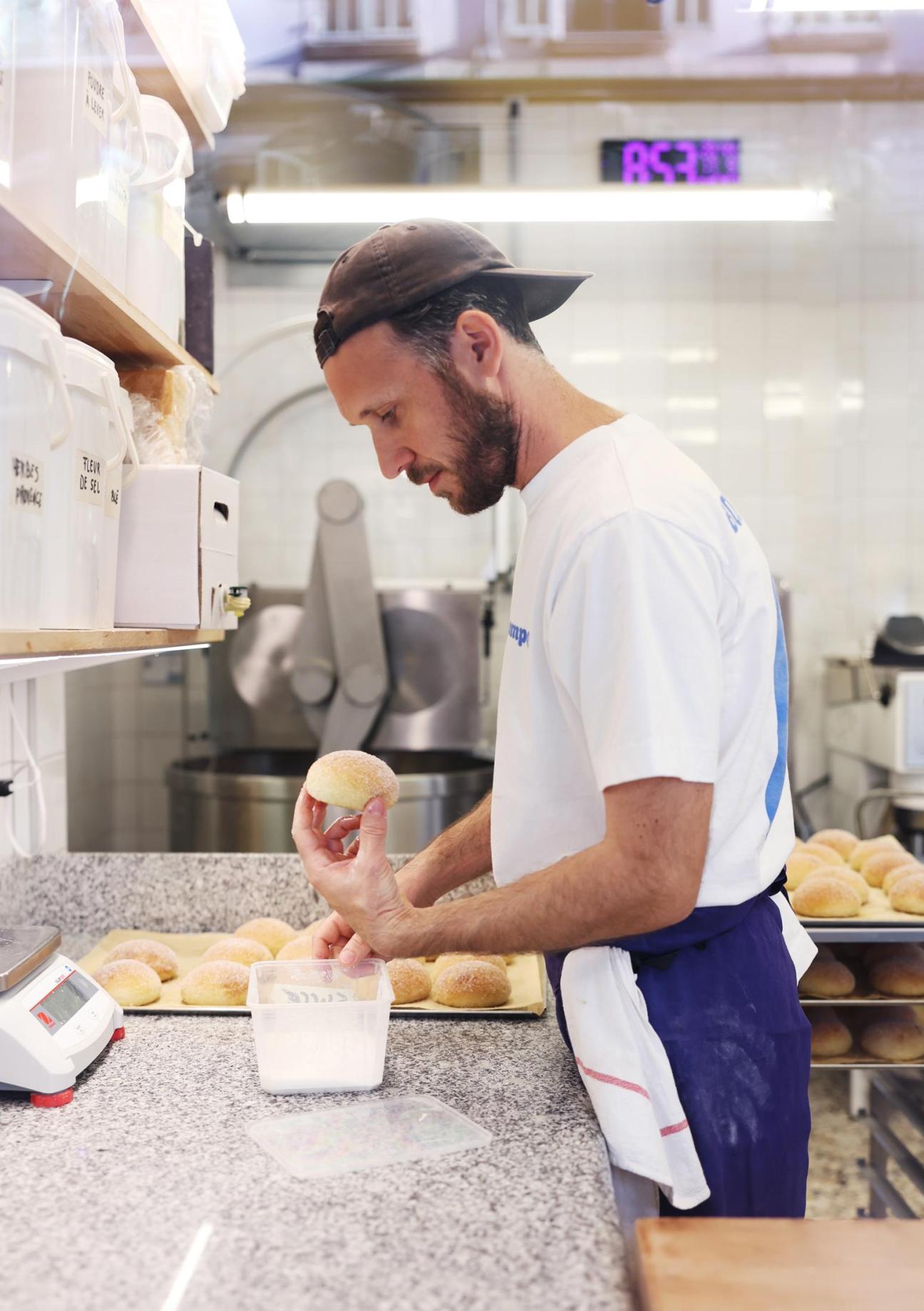

A strong hospitality and retail industry is encouraging other professionals to set up shop here too. Emmanuelle Gillardo spent 25 years in Paris, working in PR. But she believes that now is the time to return to her native Nice. “I noticed that Parisians were being hired to handle PR for southern French hotels and restaurants,” she says. “We need local experts who can create a more authentic and relevant discourse about the city.”
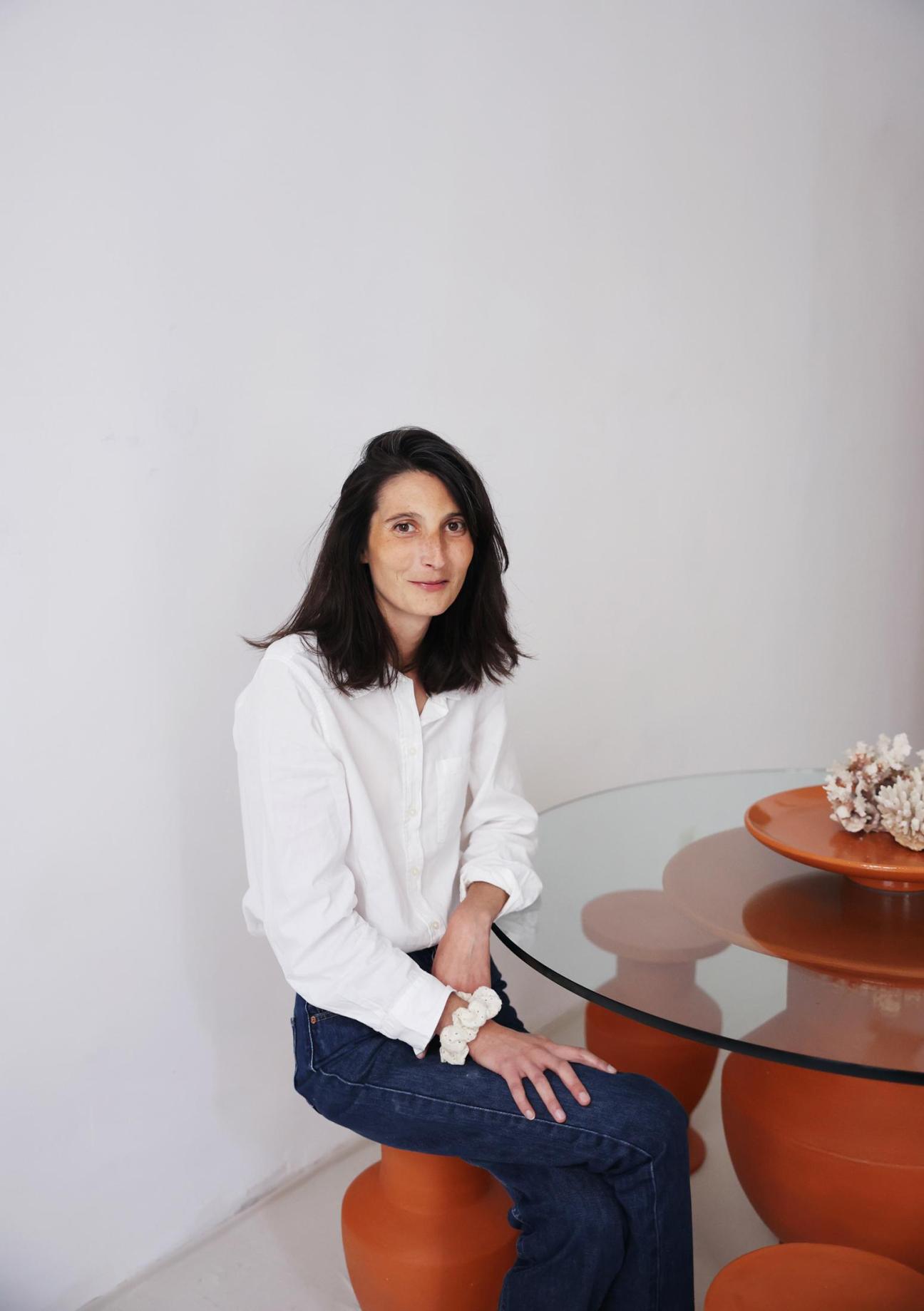
In the same way, hospitality outlets are increasingly calling upon creatives from the Côte d’Azur to infuse their spaces with Mediterranean flair. The recently renovated La Pérouse hotel features antiques curated by Rémi Chiappone of the Cap d’Ail and Paris-based Galerie Astéria. While Paris is still central to their trade, many creatives are turning their backs on the capital in favour of the south. Léa Ginac recently designed a set of wooden stools, tables and marble vases for Paris Charles de Gaulle Airport but Nice, where she has just finished exhibiting at Trésors Publics’ future chambre d’hôte, is home. “I love that there’s the sea, the mountains and the proximity to Italy,” she says. “Nice is so complete. I don’t understand why it hasn’t had this kind of effervescence before.”
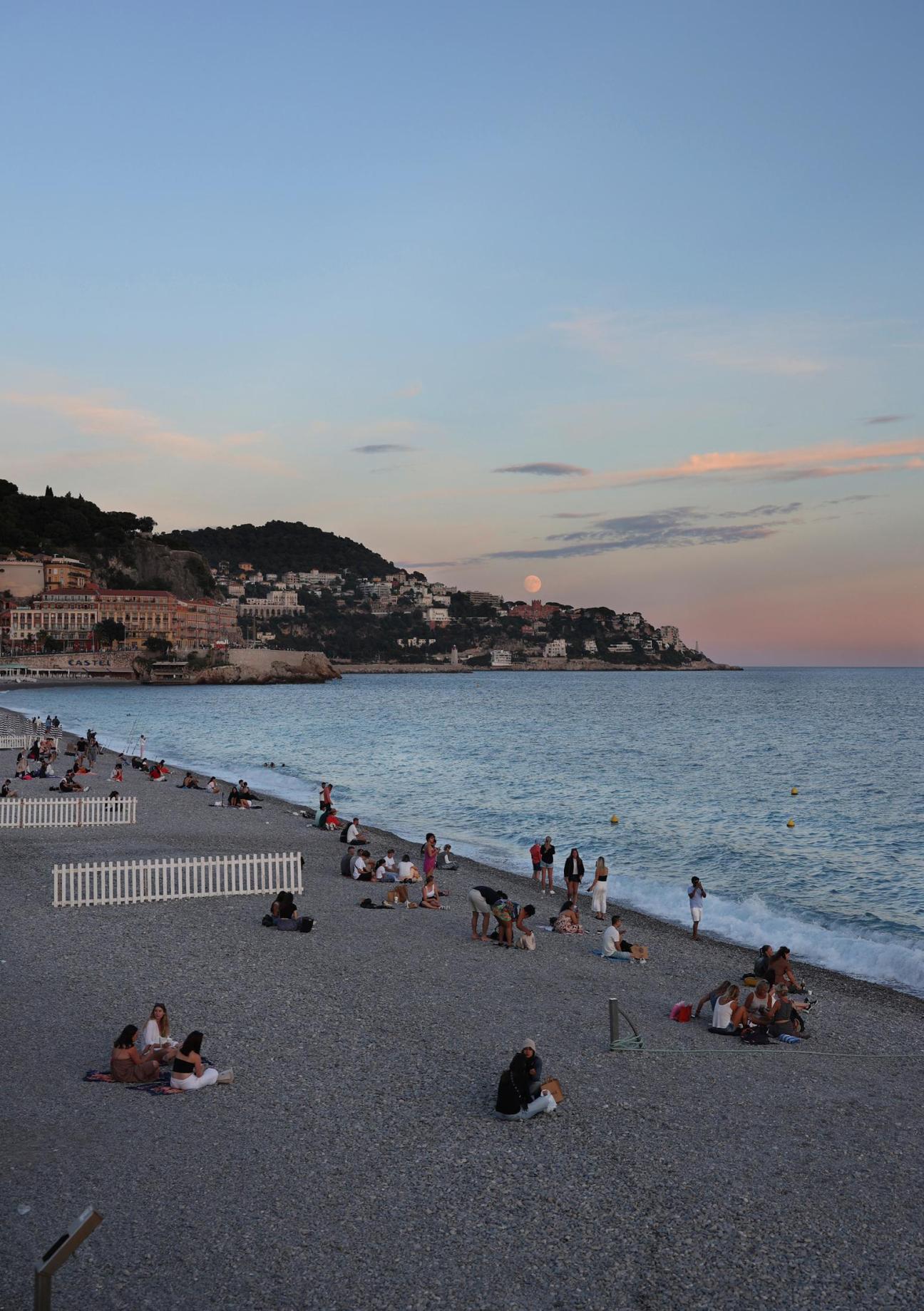
Hospitality
Number of hotels: 202
Number of hotel beds: 10,700
Increase in four and five-star establishments since 2020: 60 per cent
Occupancy rate: 89 per cent in summer 2024
Annual visitors to Nice: 5 million, making it the second most visited city in France
Nice Côte d’Azur Airport
Ranking in France: Second-largest, after Paris Charles de Gaulle
Number of passengers in July and August 2024: 3.46 million
Increase in annual passenger numbers since 2023: 3.7 per cent
Direct destinations in winter 2024: 76
Long-haul flights in winter 2024: 13 to North America and the Gulf countries
02.
New Bahru
Singapore

Though Singaporean retail and dining venue New Bahru opened to the public this summer, the roots of the project go back almost a decade. Hospitality entrepreneur Wee Teng Wen was visiting his wife’s art studio at the site, which sits in a quiet residential area north of the Singapore river. The former high school – a five-storey, C-shaped structure huddled around a courtyard – had been rented out to various tenants over the years but large sections of it, including the high-ceilinged school hall, still preserved some of their original features.
“I fell in love with the building,” says Wee. As he wandered its halls for the first time, he thought that the salmon-hued concrete structure, with its distinctive scalloped roof, could be turned into something remarkable. “When it came up for a master lease tender, we put our heart and soul into winning the bid,” he says.
As the founder of The Lo & Behold Group, Wee has spearheaded some of Singapore’s best bars and restaurants, including Tanjong Beach Club, The Warehouse Hotel and Odette. New Bahru is his most ambitious undertaking yet. It consists of multiple buildings on an indoor-outdoor site across an area of more than 20,000 sq m, with about 40 independent businesses spanning retail, dining and hospitality. (Wee describes it as a “creative cluster”.) There are frequent pop-up events, fairs and art exhibitions here, as well as a pre-school, a plant shop and an 55-key hotel and serviced apartments.
After an extensive renovation of the 83-year-old complex, New Bahru opened in stages. The first weekend of its soft launch provided a sneak peek of the transformation, much to the delight of the residents of the quiet, tree-lined River Valley. “In Singapore, what was really missing was a vibrant neighbourhood that you could spend a day just walking around and exploring,” says Wee.
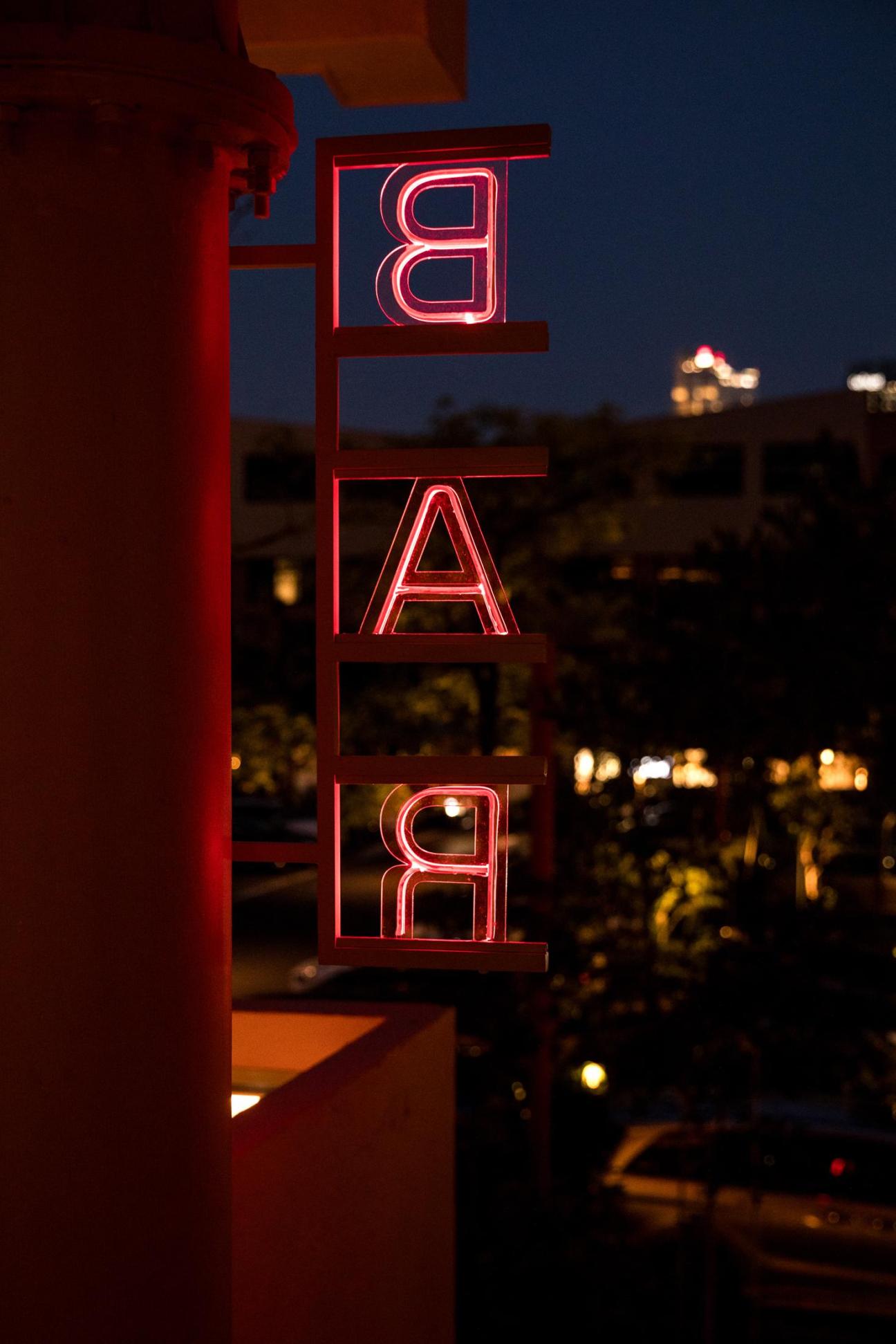
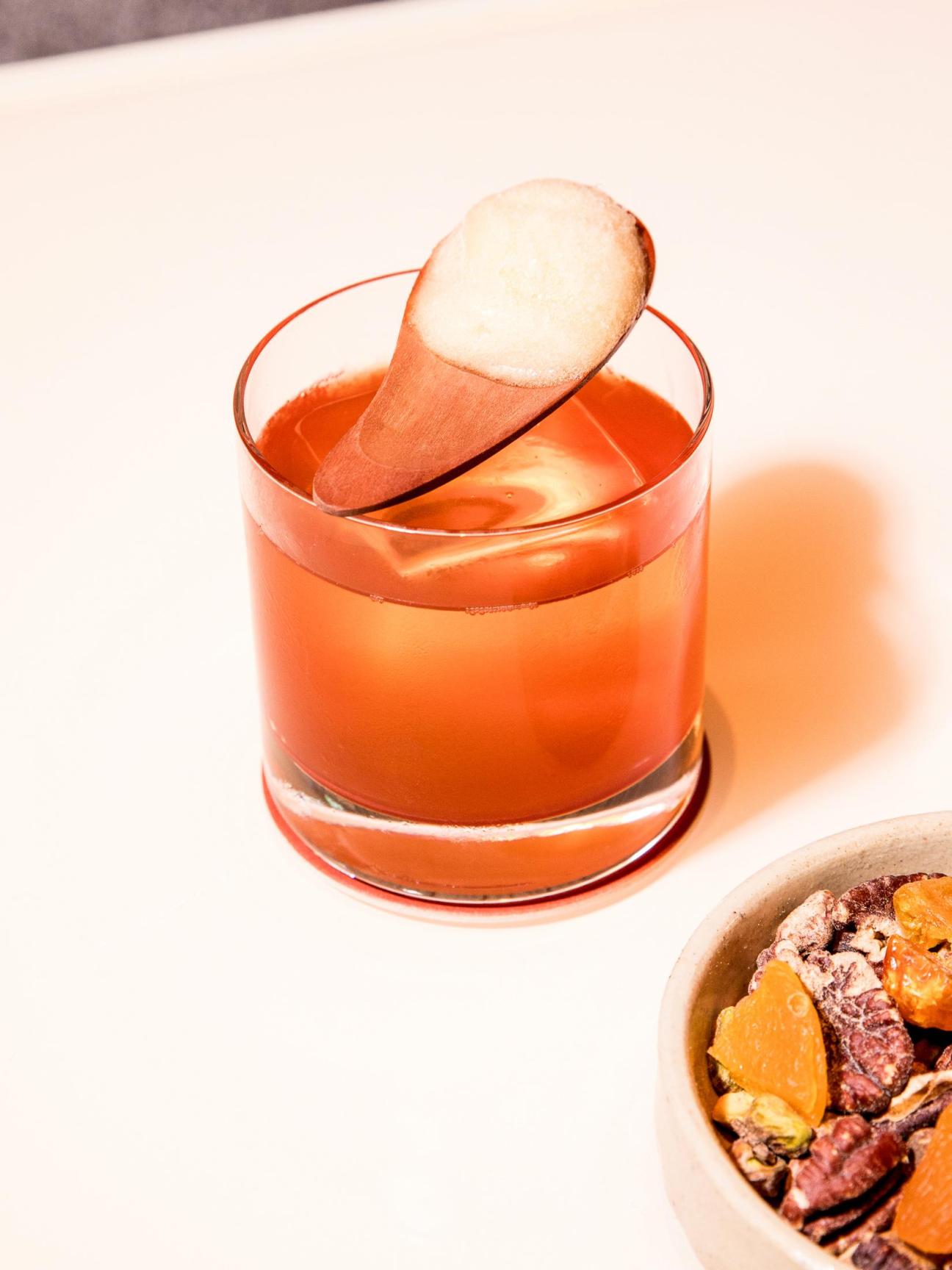
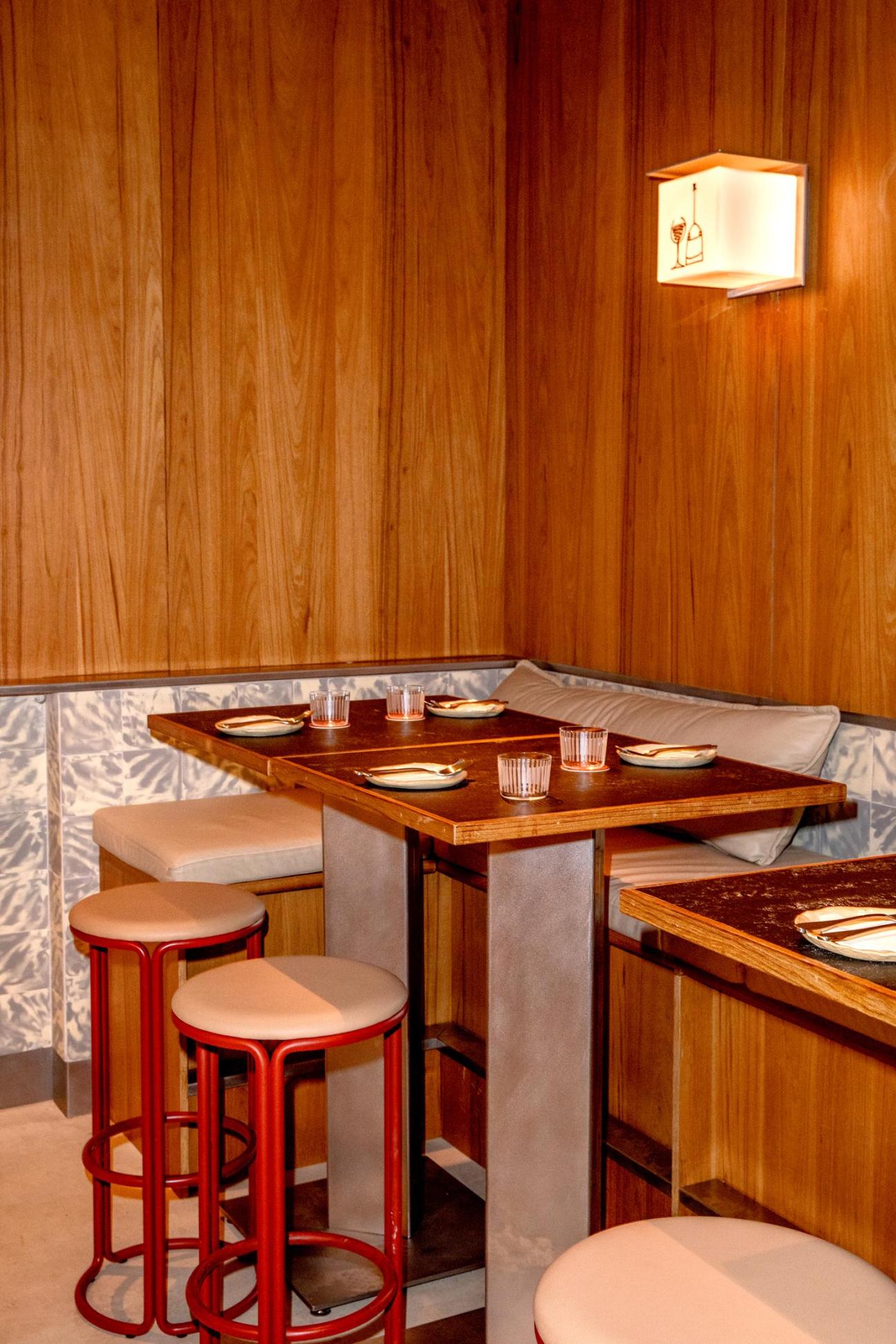
You’ll find restaurants and shops among the area’s high-rise apartment blocks but the closest retail options were previously the glitzy mega-malls of Orchard Road, home to big-name global brands and chain restaurants – with little in the way of exciting independent ventures. By contrast, every business in New Bahru is a homegrown Singaporean brand. The founders can be found in their shops on most days, manning the tills, chatting to customers or helping in the kitchen.
“A lot of people say, ‘I live in that building’, and point over there,” says Keirin Buck, chef-owner of cocktail spot Bar Bon Funk (also part of Lo & Behold), as he gestures towards a nearby residential block from the terrace of the bar. Buck says that he is already welcoming regular customers who live within walking distance of New Bahru. “It’s nice to have people popping in at 22.00 to have a quick drink and then go home.” Wee views his tenants as “co-conspirators” and was careful when it came to who he selected. He sounds more like a fan than a property developer when he says that he wanted to assemble “the most talented entrepreneurs and designers in the country. Singaporean retail brands needed a little bit more visibility.”
He reached out to some directly, while others approached him as word of the project spread. The current list of tenants includes popular e-commerce businesses such as coffee specialist Morning, which decided to make the leap to bricks and mortar for the first time with New Bahru.

“A lot of our customers are design-centric people so it made sense to move here,” says Leon Foo, Morning’s ceo and co-founder. “The tenant mix couldn’t be better here. There are many creatives and we have cool neighbours.”
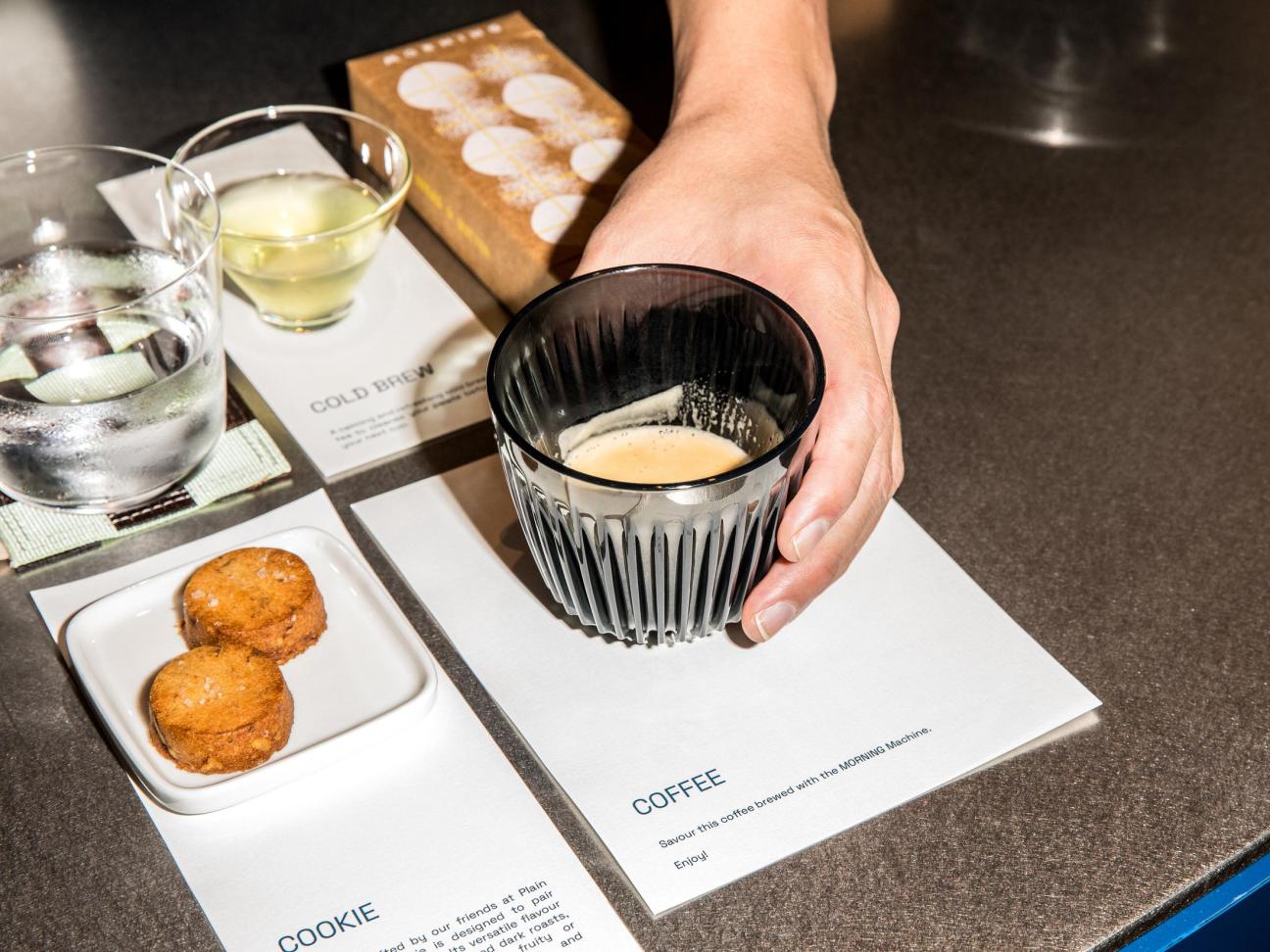
Other brands have expanded their footprint at New Bahru. Design shop Studio Yono, which used to occupy a tiny shared space elsewhere in the city, now has a spacious standalone shop here. The extra space has allowed its owner, Kaïa Nelk, to begin selling furniture.
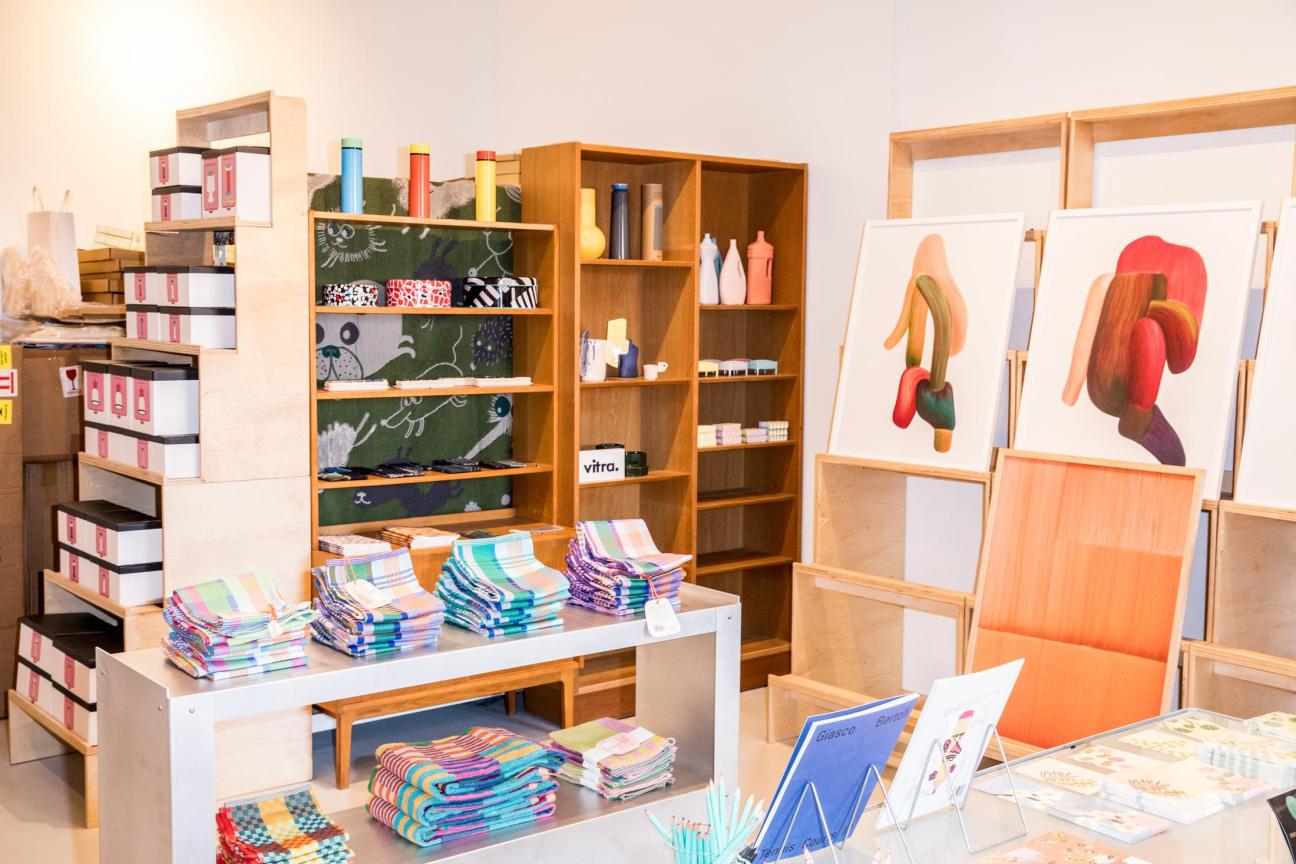
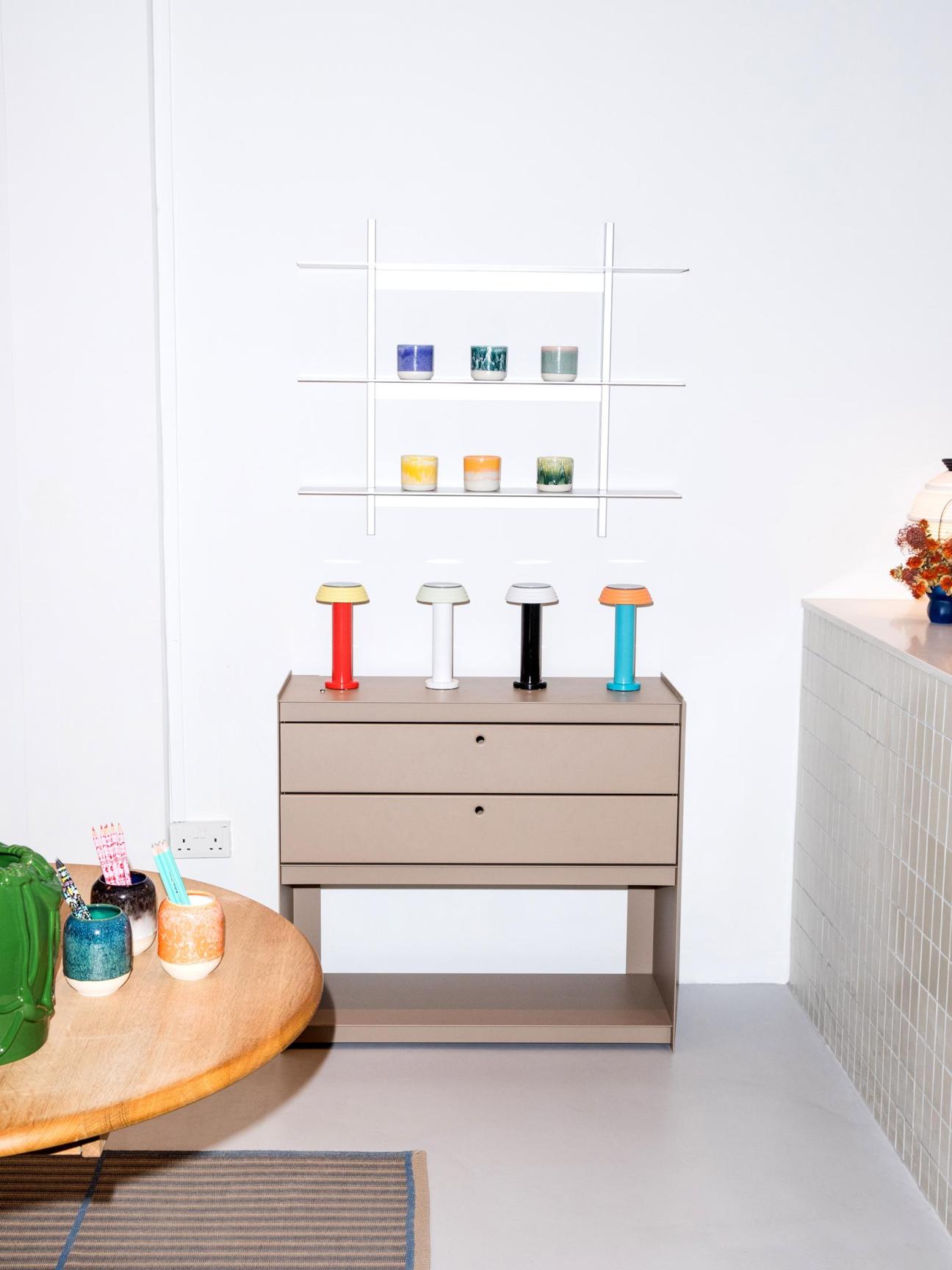
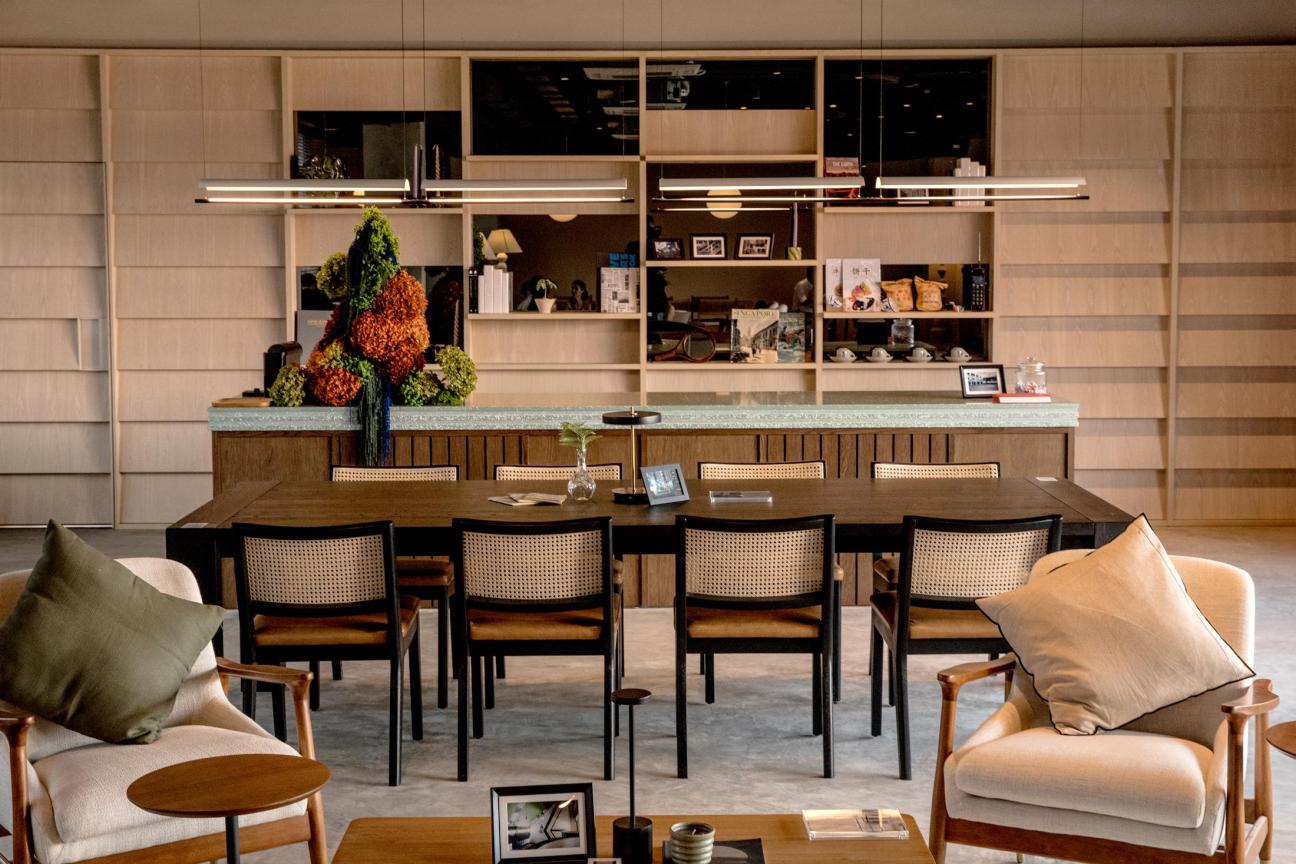
“We paid attention to entrepreneurs who were wildly ambitious, the ones who would be able to create new, exciting and experiential concepts,” says Wee. Many retailers offer in-person workshops and classes that are exclusive to their New Bahru locations. The concentration of talent has led to several collaborations: womenswear brand Rye designed the staff uniforms for Atipico bakery, while Alma House’s serviced apartments are equipped with Morning’s coffee machines.
“This is like a vertical street block,” says Wee, squinting in the sun at the building that he has helped to revive. “If you laid all of this out on one level, you basically have an entire neighbourhood or village.”
newbahru.com
Meet the talent
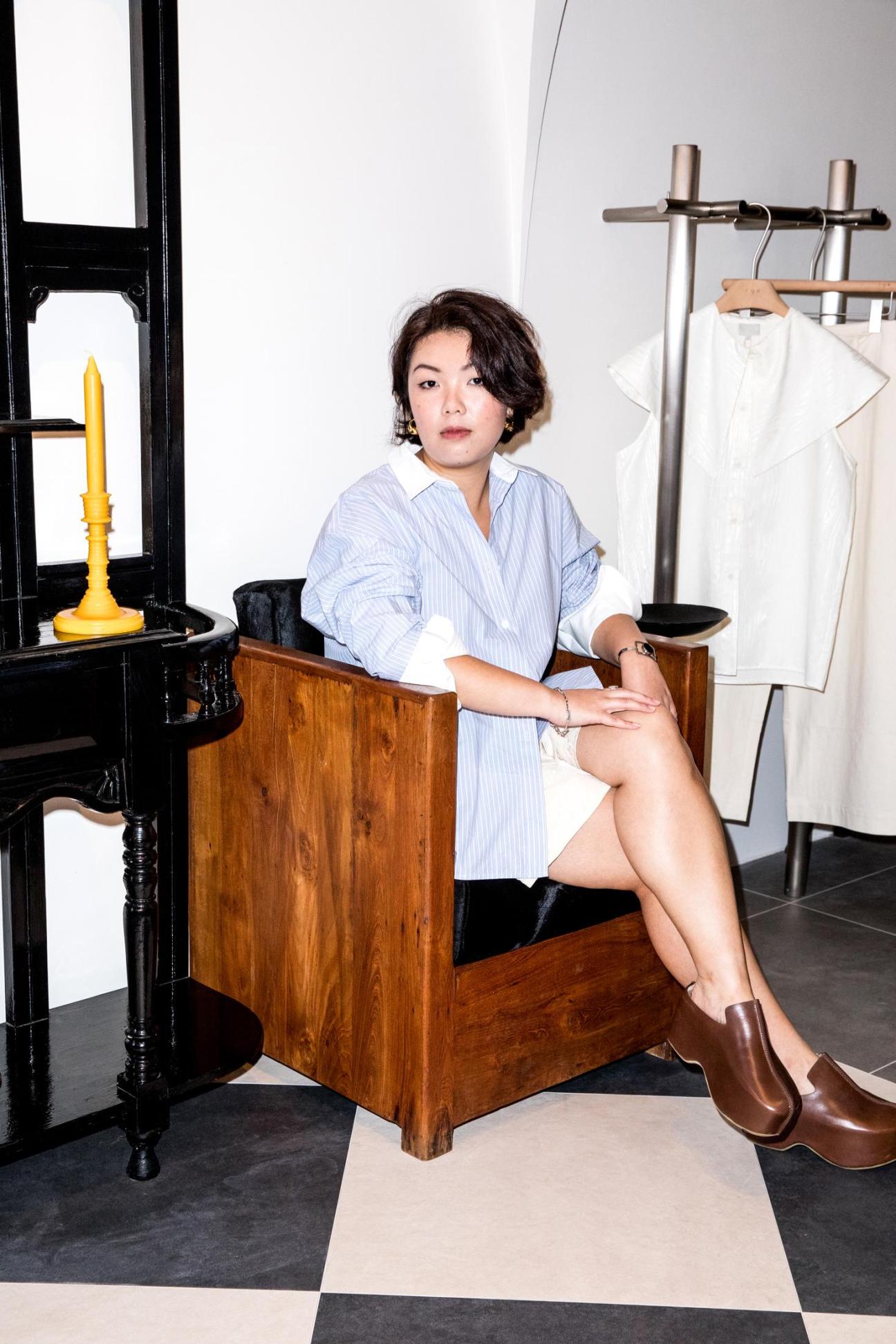
1.
Bessie Ye
Founder, womenswear label Rye
2.
Leon Foo
CEO & co-founder, Morning coffee roasters

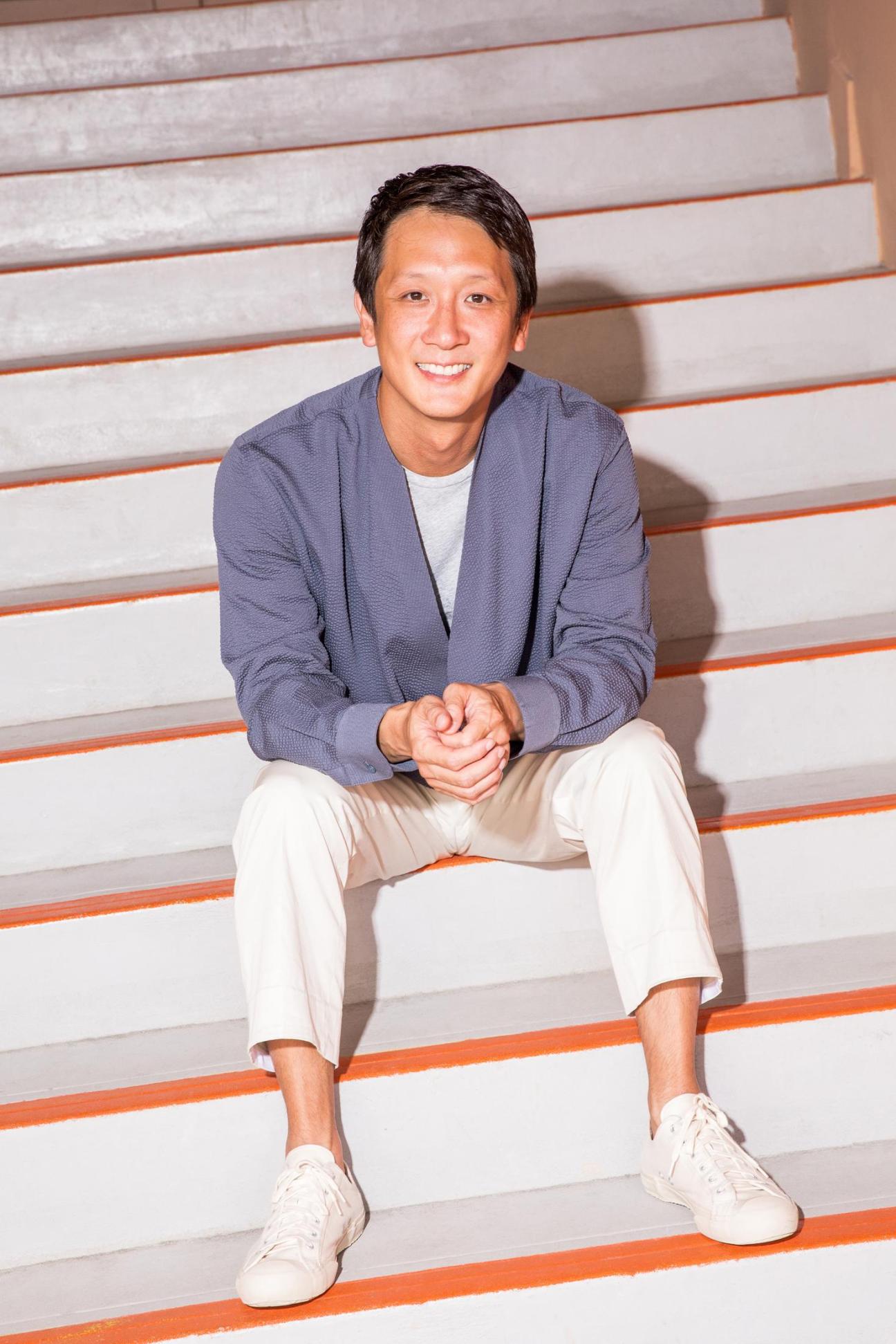
3.
Wee Teng Wen
Founder, The Lo & Behold Group and New Bahru
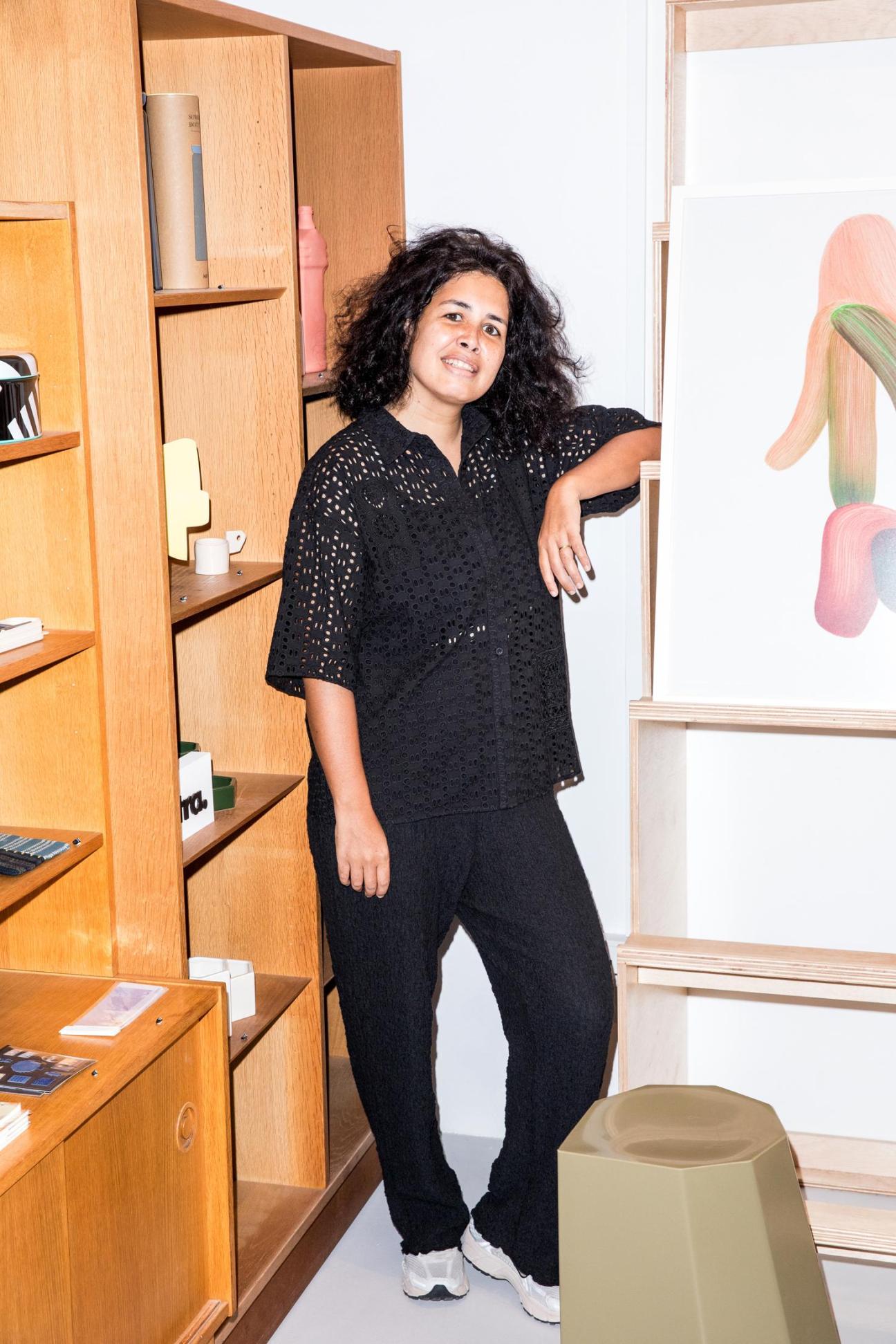
4.
Kaïa Nelk
Founder, design shop Studio Yono
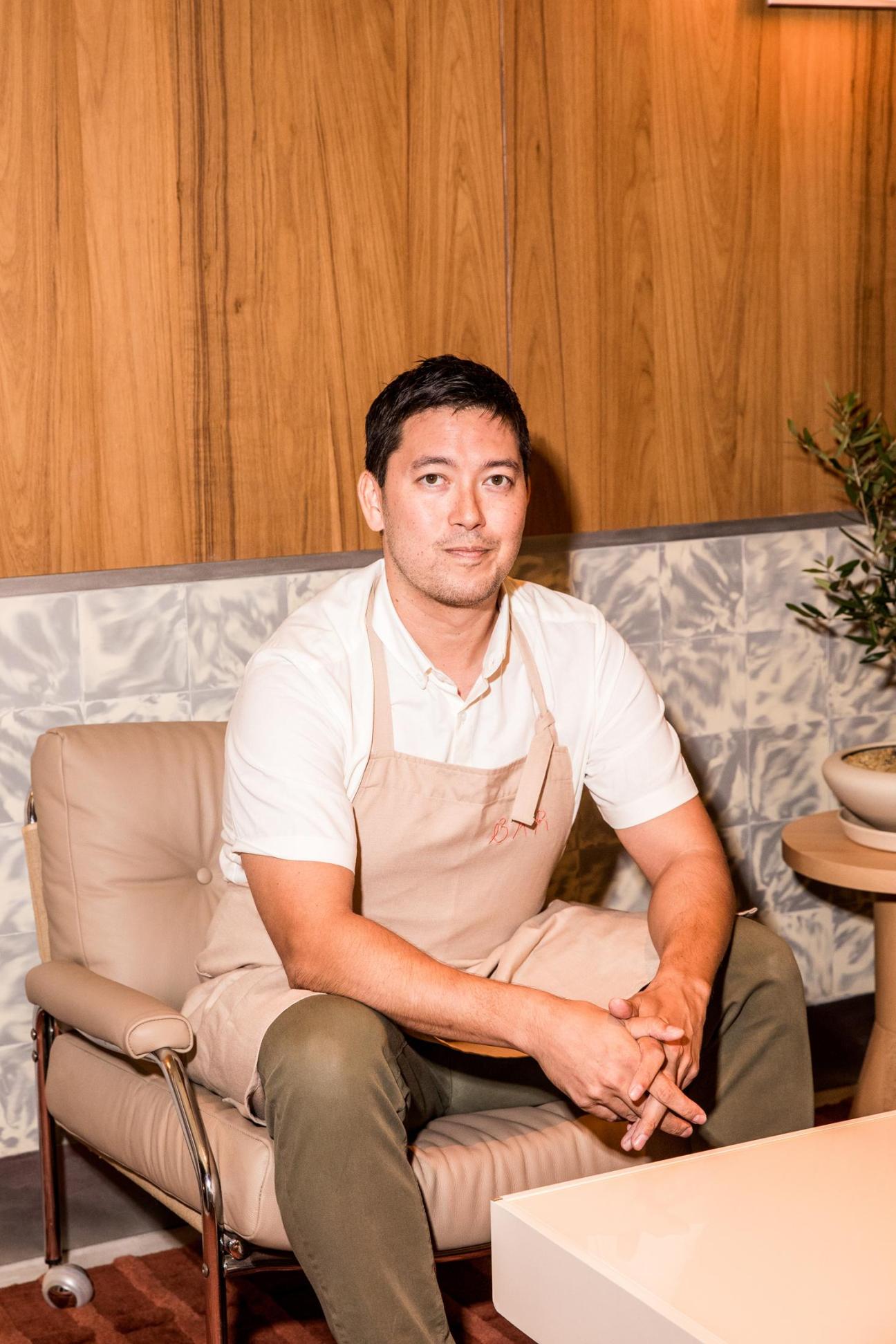
5.
Keirin Buck
Chef-owner, Bar Bon Funk cocktail bar
6.
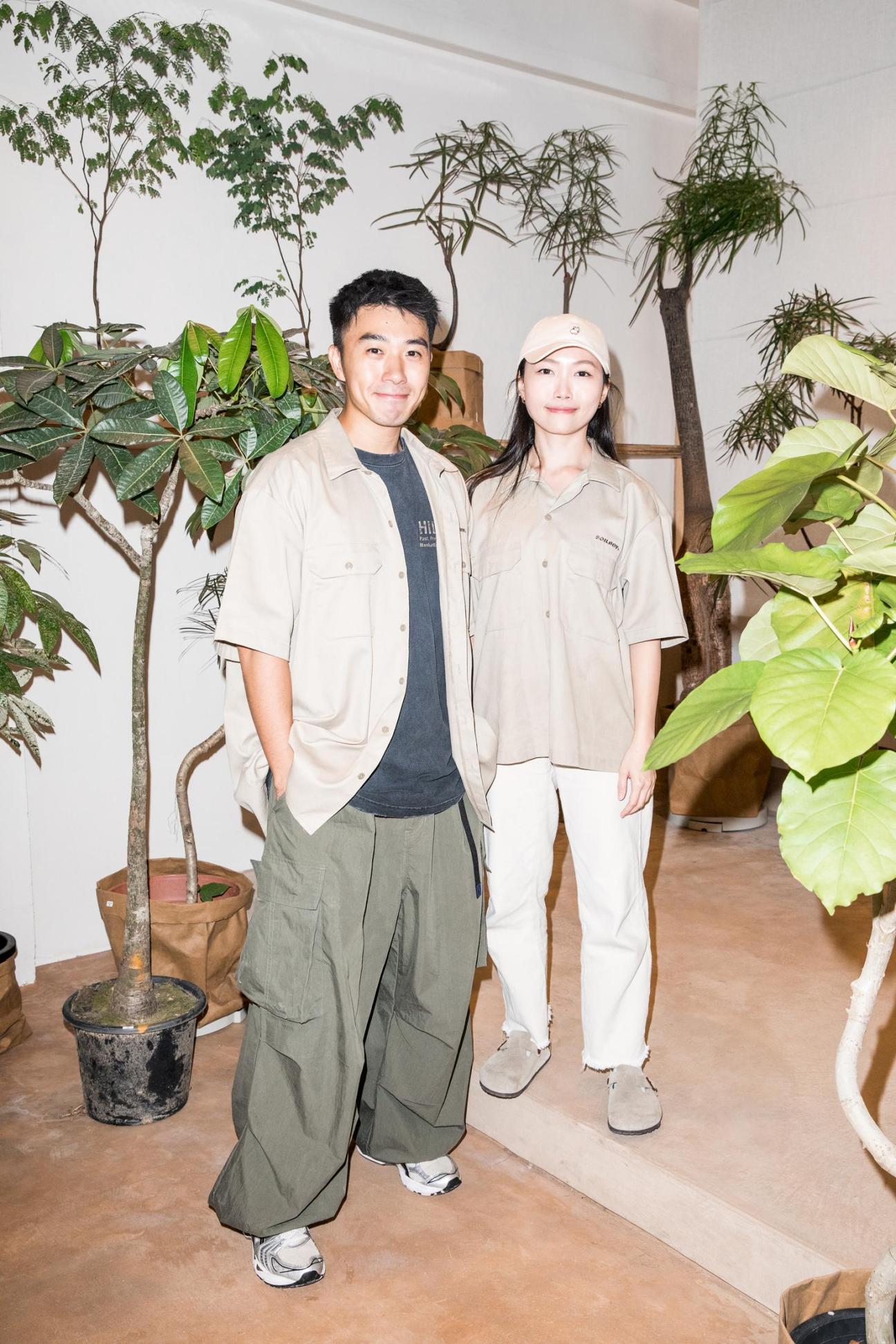
Ivan Woo and Angeline Goh
Co-founders, artisanal plant shop Soilboy
7.
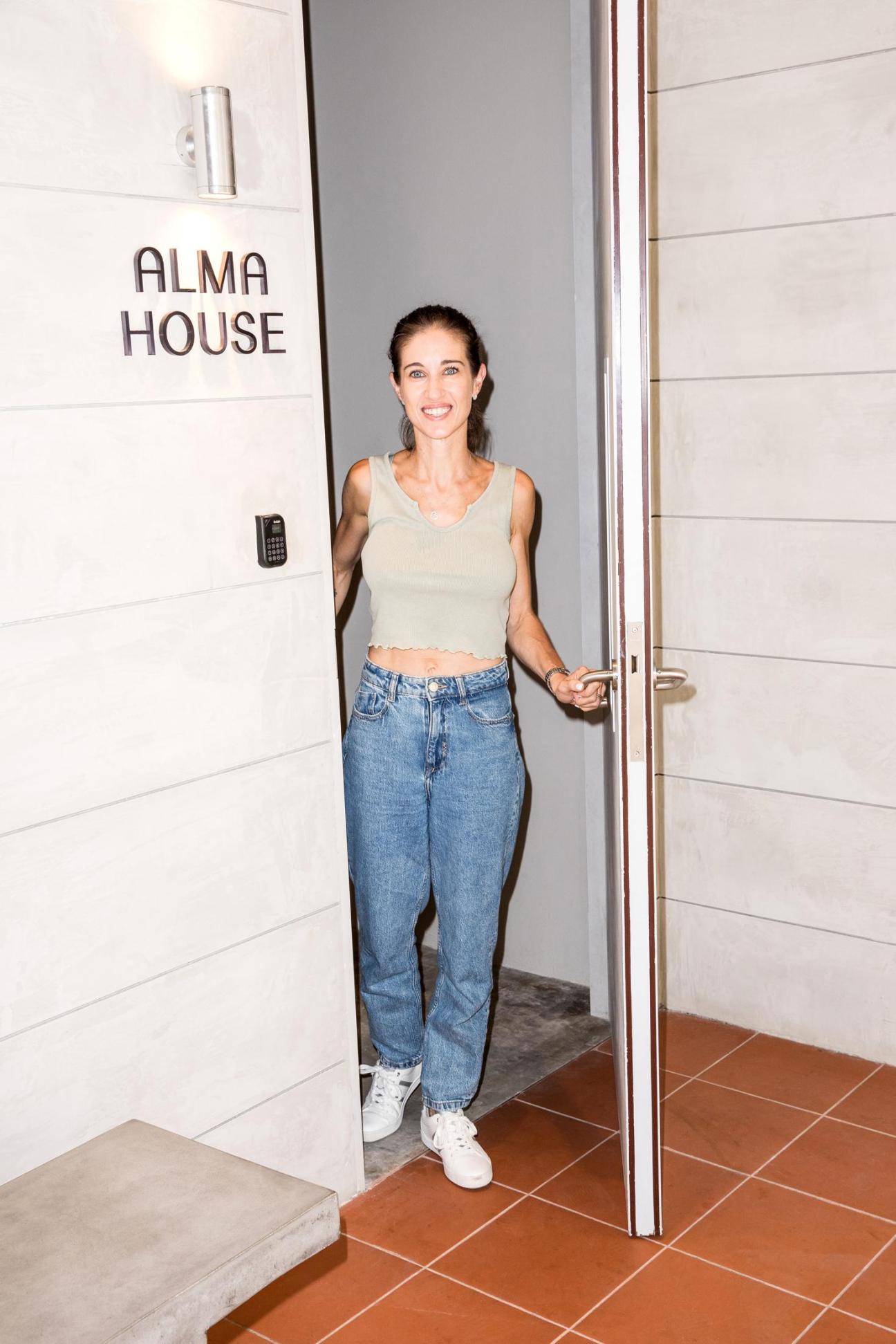
Giselle Makarachvili
General manager, Alma House boutique hotel and serviced apartments

03.
Jacumba Hot Springs
California
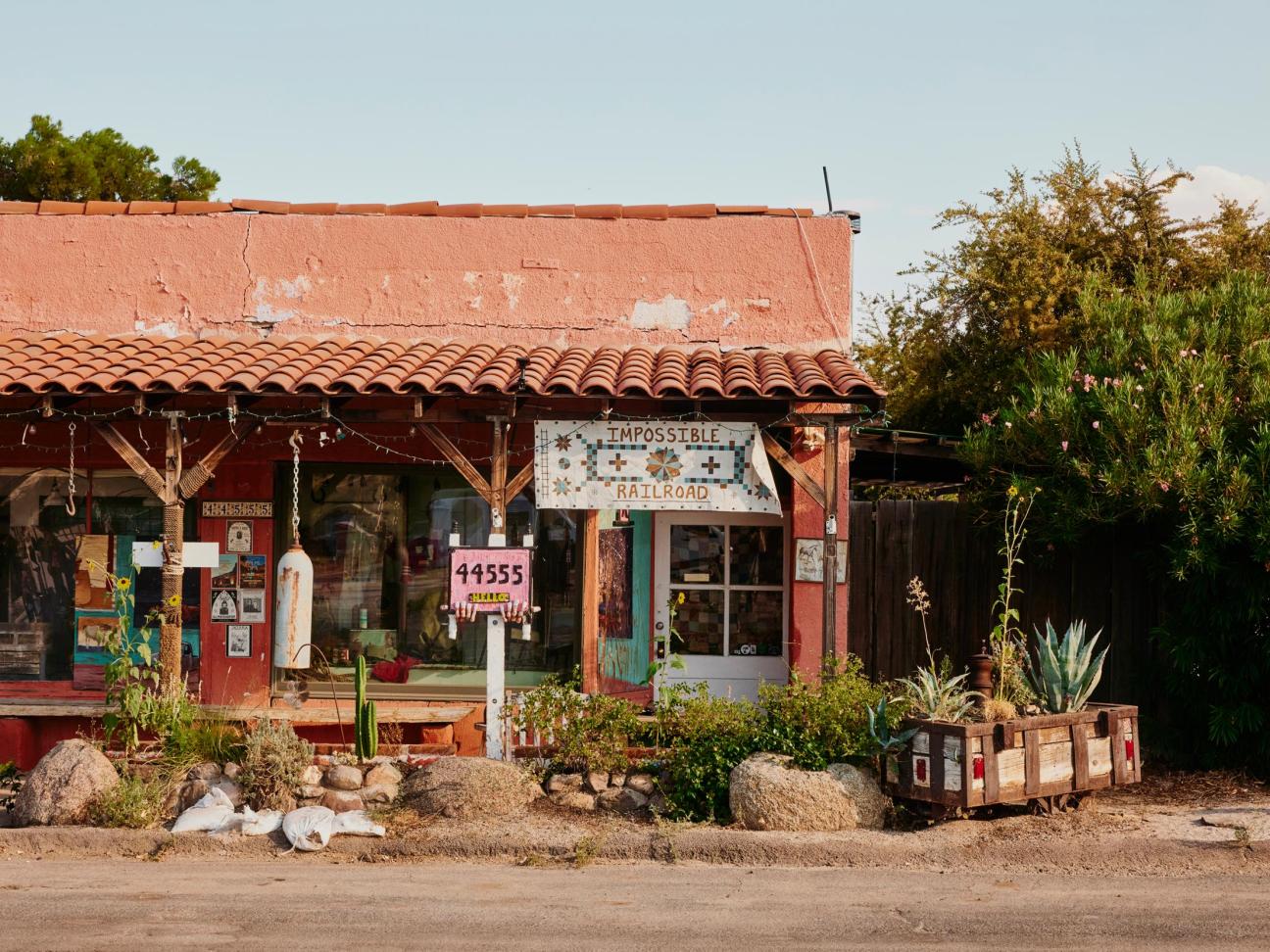
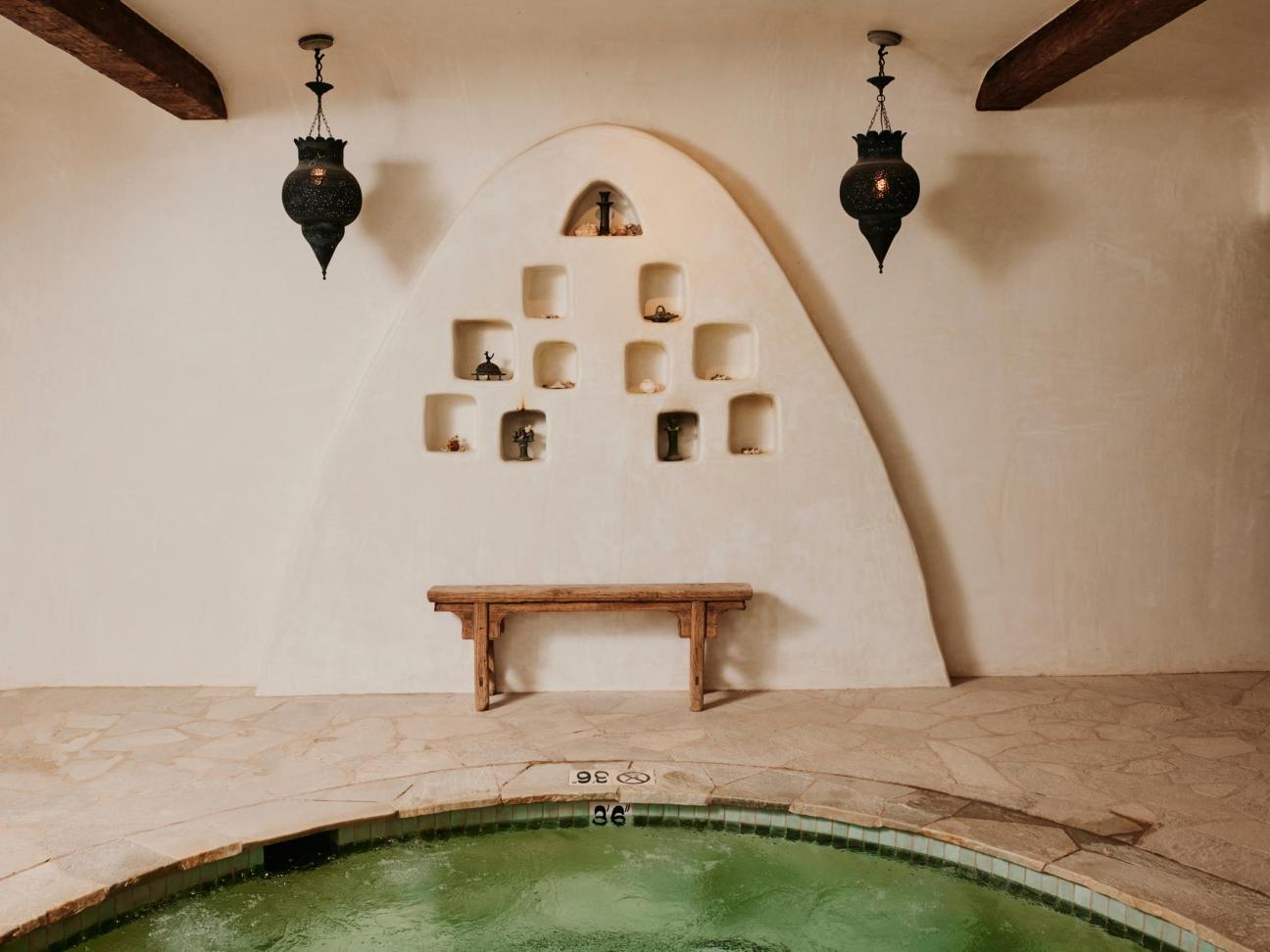
When three entrepreneurs decided to buy the faded Jacumba Hot Springs Hotel in the desert outside San Diego, they didn’t know that the deeds came with a dried-out lake full of old mattresses, a ruined 1920s bathhouse and a row of empty shops on so-called “Main Street”. “We basically bought a town in the middle of nowhere,” says Jeff Osborne, who stumped up much of the initial investment for the property. Since 2020, Osborne has worked with business partners and designers Melissa Strukel and Corbin Winters to restore the hotel, creating a smart bolthole a stone’s throw from the US-Mexican border. The hotel is now attracting new visitors to a dusty corner of California and reviving the area’s past glories.
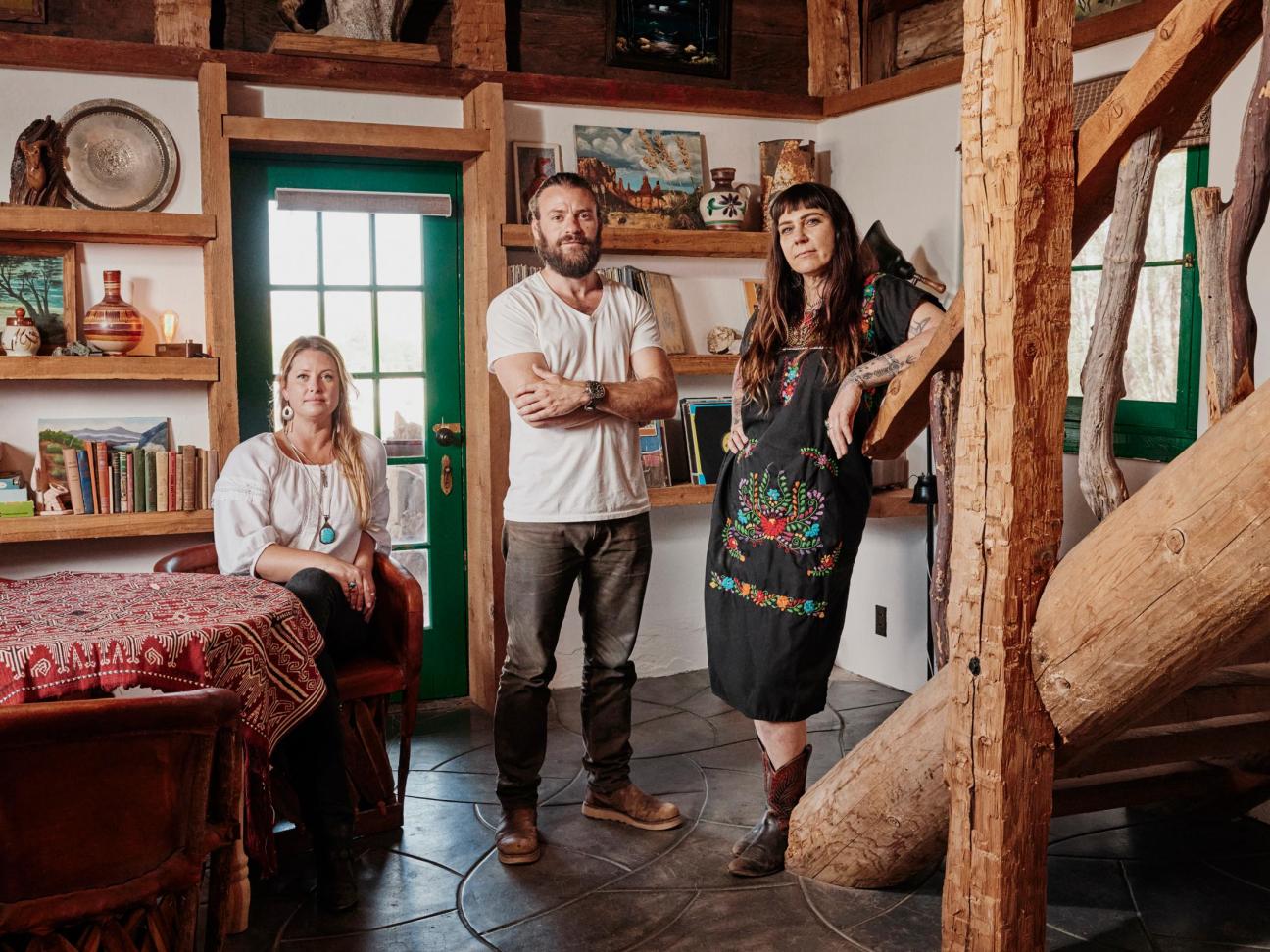
When Jacumba (pronounced ha-koom-bah) was built in the 1920s, it was a roaring stop-off on the route from Arizona to California – a competitor to Palm Springs with four-storey hotels and supposedly healing hot springs that bubbled up from beneath the sand. But when a highway was built that circumvented the town in the late 1960s, it began to wither. A series of fires tore through much of its old landmark buildings and, as the decades passed, many families packed up and left. By 2020, when the entrepreneurs first arrived, only the 1950s-built Hot Springs Hotel and a liquor shop were still in business. Aside from visits by a few hippies and ufo-seekers (most people in Jacumba seem to have at least one sighting story), the old tourist trade wilted in the hot desert sun.
The hotel’s previous owners – a nudist couple with a reputation for throwing raucous parties – had kept the place going but it was in desperate need of renovation. Strukel was on a roadtrip at the start of the coronavirus pandemic and passed through Jacumba; she says that she immediately felt a connection to the place. When the hotel serendipitously came up for sale months later, the three entrepreneurs jumped at the opportunity to buy it. Then they moved out to the desert and set to work.
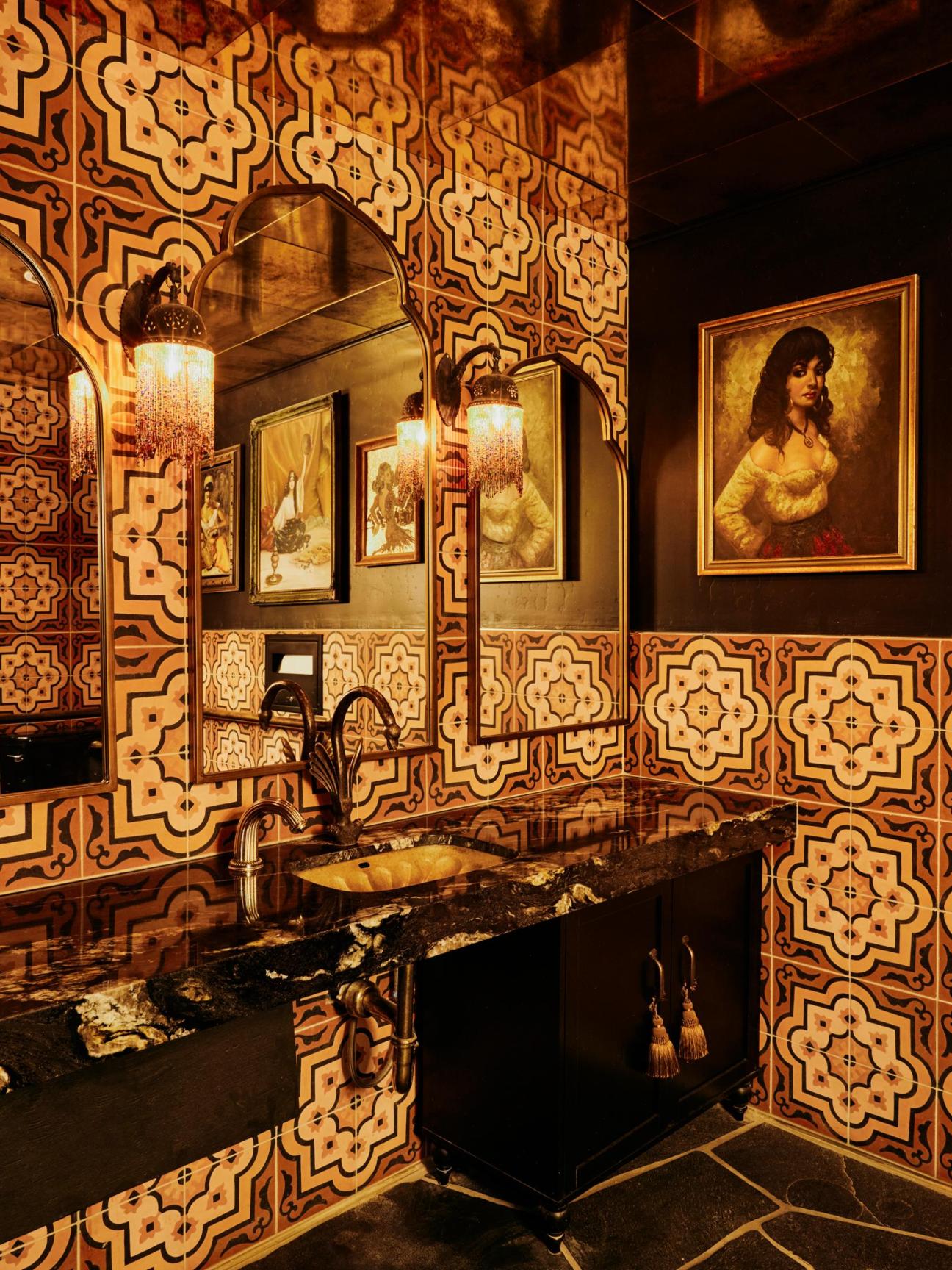
“Melissa and I hand-drafted every aspect of this property,” says Winters, unfurling the original pencil drawings in an office that was once an abandoned petrol station. Prior to moving here, the two designers had renovated a hotel in San Diego. “Even when you are your own client, you still lie awake at night questioning your decisions,” says Winters. “I would have a knot in my stomach before things were installed.”
The result of their efforts is a pueblo- style lodging with hand-moulded walls and hints of the high desert dwellings found in New Mexico. There are homely tiled floors in the bedrooms and an extraordinary attention to detail throughout, from the artful, Moroccan-inspired lights to a thoughtful selection of art and books that detail Jacumba’s story in every room. On a hillside just beyond the site, the group has kitted out an eight-bed lodge that has boulders in the back garden and striking views looking out to Mexico. It is already being hired out for retreats.
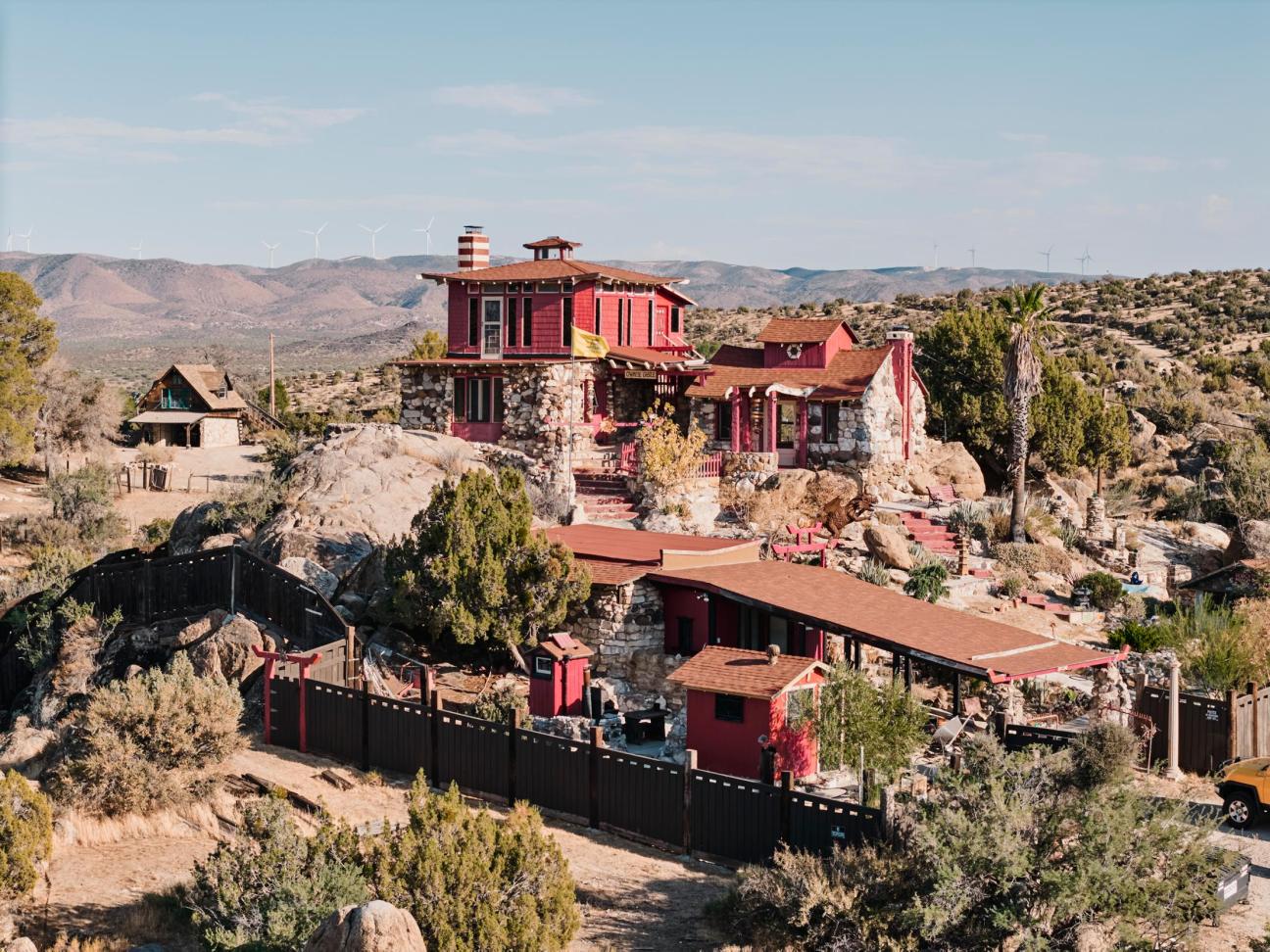
On the Sunday evening that monocle visits Jacumba, Clinton Davis, a fiddle player based in San Diego, is belting out cowboy tunes in the restaurant’s courtyard. Tables are laid under Afghan pine trees and residents of the area dine on rustic cross-border cuisine by candlelight alongside hotel guests. The weekend has been filled with DJ sets and open-air performances in the old bathhouse and, as the sun sets over ashen mountains, a few guests are having their last, slightly sulphurous dip of the evening in the mineral pools. These are fed by the underground hot springs, which are partly filtered in the town’s restored lake. It was cleaned up by the entrepreneurs, who had 75 native palm trees planted all around it. Idyllic at sunset, the lake has been a hit with the townspeople. Tim Burnett has lived here for most of his life and says that he previously couldn’t sit out on his porch because of the mosquitoes that would come from the once-stagnant water. “The phoenix has risen from the ashes with this place,” says Burnett.
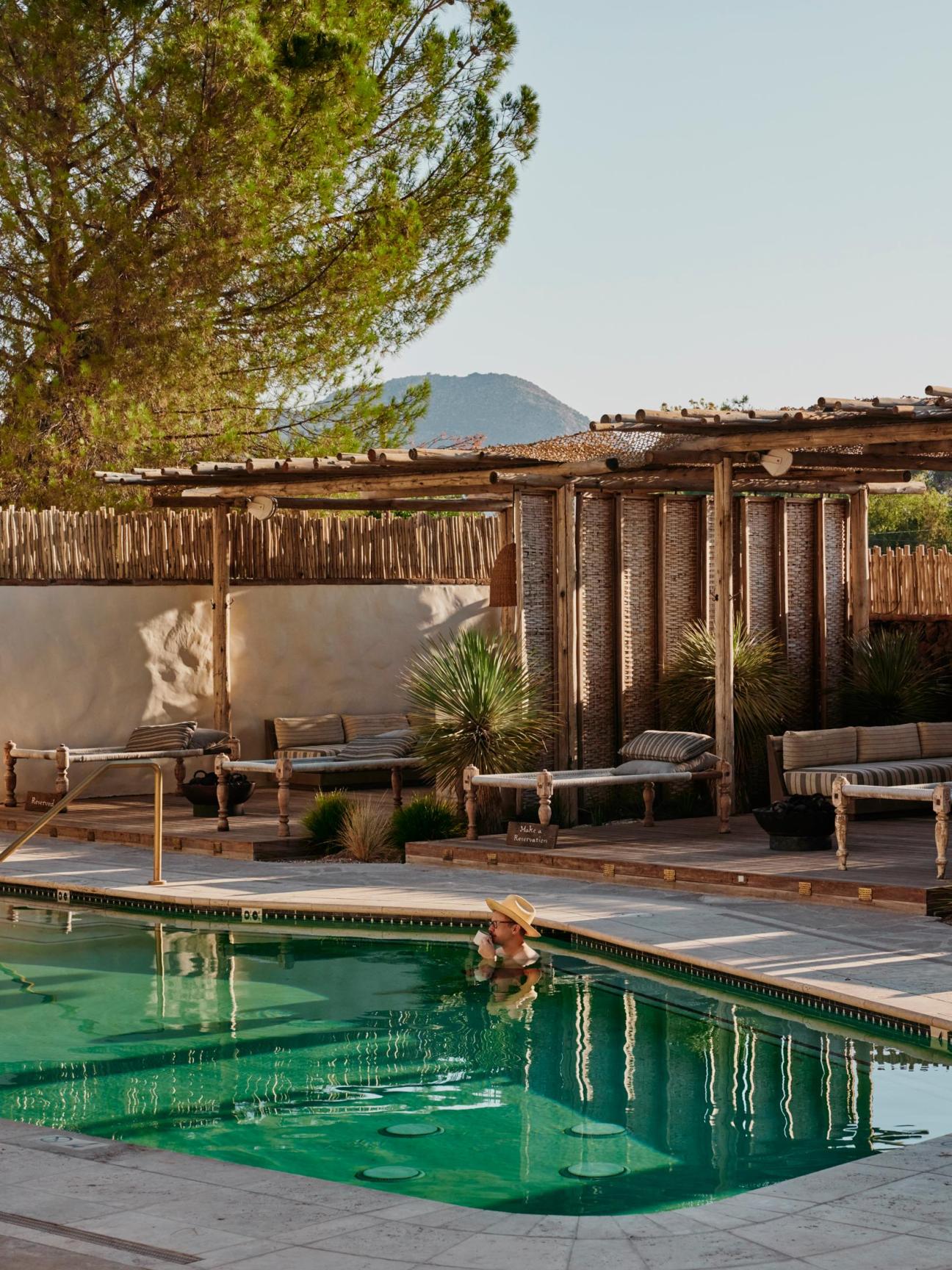
The restored hotel and restaurant has brought some 60 jobs to the area, which has helped the three entrepreneurs to win over Jacumba’s residents, despite some initial wariness about “LA hipsters”. The team is hiring young people who wait tables in 10-gallon hats, while some among the check-in staff have been enticed to decamp here from nearby cities to greet guests in a charming trailer parked out front.
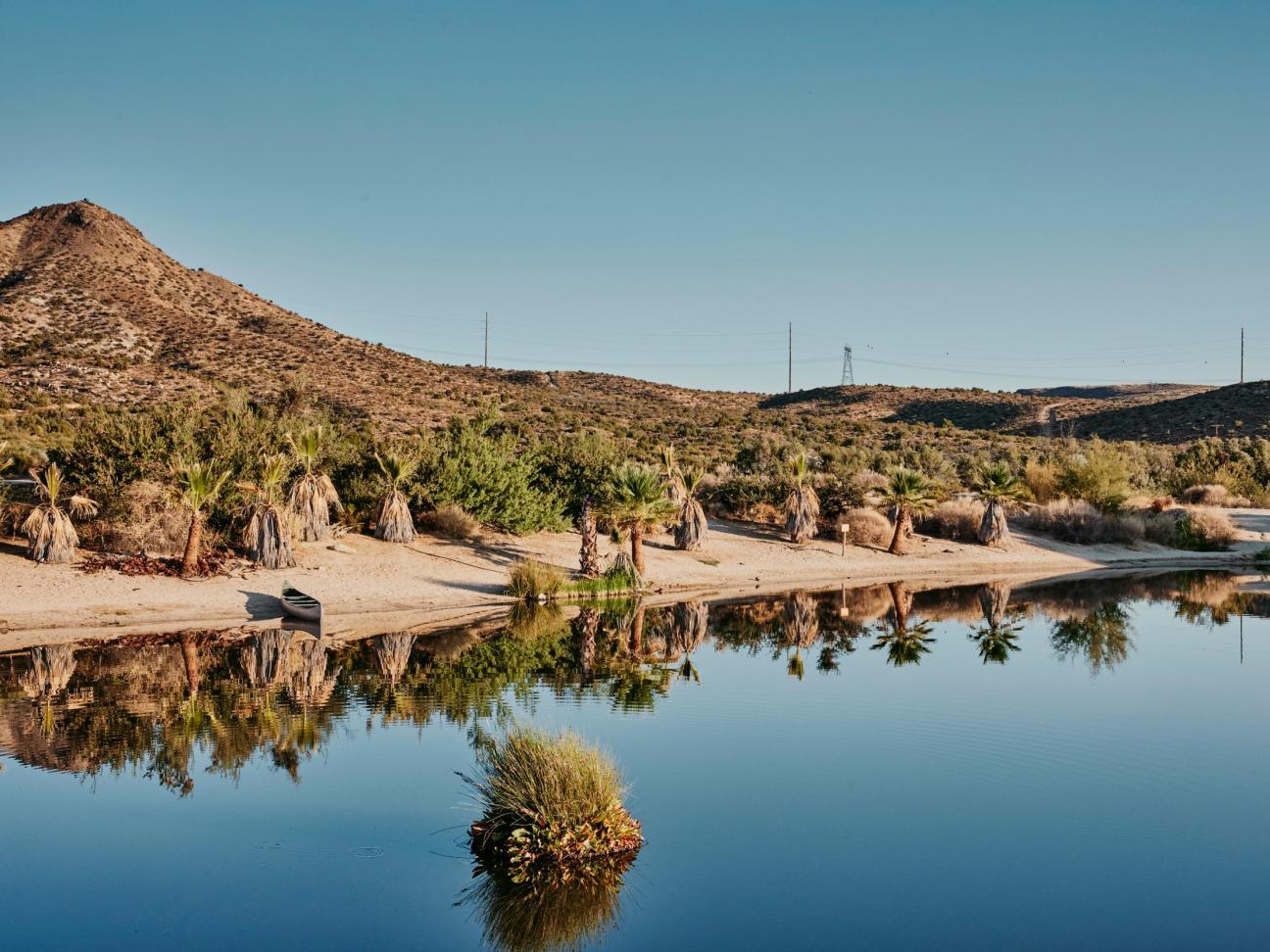

Even the nearby airstrip has had an uptick in arrivals. “We have prop planes landing here from Van Nuys Airport with Hollywood types; some are coming for the weekend, others just for lunch,” says the hangar’s owner, Roman Wrosz, who now takes hotel guests up for aerial tours and loop-the-loops in his glider.
The entrepreneurs are clear that the road to reviving Jacumba will be long and not without challenges. Occupancy levels have been good but they need to maintain momentum. The next step, they believe, is to find tenants for the shops on Main Street; they would ideally like a small grocery store that can sell fresh produce. “Whoever opens up here has to live here too,” says Strukel. “A lot of people need things wrapped up with a pretty bow before they can see the vision. But before any of this was done, we saw it immediately.”
jacumba.com